Skip to content


A promotional bag project can look straightforward when it begins with a logo, a quantity, and an event date. In reality, every finished piece depends on dozens of connected decisions: fabric weight, bag dimensions, handle construction, zipper quality, print method, artwork position, packaging, production quantity, inspection standards, carton volume, and international shipping. A small specification change that seems harmless during quotation can later affect unit cost, minimum quantity, production time, or whether the finished order reaches the client before the campaign begins.
Custom bag manufacturing works best when promotional companies manage the project in six connected stages: choose a bag that fits the campaign, match the material to the budget and intended use, select a compatible logo process, approve a physical sample, confirm MOQ and production timing, and control bulk quality through final delivery. Each stage should be documented before the next stage begins so that pricing, production, and approval are based on the same specification.
Imagine a 5,000-piece conference tote scheduled for a fixed October event. The client requests a heavier fabric after seeing the first sample, then changes a printed logo to embroidery, and finally asks for individual retail packaging. None of those changes is unreasonable, but together they can alter material consumption, sewing time, branding cost, carton volume, freight cost, and the latest safe production date. Successful promotional programs are not built by avoiding changes altogether; they are built by understanding what each change affects before the order reaches bulk production.
What Bags Work Best for Promotions?
The best promotional bag matches the campaign purpose, recipient, budget, branding area, expected carrying load, reuse frequency, and required delivery schedule. Tote bags and drawstring bags work well for high-volume events, while backpacks, cooler bags, travel bags, and structured pouches make more sense when longer-term use and higher perceived value matter. Product selection should begin with the recipient’s real use rather than the lowest available unit price.
Bag Type and Campaign Use
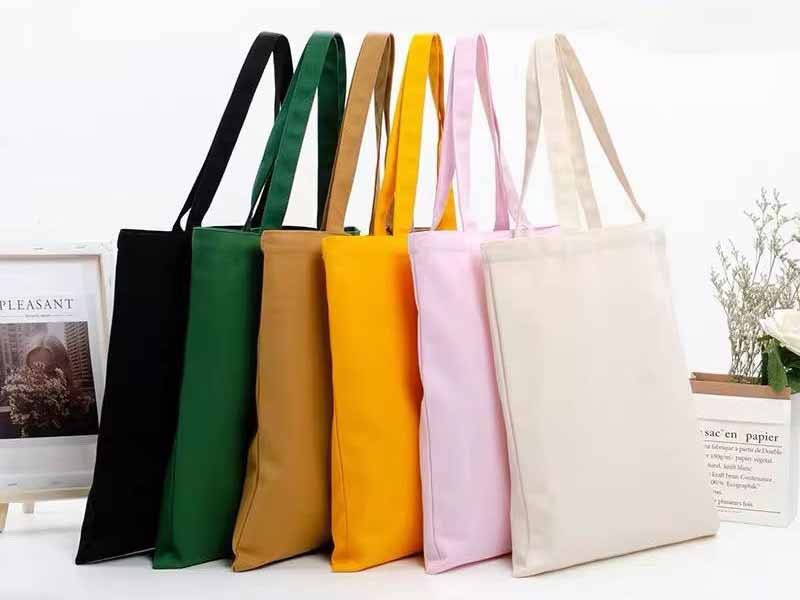
Tote bags remain one of the most flexible promotional formats because the construction can range from an economical flat giveaway bag to a heavy canvas retail-style product. Common finished widths often fall around 350–450 mm, while heights of roughly 350–450 mm cover many conference, shopping, exhibition, education, and retail programs. A flat tote packs efficiently and provides a large logo area, while a gusseted version adds usable volume for catalogs, product samples, clothing, groceries, or welcome kits.
Drawstring bags suit sports programs, schools, races, festivals, youth campaigns, and mass giveaways because they use relatively few components and can be compressed efficiently for shipping. Typical promotional dimensions often sit near 330–380 mm in width and 400–460 mm in height. Despite their simple appearance, cord material, eyelet reinforcement, stitching around the drawcord channel, and lower-corner construction determine whether the product feels disposable or remains usable after the event.
Cooler bags, backpacks, laptop bags, and travel products involve more development. A cooler bag may require insulation, foam, lining, zipper construction, handle reinforcement, and leak-resistant internal materials. A backpack adds shoulder straps, webbing, reinforcement points, multiple zippers, lining, padding, and sometimes laptop protection. These products cost more than simple totes, but they can provide greater perceived value and longer exposure for the client’s branding.
| Bag Type | Typical Specification | Common Promotional Use | Branding Area | Production Complexity |
|---|---|---|---|---|
| Tote bag | 350–450 mm W × 350–450 mm H | Trade shows, retail, conferences | Large | Low |
| Drawstring bag | 330–380 mm W × 400–460 mm H | Sports, schools, mass events | Large | Low |
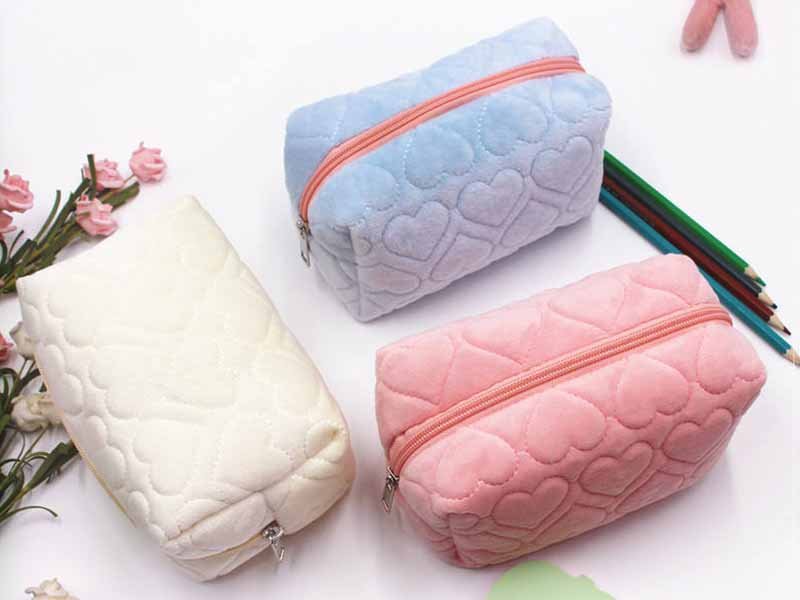
| Cosmetic pouch | 180–300 mm W | Beauty launches, gift kits | Small–Medium | Low–Medium |
| Cooler bag | About 6–25 L | Food, beverage, outdoor campaigns | Medium | Medium–High |
| Backpack | About 15–30 L | Employee kits, premium events | Medium | High |
| Duffle/travel bag | About 25–60 L | Incentives, travel programs | Medium | High |
Promotional companies should resist the temptation to treat a larger or more feature-rich bag as automatically better. A simple tote that recipients continue using for grocery shopping may deliver more useful brand exposure than a complicated product that looks impressive at first but is uncomfortable, bulky, or poorly matched to the campaign. Product value comes from the relationship between intended use and construction, not from the number of pockets, zippers, panels, or decorative features included in the design.
Audience and Perceived Value
Every promotional bag effectively serves two audiences. The organization paying for the project wants the product to communicate its brand, stay within budget, arrive on time, and avoid quality complaints. The person receiving the bag cares about comfort, appearance, usefulness, capacity, and whether the product feels worth keeping. A successful specification respects both perspectives rather than optimizing only for the purchase price shown on the quotation.
For a 10,000-piece trade-show program, a lightweight tote may be completely appropriate because visitors mainly need something practical for carrying catalogs and samples during the event. Packing efficiency, printing speed, carton count, and shipping weight matter heavily in that situation. A 500-piece executive program is different. A thicker fabric, smoother zipper, reinforced handles, better lining, or more discreet embroidered logo may justify additional cost because the product is expected to feel like a meaningful corporate gift rather than temporary event packaging.
Perceived quality often comes from a few details that users touch repeatedly. Handle width, zipper smoothness, fabric hand feel, edge finishing, strap comfort, lining, and structure can influence the user experience more strongly than decorative features that add cost without improving function. A well-designed project therefore identifies two or three details that matter most to the intended recipient and protects those details when cost engineering becomes necessary.
Reuse frequency should also be considered when comparing options. A promotional bag used regularly for shopping, commuting, gym visits, lunches, or travel can continue displaying the client’s branding long after the original event. This does not mean every project requires premium materials. It means that cost per useful impression is influenced by how long the product stays in circulation, so an extremely low-cost bag that is discarded quickly may not always be the most economical promotional solution.
Capacity and Construction
External dimensions do not tell the whole story about usable capacity. A flat tote may look large when measured from side to side, yet hold relatively little once catalogs, product samples, or boxed merchandise are added. Introducing an 80–120 mm gusset can increase practical volume substantially, but it also changes pattern dimensions, fabric consumption, sewing operations, finished appearance, and packing behavior. Those changes should be considered during quotation rather than added after sampling.
Handle dimensions deserve similar attention. Short hand-carry handles may use a finished drop in the approximate 120–180 mm range, while shoulder-carry tote handles often require something closer to 250–320 mm. These are common reference ranges rather than fixed standards. The appropriate handle drop depends on the finished bag width, handle material, target user, clothing thickness, and whether the bag is expected to carry light brochures or several kilograms of merchandise.
Backpacks and travel bags are better discussed using both external dimensions and approximate liters of capacity. A 15–20 L backpack may be suitable for a light commuting or event program, while a 25–30 L model offers more room for travel or outdoor use. Interior organization can reduce the amount of open storage, so specifications should state what the bag is expected to hold rather than relying only on a capacity number.
Load expectations should influence reinforcement before production begins. A lightweight exhibition tote does not need the same handle attachment as a grocery bag carrying bottles, a laptop backpack, or a tool bag. Reinforcement can include additional stitching, larger seam allowances, stronger webbing, internal patches, bar tacks, or reinforcement boards depending on construction. Removing these details simply to reach a lower target price can create failures that cost far more than the original saving.
Factory-Ready Brief
A useful manufacturing quotation requires more than a bag name and quantity. “Please quote 5,000 custom tote bags” leaves open questions about size, fabric weight, color, handle construction, logo process, printing area, packaging, destination, and delivery deadline. Different factories may fill those gaps with different assumptions, which makes price comparisons misleading even when each quotation appears to describe the same product.
A stronger request could specify a 380 × 420 mm tote with a 100 mm bottom gusset, natural 10 oz canvas, black cotton webbing handles, one-color screen printing at 200 × 180 mm, 5,000 pieces, individual recyclable packaging or bulk packing, defined master-carton requirements, and delivery to a specific country before a fixed event date. The manufacturer can then calculate fabric consumption, handle length, logo setup, sewing operations, packaging labor, carton volume, and freight more accurately.
A practical brief should include:
- finished dimensions and gusset dimensions;
- quantity and number of colorways;
- preferred material or performance requirement;
- handle, strap, zipper, and hardware details;
- logo artwork, size, position, and color references;
- lining, padding, pocket, and reinforcement requirements;
- individual and master-carton packaging;
- destination country or warehouse;
- required in-hands date;
- any testing, certification, labeling, or sustainability requirement.
Promotional programs may also require neutral cartons, client-specific carton marks, multiple destinations, event-venue delivery, or shipment directly to an end client’s warehouse. These requirements should be stated before the production plan is finalized because they influence labeling, packing allocation, carton quantities, freight booking, and documentation. A clear brief allows the factory to solve problems at the specification stage instead of discovering them when finished goods are already waiting for shipment.
Which Materials Fit Different Campaigns?
Material selection should balance appearance, durability, structure, logo compatibility, order quantity, sustainability requirements, packing volume, and cost. Polyester and Oxford fabrics suit many practical promotional programs, cotton and canvas create a more natural retail feel, and nylon, PU, neoprene, RPET, or specialty fabrics can support technical or premium projects. Fabric weight, coating, weave, and finish are often just as important as the material name itself.
Material Weight and Structure
Two products described as “canvas tote bags” can feel completely different because canvas is a material family rather than a complete specification. Cotton and canvas bag fabrics may range from roughly 100 GSM for lightweight promotional applications to more than 400 GSM for substantial structured products. Ounce-based specifications are also common in the market. Higher weight generally increases body and durability, but it can also raise material consumption, shipping weight, sewing difficulty, and the need for stronger needles or reinforcement.
Synthetic bag fabrics are frequently described by denier, with commonly encountered specifications such as 210D, 300D, 420D, 600D, and higher. Denier refers to yarn linear density and should not be treated as a complete quality grade. A well-made 420D fabric with an appropriate weave and coating may perform better for a particular use than a poorly finished fabric carrying a higher denier number. Coating, yarn type, weave density, tear resistance, and surface finish all influence real performance.
Cotton and canvas provide a natural appearance that works well for lifestyle, retail, education, sustainability-oriented, and conference programs. Polyester offers broad availability, efficient branding options, relatively low weight, and a wide range of constructions. Nylon often provides a strong strength-to-weight relationship and a more technical appearance. Neoprene offers stretch and cushioning, while PU leather can give corporate gift products a more refined surface without using genuine leather.
| Material | Common Reference Range | Typical Promotional Uses | Main Advantage | Main Control Point |
|---|---|---|---|---|
| Cotton | About 100–250 GSM | Lightweight totes, events | Natural hand feel | Shrinkage and wrinkles |
| Canvas | About 220–450+ GSM | Premium totes, gift bags | Structure and durability | Weight and freight |
| Polyester | 210D–600D+ commonly used | Drawstring, backpack, cooler | Versatility | Coating and surface vary |
| Nylon | 210D–840D+ commonly used | Travel and technical bags | Strength-to-weight | Higher material cost |
| RPET polyester | Similar constructions to polyester | Recycled-content programs | Sustainability positioning | Documentation |
| Neoprene | About 2–5 mm commonly used | Sleeves, lunch bags, pouches | Cushioning and stretch | Bulk and packing volume |
| PU leather | About 0.7–1.4 mm often used | Corporate gifts, pouches | Premium appearance | Surface durability |
Szoneier’s documented material resources cover polyester, nylon, Oxford, canvas, cotton, neoprene, PU, genuine leather, PVC, TPU, EVA, mesh, jute, RPET, functional materials, lining, foam, webbing, zippers, and hardware. This breadth matters because the useful manufacturing decision is rarely “Which fabric is best?” The more practical question is which material gives the required appearance and performance at an acceptable MOQ, production time, and landed cost.
Cost-Driven and Premium Programs
High-volume promotional orders benefit from material choices that are readily available, efficient to cut and sew, compatible with economical logo processes, and easy to pack. Stock-color polyester, standard Oxford, commonly available cotton, and other established constructions often reduce procurement time and help avoid the higher minimum quantities associated with custom-dyed or specially manufactured materials.
Premium programs have different priorities. An employee anniversary gift, executive conference kit, incentive program, or high-value product launch may justify heavier canvas, dense nylon, PU panels, custom lining, metal hardware, thicker webbing, or more refined branding. These additions increase cost, but the finished product can feel closer to retail merchandise than to a conventional giveaway when the specification is developed carefully.
The most expensive material is not automatically the best solution. A soft lightweight fabric may force the factory to add foam, nonwoven backing, PE board, thicker lining, or additional reinforcement simply to achieve the required shape. In some designs, choosing a slightly more structured exterior material from the start produces a cleaner result with fewer hidden construction layers and may even simplify production.
A useful quotation process therefore compares complete material solutions rather than isolated price grades. One option might use stock 300D polyester with standard zippers, screen printing, and bulk packing. A second might use 600D polyester with branded zipper pullers and an individual bag. A third might use RPET fabric, custom lining, embroidery, and retail-ready packaging. Presenting differences this way helps the promotional company understand what is actually driving cost and perceived value.
Recycled Material Claims
Recycled materials are increasingly requested for corporate merchandise, but “eco-friendly” is too broad to function as a useful production specification. RPET normally refers to recycled polyethylene terephthalate used in polyester production, but an RPET outer fabric does not automatically mean every component in the finished bag is recycled. Lining, zipper tape, sewing thread, foam, labels, buckles, webbing, hardware, coating, and packaging may all use different material systems.
If environmental claims matter to the client’s campaign, documentation requirements should be defined before sampling. The project may require a particular recycled-content percentage, a named certification scheme, documentation for the fabric supplier, or traceability through a recognized chain-of-custody system. These requirements can affect sourcing options, minimum quantities, color choices, pricing, and production time, so raising them after sample approval can create substantial disruption.
The project team should ask specific questions rather than accept general sustainability language. What percentage of the main fabric is recycled? Does the client require certification for the material or finished product? Are recycled trims also expected? Is a specific supplier or certification scope required? Can the same material be reordered in the future? Are custom-dyed colors available at the planned quantity?
A narrower claim supported by documentation is more useful than an impressive statement that cannot be verified. For repeat programs, material traceability also supports consistency. If the same client orders another 10,000 pieces six months later, the manufacturing record should identify the approved fabric rather than depend on finding a visually similar alternative and hoping the client accepts the difference.
Material and Landed Cost
Fabric price is only one part of material economics. A heavier fabric increases finished weight. A stiffer construction can increase carton volume. A coated synthetic may require a different printing process. A custom color can create a new material minimum and additional preparation time. A thick canvas may require more robust needles, slower sewing, larger seam allowances, or stronger handles, while a soft fabric may require reinforcement to achieve the desired structure.
The practical cost chain is therefore broader than the price per meter:
Material specification → material MOQ → cutting behavior → reinforcement → sewing operations → logo process → packing volume → freight → landed cost
A material that appears cheaper on the supplier’s swatch card can sometimes increase total cost when the finished design requires additional foam, backing, binding, or reinforcement. The opposite can also happen: a slightly more expensive material may reduce assembly complexity or allow a simpler construction that protects the overall budget.
Packing efficiency deserves particular attention in promotional orders because large quantities amplify small differences. A rigid 5,000-piece bag order requiring 90 cartons can have a noticeably different freight profile from a foldable version packed into 55 or 60 cartons. Actual carton numbers depend on product dimensions, folding method, material thickness, individual packaging, and carrier restrictions, so they should be calculated from a real packing test rather than guessed from product weight alone.
When the visual concept is flexible, ask the manufacturer for one primary material option and one technically sensible alternative. Compare appearance, hand feel, durability, logo compatibility, MOQ, sampling time, bulk schedule, packing volume, and expected landed cost. This approach is far more useful than asking for the “cheapest material” and discovering later that the saving creates problems elsewhere in the project.
How Should Logos Be Applied?
Logo application should match the fabric surface, artwork detail, color count, quantity, durability requirement, and desired brand image. Screen printing works efficiently for many simple promotional graphics, while heat transfer, digital printing, and sublimation suit more detailed artwork. Embroidery, woven labels, patches, embossed branding, and metal elements can create a more premium appearance. The chosen method should be tested on the actual production material before bulk production begins.
Printing Methods
Screen printing remains widely used on promotional bags because it can reproduce bold, simple graphics efficiently across medium and large quantities. It works particularly well on many cotton, canvas, and compatible polyester surfaces. Each spot color generally requires separate setup and printing control, so a one-color logo is operationally different from a four-color design that requires accurate registration between several screens.
Heat transfer is useful when artwork contains more colors, small details, or visual effects that would be inefficient through conventional spot-color screen printing. The transfer material, adhesive, press temperature, pressure, dwell time, and base fabric must be compatible. Excessive heat can affect coated synthetic fabrics, while an unsuitable adhesive system can create edge lifting or poor durability after flexing and repeated use.
Sublimation is particularly useful for suitable polyester materials when a project requires gradients, photographic color, repeating artwork, or all-over graphics. The process works differently from surface printing because the dye interacts with the polyester fibers. It is therefore strongest on appropriate light-colored polyester substrates and should not be treated as a universal method for cotton, PU, dark-colored fabric, or every coated construction.
Digital methods can also reproduce complex artwork, but compatibility varies by fabric composition, pretreatment, coating, ink system, and required colorfastness. For important campaigns, the practical test is not whether a logo process exists on a supplier’s capability list. The useful test is how that specific logo looks and performs on the exact fabric planned for production.
Embroidery and Applied Branding
Embroidery gives branding a physical texture that can make backpacks, travel bags, cooler bags, lifestyle products, and corporate gifts feel more substantial. The process creates thousands of stitches through the fabric, so stitch density, backing material, thread type, artwork simplification, and fabric stability affect both appearance and cost. Two logos with the same external dimensions may have very different stitch counts when one uses only outlines and the other contains large filled areas.
Thin or soft fabrics need careful stabilization because dense stitching can pull the surface inward and cause puckering around the logo. Large embroidery areas can also add stiffness and weight to a panel. Tiny text, photographic gradients, and extremely fine line work may need to be simplified before digitizing because thread has physical thickness that cannot reproduce every graphic detail visible on a computer screen.
Applied branding offers additional options. Woven labels work well when fine text or clean graphic edges are important. Rubber and silicone patches suit outdoor, sport, and technical aesthetics. Leather and PU patches create a lifestyle appearance, while metal plates can elevate premium corporate programs. Each option introduces its own attachment method, supplier minimum, tooling requirement, lead time, and quality-control point.
Szoneier’s documented logo capability includes screen printing, heat transfer, digital printing, sublimation, embroidery, woven labels, leather patches, rubber patches, silicone patches, metal plates, debossing, hot stamping, laser engraving, reflective logos, jacquard webbing, and custom zipper pullers. The important manufacturing principle is not to offer every method on every project, but to select a method compatible with the fabric, artwork, quantity, durability requirement, and bulk-production stability.
Artwork Standards
Many bulk logo problems begin with incomplete artwork rather than poor production. A low-resolution PNG may be enough to estimate printing cost, but it is rarely the strongest file for final production. Vector artwork such as AI, EPS, editable PDF, or SVG is usually preferable when graphics need to be scaled, separated by color, or converted into print screens, embroidery files, woven labels, or other production formats.
The approved file should define the finished logo width and height, exact position, color references, branding process, and orientation. When Pantone matching is required, record the requested reference and approve the result on the intended production surface. A Pantone code improves communication but does not remove every visual difference caused by fabric base color, ink opacity, thread sheen, surface texture, lighting, and coating.
Placement should be measurable rather than subjective. “Center logo on front” leaves more room for interpretation than a specification stating that the logo is 180 mm wide, horizontally centered on the front panel, with the top edge positioned 90 mm below the finished opening seam. Flexible sewn products naturally involve some movement, so placement tolerances should also be agreed where the client’s branding guidelines require tighter control.
Production artwork should exist in one controlled version. When teams circulate several PDFs, messaging-app screenshots, color notes, and later email changes without updating the master file, production staff can easily follow an obsolete instruction. The safest system keeps the final artwork, measurement sheet, physical sample, and purchase specification aligned before materials are released for bulk production.
Bulk Logo Consistency
Logo consistency depends on more than artwork. Material batch, surface treatment, printing fixtures, ink viscosity, heat settings, embroidery tension, operator technique, screen alignment, and inspection standards can all influence the finished appearance. That is why logo control should begin during early production instead of waiting until thousands of units have already been completed.
For screen printing, early checks should look for registration, incomplete coverage, smudging, pinholes, inconsistent edges, and incorrect position. Heat-transfer logos should be examined after cooling and flexing to confirm that edges remain bonded. Embroidery should be checked for thread breaks, loose ends, uneven density, puckering, backing visibility, and alignment. Applied patches should be checked not only for appearance but also for attachment strength and consistency.
Multi-position branding requires additional coordination because different processes may happen at different stages or even with different specialist suppliers. A project may include a front printed logo, interior woven label, custom zipper puller, and branded hangtag. All four elements need to appear in the BOM and approval record so the final inspection team knows exactly what belongs on every unit.
Repeat programs should retain the approved artwork, logo dimensions, color reference, process details, sample photographs, and physical approval standard where practical. This prevents a future production team from rebuilding the project from memory. For an annual conference or recurring corporate merchandise program, retaining those files can shorten the next development cycle while improving consistency across different production periods.

How Does Sampling Work?
Sampling converts a drawing, reference product, photograph, or concept into a measurable production standard. A useful process normally includes material confirmation, pattern development, logo testing, sample sewing, internal inspection, client review, and revisions. The objective is not simply to create an attractive prototype. It is to verify that the selected materials, dimensions, construction, branding, and packaging can be reproduced consistently when production moves from one sample to hundreds or thousands of units.
First Sample Development
The first sample begins before any fabric is cut. The factory should confirm the target dimensions, exterior material, lining, foam, reinforcement, webbing, zipper, hardware, logo method, quantity, and intended packaging. If some components are temporary because the final bulk material has not yet arrived, that difference should be recorded clearly so that temporary sample components are not accidentally treated as final approvals.
Development may start from a technical drawing, physical reference sample, photograph, sketch, existing competitor product, or detailed written description. A reference sample can speed communication because the development team can examine real proportions and construction, but it still needs a written specification. The new product may require different dimensions, fabric weight, reinforcement, branding, or internal structure even when the reference appears visually similar.
Pattern making converts the three-dimensional bag into individual cutting pieces with seam allowances, fold points, notches, zipper allowances, reinforcement positions, and assembly logic. Simple totes may use only a few pattern pieces, while backpacks, travel bags, and technical products can contain dozens of panels and components that must align accurately during assembly.
The first physical sample often reveals issues that are difficult to see in a drawing. A pocket may be hard to access when the bag is full, the handle drop may feel too short, a zipper opening may be narrower than expected, or a logo may sit too close to a seam. Discovering these problems during sampling is useful. The sample stage exists to expose them while correction is still relatively inexpensive.
Szoneier’s documented sampling workflow includes material confirmation, pattern making, sample sewing, internal checking, photo or video review, sample shipment, revision, and final approval. This type of controlled sequence helps move a project from an initial concept to a physical reference that can later guide bulk production.
Sample Inspection
Sample approval should follow a repeatable inspection routine rather than rely on whether the product “looks good.” Start with measurements. Check width, height, depth, handle drop, strap length, zipper opening, pocket dimensions, and any internal sizes that affect function. Record the actual sample measurements beside the target values so changes can be discussed in numbers instead of subjective descriptions.
The next review should cover materials and components. Compare the exterior fabric with the approved swatch or reference, then inspect lining, foam, reinforcement, webbing, zippers, sliders, buckles, labels, thread, and hardware. If the sample uses substitute parts, mark them clearly in the review document and define what will replace them before production.
Use the sample as a real product rather than a display piece. Fill a tote with catalogs, load a backpack with a laptop and everyday items, open the zipper repeatedly, adjust the straps, carry the product, and check whether handles twist or pockets become inaccessible when the main compartment is full. Functional problems become much easier to understand when the bag is tested in the situation it was actually designed for.
Branding deserves a separate inspection because it is often the most visible part of a promotional order. Measure logo size and position, compare colors, inspect embroidery tension, check print coverage, and confirm that the branding remains visually balanced when the bag is loaded rather than lying perfectly flat on a table.
Feedback should be measurable whenever possible. “Make the pocket bigger” creates room for interpretation. “Increase finished pocket width from 160 mm to 190 mm and opening height from 130 mm to 150 mm” creates a production instruction that another person can understand without attending the original discussion.
Revisions
Some simple promotional products can reach approval after one sample. More complicated projects may require two or more iterations. There is no useful universal revision count because the number depends on how much of the design is new, how complete the original brief was, whether custom materials are involved, and how many client stakeholders participate in approval.
Revisions are easier to manage when grouped by importance. Structural corrections include dimensions, pattern changes, handle reinforcement, zipper construction, and material replacement. Branding corrections include logo position, size, color, or process. Usability changes may involve pocket access, strap length, capacity, or opening dimensions. Cosmetic changes can cover stitching appearance, edge finishing, shape refinement, or small visual details.
Every sample should have a version number. V1, V2, and V3 should correspond to written revision records, photographs, and measurement sheets so that nobody later needs to guess which physical sample received final approval. This becomes particularly important when sample reviews involve a promotional agency, its end client, and the manufacturing team in different countries.
Late changes need to be considered carefully because they can affect more than the sample itself. Moving a printed logo slightly may be manageable. Changing exterior fabric, overall dimensions, zipper type, pocket construction, and custom hardware after final approval can require new patterns, revised costing, different material purchases, and additional production testing. The closer the project is to a fixed event date, the less room there is for uncontrolled revision.
Pre-Production Approval
A pre-production sample is especially valuable for projects involving custom-dyed material, complicated construction, custom hardware, high-value branding, multiple colorways, or significant order quantities. Its purpose is to demonstrate that the final specification can be produced using confirmed or representative production components before the entire bulk order is released.
A strong production file should contain the approved pattern version, final dimensions, BOM, material references, color standards, logo files, logo placement, packaging specification, carton requirements, and relevant inspection criteria. When these items are complete, the production team is working from a controlled standard rather than interpreting scattered messages.
Once the final sample is approved, material or component substitutions should be managed formally. If a zipper supplier becomes unavailable or a fabric batch changes, the difference should be assessed before replacement whenever the change could affect appearance, function, durability, branding compatibility, or delivery time.
Promotional companies should also build client approval time into the production schedule. Samples may need internal review, shipment to the end client, discussion between several stakeholders, and final written approval. A factory cannot safely treat a verbal comment such as “looks fine” as equivalent to an approved production standard when the program later involves several thousand branded units.
For repeat projects, archived sample data becomes a commercial advantage. Szoneier’s documented repeat-order approach retains patterns, BOM information, materials, logo files, packaging files, QC standards, SKU information, and revision records so that later orders can start from an existing standard rather than rebuilding the product from zero.
What Affects MOQ, Cost, and Lead Time?
MOQ, unit cost, and production time are connected because they are influenced by the same decisions: material availability, custom colors, logo processes, component minimums, packaging, number of colorways, special testing, and product complexity. Promotional companies should therefore compare quotations using identical specifications and ask which component is driving any unexpectedly high MOQ, higher price, or longer schedule instead of assuming every minimum comes from the sewing factory itself.
MOQ Drivers
A custom bag order usually depends on several suppliers beyond the final sewing workshop. Fabric, lining, zippers, webbing, buckles, metal hardware, foam, labels, printed packaging, molded logo parts, and cartons can each come from a different production source. Every supplier may have its own commercial minimum, so the finished bag MOQ is often determined by the most restrictive component rather than the number of bags the sewing line is technically capable of producing.
A factory might be willing to sew 500 bags, for example, while a custom-dyed material order requires enough fabric for a significantly larger quantity. A molded rubber patch may require tooling and a minimum batch. A customized zipper puller can introduce a separate mold cost and production minimum. A printed gift box may also have a minimum that is completely independent of the bag quantity.
Lower-volume projects usually gain flexibility by using stock colors, standard zippers, standard webbing, existing hardware, common logo processes, and conventional cartons. These choices allow the project to invest customization in the areas that matter most to the client while avoiding unnecessary supplier minimums.
Color splitting can also change the economics. A 3,000-piece order in one color is operationally different from 3,000 pieces divided into six colors of 500 each. Material purchasing, printing setup, line changeover, packing allocation, and SKU control all become more complex. When quantity is limited, consolidating colors can sometimes protect both MOQ and production efficiency without reducing overall design quality.
Szoneier documents an MOQ starting from 200 pieces for selected custom bag projects, while also stating that the exact requirement depends on material availability, logo process, accessory selection, packaging, color options, and product structure. That distinction is important because a 200-piece starting point should not be interpreted as a universal minimum for every backpack, cooler bag, molded component, specialty material, or custom packaging program.
Cost Structure
Bag pricing combines material consumption, trims, labor, branding, packaging, setup, quality requirements, production quantity, and sometimes development costs. Two products using the same exterior fabric can have very different prices because one is a simple tote with two main panels while the other contains lining, multiple pockets, zipper panels, foam, webbing, reinforcement, custom hardware, shoulder straps, internal binding, and several additional sewing operations.
Size influences fabric consumption directly, but construction complexity can be equally important. Every pocket, zipper, lining panel, binding operation, reinforcement piece, and accessory adds material and handling time. Features that appear small on a drawing can introduce several separate operations on the production line.
| Cost Variable | More Economical Configuration | Higher-Cost Configuration | Main Effect |
|---|---|---|---|
| Fabric | Stock standard polyester | Custom-dyed nylon/RPET | Material + MOQ |
| Structure | Few panels, simple opening | Multi-pocket structured product | Labor |
| Logo | One-color print | Embroidery, badge, multiple positions | Setup + unit cost |
| Hardware | Standard stock parts | Custom metal or molded parts | Tooling + MOQ |
| Packaging | Bulk packing | Individual retail or gift packaging | Cost + carton volume |
| Colorways | One or two | Several separate colors | Setup + material minimums |
| Freight | Planned consolidated shipment | Urgent air shipment | Landed cost |
Cost reduction should protect the features that affect product function and client perception. Removing hidden reinforcement from a load-bearing handle may lower the quotation but can create a failure risk. Replacing a custom zipper puller with a high-quality stock puller may save tooling and minimum-quantity costs while having little effect on the user’s experience.
Comparable quotations also need comparable Incoterms, packaging assumptions, and specifications. A small price difference can disappear when one manufacturer includes a heavier fabric, better zipper, individual packing, inspection, or more complete delivery support. Promotional companies should therefore evaluate the total commercial package rather than selecting a factory based on the lowest isolated ex-factory unit price.
Production Lead Time
Production time becomes easier to manage when it is divided into stages. A custom bag program can include material sourcing, custom material production, branding preparation, cutting, printing or embroidery, sewing, in-process inspection, final inspection, packing, export preparation, and international shipping. The number quoted as “production lead time” may cover only some of these stages.
Stock materials can shorten schedules because fabric preparation is limited. Custom-dyed materials, molded hardware, special printing, custom packaging, or multiple sample revisions extend the timeline. Product complexity also matters. A factory may be able to produce several thousand simple totes in less time than a smaller quantity of structured backpacks because each backpack requires significantly more components and operations.
Seasonal capacity should be discussed before the order is placed. Peak periods, major holidays, and overlapping large programs can reduce scheduling flexibility. The safest project plan asks the manufacturer which milestones determine the quoted schedule and whether materials need to be reserved before the final purchase order.
The starting point of a lead-time quotation must also be clear. Does the clock begin after deposit, sample approval, artwork approval, material confirmation, or receipt of all four? A statement such as “30-day production” can cause disputes when one side believes it begins at purchase-order confirmation while the other begins counting only after final sample and material approvals.
Total project lead time is longer than sewing time. Sampling, revision, client approval, custom material preparation, production, final inspection, freight booking, international transit, customs, and domestic delivery all belong in the real schedule.
Event Date Planning
Promotional projects should be planned backward from the required in-hands date because the event date usually cannot move. If a conference begins on October 15, completing production on October 10 is not a safe plan when the goods still need inspection, export preparation, international transit, customs clearance, and domestic delivery.
A more useful sequence is:
- required in-hands date;
- receiving and contingency buffer;
- international transit;
- export booking and customs preparation;
- final inspection and packing;
- bulk production;
- material and component preparation;
- final sample approval;
- sample revisions and client approval.
Sea freight is generally attractive for larger orders when sufficient time exists, but bags can occupy substantial volume even when individual units are lightweight. Air freight is faster, yet volumetric weight can make it expensive for bulky products. That is another reason to evaluate carton dimensions and folding methods before the order reaches final packing.
Split shipping can be useful when only part of the quantity is required urgently. Several hundred units might travel by air for the first event while the balance moves by sea. The decision should be based on the value of meeting the campaign date compared with the additional freight cost rather than used automatically as a response to poor scheduling.
A reliable project should contain buffer. A schedule that succeeds only if the sample is approved immediately, every material arrives exactly on time, production experiences no interruption, inspection finds no problem, freight departs on the first planned day, and customs clears without delay is not a controlled schedule. Promotional companies protect their reputation by agreeing on realistic approval dates before promising the final delivery date to the client.
How Do You Control Quality and Delivery?
Quality control should begin with materials and continue through pre-production confirmation, cutting, branding, sewing, finished-product inspection, packaging, and shipment preparation. The approved sample and written specification should remain the main reference throughout production. Promotional companies should also control carton quantities, labels, shipping marks, and delivery instructions because a well-made bag can still become a failed campaign if the branding, packaging, allocation, or delivery is wrong.
In-Process Quality Control
Final inspection is important, but it cannot efficiently correct problems created early in production. Discovering the wrong fabric shade after 5,000 bags are sewn is far more expensive than stopping the material before cutting. Finding incorrect logo placement after every front panel is printed creates the same problem. Effective quality management therefore checks the project at stages where mistakes can still be corrected with limited disruption.
Incoming inspection should review fabric, lining, webbing, zippers, hardware, labels, foam, and other important components against the approved standard. Early production should verify cutting dimensions, logo placement, stitching method, reinforcement, zipper installation, seam construction, and overall shape. In-process inspection becomes particularly valuable for hidden operations such as handle reinforcement or internal attachment points that become difficult to see after lining and binding are completed.
Flexible sewn products require sensible dimensional tolerances. Fabric can stretch, compress, or shift during assembly, so quality standards should reflect the product’s construction rather than borrow unrealistic tolerances from rigid manufactured goods. A small structured pouch may justify tighter control than a large unstructured duffle. Critical dimensions should be agreed before production instead of becoming a negotiation during final inspection.
Functional testing should match the product’s real use. Depending on the bag, this may involve zipper cycling, handle loading, strap pulling, seam inspection, water-resistance checks, insulation checks, hardware operation, or packing tests. The strongest QC plan does not contain the most inspection points. It identifies the failure modes that would cause the greatest functional or commercial damage to that particular promotional program.
Szoneier’s documented quality process covers material inspection, accessory inspection, pre-production confirmation, cutting checks, sewing-process checks, semi-finished inspection, final inspection, and packaging inspection. Its documented organization also includes a dedicated 12-person quality-control department supporting production and shipment preparation.
Sample-to-Bulk Consistency
An approved sample only works as a production reference when everybody knows which sample received approval and the written documents match it. Problems occur when several samples exist, different teams hold different artwork versions, and late material changes never reach the master BOM. The production floor then has to decide which instruction is correct, creating inconsistency that could have been prevented through document control.
The bulk production file should align the approved sample with exterior fabric, lining, foam, zippers, hardware, webbing, dimensions, branding, labels, packaging, and any product-specific tests. If one of these components changes after approval, the difference should be recorded and reviewed instead of treated as an informal substitution.
Material substitution deserves particular caution. A zipper with a similar color may use a different tooth construction or slider. A visually similar polyester may have a different coating, stiffness, weight, or printing behavior. These differences may seem small at the sourcing stage but become visible across thousands of finished products.
Repeat orders depend even more heavily on documentation. Annual conferences, employee programs, dealer promotions, and recurring branded merchandise may order the same item every year. The previous production file should preserve the pattern version, BOM, approved material, artwork, color references, packaging files, QC requirements, carton details, and revisions made during earlier runs.
Szoneier documents this type of repeat-order management by retaining patterns, BOM information, materials, logo files, packaging documentation, QC standards, SKU records, and revision histories. That approach allows future production to begin from an existing manufacturing standard rather than attempting to reconstruct the product from emails and memory.
Packing and Shipment
Packaging has to protect the product, organize the order, and support the intended delivery workflow. A basic tote may only require bulk packing into a master carton, while a premium corporate gift can involve individual bags, tissue, dust bags, paper sleeves, inserts, hangtags, gift boxes, or custom cards. Each packaging layer affects material cost, packing labor, finished dimensions, carton volume, and freight.
Carton quantities should be determined through an actual packing test whenever the product is bulky, structured, padded, or individually boxed. Overfilled cartons may deform products and increase carton failure risk. Underfilled cartons waste space and can raise freight cost. The best packing configuration protects the finished goods while keeping carton dimensions practical for the selected transport method.
Shipping marks should be controlled like any other production specification. Depending on the project, the outer carton may need a PO number, SKU, product name, color, quantity, carton sequence, warehouse address, barcode, event code, or client-specific mark. A simple labeling error can create receiving problems even when every bag inside the carton is correct.
Multi-destination orders require allocation planning before packing begins. If 12,000 units must be divided among 30 branches or event locations, the factory needs a destination matrix, SKU quantities, carton labels, and packing instructions early enough to build the allocation into the pack-out process. Sorting an entire order again after final packing increases labor and introduces unnecessary counting errors.
Promotional companies that require neutral fulfillment or direct shipment to an end client’s warehouse should define those requirements clearly with the manufacturer and freight team. Supplier identification, invoices, packaging marks, branded tape, inserts, and shipping paperwork should never be left to assumptions when maintaining a distributor-client relationship matters.
Manufacturer Evaluation
The quality of a manufacturing partner becomes clearer after the first technical discussion than from a supplier directory profile. A useful manufacturer should be able to explain material alternatives, identify MOQ drivers, discuss how the pattern affects construction, test an appropriate logo process, show how production is inspected, and build a schedule backward from the required delivery date.
Practical evaluation questions include whether sampling is controlled by a dedicated team, how materials are approved, who manages production changes, how in-process QC is recorded, whether multiple SKUs can be separated correctly, and how repeat-order data is retained. Promotional companies should also ask what happens when a component is delayed or a quality problem appears. The response to a problem often reveals more about project-management capability than a list of equipment.
Szoneier’s company documentation identifies promotional companies among the customer groups it supports and describes a manufacturing system covering reliable sampling, flexible MOQ, bulk production, quality inspection, packaging, and export delivery. The documented operating structure includes pattern and sampling resources, production personnel across eight production lines, a 12-person QC department, and a logistics coordination team.
Those facts matter because promotional programs rarely fail from one dramatic error. More often, risk accumulates through small gaps between the quotation, sample, artwork, material order, production floor, packing team, and freight plan. A manufacturing partner that connects those stages under one project record can make the order easier to manage than a supplier that simply offers a low unit price and leaves the promotional company to coordinate every problem separately.
Conclusion
Custom bag manufacturing for promotional companies is ultimately a process of controlling connected decisions. The bag style needs to suit the campaign, the material must support the design and budget, the branding method must work on that material, the sample must become a measurable production reference, and the MOQ and production schedule must reflect the real components involved. Quality control then has to follow those approved standards through packing and delivery rather than appearing only as a final inspection step.
The most effective promotional programs usually begin with a surprisingly simple package of information: a product reference, target dimensions, estimated quantity, material direction, logo artwork, packaging requirement, destination, and required delivery date. A capable manufacturing team can use those inputs to identify the remaining decisions, build a sample plan, explain cost and MOQ drivers, and establish a realistic production schedule.
The difference between an easy repeat program and a difficult one is often documentation. Once the pattern, materials, artwork, packaging, QC standard, and shipment requirements are recorded accurately, later orders can move faster and with fewer surprises. For promotional companies managing multiple clients and fixed campaign dates, that repeatability is often more valuable than saving a small amount on the first quotation. Szoneier’s role in this process is best understood as a custom bags and soft goods manufacturing partner that connects development, sampling, production, QC, packaging, and export delivery rather than treating each step as an isolated transaction.
Frequently Asked Questions
What is the typical MOQ for custom promotional bags?
MOQ varies because the minimum may be determined by the fabric, custom color, printing process, zipper, hardware, molded logo element, packaging, or the sewing order itself. Simple bags made from stock materials normally provide more flexibility than highly customized backpacks or technical bags. Szoneier documents an MOQ starting from 200 pieces for selected custom bag projects, with actual requirements depending on material availability, logo process, accessories, packaging, color options, and product structure.
How long does custom promotional bag production take?
There is no reliable single production time for every promotional bag because a simple stock-fabric tote and a custom backpack involve very different supply chains. The total schedule can include material preparation, logo testing, sample development, client approval, bulk cutting, branding, sewing, inspection, packing, freight booking, and international transit. Promotional companies should therefore ask for a milestone schedule and confirm whether the quoted production time begins after deposit, artwork approval, sample approval, material confirmation, or completion of all approvals.
Which material is best for promotional tote bags?
The most suitable tote material depends on the intended campaign. Lightweight cotton and polyester can work for economical event programs, canvas provides more structure and a retail-style feel, while RPET can support programs that require documented recycled-content positioning. The material should be evaluated by weight, hand feel, print compatibility, durability, color availability, MOQ, packability, and landed cost rather than chosen from the fiber name alone. A heavier fabric can improve perceived quality but also increase unit and freight cost.
Is screen printing or embroidery better for promotional bags?
Screen printing is usually more efficient for bold, simple graphics and larger promotional quantities, particularly on cotton, canvas, and compatible polyester surfaces. Embroidery creates a more dimensional appearance and is often used on backpacks, travel bags, cooler bags, and premium corporate gifts. Neither method is universally better. The correct choice depends on artwork detail, logo size, fabric stability, color count, durability requirements, order quantity, and the visual position the client wants the product to occupy.
Should a promotional company always approve a physical sample?
A physical sample is strongly advisable whenever the order involves custom dimensions, unfamiliar material, complex construction, important logo placement, custom hardware, premium packaging, or a meaningful production quantity. Digital mockups can confirm general appearance, but they cannot fully show fabric hand feel, bag structure, zipper performance, handle comfort, pocket access, sewing quality, or the way branding interacts with the real material. The approved sample becomes much more valuable when its dimensions, BOM, artwork, and revisions are recorded as part of the production file.
How can promotional companies reduce custom bag costs without reducing quality?
Cost reduction is usually more effective when the specification is engineered rather than when essential construction is removed. Using stock material colors, consolidating colorways, choosing standard hardware, simplifying unnecessary pockets, selecting an efficient logo method, improving carton utilization, and avoiding unnecessary individual packaging can reduce cost while preserving the features recipients actually notice. Removing handle reinforcement, lowering zipper quality, using unsuitable fabric, or eliminating important inspections may reduce the quotation temporarily but can create failures and client complaints that cost considerably more later.
How should promotional companies choose a custom bag manufacturer?
A strong manufacturer should be evaluated on more than price. Look for material knowledge, pattern and sampling capability, clear revision control, appropriate logo processes, realistic MOQ explanations, in-process quality management, packaging experience, international delivery coordination, and repeat-order documentation. The supplier should also be willing to discuss risks instead of agreeing automatically to every price and deadline. Reliable custom manufacturing is not defined by never encountering problems; it is defined by identifying problems early enough to solve them before they affect the client’s campaign.