Skip to content

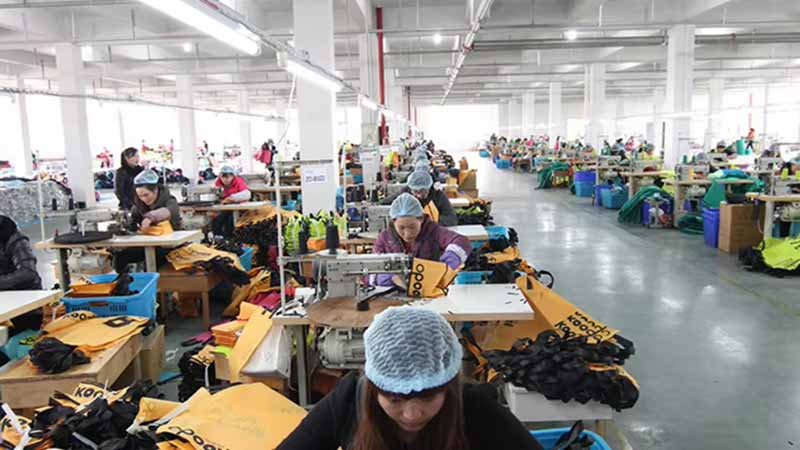
Finding a bag manufacturer online is no longer difficult. The difficult part is deciding whether the company behind the website can actually develop your product, control the materials, manufacture it consistently, inspect it correctly, and deliver the order you are planning to place. A polished website, an attractive sample, a competitive quotation, and a professionally edited factory video can all create confidence, but none of them alone proves that the supplier has the manufacturing system your project requires.
A remote factory audit should connect the supplier’s legal identity, physical factory, product-development ability, production resources, quality-control process, capacity, and shipment responsibility. The strongest evidence comes from several sources that agree with each other: company documents, live factory video, similar products, production records, approved samples, QC procedures, capacity data, and independent inspection when the order risk justifies it.
Think about the process from the finished carton backwards. Who inspected the finished bags? Where were they sewn? Who cut the material? Who approved the fabric, zipper, webbing, foam, hardware, and logo? Who made the sample? Which company is ultimately responsible for delivering what you approved? Once you start connecting those questions, a remote audit becomes much more useful than simply asking a supplier to show you its sewing workshop.
What Should You Verify Before a Remote Factory Audit?
Before the video call, verify the supplier’s legal identity, factory location, manufacturing role, product capability, quality system, and the company that will sign the contract and receive payment. These details should support one another. A business license, factory address, quotation, bank information, production records, live video, sample capability, and QC evidence are much more reliable when they form one consistent chain.
Company Identity and Factory Location
Start with the company rather than the machines. One of the most common mistakes in overseas sourcing is becoming interested in production capability before establishing exactly who will be responsible for the order. A supplier may use one commercial name on its website, another legal entity on its business license, an export company on shipping documents, and a related company as the payment beneficiary. That structure is not automatically a problem, but every relationship should be explainable and commercially reasonable.
Compare the registered company name with the quotation, proforma invoice, contract, bank beneficiary, certification documents, website details, and factory address. If several companies are involved, ask which entity operates the production facility, which company signs the order, which company receives payment, and which entity appears on export documents. A professional manufacturing company should be able to explain these relationships clearly without giving a different explanation every time the question is asked.
The factory location should be verified separately. Record the production address before the meeting. When practical, begin the live video at the factory entrance rather than inside a showroom. Company signage, building numbers, industrial park information, nearby surroundings, and the internal layout can help confirm whether the site being shown is consistent with the manufacturing location described in the supplier’s documents.
| Evidence | What to Verify | Typical Concern |
|---|---|---|
| Business license | Legal company name, address, scope | Cannot be connected to supplier |
| Quotation / PI | Selling entity | Different entity with no explanation |
| Bank details | Payment beneficiary | Unrelated personal or third-party account |
| Factory address | Actual production location | Different from claimed production site |
| Audit report | Factory, date, audit scope | Old or unrelated facility |
| Certificate | Holder, address, validity, scope | Logo shown without supporting document |
| Live video | Operating factory and workflow | Only edited or prerecorded footage |
No single mismatch proves that a supplier is unreliable. The concern becomes more serious when several pieces of information conflict and the company cannot provide a consistent explanation. A remote audit works best when you test relationships between evidence rather than simply collecting documents and assuming that more paperwork automatically means lower risk.
Documents and Production Records
Request important documents before the call so that the live meeting can be used to verify them rather than spending the entire session waiting for files. Useful information can include a company profile, business registration, major equipment list, production-line information, sample-development process, QC workflow, relevant third-party audit reports, applicable certifications, material or product test reports, basic production records, inspection forms, and packing instructions.
The purpose is not to build the largest possible folder of certificates. A document is useful only when it answers a relevant manufacturing question. A general management-system certificate does not prove that a factory knows how to build a technical backpack, leak-resistant cooler bag, reinforced tool bag, or complex travel bag. Those capabilities need product-specific evidence, including similar samples, appropriate equipment, experienced operators, process knowledge, and suitable inspection methods.
Test reports deserve the same caution. If a supplier provides a report for abrasion resistance, color fastness, restricted substances, waterproof performance, or another material property, confirm which material was tested and whether it is the same specification proposed for your product. A report for one coated polyester fabric should not automatically be treated as evidence for a different nylon, PU, TPU, leather, or laminated construction.
The useful question is always the same: what does this piece of evidence actually prove? That approach prevents a certificate, audit report, or laboratory test from being used as a substitute for direct manufacturing verification.
Product and Production Evidence
Tell the factory what product you intend to manufacture before the audit and ask it to prepare several technically similar samples. The samples should be structurally comparable to your intended product rather than simply attractive items from the showroom. A factory specializing in promotional totes may be genuine and well organized but still lack the technical experience required for a multi-compartment backpack with foam panels, laptop protection, reinforced straps, customized hardware, and several internal structures.
During the call, ask how one comparable product moves through manufacturing. A useful flow is material receipt, incoming inspection, cutting, printing or logo preparation, sewing, assembly, process inspection, final inspection, packing, and shipment preparation. The team should be able to explain which department controls each stage, where approved information is stored, and how quality problems move back to the responsible production step.
Scale should also be evaluated carefully. Bigger factories are not automatically better factories. A very large operation may be ideal for standardized orders but inflexible for a complex 300-piece development project. A small specialist workshop may make an excellent technical product but struggle with 50,000 pieces across ten SKUs. What matters is whether the factory’s people, equipment, technical knowledge, and production organization match your product and volume.
Szoneier’s documented manufacturing system, for example, includes 8 sewing production lines, 160+ production and support machines, dedicated sample and pattern areas, cutting, sewing, quality inspection, packing, raw-material storage, finished-goods storage, and controlled partner capacity. These figures are useful only when considered together with the exact style, construction, order size, and production schedule being discussed.
How Do You Run a Live Video Factory Audit?
Run the video audit as a structured walk through the manufacturing process rather than a company presentation. Ask to see the factory entrance, sample room, pattern area, materials, cutting, sewing, QC, packing, and storage areas. Change direction occasionally, request specific views, speak with relevant staff, and trace one representative product through the factory so that the different parts of the operation can be connected.
Follow the Product Flow
The easiest way to understand a bag factory remotely is to follow the route a product follows. Begin with development rather than jumping directly to sewing machines. Custom manufacturing usually starts in the sample and pattern areas, where drawings, tech packs, reference products, dimensions, materials, and structural ideas are converted into something that can actually be produced.
From there, move to the material warehouse. Bags often contain far more components than their appearance suggests. A single backpack may require shell fabric, lining, foam, reinforcement boards, webbing, zippers, sliders, buckles, hooks, labels, thread, mesh, binding tape, logo components, packaging, and several secondary materials. Ask how these items are identified and separated so that similar-looking materials from different projects are not mixed.
The cutting area should show how patterns become panels and how cutting instructions are controlled. On the sewing floor, ask which products are currently running and which machines are used for different operations. Continue to semi-finished inspection, final QC, packing, and finished-goods storage so that you understand the entire physical flow rather than seeing isolated rooms.
For qualified projects, Szoneier’s documented video factory review can cover its sample room, pattern room, materials area, cutting, sewing, QC, packing, finished-goods areas, and other available production sections, with confidentiality considerations applied where customer products cannot be shown.
Confidentiality is not a negative sign. Established manufacturers often cannot freely show another customer’s unreleased products, logos, packaging, or drawings. The important point is whether the supplier can still demonstrate the underlying manufacturing process, equipment, material management, QC controls, and examples that are legally available for review.
Ask Unplanned Questions
A scheduled factory audit will always be prepared to some degree. That is normal. Your objective is not to find a factory that did nothing to prepare for your visit; it is to see whether the supplier can maintain a consistent explanation when you move away from the planned presentation.
Ask the person holding the camera to turn around, revisit an area, move directly between departments, show a specific machine, or identify the product currently being produced. Ask where the matching material is stored, who approves the first production unit, where defects are separated, where the approved sample is kept, and which parts of the production process are handled by specialist partners.
Useful live requests include:
- Show the opposite side of the production line.
- Walk directly from sewing to the QC area.
- Show the material being used for a current order.
- Identify the machine used for a particular seam.
- Show where rejected pieces are kept.
- Explain who approves the first bulk-production unit.
- Show how patterns or approved samples are controlled.
- Explain which production processes are external.
- Ask a sample-room or QC employee a technical question.
- Show packing instructions or a blank inspection form when available.
A factory should not be rejected because someone needs time to locate a document or because a supervisor is not immediately available. Manufacturing environments are busy. What matters more is whether the answers remain consistent and whether staff understand their responsibilities.
Repeated refusal to leave the showroom, inability to identify who manages QC, contradictory explanations about production locations, and avoidance of ordinary questions about outsourcing or inspection are more meaningful warning signs than a single awkward moment during a video call.
Trace One Real Product
Choose one representative bag during the call and use it to connect materials, construction, equipment, people, and QC. Start with the finished product and work backward. Ask about outer fabric, lining, foam, webbing, zippers, hardware, labels, reinforcement, logo process, patterns, cutting method, sewing machines, inspection points, and packing requirements.
This exercise becomes particularly revealing for more complex products. A technical backpack may require many separate patterns and a long assembly sequence. A cooler bag adds insulation and specialized lining construction. A tool bag may require heavy fabric, strong webbing, thicker thread, bartacks, bottom reinforcement, and load-bearing hardware. A cosmetic bag demands better control of shape, piping, zipper curves, lining cleanliness, and appearance.
A salesperson can memorize company statistics. It is more difficult to improvise a technically consistent explanation across all these areas if the manufacturing system does not really support the product. When necessary, ask the salesperson to involve the pattern maker, sample technician, production supervisor, material buyer, or QC employee.
Experienced production teams are also comfortable discussing limitations. Statements such as “that material needs a longer lead time,” “this curve will be difficult at the requested thickness,” or “we would reinforce this attachment point before production” are often more useful than immediate agreement. Manufacturing expertise is not demonstrated by saying yes to everything; it is demonstrated by understanding what can go wrong before thousands of pieces are produced.
Which Bag Manufacturing Capabilities Should You Check?
Check capabilities that directly affect your intended bag, including pattern development, sampling, material knowledge, sewing equipment, reinforcement methods, construction experience, specialized processes, and similar-product production. A factory can be legitimate yet unsuitable for your project. The best manufacturing partner is the one whose technical resources match the structure, material, volume, and quality level of your product.
Sampling and Pattern Development
For custom manufacturing, the sample room is often more valuable than the showroom. A showroom proves that finished products exist. A capable development department shows whether the factory can turn your idea, drawing, reference sample, photo, or tech pack into a product that can be made repeatedly and economically.
Ask how the team handles pattern development, material substitution, structural modifications, dimensions, logo testing, reinforcement changes, cost adjustments, and sample revisions. Development often involves several versions. Sample 1 may use one fabric, zipper, foam, and handle construction. Sample 2 may change the material and reinforcement. Sample 3 may change the logo position and packing configuration.
Once a version is approved, the factory needs a way to prevent old information from returning during production. Patterns, BOMs, material specifications, approved samples, artwork, dimensions, packing instructions, and revision records should move together. The exact documentation format differs from factory to factory, but the principle is universal: approved changes must move from conversation into production control.
Szoneier’s company documentation describes an in-house pattern and sampling system with a 300+ sqm sampling workshop, an 8-person sample-development team, 12 sampling sewing stations, and support for tech-pack development, reference-photo sampling, material comparison, logo testing, structural trials, revisions, and approved-sample control.
The useful audit question is therefore not simply whether a factory can “make samples.” Ask how the sample is developed, how many revisions can be controlled, what happens after approval, and how the production line receives the final information.
Equipment and Construction Fit
Machine counts should always be connected to the product. Different bag types require very different combinations of equipment, operator skill, material handling, and construction knowledge. A cotton tote can be produced efficiently with relatively straightforward cutting and sewing. A structured travel bag, leather product, cooler bag, or heavy tool bag can require very different machinery and production techniques.
| Product Type | Key Capability to Verify | Common Risk Areas |
|---|---|---|
| Tote bag | Cutting, basic sewing, handles | Print position, handle alignment |
| Backpack | Patterning, reinforcement, multi-panel sewing | Strap strength, symmetry, zipper curves |
| Cooler bag | Multi-layer construction, insulation | Lining, foam, closure construction |
| Tool bag | Heavy-duty sewing, bartacks | Bottom structure, load points |
| Cosmetic bag | Fine sewing, lining, piping | Shape, zipper curves, cleanliness |
| Travel bag | Structural sewing, webbing, hardware | Handles, hardware, zipper durability |
| Leather bag | Material handling, detail work | Scratching, edge quality, shape |
| Neoprene bag | Stretch-material control | Edge consistency, deformation |
When you see a machine during a live audit, connect it to your design. Asking “Do you have walking-foot machines?” confirms equipment ownership. Asking “Which seams in my proposed product would require this machine?” tests whether the team understands your construction.
This difference is important. A factory may own specialized machines but rarely use them. Another factory may have fewer machines but operators who understand a technical construction extremely well. Production suitability comes from the combination of equipment, process design, pattern accuracy, worker skill, material control, and QC.
Materials and Specialized Processes
Many bag problems begin before sewing. Fabric described with the same general name can vary significantly in yarn, density, coating, backing, hand feel, color consistency, abrasion resistance, and price. Two PU materials can look similar when new but perform differently after folding, abrasion, humidity exposure, or long-term use. Zippers and hardware also vary greatly in consistency.
Ask how the supplier controls shell fabrics, lining, webbing, zippers, sliders, buckles, hooks, foam, reinforcement boards, mesh, labels, thread, and packaging. For more specialized projects, discuss PU, genuine leather, PVC, TPU, neoprene, RPET materials, laminated fabrics, coatings, and functional constructions separately rather than assuming that general fabric knowledge applies equally to all of them.
Specialized processes also deserve attention. Embroidery, screen printing, heat transfer, sublimation, molded rubber labels, silicone labels, metal plates, EVA forming, certain heat-pressing processes, custom hardware, and packaging printing may be performed by specialist partners rather than inside the primary sewing factory.
That is normal in a mature supply chain. The issue is whether specifications remain under control. The main manufacturer should be able to manage artwork, color, dimensions, samples, incoming inspection, timing, defects, and corrective action for outsourced components.
A supplier that openly explains which processes are internal and which are handled by specialists is generally easier to evaluate than one claiming that every component and process is produced inside one building.
How Do You Verify Quality Control Remotely?
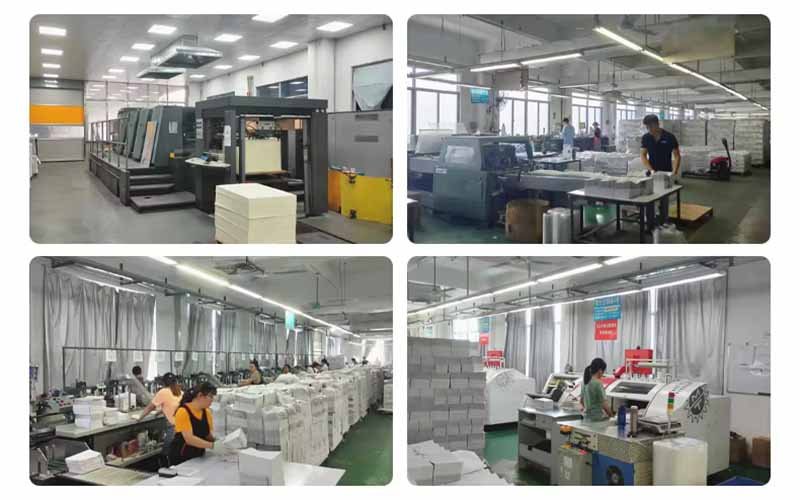
Verify quality control by asking the factory to show real checkpoints, inspection responsibilities, defect criteria, approved references, records, and corrective-action processes. Effective bag QC should begin with incoming materials and continue through cutting, sewing, semi-finished products, final inspection, and packing. Statements such as “strict quality control” are not enough unless the factory can explain what is checked, when, and by whom.
QC Through the Production Process
Final inspection is important, but it should not be the first time someone seriously checks the product. If the wrong lining, zipper, webbing, foam, buckle, or coating reaches the sewing line, the problem becomes more expensive at every subsequent production stage. Once thousands of finished products are packed, some defects become extremely difficult to correct.
Incoming inspection should therefore cover relevant fabrics and accessories before production. Pre-production confirmation should establish the final sample, materials, construction, dimensions, logo, and packing method. Cutting inspection can catch defects, shade differences, orientation problems, and dimensional errors before assembly. Process inspection can identify sewing and construction problems while the line can still adjust them.
Semi-finished checks are especially useful for complex bags because many internal structures become difficult to access after final assembly. Finished-product inspection then verifies appearance, dimensions, function, construction, and workmanship. Packing inspection confirms quantities, accessories, labels, polybags, cartons, barcodes, carton marks, and shipment preparation.
Szoneier’s documented QC system includes a 12-person QC team covering incoming inspection, in-process inspection, final-product inspection, outgoing packing inspection, and checkpoints for materials, accessories, cutting, sewing, semi-finished products, and packaging. The manufacturing system also supports third-party inspection when required.
During a remote audit, ask to see inspection tools, a QC workstation, blank inspection forms, or anonymized records where confidentiality permits. Visible QC activity provides much stronger evidence than broad quality claims.
Approved Sample and Specifications
An approved sample should become a production-control reference rather than simply a product that looked good during development. Once the sample is approved, the factory needs to preserve the details that created it so that operators and inspectors are working from the same version.
A practical production-control package may include the approved physical sample, current pattern revision, BOM, material specifications, color references, dimension table, logo artwork, logo position, hardware specification, reinforcement instructions, stitching requirements, packaging instructions, barcode files, carton information, and revision history.
Imagine that a backpack is approved at 45 cm high, 30 cm wide, and 18 cm deep, with 38 mm webbing and a logo positioned 65 mm below the upper seam. Those details should not depend on one person remembering a conversation from several weeks earlier. They should exist in controlled information that can be reviewed by production and QC.
During the remote audit, ask where the approved sample is kept and how the line knows which pattern version to use. Ask where critical dimensions are written, how materials are approved, what tolerance is applied to measurements, and what happens when production differs from the approved standard.
This becomes even more important for repeat orders. A reorder may happen six or twelve months later, when material lots, workers, production schedules, or suppliers have changed. Archived patterns, BOMs, artwork, material specifications, QC requirements, and packing information reduce the amount of manufacturing knowledge that depends on memory.
Bag-Specific Inspection
Generic quality checkpoints should be supplemented with tests that reflect how the product will actually be used. Most sewn bags require checks for dimensions, shape, symmetry, stitching, skipped stitches, broken stitches, loose threads, seam appearance, zipper movement, hardware function, webbing alignment, handle attachment, logo position, lining, pocket construction, color, cleanliness, and packing.
A backpack deserves additional attention around shoulder-strap attachment, grab handles, zipper curves, laptop compartments, reinforcement, and load-bearing seams. A cooler bag requires inspection of insulation placement, lining construction, closure, and handle loading. A tool bag needs stronger focus on its base, stress points, bartacks, webbing, and hardware. A cosmetic bag often requires tighter control of shape, lining cleanliness, piping, pocket placement, and appearance.
Finished goods may also be inspected through agreed statistical sampling plans. ISO 2859-1 and ANSI/ASQ Z1.4 concepts are commonly associated with lot-by-lot sampling in commercial inspection, but the sampling plan itself does not define whether an individual defect is acceptable. The purchaser and manufacturer still need clear definitions of critical, major, and minor defects appropriate to the product.
A slightly crooked logo may be primarily an appearance issue on a promotional giveaway but commercially serious on a premium retail bag. A weak shoulder-strap attachment is more significant because it affects product function. Statistical sampling and technical product judgment therefore need to work together.
How Do You Check Capacity and Outsourcing Risk?
Check production capacity by comparing sewing lines, machines, available workers, current workload, realistic output, material lead times, product complexity, and the actual schedule assigned to your order. Then establish where cutting, sewing, logo work, QC, and packing will occur. Outsourcing is common in bag manufacturing; the greater risk is production that is undisclosed, unmanaged, or disconnected from the approved standard.
Capacity Should Match Your Product
A monthly capacity figure means very little without a product reference. One sewing line may produce a large number of simple drawstring bags but far fewer technical backpacks with multiple pockets, foam panels, webbing, reinforcement, curved zippers, hardware, lining, binding, and more complicated assembly.
Ask what product type the stated capacity refers to, how many lines can manufacture your design, how many operators will be assigned, what expected daily output is, how many working days are planned, what orders are already scheduled for the same period, how long materials take, and how much time is allocated to packing and inspection.
A simple calculation can help test whether a production promise deserves more discussion. If a line is expected to produce 600 units per day for 25 working days, theoretical output is 15,000 units per month before considering line setup, learning curve, maintenance, absenteeism, rework, product changes, and other efficiency losses. A 60,000-piece order with a one-month sewing window would therefore require roughly four full line-month equivalents under those assumptions.
This is not a production-planning formula. It is a reasonableness check that helps you ask better questions about capacity.
Szoneier’s documented manufacturing system includes 8 sewing lines, 160+ production and support machines, 180+ team members, and a stated monthly production range of approximately 120,000–200,000 pieces depending on the order and product mix. Those figures should still be evaluated against the exact style, material, SKU count, season, and delivery schedule rather than treated as identical capacity for every project.
Find Out Where Production Happens
Ask directly which facility will produce your order, then divide the answer by process. Sampling may happen in one location, specialized logo work at another, final sewing at the main factory, and packaging in a dedicated area. That is not unusual. Modern bag manufacturing relies on a network of fabric mills, zipper suppliers, hardware factories, printing companies, embroidery shops, packaging suppliers, and specialized processors.
| Process | Question to Ask |
|---|---|
| Sampling | Which team develops and revises my sample? |
| Pattern making | Who owns and controls the final pattern? |
| Material sourcing | Who approves and purchases each material? |
| Cutting | Where will the approved material be cut? |
| Logo process | Internal production or specialist partner? |
| Sewing | Which factory and line will assemble the bag? |
| QC | Who performs process and final inspection? |
| Packing | Where will finished bags be packed? |
| Shipment release | Who gives final approval to ship? |
The distinction to understand is not simply factory versus outsourcing. It is controlled specialization versus uncontrolled subcontracting. A specialist embroidery company, molding supplier, hardware maker, or packaging printer may provide capabilities that would make little sense for one bag factory to own internally.
The primary manufacturer should nevertheless control specifications, approval standards, deadlines, incoming quality, corrective action, and final product responsibility. If an entire order is transferred to another sewing site, the need for control becomes even more important. You should understand who supplies the approved sample, who issues production instructions, who performs QC, and who remains accountable if the finished product does not meet the agreed standard.
Partner Factories and Peak Season
Production risk often becomes more visible during peak season. A factory with plenty of capacity during a quieter period may face several launches and repeat orders later in the year. When internal loading increases, manufacturers can add overtime, reallocate production lines, adjust schedules, decline new work, or use approved partner facilities.
A controlled partner-factory system should preserve the same approved sample, pattern, BOM, material requirements, color standards, logo specifications, construction details, inspection criteria, packing instructions, and final quality responsibility. The place of production may change, but the product standard should not.
Szoneier’s documented manufacturing structure includes 10+ controlled satellite partner factories used for additional capacity, specialized categories, special processes, multi-SKU projects, and repeat production. Its management model keeps sample standards, material requirements, logo specifications, QC requirements, packaging, project communication, and delivery responsibility under centralized control rather than treating partner production as anonymous spot outsourcing.
When another production site may be involved, ask who buys the materials, who sends the approved sample, who checks the first production pieces, who follows the production schedule, who handles defective goods, who conducts final inspection, and who remains financially responsible for the finished order.
The useful question is not “Do you ever outsource?” It is “If another facility touches my order, what controls stay exactly the same and who remains accountable?”
Is a Remote Audit Enough Before Placing an Order?
A remote audit is usually strong enough for early supplier screening and capability verification, but it cannot guarantee future production performance. For larger, technically complex, compliance-sensitive, or first-time orders, combine remote verification with approved samples, written specifications, production controls, and independent inspection or an on-site audit when the commercial risk justifies the additional verification.
What Remote Auditing Can Prove
A well-run live audit can confirm a surprising amount. It can help establish that a physical manufacturing site exists, relevant equipment is present, sample-development resources are available, materials are stored and handled, production lines are operating, QC procedures are visible, packing areas exist, and staff can answer practical questions about manufacturing.
It can also reveal how the company manages projects. Custom bag development rarely progresses from sample to shipment without adjustments. A material may become unavailable, a zipper color may not match the first approval, a logo technique may perform poorly on a selected fabric, or a structure may need additional reinforcement after sampling. The ability to identify and communicate these issues before mass production is an important part of supplier capability.
Remote auditing has clear limits, however. A camera cannot prove how the factory will perform several weeks later. It cannot reveal every subcontracting decision, future order conflict, labor shortage, night shift, financial issue, or material variation. It also cannot guarantee that the same personnel or production line shown during the audit will manufacture your order.
For this reason, remote verification should be treated as one layer of risk control rather than final proof of future quality.
A stronger sourcing decision connects several stages: company verification confirms who the supplier is; the factory audit confirms whether the manufacturing operation appears credible; sampling shows whether the supplier can interpret the product; production controls protect the transition to volume; inspection checks actual goods; and repeat-order performance eventually shows whether the supplier is dependable over time.
Red Flags That Need More Investigation
Remote auditing is most useful when it helps identify patterns rather than isolated imperfections. Real factories are rarely pristine. Workstations can look busy, documents may take time to locate, production schedules change, and managers may not be immediately available. Those situations are normal and should not automatically be interpreted as risk.
Greater concern is justified when several inconsistencies appear together. Examples include a supplier that refuses live video but sends highly polished recorded footage, cannot show the factory entrance, provides changing addresses, cannot explain the relationship between different companies, requests payment to an unrelated account, or gives contradictory answers about where products are manufactured.
Manufacturing answers can reveal additional warning signs. A supplier may claim very high monthly capacity but be unable to relate it to lines, workers, or daily output. The team may be unable to explain how samples become production instructions, who performs QC, where defects are recorded, or whether outside factories are used.
Another useful signal is how the company responds when a request is technically difficult. Mature manufacturers are normally prepared to say that a material requires a higher MOQ, a special process needs additional development time, a construction needs reinforcement, a requested deadline is unrealistic, or a performance claim requires testing.
Immediate agreement with every request is not necessarily good service. Manufacturing expertise includes knowing where the technical and commercial limits are.
When to Add Third-Party Verification
Independent verification becomes more valuable as the cost of making a wrong supplier decision increases. A small trial order made from standard materials presents a different risk profile from a large multi-SKU program using custom hardware, complicated structures, branded retail packaging, functional performance requirements, and a fixed launch date.
Consider additional inspection when the first order is financially significant, the product is technically complex, you are replacing an established supplier, compliance requirements are strict, functional claims are important, expensive materials are involved, many SKUs are being produced, the actual production location remains unclear, or the goods will ship directly to a retailer or fulfillment center without your own team inspecting them first.
A practical supplier-approval sequence is:
Company verification → Remote factory audit → Sample development → Final sample approval → Production specification → Bulk production → Inspection → Shipment → Supplier performance review.
Each stage answers a different question. The company review asks whether the supplier is identifiable. The factory audit asks whether the manufacturing operation is credible. Sampling tests whether the team can translate your product requirements into a physical result. Production controls protect the approved version at scale. Inspection evaluates the actual finished goods, and repeat production shows whether performance remains stable over time.
The strongest supplier decisions rarely come from one impressive piece of evidence. They come from several independent pieces of evidence that continue to support the same conclusion.
Conclusion
A remote bag factory audit should never be reduced to watching a twenty-minute walk through a sewing workshop. The useful question is not whether the supplier can show machines, workers, samples, or a busy production line. The useful question is whether all of those things connect into a manufacturing system capable of producing your specific product consistently.
Start with company identity and factory location. Follow the product through sampling, materials, cutting, sewing, inspection, packing, and shipment preparation. Compare claimed capacity with realistic production resources. Understand which processes are internal and which rely on specialist partners. Review how the approved sample, BOM, patterns, materials, logos, and packaging requirements are controlled. When the order risk is high enough, add independent inspection rather than asking remote video to prove more than it realistically can.
Szoneier approaches remote factory review as part of this broader manufacturing process. Its documented system combines in-house sampling and pattern development, materials coordination, sewing production, multi-stage QC, packaging, export preparation, and controlled partner capacity, allowing serious custom bag projects to be discussed around real production requirements rather than a quotation alone.
The final decision should come back to one practical question: can this manufacturing system make the agreed product, with the agreed materials and construction, at the required quality level, in the required quantity, and within a realistic delivery window? When the documents, live factory, samples, production plan, QC process, and inspection evidence keep giving you the same answer, you have moved beyond a sales promise and toward a manufacturing relationship that can actually be verified.
Frequently Asked Questions
Can I audit a bag factory without visiting China?
Yes. A well-planned remote audit can verify many important parts of a factory, including its operating location, sample room, material handling, cutting, sewing lines, QC process, packing area, finished-goods storage, relevant equipment, and staff responsibilities. The strongest remote audits combine live video with documents, product samples, production information, quality records, and spontaneous questions rather than relying only on supplier-selected videos or photographs.
Remote auditing is especially useful for initial qualification and supplier comparison. It should not be treated as a complete substitute for all future quality controls. For larger or higher-risk orders, approved samples, written specifications, production inspections, pre-shipment inspection, or an independent factory audit can provide additional protection.
How long should a remote factory audit take?
There is no universal duration because the appropriate length depends on factory size, product complexity, the number of areas being reviewed, and how much documentation needs to be discussed. For a straightforward sewn-bag supplier, a structured video session of roughly 45–90 minutes can often cover the main departments and questions, while technically complex products or broader management-system reviews may require a longer meeting or several separate sessions.
The quality of the audit matters more than its duration. A focused 60-minute call that follows materials, samples, sewing, QC, packing, and production responsibility can reveal more than a two-hour presentation dominated by company history and showroom products. Prepare your questions in advance so that most of the meeting is spent verifying evidence rather than collecting basic information.
How can I tell whether a bag supplier is a real factory or a trading company?
Do not rely on one clue. Compare the company registration, factory address, quotation entity, bank beneficiary, production site, equipment, employees, sample-development process, QC responsibilities, and manufacturing records. During a live video call, ask to move continuously between the factory entrance, sample area, materials, cutting, sewing, inspection, packing, and warehouse rather than viewing selected rooms separately.
Trading companies are not automatically unsuitable, and some manufacturers legitimately operate through separate export entities. The important issue is transparency. You should know who actually develops the product, who controls production, where the order is manufactured, who performs QC, and which company is responsible when something goes wrong. Unexplained relationships and changing answers are more concerning than the presence of more than one legal entity.
What should I ask during a video factory audit?
Ask questions that connect the factory to your specific product rather than questions that can be answered from a company brochure. Find out where your sample will be made, which material and accessories are proposed, which machines will be used, which operations are difficult, where production will take place, how many lines could handle the order, how the approved sample is controlled, and which QC checkpoints apply.
Also make several spontaneous requests. Ask to see the opposite side of a production line, a material storage location, an inspection form, the machine required for a specific construction, or the area where rejected products are handled. These requests help determine whether the manufacturing story remains consistent when the supplier moves away from its prepared presentation.
Should I accept a factory that outsources some production processes?
Yes, if the outsourced processes are transparent and properly controlled. Bag manufacturing depends on specialized suppliers for fabrics, zippers, buckles, hardware, printing, embroidery, molded labels, packaging, and many other components. It is neither unusual nor necessarily desirable for one factory to perform every specialized process internally.
What matters is whether the primary manufacturer controls the specification, approved sample, artwork, material requirements, quality checks, timing, and corrective action. Outsourcing becomes more risky when the supplier cannot explain where work is performed, when the complete sewing order is moved to an unknown factory, or when production responsibility becomes unclear. Ask what is outsourced, who approves it, how it is inspected, and who remains accountable for the final product.
Is a remote audit enough before a large custom bag order?
For a large first order, relying only on a remote audit is usually less prudent than combining several verification methods. Remote auditing can confirm factory existence, visible resources, sample capability, workflow, and basic quality systems, but it cannot guarantee the quality of goods that will be produced several weeks or months later.
A stronger process combines supplier verification, live factory review, sample approval, final written specifications, controlled production, and an appropriate inspection before shipment. For complex products, large order values, strict retailer requirements, functional claims, or unclear production arrangements, an independent audit or third-party inspection can provide another useful layer of evidence before the goods are released.
What is the biggest mistake when auditing a bag factory remotely?
The biggest mistake is trying to decide whether the factory is reliable from one impressive signal. A large building does not prove strong product development. Hundreds of sewing machines do not guarantee suitable equipment for your design. A beautiful sample does not prove repeatable bulk quality. A certificate does not prove that the exact material or factory involved in your order is covered.
The safest approach is to connect evidence. Company identity should connect to the production site. The production site should connect to suitable people and equipment. Samples should connect to controlled patterns and materials. Production should connect to clear QC checkpoints. Capacity should connect to realistic lines and schedules. When all these pieces support each other, the audit becomes genuinely useful rather than simply reassuring.