 Skip to content
How to Prevent Makeup Bags From Collapsing When Half Full
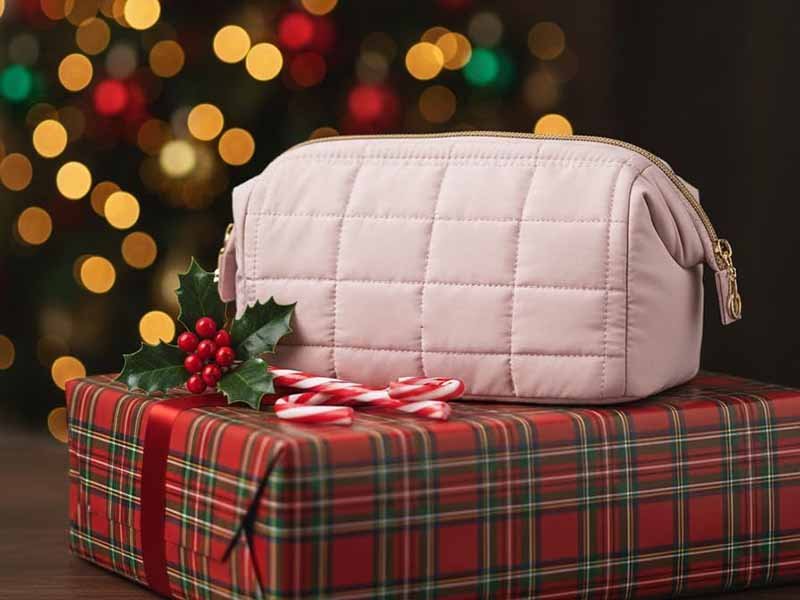
Most makeup bags look fine when they’re packed to the top. The real “truth test” happens when the user has only a few items inside—maybe a foundation bottle, a lip balm, one brush, and a compact. That’s when many bags fold inward, fall on their side, or lose their clean shape. For your customer, it feels messy and annoying. For your brand, it shows up as low ratings: “doesn’t stand up,” “flimsy,” “hard to find items,” “looks cheap.” The frustrating part is that collapse isn’t always caused by cheap fabric. A bag can use expensive PU leather and still collapse if the structure is wrong.
How to Prevent Sagging in Heavy-Duty Tote Bags
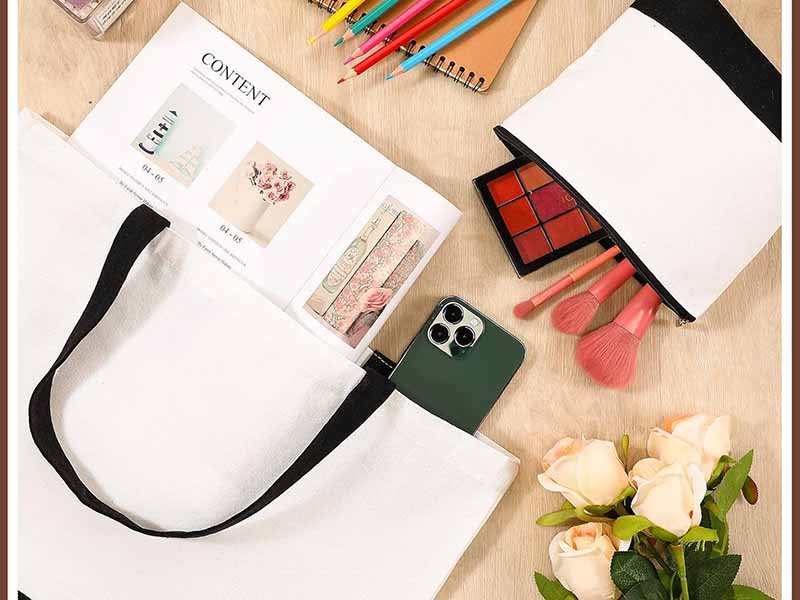
A heavy-duty tote bag can look “strong” at first glance—thick fabric, wide handles, neat stitching—yet still turn into a droopy U-shape after a few real-world uses. That sagging isn’t just an appearance problem. It affects how the bag carries, how comfortable it feels on the shoulder, how the logo shows on the front panel, and how long customers keep it before they complain or replace it.
Best Types of Beach Bags: Resort Totes, Mesh Totes, Waterproof & Cooler Beach Bags

Summer is the perfect time to hit the beach, and a well-chosen beach bag can make all the difference in ensuring you have everything you need to enjoy the sun, sand, and surf. Whether you’re packing sunscreen, towels, a good book, or snacks, the right beach bag can be your best companion. The variety of options available—resort totes, mesh totes, waterproof bags, and cooler beach bags—means that there’s a perfect style for every beach-goer’s needs. Beach bags come in different styles, including resort totes, mesh totes, waterproof totes, and cooler beach bags, each designed to suit specific needs. The best beach bag for you depends on your activities, the items you need to carry, and the environment you’ll be in. Choosing the right material, size, and features is essential for a functional and stylish bag.
Personalized School Backpacks with Heat Transfer Names: A Complete Guide
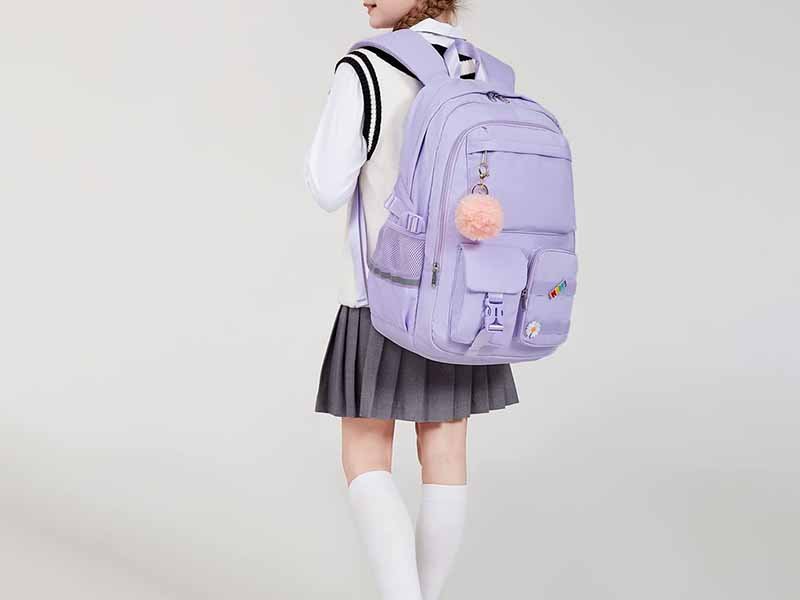
Backpacks get “lost” at school for boring reasons: kids rush, classrooms look the same, and half the hallway carries the same popular styles. The fix doesn’t need to be complicated. A heat transfer name on a school backpack makes the bag easier to spot, harder to mix up, and faster to return when it ends up in a lost-and-found bin. For parents, it’s not just about looking cute—it’s about fewer replacement purchases and fewer morning arguments. For kids, it’s confidence: “That one is mine.”
Best Materials for Fishing Bags by Environment: Freshwater vs Saltwater
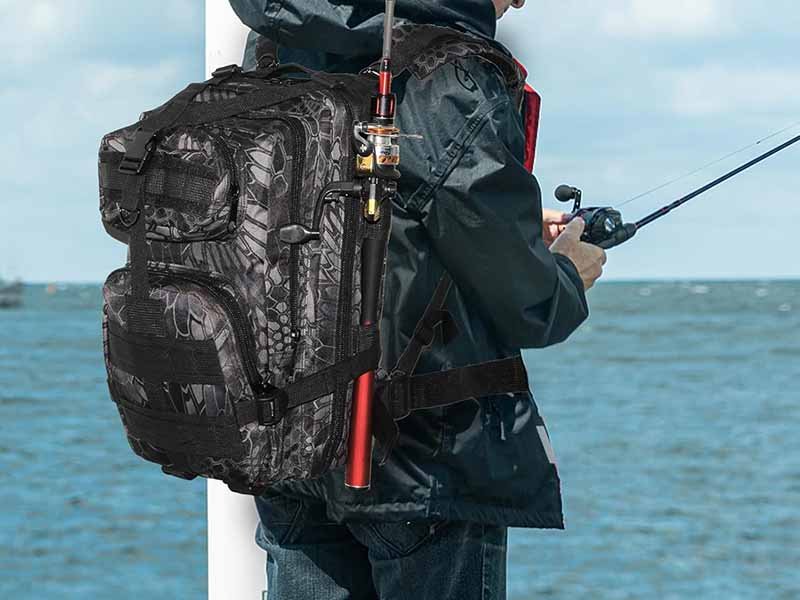
Choosing the right material for your fishing bag can dramatically improve your fishing experience, whether you’re enjoying a day at a freshwater lake or battling the open sea. Selecting the correct material isn’t just about durability but ensuring that your bag withstands water exposure, abrasion, and the elements. The material you choose will make a big difference in terms of performance and longevity. Freshwater fishing bags require materials that are lightweight, water-resistant, and durable for the relatively milder conditions. In contrast, saltwater fishing bags need to be waterproof, corrosion-resistant, and durable enough to handle the harsh effects of saltwater and rough conditions.
How to Engineer Strong Shoulder Straps for Duffle Bags

A duffle bag can look premium, feel smooth, and have perfect branding—then lose all credibility the moment the shoulder strap fails. And strap failure doesn’t always mean a dramatic snap. More often it’s the slow problems customers hate: the webbing edges fuzz up, the buckle slips, a hook deforms, or the strap attachment starts tearing after a few weeks of gym-to-car-to-plane use. Once that happens, the whole bag feels “cheap,” even if the body fabric is great.
How to Build Cooler Bags That Resist Abrasion for Outdoor Use
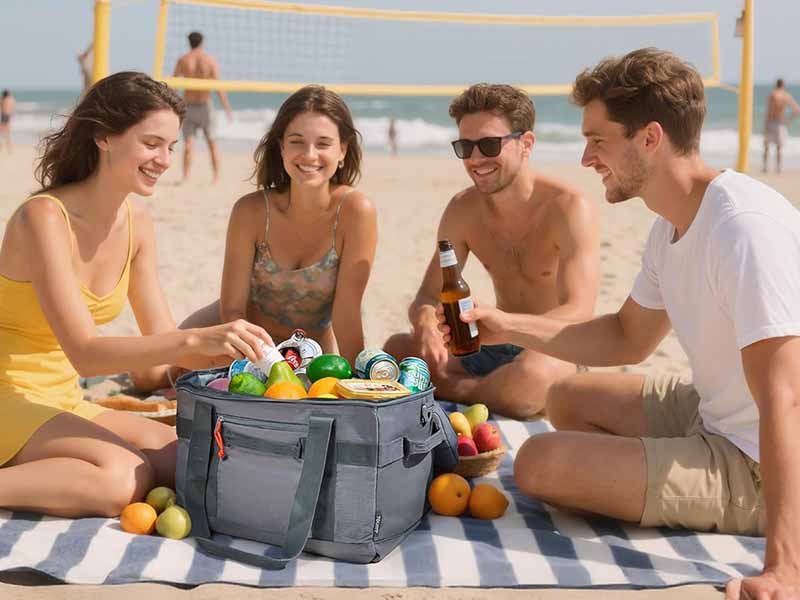
Outdoor activities like hiking, camping, or a day at the beach demand more from cooler bags than just keeping beverages cold. Durability is a key factor, especially in abrasion resistance. Cooler bags are constantly exposed to harsh environments—rocks, rough surfaces, sand, and even the weight of the items inside. Without proper abrasion resistance, a cooler bag will quickly show wear and tear, compromising both its functionality and appearance.
How to Create Detachable Pouches Inside Makeup Bags
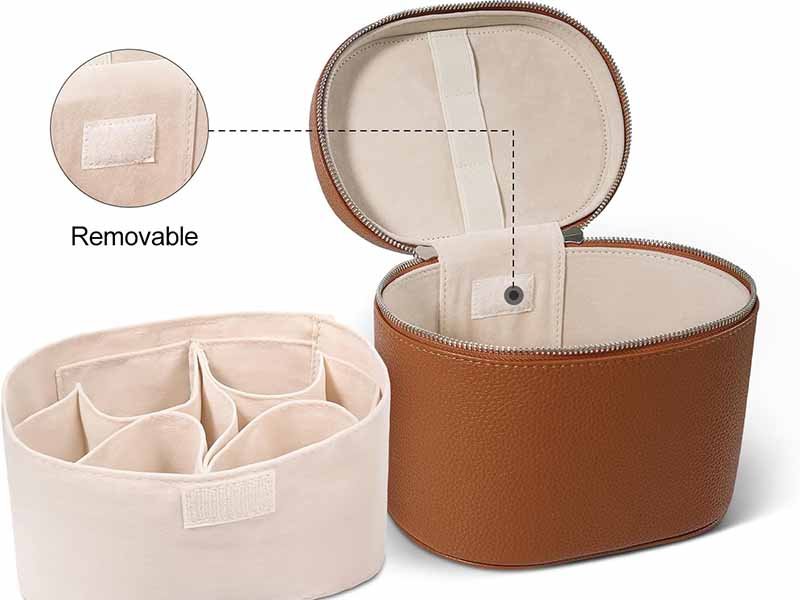
A makeup bag isn’t hard to sew—but it’s surprisingly easy to get wrong. The complaints that hurt most aren’t about color or logo; they’re about daily frustration: “everything gets messy,” “my brush head got stained,” “the zipper pouch tore,” or “I can’t find small items quickly.” Detachable pouches solve these problems in a very practical way: they let users separate categories (liquids, brushes, small items), pull out only what they need, and clean just one section instead of washing the entire bag.
How to Improve Stand-Up Shape for Tote Bags
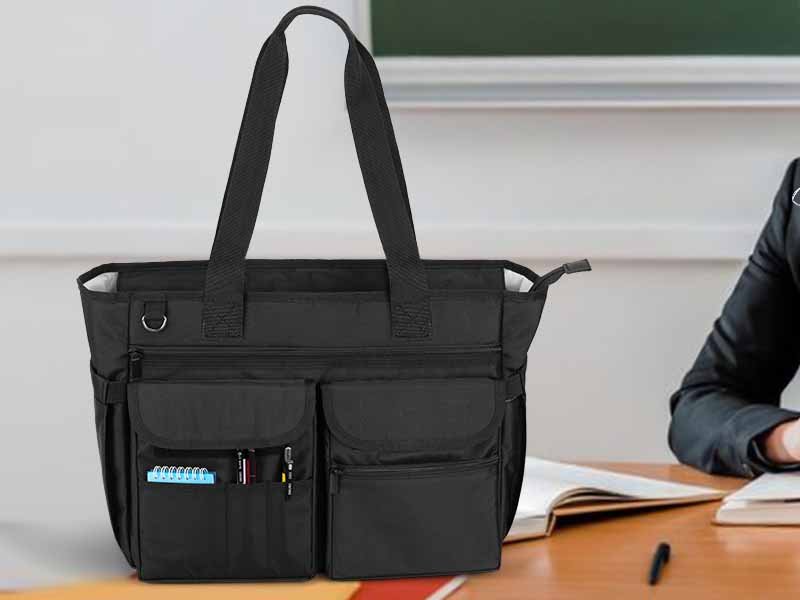
A tote bag that stands on its own doesn’t just look nicer on a product page—it sells better in real life. Customers notice it immediately: the bag feels “built,” easier to pack, easier to keep organized, and more premium even before they touch the logo. The tricky part is that “stand-up shape” is not one decision. It’s what happens when fabric stiffness, inside support, base design, and sewing choices all line up.
Best Duffle Bags Structures For Gym Vs Travel Vs Outdoor Use
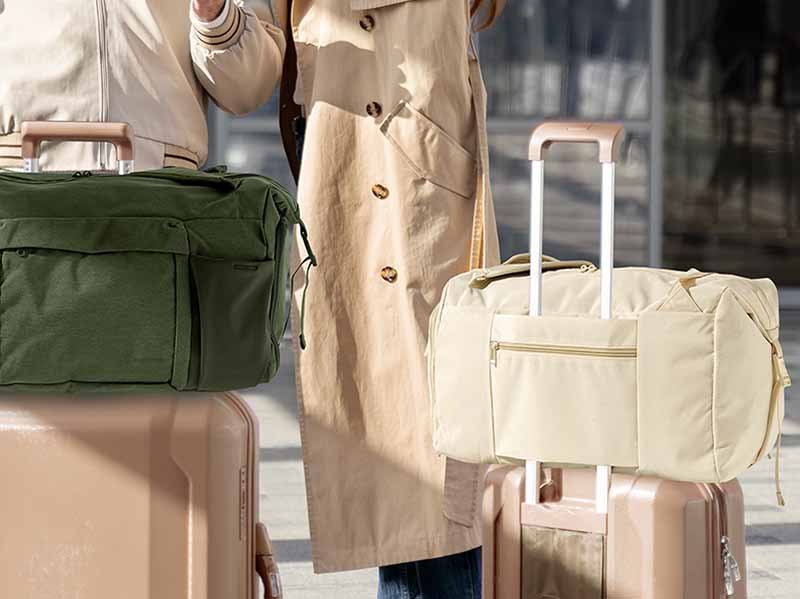
Most duffle bags look fine on day one. The real difference shows up when a customer actually loads it: sweaty clothes, shoes, laptop, a water bottle, maybe a packed lunch—then they carry it for 10 minutes. If the base sags, the zipper line twists, or the shoulder strap digs in, the bag instantly feels “cheap,” even if the fabric itself is strong. And for travel or outdoor trips, the same bag may be thrown into overhead bins, dragged across parking lots, or strapped to gear—where weak handle anchors and soft corners start leaking durability fast.
Types of Smellproof Bags: What They Are, Which to Choose & How They Work
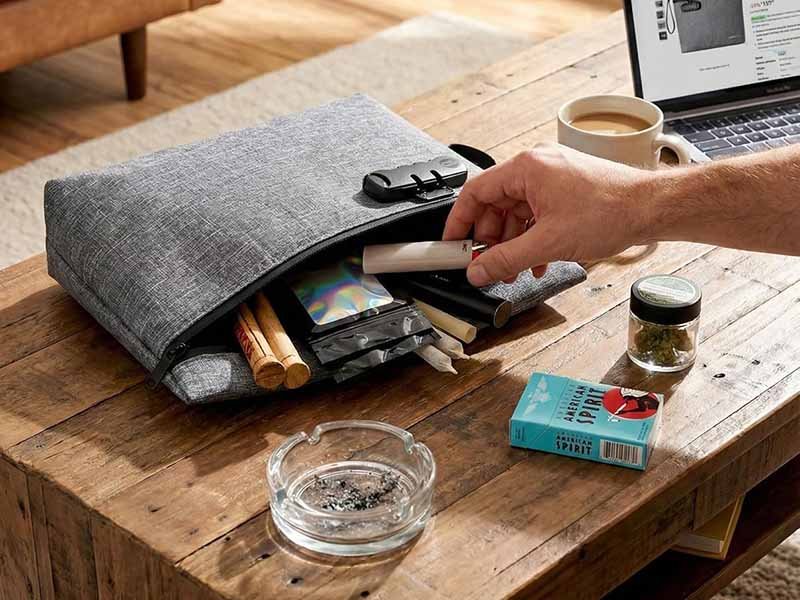
Odor is a “small” problem until it ruins a trip, a commute, or a product experience. A sandwich smell drifting through a backpack, sweaty gym gear making a car stink for days, or strong aromas transferring into clothing inside luggage—these situations happen because most bags are built to carry items, not to control air movement. Smellproof bags solve that with a different design mindset: they reduce odor leakage by combining barrier layers + adsorption layers + leak-resistant closures.
Best Materials for Beach Bags by Use Case
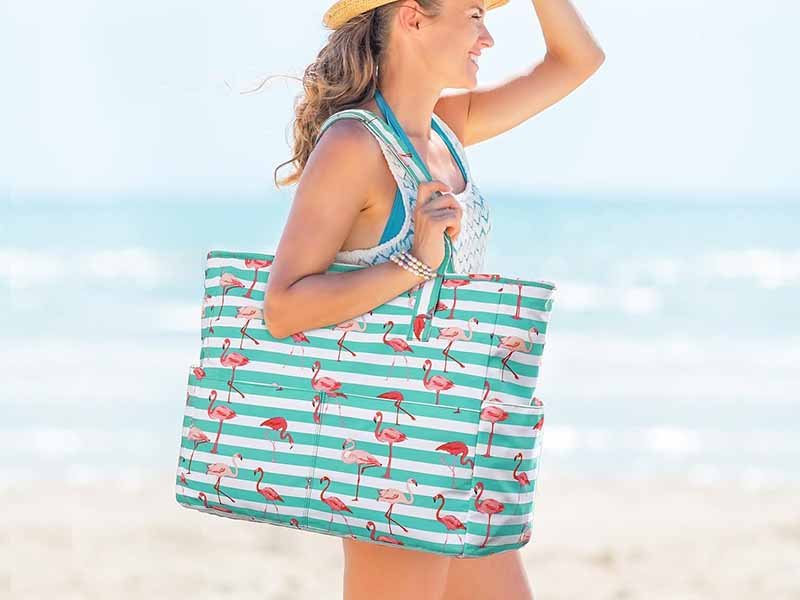
A beach bag looks simple—until you use it for real. One day it’s carrying wet towels and sunscreen. The next day it’s full of snacks, a water bottle, kids’ toys, and a phone you can’t afford to ruin. The hard truth is that most “cute” beach totes fail for predictable reasons: the wrong fabric traps sand, the lining stays damp and starts to smell, straps stretch out, and a single splash turns the inside into a mini swimming pool. If you’re building a product line (or sourcing for a brand), the material choice is not a style detail—it decides return rates, reviews, and whether customers buy again.
