Skip to content

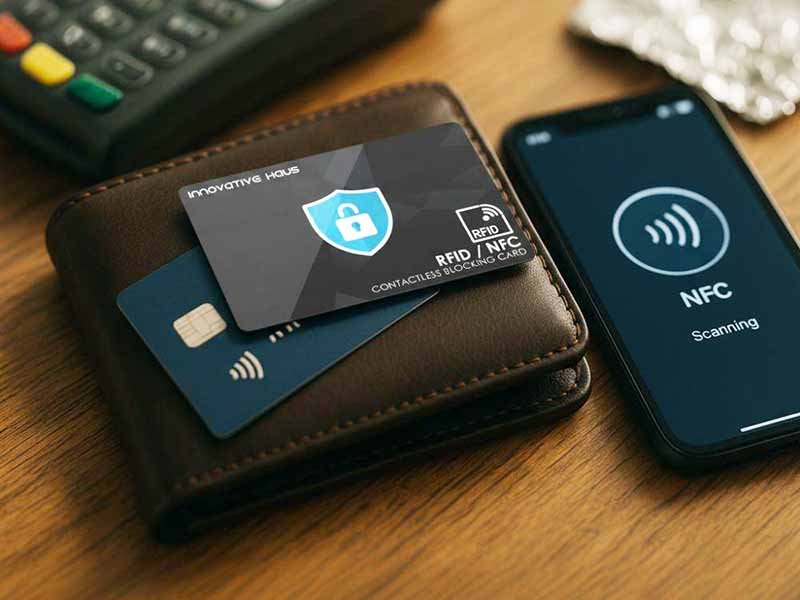
RFID technology has become part of everyday life, from contactless payment cards and electronic passports to employee access cards and identification documents. As more people carry RFID-enabled products, brands are paying greater attention to how these items can be protected during travel and daily use. This has created opportunities for manufacturers to develop RFID blocking wallets, passport holders, travel organizers, backpacks, and other functional bags. However, creating a reliable RFID protection product involves much more than adding a piece of metallic fabric to an ordinary pocket. The material composition, shielding coverage, pocket structure, seams, closures, and manufacturing process all influence the final result.
How do you develop RFID blocking bags? Developing RFID blocking bags starts with identifying the RFID frequencies and applications that require protection. Manufacturers then select suitable conductive shielding materials, integrate them into appropriately designed compartments, develop physical prototypes, and verify the assembled product under defined testing conditions. The final stage involves confirming materials, dimensions, construction, quality requirements, and production specifications before moving into mass manufacturing.
For brands, importers, and retailers, the real challenge is finding a balance between shielding performance, product appearance, manufacturing cost, durability, and customer convenience. A bag that provides suitable technical performance but feels bulky or looks unattractive may struggle commercially. On the other hand, an attractive product without verified shielding performance can damage customer confidence. With more than 18 years of bag manufacturing experience, Szoneier approaches functional bag development through coordinated material sourcing, pattern development, sampling, sewing production management, quality inspection, and export delivery. Understanding each stage helps brands make better product decisions before committing to a new collection.
What Are RFID Blocking Bags and How Do They Work?

RFID blocking bags are specially designed bags, wallets, and pouches that use conductive shielding materials to reduce radio-frequency communication between RFID tags and unauthorized or unintended readers. They combine conductive fabrics, carefully designed compartments, and suitable closures to protect specified items such as contactless payment cards, passports, and access cards. Their effectiveness depends on the operating frequency, shielding material, coverage, and finished-product construction.
What Is RFID Technology?
Radio Frequency Identification (RFID) is a wireless identification technology that uses radio waves to transfer information between an RFID tag and a compatible reader. Unlike traditional barcode systems, RFID does not always require direct visual contact between the reader and the tagged object. This makes it useful for identifying, tracking, and managing products, documents, and personal belongings across different industries. An RFID system generally includes four components: an RFID tag, an antenna, a reader, and a data processing system.
RFID technology is widely used in retail inventory management, logistics, transportation, healthcare, access control, and contactless payment systems. For example, a contactless bank card contains an embedded chip and antenna that allow it to communicate with a payment terminal when placed within the appropriate operating range. Electronic passports also contain RFID-compatible chips that store information used during identity verification. These applications demonstrate why RFID protection has become a relevant feature in travel accessories and everyday carry products.
However, different RFID applications use different frequencies and communication methods. A low-frequency access card does not necessarily operate in the same way as a high-frequency payment card or a UHF warehouse tracking tag. This distinction matters when developing RFID blocking bags because a shielding material suitable for one application may not provide equivalent protection for another. Manufacturers need to understand the intended electronic products before selecting the appropriate shielding material.
From a bag manufacturing perspective, understanding the intended RFID application is more important than simply knowing that a customer wants an RFID protection feature. A passport holder, credit card wallet, and electronic document organizer may all require shielding, but their compartment dimensions, material combinations, and construction methods can be quite different. Szoneier therefore recommends identifying the protected contents, operating frequency, and expected storage arrangement before preparing the product pattern.
How Does RFID Blocking Technology Work?
RFID blocking technology works by introducing conductive materials into the path of electromagnetic communication. Depending on the material and its construction, the shielding layer can reflect, absorb, or attenuate radio-frequency energy, reducing the ability of an RFID reader to communicate with a tag inside the protected compartment. The actual result depends on the material’s electrical properties, the operating frequency, the enclosure geometry, and the continuity of the shielding structure.
Common materials used in RFID protection products include silver-coated conductive fabric, copper-nickel conductive textile, metallic-coated polyester, aluminum-based shielding composites, and other specially engineered conductive textiles. These materials are usually integrated into the inner construction of the bag rather than used as the visible exterior. This allows manufacturers to maintain a conventional fabric, leather, or synthetic leather appearance while incorporating a functional shielding compartment.
However, the presence of conductive material alone does not guarantee that a finished bag will provide the required protection. The material must be positioned correctly, and the shielding structure must be evaluated as a complete enclosure. Consider a passport holder with conductive fabric covering only its back panel. Although the material itself may have suitable shielding properties, the assembled compartment may not provide the expected protection because the front, sides, and opening have not been adequately addressed.
This is why experienced manufacturers consider shielding material, lining, seams, pocket dimensions, and closure construction together. The goal is not simply to insert conductive fabric into an ordinary bag, but to develop a compartment whose complete construction supports the intended shielding function. Szoneier considers these factors during product development so that material selection and sewing construction remain consistent throughout sampling and production.
Which RFID Frequencies Should Bags Support?
The appropriate RFID frequency depends on the electronic products the bag is designed to protect. The three main RFID frequency categories are low frequency (LF), high frequency (HF), and ultra-high frequency (UHF). Each category serves different applications, so manufacturers should confirm the intended frequency before selecting shielding materials or approving a prototype.
| RFID Category | Common Frequency | Typical Applications | Relevant Bag Products |
|---|---|---|---|
| LF | 125–134 kHz | Access control, animal identification | Specialized card holders and access-card pouches |
| HF | 13.56 MHz | Contactless payment, NFC, electronic passports | RFID wallets, passport holders, travel organizers |
| UHF | Approximately 860–960 MHz, depending on region | Logistics, inventory, asset tracking | Specialized equipment and security pouches |
These are commonly encountered operating frequencies, not universal specifications for every RFID product. UHF operating allocations differ between markets, and the actual frequency should be confirmed against the intended tag or reader.
For most consumer travel accessories, HF at 13.56 MHz is particularly relevant because many contactless payment cards and electronic passport applications operate within this category. However, manufacturers should not assume that every RFID blocking product only needs to address HF. A specialized electronic security pouch may require a different testing plan from a compact payment card wallet.
Consider a brand developing two products: a wallet for contactless bank cards and a specialized pouch for electronic tracking equipment. Although both products may be described as RFID protection bags, their technical requirements could be substantially different. The first project may focus on a dedicated HF shielding pocket, while the second may require evaluation across a specified UHF frequency range.
Before development, brands should confirm the RFID frequency, intended application, target sales markets, expected shielding performance, and whether independent testing is required. Defining these details early makes material sourcing more efficient and gives the manufacturer measurable criteria for prototype approval.
How Are RFID Blocking Bags Different from Faraday Bags?
RFID blocking bags and Faraday bags both use conductive shielding principles, but their intended applications and performance requirements are not necessarily the same. RFID blocking bags generally focus on reducing communication with specified RFID systems, while Faraday bags may be designed to isolate a wider range of wireless signals, depending on their construction and tested frequency coverage.
A conventional RFID passport holder, for example, may only need a dedicated shielding compartment for electronic documents and contactless cards. A Faraday phone pouch may need to provide a more comprehensive enclosure around the device to reduce communication through cellular, Wi-Fi, Bluetooth, GPS, or other radio-frequency systems. These applications require different material coverage and construction considerations.
| Comparison | RFID Blocking Bag | Faraday Bag |
|---|---|---|
| Main purpose | Protect specified RFID-enabled items | Isolate selected wireless signals |
| Typical contents | Payment cards, passports, access cards | Mobile phones and electronic devices |
| Shielding structure | May use a dedicated internal pocket | Usually requires broader enclosure coverage |
| Frequency requirements | Defined by intended RFID application | Defined by required wireless signal coverage |
| Design priorities | Card access, storage, compact construction | Enclosure continuity and signal isolation |
| Testing | Frequency-specific RFID evaluation | Testing across required wireless frequency ranges |
The distinction becomes important when brands develop product descriptions and make performance claims. A bag that successfully prevents a particular contactless card from being read should not automatically be marketed as capable of blocking all mobile phone signals. The material requirements can also differ because a simple RFID wallet may use a flexible conductive lining, whereas a phone signal-blocking pouch may require more comprehensive coverage and carefully designed closures.
From a manufacturing perspective, the first step is to understand what the customer expects the product to do. A clear functional specification prevents unnecessary material costs and reduces the risk of developing a product that looks correct but does not meet its intended purpose.
Which Materials Are Best for Developing RFID Blocking Bags?

The best materials for RFID blocking bags combine suitable shielding properties with flexibility, durability, sewing compatibility, and reasonable production costs. Common options include silver-coated fabric, copper-nickel conductive textiles, and metallic shielding composites. These materials can be integrated with nylon, polyester, Oxford fabric, or PU leather to create functional products with different appearances, structures, and price points.
Which Conductive Fabrics Can Block RFID Signals?
Conductive fabric is one of the most important materials used in RFID blocking bag development. Unlike conventional textiles, conductive fabrics contain metallic fibers, conductive coatings, or other engineered structures that allow them to interact with electromagnetic fields. Different conductive textiles offer different physical and electrical properties. Some are lightweight and flexible, while others have a firmer surface or require more careful handling during cutting and sewing.
Silver-coated textiles use a conductive silver-based layer on a textile substrate. They can be suitable for applications requiring a flexible conductive material, although coating durability, abrasion resistance, and material cost should be evaluated before production. Copper-nickel textiles combine conductive metallic components with a flexible fabric structure and are used in various electromagnetic shielding applications. Their actual performance depends on the specific composition and manufacturing process.
Metallized polyester uses a metallic coating or laminated structure on a polyester substrate. It can offer lightweight construction, but the coating and bonding quality need to be checked because repeated folding and abrasion may affect its physical condition. When selecting conductive fabric, Szoneier recommends checking electrical conductivity, available shielding data, supported frequency range, material thickness, flexibility, coating stability, and sewing compatibility.
Another important consideration is how the material behaves during production. Shielding textiles may be cut into small panels, folded around pocket corners, stitched along seams, and combined with conventional lining materials. A fabric that performs well as a flat sheet may become difficult to handle when incorporated into a complicated pocket structure. For example, a compact RFID wallet with six card slots may require a relatively flexible shielding textile because the finished product needs to remain slim.
Szoneier evaluates material compatibility alongside the intended product structure. This helps customers avoid selecting a material based only on technical specifications without considering how it will behave during actual bag production. For projects requiring stronger technical evidence, material documentation should be reviewed before the first sample is approved.
Is Aluminum, Copper, or Nickel-Coated Fabric Better?
Aluminum, copper, and nickel-based materials can all be used in electromagnetic shielding applications, but none is automatically the best choice for every RFID blocking bag. The correct option depends on the operating frequency, shielding requirement, material construction, flexibility, durability, and overall product cost. The electrical properties of a raw metal should not be confused with the performance of a finished textile.
| Material | Main Characteristics | Potential Advantages | Possible Limitations |
|---|---|---|---|
| Aluminum-based material | Lightweight metallic conductive layer | Low weight and potential cost advantages | Some constructions may crease or lose integrity |
| Copper-based material | High electrical conductivity | Suitable for conductive shielding applications | Cost and oxidation protection may require attention |
| Nickel-coated textile | Conductive coating on fabric substrate | Flexible textile construction | Coating adhesion and wear resistance require evaluation |
| Silver-coated textile | Silver-based conductive surface | Flexible material options | Higher material cost may affect product pricing |
| Copper-nickel composite | Combined conductive material structure | Can balance textile flexibility and shielding characteristics | Performance depends on composition and processing |
For example, copper has high electrical conductivity, but a rigid copper sheet would not be a practical choice for most flexible wallets. A copper-based conductive textile may be much more suitable because it combines conductive properties with a fabric substrate that can be cut and sewn. Similarly, aluminum-based materials can offer lightweight construction, but their suitability depends on whether the selected material can withstand folding, stitching, and repeated handling.
When comparing materials, buyers should evaluate the total manufacturing result rather than only the initial price per square meter. A practical comparison should include material purchase cost, cutting efficiency, material waste, finished thickness, sewing difficulty, durability, and available shielding test documentation.
For a premium passport wallet, a flexible conductive textile may be worth the additional material cost if it improves the finished appearance and handling experience. For a larger promotional pouch, a different material combination may offer a more suitable balance between price and functionality. The best solution is the one that meets the project’s technical requirements without creating unnecessary manufacturing complexity.
Which Outer Fabrics Work Best with RFID Shielding Layers?
The outer fabric determines much of the bag’s appearance, tactile quality, durability, and commercial positioning. Since conductive shielding materials are usually integrated into the internal structure, brands can choose from several conventional bag fabrics while maintaining the intended functional compartment.
Nylon is commonly considered for travel bags, backpacks, and lightweight organizers because it offers a practical combination of flexibility and strength. Different nylon constructions provide different weights, textures, and surface finishes, allowing brands to develop products for travel, outdoor, or everyday use. Polyester is another versatile option, particularly for pouches, organizers, wallets, and promotional bags because it is available in many colors and supports different printing and branding methods.
Oxford fabric may be suitable when a more structured or durable outer surface is required. Depending on its specification and coating, it can be used in travel organizers, functional pouches, and larger bags. PU leather is often selected for premium wallets and passport holders because it offers a leather-like appearance and allows brands to create a more refined product. However, its thickness, backing, surface finish, and flexibility should be evaluated together with the shielding material.
| Product Type | Outer Material | Internal Shielding Material | Additional Lining |
|---|---|---|---|
| RFID card wallet | PU leather | Conductive textile | Polyester |
| RFID passport holder | PU leather or nylon | Shielding fabric | Soft polyester |
| RFID travel pouch | Nylon or polyester | Conductive composite | Polyester |
| RFID backpack pocket | Oxford or nylon | Conductive textile | Lightweight lining |
These are possible development combinations rather than fixed specifications. The final selection should be based on the customer’s design, budget, and performance requirements. The interaction between material thicknesses also deserves attention. If the outer fabric, conductive lining, reinforcement, and ordinary inner lining are all relatively thick, the finished pocket may become bulky and difficult to close.
Szoneier recommends reviewing the complete material stack before producing the first sample. A small change in lining weight or reinforcement thickness can sometimes improve the finished product without compromising the intended construction. Branding should also be considered during this stage, with screen printing, embroidery, woven labels, embossing, and other suitable methods selected according to the exterior material.
How Do Material Thickness, Flexibility, and Durability Affect Performance?
Material thickness, flexibility, and durability influence both the physical performance and manufacturing practicality of an RFID blocking bag. A thicker shielding material is not necessarily more effective, and a flexible fabric is not automatically less reliable. The important consideration is whether the selected material maintains suitable shielding properties while surviving cutting, stitching, folding, and everyday use.
Thickness directly affects the finished product’s profile. In a compact wallet, adding several layers of fabric can make the product uncomfortable to carry and reduce the available space for cards. In a larger travel organizer, the same material combination may be acceptable because there is more room for internal compartments. Flexibility affects how easily the material follows the bag’s shape, particularly around corners, curved panels, and pocket openings.
Durability is equally important. Some conductive coatings can deteriorate when exposed to repeated friction or mechanical stress. If the conductive layer becomes damaged, the finished product may no longer provide the same performance as the original sample. Before approving a shielding material, manufacturers should evaluate thickness, flexibility, abrasion resistance, coating stability, sewing compatibility, and total product weight.
A practical development process should compare the material before and after representative physical conditioning. For example, a project may establish repeated folding or opening-and-closing cycles as an internal durability evaluation. The number of cycles should be determined by the intended product and customer requirements rather than presented as a universal industry standard.
Szoneier considers these physical properties when coordinating material selection and sample construction. This is particularly important for products expected to be carried every day, where a comfortable feel and reliable construction are just as important as the initial shielding result. The selected material should remain compatible with the complete production process rather than only performing well as a laboratory sample.
How Should RFID Shielding Be Integrated into Bag Design?

RFID shielding should be integrated into the compartments that need protection, with the front, back, sides, seams, and openings considered as part of the complete structure. Depending on the product, shielding can be incorporated into a dedicated pocket, selected internal panels, or a more comprehensive enclosure. The best design provides the required functional coverage without making the bag unnecessarily bulky, expensive, or difficult to use.
Where Should RFID Shielding Layers Be Placed?
The placement of shielding layers depends on which items customers need to protect and how those items will be stored. For a compact wallet, a dedicated RFID compartment may be sufficient. For a travel organizer, several document and card sections may need to be considered separately. There are three common approaches to integrating shielding materials: a dedicated shielding pocket, partial internal shielding, and a more comprehensive shielding construction.
A dedicated shielding pocket is one of the most practical approaches for wallets, passport holders, and travel organizers. Conductive fabric is incorporated into a specific compartment designed for payment cards, passports, or access cards. The advantage is that shielding material is concentrated where it is needed, which can reduce material consumption and keep the rest of the bag lightweight.
Partial internal shielding involves adding conductive material to selected panels or compartments. It may be appropriate for products where only one section needs protection, while other areas remain available for ordinary belongings. However, the coverage must be clearly defined because simply adding conductive fabric to one internal wall does not automatically create a complete shielding enclosure.
For products requiring more extensive coverage, shielding material may be integrated into a larger portion of the bag. This approach generally requires more attention to seams, panel connections, openings, and closures. The additional material can increase cost, weight, and construction complexity, so it should only be used when the application justifies it.
When developing a new product, the manufacturer should first identify the protected contents and determine the intended pocket configuration. Szoneier can help translate these requirements into a practical pocket arrangement and production-ready pattern. Establishing the shielding coverage before finalizing dimensions helps avoid unnecessary pattern modifications during later sampling stages.
How Should RFID Blocking Pockets Be Constructed?
An RFID blocking pocket is generally constructed from a combination of outer material, conductive shielding fabric, inner lining, and any reinforcement needed to maintain the intended shape. The arrangement depends on the material specification, pocket dimensions, and required shielding performance. For example, a compact RFID passport holder might use PU leather as its exterior, conductive textile as the shielding layer, and polyester as the inner lining.
A practical starting specification for a card compartment might look like this:
| Design Parameter | Illustrative Specification | Development Purpose |
|---|---|---|
| Pocket width | 100–120 mm | Accommodates typical card storage |
| Pocket height | 75–100 mm | Allows convenient card insertion |
| Card capacity | 4–8 cards | Defines storage requirements |
| Shielding structure | Designed around specified enclosure | Establishes functional coverage |
| Closure | Flap or zipper, depending on design | Supports access and construction |
| Inner lining | Compatible textile lining | Protects contents and improves handling |
These are illustrative design ranges, not universal RFID bag standards. Final dimensions should be confirmed against actual card sizes, passport formats, seam allowances, and the intended number of stored items.
One common development mistake is designing the ordinary pocket first and trying to fit the shielding material into it afterward. This can leave insufficient space for the conductive layers or create awkward seams around the edges. A better approach is to include the shielding material in the original pattern development. The pattern maker should account for its thickness, flexibility, folding direction, and seam allowance when preparing the cutting templates.
The manufacturer should also consider how the customer will use the pocket. If cards are difficult to insert or remove, the product may receive negative feedback even if the shielding material performs well. For multi-card wallets, it is useful to evaluate the pocket both empty and fully loaded because several cards can change the compartment’s shape and influence how the opening closes.
Szoneier approaches functional pocket development as part of the complete bag structure, helping customers balance shielding requirements with storage capacity, appearance, and sewing feasibility.
Do Seams, Zippers, and Openings Affect Shielding Performance?
Yes. Seams, zippers, openings, and panel connections can affect the shielding performance of an assembled RFID blocking bag. A conductive textile may provide suitable results when tested as a flat material, but the finished construction introduces additional variables that need to be evaluated.
Seams are particularly important because conductive materials may be interrupted when separate panels are joined. Depending on the material and sewing method, stitching can also damage coatings or create gaps between shielding surfaces. For products requiring more comprehensive shielding coverage, the development team should consider how the conductive panels connect around the compartment. Material overlap, seam construction, and panel positioning should be reviewed before the prototype is approved.
Zippers and openings also require attention. A conventional zipper does not automatically provide the same conductive continuity as a shielding textile. If the opening forms part of the required shielding enclosure, the design may need a suitable overlapping flap, conductive closure arrangement, or another tested construction. However, adding extra layers without a clear technical reason can create unnecessary bulk and make the pocket difficult to operate.
A practical prototype inspection should include checking whether shielding panels are correctly positioned, inspecting seams for gaps and damage, evaluating whether the opening closes as intended, and testing the assembled pocket under the agreed conditions. The product should also be reviewed after representative physical handling.
For example, a passport wallet may pass a basic shielding test when the card is placed in the center of the pocket but produce a different result when the card is positioned near the opening. This could indicate that the enclosure needs further optimization. The correct response is not automatically to add more shielding material. The manufacturer should first identify whether the issue relates to material coverage, panel positioning, closure construction, or test configuration.
This is where practical bag-making experience becomes valuable. A well-developed structure should provide the required functional performance while remaining convenient to open, close, and carry.
Which Bag Styles Are Suitable for RFID Protection?
RFID shielding can be incorporated into a wide range of bags and accessories, including wallets, passport holders, travel organizers, crossbody bags, backpacks, and specialized document pouches. The most suitable product depends on the intended contents, required storage capacity, customer usage habits, and commercial positioning.
| Bag Style | Typical Application | Main Structural Considerations |
|---|---|---|
| RFID wallet | Payment cards and personal identification | Card slots, compact dimensions, shielding compartment |
| RFID passport holder | Electronic passports and travel documents | Passport dimensions, document access, slim construction |
| RFID travel organizer | Cards, tickets, and travel documents | Multiple compartments and practical access |
| RFID crossbody bag | Everyday travel and urban use | Dedicated pocket, lightweight construction |
| RFID backpack | Travel and personal belongings | Internal security compartment and pocket accessibility |
| RFID card pouch | Compact card storage and promotional use | Simple construction and branding |
| RFID document bag | Business and specialized document storage | Larger storage area and defined shielding coverage |
For brands developing a new collection, it is often useful to begin with one clearly defined product category and then expand into related styles. For example, a travel accessories brand might start with an RFID passport holder, then develop a matching travel wallet and document organizer using the same exterior material and logo treatment. This creates a consistent product family while allowing each item to have its own functional structure.
A corporate gift supplier may prefer compact RFID card pouches because they are easier to distribute and customize with company branding. A premium travel brand may require a more sophisticated wallet with several card slots, a passport compartment, and additional document storage. Each application calls for a different balance between shielding coverage, material consumption, storage capacity, and finished appearance.
The important point is to develop each product around its actual use rather than adding RFID shielding simply as a marketing feature. Szoneier’s custom bag development capabilities cover wallets, travel accessories, backpacks, storage pouches, and other functional sewn products, providing a practical foundation for customers looking to develop related RFID product collections.
How Do You Test RFID Blocking Performance?
RFID blocking performance should be evaluated using the intended frequency and a defined, repeatable testing method. Both the raw shielding material and the finished bag should be considered because cutting, stitching, seams, closures, and pocket geometry can influence the final result. A credible product specification should identify the tested frequency, test conditions, measurement method, and acceptance criteria rather than relying on general claims such as complete RFID protection.
Which RFID Frequencies Should Be Tested?
The testing frequency should match the RFID technology used in the product’s intended application. For a passport holder or payment card wallet, HF testing at 13.56 MHz is generally relevant. For specialized inventory or asset-tracking products, the manufacturer may need to consider the applicable UHF frequency range. Testing at an unrelated frequency can create misleading conclusions because shielding materials may behave differently across different parts of the radio-frequency spectrum.
Before testing begins, the buyer and manufacturer should establish a frequency requirement sheet. This document should identify the product type, intended application, RFID tag or card technology, operating frequency, required shielding performance, test equipment, acceptance criteria, and whether independent laboratory testing is necessary.
For example, a brand developing a passport holder may specify HF performance for the electronic document application. The manufacturer can then source materials with relevant technical information and develop the shielding pocket around that requirement. If the customer is unsure about the frequency, the development team should identify the actual electronic product or reference tag before choosing a material.
It is also important to consider target sales markets. UHF RFID allocations and permitted operating channels can vary by country, so products intended for international distribution may need a more detailed technical specification. Szoneier recommends confirming these requirements before sampling is completed, giving the manufacturer a clear reference for material sourcing, prototype development, and final product verification.
How Do You Measure RFID Shielding Effectiveness?
RFID shielding effectiveness is commonly expressed in decibels (dB), which describe how much electromagnetic energy is attenuated under specified measurement conditions. A higher shielding effectiveness value generally indicates a greater reduction in the measured signal, provided the frequency and test configuration remain comparable.
For electric-field measurements, shielding effectiveness can be expressed as:
SE (dB) = 20 × log10 (E incident / E transmitted)
For power measurements, the corresponding relationship is:
SE (dB) = 10 × log10 (P incident / P transmitted)
Here, E represents electric-field strength, while P represents measured power. These equations explain how shielding effectiveness is calculated, but the actual results depend on the measurement equipment, test configuration, and sample characteristics.
| Shielding Effectiveness | Approximate Power Reduction | Remaining Power |
|---|---|---|
| 10 dB | 90% | 10% |
| 20 dB | 99% | 1% |
| 30 dB | 99.9% | 0.1% |
| 40 dB | 99.99% | 0.01% |
| 50 dB | 99.999% | 0.001% |
These figures are mathematical examples, not test results for any specific shielding fabric or finished Szoneier product.
One important distinction is that shielding effectiveness measured on a flat material does not automatically represent the performance of an assembled bag. ASTM D4935-18(2026), for example, is a recognized method for measuring the electromagnetic shielding effectiveness of planar materials under specified conditions. Its scope is specifically related to planar material measurements, so it should not automatically be treated as certification of a complete RFID blocking bag. More information is available from ASTM International: https://store.astm.org/standards/d4935
When comparing supplier reports, buyers should check the tested frequency, material identification, sample thickness, measurement method, test conditions, reported shielding effectiveness, and testing organization. A shielding value without the corresponding test conditions is difficult to evaluate. Two suppliers may report different values using different frequencies, equipment, and test configurations, making a direct comparison unreliable.
For this reason, the most useful technical documentation connects the raw material results with the performance requirements of the finished product.
How Do You Test a Finished RFID Blocking Bag?
A finished RFID blocking bag should be tested in its actual assembled condition, including its outer fabric, conductive lining, seams, pocket structure, and closure. This is essential because the final product has a three-dimensional construction that may behave differently from the original flat shielding material.
A practical functional verification process can include the following steps:
- Select an RFID card or tag that matches the intended frequency.
- Confirm that the reader can detect the tag outside the shielding pocket.
- Place the tag inside the completed pocket.
- Close the pocket using its intended flap or zipper.
- Test whether the reader can communicate with the enclosed tag.
- Repeat the test at relevant positions and orientations.
- Record the test conditions and results.
For example, a wallet may prevent communication when a card is positioned in the center of the shielding pocket but produce different results when the card is placed near the opening. This may indicate that the shielding structure needs further optimization.
However, a simple reader test should not be confused with a formal shielding effectiveness measurement. Reader detection tests can demonstrate whether communication occurs under a particular setup, but they do not automatically establish a precise attenuation value across a frequency range.
For commercial projects, the testing method should match the claims the brand intends to make. If the customer plans to advertise a specific shielding effectiveness value, a suitable measurement method and documented test report may be required. The report should clearly identify the tested sample, frequency, equipment, configuration, and measured results.
Szoneier recommends evaluating the assembled prototype before approving bulk production. This provides an opportunity to correct problems with material placement, pocket geometry, or closure construction before manufacturing costs increase. For larger orders, buyers should also clarify whether testing will be performed on every production batch, selected samples, or only the approved prototype.
How Can You Verify Performance After Repeated Use?
A newly manufactured RFID blocking bag may perform differently after repeated opening, closing, folding, abrasion, and everyday handling. Conductive coatings can deteriorate, stitching can loosen, and internal materials can shift. Therefore, durability evaluation should include both physical inspection and repeat shielding verification.
The testing plan should reflect the actual way customers use the product. A passport holder may experience frequent folding and opening, while a backpack pocket may experience friction from other belongings and repeated insertion of electronic cards. Different product structures therefore require different conditioning methods.
| Evaluation Item | Example Assessment | Main Concern |
|---|---|---|
| Opening and closing | Repeated operation under defined conditions | Closure wear and pocket deformation |
| Folding | Repeated bending of flexible panels | Coating cracks and material fatigue |
| Abrasion | Controlled rubbing of relevant surfaces | Surface and conductive layer damage |
| Stitching | Visual and structural inspection | Loose seams and material displacement |
| Loading | Insert and remove intended contents | Pocket stretching and shape changes |
| Shielding retest | Repeat the original test configuration | Changes in shielding performance |
For example, a brand might establish 500 opening-and-closing cycles as an internal development target for a particular travel wallet. This is a project-specific requirement rather than a universal RFID industry standard. The important point is to document the conditioning process so that the results can be reproduced and compared.
A practical evaluation should record the initial shielding performance, the physical conditioning method, and the results after conditioning. If the product shows a significant change, the manufacturer should investigate whether the cause is material degradation, seam damage, closure construction, or another structural issue.
It is also important to avoid making unsupported durability claims. Passing an initial shielding test does not automatically prove that the product will maintain identical performance throughout years of daily use. Szoneier can coordinate agreed physical inspection and quality checkpoints as part of functional bag development. For projects requiring more formal evidence, customers should define the durability conditions and laboratory testing requirements before the final production specification is approved.
How Do You Develop RFID Blocking Bags from Concept to Mass Production?

Developing RFID blocking bags from concept to mass production requires a controlled process covering product requirements, material sourcing, pattern development, sample making, functional testing, and production quality management. Each stage should produce clear specifications and approval records so that the finished bulk order matches the approved prototype. Szoneier supports this process through factory-based sampling, material coordination, sewing production management, quality inspection, packaging, and export delivery.
What Information Is Needed Before Product Development?
Before starting development, the manufacturer needs enough information to understand the product’s intended use, dimensions, shielding requirements, and commercial positioning. A reference photograph or basic product idea is useful, but it rarely provides all the details needed for accurate sampling and production costing.
For example, a customer may request a custom RFID travel wallet with six card slots, a passport compartment, a zipper closure, and a company logo. The general concept is clear, but the manufacturer still needs to confirm the finished dimensions, material preferences, shielding frequency, logo placement, and packaging requirements.
A practical product development brief should include:
| Information | Details to Confirm | Manufacturing Purpose |
|---|---|---|
| Product category | Wallet, pouch, backpack, or passport holder | Determines basic structure |
| Dimensions | Length, width, and depth | Establishes pattern requirements |
| RFID application | Payment cards, passports, or access cards | Defines functional requirements |
| Frequency | LF, HF, UHF, or specified range | Guides material selection |
| Outer material | Nylon, polyester, Oxford, PU, etc. | Determines appearance and durability |
| Shielding material | Conductive fabric or specified composite | Defines functional lining |
| Storage capacity | Number of cards or documents | Determines pocket layout |
| Closure | Zipper, flap, or other construction | Influences accessibility |
| Logo | Printing, embroidery, embossing, etc. | Defines branding |
| Packaging | Individual bag, hangtag, or retail box | Supports distribution |
| Quantity | Trial order and forecast volume | Influences pricing and planning |
| Target market | United States, Europe, Australia, etc. | Helps define requirements |
One detail that deserves special attention is the distinction between RFID protection and broader electronic signal isolation. A customer may initially describe a product as a security pouch but later expect it to block mobile phone signals. These requirements are not necessarily compatible with the same material and construction.
Szoneier works with customers who have complete technical drawings, physical reference samples, product photographs, or only an initial concept. The development team can review the available information, identify missing specifications, and discuss practical construction options before preparing the first sample. This early communication helps avoid unnecessary revisions and gives the customer a more realistic understanding of materials, production complexity, and development schedules.
How Do You Select Materials and Develop the First Sample?
Material selection and sample development should be treated as connected stages because the performance of the shielding fabric must be considered alongside the construction of the complete bag. For example, a premium RFID passport holder may use PU leather on the exterior, conductive fabric inside the protected compartment, and polyester lining for a softer internal finish. A lightweight travel pouch may use nylon or polyester as the exterior material to reduce weight and simplify sewing.
The exact combination depends on the required shielding performance, target price, product appearance, and manufacturing feasibility. A typical first-sample development process includes reviewing the product design, confirming the outer material and shielding fabric, establishing the pocket arrangement, developing the pattern, confirming zippers and accessories, producing the first physical sample, and reviewing the construction.
For Szoneier’s RFID blocking bag projects, the indicative sample development period is 10–15 days. Actual timing depends on material availability, design complexity, and whether special shielding materials need to be sourced.
The first sample should not be treated as an automatically approved production model. It is a working prototype that allows the customer and manufacturer to review dimensions, appearance, storage capacity, stitching, closures, and material compatibility. The product should also undergo the agreed functional evaluation. If the shielding compartment does not meet the defined performance requirement, the manufacturer may need to adjust the material combination, panel coverage, or opening construction.
For brands planning several related products, this stage can also establish a consistent material direction across the collection. Using compatible exterior fabrics, logo methods, and internal construction principles can help create a recognizable product family while maintaining different functional layouts.
How Are Prototypes Tested, Modified, and Approved?
Prototype approval should involve more than checking whether the sample looks similar to the original design. RFID blocking bags combine conventional bag construction with functional performance requirements, so the customer should review both aspects before releasing the product for mass production.
A useful evaluation process covers four areas. Appearance includes the shape, color, logo, material finish, and overall visual quality. Construction covers stitching, seams, edges, zippers, pocket dimensions, and internal material placement. Usability confirms that the intended cards or documents fit comfortably and can be inserted and removed without difficulty. Technical performance verifies the shielding function against the agreed frequency, test method, and acceptance criteria.
For example, a first prototype may successfully shield a payment card but feel too thick when filled with six cards. The customer may request a slimmer construction. However, reducing the shielding material or changing the pocket structure could influence the original performance, so the revised sample should be checked again.
Szoneier’s sampling process allows customers to review the physical prototype and request necessary adjustments before final approval. Changes should be recorded clearly to prevent misunderstandings between the development and production teams.
A sample approval record should include:
- Sample version and approval date.
- Confirmed dimensions.
- Outer and inner material specifications.
- RFID shielding material identification.
- Pocket arrangement and closure details.
- Approved logo artwork and placement.
- Reference photographs of important construction details.
- Required testing conditions and results.
- Individual packaging specifications.
For projects involving multiple product styles or colors, each version should have its own clear identification. A small change in shielding material, lining thickness, or pocket dimensions can affect the finished construction. Once the final sample is approved, it should become the reference for the production specification.
How Do You Maintain Quality During Bulk Production?
Maintaining consistent quality during bulk production requires inspection at multiple stages rather than relying only on a final check before shipment. For RFID blocking bags, this is especially important because the finished product may look acceptable while containing incorrectly positioned shielding material or unverified functional compartments.
Szoneier’s quality management approach includes incoming material inspection, pre-production sample confirmation, in-process inspection, finished-product inspection, and packaging checks.
| Production Stage | Main Inspection Points | Expected Control |
|---|---|---|
| Incoming materials | Fabric, shielding lining, color, thickness, accessories | Confirm approved materials |
| Pre-production | Sample, specifications, pattern, construction | Confirm production readiness |
| Cutting | Dimensions, panel orientation, material placement | Reduce cutting errors |
| Sewing | Stitching, seams, zipper, pocket construction | Maintain workmanship consistency |
| Assembly | Shielding layer position and compartment structure | Follow approved construction |
| Finished inspection | Dimensions, appearance, functionality | Check finished product quality |
| Functional verification | Agreed RFID testing procedure | Evaluate specified performance |
| Packaging | Labels, quantities, carton markings | Prepare for shipment |
Consider an order of 1,000 RFID wallets. Even when the first sample has been approved, the manufacturer should not assume that every finished unit will automatically have identical construction. The production team needs to follow the same material specifications, cutting patterns, sewing instructions, and inspection standards throughout the order.
For larger purchasing programs, customers should also confirm the required inspection level, acceptable defect criteria, and functional testing frequency before production starts. These details help establish a consistent understanding of quality expectations between the factory and the customer.
Szoneier’s indicative MOQ for RFID blocking bags is 300 pieces, with a typical mass production lead time of 35–50 days. These are project reference figures rather than guaranteed timelines for every design. Special materials, complex pocket structures, testing arrangements, and seasonal production schedules may affect the final quotation and delivery plan.
The approved sample should remain the central reference throughout manufacturing. Any proposed material substitution or structural modification should be reviewed and approved before implementation. This approach helps reduce unnecessary production variation and provides a stronger foundation for repeat orders, product expansion, and long-term supply chain management.
What Should You Look for in an RFID Blocking Bag Manufacturer?
A reliable RFID blocking bag manufacturer should offer more than conventional sewing capacity. The supplier needs to understand conductive materials, shielding compartment construction, product sampling, functional verification, production quality management, and international delivery. Brands should evaluate the manufacturer’s actual development capabilities, supporting documentation, and ability to maintain consistency between approved samples and bulk orders before establishing a long-term partnership.
Does the Manufacturer Have Custom Bag Development Experience?
Experience in ordinary bag manufacturing provides a useful foundation, but developing RFID blocking products introduces additional technical considerations. A manufacturer should be able to explain how shielding materials are integrated into different structures, how patterns are developed around functional compartments, and how finished samples are evaluated before production.
For example, a factory that regularly produces tote bags and backpacks may have strong sewing experience but limited knowledge of conductive materials. Conversely, a shielding material supplier may understand electromagnetic properties but lack the pattern-making and production capabilities needed to manufacture a complete bag. Brands need a manufacturing partner capable of coordinating these different requirements.
Szoneier is a Shenzhen-based custom bags and soft goods OEM/ODM manufacturer with more than 18 years of manufacturing experience. The company serves global brands, retailers, wholesalers, importers, and e-commerce businesses. Its product range includes travel bags, backpacks, wallets, storage pouches, functional bags, and other customized sewn products.
Its manufacturing capabilities cover:
- Product requirement analysis and design communication.
- Material sourcing and selection.
- Pattern development and sample making.
- Sample revisions and construction optimization.
- Logo customization and packaging coordination.
- Sewing production management.
- In-process and finished-product inspection.
- Export packaging and international shipment coordination.
These capabilities are relevant to customers who need to develop a new product rather than simply purchase an existing stock item. When evaluating a manufacturer, buyers should ask to see examples of comparable product structures and material combinations. It is also useful to understand whether the factory can work from a technical drawing, physical reference sample, or an incomplete product concept.
A capable development partner should be able to identify potential production difficulties before sampling begins. For example, a very small pocket with multiple layers of conductive fabric may require a different seam arrangement from an ordinary card holder. The manufacturer’s value is not limited to producing the requested design; it also includes identifying construction risks, suggesting practical improvements, and helping turn an initial idea into a product that can be manufactured consistently.
Can the Factory Source and Integrate RFID Shielding Materials?
Material sourcing is an important part of RFID bag development because the shielding textile influences product cost, physical construction, and technical performance. A suitable manufacturer should understand available conductive fabric options and be able to coordinate material selection with the intended bag design.
However, buyers should distinguish between three separate capabilities.
Material sourcing: The ability to identify and obtain suitable RFID shielding fabrics from qualified material suppliers.
Product integration: The ability to cut, position, sew, and incorporate the selected material into the intended bag construction.
Performance verification: The ability to evaluate the finished product through appropriate testing or arrange independent laboratory verification.
These capabilities are related, but they are not interchangeable. A factory may be able to source and integrate conductive fabric without operating its own electromagnetic testing laboratory. In that situation, independent testing can be arranged according to the customer’s technical requirements.
Szoneier supports functional bag development through material selection, structural development, sampling, production coordination, and quality inspection. For RFID projects, customers should confirm the selected shielding material, available technical documentation, testing arrangements, and finished-product acceptance criteria before approving the order.
A good manufacturer should also explain the limitations of different materials. Some conductive fabrics have a firmer or more metallic feel than ordinary lining materials. Others may have limited color options or require more careful handling during sewing. These factors influence the final product and should be discussed during development rather than discovered after mass production has started.
For large purchasing programs, customers should request a material identification record that includes the approved material specification, available supplier documentation, and reference sample. This helps control material substitutions and supports consistency across repeat orders.
The ability to coordinate materials and manufacturing under one development process can save considerable time for brands that do not have their own technical product development teams.
What Are the MOQ, Sampling Time, and Production Lead Time?
MOQ, sampling time, and production lead time directly affect inventory planning, product launch schedules, and purchasing budgets. However, these figures should always be evaluated alongside product complexity, material availability, order quantity, and testing requirements.
For Szoneier’s RFID blocking bag projects, the following information provides a practical starting reference.
| Commercial Parameter | Indicative Project Specification |
|---|---|
| Minimum order quantity | 300 pieces |
| Sample development time | 10–15 days |
| Mass production lead time | 35–50 days |
| Common outer materials | Nylon, polyester, PU leather |
| Functional material | RFID shielding fabric |
| Common products | RFID wallets, pouches, travel holders |
| Logo options | Printing, embossing, woven labels |
| Packaging options | Individual bags, hangtags, customized packaging |
These figures are indicative project references. Final arrangements depend on the approved design, material sourcing, construction complexity, and production schedule.
For example, a simple passport holder using an available outer fabric and established pocket construction may be easier to develop than a multi-compartment travel organizer requiring special shielding materials and additional functional testing.
Customers should also distinguish between sample development time and the complete project schedule. A 10–15-day sample period does not necessarily include international sample delivery, customer review, multiple revisions, independent laboratory testing, or final approval.
Before placing an order, it is useful to confirm the design and technical specification approval, material sourcing and confirmation, first sample completion, customer sample review, necessary revisions, final sample approval, pre-production confirmation, mass production, final quality inspection, and shipment.
This gives purchasing teams a more realistic understanding of the project instead of relying on a single production lead-time figure. For customers planning annual purchasing programs, discussing forecast quantities and repeat-order schedules can also help the manufacturer coordinate material sourcing and production capacity more effectively.
A clear commercial arrangement should identify the MOQ, sample charges, production lead time, payment terms, inspection requirements, and shipping responsibilities before the order is confirmed.
How Does the Manufacturer Ensure Product Quality and Consistency?
Manufacturing consistency is essential because customers expect the same appearance, construction, and functional performance across every production batch. A professional manufacturer should establish documented specifications and inspection checkpoints rather than depending entirely on individual workers’ experience.
For RFID blocking bags, quality management needs to cover both conventional sewing requirements and functional material integration. A wallet may have clean stitching, attractive branding, and correct dimensions while still failing to meet the agreed shielding specification. Similarly, a technically effective pocket may be commercially unacceptable if the zipper is difficult to operate or the outer material has inconsistent finishing.
A structured quality management system should address the following areas:
| Quality Area | What Should Be Controlled? |
|---|---|
| Material quality | Composition, color, thickness, and physical condition |
| Pattern accuracy | Cutting dimensions and component alignment |
| Sewing quality | Stitching, seam strength, and edge finishing |
| Shielding construction | Correct material placement and coverage |
| Functional performance | Compliance with agreed test criteria |
| Appearance | Shape, color, logo, and surface finish |
| Packaging | Quantity, labeling, protection, and carton specifications |
Szoneier’s quality management approach includes material inspection, pre-production sample confirmation, in-process checks, finished-product inspection, and packaging inspection.
For customers placing repeat orders, maintaining an approved reference sample is particularly important. The sample should be supported by a written technical specification identifying the materials, dimensions, construction, and approved branding details. This gives the manufacturer a consistent reference when producing subsequent batches.
Another useful practice is to establish a clear process for handling material substitutions. If the original shielding fabric becomes unavailable, the manufacturer should not replace it with another material without reviewing the technical implications and obtaining customer approval.
The same principle applies to changes in pocket construction, lining thickness, or closure details. Even seemingly minor modifications can influence the finished product’s functional performance. Customers should also clarify what inspection records the manufacturer can provide, such as material inspection records, production photographs, final inspection reports, and functional test results.
The objective is to prevent problems during production rather than relying entirely on final inspection to identify defects. This is particularly important for large orders where reworking finished products can be expensive and time-consuming.
Which Documents and Test Reports Should You Request?
Documentation helps customers verify what the manufacturer is actually providing. For RFID blocking bags, it is important to distinguish between general company information, material specifications, raw-material test reports, and finished-product test results.
A company profile may establish the manufacturer’s background and production capabilities, but it cannot prove the shielding performance of a specific bag. Likewise, a conductive fabric data sheet may describe the raw material without confirming that the assembled pocket provides the same performance.
For a commercial RFID bag project, the following documents may be useful.
| Document | What It Demonstrates | Main Purpose |
|---|---|---|
| Company profile | Manufacturing background and capabilities | Supplier evaluation |
| Material data sheet | Material composition and specifications | Material approval |
| Material shielding report | Measured shielding performance of raw material | Material comparison |
| Finished-product test report | Results from an assembled bag | Functional verification |
| Approved sample record | Final appearance and construction | Production reference |
| Technical specification | Dimensions, materials, and workmanship | Production control |
| Quality inspection report | Inspection results and identified defects | Shipment approval |
| Packaging specification | Individual packaging and carton details | Distribution preparation |
Customers should pay particular attention to the scope of each report. ASTM D4935-18(2026), for example, is a recognized method for measuring the electromagnetic shielding effectiveness of planar materials under specified conditions. It should not automatically be treated as certification of a complete RFID blocking bag.
Similarly, electrostatic discharge (ESD) testing and RFID shielding testing address different performance requirements. A report covering electrostatic discharge protection should not be presented as proof of RFID shielding performance.
When reviewing a test report, check whether the tested sample is raw material or a finished product, whether the test frequency matches the intended application, whether the test method and conditions are clearly identified, whether the report identifies the sample and testing organization, and whether the production material matches the tested material.
For international brands, these details are particularly important because product claims may be reviewed by retailers, distributors, testing organizations, and compliance teams.
Szoneier can coordinate product development and quality documentation according to the customer’s project requirements. When independent laboratory verification is necessary, the test scope should be established before the final sample is approved. This ensures that the available evidence supports the actual product being manufactured, rather than relying on general material descriptions or unsupported performance claims.
Developing RFID Blocking Bags with Szoneier
Developing a successful RFID blocking bag is ultimately about bringing together several different capabilities. The right shielding material is important, but it is only one part of a commercially successful product. The finished bag must also have a practical structure, appropriate storage capacity, attractive materials, reliable stitching, and clearly defined performance requirements.
For brands and importers, the most effective development process begins with a clear understanding of the product’s intended use. A passport holder, card wallet, travel organizer, and electronic security pouch may all use RFID shielding materials, but their dimensions, construction, and technical requirements can be quite different. Treating them as separate product development projects helps ensure that each design meets its intended commercial purpose.
Szoneier is a Shenzhen-based custom bags and soft goods OEM/ODM manufacturer with more than 18 years of manufacturing experience. The company works with global brands, retailers, wholesalers, importers, and e-commerce businesses to turn product ideas, reference samples, and technical drawings into production-ready custom products.
For RFID blocking bag projects, Szoneier can support:
- Product concept review and structural recommendations.
- RFID shielding material selection and coordination.
- Outer fabric and lining customization.
- Pattern development and sample production.
- Pocket configuration and zipper customization.
- Logo application and brand identity development.
- Prototype revisions and production approval.
- Sewing production coordination and quality inspection.
- Customized packaging and international shipment support.
Whether a brand is developing a new RFID passport wallet, a private-label travel organizer, a custom RFID pouch, or a larger functional bag collection, the important first step is to define the product’s technical and commercial requirements.
A useful starting package includes a reference design or technical drawing, expected dimensions, intended RFID application, target order quantity, preferred materials, logo artwork, and estimated launch schedule. With this information, Szoneier can evaluate the construction, identify suitable material options, and establish a more accurate sampling and production plan.
The long-term objective should be to develop a product that is not only technically appropriate but also practical to manufacture, attractive to customers, and consistent enough to support repeat orders. That is the difference between simply adding an RFID label to an ordinary bag and developing a properly specified functional product.
Frequently Asked Questions About Developing RFID Blocking Bags
1. What Material Is Used to Make RFID Blocking Bags?
RFID blocking bags commonly use conductive fabrics, silver-coated textiles, copper-nickel materials, or other metallic shielding composites. These materials are generally incorporated into the inner structure of the bag, while nylon, polyester, Oxford fabric, and PU leather can be used for the exterior. The best combination depends on the intended frequency, required shielding performance, durability, flexibility, and product cost.
2. Do RFID Blocking Bags Work for All Credit Cards?
Not automatically. Many contactless payment cards use HF RFID technology at 13.56 MHz, but shielding effectiveness depends on the material and finished pocket construction. A bag designed for one frequency should not be assumed to provide identical protection for every RFID system. Brands should specify the intended card technology and verify the finished product under suitable testing conditions.
3. Can RFID Blocking Fabric Be Sewn into a Regular Backpack?
Yes. RFID shielding fabric can be incorporated into a dedicated internal pocket of a regular backpack. This is often more practical than lining the entire backpack because it reduces material consumption and allows customers to keep ordinary belongings in the remaining compartments. The shielding coverage, seams, and opening construction should still be evaluated to verify the intended performance.
4. How Much Does It Cost to Manufacture Custom RFID Blocking Bags?
The manufacturing cost depends on the finished dimensions, shielding material, outer fabric, pocket structure, zipper type, logo application, packaging, order quantity, and testing requirements. A simple RFID card pouch will generally have a different cost structure from a multi-compartment travel wallet or a large RFID backpack. A reliable quotation requires a defined design, material specification, estimated quantity, and functional testing requirement.
5. What Is the MOQ for Custom RFID Blocking Bags?
Szoneier’s indicative MOQ for RFID blocking bag projects is 300 pieces. The final quantity may depend on the product design, material availability, color requirements, and manufacturing complexity. Brands planning a new product launch should confirm the MOQ and pricing structure before proceeding with sample development.
6. How Long Does It Take to Develop and Manufacture RFID Blocking Bags?
For Szoneier’s RFID blocking bag projects, sample development typically takes 10–15 days, while mass production generally takes 35–50 days. These are indicative production references. The complete project schedule may be longer when additional sample revisions, special material sourcing, third-party testing, or packaging development are required.
7. How Can You Verify That an RFID Blocking Bag Actually Works?
Start by identifying the intended RFID frequency and selecting a suitable test method. Test the shielding material under controlled conditions, then evaluate the assembled bag with an appropriate reader or laboratory setup. Record the testing frequency, sample configuration, and results. For commercial performance claims, finished-product testing is more meaningful than relying solely on a raw material supplier’s shielding data.