Skip to content
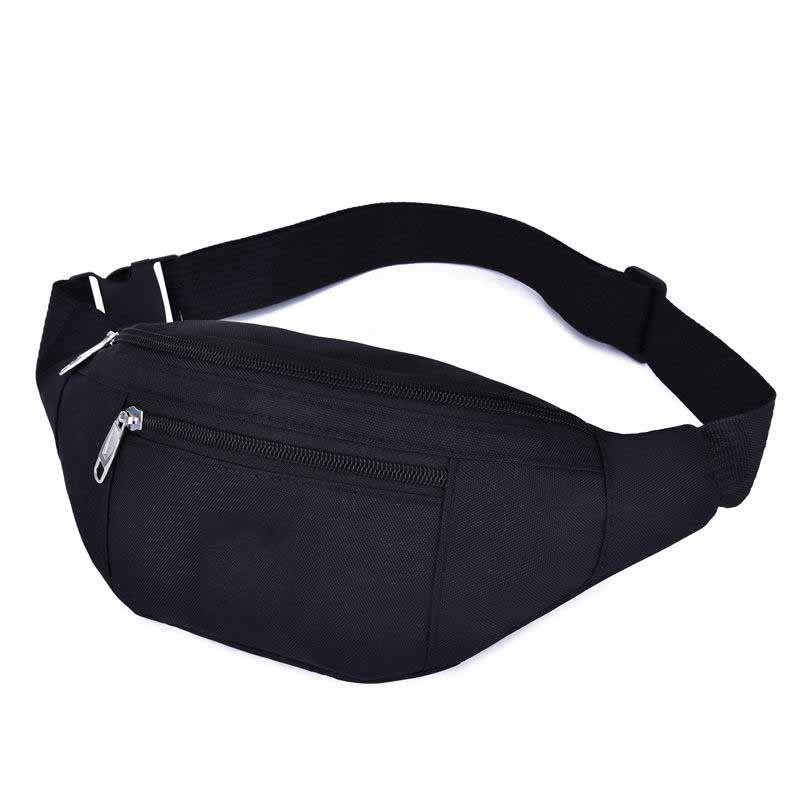
A waist bag may look like a small product, but for a brand, it can carry much more than a phone, wallet, or keys. It carries the customer’s first touch of your quality, the daily visibility of your logo, and the practical experience that decides whether someone uses the product once or keeps wearing it for years. A weak zipper, rough strap, poor stitching, wrong fabric thickness, or uncomfortable back panel can quickly turn a simple waist bag into a product with returns, complaints, and low repeat orders. A well-made waist bag, on the other hand, becomes a practical everyday item that travels through airports, gyms, campuses, festivals, hiking trails, retail stores, and social media photos.
Waist bag manufacturing is the process of turning an idea into a finished waist bag through product design, material selection, pattern development, sampling, logo customization, bulk production, quality inspection, packaging, and shipment. For custom brands, the goal is not only to produce a bag, but to create a comfortable, durable, attractive, and market-ready product that matches a real customer use case.
Many brands start with a simple request: “We need a custom waist bag with our logo.” But the better conversation starts with: Who will wear it? What will they carry? Will it be used for running, travel, retail, outdoor activities, promotions, or daily fashion? Once those questions are clear, the product becomes much easier to develop. This is where experienced waist bag manufacturing turns a rough idea into a product that feels right in real life.
What Is Waist Bag Manufacturing?
Waist bag manufacturing is the full process of designing, sampling, producing, inspecting, and packing waist bags for retail, travel, sports, outdoor, promotional, or private label use. It covers fabric choice, size planning, pocket design, zipper selection, strap structure, logo application, stitching control, quality testing, and final packaging before delivery.
Waist Bag Manufacturing Basics
Waist bags are known by many names in different markets. Some customers call them fanny packs, belt bags, bum bags, hip packs, waist packs, running belts, or crossbody waist bags. These names may sound similar, but the product structure can be very different.
A small running waist bag may be slim, elastic, and close-fitting. A travel waist bag may need hidden pockets, waterproof zippers, and passport-sized compartments. A fashion belt bag may focus on shape, surface texture, logo placement, and color matching. A promotional waist bag may need a large logo area, simple structure, and strong cost control.
A basic waist bag normally includes:
- Front body panel
- Back body panel
- Main zipper opening
- Inner lining
- Adjustable webbing strap
- Plastic or metal buckle
- Stitching and edge binding
- Logo position
- Inner or outer pocket
- Final packaging
More advanced waist bags may include:
- Hidden anti-theft back pocket
- RFID pocket
- Breathable mesh back panel
- Water-resistant zipper
- Reflective strip
- Bottle holder
- Key hook
- Elastic phone pocket
- Padded neoprene structure
- Custom zipper puller
- Retail hang tag
- Amazon FBA barcode label
A professional waist bag factory should not only ask for size and logo. It should help confirm the real product direction. A waist bag used for running cannot be developed the same way as a waist bag used for retail fashion. A waist bag for travel security cannot be built like a giveaway item for a one-day event.
The real manufacturing logic is simple: the use case decides the structure, the structure decides the material, the material decides the sewing method, and the sewing method decides the final cost and quality level.
Waist Bag Manufacturing Demand
Waist bags remain popular because they solve a practical problem: people want to carry daily items without holding a bag in their hands. Phones are larger, travel is more mobile, outdoor activities are more common, and many customers prefer compact storage instead of carrying a backpack everywhere.
For brands, waist bags are attractive because they are small enough to control cost, but visible enough to carry brand value. A logo on a waist bag can be seen while walking, cycling, running, shopping, attending events, or traveling. Compared with many accessories, waist bags have a strong balance between function and branding.
Common market uses include:
- Travel accessories for passports, cards, phones, and small valuables
- Running belts for keys, phones, energy gels, and earbuds
- Outdoor waist packs for hiking, cycling, camping, and fishing
- Festival bags for tickets, wallets, cosmetics, and power banks
- Promotional gifts for events, schools, clubs, and corporate campaigns
- Retail fashion belt bags for lifestyle and streetwear brands
- Medical or wellness waist bags for lightweight support products
- Pet walking waist bags for treats, small tools, and waste bags
- Work utility waist packs for staff, technicians, and service teams
For custom brands, demand is not only about whether waist bags are popular. The more important question is what kind of waist bag has room to compete. Low-cost basic waist bags already exist everywhere. A new product needs a clearer reason to buy.
This reason may come from:
- Better material feel
- More comfortable strap design
- Cleaner shape
- Stronger zipper
- More useful pocket layout
- Better logo execution
- More premium packaging
- Lower MOQ for test orders
- Faster sampling
- More stable mass production quality
A waist bag that sells well is usually not the most complicated one. It is often the one with the right material, the right size, the right pocket layout, and the right price for the target market.
| Market Use | Main Customer Concern | Product Direction |
|---|---|---|
| Travel | Security, comfort, space control | Hidden pockets, strong zippers, passport fit |
| Running | Bounce control, light weight, sweat comfort | Elastic strap, slim body, soft neoprene |
| Outdoor | Durability, water resistance, storage | Reinforced fabric, utility pockets, strong buckle |
| Fashion | Shape, color, texture, logo style | Clean structure, premium fabric, custom hardware |
| Promotion | Cost, logo visibility, delivery speed | Simple shape, large print area, low MOQ |
| Retail | Shelf appeal, packaging, repeat quality | Better finishing, hang tags, barcode labels |
| Medical or wellness | Softness, comfort, body fit | Neoprene padding, smooth edges, secure closure |
Waist Bag Manufacturing Customers
Different customers care about different product details. This is one of the biggest reasons waist bag manufacturing should not use a single fixed solution for every project.
Amazon sellers often care about market testing, product reviews, delivery speed, and stable quality across multiple batches. Their waist bags need strong practical features that can be shown clearly in photos and product descriptions. If the zipper, strap, or stitching fails, reviews can quickly damage the listing.
Retail brands care more about overall product presentation. They may focus on color accuracy, shape stability, fabric texture, hang tags, barcode labels, and packaging. Their products must look consistent on shelves and in online product photos.
Outdoor and sports brands usually care about performance. They need bags that can handle movement, sweat, repeated pulling, outdoor friction, and changing weather. For these products, material strength and comfort matter more than decoration.
Promotional companies usually care about price, logo area, fast production, and delivery deadlines. They may need hundreds or thousands of waist bags for an event, school, company gift, sports club, or trade show. The product does not always need a complex structure, but the logo must be clear and the delivery must be reliable.
Premium lifestyle brands may care about small visual details. They may request custom zipper pullers, special fabric texture, tone-on-tone embroidery, matte buckles, unique color matching, or private label packaging. For these projects, the factory’s detail handling becomes very important.
| Customer Type | What They Usually Need | Manufacturing Focus |
|---|---|---|
| Amazon sellers | Fast launch, practical features, stable quality | Clear samples, repeatable production, strong QC |
| Shopify brands | Unique design and private label support | Custom structure, packaging, logo development |
| Outdoor brands | Durability and functional storage | Reinforced sewing, strong fabric, utility layout |
| Sports brands | Comfort and body movement fit | Elastic straps, breathable panels, lightweight structure |
| Corporate gift companies | Logo visibility and cost control | Simple production, large branding area, quick delivery |
| Retail brands | Better appearance and shelf presentation | Color accuracy, finishing, hang tags, cartons |
| Premium brands | Better texture and detail quality | Custom fabric, hardware, labels, packaging |
| Startups | Low MOQ and product guidance | Fast sampling, free design support, cost planning |
| Medical/wellness brands | Soft, supportive, body-friendly products | Neoprene material, smooth edges, stable fit |
For Szoneier, this customer mix is important because the company supports custom, private label, OEM, and ODM projects for overseas small and medium-sized clients as well as high-end brand customers. The factory’s experience in neoprene fabric and finished product development allows customers to adjust both the material and the finished waist bag structure according to the product positioning.
Neoprene Waist Bag Manufacturing
Neoprene is one of the most useful materials for waist bag manufacturing when the product needs softness, flexibility, padding, and light water resistance. It is widely used in wetsuits, bottle coolers, sports supports, medical supports, sleeves, pouches, and soft bags because it has a cushioned, elastic, and protective character.
For waist bags, neoprene can solve several practical problems:
- It feels softer against the body than many hard woven fabrics.
- It provides natural cushioning for phones, glasses, small electronics, or personal items.
- It bends with body movement, making it useful for sports and casual wear.
- It has light water resistance, suitable for daily splashes or outdoor use.
- It can be laminated with different surface fabrics for color, texture, and print effects.
- It helps create a more premium hand feel for lifestyle or wellness products.
Neoprene waist bags are especially suitable for:
- Running waist bags
- Sports waist bags
- Phone holder waist bags
- Travel waist bags
- Bottle holder waist bags
- Promotional waist bags
- Outdoor lightweight waist packs
- Medical or wellness support bags
- Custom lifestyle belt bags
However, neoprene must be selected carefully. If the material is too thick, the bag may feel bulky. If it is too thin, it may lose shape. If the lamination is poor, the surface may wrinkle, peel, or feel cheap. If the edge sewing is rough, the soft material advantage disappears.
A professional neoprene waist bag factory should help control:
- Thickness
- Density
- Surface fabric
- Lamination quality
- Color matching
- Printing compatibility
- Cutting accuracy
- Edge finishing
- Sewing tension
- Shape recovery
This is where Szoneier has a stronger manufacturing foundation. The company has more than 18 years of experience in neoprene fabric research, development, and product manufacturing. Instead of only producing bags from purchased fabric, Szoneier can support material selection, neoprene structure adjustment, sample development, and finished product customization under one production system.
For brands developing neoprene waist bags, this saves time and reduces communication mistakes. The same team can discuss fabric thickness, logo method, product structure, comfort, cost, and production lead time together.
Which Materials Suit Waist Bag Manufacturing?
The best material for waist bag manufacturing depends on the product use. Neoprene is suitable for soft, flexible, padded, and water-resistant waist bags. Nylon is better for lightweight travel and outdoor use. Polyester works well for promotional orders. Canvas fits casual fashion styles. TPU-coated fabrics are suitable for stronger water-resistant products.
Waist Bag Manufacturing Fabric
Fabric selection is one of the most important early decisions in waist bag manufacturing. It affects cost, appearance, touch, weight, structure, durability, and the customer’s first impression. Two waist bags may have the same size and shape, but if one uses thin low-grade polyester and the other uses soft neoprene or premium nylon, the perceived value will be completely different.
For a brand, fabric choice should not be based only on price. It should match product positioning.
A promotional waist bag for a one-day event may not need premium material. The focus may be clear logo printing, acceptable durability, and fast delivery. A travel waist bag sold online needs stronger zippers, better storage, and more reliable stitching because customers may use it repeatedly. A sports waist bag needs comfort, movement stability, and sweat-friendly material. A fashion waist bag needs color, shape, and texture.
Common material options include:
| Material | Best Use | Main Strength | Possible Limitation |
|---|---|---|---|
| Neoprene | Sports, lifestyle, soft protective bags | Flexible, padded, soft, water-resistant | Thickness must be controlled |
| Nylon | Travel, outdoor, utility waist bags | Lightweight, strong, smooth surface | Premium grades cost more |
| Polyester | Promotional and budget waist bags | Cost-friendly, printable, versatile | Lower grades may feel basic |
| Canvas | Casual and vintage-style bags | Textured, sturdy, natural feel | Heavier and less water-resistant |
| PU leather | Fashion and retail belt bags | Stylish, clean, premium look | Not ideal for heavy outdoor use |
| TPU-coated fabric | Water-resistant outdoor bags | Better surface protection | Higher production difficulty |
| Mesh | Back panel or inner pocket | Breathable and lightweight | Not suitable as main body fabric |
| Recycled fabric | Eco-focused collections | Sustainability value | Certification and cost need planning |
For custom waist bag projects, material selection should consider at least five questions:
- Will customers wear it for long hours?
- Will it touch skin directly?
- Will it be used outdoors?
- Does the product need padding?
- Is the product for retail sale, promotion, sports, or travel?
A good material does not automatically create a good waist bag. The material must work with the structure. For example, a thick neoprene waist bag with too many seams may look bulky. A thin polyester waist bag with a large front logo may look cheap if the fabric wrinkles. A nylon travel waist bag may need lining and reinforced stitching to feel strong enough for repeated use.
The best result comes from matching fabric, structure, cost, and target user.
Neoprene Waist Bag Manufacturing Thickness
Neoprene thickness plays a major role in comfort, shape, weight, and protection. Many new brands only ask for “neoprene material,” but experienced factories will ask about thickness, surface fabric, density, lamination, and use case.
For waist bags, common neoprene thickness choices usually range from lightweight thin neoprene to thicker padded neoprene. The exact choice depends on the product’s use.
| Neoprene Direction | Common Use | Product Feel | Best For |
|---|---|---|---|
| Thin neoprene | Slim waist bags and running belts | Light, flexible, close-fitting | Sports, jogging, phone belts |
| Medium neoprene | Daily waist bags and promotional bags | Soft, stable, comfortable | Lifestyle, travel, casual use |
| Thicker neoprene | Protective waist bags | Padded, structured, protective | Electronics, outdoor, wellness products |
| Laminated neoprene | Branded custom designs | Better surface effect | Retail and private label products |
A slim running waist bag should not feel heavy or bounce during movement. Lighter neoprene can help the product sit closer to the body. A daily waist bag may need enough thickness to hold its shape while still feeling soft. A protective waist bag may need thicker neoprene to cushion phones, glasses, medical items, or small tools.
Neoprene can also be laminated with different surface fabrics. This gives brands more control over the finished product.
Common neoprene surface options include:
- Polyester jersey surface
- Nylon surface
- Lycra surface
- Embossed surface
- Printed surface
- Smooth skin surface
- Color-matched surface
- Double-sided laminated surface
Each surface changes the appearance and touch. A sports waist bag may use a stretch surface. A promotional waist bag may use a printable polyester surface. A premium lifestyle waist bag may use a smoother or more textured surface. A wetsuit-inspired product may use a smooth skin effect.
Brands should also consider edge finishing. Neoprene edges can be bound, stitched, folded, or finished with special construction depending on the design. Poor edge finishing can make the product look unfinished. Good edge control makes the waist bag feel softer, cleaner, and more durable.
Waist Bag Manufacturing Zippers
Zippers are small components, but they have a major effect on customer experience. Many waist bag complaints come from zipper failure, rough pulling, broken sliders, weak pullers, or poor zipper alignment. A waist bag may use excellent fabric, but if the zipper feels cheap, the whole product feels cheap.
In waist bag manufacturing, zipper choice should match the product’s use and price level.
| Zipper Type | Best Use | Advantage | Watch Point |
|---|---|---|---|
| Nylon coil zipper | Daily and promotional waist bags | Smooth, light, cost-effective | Quality grade must be stable |
| Reverse coil zipper | Fashion and outdoor bags | Cleaner appearance | Needs accurate sewing |
| Water-resistant zipper | Travel and outdoor waist bags | Better splash protection | Higher cost, not fully waterproof alone |
| Metal zipper | Fashion belt bags | Premium visual effect | Heavier, less suitable for sports |
| Custom zipper puller | Private label products | Stronger brand detail | Mold cost may apply |
For travel waist bags, zipper smoothness and opening size matter. Customers want to open the bag quickly without struggling. For running waist bags, the zipper must stay secure during movement. For outdoor waist bags, the zipper should resist dust, moisture, and repeated pulling. For fashion waist bags, zipper color and puller design can become part of the visual identity.
Several zipper details should be checked during sample development:
- Does the zipper open smoothly with one hand?
- Is the zipper opening wide enough for the intended items?
- Does the slider move smoothly around curves?
- Does the zipper tape match the fabric color?
- Is the zipper puller comfortable to grip?
- Does the zipper scratch the hand or phone?
- Does the stitching near the zipper remain clean?
- Does the zipper wrinkle the front panel?
A curved zipper can look attractive, but it requires more accurate sewing and pattern control. A straight zipper is easier to manufacture and may reduce cost. A waterproof zipper can improve product value, but it does not make the entire waist bag waterproof unless the seams and structure are also designed for water protection.
For this reason, factories should not simply add a “waterproof zipper” as a marketing feature. The whole bag construction needs to support that claim.
Waist Bag Manufacturing Straps
The strap system decides whether the waist bag feels comfortable in real use. Customers may wear a waist bag around the waist, across the chest, over one shoulder, or over a jacket. A strap that looks fine in a product photo may still feel uncomfortable after one hour of use.
Important strap details include:
- Strap width
- Strap material
- Strap thickness
- Adjustment range
- Buckle quality
- Buckle position
- Strap tail control
- Edge softness
- Pulling strength
- Color matching
Common strap materials include polyester webbing, nylon webbing, elastic webbing, jacquard webbing, padded straps, and custom woven straps. For sports waist bags, elastic or semi-elastic straps help improve fit and reduce bouncing. For outdoor waist bags, stronger webbing and reinforced buckles are better. For fashion waist bags, the strap should look clean and match the product’s style.
| Waist Bag Use | Strap Recommendation | Reason |
|---|---|---|
| Running | Elastic or semi-elastic strap | Better fit and less bouncing |
| Travel | Adjustable webbing strap | Fits different body sizes and clothing layers |
| Outdoor | Strong nylon or polyester webbing | Better pulling strength |
| Fashion | Color-matched webbing or custom strap | Cleaner appearance |
| Promotional | Standard polyester webbing | Cost control and easy production |
| Kids’ waist bag | Shorter adjustable strap | Safer and better fit |
Adjustment range is especially important for international markets. A waist bag sold in North America or Europe may need a longer strap than one designed only for a local market. A crossbody belt bag may require even more strap length than a waist-only design.
A professional factory should test strap comfort in several wearing positions:
- Around the waist
- Across the chest
- Over the shoulder
- Over light clothing
- Over thick jackets
- During walking
- During jogging
- With the bag fully loaded
Small strap details can create a big difference. A loose strap tail may look messy. A buckle placed too close to the body may press against the skin. A narrow strap may dig into the waist when the bag is full. A rough strap edge may cause discomfort. These are not decorative issues; they directly affect customer satisfaction.
For custom waist bag manufacturing, strap design should be treated as part of the main product structure, not as an accessory added at the end. A good strap makes the bag easier to wear, easier to adjust, and more likely to become part of the customer’s daily routine.
How Does Waist Bag Manufacturing Work?
Waist bag manufacturing works through a step-by-step process: product planning, material selection, pattern making, sample development, logo testing, sample approval, bulk cutting, sewing, assembly, quality inspection, packaging, and shipment. Each step affects cost, comfort, durability, and final market performance, so brands should treat waist bag production as product development, not simple purchasing.
Waist Bag Manufacturing Design
A successful waist bag starts before fabric is cut. The first stage is product planning. Many brands begin with a reference picture, a rough sketch, or an existing product they want to improve. That is acceptable, but the final product should not simply copy a basic market style. A strong custom waist bag needs a clear user, clear function, and clear selling point.
Before design begins, brands should prepare several key details:
- Target user: traveler, runner, outdoor user, student, festival customer, medical user, or promotional recipient
- Product size: slim, medium, large, oversized, or multi-pocket structure
- Main use: daily carry, sports, travel, outdoor, retail, event giveaway, or private label collection
- Carrying items: phone, wallet, passport, keys, cards, bottle, medical items, tools, cosmetics, or power bank
- Wearing method: waist, crossbody, chest, shoulder, or multi-way use
- Target market: United States, Europe, Australia, Japan, Amazon, retail chain, brand website, or event channel
- Material direction: neoprene, nylon, polyester, canvas, TPU fabric, PU leather, or mixed materials
- Logo position: front panel, zipper puller, woven label, patch, strap, hang tag, or inner label
- Price range: budget, mid-range, premium, gift level, or retail-ready
- Packaging need: poly bag, hang tag, paper box, barcode label, Amazon FBA label, or custom retail packaging
For custom waist bag manufacturing, the most common mistake is starting with appearance only. A waist bag may look attractive on a screen, but if the pocket cannot hold a large phone, the strap slips when walking, or the zipper opening is too narrow, customers will not enjoy using it. Design must combine appearance and daily function.
A practical design process usually includes structure confirmation, size planning, pocket layout, logo planning, material matching, and sample feasibility checking. For neoprene waist bags, the design team also needs to consider thickness, elasticity, edge treatment, and how the soft material behaves after sewing.
Szoneier supports free design assistance, which is especially useful for small and medium-sized brands that have an idea but do not yet have complete technical drawings. The factory can help convert product references, sketches, brand requirements, and use scenarios into a workable waist bag design for sampling.
| Design Item | Why It Matters | Common Decision |
|---|---|---|
| Size | Decides storage and wearing comfort | Slim, medium, large, travel size |
| Shape | Affects product style and production difficulty | Round, rectangle, curved, sporty, fashion |
| Pocket layout | Decides real usability | One main pocket, hidden pocket, mesh divider |
| Strap position | Affects comfort and wearing style | Side strap, back strap, angled strap |
| Material thickness | Affects softness and structure | Thin, medium, thick neoprene |
| Logo method | Affects brand look and cost | Print, embroidery, patch, label |
| Zipper style | Affects durability and product value | Standard, reverse, water-resistant |
| Packaging | Affects retail and shipping readiness | Poly bag, hang tag, box, FBA label |
Waist Bag Manufacturing Samples
Sampling is where the product becomes real. A drawing can look perfect, but the sample tells the truth. It shows whether the material feels right, whether the size works, whether the logo looks professional, whether the zipper opens smoothly, and whether the strap fits the intended user.
For many custom waist bag projects, the first sample is not expected to be perfect. Its purpose is to test the structure and reveal problems early. This is much cheaper than discovering issues after mass production.
A professional waist bag sample usually goes through these steps:
- Review product requirements
- Confirm material and color direction
- Create or adjust paper pattern
- Cut fabric panels
- Prepare lining and accessories
- Apply logo method
- Sew main body
- Assemble zipper, strap, buckle, and inner details
- Check size and appearance
- Review comfort and function
- Send photos, videos, or physical sample for approval
- Revise if needed
For neoprene waist bags, sample development needs extra attention. Neoprene is elastic and cushioned, so it may stretch slightly during cutting and sewing. The sewing tension must be controlled to avoid wrinkles, deformation, or uneven edges. If the product uses a curved body, rounded zipper, or soft molded structure, pattern accuracy becomes even more important.
Brands should check the sample from both business and user perspectives.
From a business perspective:
- Does the logo look correct?
- Does the color match the brand standard?
- Does the product fit the expected price level?
- Can the structure be produced repeatedly in bulk?
- Is the packaging suitable for the sales channel?
- Does the sample match the planned product photos?
From a user perspective:
- Is the waist bag comfortable when worn?
- Can a phone fit inside easily?
- Is the zipper smooth?
- Is the strap long enough?
- Does the buckle feel secure?
- Does the bag bounce during movement?
- Does the back panel feel soft?
- Is the pocket layout convenient?
A useful sample review should not be based only on front-view photos. The product should be worn, opened, filled, zipped, pulled, adjusted, and used in the same way the final customer will use it.
For overseas buyers, fast sampling can reduce launch delays. Szoneier offers quick sample development and can provide free samples depending on project conditions. For brands testing multiple SKUs, this can help compare different materials, colors, logo methods, and sizes before placing a bulk order.
| Sample Check Area | What To Review | Risk If Ignored |
|---|---|---|
| Size | Phone, passport, wallet, bottle fit | Product may be too small or bulky |
| Shape | Front curve, thickness, visual balance | Bag may look different from design |
| Zipper | Smoothness, opening size, puller strength | Poor user experience |
| Strap | Length, adjustability, buckle position | Comfort complaints |
| Logo | Size, color, position, durability | Weak brand presentation |
| Stitching | Straightness, tension, edge finish | Low-quality appearance |
| Material | Thickness, touch, color, elasticity | Wrong product positioning |
| Packaging | Label, barcode, hang tag, poly bag | Retail or FBA problems |
Waist Bag Manufacturing Quality
Quality control should not only happen at the end of production. If a factory only inspects finished goods, many problems are already too late or too expensive to fix. Professional waist bag manufacturing uses quality checks during material preparation, cutting, printing, sewing, assembly, packing, and final inspection.
Common quality problems in waist bag production include:
- Uneven stitching
- Weak zipper movement
- Loose zipper puller
- Incorrect logo position
- Color difference between sample and bulk
- Wrong strap length
- Weak buckle
- Loose thread ends
- Crooked pocket
- Poor edge binding
- Wrinkled neoprene
- Deformed shape
- Dirty fabric surface
- Wrong packaging label
- Carton marking errors
For custom waist bags, quality should be checked in measurable ways. “Looks good” is not enough. The factory should use standards for size tolerance, logo placement, stitching quality, zipper function, strap strength, and packing accuracy.
Typical quality checkpoints include:
| QC Stage | Inspection Focus | Why It Matters |
|---|---|---|
| Material inspection | Color, thickness, surface defects, lamination | Prevents wrong material entering production |
| Cutting inspection | Panel size, shape accuracy, cutting edge | Controls final product shape |
| Logo inspection | Position, color, adhesion, clarity | Protects brand image |
| Sewing inspection | Stitch length, thread tension, seam strength | Improves durability |
| Assembly inspection | Zipper, buckle, strap, pocket function | Ensures real usability |
| In-line inspection | Random checks during production | Finds problems before full batch is finished |
| Final inspection | Appearance, size, function, packing | Confirms shipment quality |
| Carton inspection | Label, quantity, weight, shipping marks | Reduces logistics mistakes |
For neoprene waist bags, quality control should pay special attention to lamination, surface wrinkles, edge finish, and sewing tension. Neoprene can look premium when handled properly, but poor sewing can make it look bulky or uneven. The factory must understand how to sew soft elastic material without damaging the shape.
Testing can also be added based on the product type.
For daily waist bags:
- Zipper pull testing
- Strap adjustment testing
- Stitching strength check
- Size tolerance check
- Logo rubbing check
For travel waist bags:
- Pocket capacity check
- Hidden pocket function check
- Water-resistant zipper check
- Passport and phone fit check
- Buckle strength check
For sports waist bags:
- Movement comfort check
- Elastic recovery check
- Sweat contact consideration
- Strap slippage check
- Lightweight feel check
For promotional waist bags:
- Logo clarity check
- Quantity accuracy
- Carton labeling
- Basic stitching and zipper function
- Deadline control
Szoneier provides 100% quality assurance, which is highly important for overseas buyers who cannot visit the factory during every production stage. A strong QC system protects both sides: the customer receives stable products, and the factory reduces remake costs and communication disputes.
Waist Bag Manufacturing Production
Bulk production begins after the sample is approved. At this stage, the main goal is consistency. A sample may be made carefully by one sample worker, but bulk production requires a repeatable process across many pieces. This is where production management becomes very important.
A standard waist bag bulk production process includes:
- Material purchasing or preparation
- Fabric inspection
- Color and thickness confirmation
- Pattern grading if different sizes are needed
- Bulk cutting
- Logo printing, embroidery, patch making, or label preparation
- Zipper and accessory preparation
- Sewing line arrangement
- Body panel sewing
- Pocket sewing
- Strap and buckle assembly
- Edge binding or finishing
- In-line inspection
- Final trimming
- Final quality inspection
- Individual packing
- Carton packing
- Carton marking
- Shipment booking
Production time depends on product complexity, order quantity, material availability, logo method, packaging requirements, and peak season workload.
Simple promotional waist bags may be produced faster because the structure is basic and materials are common. A custom neoprene waist bag with special thickness, custom logo patch, water-resistant zipper, printed lining, and retail packaging may require more time. A multi-SKU order with many colors also needs more careful production planning.
| Product Complexity | Common Features | Production Consideration |
|---|---|---|
| Basic waist bag | One pocket, standard zipper, simple logo | Faster production and lower cost |
| Sports waist bag | Elastic strap, neoprene body, phone pocket | Comfort testing and stretch control |
| Travel waist bag | Hidden pocket, stronger zipper, lining | Function and security details |
| Outdoor waist bag | Reinforced webbing, water-resistant fabric | Stronger sewing and accessory control |
| Premium waist bag | Custom shape, patch, special fabric | Higher sample accuracy and QC needs |
| Multi-SKU order | Several colors or styles | Color separation and packing accuracy |
Brands should understand that bulk production is not only about speed. A very short lead time may sound attractive, but if the factory rushes cutting, sewing, or inspection, the final products may suffer. The best production plan balances speed and control.
For overseas customers, the most useful production support includes:
- Clear sample approval record
- Confirmed material card
- Logo placement confirmation
- Pre-production sample if needed
- Production schedule
- In-line production photos
- Inspection report
- Packaging confirmation
- Shipment documents
Szoneier’s advantage is short lead time combined with flexible customization. For buyers launching new waist bag products, this helps reduce waiting time from idea to sample and from sample approval to finished goods.
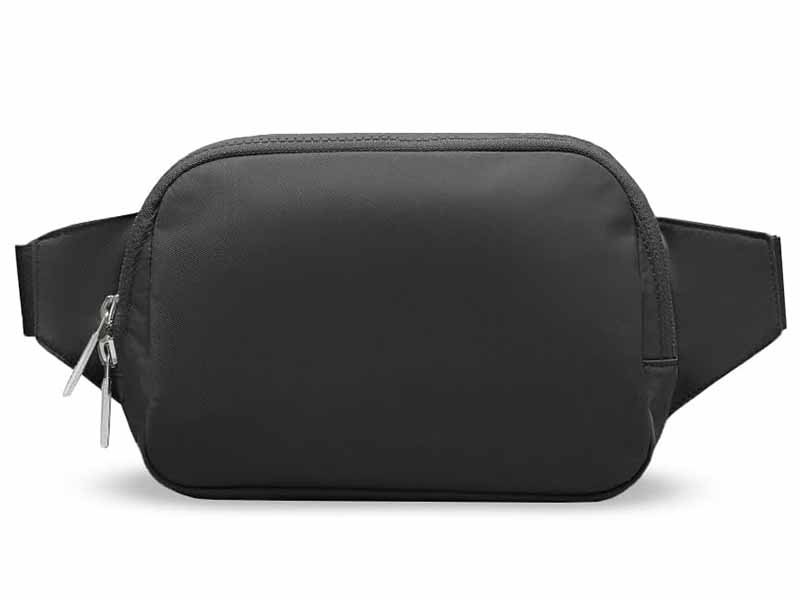
What Can Custom Waist Bags Include?
Custom waist bags can include different materials, logos, sizes, pocket layouts, straps, zippers, lining, waterproof features, reflective elements, bottle holders, private labels, hang tags, barcode labels, and retail packaging. The best custom options are not always the most expensive ones; they are the details that improve comfort, usability, brand recognition, and sales performance.
Waist Bag Manufacturing Logo
Logo customization is one of the main reasons brands choose custom waist bag manufacturing instead of buying ready-made products. A logo is not only a decoration. It tells customers who made the product, what level the brand represents, and whether the waist bag belongs to a premium, sporty, casual, eco, promotional, or outdoor category.
Common logo methods include:
| Logo Method | Best For | Visual Effect | Cost Level |
|---|---|---|---|
| Screen printing | Promotional and simple designs | Flat, clear, cost-effective | Low |
| Heat transfer | Multi-color logos and smooth graphics | Clean and detailed | Low to medium |
| Embroidery | Premium and textile-style branding | Textured and durable | Medium |
| Woven label | Private label and retail bags | Professional and clean | Low to medium |
| Rubber patch | Sports and outdoor bags | Strong 3D effect | Medium |
| Silicone label | Premium sports and lifestyle products | Soft, modern, durable | Medium |
| Leather patch | Fashion waist bags | Classic and premium | Medium to high |
| Reflective logo | Running and outdoor bags | Functional visibility | Medium |
| Custom zipper puller | High-detail private label | Subtle but premium | Medium to high |
The right logo method depends on fabric type, order quantity, design complexity, and product positioning. A detailed gradient logo may not work well with embroidery. A small logo on stretch neoprene may need heat transfer or a soft patch. A premium outdoor waist bag may look better with a rubber patch or silicone label. A low-cost event waist bag may only need screen printing.
Logo placement also matters. A large logo on the front panel gives strong visibility, but it may feel too promotional for fashion products. A small woven label near the zipper looks more refined. A zipper pull logo is subtle but creates a premium touch. A strap logo can increase brand exposure when the bag is worn crossbody.
Brands should check:
- Logo size
- Logo color
- Logo position
- Logo durability
- Logo method suitability
- Logo appearance after bending
- Logo visibility in product photos
- Logo consistency across bulk production
For neoprene waist bags, logo testing is especially important because neoprene can stretch and bend. The logo method should move with the material without cracking, peeling, or becoming distorted.
Waist Bag Manufacturing Sizes
Waist bag size should be based on what the customer needs to carry. Many product failures happen because the bag looks good but does not fit modern daily items. Phones are larger than before, many customers carry power banks, and travelers may need passport-sized compartments.
Common waist bag sizes include:
| Waist Bag Type | Approximate Capacity Direction | Common Use |
|---|---|---|
| Slim running belt | Very small, close-fitting | Phone, keys, cards |
| Mini waist bag | Compact daily storage | Cards, earbuds, small wallet |
| Standard waist bag | Everyday carry | Phone, wallet, keys, small items |
| Travel waist bag | Larger multi-pocket design | Passport, phone, cards, cash |
| Outdoor waist pack | Medium to large utility size | Tools, snacks, bottle, outdoor items |
| Kids’ waist bag | Smaller and lighter | Toys, snacks, small accessories |
| Festival waist bag | Medium, stylish, visible | Phone, ticket, wallet, cosmetics |
| Bottle holder waist bag | Special side structure | Bottle plus phone pocket |
A custom waist bag should be tested with actual items. A product description may say “fits phone,” but which phone? A slim phone without case is different from a large phone with a thick protective case. A passport pocket must fit passports easily, not tightly. A bottle holder must hold the bottle securely while walking.
Useful size planning questions include:
- What is the largest phone size the bag should hold?
- Should the main pocket fit a passport?
- Does the customer need space for a power bank?
- Should there be a separate card pocket?
- Will the product be used for running or only walking?
- Should the waist bag look slim or spacious?
- Will the bag be worn under a jacket or outside clothing?
- Is the target customer adult, child, unisex, or sport-specific?
For brands selling online, size clarity also reduces returns. Product photos should show what fits inside. Factory design should support that claim with actual structure.
Waist Bag Manufacturing Pockets
Pocket layout is one of the biggest differences between a basic waist bag and a well-designed waist bag. Customers do not simply want “space.” They want easy organization. A waist bag with one large pocket may work for a simple giveaway, but travel, sports, and daily-use products often need better storage planning.
Common pocket options include:
- Main pocket
- Front zipper pocket
- Hidden back pocket
- Inner mesh pocket
- Inner zipper pocket
- Card slot
- Phone pocket
- Passport pocket
- Key hook
- RFID pocket
- Bottle holder
- Power bank pocket
- Earbud pocket
- Wet item pocket
- Medical item pocket
A good pocket layout should follow real customer habits. Phones need fast access. Cards and passports need security. Keys should not scratch the phone. Power banks need enough thickness. Earbuds need a small pocket that is easy to reach. If the bag is for running, items should not move too much inside. If the bag is for travel, hidden pockets become more valuable.
| Pocket Feature | Best Use | Customer Benefit |
|---|---|---|
| Hidden back pocket | Travel and anti-theft design | Keeps valuables closer to body |
| Inner mesh pocket | Daily organization | Separates small items |
| Key hook | Running and daily use | Prevents lost keys |
| RFID pocket | Travel products | Adds security value |
| Bottle holder | Outdoor and pet walking bags | Carries water conveniently |
| Phone pocket | Sports and lifestyle bags | Fast phone access |
| Front zipper pocket | Promotional and casual use | Easy storage for small items |
| Passport pocket | Travel waist bags | Better international travel function |
More pockets are not always better. Too many pockets can increase cost, weight, and sewing difficulty. They can also make the product look messy. The best pocket design is the one that supports the product’s main use.
For example:
- A running waist bag should be slim, stable, and not overloaded.
- A travel waist bag should separate valuables and daily items.
- A festival waist bag should be stylish and easy to open.
- A pet walking waist bag may need a treat pocket and waste bag outlet.
- A medical waist bag may need soft structure and organized storage.
- A promotional waist bag may only need one main pocket and a front logo.
Factories with strong product development experience can help brands avoid unnecessary features that increase cost without improving sales.
Waist Bag Manufacturing Packaging
Packaging is often ignored until the end, but it directly affects the way a product is sold, shipped, stored, and received. A waist bag for a corporate event may only need individual poly bags. A waist bag for retail stores may need hang tags, barcode labels, display-ready packaging, and carton marks. A waist bag for Amazon may need FBA labels, suffocation warning bags, carton size control, and accurate SKU separation.
Common packaging options include:
- Standard poly bag
- Recycled poly bag
- Opp bag with warning text
- Hang tag
- Paper belly band
- Custom paper box
- Kraft box
- Insert card
- Brand story card
- Care instruction card
- Barcode label
- Amazon FBA label
- Size sticker
- Color sticker
- Master carton marking
- Inner carton separation
- Retail display packaging
| Sales Channel | Packaging Focus | Suggested Packaging |
|---|---|---|
| Amazon | Barcode, protection, SKU accuracy | Poly bag, FBA label, carton label |
| Retail store | Shelf appearance and scanning | Hang tag, barcode, retail-ready pack |
| Corporate gift | Simple and clean presentation | Individual poly bag, logo hang tag |
| Premium brand | Unboxing and brand image | Custom box, tissue paper, insert card |
| Outdoor brand | Durable and practical packaging | Hang tag, instruction card, recyclable pack |
| Event promotion | Fast packing and easy distribution | Bulk carton or simple poly bag |
Packaging should match the product value. A low-cost promotional waist bag does not need luxury packaging. A premium private label waist bag should not be packed in a plain thin bag without branding. For e-commerce, packaging must also protect the product during shipping and storage.
Brands should confirm packaging early because it affects cost, lead time, carton size, freight cost, and warehouse handling. A custom box may improve presentation, but it may also increase shipping volume. A hang tag may be low cost, but it improves retail professionalism. A barcode label may seem simple, but wrong labels can create serious warehouse problems.
For overseas buyers, packaging accuracy is especially important when one shipment includes different colors, SKUs, or styles. A factory should separate products clearly, label cartons correctly, and provide packing details before shipment.
Szoneier supports private label and OEM/ODM packaging for custom waist bag projects. This helps brands receive products that are closer to market-ready condition, instead of needing extra repacking after delivery.
How To Choose a Waist Bag Factory?
Choosing a waist bag factory is not only about finding the lowest unit price. A good factory should understand materials, structure, sampling, logo methods, quality control, packaging, export requirements, and brand positioning. The right factory helps reduce product mistakes, shorten development time, control production risk, and make the final waist bag easier to sell.
Waist Bag Manufacturing Factory
A reliable waist bag factory should be able to do more than receive an order and sew the product. It should help brands turn an idea into a workable product, especially when the buyer does not have complete technical drawings. This is very important for startups, Amazon sellers, promotional companies, and private label brands that may have clear market ideas but limited product engineering experience.
When evaluating a waist bag factory, brands should look at several practical points:
- How many years of manufacturing experience does the factory have?
- Does the factory understand the chosen material?
- Can the factory provide design support before sampling?
- Can the factory make samples quickly?
- Can it support custom logos and private label packaging?
- Can it handle low MOQ test orders?
- Can it scale to larger production after the product sells?
- Does it inspect materials, semi-finished goods, and finished products?
- Does it have export experience for overseas customers?
- Can it communicate clearly about cost, lead time, and production risk?
A common mistake is choosing a factory only because the quoted price is lower. A lower price may come from thinner fabric, weaker zippers, cheaper buckles, less inspection, basic packaging, or poor stitching control. For a waist bag sold as a promotional giveaway, this may be acceptable if expectations are clear. But for a retail product, a sports product, or a private label item, weak quality can quickly damage the brand.
A better sourcing method is to compare factories based on the full project value.
| Evaluation Point | Why It Matters | What To Ask |
|---|---|---|
| Material experience | Prevents wrong fabric choice | Have you made neoprene, nylon, or TPU waist bags before? |
| Sampling speed | Reduces product launch delay | How long does the first sample take? |
| MOQ flexibility | Helps test new styles | What is the MOQ for one color and multiple colors? |
| Logo ability | Protects brand presentation | Which logo methods work on this material? |
| QC process | Reduces defective goods | What do you inspect before shipment? |
| Packaging support | Makes goods market-ready | Can you do hang tags, labels, boxes, and FBA packaging? |
| Export experience | Reduces shipping and document problems | Which markets do you usually ship to? |
| Communication | Prevents costly misunderstandings | Can you confirm details with photos, videos, and samples? |
For neoprene waist bags, material knowledge becomes even more important. A normal sewing factory may not fully understand neoprene thickness, lamination, elasticity, edge treatment, and sewing tension. If the factory only treats neoprene like ordinary fabric, the final product may wrinkle, deform, or feel bulky.
Szoneier is positioned strongly for this type of work because the company has more than 18 years of experience in neoprene fabric research, development, and finished product manufacturing. The same manufacturing background supports waist bags, koozies, sports supports, medical supports, wetsuits, and other neoprene-based products. This gives custom waist bag customers more room to adjust material, thickness, structure, comfort, and cost from the beginning.
Waist Bag Manufacturing MOQ
MOQ is one of the most important concerns for small and medium-sized brands. Many customers want to test a new product before placing a large order. This is reasonable. A new waist bag design may need market feedback on size, color, pocket layout, material touch, price, and packaging before scaling.
Low MOQ custom manufacturing helps brands reduce early risk.
It is especially useful for:
- New brand launches
- Amazon product testing
- Shopify store testing
- Seasonal color testing
- Influencer merchandise
- Event promotions
- Club or school products
- Retail trial orders
- Corporate gift programs
- Limited edition drops
However, MOQ is not just a number. It is connected to material purchasing, logo method, color customization, cutting efficiency, labor setup, and packaging. A very low MOQ may be easier if the waist bag uses available material colors, standard webbing, standard buckles, and simple logo printing. MOQ may increase if the product needs custom-dyed neoprene, custom hardware molds, special zipper colors, printed lining, custom silicone patches, or retail boxes.
Brands should understand the relationship between customization and MOQ.
| Custom Item | MOQ Impact | Reason |
|---|---|---|
| Stock fabric color | Lower MOQ | Material is easier to source |
| Custom Pantone fabric | Higher MOQ | Fabric may need dyeing or lamination |
| Simple screen print logo | Lower MOQ | Easy setup and lower cost |
| Custom rubber patch | Medium MOQ | Mold and patch production required |
| Custom zipper puller | Medium to higher MOQ | Mold or special accessory setup |
| Standard poly bag | Lower MOQ | Common packaging |
| Custom paper box | Higher MOQ | Printing and box production MOQ |
| Multi-color order | Higher complexity | More material and packing control |
| Special neoprene thickness | Depends on stock | Custom material may need minimum production |
For new waist bag projects, a practical strategy is to start with a controlled test order. Instead of ordering too many colors and features in the first batch, brands can choose one or two strong colorways, one clear logo method, and one useful structure. After market feedback, the second order can add more colors, packaging upgrades, or premium features.
A sensible first order should answer these questions:
- Do customers like the size?
- Does the color sell?
- Does the logo look right?
- Is the material comfortable?
- Are there complaints about zippers or straps?
- Is the price accepted by the market?
- Does the packaging fit the sales channel?
- Can the product photos show the key features clearly?
Szoneier supports low MOQ customization, which gives overseas buyers more flexibility when testing custom waist bags. This is helpful for brands that want to launch a new product without locking too much cash into inventory. It also allows different customer groups to test products based on their real sales model instead of being forced into a large first order.
Waist Bag Manufacturing Samples
Fast sampling matters because product development delays can affect launch seasons, marketing calendars, trade shows, promotional deadlines, and online product listings. In many custom waist bag projects, the sample stage decides whether the whole project moves forward smoothly.
A good sample process should be fast, but not careless. Speed only helps if the sample is useful for decision-making. A rushed sample with wrong material, wrong size, or poor logo execution may create more confusion instead of saving time.
A professional sample process should give the brand enough information to approve, adjust, or reject a direction.
Important sample details include:
- Material thickness
- Surface touch
- Bag size
- Pocket capacity
- Zipper smoothness
- Strap comfort
- Buckle strength
- Logo position
- Logo color
- Stitching quality
- Edge finish
- Weight
- Packaging method
- Production feasibility
- Estimated bulk cost
For overseas customers, sample communication should be visual and specific. Before shipping a physical sample, the factory can share photos and videos showing size, zipper movement, strap adjustment, logo details, and inside pocket layout. This helps buyers catch obvious issues early.
A strong waist bag sample should be tested in real use. Put a phone inside. Add a wallet. Adjust the strap. Wear it across the body. Wear it around the waist. Walk with it. Open and close the zipper several times. Check whether the bag sits flat or tilts forward. If it is a running waist bag, test whether it bounces. If it is a travel waist bag, test whether a passport fits easily.
Sample review checklist:
| Sample Area | What To Test | Good Result |
|---|---|---|
| Main pocket | Phone, wallet, passport fit | Easy to place and remove items |
| Zipper | Repeated opening and closing | Smooth movement, no catching |
| Strap | Adjustment and wearing comfort | Stable fit without sharp pressure |
| Buckle | Locking and pulling strength | Secure and easy to release |
| Logo | Position, color, clarity | Clean, centered, durable-looking |
| Stitching | Seam line and thread tension | Straight, clean, no loose threads |
| Neoprene body | Shape and surface | Smooth, soft, no wrinkles |
| Back panel | Body contact comfort | Soft, breathable, not irritating |
| Packing | Retail or shipping readiness | Clean, accurate, channel-ready |
If the first sample needs changes, the revision should be specific. Instead of saying “make it better,” brands should mark the exact adjustment:
- Increase main pocket width by 1 cm
- Move logo 2 cm higher
- Change zipper to black reverse coil zipper
- Lengthen strap by 10 cm
- Add inner mesh pocket
- Reduce neoprene thickness
- Improve edge binding
- Change buckle to matte black
- Adjust front curve
- Add hang tag hole
Clear feedback saves time and reduces repeated sample rounds.
Szoneier provides fast sample development and free sample support under suitable project conditions. For brands launching waist bags, this is valuable because it allows customers to test material, structure, logo, and packaging before committing to bulk production.
Waist Bag Manufacturing OEM ODM
OEM and ODM are two common cooperation models in waist bag manufacturing. Both are useful, but they serve different types of customers.
OEM means the buyer already has a clear design, tech pack, drawing, or reference product. The factory manufactures according to the customer’s requirements and applies the customer’s logo or brand identity. This model is suitable for brands that already know what they want.
ODM means the factory helps develop the product more deeply. The customer may only have a market idea, style direction, or product concept. The factory provides design suggestions, material options, structure development, sample making, and production support. This model is suitable for startups, private label brands, Amazon sellers, promotional companies, and companies entering a new product category.
| Cooperation Model | Best For | What The Factory Provides |
|---|---|---|
| OEM waist bags | Brands with existing design | Manufacturing, logo, QC, packaging |
| ODM waist bags | Brands with product idea | Design, development, samples, production |
| Private label waist bags | Sellers building their own brand | Product, logo, label, packaging |
| Custom logo waist bags | Promotional or corporate orders | Existing structure plus logo |
| Full custom waist bags | Differentiated product launches | Material, pattern, structure, accessories, packaging |
For a waist bag project, OEM may be better if:
- The brand already has a final design
- The material is already chosen
- The size and pattern are confirmed
- The logo method is clear
- The product has been produced before
- The brand mainly needs stable manufacturing
ODM may be better if:
- The brand only has an idea
- The target customer is clear but the design is not finished
- The brand wants factory suggestions
- The product needs special material
- The waist bag should be different from common market styles
- The brand needs sampling and improvement support
Private label waist bag manufacturing is especially common for overseas sellers. A seller may choose a base structure and customize it with logo, color, zipper puller, label, hang tag, packaging, and carton marks. This gives the product its own identity without starting from zero.
Szoneier supports custom, private label, OEM, and ODM waist bag projects. This flexibility is useful because different customers enter the product development process at different stages. Some already have complete files. Others only have a product goal, a market reference, or a desired price range. A factory with both material knowledge and product development ability can help bridge that gap.
Why Custom Waist Bag Manufacturing Matters?
Custom waist bag manufacturing matters because the market already has many basic bags. Brands need products that feel better, work better, look more recognizable, and match specific customer needs. Custom manufacturing allows brands to control material, size, pocket layout, logo, color, packaging, MOQ, and product positioning instead of selling the same generic item as everyone else.
Waist Bag Manufacturing Demand
Waist bags continue to sell because they are practical, lightweight, and easy to wear. They fit modern routines: travel, commuting, walking, running, cycling, shopping, festivals, school, work, and outdoor activities. Customers like products that make daily movement easier, and waist bags do exactly that.
For brands, the opportunity is not only selling a bag. The opportunity is solving a specific carrying problem.
A travel customer may want:
- Passport storage
- Hidden back pocket
- Strong zipper
- Water-resistant fabric
- Comfortable crossbody wear
- Neutral color
- Anti-theft feeling
A running customer may want:
- Lightweight body
- Elastic belt
- Low bounce
- Sweat-friendly back panel
- Phone fit
- Key hook
- Reflective detail
A fashion customer may want:
- Clean shape
- Trend color
- Soft texture
- Premium zipper
- Small logo
- Matching strap
- Better packaging
A promotional customer may want:
- Low unit cost
- Clear logo
- Simple structure
- Fast delivery
- Event deadline control
- Bulk packing
- Large branding area
A waist bag becomes easier to sell when the product has a clear reason to exist. It does not need to have every possible feature. It needs to match one use case very well.
| Product Direction | Main Selling Point | Useful Features |
|---|---|---|
| Travel waist bag | Secure and convenient carry | Hidden pocket, passport fit, strong zipper |
| Running waist bag | Stable movement | Elastic strap, slim body, reflective logo |
| Outdoor waist bag | Durable storage | Reinforced fabric, bottle holder, utility pockets |
| Fashion waist bag | Style and daily use | Clean shape, premium fabric, subtle logo |
| Promotional waist bag | Brand exposure | Large logo area, simple structure, low MOQ |
| Kids’ waist bag | Lightweight and fun | Small size, bright colors, safe buckle |
| Medical/wellness waist bag | Soft and supportive | Neoprene, smooth edges, organized storage |
For custom waist bag buyers, the best starting point is to define the product category clearly. A waist bag that tries to be travel, sports, fashion, outdoor, and promotional all at once may become too expensive or too confusing. A focused product is easier to design, easier to produce, and easier to market.
Waist Bag Manufacturing Sales
A waist bag sells when customers can quickly understand its value. They should be able to look at the product and immediately know why it is useful. This value may come from comfort, storage, design, color, material, or brand identity.
Several details directly affect sales performance:
- Material touch: Customers often judge quality by the first hand feel.
- Zipper quality: Smooth opening creates trust.
- Strap comfort: A waist bag must feel good when worn.
- Size accuracy: The bag must fit daily items without looking bulky.
- Pocket logic: Storage should feel organized, not random.
- Color selection: Strong colors can improve product photos and retail display.
- Logo execution: Branding should look intentional, not cheap.
- Packaging: Good presentation helps retail and online sales.
- Weight: A waist bag should not feel heavy before it is even filled.
- Shape: The product should look balanced when empty and loaded.
For e-commerce sellers, product photos and descriptions must be supported by actual product design. If the listing says “fits large phones,” the waist bag must really fit large phones. If the product claims water resistance, the material and zipper should support that claim. If the product is marketed for running, it should not bounce heavily during movement.
A useful product development table can help align design with selling points.
| Selling Point | Manufacturing Requirement | Customer Value |
|---|---|---|
| Fits large phones | Correct pocket width and zipper opening | Less frustration and fewer returns |
| Comfortable for running | Soft body, elastic strap, stable fit | Better sports experience |
| Travel-friendly | Hidden pocket and strong zipper | More security and convenience |
| Premium look | Better fabric, clean stitching, subtle logo | Higher perceived value |
| Lightweight | Material and accessory weight control | Easier daily carry |
| Water-resistant | Suitable fabric and zipper choice | Better outdoor practicality |
| Private label | Custom logo, label, hang tag, packaging | Stronger brand recognition |
| Gift-ready | Clean packing and presentation | Better event or retail use |
Brands should also think about repeat orders. A product may receive a first order because it looks attractive, but repeat sales depend on user experience. If customers like the waist bag after daily use, the product has stronger long-term value.
Waist Bag Manufacturing Difference
Custom waist bag manufacturing gives brands a chance to avoid generic products. Many market waist bags look almost identical: same shape, same zipper, same strap, same fabric, same pocket. For a new brand, selling a generic product often leads to price competition.
Differentiation can be built in several practical ways.
Material differentiation:
- Soft neoprene body
- Recycled polyester
- Durable nylon
- TPU-coated outdoor fabric
- Textured surface fabric
- Color-blocking fabric
- Printed neoprene
- Premium lining
Structure differentiation:
- Curved front panel
- Slim running body
- Multi-way wearing design
- Expandable pocket
- Hidden back pocket
- Bottle holder
- Modular accessory loop
- Soft padded back
Branding differentiation:
- Tone-on-tone logo
- Reflective logo
- Custom zipper puller
- Woven label
- Rubber patch
- Silicone badge
- Strap logo
- Inner brand label
User experience differentiation:
- Easier one-hand zipper opening
- Better strap tail control
- Softer body contact area
- More stable fit
- Better pocket separation
- Less bouncing
- More comfortable buckle position
- Lighter product weight
Packaging differentiation:
- Retail hang tag
- Custom paper box
- Brand story card
- Recycled packaging
- Amazon-ready labels
- Gift packaging
- Instruction card
- Care label
The key is not adding expensive details everywhere. The key is choosing the details that match the product’s sales channel and customer needs.
For example, a running waist bag may not need a luxury paper box, but it may need reflective print and a strong elastic strap. A fashion waist bag may not need a bottle holder, but it may need better color matching and a subtle logo patch. A promotional waist bag may not need hidden RFID pockets, but it needs clear logo visibility and cost control.
A professional factory should help buyers decide which custom features are worth paying for and which features may not improve sales.
Waist Bag Manufacturing Szoneier
Szoneier is a Chinese factory with more than 18 years of experience in neoprene fabric research, development, and product manufacturing. The company can customize many neoprene-based products, including bags, koozies, sports supports, medical supports, wetsuits, and waist bags. This background is valuable because waist bag manufacturing often requires both fabric knowledge and finished product experience.
For brands developing custom waist bags, Szoneier can support:
- Custom neoprene waist bags
- Sports waist bags
- Travel waist bags
- Promotional waist bags
- Outdoor waist packs
- Running waist belts
- Private label waist bags
- OEM waist bags
- ODM waist bags
- Custom logo waist bags
- Low MOQ test orders
- Free design support
- Fast sample development
- Free sample support under suitable project conditions
- Short lead time
- 100% quality assurance
- Custom packaging
- Overseas export support
Szoneier is suitable for several types of customers:
- Small brands testing new waist bag products
- Amazon sellers launching private label waist bags
- Outdoor brands developing functional waist packs
- Sports brands needing neoprene running bags
- Promotional companies needing logo waist bags
- Retail brands requiring better finishing and packaging
- High-end brands looking for material and structure customization
- Medical and wellness brands using soft neoprene product solutions
The company’s neoprene background allows brands to discuss more than surface design. Customers can adjust thickness, lamination, surface texture, color, elasticity, edge finishing, logo method, and final structure. This is useful for brands that want waist bags with better comfort, soft touch, padding, and water-resistant daily performance.
Waist Bag Manufacturing Cost Guide
Waist bag manufacturing cost depends on material, size, structure, logo method, zipper type, strap quality, lining, pocket layout, order quantity, packaging, and inspection requirements. A simple promotional waist bag costs less than a neoprene travel waist bag with hidden pockets, custom patch, water-resistant zipper, and private label packaging.
Waist Bag Manufacturing Price
Many buyers ask for a unit price before giving enough product information. This makes accurate quoting difficult. A waist bag price is not based only on the bag shape. It is built from many small decisions.
Main cost factors include:
- Main fabric
- Lining material
- Neoprene thickness
- Zipper type
- Strap material
- Buckle quality
- Pocket quantity
- Logo method
- Printing colors
- Custom accessories
- Labor complexity
- Order quantity
- Packaging
- Carton requirements
- Shipping method
A basic waist bag with polyester fabric, one zipper pocket, standard webbing, plastic buckle, and simple logo print will cost much less than a custom neoprene waist bag with water-resistant zipper, hidden pocket, rubber patch, inner mesh divider, custom zipper puller, and retail box.
| Cost Factor | Lower Cost Option | Higher Cost Option |
|---|---|---|
| Fabric | Polyester | Neoprene, nylon, TPU-coated fabric |
| Structure | One pocket | Multi-pocket, curved, padded structure |
| Zipper | Standard nylon zipper | Water-resistant or branded zipper |
| Strap | Standard polyester webbing | Elastic, jacquard, custom woven strap |
| Logo | Screen printing | Embroidery, rubber patch, silicone label |
| Packaging | Individual poly bag | Custom box, hang tag, insert card |
| MOQ | Larger quantity | Small customized batch |
| Color | Stock color | Custom Pantone color |
| Accessories | Standard buckle | Metal buckle or custom hardware |
For brands, the best way to control cost is not always choosing the cheapest material. A better method is to decide what the product must achieve, then remove features that do not support that goal.
Cost-saving ideas that usually make sense:
- Use stock material colors for first orders
- Start with one or two colorways
- Choose one strong logo method
- Avoid unnecessary pockets
- Use standard buckles before upgrading hardware
- Use hang tags instead of custom boxes for mid-range products
- Confirm product size carefully before sampling
- Keep structure efficient for sewing
Cost-cutting ideas that can create risk:
- Choosing very thin fabric for a retail product
- Using weak zippers on a travel waist bag
- Reducing strap width too much
- Skipping sample approval
- Removing lining when the inside needs a clean finish
- Using poor logo printing on stretch neoprene
- Reducing inspection to save a small amount
A professional factory should explain which cost reductions are safe and which ones may hurt the product.
Waist Bag Manufacturing MOQ Cost
MOQ has a direct effect on unit cost. Smaller orders usually have higher unit costs because material preparation, cutting setup, logo setup, sample checking, and packing work are spread over fewer pieces. Larger orders often reduce unit cost because production becomes more efficient.
However, brands should not always chase the lowest unit price through a large first order. If the product is new, an oversized first order can create inventory pressure. A controlled test order may cost slightly more per piece, but it protects cash flow and allows product improvement.
A practical launch plan may look like this:
| Stage | Order Goal | Product Strategy |
|---|---|---|
| Sample stage | Confirm design | Test size, fabric, logo, comfort |
| Trial order | Test market | 1–2 colors, controlled quantity |
| Repeat order | Improve details | Adjust based on feedback |
| Scale order | Lower unit cost | Increase quantity and SKU range |
| Premium upgrade | Build brand value | Add packaging, patches, custom accessories |
For Amazon sellers, a first order may focus on one color and one clear feature set. For retail brands, the first order may include several colorways but fewer structural changes. For promotional buyers, the first order may be driven by event quantity and deadline. For premium brands, the first order may require more sampling but smaller production to confirm market response.
Szoneier’s low MOQ customization helps brands test waist bag products with lower risk. This is especially valuable for buyers who want custom logo, private label packaging, or neoprene material options but do not want to start with a very large quantity.
Common Waist Bag Manufacturing Risks
Waist bag manufacturing risks usually come from unclear specifications, wrong material choice, poor sample review, weak zippers, uncomfortable straps, inaccurate logo placement, unstable color matching, poor stitching, packaging mistakes, and unrealistic delivery timelines. Most problems can be avoided when the factory and customer confirm details before bulk production.
Waist Bag Manufacturing Material Risks
Material mistakes are among the most expensive problems because they affect the entire production batch. If the wrong thickness, color, lamination, or fabric quality is used, the finished waist bag may not match the approved sample or brand expectation.
Common material risks include:
- Neoprene too thick or too thin
- Surface fabric wrinkles
- Poor lamination
- Color difference from approved sample
- Fabric too stiff for body contact
- Fabric too weak for outdoor use
- Poor water resistance claim
- Lining fabric too thin
- Mesh pocket tearing easily
- Strap color not matching body fabric
How to reduce material risk:
- Confirm a material swatch before sampling
- Keep an approved sample for comparison
- Confirm thickness and surface fabric
- Use Pantone color references when needed
- Check bulk material before cutting
- Ask for production photos
- Avoid changing material after sample approval
- Use suitable material for the actual use case
For neoprene waist bags, lamination quality should be checked carefully. A good neoprene surface should feel smooth and stable. Poor lamination may peel, bubble, or wrinkle after use. Since Szoneier has long experience in neoprene material development, customers can discuss these details earlier instead of discovering problems during bulk production.
Waist Bag Manufacturing Logo Risks
Logo mistakes directly affect brand image. A waist bag with a crooked logo, wrong color, weak print, peeling patch, or poor embroidery can make the entire product look unprofessional.
Common logo risks include:
- Logo too large or too small
- Logo placed too high, low, or off-center
- Wrong Pantone color
- Print cracking on stretch fabric
- Embroidery pulling soft material
- Patch edge lifting
- Heat transfer peeling
- Logo not visible in product photos
- Logo method not suitable for fabric
- Bulk logo different from sample logo
How to reduce logo risk:
- Confirm logo artwork in vector format
- Test the logo method on actual material
- Mark exact logo position on sample
- Confirm logo size in centimeters or inches
- Approve logo color before bulk production
- Check the logo after bending and stretching
- Keep one approved sample as production standard
- Review bulk production photos before packing
For neoprene waist bags, logo method selection is very important. Soft and elastic material may not work well with every logo technique. Heat transfer, screen printing, woven labels, rubber patches, silicone labels, and embroidery all behave differently. A professional factory should recommend the method based on material, brand style, and quantity.
Waist Bag Manufacturing Delivery Risks
Delivery risk often comes from unclear schedules, late material confirmation, repeated sample changes, custom accessory delays, packaging delays, or peak season production pressure. A waist bag order for an event, promotion, product launch, or retail season must be planned carefully.
Common delivery risk factors include:
- Late artwork confirmation
- Delayed sample approval
- Custom material production
- Special zipper or buckle sourcing
- Logo mold production
- Packaging printing
- Multi-color SKU separation
- Holiday production schedule
- Shipping space shortage
- Customs document errors
How to reduce delivery risk:
- Confirm specifications early
- Approve samples quickly and clearly
- Avoid unnecessary design changes after approval
- Use stock materials for urgent orders
- Confirm packaging at the beginning
- Build time for inspection
- Choose shipping method based on real deadline
- Ask for production timeline before deposit
- Confirm cartons, labels, and documents before shipment
For urgent orders, brands should separate must-have features from nice-to-have features. If an event deadline is fixed, it may be better to use stock fabric colors, standard buckles, simple logo printing, and basic packaging. If the product is for premium retail, more development time should be allowed.
Ready To Start Custom Waist Bag Manufacturing?
Custom waist bag manufacturing becomes much easier when the product goal is clear. A good factory can help turn your idea into a real product, but the best results come from matching user needs, material choice, structure, logo method, MOQ, packaging, and delivery plan from the beginning.
Szoneier helps overseas brands develop custom neoprene waist bags and other soft neoprene products with flexible OEM/ODM support. With more than 18 years of neoprene fabric research and manufacturing experience, Szoneier can support projects from concept and sample development to bulk production and export packaging.
You can contact Szoneier for:
- Custom neoprene waist bags
- Private label waist bags
- OEM/ODM waist bags
- Promotional waist bags
- Sports waist bags
- Travel waist bags
- Running waist belts
- Outdoor waist packs
- Custom logo development
- Low MOQ test orders
- Free design support
- Fast sample development
- Free sample support
- Short lead time
- 100% quality assurance
To receive a faster quotation, prepare the following details:
| Information Needed | Example |
|---|---|
| Product type | Running waist bag, travel waist bag, promotional waist bag |
| Material | Neoprene, nylon, polyester, TPU fabric |
| Size | Length, height, width, or reference sample |
| Logo | AI, PDF, SVG, or high-resolution file |
| Quantity | Trial order or bulk order quantity |
| Color | Pantone color or stock color |
| Packaging | Poly bag, hang tag, retail box, FBA label |
| Target market | Amazon, retail, event, outdoor brand, private label |
| Deadline | Sample deadline and bulk delivery date |
A small waist bag can become a strong product when it is designed with real customer use in mind. If you are planning a new waist bag collection, promotional campaign, sports accessory line, or private label product, Szoneier can help you develop a practical, comfortable, and brand-ready solution from the first idea to finished shipment.