Skip to content
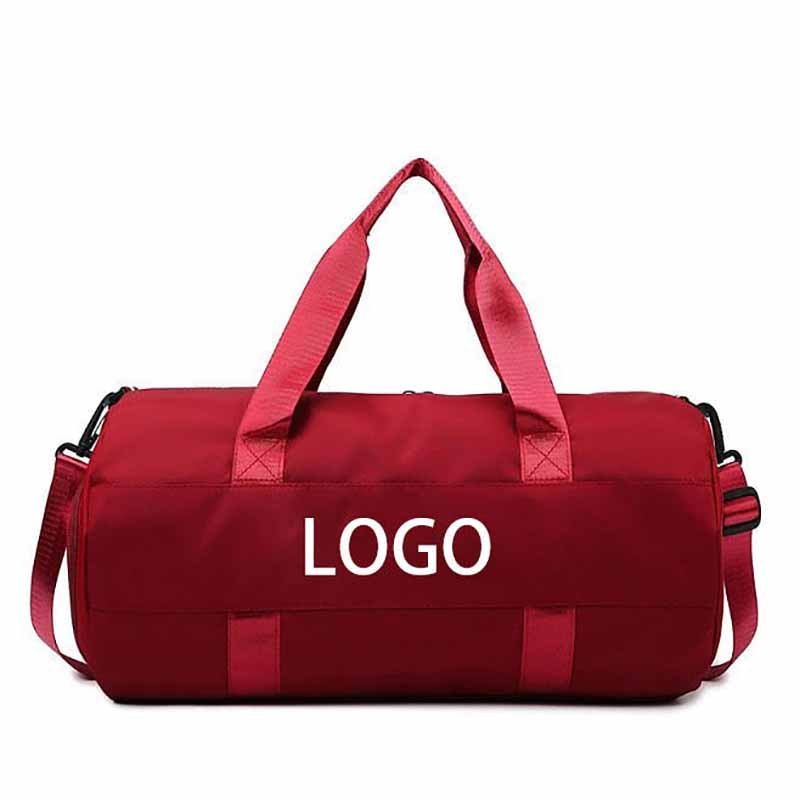
A gym bag used to be simple: one big compartment, a zipper, two handles, and enough space for shoes, clothes, and a towel. But today, the way people use gym bags has changed. Many users go from home to the gym, from the gym to the office, from work to travel, or from training to outdoor activities. They carry wet towels, sweaty clothes, water bottles, supplements, shoes, laptops, headphones, and sometimes expensive sports gear. A normal fabric bag may look fine on the shelf, but once it meets rain, sweat, odor, leakage, or daily abrasion, weak materials and poor construction quickly show up.
A waterproof gym bag is a sports bag made with coated or laminated fabrics, sealed structures, and water-protective components to keep moisture from entering or leaking through the bag. The manufacturing process usually includes waterproof fabric selection, cutting, sewing or welding, seam treatment, lining installation, zipper assembly, logo customization, and quality testing.
For brands, the real value is not only “waterproof.” It is about creating a bag that feels reliable in daily use. A good waterproof gym bag protects dry clothes from wet gear, keeps electronics away from moisture, reduces odor problems, and extends product lifespan. The challenge is that many bags claim waterproof performance, but only a small percentage are engineered correctly from fabric to seams. This is where manufacturing experience matters. One poorly chosen zipper, one untreated seam, or one low-grade coating can turn a strong product idea into a customer complaint.
Szoneier, with over 18 years of experience in bag R&D and manufacturing, works with materials such as nylon, polyester, PVC, TPU, EVA, neoprene, canvas, cotton, jute, leather, and coated fabrics. For gym bag projects, the focus is usually on balancing waterproof performance, weight, cost, structure, branding, MOQ, and end-market expectations. A premium fitness brand may need TPU laminated nylon with sealed compartments, while a promotional sports project may prefer PVC-coated polyester with lower cost and faster delivery.
The interesting part is this: waterproof gym bag manufacturing is not only about making a bag that survives rain. It is about understanding how people actually live with the bag every day. A customer may not remember the fabric name, but they will remember whether their clean shirt stayed dry after training.
What Is a Waterproof Gym Bag?
A waterproof gym bag is designed to protect belongings from moisture, rain, sweat, and liquid exposure through waterproof fabrics and improved construction. Unlike a basic gym bag, it needs water-blocking material, stronger seams, protective zippers, and smart inner compartments. Real waterproof performance depends on the whole structure, not just the fabric surface.
What Defines a Waterproof Gym Bag?
A waterproof gym bag is defined by how well it controls water movement. Water can come from outside the bag, such as rain, wet ground, locker-room floors, pool areas, or outdoor sports environments. It can also come from inside the bag, such as damp towels, sweaty clothes, wet shoes, leaking bottles, shampoo, or skincare products.
A strong waterproof gym bag usually has several important features:
- Waterproof or water-resistant outer shell
- Coated or laminated backing
- Reinforced bottom panel
- Wet-and-dry separation
- Smooth, easy-clean lining
- Water-resistant or waterproof zippers
- Sealed or carefully protected seams
- Durable handles and shoulder straps
- Abrasion-resistant structure for daily use
The biggest misunderstanding is thinking that waterproof fabric alone makes the whole bag waterproof. It does not. A fabric roll may pass a water-pressure test, but once it is cut, stitched, folded, and assembled, water can enter through needle holes, zipper teeth, corners, and bottom seams.
This is why experienced factories look at the bag as a full system. The fabric, coating, thread, zipper, lining, seam method, binding tape, reinforcement, and testing process all affect final performance.
For normal gym and fitness use, most brands do not need a bag that can be fully submerged underwater. Instead, they need practical waterproof protection for daily scenarios: rain, sweat, wet gear, wet floors, and short-term exposure. That difference matters because over-engineering can make the bag too expensive, too stiff, or too heavy.
A practical waterproof gym bag should feel comfortable, flexible, and easy to use while still protecting the contents inside.
| Waterproof Level | Common Use Case | Recommended Construction |
|---|---|---|
| Basic water resistance | Indoor gym, light rain, daily commute | PU-coated polyester, standard zipper with flap |
| Medium waterproof protection | Fitness, travel, wet clothes, outdoor use | TPU/PVC-coated fabric, wet pocket, reinforced bottom |
| High waterproof protection | Swimming, boating, outdoor sports, heavy rain | TPU laminated nylon, sealed seams, waterproof zipper |
| Dry-bag level protection | Water sports, kayaking, marine use | Welded seams, roll-top closure, heavy TPU/PVC fabric |
For most custom gym bag projects, medium waterproof protection is the most balanced choice. It offers strong daily performance without making the product too costly or too technical for mass-market use.
How Is a Waterproof Gym Bag Different?
A waterproof gym bag is different from a normal gym bag in both material and construction. A standard gym bag may use basic polyester, simple lining, standard zippers, and regular stitching. It may carry items well, but it does not protect them well when moisture becomes part of the environment.
A waterproof gym bag is built with more attention to risk points.
The first difference is the outer material. Normal gym bags often use 300D, 600D, or 900D polyester with little or no coating. Waterproof gym bags use coated polyester, coated nylon, TPU laminated fabric, PVC fabric, or waterproof Oxford fabric. These materials create a barrier that slows or blocks water movement.
The second difference is compartment design. A waterproof gym bag often includes a wet pocket or shoe compartment. This matters because many users do not only worry about rain from outside. They worry about wet clothes touching dry clothes, shoes touching clean towels, and odor spreading through the bag.
The third difference is the bottom structure. Gym bags are often placed on locker-room floors, car trunks, gym benches, grass, or concrete. If the base fabric is thin, moisture and abrasion damage will appear quickly. A waterproof gym bag usually needs a thicker bottom panel, coated fabric, EVA reinforcement, PVC reinforcement, or anti-slip feet.
The fourth difference is how the seams are handled. Regular stitching creates small holes. For basic water protection, factories may use seam placement, binding tape, or inner lining to reduce leakage. For stronger waterproof performance, seam sealing or heat welding may be needed.
The fifth difference is the user experience. Waterproof fabrics can sometimes feel stiff, heavy, or noisy. A good manufacturer needs to balance protection with comfort. A gym bag that protects well but feels awkward will not sell well in lifestyle fitness markets.
| Part | Standard Gym Bag | Waterproof Gym Bag |
|---|---|---|
| Outer fabric | Regular polyester or nylon | TPU, PVC, PU-coated nylon/polyester |
| Inner lining | Basic polyester lining | Water-resistant or easy-clean lining |
| Zipper | Standard zipper | Waterproof zipper or covered zipper |
| Seam | Normal stitching | Sealed, taped, welded, or protected seams |
| Bottom | Same fabric as body | Reinforced waterproof base |
| Compartments | General storage | Wet/dry zones, shoe pocket, bottle pocket |
| Cleaning | Harder to wipe | Smooth surface, easier to clean |
| Retail value | Lower to mid-range | Mid-range to premium |
For brands, these differences create stronger selling points. A waterproof gym bag can be positioned for fitness, swimming, yoga, cycling, weekend travel, outdoor training, corporate wellness gifts, and premium private-label sports collections.
Are All Waterproof Gym Bags Truly Waterproof?
No. Many gym bags called waterproof are actually only water-resistant. This is one of the most common problems in the sports bag market.
A water-resistant bag can handle light rain or small splashes. A waterproof bag should offer stronger protection against moisture penetration. A dry bag is a more technical product designed for much heavier water exposure. These three categories are often mixed together in marketing, but they are not the same.
The real performance depends on four key points:
- Fabric waterproof rating
- Coating or lamination quality
- Seam structure
- Zipper and opening design
A bag made from waterproof fabric may still leak if the zipper is standard. A bag with a waterproof zipper may still leak if the seams are untreated. A bag with sealed seams may still fail if the fabric coating cracks after repeated folding.
This is why custom brands should define the product use before choosing materials. For example, a gym duffel used indoors does not need the same waterproof structure as a swim training bag or outdoor fitness backpack.
A useful way to think about waterproof gym bags is by real-life pressure:
| User Scenario | Waterproof Need | Key Design Focus |
|---|---|---|
| Daily gym use | Medium | Wet pocket, coated fabric, easy-clean lining |
| Rainy commute | Medium to high | Outer shell, covered zipper, strong base |
| Swimming or pool use | High | Wet/dry separation, waterproof lining |
| Outdoor fitness | High | Abrasion resistance, sealed seams, reinforced straps |
| Travel gym bag | Medium | Durability, compartments, luggage-friendly design |
| Promotional fitness bag | Basic to medium | Cost control, logo visibility, lightweight fabric |
This matters especially for private-label or OEM/ODM projects. If a brand oversells a bag as waterproof but the product only supports splash resistance, customer reviews can become a problem. In e-commerce, words like “leaks,” “not waterproof,” “zipper failed,” and “wet inside” can hurt conversion quickly.
A responsible manufacturer will not simply say yes to every claim. Szoneier usually helps customers match material and structure to the intended use. For example, a lower-MOQ startup fitness brand may choose 600D polyester with TPU coating, a waterproof wet pocket, and a reinforced bottom. A premium outdoor sports brand may choose high-density nylon with TPU lamination, waterproof zippers, and sealed seams.
The best waterproof gym bag is not always the most expensive one. It is the one that matches the customer’s market, price point, and real usage.
Which Materials Are Used in Waterproof Gym Bags?
Waterproof gym bags are commonly made from TPU, PVC, PU-coated nylon, PU-coated polyester, waterproof Oxford fabric, EVA, and neoprene. Each material has a different balance of waterproof performance, weight, flexibility, durability, cost, and appearance. The best choice depends on the bag’s use, target market, and customization needs.
Which Fabrics Make a Waterproof Gym Bag?
Most waterproof gym bags begin with a base fabric and a waterproof treatment. The base fabric provides strength, shape, and abrasion resistance. The coating or lamination provides water protection.
Common base fabrics include polyester, nylon, and Oxford fabric. Polyester is cost-efficient, stable, and easy to print. Nylon is stronger, more flexible, and often used for higher-performance bags. Oxford fabric is popular because its woven texture gives the bag a strong, sporty appearance.
The waterproof layer is usually PU, TPU, or PVC.
PU coating is common for basic water resistance. It is lightweight, affordable, and suitable for many daily gym bags. However, PU coating may not be strong enough for heavy wet use or long-term waterproof claims.
TPU lamination is more advanced. It offers better flexibility, stronger waterproof performance, and a cleaner feel. TPU is often used for premium gym bags, outdoor bags, cooler bags, dry bags, and travel sports bags.
PVC coating is heavier but very effective for waterproofing. It is often used in heavy-duty waterproof bags, promotional waterproof bags, and products where cost control and strong water blocking are both important.
EVA and neoprene may also be used in specific parts. EVA can support structure and cushioning. Neoprene provides flexibility and soft protection, often used for bottle pockets, sports accessories, or special compartments.
| Material | Waterproof Performance | Weight | Flexibility | Cost Level | Best Use |
|---|---|---|---|---|---|
| PU-coated polyester | Medium | Light | Medium | Low | Daily gym bags, promotional bags |
| TPU-coated polyester | High | Medium | Good | Medium | Mid-range waterproof gym bags |
| TPU laminated nylon | High | Light-medium | Excellent | Higher | Premium sports and travel gym bags |
| PVC-coated polyester | High | Heavy | Medium | Medium-low | Heavy-duty waterproof duffels |
| Waterproof Oxford | Medium-high | Medium | Medium | Medium | Structured gym and sports bags |
| Neoprene | Medium | Medium | Excellent | Medium | Bottle pockets, soft compartments |
| EVA | Low-medium | Light | Structured | Medium | Base panels, protective sections |
For most gym bag projects, polyester and nylon remain the main choices. They are easy to source, easy to cut, and flexible for customization. The real decision usually comes down to coating type, fabric density, surface feel, and target retail price.
Brands should also consider how the fabric behaves during printing and logo application. Some waterproof materials are not friendly to every logo method. For example, screen printing may work well on polyester, while heat transfer or rubber patches may be better for TPU surfaces. Embroidery can damage waterproof layers if not handled carefully, because needle holes may affect water resistance.
At Szoneier, fabric selection is usually connected with the whole product plan: bag size, structure, logo method, expected MOQ, target price, lead time, and quality requirement. Choosing fabric in isolation is risky. The right fabric must work with the design, production method, and final user experience.
Is TPU or PVC Better for a Waterproof Gym Bag?
TPU and PVC are two of the most important waterproof materials in gym bag manufacturing. Both can provide strong water protection, but they serve different product strategies.
TPU is often preferred for premium waterproof gym bags because it is lighter, more flexible, and less likely to feel stiff. It also performs better in cold conditions and has a cleaner surface feel. For brands targeting higher-end fitness, outdoor, yoga, travel, or lifestyle markets, TPU often feels more modern and comfortable.
PVC is more cost-effective and offers strong waterproof blocking. It is suitable for heavy-duty bags, budget-friendly waterproof duffels, promotional sports bags, and bulk orders. However, PVC can be heavier, less flexible, and may have more odor depending on material grade.
The choice is not simply “which is better.” The better question is: which one fits the product’s market?
| Factor | TPU | PVC |
|---|---|---|
| Waterproof strength | High | High |
| Flexibility | Excellent | Medium |
| Weight | Lighter | Heavier |
| Surface feel | Softer, cleaner | Thicker, more industrial |
| Cold resistance | Better | Can stiffen |
| Odor | Lower | Depends on grade |
| Cost | Higher | Lower |
| Premium appearance | Strong | Medium |
| Bulk order cost control | Medium | Strong |
| Best for | Premium gym bags, travel, outdoor fitness | Heavy-duty bags, budget waterproof bags |
For a premium gym bag, TPU laminated nylon or TPU-coated polyester is often a stronger choice. It allows a cleaner look, better flexibility, and better user comfort. For a large-volume promotional gym bag, PVC-coated polyester may make more sense because it controls cost while still offering waterproof protection.
There is also a hybrid approach. Some brands use TPU-coated fabric for the main body and heavier PVC or EVA reinforcement on the bottom. This improves durability without making the whole bag too expensive. Others use polyester with TPU coating for the outer body and a waterproof PEVA or PVC lining inside the wet compartment.
A good manufacturer should not push one material for every project. Szoneier can help compare cost, hand feel, weight, waterproof level, printing method, and sample feasibility before production. This is especially useful for small and medium brands that need to test the market without taking unnecessary inventory risk.
Do Nylon and Polyester Work for Waterproof Gym Bags?
Yes, nylon and polyester work very well for waterproof gym bags when they are properly coated, laminated, and constructed. On their own, both materials can absorb or allow water through the weave. Their waterproof performance comes from the coating, backing, or lamination added during fabric processing.
Nylon is usually stronger and more abrasion-resistant than polyester. It has a smoother feel and better flexibility. For gym bags that need to carry heavy gear, shoes, laptops, or travel items, nylon can be a strong choice. High-density nylon with TPU lamination can create a durable, premium waterproof gym bag with good hand feel.
Polyester is usually more cost-efficient and stable. It resists stretching and handles color printing well. It is widely used for promotional bags, private-label gym duffels, sports team bags, and general fitness bags. When coated with PU, TPU, or PVC, polyester can deliver reliable waterproof protection at a more accessible price.
| Fabric | Strength | Cost | Printing | Waterproof Potential | Best Product Fit |
|---|---|---|---|---|---|
| Polyester | Good | Lower | Excellent | Medium-high with coating | Promotional and mid-range gym bags |
| Nylon | Excellent | Higher | Good | High with TPU lamination | Premium and heavy-duty gym bags |
| Oxford polyester | Good | Medium | Good | Medium-high | Structured sports duffels |
| Ripstop nylon | Excellent | Higher | Medium | High | Outdoor fitness and travel bags |
For gym bag manufacturing, fabric density also matters. Common options include 300D, 420D, 600D, 900D, 1000D, and 1680D. A higher number usually means a thicker and stronger yarn structure, but it also affects weight, flexibility, and cost.
| Fabric Density | Common Use | Advantage |
|---|---|---|
| 300D | Lightweight gym bags | Lower cost, easy folding |
| 420D | Sports drawstring and light duffels | Good balance of weight and strength |
| 600D | Standard gym bags | Popular, durable, affordable |
| 900D | Stronger duffel bags | Better abrasion resistance |
| 1000D | Heavy-duty sports bags | Strong structure |
| 1680D | Premium travel/gym bags | High durability, strong appearance |
A common mistake is choosing the thickest fabric only because it sounds stronger. In reality, a very thick fabric can make a gym bag heavy, stiff, and less comfortable. For many markets, 600D polyester with good TPU or PU coating can perform better commercially than an overly heavy 1680D fabric.
The best fabric choice should consider:
- Target retail price
- Bag size and weight
- Waterproof level
- Logo method
- Hand feel
- Color requirements
- MOQ
- Sampling speed
- Packaging and shipping cost
- Expected user scenario
For example, a compact women’s fitness bag may need lighter waterproof polyester with a soft lining and stylish color options. A men’s heavy-duty training duffel may need 900D or 1000D nylon with reinforced handles and a waterproof shoe compartment. A travel gym bag may need a balance between premium appearance, water protection, and lightweight carrying comfort.
Szoneier’s advantage is that the company works across multiple fabric types and bag categories, including gym bags, travel bags, cooler bags, dry bags, backpacks, tool bags, makeup bags, tote bags, and more. This allows material experience from one product category to improve another. For example, waterproof construction knowledge from dry bags and cooler bags can be applied to gym bags, especially in wet compartments, sealed linings, and reinforced bases.
The final goal is not to make the bag sound technical. The goal is to make the bag perform better in real life, look good under a brand’s logo, and hold up well after repeated use.
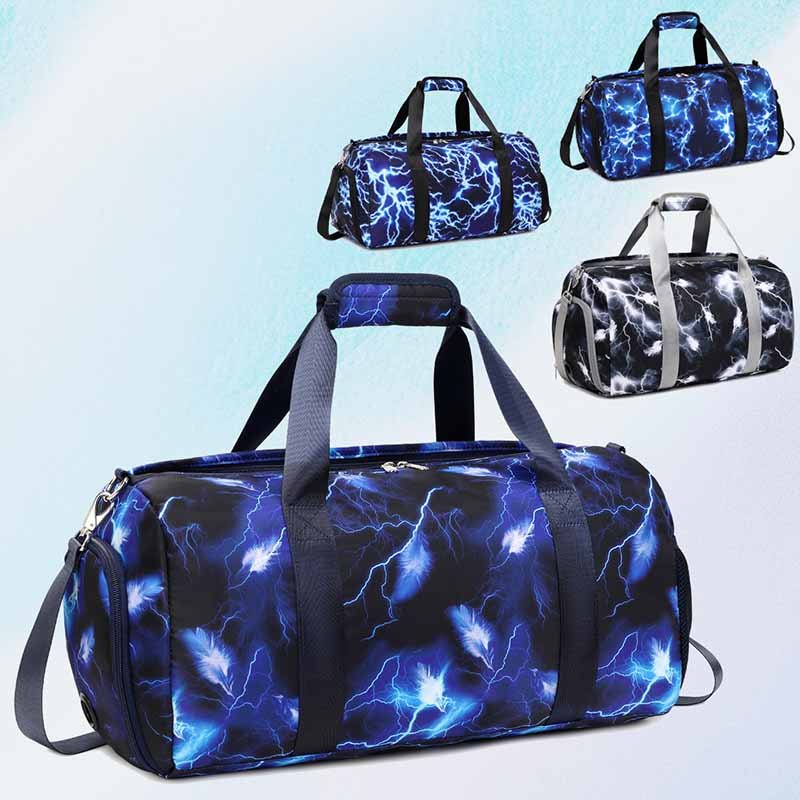
How Is a Waterproof Gym Bag Manufactured?
A waterproof gym bag is manufactured through a multi-step process that combines fabric treatment, precision cutting, structured assembly, seam protection, and component integration. True waterproof performance comes from how materials and construction methods work together—not from fabric alone.
How Is Fabric Prepared for a Waterproof Gym Bag?
Before a gym bag even enters the cutting stage, the fabric must go through preparation processes that directly affect waterproof performance, durability, and consistency.
The process usually starts at the raw fabric level. Polyester or nylon base fabrics are first woven to specific densities such as 600D, 840D, or 1680D. These base fabrics are then treated using coating or lamination techniques.
There are three main preparation methods:
- PU coating (entry-level waterproofing)
- PVC coating (heavy-duty waterproofing)
- TPU lamination (high-performance waterproofing)
Each method creates a barrier layer on the fabric surface or backing. The thickness of this layer is measured in microns, and even small variations can affect performance. For example, a 0.15 mm TPU layer will feel lighter and more flexible, while a 0.30 mm layer will offer stronger waterproof protection but slightly higher stiffness.
Another important step is color fixation and surface treatment. Waterproof fabrics must maintain color stability under friction, moisture, and UV exposure. Poor dyeing or coating processes can lead to fading, peeling, or cracking over time.
From a production perspective, factories also conduct pre-production tests such as:
- Water pressure testing (hydrostatic test)
- Adhesion testing (coating bonding strength)
- Flex testing (crack resistance after folding)
- Abrasion testing (surface durability)
| Process Step | Purpose | Risk if Skipped |
|---|---|---|
| Fabric coating/lamination | Create waterproof barrier | Water penetration |
| Thickness control | Balance flexibility and durability | Too stiff or too weak |
| Adhesion testing | Ensure coating stays bonded | Peeling after use |
| Color fixation | Maintain appearance | Fading, color transfer |
| Pre-production testing | Validate performance | High defect rate later |
A key insight here: fabric quality consistency is more important than maximum performance numbers. A slightly lower waterproof rating with stable quality is often better than a high rating with inconsistent batches.
For custom brands, this stage also determines how the final bag will feel in hand. A gym bag that looks good but feels cheap will struggle in premium markets, while a bag that feels too stiff may not perform well in lifestyle fitness use.
How Are Seams Sealed in a Waterproof Gym Bag?
Seams are one of the most critical weak points in any waterproof product. Even if the fabric itself is fully waterproof, stitching creates micro holes that can allow water to pass through.
There are three main approaches to handling seams in waterproof gym bags:
- Standard stitching with structural design optimization
- Seam tape sealing
- High-frequency welding (heat welding)
For most gym bags, especially in the mid-range market, the first approach is still widely used. Instead of sealing every seam, manufacturers carefully design seam positions, use inner linings, and reduce direct water exposure areas.
Seam tape sealing is a more advanced method. After stitching, a waterproof tape is applied over the seam using heat and pressure. This blocks water from entering through needle holes. This method is commonly used in outdoor gear and higher-end gym bags.
High-frequency welding is the most advanced method. Instead of stitching, fabric panels are fused together using heat. This creates a seamless joint with no needle holes at all. However, this method is more expensive and is usually used for dry bags, cooler bags, or high-performance waterproof products.
| Seam Method | Waterproof Level | Cost | Flexibility | Typical Use |
|---|---|---|---|---|
| Standard stitching | Medium | Low | High | Daily gym bags |
| Seam tape sealing | High | Medium | Medium | Premium gym bags |
| Heat welding | Very high | High | Medium | Dry bags, technical products |
For gym bag manufacturing, the choice depends on positioning. A fashion-oriented gym bag may not need full seam sealing, while a performance-driven sports bag or swim bag may benefit from it.
Another overlooked detail is thread quality. Even with seam sealing, low-quality thread can degrade under moisture, leading to long-term failure. High-quality polyester thread with water resistance is often preferred.
At Szoneier, seam strategy is usually customized per project. Not every bag needs full sealing, but every bag needs a clear understanding of where water may enter and how to control it.
What Parts Make a Waterproof Gym Bag Complete?
A waterproof gym bag is not just fabric and seams. It is a combination of multiple components working together.
The main structural components include:
- Outer shell fabric
- Inner lining
- Bottom reinforcement
- Zippers and closures
- Straps and handles
- Buckles and hardware
- Internal compartments
Each component can affect waterproof performance.
Zippers are one of the most sensitive areas. Standard zippers allow water to pass through the teeth. Waterproof zippers use a coated surface to block water, but they are more expensive and slightly harder to open. Many gym bags use a hybrid solution: standard zippers with protective flaps.
The bottom panel is another critical area. This is the part that touches the ground. A waterproof gym bag often uses thicker fabric, PVC reinforcement, or EVA padding at the base to prevent moisture absorption and improve durability.
Internal structure also matters. Wet compartments are often made with waterproof lining materials such as PEVA or coated polyester. This allows users to separate wet clothes from dry items.
| Component | Function | Impact on Waterproofing |
|---|---|---|
| Outer fabric | Main barrier | Direct water resistance |
| Lining | Secondary protection | Prevents internal leakage |
| Zipper | Access point | Major water entry risk |
| Bottom panel | Ground contact | High exposure to moisture |
| Seams | Structural connection | Potential leakage points |
| Wet compartment | Moisture separation | Improves usability |
| Hardware | Structure and durability | Indirect impact |
From a product design perspective, the goal is to balance protection, usability, and cost. Overusing waterproof components can increase price and reduce user comfort, while underusing them can lead to poor performance.
A well-designed waterproof gym bag often uses targeted waterproofing, focusing on high-risk areas rather than treating the entire bag equally.
Why Choose a Waterproof Gym Bag?
A waterproof gym bag protects belongings from moisture, extends product lifespan, improves hygiene, and enhances user convenience. For brands, it creates higher product value, better differentiation, and stronger market positioning compared to standard gym bags.
How Does a Waterproof Gym Bag Protect Gear?
The most direct benefit of a waterproof gym bag is protection. Users carry a mix of items that should not interact with each other—wet and dry, clean and used, electronic and liquid.
Without proper protection, common problems include:
- Wet clothes soaking into dry clothes
- Shoe odor spreading to the entire bag
- Water bottles leaking into electronics
- Sweat damaging fabrics over time
A waterproof gym bag addresses these issues through:
- Coated outer fabric that blocks external moisture
- Wet compartments that isolate damp items
- Easy-clean lining that resists odor absorption
- Reinforced base that prevents ground moisture from entering
From a user perspective, this reduces daily inconvenience. From a brand perspective, it reduces product complaints and returns.
| Risk Scenario | Standard Bag Result | Waterproof Gym Bag Result |
|---|---|---|
| Wet towel inside bag | Moisture spreads | Moisture isolated |
| Rain exposure | Items get damp | Items stay dry |
| Bottle leakage | Internal damage | Contained area |
| Dirty floor contact | Base absorbs water | Base blocks moisture |
This type of functional improvement directly affects customer satisfaction and repeat purchase rates.
Is a Waterproof Gym Bag More Durable?
Yes, in most cases, a waterproof gym bag is more durable than a standard gym bag—but not just because of waterproofing.
Waterproof materials like TPU, PVC, and coated nylon tend to be thicker and more resistant to wear. These materials also protect against:
- Abrasion from daily use
- Dirt and stains
- Mold and mildew caused by moisture
- Fabric weakening due to repeated wet-dry cycles
Durability is especially important for gym bags because they are used frequently and in rough environments. Locker rooms, car trunks, gym floors, outdoor training areas—all these conditions require a bag that can handle stress.
From a cost perspective, a more durable bag reduces replacement frequency. Even if the initial price is higher, the long-term value is often better.
| Factor | Standard Gym Bag | Waterproof Gym Bag |
|---|---|---|
| Lifespan | 6–12 months | 12–36 months |
| Abrasion resistance | Medium | High |
| Moisture damage risk | High | Low |
| Maintenance | More difficult | Easier |
For brands, durability also means fewer warranty claims and stronger reputation.
Are Waterproof Gym Bags Good for Travel?
Yes, waterproof gym bags are increasingly used as travel bags, especially for short trips, weekend travel, and active lifestyles.
The reason is simple: modern users want one bag that can handle multiple situations. A gym bag is no longer just for the gym—it is used for commuting, business trips, outdoor activities, and even as carry-on luggage.
Waterproof features become especially useful during travel:
- Protection from rain during transit
- Separation of used and clean clothing
- Easy cleaning after trips
- Resistance to spills inside luggage compartments
Many travel-focused gym bags now include:
- Shoe compartments
- Wet/dry separation
- Laptop sleeves
- Trolley sleeves for suitcase attachment
- Lightweight but durable waterproof fabric
| Travel Scenario | Benefit of Waterproof Gym Bag |
|---|---|
| Airport transit | Protects contents from spills |
| Outdoor travel | Handles rain and dirt |
| Hotel use | Keeps wet items separated |
| Short trips | Combines gym + travel use |
This multi-use function is a strong selling point for brands. Instead of marketing a product only as a gym bag, it can be positioned as a fitness + travel hybrid bag, increasing perceived value and market reach.
How to Choose a Waterproof Gym Bag Manufacturer?
Choosing a waterproof gym bag manufacturer depends on material expertise, production capability, customization flexibility, quality control, and communication efficiency. A reliable factory should not only produce bags, but also help optimize design, reduce risk, and ensure consistent quality across samples and bulk production.
What Makes a Good Waterproof Gym Bag Factory?
A strong waterproof gym bag factory is defined by its ability to control both materials and production details. Many factories can sew bags, but far fewer understand how waterproof performance works across fabric, seams, and components.
From a practical standpoint, a reliable manufacturer should have:
- In-house or stable supply chain for waterproof fabrics (TPU, PVC, coated nylon/polyester)
- Experience with different bag categories (gym bags, dry bags, travel bags, cooler bags)
- Clear understanding of waterproof construction methods
- Sampling capability with fast turnaround
- Quality inspection standards during production
More importantly, a good factory should be able to identify risks before production, not after problems appear.
For example:
- If a logo method may damage waterproof coating, they should suggest alternatives
- If a zipper choice affects waterproof performance, they should explain trade-offs
- If a design increases leakage risk, they should propose structure adjustments
| Capability | Why It Matters | Impact on Product |
|---|---|---|
| Fabric sourcing | Ensures consistent quality | Stable waterproof performance |
| Technical knowledge | Avoids design mistakes | Fewer defects |
| Sampling speed | Faster testing cycle | Quicker market entry |
| Production capacity | Handles scaling | Stable delivery |
| Quality control | Reduces issues | Better customer reviews |
Factories with real experience do not just follow instructions—they help improve the product.
Szoneier’s advantage comes from combining fabric R&D + bag manufacturing under one system. This allows better control over material performance, production consistency, and final product quality, especially for waterproof and functional bags.
How Important Are MOQ and Samples for Waterproof Gym Bags?
MOQ (Minimum Order Quantity) and sampling are two of the most important factors for brands, especially small to medium-sized businesses or new product launches.
MOQ directly affects:
- Inventory risk
- Cash flow
- Ability to test the market
Sampling affects:
- Product validation
- Design accuracy
- Material confirmation
For waterproof gym bags, sampling is even more critical because waterproof performance cannot be judged by design drawings alone. It must be tested in real conditions.
A typical development process looks like this:
- Idea or reference sample
- Material selection
- First sample (structure validation)
- Revision sample (performance improvement)
- Final confirmation sample
- Bulk production
Factories that offer:
- Low MOQ
- Fast sampling (5–10 days)
- Free or low-cost sample support
are much more attractive for growing brands.
| Factor | Ideal Range | Why It Matters |
|---|---|---|
| MOQ | 100–500 pcs | Reduces entry barrier |
| Sample lead time | 5–10 days | Faster decision making |
| Sample cost | Free or refundable | Encourages testing |
| Revision cycles | 1–3 rounds | Improves product quality |
A common mistake is skipping sampling to save time or cost. This often leads to bigger problems during mass production, especially with waterproof products where small details matter.
Szoneier supports low MOQ customization, fast sampling, and free sample options, which helps brands test designs quickly and reduce upfront investment.
Can You Customize a Waterproof Gym Bag Easily?
Yes, but the level of customization depends on the manufacturer’s capability and experience.
A professional factory should support multiple customization areas, including:
- Fabric type (nylon, polyester, TPU, PVC, etc.)
- Fabric thickness and coating level
- Bag size and structure
- Compartments and functional features
- Logo method (printing, embroidery, heat transfer, rubber patch, metal logo)
- Color matching (Pantone colors)
- Packaging design
However, not all customizations are equal. Some affect waterproof performance directly.
For example:
- Embroidery may create needle holes that reduce waterproof capability
- Certain prints may not adhere well to TPU surfaces
- Complex structures may increase seam leakage risk
This is why customization should always be guided by technical feasibility, not just design preference.
| Custom Element | Options | Impact on Waterproofing |
|---|---|---|
| Logo | Print, embroidery, patch | Embroidery may affect sealing |
| Zipper | Standard, waterproof | Waterproof improves protection |
| Fabric | TPU, PVC, coated nylon | Direct impact |
| Compartments | Wet/dry separation | Improves usability |
| Structure | Multi-layer design | May increase seam complexity |
A good manufacturer will guide customers to choose the right combination.
Szoneier offers OEM and ODM services, meaning brands can either customize existing designs or develop completely new products from scratch. With over 18 years of experience, the company supports a wide range of bag types including gym bags, travel bags, cooler bags, dry bags, and more.
Start Your Custom Waterproof Gym Bag Project with Szoneier
At the end of the day, a waterproof gym bag is not just a product—it is a combination of design, material, and manufacturing experience. The difference between a good product and a problematic one often comes down to small details: fabric selection, seam handling, zipper choice, and production consistency.
For brands looking to develop waterproof gym bags, the key priorities are:
- Choosing the right material for the target market
- Balancing cost and performance
- Testing samples before bulk production
- Working with a factory that understands real usage scenarios
Szoneier has over 18 years of experience in bag manufacturing.
Whether you are building a new fitness brand, expanding a product line, or launching a private-label gym bag collection, working with the right manufacturer can save time, reduce risk, and improve your product’s market performance.
If you already have a design, Szoneier can help refine it for better durability and waterproof performance.
If you only have an idea, the team can turn it into a production-ready product.
Send your inquiry today and start developing a waterproof gym bag that truly performs in real-world use.