Skip to content

A backpack can look simple on the outside but carry much more value inside when its storage is designed the right way. That is why hidden pocket backpacks have become more attractive to travel brands, commuter bag brands, laptop bag sellers, corporate gift buyers, and private label companies. People no longer want a backpack that only carries things. They want one that helps protect passports, phones, wallets, cards, keys, cash, and other small valuables without making the bag bulky or awkward to use. In real buying behavior, this matters a lot. Many end users compare bags not only by size, color, and price, but also by how secure the storage feels in daily life.
A hidden pocket backpack is a backpack designed with one or more concealed compartments that are not easy to notice from the outside. These pockets are usually built into the back panel, shoulder strap area, side seam, inner lining, under a flap, or inside a layered structure. Their main purpose is to improve security, organization, and product value while keeping the backpack clean in appearance and comfortable to use.
This kind of design is especially important in crowded environments such as airports, trains, subways, campuses, trade shows, and tourist areas. A visible outer zipper may be convenient, but it is also easier for strangers to notice. A hidden pocket changes that. It adds a second level of protection through structure, not just through marketing language.
At Szoneier, hidden pocket development is not treated as a decoration. It is treated as part of the backpack’s functional architecture. Over more than 18 years of bag development and manufacturing, we have seen that a well-placed hidden pocket can raise the perceived value of a backpack much more than a simple fabric upgrade. For many brands, it is one of the easiest ways to create a more premium product story without completely changing the overall silhouette.
What Is a Hidden Pocket Backpack?
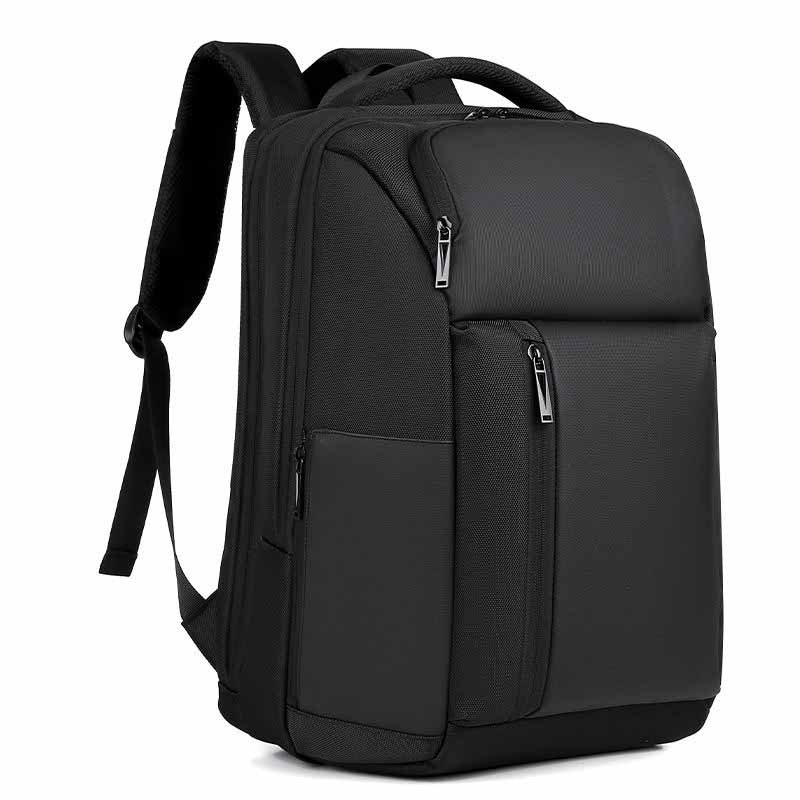
A good hidden pocket backpack does not shout for attention. It works quietly in the background, and that is exactly why users remember it.
What defines a hidden pocket backpack design?
A hidden pocket backpack is defined by how naturally the concealed storage is built into the bag. The key is not just adding another compartment. The key is making that compartment feel intentional, secure, and visually low-profile. If the pocket looks obvious, sticks out, or interrupts the bag’s lines, then it loses much of its value.
In manufacturing, a true hidden pocket usually has several design characteristics working together:
- The pocket opening is not immediately visible from a normal viewing angle
- The zipper, flap, or entry point is covered, reversed, tucked, or blended into a seam
- The location is chosen based on natural body contact or low-visibility areas
- The pocket does not create visible swelling when empty
- The pocket remains usable without causing discomfort to the wearer
The most common hidden pocket zones include the back panel, the luggage sleeve area, the inner wall behind the laptop compartment, the shoulder strap, and the side seam close to the back body. Each location solves a different customer concern.
For example, a back panel pocket is excellent for passports, phones, and cash because it sits against the user’s body. A hidden shoulder strap pocket is useful for transit cards or emergency cash. A concealed pocket inside the main compartment may protect small electronics or personal documents while keeping the bag’s exterior minimal.
Below is a simple comparison of common hidden pocket positions and their practical value:
| Hidden Pocket Location | Best For | Security Level | User Convenience | Common Use Scenario |
|---|---|---|---|---|
| Back panel | Passport, wallet, phone | High | Medium | Travel, commuting |
| Shoulder strap | Card, key, cash | Medium | High | Quick daily access |
| Side seam near back | Earbuds, key, card | Medium to high | High | Urban use |
| Under top flap | Small valuables | Medium | Medium | Fashion and casual bags |
| Internal lining pocket | Documents, cash | Medium | Medium | Business and school bags |
| Luggage sleeve pocket | Passport, tickets | High | High | Airport travel |
What truly defines the design is balance. The pocket must be hidden enough to discourage theft, but not so hidden that the user struggles to find or use it. That is where experienced pattern making matters. At Szoneier, when developing custom backpacks, we usually review three things before confirming hidden pocket placement:
- How often the user needs to access the item
- How valuable the stored item is
- Whether the pocket position affects carrying comfort or production cost
This design thinking is important because hidden pockets are not all equal. Some are made only for product appearance and do little in real use. Others are designed from real customer habits and become a genuine selling point. Serious backpack development should always aim for the second type.
Which hidden pocket backpack types are common?
Hidden pocket backpacks are used in many product categories, but the reason for using them is not always the same. In one bag, the hidden pocket is about anti-theft protection. In another, it is about cleaner organization. In another, it supports a more premium product image. Understanding these differences helps a brand choose the right structure, the right materials, and the right product positioning.
The most common types are listed below:
| Backpack Type | Main Customer Need | Hidden Pocket Function | Common Pocket Size |
|---|---|---|---|
| Anti-theft backpack | Security in public places | Protect wallet, passport, phone | Small to medium |
| Travel backpack | Safe storage during trips | Store passport, tickets, cash | Small to medium |
| Laptop backpack | Organized tech carry | Hide accessories or documents | Small |
| Urban commuter backpack | Daily convenience | Easy access to keys, cards, earbuds | Small |
| Business backpack | Clean appearance + privacy | Secure important items discreetly | Small to medium |
| Outdoor daypack | Extra storage without clutter | Backup storage for essentials | Small |
| School backpack | Better organization | Separate personal items | Small |
| Fashion backpack | Minimal exterior design | Preserve silhouette while adding function | Small |
Among these, travel backpacks and commuter backpacks are currently the most natural fit for hidden pocket selling points. Users in these categories are more likely to carry sensitive items in crowded environments. That makes hidden storage easier to explain in product descriptions, ad creatives, and online listing pages.
For example, a travel backpack with:
- a rear passport pocket,
- a hidden AirTag sleeve,
- a concealed RFID card slot,
- and a luggage sleeve zipper compartment
can be positioned much more strongly than a basic backpack with only standard front and side pockets.
From a market perspective, hidden pockets are especially useful because they help create product differentiation without requiring a completely new backpack shape. A factory does not always need to reinvent the whole bag. Sometimes one or two smart hidden storage improvements can make an existing silhouette more competitive.
This matters a lot for small and medium-sized brands. Tooling a completely new backpack structure may require more time, more samples, and more cost. But updating a proven backpack body with better hidden pocket engineering can give the customer a more premium product story with faster development speed.
At Szoneier, many clients start with a familiar backpack form and then upgrade it with:
- a concealed anti-theft back pocket,
- a hidden zipper under the top handle,
- an internal secret pocket for documents,
- or a side-entry pocket positioned close to the wearer’s back.
These upgrades often improve both product value and order conversion because the function is easy for end users to understand. Security is emotional. People respond to it quickly.
Are hidden pocket backpacks really secure?
Yes, hidden pocket backpacks can be much more secure than standard backpacks, but only when the pocket is designed properly and placed where it makes practical sense. A hidden pocket is not magic. It works because it reduces visibility, slows unauthorized access, and creates psychological uncertainty for anyone trying to find valuables quickly.
In real life, many theft situations are opportunistic. A thief is more likely to target:
- an open top,
- a front zipper compartment,
- an exposed side pocket,
- or a bag left on a chair.
They are far less likely to spend time exploring a concealed area that is pressed against the wearer’s back or hidden inside a structural panel. In other words, a hidden pocket improves security because it buys time and reduces obvious access points.
But security levels vary greatly depending on execution. A poorly made hidden pocket may still fail. Common problems include:
- The zipper line is too visible
- The compartment opening is in an obvious place
- The fabric is too soft, making the pocket shape easy to detect
- The pocket is too shallow, causing items to shift or outline through the fabric
- The placement makes it uncomfortable, so users stop using it
That is why pocket design should be tested around real product use, not just sketched on paper.
A stronger hidden pocket backpack often combines several features together:
| Security Feature | What It Does | Value to End User |
|---|---|---|
| Hidden pocket | Conceals valuables | Reduces theft risk |
| Reverse zipper | Makes opening less obvious | Improves visual concealment |
| RFID lining | Helps block RFID scanning | Protects cards and IDs |
| Cut-resistant panel | Adds physical security | Better for travel and city use |
| Lockable zipper puller | Slows forced access | Useful in airports and hotels |
| Back-contact placement | Keeps pocket against body | Harder for strangers to reach |
For most brands, the best approach is not to treat hidden pockets as a single-feature product. It is better to build a layered security story. For example:
- hidden rear passport pocket
- RFID card sleeve inside
- lockable main zipper
- durable outer fabric with abrasion resistance
That combination feels much more believable to customers than simply writing “anti-theft” in a listing title.
From a manufacturing angle, security also depends on stitch strength, zipper quality, lining support, and pattern accuracy. A hidden pocket may look good in the first sample, but if it distorts after loading, it loses user trust. This is why factories with real backpack construction experience matter. A good sample room should test the bag when filled, worn, opened repeatedly, and exposed to daily handling.
At Szoneier, hidden pocket development usually includes practical review points such as:
- whether the opening is visible at standing eye level,
- whether the user can access it naturally while wearing or removing the bag,
- whether stored items create outer bulges,
- and whether the production method can remain stable in bulk orders.
That last point is important. Many backpack ideas look appealing in concept but become inconsistent in mass production. Secure design must also be manufacturable at scale.
A well-made hidden pocket backpack is not just safer because it hides things. It is safer because the design, materials, and production details work together in a way the user can actually rely on.
Why Choose a Backpack with Hidden Pockets?
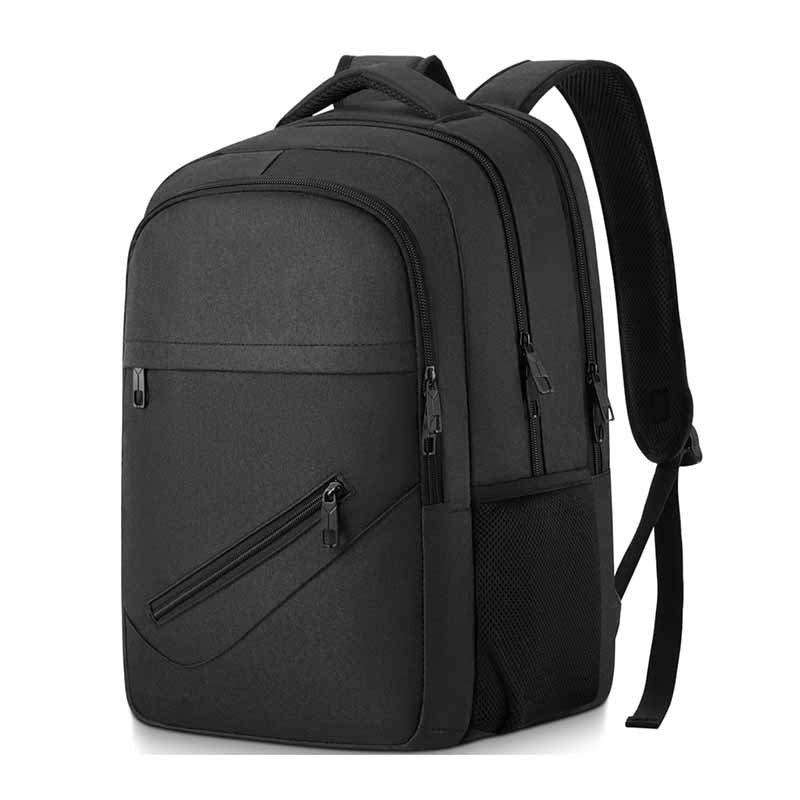
People do not buy backpacks only by size anymore. They buy by how a bag fits into real life. A backpack with hidden pockets speaks directly to one of the strongest real-life concerns users have today: keeping important belongings safer without adding inconvenience. This is why hidden pocket designs are becoming more attractive across travel bags, work backpacks, school backpacks, tech bags, gym bags, and urban daypacks. The appeal is easy to understand. The user gets a cleaner-looking bag, better internal organization, and more confidence in crowded or unfamiliar environments.
A backpack with hidden pockets gives users discreet storage for valuables while keeping the overall bag neat, practical, and more secure. It is especially useful for passports, phones, wallets, keys, cards, and cash. For brands and importers, this design feature can also increase perceived value, strengthen product positioning, and help a backpack stand out in a crowded market without requiring a completely new product category.
This matters because product competition is intense. On B2B sourcing platforms, Amazon listings, independent brand websites, and social channels, many backpacks look similar at first glance. A hidden pocket is one of those features that customers instantly understand when it is explained clearly. It feels useful, modern, and relevant. More importantly, it helps turn a common bag into a product with a stronger reason to buy.
For factories and brand owners, hidden pockets are not just a style detail. They are a commercial advantage when developed in the right way.
How does a hidden pocket backpack improve safety?
A hidden pocket improves safety by reducing exposure. That sounds simple, but it is one of the most effective ideas in backpack design. Most petty theft happens because valuable items are stored in easy-to-spot locations. Front zippers, open top sections, outer slip pockets, and obvious side compartments are fast to access not only for the user, but also for strangers.
A hidden pocket changes this by doing three things:
- it lowers visibility,
- it creates an access barrier,
- and it increases reaction time.
If a passport or wallet is stored in a rear hidden pocket that sits against the wearer’s back, the chance of unnoticed access drops sharply compared with a front exterior pocket. The same goes for a concealed zipper under a handle cover or a hidden slot built into the luggage sleeve area.
Safety also improves because hidden pockets encourage better user behavior. Many people place valuables in obvious pockets simply because those pockets are easy to reach. When a backpack includes a clearly planned hidden compartment, the user is more likely to store important items in the right place.
This can be shown clearly in a simple comparison:
| Storage Location | Visibility to Others | Ease of Unauthorized Access | Best For |
|---|---|---|---|
| Front pocket | High | High | Low-value items |
| Side pocket | High | Medium to high | Bottle or umbrella |
| Main compartment top area | Medium | Medium | General carry |
| Hidden back pocket | Low | Low | Passport, wallet, phone |
| Hidden internal pocket | Low | Medium to low | Cash, documents, cards |
It is also worth noting that safety is not only about theft. Hidden pockets improve item protection from accidental loss. A phone placed loosely into a large main compartment may scratch, slide, or be forgotten among other items. A dedicated hidden pocket gives it a fixed location. That helps daily organization and reduces the chance of dropping or misplacing important belongings.
For buyers developing custom backpacks, this is one reason hidden pockets are so useful in product positioning. They solve a real concern in a way users immediately understand, and that makes the feature easier to sell online and offline.
Do users prefer hidden pocket backpacks today?
In many backpack categories, yes. Users increasingly prefer products that offer subtle function instead of obvious gimmicks. Hidden pockets fit this preference very well because they do not make the bag look complicated, but they add real everyday value. This is especially true in travel, commuting, tech-carry, campus, and urban lifestyle markets.
Several consumer shifts are driving this preference:
- People carry more small high-value items than before
- Daily movement through crowded spaces is common
- Users want cleaner-looking bags with less visual clutter
- Many customers now compare organizational details before purchase
- Security language performs better when tied to visible product structure
A few years ago, many backpacks competed heavily on bold styling, oversized compartments, and feature overload. Now, a large part of the market is moving toward practical, cleaner, more intentional design. Hidden storage fits that direction. It offers function without making the bag look technical or bulky.
This is especially attractive to:
- young professionals,
- frequent travelers,
- students in urban settings,
- digital nomads,
- and premium casual brands.
From a selling standpoint, hidden pockets also work well because they are easy to demonstrate in product photos and videos. A short clip showing a passport disappearing into an invisible back panel pocket is often more persuasive than a long paragraph of product claims. In e-commerce, features that can be shown clearly tend to convert better.
For private label customers and custom backpack brands, this preference creates opportunity. A hidden pocket design can support a more premium selling price when combined with the right materials and hardware. Even a relatively simple backpack can appear more thought-out and higher value when the internal structure reflects real use scenarios.
At Szoneier, many clients request hidden pockets not because the entire bag is anti-theft, but because they want the product to feel more complete. That is an important difference. Hidden pockets are no longer limited to security bags only. They are increasingly part of mainstream backpack expectations in better-developed products.
Which people need hidden pocket backpacks most?
Not every user values hidden pockets equally, but several customer groups benefit from them so clearly that the feature becomes a strong selling point. Understanding these groups helps brands design better products and market them more effectively.
The most obvious group is travelers. They often carry passports, boarding passes, foreign currency, hotel cards, and phones in busy transport environments. For them, hidden pockets are not just convenient. They directly support peace of mind.
The second strong group is daily commuters. These users move through trains, buses, sidewalks, office lobbies, elevators, and public spaces where a backpack may be worn closely for long periods. They tend to carry cards, keys, phones, wallets, and sometimes work IDs. A small hidden pocket can make daily routines smoother and safer.
The third important group is students and young professionals. They like clean bag design but still want better organization. For them, hidden pockets often serve more as privacy storage than anti-theft storage. The pocket may hold personal items, emergency cash, or small tech accessories.
Here is a useful segmentation view:
| User Group | Main Items Carried | Why Hidden Pockets Matter |
|---|---|---|
| Travelers | Passport, cash, cards, phone | Security in crowded transport settings |
| Commuters | Wallet, transit card, keys, earbuds | Fast and discreet daily access |
| Students | Personal items, cards, cash | Better privacy and organization |
| Professionals | ID, charger, small documents | Cleaner organization and discretion |
| Digital nomads | Passport, accessories, backup cash | Multi-situation convenience |
| Parents | Small essentials, cards, keys | Better access while handling other tasks |
There are also niche opportunities. Outdoor daypacks may use hidden pockets for emergency cash or GPS tags. Gym backpacks may use them for locker cards or valuables. Fashion backpacks may include concealed storage simply to keep the outer design clean.
For importers and brand owners, the lesson is simple: hidden pocket backpacks sell best when the product is tied to a clear use scenario. “Secure backpack” is acceptable. But “commuter backpack with hidden card pocket and rear phone storage” is much stronger because the user can instantly picture the benefit.
That is the kind of product thinking that helps a custom backpack line stand out. It turns a generic bag into a more specific solution, and specific products usually sell better than vague ones.
How Is a Hidden Pocket Backpack Made?
A hidden pocket backpack is not created by adding random extra fabric inside a bag. It is made through a combination of planning, pattern design, material selection, panel layering, stitching method, zipper choice, and real-use testing. The difference between a hidden pocket that feels premium and one that feels cheap usually comes down to how early the hidden compartment is considered in the product development process. When it is built into the structure from the start, the result is cleaner, more durable, and more comfortable.
A hidden pocket backpack is made by integrating concealed storage into the backpack’s pattern and construction plan before sampling and production. The pocket must be positioned carefully, supported by the right materials, and sewn in a way that keeps the opening discreet without affecting comfort, silhouette, or production consistency. Good manufacturing focuses on both concealment and usability.
This is where many low-level suppliers fail. They can sew a pocket, but they do not always understand how that pocket changes the behavior of the whole bag. When the bag is full, does the hidden opening pull? Does the pocket bulge? Does it create discomfort on the back? Does the zipper print through the outer shell? These are manufacturing questions, not just design questions.
For serious custom development, the factory should treat the hidden pocket as part of the backpack’s working structure. That means sample review, wear testing, and production-friendly engineering all need to happen before bulk manufacturing.
How do factories build hidden pocket backpacks?
Factories build hidden pocket backpacks by first deciding what the hidden pocket needs to do, then translating that function into a manufacturable structure. This usually begins with a tech pack, reference sample, sketch, or a product brief from the client. From there, the pattern team studies where the pocket can be placed without weakening the bag or making it uncomfortable.
A normal development sequence looks like this:
| Development Stage | What Happens |
|---|---|
| Product brief | Confirm pocket function, bag size, target market |
| Pattern making | Decide pocket placement, opening method, panel integration |
| Material planning | Match shell, lining, padding, zipper, and reinforcement |
| Sample sewing | Build first prototype with hidden pocket structure |
| Functional review | Check access, concealment, bulge, comfort, and durability |
| Revision | Adjust opening, depth, panel shape, or stitching |
| Pre-production sample | Confirm manufacturability before bulk order |
The actual construction method depends on the pocket position. For example:
- A back panel hidden pocket may be sewn between the shell fabric and lining before the full back panel is closed
- A strap pocket may be built as part of the strap layering process before foam and mesh are sealed
- A side seam hidden pocket may require a curved zipper and reinforced tape so it stays low-profile
- An internal secret pocket may be sewn into a divider panel or laptop compartment lining
Factories with deeper backpack experience usually think ahead about production consistency. That is important because hidden pockets can become unstable in mass production if they rely too heavily on hand judgment. For bulk orders, the method should allow repeatable alignment, repeatable depth, and stable stitch quality.
At Szoneier, hidden pocket construction is usually checked against four practical standards:
- visual concealment,
- easy user access,
- comfort during wear,
- and stable bulk production.
This is particularly important for OEM and ODM clients. A feature that looks good in one prototype but becomes inconsistent across 2,000 pieces is not a good feature. Good factories build for scale from the beginning.
Which materials suit hidden pocket backpacks best?
The best materials for hidden pocket backpacks are the ones that support concealment, shape stability, durability, and comfort at the same time. The wrong fabric can make a hidden pocket obvious, floppy, noisy, or uncomfortable. That is why material selection should never be separated from pocket design.
For the outer shell, medium-structure materials usually perform best because they help hide the outline of the concealed pocket without collapsing too much. Common choices include:
- polyester
- nylon
- canvas
- coated fabrics
- neoprene in selected styles
- PU or TPU-laminated fabrics for technical looks
- leather or faux leather in premium casual styles
Each material behaves differently:
| Material | Hidden Pocket Performance | Main Advantage | Main Limitation |
|---|---|---|---|
| Polyester | Good | Cost-effective, stable, versatile | Less premium feel in basic grades |
| Nylon | Very good | Strong, light, durable | Higher cost than basic polyester |
| Canvas | Good | Natural texture, lifestyle appeal | Can become bulky if too heavy |
| Neoprene | Medium | Soft, modern, protective feel | Pocket edges may print if not handled well |
| PU/TPU coated fabric | Very good | Technical look, shape support | May need careful needle and seam handling |
| Leather | Good | Premium appearance | Higher cost, heavier, less flexible in some builds |
For linings, a smooth but stable fabric is preferred. If the lining is too slippery, small items move too easily. If it is too thin, the shape of stored items may show through. For hidden security pockets, some clients also request RFID-blocking lining in specific compartments.
Padding and reinforcement are just as important as shell fabric. Foam, PE board, EVA support, or spacer mesh may all influence how invisible the pocket remains during use. In some designs, adding a thin support layer between shell and hidden compartment helps prevent item outlines from showing externally.
This is why backpack material selection should be done with the complete structure in mind. A hidden pocket is never just a pocket. It is part of a layered system.
How do manufacturers hide pockets without bulk?
This is one of the most important questions in hidden pocket backpack development. A concealed compartment sounds attractive, but if it makes the bag puff out, wrinkle, or feel stiff, the feature quickly becomes less appealing. The best manufacturers hide pockets without bulk by controlling the relationship between pocket depth, fabric structure, seam location, and the expected items stored inside.
There are several ways this is achieved:
- placing the pocket in naturally layered zones such as the back panel or lining wall
- using reverse zippers or covered openings instead of bulky flap systems
- keeping the pocket sized for real items rather than oversizing it
- adding light support materials to prevent collapse or print-through
- shaping the pocket with panel curves so it follows the backpack’s form
Pocket size discipline is especially important. Many weak samples fail because the hidden pocket is made too large. A large pocket may sound more useful, but it often becomes harder to conceal, harder to stabilize, and more visible when filled. In many cases, a smaller, better-positioned pocket performs better than a large one.
This is also where sampling experience matters. The factory should test the hidden pocket in at least three conditions:
- empty
- normally loaded
- fully loaded
The look of the bag can change significantly across those stages.
Here is a simple guide to keeping hidden storage clean in appearance:
| Design Decision | Effect on Bulk |
|---|---|
| Shallow, purpose-built pocket | Reduces outer swelling |
| Reverse zipper | Keeps opening visually subtle |
| Pocket in existing layered area | Minimizes added thickness |
| Structured shell fabric | Helps hide item outline |
| Thin reinforcement layer | Prevents print-through |
| Correct pocket depth | Avoids sagging and distortion |
Manufacturers also need to think about comfort. A hidden back pocket may be secure, but if hardware or thick seam allowances press into the user’s back, the design will not perform well. Good design is not only about invisibility. It is about wearability.
For clients developing a custom hidden pocket backpack, this is one area where factory capability becomes very visible. A skilled factory can make the pocket feel like a natural part of the bag. A weaker supplier often makes it feel added on. Customers notice that difference, even if they do not describe it in technical language.
What Makes a Good Hidden Pocket Backpack?
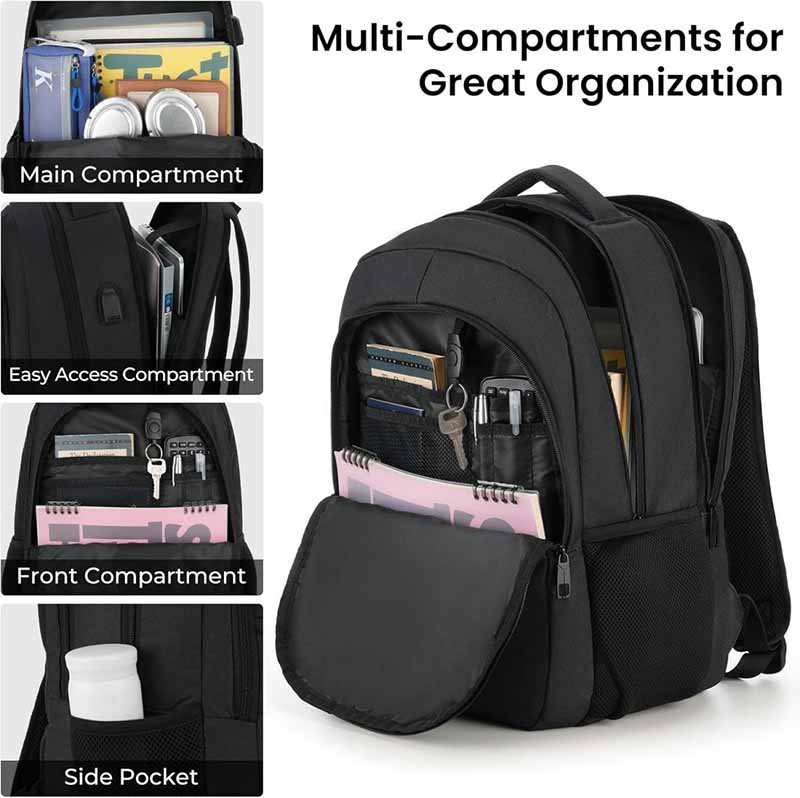
A hidden pocket alone does not automatically make a backpack better. What truly matters is how well that pocket works together with the rest of the bag. A good hidden pocket backpack should feel natural to use, comfortable to carry, and reliable over time. It should not create confusion, discomfort, or unnecessary complexity. The goal is simple: when the user needs security, the bag provides it without effort.
A good hidden pocket backpack combines smart placement, durable materials, clean construction, and user-friendly access. The hidden pocket should be easy for the owner to use but difficult for others to notice or reach. At the same time, it must maintain the overall shape, comfort, and durability of the backpack.
From a customer perspective, the difference between an average product and a high-quality one often comes down to details that are not immediately visible in photos. These include stitching strength, zipper smoothness, internal structure, and how the bag behaves after months of use.
What features define a quality hidden pocket backpack?
A quality hidden pocket backpack is defined by how well each feature works in real-life use, not just how it looks in a sample. Buyers today are more experienced. They compare products carefully and often read reviews before purchasing. This means that a backpack must perform consistently, not just make a good first impression.
The most important features include:
- well-hidden pocket placement that is not obvious from the outside
- smooth and durable zipper operation
- reinforced stitching in stress areas
- stable structure that prevents sagging or deformation
- comfortable back panel and shoulder straps
- high-quality lining that supports hidden storage
- balanced weight distribution
Below is a practical breakdown of key features and their value:
| Feature | Why It Matters | Customer Benefit |
|---|---|---|
| Hidden rear pocket | Keeps valuables close to the body | Better security in crowded places |
| Reverse zipper | Reduces visibility of openings | Cleaner look, improved concealment |
| Reinforced stitching | Prevents tearing over time | Longer product lifespan |
| Structured panel | Maintains shape under load | Better appearance and comfort |
| Smooth lining | Protects stored items | Improved organization |
| Ergonomic straps | Reduces shoulder pressure | Comfortable daily use |
For brands, these features also affect return rates and customer satisfaction. A poorly constructed hidden pocket can lead to issues such as broken zippers, torn seams, or uncomfortable wear. These problems often appear after repeated use, which is why durability testing is critical.
At Szoneier, quality evaluation is not limited to visual inspection. Backpacks are tested under load, opened and closed repeatedly, and worn in real-life conditions. This helps identify weak points before production, ensuring that the final product meets both brand expectations and user needs.
Are RFID hidden pocket backpacks necessary?
RFID protection is not required for every backpack, but it can be a valuable feature for certain markets and user groups. RFID-blocking materials are designed to reduce the risk of unauthorized scanning of contactless cards, passports, and ID chips.
In many daily scenarios, the risk of RFID theft is relatively low. However, in travel environments such as airports, tourist areas, and crowded urban spaces, some users feel more comfortable having an extra layer of protection. For this reason, RFID pockets are often used as a supporting feature rather than the main selling point.
From a product development perspective, RFID pockets are usually added to:
- hidden card compartments
- passport storage pockets
- internal document sections
Here is a simple comparison:
| Feature | Standard Hidden Pocket | RFID Hidden Pocket |
|---|---|---|
| Main function | Concealment | Concealment + signal blocking |
| Cost impact | Low | Medium |
| Target users | General users | Travelers, business users |
| Marketing value | Practical | Security-focused |
For brands, the decision to include RFID protection depends on positioning. If the backpack is targeted at travel or premium users, RFID features can strengthen the product story. If the focus is on affordability and everyday use, a well-designed hidden pocket may already provide enough value.
It is also important that RFID features are implemented correctly. Poor-quality shielding materials may not perform well, and unnecessary overuse can increase cost without clear benefit. A balanced approach is usually the most effective.
At Szoneier, RFID options are typically offered as part of custom development. Clients can choose to include them in specific compartments rather than across the entire bag. This keeps the product practical while still offering an upgrade path for higher-end versions.
How do smart features fit hidden pocket backpacks?
As backpacks evolve, more brands are exploring ways to integrate smart features into their products. These may include USB charging ports, Bluetooth trackers, anti-loss systems, or even solar panels in some niche designs. Hidden pockets play an important role in supporting these features without affecting the overall appearance.
For example, a hidden internal pocket can be used to store:
- a power bank connected to an external USB port
- a Bluetooth tracking device such as an AirTag
- small electronic accessories
The advantage of combining smart features with hidden pockets is that it keeps the design clean. The user gets additional functionality without visible clutter or complicated structures.
Here are some common integrations:
| Smart Feature | Hidden Pocket Function | Benefit |
|---|---|---|
| USB charging port | Stores power bank internally | Clean external design |
| Bluetooth tracker | Concealed tracking pocket | Anti-loss protection |
| Cable management | Hidden cable channel | Better organization |
| LED safety light | Concealed battery storage | Improved visibility at night |
However, it is important to avoid overcomplication. Too many features can increase weight, cost, and potential failure points. The best designs focus on a few practical functions that match the target user’s needs.
From a manufacturing perspective, adding smart features requires careful planning. Wiring paths, pocket placement, and reinforcement must all be considered during development. This is especially important for large-scale production, where consistency and durability are critical.
For custom backpack brands, the key is to match features with real user behavior. A well-designed hidden pocket combined with one useful smart feature can be far more effective than a complex bag with too many functions that users rarely use.
How to Customize a Hidden Pocket Backpack?
Customization is where hidden pocket backpacks become truly valuable for brands. Instead of offering a generic product, companies can develop backpacks that reflect their identity, meet specific customer needs, and stand out in a competitive market. Hidden pockets provide a flexible design element that can be adapted in many ways without changing the entire structure of the bag.
Customizing a hidden pocket backpack involves working with a factory to define the design, materials, features, branding, and production details. The goal is to create a product that is both functional and aligned with the brand’s positioning.
For buyers, this process is not only about design. It is also about choosing a manufacturing partner who can deliver consistent quality, support development, and handle production efficiently.
How do OEM factories develop hidden pocket backpacks?
OEM and ODM factories follow a structured process to turn an idea into a finished product. This process ensures that the backpack can be produced reliably at scale while meeting quality expectations.
A typical development workflow looks like this:
| Step | Description |
|---|---|
| Requirement discussion | Define design, function, target market |
| Concept design | Create sketches or digital models |
| Material selection | Choose fabric, lining, hardware |
| Sample development | Produce initial prototype |
| Testing and feedback | Evaluate function, comfort, durability |
| Revision | Adjust based on feedback |
| Final sample | Confirm for production |
| Mass production | Begin bulk manufacturing |
During this process, hidden pocket design is refined through testing. The factory may adjust pocket depth, opening position, zipper type, or reinforcement method to achieve the best balance between concealment and usability.
At Szoneier, clients benefit from:
- over 18 years of manufacturing experience
- support for multiple fabric types including polyester, nylon, canvas, neoprene, PVC, TPU, and leather
- low MOQ options for small and medium brands
- fast sampling cycles
- free design support
- strict quality control standards
This combination allows clients to develop products efficiently while maintaining high quality.
What design tips improve hidden pocket backpacks?
When customizing a hidden pocket backpack, several practical design tips can improve the final product:
- keep hidden pockets purpose-specific rather than oversized
- place pockets in low-visibility areas such as the back panel
- use durable zippers that match the bag’s quality level
- ensure easy access for the user without compromising concealment
- test the pocket with real items during development
- avoid adding too many hidden compartments, which can confuse users
Another important point is consistency. The hidden pocket should feel like a natural part of the bag, not an afterthought. This requires coordination between design, pattern making, and production.
Below is a simple guideline:
| Design Choice | Impact |
|---|---|
| Simple pocket structure | Easier production, lower cost |
| Multiple hidden pockets | Higher complexity, stronger selling point |
| Premium materials | Better durability, higher price positioning |
| Minimal design | Cleaner look, broader market appeal |
For brands, the right balance depends on target customers and price positioning.
Which brands benefit from hidden pocket backpacks?
Hidden pocket backpacks can be used across many industries, but some benefit more than others. These include:
- travel brands
- lifestyle and urban fashion brands
- tech accessory brands
- corporate gift suppliers
- outdoor and commuter brands
- promotional product companies
These industries often need products that combine function, style, and differentiation. Hidden pockets help achieve this without requiring a completely new product category.
For example, a corporate client may want a clean-looking backpack with a hidden pocket for employees to store valuables. A travel brand may focus on anti-theft features. A fashion brand may use hidden pockets to maintain a minimalist design.
At Szoneier, many clients use hidden pocket backpacks to:
- create higher-value product lines
- differentiate from competitors
- improve user experience
- increase perceived product quality
Why Szoneier Is a Strong Manufacturing Partner for Hidden Pocket Backpacks
Choosing the right factory has a direct effect on product quality, development speed, production stability, and long-term brand reputation. In backpack manufacturing, this becomes even more important when the product includes hidden pockets, because concealed storage is not just an extra detail. It affects pattern structure, material behavior, stitching accuracy, zipper selection, comfort, and the overall user experience. A factory that only knows how to assemble a basic bag may struggle to turn hidden pocket ideas into a product that works consistently in bulk production.
Szoneier is a China-based bag factory with more than 18 years of experience in backpack development, manufacturing, and sales. The company supports custom, private label, OEM, and ODM projects for overseas small and medium buyers as well as premium brand clients. With the ability to work across multiple fabric types including cotton, canvas, polyester, nylon, neoprene, PVC, TPU, EVA, jute, and leather, Szoneier can help brands develop hidden pocket backpacks for different markets, price points, and product styles.
For buyers, this matters because hidden pocket backpacks are often chosen not only for security, but also for product differentiation. A standard backpack can be found almost anywhere. A backpack that combines better organization, discreet storage, stronger usability, and a cleaner look is more competitive. To build that kind of product, buyers need more than a sewing supplier. They need a development partner.
What support does Szoneier offer for hidden pocket backpack projects?
A hidden pocket backpack project usually begins with an idea, a market need, a rough sketch, or a reference sample. The challenge is turning that starting point into a finished product that is manufacturable, commercially attractive, and dependable in real use. This is where factory support becomes critical.
Szoneier offers support across the full development process, including:
- design assistance during the concept stage
- material recommendations based on function and price positioning
- hidden pocket structure suggestions based on user behavior
- sample development and revisions
- low MOQ support for new product testing
- free design support for qualified projects
- quality control during bulk production
- short lead times for repeatable production orders
This type of support is especially useful for small and medium-sized brands that may not have a full internal product development team. Even experienced buyers benefit from a factory that can identify practical issues early. For example, a hidden back pocket may sound good in a product drawing, but during sampling the factory may discover that:
- the pocket opening is too visible from the side view,
- the zipper placement creates pressure on the user’s back,
- the chosen fabric shows the outline of stored items,
- or the pocket depth causes distortion when the bag is fully loaded.
These are the kinds of issues that can be solved early when the factory is actively involved in development.
A useful way to understand factory support is to look at it by stage:
| Project Stage | What the Client Usually Needs | How Szoneier Can Help |
|---|---|---|
| Idea stage | Product direction, function planning | Design discussion, hidden pocket recommendations |
| Material stage | Fabric and trim selection | Material suggestions based on use, price, and market |
| Sample stage | Working prototype | Fast sample making and structure adjustment |
| Revision stage | Better comfort, function, or appearance | Pocket placement and construction refinements |
| Production stage | Stable bulk output | QC checks, production management, timeline control |
| Repeat order stage | Consistency and efficiency | Standardized production and shorter turnaround |
The biggest value is not only in making the first sample. It is in helping the client avoid mistakes that become expensive later.
How does Szoneier help reduce development risk?
Development risk is one of the biggest concerns for buyers launching a new backpack line. A product may look attractive in concept but fail because of poor structure, unstable production, high defect rates, or weak user feedback. Hidden pocket backpacks carry extra development risk because these pockets are easy to describe but harder to execute well.
Szoneier helps reduce development risk in several ways.
First, the company works across many fabric categories, which helps match material behavior to hidden pocket requirements. A client does not always know whether nylon, polyester, canvas, neoprene, or coated fabric will produce the right shape and concealment effect. Material choice has a strong impact on whether a hidden pocket stays discreet or becomes too obvious. Having broader material experience allows more informed decisions.
Second, the company supports fast sampling. This is important because hidden pocket development usually benefits from physical testing, not just technical drawings. A back panel pocket that looks perfect in a digital layout may feel awkward when worn. A hidden shoulder strap pocket may be convenient in theory but too small for real devices. Fast sample cycles allow the client to learn quickly and adjust before large commitments are made.
Third, the company supports low MOQ customization. This helps buyers test product-market fit more safely. Instead of investing heavily in a large order before understanding customer response, brands can start with smaller runs, gather feedback, and then scale more confidently.
Below is a simple view of common development risks and how factory support can reduce them:
| Development Risk | What Can Go Wrong | How Better Factory Support Helps |
|---|---|---|
| Weak hidden pocket design | Pocket too visible or hard to use | Better pattern making and testing |
| Wrong material choice | Bulging, collapse, discomfort | Better fabric recommendations |
| Poor sample execution | Misleading development result | More accurate prototype building |
| Inconsistent production | Quality varies across bulk order | Better process control and QC |
| High minimum order pressure | Large investment before proof of demand | Low MOQ testing support |
| Slow revisions | Launch delays | Faster communication and sample updates |
For many buyers, reducing risk is just as important as reducing cost. A cheaper supplier can become much more expensive if the product has to be redesigned, replaced, or discounted later.
Why do material capabilities matter in hidden pocket backpack manufacturing?
Material capability is one of the strongest signs of a factory’s real flexibility. Hidden pocket backpacks are not limited to one backpack style or one target market. Some need to feel lightweight and sporty. Others need to feel premium and structured. Some need weather resistance. Others need a natural canvas look or a soft neoprene feel. The hidden pocket has to perform well inside all of these product directions.
Szoneier’s ability to work with many fabric categories gives buyers more room to develop the right product instead of forcing the design into a limited material system.
For example:
- Polyester works well for cost-effective, stable everyday backpacks.
- Nylon is a strong choice for durable travel and commuter backpacks where lighter weight and abrasion resistance matter.
- Canvas fits casual, lifestyle, and eco-style product directions where a natural hand feel is important.
- Neoprene can work for softer, more modern backpack concepts where comfort and appearance matter more than rigid structure.
- PVC and TPU are useful for technical, waterproof, or easy-clean designs.
- Leather supports premium positioning and stronger luxury perception.
These differences are not only about surface appearance. They affect hidden pocket behavior directly. Some fabrics help conceal a zipper line better. Some make the bag more structured. Some need reinforcement to prevent print-through. Some are better suited for reverse zippers and low-profile openings.
Below is a practical comparison:
| Material Type | Common Product Feel | Hidden Pocket Advantage | Things to Watch |
|---|---|---|---|
| Polyester | Practical, versatile | Stable and cost-effective | Premium feel depends on fabric grade |
| Nylon | Technical, durable | Good shape control and light weight | Material cost can be higher |
| Canvas | Casual, natural | Good for lifestyle products | Heavy canvas can add bulk |
| Neoprene | Soft, modern | Comfortable and visually clean | Needs careful structure control |
| PVC / TPU | Technical, water-resistant | Strong shape support and clean surface | Requires correct sewing method |
| Leather | Premium, refined | Supports higher-end brand positioning | Higher cost and heavier weight |
For clients, strong material capability means they are not forced into generic solutions. They can match the backpack to the real brand story, target audience, and selling channel.
Common Mistakes Buyers Should Avoid When Developing Hidden Pocket Backpacks
A hidden pocket backpack can create strong market appeal, but only when the details are handled carefully. Many buyers focus heavily on the idea of hidden storage and not enough on how the user will actually experience it. Others choose a supplier too quickly and assume the feature is easy to add. In reality, even a small hidden pocket can affect pattern making, structure, comfort, and production stability.
Avoiding mistakes early saves time, reduces sample waste, lowers risk, and improves the final product.
What are the most common design mistakes?
One common mistake is adding too many hidden pockets. More is not always better. If a bag has too many concealed compartments, users may forget where things are stored, feel confused during daily use, or stop using the hidden features altogether. A better approach is to design two or three truly useful hidden pockets instead of filling the whole bag with “extra features.”
Another common mistake is designing hidden pockets without a clear purpose. A hidden pocket should be built around a real use scenario. For example:
- passport storage for travel,
- transit card access for commuting,
- backup cash storage for daily carry,
- or discreet tracker placement for anti-loss support.
If the pocket does not have a clear role, it often becomes wasted space.
A third mistake is ignoring comfort. Some hidden pockets are secure in theory but unpleasant in real use. A rear hidden pocket may press against the back when loaded. A shoulder strap pocket may feel bulky or awkward. This is why physical sampling and wear testing matter so much.
Here is a quick reference:
| Design Mistake | Result |
|---|---|
| Too many hidden pockets | User confusion, complexity |
| No clear purpose for pocket | Low practical value |
| Oversized hidden compartment | Bulging and poor concealment |
| Poor placement | Uncomfortable wear or weak security |
| Weak access design | User frustration |
| No load testing | Hidden problems appear after launch |
The best backpack designs are usually more focused, not more crowded.
What production mistakes should buyers watch for?
On the production side, the biggest mistake is assuming that a hidden pocket that works in one sample will automatically work in mass production. This is not always true. Some pocket constructions rely too much on hand positioning, inconsistent seam control, or fabric behavior that changes under scale conditions. That means the bag can look good in development but become unreliable in bulk production.
Buyers should also be careful about hardware quality. A hidden pocket is often opened and closed more deliberately than a normal pocket, which means zipper smoothness matters a lot. Low-grade zippers can quickly damage the user’s experience.
Other production problems include:
- weak seam reinforcement around the concealed opening,
- inconsistent pocket alignment across units,
- liner materials that wrinkle or catch,
- or shell fabrics that distort after the hidden compartment is filled.
A reliable supplier should know how to standardize the process so that concealment, comfort, and appearance remain stable across the whole order.
At this stage, it is useful for buyers to ask clear questions such as:
- How is the hidden pocket constructed during production?
- Is the pocket sewn before or after the main panel assembly?
- What reinforcement is used around the opening?
- Has the design been tested when fully loaded?
- How is consistency checked during quality control?
Strong factories can answer these questions clearly. Weak factories often stay vague.
How can buyers make better decisions during development?
The best way to make better decisions is to stay close to the real user. Instead of asking only, “Can this bag have a hidden pocket?” buyers should ask:
- What exactly will the user put in it?
- How often will they need to reach it?
- Will they use it while wearing the bag or after removing it?
- Is the main concern theft prevention, privacy, or organization?
- Does the pocket improve the product enough to justify cost?
These questions help turn a feature into a commercial decision.
Buyers can also improve decision-making by using a staged development process:
- define the user and use scenario,
- choose the hidden pocket purpose,
- develop the first prototype,
- test the bag with real items,
- adjust based on comfort and appearance,
- confirm that the structure is ready for production.
This step-by-step approach reduces waste and produces better results than trying to finalize everything at once.
For brands, the real goal is not to add a trendy detail. It is to create a product that users understand, trust, and enjoy using. That usually comes from disciplined design choices, not from feature overload.
What Should Buyers Prepare Before Sending an Inquiry to Szoneier?
A clear inquiry saves time and improves communication. It helps the factory understand the client’s needs more quickly and provide more accurate suggestions, pricing, and development feedback. Buyers do not need a perfect technical package to begin, but they should try to organize the most important information before starting the discussion.
What information helps speed up development?
The most useful information includes:
- backpack type and target market
- intended use of the hidden pocket
- reference images, sketches, or sample photos
- preferred dimensions or approximate size range
- material preference if known
- expected logo method
- estimated order quantity
- target price range if available
- destination market or country
- timeline for sampling and production
Even if some of this information is not finalized, sharing what is already known helps the project move forward more efficiently.
Here is a simple checklist buyers can use:
| Inquiry Item | Why It Matters |
|---|---|
| Product images or sketches | Helps confirm style direction |
| Bag dimensions | Supports pattern planning |
| Hidden pocket purpose | Guides structure design |
| Material preference | Affects price and performance |
| Logo requirement | Influences construction and branding |
| MOQ or order estimate | Helps with quotation and planning |
| Target market | Supports better recommendations |
| Delivery timeline | Helps manage sample and production schedule |
A strong first inquiry does not need to be complicated. It just needs to be clear enough for useful discussion.
What if the buyer only has an idea and no finished design?
That is very common, especially for startups, new product lines, or buyers exploring a new category. Many clients do not start with a full tech pack. They may only have:
- a rough concept,
- a competitor reference,
- a product photo they like,
- or a list of functions they want the backpack to include.
That is still enough to start.
In these cases, the factory’s development support becomes even more important. The buyer can explain the target user, desired look, and main feature goals, and the factory can help shape those into a more workable product direction.
For hidden pocket backpack projects, even a simple starting brief such as the following can be enough:
- commuter backpack for young professionals,
- polyester or nylon material,
- hidden rear pocket for wallet and phone,
- laptop compartment included,
- clean minimalist look,
- custom rubber logo,
- initial MOQ 300 pieces.
With this kind of information, the project can move into discussion, material suggestions, and sampling quite efficiently.
Ready to Build Your Hidden Pocket Backpack with Szoneier?
A hidden pocket backpack is one of the most practical ways to increase product value without making a backpack look complicated. It answers real user concerns around security, privacy, and organization. It also gives brands a clear product story that is easy to explain in sales materials, product pages, and market positioning.
But good results do not come from the idea alone. They come from how that idea is designed, tested, and manufactured.
That is where Szoneier can help. With more than 18 years of experience in bag development, manufacturing, and sales, Szoneier supports overseas small and medium buyers and premium brand clients.
Whether you want to create an anti-theft commuter backpack, a premium travel backpack with concealed passport storage, a laptop backpack with discreet accessory compartments, or a lifestyle backpack with hidden organization features, Szoneier can help you turn the idea into a real, market-ready product.
If you are planning a new hidden pocket backpack project, now is a good time to move forward with development.
Send Szoneier your inquiry with your design idea, reference images, quantity plan, and target market. The more clearly the product goal is defined, the faster the team can help you review the concept, suggest suitable materials, and build a custom solution that fits your brand.
A better backpack often begins with one smart detail. A well-made hidden pocket can be that detail. And with the right factory behind it, that detail can become a product advantage your customers notice immediately.