Skip to content

Automation in China bag factories has transformed production from a labor-intensive process to a technology-driven operation that emphasizes speed, precision, and reliability. Modern factories use robotics, CNC cutting, laser machines, and automated sewing systems to produce bags ranging from neoprene sleeves to sport bags and medical carriers.
Automation allows factories to maintain consistent quality while meeting strict deadlines, which is critical for brands and distributors requiring both high-volume and custom small-batch orders. Factories can reduce waste, accelerate production, and adapt quickly to changing market demands.
Automation in China bag factories combines machinery, software, and skilled operators to deliver consistent, high-quality, and customizable products with shorter lead times.
Factories like Szoneier leverage over 18 years of experience to integrate these systems with expertise in material selection, product design, and private label manufacturing. Imagine a neoprene bag prototype ready in hours, automated sewing ensuring perfect seams, and inspection systems detecting defects immediately. These capabilities allow brands to scale efficiently while keeping product quality uncompromised.
What Is Automation in China Bag Factories?
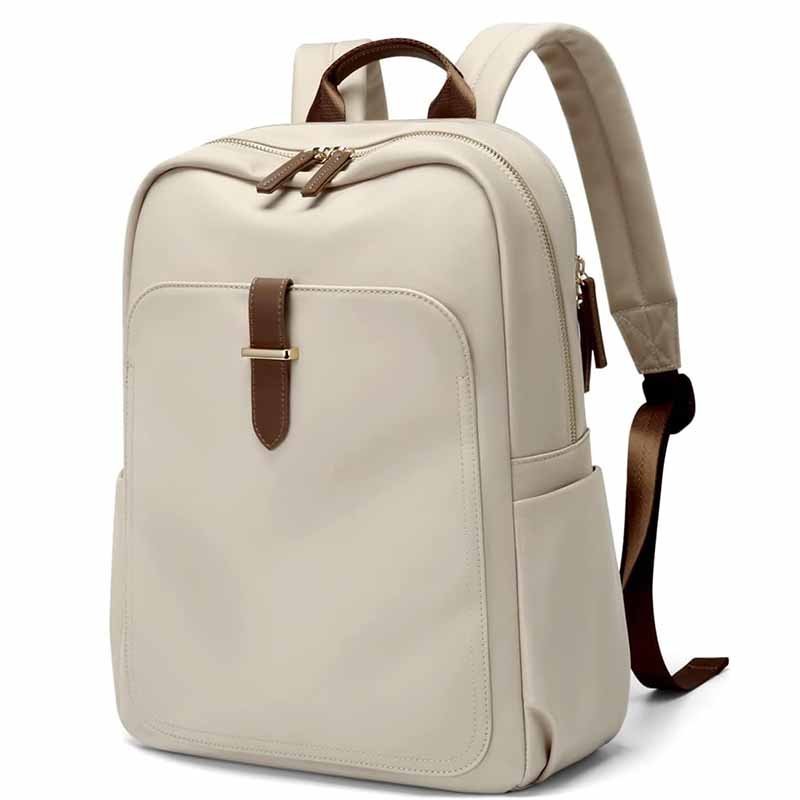
Automation in China bag factories refers to the use of advanced machinery and digital systems to perform tasks that were traditionally done by hand, such as cutting, sewing, assembly, and inspection. For buyers, automation directly translates into faster production, consistent quality, and more predictable delivery schedules, which are critical for OEM, ODM, and private label orders.
By integrating technology with skilled operators, modern factories can handle complex bag designs, multi-layered materials like neoprene, and variable color or logo requirements while maintaining efficiency.
Automation combines machinery, digital workflow systems, and quality control to ensure bags are produced accurately, efficiently, and reliably, reducing human error and allowing flexible order sizes.
CNC and Laser Cutting
CNC (Computer Numeric Control) and laser cutting machines are central to modern bag production. They follow digital pattern files to cut multiple layers of material with precision that is difficult to achieve manually.
Benefits for clients:
- High Precision: Each piece is cut to exact dimensions, ensuring uniformity for stitched components.
- Material Efficiency: Optimized layout reduces scrap by up to 15–20%, which is especially important for neoprene and coated fabrics.
- Faster Production: A CNC cutter can handle 6–8 times the material volume per hour compared to manual cutting.
| Material Type | Manual Cutting Speed | CNC/Laser Speed | Waste Reduction |
|---|---|---|---|
| Neoprene 3mm | 50 pcs/hr | 350 pcs/hr | 18% |
| Canvas | 40 pcs/hr | 300 pcs/hr | 15% |
| Polyester Laminated | 45 pcs/hr | 320 pcs/hr | 17% |
These capabilities allow factories to deliver bulk orders quickly while maintaining consistency, which is critical for international shipping deadlines.
Automated Sewing
Automated sewing machines improve stitch quality and speed, especially for complex designs and multi-material bags.
- Uniform Stitching: Machines maintain consistent tension, stitch density, and seam alignment across all batches.
- Material Adaptability: Sensors detect material thickness and adjust needle speed automatically, reducing skipped stitches or damage.
- Reduced Manual Labor: Operators focus on monitoring machine performance rather than performing repetitive stitching, freeing them for quality control and adjustments.
| Sewing Parameter | Manual | Automated | Impact |
|---|---|---|---|
| Seam Consistency | Medium | High | Fewer defects, higher quality |
| Production Speed | 40 bags/hr | 150 bags/hr | ~4x increase |
| Defect Rate | 4–6% | 0.5–1% | Lower returns and complaints |
For clients ordering custom, logoed, or private label bags, this ensures every unit meets design specifications.
Robotics and Material Handling
Robots assist with tasks such as stacking, folding, and partial assembly, improving workflow consistency and reducing physical strain on operators.
- Repetitive Task Automation: Reduces fatigue and mistakes on high-volume orders.
- Load Balancing: Robots handle heavier or bulk materials that may slow manual workers.
- Speed for Custom Orders: Enables rapid switching between different designs and materials without significant downtime.
Impact Example: A neoprene sports bag factory using robotic assembly reduced labor hours by 30% while maintaining a defect rate below 1%.
Digital Workflow Integration
Modern factories integrate automation with digital planning systems (ERP/MES) for end-to-end visibility:
- Tracks raw materials from inventory to production
- Monitors machine performance and downtime
- Schedules jobs based on priority, material availability, and delivery deadlines
This system allows factories to provide accurate lead times, essential for buyers managing international supply chains and seasonal production schedules.
| Workflow Component | Manual | Automated |
|---|---|---|
| Production Scheduling | Paper/Excel | Real-time ERP/MES |
| Inventory Tracking | Manual | Digital with alerts |
| Quality Monitoring | Visual checks | Sensor/Camera-based automated |
Client Benefit: Buyers receive predictable delivery timelines, consistent quality, and flexible capacity to adjust orders without compromising production.
Quality Control in Automated Production
Automation ensures consistent inspection of cut pieces, stitching, and final assembly:
- AI-powered cameras detect misaligned seams, scratches, or printing defects.
- Immediate alerts allow operators to correct errors before products reach packaging.
- Traceability: Each batch is logged digitally, so clients can verify specifications, order history, and quality metrics.
Result for clients: Reduced rework, fewer defective shipments, and confidence that custom designs or private label logos will meet specifications every time.
How Automation Boosts Production Efficiency

Automation speeds up production, reduces errors, and ensures quality consistency across batches.
Using automated systems, factories can produce more bags in less time while maintaining uniformity, which is crucial for private label and customized orders.
Faster Cutting & Assembly
Automated cutting and assembly lines drastically shorten production cycles:
- Cutting Efficiency: A CNC cutter can handle 6–8 times more fabric layers per hour than manual cutters.
- Assembly Speed: Robotics-assisted assembly can reduce operator fatigue and maintain uniform quality.
Reduced Error Rate
With automation, the variability of human work is minimized. Key improvements include:
- Even seam stitching
- Accurate component alignment
- Immediate defect detection
| Process | Manual Error Rate | Automated Error Rate |
|---|---|---|
| Cutting | 3–5% | <1% |
| Sewing | 4–7% | 1–2% |
| Inspection | 2–5% | <1% |
Lower error rates mean fewer reworks and faster delivery times.
Streamlined Workflow
ERP and MES systems integrate all stages of production:
- Schedule jobs based on priority and capacity
- Track raw materials and finished goods
- Monitor machine performance and downtime
This integration ensures smooth operations and timely delivery, which is particularly important for brands working on seasonal collections or limited edition runs.
Which Operations Benefit Most from Automation
Automation provides the most value in high-labor, repetitive, or precision-dependent stages.
Cutting, sewing, and inspection benefit the most from automation, offering faster turnaround, lower costs, and higher quality consistency.
Cutting Stage
Automated cutting delivers:
- Precision in shape and dimension
- Material efficiency
- Rapid handling of varied designs
Sewing Stage
Automated sewing systems ensure:
- Uniform seam quality
- Reduced errors on complex designs
- Scalability for different production volumes
Quality Inspection
Automated inspection systems detect:
- Seam misalignment
- Material flaws
- Stitching errors
| Stage | Traditional | Automated Benefits |
|---|---|---|
| Cutting | Manual | High precision, low waste, faster |
| Sewing | Manual | Consistent stitches, fewer defects |
| Inspection | Visual | Real-time defect detection, quality assurance |
Factories that integrate these systems can deliver high-quality, customized bags with quick turnaround, making them ideal partners for international brands.
Do Skilled Workers Remain Necessary?
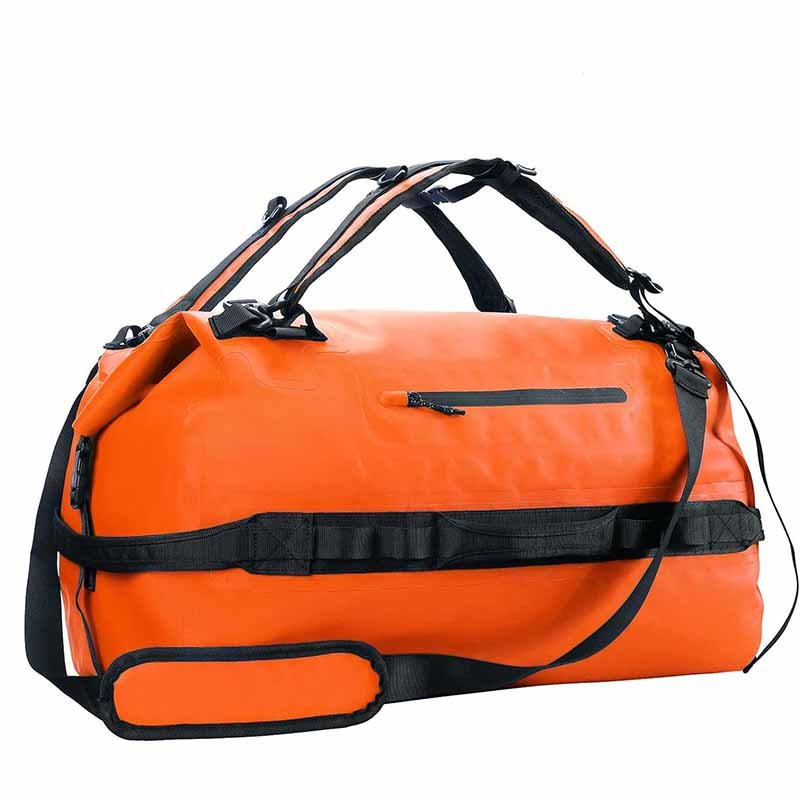
Automation shifts the role of workers from repetitive manual labor to supervision, maintenance, and quality control. Factories still require skilled operators to manage machines, calibrate settings, and handle exceptions.
Even with automated systems, skilled operators are essential to ensure seamless production, maintain high quality, and manage custom or complex designs efficiently.
Supervision & Machine Operation
Workers now focus on operating and monitoring automated equipment rather than performing every step manually. For example:
- CNC cutting machines require operators to load material, set cutting patterns, and check calibration.
- Automated sewing machines need monitoring to adjust for material thickness, stitch type, or design variations.
This ensures each batch meets specifications without defects.
Maintenance & Troubleshooting
Automation reduces labor intensity but introduces new responsibilities:
- Regular inspection of robotic arms and sewing machines
- Calibration of laser cutting systems
- Software updates for ERP/MES systems
Skilled maintenance personnel prevent downtime and minimize production delays.
Quality Oversight
Even with AI-driven inspection, humans verify complex aspects that machines may miss:
- Material texture inconsistencies
- Embossing and printing alignment
- Stitch quality on challenging fabrics like neoprene or coated polyester
| Role | Traditional Tasks | Automated Factory Tasks |
|---|---|---|
| Operator | Manual cutting/sewing | Machine supervision & adjustments |
| Technician | Repair sewing machines | Maintenance of CNC/laser/robotics |
| Quality Inspector | Visual inspection | Confirm AI/robot detected defects & exceptions |
Challenges in Automation for China Bag Factories
While automation offers efficiency and consistency, factories encounter several challenges in implementing and maintaining these systems.
Key challenges include high upfront costs, technical complexity, maintenance requirements, and workforce training to manage automated operations.
High Initial Investment
Purchasing CNC cutters, robotics, and AI inspection systems requires significant capital. For a mid-size factory producing 10,000–50,000 bags monthly:
- CNC cutter: $50,000–$80,000
- Robotic arm for assembly: $40,000–$70,000
- AI quality inspection: $30,000–$50,000
These investments can strain smaller factories, but long-term savings from labor reduction and material efficiency often outweigh initial costs.
Technical Complexity
Automation requires advanced skills:
- Machine programming and reprogramming for new designs
- Integration with ERP and MES systems
- Understanding software analytics for predictive maintenance
Without skilled staff, factories risk production errors or inefficient workflows.
Maintenance & Downtime
Mechanical breakdowns or software glitches can halt production. Preventive maintenance schedules and quick troubleshooting procedures are essential to minimize disruptions.
- Average robotic arm downtime without maintenance: 2–3 hours/month
- With preventive maintenance: <30 minutes/month
This translates directly into cost savings and timely deliveries for clients.
Balancing Flexibility with Automation
Customization and low-MOQ orders can be challenging:
- Switching patterns for custom designs may require recalibration
- Small batches may not fully utilize automated capacity
- Advanced machines are optimized for medium-to-large batch production
Factories like Szoneier mitigate this by combining automation with agile production lines that can switch quickly between designs, maintaining both efficiency and flexibility.
How Automation Impacts Quality & Customization
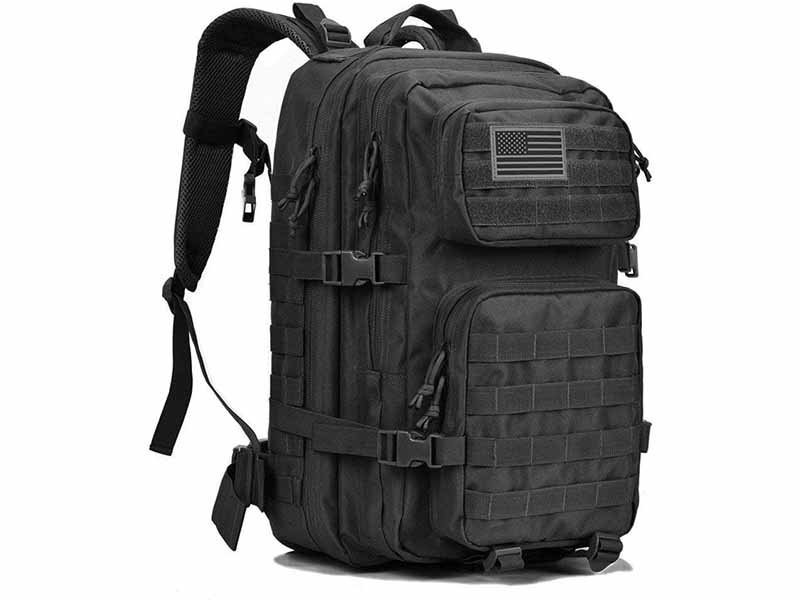
Automation enables high precision, repeatable quality, and faster turnaround, which is essential for OEM/ODM and private-label projects.
Automation ensures consistent quality across all products, supports brand customization, and allows rapid sampling and short delivery times.
Consistent Quality
Automated systems reduce human error and ensure uniformity:
| Quality Metric | Manual Production | Automated Production |
|---|---|---|
| Seam consistency | Medium | High |
| Cutting precision | Medium | Very High |
| Defect rate | 3–5% | <1% |
For neoprene bags or multi-layered fabrics, this ensures that every product meets strict standards, reducing returns and complaints.
Customization Capabilities
Automation supports unique branding and design:
- CNC cutters follow digital patterns for various sizes and shapes
- Laser engraving and marking can apply custom logos quickly
- Automated sewing adjusts for different material types and thicknesses
This allows factories to handle private-label projects efficiently, even with complex designs.
Rapid Sampling and Short Lead Time
Automation reduces the time from prototype to final product:
- Digital patterns replace manual templates
- Robotic cutting reduces sample fabrication from days to hours
- Integrated workflow ensures minimal delay between sampling and full production
For example, Szoneier can produce a custom neoprene bag sample in under 24 hours and scale to full production within a week, making it ideal for fast-moving international markets.
Integration Benefits of Automation in China Bag Factories
Automation in China bag factories is most effective when multiple systems—cutting, sewing, inspection, and workflow management—are integrated. This allows factories to coordinate processes efficiently, reduce bottlenecks, and maintain quality across batches.
Integrated automation ensures faster production cycles, lower defect rates, and seamless adaptation to different bag designs, sizes, and materials.
Streamlined Workflow
Integration connects machines with ERP and MES software to monitor production in real-time:
- Automatically schedule jobs based on order priority
- Track raw materials and finished products
- Monitor machine performance and downtime
| Process | Manual Workflow | Integrated Automation |
|---|---|---|
| Scheduling | Paper/Excel | Real-time ERP/MES |
| Material Tracking | Manual | Automated inventory control |
| Production Monitoring | Visual check | Sensor & software-based monitoring |
This reduces delays, improves predictability, and ensures timely delivery of custom or high-volume orders.
Reduced Bottlenecks
By connecting cutting, sewing, and inspection stages:
- Production lines adapt dynamically to design changes
- Machines pause only minimally during changeovers
- Operators receive real-time alerts for errors or maintenance needs
For buyers, this means a more reliable schedule and fewer surprises.
ROI of Automation in Bag Factories
Automation requires investment, but the return is measurable in multiple ways.
Automation increases throughput, reduces material waste, lowers defect rates, and allows factories to handle both high-volume and small customized orders more profitably.
Cost-Benefit Analysis
| Item | Manual Process | Automated Process | Benefit |
|---|---|---|---|
| Labor Cost | High | Medium-Low | 20–40% reduction |
| Material Waste | 5–8% | 1–2% | Savings on raw materials |
| Production Speed | Medium | High | 4–6x faster |
| Defect Rate | 3–7% | <1% | Fewer returns, better brand reputation |
Automation also reduces dependency on labor-intensive processes, lowering long-term operational risk and ensuring consistent quality—critical for private label and OEM/ODM clients.
Faster Order Fulfillment
Automated processes allow factories to meet tight deadlines for international shipping:
- Small batch custom orders: 24–72 hours for sample production
- Bulk orders: 30–50% faster than manual workflows
- Predictable delivery dates improve supply chain reliability
Case Examples from Szoneier
Szoneier has successfully implemented automation across neoprene, canvas, and technical bags. Here are some real-world examples:
Neoprene Laptop Sleeve Project
- Order Size: 2,500 units
- Automation: CNC cutting, robotic assembly, AI inspection
- Outcome: 30% faster production, defect rate <0.5%, consistent size and seam alignment
Custom Sports Bag for OEM Brand
- Order Size: 10,000 units, multi-color and logo variations
- Automation: Pattern-recognition sewing machines, integrated ERP scheduling
- Outcome: Delivered 2 weeks ahead of schedule, zero customer complaints, low material waste
Medical Carry Bags
- Order Size: 5,000 units, multi-layered neoprene with printed logos
- Automation: Laser cutting, automated stitching, AI inspection
- Outcome: High precision cuts, rapid sample turnaround (under 24 hours), repeatable quality for international shipments
These examples highlight how automation enables scalable, precise, and flexible production while meeting international quality standards.
If you are considering custom bags, OEM, or private label production:
- Evaluate factory automation capabilities – ensure they integrate cutting, sewing, and inspection systems.
- Prioritize quality metrics – ask for defect rate data, sample consistency, and material efficiency reports.
- Request lead time analysis – automated factories can offer reliable delivery schedules even for small batches.
- Discuss flexibility for custom designs – ensure machines can switch between designs with minimal downtime.
- Assess ROI – calculate material savings, reduced errors, and faster production against investment costs.
These steps will help you select a manufacturing partner capable of supporting both high-quality and customized products efficiently.
Conclusion
Automation in China bag factories is no longer optional—it is a competitive advantage. It allows factories like Szoneier to:
- Deliver faster production with lower error rates
- Provide high-quality, consistent products
- Handle custom, private label, and OEM/ODM orders efficiently
- Reduce waste and improve overall operational efficiency
For global brands and buyers, partnering with a factory that integrates automation with expertise ensures products are delivered on time, to specification, and with repeatable quality.
If you want custom neoprene bags, medical carriers, sports bags, or lifestyle bags, Szoneier is ready to support your project. With 18+ years of experience, flexible MOQ, fast sampling, and free design support, we can bring your ideas to life with reliable automation systems.
Contact Szoneier today to discuss your custom bag production needs and receive a quote.