
OEM China Bag Manufacturer | Low MOQ 50 pcs | Factory Direct Production
Szoneier is a Shenzhen-based OEM ODM bag manufacturer with over 18 years of experience in fabric coordination, structural bag development, and scalable production. We manufacture backpacks, tote bags, travel bags, cosmetic bags, cooler bags, and custom branded bags using polyester, canvas, nylon, PU leather, neoprene, and reinforced materials.
MOQ: 50 pcs per design Sampling: 5–7 days (standard bags) Production: 25–30 days Pantone color matching supported OEM logo customization available 100% inspection before shipment EXW / FOB / DAP / DDP shipping options
Comparing Chinese OEM Bag Manufacturers With Those in Other Countries
When companies search for OEM bag manufacturers, they often evaluate several production regions including China, Vietnam, India, Bangladesh, Turkey, and Mexico. Each country offers different advantages in labor cost, supply chain maturity, production speed, and logistics efficiency.
For bag manufacturing specifically, production efficiency depends heavily on access to raw materials such as fabrics, webbing, zippers, hardware, reinforcement materials, and packaging. Regions with mature industrial clusters tend to offer faster development cycles and more reliable production scheduling.
Global Bag Manufacturing Comparison
Below is a general comparison of major manufacturing regions commonly used for bag production.
| Manufacturing Region | Average Labor Cost (USD/hour) | Typical MOQ | Sample Time | Production Lead Time |
|---|---|---|---|---|
| China | $5–8 | 50–300 pcs | 5–7 days | 25–30 days |
| Vietnam | $3–6 | 300–500 pcs | 7–12 days | 30–40 days |
| India | $2–5 | 300–500 pcs | 10–15 days | 35–45 days |
| Bangladesh | $2–4 | 500+ pcs | 12–18 days | 40–50 days |
| Turkey | $8–12 | 200–400 pcs | 10–14 days | 25–35 days |
| Mexico | $9–15 | 200–500 pcs | 10–14 days | 25–35 days |
These numbers vary by factory and product complexity, but they reflect general industry trends observed in global bag manufacturing.
Supply Chain Maturity
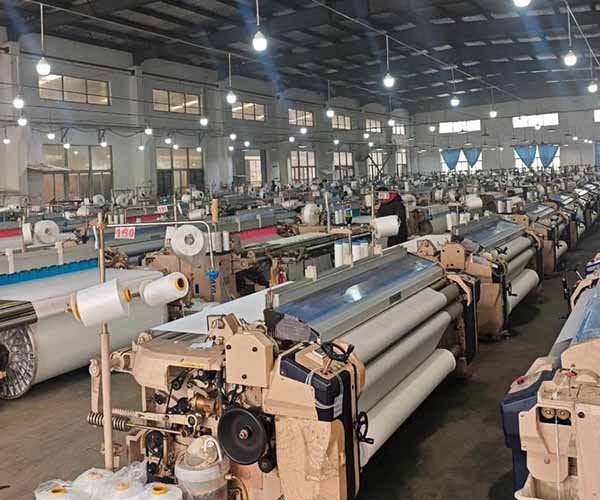
China has one of the most complete manufacturing ecosystems in the world.
In major industrial regions such as Guangdong, Zhejiang, and Fujian, factories producing bag materials are located close to each other. This allows manufacturers to source fabrics, trims, and hardware quickly.
For example, within the Guangdong manufacturing cluster near Shenzhen, suppliers are available for:
- polyester and nylon fabrics
- cotton canvas materials
- PU and microfiber leather
- webbing and straps
- zipper systems
- metal hardware
- packaging materials
This type of industrial clustering allows material sourcing to occur within 1–3 days, which helps reduce sampling timelines.
In contrast, factories in some other regions may rely on imported fabrics or hardware, which can extend development timelines.
Production Speed and Development Cycle
Speed is an important factor for brands launching new products.
Typical development timelines by region:
| Development Stage | China | Vietnam | India | Bangladesh |
|---|---|---|---|---|
| Design evaluation | 1–2 days | 2–4 days | 3–5 days | 4–6 days |
| Sample production | 5–7 days | 7–12 days | 10–15 days | 12–18 days |
| Sample revision | 2–4 days | 4–6 days | 5–8 days | 6–10 days |
Product Complexity Capability
Different manufacturing regions often specialize in different product categories.
| Region | Strengths |
|---|---|
| China | backpacks, travel bags, technical bags |
| Vietnam | sports backpacks, travel bags |
| India | leather bags, textiles |
| Bangladesh | basic textile bags |
| Turkey | fashion bags |
| Mexico | regional production for North America |
China has historically specialized in complex bag structures that require multiple materials and reinforcement systems.
Examples include:
- laptop backpacks
- insulated cooler bags
- travel duffle bags
- tactical backpacks
- structured cosmetic bags
These products often require coordination between fabrics, foam padding, reinforcement boards, and hardware components.
Logistics and Export Infrastructure
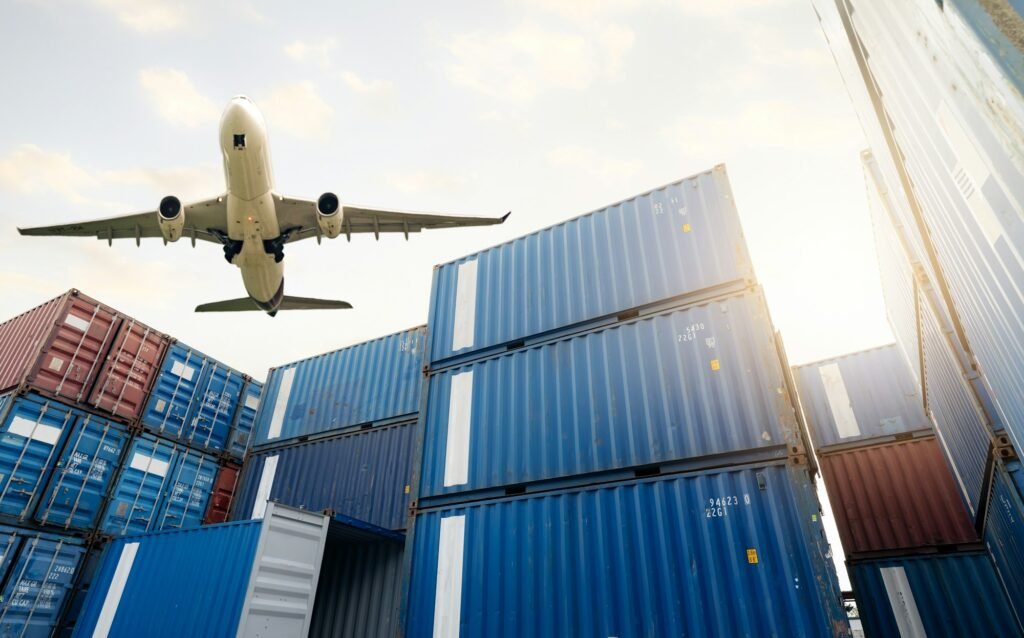
China has one of the most advanced logistics infrastructures in the world.
Major export ports near Szoneier include:
- Shenzhen Port
- Guangzhou Port
- Hong Kong Port
Shipping timelines from South China typically include:
| Destination | Air Freight | Sea Freight |
|---|---|---|
| United States | 5–7 days | 18–25 days |
| Europe | 6–8 days | 25–35 days |
| Australia | 5–7 days | 18–25 days |
Cost Efficiency Considerations
Although labor costs in China are slightly higher than in some developing regions, the total production cost can still be competitive because of higher efficiency and shorter development cycles.
Factors affecting overall cost include:
- material availability
- production speed
- defect rate
- logistics efficiency
- repeat production stability
Factories with strong supply chains can reduce production delays and quality problems, which often results in lower total project costs.
Szoneier — Professional OEM Bag Manufacturer in China
Szoneier was founded in Shenzhen, Guangdong, and has specialized in bag manufacturing for more than 18 years. Our focus is OEM production for brands requiring reliable manufacturing capacity, consistent materials, and precise logo execution.
OEM projects often require strict coordination between material sourcing, logo application, hardware installation, and structural reinforcement. Because Szoneier manages these processes internally, production cycles are more predictable and quality control is stronger.
Integrated Bag Manufacturing System
Unlike trading companies that outsource production to multiple factories, Szoneier manages several key production components internally or through closely coordinated manufacturing partners in Shenzhen and surrounding industrial regions.
Our integrated manufacturing system includes:
| Manufacturing Area | Capability |
|---|---|
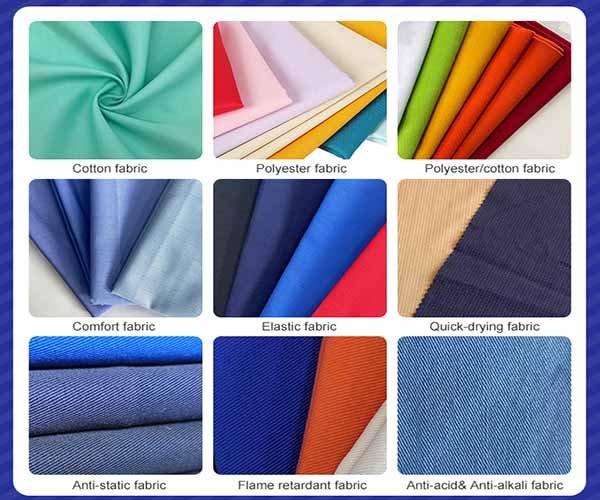
| Fabric Coordination | Polyester, nylon, canvas, and functional fabrics |
| Leather Materials | PU leather, microfiber leather, genuine leather |
| Neoprene Materials | Laminated neoprene for sports and insulation bags |
| Structural Materials | TPU panels, EVA reinforcement boards |
| Pattern Development | Internal pattern drafting and structural engineering |
| Sampling Workshop | Rapid sample development and revisions |
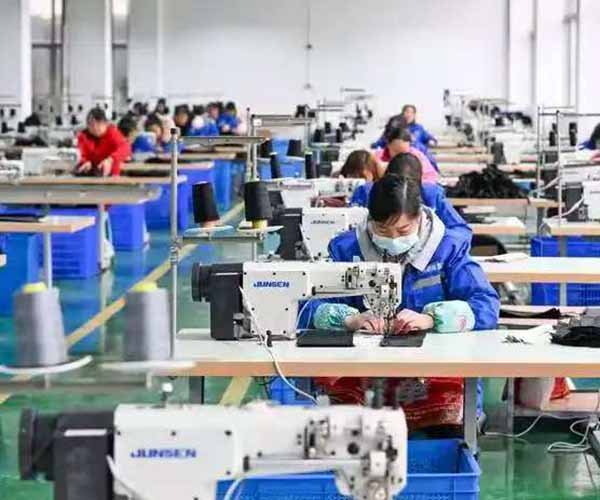
| Bag Assembly Lines | Multiple sewing lines for different bag categories |
| Quality Control | 100% inspection before shipment |
This manufacturing structure allows Szoneier to control product consistency across different production batches.
OEM Services Provided
Szoneier supports OEM manufacturing including:
- Custom logo application
- Material specification matching
- Hardware customization
- Packaging customization
- Long-term repeat production
Communication and Project Coordination
Efficient communication is critical for OEM manufacturing projects. Szoneier’s sales and project management teams communicate with clients through multiple channels including email, WeChat, WhatsApp, and video meetings.
Our staff are experienced in working with international clients and are able to coordinate project updates, sampling progress, and production scheduling clearly throughout the manufacturing process.

Types of OEM Bags We Manufacture
With more than 18 years of bag manufacturing experience in Shenzhen, Szoneier produces a wide range of bag categories for global brands, distributors, and e-commerce businesses. Our OEM manufacturing covers both lightweight promotional bags and reinforced heavy-duty bags.
We coordinate multiple materials including polyester, nylon, canvas, PU leather, neoprene, and TPU/EVA reinforcement materials, allowing us to manufacture bags designed for different industries and usage environments.
Below are some of the most common bag styles developed by Szoneier.
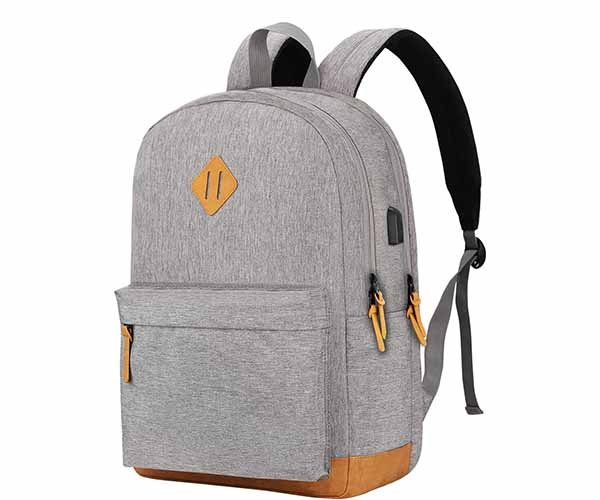
OEM Backpacks
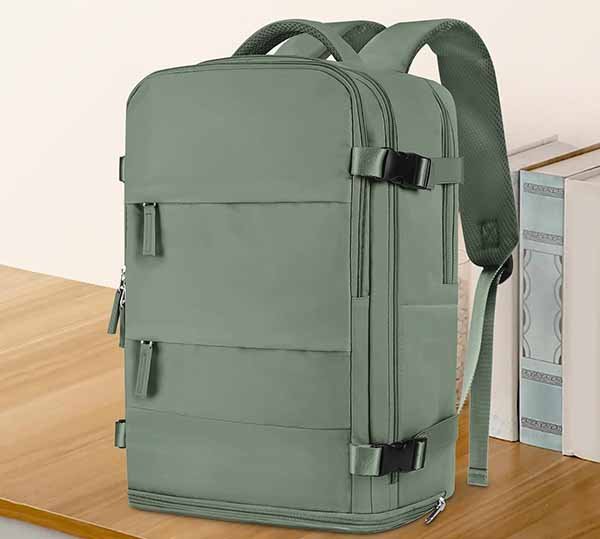
Backpacks are one of the most widely produced bag categories. Szoneier manufactures backpacks for school, travel, outdoor, and corporate use.
Common features include padded shoulder straps, reinforced bottom panels, and laptop compartments.
Materials often used:
- 600D polyester
- 900D polyester
- 1680D polyester
- nylon fabrics
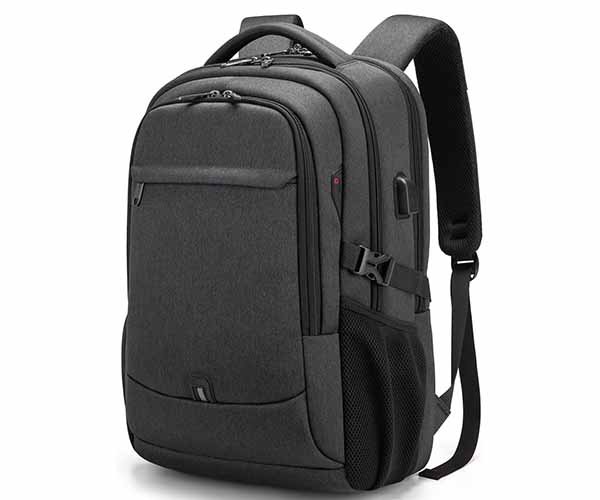
Laptop Backpacks
Laptop backpacks are designed with protective padding and organized compartments.
Typical features include:
- laptop sleeves (13–17 inch)
- EVA back panels
- anti-scratch lining
Szoneier often produces these bags for e-commerce brands and corporate merchandise programs.
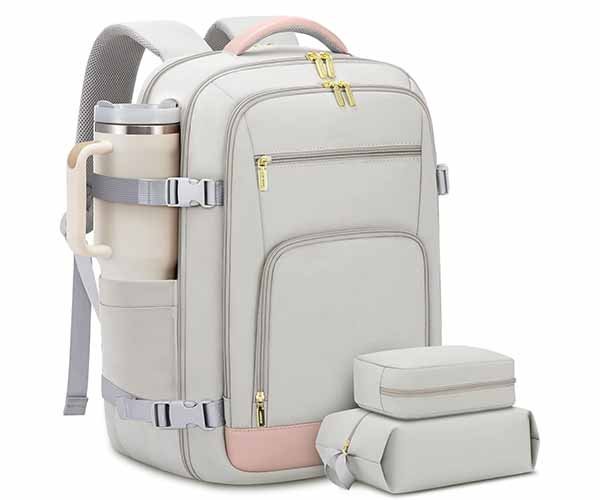
Travel Backpacks
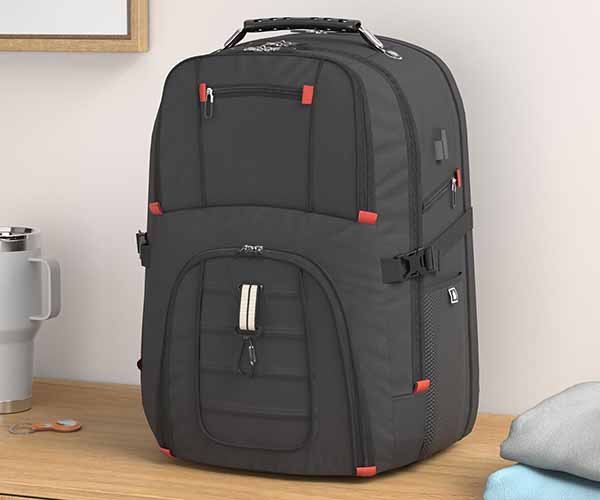
Travel backpacks are designed for longer trips and airline carry-on requirements.
Common structural elements include:
- multiple compartments
- compression straps
- reinforced webbing straps
These bags are typically produced using high-density polyester or nylon fabrics.
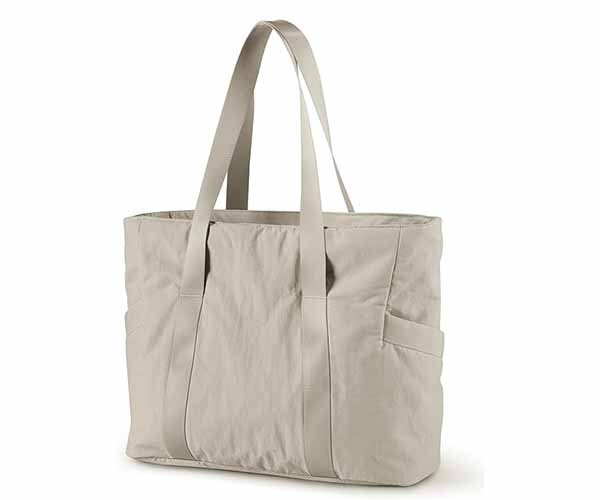
Tote Bags
Tote bags are widely used for retail merchandise, shopping bags, and promotional campaigns.
Common materials include:
- cotton canvas (8oz–16oz)
- polyester fabrics
- laminated canvas
Szoneier often produces large quantities of tote bags for marketing campaigns and retail programs.
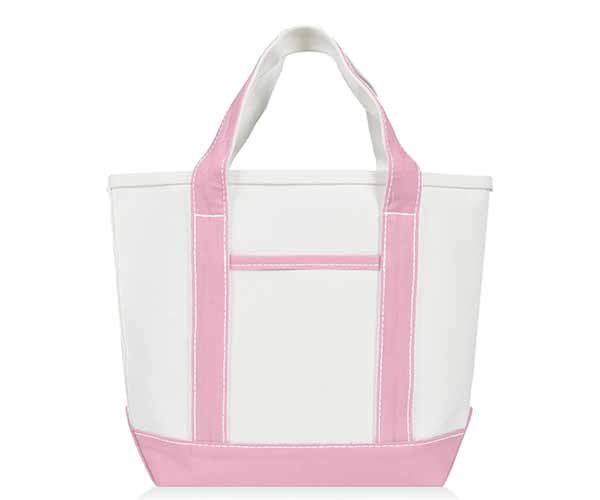
Canvas Tote Bags
Canvas tote bags are popular for fashion brands and lifestyle products.
Typical features include:
- reinforced handles
- large front panel logo area
- inner pockets
Canvas weights commonly used include 10oz, 12oz, and 16oz.
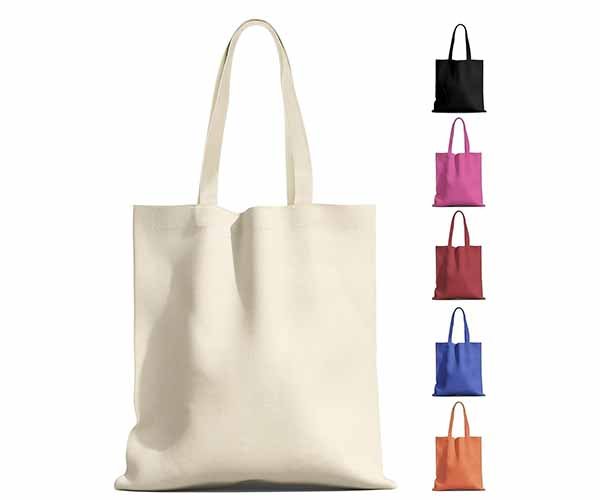
Promotional Tote Bags
Promotional tote bags are designed for events and marketing campaigns.
These bags typically feature:
- lightweight polyester fabrics
- large printed logos
- simple open-top structures
Low MOQ production starting from 50 pcs makes them suitable for event promotions.
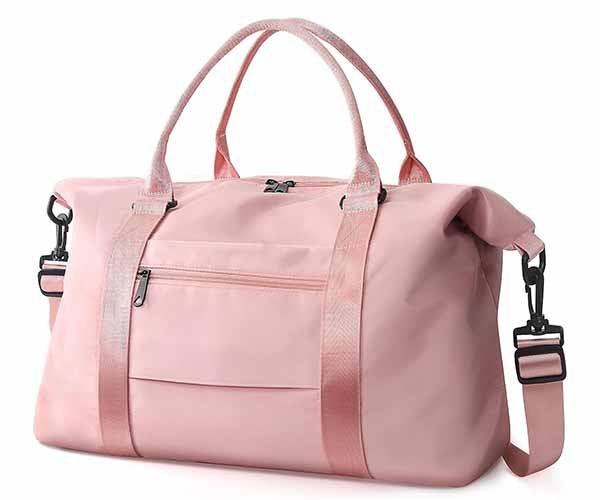
Duffle Bags
Duffle bags are commonly used for sports, travel, and gym activities.
Structural features include:
- reinforced handles
- detachable shoulder straps
- large central compartments
Szoneier produces duffle bags using 600D–1680D polyester and nylon fabrics.
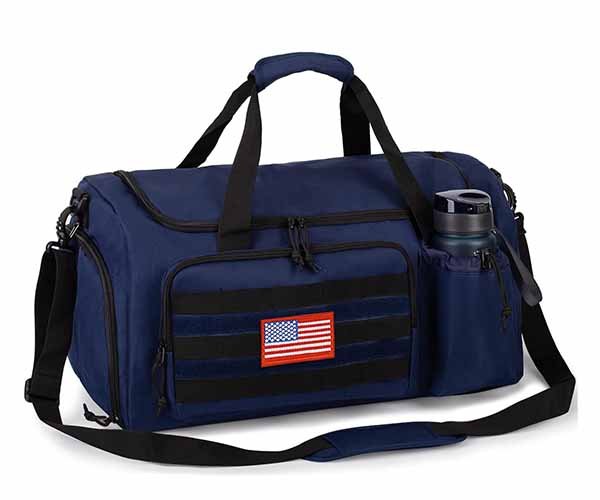
Gym Bags
Gym bags are designed for sports equipment and workout accessories.
Typical features include:
- shoe compartments
- ventilation panels
- reinforced base structure
These bags are popular among sports brands and fitness retailers.
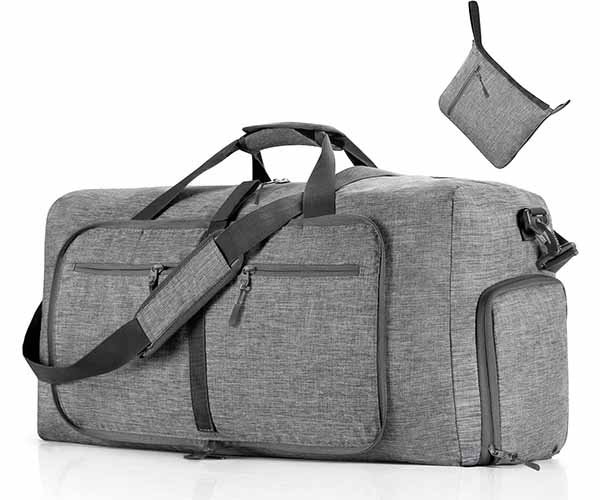
Travel Bags
Travel bags are designed for weekend trips and short travel.
Features may include:
- reinforced bottom panels
- multiple internal compartments
- durable zipper systems
Travel bags often use 900D or 1680D polyester fabrics.
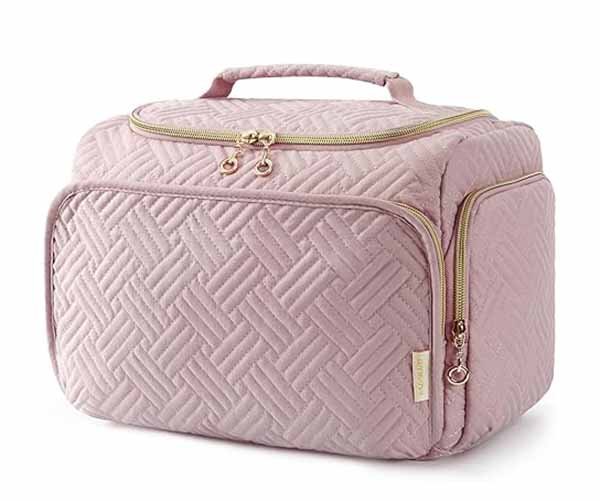
Cosmetic Bags
Cosmetic bags are frequently used by beauty brands and e-commerce retailers.
Common structures include:
- zipper pouches
- box-shaped cosmetic organizers
- travel makeup cases
Materials commonly used:
- PU leather
- microfiber leather
- polyester fabrics.
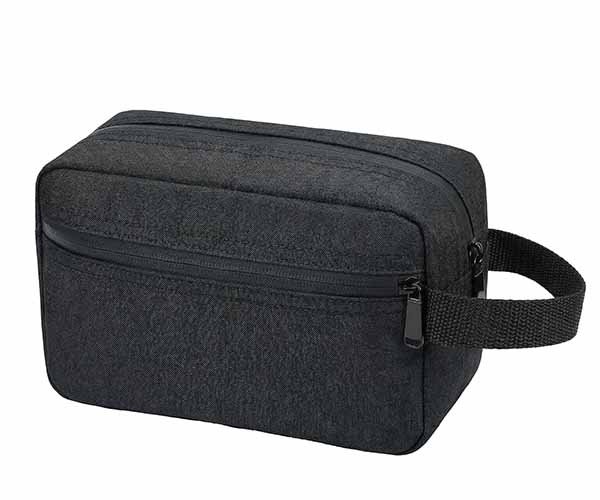
Toiletry Bags
Toiletry bags are used for storing personal care products during travel.
Typical features include:
- hanging hooks
- waterproof lining
- multiple compartments
Szoneier often produces these bags for travel brands and beauty product companies.
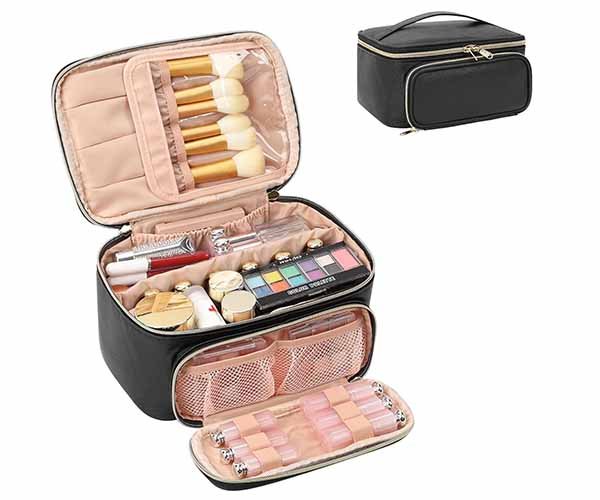
Makeup Organizer Bags
Makeup organizer bags include internal dividers designed for cosmetics and beauty tools.
Common materials include:
- PU leather
- microfiber leather
- waterproof polyester fabrics.
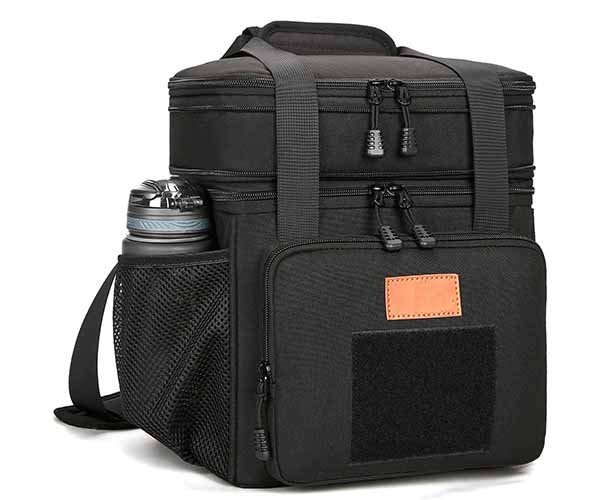
Cooler Bags
Cooler bags are designed to maintain temperature for food and beverages.
Typical structure includes:
- polyester outer layer
- foam insulation
- PEVA or aluminum lining
These bags are commonly used for lunch bags and picnic coolers.
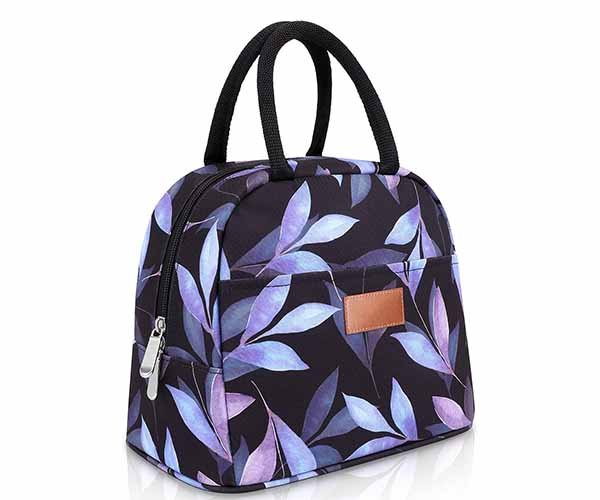
Lunch Bags
Lunch bags are a smaller version of cooler bags designed for daily use.
Common materials include:
- polyester
- neoprene
- insulated PEVA lining.
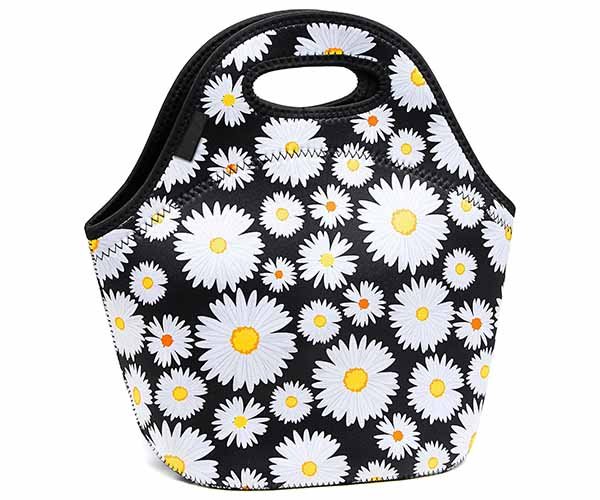
Neoprene Lunch Bags
Neoprene lunch bags are flexible and lightweight.
Szoneier coordinates 2mm–5mm neoprene materials for these products.
These bags are commonly used for office lunches and school use.
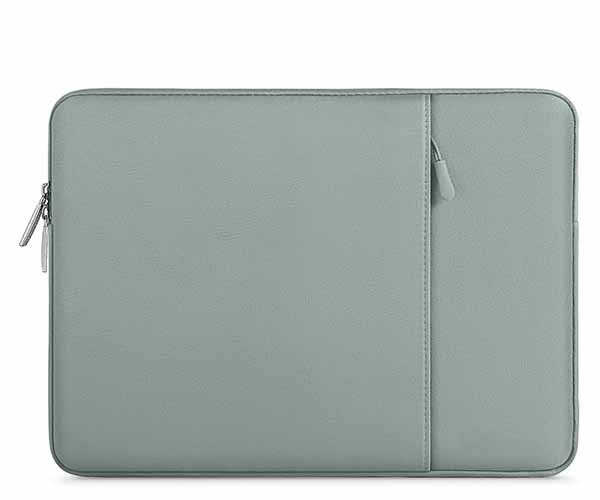
Laptop Sleeves
Laptop sleeves are designed to protect laptops during travel.
Typical features include:
- padded interiors
- zipper closures
- slim structure.
These bags are commonly produced using neoprene, PU leather, or polyester fabrics.
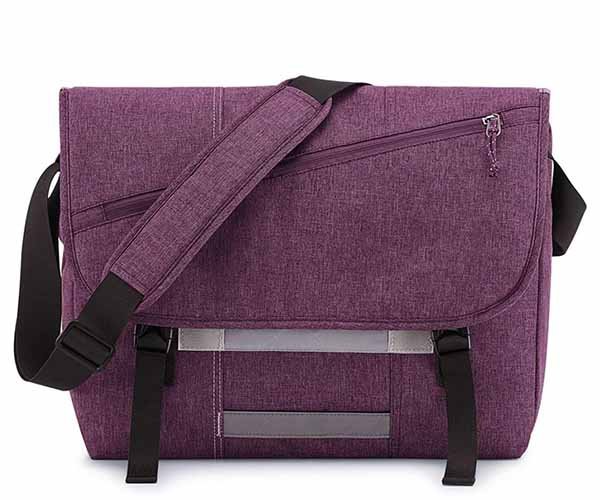
Messenger Bags
Messenger bags are designed for urban commuting and office use.
Typical features include:
- adjustable shoulder straps
- flap closures
- internal laptop compartments.
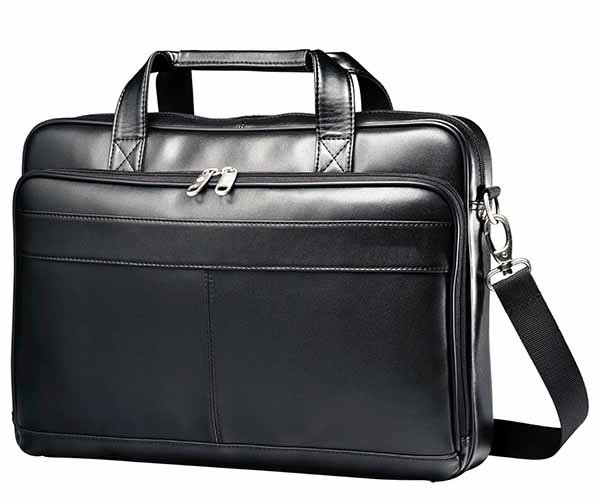
Briefcases
Briefcases are commonly used by professionals and corporate employees.
Materials often include:
- PU leather
- microfiber leather
- reinforced polyester fabrics.
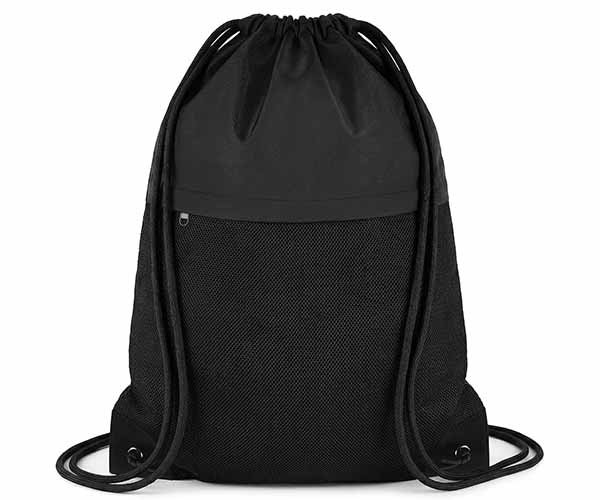
Drawstring Bags
Drawstring bags are lightweight and easy to produce.
Typical materials include:
- polyester fabrics
- nylon fabrics.
These bags are widely used for promotional events and sports programs.
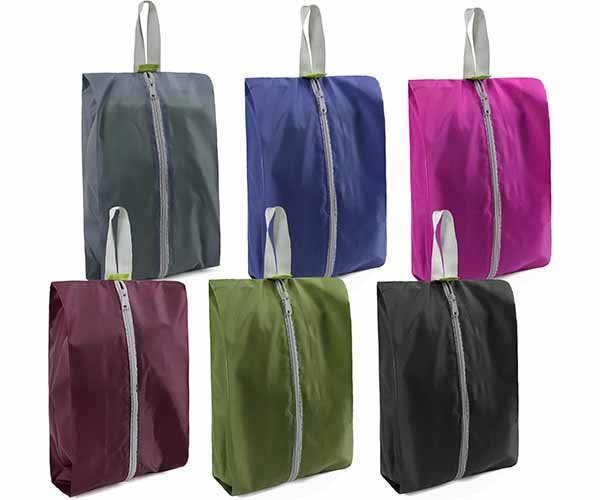
Shoe Bags
Shoe bags are used to store footwear during travel or sports activities.
Typical features include:
- ventilation holes
- reinforced zipper closures.
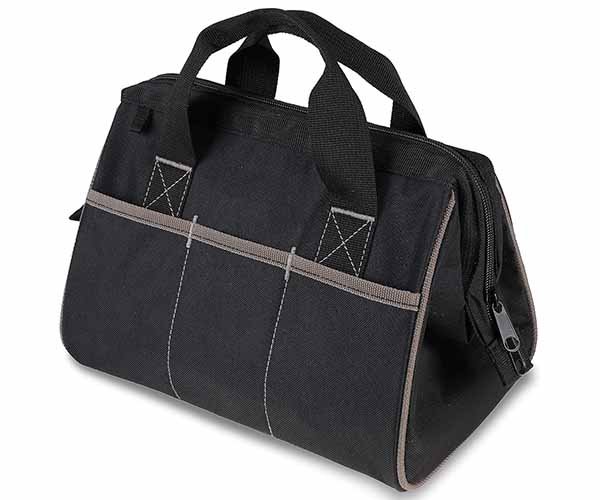
Tool Bags
Tool bags are designed for durability and load-bearing capacity.
Materials commonly used:
- 900D polyester
- 1680D polyester
- reinforced webbing straps.
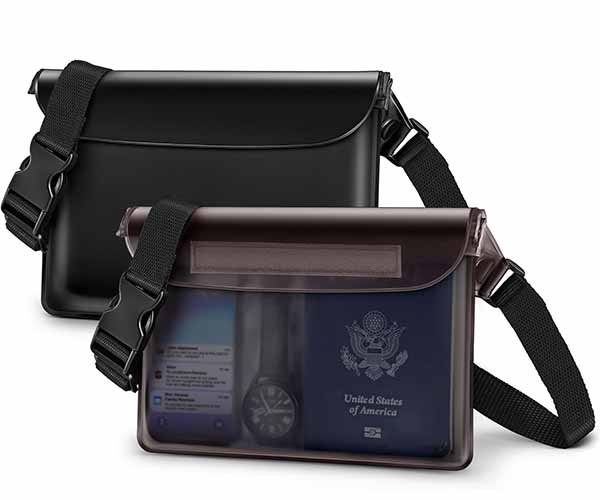
Waterproof Bags
Waterproof bags are designed for outdoor activities.
Common materials include:
- TPU-coated fabrics
- waterproof zippers.
These bags are used for outdoor sports and marine activities.
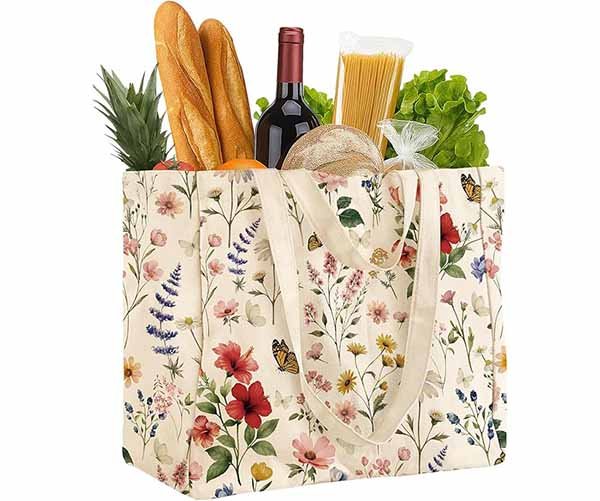
Shopping Bags
Shopping bags are commonly used by retail stores.
Typical materials include:
- polyester
- canvas
- recycled fabrics.
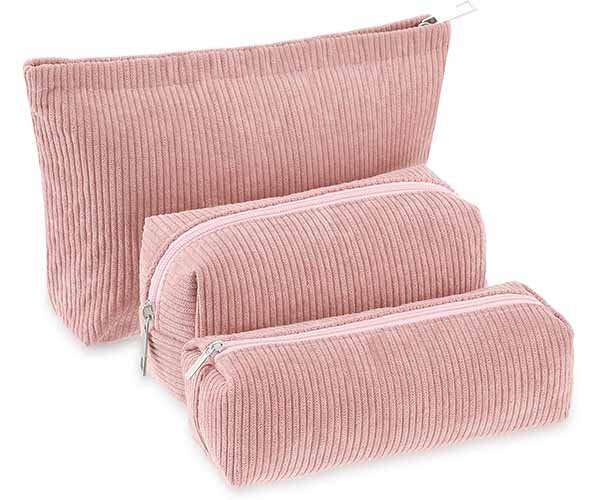
Custom Branded Merchandise Bags
Many brands require bags designed specifically for product packaging or promotional kits.
These projects often include:
- cosmetic pouches
- gift bags
- branded travel organizers.
Szoneier frequently develops these products for e-commerce brands launching promotional campaigns or seasonal product bundles.
How Szoneier Develops OEM Bag Projects — From Concept to Production
OEM bag manufacturing begins long before sewing starts. Each project requires coordination between materials, logo methods, structural reinforcement, and production feasibility. At Szoneier, every OEM project follows a structured development workflow to ensure stable production and predictable lead times.
Our Shenzhen development team works directly with the sampling workshop and production supervisors to evaluate each design before sampling begins.
Step 1
Requirement Confirmation
The first step is understanding the product requirements and production goals.
Information typically reviewed includes:
- Bag type (backpack, tote, cosmetic bag, duffle, cooler, etc.)
- Target size and structure
- Material preference
- Logo method
- Hardware requirements
- Quantity planning
- Target delivery timeline
This evaluation helps determine whether adjustments are required for production stability.
Step 2
Technical Evaluation
Once requirements are confirmed, the product development team reviews the design from a manufacturing perspective.
Key factors reviewed include:
- Fabric thickness suitability
- Load-bearing points
- Logo placement alignment
- Hardware compatibility
- Stitching structure
- Reinforcement requirements
Adjustments are recommended before pattern development begins to avoid structural issues during production.
Step 3
Pattern Development
Szoneier operates an internal pattern development room.
During this stage:
- Bag panels are drafted
- Pocket structures are defined
- Zipper installation points are planned
- Strap reinforcement areas are marked
- Logo placement measurement is fixed
Pattern accuracy is critical because it determines how well the bag holds its shape during production.
Step 4
Sampling
Sampling timeline:
Standard bag structures: 5–7 days
Projects requiring custom hardware molds: 7–15 days
The sample stage includes:
- Material verification
- Logo alignment
- Hardware installation
- Shape balance evaluation
- Internal quality inspection
Before shipping the sample, detailed photos and videos are shared with the client for confirmation.
Step 5
Sample Revision
If adjustments are required, revisions can typically be completed within several days.
Common revisions include:
- Logo size adjustment
- Pocket layout changes
- Strap length modification
- Hardware replacement
- Fabric upgrade
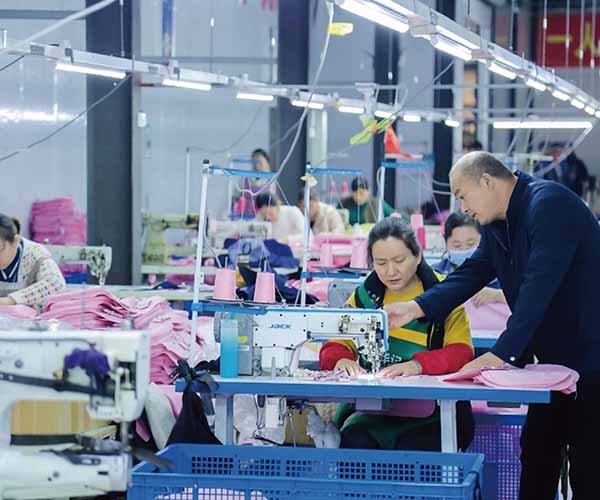
Because the sampling workshop is operated internally in Shenzhen, revision cycles remain fast.
Step 6
Production Preparation
After the sample is approved:
- Final cost is confirmed
- Production timeline is scheduled
- Material batches are reserved
- Logo tooling is finalized (if required)
Minimum order quantity: 50 pcs
Step 7
Bulk Production
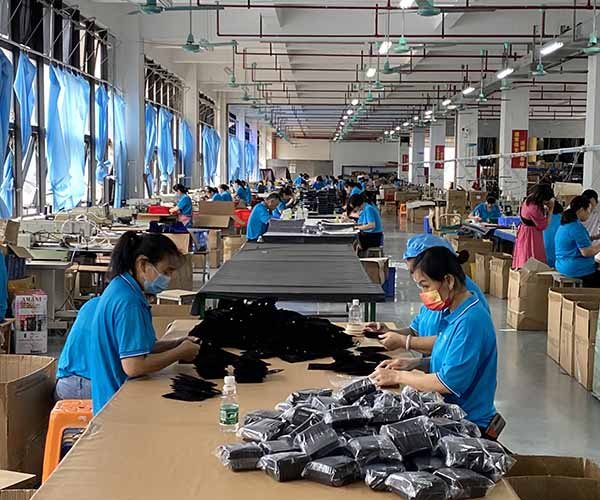
Standard production lead time: 25–30 days
Production stages include:
- Material inspection
- Fabric cutting
- Logo processing
- Panel stitching
- Hardware installation
- Structural reinforcement
- Final inspection
- Packaging
Material Selection for OEM Bag Manufacturing
Material selection plays a major role in durability, structure stability, and logo compatibility. Because Szoneier coordinates several material supply systems, we can match material specifications with different product categories and usage environments.
Material options are selected based on product function, price positioning, and branding requirements.
Polyester Fabrics
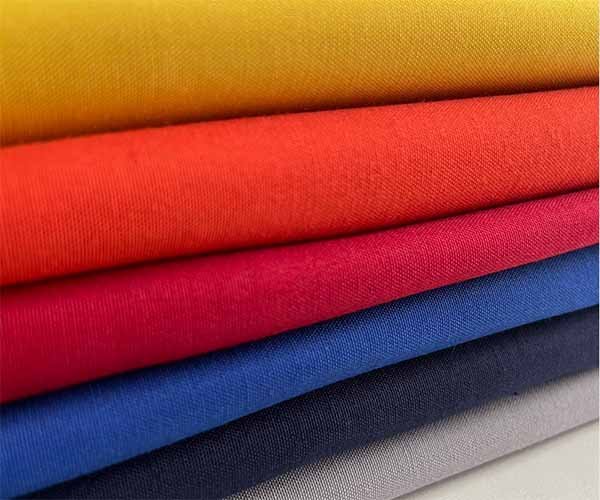
Polyester is one of the most commonly used materials in bag manufacturing because it offers a balance between durability, cost efficiency, and printing compatibility. Many backpacks, travel bags, and promotional bags are produced using polyester fabrics.
Common polyester fabric specifications include:
| Polyester Type | Typical Use |
|---|---|
| 210D Polyester | lightweight drawstring bags |
| 420D Polyester | school backpacks |
| 600D Polyester | travel bags and backpacks |
| 900D Polyester | heavy-duty backpacks |
| 1680D Polyester | high-strength travel and tool bags |
Polyester fabrics offer good abrasion resistance and work well with several logo methods such as screen printing, embroidery, and heat transfer printing.
Szoneier often recommends 600D or 900D polyester for backpacks because these materials provide a good balance between durability and weight.
Nylon Fabrics
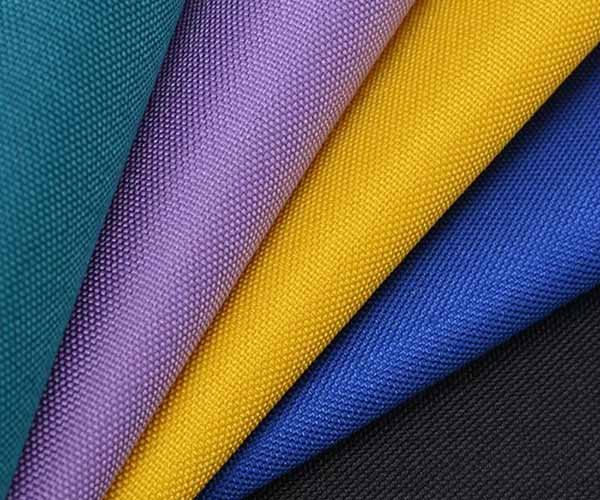
Nylon fabrics are commonly used in outdoor bags and travel gear because they provide excellent strength while remaining relatively lightweight.
Advantages of nylon fabrics include:
- high tensile strength
- excellent abrasion resistance
- lightweight structure
- flexible surface texture
Nylon materials are often used in:
- outdoor backpacks
- hiking bags
- sports bags
- travel backpacks
Compared with polyester, nylon fabrics are usually slightly more expensive but provide improved performance in demanding environments.
Szoneier frequently uses nylon fabrics for products designed for outdoor activities or high-load applications.
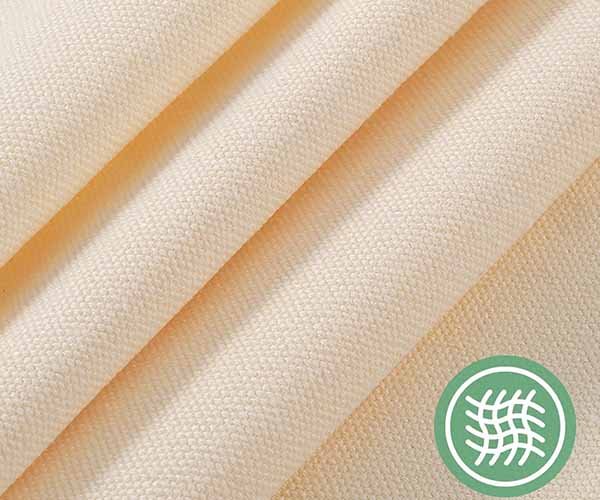
Cotton Canvas
Canvas fabrics provide a natural appearance and durable structure, making them popular for retail tote bags and lifestyle products.
Common canvas weights used in bag production include:
| Canvas Weight | Typical Application |
|---|---|
| 8 oz canvas | lightweight tote bags |
| 10 oz canvas | promotional tote bags |
| 12 oz canvas | retail tote bags |
| 16 oz canvas | heavy-duty tote bags |
Canvas fabrics provide a large flat surface that works well for screen printing and embroidery. This makes canvas tote bags especially popular for promotional events, fashion brands, and retail merchandise.
Szoneier frequently produces canvas bags for promotional campaigns and retail brand programs.
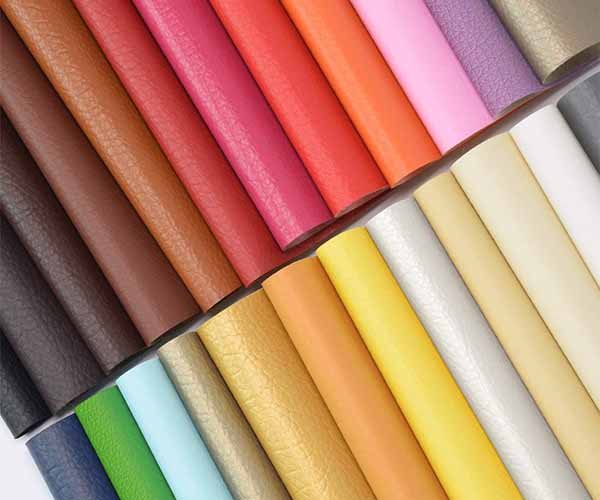
PU Leather & Microfiber Leather
PU leather and microfiber leather are commonly used in cosmetic bags, fashion bags, and premium product packaging.
These materials provide a more refined appearance compared with woven fabrics and are often selected for products that require a higher perceived value.
Advantages include:
- smooth surface texture
- compatibility with embossing and debossing
- good appearance for metal logo plates
- easy cleaning
PU leather cosmetic bags and travel organizers are often used by beauty brands launching promotional gift sets or product bundles.
Szoneier works with several PU leather suppliers to maintain consistent color and surface texture across production batches.
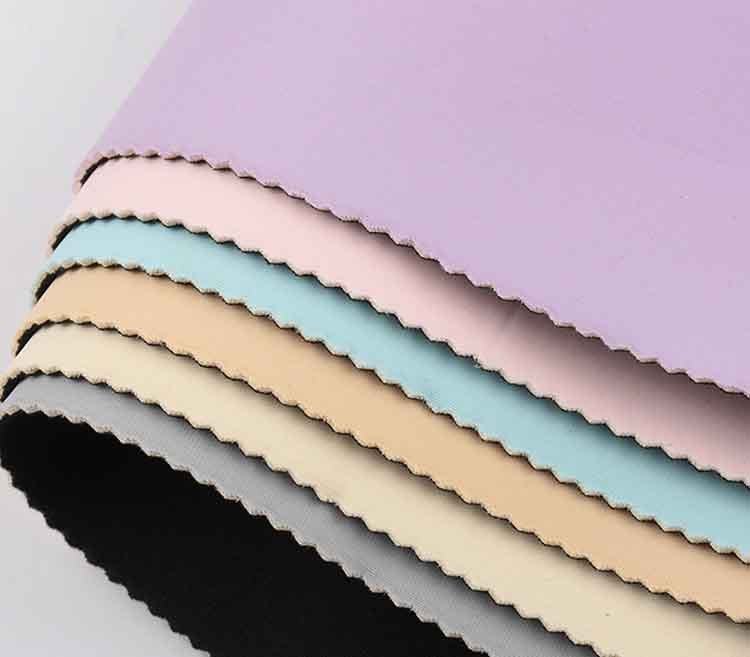
Neoprene Materials
Neoprene is a flexible laminated material that is widely used for insulated bags and protective sleeves.
Typical neoprene thickness options include:
- 2 mm
- 3 mm
- 5 mm
Neoprene is commonly used in products such as:
- lunch bags
- bottle holders
- laptop sleeves
- sports accessory bags
Because neoprene has natural elasticity, it can help protect items such as laptops or bottles from impact.
Szoneier coordinates neoprene lamination with partner material factories to ensure stable thickness and bonding quality.

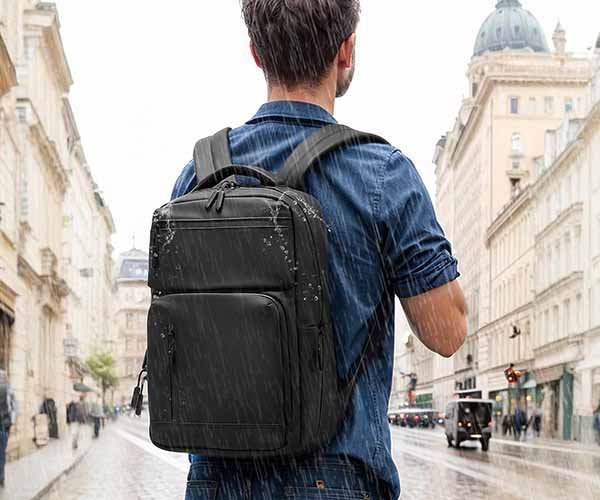
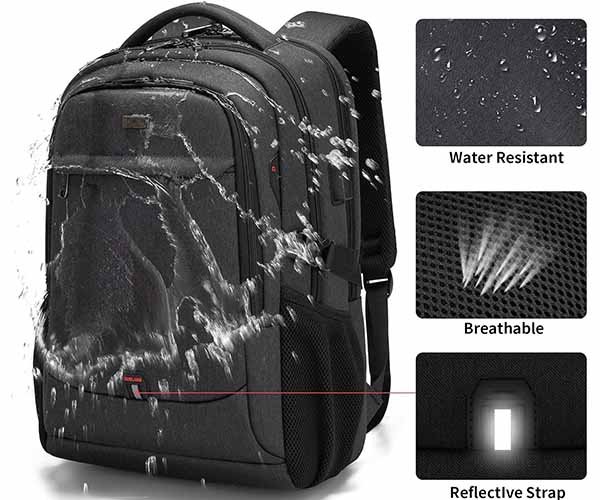
Waterproof & Functional Materials
For bags designed for outdoor or wet environments, waterproof materials are often required.
These materials may include:
- TPU-coated fabrics
- waterproof laminated polyester
- PVC-coated fabrics
Waterproof fabrics are commonly used in products such as:
- outdoor backpacks
- waterproof travel bags
- marine dry bags
- insulated cooler bags
These fabrics are also compatible with waterproof zippers and sealed seams when necessary.
Structural Reinforcement Materials
Many bags require internal reinforcement to maintain shape and durability.
Common reinforcement materials include:
| Material | Purpose |
|---|---|
| EVA boards | bottom reinforcement |
| PP boards | structural stability |
| foam padding | shock absorption |
| TPU panels | waterproof reinforcement |
Backpacks and travel bags often require reinforced bottom panels and padded back sections to improve durability and comfort.
Szoneier evaluates reinforcement requirements during the pattern development stage to ensure the bag structure remains stable during long-term use.
Logo Application Methods for OEM Bag Manufacturing
Logo execution is one of the most important elements in OEM bag production. Different logo methods are selected depending on material compatibility, product positioning, and durability requirements.
Szoneier supports multiple logo techniques.
Screen Printing
Screen printing is widely used for promotional bags and canvas totes.
Advantages include:
- Cost-efficient
- Suitable for large logo areas
- Works well on polyester and canvas
Pantone color matching can be arranged during sampling.
Embroidery
Embroidery provides a premium appearance and long-term durability.
Common uses include:
- Backpack logos
- Sports bag logos
- Brand labels
Embroidery density and thread color are tested before bulk production.
Heat Transfer
Heat transfer is suitable for detailed logos and multi-color graphics.
Common applications include:
- promotional bags
- neoprene bags
- sports bags
Temperature control is important to prevent material distortion.
Embossed / Debossed Logo
Embossing is commonly used on PU leather and genuine leather products.
Advantages include:
- Clean brand appearance
- Long-term durability
- No color fading
Emboss depth is tested during sampling.
Metal Logo Plates
Metal plates provide a premium brand appearance.
Hardware options include:
- stainless steel
- zinc alloy
- aluminum
Surface finishes may include:
- brushed metal
- matte plating
- polished plating
Custom molds normally require 7–15 days.
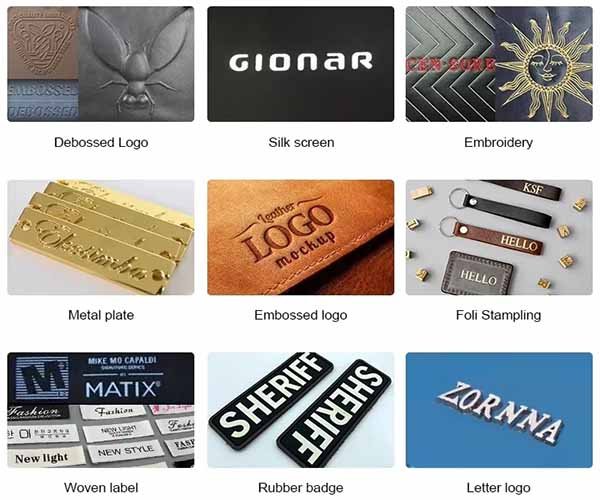
Woven Labels & Rubber Patches
Additional branding options include:
- woven internal labels
- rubber logo patches
- custom zipper pull logos
These elements help strengthen brand identity across product lines.
Logo Placement Considerations
Logo placement is carefully reviewed during product development.
Key considerations include:
- seam alignment
- panel balance
- pocket interference
- structural reinforcement areas
These checks help maintain logo consistency during mass production.

Hardware & Accessories Options for OEM Bag Manufacturing
Hardware and accessories play an important role in the durability, functionality, and appearance of a bag. A well-designed bag structure can still fail if the hardware quality is inconsistent. For this reason, Szoneier carefully coordinates hardware specifications during the development stage.
With more than 18 years of bag manufacturing experience in Shenzhen, our team works with reliable hardware suppliers and tests accessories before mass production begins.
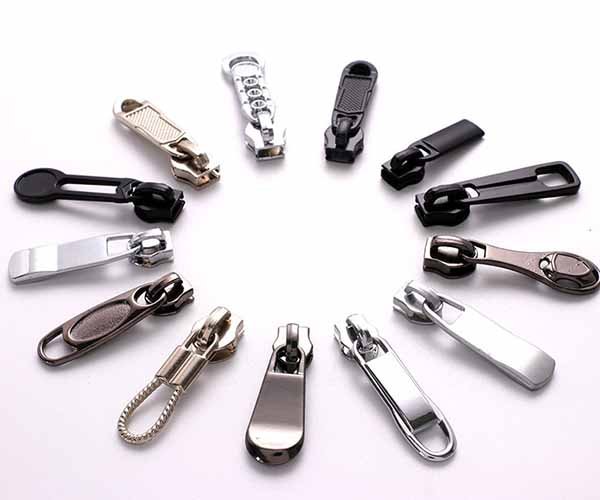
Zippers
Zippers are one of the most frequently used components in bags, and their quality directly affects the product’s lifespan.
Common zipper options include:
| Zipper Type | Typical Applications |
|---|---|
| Nylon coil zipper | backpacks, cosmetic bags |
| Resin zipper | travel bags, school bags |
| Metal zipper | fashion bags, leather bags |
| Waterproof zipper | outdoor and cooler bags |
Zipper pullers can also be customized with engraved logos, molded rubber pulls, or metal logo tags.
Before production, zipper smoothness and durability are tested to ensure consistent performance.
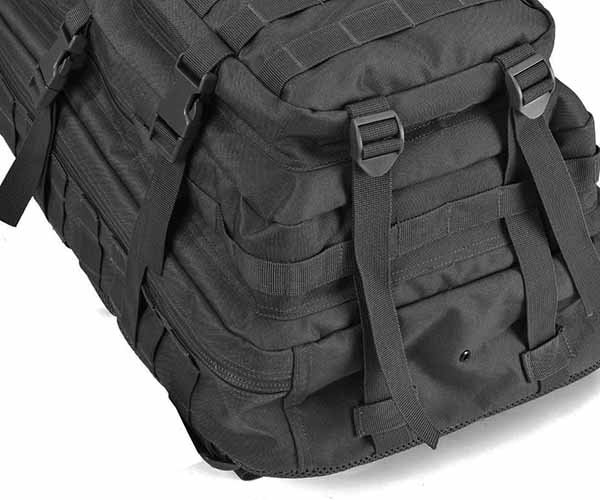
Webbing & Straps
Straps must support the weight of the bag and maintain stability over long periods of use.
Common webbing materials include:
- Polyester webbing
- Nylon webbing
- Cotton webbing
- Seatbelt-style webbing
Load-bearing areas are reinforced with bar-tack stitching to prevent tearing under pressure.
Adjustable strap systems and padded shoulder straps are commonly used in backpacks and travel bags.
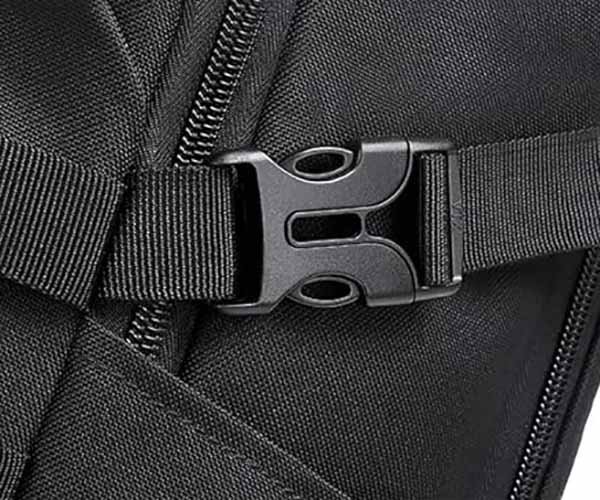
Buckles & Plastic Components
Plastic components help improve functionality and adjustability.
Typical components include:
- Side release buckles
- Ladder lock adjusters
- Tri-glide strap adjusters
- Cord locks
Materials are usually made from durable ABS or acetal plastic to ensure long-term reliability.
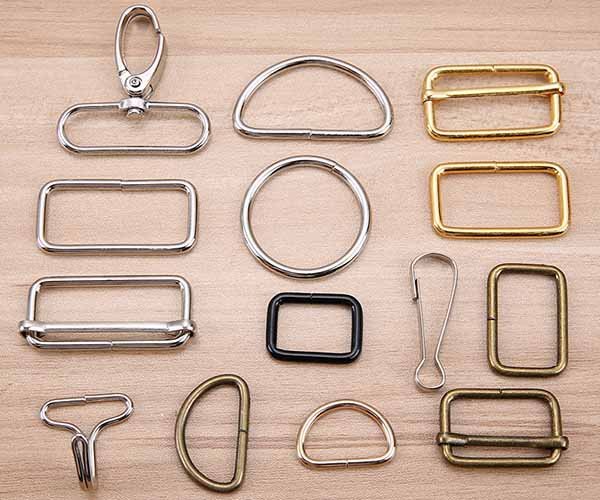
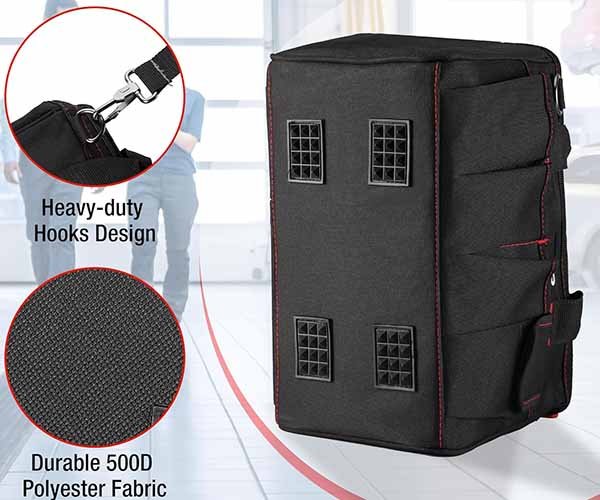
Metal Hardware
Metal components are often used in fashion bags and premium products.
Common metal hardware includes:
- D-rings
- swivel hooks
- metal buckles
- decorative logo plates
Metal surfaces can be finished in several styles:
- matte black
- brushed nickel
- gold plating
- antique brass
Before production, hardware color samples are confirmed to ensure consistency with brand design requirements.
Reinforcement Components
Certain bags require internal reinforcement to improve structure and durability.
Common reinforcement materials include:
- EVA bottom boards
- PP boards for shape stability
- TPU reinforcement panels
- foam padding for protection
These elements are especially important for backpacks, laptop bags, and travel duffle bags.
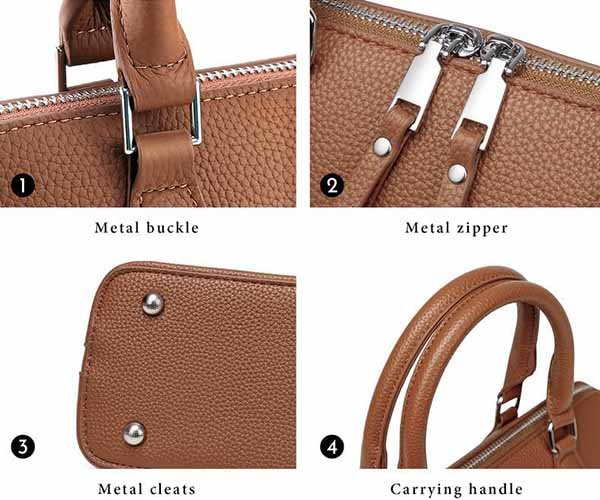
Custom Hardware Development
For brands requiring unique design elements, Szoneier also supports custom hardware molds.
Examples include:
- custom zipper pulls
- engraved logo plates
- molded rubber patches
- custom buckle shapes
Hardware mold development typically takes 7–15 days, depending on complexity.
Try Before You Order – Free Sample Program
We offer free custom samples for qualified clients. Whether you’re testing a new market or validating design quality, our samples help you move forward with confidence.
OEM Bag MOQ, Sampling Time & Production Lead Time
Understanding production timelines is essential when planning a new product launch. Szoneier maintains a structured production schedule to help clients plan inventory and marketing timelines.
Minimum Order Quantity
The standard MOQ for most OEM bag projects is 50 pieces per design.
This low minimum order quantity allows brands to test new designs before committing to larger production volumes.
For projects requiring custom hardware molds, MOQ may vary depending on tooling requirements, but the base bag production quantity can still remain relatively small.
Sampling Timeline
Sampling is the stage where the design is converted into a physical product.
Typical sampling timeline:
| Project Type | Sampling Time |
|---|---|
| Standard bag designs | 5–7 days |
| Custom hardware mold projects | 7–15 days |
The sampling stage includes:
- material confirmation
- logo placement verification
- hardware testing
- structural inspection
Because Szoneier operates its own sampling workshop in Shenzhen, development cycles remain relatively fast.
Production Timeline
Standard production lead time: 25–30 days
Production stages include:
- Material inspection
- Fabric cutting
- Logo processing
- Sewing and assembly
- Hardware installation
- Structural reinforcement
- Quality inspection
- Packaging and shipping preparation
Production scheduling may vary slightly depending on order quantity and product complexity.
Logistics Options
Szoneier supports several shipping methods to meet different delivery requirements.
Available logistics options include:
- Express delivery
- Air freight
- Sea freight
Trade terms supported include:
- EXW
- FOB
- DAP
- DDP
For many e-commerce projects, DDP shipping is often preferred because it simplifies import procedures.
Payment Methods
To support international business cooperation, Szoneier accepts multiple payment options.
Common payment methods include:
- T/T bank transfer
- PayPal
- Credit card
- Alibaba Trade Assurance
- Alipay
- Western Union
Payment structure typically includes a production deposit followed by the remaining balance before shipment.
Quality Control System for OEM Bag Manufacturing
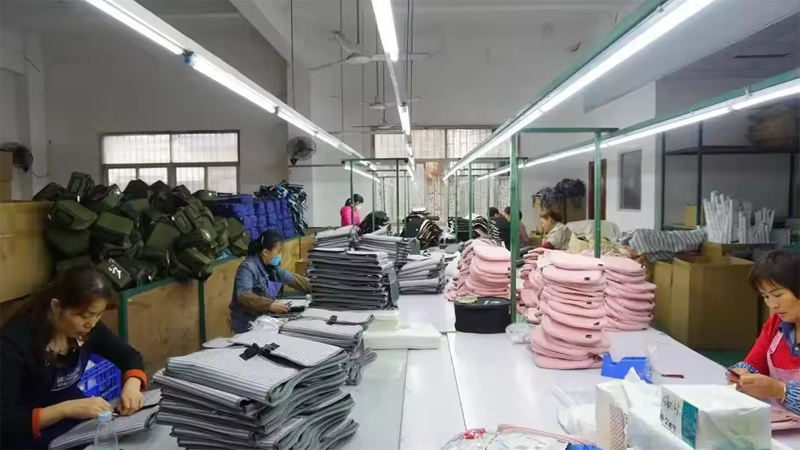
Quality control is one of the most important parts of bag manufacturing. Even small inconsistencies in stitching, logo placement, or hardware installation can affect the overall perception of a product.
Szoneier applies a structured inspection system to maintain stable production quality.
Incoming Material Inspection
Before production begins, all materials are inspected to ensure they meet specification requirements.
Inspection includes:
- fabric color consistency
- material thickness verification
- hardware surface quality
- zipper functionality
Only approved materials are released to the production line.
In-Process Production Inspection
During production, supervisors monitor several key points:
- stitching quality
- seam alignment
- strap reinforcement
- logo placement accuracy
These checks help identify potential issues early in the production process.
Final Inspection
After production is completed, each bag is inspected before packaging.
Inspection includes:
- logo clarity and alignment
- zipper smoothness
- stitching quality
- hardware installation
- overall appearance
Szoneier performs 100% inspection before shipment, which significantly reduces the risk of defective products being shipped.
Packaging Inspection
Before cartons are sealed, packing supervisors confirm:
- correct product quantity
- correct packaging method
- barcode or labeling accuracy
Carton strength and packing density are also checked to ensure safe transportation.
Quality Assurance Commitment
Through a combination of material inspection, in-process monitoring, and final inspection, Szoneier maintains stable quality standards across different production batches.
This system has helped support long-term manufacturing partnerships with brands across different markets.
Industries That Work With Szoneier for OEM Bag Manufacturing
Over the past 18+ years, Szoneier has manufactured OEM bags for companies in multiple industries. Different industries require different bag structures, materials, and logo methods.
Our experience across various product categories helps ensure that production requirements are well understood before manufacturing begins.
Fashion & Lifestyle Brands
Fashion brands often require bags with a premium appearance and carefully executed branding.
Common products include:
- fashion backpacks
- PU leather handbags
- cosmetic pouches
- canvas tote bags
Logo methods used in this sector often include embossing, metal logo plates, and embroidery.
E-commerce & Private Label Brands
Many online brands require flexible production quantities and fast development cycles.
Typical products include:
- travel backpacks
- cosmetic bags
- cooler bags
- gym duffle bags
Low MOQ production starting from 50 pcs allows these brands to test new designs before scaling production.
Promotional & Corporate Programs
Companies frequently use branded bags for marketing events and promotional campaigns.
Common products include:
- promotional tote bags
- conference backpacks
- branded laptop bags
Screen printing and embroidery are commonly used logo methods for promotional bags.
Outdoor & Sports Brands
Outdoor products require stronger materials and reinforced construction.
Common products include:
- hiking backpacks
- sports duffle bags
- waterproof travel bags
High-density polyester and nylon fabrics are commonly used for these applications.
Beauty & Cosmetic Brands
Beauty brands often use small bags and organizers for product packaging or promotional gifts.
Typical products include:
- cosmetic pouches
- toiletry organizers
- travel makeup bags
PU leather and microfiber leather are commonly used materials.
Education & Institutional Programs
Schools and organizations frequently order backpacks or tote bags for student programs.
Durability and cost efficiency are the most important factors in these projects.
OEM Bag Projects Developed by Szoneier
Over the past 18+ years, Szoneier has worked with brands, distributors, and e-commerce companies across different industries to develop OEM bag products. Each project requires a combination of product design evaluation, material engineering, logo application, and controlled production planning.
The following case studies illustrate how Szoneier manages real OEM bag manufacturing projects from early development to mass production.
Travel Backpack Developed for a European E-Commerce Brand
Project Background
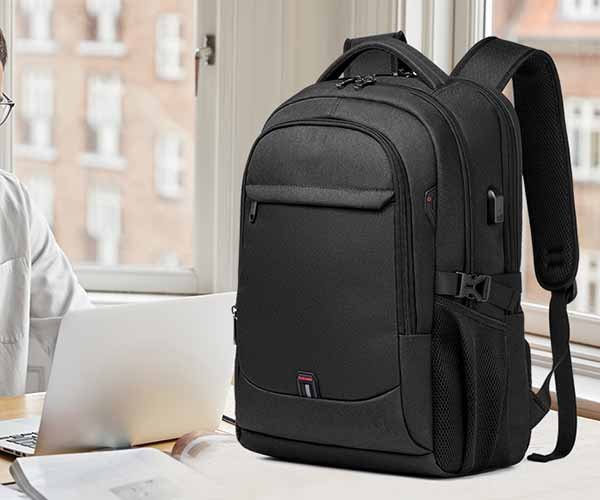
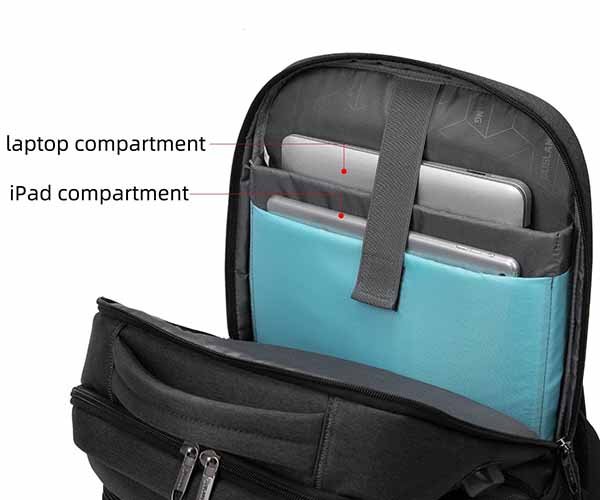
A European online retail brand contacted Szoneier to develop a travel backpack designed for airline carry-on use. The brand wanted a durable backpack suitable for short travel trips with a clean, modern appearance.
The initial concept included:
- a laptop compartment
- multiple internal pockets
- reinforced shoulder straps
- a minimalist brand logo
The company required a production quantity of 500 units for the first launch.
Development Approach
After reviewing the design concept, Szoneier’s product development team suggested several improvements to ensure better durability and production stability.
Key development decisions included:
- upgrading the fabric from standard polyester to 600D high-density polyester
- adding EVA padding to the back panel
- reinforcing shoulder strap anchor points with bar-tack stitching
- optimizing pocket layout for weight distribution
The backpack structure was redesigned by our internal pattern development team in Shenzhen to improve load-bearing stability.
Sampling Stage
Sampling timeline: 7 days
During sampling, Szoneier confirmed:
- fabric color consistency
- zipper durability
- shoulder strap reinforcement
- logo placement alignment
Photos and videos were shared with the client before the sample was shipped.
After minor adjustments to pocket layout and strap length, the sample was approved for production.
Production
Production quantity: 500 units
Production timeline: 28 days
Production stages included:
- material inspection
- fabric cutting
- logo embroidery
- panel stitching
- zipper installation
- reinforcement stitching
- final inspection
Every unit was inspected before packing to ensure stitching consistency and correct logo placement.
Result
The backpack was successfully launched on the client’s online store and became one of their best-selling travel accessories.
The brand later placed repeat orders and expanded the product line with additional backpack designs.
Canvas Tote Bags for a Retail Promotion Campaign
Project Background
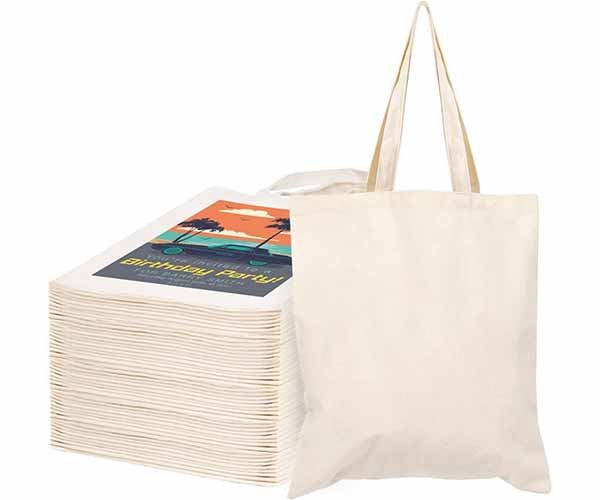
A retail company in North America required a large quantity of canvas tote bags for a seasonal marketing campaign.
The key requirements were:
- strong and durable canvas material
- clear logo printing
- cost-efficient production
- fast delivery timeline
The bags were intended for promotional distribution at retail locations.
Development Approach
Szoneier recommended 12 oz cotton canvas because it provides good durability while remaining cost-efficient for large promotional campaigns.
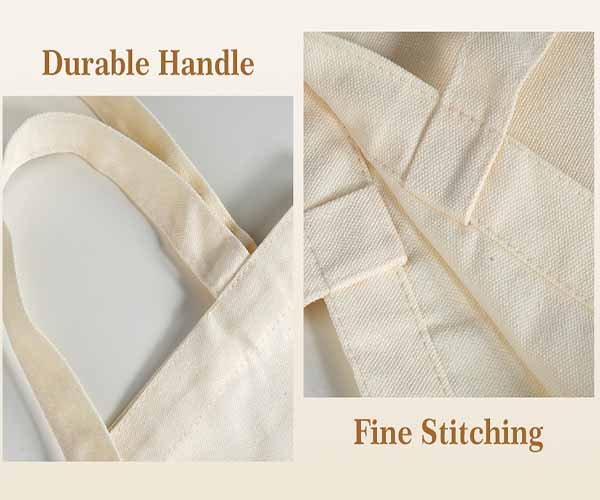
Additional design adjustments included:
- reinforced handle stitching
- extended handle length for shoulder carrying
- enlarged front panel for better logo visibility
The company’s logo was applied using screen printing with Pantone color matching.
Sampling
Sampling timeline: 5 days
The sample confirmed:
- printing clarity
- handle reinforcement strength
- overall bag dimensions
Once the sample was approved, the production schedule was confirmed.
Production
Production quantity: 2,000 pieces
Production timeline: 26 days
Production involved:
- canvas material inspection
- fabric cutting
- screen printing
- sewing and assembly
- final inspection
All bags were packed in export cartons and shipped using DDP shipping to the client’s distribution warehouse.
Result
The promotional campaign was successfully completed and the tote bags were distributed at retail locations across multiple cities.
The client later returned to Szoneier for additional promotional merchandise projects.
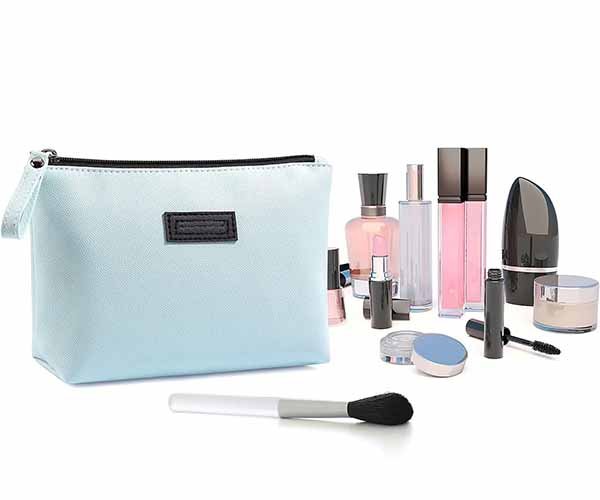
Cosmetic Bag Developed for a Beauty Brand Launch
Project Background
A beauty brand preparing a seasonal product launch required a compact cosmetic bag to package with a makeup product set.
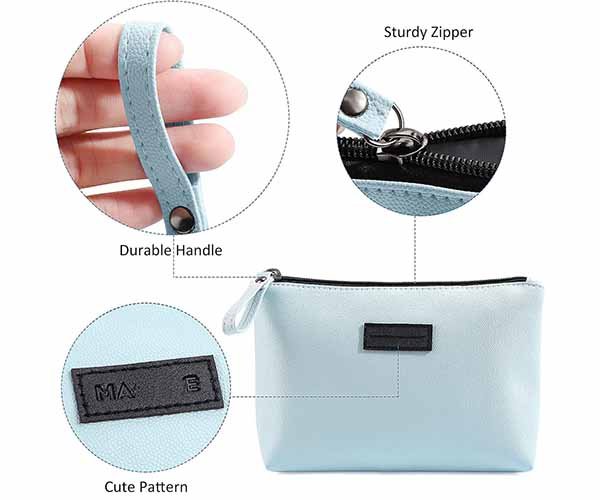
The brand wanted the bag to have:
- a premium appearance
- a small portable structure
- a clean brand logo
- durable zipper hardware
The cosmetic bag was intended to be included in a limited product bundle.
Development Strategy
Szoneier recommended a PU leather cosmetic bag because it provides a premium appearance while remaining durable and easy to clean.
Key design features included:
- structured rectangular shape
- smooth PU leather exterior
- gold-finished zipper hardware
- debossed brand logo
The interior included a polyester lining to protect cosmetic products.
Sampling
Sampling timeline: 6 days
During sampling, Szoneier verified:
- PU leather surface texture
- emboss logo clarity
- zipper functionality
- overall shape stability
After reviewing the sample, the client approved the product for mass production.
Production
Production quantity: 800 pieces
Production timeline: 27 days
Production stages included:
- PU leather inspection
- material cutting
- logo embossing
- zipper installation
- stitching and assembly
- final inspection
Every cosmetic bag was inspected before packing to ensure the logo embossing and hardware installation met quality standards.
Result
The cosmetic bags were included in the beauty brand’s seasonal product launch and helped increase the perceived value of the bundled product set.
The brand later developed additional travel organizers with Szoneier.
Ready To Elevate Your business Line?
Begin your journey with Szoneier bag now. We can assist in wholesaling or customizing Luggage and bags at the most competitive prices to enhance your brand.
Frequently Asked Questions About OEM Bag Manufacturing in China
Below are some of the most common questions companies ask when starting OEM bag production with Szoneier. These answers are based on real production processes used in our Shenzhen manufacturing operations.
What is the minimum order quantity for OEM bags?
The standard minimum order quantity for most OEM bag projects at Szoneier is 50 pieces per design. This relatively low MOQ allows brands to launch new products without committing to large production quantities. It is particularly useful for companies testing new bag designs, launching seasonal products, or developing limited product collections. For projects that require custom metal molds or specialized hardware, there may be additional tooling costs, but the production quantity can usually remain flexible.
How long does it take to develop a sample?
For most standard bag designs, sampling takes 5–7 days once materials and logo details are confirmed. If the project requires custom hardware molds such as engraved metal logo plates or custom zipper pulls, the sampling timeline may extend to 7–15 days depending on the complexity of the mold. Because Szoneier operates its own pattern development and sampling workshop in Shenzhen, the development process is faster compared with suppliers that outsource sample production.
What is the normal production lead time?
The typical production lead time for OEM bags is 25–30 days after the sample has been approved and the production deposit has been received. This timeline includes material preparation, cutting, logo processing, bag assembly, hardware installation, inspection, and packing. For very large production volumes or highly complex designs, the production schedule is confirmed in advance to ensure realistic delivery planning.
Can you match our brand colors?
Yes. Szoneier supports Pantone color matching for printing inks, embroidery threads, and certain fabric materials. Before mass production begins, color samples are verified against the approved sample to ensure consistency. Because our material coordination is managed carefully, color variation between production batches can be minimized.
What logo methods can be used on OEM bags?
Several logo methods can be used depending on the material and design requirements. The most common options include screen printing, embroidery, heat transfer printing, embossed or debossed logos, metal logo plates, woven labels, and rubber patches. During the product development stage, our team reviews the material type and logo design to recommend the most suitable logo method for durability and visual appearance.
Can you develop custom metal logo plates or zipper pulls?
Yes. Szoneier supports custom hardware development including metal logo plates, engraved zipper pulls, and molded rubber patches. Hardware molds typically take 7–15 days to produce depending on design complexity. Once the mold has been developed, it can be reused for future production orders, which helps maintain brand consistency.
How do you control product quality during production?
Quality control is handled through several stages. Materials are inspected before production begins to verify color, thickness, and hardware quality. During production, supervisors monitor stitching quality, logo placement, and structural reinforcement. After production is completed, 100% of finished bags are inspected before packing to confirm overall appearance, zipper functionality, stitching consistency, and logo alignment.
Can you ship directly to our warehouse or fulfillment center?
Yes. Szoneier supports several international shipping methods including express delivery, air freight, and sea freight. We also support different trade terms such as EXW, FOB, DAP, and DDP depending on the client’s logistics preference. Many e-commerce businesses prefer DDP shipping because it simplifies customs clearance and final delivery to warehouses.
What payment methods are accepted?
To support international transactions, Szoneier accepts several payment methods including T/T bank transfer, PayPal, credit card, Alibaba Trade Assurance, Alipay, and Western Union. Typically, a production deposit is required before manufacturing begins, with the remaining balance paid before shipment.
Can we visit your factory?
Yes. Szoneier is located in Shenzhen, Guangdong, and factory visits can be arranged in advance. During a visit, clients can review the sampling workshop, production lines, and inspection procedures. For companies that cannot travel, video meetings and live factory walkthroughs can also be arranged.
Start Your OEM Bag Manufacturing Project With Szoneier
If you are planning to develop a new bag product or looking for a reliable OEM bag manufacturer in China, the Szoneier team can assist with product development, sampling, and production.
Information You Can Send Us
To help us evaluate your project more quickly, you can provide the following information:
- bag type or reference photos
- product size and structure
- preferred materials
- logo artwork
- estimated order quantity
- target delivery timeline
Even if your design is still in the concept stage, our development team can help refine the structure and recommend suitable materials.
Communication options include email, WeChat, WhatsApp, voice calls, and video meetings.
Our team will review your request and respond with development suggestions and a quotation.
- info@szoneier.com
- (+86)13423847456
Exclusive Offer for You
As a first-time buyer, you’ll receive a Free bags Color Card to help you select the right material and shade. Once confirmed, we’ll also provide a Free Sample made by our factory—no extra cost.
For our regular partners, we send New Color Charts multiple times a year—completely free—to support your latest collections.
