 Skip to content
How Do You Choose a Garment Bags Factory for Premium Fashion Brands?
- Eric
- March 2, 2026
- 8:26 am
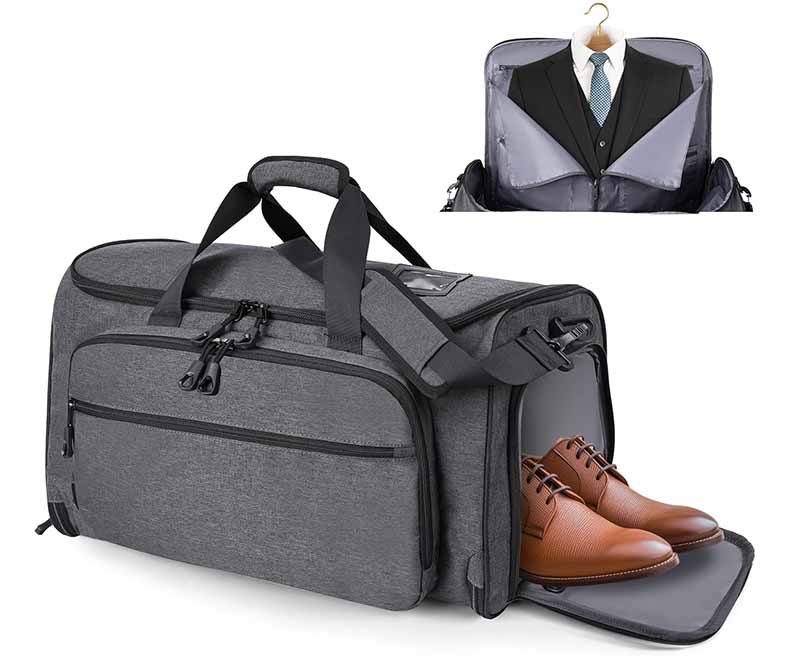
For premium fashion and suit brands, presentation and protection are just as important as the clothing itself. A carefully tailored suit can easily lose its value if it arrives wrinkled, dusty, or damaged during transport. That is why garment bags have become a standard accessory for luxury apparel brands, formalwear companies, and high-end fashion retailers.
Garment bags serve two important purposes. First, they protect delicate clothing from dust, moisture, and wrinkles during transportation or storage. Second, they act as a branding tool. A well-designed garment bag with the brand’s logo creates a premium unboxing experience that reinforces the brand’s identity and professionalism.
Choosing the right garment bags factory requires evaluating manufacturing capability, material quality, customization flexibility, and production reliability. Premium fashion brands should prioritize factories that offer strong fabric sourcing, consistent quality control, low-minimum custom production, and professional design support. A reliable garment bag manufacturer ensures clothing protection, enhances brand presentation, and delivers consistent product quality across every production batch.
However, selecting a reliable garment bag factory is not always straightforward. Many suppliers offer similar-looking products, but differences in fabric quality, stitching standards, and production control can dramatically affect durability and brand perception. Some garment bags may look excellent during sampling but fail to maintain quality in mass production.
For fashion brands planning to launch their own custom garment bags, understanding how these products are designed, manufactured, and evaluated can make the difference between a successful product line and a costly sourcing mistake. The following guide explores how premium brands evaluate garment bag factories, materials, customization options, and manufacturing capabilities.
What Are Garment Bags?
Garment bags are protective bags designed to store and transport clothing such as suits, dresses, coats, and formalwear without causing wrinkles or damage. They are commonly used by fashion brands, garment retailers, and travel customers to protect clothing from dust, moisture, and folding marks while maintaining a professional appearance during storage or transportation.
What Are Garment Bags Used For?
Garment bags are widely used across the fashion and apparel industry because they provide both functional protection and brand presentation. Their main purpose is to keep clothing in good condition during storage, transportation, and retail display.
Most garment bags are designed to accommodate clothing on hangers. This allows garments to remain fully extended rather than folded, which helps prevent wrinkles.
Typical uses include:
- protecting suits during shipping
- storing luxury clothing in wardrobes
- transporting garments during travel
- protecting dresses and formalwear in retail stores
Below is a simple overview of garment bag usage scenarios.
| Usage Scenario | Purpose |
|---|---|
| Fashion retail stores | protect garments from dust |
| Suit brands | preserve suit shape during delivery |
| Travel use | keep formal clothing wrinkle-free |
| Luxury clothing storage | maintain garment condition |
For fashion brands, garment bags also play an important role in customer perception. A high-quality garment bag communicates that the brand values both product protection and customer experience.
Why Do Premium Brands Use Garment Bags?
Premium fashion brands invest heavily in garment bags because they help protect the brand image.
Luxury clothing is often made from delicate fabrics such as wool, silk, or blended materials that require careful handling. Exposure to dust, friction, or moisture can damage these fabrics.
Garment bags provide several advantages for high-end brands:
- protection against dust and environmental damage
- wrinkle prevention during transport
- enhanced retail presentation
- reusable packaging for customers
Premium garment bags also function as mobile branding tools. When customers carry a garment bag through airports, hotels, or offices, the brand logo becomes visible to others.
For many luxury brands, the garment bag becomes part of the overall product experience.
Typical garment bag features used by premium brands include:
| Feature | Purpose |
|---|---|
| breathable fabrics | prevent moisture buildup |
| reinforced zippers | improve durability |
| transparent windows | identify garments quickly |
| carry handles | easy transportation |
Because garment bags are often reused by customers for years, they also provide long-term brand exposure.
Which Clothing Needs Garment Bags Most?
Not every clothing item requires a garment bag, but certain categories benefit significantly from this type of protection.
Clothing that wrinkles easily or must maintain a structured shape typically requires garment bags.
Common clothing categories include:
- business suits
- tuxedos
- wedding dresses
- evening gowns
- formal coats
- luxury fashion garments
These garments often use premium fabrics that require careful storage.
Typical garment bag size recommendations:
| Clothing Type | Recommended Garment Bag Length |
|---|---|
| Men’s suit | 100–110 cm |
| Long coats | 120–130 cm |
| Dresses | 120–150 cm |
Using the correct garment bag size ensures that garments hang naturally without folding.
Another important factor is fabric breathability. Natural fibers like wool need air circulation to avoid moisture buildup, which is why many premium garment bags use breathable materials.
Which Types of Garment Bags Exist?
Garment bags are not all designed for the same purpose. Some are made mainly for retail clothing storage, while others are built for travel protection or premium brand packaging. The structure, material, and durability of a garment bag usually depend on how the customer intends to use it.
For fashion brands and apparel retailers, understanding the different types of garment bags helps when choosing the right design for their clothing products. A luxury suit brand, for example, usually requires thicker and more durable garment bags than a retail clothing store that simply needs dust protection.
Below are the most common garment bag types used in the apparel industry.
What Are Suit Garment Bags?
Suit garment bags are the most common type used by fashion brands that sell formalwear. These bags are designed to protect suits, blazers, and jackets during transportation and storage while keeping the garments wrinkle-free.
Most suit garment bags are designed to hold clothing on hangers so the fabric remains fully extended.
Typical characteristics of suit garment bags include:
- vertical hanging design
- breathable fabric construction
- center zipper opening
- hanger hole reinforcement
- lightweight but durable structure
Typical dimensions used by suit brands:
| Garment Type | Garment Bag Length | Garment Bag Width |
|---|---|---|
| Men’s suit | 100–110 cm | 58–60 cm |
| Blazer / jacket | 95–100 cm | 55–58 cm |
| Slim-fit suits | 100 cm | 55 cm |
Fabric choices for suit garment bags often focus on breathability. Materials such as cotton canvas, polyester fabric, or non-woven fabric are commonly used.
Suit garment bags are widely used by:
- suit brands
- tailoring shops
- formalwear retailers
- wedding apparel stores
For premium suit brands, garment bags are often customized with embroidered logos or branded printing to enhance brand visibility.
What Are Travel Garment Bags?
Travel garment bags are designed for people who need to transport formal clothing while traveling. These bags protect garments from wrinkles while fitting easily inside luggage compartments.
Unlike basic garment bags used in retail stores, travel garment bags often include folding structures that allow the bag to be folded in half or thirds.
Typical travel garment bag features include:
- folding design for compact travel
- reinforced carry handles
- adjustable shoulder straps
- internal garment securing straps
- additional storage pockets
Travel garment bags are commonly used by:
- business travelers
- wedding event planners
- fashion stylists
- frequent travelers carrying suits or dresses
Typical travel garment bag sizes:
| Garment Type | Folded Size | Unfolded Length |
|---|---|---|
| Suit travel bag | 55 × 60 cm | 100–110 cm |
| Coat travel bag | 60 × 65 cm | 120–130 cm |
| Dress travel bag | 60 × 70 cm | 130–150 cm |
Many travel garment bags also include shoe pockets or accessory compartments, allowing users to store ties, belts, and other clothing accessories.
Travel garment bags generally use stronger fabrics such as polyester or nylon, which provide better durability during frequent use.
What Are Storage Garment Bags?
Storage garment bags are primarily designed for protecting clothing during long-term storage in wardrobes or closets.
These garment bags focus more on dust protection and airflow rather than portability.
Typical storage garment bag features include:
- breathable fabric panels
- full-length zipper opening
- lightweight materials
- transparent viewing windows
Storage garment bags are commonly used for:
- seasonal clothing storage
- wedding dress protection
- wardrobe organization
- luxury clothing preservation
Typical storage garment bag materials include:
| Fabric Type | Reason for Use |
|---|---|
| Non-woven fabric | breathable and lightweight |
| Cotton fabric | natural airflow |
| Polyester fabric | durability |
Many storage garment bags include transparent windows that allow users to quickly identify garments without opening the bag.
Typical viewing window size:
| Window Type | Size |
|---|---|
| Small label window | 10 × 15 cm |
| Large viewing window | 25 × 40 cm |
Storage garment bags are especially popular in luxury wardrobe management and clothing organization systems.
Which Garment Bags Are Used by Luxury Fashion Brands?
Luxury fashion brands typically require garment bags that combine premium appearance, durability, and brand presentation.
Unlike basic retail garment bags, luxury versions are designed to reflect the brand’s identity and enhance the overall customer experience.
Typical features of luxury garment bags include:
- thicker premium fabrics
- embroidered logos
- reinforced hanger openings
- structured panels
- durable zipper systems
Luxury garment bag materials often include:
| Material | Why Luxury Brands Use It |
|---|---|
| cotton canvas | breathable and premium texture |
| thick polyester | durability |
| microfiber fabric | soft feel |
| leather trim | luxury appearance |
Luxury garment bags also often include additional design details such as:
- reinforced carry handles
- interior accessory pockets
- garment securing straps
- custom color matching with brand identity
Typical fabric weight used by luxury garment bags:
| Fabric Type | Weight |
|---|---|
| Cotton canvas | 8–12 oz |
| Polyester | 300–420D |
| Nylon | 210–420D |
These heavier fabrics increase durability and provide a higher-end feel.
For luxury fashion brands, garment bags are often seen as part of the overall product packaging experience, similar to branded shopping bags or premium packaging boxes.
Comparison of Major Garment Bag Types
Below is a simple comparison to help brands choose the right garment bag type for their products.
| Type | Main Purpose | Fabric Type | Durability |
|---|---|---|---|
| Suit garment bag | protect suits | polyester / cotton | medium |
| Travel garment bag | travel protection | polyester / nylon | high |
| Storage garment bag | wardrobe storage | non-woven / cotton | medium |
| Luxury garment bag | brand presentation | canvas / premium polyester | high |
Choosing the correct garment bag type depends on several factors:
- clothing category
- brand positioning
- transportation requirements
- product price level
Understanding these differences helps fashion brands develop garment bags that match both their clothing products and customer expectations.
What Materials Are Used in Garment Bags?
The material used in a garment bag determines how well it protects clothing, how long the bag lasts, and how the brand is perceived by customers. For fashion brands, choosing the right fabric is not just about appearance—it also affects breathability, durability, cost, and customer experience.
Different garment bag materials are used depending on the product’s purpose. A simple retail dust cover might use lightweight non-woven fabric, while a premium suit brand may choose thick cotton canvas or durable polyester to create a more refined product.
Most garment bags fall into several material categories: non-woven fabrics, polyester, cotton canvas, nylon, and waterproof laminated fabrics. Each material offers different advantages depending on how the garment bag will be used.
Which Non-Woven Materials Are Used in Garment Bags?
Non-woven fabric is one of the most common materials used for garment bags in retail clothing stores. It is made by bonding fibers together rather than weaving them into traditional fabric.
The biggest advantage of non-woven garment bags is their low cost and lightweight structure, which makes them suitable for high-volume retail use.
Typical non-woven fabric specifications:
| Fabric Type | Weight Range | Typical Use |
|---|---|---|
| Basic non-woven | 70–80 gsm | economy garment bags |
| Medium non-woven | 90–100 gsm | retail clothing covers |
| Heavy non-woven | 110–120 gsm | reusable garment bags |
Advantages of non-woven garment bags:
- low manufacturing cost
- breathable fabric structure
- lightweight design
- easy logo printing
However, non-woven fabric also has limitations. It is generally less durable than woven fabrics and may tear if exposed to heavy loads or long-term use.
Typical lifespan comparison:
| Material | Estimated Lifespan |
|---|---|
| Non-woven fabric | 3–6 months |
| Polyester fabric | 1–2 years |
| Cotton canvas | 3–5 years |
Because of these characteristics, non-woven garment bags are commonly used for short-term clothing protection or retail packaging rather than long-term storage.
Which Polyester Fabrics Are Used in Garment Bags?
Polyester is one of the most widely used materials for garment bags because it offers a good balance between durability, appearance, and cost.
Polyester fabrics are woven materials that provide greater strength compared with non-woven fabrics. They also resist moisture better and can be coated to improve water resistance.
Typical polyester fabric specifications used in garment bags:
| Fabric Type | Denier | Typical Application |
|---|---|---|
| 190D polyester | lightweight | travel garment bags |
| 210D polyester | standard | everyday garment bags |
| 300D polyester | durable | premium travel garment bags |
| 420D polyester | heavy duty | luxury garment bags |
Polyester garment bags are popular among fashion brands because they offer several practical advantages:
- stronger fabric structure
- better resistance to tearing
- improved wrinkle resistance
- water-resistant coating options
Many polyester garment bags also use PU coating on the inner side of the fabric to improve moisture protection.
Typical coating thickness:
| Coating Type | Thickness |
|---|---|
| PU coating | 0.02–0.04 mm |
| PVC coating | 0.05–0.08 mm |
These coatings help prevent moisture from entering the garment bag during travel.
Are Cotton or Canvas Garment Bags Better for Premium Brands?
Cotton and canvas fabrics are often used for premium garment bags because they offer a natural appearance and excellent breathability.
Breathable fabrics are especially important when storing garments made from natural fibers such as wool, which require airflow to prevent moisture buildup.
Typical cotton fabric options used in garment bags:
| Fabric Type | Weight | Typical Use |
|---|---|---|
| cotton twill | 200–250 gsm | lightweight garment bags |
| cotton canvas | 8 oz | standard luxury garment bags |
| heavy canvas | 10–12 oz | premium garment bags |
Advantages of cotton or canvas garment bags include:
- breathable fabric structure
- natural appearance
- soft texture
- premium brand perception
Because cotton fabrics are thicker and heavier, they also provide better garment protection during storage.
However, cotton garment bags usually cost more to produce than polyester versions.
Typical material cost comparison (relative scale):
| Material | Cost Level |
|---|---|
| Non-woven | low |
| Polyester | medium |
| Cotton canvas | medium-high |
| Nylon | high |
Luxury fashion brands often choose cotton canvas garment bags because they align better with the brand’s premium positioning.
Which Nylon Fabrics Are Used for Travel Garment Bags?
Nylon is another common material used in garment bags designed for travel or frequent use.
Compared with polyester, nylon generally provides higher strength while remaining lightweight.
Typical nylon fabrics used in garment bags include:
| Nylon Type | Denier | Typical Application |
|---|---|---|
| 210D nylon | lightweight travel bags | |
| 420D nylon | durable garment bags | |
| 600D nylon | heavy-duty travel bags |
Advantages of nylon garment bags include:
- excellent tear resistance
- lightweight structure
- smooth fabric surface
- good durability for travel
Because nylon fibers are strong, nylon garment bags can handle heavier garments such as winter coats without tearing.
Nylon is often used for premium travel garment bags, especially those designed for frequent travelers.
What Waterproof Materials Are Used for Garment Bags?
In some situations, garment bags need additional protection against rain or moisture. For example, business travelers may carry garment bags through airports, taxis, and outdoor environments.
Waterproof garment bags usually use laminated fabrics that combine woven fabric with waterproof coatings.
Common waterproof materials include:
| Material | Structure | Typical Application |
|---|---|---|
| TPU laminated fabric | nylon + TPU film | travel garment bags |
| PVC coated fabric | polyester + PVC layer | waterproof garment bags |
| PU coated polyester | polyester + PU layer | water-resistant bags |
Waterproof fabrics prevent moisture from reaching garments during transport.
However, fully waterproof materials may reduce breathability. Because of this, many garment bags balance water resistance with airflow by using breathable panels or ventilation holes.
What Other Materials Are Used in Garment Bag Components?
In addition to the main fabric, garment bags also use several supporting materials that affect durability and usability.
Key components include:
| Component | Common Material |
|---|---|
| Zippers | nylon coil zipper |
| Handles | polyester or cotton webbing |
| Hanger reinforcement | PVC or leather patch |
| Viewing window | PVC transparent film |
These components must be carefully selected to ensure the garment bag functions properly during daily use.
For example, reinforced hanger holes help support the weight of heavy garments without tearing the fabric.
Material Comparison for Garment Bags
The following table summarizes the main differences between common garment bag materials.
| Material | Durability | Breathability | Cost Level | Typical Use |
|---|---|---|---|---|
| Non-woven | low | high | low | retail packaging |
| Polyester | medium | medium | medium | travel garment bags |
| Cotton canvas | high | high | medium-high | luxury garment bags |
| Nylon | high | medium | high | travel garment bags |
| TPU laminated | high | low | high | waterproof bags |
When selecting garment bag materials, brands should consider several factors:
- clothing type
- target market price level
- durability expectations
- brand image
Choosing the right material helps ensure that the garment bag both protects the clothing and reflects the brand’s quality standards.
How Do You Evaluate a Garment Bags Factory?
When fashion brands begin searching for a garment bags factory, many suppliers may appear similar at first glance. Almost every factory claims to provide high quality, competitive prices, and fast delivery. However, once production begins, differences in manufacturing capability quickly become visible.
Garment bags may look simple, but producing consistent quality across hundreds or thousands of units requires strong control over materials, sewing processes, and production management.
For premium fashion brands and suit manufacturers, choosing the wrong supplier can lead to several costly problems, such as:
- inconsistent fabric quality between sample and bulk production
- weak stitching that breaks after repeated use
- poor zipper quality that damages garments
- delayed delivery that disrupts product launches
Because of these risks, experienced buyers usually evaluate garment bag factories based on several practical criteria rather than relying only on price quotations.
Evaluate Fabric Sourcing and Material Consistency
Fabric quality is one of the most important factors affecting garment bag performance. If the material is too thin or poorly coated, the bag may tear easily or fail to protect clothing properly.
Reliable garment bag factories usually maintain stable fabric supply chains with consistent material specifications.
Important fabric indicators to verify include:
| Fabric Indicator | Recommended Standard |
|---|---|
| Fabric weight (GSM) | within ±5% variation |
| Color consistency | ΔE ≤ 1.5 between batches |
| Coating adhesion | no peeling after bending |
| Tear strength | minimum 20–30 N |
Buyers should request fabric test reports or sample swatches to confirm these parameters.
For example, a premium polyester garment bag typically uses 210D–420D polyester fabric with a PU coating. Lower-cost suppliers may substitute thinner materials such as 150D polyester during mass production, which significantly reduces durability.
Check Sewing Quality and Stitching Standards
Sewing quality directly affects the durability of garment bags.
Low stitch density or poor thread quality can cause seams to break after repeated use, especially around high-stress areas such as handles and zipper attachments.
Professional garment bag factories normally follow clear sewing standards.
Typical stitching specifications:
| Sewing Element | Recommended Standard |
|---|---|
| Stitch density | 6–8 stitches per inch |
| Thread type | polyester bonded thread |
| Reinforcement areas | bar-tack stitching |
| Handle attachment | box stitch reinforcement |
High-quality garment bags often include double stitching along main seams to improve durability.
When evaluating factories, buyers should inspect sample products carefully and look for signs of poor sewing quality such as:
- uneven stitch spacing
- loose thread ends
- seam puckering
- weak reinforcement at stress points
These details can indicate whether the factory has strong sewing management.
Inspect Zipper and Hardware Quality
Zippers are one of the most frequently used components of garment bags, and they often determine how long the product lasts.
Garment bags used by premium fashion brands typically rely on reliable zipper systems to ensure smooth operation.
Common zipper options include:
| Zipper Type | Advantages |
|---|---|
| Nylon coil zipper | flexible and lightweight |
| Reverse coil zipper | cleaner appearance |
| Waterproof zipper | protects garments during travel |
Many professional garment bag factories work with established zipper suppliers such as YKK, SBS, or local high-quality alternatives.
During supplier evaluation, buyers should test zipper performance by:
- opening and closing the zipper repeatedly
- checking alignment along the zipper track
- confirming that zipper sliders move smoothly
Poor zipper quality is one of the most common complaints in garment bag products.
Assess Pattern Development and Product Design Capability
Garment bags must be carefully designed to accommodate different garment lengths and hanger structures.
Factories with experienced product development teams can assist brands in optimizing product design.
Key design capabilities to evaluate include:
- pattern development experience
- sample prototyping speed
- design improvement suggestions
For example, travel garment bags often include folding panels that allow the bag to fit inside luggage.
Pattern design affects several important factors:
| Design Factor | Impact |
|---|---|
| garment length compatibility | prevents wrinkles |
| hanger opening design | ensures easy hanging |
| fold structure | improves portability |
| pocket placement | improves usability |
Factories with experienced pattern makers can significantly improve product functionality.
Review Production Capacity and Lead Time Reliability
Fashion brands often launch products according to strict seasonal timelines.
Therefore, evaluating a factory’s production capacity is essential.
Typical garment bag factory production ranges:
| Factory Scale | Monthly Production Capacity |
|---|---|
| Small factory | 5,000–10,000 units |
| Medium factory | 20,000–40,000 units |
| Large factory | 60,000+ units |
However, capacity alone does not guarantee reliability.
Buyers should also confirm:
- number of production lines
- workforce size
- production scheduling system
Factories with organized production planning can deliver orders more consistently.
Typical lead times for garment bag orders:
| Order Quantity | Production Time |
|---|---|
| 300–500 pcs | 15–20 days |
| 500–1000 pcs | 20–25 days |
| 1000+ pcs | 25–35 days |
Reliable factories usually provide realistic production timelines rather than overly optimistic delivery promises.
Evaluate Quality Control Systems
Strong quality control is essential for maintaining product consistency.
Professional garment bag factories usually implement multiple inspection stages throughout production.
Typical quality control process:
| Inspection Stage | Purpose |
|---|---|
| raw material inspection | verify fabric quality |
| in-line inspection | detect sewing issues early |
| semi-finished inspection | confirm structure accuracy |
| final inspection | check overall product quality |
Some factories also perform random sampling inspections based on AQL standards to ensure production batches meet quality requirements.
For premium fashion brands, maintaining consistent packaging quality is also important. Final inspection often includes:
- logo printing accuracy
- packaging appearance
- barcode labeling
Evaluate Communication and Development Support
Finally, an often overlooked but extremely important factor is communication efficiency.
Factories that respond quickly and provide clear information are easier to work with during product development.
Important communication indicators include:
- response speed to emails
- clarity of technical explanations
- ability to solve product problems
During early cooperation stages, brands can evaluate suppliers by asking technical questions such as:
- fabric durability recommendations
- zipper options for premium garment bags
- packaging suggestions for retail presentation
Factories that provide detailed answers and practical suggestions usually have stronger product development experience.
Practical Evaluation Checklist for Garment Bag Factories
Before selecting a supplier, brands can use a simple evaluation checklist.
| Evaluation Area | Key Questions |
|---|---|
| materials | are fabric specifications stable? |
| sewing quality | are seams reinforced properly? |
| hardware | are zippers durable and smooth? |
| product design | does the factory offer pattern support? |
| production capacity | can the factory handle large orders? |
| quality control | are inspections performed regularly? |
| communication | does the supplier respond clearly and quickly? |
How Can Brands Customize Garment Bags?
Custom garment bags are more than simple clothing covers. For many fashion brands, they serve as protective packaging, brand presentation tools, and long-term marketing assets. A well-designed garment bag not only protects suits and garments but also communicates the brand’s identity whenever customers travel or store their clothing.
Customization usually involves several aspects including materials, size, logo branding, structural features, and packaging details. The right combination of these elements allows brands to create garment bags that match their clothing products and market positioning.
For example, a luxury suit brand may choose thick cotton canvas garment bags with embroidered logos, while an e-commerce clothing brand might prefer lightweight polyester bags with screen-printed branding.
Which Fabric Options Can Brands Choose for Garment Bags?
The fabric used in a garment bag determines its durability, appearance, and breathability. Different fabrics are suited for different product categories and price levels.
Below are the most common garment bag materials used by fashion brands.
| Fabric Type | Typical Weight | Advantages | Typical Applications |
|---|---|---|---|
| Non-woven fabric | 80–120 gsm | low cost, lightweight | retail garment packaging |
| Polyester fabric | 190D–420D | durable and water resistant | travel garment bags |
| Cotton canvas | 8–12 oz | breathable, premium feel | luxury garment storage |
| Nylon fabric | 210D–420D | lightweight and strong | premium travel bags |
| TPU laminated fabric | 0.3–0.5 mm | waterproof | travel protection bags |
Premium brands often prioritize breathable materials to prevent moisture buildup around garments. Wool suits and delicate fabrics benefit from cotton or canvas garment bags that allow airflow.
Another factor brands should consider is fabric density. Higher density fabrics generally provide better durability and protection.
Typical fabric durability comparison:
| Fabric | Estimated Lifespan |
|---|---|
| Non-woven | 3–6 months |
| Polyester | 1–2 years |
| Cotton canvas | 3–5 years |
Because garment bags are often reused by customers, investing in higher-quality fabric can significantly improve brand perception.
How Do Brands Customize Garment Bag Size and Structure?
Garment bags must match the clothing products they are designed to protect. Incorrect sizing can lead to wrinkled garments or unnecessary bulk.
Fashion brands usually customize garment bag dimensions based on the clothing type.
Common garment bag sizes include:
| Garment Type | Recommended Length | Typical Width |
|---|---|---|
| Men’s suits | 100–110 cm | 58–60 cm |
| Long coats | 120–130 cm | 60–65 cm |
| Dresses | 130–150 cm | 60–65 cm |
Some brands also develop foldable travel garment bags. These designs allow customers to fold the garment bag in half or thirds for easier transport.
Common structural customization options include:
- center zipper opening
- full-length zipper opening
- reinforced hanger hole
- folding panels for travel
- bottom expansion gussets
For travel garment bags, brands often include internal straps that secure garments and prevent movement during transport.
What Logo Branding Options Are Available for Garment Bags?
Logo customization is one of the most important elements of garment bag design because it directly affects brand visibility.
Since garment bags are often reused by customers during travel, the brand logo may be seen repeatedly in public settings such as airports, hotels, and offices.
Several logo application methods are commonly used.
| Logo Method | Appearance | Durability | Cost Level |
|---|---|---|---|
| Screen printing | clear and bold | medium | low |
| Heat transfer printing | detailed graphics | medium | medium |
| Embroidery | premium and textured | very high | high |
| Metal logo plate | luxury branding | very high | high |
Luxury fashion brands often prefer embroidery or metal logo plates because they create a more premium appearance.
Logo placement options typically include:
- upper center area
- lower front panel
- zipper edge area
- side panels
Correct logo positioning ensures that branding remains visible while maintaining a clean design.
Which Functional Features Can Be Added to Custom Garment Bags?
Beyond basic clothing protection, brands can add functional features that improve the user experience.
Common functional upgrades include:
Transparent viewing window
A clear window allows users to identify garments quickly without opening the bag.
Typical window size:
| Window Type | Size |
|---|---|
| Small ID window | 10 × 15 cm |
| Large viewing window | 25 × 40 cm |
Accessory pockets
Garment bags can include additional pockets for storing small accessories.
Examples include:
- ties
- belts
- cufflinks
- travel documents
Accessory pockets are especially useful for travel garment bags.
Reinforced carry handles
Handles allow customers to transport garment bags easily when traveling.
Common handle materials include:
| Material | Advantages |
|---|---|
| Polyester webbing | strong and affordable |
| Cotton webbing | softer grip |
| Leather handles | premium appearance |
Reinforced handle stitching helps garment bags support heavier garments without tearing.
Breathable panels
Some garment bags include breathable mesh panels that improve airflow.
These panels reduce moisture buildup and help protect natural fabrics such as wool and silk.
How Do Packaging and Presentation Affect Custom Garment Bags?
For fashion brands, garment bags are often part of the overall product packaging experience.
Customers frequently receive garment bags when purchasing suits or luxury garments, so packaging details matter.
Common packaging options include:
| Packaging Type | Application |
|---|---|
| individual polybag | shipping protection |
| branded retail box | luxury presentation |
| hang tags | brand information |
| barcode labels | retail inventory |
Premium brands often combine garment bags with custom hang tags and packaging boxes to create a complete branded experience.
Typical Custom Garment Bag Development Timeline
When brands work with a professional garment bag manufacturer, the customization process usually follows several stages.
Typical development timeline:
| Stage | Time Required |
|---|---|
| concept discussion | 1–2 days |
| material confirmation | 2–3 days |
| sample development | 5–7 days |
| sample revision | 3–5 days |
| mass production | 20–30 days |
Clear communication during these stages helps ensure the final product meets the brand’s expectations.
Conclusion
Garment bags play an essential role in the fashion industry by protecting valuable garments and enhancing brand presentation. For premium fashion and suit brands, choosing the right garment bag factory is a strategic decision that affects product quality, brand perception, and customer experience.
When evaluating garment bag manufacturers, brands should carefully consider several key factors:
- fabric quality and material sourcing
- manufacturing capability and production capacity
- stitching standards and hardware quality
- quality control systems
- customization flexibility
Working with an experienced manufacturer helps brands develop garment bags that not only protect clothing but also reinforce brand identity.
Szoneier is a professional bag manufacturer with more than 18 years of experience in bag design, development, and production. The company specializes in custom bags made from a wide range of materials including cotton, canvas, polyester, nylon, neoprene, PVC, TPU, EVA, jute, and leather.
Szoneier supports:
- custom garment bag development
- private label and OEM production
- low MOQ customization
- fast sampling
- free design support
- strict quality control
For fashion brands, wholesalers, and retailers looking to develop custom garment bags with their own logo, partnering with an experienced manufacturer like Szoneier can significantly reduce sourcing risks and improve product quality.
If you are planning to launch a new garment bag product or customize packaging for your clothing brand, contact Szoneier today to request a quote and start your custom garment bag project.
manufacturer Categories
- Custom Tote Bags Manufacturer
- custom backpacks Manufacturer
- custom travel bags& Duffle bags manufacturer
- custom makeup bags & toiletry bags manufacturer
- custom cooler bags manufacturer
- custom drawstring bags manufacturer
- custom makeup bags & toiletry bags manufacturer
- custom golf bags manufacturer
- custom fireproof bags manufacturer
- custom dry bags manufacturer
- custom ski bags manufacturer
- custom gym & sports bags manufacturer
- custom laptop bags manufacturer
- custom tactical bags manufacturer
- custom beach bags manufacturer
- custom medical bags manufacturer
- custom camera bags manufacturer
- custom wetsuits manufacturer
- custom leather goods manufacturer
- more personalized products
Can't find the answers?
No worries, please contact us and we will answer all the questions you have during the whole process of bag customization.
Make A Sample First?
If you have your own artwork, logo design files, or just an idea,please provide details about your project requirements, including preferred fabric, color, and customization options,we’re excited to assist you in bringing your bespoke bag designs to life through our sample production process.
