Skip to content
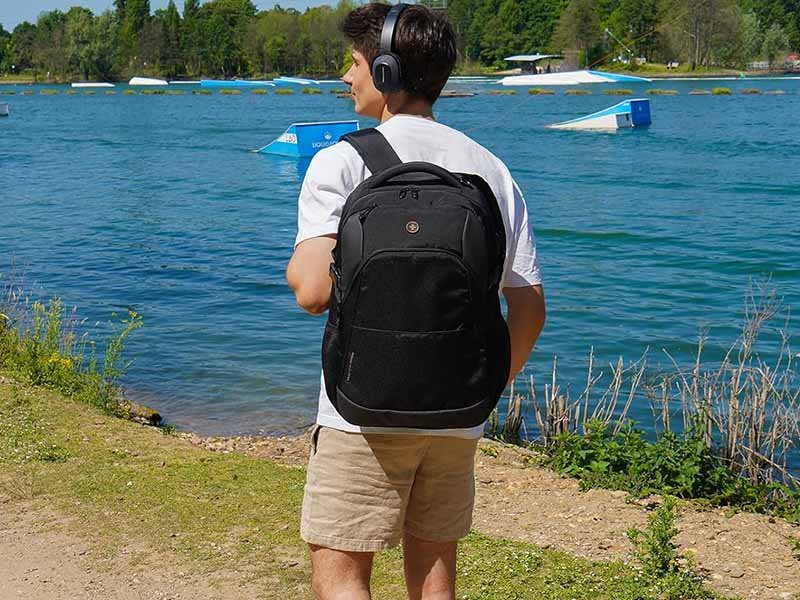
Backpacks have become more than just a convenient carrying solution; they are a vital part of daily life, outdoor adventures, and travel. Whether you’re a student, professional, hiker, or traveler, the right backpack can make a huge difference in your comfort and efficiency. Think about the difference between carrying textbooks in a school bag versus hiking gear in an outdoor pack — the specific design and features of each make them suited to their purpose.
Choosing the right backpack involves more than just picking a trendy design. It’s about understanding your needs and matching them with the features and specifications of the bag. This guide explores the different types of backpacks, helping you make an informed choice based on size, functionality, and design.
There are various types of backpacks: school, laptop, travel, hiking, tactical, and daypacks. Each is designed for specific purposes and includes features like durability, capacity, and comfort. Understanding these differences helps you select the right one for your lifestyle.
What Is a Backpack?
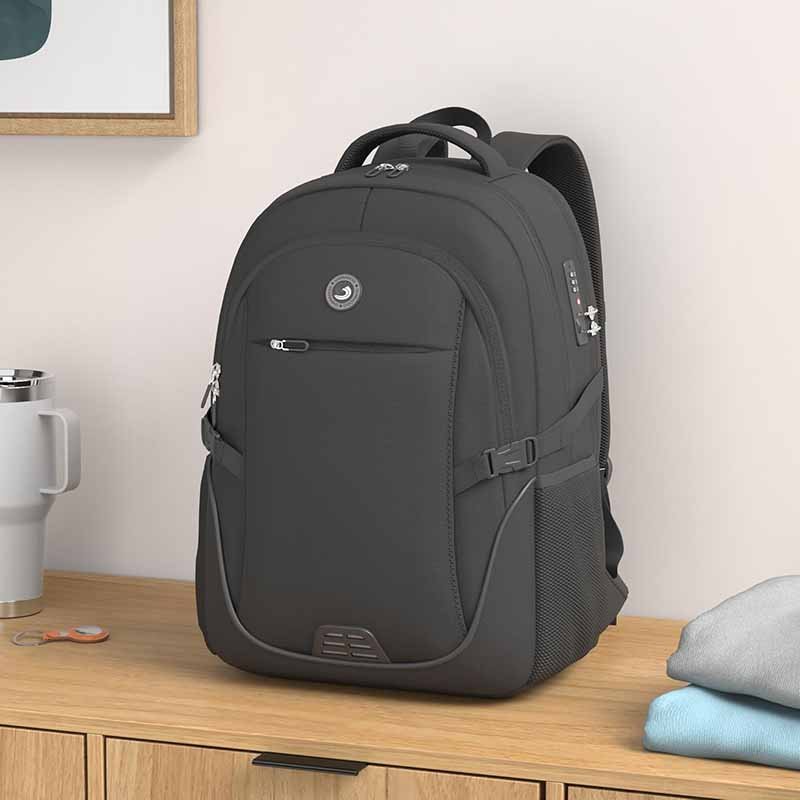
A backpack is a versatile and essential carrying tool designed to make transporting belongings easier and more efficient. Backpacks are typically worn on the back with two shoulder straps, distributing the weight evenly across your shoulders and back for comfort. While backpacks come in various shapes and sizes, they are generally designed for convenience, allowing users to carry a variety of items hands-free.
Backpacks are made from various materials, each chosen to match the intended purpose, whether it’s for school, work, hiking, or travel. They are ideal for anyone who needs to carry personal items regularly but wants a more ergonomic, durable, and organized way to do so.
What Are the Common Uses for a Backpack?
Backpacks are used for a wide range of purposes, and choosing the right one depends on how it will be used. Here are some of the most common uses:
- School: Backpacks are widely used by students to carry books, notebooks, and other educational materials. A school backpack needs to be spacious enough to carry all the essentials but also lightweight and comfortable for daily use.
- Work: Professionals often use backpacks to carry laptops, documents, and other office essentials. A work backpack is typically more compact than a school bag but includes additional compartments for tech devices and accessories.
- Travel: For long trips or weekend getaways, travel backpacks offer ample storage, comfort, and durability. They often feature a variety of compartments for clothes, toiletries, and electronics.
- Outdoor Activities: Hiking backpacks, tactical backpacks, and daypacks are used for carrying gear during outdoor adventures. These backpacks are designed to withstand the rigors of hiking, camping, and other outdoor activities.
Each type of backpack is designed with specific features to meet the demands of its intended use, ensuring comfort, organization, and durability.
What Are the Key Features of a Backpack?
When selecting a backpack, understanding the key features is crucial to ensuring that it meets your needs. Here are the most important factors to consider:
| Feature | Description |
|---|---|
| Capacity | The volume of space available inside the backpack. Measured in liters (L), it helps determine how much you can carry. School bags usually range from 15L-30L, while travel or hiking bags can go up to 70L+. |
| Compartments | Sections and pockets designed to organize items. A school backpack may have multiple small pockets for stationery, while a travel backpack may include a laptop compartment or mesh pockets for small items. |
| Material | The fabric or construction material of the backpack. Common materials include polyester, nylon, canvas, and leather. Waterproof or water-resistant materials are used in backpacks for outdoor and travel use. |
| Straps and Padding | Padded shoulder straps and back panels improve comfort. Adjustable straps help ensure a proper fit, especially for heavy loads or long durations. |
| Zippers and Closures | High-quality zippers are essential for durability. Water-resistant zippers or lockable zippers are commonly used in travel or tactical backpacks. |
| Weight | A lightweight design is essential for comfort, especially for daily use. Lighter materials like nylon are often used for school or daypacks, while more durable, heavier materials like canvas may be used for hiking backpacks. |
How Does a Backpack Work?
Backpacks are designed to distribute the weight of the items you’re carrying evenly across your body, making them easier to carry for long periods of time. Here’s how the different components of a backpack work together:
- Shoulder Straps: The shoulder straps are the primary means of supporting the weight of the backpack. Padded straps help to reduce strain on your shoulders, and some backpacks have adjustable straps to fit different body types.
- Back Panel: The back panel provides support and helps distribute the weight across the back. Some backpacks are designed with padded or ventilated back panels for additional comfort, reducing the pressure on the spine and improving airflow to avoid overheating.
- Hip Belt (for larger packs): Larger backpacks, like hiking or travel packs, often come with a hip belt to help transfer some of the weight to the hips, relieving pressure from the shoulders.
- Compression Straps: Compression straps are used to tighten the contents of the backpack, preventing the items from shifting inside and making the bag more compact and easier to carry.
A well-designed backpack minimizes discomfort while carrying, making it suitable for both short-term and long-term use. Features like adjustable straps, lightweight materials, and padded components all contribute to the overall comfort and functionality of the backpack.
How Are Backpacks Made?
The process of making a backpack typically involves several stages, including:
- Material Selection: The first step is choosing the right fabric. Manufacturers select materials based on the backpack’s intended use (e.g., waterproof materials for outdoor bags or more breathable fabrics for school bags).
- Cutting and Shaping: The fabric is cut to the appropriate size and shape for the backpack. This includes cutting the main panels, straps, and smaller components like zippers and pockets.
- Assembly: The cut fabric is sewn together using industrial machines. This involves attaching the straps, sewing the zippers, and adding any compartments or additional features like mesh pockets.
- Finishing: The final stage involves adding finishing touches like stitching, padding, and quality checks. Manufacturers ensure that all zippers, seams, and straps are securely attached and that the final product is free of defects.
What Are the Different Types of Backpacks?
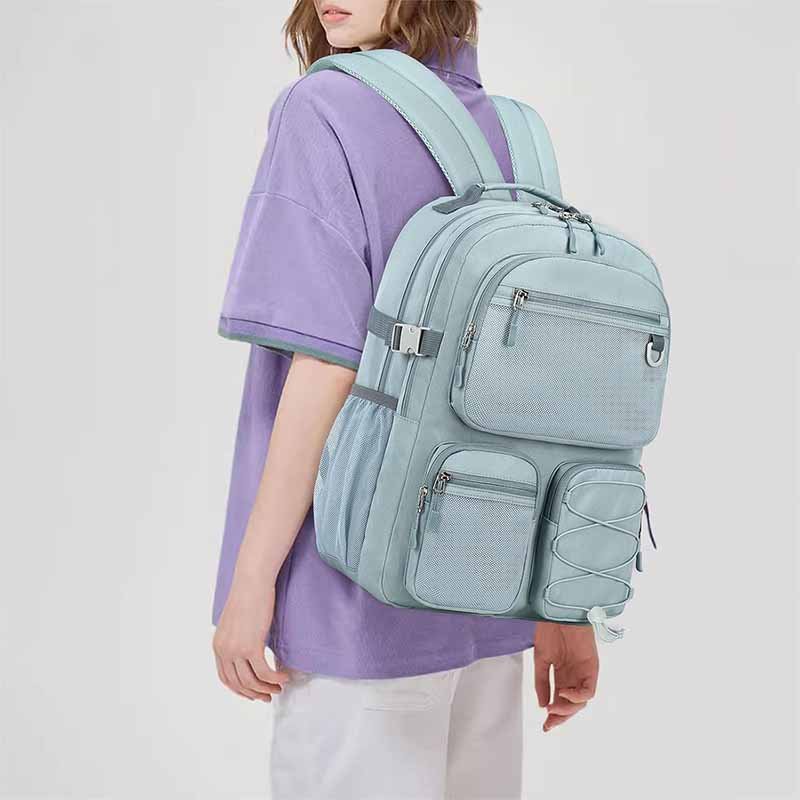
There are several types of backpacks, each suited to different activities. Whether you’re heading to school, work, a hiking trip, or on vacation, understanding the unique features of each backpack type will help you make an informed decision.
What Is a School Backpack?
School backpacks are designed primarily to carry books, notebooks, and stationery. These backpacks typically feature multiple compartments to organize items and provide extra comfort for carrying heavy loads. School bags vary in size depending on the student’s age and needs, with younger children often using smaller bags and older students requiring larger bags to fit textbooks and electronic devices.
| Feature | Description |
|---|---|
| Size | Ranges from 15L to 30L, depending on age and needs. |
| Compartments | Multiple sections, including a main compartment, side pockets, and internal organizers. |
| Material | Durable nylon or polyester designed to withstand daily wear and tear. |
| Comfort | Padded straps and ergonomic back panel for added support. |
When buying a school backpack, ensure that it has enough room for all of your child’s supplies, but also doesn’t compromise on comfort and durability.
What Is a Laptop Backpack?
Laptop backpacks are designed specifically for carrying laptops and their accessories, such as chargers, pens, and notebooks. These backpacks typically feature a dedicated, padded compartment to protect the laptop from shocks and bumps. They are also equipped with additional compartments to store daily essentials while providing comfort for the wearer during extended use.
| Feature | Description |
|---|---|
| Laptop Protection | A dedicated, padded compartment for laptop storage. |
| Organization | Extra pockets for accessories like chargers, cables, and notebooks. |
| Security | Zippers with anti-theft features, often with lockable compartments. |
| Comfort | Ergonomically designed straps to ensure comfort, especially for those who carry their laptop for long periods. |
Laptop backpacks are perfect for professionals, students, or anyone who frequently travels with their devices. The added compartments for organizing other essentials make them functional for daily use.
What Makes a Travel Backpack Different?
Travel backpacks are specifically designed for extended trips. They often have large main compartments, multiple internal and external pockets for organization, and features designed to make packing easier. Travel backpacks are typically larger and more durable than school or daypacks, with features such as padded shoulder straps, waist belts, and water-resistant materials.
| Feature | Description |
|---|---|
| Capacity | Typically ranges from 40L to 70L for extended trips. |
| Material | Water-resistant fabrics like nylon or polyester to withstand weather conditions. |
| Comfort | Padded straps and waist belts to distribute weight evenly. |
| Organization | Multiple compartments for clothes, toiletries, electronics, and accessories. |
Travel backpacks are ideal for people who need a versatile bag for both short and long-term travel. When choosing a travel backpack, ensure that it has adequate space and comfort features for long-term use.
What Is a Hiking Backpack?
Hiking backpacks are designed for outdoor activities and are made to withstand the rigors of the trail. These backpacks usually have adjustable straps, ventilation systems, and compartments to store gear such as water bottles, food, and first aid kits. Depending on the duration of the hike, hiking backpacks can range in size from small daypacks to large backpacks that can carry camping gear.
| Feature | Description |
|---|---|
| Capacity | Ranges from 20L to 60L, depending on hiking duration and gear. |
| Support | Adjustable, padded straps and waist belts for comfort. |
| Ventilation | Airflow back panels to reduce sweating and improve comfort. |
| Hydration System | Compatibility with hydration bladders for on-the-go water access. |
Hiking backpacks are built for comfort and efficiency on the trail. When purchasing, consider the length of your hikes and the amount of gear you need to carry.
What Is a Tactical Backpack?
Tactical backpacks are designed for high-performance use in military, law enforcement, or survival situations. These backpacks are typically made with heavy-duty materials, feature MOLLE (Modular Lightweight Load-carrying Equipment) systems, and have numerous compartments for carrying tactical equipment like first aid kits, ammunition, and survival gear.
| Feature | Description |
|---|---|
| Durability | Made from high-strength materials like 1000D nylon. |
| Organization | Multiple compartments and MOLLE webbing for attaching additional gear. |
| Customization | MOLLE system allows for customization with extra pouches and accessories. |
| Comfort | Padded straps and back panel for all-day carrying comfort. |
Tactical backpacks are highly functional for those who require rugged durability and organized storage in demanding environments.
What Is a Daypack and When Is It Used?
Daypacks are small, lightweight backpacks designed for short trips or daily use. These backpacks typically range in size from 10L to 20L and are used to carry essentials such as water, snacks, and a jacket. Daypacks are ideal for urban commuting, day hikes, or errands.
| Feature | Description |
|---|---|
| Size | Small and compact, usually 10L to 20L. |
| Lightweight | Designed for short trips and daily use. |
| Comfort | Simple straps and basic back panels for minimal carrying. |
| Versatility | Ideal for carrying everyday essentials, light hikes, or city use. |
Daypacks are perfect for those who need a simple, compact bag for carrying a few items while keeping hands free.
How Are Materials Selected for Different Types of Backpacks?
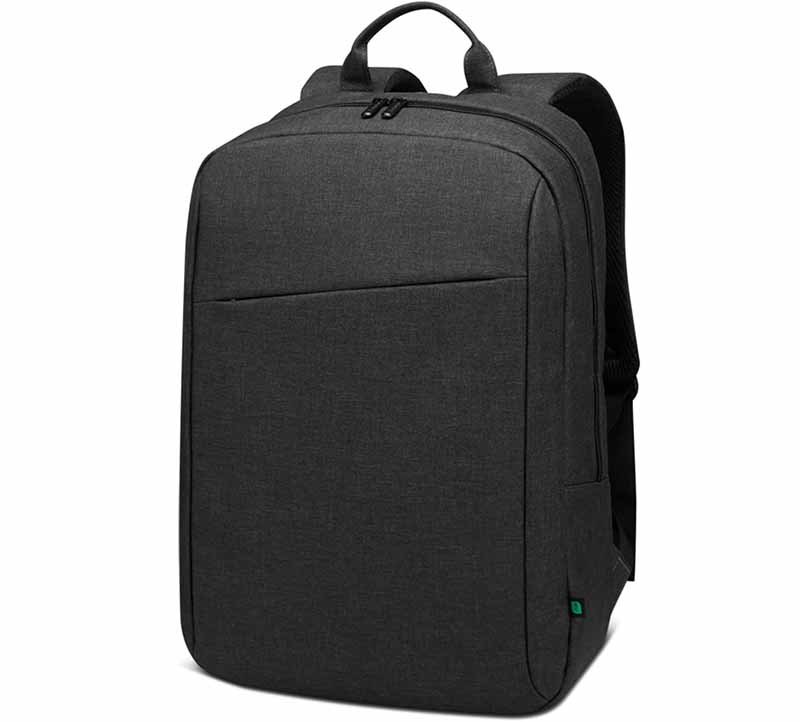
The material used in the construction of a backpack plays a critical role in its durability, functionality, and comfort. Whether you’re purchasing a school backpack, a hiking bag, or a laptop carrier, choosing the right material is key to ensuring it meets the specific needs of the user. Let’s break down the types of materials used for different backpacks and their benefits.
What Materials Are Used for School Backpacks?
School backpacks need to be durable yet lightweight enough for everyday use. Common materials include:
- Polyester: A popular choice for school backpacks due to its durability, water resistance, and ease of cleaning. Polyester also tends to be lightweight, making it suitable for students who need to carry books and other school supplies.
- Nylon: Stronger than polyester, nylon is often used for higher-end backpacks, providing resistance to abrasions and wear while maintaining a lightweight feel. It is also water-resistant but can be more expensive than polyester.
| Material | Key Features | Advantages |
|---|---|---|
| Polyester | Durable, water-resistant, lightweight. | Affordable, easy to clean, and widely available. |
| Nylon | Stronger than polyester, abrasion-resistant. | More durable, long-lasting, and lightweight. |
| Canvas | A thicker, natural fabric. | Eco-friendly and sturdy but heavier than synthetic materials. |
For school backpacks, a combination of polyester or nylon with a canvas option for added strength is often preferred.
What Materials Are Used for Laptop Backpacks?
Laptop backpacks require special attention to device protection. The primary focus is on ensuring that the laptop compartment is well-padded and cushioned to absorb shocks. Popular materials for laptop backpacks include:
- Nylon or Polyester with Padding: These materials are lightweight, water-resistant, and durable. Inside, additional padding, typically foam or EVA (Ethylene-Vinyl Acetate), ensures the laptop is secure and protected from impacts.
- Leather: Some high-end laptop backpacks incorporate leather, which provides a professional look while maintaining durability and structure. Leather backpacks often have padded inserts for laptops but are less common due to the cost.
| Material | Key Features | Advantages |
|---|---|---|
| Nylon/Polyester | Lightweight, water-resistant, durable. | Protection for devices, affordable, breathable. |
| Leather | High-quality, professional look, durable. | Stylish, long-lasting, and luxurious feel. |
| EVA Foam Padding | Soft, shock-absorbing material. | Ensures maximum protection for laptops. |
Laptop backpacks should have a structured build with a focus on comfort and convenience, especially for daily commuters or students.
What Materials Are Used for Travel Backpacks?
Travel backpacks need to balance durability with comfort and organization. Materials used for travel bags are selected to withstand wear and tear, while still being lightweight for long-distance travel. Common materials include:
- Ripstop Nylon: A lightweight but durable material that resists tearing and ripping. It is commonly used in travel backpacks due to its strength and water-resistant properties.
- Polyester: Known for its durability and water resistance, polyester is often used for travel backpacks, providing a balance between comfort and durability at an affordable price point.
- PVC Coating: Travel backpacks designed for rough weather conditions may have a PVC coating for enhanced water resistance and durability.
| Material | Key Features | Advantages |
|---|---|---|
| Ripstop Nylon | Lightweight, tear-resistant, water-resistant. | Strong, durable, and suitable for rough conditions. |
| Polyester | Affordable, water-resistant, durable. | Strong, lightweight, and available in various styles. |
| PVC Coated Fabric | Water-resistant and durable. | Protects contents from heavy rain and wear. |
For travel backpacks, the material choice should provide a balance between carrying capacity, water resistance, and long-term durability.
What Materials Are Used for Hiking Backpacks?
Hiking backpacks are designed to withstand the harshest outdoor environments. Materials used for hiking backpacks need to offer both durability and comfort. Some of the most popular materials include:
- Ripstop Nylon: Lightweight and tear-resistant, this material is commonly used for hiking backpacks. It resists tearing and ensures that backpacks can withstand the rough conditions of the outdoors.
- Canvas: Although heavier than synthetic fabrics, canvas is durable and provides a rugged, natural feel. It’s ideal for longer hiking trips where durability is prioritized.
- Waterproof Coatings: Many hiking backpacks are coated with waterproof materials to prevent water from entering, ensuring your gear stays dry.
| Material | Key Features | Advantages |
|---|---|---|
| Ripstop Nylon | Lightweight, tear-resistant, water-resistant. | Durable, ideal for rugged outdoor environments. |
| Canvas | Sturdy, thick material. | Heavy-duty, long-lasting, and eco-friendly. |
| Waterproof Coatings | Used to enhance fabric water resistance. | Keeps contents dry during unexpected rainfall. |
Hiking backpacks require specialized materials that provide a perfect balance between weight, protection, and durability.
What Materials Are Used for Tactical Backpacks?
Tactical backpacks are designed for extreme conditions and military use. They are built to handle tough environments and are equipped with MOLLE (Modular Lightweight Load-carrying Equipment) systems for modular gear attachment. Common materials include:
- 1000D Nylon: The most common fabric for tactical backpacks, offering incredible durability and resistance to abrasions, tears, and punctures.
- Cordura Fabric: Known for its exceptional durability and resistance to abrasions, Cordura is often used for tactical backpacks, providing added protection against wear.
- Heavy-duty Zippers and MOLLE Webbing: Tactical backpacks often feature heavy-duty zippers and webbing systems that allow users to attach extra gear as needed.
| Material | Key Features | Advantages |
|---|---|---|
| 1000D Nylon | Strong, abrasion-resistant, heavy-duty. | Ideal for military-grade durability. |
| Cordura Fabric | High resistance to wear and tear. | Durable, strong, and lightweight. |
| MOLLE System | Modular webbing for adding gear. | Highly customizable, perfect for tactical setups. |
Tactical backpacks are built to carry a heavy load and withstand harsh environments, making durability and functionality the highest priority.
How to Choose the Right Backpack for Your Needs?
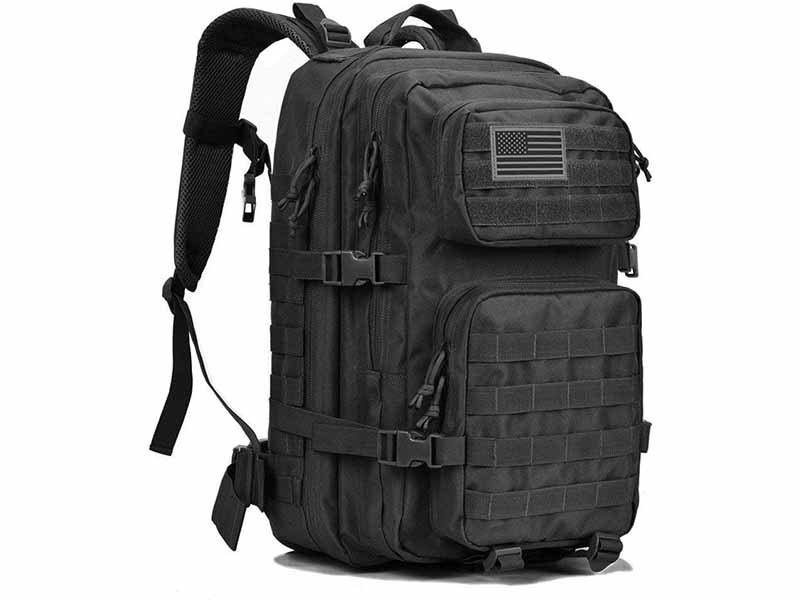
Choosing the right backpack goes beyond picking the one with the best look or the most compartments. The right backpack should fit your specific needs in terms of size, comfort, and functionality. Whether you’re a student, a traveler, a hiker, or someone who just needs to carry daily essentials, understanding the key factors that affect your backpack choice will help you make an informed decision.
Here are the most important factors to consider when selecting a backpack:
What Size Backpack Do You Need?
Size is one of the most important factors to consider when choosing a backpack. The size of your backpack directly affects how much you can carry, and it also impacts comfort. Here’s a quick guide to help you decide what size works best for your needs:
| Backpack Type | Typical Size | Capacity (Liters) | Best Use |
|---|---|---|---|
| School Backpack | Small to Medium | 15L – 30L | School supplies, books, and laptops. |
| Laptop Backpack | Medium | 15L – 25L | Laptop, electronics, office supplies. |
| Travel Backpack | Medium to Large | 40L – 70L | Clothes, toiletries, travel gear. |
| Hiking Backpack | Medium to Large | 20L – 60L | Outdoor gear, water, food, and extra clothing. |
| Daypack | Small | 10L – 20L | Light essentials for day trips. |
- School Backpacks: These are typically between 15L-30L. They need to be large enough to hold textbooks, notebooks, a laptop, and personal items, but not too large to cause strain.
- Laptop Backpacks: Usually range from 15L-25L. A laptop backpack needs just enough space for your laptop and accessories, plus a few other essentials.
- Travel Backpacks: These backpacks are designed for longer trips and typically have a capacity of 40L-70L to carry clothing, toiletries, and travel accessories. If you’re traveling for a few days or more, a medium to large backpack will suit your needs.
- Hiking Backpacks: A hiking backpack’s size can vary, but generally falls between 20L-60L, depending on the duration of your hike. A smaller pack is suitable for day hikes, while a larger one is needed for overnight treks.
- Daypacks: Daypacks are smaller (typically 10L-20L), and are ideal for carrying just the essentials, like water, snacks, and a light jacket. They are perfect for daily errands or short outdoor trips.
Which Material Works Best for Your Backpack?
Material choice plays a huge role in the durability, weather-resistance, and weight of your backpack. The material determines how well the backpack will withstand wear and tear, exposure to water, and how comfortable it will be to carry. Here are some common materials used for backpacks:
| Material | Key Features | Best Use |
|---|---|---|
| Nylon | Lightweight, water-resistant, durable. | Everyday use, travel, and laptop backpacks. |
| Polyester | Affordable, durable, easy to clean. | School backpacks, daypacks, and casual bags. |
| Canvas | Heavy-duty, breathable, natural material. | Casual, eco-friendly options for light use. |
| Cordura | Abrasion-resistant, durable, tough fabric. | Tactical, hiking, and military-grade backpacks. |
| Leather | Strong, long-lasting, luxurious. | Professional, high-end backpacks for work. |
- Nylon: Perfect for travel and daily use, nylon is lightweight and water-resistant. It’s an excellent choice for backpacks that need to withstand moderate exposure to the elements.
- Polyester: Generally more affordable and easy to maintain, polyester backpacks are perfect for school or casual use.
- Canvas: A classic material for backpacks, canvas is thicker and provides a more natural look. It’s durable but can be heavier than synthetic fabrics.
- Cordura: A high-performance fabric that is resistant to tears, abrasions, and scuffs. It is commonly used for tactical and outdoor backpacks due to its rugged durability.
- Leather: For a stylish, durable, and professional appearance, leather is often used for premium backpacks, although it requires more care than synthetic materials.
When choosing your backpack material, think about the conditions it will be exposed to. If you’ll be hiking in the rain, for example, a water-resistant nylon or Cordura backpack would be ideal. For a daily commute, polyester or canvas might work best.
What Comfort Features Should You Look for?
Comfort is key, especially for backpacks used for daily commuting, hiking, or travel. The right comfort features can make a huge difference, particularly if you’re carrying heavy items for long periods of time. Here are the key comfort features to consider:
- Padded Shoulder Straps: These are essential for reducing shoulder strain and providing comfort when carrying heavy loads. Look for wide, thickly padded straps that won’t dig into your shoulders.
- Back Panel Padding: A padded back panel adds extra comfort and support, particularly for larger backpacks. It can also help with ventilation, reducing sweat and heat buildup during long walks or hikes.
- Waist and Chest Straps: These straps help distribute the weight of the backpack evenly across your body, especially in larger backpacks. They’re especially important for hiking or travel backpacks, where the weight may be higher.
- Airflow Back System: Many outdoor and hiking backpacks come with mesh or ventilated back panels, which help promote airflow, keeping your back cooler and more comfortable.
| Feature | Importance | Best For |
|---|---|---|
| Padded Shoulder Straps | Reduces shoulder strain, increases comfort. | All backpacks, especially those for heavy loads. |
| Back Panel Padding | Offers support and comfort, keeps pack from rubbing against back. | Large and hiking backpacks. |
| Waist/Chest Straps | Helps distribute weight evenly across the body. | Hiking and travel backpacks. |
| Airflow Back System | Keeps your back cool and dry by promoting airflow. | Hiking backpacks and large travel bags. |
Comfort features such as padded straps, back panels, and waist belts can significantly improve your experience, whether you’re using the backpack for school, hiking, or daily commuting.
How to Choose Between a Large or Small Backpack?
Choosing the right backpack size is all about balance. A bag that’s too small won’t be able to carry everything you need, while one that’s too large may cause discomfort or make it difficult to access your essentials.
- Small Backpacks (10L-20L): These are perfect for light daily use, such as carrying your phone, keys, and a few personal items. Daypacks and small school backpacks fall into this category.
- Medium Backpacks (20L-40L): Great for carrying laptops, books, or extra clothing, these bags are perfect for students or commuters who need a bit more space.
- Large Backpacks (40L-70L): Ideal for travel, hiking, or extended outdoor trips, large backpacks provide plenty of room for clothes, gear, and other necessities. They typically include organizational features and compartments to keep everything in place.
| Backpack Size | Suitable For | Features |
|---|---|---|
| 10L-20L | Day trips, everyday essentials. | Compact and lightweight. |
| 20L-40L | School, commuting, short trips. | Moderate capacity with compartments. |
| 40L-70L | Travel, hiking, long trips. | Large capacity with organization. |
When selecting the size of your backpack, think about how much space you truly need and whether you will be carrying it for extended periods. A medium-sized backpack is ideal for daily use, while larger bags are better for travel or hiking.
Conclusion: Inquire for Custom Backpacks from Szoneier Today
At Szoneier, we offer a wide variety of custom backpacks tailored to meet your specific needs. Whether you need a school backpack, hiking pack, laptop carrier, or tactical bag, our team specializes in creating durable, high-quality backpacks that meet your exact specifications. We provide fast prototyping, low minimum order quantities, and a range of customizable options, from materials to branding. Contact us now for your custom backpack needs and enjoy personalized design and quick turnaround.