Skip to content

Cooler bags are essential for keeping food and drinks cold, especially during outdoor trips, grocery shopping, or beach outings. However, a common challenge is dealing with odor build-up inside the bag, which is often caused by trapped moisture, food spills, or bacteria. Without proper design and maintenance, these odors can become persistent, making the bag unpleasant to use.
The best way to prevent smell in cooler bags is through moisture control, selecting the right materials, and ensuring that the structure of the bag encourages proper ventilation and easy cleaning. With the right attention to detail, your cooler bag can stay fresh and odor-free.
When designing a cooler bag, consider every element from fabric choices to structural design. Below, we’ll explore how to ensure your cooler bag not only keeps items cool but also remains odor-free for a long time.
What Causes Smell in Cooler Bags?
Smell in cooler bags is primarily caused by moisture. Dampness from melted ice, food spills, or sweat-soaked clothes creates a perfect breeding ground for bacteria and mold, which leads to unpleasant odors. Foods with high oil or moisture content also contribute to the issue if not cleaned properly.
Why Moisture Leads to Odor
Moisture is the number one cause of smell in cooler bags. When liquid, such as melted ice, spilled drinks, or wet clothing, makes contact with the bag’s fabric and insulation, it can easily seep into the materials. Once moisture is trapped, it creates an ideal environment for bacteria, mold, and mildew to develop, releasing foul odors over time.
| Moisture Source | How It Contributes to Odor |
|---|---|
| Melted Ice | Water from ice packs soaks into the insulation, encouraging bacteria growth. |
| Food Spills | Liquids like oils, juices, and sauces get absorbed into the fabric, leaving behind strong smells. |
| Sweaty Clothes | Moisture from damp clothing can seep into the bag’s interior, allowing mold to form. |
How Moisture Creates a Perfect Environment for Bacteria
Bacteria thrive in warm, moist environments, and cooler bags are no exception. Once moisture seeps into the fabric or insulation, it can linger for days, especially if the cooler bag is stored in a warm environment like a car. Over time, this moisture breaks down food particles and oils, creating a breeding ground for odor-causing bacteria.
Key Takeaway: Proper moisture control is critical in preventing odors. Ensure your cooler bag’s materials are water-resistant, and consider adding features like ventilation openings to allow excess moisture to escape.
What Foods or Bacteria Contribute Most to Smell?
Some foods are more likely to contribute to odor build-up in cooler bags than others. Protein-rich foods like meat, fish, and dairy products tend to spoil quickly when exposed to moisture, leaving behind strong, lingering odors. These foods also contain oils and fats that seep into the fabric of the bag, making it harder to remove smells.
| Food Type | Contribution to Odor |
|---|---|
| Fish | Releases oils that quickly degrade, causing an overpowering smell. |
| Meat | Contains fat that breaks down, attracting bacteria and mold. |
| Dairy | Dairy products like milk or cheese can sour and leave an unpleasant odor. |
| Oily Foods | Foods like fried items or salads with dressings leave greasy residues that lead to persistent smells. |
How Certain Foods Promote Odor Build-Up
Oily and protein-rich foods, when stored in moist conditions, promote the growth of bacteria. Fish and meats are especially problematic because of their strong natural smells and the oils they release. When these foods spill, they create bacterial hotspots that are hard to clean and can lead to persistent odor even after washing.
To reduce odor, it’s essential to store these items in separate compartments within the cooler bag and clean up immediately if spills occur.
Which Materials Help Prevent Odors?
Choosing the right materials is essential in preventing the growth of bacteria and mold inside cooler bags. Materials like antimicrobial fabrics and moisture-wicking linings can block bacteria and keep odors at bay. Here’s a breakdown of some materials commonly used in cooler bags:
| Material | Benefits | Considerations |
|---|---|---|
| Neoprene | Water-resistant, antimicrobial, flexible | Heavier than other materials, may be more costly |
| Polyester | Affordable, durable, customizable, moisture-resistant | Requires antimicrobial coating to be effective |
| PVC | Waterproof, durable, and easy to clean | Can be rigid, less breathable |
| TPU | Flexible, oil and water-resistant, durable | Tends to be heavier than some alternatives |
Are Antimicrobial Fabrics Effective?
Antimicrobial fabrics are highly effective in preventing odors by inhibiting the growth of bacteria, mold, and mildew. Fabrics like neoprene are naturally antimicrobial, meaning they resist bacterial growth and help keep the cooler bag fresh. However, some materials, like polyester, require antimicrobial treatments to achieve the same effect.
Key Insight: Using antimicrobial-treated polyester or neoprene as a liner or outer layer can significantly reduce the chances of bacteria growth inside the cooler bag.
How Antimicrobial Fabrics Help Prevent Smells
Neoprene and polyester with antimicrobial treatments are effective at blocking bacterial growth, which is crucial in preventing odor build-up. Bacteria often thrive in moist, nutrient-rich environments like those found in cooler bags, especially when they come into contact with food residues. Antimicrobial treatments make the fabric resistant to bacteria, ensuring a fresher, odor-free experience.
Additionally, antimicrobial fabrics are easy to clean and prevent the build-up of grease or food particles, making them perfect for cooler bags used regularly for food storage.
Which Insulation Types Block Smell Best?
The insulation material plays a major role in preventing odor in cooler bags. Some insulation materials are better at resisting moisture, which prevents the conditions that lead to bacteria and mold growth.
| Insulation Material | Benefits | Considerations |
|---|---|---|
| Closed-Cell Foam | Excellent moisture barrier, keeps the bag cold for long periods | Heavier, bulkier, but ideal for insulation and odor control |
| EVA Foam | Lightweight, moisture-resistant, flexible | Can lose some effectiveness over time with wear |
| Polyethylene (PE) | Durable and effective at blocking moisture | Can be less flexible than other options |
How Insulation Impacts Smell Control
Closed-cell foam insulation is a strong moisture barrier, preventing water from seeping into the fabric and reducing the risk of odor build-up. This type of insulation helps maintain cold temperatures for extended periods while keeping moisture out, which is vital for keeping food fresh and preventing bacteria growth. EVA foam, although lighter, is less effective at blocking moisture for the long term and can compress over time.
How to Structure an Odor-Resistant Cooler Bag
Creating a cooler bag that remains odor-free is not just about the materials or features, but also how you structure the bag. The design elements, including internal layouts, ventilation, and sealing mechanisms, play an important role in moisture management, which ultimately determines whether or not odors build up. Let’s explore the specific structural features that help prevent odor and improve the functionality of your cooler bag.
What Internal Layouts Matter for Odor Prevention?
The internal layout of a cooler bag is vital for preventing odor build-up. A well-structured bag keeps moisture from pooling in one spot, which would otherwise provide the perfect environment for bacteria to grow. Dividing the bag into separate compartments is a smart design choice, as it allows you to store different items separately, reducing cross-contamination of moisture and odor.
Key Design Features:
Multiple Compartments for Separation:
Divide the cooler bag into sections to store moist or leaky items (like drinks, meats, or sauces) away from dry foods or clothing. This helps contain any potential spills or leaks, preventing them from spreading and affecting other areas.
Feature Benefit Separate Compartments Prevents liquids from mixing with other items, reducing cross-contamination of odors. Waterproof Liners Ensures that any leaks don’t seep into the insulation or fabric. Waterproof Sections for Liquids:
Certain sections, like the bottom or sides, should be waterproof to prevent any liquids from seeping into the insulation and causing odors. Waterproof zippers and seams can ensure that any leaks from food or beverages are contained and don’t affect the entire bag’s interior.
Accessibility and Ease of Cleaning:
For compartments that might hold wet or oily items, make sure they are easily accessible for cleaning. Removable liners or seamless interior designs allow users to quickly wipe away any residue before it has a chance to build up and cause odors.
By focusing on separating moist items and incorporating easy-to-clean compartments, the internal layout reduces the chances of lingering odors.
How Seams & Zippers Affect Smell Control
The seams and zippers of a cooler bag are not just about sealing it tightly; they also play a role in preventing odor build-up by keeping moisture out and preventing leaks. Waterproof zippers and sealed seams are two critical elements that help maintain a moisture-free environment inside the bag, ensuring that food and liquids don’t lead to unpleasant smells.
Key Design Features:
Waterproof Zippers:
Zippers are the most vulnerable part of a cooler bag. They can often be the point where moisture leaks out, allowing bacteria and mold to thrive. Waterproof zippers prevent spills and moisture from escaping into the insulation or the outer layers of the cooler bag.
Feature Benefit Waterproof Zippers Ensure that moisture doesn’t escape into the bag’s insulation or fabric. Reinforced Zipper Seals Provide an added layer of protection, keeping liquids contained. Sealed Seams:
Just like the zippers, seams need to be properly sealed to avoid leakage. Seam sealing is an important aspect of the bag’s design. It ensures that no moisture or liquid seeps through any tiny gaps between fabric sections. This is particularly critical for keeping bacteria at bay, as moisture trapped in seams can cause unpleasant odors.
Tight, Durable Zippers:
Use high-quality, durable zippers that don’t wear out after frequent use. Zippers that lose their sealing ability over time can let moisture escape, which can lead to odor build-up inside the bag. Ensuring that zippers are secure and functional is key to preventing the bag from becoming a breeding ground for bacteria.
By incorporating waterproof zippers and sealed seams, the cooler bag remains fully enclosed, keeping moisture out and freshness in.
How Internal Ventilation Affects Odor Control
While the primary function of a cooler bag is to keep items cold, it’s just as important to prevent moisture build-up. Internal ventilation is a crucial feature that allows any excess moisture inside the cooler bag to escape. Without proper ventilation, moisture can be trapped inside, leading to mold, mildew, and bacterial growth.
Key Design Features:
Mesh Panels for Airflow:
Incorporating breathable mesh panels into the bag’s structure allows air to circulate inside. This helps moisture evaporate more quickly, preventing it from lingering long enough to cause odors. A mesh pocket or ventilated section ensures that air can freely move through the bag, speeding up the drying process.
Feature Benefit Breathable Mesh Panels Improve airflow, reduce moisture accumulation, and prevent bacterial growth. Ventilation Zippers Allow air to escape when the bag is closed, helping to reduce moisture buildup. Ventilation Zippers:
Ventilation zippers are another option for improving airflow. These zippers provide a controlled method for air to escape without allowing external contaminants (such as dirt or rain) to enter the bag. They’re a particularly good choice if the cooler bag is used for long periods, as they help maintain a dry, odor-free environment.
Moisture-Wicking Interior:
Incorporating moisture-wicking materials into the bag’s interior lining also helps absorb and pull moisture away from the surface. This prevents it from staying inside the cooler bag, reducing the chances of odor-causing bacteria from growing.
The inclusion of mesh panels, ventilation zippers, and moisture-wicking materials in the design ensures that excess moisture is vented away, keeping the interior dry and odor-free.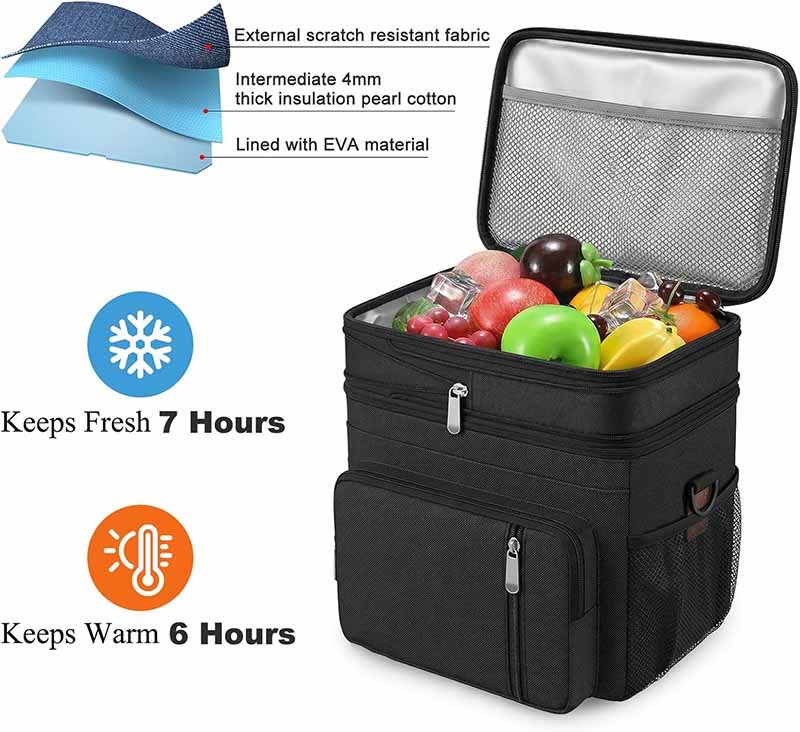
Do Add-Ons and Features Reduce Smell?
In addition to material selection and structural design, add-ons and special features in cooler bags can significantly enhance odor prevention. Removable liners, odor-absorbing pouches, and ventilation zippers help keep the interior fresh and free from unwanted smells. These features ensure that your cooler bag not only performs well in terms of keeping items cold but also stays odor-free, even after multiple uses.
Features like removable liners, ventilation zippers, and odor-absorbing pouches can help prevent odors by promoting airflow and providing a way to remove excess moisture.
Are Removable Liners Useful for Odor Control?
Removable liners are highly effective in maintaining an odor-free cooler bag. These liners can be easily removed and washed, which helps remove food residue, moisture, or spilled liquids that could lead to unpleasant smells. By having a removable liner, you don’t need to worry about trapped moisture or bacteria inside the main body of the cooler bag.
| Feature | Benefit |
|---|---|
| Removable Liners | Easy to clean and replace; helps prevent odors from lingering |
| Built-in Cleaning | Direct access to internal compartments for quick wash and dry |
| Eco-friendly | Reduces the need for harsh cleaning products and minimizes odors naturally |
How Removable Liners Help Prevent Smell
When you store items in a cooler bag, especially wet or oily items, the risk of odors increases. Removable liners allow you to wash away any food particles or liquid spills, preventing them from soaking into the main fabric of the bag. Cleaning the liner after each use ensures that no bacteria, mold, or mildew have the chance to form.
For added convenience, liners made from antimicrobial materials can further help in reducing the build-up of bacteria inside the bag, promoting a cleaner, fresher experience every time the cooler is used.
What Ventilation or Drainage Features Help?
Ventilation features such as breathable mesh panels or ventilation zippers can significantly reduce moisture retention within the cooler bag. These features allow excess moisture to escape, preventing bacteria and mold from forming. Drainage holes in cooler bags help to get rid of water that could otherwise accumulate at the bottom, further improving odor prevention.
| Feature | Benefit |
|---|---|
| Ventilation Zippers | Help moisture escape while maintaining insulation and temperature |
| Drainage Holes | Prevent stagnant water from accumulating at the bottom of the bag |
| Breathable Mesh Panels | Allow air to circulate inside, preventing mold and mildew |
How Ventilation Helps Prevent Odor Build-Up
The key to keeping a cooler bag odor-free is allowing moisture to escape quickly. Ventilation zippers and mesh panels improve airflow within the cooler bag. As moisture evaporates, it prevents the conditions in which bacteria and mold thrive. Similarly, drainage holes help moisture escape, preventing water from pooling at the bottom of the bag, where bacteria can build up.
These features also ensure that the cooler bag’s insulation and cooling efficiency are not compromised, as they provide effective moisture management without sacrificing performance.
How to Clean & Maintain Odor-Free Performance
Regular cleaning and proper maintenance are critical for ensuring your cooler bag remains odor-free. Whether it’s removing moisture or cleaning food spills, maintaining a clean interior is vital for a long-lasting, fresh experience.
To keep your cooler bag odor-free, you should clean it after every use, ensuring it is fully dried before storage. Use mild soap and warm water to remove any residues, and ensure proper drying to prevent moisture build-up.
What Cleaning Methods Work Best?
When it comes to cleaning your cooler bag, it’s important to use non-abrasive methods to avoid damaging the materials. Here’s how to maintain a fresh cooler bag:
- Wipe Down: After each use, wipe the interior with warm water and mild soap. Avoid using harsh chemicals that can damage the fabric or insulation.
- Clean Removable Liners: If your cooler bag has a removable liner, take it out and wash it thoroughly with mild detergent to eliminate food particles, liquids, and odors.
- Dry Completely: Allow your cooler bag to air dry in a well-ventilated area. This step is crucial, as moisture left inside can lead to the growth of bacteria and mold.
| Cleaning Step | Benefit |
|---|---|
| Wipe Down | Removes food particles, liquid, and bacteria |
| Liner Cleaning | Ensures the bag’s interior is fresh and odor-free |
| Proper Drying | Prevents moisture build-up and bacterial growth |
How Cleaning Methods Prevent Odors
Cleaning your cooler bag regularly prevents food particles, oils, and liquid residues from lingering. By wiping down the interior after each use and washing removable liners, you can prevent smells from setting in. It’s also important to dry the bag thoroughly, as moisture is one of the leading causes of bacterial growth.
By maintaining this cleaning routine, you prevent the development of smells and ensure your cooler bag stays in top condition for future use.
How Often Should Users Clean Their Cooler Bags?
Ideally, you should clean your cooler bag after every use, especially if it was used to store food, drinks, or damp clothing. This routine ensures that any moisture, food spills, or bacteria are promptly addressed. If the cooler bag has been used for longer trips or extended storage, a more thorough cleaning may be necessary.
For optimal maintenance:
- Clean immediately after use to remove any spills.
- Dry the interior to ensure no moisture is left behind.
- Periodically, wash the removable liner or wipe down the entire bag to ensure the bag remains odor-free.
What User Mistakes Cause Smell Build-Up?
Even the best-designed cooler bags can develop odors if users don’t follow the proper maintenance guidelines. Below are some common user mistakes that contribute to odor build-up:
User mistakes such as failing to clean the bag after each use, leaving food in the bag too long, or improperly storing the cooler bag can all contribute to odor problems.
Do Common Habits Worsen Odor?
Some habits that exacerbate odor build-up in cooler bags include:
- Not Cleaning After Each Use: Leaving food or liquid residues inside the bag can cause bacteria to grow.
- Leaving Food in the Bag for Extended Periods: Foods that remain in the cooler bag for too long can decay, releasing unpleasant smells.
- Improper Storage: Storing a cooler bag while it’s still damp or not allowing it to air out can lead to trapped moisture, which fosters bacterial growth.
How User Habits Impact Odor
Leaving wet or damp items in the cooler for extended periods, or not cleaning the bag immediately after use, leads to moisture accumulation, which promotes bacterial growth. Similarly, storing the bag in an unventilated space encourages mold and mildew to form, increasing the likelihood of persistent odors.
By creating a habit of regular cleaning and proper storage, users can keep their cooler bags in top condition, free from odors.
How to Avoid Typical User Errors
Avoid these common mistakes to keep your cooler bag odor-free:
- Clean the Bag Immediately: After each use, wipe down the interior and remove any liquid spills.
- Store in a Dry Place: Avoid leaving your cooler bag in a damp, warm environment. Store it in a cool, dry place where air can circulate.
- Don’t Leave Food in the Bag: Once your trip is over, remove any food or drink. Don’t let it sit inside for too long, as it will start to spoil.
Are There Eco-Friendly Ways to Prevent Smell?
For those looking to keep their cooler bags fresh while being environmentally conscious, there are several eco-friendly options available. Using natural additives and reusable odor absorbers can help maintain freshness without relying on harsh chemicals.
Activated charcoal and silica gel are excellent natural options for absorbing moisture and odors, and using eco-friendly pouches can help keep your cooler bag fresh while being sustainable.
What Natural Additives Help?
Activated charcoal and bamboo charcoal bags are excellent natural additives for odor control. These eco-friendly pouches absorb moisture and neutralize odors by drawing out excess moisture from the cooler bag. Additionally, baking soda can be sprinkled inside the bag to absorb smells.
| Additive | Benefit |
|---|---|
| Activated Charcoal | Absorbs moisture and neutralizes odors naturally |
| Bamboo Charcoal | Sustainable, eco-friendly option for moisture and odor absorption |
| Baking Soda | Naturally neutralizes odors and moisture |
How Reusable Odor Absorbers Help
Reusable odor absorbers like activated charcoal pouches can be placed inside the cooler bag to maintain freshness. These pouches not only absorb odors but also reduce moisture levels inside the bag, preventing bacteria growth. They are an eco-friendly alternative to chemical air fresheners and provide long-lasting odor control.
Conclusion: Ready to Design Your Custom Cooler Bags?
Designing a cooler bag that prevents smell build-up requires attention to detail in materials, structure, and maintenance. By selecting antimicrobial fabrics, incorporating features like removable liners and ventilation zippers, and maintaining a cleaning routine, you can create a cooler bag that stays fresh for longer.
Szoneier offers customized cooler bags with high-quality materials and eco-friendly features, tailored to your brand’s needs. Ready to design your custom odor-free cooler bags? Contact us today for inquiries, and let us help bring your product ideas to life!