Skip to content

When investing in a high-quality travel bag, durability is essential. Your bag should be able to withstand not only the wear and tear of frequent travel but also protect your belongings in a variety of situations—from bumpy airport transfers to being tossed around in the trunk of a taxi. The key to ensuring your bag stands the test of time lies in its reinforcement zones—the strategic areas designed to provide extra strength and protection.
What are reinforcement zones and why do they matter? Reinforcement zones are specific sections of a travel bag that have been designed to handle heavy use, weight, and external pressures. By reinforcing the right areas, manufacturers ensure the bag can withstand the stresses of travel without breaking down prematurely. These zones enhance the overall durability of the bag, protecting not only the bag itself but also the contents inside.
Understanding which zones need reinforcement and how these areas contribute to the bag’s performance is crucial when selecting a travel bag. In this guide, we’ll delve into the importance of these zones, the materials commonly used, and how they contribute to the longevity of your travel bag.
What Makes a Travel Bag Truly Durable?
Durability in travel bags is influenced by more than just the materials used; it’s about how well those materials and construction techniques come together to withstand constant stress, frequent handling, and unpredictable conditions.
What Materials Contribute to Long-Lasting Travel Bags?
When it comes to durable travel bags, the right choice of materials can make all the difference. Travel bags are exposed to a variety of harsh conditions, including abrasion, moisture, and temperature fluctuations. Some of the most reliable materials for durability include:
| Material | Key Properties | Typical Applications |
|---|---|---|
| 600D Polyester | Abrasion-resistant, water-resistant, flexible | Backpacks, duffel bags, carry-ons |
| 1680D Nylon | High tensile strength, durable, tear-resistant | Luggage, backpacks, laptop bags |
| TPU Coated Fabrics | Water-resistant, flexible, high resistance to punctures and abrasions | Bag bottoms, wet bags, sport bags |
| PVC Coated Fabrics | Durable, waterproof, resistant to fading and wear | Travel bags, duffels, and tote bags |
These materials offer excellent protection against wear, and when combined with reinforcement techniques, they significantly extend the life of the bag.
What Construction Features Prevent Early Wear and Tear?
Travel bags often face significant stress, especially when they are tossed, dragged, or overloaded. The key to a long-lasting travel bag lies in its construction techniques. These include:
- Double-stitched seams: More durable than single-stitch seams, they provide added strength, preventing the bag from falling apart under pressure.
- Reinforced stitching: Key areas such as handles, zippers, and straps are reinforced with additional layers of stitching to handle heavy use.
- Welded seams: These are sealed, rather than stitched, to prevent water from entering and to improve durability.
Additionally, using high-quality zippers with reinforced teeth can prevent malfunctioning, which is often one of the first signs of wear in travel bags.
How Do Reinforcement Zones Affect Overall Strength?
Reinforcement zones in a travel bag are specifically designed to address areas that are most likely to undergo stress or strain. By strengthening these zones, manufacturers ensure that the bag maintains its integrity for a longer period. These critical areas include:
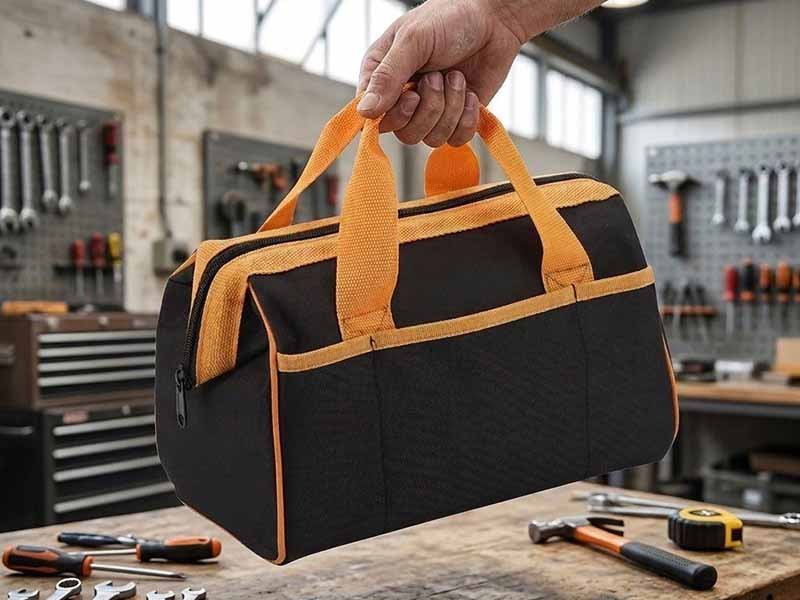
- Base: Supports the weight of the packed items, preventing the bag from sagging or tearing.
- Straps and handles: Endure the force of carrying heavy loads, making these areas prone to stress.
- Corners and edges: Experience frequent impacts and abrasions, making them vulnerable to damage.
By incorporating extra layers of fabric, padding, or even metal reinforcements in these zones, travel bags can stand up to rough handling, ensuring they don’t wear out prematurely.
Which Reinforcement Zones Are Essential in Travel Bags?

Reinforcement zones are the areas within a travel bag that bear the most strain during use. Whether you’re navigating through crowded airports, carrying heavy loads, or dragging your bag across rough terrain, the bag needs to withstand various challenges. Knowing which reinforcement zones are essential will help you choose a travel bag that lasts longer, performs better, and ensures comfort.
Why Are Base Reinforcement Zones Important?
The base of a travel bag is one of the most critical reinforcement zones. Whether the bag is sitting on the ground, being thrown into a trunk, or carrying heavy items, the base absorbs the most stress. A well-reinforced base prevents the bag from losing its shape, helps distribute weight evenly, and guards against abrasion from hard surfaces.
For this zone, manufacturers typically use high-density foam, rubber, or TPU-coated fabrics to create a robust foundation. These materials are not only durable but also help provide added protection from punctures and friction, which is essential for long-term use.
Base Reinforcement Materials:
| Material | Benefits | Common Applications |
|---|---|---|
| TPU-Coated Fabrics | Waterproof, abrasion-resistant, flexible | Base of travel bags, wet bags, sports bags |
| High-Density Foam | Shock absorption, enhances shape retention | Base of backpacks, duffels, and overnight bags |
| Rubber Reinforcement | Excellent protection against impacts, highly durable | Hard-bottomed duffels, hiking bags, gear bags |
When selecting a travel bag, ensure that the base reinforcement is strong enough to handle the wear and tear of being placed on various surfaces, including gravel, dirt, or concrete. Without proper reinforcement, the base may begin to sag or wear down over time, diminishing the bag’s functionality and appearance.
Are Handle and Strap Reinforcements Necessary?
Handles and straps are the most commonly used components of a travel bag, yet they also face the most stress. When you lift a heavy bag, the handles bear the weight. Similarly, shoulder straps carry the load when worn on your back. Without reinforcement, these areas can quickly show signs of wear or break entirely.
Handle and Strap Reinforcements:
Handles and straps should be reinforced with heavy-duty nylon webbing, metal hardware, and padding for comfort. The padding helps distribute the weight more evenly, reducing the strain on your shoulders, wrists, and hands.
For example, wide straps on backpacks or duffels help distribute weight evenly, reducing pressure on specific points of the body. Padded shoulder straps provide much-needed comfort for travelers who carry heavy gear for long periods.
Key Reinforcements in Handles and Straps:
| Component | Reinforcement Techniques | Benefits |
|---|---|---|
| Handles | Reinforced stitching, double-layer webbing, metal hardware | Enhanced strength, prevents tearing, better load support |
| Shoulder Straps | Padded straps, ergonomic design, webbing reinforcement | Provides comfort, reduces pressure, ensures durability |
| Metal Hardware | D-rings, buckles, clasps | Adds strength to straps, prevents wear and damage |
The addition of metal hardware ensures that the straps won’t detach from the bag, especially under heavy loads. Reinforced stitching at the attachment points of handles and straps can also prevent rips and tears, which are common when bags are overloaded.
How Does Corner Padding Improve Durability?
Corners are frequently exposed to impact and friction. Whether you’re placing the bag on a rough surface or dragging it along the ground, the corners take the brunt of the damage. By reinforcing these areas with additional padding or rubber corners, manufacturers prevent the fabric from ripping or deteriorating quickly.
Reinforced corners help maintain the bag’s shape and appearance, ensuring that it doesn’t become misshapen after heavy use. These zones are especially important for bags that are constantly subjected to external force, like backpacks, totes, and rolling luggage.
Corner Reinforcement Options:
| Material | Benefits | Common Applications |
|---|---|---|
| Rubber Corners | Impact resistance, flexible, durable | Duffels, travel backpacks, gear bags |
| Leather Corners | Stylish, long-lasting, and resistant to abrasions | High-end luggage, executive bags, luxury backpacks |
| TPU Corners | Durable, abrasion-resistant, water-resistant | Outdoor bags, travel duffels, hiking packs |
Choosing a bag with corner reinforcements made from rubber or TPU will ensure that your bag holds up well even when subjected to frequent impacts and rough handling. These corner reinforcements also improve the overall strength and lifespan of the bag.
Why Are Reinforced Zippers Critical?
Zippers are often the first component of a bag to fail, especially under heavy use. To prevent zippers from breaking or failing, look for bags that feature reinforced zippers with metal teeth, water-resistant coatings, and double zippers.
Zipper reinforcement also extends to the zipper closure mechanism itself. A double zipper design makes it easier to open and close the bag while adding durability at the stress point. Water-resistant zippers are particularly useful in bags intended for outdoor or travel use, ensuring that your belongings stay dry during unexpected weather.
Zipper Reinforcement Features:
| Feature | Benefits | Applications |
|---|---|---|
| Double Zippers | Prevents zipper failure, improves accessibility | Luggage, backpacks, duffels |
| Metal Zipper Teeth | Highly durable, withstands repeated use | Business travel bags, rolling luggage, backpacks |
| Waterproof Zippers | Keeps contents dry during rainy conditions | Outdoor bags, hiking packs, wet bags |
Having reinforced zippers ensures that your bag remains securely closed, even under heavy loading or while traveling in rainy conditions. This feature is crucial for high-end luggage or specialty travel bags that need extra security.
How Are Reinforcement Zones Built in Quality Travel Bags?

The strength of a travel bag depends on how well it is constructed. Reinforcement zones are critical to a travel bag’s ability to withstand heavy loads and harsh conditions. To build a durable bag, manufacturers use a combination of quality materials, skilled craftsmanship, and advanced construction techniques. Let’s take a closer look at how each reinforcement zone is built to ensure the bag can handle the rigors of travel.
What Stitching Techniques Enhance Strength?
Stitching is one of the most important factors in determining the durability of a bag. Quality stitching ensures that all the materials stay securely in place, especially at the stress points like handles, straps, zippers, and the base. While single stitching might work for light-duty bags, double-stitched seams are essential for heavier, more durable bags.
Key Stitching Techniques Used in Reinforcement Zones:
| Stitching Technique | Benefits | Where It’s Used |
|---|---|---|
| Double Stitching | Adds strength and prevents seam failure | Handles, straps, and load-bearing sections |
| Bar Tack Stitching | Reinforces high-stress areas with a dense, strong stitch | Stress points like handle attachments and corners |
| Reinforced Cross Stitching | Provides additional strength and secures multiple layers | Zipper areas, base reinforcements, and corners |
By using double stitching in the right areas, such as the attachment points for the straps and handles, the bag’s stress points are less likely to tear or weaken over time. Bar tack stitching, in particular, is often used in high-tension areas, like where straps are sewn onto the bag. This ensures that the bag can carry heavy loads without compromising its structure.
How Does Interlining Improve Structure?
Interlining is another important construction feature that adds strength and stability to a travel bag. Essentially, it’s an extra layer of material placed inside the bag to enhance its shape and provide additional protection. Interlining helps the bag hold its form, preventing it from becoming too flimsy or losing shape over time.
Benefits of Interlining in Reinforcement Zones:
| Material Used for Interlining | Benefits | Common Applications |
|---|---|---|
| Felt | Adds structure and helps the bag maintain its shape | Backpacks, travel bags, duffels |
| Non-Woven Fabric | Provides extra cushioning, lightweight yet durable | Luggage, carry-on bags, sports bags |
| Foam Padding | Adds protection and softens the structure | Back panels, corners, padded compartments |
The choice of felt, non-woven fabric, or foam padding as interlining materials is important because they help protect fragile items inside the bag while also enhancing overall durability. Bags that feature foam-padded back panels or interlining in the base ensure that even when the bag is filled to its capacity, it will maintain its integrity and not collapse under pressure.
Do Welded Seams Provide More Durability Than Sewn Seams?
When it comes to reinforcement zones, welded seams have become a highly effective solution for providing superior strength and water resistance. Unlike traditional stitched seams, which are punctured by the needle and thread, welded seams use heat-sealing or adhesive bonding to fuse materials together. This process eliminates the small holes that are typically created by stitching, making the seams less prone to wear or water infiltration.
Benefits of Welded Seams:
| Feature | Benefits | Ideal Applications |
|---|---|---|
| Waterproofing | Prevents water from entering through the seams | Outdoor bags, waterproof bags, sports bags |
| Durability | Less prone to tearing compared to stitched seams | Heavy-duty bags, luggage, duffels |
| Cleaner Aesthetic | Provides a smooth, streamlined finish | High-end travel bags, luxury luggage |
Welded seams are often used in waterproof bags or heavy-duty luggage to ensure that external factors, like rain or snow, don’t damage the contents inside. Additionally, they contribute to the bag’s aesthetic appeal by offering a cleaner, more seamless look. Bags made with welded seams are typically stronger and last longer than those with traditional sewn seams, especially in areas exposed to frequent movement or moisture.
How Do Reinforcement Zones Improve Comfort and Load Capacity?
In addition to improving the bag’s durability, reinforcement zones also contribute to the comfort and load capacity of the bag. Well-designed reinforcement zones ensure that the weight is evenly distributed and that there are no weak spots that could cause discomfort during use.
For example, shoulder straps and back panels are key reinforcement zones that impact both comfort and the ability to carry heavy loads. High-quality bags often feature padded straps and adjustable back panels that conform to your body and help distribute the load more evenly.
Strap and Back Panel Reinforcements:
| Feature | How It Improves Comfort | Ideal Applications |
|---|---|---|
| Wide, Padded Straps | Distributes weight evenly, reduces pressure points | Backpacks, duffel bags, hiking bags |
| Ergonomic Back Panels | Enhances comfort by contouring to the body | Travel backpacks, hiking packs |
| Adjustable Chest and Waist Straps | Helps reduce shoulder strain and improves balance | Heavy-duty backpacks, trekking bags |
These reinforcement features make a huge difference when carrying heavy bags over long distances. Wide, padded straps reduce pressure on your shoulders, while ergonomic back panels with breathable fabric help maintain comfort during extended use. Additionally, adjustable chest and waist straps allow you to distribute weight more evenly, particularly when the bag is heavy or bulky.
What Role Do Reinforced Zippers Play in Durability?
Zippers are one of the most commonly used components in travel bags, but they are also one of the first elements to fail under heavy use. To avoid this, many high-quality travel bags feature reinforced zippers that use stronger materials and more advanced manufacturing techniques. Metal zippers with reinforced teeth and double zippers are commonly used to enhance durability.
Reinforced Zippers Features:
| Feature | Benefits | Applications |
|---|---|---|
| Metal Zipper Teeth | More durable and resistant to breaking or bending | Business bags, rolling luggage, backpacks |
| Double Zippers | Provides extra security and functionality | Travel bags, luggage, and high-end backpacks |
| Waterproof Zippers | Keeps contents dry during wet conditions | Outdoor bags, wet bags, hiking packs |
Using reinforced zippers ensures that the zipper remains functional even under pressure, helping to secure your belongings and prevent accidental openings. Waterproof zippers are particularly valuable for bags intended for outdoor or water-based activities, as they provide a barrier against rain and moisture.
Do Reinforcement Zones Affect Comfort and Load Capacity?
When you’re traveling, whether on foot or by plane, the comfort and ease of carrying your bag are just as important as its durability. While reinforcement zones are designed primarily to ensure the bag’s longevity, they also play a critical role in improving the comfort and load capacity of the bag. By focusing on how weight is distributed across the bag and ensuring the structure supports the body, reinforcement zones help make your journey smoother and less taxing.
Is Back Padding Important for Ergonomic Support?
When carrying a heavy bag, your back is often the first area to feel the strain. If a bag isn’t reinforced properly, the load can create pressure points that lead to discomfort or even pain during long periods of use. That’s where back padding comes in.
Back Padding Features:
| Feature | Benefits | Applications |
|---|---|---|
| Ergonomic Padding | Conforms to the natural curves of the back, reducing pressure | Travel backpacks, hiking backpacks, laptop bags |
| Breathable Mesh Lining | Enhances air circulation, reducing sweating and heat build-up | Backpacks, hiking bags, daypacks |
| Foam Padding | Absorbs the weight of the bag, ensuring comfortable load distribution | Duffels, backpacks, roller bags |
Ergonomic back padding not only prevents the bag from digging into your back but also redistributes weight, making it easier to carry. Additionally, the breathable mesh lining keeps your back cool, which is a significant factor in preventing sweating and maintaining comfort during long trips.
When traveling for extended periods, such as on long-haul flights or long walks, padded backs ensure that your body is supported properly, helping you feel less fatigued.
How Does Strap Reinforcement Improve Load Distribution?
The straps of a bag are another essential component when it comes to carrying comfort. Shoulder straps, especially in larger bags, bear much of the weight, and if not reinforced properly, they can dig into your shoulders, leading to discomfort.
Key Reinforcements in Straps:
| Reinforcement | Benefit | Ideal Use |
|---|---|---|
| Padded Straps | Distributes weight evenly and reduces shoulder strain | Backpacks, duffels, sports bags |
| Wide Straps | Prevents pressure points by covering more surface area | Hiking bags, travel backpacks |
| Adjustable Straps | Provides personalized comfort and balance | Backpacks, travel duffels, multi-day trekking bags |
By reinforcing shoulder straps with padding and wide straps, the load is more evenly distributed across the body. This prevents the straps from digging into your shoulders and allows you to carry heavier items without discomfort. Adjustable straps are another important feature, as they allow users to tailor the fit to their body type, improving the overall carrying experience.
Which Design Elements Balance Durability with Comfort?
A bag that is reinforced for durability doesn’t have to sacrifice comfort. Reinforcement zones are strategically placed to maintain both strength and comfort. Key design elements, such as wide shoulder straps, back padding, and ergonomic features, ensure that the bag remains functional without compromising the user’s comfort.
Design Features for Enhanced Comfort:
| Design Element | Benefits | Common Applications |
|---|---|---|
| Compression Straps | Helps stabilize load, reducing shifting and discomfort | Hiking packs, travel backpacks, duffels |
| Load Lifter Straps | Pulls the weight of the bag closer to the body, reducing strain | Trekking bags, backpacks |
| Chest and Hip Straps | Further distribute the weight, reducing shoulder strain | Hiking backpacks, heavy-duty travel bags |
Compression straps on the sides of bags help stabilize the load, ensuring that the contents don’t shift while you’re moving, which can cause discomfort. Load lifter straps are typically found in backpacks and help pull the weight of the bag closer to the body. This improves the overall balance of the load, preventing excess pressure on the shoulders and back. For heavier bags, hip straps and chest straps are essential for shifting the weight off the shoulders, making carrying large amounts more comfortable.
How Do Reinforcement Zones Improve Load Capacity?
In addition to ensuring comfort, reinforcement zones directly influence a bag’s load capacity—its ability to carry heavy items without breaking down. The combination of strong seams, reinforced bases, and well-designed straps allows the bag to support heavier loads, reducing the likelihood of the bag tearing or becoming misshapen.
Factors Contributing to Load Capacity:
| Factor | How It Contributes to Load Capacity | Examples of Use |
|---|---|---|
| Base Reinforcement | Prevents sagging under heavy weight, maintaining the bag’s shape | Duffels, rolling luggage, outdoor gear bags |
| Strap Reinforcements | Increases weight-bearing capacity, ensuring straps don’t tear or stretch | Hiking backpacks, travel bags, camera bags |
| Double-Stitched Seams | Strengthens stress points, preventing seam failure when carrying heavy loads | Backpacks, trekking bags, luggage |
A bag’s base must be reinforced to handle weight without sagging, which can compromise the contents’ safety. Double-stitched seams are essential in high-stress areas, ensuring that the bag remains intact under the weight of heavy items.
Which Reinforcement Features Are Best for Heavy-Duty Travel?
If you’re planning on using a travel bag for heavy-duty tasks like hiking, camping, or long-term travel, there are certain reinforcement features you should prioritize:
Reinforcement Features for Heavy-Duty Travel:
| Feature | Why It Matters | Best Uses |
|---|---|---|
| Heavy-Duty Zippers | Ensures smooth operation, even under heavy loads | Camping bags, trekking backpacks, military gear |
| Padded Waist Belts | Takes pressure off the shoulders and distributes load to the hips | Hiking packs, adventure travel bags |
| Weather-Resistant Fabrics | Protects contents from harsh environmental conditions | Outdoor bags, trekking backpacks |
For heavy-duty travel, you need a bag that’s equipped with heavy-duty zippers, padded waist belts, and weather-resistant fabrics. These features ensure that the bag can withstand harsh conditions while distributing the load more effectively.
Which Reinforcement Solutions Fit Different Bag Types?

Each type of travel bag has unique requirements when it comes to reinforcement zones. Whether it’s a backpack, duffel bag, or rolling luggage, different types of bags require different reinforcement solutions to ensure durability, comfort, and optimal performance. Understanding which reinforcement zones to prioritize for specific bag types can help you choose the right one for your travel needs.
What Reinforcement Structures Work Best for Backpacks?
Backpacks are designed to carry weight on your back, so the primary reinforcement zones are the straps, back panel, and base. Backpacks need strong straps that can handle weight without digging into your shoulders. They also require a solid back panel to provide support and maintain comfort during long trips. Reinforcement in these areas will make the bag easier to carry and prevent discomfort from the weight.
Reinforcement Solutions for Backpacks:
| Reinforcement Zone | Recommended Solutions | Benefits |
|---|---|---|
| Straps | Padded straps, wide straps, adjustable shoulder straps | Distributes weight evenly, reduces shoulder strain |
| Back Panel | Ergonomic foam padding, breathable mesh lining | Provides comfort and ventilation, reduces fatigue |
| Base | TPU-coated fabric, high-density foam | Prevents sagging, protects against abrasion and punctures |
For backpacks, wide, padded straps are a must to distribute the load evenly across your shoulders. Adjustable straps ensure that the bag fits your body type for maximum comfort. The back panel should be designed with foam padding and mesh lining to reduce pressure on your back and promote air circulation, preventing excessive sweating and discomfort. Finally, a reinforced base helps the bag maintain its shape, even under heavy loads, and protects the bag from damage when it’s set on rough surfaces.
Are Tote Bags and Duffels Reinforced Differently?
Tote bags and duffels are typically used for lighter loads but still require reinforcement to ensure long-lasting performance. For tote bags, reinforced handles are the most important feature since they bear the brunt of the weight. For duffel bags, the base is the key reinforcement area because it often handles the most stress.
Reinforcement Solutions for Tote Bags and Duffels:
| Bag Type | Reinforcement Focus | Key Solutions | Benefits |
|---|---|---|---|
| Tote Bags | Handles, base | Reinforced stitching, wide webbing, heavy-duty zippers | Prevents handle breakage, supports heavy load |
| Duffel Bags | Base, handles | Reinforced bottom with rubber or TPU, padded straps | Enhances durability under heavy weight, prevents base damage |
For tote bags, the reinforced handles are crucial. Wide, webbed handles prevent the bag from tearing when carrying heavy items. Additionally, reinforced stitching ensures the handles stay intact. For duffels, the base reinforcement is more important as it supports the bag when placed on rough surfaces. Using materials like rubber or TPU for the base reinforcement ensures the bag can withstand frequent use without tearing or puncturing.
How Should Travel Bags Be Reinforced for Heavy Gear?
For those who need a travel bag designed to carry heavy gear—whether it’s sports equipment, camping gear, or business items—the reinforcement zones should focus on supporting extra weight. The base, straps, and corners of heavy-duty bags need to be reinforced to avoid wear and tear under extreme conditions.
Reinforcement Solutions for Heavy-Duty Travel Bags:
| Reinforcement Zone | Recommended Solutions | Benefits |
|---|---|---|
| Base | Hard-wearing fabrics (TPU, PVC), high-density foam | Protects against abrasion, prevents sagging |
| Straps | Reinforced stitching, wide padded straps, metal hardware | Ensures straps don’t stretch or tear under load |
| Corners | Rubber corners, leather reinforcements | Absorbs impact, prevents rips and wear at high-stress points |
For heavy-duty bags, the base needs to be especially durable. Materials like TPU or PVC-coated fabric offer resistance against abrasion and punctures, ensuring the bag remains functional over time. Straps need metal hardware and reinforced stitching to handle the extra weight, while wide padded straps prevent them from digging into your shoulders. Corners should be reinforced with rubber or leather to prevent rips and abrasions, especially when the bag is placed on rough surfaces.
What Reinforcement Solutions Fit Rolling Luggage?
Rolling luggage requires reinforcement in areas that bear the most stress during travel, including the handles, wheels, and corners. Since rolling luggage is often subjected to hard impacts and rough handling during airport transfers or on the street, reinforcement is necessary to protect both the bag and its contents.
Reinforcement Solutions for Rolling Luggage:
| Reinforcement Zone | Recommended Solutions | Benefits |
|---|---|---|
| Handles | Telescoping handle with reinforced metal hardware | Prevents breakage under heavy use, ensures easy handling |
| Wheels | Heavy-duty wheels with reinforced axle and shock-resistant materials | Ensures smooth movement, prevents damage from rough terrain |
| Corners | Reinforced leather or TPU corners | Protects against impacts and rough handling |
For rolling luggage, the wheels must be made of shock-resistant materials to endure constant rolling over bumpy surfaces. Reinforced axles prevent the wheels from becoming loose or breaking under heavy loads. Telescoping handles are typically made from metal or high-density plastic to ensure they don’t break or collapse during use. Additionally, reinforced corners made from leather or TPU protect the bag from damage when it’s bumped or dropped.
How to Choose the Best Durable Travel Bag for Your Needs?
Choosing the right travel bag is more than just picking a stylish option or going for the cheapest price. A durable travel bag should be functional, comfortable, and long-lasting, with the ability to withstand heavy use, rough handling, and exposure to different environmental conditions. Whether you’re looking for a bag to carry your business essentials, camping gear, or simply something for your vacation travels, understanding your needs and knowing what to prioritize will help you make the best choice.
What Questions Should Buyers Ask Before Purchase?
Before making a decision on which travel bag is best for you, there are several essential questions to consider. Each of these questions will help you understand the durability, comfort, and functionality of the bag, ensuring that it meets your travel requirements.
| Question | Why It Matters |
|---|---|
| What are the primary materials used in the bag? | Strong fabrics like nylon or polyester enhance durability and resistance to wear and tear. |
| Are the reinforcement zones padded and well-stitched? | Proper padding and stitching ensure the bag can handle weight and stress over time. |
| How does the bag distribute weight and pressure? | Even weight distribution through straps and back panels reduces discomfort and strain. |
| Is the bag durable enough for the type of travel I plan to do? | Tailoring the bag to specific activities (e.g., backpacking, business travel, or outdoor adventures) increases its usefulness. |
| What is the warranty or guarantee provided? | A solid warranty indicates manufacturer confidence in the bag’s durability and craftsmanship. |
By asking these questions, you can make a more informed decision, ensuring you choose a bag that will withstand the demands of frequent travel while maintaining comfort and style.
Do Custom Reinforcement Zones Add Value?
For those who need custom bags designed to meet specific travel needs, custom reinforcement zones can add significant value. Custom designs allow you to focus on areas that are most important for the intended use of the bag, whether it’s for light travel, adventure trekking, or business trips.
For example:
- Custom base reinforcements can be added to heavy-duty bags used for outdoor activities, ensuring the bag withstands rugged conditions.
- Enhanced strap reinforcements are essential for business travel bags that are often overloaded with laptops, documents, and personal items.
- Padded back panels and adjustable straps for ergonomic comfort can be customized for backpacks meant for hiking or long trips.
Customizing reinforcement zones adds functionality that directly impacts the bag’s longevity and comfort during use, ensuring it is up to the task for the specific type of travel it’s designed for.
How to Evaluate Quality in Manufacturing and Design?
The quality of a travel bag is not always obvious at first glance, but there are key indicators to look for that demonstrate superior craftsmanship and design:
- Material Selection: Quality travel bags use high-density fabrics such as 600D polyester, 1680D nylon, or TPU-coated fabrics, which offer excellent abrasion resistance and durability.
- Reinforced Stress Points: Pay close attention to the bag’s handles, straps, and zippers. Reinforced areas, especially double-stitched seams or bar-tack stitching, indicate a higher standard of durability.
- Waterproofing: Waterproofed or water-resistant materials, especially at welded seams, ensure your belongings stay dry even in wet conditions.
- Comfort Features: Well-padded straps, breathable back panels, and ergonomic designs all point to bags that prioritize comfort during long periods of use.
Evaluating these factors will help you determine whether a bag is built to last and whether it offers the necessary features to meet your needs.
Final Thoughts on Choosing the Right Durable Travel Bag
Choosing a durable travel bag is about more than just selecting a stylish or affordable option. The right bag will offer both comfort and longevity, and to achieve this, the bag must feature strong reinforcement zones that are specifically designed to handle high-stress areas. These zones should focus on key areas like the base, straps, and corners, which bear the most weight and wear during travel.
Additionally, choosing a bag made from high-quality materials and constructed with advanced techniques like double-stitched seams, reinforced zippers, and welded seams will ensure that your bag can withstand years of heavy use. The customization of reinforcement zones is also a critical factor for individuals or businesses looking for tailored solutions.
Contact Szoneier for Custom Travel Bags
At Szoneier, we specialize in designing and manufacturing durable, custom travel bags that are tailored to meet your specific needs. Whether you need reinforced bases for rugged terrain, padded straps for comfort, or custom compartments for your equipment, our team can create a travel bag built to last.
With over 18 years of experience in custom bag manufacturing, we offer:
- 100% Quality Assurance on all custom bags
- Free Design Consultations to tailor the bag to your specific needs
- Low MOQ Customization options for small and medium businesses
- Quick Sampling and Fast Turnaround times to meet tight deadlines
- OEM/ODM Services to incorporate your branding and logos
Get in touch with us today to discuss how we can create the perfect custom travel bag for you or your business. Contact us now for more details. We look forward to working with you!