Skip to content
When selecting a nylon travel bag, the denier rating plays a crucial role in determining the bag’s durability and performance. Whether you need a lightweight carry-on, a rugged backpack, or a high-capacity checked luggage bag, understanding denier is key to choosing the right nylon fabric for your specific travel needs.
The denier rating of nylon fabric significantly impacts a travel bag’s strength and durability. For general use, 600D nylon is sufficient, but for more rugged conditions, 1000D or 1200D nylon offers better abrasion resistance and tear strength. Your ideal denier depends on your bag’s purpose, load capacity, and whether you prioritize lightweight or heavy-duty protection.
Imagine you’re planning your next adventure and choosing the right bag. Should you go for lightweight or heavy-duty? The denier rating of nylon plays a critical role in this decision, impacting durability, comfort, and overall bag strength. Let’s take a deeper dive into understanding how denier affects your choice of nylon travel bags.
What Is Denier in Nylon Bags?
The term denier refers to a unit of measurement that quantifies the thickness of individual fibers in a fabric. When it comes to nylon bags, the denier rating is used to describe how strong and durable the fabric is. This rating plays a key role in determining the overall durability of a nylon bag, which is particularly important for items like travel bags, backpacks, and luggage that undergo frequent use and stress.
Understanding denier is essential because it helps consumers make an informed decision when choosing a nylon bag based on their needs—whether it’s for light daily use, heavy-duty travel, or rugged outdoor adventures. Denier is a unit that measures the thickness of nylon fibers used in fabrics. A higher denier indicates a thicker, more durable fabric, which results in stronger, more abrasion-resistant nylon bags. However, higher denier also typically increases the weight of the bag. The right denier depends on the bag’s intended use, desired strength, and load-bearing capacity.
What Does Denier Measure in Fabric?
Denier measures the weight (in grams) of 9,000 meters of fiber. The higher the denier number, the thicker the fiber, which generally means a stronger and more resilient fabric. For example, 600D nylon is commonly used for light to moderate use, while 1200D nylon is used for heavy-duty applications, offering higher strength and resistance to wear.
The denier rating is often used to determine the strength and resilience of fabrics like nylon. Here’s how it works in practical terms:
- What Denier Measures: Denier indicates how much fiber thickness exists within a given length of fabric. In simpler terms, it shows the weight of the nylon fibers themselves. For example:
- 600D nylon means that the fiber weight of 9,000 meters of nylon fiber is 600 grams.
- 1200D nylon means that the fiber weight of 9,000 meters of nylon fiber is 1,200 grams.
- Fiber Thickness: The higher the denier, the thicker the fiber, which results in a more robust fabric. This thickness provides greater durability and resistance to wear and tear. For instance, 600D nylon will be thinner and lighter, while 1200D nylon will be thicker, heavier, and more resistant to abrasions.
- Strength and Durability: A higher denier rating results in more durable fabric that is capable of withstanding heavy loads and frequent use. It also provides better abrasion resistance, which is essential for bags that will be subjected to rough handling, like backpacks or luggage.
How Nylon Denier Affects Bag Strength
Nylon bags with higher denier ratings are stronger and more durable, able to handle heavier loads and abrasion better than those with lower denier ratings. For example, 600D nylon offers moderate strength for everyday use, while 1200D nylon is ideal for heavy-duty travel bags, backpacks, and luggage that require increased durability and resistance to wear.
The denier rating directly correlates to how much weight a nylon bag can bear without tearing, fraying, or becoming damaged over time. Here’s a more detailed breakdown of how it affects the strength of a nylon bag:
- Load-Bearing Capacity: The thicker the nylon fiber (higher denier), the stronger and more durable the bag becomes. A 600D nylon bag, for example, is designed for light-to-moderate loads, making it perfect for daily commuting or shopping bags. In contrast, a 1200D nylon bag can support heavy-duty use, including tools, luggage, and sports gear, making it ideal for long trips or outdoor adventures.
- Abrasion Resistance: A bag made from high-denier nylon (e.g., 1000D or 1200D) is much more abrasion-resistant than bags made from lower denier materials. For example, a 1200D nylon backpack will resist scrapes, tears, and friction better than a 600D nylon bag, which is particularly important for outdoor use or frequent travel.
- Tear Resistance: Higher denier fabrics are less likely to tear under pressure. For example, 600D nylon bags will perform well for light usage, but a 1200D nylon bag will be much more suitable for handling rough handling, such as when bags are thrown around at airports or during backpacking trips.
Real-World Example:
- A 600D nylon backpack is ideal for daily school use or light travel, while a 1200D nylon backpack is recommended for rugged outdoor expeditions or heavy-duty work gear.
Is Higher Denier Always Better?
Higher denier does not always mean better for every application. While 1200D nylon offers increased strength and resistance, it also adds weight to the bag. 600D nylon is often enough for casual use and light travel, providing a balance between durability and weight. For light travel, 600D nylon is a great option, while 1200D nylon is better suited for heavy-duty travel.
While high-denier nylon offers more strength, it may not always be the best option depending on your specific needs. Here’s a closer look at the advantages and disadvantages of using higher denier nylon in travel bags:
- Advantages of High Denier:
- Stronger Bags: Higher denier fabrics are stronger, offering better resistance to abrasion and tearing.
- Durable for Heavy Use: Bags made from 1000D or 1200D nylon are perfect for heavy-duty conditions, such as outdoor travel or expedition gear.
- Increased Load Capacity: Higher denier bags can carry more weight without breaking down.
- Disadvantages of High Denier:
- Increased Weight: Thicker nylon fabrics increase the weight of the bag, which can make them less ideal for light travelers.
- Higher Cost: Bags made from 1200D nylon are more expensive to produce, resulting in higher prices for consumers.
- Less Flexibility: High-denier bags can be stiffer and less flexible, which might not be desirable for those looking for a more compact or malleable bag.
Real-World Insight:
- If you’re traveling light or prefer minimalist luggage, a 600D nylon bag may be sufficient, offering durability without the added weight of higher-denier options.
- For extended trips, heavy-duty travel, or backpacking, 1000D or 1200D nylon offers better long-term performance, but it comes with the tradeoff of increased weight and price.
| Denier Rating | Strength | Weight | Best For |
|---|---|---|---|
| 600D Nylon | Moderate strength and durability | Lightweight, easy to carry | Light use, daily travel, school |
| 1000D Nylon | High strength, tear-resistant | Heavier than 600D | Backpacks, checked luggage, rugged trips |
| 1200D Nylon | Very high strength, abrasion-resistant | Heaviest option | Extreme conditions, heavy-duty travel |
Which Denier Ranges Are Best for Travel Bags?
When choosing a nylon travel bag, one of the most important factors to consider is the denier rating of the fabric. The denier directly impacts the strength, durability, and weight of your bag. For travel bags, it’s crucial to choose the right denier range based on how much wear and tear the bag will face during your travels, as well as how much weight you’re willing to carry.
For travel bags, the ideal denier range is typically 600D to 1200D. 600D nylon is best for light travel and carry-on bags, offering a balance between weight and durability. For checked luggage, backpacks, and rugged outdoor bags, 1000D to 1200D nylon is recommended for high durability and strength. Higher deniers offer better resistance to abrasion and puncture but add weight.
Choosing the correct denier range for your travel bag depends on the type of travel, the bag’s purpose, and the weight you’re comfortable carrying. Let’s look at the ideal denier for different types of bags:
Which Denier Is Ideal for Carry-On Bags?
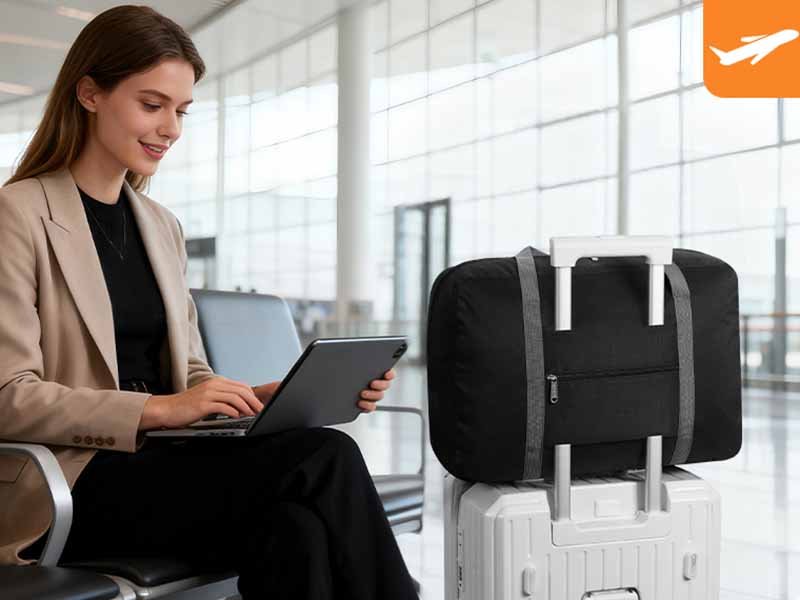
600D nylon is often the go-to choice for carry-on bags due to its balance of strength and lightweight design. Carry-on bags typically experience moderate wear, so 600D nylon is durable enough to withstand airport handling and daily use without being too heavy.
Why Choose 600D Nylon for Carry-On Bags?
- Lightweight: Ideal for travelers who prefer a lighter load while still needing a strong, durable bag for short trips.
- Affordable: 600D nylon is cost-effective, making it suitable for budget-friendly travel bags.
- Moderate Strength: Provides sufficient abrasion resistance and tear strength for regular handling.
Real-World Data:
- 600D nylon carry-on bags are capable of carrying up to 30 lbs comfortably, making them perfect for weekend getaways or business trips where you need to pack light.
| Denier | Weight Handling | Strength | Best For |
|---|---|---|---|
| 600D Nylon | Up to 30 lbs | Moderate strength, flexible | Carry-on bags, business trips, light use |
Which Denier Is Best for Checked Luggage?
For checked luggage, the bag faces rough handling during airport transfers. To withstand this stress, 1000D nylon or 1200D nylon are more suitable because they offer greater strength and resistance to wear. These denier ratings are ideal for durable luggage that needs to endure the rigors of travel.
Why Choose 1000D or 1200D Nylon for Checked Luggage?
- High Durability: These denier fabrics can handle rough handling, abrasion, and wear and tear.
- Stronger Load-Bearing: Perfect for bags that carry heavier loads, such as clothing, electronics, and equipment.
- Puncture-Resistant: More resistant to punctures, ideal for longer trips and heavy use.
Real-World Data:
- 1000D nylon checked luggage bags can comfortably handle 50 lbs, making them suitable for long trips where you need maximum strength to hold up under pressure.
| Denier | Weight Handling | Strength | Best For |
|---|---|---|---|
| 1000D Nylon | Up to 50 lbs | High durability, abrasion-resistant | Checked luggage, long trips, rugged conditions |
| 1200D Nylon | 50+ lbs | Very high strength, puncture-resistant | Heavy-duty luggage, extreme travel, adventure |
Which Denier Is Best for Backpacks and Adventure Bags?
1000D nylon or 1200D nylon are great options for backpacks and adventure bags. These bags need to withstand rough conditions, abrasion, and carry heavy loads over extended periods. The higher denier fabrics provide the strength required for rugged activities like backpacking, hiking, and camping.
Why Choose 1000D or 1200D Nylon for Backpacks?
- Heavy Load Capacity: These fabrics support greater weight, which is essential for carrying gear, clothing, and outdoor essentials.
- Abrasion and Water Resistance: Ideal for outdoor adventures where bags are exposed to rain, dirt, and abrasive surfaces.
- Long-Term Durability: Perfect for adventurers or travelers who need a long-lasting and reliable bag for their journey.
Real-World Data:
- 1000D nylon backpacks can carry 40–50 lbs of weight comfortably, providing a great balance between strength and comfort for extended use in rugged environments.
| Denier | Weight Handling | Strength | Best For |
|---|---|---|---|
| 1000D Nylon | Up to 50 lbs | High durability, abrasion-resistant | Backpacks, hiking, travel |
| 1200D Nylon | 50+ lbs | Very high strength, water-resistant | Adventure backpacks, mountaineering |
Which Denier Is Best for Tool Bags?
When it comes to tool bags, you’ll need a denier that can handle the weight and rough handling of heavy-duty tools. 1000D nylon and 1200D nylon are perfect for these bags, offering superior tear resistance, abrasion resistance, and durability.
Why Choose 1000D or 1200D Nylon for Tool Bags?
- Heavy-Duty Strength: Ideal for holding tools like wrenches, screwdrivers, and hammers without tearing.
- Reinforced for Durability: These deniers offer better resistance to abrasion, which is common when tools are constantly moved in and out of the bag.
- Water Resistance: Tool bags exposed to outdoor environments can benefit from water-resistant nylon to keep tools dry.
Real-World Data:
- 1000D nylon tool bags can withstand heavy-duty tools, holding up to 50 lbs of equipment. For extreme use, 1200D nylon tool bags offer even more strength and tear resistance.
| Denier | Weight Handling | Strength | Best For |
|---|---|---|---|
| 1000D Nylon | Up to 50 lbs | High strength, tear-resistant | Tool bags, work bags, construction |
| 1200D Nylon | 50+ lbs | Very high strength, puncture-resistant | Heavy-duty tool bags, professional work |
Certainly! Here’s a more detailed and customer-focused version of “How Do Denier and Bag Features Work Together?”, with real-world examples, practical insights, and data-driven content. I’ve maintained the H3 headers and focused on providing actionable information for your customers.
How Do Denier and Bag Features Work Together?
Denier impacts the strength and durability of nylon bags, but other features like reinforced stitching, coatings (like PU/TPU), and quality hardware further enhance performance. Together, these features ensure that the bag performs well under stress, abrasion, and wet conditions. When selecting a travel bag, denier and additional features must be considered to ensure the bag suits its intended use and conditions.
How Reinforcements Affect Durability?
Reinforced stitching and reinforced handles significantly increase a bag’s durability, especially in high-stress areas like zippers and straps. Bags made with reinforced stitching can better withstand heavy loads and frequent use. These reinforcements help maintain the integrity of the bag, preventing it from tearing or fraying under pressure.
When it comes to durability, the reinforcement of key areas in a nylon bag is essential for ensuring the bag remains strong and reliable over time. Here’s how reinforced stitching and handles contribute to a bag’s longevity:
- Reinforced Stitching at High-Stress Areas: High-stress areas, such as the base of the bag, handle attachments, and zippers, experience the most wear and tear. These are the areas where bags typically tear or break under heavy use. By adding reinforced stitching (such as double-stitched seams) in these areas, the bag can handle more weight and stress without falling apart.
- Reinforced Handles: Handles are one of the most critical parts of a bag when it comes to durability. A reinforced handle often includes extra stitching or metal grommets to prevent the bag from ripping at the handle seams. This is especially important for heavy-duty bags such as tool bags or backpacks that carry heavy loads.
- Example:
- A 600D nylon tote bag without reinforcement might tear after carrying 20 lbs of groceries.
- A 600D nylon tote bag with reinforced handles and stitching can comfortably carry 30–40 lbs without any damage.
| Reinforcement Type | Function | Best For | Durability Impact |
|---|---|---|---|
| Double-Stitched Seams | Strengthens high-stress areas | Backpacks, duffels, luggage | Prevents tears, increases load capacity |
| Reinforced Handles | Adds strength to handles and straps | Heavy-duty bags, tool bags | Prevents handle tearing, improves longevity |
| Metal Grommets | Reinforces handle attachment points | Backpacks, totes, duffels | Prevents handle failure, enhances durability |
How Coatings (PU/TPU) Add Protection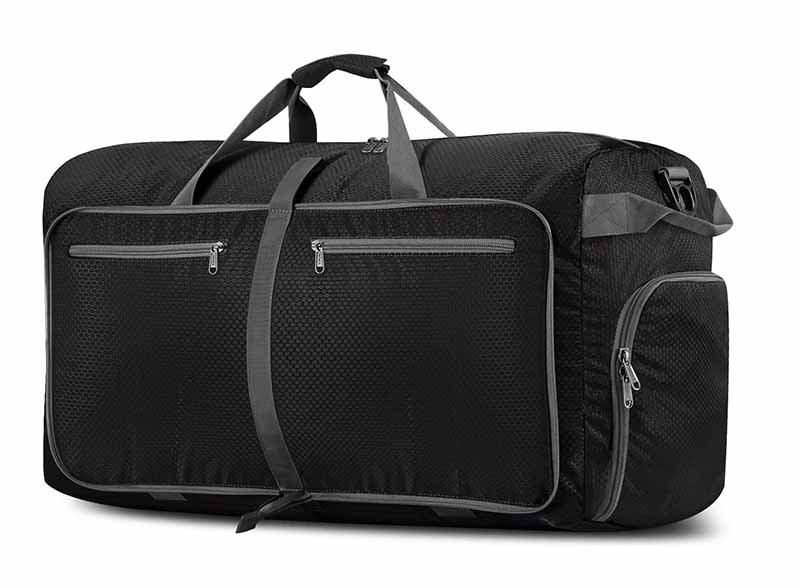
PU (polyurethane) and TPU (thermoplastic polyurethane) coatings provide additional protection against water, abrasion, and UV damage. These coatings are particularly useful for bags that will be exposed to wet conditions or heavy usage. They make the fabric more water-resistant, keeping the contents dry and ensuring the bag remains in top condition longer.
Coatings such as PU and TPU play a significant role in enhancing the performance of nylon bags. Here’s a deeper look at how these coatings improve the overall durability and functionality of travel bags:
- Water Resistance: PU and TPU coatings add a water-resistant layer to the fabric, making the bag better equipped to handle rainy weather, spills, or wet conditions. This is particularly important for beach bags, travel backpacks, or tool bags that are frequently exposed to moisture. With this layer of protection, the bag can keep its contents dry and avoid absorbing water, which could lead to mold growth or damage.
- Abrasion Resistance: Both PU and TPU coatings make the fabric more abrasion-resistant. This is especially important for travel bags or backpacks that undergo frequent handling, such as being tossed around at airports or dragged along rough surfaces. The coating adds durability to the fabric, preventing scratches and abrasions that would otherwise compromise the bag’s integrity.
- UV Protection: UV protection is another benefit of PU/TPU coatings. Bags that are exposed to direct sunlight, such as beach bags or hiking backpacks, can fade over time due to UV radiation. The protective coating blocks some of this UV damage, helping the bag maintain its color and structural integrity longer.
Example:
- A canvas backpack with a TPU coating can withstand light rain for several hours, keeping the contents dry, while a non-coated bag might absorb water and cause damage to electronics or clothes.
| Coating Type | Protection Type | Best For | Durability Impact |
|---|---|---|---|
| PU Coating | Water resistance, UV protection | Outdoor bags, backpacks, tool bags | Keeps contents dry, resists fading |
| TPU Coating | Water resistance, abrasion resistance | Travel bags, hiking backpacks | Enhances bag lifespan, prevents wear |
| PVC Coating | Heavy-duty waterproofing | Cooler bags, heavy-duty luggage | Full waterproofing, heavy-duty use |
How Stitching and Hardware Matter?
The stitching and hardware (like zippers, buckles, and handles) are crucial for the overall strength and longevity of the bag. Reinforced stitching ensures the bag can handle heavy loads, while high-quality hardware ensures smooth operation and durability. Together, they improve the bag’s ability to withstand frequent use and rough handling.
When it comes to durability, stitching and hardware are often overlooked, but they are vital for ensuring the bag performs well over time. Here’s how these features contribute to the longevity of a nylon bag:
- Reinforced Stitching: Double-stitched seams and reinforced stitching at stress points (such as the base and handle attachments) prevent the bag from tearing when heavier loads are carried. These reinforcements are especially important in backpacks, tool bags, or luggage that need to carry heavy or bulky items.
- Zippers and Buckles: High-quality zippers (preferably metal or heavy-duty plastic) are essential for ensuring smooth operation and durability. Sturdy buckles also help in securing the bag’s contents and ensuring that the bag stays closed during rough handling. Weak zippers or poorly constructed buckles can fail after extended use, resulting in a broken bag.
- Handle Reinforcement: Reinforced handles are crucial for carrying heavy items. For example, tool bags or travel bags with reinforced handles are less likely to break or tear at the attachment points. This is especially important for bags that are frequently lifted, such as luggage or toolbags.
Real-World Example:
- A backpack with double-stitched seams and high-quality zippers can withstand years of frequent use and heavy loads without showing signs of wear. On the other hand, a backpack with single stitching and low-quality zippers may start to wear out or break within a year of use.
| Feature | Importance | Best For | Durability Impact |
|---|---|---|---|
| Reinforced Stitching | Strengthens stress points | Tool bags, backpacks, luggage | Prevents tearing, holds heavy loads |
| High-Quality Zippers | Ensures smooth functionality | Travel bags, backpacks | Prevents zipper failure, long-term durability |
| Reinforced Handles | Adds strength to handle attachments | Backpacks, travel bags | Prevents handle failure, adds longevity |
Do Higher Denier Bags Always Last Longer?
While higher denier fabrics, such as 1000D or 1200D nylon, offer greater strength and resistance to wear and tear, they do not always guarantee longer bag life. Factors like weight, use case, and additional features (e.g., stitching, reinforcement, coatings) play a significant role in a bag’s longevity. Higher denier bags can be heavier, which may not always be ideal for lightweight travel.
Do Higher Denier Bags Add Weight?
Yes, higher denier nylon fabrics are thicker, which makes the bag heavier. For example, a 1200D nylon bag will weigh significantly more than a 600D nylon bag. This added weight might not be ideal for travelers who prioritize light carry. However, the tradeoff is that the bag will be much more durable and resistant to abrasions.
Higher denier fabrics are designed to be stronger, but this often comes at the cost of weight. Here’s how the weight of a higher denier bag can impact its use:
- Denier and Weight:
- A 600D nylon bag is lightweight and easy to carry, making it suitable for casual use, like light shopping or daily commutes.
- A 1000D or 1200D nylon bag is much heavier, making it less ideal for minimalist travelers or those who want to keep their luggage light.
- Use Case Consideration:
- Backpackers or campers who carry heavy loads may prefer a higher denier fabric, even though it adds weight, because it provides better durability for rough conditions.
- For business travelers or tourists who need a light, easily portable bag, 600D nylon might be the better choice, offering a balance between strength and lightness.
- Impact on Bag Functionality:
- A heavier bag made of high-denier nylon might be cumbersome for frequent travel where light weight is a priority.
- However, the higher durability of the fabric ensures that the bag will last longer and withstand frequent handling and abrasion.
Real-World Insight:
- A 1200D nylon bag might weigh 1–2 lbs more than a 600D nylon bag of similar size, which could make a significant difference for travelers who are conscious of weight during long journeys or backpacking trips.
Do Higher Denier Bags Cost More?
Yes, bags made from higher denier nylon tend to be more expensive. This is due to the premium material and the cost of manufacturing. Higher denier fabrics are more abrasion-resistant, tear-resistant, and capable of handling heavy loads, but these benefits come at an increased cost. The price difference depends on the denier rating and the level of customization.
The cost of nylon travel bags varies significantly based on the denier rating. Higher denier bags require more material, and often involve more complex manufacturing, which increases the cost per unit. Here’s how the cost compares across different denier levels:
- 600D Nylon Bags:
- Affordable and cost-effective for light-duty use. These bags are often priced between $5–$15 per unit depending on size and customization.
- Great for promotional giveaways, light travel, or business branding.
- 1000D Nylon Bags:
- Mid-range pricing reflects greater strength and durability. Typically priced between $15–$40 depending on size, design, and features.
- Ideal for backpacks, daypacks, and luggage that require a balance of strength and price.
- 1200D Nylon Bags:
- The highest price range, generally between $40–$80 per unit for larger or custom-designed bags.
- Perfect for heavy-duty travel bags, expedition gear, or premium luggage where extra durability and resistance to wear are paramount.
| Denier Rating | Price Range | Best For | Durability |
|---|---|---|---|
| 600D Nylon | $5–$15 per unit | Light-duty bags, promotional items | Good for light use, affordable |
| 1000D Nylon | $15–$40 per unit | Backpacks, luggage, daily use | High durability, versatile |
| 1200D Nylon | $40–$80 per unit | Heavy-duty bags, luggage, adventure travel | Maximum durability and strength |
How Does Nylon Denier Affect Bag Functionality?
Higher denier fabric impacts bag functionality by offering better protection against abrasion, tears, and weather conditions. A 600D nylon bag may suffice for light daily use, but a 1000D or 1200D nylon bag provides more strength for frequent travelers or those needing high-resilience bags for outdoor activities, rugged travel, or heavy-duty work.
The denier rating impacts functionality in several key ways, directly affecting how the bag performs in different environments:
- Durability Under Stress:
- 1000D and 1200D nylon fabrics are more resistant to abrasions, tears, and wear from rough environments or extensive use. If you need a bag for outdoor activities like camping or backpacking, these bags will hold up better over time compared to 600D nylon.
- Load-Bearing Capacity:
- A 1200D nylon bag can handle heavy loads and resist wearing down even with extreme use. For example, heavy-duty tool bags or travel bags need a higher denier rating to support 50 lbs or more of equipment.
- Bags made from 600D nylon are lighter and better for smaller loads, like daily commuting bags or shopping totes.
- Impact on Functionality in Different Environments:
- Waterproofing and Weather Resistance: Higher denier ratings provide better protection from wet conditions or abrasive surfaces, making them ideal for adventure travel or outdoor activities.
- Weight Considerations: If your priority is a lightweight bag for easy travel, 600D nylon is sufficient. But for those who need a sturdy, high-performance bag for tougher environments, 1000D or 1200D will provide better protection and load capacity.
Ready to Order Custom Nylon Travel Bags?
At Szoneier, we specialize in creating high-quality custom nylon travel bags that meet your specific needs. Whether you’re looking for affordable promotional tote bags or durable travel backpacks, we offer low MOQ, quick lead times, and free design support to help you create the perfect bag for your brand or event.
Contact us today for a quote, samples, or to start your custom nylon travel bag order. Let us help you create durable, functional, and stylish bags that represent your brand and stand up to the demands of travel!