Skip to content
Crowded subways. Busy airports. Tourist streets packed shoulder to shoulder. Most theft doesn’t happen through force—it happens through distraction.
Pickpockets don’t look for expensive bags. They look for easy access: open zippers, thin fabric, exposed pockets, and distracted travelers. That’s why anti-theft bags have moved from niche travel gear to everyday essentials for commuters, digital nomads, and frequent flyers.
But here’s the real problem: not all “anti-theft” bags are actually secure. Many products rely on marketing buzzwords rather than real-world protection. Some focus only on RFID blocking. Others look secure but fail under real travel conditions. And most brand roundups never explain why certain designs work—and others don’t. The best anti theft bag brands combine slash-resistant materials, lockable zippers, hidden compartments, and ergonomic design to reduce pickpocket risk in crowded environments. Truly secure anti-theft bags work by limiting access points, stabilizing carry position, and protecting valuables from cutting, scanning, or distraction-based theft. The safest option depends on travel style, carry method, and daily use scenarios.
This guide goes beyond brand lists. We’ll break down how anti-theft bags actually work, which features matter, who makes the best anti-theft bags today, and how to choose—or even customize—the right solution for your market or brand.
What Is an Anti Theft Bag
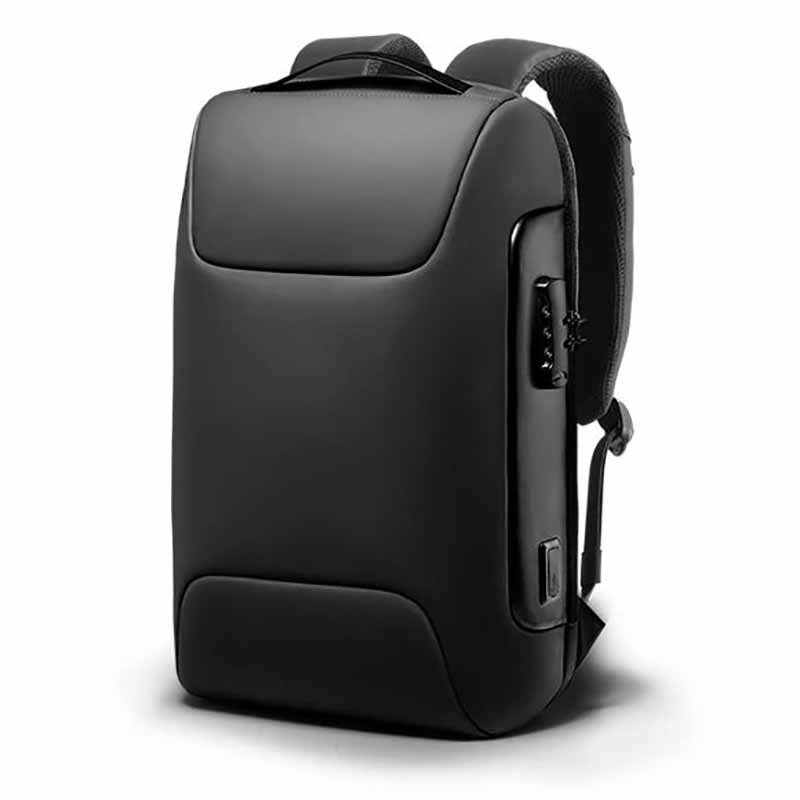
An anti theft bag is a purpose-designed bag that reduces the risk of pickpocketing and unauthorized access through structural security features such as lockable zippers, hidden openings, slash-resistant materials, RFID-blocking pockets, and body-facing carry designs. Unlike regular bags, anti-theft bags focus on preventing access, not just carrying items.
At its core, an anti-theft bag is not about being “impossible to steal.” It is about making theft slow, visible, and inconvenient—the exact opposite of what pickpockets look for.
A Clear, Practical Definition
An anti theft bag is a bag engineered around human behavior, not just storage capacity.
Most theft in public spaces happens because:
- Access is quick
- Openings are exposed
- The wearer is distracted
Anti-theft bags are designed to interrupt this process by controlling access points and movement, rather than relying on the user to constantly stay alert.
This is what separates a true anti-theft bag from a normal backpack or handbag with a marketing label.
What Makes an Anti Theft Bag Different from a Regular Bag?
A regular bag is built around convenience. An anti-theft bag is built around risk reduction.
Key structural differences include:
- Hidden or Body-Facing Openings Zippers are positioned against the wearer’s back or chest, making silent access difficult.
- Lockable Zipper Systems Zippers can be clipped, interlocked, or locked to prevent quick opening.
- Slash-Resistant Panels and Straps Reinforced fabrics and internal mesh prevent blade-based theft.
- Internal Security Zoning Valuables are separated into secondary or concealed compartments, not placed in the main pocket.
These elements work together as a system. A bag with only one of these features is not truly anti-theft—it is only theft-resistant in one dimension.
Do Anti Theft Bags Really Prevent Pickpocketing?
Anti-theft bags don’t rely on stopping thieves directly. They work by changing the risk calculation.
Pickpockets typically avoid targets that:
- Take longer than 3–5 seconds
- Require visible effort
- Increase the chance of detection
A well-designed anti-theft bag forces:
- Extra steps to access contents
- Physical manipulation of locks or straps
- Body movement that alerts the wearer
As a result, thieves usually move on to easier targets.
In real-world travel and commuting environments, this deterrence effect is often more effective than alarms or tracking devices.
What Types of Theft Are Anti Theft Bags Designed to Stop?
Anti-theft bags are primarily designed to prevent:
| Theft Type | How Anti-Theft Bags Help |
|---|---|
| Pickpocketing | Hidden access + lockable zippers |
| Bag slashing | Cut-resistant materials |
| Strap cutting | Reinforced or wire-core straps |
| RFID skimming | RFID-blocking pockets |
| Opportunistic theft | Body-facing design |
They are not designed to stop violent robbery. Their purpose is to reduce silent, non-confrontational theft, which accounts for the majority of real-world incidents.
Who Actually Needs an Anti Theft Bag?
Anti-theft bags are most valuable for people who:
- Travel internationally or frequently
- Commute in crowded cities
- Carry laptops, passports, or valuables daily
- Work in public or shared spaces
- Visit tourist areas known for pickpocketing
For these users, the bag becomes part of a personal security system, not just an accessory.
Why Many “Anti Theft” Bags Fail in Practice
Many products fail because they:
- Focus on one feature only (e.g. RFID)
- Sacrifice usability for security
- Ignore how the bag is actually worn
A bag that is secure but frustrating will be worn incorrectly—or not used at all. That’s why real anti-theft design balances security, comfort, and habit.
Which Features Should You Look for in Anti Theft Bags
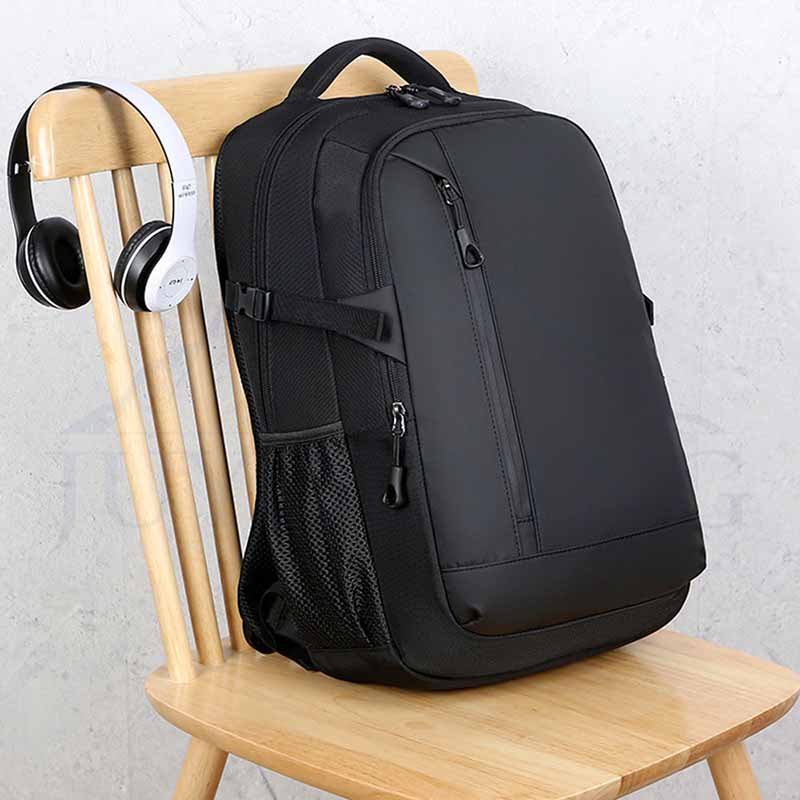
The most effective anti-theft bags combine lockable zippers, hidden access points, slash-resistant materials, RFID-blocking pockets, and stable body-facing carry design. True anti-theft protection comes from how these features work together, not from any single feature alone.
Many buyers focus on one visible feature. In reality, anti-theft performance is systemic—it depends on structure, materials, and how the bag is worn in real life.
Lockable Zippers: Why Access Control Comes First
Most pickpocketing succeeds because zippers are:
- Exposed
- Easy to open
- Fast to close unnoticed
Lockable zippers change that dynamic.
Effective systems include:
- Interlocking zipper heads
- Zippers that clip into anchor loops
- Reversed or concealed zipper tracks
These designs add time and visibility, which are the two things pickpockets avoid most. Even a one-second delay dramatically reduces theft success.
Hidden Openings and Body-Facing Design
Where the opening is placed matters more than how strong it is.
The safest anti-theft bags position main access points:
- Against the wearer’s back (backpacks)
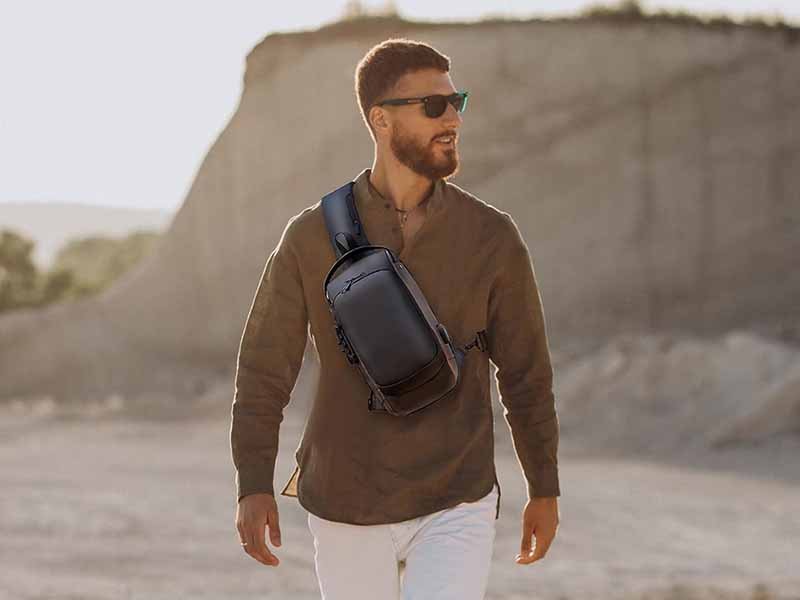
- Against the chest or torso (crossbody/sling bags)
This makes it physically difficult for someone else to reach the opening without being noticed. Bags that open outward—even with strong zippers—remain vulnerable in crowded environments.
Slash-Resistant Materials: Protection Against Blade Theft
Bag slashing is fast and silent.
True slash resistance requires:
- Reinforced fabric layers
- Internal steel or composite mesh
- Cut-resistant strap cores
Thick fabric alone is not enough. Without reinforcement, most standard textiles can be cut in seconds. Slash-resistant materials protect against one of the most damaging forms of theft—loss without awareness.
RFID-Blocking Pockets: When Digital Theft Is a Risk
RFID blocking protects against contactless data skimming, not physical theft.
Useful for:
- International travel
- Passport storage
- Credit card protection
Not essential for:
- Physical theft prevention
- Domestic commuting
RFID pockets should be placed inside the bag, not externally, to prevent over-reliance and misuse.
Strap Security and Anti-Cut Webbing
Many thefts occur when:
- Straps are cut
- Bags are pulled from the shoulder
High-quality anti-theft bags use:
- Wire-reinforced straps
- Anti-slash webbing
- Secure strap anchor stitching
This feature is critical for crossbody and sling bags, which rely heavily on strap integrity.
Internal Security Zoning
A single large compartment is convenient—but risky.
Better anti-theft bags separate:
- High-value items (passport, wallet)
- Medium-value items (phone, charger)
- Low-value items (clothing, accessories)
This layered layout prevents “one-open theft” and limits loss even if one compartment is compromised.
Carry Stability: The Most Overlooked Feature
A bag that shifts constantly is easier to steal from.
Stability comes from:
- Ergonomic strap geometry
- Proper weight distribution
- Structured back panels
A stable bag reduces accidental exposure and keeps access points predictable—both critical for security.
Anti-Theft Features Comparison Table
| Feature | Purpose | Priority Level |
|---|---|---|
| Lockable zippers | Stop silent access | High |
| Hidden openings | Prevent reach-in theft | High |
| Slash-resistant fabric | Prevent blade theft | High |
| Reinforced straps | Prevent snatch theft | Medium |
| RFID pockets | Prevent data skimming | Medium |
| Internal compartments | Limit loss impact | Medium |
Why Feature Balance Matters More Than Feature Count
Over-engineering creates friction.
Too many locks, stiff panels, or complicated closures often lead users to:
- Leave bags unlocked
- Use unsafe access habits
- Abandon features altogether
The best anti-theft bags protect without demanding constant attention.
22 Best Anti Theft Bag Brands

When choosing an anti-theft bag, brand reputation can be a helpful signal — but real value comes from how the brand’s designs integrate security, usability, and comfort. Below is a detailed guide to 22 widely recognized anti-theft bag brands, organized by category and style, with brief explanations of why each brand matters.
1. Pacsafe — Travel Security Pioneer
Why it matters: One of the best-known anti-theft brands, Pacsafe has specialized in secure travel gear since 1998 and remains a benchmark in anti-theft innovation. (维基百科)
Core features: Slash-resistant Exomesh panels, lockable TurnNLock hooks, RFID-blocking compartments. Best for: Frequent flyers, urban explorers, serious travelers.
2. Travelon — Balanced Anti-Theft Everyday Bags
Why it matters: Travelon’s systems combine multiple theft defenses (locking zippers, RFID protection, slash resistance) in accessible designs. (Pack Hacker)
Core features: Clip zipper pulls, lockable compartments, RFID pockets.
Best for: Day trips, vacations, daily commuters.
3. XD Design (Bobby series) — Hidden Security with Style
Why it matters: XD Design’s Bobby backpacks are iconic for hidden zippers and minimalist anti-theft layouts that conceal openings from pickpockets. (ラグジュアリー体験の入り口メディア)
Core features: Hidden openings, cut-resistant fabrics, sleek urban look.
Best for: Urban commuters and city travelers.
4. Baggallini — Fashionable Functional Protection
Why it matters: Baggallini combines anti-theft features with stylish silhouettes and lightweight daily carry design. (lesfrenchiestravel.com)
Core features: Lockable zippers, RFID blocking, slash-resistant wiring.
Best for: Women travelers and style-focused commuters.
5. Samsonite — Durable Travel Protection
Why it matters: Known for hard-wearing luggage, Samsonite extends its quality to anti-theft backpacks with padded tech protection and robust construction. (alertify.eu)
Core features: Slash resistance, comfortable carry systems.
Best for: Business travelers and tech carriers.
6. Matein — Affordable Everyday Anti-Theft Backpacks
Why it matters: Offers budget-friendly anti-theft backpacks that still give practical security like hidden compartments and organizational pockets. (Good Housekeeping)
Core features: Hidden rear pockets, built-in USB charging, organizational layout.
Best for: Students and value seekers.
7. Nomatic — Functional Modular Designs
Why it matters: Though not purely anti-theft focused, Nomatic backpacks include hidden pockets and secure zip access that deter casual theft. (alertify.eu)
Core features: Modular storage, water-resistance, tech-oriented design.
Best for: Techies and carry system enthusiasts.
8. KORIN — Integrated Security and Tech
Why it matters: KORIN ClickPack and similar models integrate multiple layers of anti-theft tech and modern aesthetic design. (GearMoose)
Core features: Hidden combination locks, slash-proof panels, USB charging.
Best for: Urban travelers and commuters.
9. Chrome Industries — Utility Meets Protection
Why it matters: While not marketed strictly as anti-theft, its rugged, welded build and slash-resistant materials make it a good deterrent in everyday urban environments. (GearMoose)
Core features: Heavy-duty outer shell, weather protection.
Best for: Cyclists and urban commuters.
10. Kopack — Organized & Lightweight Security
Why it matters: Focuses on strong internal organization with laptop and passport sleeves that keep valuables discreet and secure. (china-handbag-factory.com)
Core features: Multiple internal pockets, rear zip placement.
Best for: Organized travelers.
11. Sherpani — RFID + Slash Resistance for Everyday Use
Why it matters: Offers RFID protection and slash-proof construction in well-reviewed sling and backpack styles. (Reddit)
Core features: RFID blocking, locking zippers, practical layout.
Best for: Daily commuting and casual travel.
12. Arden Cove — Secure and Stylish Accessories
Why it matters: Known for chic designs with functional anti-theft features like biometric locks and weather-resistant materials. (Travel + Leisure)
Core features: Slash-proof body, RFID, locking closures.
Best for: Style and security conscious travelers.
13. AmazonBasics — Entry-Level Secure Carry
Why it matters: Offers basic anti-theft features at lower price points, often including lockable zippers and RFID slots. (Travel + Leisure)
Core features: Simple anti-theft design, accessible price.
Best for: Casual users and budget buyers.
14. Travelon — Crossbody and Sling Specialties
Why it matters: Beyond backpacks, Travelon’s sling bags combine slash resistance, RFID, and ergonomic comfort in compact carry styles. (Pack Hacker)
Core features: RFID pockets, slash-proof construction.
Best for: Day trips and sightseeing.
15. Targus — Tech-Oriented Security Bags
Why it matters: Offers secure laptop bags with RFID and padded compartments.
Core features: Tech protection, durable builds.
Best for: Professional commuters.
16. Tigernu — Practical Anti-Theft Backpacks
Why it matters: Focuses on slash-resistant straps and hidden back pockets for everyday carry peace of mind.
Core features: Hidden zippers, anti-cut straps.
Best for: Students and commuters.
17. Everki — Premium Tech Travel Bags
Why it matters: Specialized luggage and backpacks with strong tech protection and organization.
Core features: Structured layouts, hydration sleeves.
Best for: Frequent flyers with gadgets.
18. eBags — Functional Travel Security
Why it matters: Combines organizational excellence with locking zippers and security pockets.
Core features: Well-organized compartments.
Best for: Road and air travelers.
19. Peak Design — High-Capacity Anti-Access Layouts
Why it matters: Offers optional anti-theft-focused features like lockable compartments in large travel bags. (china-handbag-factory.com)
Core features: Expandable storage, weather resistance.
Best for: Long-distance travelers.
20. The Ridge — Everyday Commuter Security
Why it matters: Balances EDC backpack needs with RFID blocking, hidden pockets, and power bank compartments. (GearMoose)
Core features: Everyday security features.
Best for: Urban daily carry.
21. Sherpani & Co. — Women-Focused Secure Designs
Why it matters: Combining functional anti-theft features with thoughtful fashion and usability for women travelers. (Reddit)
Core features: RFID, slash resistance, comfort.
Best for: Female commuters.
22. BesideU / Ucon Acrobatics — Minimalist Anti-Theft Bags
Why it matters: Trendy minimalist brands on platforms like Pinkoi that emphasize hidden compartments and stealth security. (Pinkoi)
Core features: Stealthy openings, sleek design.
Best for: Minimalist urban use.
Which Anti Theft Bags Are Best for Travel
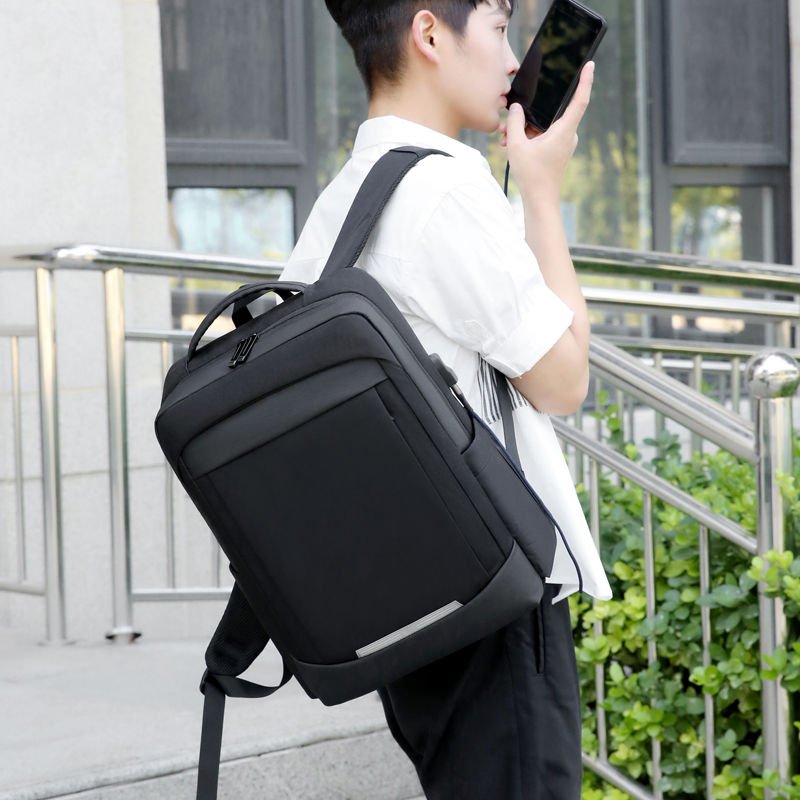
The best anti-theft bags for travel combine body-facing access, slash-resistant materials, lockable zippers, stable carry systems, and compartmental organization. Anti-theft backpacks excel for long trips and airport travel, while anti-theft sling or crossbody bags provide security during city exploration and day excursions.
Travel exposes your belongings to many environments — airports, trains, buses, crowded streets, and tourist spots — making anti-theft design essential, not optional.
What Makes a Travel Bag Truly Secure?
When choosing an anti-theft bag for travel, security features alone aren’t enough. Look for bags that incorporate multiple layers of protection rather than just one:
Slash Resistance
Protects against quick cuts from sharp objects. Especially crucial around crowded tourist areas and public transport.
Lockable Zippers
Prevents silent access. A zipper that can be clipped or locked forces any attempt to become noisy and visible.
Hidden or Rear Access
Main compartments facing your body minimize chance access during travel — pickpockets avoid confrontation.
RFID Protection
While not a physical barrier, RFID shielding prevents electronic scanning of credit cards, passports, and ID chips.
Stability and Comfort
Travel involves long walks and carrying weight. A stable bag reduces the need to adjust frequently — and fewer adjustments = fewer theft opportunities.
Together, these features form a security system, not just a bag with one “security trick.”
Best Anti Theft Backpacks for Multi-Day Travel
For extended travel — including flights, overnight trips, and packed itineraries — backpacks are most effective.
Why backpacks excel for travel:
- Keep weight balanced
- Secure access behind you
- Offer larger capacity with organized zones
Recommended travel backpack features:
- Rear-facing main compartment
- Lockable hardware
- Integrated RFID protection
- Slash-resistant fabric panels
Example use cases:
- International flights
- Multi-day road trips
- Train journeys with luggage storage
Backpacks designed for travel security often outperform other styles because they combine load distribution + secure access + protective structure.
Best Anti Theft Sling & Crossbody Bags for City Sightseeing
While backpacks work best for travel days, sling or crossbody bags shine for short excursions and crowded streets.
They are best for:
- City sightseeing days
- Daily walking tours
- Museums, markets, and crowded plazas
Key advantages for travel:
- Easy front-carry visibility
- Quick access without removing the bag fully
- Compact size reduces physical strain
To be effective, travel sling bags must:
- Sit high and close to the body
- Have lockable and hidden openings
- Include slash-resistant straps
For many travellers, the ideal combo is: Backpack for transport + crossbody for daily exploration
Anti Theft Bag Features That Matter on the Road
To truly deter theft while traveling, consider the following features in combination:
| Feature | Travel Benefit |
|---|---|
| Rear / Body Facing Access | Makes silent access nearly impossible |
| Lockable Hardware | Adds visibility and time cost for thieves |
| Slash-Resistant Materials | Prevents blade-based theft |
| Internal Security Compartments | Reduces loss if one pocket is accessed |
| RFID Protection | Stops digital scanning theft |
| Stable Strap Design | Reduces accidental exposure |
A travel anti-theft bag is most effective when features work together, instead of being just an “anti-theft label.”
Travel Scenarios & Best Practices
Below is a set of typical travel situations and the recommended anti-theft bag style for each:
Airport & Flight Travel Choose: Anti-theft backpack with rear access and lockable zippers Why: Larger capacity and secure main compartments ensure peace of mind through long travel segments.
Train / Bus Journeys Choose: Anti-theft backpack or large crossbody organizer Why: Stable carry and organized storage make access risk low even when seats are tight.
Day Trips & City Tours Choose: Anti-theft sling bag worn front-facing Why: Quick access without removing the bag reduces theft vulnerability.
Crowded Urban Markets / Tourist Zones Choose: Small crossbody with hidden pockets and RFID protection Why: These are peak zones for pickpocketing; front visibility and locking features matter most.
Real World Security vs. Design Aesthetics
Many travelers are torn between style and security when selecting travel bags.
Security designers recommend prioritizing: Access control Material integrity Strap stability
but modern brands now prove design doesn’t have to sacrifice protection. Well-designed travel anti-theft bags can be secure, stylish, and comfortable, enabling travelers to explore confidently and without risk.
Traveler Behavior: Security Is More Than Just the Bag
A secure bag helps — but traveler behavior matters too.
Keep your bag close to your body Avoid leaving valuables in side pockets Maintain situational awareness Use locks through busy checkpoints
Anti-theft bags reduce risk, they do not eliminate it. They work best when paired with safe travel habits.
How to Choose the Right Anti Theft Bag for Your Needs
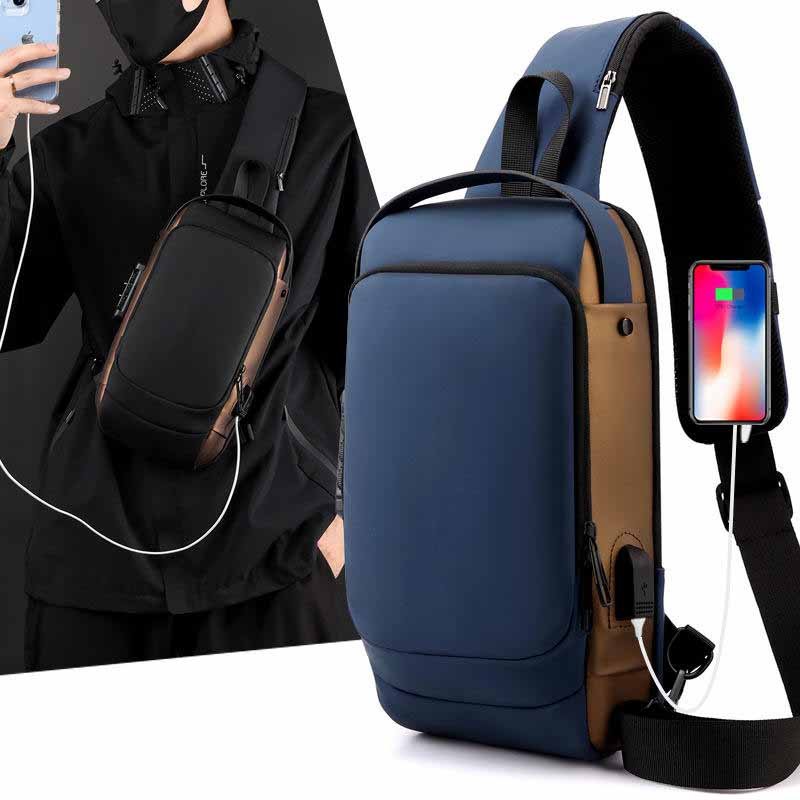
To choose the right anti-theft bag, evaluate three core factors: your daily habits (commute vs travel), what you carry (volume & valuables), and security priorities (RFID, slash resistance, lockable access). The optimal choice balances comfort, capacity, and theft deterrence based on real use rather than brand hype.
Many shoppers pick bags based on appearance alone—but the right anti-theft bag should be chosen through careful analysis of usage scenarios, physical security features, and personal comfort requirements.
1. Identify Your Primary Use Scenario
The first step in choosing your anti-theft bag is understanding how and where you’ll use it. Common scenarios include:
Daily Commuting
- Streets, public transit, metro stations
- Short walks, predictable routes Best fit: Anti-theft backpacks or urban crossbody bags Priority: Comfortable carry + rear/opening safety
Travel & Transit Hubs (Airports, Trains)
- Suitcase + essentials
- Long walking distances Best fit: Large anti-theft backpacks with multiple compartments Priority: Strong material, RFID + lockable access
Tourist & Crowd Environments
- Sightseeing zones
- Markets and festivals Best fit: Front-facing sling or crossbody Priority: Visibility + quick access
Professional / Business Use
- Laptops, tablets, documents Best fit: Anti-theft business backpacks with tech protection Priority: Security + structured protection + style
Each use case requires a slightly different security-comfort balance. Knowing your use case helps eliminate choices that are either over-engineered (too large or heavy) or under-protected.
2. Consider What You Carry (Valuables & Volume)
Choosing an anti-theft bag always comes down to what needs protection.
Ask yourself:
- Do you carry a laptop or tablet?
- Do you carry passports, wallets, or external drives?
- Do you need space for clothes or just essentials?
| Carry Type | Best Bag Type | Why |
|---|---|---|
| Laptop + documents | Anti-theft backpack | Structured compartments + padding |
| Wallet + passport + phone | Crossbody/sling | Front access + visibility |
| Travel kits + accessories | Large anti-theft backpack | Organized zones + capacity |
| Light everyday items | Minimalist anti-theft bag | Weight & comfort balance |
Key need categories: Protection for electronics Organization for daily essentials Easy access for frequent use Space for travel modules
If you don’t match bag volume to needs, you risk either:
- Carrying excess bulk
- Sacrificing security for convenience
3. Evaluate Security Features (Beyond Buzzwords)
Not all anti-theft features deliver real protection. The best anti-theft bag design includes multiple layers of defense, not just one.
a. Lockable Zippers
Locking zippers prevent silent access by forcing:
- extra time
- visual attention
- deliberate action
The best systems include:
- interlocking zipper heads
- clip loops
- combination locks
b. Hidden / Body-Facing Access
Bags that open toward your body make access extremely difficult from behind or side.
This is one of the most effective deterrents against pickpocketing.
c. Slash-Resistant Materials
Reinforced fabrics and slash-resistant layers protect against blade attacks.
Note: Thick fabric alone doesn’t prevent slashing — only true reinforcement does.
d. Strap Security
Anti-cut webbing or wire-reinforced straps prevent theft via strap cutting, a surprisingly common method.
e. RFID Protection
RFID blocking is valuable for identity and digital card protection, though it does NOT prevent physical theft.
4. Comfort & Wearability: The Often Overlooked Factor
A bag is only secure if you actually wear it correctly.
A perfectly secure bag that is: Too heavy Uncomfortable straps Slouches or shifts …will be worn incorrectly — reducing security dramatically.
Comfort factors to evaluate:
- Ergonomic shoulder straps
- Breathable back panels
- Adjustable chest/waist straps
- Weight distribution
A secure bag should feel neutral on your body, not pulling or sagging.
5. Style, Appearance & Daily Acceptability
Many shoppers drop security for style — but the best bags offer both.
Security doesn’t exclude: Sleek silhouettes Professional aesthetics Minimalist design
The key is to avoid bags that look secure but feel insecure — e.g., flimsy materials or fake features.
6. Price vs Long-Term Value
Budget matters — but focus on longevity and protection, not low price.
| Price Tier | Typical Security Level | Best For |
|---|---|---|
| $30–60 | Basic but functional | Students, light use |
| $70–120 | Balanced protection | Daily commuters |
| $150+ | High security + durability | Frequent travel |
Value isn’t cost alone — it’s the risk reduction you get per dollar.
7. Think About Convertible and Hybrid Designs
A growing trend in anti-theft bags is convertible styles: Backpack ↔ Sling Shoulder ↔ Crossbody Back ↔ Briefcase
Benefits: One bag fits multiple scenarios Security features used where needed Utility without extra purchase
For shoppers with multiple use patterns, such designs often outperform single-form bags.
8. Test & Trial Before Final Commitment
Best practice before purchase: Wear the bag fully loaded Test zipper resistance Check strap security Arrange items in compartments Walk, sit, bend, and adjust
A truly secure bag should still be comfortable, intuitive, and not hinder mobility.
Final Takeaway: Real Security Starts With Real Needs
Choosing the right anti-theft bag isn’t about: flashy labels expensive brands peak aesthetics
It’s about matching: your travel or commute style your carry habits appropriate physical security features comfort and everyday use
Once these four are aligned, you’ll have a bag that reduces risk without sacrificing convenience.
Pro Tip: Real anti-theft performance comes from design synergy — features that work together, not individually.
Are Anti Theft Bags Worth It
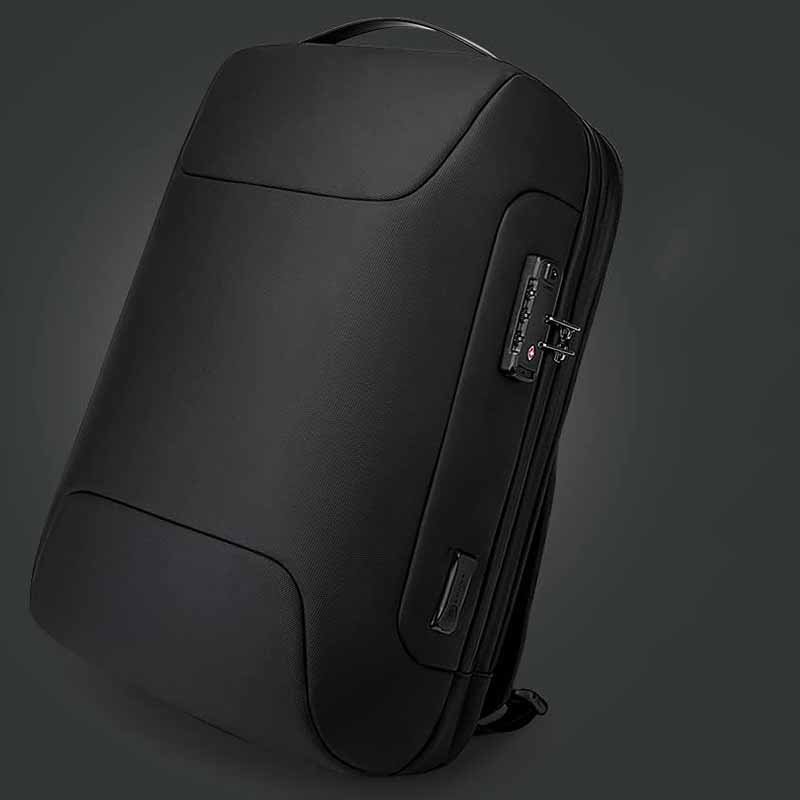
Yes — anti-theft bags are worth it for travelers, commuters, and anyone who regularly carries valuables in crowded or unfamiliar environments. While no bag can make theft impossible, anti-theft design significantly reduces risk through features like hidden access, lockable zippers, slash-resistant materials, and RFID blocking.
What makes anti-theft bags truly worthwhile is risk reduction, peace of mind, and real usability — especially when compared with the cost, inconvenience, and emotional stress of loss.
1. What Do Anti Theft Bags Protect Against?
To evaluate worth, first understand what anti-theft bags are designed to mitigate.
Anti-theft bags are engineered to reduce risk from: Pickpocketing (silent opening or unzipping) Slash theft (bags cut from behind) Digital theft (RFID scanning) Strap cutting/snatch-and-grab attempts
This covers the majority of non-violent theft incidents in crowded cities, transport hubs, and travel zones.
However, anti-theft bags are not designed to prevent: Confrontational robbery Theft during forced encounters
Instead, they focus on passive risk reduction — making it harder, slower, and more visible for thieves to succeed.
2. Quantifying Practical Worth (Real-World Risk vs Cost)
Let’s look at how anti-theft bags reduce real risks compared to normal bags.
| Security Scenario | Standard Bag | Anti-Theft Bag |
|---|---|---|
| Pickpocketing in crowded place | High risk | Reduced risk |
| Silent zipper opening | Easy | Harder / no quick access |
| Slash-and-cut threats | Vulnerable | Resistant |
| RFID/digital skimming | Vulnerable | Protected |
| Stress in transit | High | Lower peace of mind |
In everyday use, anti-theft bags don’t eliminate risk entirely, but they transform: from casual vulnerability to secure carry confidence
For frequent travelers and commuters, this transformation is often worth the investment.
3. Cost vs Value: Short-Term vs Long-Term
Anti-theft bags come in multiple price tiers:
| Price Range | Typical Security | Best For |
|---|---|---|
| $30–60 | Basic deterrence | Casual users |
| $70–120 | Balanced protection | Daily commuters |
| $150+ | Advanced security | Frequent travelers |
At the higher tiers, bags tend to offer: Slash-proof layers Lockable hardware RFID blocking Ergonomic comfort
Comparing price with the cost of replacement:
- A stolen wallet or passport can cost hundreds of dollars
- A lost or damaged laptop can cost thousands
Even mid-range anti-theft designs can offset potential loss by preventing just one major theft incident.
4. The Emotional Value: Peace of Mind
Security isn’t just financial — it’s psychological.
Many bag users report: Lower travel anxiety More confidence in crowded settings Faster airport transitions Less vigilance required
That emotional benefit is real — and hard to measure in dollars, but a core reason users continue to invest in anti-theft bags.
5. When Anti Theft Bags Are Most Worth It
Anti-theft bags deliver the most value when used in: Busy public transit (metro, bus, trains) Large events and festivals International travel Tourist crime hotspots Daily commuting in dense cities
In these contexts, standard bags fail to address the opportunity factors that pickpockets exploit:
- Easy zipper access
- Untethered closures
- Exposed compartments Anti-theft bags drastically reduce these opportunities.
6. When They Might Be Less Worth It
Anti-theft bags are less valuable if: You rarely carry valuables You are in low-risk environments You prefer minimalism and light carry Security features feel cumbersome
In these cases, lightweight organizers or tech sleeves may be more cost-efficient.
7. Second-Order Benefits of Anti Theft Bags
Beyond theft prevention, anti-theft bags often deliver: Better organization More structured carry Higher quality materials Longer lifespan Professional appearance
These benefits mean even users who don’t fear theft may still find anti-theft bags worth the investment for function and durability alone.
8. Custom vs Off-the-Shelf: Maximizing Value
Brand anti-theft solutions offer good security, but custom anti-theft bags amplify value:
Tailored compartment layout Target audience-specific security features Unique branding & private label Material, color, and hardware choice
For businesses or frequent travelers, this means an anti-theft bag that fits real needs, not generic assumptions.
Which Should You Choose — Final Buy Guide
Choose an anti-theft backpack if you carry tech daily, commute long distances, or travel frequently. Choose an anti-theft sling or crossbody if you want front-facing control for crowded tourist areas and quick access. The best anti-theft bag is the one that matches your real movement patterns, carry load, and security priorities—lockable access + body-facing openings + slash resistance are the most reliable foundations.
Step 1: Pick the Bag Type Based on Your Travel/Commute Pattern
A simple way to choose is to match the bag type to how you move:
Choose an Anti-Theft Backpack if…
- You carry a laptop/tablet, chargers, documents
- You commute 30+ minutes daily (train/subway/walk)
- You travel through airports often
- You want balanced weight and all-day comfort Why it wins: Rear/body-facing access, larger capacity, better padding, more organization.
Choose an Anti-Theft Sling Bag if…
- You walk a lot in cities and tourist areas
- You want to wear the bag in front easily
- You carry essentials only (phone, wallet, passport) Why it wins: Front control + quick access with less bulk.
Choose an Anti-Theft Crossbody if…
- You prefer a classic, lightweight style
- You want high visibility of your bag contents
- You want something that works for day trips and dinners Why it wins: Easy to keep in sight; ideal for minimal carry.
Step 2: Choose the “Right Security Level” (Most People Overbuy or Underbuy)
Not every user needs the same anti-theft intensity. Over-securing can lead to frustration and misuse.
| Security Need | Who It’s For | Recommended Features |
|---|---|---|
| Basic deterrence | low-risk commutes | hidden pockets + secure zippers |
| Balanced travel security | most travelers | lockable zippers + body-facing access + RFID |
| High-risk protection | crowded cities / frequent travel | slash-resistant panels + reinforced straps + lockable system |
Rule of thumb: If you often visit dense tourist zones / metro systems, prioritize lockable zippers + slash resistance first. RFID is helpful but not a replacement for physical security.
Step 3: Use This “5-Point Checklist” Before You Decide
The best bag should pass most of these tests:
- Can someone open it without you noticing? If zippers are visible and outward-facing, risk is high.
- Does the bag stay tight to your body? Loose, swinging bags are easier targets.
- Are valuables protected in layers? A good bag keeps passport/wallet in a secondary secure zone.
- Is the strap secure against cutting or snatching? For crossbody/sling, strap security matters more than many realize.
- Can you use the security features daily without annoyance? If the bag feels annoying, you’ll stop using the features—security drops.
Quick Recommendation Matrix
| Use Case | Best Choice | Why |
|---|---|---|
| Airports + train stations | Anti-theft backpack | stable carry + protected tech |
| Crowded tourist streets | Sling/crossbody worn front | maximum visibility & control |
| Business travel with laptop | Structured anti-theft backpack | compartments + padding + security |
| Festivals / markets | Small crossbody with locking zipper | close carry + less bulk |
| Daily commuting | Anti-theft backpack | comfort + organization |
| Minimal day trips | Crossbody | light, simple, controlled |
What Most Buyers Get Wrong (Avoid These Mistakes)
These are common “looks secure but isn’t” traps:
- RFID-only bags: Protect data, not physical theft.
- Big open-top totes: Easy reach-in theft, especially in metros.
- Bags with too many external pockets: Convenience becomes vulnerability.
- Overly complicated locks: Users stop locking them = security becomes fake.
- Fashion-first thin straps: High risk for snatch theft in crowded areas.
A truly good anti-theft bag is not the one with the most features. It’s the one with the most usable security.
Best “One-Bag” Strategy for Travel (Pro Traveler Logic)
Many experienced travelers use a two-bag strategy:
- Travel day: anti-theft backpack (passport + laptop + essentials)
- Exploration day: anti-theft sling/crossbody (phone + wallet + passport)
This is often the most secure and comfortable approach because it matches how people move in different travel phases.
Final Decision Summary
Choose an anti-theft backpack if you need: laptop protection long-wear comfort multi-compartment organization travel + commute versatility
Choose an anti-theft sling or crossbody if you need: front-facing control lightweight carry quick access city sightseeing comfort
If neither option fits perfectly, you likely need a custom layout.
Conclusion
Most “best anti-theft bag” lists stop at brands. Szoneier goes one step further—helping brands build better ones.
With 18+ years of bag R&D and manufacturing experience, Szoneier supports:
- Custom anti-theft backpacks, slings, and travel bags
- Slash-resistant materials & RFID integration
- Lockable zipper systems & hidden compartment design
- Low MOQ, free design support, fast sampling
If you’re developing a private-label anti-theft bag—or improving an existing design—Szoneier helps you turn real security logic into a sellable product.
Share your target market, use scenario, and design idea Get expert feedback before production begins
The best anti-theft bag isn’t just chosen. It’s engineered.