Skip to content
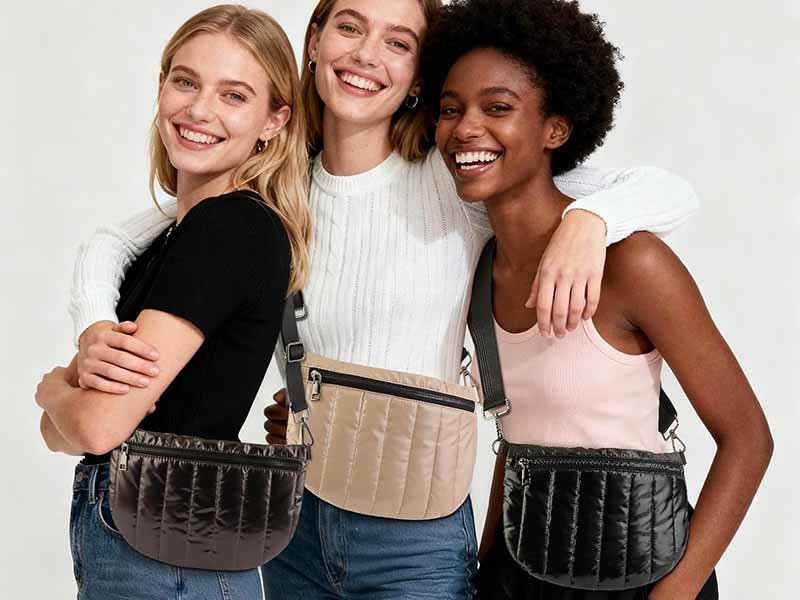
Crossbody sling bags have quietly become one of the most trusted everyday bags for women—not because they are trendy, but because they solve real problems. In crowded cities, busy airports, and fast-paced daily routines, women want a bag that stays close to the body, keeps valuables safe, and still looks good. That combination is harder to achieve than it sounds.
Many shoppers start with a simple question: Which crossbody sling bag looks best? But experienced users quickly realize that appearance alone isn’t enough. Comfort, security, strap design, compartment layout, and material choice all affect how safe and usable the bag feels over time. In fact, one of the most searched follow-up questions today is: “What is the most secure type of crossbody purse?”
The truth is, the “best” crossbody sling bag for ladies depends on how and where it’s used. A city commuter has different needs than a traveler. A fashion-focused buyer prioritizes different details than someone concerned about pickpocketing. Understanding these differences is the key to making a smart choice—and to designing or sourcing a bag that customers will truly rely on. The best crossbody sling bag for ladies balances security, comfort, and everyday usability. Secure designs typically include anti-theft zippers, close-to-body carry, reinforced straps, and organized compartments. Materials like nylon or leather improve durability, while thoughtful layouts protect phones and wallets. The most secure crossbody purses are those designed around real daily movement, not just appearance.
In the sections below, we’ll break down what a crossbody sling bag really is, what features matter most, and how to identify the most secure options—step by step, from a user and manufacturing perspective.
What Is a Crossbody Sling Bag
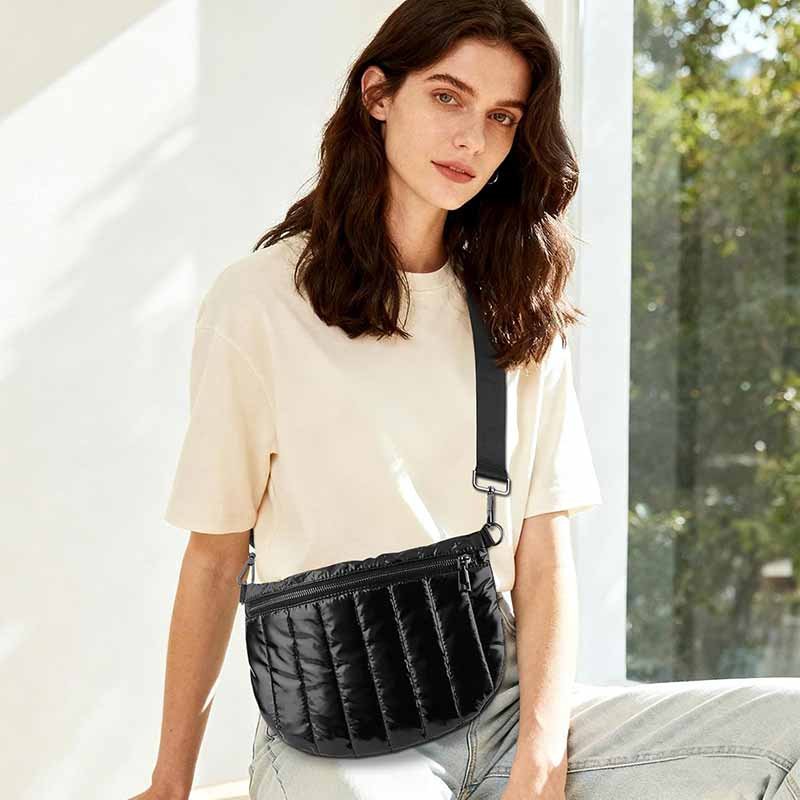
A crossbody sling bag is a compact bag worn diagonally across the body with a single adjustable strap. It sits close to the chest or side, allowing hands-free movement while keeping personal items secure and accessible. Compared with shoulder bags or backpacks, crossbody sling bags offer better weight distribution, improved security in crowded spaces, and quicker access to essentials, making them popular for daily use, commuting, and travel.
Many people think a crossbody sling bag is just a smaller backpack or a sporty purse. In reality, it is a distinct bag category designed around body movement, access speed, and security. To fully understand why it has become one of the most searched women’s bag types, we need to break down its structure, wearing logic, and practical advantages.
What defines a crossbody sling bag?
A crossbody sling bag is defined by how it is worn, not just by its shape or size.
Key defining elements include:
- Single strap worn diagonally across the body
- Close-to-body positioning, usually on the front or side
- Compact profile that minimizes swinging while walking
Unlike handbags that hang freely or backpacks that sit entirely on the back, a sling bag stays within the wearer’s visual and physical awareness. This close positioning is central to both comfort and security.
How is a crossbody sling bag different from a shoulder bag?
Shoulder bags rely on gravity to stay in place. As a result, they often slide, twist, or fall off the shoulder—especially when the wearer is moving quickly.
Crossbody sling bags differ in three key ways:
- Stability – the diagonal strap anchors the bag in place
- Weight distribution – pressure is spread across the torso instead of one shoulder
- Hands-free use – no need to hold or constantly adjust the bag
These differences make sling bags more comfortable for long wear and more secure in busy environments.
How is a crossbody sling bag different from a backpack?
Backpacks are excellent for carrying larger loads, but they place valuables out of sight. In crowded urban or travel settings, this can increase vulnerability to theft.
Crossbody sling bags:
- Keep items within sight and reach
- Allow quick access without removing the bag
- Are easier to protect instinctively with body posture
For daily essentials—phone, wallet, keys—many women find sling bags more practical than backpacks, especially in cities or while traveling.
Where does a crossbody sling bag usually sit on the body?
Most crossbody sling bags are designed to be worn in one of three positions:
- Front (chest or stomach) – highest security, ideal for crowds and travel
- Side (hip or rib area) – balanced comfort and accessibility for daily use
- Back – more discreet but less secure in busy spaces
The best sling bags allow easy adjustment so the wearer can shift the bag forward instinctively when entering crowded areas. This adaptability is a major reason sling bags are considered safer than many other bag types.
What are crossbody sling bags commonly used for?
Crossbody sling bags are versatile and commonly used for:
- Daily commuting
- Shopping and errands
- City walking and sightseeing
- Travel and airport transit
- Casual social outings
They are designed to carry daily essentials only, not bulky items. This intentional limitation helps keep the bag light, compact, and easy to manage.
Why do many women prefer crossbody sling bags today?
The growing popularity of crossbody sling bags among women is driven by lifestyle changes:
- More walking and public transport use
- Greater awareness of personal security
- Preference for minimalist, functional accessories
- Need for bags that work across multiple settings
Sling bags reflect a shift away from “carry everything” bags toward carry-what-you-need, securely and comfortably.
Are crossbody sling bags considered secure by design?
Yes—when designed well.
Crossbody sling bags are inherently more secure than many other bag types because:
- They stay close to the body
- They are harder to snatch or open unnoticed
- The wearer naturally monitors them
However, actual security still depends on features like zippers, strap construction, and compartment layout. The design creates the foundation; the details determine the level of protection.
Who is a crossbody sling bag best suited for?
Crossbody sling bags are especially well-suited for:
- Women who commute or walk frequently
- Travelers navigating crowded areas
- Those who prefer hands-free movement
- Users who value both style and security
They may be less ideal for people who need to carry laptops or bulky items, where backpacks or totes are more practical.
Which Features Matter Most in a Crossbody Sling Bag for Ladies
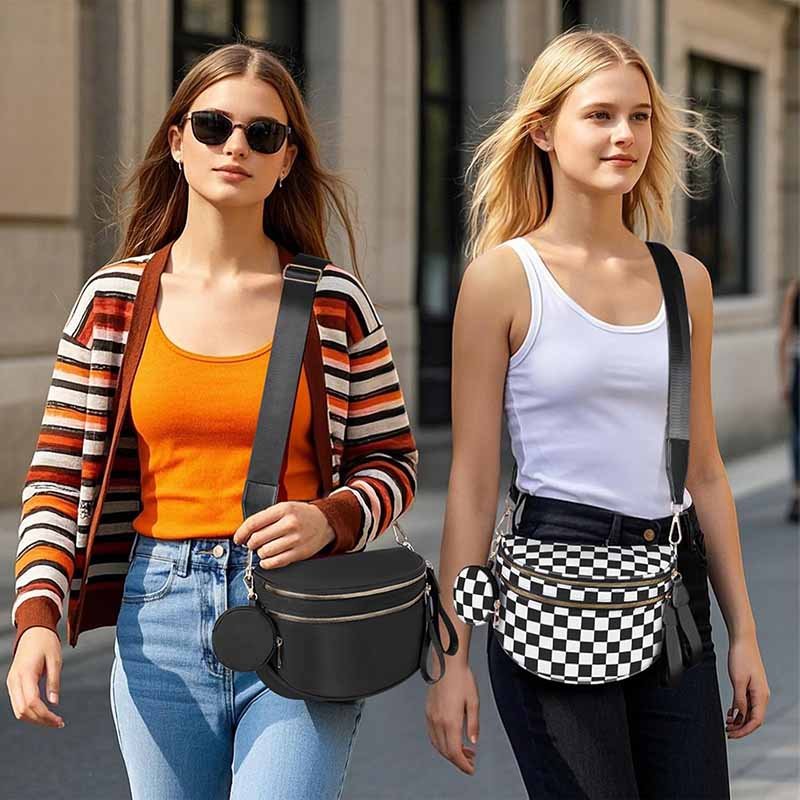
The most important features in a crossbody sling bag for ladies are security, comfort, size balance, strap design, and smart organization. A good sling bag stays close to the body, uses secure zippers, has reinforced straps, and offers enough compartments for daily essentials without bulk. Lightweight yet durable materials and an adjustable strap are critical for all-day comfort and real-life usability.
A crossbody sling bag succeeds or fails based on daily behavior, not marketing claims. Women don’t carry bags in ideal conditions—they walk, sit, commute, shop, travel, multitask, and move through crowded spaces. The features that matter most are those that reduce friction in these real scenarios.
Below are the features that consistently determine satisfaction, safety, and long-term use.
Which security features are most important in a crossbody sling bag?
Security is the number-one concern for many women, especially in urban and travel settings. The most effective security features are subtle, not complicated.
Key security elements include:
- Strong, smooth zippers that don’t open easily by accident
- Zipper direction facing inward toward the body
- Hidden or back-facing pockets for valuables
- Structured openings that don’t gape when the bag is unzipped
Rather than adding excessive locks or hardware, well-designed sling bags reduce opportunity. Pickpocketing relies on speed; these features slow access just enough to deter most attempts.
Which strap features affect comfort and theft prevention the most?
The strap determines both comfort and security, yet it’s often overlooked.
Important strap features include:
- Adjustability to keep the bag close to the torso
- Reinforced stitching at strap anchor points
- Sufficient width to distribute weight evenly
A strap that is too thin causes shoulder strain and makes cutting easier. A strap that’s too long allows the bag to swing, increasing theft risk. The best designs balance length, width, and strength so the bag feels stable and natural during movement.
Which materials offer the best balance of durability, weight, and style?
Material choice affects how the bag feels, ages, and protects contents.
Common material options:
- High-density nylon: lightweight, durable, water-resistant
- PU leather: structured, stylish, easy to maintain
- Genuine leather: premium feel, naturally durable
- Specialty fabrics: coated, recycled, or reinforced textiles
For most users, lightweight yet tightly woven materials offer the best experience. Overly soft fabrics may look appealing but collapse under use, making access awkward and reducing security.
Which size and capacity are ideal for daily use?
The ideal sling bag is small but sufficient. Overloading defeats the purpose of a sling.
Most women use sling bags to carry:
- Phone
- Wallet
- Keys
- Small cosmetics or sanitizer
A good daily-use size typically holds these items without stretching the bag or forcing frequent reorganization. Slim depth, moderate height, and structured sides prevent bulging and keep the bag close to the body.
Which compartment layout improves real-world usability?
Too many compartments create confusion; too few create clutter.
The most effective layouts include:
- One main compartment for bulk items
- One inner zip pocket for valuables
- Optional quick-access pocket for phone
This layout allows quick access without exposing everything inside. Bags with excessive external pockets often increase risk and slow down use.
Which design details improve long-term comfort?
Comfort isn’t just padding—it’s how the bag behaves over hours.
Helpful comfort features include:
- Rounded edges that don’t dig into the body
- Breathable back panels for warm climates
- Lightweight hardware that doesn’t add drag
A well-designed sling bag should almost “disappear” during wear, allowing the user to focus on their day rather than adjusting the bag constantly.
Which features matter most for travel vs daily city use?
Feature priorities change by context:
| Use Case | Most Important Features |
|---|---|
| Daily city use | Comfort, slim profile, easy access |
| Travel & tourism | Security, hidden pockets, strap strength |
| Commuting | Stability, weight balance, durability |
| Casual outings | Style, simplicity, light weight |
Understanding where and how the bag will be used helps narrow down the right feature set quickly.
Which features are often overrated or unnecessary?
Some features look impressive but add little value:
- Overly complex locking systems
- Excessive compartments
- Heavy metal hardware
These can increase weight, reduce comfort, and slow down access. Simpler designs with thoughtful details often outperform feature-heavy bags in real use.
Why these features matter from a long-term perspective
The best crossbody sling bags are not the ones that stand out on day one—but the ones users keep reaching for months later. That consistency comes from features that quietly support daily movement, protect essentials, and stay comfortable over time.
When these features are chosen correctly, the bag becomes part of the routine rather than a constant adjustment.
How Do You Choose the Right Crossbody Sling Bag
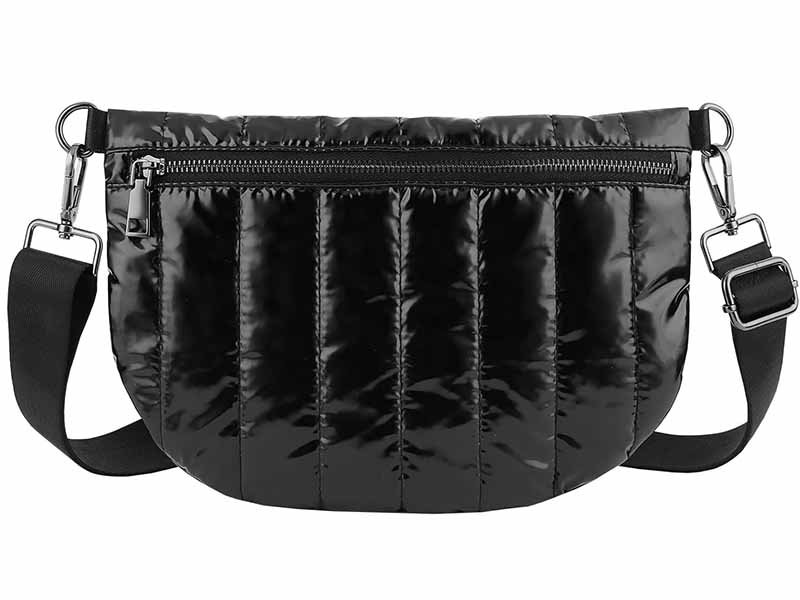
To choose the right crossbody sling bag, start with how you plan to use it—daily commuting, travel, or casual outings. The best sling bag fits your body comfortably, stays close to the torso, uses secure zippers, and holds daily essentials without bulk. Adjustable straps, durable materials, and a simple compartment layout are key to comfort, security, and long-term satisfaction.
Most people choose a sling bag based on appearance and regret it later. The right way is to choose based on movement, habits, and environment. A good crossbody sling bag should support your routine without forcing you to think about it.
Below is a step-by-step framework that mirrors how experienced users—and professional bag designers—evaluate sling bags.
How do you choose a crossbody sling bag based on daily use vs travel?
Start by defining the primary scenario:
- Daily city use: walking, commuting, shopping, short outings
- Travel use: airports, sightseeing, crowded transport, long days
For daily use, prioritize comfort, light weight, and quick access. For travel, security becomes more important—hidden pockets, inward-facing zippers, and reinforced straps matter more.
Trying to use one bag for every scenario often leads to compromise. The “right” sling bag is the one optimized for where you spend most of your time.
How do you choose the right size without overloading the bag?
Size is one of the most common mistakes. A sling bag should encourage intentional packing, not become a mini-backpack.
Ask yourself:
- Do I carry only phone, wallet, keys, and a few small items?
- Or do I need space for power banks, sunglasses, cosmetics, or a passport?
A good sling bag fits essentials without stretching or bulging. When a bag looks overfilled, it becomes uncomfortable, less secure, and harder to access.
Slim depth and moderate height usually work best for most women.
How do you choose a sling bag that fits your body properly?
Fit matters more than brand or style.
Look for:
- Adjustable strap length to position the bag at chest or side
- Balanced proportions so the bag doesn’t feel top-heavy
- Flat back panel that rests comfortably against the body
The bag should stay stable when you walk quickly or turn. If it swings, bounces, or needs constant adjustment, it’s not the right fit—no matter how good it looks.
How do you choose a sling bag that feels secure in real life?
Security comes from design, not just labels.
A secure sling bag should:
- Sit close to the body
- Use strong zippers that don’t open accidentally
- Keep main openings facing inward
- Avoid unnecessary external pockets
The most secure bags don’t look “tactical.” They simply make unauthorized access awkward and noticeable. That subtle resistance is often enough to deter theft in real-world situations.
How do you balance security and style when choosing a sling bag?
Many women worry that a secure bag will look bulky or unfashionable. In reality, clean design often improves both style and security.
Structured shapes, neutral colors, and minimal exterior details:
- Look more refined
- Reduce loose fabric and grab points
- Blend into different outfits and settings
A bag that attracts less attention often feels safer in public spaces. Style doesn’t need to be loud to be effective.
How do you choose the right material for comfort and durability?
Material affects weight, feel, and longevity.
General guidance:
- High-density nylon: lightweight, durable, practical for daily use
- PU leather: structured, stylish, easy to maintain
- Genuine leather: premium feel, heavier, long-lasting
Avoid materials that are too soft or flimsy, as they collapse during use and make access awkward. A good sling bag should hold its shape without feeling rigid.
How do you evaluate strap comfort before buying?
Strap discomfort often appears after hours—not minutes.
Check for:
- Sufficient width to distribute weight
- Smooth edges that don’t dig into the neck or shoulder
- Strong stitching where the strap meets the bag
If possible, test the bag with weight inside. A comfortable strap makes a noticeable difference during long days.
How do you choose the right internal layout?
The best internal layouts are simple and predictable.
Most users prefer:
- One main compartment for bulk items
- One inner zip pocket for valuables
- Optional quick-access pocket for phone
Too many compartments slow down access and increase exposure when opening the bag in public.
How do you know if a sling bag will work long-term?
Ask one final question: Will I enjoy wearing this bag every day for months—not just once?
A good sling bag:
- Feels natural after minutes of wear
- Doesn’t require constant adjustment
- Protects essentials without stress
If a bag passes these tests, it’s likely the right choice—regardless of trends.
Are There Different Types of Crossbody Sling Bags
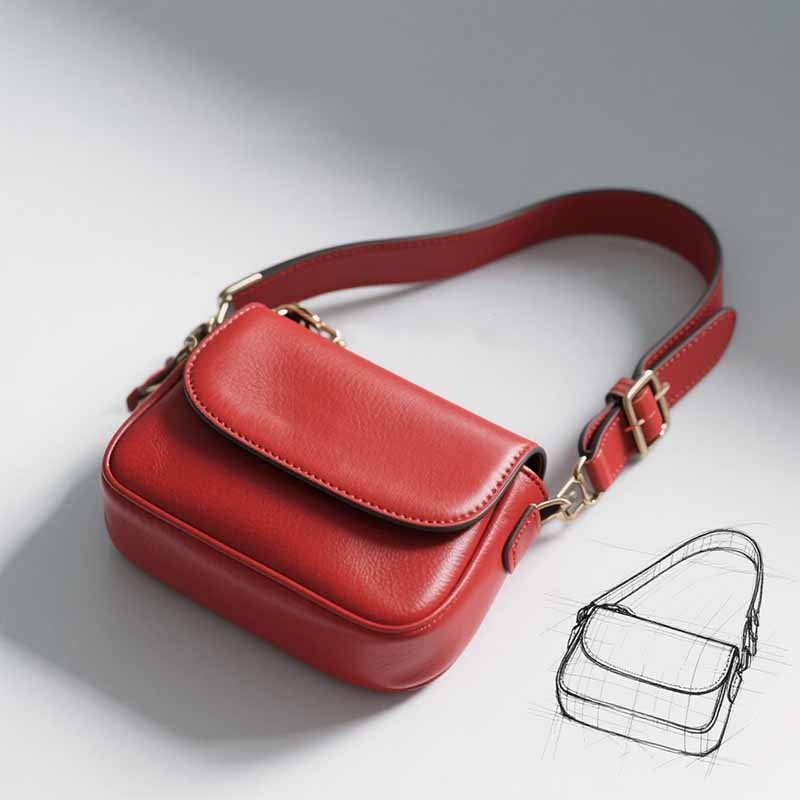
Yes, crossbody sling bags come in different types designed for specific uses, including everyday casual slings, anti-theft travel slings, minimalist fashion slings, convertible sling bags, and utility or sport slings. Each type differs in size, structure, security level, and comfort. The best type depends on how and where the bag is used, especially in terms of daily movement, security needs, and carrying habits.
Many shoppers assume all crossbody sling bags are similar, but in practice, design intent defines the category. Different sling bag types prioritize different trade-offs—security vs style, structure vs flexibility, capacity vs slimness.
Below is a practical breakdown of the most common and relevant types.
Are everyday crossbody sling bags different from travel sling bags?
Yes. Everyday sling bags are designed for routine use, while travel sling bags are built for riskier environments.
Everyday sling bags typically focus on:
- Comfort and light weight
- Simple organization
- Style compatibility with daily outfits
They work well for commuting, shopping, or casual outings.
Travel sling bags, by contrast, emphasize:
- Security features (hidden pockets, inward-facing zippers)
- More durable materials
- Structured openings to prevent easy access
If travel is your main use case, a standard everyday sling may feel insufficiently secure.
Are anti-theft crossbody sling bags the most secure type?
Yes. From a design standpoint, anti-theft sling bags are the most secure category.
They are intentionally engineered to reduce unauthorized access through:
- Lockable or reversed zippers
- Hidden back compartments for passports and cash
- Reinforced or cut-resistant straps
- Slim profiles that stay tight to the body
However, “anti-theft” does not mean bulky or tactical. Well-designed anti-theft slings integrate these features discreetly so the bag still looks normal and wearable.
Are minimalist crossbody sling bags less secure—or just simpler?
Minimalist sling bags focus on simplicity and aesthetics, not maximum protection. But simpler does not automatically mean unsafe.
Minimalist slings often feature:
- One main compartment
- Clean exterior with few grab points
- Slim, body-hugging shape
Their main weakness is limited internal organization, which may require opening the bag wider in public. For low-risk environments or daily city use, minimalist slings can be sufficiently secure and very comfortable.
Are fashion-focused crossbody sling bags practical for daily use?
Fashion sling bags prioritize appearance over function. They often include:
- Soft materials that collapse
- Decorative hardware
- Magnetic or snap closures
These elements can reduce security and durability, especially in crowded settings. Fashion slings work best for short outings or controlled environments but are not ideal where pickpocketing or long wear is a concern.
Are convertible sling bags better or just more flexible?
Convertible sling bags can be worn in multiple ways—crossbody, shoulder, or waist pack.
Their advantage is versatility, especially for users who move between different environments in one day. However, added flexibility sometimes comes at the cost of:
- Extra straps or buckles
- Slightly more weight
- More complex structure
A well-designed convertible sling can be effective, but poorly designed ones may feel cluttered. Quality design matters more than the concept itself.
Are sport or utility sling bags a separate category?
Yes. Sport and utility sling bags are designed for movement and durability, often used for:
- Outdoor activities
- Cycling or walking
- Casual travel
They usually feature:
- Technical fabrics
- Breathable back panels
- Strong, wide straps
While durable and comfortable, they may look too casual or sporty for everyday urban or professional settings.
Which type of crossbody sling bag is best for ladies overall?
There is no single “best” type—only the best match.
| Primary Use | Best Sling Bag Type |
|---|---|
| Daily city life | Everyday or minimalist sling |
| Travel & tourism | Anti-theft travel sling |
| Fashion outings | Fashion sling |
| Long walking days | Utility or sport sling |
| Mixed-use lifestyle | Structured everyday or convertible sling |
Understanding these categories helps buyers avoid choosing the wrong bag for the wrong environment.
Why choosing the right type matters more than brand or price
Many complaints about sling bags come from category mismatch, not poor quality. A beautiful fashion sling may fail on a trip. A highly secure travel sling may feel bulky for daily errands.
Choosing the right type ensures:
- Better comfort
- Higher perceived security
- Longer product lifespan
- Greater satisfaction over time
The right category sets the foundation. Materials and features refine the experience.
What Are the Best Crossbody Sling Bags for Ladies in 2026

In 2026, the best crossbody sling bags for ladies balance security, comfort, and usability. Top picks include anti-theft travel slings with lockable zippers and hidden pockets, everyday structured slings for commuting, minimalist slings for casual use, and convertible slings for flexible carry options. Premium materials, ergonomic straps, and smart internal organization distinguish the highest-rated bags across categories.
The “best” crossbody sling bag is not the same for every woman—it depends on how and where it will be used. Rather than a universal ranking, the best bags fall into distinct categories aligned with real use cases: travel, everyday life, minimalist casual, and multifunctional wear.
Below are detailed breakdowns of each category, key features to look for, and what makes them stand out in 2026.
What are the most secure crossbody sling bags for travel?
For travel—especially international travel or crowded transit environments—security becomes a primary design priority. The best travel sling bags feature:
Core security features:
- Lockable or reversed zippers
- Hidden back compartments for passports, cash, and cards
- Reinforced and cut-resistant strap attachments
- Close-to-body ergonomic design
Why these matter: Travel environments are unpredictable. Bags that sit solidly against the torso and limit access from behind reduce pickpocketing opportunities. Zippers oriented toward the wearer further slow unauthorized access.
Recommended characteristics for 2026 travel slings:
- RFID-blocking pocket(s)
- Water-resistant shell
- Lightweight yet structured build
- Minimal external grab points
Travel sling bags that meet these criteria provide both security and comfort over long hours, making them top choices for frequent flyers and tourism.
What are the best secure everyday crossbody bags for ladies?
Everyday sling bags are for women who commute, run errands, or walk through urban environments regularly. The best everyday crossbody sling bags combine security with comfort and accessibility.
Key everyday features:
- Ergonomic adjustable strap
- Balance of compartments (main + inner zip + quick-access)
- Comfortable back panel
- Durable construction that resists wear
Everyday bags do not need extreme travel-grade security. Instead, they succeed when they:
- Keep essentials organized
- Are comfortable all day
- Blend with multiple outfits
- Offer moderate security without bulk
For daily wear, style and proportion matter as much as security. A bag that looks refined will also be used more consistently—improving overall satisfaction.
What affordable crossbody purses offer good security features?
Affordability does not have to mean low performance. Some sling bags under lower price tiers still incorporate valuable security and usability features.
Practical affordable features include:
- Sturdy zippers instead of fashion snaps
- High-density nylon or synthetic leather panels
- Simple internal pockets
- Adjustable but durable straps
Although these bags may not include advanced anti-theft tech like RFID or cut-resistant straps, they still deliver functional security through solid basic features.
Budget-aware buying tips:
- Prioritize construction quality over decorative features
- Inspect zipper strength and closure smoothness
- Choose materials that balance weight and durability
Affordable sling bags can perform well if they focus on fundamentals rather than gimmicks.
What are the best minimalist crossbody sling bags?
Minimalist sling bags strip away excess features and focus on simplicity and comfort. They are ideal for women who want:
- A compact profile
- Easy everyday carry
- Light, streamlined silhouettes
Minimalist design traits:
- One main compartment + small inner pocket
- Clean exterior with few embellishments
- Slim shape that hugs the body
Minimalist slings work best in low-risk environments or daily city routines where heavy security is not critical but comfort and appearance matter.
What are the best convertible sling bags for ladies?
Convertible sling bags add wear-style flexibility, allowing users to switch between crossbody, shoulder, or waist configurations. They are ideal for women with dynamic routines—work, travel, workouts, and errands in one day.
Convertible features that matter:
- Removable/repositionable straps
- Fast-adjust hardware
- Balanced load distribution
- Sleek design that transitions between modes
The best convertible slings are those where insecurity is not introduced by extra straps or complex hardware. Simplicity in conversion equals reliability.
Comparative Security & Usability Table
| Sling Bag Type | Security Level | Best Use Case | Comfort | Style |
|---|---|---|---|---|
| Anti-Theft Travel Sling | High | Travel, crowded spaces | Medium | Functional |
| Everyday Structured Sling | Medium–High | Daily use, commuting | High | Versatile |
| Affordable Security Sling | Medium | Budget-aware daily use | Medium | Casual |
| Minimalist Sling | Low–Medium | City errands, low-risk | Very High | Trendy |
| Convertible Sling | Medium–High | Multi-purpose routines | High | Flexible |
Why the 2026 Best Sling Bags Share Common Traits
Across categories, top-rated sling bags consistently include:
- Thoughtful compartment organization
- Quality materials (nylon, coated canvas, leather)
- Adjustable ergonomic straps
- Stable carry that minimizes swing
- A balance of security with appearance
None of these traits are optional. A bag that looks great but sacrifices comfort or security will quickly be unused. The best bags of 2026 strike a thoughtful balance.
Do Crossbody Sling Bags Fit Modern Lifestyles
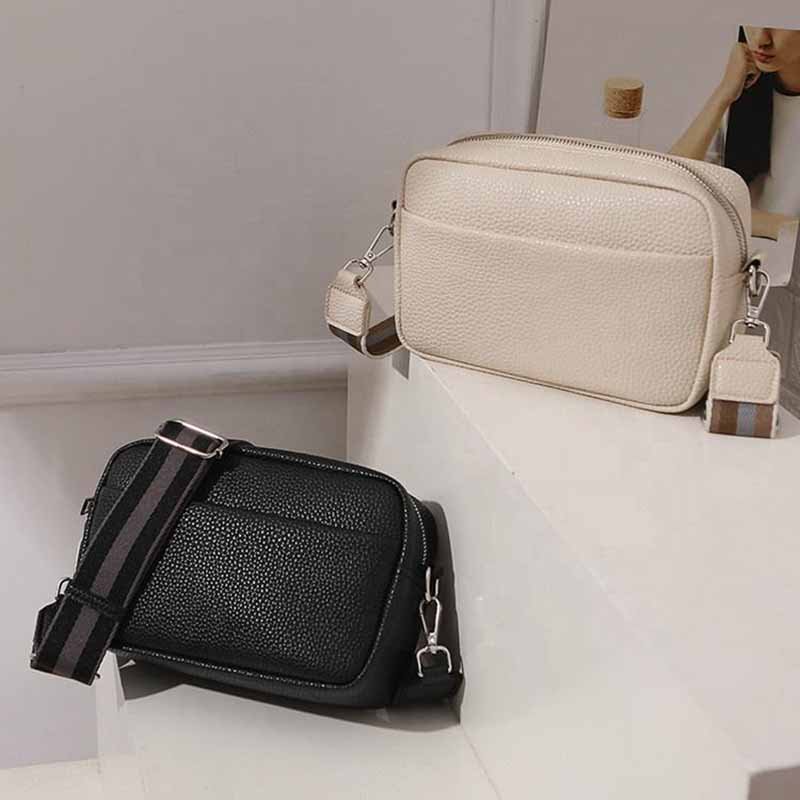
Yes. Crossbody sling bags fit modern lifestyles because they provide hands-free convenience, secure access, adaptable carry options, and ergonomic comfort. They accommodate everyday essentials such as phones, wallets, cards, tech accessories, and small water bottles—without bulk. Their close-to-body design enhances security in urban environments, while smart compartment layouts support commuting, travel, errands, and casual social routines, making them ideal for today’s fast-paced and multifunctional life.
Modern lifestyles involve constant movement, multitasking, and technology use. People shift frequently between work, errands, commuting, socializing, and travel—all within a single day. A modern bag must be efficient at every transition without forcing the user to pause, adjust, or compromise comfort or security.
Crossbody sling bags naturally support these requirements.
How do crossbody sling bags support daily mobility and multitasking?
One of the defining traits of modern life is multitasking—carrying groceries while texting, navigating public transit with coffee, balancing work calls between locations. In these scenarios, traditional shoulder bags or totes often become cumbersome. Crossbody sling bags enable:
- Hands-free operation – essential for using phones, tickets, wallets
- Stability while moving – minimal swinging in crowded transit
- Quick access to essentials – zip pockets within reach
Because sling bags remain anchored diagonally across the body, they are less likely to shift or bounce, which improves balance and reduces cognitive distraction.
How do sling bags accommodate tech-centric lifestyles?
Modern daily carry is increasingly tech-centric. Items such as:
- Smartphones
- Earbuds / AirPods
- Power banks
- Compact tablets
- Wearables charging cables
have become essentials—not accessories. A sling bag’s compartment layout that includes padded or secure pockets makes tech organization intuitive and functional.
For example:
- A padded slot that prevents device scratches
- A quick-access pocket for earbuds or a transit card
- A hidden compartment for sensitive items
These features let users interact with tech quickly without compromising protection, crucial in the age of on-the-go work and hybrid schedules.
How do sling bags support urban commuting and public transport usage?
Urban commuters face bustling environments—subways, buses, crowded sidewalks, queues, escalators. Traditional bags can:
- Swing into other pedestrians
- Slide off a shoulder unexpectedly
- Interrupt balance during abrupt movements
In contrast, sling bags:
- Stay anchored at the torso
- Encourage front carry in crowded spaces
- Reduce stress on one shoulder
This makes sling bags especially suitable for those who navigate urban density daily.
How do sling bags match modern travel patterns?
Travel today is often multi-modal and multilocation—airport to train to rideshare to walking tours. Frequent transitions between environments highlight needs that only well-designed sling bags satisfy, such as:
- Secure compartments for passports and tickets
- RFID-blocking pockets for cards and IDs
- Close-to-body fit during transfers
- Lightweight design for long days
Sling bags incorporate these needs into a compact form factor that adapts to varying travel styles—from business travel to weekend exploration.
How do sling bags address safety and security concerns in modern crowds?
Security in public spaces is a key concern in modern lifestyles. Sling bags improve safety by virtue of:
- Close-to-body wear reducing stealth access
- Inward-facing zippers better protected from side or back reach
- Hidden or discrete compartments for valuables
In crowded places such as markets, festivals, or transit hubs, these design choices reduce risk—especially compared to totes or backpacks that put valuable compartments behind the user.
How do sling bags facilitate lifestyle versatility without compromising style?
Modern lifestyles demand flexibility without sacrificing personal style. Sling bags come in many finishes and form factors—from minimalist canvas and understated nylon to structured leather and designer silhouettes—allowing wearers to reflect their personality and purpose.
This versatility means:
- You can wear it to work
- Transition to casual outings
- Reuse for travel
- Pair with different outfits
Modern designs marry functionality with aesthetics seamlessly.
What role does comfort play in daily sling bag use?
Comfort is not just padding or wide straps—it’s about distribution of force and reduction of fatigue over hours of use.
Good sling bag design minimizes:
- Shoulder strain through balanced weight distribution
- Neck pressure via adjustable straps
- Shoulder slipping or rotation
These comfort considerations make sling bags more sustainable for daily heavy use than many other bag types.
Why sling bags are increasingly seen as “everyday essentials”
Unlike bags designed for a single purpose (like luggage for travel or totes for shopping), crossbody sling bags fit a wide range of daily contexts:
- Office commutes
- Errands
- Casual meetups
- Urban exploration
- Short trips
Their adaptability, compact form, and security features align with modern expectations of efficiency and mobility.
How to Customize a Secure Crossbody Sling Bag
To customize a secure crossbody sling bag, start with defining the usage scenario, then select appropriate materials, anti-theft features, strap construction, and compartment layout. Security should be integrated through design—such as reinforced straps, inward-facing zippers, and hidden pockets—rather than added later. Working with an experienced manufacturer allows brands to balance security, style, cost, MOQ, and lead time efficiently.
Customizing a secure crossbody sling bag is not about adding locks or making the bag look “tactical.” True security comes from intentional structure, smart component choices, and real-world usage logic. Below is a step-by-step framework used by professional bag manufacturers and successful brands.
How do you define the security goal before customization?
Every secure bag starts with a clear question: where and how will this bag be used?
Before choosing materials or features, brands should define:
- Primary use case (daily city use, travel, commuting, tourism)
- Risk environment (crowded transit, low-risk lifestyle, international travel)
- Target user (ladies, commuters, travelers, professionals)
Security requirements for a daily city sling differ greatly from a travel anti-theft sling. Defining the scenario prevents over-engineering and keeps costs under control.
How do you choose materials that improve security without adding bulk?
Material selection is the foundation of both security and comfort.
Common secure material strategies include:
- High-density nylon or polyester for cut resistance and durability
- PU or genuine leather for structured shape and visual deterrence
- Coated or laminated fabrics for abrasion and water resistance
The key is balance. Overly thick materials increase weight and reduce comfort. Well-chosen fabrics maintain structure while keeping the bag lightweight and wearable for long hours.
How do you design straps to reduce theft risk?
The strap is one of the most critical—and most overlooked—security elements.
For secure customization:
- Reinforce strap attachment points with box stitching or bar-tack stitching
- Choose adjustable straps to keep the bag close to the body
- Use wider straps to distribute weight and reduce cutting risk
Advanced designs may include internal reinforcement layers, but even standard straps become far more secure when stitching quality and attachment geometry are done correctly.
How do you integrate anti-theft features into the bag design?
Effective anti-theft features should feel natural to use.
Common integrated solutions:
- Inward-facing zippers that open toward the body
- Hidden back pockets for passports, cash, or cards
- Structured bag openings that don’t collapse when unzipped
- Minimal external decoration to reduce grab points
These features slow unauthorized access without making the bag complicated or uncomfortable.
How do you design internal compartments for both security and usability?
Internal layout directly affects security. Poor layouts force users to open the bag fully in public, increasing risk.
A proven secure layout includes:
- One main compartment for bulk items
- One inner zip pocket for valuables
- Optional slim pocket for phone or transit card
This structure allows quick access while keeping sensitive items protected and discreet.
How do you customize logos without weakening security?
Branding should never compromise safety.
Best practices include:
- Logo placement on flat exterior panels
- Heat transfer, screen printing, or debossed logos
- Avoid placing logos near zippers or access points
Subtle branding often performs better in secure designs, keeping the bag low-profile while still reinforcing brand identity.
How do you balance security, cost, and MOQ in customization?
Security features affect cost, but smart design keeps projects scalable.
An experienced manufacturer helps brands:
- Select standardized hardware to reduce tooling costs
- Optimize material thickness to avoid unnecessary weight
- Offer low MOQ options for market testing
- Shorten sampling cycles through mature pattern development
This balance allows brands to launch secure products without excessive upfront investment.
How long does it take to customize a secure crossbody sling bag?
A typical customization timeline includes:
- Design confirmation (materials, size, security features)
- Sample development (often 5–10 working days)
- Sample revision (if needed)
- Mass production (based on order quantity)
Factories with in-house R&D and sampling teams can significantly reduce development time and risk.
Why working with an experienced manufacturer matters for security design
Security is not a single component—it’s the result of many small decisions working together. Manufacturers with long-term experience understand:
- Where theft attempts usually occur
- Which constructions fail under stress
- How to improve security without harming comfort or style
This experience translates into products that perform well in real life, not just on paper.
Conclusion
Szoneier is a China-based bag R&D and manufacturing factory with 18+ years of experience, specializing in custom and OEM/ODM bag solutions—including crossbody sling bags for ladies.
Whether you are launching a new secure sling bag line or upgrading an existing design, Szoneier can help you turn real user needs into scalable, market-ready products.
Contact Szoneier today to discuss your custom crossbody sling bag project and receive a tailored quotation.