 Skip to content
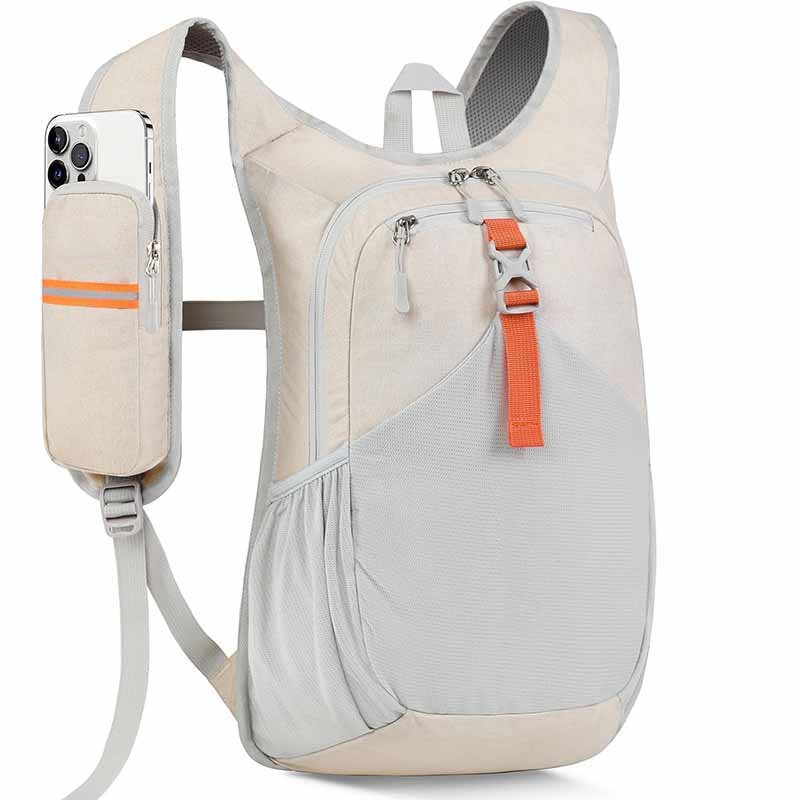
Choosing the right hiking backpack size is one of the most underestimated decisions new and experienced hikers alike make. Many people focus on brand, color, or price first—but capacity, measured in litres, determines whether your hike feels comfortable or miserable. Too small, and you’re forced to strap gear outside your pack or leave essentials behind. Too large, and you carry unnecessary weight, lose balance, and fatigue faster.
What makes this question more confusing is that there’s no single “correct” answer. A 20-litre pack might be perfect for a summer day hike but completely inadequate in winter. A 40-litre backpack could feel spacious for one hiker and cramped for another, depending on gear choices. And one of the most common questions people ask is whether a 50L backpack is too big for a day hike, or if it’s smarter to size up “just in case.”
The ideal litre size for a hiking backpack depends on trip length, season, gear volume, and personal packing style. Day hikes typically require 15–30 litres, overnight trips need 30–50 litres, and multi-day hikes often require 50–70 litres or more. A 40L pack suits minimalist overnight hikes, while a 50L pack is better for bulkier gear or colder conditions. Bigger is not always better.
Behind these numbers are real trade-offs that affect comfort, safety, and enjoyment on the trail. In the sections below, we’ll break down what litre size really means, how to choose between 40L and 50L, and how to match backpack capacity to your actual hiking needs—step by step.
What Does “Litre Bag Size for Hiking” Mean
The litre size of a hiking backpack refers to its total internal storage volume, measured in litres, including the main compartment, lid, and external pockets. It indicates how much gear the bag can hold, not how much weight it can carry. Choosing the correct litre size helps hikers balance packing efficiency, comfort, and safety based on trip length, season, and equipment needs.
What does the litre number represent in a hiking backpack?
When a hiking backpack is labeled 20L, 30L, 40L, or 50L, the number represents the total usable storage volume, measured according to industry standards. This volume typically includes:
- The main internal compartment
- Top lid or brain pockets
- Front stash or shove-it pockets
- Side pockets and extension collars
It does not measure how heavy a load the backpack can safely carry. Two backpacks with the same litre rating can feel very different in real use due to differences in shape, compartment layout, and suspension design.
How is backpack litre volume actually measured?
Most manufacturers measure backpack volume using standardized methods, often by filling the pack and its pockets with small beads or pellets and then calculating total displacement in litres.
Important to know:
- Some brands include external pockets in the total volume
- Others list main compartment volume separately
- Roll-top and expandable packs may vary depending on how they’re packed
This is why a “40L” pack from one brand may feel slightly larger or smaller than another.
How many litres should my hiking bag be in general?
While exact needs vary, general guidelines look like this:
| Hiking Type | Typical Litre Range |
|---|---|
| Short day hike | 15–20L |
| Full-day hike | 20–30L |
| Overnight (1 night) | 30–40L |
| 2–3 days | 40–50L |
| Multi-day / winter | 50–70L+ |
These ranges assume average gear volume. Ultralight hikers may size down, while winter or camera-heavy hikers often need more space.
Why litre size matters more than most hikers think
Choosing the wrong litre size leads to common problems:
- Too small → gear strapped outside, poor balance, frustration
- Too large → overpacking, excess weight, faster fatigue
A correctly sized backpack allows all essential gear to fit inside the pack, keeps weight close to your center of gravity, and improves stability on uneven terrain.
Are litres the most accurate way to choose a hiking backpack?
Litres are a starting point, not the final decision.
Other critical factors include:
- Torso length and frame size
- Hip belt support and load transfer
- Internal organization and compression systems
- Shape (tall/narrow vs short/wide)
A well-designed 40L pack can carry better than a poorly designed 50L pack, even if total volume is smaller.
Why do two backpacks with the same litres feel different?
This is one of the most common points of confusion for hikers.
Differences come from:
- Pack geometry (how volume is distributed vertically)
- Pocket placement and usability
- Frame stiffness and load lifters
- Compression strap effectiveness
As a result, litre size tells you how much can fit, but design determines how well it carries.
Should beginners size up “just in case”?
Many beginners choose a bigger pack than necessary. While this can reduce packing stress, it often leads to overpacking.
A better approach:
- Choose the right litre range for your most common trip
- Use compression straps to manage smaller loads
- Avoid upsizing unless your gear truly requires it
Bigger is not safer—better fit and smarter packing are.
How Many Litres Bag for Hiking: Day Hikes
For most day hikes, a 15–30 litre hiking backpack is ideal. Short, low-intensity hikes typically need 15–20L, while full-day hikes with variable weather or extra gear are better suited to 20–30L packs. Larger backpacks, such as 40L or 50L, are usually unnecessary for day hiking unless carrying winter equipment, photography gear, or safety supplies.
How many litres for a short or full-day hike?
The length and intensity of your hike directly determine pack size.
- Short hikes (2–4 hours): 15–20L Ideal for water, snacks, phone, map, and a light jacket.
- Full-day hikes (6–10 hours): 20–30L Allows room for more food, extra layers, rain protection, and emergency gear.
Most hikers fall into the 20–25L sweet spot, balancing enough space without encouraging overpacking.
Is a 50L backpack too big for a day hike?
In nearly all cases, yes.
A 50L backpack for day hiking:
- Adds unnecessary empty volume
- Encourages carrying non-essential items
- Increases fatigue and reduces agility
- Shifts weight away from your center of gravity
Exceptions include winter hikes, alpine environments, or trips requiring technical safety gear. For standard day hikes, a 50L pack is inefficient.
What gear determines litre needs for day hiking?
Your litre requirement increases if you carry:
- Extra water in hot or dry climates
- Insulated layers in cold weather
- Camera or drone equipment
- Group safety or child-care gear
In these cases, moving from 20L to 30L is reasonable. Jumping to 40L or 50L rarely is.
How does season affect day hike backpack size?
Season plays a major role.
- Summer: 15–20L often sufficient
- Spring/Fall: 20–25L for variable weather
- Winter: 25–35L for insulation, traction, and safety tools
Cold weather adds bulk, not just weight, making larger packs necessary even for short hikes.
Can a 40L backpack work for day hikes?
A 40L pack can work, but it’s usually not ideal.
Pros:
- Versatility if you also do overnight trips
- Room for bulky winter gear
Cons:
- Heavier empty pack
- Greater temptation to overpack
For most hikers, owning a dedicated 20–30L day pack leads to better comfort and trail performance.
How should a day hiking backpack be organized?
Efficient organization reduces the need for extra litres.
Tips:
- Keep heavy items close to your back
- Use external pockets for quick-access gear
- Compress unused space with straps
Good organization often allows hikers to downsize by 5–10 litres without sacrificing essentials.
How Many Litres Bag for Hiking: Overnight & Multi-Day
For overnight hikes, most hikers need a 30–50 litre backpack, while multi-day trips typically require 50–70 litres or more, depending on gear bulk, food, water, and season. A 40L pack works for minimalist 1–2 night hikes in warm conditions, while a 50L pack offers greater flexibility for colder weather, bulkier sleep systems, and longer food carries.
How many litres for a 1-night or weekend hike?
For overnight or weekend hikes (1–2 nights), the most common backpack sizes are 35–45L.
A 35–45L pack can typically fit:
- Sleeping bag or quilt
- Sleeping pad
- Lightweight tent or shelter
- Compact cooking system
- 1–2 days of food
- Extra clothing layers
If you use modern, compressible gear, you may manage with 35–40L. If your gear is bulkier, 45L becomes more comfortable and less stressful to pack.
Do I need a 40L or 50L backpack for multi-day trips?
This is one of the most asked questions in hiking—and the answer depends on volume, not experience.
Choose 40L if:
- You hike in warm seasons
- You use ultralight or compact gear
- You resupply food frequently
- You prefer a streamlined load
Choose 50L if:
- You hike in mixed or cold weather
- Your sleeping system is bulky
- You carry extra food or water
- You want packing flexibility
For most hikers, 50L is the safer all-around choice for multi-day use.
How many litres for 3–5 day hikes?
For 3–5 days, most hikers are comfortable with 50–65L.
At this duration:
- Food volume becomes significant
- Extra clothing is required
- Space for safety or repair gear matters
Ultralight hikers may stay near 45–50L, but traditional backpackers often appreciate the breathing room of 60–65L.
When should you choose backpacks larger than 60–70L?
Large packs (70L**+**) are typically needed for:
- Winter or alpine hiking
- Mountaineering trips
- Long unsupported expeditions
- Family or group hiking (shared gear)
These packs are not about convenience—they are about necessity when gear volume and duration exceed normal limits.
How does season affect litre needs for overnight trips?
Season dramatically affects pack size.
| Season | Typical Litre Increase |
|---|---|
| Summer | Baseline |
| Spring / Fall | +5–10L |
| Winter | +15–25L |
Cold-weather insulation, heavier sleeping bags, and traction tools quickly push hikers from 40L into the 50–70L range.
How does food and water planning affect multi-day pack size?
Food volume increases almost linearly with trip length, while water needs depend on environment.
- Dry climates require extra water storage
- Long carries between water sources increase litre needs
- Bear canisters (where required) add significant volume
These factors often push otherwise minimalist hikers into larger packs.
For overnight and multi-day hiking, 40L vs 50L is the most important decision point. A 40L pack rewards efficient packing and modern gear, while a 50L pack offers flexibility, comfort, and margin for error. Choose based on your gear volume and trip conditions—not optimism.
Which Factors Affect Ideal Bag Size
The ideal hiking backpack size is affected by trip length, season, sleeping system, food and water requirements, climate, and personal packing style. Cold weather, bulky sleep gear, and long water carries significantly increase litre needs, while ultralight equipment and efficient packing allow smaller backpacks. Choosing the right size requires evaluating real gear volume rather than relying on experience level alone.
How does trip length affect backpack litre needs?
Trip length is the most obvious—but not the only—factor.
- Day hikes: Minimal food and no shelter → smaller packs
- Overnight hikes: Shelter, sleep system, cooking gear → sharp volume increase
- Multi-day hikes**:** Food volume grows with each day
However, trip length alone doesn’t tell the full story. A 2-day winter hike may require more space than a 5-day summer hike due to insulation and safety gear.
How does season change the ideal backpack size?
Season has a massive impact on volume, often more than trip duration.
| Season | Why Volume Increases |
|---|---|
| Spring/Fall | Extra layers, rain protection |
| Winter | Insulated clothing, bulky sleeping bags, traction tools |
Winter hikers commonly need 15–25 extra litres compared to summer hikers for the same trip length. This is why many hikers underestimate pack size for cold-weather trips.
How does your sleeping system affect backpack volume?
Your sleeping system is usually the single largest volume contributor.
Key components:
- Sleeping bag or quilt
- Sleeping pad
- Tent or shelter
| Sleeping System Type | Volume Impact |
|---|---|
| Ultralight quilt + tarp | Low |
| Standard 3-season bag + tent | Medium |
| Winter bag + double-wall tent | Very high |
If your sleep system is bulky, no amount of packing skill will make a small pack work comfortably.
How do food and water requirements change pack size?
Food and water planning is often underestimated.
- Food: Volume increases roughly linearly with trip length
- Water: Depends on climate and water availability
Dry, hot environments often require carrying extra litres of water, forcing hikers into larger packs even for short trips. Bear canisters, required in some regions, add significant bulk and often dictate pack size by themselves.
How does climate and terrain affect backpack volume?
Harsh climates and technical terrain require additional safety gear:
- First aid and repair kits
- Emergency insulation
- Navigation tools
- Traction devices (microspikes, crampons)
More demanding environments = higher margin for error = larger packs.
Does hiking experience reduce backpack size needs?
Experience helps—but it’s not magic.
Experienced hikers:
- Pack more efficiently
- Avoid redundant items
- Choose multi-use gear
However, experience cannot compress bulky equipment. Gear choice matters more than skill when it comes to litre requirements.
How does personal packing style influence pack size?
Some hikers pack minimally; others prefer comfort and redundancy.
- Comfort-oriented hikers carry extra clothing and food
- Photographers and content creators need extra space
- Group leaders often carry shared gear
Your ideal pack size should reflect how you actually hike, not how you aspire to hike.
Can better gear reduce backpack size significantly?
Yes—often by 10–20 litres.
Upgrading to:
- Down insulation instead of synthetic
- Compact sleeping pads
- Lighter shelters
can dramatically reduce required pack volume. This is why many hikers downsize packs over time as their gear improves.
What Should You Put in a Hiking Bag
A hiking bag should include essentials for hydration, nutrition, navigation, weather protection, safety, and comfort. Core items typically include water, food, extra clothing layers, rain protection, navigation tools, a first aid kit, and emergency supplies. For overnight or multi-day hikes, shelter, sleeping systems, and cooking gear are added. The bulk of pack volume comes from insulation, sleeping gear, and food—not small accessories.
What are the core essentials every hiking bag should carry?
Regardless of trip length, every hiking backpack should cover five basic needs:
- Hydration – water bottles or hydration bladder
- Nutrition – snacks, meals, electrolytes
- Protection – rain shell, insulation layer
- Navigation & communication – phone, map, GPS
- Safety – first aid kit, headlamp, emergency items
These essentials form the foundation of your pack. Even on short hikes, skipping them increases risk far more than it saves weight.
Which items take up the most space in a hiking bag?
Volume—not weight—is what forces hikers into larger packs.
The biggest space consumers are:
- Sleeping bag or quilt
- Sleeping pad
- Tent or shelter
- Insulated jackets (especially winter)
- Food for multi-day trips
Small items like tools, electronics, or first aid kits add weight but very little volume. This is why pack size is dictated by a few bulky items rather than everything you carry.
What should you pack for a day hike?
Typical day hike packing list (15–30L):
- 1–3L water
- Snacks or lunch
- Lightweight insulation layer
- Rain jacket
- Small first aid kit
- Phone / map / power bank
- Headlamp
- Sunscreen, hat, gloves (seasonal)
A well-packed day hiking bag should feel light, balanced, and never completely full.
What extra items are needed for overnight hiking?
For overnight hikes (30–50L), add:
- Sleeping bag or quilt
- Sleeping pad
- Tent, tarp, or bivy
- Stove, fuel, cook set
- Dinner and breakfast food
- Toiletries and hygiene items
These items dramatically increase pack volume, which is why overnight hikes require much larger backpacks than day hikes.
What additional gear is required for multi-day hikes?
For multi-day hiking (50–70L+), you’ll also need:
- Extra food per day
- Additional clothing layers
- Repair kit (duct tape, patches)
- Backup navigation tools
- Bear canister (where required)
Food volume increases linearly with trip length, often becoming the dominant factor after day two.
How do weight and volume differ when packing a hiking bag?
This distinction is critical:
- Weight affects fatigue and joint stress
- Volume affects pack size, balance, and organization
You can have a light but bulky pack (down jacket, sleeping bag) or a heavy but compact pack (water, tools). Pack size decisions are driven primarily by volume, not weight.
How should gear be organized inside a hiking backpack?
Good organization improves comfort and can reduce required litres.
General packing order:
- Bottom: sleeping bag and soft items
- Middle: dense items (food, stove) close to your back
- Top: frequently used items (layers, rain jacket)
- External pockets: water, snacks, navigation tools
Proper organization improves balance and reduces strain on shoulders.
How can hikers reduce pack volume without sacrificing safety?
Smart strategies include:
- Using compression sacks
- Choosing multi-use items
- Sharing gear in group hikes
- Avoiding “just in case” duplicates
Many hikers can reduce pack size by 10–15 litres simply by packing more deliberately.
Does packing style affect ideal backpack size?
Absolutely.
- Comfort-oriented hikers carry extra clothing and food
- Photographers need space for camera gear
- Group leaders often carry shared safety equipment
Your backpack size should reflect how you actually hike, not an idealized version of yourself.
How Do Fit and Comfort Relate to Pack Size
Backpack fit and comfort are more important than litre size alone. A well-fitted 50L hiking backpack can feel more comfortable than a poorly fitted 40L pack. Proper torso length, hip belt support, shoulder strap positioning, and load distribution determine how weight is carried. Choosing the correct pack size must always be paired with correct fit to avoid fatigue, pain, and instability on the trail.
Why fit matters more than litre size
Many hikers assume a smaller pack is automatically more comfortable. This is often false.
Comfort depends on:
- How weight is transferred to the hips
- How close the load sits to your center of gravity
- Whether the pack matches your torso length
A pack that is too short or too long will cause shoulder strain, lower back pain, and poor balance—regardless of whether it is 40L or 50L.
How does torso length affect comfort and stability?
Torso length determines where the shoulder straps and hip belt sit.
- Too short: weight pulls down on shoulders
- Too long: hip belt sits incorrectly, reducing load transfer
Most quality hiking backpacks are sized by torso length (S/M/L) or offer adjustable frames. Getting this measurement right is more important than choosing between 40L and 50L.
How does the hip belt influence pack comfort?
The hip belt should carry 60–80% of the total load.
A good hip belt:
- Wraps snugly around the hip bones
- Transfers weight off the shoulders
- Stabilizes the pack during movement
Larger packs (50L+) often feel more comfortable when heavily loaded because they usually have stronger frames and better hip belt systems.
Is a bigger backpack always more comfortable?
No. Bigger packs can be more comfortable only when properly loaded.
Problems with oversized packs:
- Encourage overpacking
- Shift weight farther from the back
- Increase total carried weight
A half-empty 50L pack often carries worse than a properly filled 30–40L pack. Comfort comes from appropriate size + correct load, not size alone.
How does load distribution change with pack size?
Larger packs allow better organization but require discipline.
Good load distribution means:
- Heavy items placed close to the back and mid-height
- Light, bulky items placed lower or higher
- Even left–right balance
Poorly distributed loads cause fatigue and instability, especially on uneven terrain.
How do adjustable suspension systems help?
Adjustable systems allow one pack to serve multiple trip types.
Benefits include:
- Fine-tuning torso length
- Adapting to different load weights
- Improved long-term comfort
This is especially valuable for hikers who use the same pack for both day hikes and overnight trips.
How does body type affect ideal pack size?
Two hikers carrying the same gear may need different packs.
Factors include:
- Height and torso length
- Hip shape and width
- Shoulder width
This is why men’s and women’s hiking packs often differ in fit—even when litre size is the same.
Can poor fit make a “correct size” pack uncomfortable?
Absolutely.
Even a perfectly sized 40L pack will feel uncomfortable if:
- The hip belt doesn’t fit
- Shoulder straps dig in
- Load lifters are misadjusted
Fit issues are one of the most common reasons hikers blame pack size when the real issue is adjustment.
Should comfort influence whether you choose 40L or 50L?
Yes—but indirectly.
Choose 50L if:
- You regularly carry heavier or bulkier loads
- You hike in cold or variable conditions
- You want better load transfer for multi-day trips
Choose 40L if:
- Your loads are light and compact
- You prioritize agility and minimalism
In both cases, fit determines comfort more than litre count.
FAQ: Choosing Hiking Bag Size
Choosing the right hiking backpack size depends on trip length, season, gear volume, and personal packing style. Day hikes usually require 15–30 litres, overnight trips need 30–50 litres, and multi-day hikes often need 50–70 litres or more. Bigger backpacks are not always better—proper fit, comfort, and realistic packing matter more than maximum capacity.
How many litres backpack do I really need for hiking?
Most hikers need 20–30L for day hikes, 40–50L for overnight trips, and 50–70L for multi-day hikes. The exact size depends on gear bulk, climate, and how efficiently you pack. There is no universal “perfect” size—only a size that fits your most common trips.
Is a 40L backpack enough for most hikers?
Yes, for many hikers.
A 40L pack is ideal if you:
- Hike mainly in warm seasons
- Use compact or ultralight gear
- Take 1–2 night trips
- Prefer a streamlined setup
However, hikers carrying bulkier gear or hiking in cold weather may find 40L limiting.
Do I need a 50L backpack instead of 40L?
Choose 50L if:
- You hike in variable or cold climates
- You carry extra food or water
- You want flexibility for different trips
A 50L pack provides margin for error and is often more forgiving for beginners.
Is a 50L backpack too big for a day hike?
In most cases, yes.
A 50L backpack is unnecessarily large for standard day hikes and often leads to overpacking. It may be suitable for winter day hikes or trips requiring specialized equipment, but a 20–30L pack is usually a better choice.
Should beginners choose a bigger or smaller hiking backpack?
Beginners often benefit from a slightly larger pack (45–50L). It reduces packing stress and allows room for less compact gear. As experience and gear improve, many hikers downsize over time.
Does hiking experience reduce the litres I need?
Experience helps—but gear matters more.
Experienced hikers pack more efficiently, but bulky gear still requires space. Many hikers reduce pack size by upgrading equipment rather than gaining experience alone.
Do men and women need different hiking backpack sizes?
Volume needs are generally similar, but fit differs.
Women’s backpacks often have:
- Shorter torso lengths
- Narrower shoulder straps
- Different hip belt shaping
Choosing the right fit matters more than gender labeling.
Are ultralight hikers able to use much smaller backpacks?
Yes.
Ultralight hikers often use 30–40L packs for trips where others need 50–60L. This is due to:
- Minimalist gear
- Multi-use items
- Strict packing discipline
However, ultralight hiking requires investment in specialized equipment.
Should I buy one backpack or multiple sizes?
If possible, owning two packs is ideal:
- One 20–30L day pack
- One 40–50L overnight/multi-day pack
This combination covers most hiking scenarios comfortably.
Can a hiking backpack be too big even if it fits well?
Yes.
An oversized pack:
- Encourages unnecessary gear
- Increases total carried weight
- Reduces efficiency and comfort
Fit does not compensate for excess volume.
How do I test if a backpack size is right for me?
Load the pack with real hiking gear, adjust it properly, and walk for at least 15–20 minutes. If it feels unstable, pulls on your shoulders, or tempts you to overpack, the size may not be right.
Conclusion
Choosing the right hiking backpack size is only half the equation. The other half is how well that backpack is designed, constructed, and adapted to real-world use.
Szoneier is a professional bag manufacturer with 18+ years of experience in custom and OEM backpack production. We work with outdoor brands, retailers, and private-label clients worldwide to develop hiking backpacks that balance capacity, comfort, durability, and cost.
Whether you’re developing a 40L hiking backpack, a versatile 50L trekking pack, or a full outdoor bag collection, Szoneier helps turn concepts into reliable, market-ready products.
Contact Szoneier today to request samples, discuss custom designs, or receive a tailored quotation for your hiking backpack project.
manufacturer Categories
- Custom Tote Bags Manufacturer
- custom backpacks Manufacturer
- custom travel bags& Duffle bags manufacturer
- custom makeup bags & toiletry bags manufacturer
- custom cooler bags manufacturer
- custom drawstring bags manufacturer
- custom makeup bags & toiletry bags manufacturer
- custom golf bags manufacturer
- custom fireproof bags manufacturer
- custom dry bags manufacturer
- custom ski bags manufacturer
- custom gym & sports bags manufacturer
- custom laptop bags manufacturer
- custom tactical bags manufacturer
- custom beach bags manufacturer
- custom medical bags manufacturer
- custom camera bags manufacturer
- custom wetsuits manufacturer
- custom leather goods manufacturer
- more personalized products
Can't find the answers?
No worries, please contact us and we will answer all the questions you have during the whole process of bag customization.
Make A Sample First?
If you have your own artwork, logo design files, or just an idea,please provide details about your project requirements, including preferred fabric, color, and customization options,we’re excited to assist you in bringing your bespoke bag designs to life through our sample production process.
