 Skip to content
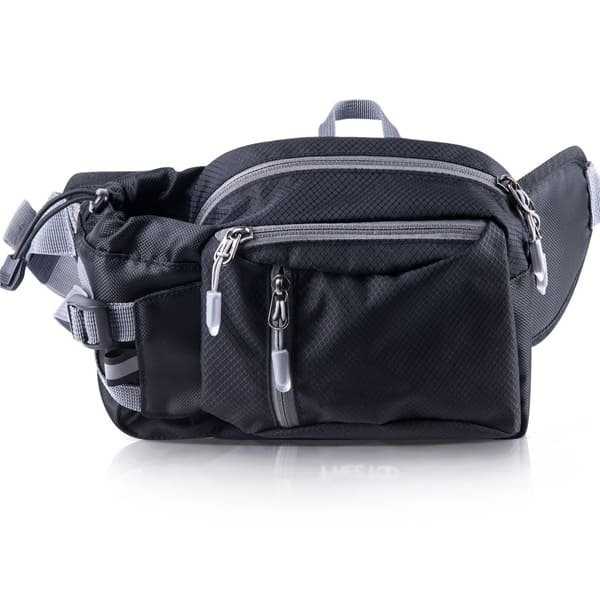
Imagine strolling through a bustling street market, your hands free to browse artisanal crafts, your valuables secure against your side, and your style game on point. That’s the magic of the waist pack—a versatile companion that’s enjoyed a resurgence among urban commuters, travelers, and outdoor enthusiasts alike.
A waist pack,also known as a fanny pack, hip bag, or belt bag—is a small pouch secured around your waist by an adjustable strap. Originally popular in the 1980s, modern designs feature multiple compartments, durable materials like nylon or leather, and ergonomic shapes to distribute weight comfortably. Perfect for everyday carry or adventure travel, waist packs offer hands‑free convenience without sacrificing style or security.
Born in the era of neon windbreakers and cassette players, the waist pack fell out of favor decades ago—only to make a triumphant return as the must‑have travel and lifestyle accessory of today. Whether you’re hitting the trails or navigating airport security lines, understanding how a waist pack can elevate your daily routine is key. Let’s dive into what makes these pouches so indispensable—and how you can choose the perfect one for your needs.
What Is a Waist Pack and How Does It Differ from a Fanny Pack?
A waist pack is a small, belt‑worn pouch with an adjustable strap, designed for hands‑free carry of essentials. While “waist pack,” “fanny pack,” and “hip bag” are often used interchangeably, “waist pack” tends to denote a more modern, streamlined design. Fanny pack is a nostalgic term from the 1980s, whereas hip bag emphasizes styling around the hip. Subtle differences lie in shape, material, and branding preferences.
Names and Synonyms of Waist Packs
- Fanny Pack: Retro term popular in North America, evokes ’80s fashion.
- Hip Bag / Belt Bag: Modern names—hip bag often implies sleek design, belt bag can be stylish or luxury.
- Waist Pack: Technical or outdoor gear term, commonly used in sports and travel contexts.
What Is the Difference Between a Fanny Pack and a Waist Pack?
- Design Evolution: Fanny packs originally were single‑compartment canvases; modern waist packs offer multiple zippers, modular pockets, and ergonomic curves.
- User Perception: “Fanny pack” carries a playful, retro vibe; “waist pack” and “hip bag” feel more upscale or outdoorsy.
- Regional Usage: In the U.S., “fanny pack” remains common—outside North America, “belt bag” or “hip bag” prevail.
Which Materials and Construction Methods Make the Best Waist Packs?
Top‑quality waist packs use durable fabrics—nylon for lightweight strength, polyester for water resistance, leather for luxury, and recycled blends for eco‑friendly options. Premium hardware like YKK zippers and adjustable buckles ensure longevity. Expert construction includes reinforced stitching at stress points and laminated seams for waterproofing, delivering a balance of resilience and style.
Selecting the right material and construction method is foundational to a waist pack’s performance, durability, and aesthetic appeal. Below, we explore common fabric choices, hardware considerations, and manufacturing techniques that distinguish a run‑of‑the‑mill pouch from a premium accessory.
Fabric Comparisons
| Material | Pros | Cons | Ideal Use Cases |
|---|---|---|---|
| Nylon (Ripstop) | Ultralight, tear‑resistant, quick‑dry | Can fade in bright sun | Hiking, travel packs |
| Polyester | Affordable, UV‑resistant, holds color well | Slightly heavier than nylon | Daily commuter packs |
| Leather (Genuine) | Luxurious look, develops patina over time | Requires more care | Fashion or executive belt bags |
| Recycled Blends | Eco‑friendly, appeals to green brands | Variable durability | Sustainable product lines |
Nylon ripstop fabrics are woven with thicker threads at regular intervals, creating a grid that prevents small tears from expanding. This makes them a go‑to choice for active users who demand resilience without bulk. Polyester, while marginally heavier, resists UV degradation better—so if color retention is critical, polyester’s your pick.
Leather waist packs command a premium price but speak volumes in style. Full‑grain leather ages gracefully, acquiring a distinctive patina; however, it demands occasional conditioning and is susceptible to water damage unless treated. For “green” brands, recycled PET blends offer a sustainable narrative, though quality can vary—always request lab‑certified durability tests.
Hardware and Fasteners
High‑quality waist packs pair robust fabrics with reliable hardware. YKK zippers, renowned for snag‑free operation, are industry standard. Metal buckles and sliders—preferably stainless steel or anodized aluminum—outperform plastic in longevity and finish. Adjustable webbing straps, reinforced with bartack stitching, ensure the pack stays put under load.
When evaluating prototypes, inspect the slider teeth and slider pull for smooth action. Test the strap buckles at various tensions—if they slip, the design risks loosening mid‑activity. Many manufacturers now integrate side‑release buckles with double‑lock mechanisms, combining ease of use with security.
Seam Sealing & Waterproofing
For packs destined to face rain or splashes, taped or welded seams are essential. Traditional stitching punctures the fabric, creating paths for water ingress; seam tape bridges these holes with a waterproof membrane. Some high‑end packs use RF‑welding—bonding thermoplastic polyurethane layers with radio frequency energy—eliminating needle holes entirely.
Critical Considerations
- Weight vs. Durability: Ultralight fabrics delight backpackers but may sacrifice abrasion resistance. Balance your target user’s priorities.
- Environmental Impact: Sourcing bluesign®‑approved textiles or GRS (Global Recycled Standard) certified materials can bolster your brand’s sustainability credentials.
- Quality Control: Random sampling during production runs should include pull tests on seams, buckle load tests, and water spray tests to validate specs.
How Do You Choose the Right Waist Pack for Your Specific Needs?
Choosing your perfect waist pack hinges on capacity, pocket layout, adjustability, and style. Assess how much gear you’ll carry—smartphone, wallet, keys—and whether you need quick‑access pockets or hidden anti‑theft compartments. Fit matters: look for fully adjustable straps and ergonomic belt widths for comfort. Match your pack’s aesthetic—sporty, casual, or luxury—to your lifestyle and wardrobe.
Selecting the ideal waist pack is a deeply personal decision that hinges on both functional requirements and personal style. Here’s a structured framework to guide buyers through the critical factors affecting fit, storage, and fashion.
1. Capacity & Compartment Layout
- Micro‑Packs (1–2 liters): Designed for minimalists—ideal for securing essentials like phone, cards, and keys.
- Medium Packs (3–5 liters): Accommodate water bottles, small cameras, snacks—great for day hikes or sightseeing.
- Large Hip Bags (6–8 liters): Hybrid belt‑pack combos that can double as small backpacks—suited for multi‑hour treks.
Assess not only total volume but how that space is partitioned. Multiple zipped pockets afford organization; mesh sleeves keep cords and power banks tangle‑free. Internal key hooks and RFID‑blocking lining can enhance usability and security.
2. Fit & Adjustability
A waist pack should ride high on the hips or snugly around the lower back—not swing loosely. Key fit features include:
- Belt Width: Wider belts disperse weight more evenly; narrow straps can dig into the waist.
- Adjustable Range: Look for straps extending at least 30–45 cm beyond the buckle to suit varied body sizes or worn-over-jackets.
- Stabilizer Straps: Many outdoor packs include extra straps anchoring the pouch to the torso or thigh for high‑impact sports.
Encourage users to try on prototypes with weight inside—fit feels different under load than in the showroom.
3. Style & Aesthetic
No longer reserved for tourist gear, waist packs come in modes to suit diverse wardrobes:
- Sporty: Bold colors, reflective trims, durable technical fabrics.
- Casual: Canvas or leather accents, muted palettes for daily street style.
- Luxury: Premium leather, metal hardware, designer logos; often sold as “belt bags” in fashion boutiques.
Selecting a pack that complements the user’s personal brand fosters both pride of ownership and increased usage, translating to stronger word‑of‑mouth for your label.
4. Specialized Features
- Anti‑Theft: Hidden rear‑facing zippers and slash‑proof straps deter pickpockets in crowded areas.
- Hydration‑Ready: Internal sleeve for 1L bladder, hose exit port—ideal for cyclists and runners.
- Tech‑Friendly: Padded sleeves for cameras, tablets, or power banks; external USB charging ports.
Tailoring the feature set to the user’s primary activities not only improves satisfaction but can justify premium pricing.
5. Brand & Customization
Partnering with a manufacturer like Szoneier opens doors to private‑label branding and bespoke design. Whether silk‑screen logos, custom strap colors, or unique pocket configurations, customization can differentiate your product in a saturated market—driving higher margins and stronger retailer partnerships.
Do Waist Packs Offer Sufficient Storage and Organization Features?
Modern waist packs maximize efficiency with multi‑compartment designs: main pockets for bulk items, secondary pockets for quick‑grab essentials, and concealed compartments for valuables. Elastic inner sleeves, mesh organizers, and external attachment loops enable organized packing. Even minimalist designs often include at least two zipped sections, ensuring you can separate keys, wallet, and phone without digging through a cluttered pouch.
A common misconception about waist packs is that they sacrifice organization for compactness. In reality, many contemporary designs leverage smart engineering to deliver surprising storage capacity and intuitive layouts.
Internal Organization Systems
- Key Leashes & Card Slots: Integrated elastic loops or small pockets ensure cards and keys stay in place.
- Mesh Divider Panels: Keep cables and small accessories visible and untangled.
- Padded Tech Sleeves: Protect cameras, smartphones, or power banks from impact and abrasion.
For users juggling multiple gadgets, these tiny but critical features transform a simple pouch into a mobile command center.
External Attachment Options
- D‑Ring Clips: Useful for hanging gloves, hats, or water bottles.
- MOLLE Webbing (Tactical Style): Allows clipping on modular pouches or gear.
- Elastic Side Pockets: Stretchable pockets on the belt band can hold slim items like pens or lip balm.
These attachments convert a waist pack from a passive container into a dynamic, expandable system.
Modular & Removable Inserts
Some premium packs include removable MOLLE‑compatible pouches or padded camera inserts—unhook them to switch from hiking mode to urban commute in seconds. This modularity caters to multi‑use buyers, maximizing product versatility.
Water‑Resistant vs Waterproof Compartments
Manufacturers often designate one pocket as water‑resistant—lined with coated nylon and sealed seams—ideal for electronics, while other pockets remain uncoated for breathability of snacks or tissues. Fully waterproof zippers and welded seams on high‑end models can protect gear even in torrential downpours.
Capacity Optimization Tips
- Use Packing Cubes: Small zip‑pouches can group similar items, maintaining order.
- Strategic Layering: Place flat items (maps, documents) against the body for profile reduction; bulkier items sit outward.
- Weight Distribution: Store heavier items centrally to avoid pulling on one side.
Are Waist Packs Comfortable, Ergonomic, and Safe to Wear All Day?
Top‑tier waist packs feature padded, breathable back panels and wide straps to distribute load across the hips. Adjustable belting ensures a snug fit, while stabilizer straps minimize bounce during movement. Reflective accents and secure buckles enhance safety in low‑light conditions. When properly fitted, a quality waist pack stays affixed without chafing—perfect for all‑day wear.
Comfort and ergonomics are paramount when a waist pack transitions from a novelty to a daily essential. Here’s how modern designs address the challenges of prolonged wear and active movement.
Weight Distribution & Padding
- Contoured Back Panels: Curved to match the lumbar region, spreading weight evenly.
- Foam or Gel Inserts: Provide cushioning and reduce pressure points.
- Breathable Mesh Covers: Promote airflow to prevent sweat buildup on the lower back.
A well‑padded back panel not only enhances comfort but also stabilizes the pack’s center of gravity—preventing it from swinging awkwardly during vigorous activity.
Strap Design & Adjustability
- Ergonomic Belt Widths: Wider belts reduce waist compression; look for 5–7 cm width for balanced support.
- Dual‑Adjust Buckles: Allow micro‑adjustments for perfect fit—essential when layering over jackets or jerseys.
- Anti‑Slip Webbing: Textured inner surfaces prevent the pack from sliding.
Proper strap tension is crucial: too loose, and the pack bounces; too tight, and it digs in. Encourage users to adjust straps while wearing their typical load to find the sweet spot.
Stability Features
- Sternum or Cross‑Body Straps: Some designs include an optional chest strap to anchor the pouch—ideal for cyclists or runners.
- Thigh Straps: For high‑impact sports, removable leg loops can secure the lower end of the pack.
- Low‑Profile Buckles: Flat‑laid hardware reduces snag hazards when navigating crowded spaces.
These auxiliary straps can transform a simple belt bag into a performance‑grade accessory for extreme sports.
Safety & Visibility
- Reflective Trims: Enhance visibility in low‑light conditions for pedestrians and nighttime cyclists.
- Whistle‑Enabled Buckles: Some models integrate a safety whistle for emergencies.
- Lockable Zippers: Offer anti‑theft protection in crowded environments.
By integrating these safety elements, manufacturers not only boost user confidence but also justify premium price points through added value.
Long‑Term Comfort Strategies
- Alternate Positions: Occasionally shift the pack’s position to relieve pressure zones.
- Load Lightly: Carry only essentials—overloading leads to fatigue and discomfort.
- Regular Cleaning: Sweat and dirt degrade padding over time; follow care instructions (see next section).
Through thoughtful ergonomic design and user‑centric features, waist packs have evolved into comfortable, secure, and reliable companions for all‑day wear.
How Should You Care for and Maintain Your Waist Pack?
Clean nylon or polyester packs with mild soap, lukewarm water, and a gentle brush; air dry away from direct sun. Leather packs benefit from periodic conditioning with pH‑balanced leather balm. Always empty all pockets before cleaning, and store in a cool, dry place. Regular inspections of seams, zippers, and buckles prolong the life of your pack.
Proper maintenance not only preserves a waist pack’s appearance but also ensures its functionality over years of use. Below are best practices tailored to different materials and components.
Cleaning Fabric Packs
- Empty Completely: Remove all contents, including small debris from pockets and seams.
- Spot Test: On a hidden area, apply diluted mild detergent to confirm colorfastness.
- Hand Wash: Use a soft brush and gentle circular motions; avoid soaking metal hardware to prevent corrosion.
- Rinse Thoroughly: Ensure no soap residue remains—trapped detergent can degrade fibers.
- Air Dry: Hang or lay flat in shade; direct sunlight can weaken synthetic fabrics and fade dyes.
Machine washing is discouraged unless the manufacturer explicitly states it’s safe—tumbling can stress seams and hardware.
Leather Care
- Dust & Dirt Removal: Wipe with a dry, lint‑free cloth.
- Conditioning: Apply a small amount of pH‑balanced leather conditioner, working in circular motions.
- Waterproofing: For genuine leather, use a spray or balm containing beeswax to repel moisture.
- Storage: Keep in a breathable dust bag; avoid plastic covers that trap humidity and encourage mold.
Leather packs should never be submerged in water or exposed to extreme heat—both can cause cracking and shrinkage.
Hardware & Zipper Maintenance
- Lubricate Zippers: A dry graphite pencil or zipper‑specific lubricant keeps sliders smooth.
- Inspect Buckles: Test for cracking or brittleness—replace any plastic components showing wear.
- Tighten Screws: On metal buckles or D‑rings, ensure threaded fasteners remain snug.
Routine hardware checks prevent failures at critical moments—like mid‑hike or during daily commutes.
Repair & Warranty Strategies
- Seam Repairs: Small tears at stress points can be reinforced with heavy‑duty nylon thread and bartack stitches.
- Patch Kits: Many outdoor brands offer repair patches for punctures in technical fabrics.
- Manufacturer Support: Szoneier provides OEM repair services and spare parts for extended product life.
Ready to Elevate Your Brand with Custom Waist Packs?
Whether you’re a retailer seeking a standout private‑label line or a brand launching your first hip bag collection, Szoneier’s 18+ years of expertise in bag R&D, manufacturing, and customization make us your ideal partner. From eco‑friendly fabrics to luxury leathers, tailored pocket layouts, and ergonomic designs, we bring your vision to life.
Contact Szoneier today to discuss bespoke waist pack solutions that resonate with your customers and propel your brand forward.
manufacturer Categories
- Custom Tote Bags Manufacturer
- custom backpacks Manufacturer
- custom travel bags& Duffle bags manufacturer
- custom makeup bags & toiletry bags manufacturer
- custom cooler bags manufacturer
- custom drawstring bags manufacturer
- custom makeup bags & toiletry bags manufacturer
- custom golf bags manufacturer
- custom fireproof bags manufacturer
- custom dry bags manufacturer
- custom ski bags manufacturer
- custom gym & sports bags manufacturer
- custom laptop bags manufacturer
- custom tactical bags manufacturer
- custom beach bags manufacturer
- custom medical bags manufacturer
- custom camera bags manufacturer
- custom wetsuits manufacturer
- custom leather goods manufacturer
- more personalized products


Can't find the answers?
No worries, please contact us and we will answer all the questions you have during the whole process of bag customization.
Make A Sample First?
If you have your own artwork, logo design files, or just an idea,please provide details about your project requirements, including preferred fabric, color, and customization options,we’re excited to assist you in bringing your bespoke bag designs to life through our sample production process.
