 Skip to content
What Is a Full-Size Backpack:A Complete Guide to Size, Features, and Uses
- Eric
- July 10, 2025
- 9:29 am
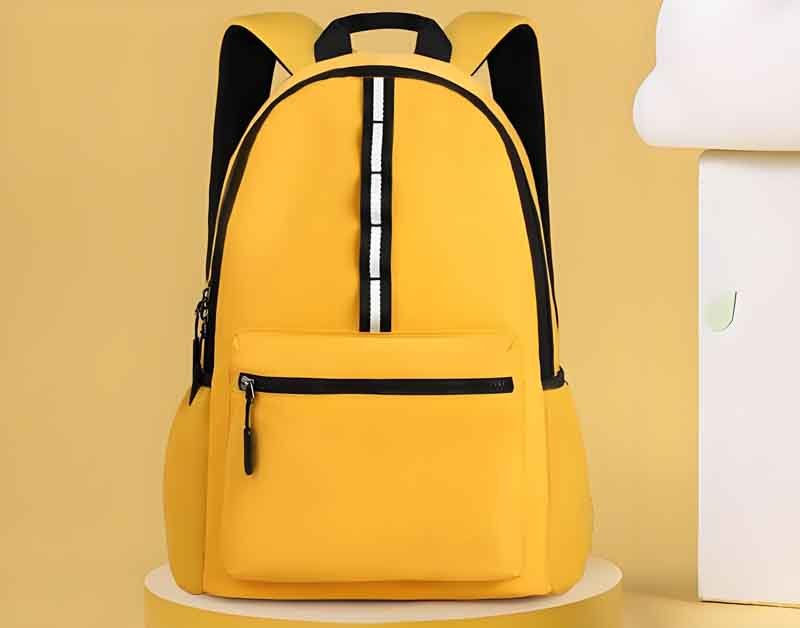
Choosing the right backpack can make or break your next adventure—whether you’re trekking through mountain passes, navigating city streets, or hauling textbooks across campus. A “full-size backpack” isn’t just a marketing buzzword; it represents a specific range of volumes and dimensions optimized for extended trips, heavy loads, and versatile use. With more than 18 years of experience in bag R&D and manufacturing, Szoneier helps brands and buyers understand why backpack size matters more than style alone.
A full-size backpack typically holds between 50–75 L of volume and measures around 26–32 inches tall. It supports torso lengths of 17–22 inches and features robust suspension and load-bearing systems for comfortable carry on multi-day trips.
Whether you’re an outdoor enthusiast weighing gear choices or a student hunting for the perfect campus companion, understanding what classifies a backpack as “full size” helps you avoid wasted money, back strain, and cracked zippers. Stick around as we unpack real data, expert fit tips, and insider insights—plus, a peek at why Szoneier’s custom OEM/ODM options could be your next smart move. Let’s dive in by first clarifying the defining dimensions and capacities that set full-size backpacks apart.
What Dimensions and Capacity Classify a Backpack as Full Size?
A full-size backpack generally ranges from 50 to 75 L in volume and stands about 26–32 inches (66–81 cm) tall. It accommodates torso lengths of 17–22 inches and hip belts of 28–40 inches. Anything over 40 L is usually large, while full size ensures room for multi-day gear, split compartments, and external carry points.
When selecting a full-size backpack, precise volume and dimensions form the cornerstone of your decision:
Volume Ranges:
- Daypacks: 20–35 L
- Large Daypacks: 35–50 L
- *Full-Size Backpacks: 50–75 L
- Expedition Packs: 75 L+
Pack Type Volume Range Typical Height (inches) Torso Fit (inches) Daypack 20–35 L 16–20 15–18 Large Daypack 35–50 L 18–24 16–20 Full-Size Pack 50–75 L 26–32 17–22 Expedition Pack 75 L+ 30+ 18+ Height vs. Volume:
A pack’s capacity in liters correlates more with width and depth than height alone—but height affects fit on your back. A 65 L pack at 28 inches tall vs. a 50 L at 26 inches can feel very different if your torso-to-hip ratio is mismatched.
Torso Measurement:
Measuring from the C7 vertebra (base of the neck) to the top of your iliac crest (hip bone) determines torso length. Manufacturers like Szoneier calibrate frames to fit common torso ranges; adjustable aluminum or composite frames offer customization for 17–22 inches.
Hip Belt Sizing:
The hip belt takes 70–80% of your pack weight off your shoulders. Typical hip belts fit 28–40 inches; some packs include extension straps or modular pads.
“Large” vs “Full Size”:
While “large” can refer to any pack over 40 L, a “full-size” pack offers the design features—stabilizer straps, hydration sleeves, dual-access pockets, and reinforced stitching—needed for multi-day and technical excursions.
Understanding these metrics prevents both underpacking (lack of room) and overpacking (excess weight). For Szoneier’s OEM/ODM clients, we recommend starting with the target capacity for the use case (e.g., 60 L for 3–5 day hikes) then refining dimensions to match your market’s body metrics.
How Does a Full-Size Backpack Compare to Daypacks and Travel Packs?
Full-size backpacks (50–75 L) accommodate multi-day gear with advanced suspension, whereas daypacks (<35 L) suit daily commutes, and travel packs (40–60 L) focus on top-loading access and carry-on compliance. Each style balances capacity, weight, and convenience differently.
- Daypacks (20–35 L):
- Intended Use: Urban commuting, short hikes, school.
- Features: Lightweight frames or frameless, minimal padding, laptop sleeves, fewer compartments.
- Pros: Compact, under 2 lb, easy stowage.
- Cons: Limited space, no heavy-load support.
- Travel Packs (40–60 L):
- Intended Use: Backpacking-style travel, weekend trips.
- Features: Top-loading main compartment, compression straps, detachable daypack panels, lockable zippers.
- Pros: Carry-on compatible, organization for clothes and tech.
- Cons: Often lacks reinforced frames for heavy loads.
- Full-Size Backpacks (50–75 L):
- Intended Use: Multi-day hiking, expedition, gear-intensive travel.
- Features: Internal/external frames, load lifters, hip stabilizers, hydration-compatible, multi-access panels, gear loops.
- Pros: Designed for sustained carrying comfort, customizable suspension.
- Cons: Too large for everyday use or strict carry-on limits.
- Comparative Criteria:
- Weight Distribution: Full-size internal frames vs. frameless daypacks.
- Accessibility: Travel packs emphasize quick access and security; full-size packs offer side zips and panel-loading.
- Durability: Full-size often uses heavy-duty Cordura® or ballistic nylon; daypacks use lighter nylon or polyester.
- Use-Case Scenarios:
- Student vs. Hiker: A 15 L daypack may suffice for books, but a 60 L full-size pack is overkill—and heavy—for campus.
- Weekend vs. Expedition: Travel packs hit the sweet spot for weekenders; full-size wins for weeks on the trail.
By aligning design features with user behavior, Szoneier helps clients decide when to promote a lightweight commuter pack versus a fully featured expedition model. For OEM partners, blending travel and trekking attributes can create hybrid bestsellers.
Which Materials and Construction Features Matter in Full-Size Backpacks?
Top-performing full-size backpacks use high-denier fabrics like 500–1000 D Cordura® or ripstop nylon for abrasion resistance, durable YKK® zippers, and ITW® buckles. Internal or external frame systems (aluminum, composite, or spring steel) maintain shape and load balance. Reinforced stitching—bartacks at stress points—and weatherproof coatings or seam sealing round out construction features that maximize longevity and comfort on multi-day treks.
Choosing the right materials and construction methods is critical when you’re carrying 20 kg or more over uneven terrain for days at a time. Below, we break down the key elements—and why they matter.
1. Fabric Selection: Balancing Weight and Durability
Cordura® (500–1000 Denier):
- Pros: Exceptional abrasion and tear resistance; stands up to rock scrapes and branch snags.
- Cons: Heavier—adds 200–400 g vs. ripstop alternatives.
Ripstop Nylon/Polyester (70–210 T):
- Pros: Lightweight; tear-resistant grid weave prevents rips from propagating.
- Cons: Less abrasion-resistant on high-wear areas (bottom panels, shoulder straps).
Canvas & Hybrid Fabrics:
- Pros: Natural look and feel; good UV resistance.
- Cons: Heavier, absorbs water, longer dry times.
| Fabric Type | Weight (g/m²) | Abrasion Resistance | Water Resistance | Typical Use |
|---|---|---|---|---|
| 500 D Cordura® | 155–210 | ★★★★★ | ★★☆☆☆ | High-wear panels, bottom |
| 1000 D Cordura® | 280–350 | ★★★★★ | ★★★☆☆ | Full-body for extreme use |
| 70 T Ripstop Nylon | 40–50 | ★★☆☆☆ | ★★☆☆☆ | Ultralight, fast-packs |
| 210 T Ripstop Polyester | 50–70 | ★★★☆☆ | ★★★☆☆ | Balanced load, mid-range |
2. Frame and Suspension: Supporting Heavy Loads
Internal Frames:
- Integrated aluminum or composite stays directly under the back panel.
- Benefit: Keeps load close to the body’s center of gravity; reduces fatigue.
External Frames:
- Visible metal structure external to the fabric pack.
- Benefit: Ideal for extremely heavy loads (>30 kg), but bulkier and noisier.
Frameless Designs:
- No rigid stays; rely on compression and hip belts.
- Benefit: Ultralight for minimalist hikers but poor for heavy loads.
3. Hardware: Zippers, Buckles, and Adjusters
- YKK® Zippers: Industry standard with superior slider strength and longevity.
- ITW® Buckles: Rated for 20 kg+ loads; resist UV degradation and salty environments.
- Tri-Glide Adjusters: Smooth strap adjustments; lock under tension.
4. Stitching and Reinforcement: Building for Stress
- Bartack Stitching: Dense zig-zag at shoulder-strap anchors, hip belt junctions, and compression points.
- Box-X Patterns: Shoulder straps often sewn with overlapping rectangular and X-stitch patterns to distribute load.
- Bar-Tacked Webbing Ends: Prevents fraying on daisy chains and gear loops.
5. Weatherproofing: Keeping Gear Dry
- DWR (Durable Water Repellent) Coatings: Applied to fabric surface to bead rainwater away. Requires annual reproofing.
- PU (Polyurethane) or TPU Laminates: Inside layers that block water entry but add 150–300 g.
- Seam Taping & Welded Seams: Critical for waterproof cases and dry-bag style compartments.
6. Accessories & Modular Features
- Hydration Bladder Sleeves & Hose Ports: Convenient sipping without unpacking.
- Daisy Chains & Gear Loops: External lash points for ice axes, trekking poles, helmets.
- Compression Straps: Compress load and stabilize shifting contents; reduce pack bulk on flights.
How Do You Select the Best Full-Size Backpack for Your Needs?
Start by matching pack capacity to your trip length (50–60 L for 3–5 days; 60–75 L for 7–14 days), then ensure the torso length (17–22 in) and hip‐belt circumference (28–40 in) align with your body. Prioritize features—panel loading, hip‐belt pockets, hydration compatibility—and balance weight versus durability. Finally, trial‐fit a loaded pack on a short walk to confirm comfort before committing.
Selecting a full-size backpack is more than choosing the biggest volume—it’s about finding a tool that fits both your body and your lifestyle.
1. Define Your Adventure Profile
Duration & Season:
- Short Trips (3–5 days): 50–60 L usually suffices.
- Extended Trips (7–14 days): 60–75 L gives room for extra layers, food, and technical gear.
- Cold Weather: Bulky clothing and sleeping bags demand +10–15 L headroom.
Activity Type:
- Hiking & Backpacking: Look for robust suspension and external gear loops.
- Bike Touring: Aerodynamics matter—leaner, streamlined designs help.
- Travel & Photography: Organizer pockets and camera‐friendly compartments can make or break usability.
2. Fit Is Paramount
Torso Measurement:
- Mark your C7 vertebra (base of neck) and iliac crest (top of hip bones).
- Measure the vertical distance; match this to the pack’s adjustable harness range.
Hip-Belt Placement:
- Should sit squarely on your iliac crest to transfer 70–80% of load to your hips.
- Test with a 10 kg fill: walk 200 m and note if the belt slips or causes pressure points.
Shoulder Straps & Load Lifters:
- Ensure straps wrap snugly around shoulders without choking.
- Load lifter straps (at 45°) stabilize heavy loads and pull weight close to your center of gravity.
3. Feature Prioritization
Access Style:
- Panel Load: Great for organization; like unpacking a suitcase.
- Top Load: Simpler, fewer leak points, but can bury items at the bottom.
Pockets & Compartments:
- Dedicated sleeping‐bag compartment, side mesh or zip pockets, lid pockets, and hip‐belt pockets for snacks/gadgets.
Hydration Compatibility:
- Built‐in sleeve and hose ports let you sip on the move without stopping.
Compression Straps & Daisy Chains:
- Keep contents from shifting and permit external attachment of bulky gear (e.g., trekking poles, mats).
4. Weight vs. Durability Trade-Offs
- Lightweight back-packing packs (<2 kg) use thin fabrics and minimal padding; ideal for fast-and-light.
- Heavier, rugged packs (2.5 kg+) employ high-denier Cordura®, reinforced stitching, and premium hardware (YKK® zippers, ITW® buckles).
- Choose based on whether you’d rather carry less weight or invest in gear that lasts decades.
5. Field Testing & Trial Runs
- Demo Programs: Many specialty stores let you borrow loaded packs for a weekend.
- Home Test: Load it with your typical gear weight, walk around the block or up a flight of stairs, and note hot spots, discomfort, or shifting.
6. Customization with Szoneier
No two bodies or adventures are identical. At Szoneier, we offer fully OEM/ODM solutions so you can adjust denier, pocket layout, frame flexibility, and even colorways. Our rapid prototyping and low-MOQ sampling ensure you—and your customers—get a pack that feels tailor-made.
Do Full-Size Backpacks Meet Airline Carry-On Size Requirements?
Most true “full-size” backpacks (50–75 L) exceed standard carry-on dimensions—typically 22 × 14 × 9 inches (56 × 36 × 23 cm). However, modern travel-adapted full-size packs feature detachable daypacks, compressible frames, and zip-away collars that, when emptied and tightly packed, can just squeeze under overhead limits on many airlines.
When planning air travel with a full-size backpack, you’re balancing capacity against compliance. Below is a detailed guide:
1. Standard Carry-On Allowances by Major Airline
| Airline | Max Dimensions (L×W×H) | Notes on Enforcement |
|---|---|---|
| United | 22 × 14 × 9 in (56 × 36 × 23 cm) | Strict gateside measurement |
| Delta | 22 × 14 × 9 in (56 × 35 × 23 cm) | Tends to enforce at check-in |
| American | 22 × 14 × 9 in (56 × 36 × 23 cm) | Occasional gate-check fees |
| Emirates | 22 × 15 × 8 in (55 × 40 × 20 cm) | Wider carry-on but lower height |
| Lufthansa | 21.6 × 15.7 × 7.8 in (55 × 40 × 20 cm) | Very strict on weight & size |
| Ryanair | 21.6 × 15.7 × 7.8 in (55 × 40 × 20 cm) | Budget carrier; small personal bag only free |
Tip: Always verify your specific ticket class—some airlines (especially low-cost carriers like Ryanair or Spirit) charge for any bag beyond a small under-seat pouch.
2. Why Full-Size Packs Overshoot Limits
- Rigid Internal Frames: Maintain structure but resist compression, making it hard to cinch down under 9 inches depth.
- High Collar & Lid: Many 60 L packs have a top collar extension of 4–6 inches for extra volume.
- Side Pockets & Gear Loops: External attachments add to width and depth.
3. Design Workarounds
- Detachable Daypacks:
- Unclip a 15–25 L daypack portion for overhead bins while checking the main pack.
- Daypacks often measure around 18 × 12 × 8 in, fitting most airlines.
- Compression Systems:
- Side Straps: Pull panels together, reducing depth by 1–2 inches.
- Bottom Compression: Squeeze sleeping-bag compartments inward.
- Zip-Away Collars & Flaps:
- Zip off excess collar material to shave 4–6 inches from height.
- Some models hide the lid inside the pack for leaner carry-on profiles.
Engineering Note: Compressible frames (stainless or spring steel stays) allow mild flexing under airline bag sizers.
4. Packing Strategies for Maximum Compliance
- Soft Items at Edges: Fill tight clothing and gear around rigid frame areas to absorb bulge.
- Weighted Centering: Load heavy items at the pack’s core so compression straps can cinch evenly.
- Measure & Weigh Pre-Flight: Use a luggage scale and a collapsible measuring tape to confirm compliance at home.
Szoneier’s Custom Solutions
At Szoneier, we optimize OEM/ODM backpacks for travel:
- Modular Frame Kits: Allow toggling between rigid trekking mode and compressible travel mode.
- Adjustable Collar Heights: Snap-off linings reduce overall height on demand.
- Built-In Compression Channels: Engineered to maintain pack shape while meeting carry-on profiles.
How Should You Care for and Maintain a Full-Size Backpack?
Clean your pack with mild soap and water, air-dry fully, reapply DWR coatings annually, inspect seams and stitches, lubricate zippers, and store empty in a cool, dry place away from UV light.
Routine Cleaning:
- Surface Wipe: Use a soft brush to remove dirt from fabrics and zippers.
- Deep Wash: Hand-wash interior and exterior with diluted technical cleaner; avoid machine washing.
Drying Techniques:
- Air Dry Only: Hang upside-down in shaded, well-ventilated area.
- No Direct Heat: Avoid tumble dryers or radiators that can warp frames or damage coatings.
Reproofing & Waterproofing:
- DWR Reactivation: After 6–12 months, treat nylon/canvas surfaces with spray-on DWR and heat-activate with a warm iron or hairdryer.
- Seam Sealant: Apply seam sealer to stitch lines for wet-weather protection.
Hardware Maintenance:
- Zipper Care: Rinse in fresh water after salt exposure; apply zipper lubricant quarterly.
- Buckle & Strap Inspection: Check for cracks, wear on webbing edges, and reinforce by re-stitching if needed.
Structural Checks:
- Frame Integrity: Inspect aluminum or composite stays for bends or cracks.
- Stitching & Bartacks: Look for loose threads; reinforce high-stress points with heavy nylon thread.
Storage Best Practices:
- Empty and Unzip: Keeps fabrics from creasing.
- Cool, Dry, Dark Place: Prevents mold, mildew, and UV-induced degradation.
Professional Repairs:
For serious damage—ripped fabric panels or broken frames—Szoneier offers repair services and replacement parts to extend your pack’s life cycle, reducing waste and enhancing brand loyalty.
Ready to Customize Your Full-Size Backpack?
Whether you’re outfitting an outdoor retailer, launching a new private-label line, or need OEM/ODM solutions for multi-day adventure packs, Szoneier’s 18+ years of expertise in bag R&D, custom fabric sourcing, and rapid prototyping ensure top-quality, on-time delivery.
Contact us today to discuss your specifications and receive free design mockups, low-MOQ samples, and full private-label production support. Your perfect full-size backpack awaits!
manufacturer Categories
- Custom Tote Bags Manufacturer
- custom backpacks Manufacturer
- custom travel bags& Duffle bags manufacturer
- custom makeup bags & toiletry bags manufacturer
- custom cooler bags manufacturer
- custom drawstring bags manufacturer
- custom makeup bags & toiletry bags manufacturer
- custom golf bags manufacturer
- custom fireproof bags manufacturer
- custom dry bags manufacturer
- custom ski bags manufacturer
- custom gym & sports bags manufacturer
- custom laptop bags manufacturer
- custom tactical bags manufacturer
- custom beach bags manufacturer
- custom medical bags manufacturer
- custom camera bags manufacturer
- custom wetsuits manufacturer
- custom leather goods manufacturer
- more personalized products
Can't find the answers?
No worries, please contact us and we will answer all the questions you have during the whole process of bag customization.
Make A Sample First?
If you have your own artwork, logo design files, or just an idea,please provide details about your project requirements, including preferred fabric, color, and customization options,we’re excited to assist you in bringing your bespoke bag designs to life through our sample production process.
