 Skip to content
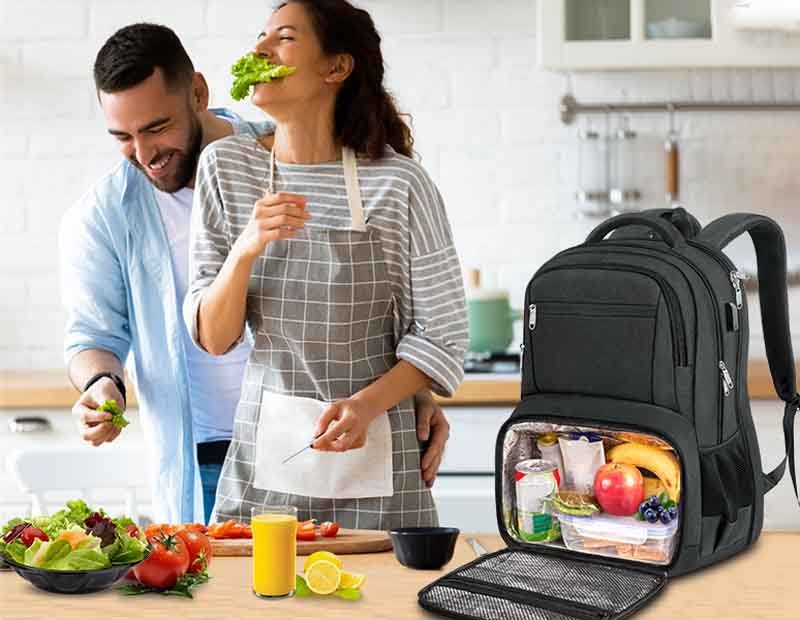
Starting a bag company today can feel like embarking on an entrepreneurial odyssey: you dream up chic totes, hip backpacks, or functional travel duffels—but then reality hits. How much capital do you really need? Do you factor in prototype runs, tooling costs, or trade-show booths? Many founders underestimate the hidden expenses—like compliance testing or website maintenance—that slowly erode budgets. Yet with the right roadmap, you’ll transform that initial investment into a thriving brand.
Launching a bag company typically requires an initial investment of $15,000–$50,000 for small-scale DTC brands, covering raw materials ($5,000–$15,000), prototyping and sampling ($1,000–$5,000), initial production ($5,000–$20,000), and marketing/setup costs ($3,000–$10,000). Operational overhead—3PL, rent, staff—adds $1,000–$3,000 monthly. Strategic funding (pre-orders, small MOQs) and lean operations can lower capital needs, making bag startups accessible to emerging entrepreneurs.
Imagine your first batch of 200 vegan-leather crossbody bags arriving at your studio—each underperforming seam or mismatched zipper reminding you that budgeting and vetting are as crucial as design. Read on to dissect every cost component, factor by factor, so you can allocate wisely and avoid the pitfalls that doom 80% of startups in their first year.
What Are the Key Cost Components in Launching a Bag Business?
Launching a bag company involves five primary cost buckets: raw materials (fabrics, leathers, hardware), tooling & prototyping (tech packs, dies, sample runs), production (OEM/ODM manufacturing, labor, QC), marketing & distribution (branding, website, photography, trade shows, 3PL), and operational overhead (rent, salaries, utilities, insurance). Together, these account for nearly 100% of your startup spend—accurately mapping each ensures you allocate capital wisely and avoid cash-flow surprises.
Building a bag brand from the ground up is part artistry, part engineering—and entirely dependent on sound financial planning. Below, we unpack each critical cost component, examine trade-offs, and highlight how small adjustments can dramatically affect your overall budget and go-to-market success.
1. Raw Materials: The Foundation of Quality
- What You’re Buying: Fabrics (nylon, canvas, TPU-laminated textiles), leathers (PU-coated, full-grain, exotic), zippers, buckles, webbing, linings, and thread.
- Cost Drivers:
- Material Grade: Premium full-grain leather ($25–$50/ft²) versus PU nylon ($4–$6/yard) can swing your material budget 5×.
- MOQ Price Breaks: Ordering 1,000 yards of fabric might cost $4/yard; 200 yards could be $6/yard—plan your SKU mix to maximize volume discounts.
- Trade-Offs & Strategies:
- Performance vs. Cost: High-denier fabrics offer durability but add weight and expense.
- Supply-Chain Integration: Partnering with factories like Szoneier, which manage raw-material sourcing in-house, can lock in stable pricing and lower shipping overhead.
2. Tooling & Prototyping: Turning Ideas into Reality
- What You Need: Tech-pack creation ($500–$2,000/style), custom dies ($200–$500 per shape), laser-cut and die-cut samples ($50–$300 each), and pilot runs (50–200 units, $2,000–$8,000).
- Key Considerations:
- Iteration Costs: Each design tweak often incurs new sample fees—budget 10–15% of your total development fund for multiple rounds.
- Time vs. Expense: Laser sampling speeds approvals but doesn’t replicate final die-cut precision. Mixing methods reduces total prototyping time and cost.
- Optimization Tips:
- Modular Design: Reuse panel dies across styles to amortize tooling costs.
- Digital Mock-Ups: Employ 3D CAD previews to pre-vet aesthetics and fit—cutting physical sample runs by nearly half.
3. Production & Manufacturing: Scaling Up
- Cost Elements: Factory labor, overhead, QC checks, and defect remediation. OEM runs of 500–1,000 units typically cost $8–$20 per bag, while in-house or domestic production can be $20–$40.
- Influencing Factors:
- MOQ Tiers: 100 units may cost 30–50% more per bag than 500 units.
- Geography: Asian factories offer lower labor rates ($3–$6/bag) versus Western counterparts ($10–$20/bag), but factor in shipping time and duties.
- Strategic Balancing:
- Small-Batch vs. Volume: Start with a 300–500 unit pilot to validate demand, then scale to 1,000+ units to reduce per-unit costs.
- Quality Control: Investing in AQL-based sampling (2.5% major defects) protects brand reputation but adds $0.50–$1 per bag.
4. Marketing & Distribution: Reaching Customers
- Line Items: Logo and packaging ($2,000–$6,000), e-commerce setup ($3,000–$8,000), photoshoots ($1,000–$3,000), initial ad spend ($3,000–$10,000), trade-show booths ($5,000–$15,000), plus 3PL pick-and-pack fees ($1–$3/bag).
- Allocation Ratios: Many DTC startups earmark 10–20% of first-year revenue for marketing; wholesale brands may invest more in trade shows and sales reps.
- Lean Approaches:
- Organic Social & Influencers: Micro-influencers at $200–$500/post can cost-effectively drive targeted awareness.
- Pre-Order Campaigns: Crowdfunding not only raises funds but validates product-market fit before large marketing outlays.
5. Operational Overhead: Keeping the Lights On
- Monthly Burn Rates: Rent or co-warehousing ($500–$1,500), staff salaries ($2,000–$5,000 for a small team), utilities ($200–$500), software ($100–$300), and insurance/legal ($300–$800 annually).
- Cost-Saving Tactics:
- Shared Spaces: Co-packing facilities or co-working studios reduce rent by 30–50%.
- Outsourced Roles: Freelance accountants, virtual assistants, and contract marketers cut full-time salary obligations.
Which Factors Influence Initial Capital Requirements?
Your startup capital hinges on product complexity (simple tote vs. multi‐pocket backpack), material grade (PU vs. full‐grain leather), production volume (MOQ of 100 vs. 1,000 units), and geographic costs (labor rates in China vs. USA). More complex designs require additional prototypes, higher labor costs, and specialized tooling—pushing capital needs upward by $10–$20 per unit. Scaling production reduces per-unit costs via economies of scale, but demands higher upfront investment.
Several variables shape how much you’ll need to invest before launching:
1. Product Complexity
- Simple Totes & Drawstrings: Require minimal hardware and basic seams—prototypes cost $50, dies $200, production $5–$8 per unit.
- Technical Backpacks & Travel Bags: Include zippers, linings, padding, and molded parts—sample fees soar to $200 each, dies $500+, and production $15–$30 per unit.
2. Material Grade
- Budget Synthetics: PU-coated polyester ($4/yard) and standard zippers cut material costs to $4–$7 per bag.
- Premium Leathers: Full-grain hides and metal hardware drive material spends to $25–$50 per bag.
3. Production Scale & MOQs
- Low-Volume (<200 units): Per-unit costs 20–50% higher due to tooling amortization.
- Mid-Volume (500–1,000 units): Best balance—die costs spread across enough units to reduce per-bag tooling impact to <$2.
- High-Volume (5,000+ units): Factory rates drop; leather and hardware bulk discounts (10–20%) lower material spends.
4. Geographic Cost Differentials
- China & Southeast Asia: Labor $3–$6 per bag; shipping higher but offset by low labor.
- Domestic Production (US/EU): Labor $10–$20+; benefits include faster sampling, quality control, and reduced lead times.
Are Bags a Profitable Business?
Yes,bag businesses report gross margins of 40–60% in DTC models and 30–40% in wholesale. Success factors include niche targeting, value-based pricing, and controlling production costs. Overhead must be managed; lean operations and pre-orders can boost profitability early.
What Are the Popular Types of Bags in the Market?
The hottest segments:
- Tote Bags: Everyday utility, low complexity.
- Backpacks: High demand in urban and tech niches.
- Crossbody & Belt Bags: Trend-driven, moderate margin.
- Travel Duffels & Weekenders: Premium price points, higher complexity.
By aligning your product mix with market demand, you optimize both initial investment and revenue potential.
How Do You Estimate Prototype and Sampling Expenses?
Prototype and sampling typically consume 10–15% of your startup budget. Expect to pay $50–$150 per sample for basic laser-cut or hand-sewn mock-ups, and $200–$500 per shape for custom die-cut tooling. Tech-pack and CAD fees run $500–$2,000. Low-MOQ pilot runs (50–200 units) cost $2,000–$8,000 including materials, labor, and shipping. Accurately budgeting these expenses ensures you’ll refine designs without blowing your capital.
Prototyping and sampling are the foundation of product development—but are often underestimated in cost planning. A robust sampling strategy not only validates design and fit, it also uncovers potential production issues before you commit to large orders. Below, we break down all key line items, illustrate cost drivers, and offer strategies to optimize spend without sacrificing quality.
1. Tech Pack and Design Fees
- Cost Range: $500–$2,000 per style.
- Description: A detailed tech pack includes material specs, panel layouts, hardware placements, seam allowances, and tolerance data. Quality CAD drawings and 3D renders accelerate sampling accuracy.
- Cost Drivers:
- Complexity of Design: Multi-compartment backpacks or travel duffels require more pages and drawings.
- Designer Expertise: Senior pattern-makers and industrial designers command higher fees but reduce iteration cycles.
2. Tooling and Die Creation
- Cost Range: $200–$500 per die (per shape or pattern).
- Description: Metal dies (brass or magnesium) are CNC-machined to cut or emboss material precisely. Dies are essential for consistent prototype panels when scaling to bulk production.
- Cost Drivers:
- Number of Distinct Panels: A basic tote bag may need 3–5 dies; a technical backpack 10–15.
- Material Thickness: Thicker leathers/dense fabrics require more robust (and costly) dies.
3. Prototype Unit Costs
- Laser-Cut Sample: $50–$150 each.
- Pros: Low setup cost, rapid turnaround (5–7 days).
- Cons: Manual sewing still required; limited for leather work.
- Die-Cut Pilot Sample: $100–$300 each.
- Pros: Accurate panel shapes, closer to production realities.
- Cons: Higher per-unit cost due to die amortization and small-batch inefficiencies.
4. Pilot Production Runs (Low MOQ)
Cost Range: $2,000–$8,000 for 50–200 units.
Breakdown (Example for 100 Bags):
Expense Category Unit Cost Total Cost Materials $12.00 $1,200 Labor & Assembly $6.00 $600 Tooling Amortization $3.00 $300 QC & Rework Reserve $1.00 $100 Per-Bag Total $22.00 Batch Total $2,200 Cost Drivers:
- Material Choices: Premium leathers vs. budget nylon.
- Labor Rates: Geographic differences—$4–$6 per bag in Asia, $10–$20 domestically.
- Rework Allowance: Always build a 1–3% cushion for sample defects.
5. Shipping and Logistics for Samples
- Air Freight: $5–$15 per sample for expedited delivery; slower sea freight is cheaper ($1–$3) but adds weeks to lead time.
- Customs & Duties: 5–10% of declared sample value, depending on origin and material classification.
6. Strategies to Optimize Sampling Spend
- Digital Pre-Visualization:
- Use 3D CAD software to simulate shapes and colors, cutting physical samples by 30–50%.
- Shared Dies & Modular Components:
- Design common panels (straps, side pockets) across multiple styles to reuse dies and reduce tooling costs.
- Group Style Sampling:
- Sample 3–5 core variants first; only proceed to niche styles after core designs are locked.
- Iterative Testing:
- Order small batches of 5–10 units for internal QA before full 50–200 unit pilot runs—catch major flaws early at lower cost.
- Local vs. Overseas Sampling:
- For tight timelines, sample locally at higher unit cost. For larger budgets, sample overseas to leverage lower labor but factor in longer lead times.
7. Balancing Speed, Quality, and Cost
- Speed: Laser cutting + local sewing wins on turnaround (1–2 weeks total).
- Quality: Die-cut prototypes in production factories mirror final quality.
- Cost: A hybrid approach—initial laser samples for fit, followed by die-cut pilot runs—delivers balance.
How Much Do Production and Manufacturing Costs Run?
Production costs depend on your chosen manufacturing model. OEM factory runs in Asia often range $8–$20 per bag for MOQs of 500–1,000 units, including labor, overhead, and basic QC. In-house or domestic production in North America or Europe can cost $20–$40 per bag at similar volumes. Automated lines reduce labor but require higher upfront equipment investment. Add 5–10% for final inspection, packaging prep, and defect remediation. Careful negotiation of tiered pricing at 300, 500, and 1,000+ units unlocks significant per-unit savings.
OEM vs. In-House Manufacturing
- OEM Factories (Asia):
- Labor Rates: $3–$6 per bag for basic sewing and assembly; highly skilled leather work adds $6–$10.
- Overhead & Utilities: Built into per-unit costs; negotiated by annual volume.
- Quality Control: Standard AQL 2.5% major-defect sampling, up to $1 per unit cost for rework.
- In-House / Contract Sewing (Local):
- Labor Rates: $10–$20 per bag, reflecting minimum wages and skilled artisan pay.
- Equipment Depreciation: Sewing machines, skiving tools, and presses amortized over 5–7 years—$2–$5 per bag.
- Advantages: Shorter lead times, better oversight, higher per-unit cost.
Tiered Pricing & MOQs
- Understanding Tiers:
- 100–300 units: +25–40% premium due to tooling amortization and small-run inefficiencies.
- 300–1,000 units: Sweet spot; tooling costs amortized and material orders at moderate scale.
- 1,000+ units: Lowest per-unit cost—bulk leather, hardware, and shipping discounts.
- Negotiation Strategies:
- Commit to growth—agree to order 500 now, 1,000 in six months—to secure tier pricing earlier.
Indirect Production Costs
- Quality Assurance: Factory staff time for inspections—$0.50–$1 per unit.
- Defect Remediation: Reworking or repurposing 1–3% of units adds $0.50–$2 per final good.
- Freight Forwarding & Customs: Budget 5–8% of FOB factory cost for shipping, duties, and clearing.
Example Cost Breakdown (500-Unit Bag Run)
| Cost Component | Per-Unit Cost | Notes |
|---|---|---|
| Leather / Fabric | $10.00 | Mid-range PU-coated nylon 600D |
| Hardware & Trims | $3.00 | Zippers, buckles, rivets |
| Labor & Overhead | $8.00 | Sewing, assembly, QC |
| Tooling Amortization | $1.00 | Dies, molds spread over 500 units |
| Quality Remediation | $0.75 | Estimated 2% rework |
| Freight & Duties | $1.50 | Factory to warehouse |
| Total Production Cost | $24.25 |
By clearly understanding each line item, you can set realistic wholesale and retail price targets and ensure your margins support reinvestment and growth.
What Are Marketing, Branding, and Distribution Expenses?
Plan to spend 10–20% of projected first-year revenue on marketing and branding. Key expenses include brand identity and packaging ($2,000–$6,000), website and e-commerce platform ($3,000–$8,000), product photography ($1,000–$3,000), initial ad spend ($3,000–$10,000), and trade-show participation ($5,000–$15,000 per show). Distribution costs (retail partnerships or 3PL fees) add another 5–10% of COGS. A strong launch strategy prioritizes these investments to build brand awareness and drive early sales.
- Brand Identity & Packaging
- Logo Design & Guidelines: $1,000–$3,000 for professional agency work; includes typography, color palettes.
- Packaging Prototypes: Custom boxes, dust bags, swing tags—$1–$3 per unit; require 500+ unit MOQ to lower costs.
- Unboxing Experience: Branded tissue paper, stickers, and inserts add $0.50–$1 per package but drive social shares.
- Digital Presence
- Website/E-Commerce:
- Platform Setup: Shopify Plus ($2,000–$5,000) vs. Magento/Custom ($5,000–$15,000).
- Monthly Maintenance & Hosting: $100–$500 per month.
- Payment Processing Fees: 2.9% + $0.30 per transaction.
- Product Photography & Content:
- Photoshoots: $500–$2,000 for 10–20 product images.
- Lookbooks & Videos: $2,000–$5,000 for stylized brand films.
- Website/E-Commerce:
- Advertising & Promotions
- Paid Social & Search: Initial test budgets of $3,000–$5,000 to refine targeting; scale to $10,000+ per month for growth.
- Influencer Partnerships:
- Micro-influencers (10K–50K followers): $200–$500 per post.
- Macro-influencers (100K+): $1,000–$5,000 per collaboration.
- Trade Shows & Wholesale Outreach
- Booth Fees & Setup: $5,000–$15,000 per major show (Canton Fair, Brand Licensing Europe).
- Travel & Logistics: $2,000–$5,000 per event.
- Sample & Catalog Production: $1,000–$3,000.
- Distribution Channel Fees
- 3PL Warehousing & Fulfillment: $1–$3 per unit pick-and-pack plus monthly storage fees ($0.50–$1 per pallet per day).
- Retail Consignment Commissions: 20–40% of wholesale price if using department stores or boutiques.
How Do Operational and Overhead Costs Add Up?
Operational overhead typically runs $1,000–$3,000 per month for small bag brands. Major line items include warehouse or studio rent ($500–$1,500), salaries (minimal staff or part-time assistants at $2,000–$5,000/month), utilities ($200–$500), software subscriptions (ERP, CRM at $100–$300), and insurance & legal ($300–$800). Efficiently leveraging co-working spaces, outsourcing non-core functions, and repairing inventory in-house can reduce these numbers by 20–30%.
- Facilities & Rent
- Small Studio/Warehouse: 1,000–2,000 ft² at $10–$25/ft²/year ($800–$4,000/month).
- Shared Workspaces: 30–50% cheaper; ideal for lean startups.
- Staffing & Payroll
- Core Team: Founder(s) plus 1–2 part-time assistants can keep payroll to $2,500–$5,000/month.
- Freelancers: Designers, accountants, and marketers billed hourly ($30–$100/hour) for project work.
- Utilities & Software
- Utilities: Electricity, internet, and phone—$200–$500/month.
- Software Licenses: Adobe Creative Cloud ($50/month), inventory/CRM ($100–$200/month), accounting software ($30–$50/month).
- Insurance, Compliance & Legal
- General Liability & Product Liability: $500–$1,200 annually.
- Trademarks & IP: $1,000–$3,000 per jurisdiction.
- Administrative & Miscellaneous
- Office supplies, shipping materials, banking fees—budget $200–$500 per month.
- Unexpected costs—always carry a 10% contingency in your monthly burn rate.
What Strategies Can Minimize Your Startup Costs?
Lower your capital needs by pre-order funding (crowdfunding), small-batch pilot runs to validate designs, and leasing equipment rather than buying. Leverage existing supply chains by partnering with established factories (like Szoneier) for small MOQs, and use drop-shipping or 3PL to defer warehouse costs. Adopt a lean marketing approach—organic social media, influencer gifting, and email newsletters—to reduce ad spend, and negotiate extended payment terms with suppliers to improve cash flow.
- Pre-Order & Crowdfunding
- Kickstarter/Indiegogo: Validate demand and secure capital—typically 100–300 orders at $100–$200 each can fully fund initial production.
- Social Proof: Early backers become brand ambassadors, reducing marketing costs.
- Small-Batch & Pilot Runs
- Low-MOQ Factories: Negotiate runs of 100–300 units at reasonable per-unit premiums (10–20% over full-scale).
- Iterative Testing: Use client feedback to refine before committing to larger, cheaper runs.
- Equipment & Infrastructure
- Leasing vs. Buying: Lease sewing machines and presses to lower upfront CAPEX by 50–70%.
- Shared Facilities: Join co-manufacturing hubs for access to specialized equipment without sole investment.
- Supply-Chain Partnerships
- Integrated Factories: Factories like Szoneier offer end-to-end services—raw materials, R&D, sampling—eliminating middleman markups.
- Extended Terms: Negotiate 60–90 day payment terms to align payable with receivable cash flow.
- Lean Marketing & Distribution
- Organic Channels: Instagram Reels, TikTok challenges, and micro-influencer collaborations at low or no cost.
- Pop-Up Shops & Co-Promotions: Share booth costs with complementary brands to lower trade-show expenses.
- Virtual Testing & Sampling
- 3D Prototyping: Reduce physical samples by 30–50% through digital renders for early approvals.
- VR Showrooms: Use virtual demos to engage buyers without physical inventory.
How Do You Secure Funding and Manage Cash Flow?
Funding strategies include angel investment, small business loans, revenue-based financing, or crowdfunding (pre-orders). Build a detailed 3–5 year cash-flow forecast, showing breakeven points and seasonality. Maintain 15–30% cash reserves, negotiate net-30 to net-90 payment terms with suppliers, and invoice large wholesale customers promptly. Regularly track burn rate, gross margins, and inventory turnover, using ERP or accounting software to avoid surprises and ensure sustainable growth.
- Funding Sources
- Bootstrapping & Angel Investment: Maintain control but limited by personal capital.
- Small Business Loans & Credit Lines: 5–10% interest rates; collateral requirements vary.
- Crowdfunding & Pre-Sales: Validates concept and de-risks inventory investment.
- Revenue-Based Financing: Repay based on a percentage of sales—no dilution but higher cost of capital.
- Cash-Flow Forecasting
- Monthly Projections: Model sales, COGS, operating expenses, and capital expenditures.
- Breakeven Analysis: Identify the unit volume required to cover fixed costs.
- Working Capital Management
- Supplier Terms: Extend payables without harming relationships; 60–90 days ideal.
- Customer Terms: Offer early-payment discounts (1–2%) to boost receivables speed.
- Inventory Turnover: Aim for 4–6 turns per year to free up cash.
- Financial Controls & Reporting
- KPIs: Gross margin, operating margin, working capital ratio, and burn-rate (months of runway).
- Tools: Cloud-based ERP/Accounting (NetSuite, Xero) with real-time dashboards.
- Risk Mitigation
- Contingency Fund: 15–30% of annual expenses set aside for unexpected costs (e.g., shipping delays, defect remediation).
- Insurance & Hedging: Cargo insurance for imports; forward contracts for currency exposure.
Launching a successful bag company demands more than creative designs; it requires meticulous planning of every cost—from raw materials and sampling to marketing and overhead. By breaking down each expense category, optimizing production models, and employing lean strategies, entrepreneurs can start strong and scale sustainably.
At Szoneier, we’ve spent 18 years perfecting integrated OEM/ODM services: sourcing materials, R&D, rapid prototyping, and full-scale manufacturing with low MOQs, competitive tiered pricing, and rigorous QC.
Ready to turn your bag concept into a thriving business? Contact Szoneier for a detailed cost estimate, sample creation, and end-to-end production support.
manufacturer Categories
- Custom Tote Bags Manufacturer
- custom backpacks Manufacturer
- custom travel bags& Duffle bags manufacturer
- custom makeup bags & toiletry bags manufacturer
- custom cooler bags manufacturer
- custom drawstring bags manufacturer
- custom makeup bags & toiletry bags manufacturer
- custom golf bags manufacturer
- custom fireproof bags manufacturer
- custom dry bags manufacturer
- custom ski bags manufacturer
- custom gym & sports bags manufacturer
- custom laptop bags manufacturer
- custom tactical bags manufacturer
- custom beach bags manufacturer
- custom medical bags manufacturer
- custom camera bags manufacturer
- custom wetsuits manufacturer
- custom leather goods manufacturer
- more personalized products
Can't find the answers?
No worries, please contact us and we will answer all the questions you have during the whole process of bag customization.
Make A Sample First?
If you have your own artwork, logo design files, or just an idea,please provide details about your project requirements, including preferred fabric, color, and customization options,we’re excited to assist you in bringing your bespoke bag designs to life through our sample production process.
