A Trusted China Manufacturer Since 2007!

Winter Sports Bag Manufacturer | Custom Ski Bags Supplier

OEM/ODM ski, snowboard, boot, helmet and travel bag development for outdoor brands, retailers, resorts and equipment programs worldwide.
Szoneier develops winter sports bags around real equipment dimensions, transport conditions and retail requirements.
  • Custom structures from sketches, tech packs, reference samples or existing products
  • Material, foam, reinforcement, wheel, zipper and carrying-system development
  • Selected programs from 200 pcs, with 500+ pcs recommended for most branded winter collections
  • Sampling, bulk production, quality inspection, retail packaging, FBA and global shipment support
18+ Years Manufacturing | 20,000+ m2 Factory System | 8 Sewing Lines | 12-Person QC Team | Global Delivery Support
ski backpack (1)

Manufacturing Capacity for Winter Sports Bag Programs

Szoneier combines in-house development, organized production lines and controlled partner capacity for seasonal, multi-SKU and repeat-order winter sports programs.

18+ Years Experience

More than eighteen years of custom bag and sewn soft-goods manufacturing supports accurate material selection, pattern development, sample revision and bulk-production planning. Experience covers outdoor bags, travel bags, rolling bags, backpacks, protective cases and other products sharing structural requirements with winter sports equipment bags.

20,000+ m2 System

The manufacturing system includes sample development, pattern making, cutting, sewing, inspection, packing, warehousing and shipment coordination. Dedicated work areas help separate development samples, bulk materials, semi-finished products, finished goods and packed orders, reducing confusion across complex programs.

8 Sewing Lines

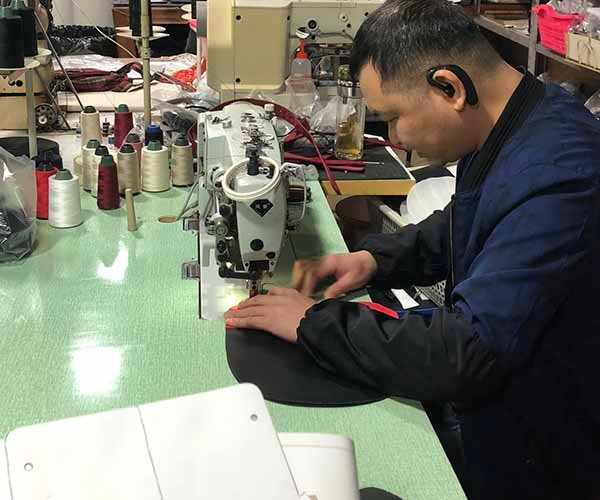
Eight sewing production lines allow Szoneier to allocate products according to structure, material and delivery schedule. Long ski bags, padded snowboard bags, boot backpacks and wheeled travel bags require different workstation arrangements, machine settings and quality checkpoints.

160+ Machines

More than 160 production and supporting machines cover cutting, sewing, reinforcement, binding, Logo processing, inspection and packing preparation. Equipment allocation is reviewed before production, especially for thick foam layers, high-denier fabrics, webbing reinforcement and long-panel assembly.

120,000–200,000 Pieces

Regular monthly capacity reaches approximately 120,000–200,000 pieces across custom bags and soft goods. Actual output depends on product dimensions, construction, foam, wheel assembly, Logo process, SKU quantity, packing method and seasonal production schedule.

20–35 Parallel Orders

Szoneier can coordinate approximately 20–35 custom production orders at the same time. Separate product management, purchasing, sampling, production, quality and logistics roles help keep materials, approvals, schedules, carton marks and delivery requirements organized. 

Winter Sports Programs We Support

Different sales channels require different product structures, packaging systems, development schedules and reorder strategies.

Outdoor Equipment Brands

Established outdoor brands often require a coordinated range rather than a single bag. Szoneier can develop related ski, snowboard, boot, helmet and travel products with shared materials, matching trims, consistent Logo placement and controlled color standards.
  • Multi-SKU product lines
  • Seasonal color collections
  • Material and trim coordination
  • Repeat-order document management

Sporting Goods Retailers

Retail programs need clear assortment planning, barcode control, carton identification and stable bulk consistency. Products may be positioned across entry, mid-range and premium price levels using different materials, foam systems, wheels and packaging.
  • Retail hangtags and barcodes
  • Tiered product configurations
  • Carton and SKU separation
  • Delivery-window planning

E-Commerce Brands

Online products must communicate value clearly through structure, photography and use features. Szoneier can support photo-ready samples, private-label details, FNSKU labels, polybag warnings, carton labels and split replenishment planning.
  • Product differentiation
  • Branded packaging
  • FBA-ready labeling
  • Smaller launch quantities

Ski Resorts

Resorts, schools and rental operators value durability, easy identification and repeat use. Bag development may include numbered patches, color coding, replaceable ID windows, reinforced bases and simplified cleaning surfaces.
  • Rental equipment management
  • Staff and instructor programs
  • Color-coded sizes
  • High-frequency handling

Clubs and Teams

Team programs often require athlete names, team colors, sponsor marks and easy equipment organization. Capacity planning must account for boots, helmet, goggles, gloves, outerwear and travel accessories.
  • Embroidered names or numbers
  • Team Logo placement
  • Group color systems
  • Consolidated packing

Importers and Distributors

Importers need products suited to different price levels and regional channels. Szoneier can support product comparison, material alternatives, multiple packaging formats and repeat-order documentation for several markets.
  • Private-label collections
  • Cost-tier development
  • Multi-market packaging
  • Long-term SKU records

Winter Sports Bag Risks We Control

Product failures often begin with decisions made before sewing. Szoneier reviews equipment fit, materials, load paths and production standards early in development.

Poor Equipment Fit

Outside dimensions may look correct while internal space remains too short, narrow or shallow after foam and lining are added.
  • Equipment measurements are reviewed first
  • Binding and boot volume are considered
  • Sample fit can be checked with specified equipment
  • Zipper opening length is verified before approval

Incomplete Foam Coverage

Foam placed only in visible side panels may leave tips, tails, bindings or wheel areas exposed. Szoneier records foam type, thickness and coverage zones in sample notes and the bill of materials before production.
  • Sidewall coverage
  • Tip and tail protection
  • Binding-area support
  • Helmet or goggle protection

Weak Stress Points

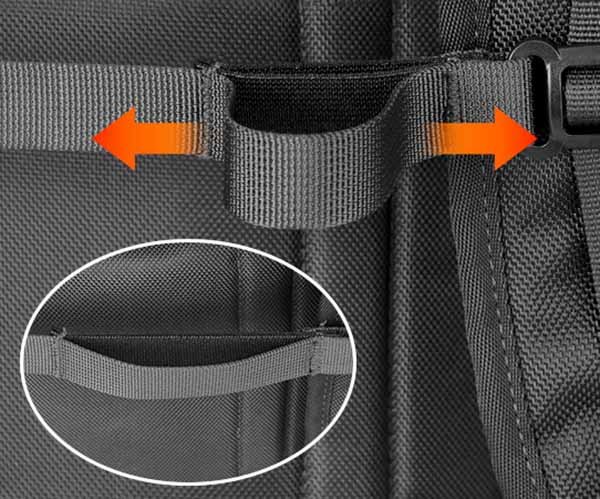
Handles, shoulder straps and compression webbing can fail when reinforcement ends too close to a seam or does not spread load across enough fabric.
  • Webbing extension is reviewed
  • Bartack positions are confirmed
  • Hidden reinforcement panels can be added
  • Internal load checks follow intended use

Cold-Weather Component Failure

Low-grade buckles, zipper parts or coated materials may harden, crack or operate poorly in cold conditions. Component selection is based on supplier specifications, sample handling and project testing requirements rather than appearance alone.
  • Buckle material review
  • Zipper operation checks
  • Coating flexibility review
  • Third-party testing when specified

Bulk Sample Mismatch

A good sample cannot protect a brand unless the approved standard is transferred into production. Szoneier uses confirmed materials, patterns, Logo files, sample notes, a BOM and a pre-production sample where required.
  • Sealed approval sample
  • Frozen pattern
  • Confirmed BOM
  • Production inspection records

Missed Seasonal Delivery

Winter products have a narrow selling window. Material booking, sample approval, bulk production, inspection and freight planning must be arranged backward from the warehouse or retail delivery date.
  • Development calendar
  • Material reservation
  • Production booking
  • Split-shipment options

How to Evaluate a Winter Sports Bag Manufacturer

A reliable manufacturing partner should prove more than a product photo. Eight areas reveal whether a factory can manage a serious winter collection.

Product Range

Look for experience across long ski bags, snowboard bags, boot packs, wheeled travel bags and protective accessory cases. A broader related range indicates stronger understanding of equipment fit, padding, load paths and carrying systems.

Pattern Development

Long equipment bags depend heavily on accurate panel proportions and zipper curves. Pattern makers should understand seam allowance, foam compression, binding, internal support and how long panels behave during sewing.

Material Knowledge

The factory should explain differences among polyester, nylon, Oxford, tarpaulin, coated fabrics, lining, foam and reinforcement materials. Generic claims such as “waterproof fabric” are not enough without construction details and performance boundaries.

Component Control

Zippers, buckles, webbing, wheels, handles and protective bases affect product life. Ask how component specifications are approved, recorded, inspected and matched across repeat orders.

Sample Management

A professional sampling process includes requirement review, material confirmation, pattern development, internal inspection, photo or video review, revision records and final approval. Complex samples should not be rushed without fit and structure checks.

Production Control

Bulk manufacturing should follow an approved sample, pattern and BOM. Material inspection, first-piece review, in-line checks and final inspection reduce differences between sample and production.

Packing Knowledge

Long bags, padded bags and wheeled products create high volume. Packaging should protect shape while controlling carton dimensions, gross weight and freight cost. Retail, e-commerce and FBA programs require different labels and packing files.

Reorder Stability

Repeat orders should not begin from zero. Patterns, BOM records, Logo artwork, packaging files, carton data and inspection standards should be stored for later replenishment and new color development. 

Custom Winter Sports Bags We Manufacture
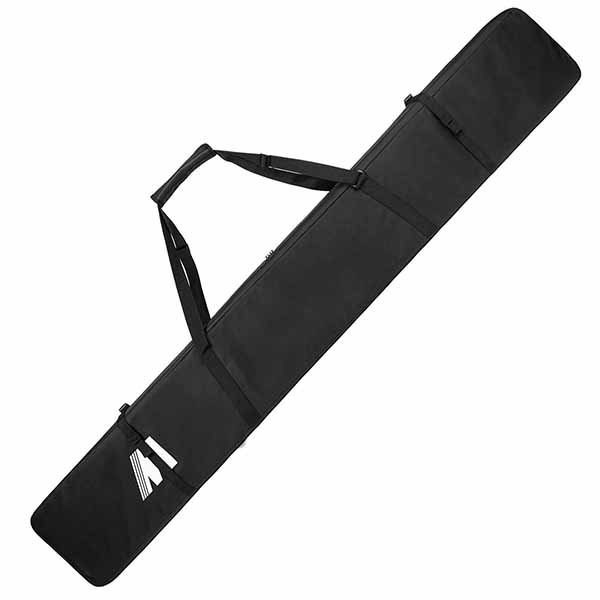
Build one product or a coordinated winter collection with materials, protection levels, carrying systems and branding developed for each use.
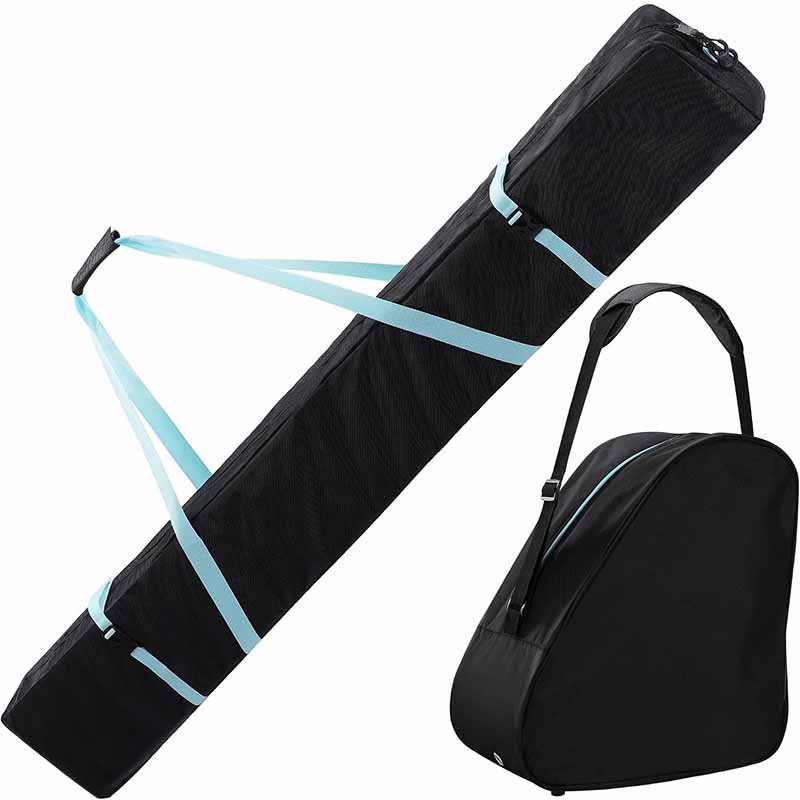
1. single ski bags

Single Ski Bags

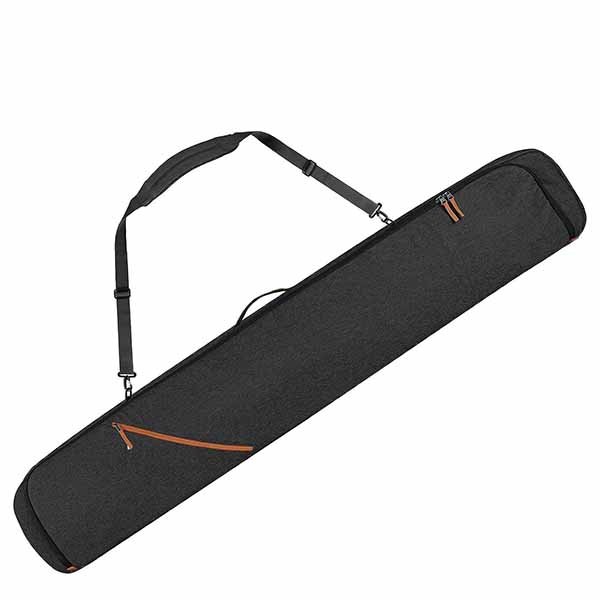
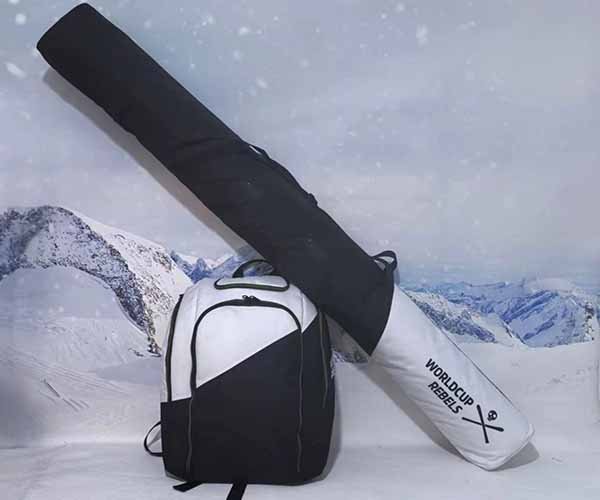
Designed for one pair of skis and poles, single ski bags can use a lightweight sleeve structure or full padding for travel. Length, zipper opening, tip protection, compression straps and carry handles are adjusted around the equipment and target price.
2. double ski bags

Double Ski Bags

Double ski bags need wider internal space, stronger handles and better equipment separation. Optional dividers, internal straps, tip protection and extended padding help control movement when two pairs of skis are packed together.
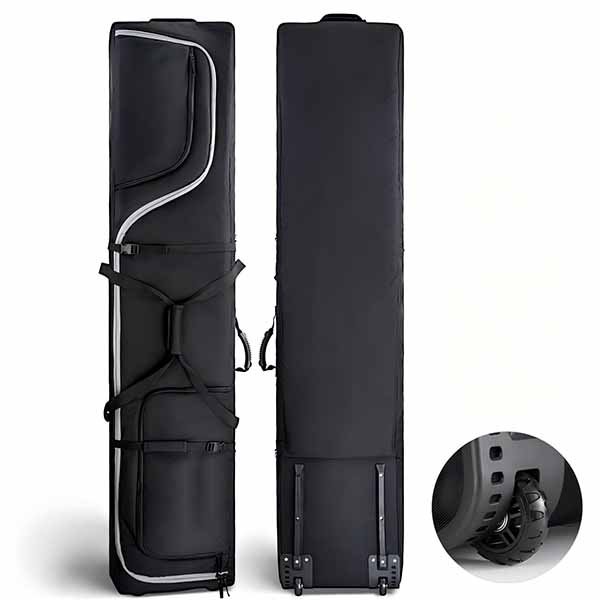
3. snowboard bags

Snowboard Bags

Snowboard bags are developed around board width, binding height and boot storage. Options include full-length zippers, internal compression, removable boot compartments, shoulder straps, backpack straps and abrasion-resistant base panels.
4. ski boot bags

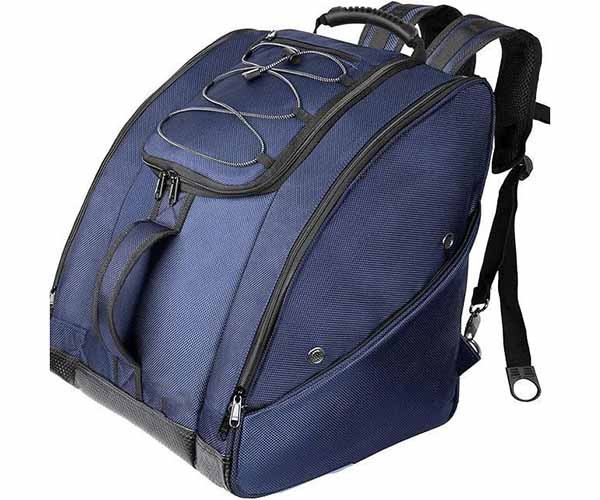
Ski Boot Bags

Boot bags range from compact triangular styles to larger rectangular gear bags. Ventilation, wet-zone lining, drain-friendly construction and wide openings improve daily use at resorts, schools and rental operations.
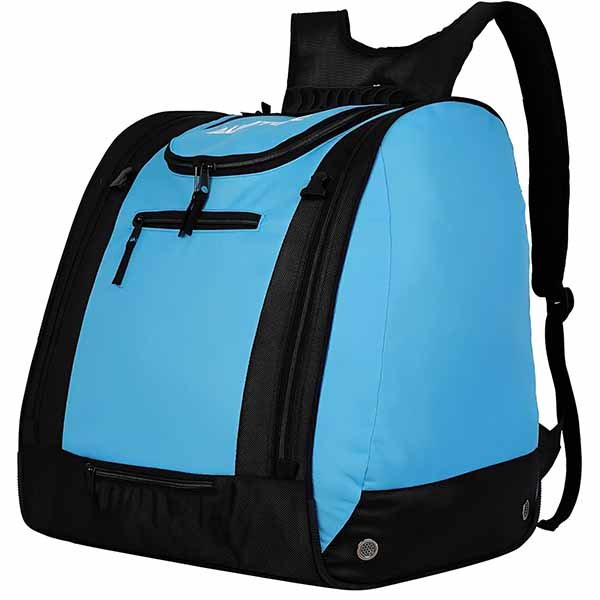
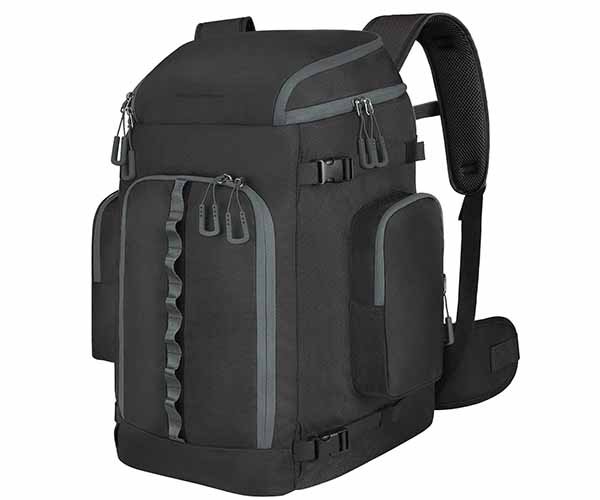
5. boot backpacks

Boot Backpacks

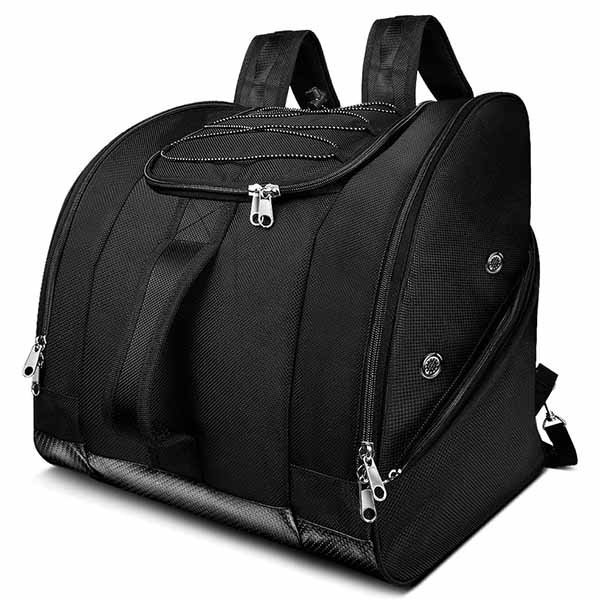
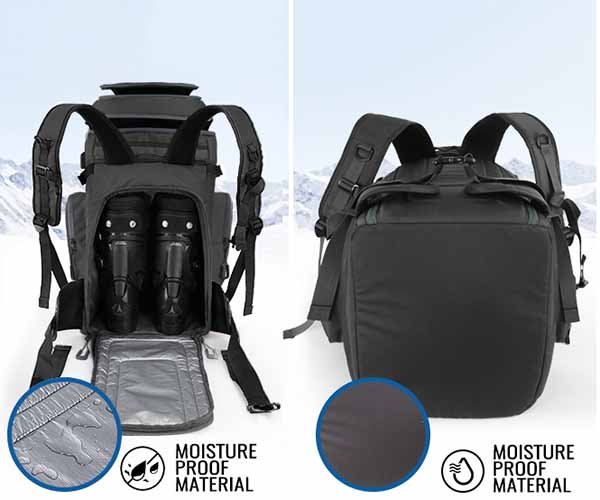
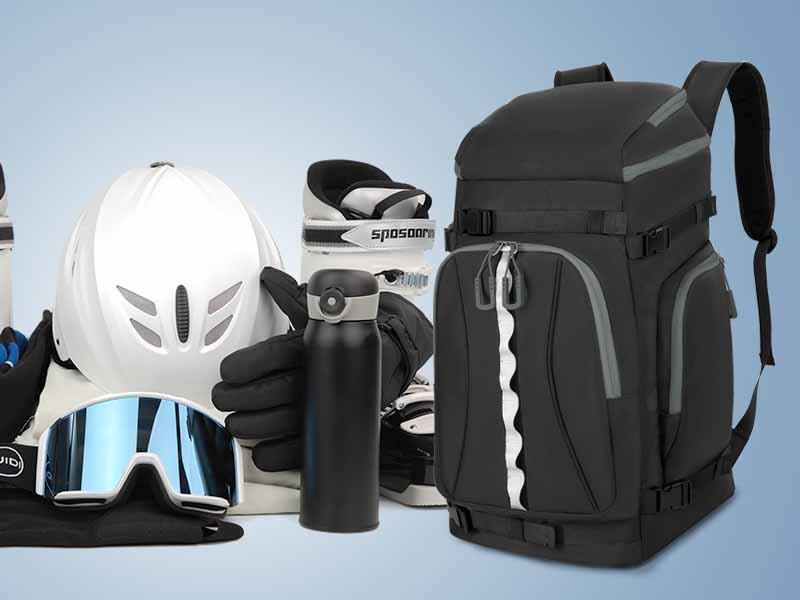
Boot backpacks can carry boots, helmet, goggles, gloves and outerwear in separate zones. Back-panel structure, strap width, load balance and ventilation require more attention than liter capacity alone.
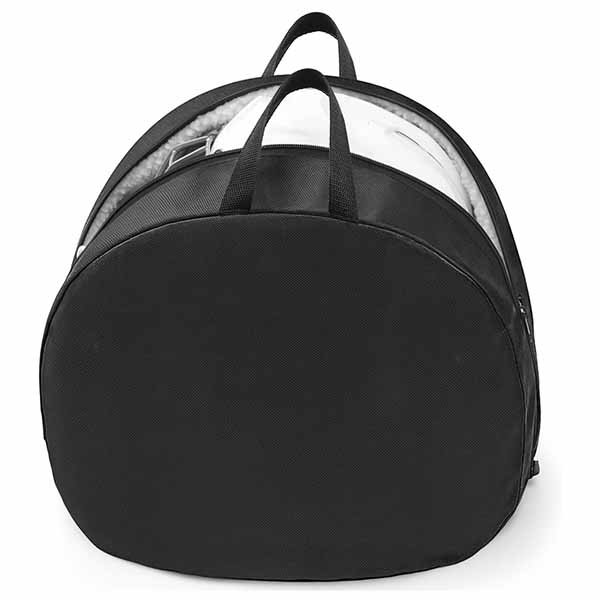
6. helmet bags

Helmet Bags

Helmet bags protect the shell and interior padding from scratches and impact during transport. Soft lining, foam panels, shaped openings, goggle pockets and easy attachment to larger luggage can be added.
7. boot helmet bags

Boot Helmet Bags

Combined boot and helmet bags organize the two largest equipment items in one unit. Separate storage zones reduce contact between wet boots and helmet interiors, while wide openings simplify packing.
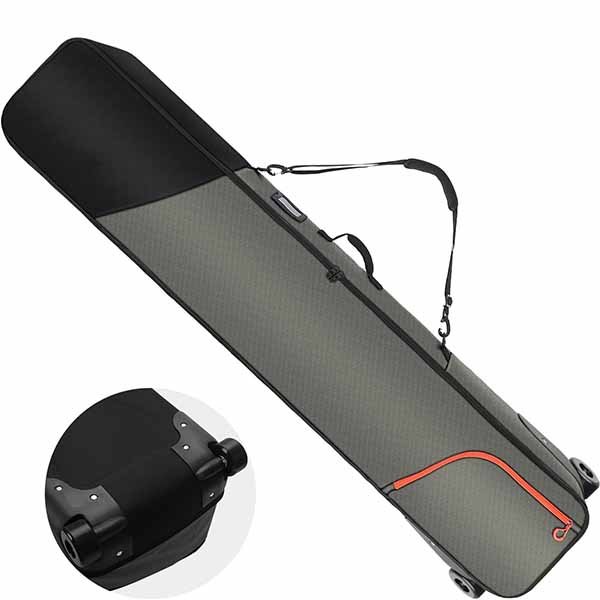
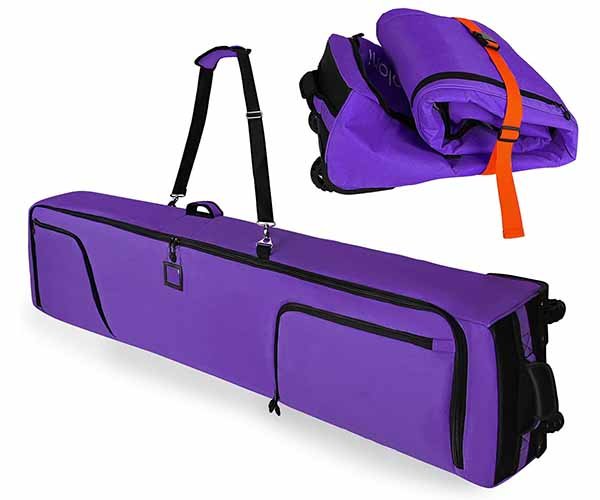
8. wheeled ski bags

Wheeled Ski Bags

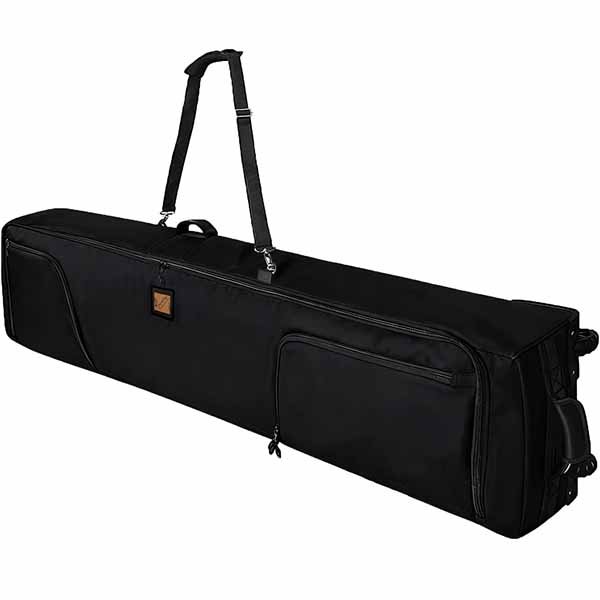
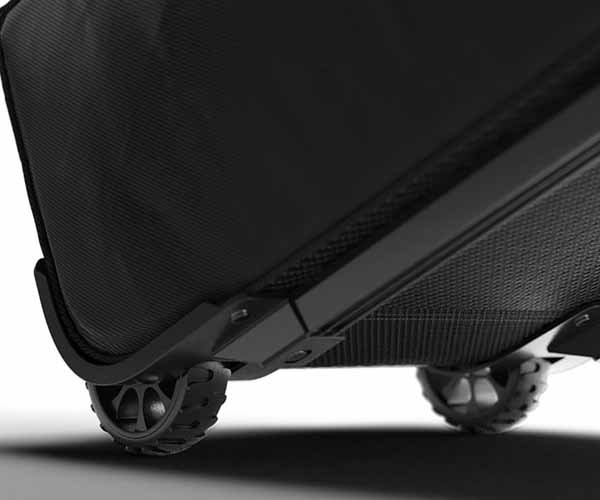
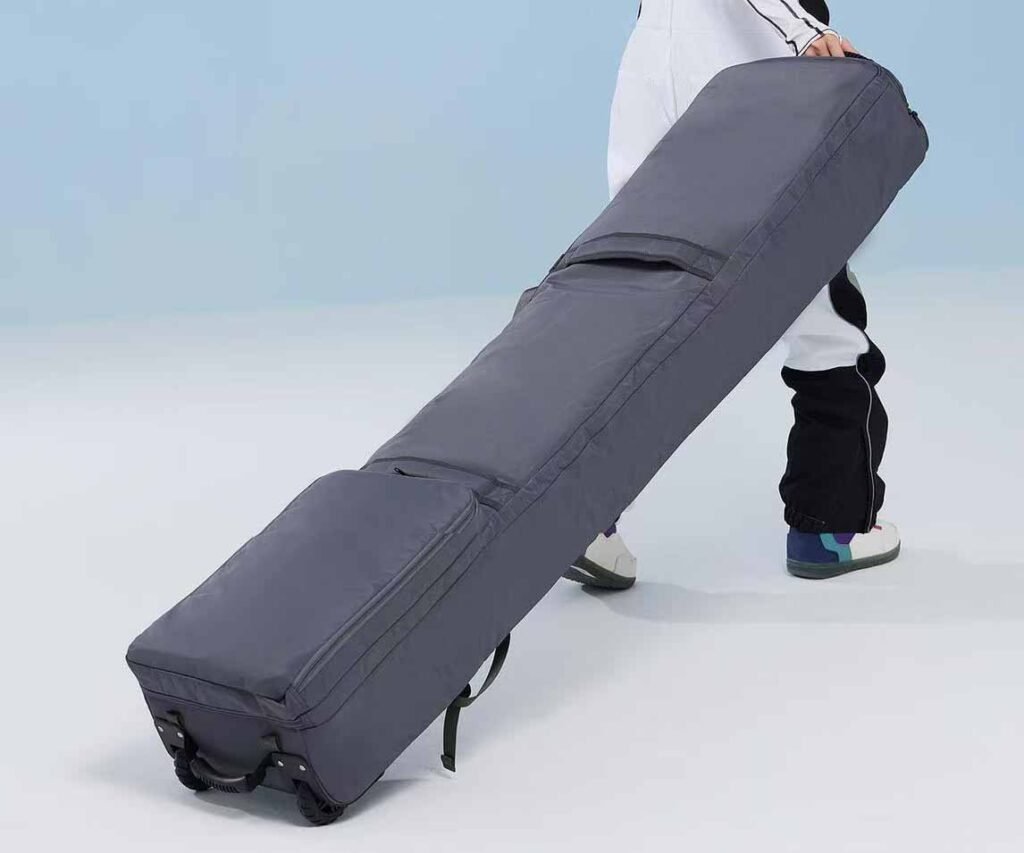
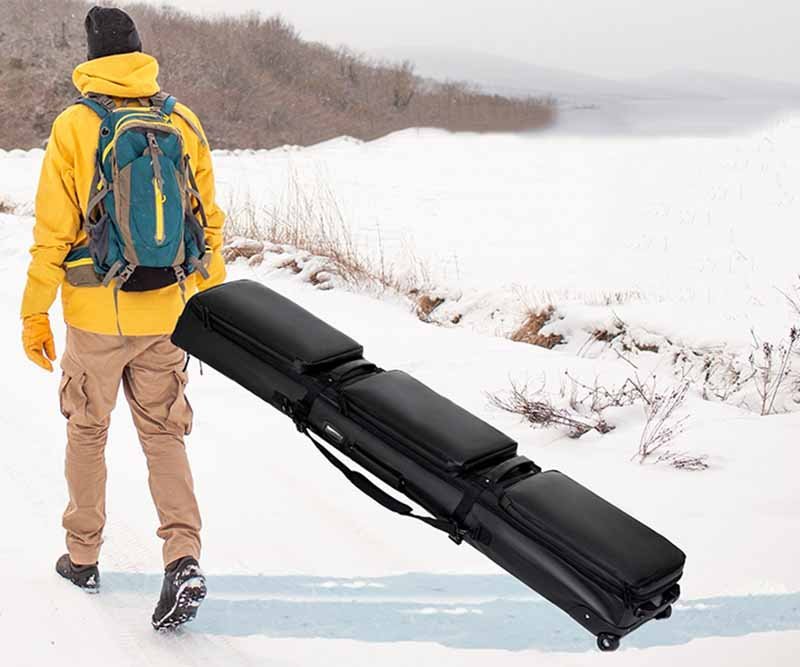
Wheeled ski bags support airport and long-distance travel. Wheel housing, end protection, rigid base support, handle location and load balance must work together to prevent dragging, twisting and premature wear.
9. ski travel bags

Ski Travel Bags

Travel models combine ski protection with storage for poles, clothing and accessories. Configurations can include internal straps, zippered pockets, document windows, compression systems and airline-friendly identification areas.
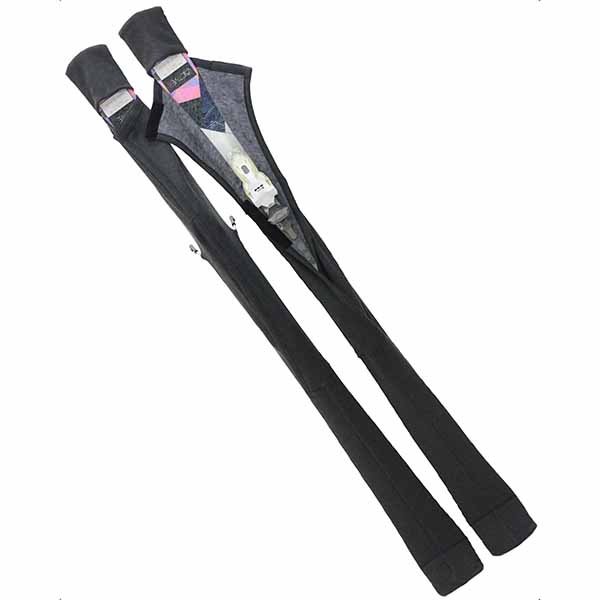
10. ski sleeves

Ski Sleeves

Lightweight ski sleeves suit vehicle transport, storage and promotional programs. They use less foam and pack more efficiently, while reinforced tips and simple closures protect against scratches and light handling.
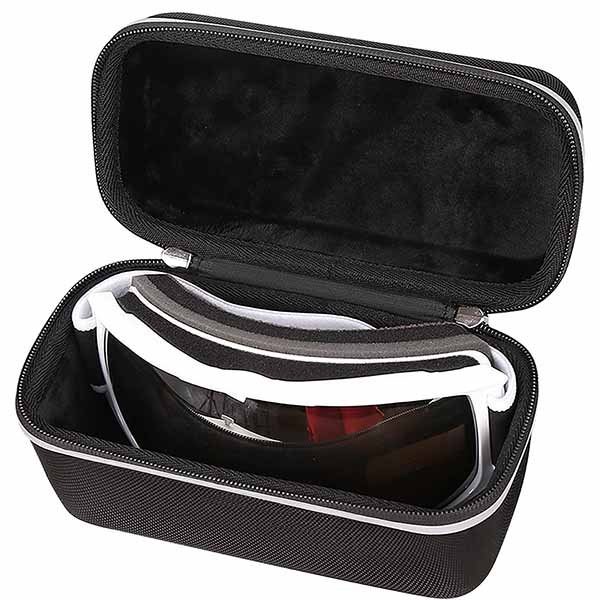
11. goggle cases

Goggle Cases

Goggle cases can use padded fabric, molded EVA or semi-rigid construction. Soft interior surfaces, lens separation, ventilation and compact packing are important for retail accessory collections.
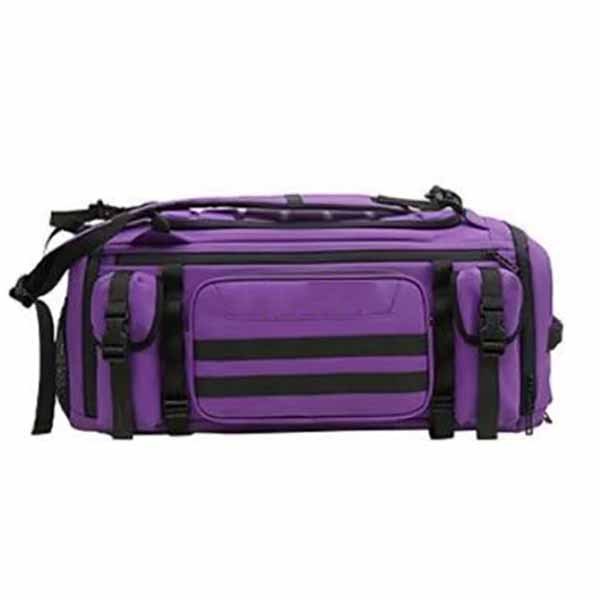
12. winter gear duffels

Winter Gear Duffels

Winter gear duffels carry boots, gloves, protective equipment and clothing. Wet and dry separation, shoe compartments, reinforced bases and backpack conversion create value for resort, team and travel use.

Choose the Right Bag for Each Program

Product structure should match handling frequency, travel distance, equipment value, channel expectations and target retail price.

Airline Travel

Air travel demands higher protection at tips, tails, bindings, wheels and handles. Full-length padding, internal compression, wide reinforced webbing and structured wheel housings help control movement and impact.
  • Recommended: padded or wheeled ski travel bags
  • Focus: protection, identification and handling strength
  • Packing review: folded size and carton volume

Resort Day Use

Daily resort use favors quick access, manageable weight and moisture control. Boot backpacks and compact boot bags can separate wet equipment while keeping helmets, goggles and gloves organized.
  • Recommended: boot backpack or boot-and-helmet bag
  • Focus: openings, ventilation and comfort
  • Packing review: stackable retail cartons

Team Programs

Clubs and teams need clear identification, consistent color and space for personal equipment. Embroidered numbers, name windows and sponsor marks can be integrated without disrupting load-bearing areas.
  • Recommended: large boot packs and gear duffels
  • Focus: identification and repeated handling
  • Packing review: team or individual cartons

Rental Operations

Rental centers handle equipment frequently and need durable materials, visible size coding and simplified cleaning. Decorative details should not interfere with daily handling or maintenance.
  • Recommended: boot bags and equipment transport bags
  • Focus: abrasion, coding and easy access
  • Packing review: bulk operational packing

Retail Collections

Retail programs often need entry, mid-level and premium products. Shared visual language can be maintained while material, padding, hardware and packaging change by price level.
  • Recommended: coordinated ski, snowboard and boot range
  • Focus: assortment and price architecture
  • Packing review: barcode and shelf presentation

Backcountry Use

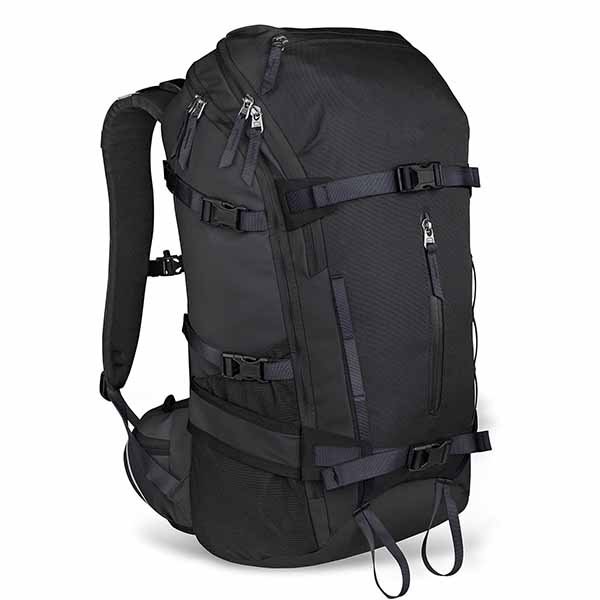
Backcountry gear must remain stable during movement and leave hands free. Strap design, weight distribution, compression and external attachment points require careful development.
  • Recommended: technical boot backpacks or gear packs
  • Focus: body fit and equipment security
  • Packing review: product shape protection

Winter Sports Bag Specification Guide

Product TypeCommon Size RangeEquipment FitPadding RangeCarrying SystemWheel OptionRecommended MaterialMain Development Focus
Single Ski Bag160–190 cm lengthOne ski pair and poles3–10 mmHand and shoulder carryOptional600D–900D polyester or nylonTip protection and zipper access
Double Ski Bag175–200 cm lengthTwo ski pairs5–12 mmReinforced handles and shoulder strapRecommended for travel900D polyester or high-denier nylonLoad balance and internal separation
Snowboard Bag145–180 cm lengthOne or two snowboards5–12 mmShoulder or backpack strapsOptional600D–1680D polyester or nylonBinding height and base abrasion
Ski Boot Bag35–55 LOne pair of boots plus accessories3–8 mmHand or shoulder carryRarePolyester, nylon, coated liningWide opening and wet-zone control
Boot Backpack45–70 LBoots, helmet, goggles and apparel5–10 mmPadded backpack strapsOptional600D–1680D polyesterWeight distribution and ventilation
Boot Helmet Bag45–65 LBoots and helmet in separate zones5–10 mmHand, shoulder or backpack carryRarePolyester, nylon, meshCompartment separation
Wheeled Ski Bag175–205 cm lengthOne or two ski pairs8–15 mmHandles plus wheelsStandard900D–1680D fabric with reinforced baseWheel housing and end protection
Ski Sleeve150–190 cm lengthOne ski pair0–5 mmHand or shoulder carryNo420D–600D polyesterLightweight storage and basic protection
Helmet Bag30–45 cm widthHelmet and goggles3–8 mmHand carry or attachment strapNoPolyester, nylon or molded EVAShape and soft interior protection
Winter Gear Duffle40–100 LBoots, apparel and accessories3–10 mmHand, shoulder or backpack carryOptional600D–1680D polyester or nylonWet/dry organization and base strength


Compare Winter Sports Bag Materials

MaterialCommon SpecificationAbrasion LevelWeightMoisture PerformanceBest UseMain LimitationSzoneier Recommendation
Polyester Oxford600D–900DMedium to highMediumPU-coated versions resist snow and light moistureSki bags, boot bags and retail collectionsLower grades may crease or delaminateStrong value for mid-range programs
High-Denier Polyester1200D–1680DHighMedium to heavyGood with suitable coating and liningBases, wheel zones and heavy-use bagsHigher weight and sewing costUse selectively in stress areas
Nylon420D–1000DHigh for weightLight to mediumGood with coatingPremium travel and technical productsHigher material costSuitable where weight matters
Ripstop Nylon210D–600DMediumLightGood with suitable coatingLightweight sleeves, liners and secondary panelsNot ideal for exposed board-edge zonesCombine with reinforced contact panels
TPU-Coated FabricVaries by base fabricHighMediumStrong water resistance with suitable constructionWet zones, liners and premium technical bagsHigher cost and sewing complexityUse for defined moisture-control areas
PVC Tarpaulin500D–1000D baseHighHeavyStrong surface water resistanceBases, wet compartments and rental productsCan become stiff and increases weightBest for targeted panels, not every surface
RPET Polyester300D–900DMedium to highMediumDepends on coatingSustainability-led collectionsCertification and batch availability require confirmationRequest material traceability early
Air Mesh3D mesh or spacer meshLow as outer shellLightSupports airflowBack panels and ventilation zonesAbsorbs moisture if poorly positionedKeep away from heavy abrasion zones
Brushed LiningPolyester fleece or tricotLowLightLimited moisture resistanceGoggles, lenses and helmet contact areasNot suitable for wet boot zonesUse only where scratch protection matters

Fabric Performance in Cold and Wet Conditions

Material engineering begins with intended use, not a fabric name alone.

Coating Flexibility and Fold Areas

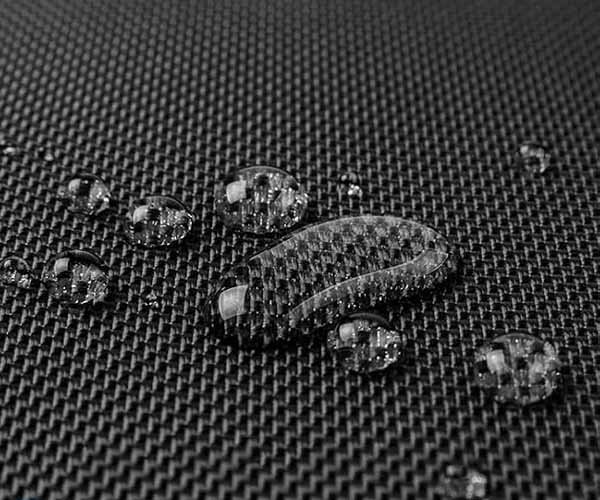
Coated fabrics may perform well on a flat swatch but react differently when folded around piping, corners, zipper ends or wheel housings. Thick PU or PVC surfaces can show whitening, cracking or delamination when low-grade material is repeatedly folded. Szoneier reviews:
  • Base-fabric density
  • Coating type and thickness
  • Expected folding positions
  • Sewing needle requirements
  • Edge exposure
  • Long-term storage method
  • Desired hand feel
For long ski bags shipped folded, the folding line deserves special attention. Material selection must balance water resistance with flexibility and packing efficiency. A very rigid shell may increase perceived protection but create larger cartons and visible fold marks.

Snow, Meltwater and Drying

Winter bags often move from cold outdoor areas into warm vehicles or buildings. Snow melts inside or on the product, creating moisture around boots, liners and bottom panels. A durable moisture system may combine:
  • Coated outer fabric
  • Wipe-clean lining
  • Raised or isolated wet zones
  • Mesh or eyelet ventilation
  • Drainage-friendly panel angles
  • Reinforced bottom construction
  • Removable mats or dividers
Ventilation is useful around boots and damp clothing but should not expose protected equipment to snow or road spray. Mesh placement must follow the use environment.

Abrasion by Board Edges

Ski and snowboard edges can wear through lining and outer fabric, especially near tips, tails, bindings and base corners. Increasing the fabric denier everywhere adds weight without always solving the problem. A more controlled method uses higher-abrasion material only where contact occurs:

  • Tip and tail caps
  • Internal edge strips
  • Bottom wear panels
  • Wheel-end reinforcements
  • Binding contact zones
  • Handle and strap anchors

Targeted reinforcement can improve durability while preserving flexibility and reducing cost. Sample inspection should include equipment loading, zipper closure and movement checks rather than only visual review. 

Padding and Protection Engineering
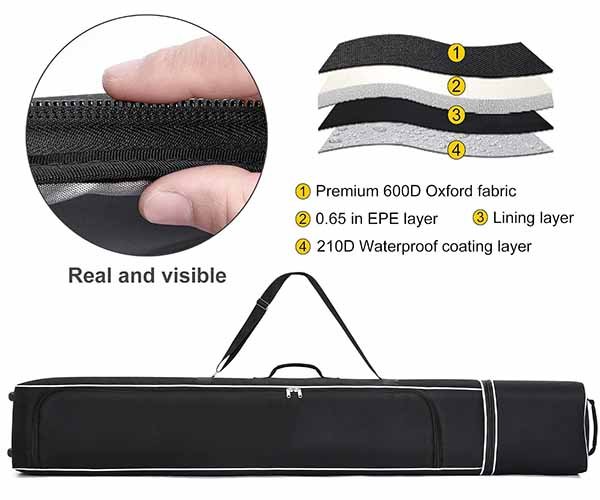
Protection depends on foam type, density, thickness, placement and how the bag behaves once loaded.
1. full padding or zoned padding

Full Padding or Zoned Padding

Full-length foam is valuable for airline travel and premium equipment. Zoned padding is often more efficient for sleeves, vehicle transport and entry-level retail lines. Common configurations include:
  • 3–5 mm light protection for storage and vehicle transport
  • 5–8 mm medium protection for retail travel products
  • 8–12 mm higher protection for airline-oriented products
  • 10–15 mm localized protection near wheel housings, tips or binding zones
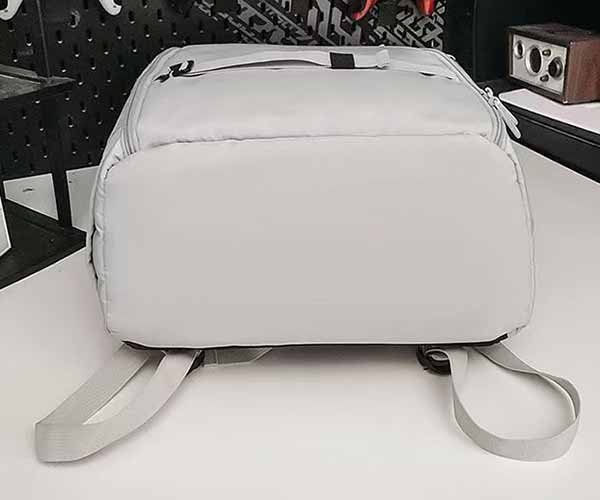
Foam thickness is only one factor. Low-density foam can compress quickly, while overly rigid foam may make the bag difficult to fold, sew and pack.
2. protection zones

Protection Zones

A good pattern maps impact and wear areas before foam is specified. Tip and tail zones protect board ends and reduce outer-fabric wear. Binding zones need extra clearance and abrasion control. Sidewalls protect flat equipment surfaces. Wheel ends require stronger foam and base support. Helmet compartments need shape and soft contact surfaces. Goggle pockets need scratch-safe lining and controlled compression. Szoneier can mark each zone in a material plan and carry the approved specification into the BOM.
3. protection versus shipping volume

Protection Versus Shipping Volume

More foam increases product weight and carton volume. A long ski bag with thick full-length padding may create a substantially larger freight volume than a foldable sleeve. During development, Szoneier reviews:

  • Required protection level
  • Retail price position
  • Product net weight
  • Folding method
  • Carton dimensions
  • Units per carton
  • Freight method
  • Expected end-use risk

The goal is not maximum material usage. The goal is enough protection in the right locations while keeping production and logistics commercially workable.

Components That Control Product Life
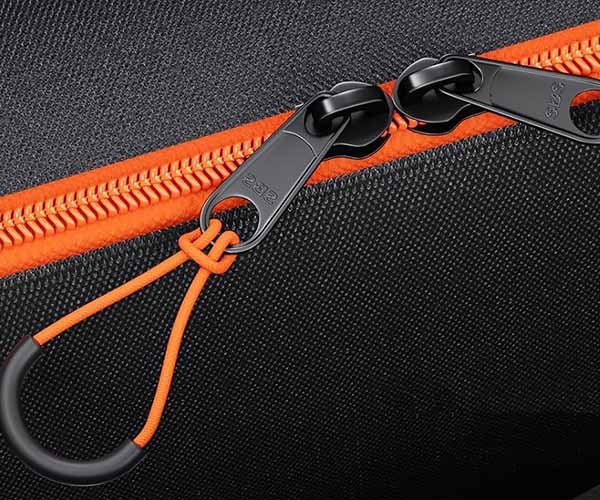
Small parts often determine whether a winter sports bag remains reliable after repeated travel, loading and cold-weather use.
1. main zippers

Main Zippers

Long openings need smooth zipper movement and adequate chain strength. Zipper size, tape, slider, puller and opening direction are selected according to bag length, foam compression and equipment loading.
  • Two-way access when useful
  • Reinforced zipper ends
  • Gloves-friendly pullers
  • Sample cycle checks
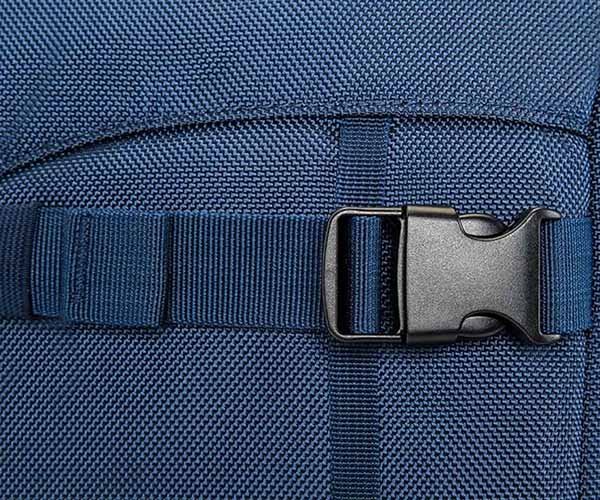
2. buckles

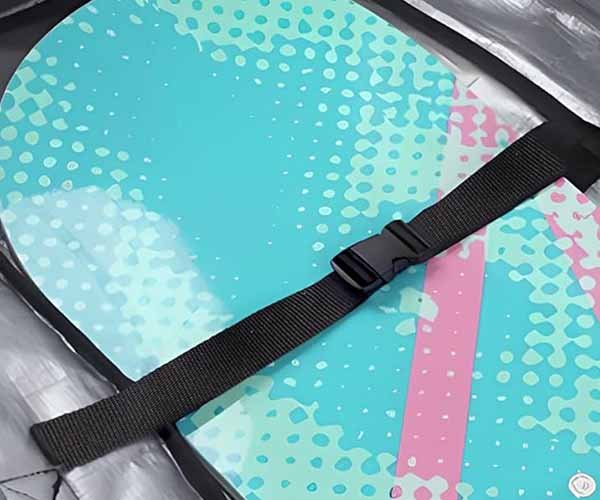
Buckles

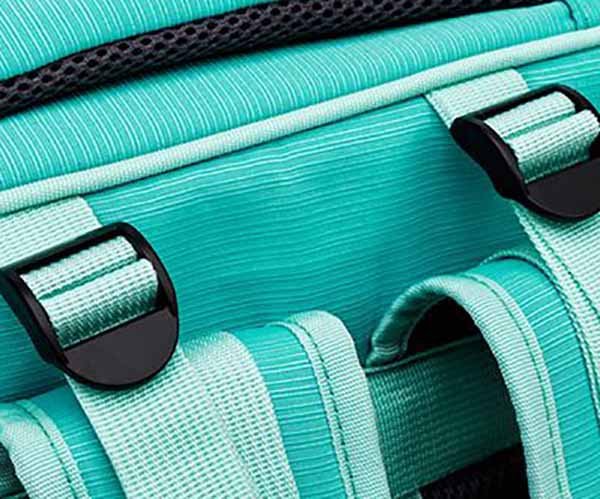
Compression and attachment buckles must remain secure under load. Material grade, size and placement affect cold performance and handling.
  • Side-release or ladder-lock styles
  • Protected placement
  • Strap-width compatibility
  • Supplier specification review
3. webbing

Webbing

Webbing carries handle, shoulder and compression loads. Width, thickness, weave and extension length are matched to the expected load and bag size.
  • 25–50 mm common widths
  • Reinforced anchoring
  • Color matching
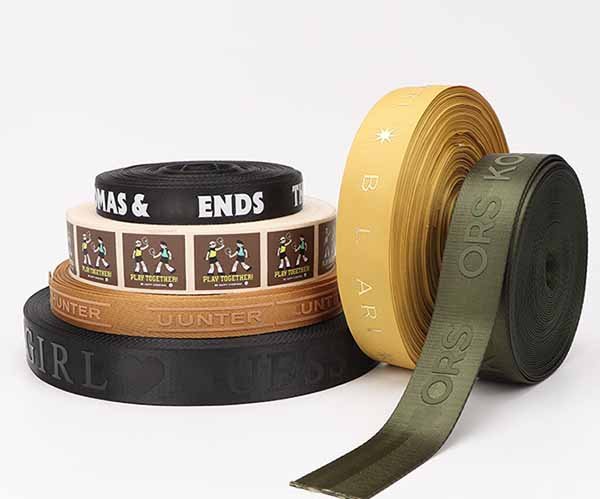
  • Printed or jacquard options
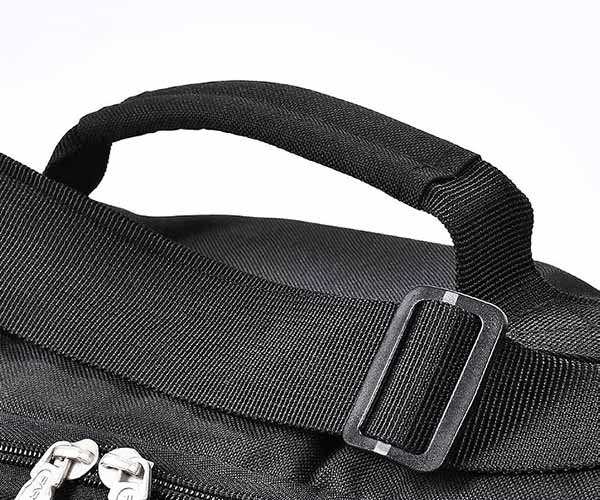
4. carry handles

Carry Handles

Long ski bags need balanced handles so the load does not tip excessively. Handle placement is checked after loading, not only on a flat sample.
  • Center-of-gravity review
  • Padded handle wraps
  • End grab handles
  • Continuous webbing options
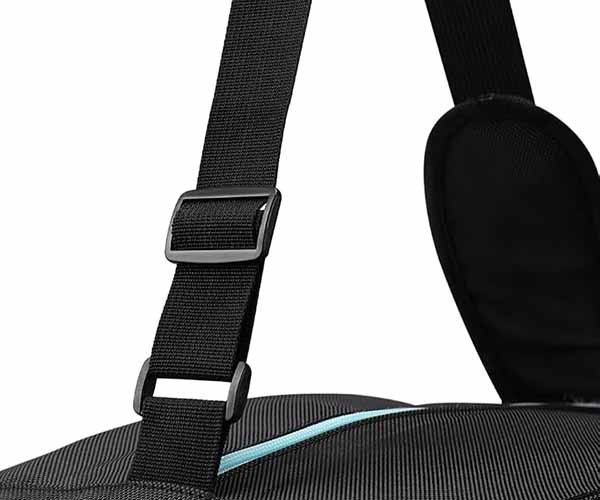
5. shoulder straps

Shoulder Straps

Shoulder straps require sufficient width, padding, adjustability and stable attachment. Removable straps can improve packing, while fixed straps reduce loose components.
  • Padded shoulder contact
  • Adjustable hardware
  • Reinforced anchors
  • Removable or fixed designs
6. wheels

Wheels

Wheel diameter, axle construction, housing strength and clearance affect travel performance. Small wheels save space but may struggle over rough surfaces.
  • In-line or paired wheels
  • Protected housing
  • Replaceable design options
  • Loaded rolling checks
7. bottom protection

Bottom Protection

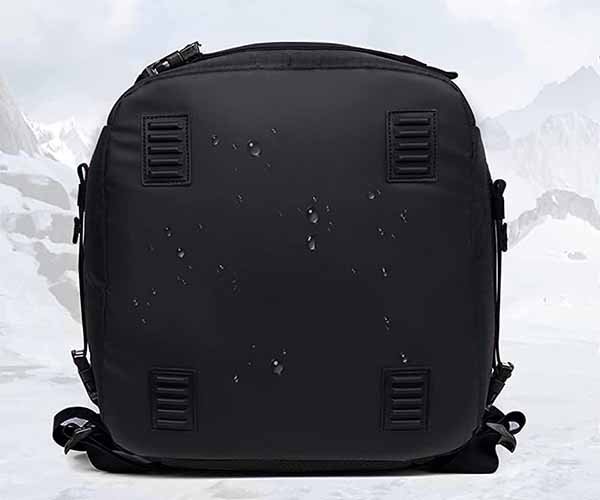
The base experiences snow, dirt, floors and airport handling. High-denier fabric, tarpaulin, rubberized panels, feet or molded reinforcement can be selected according to use.
  • Wipe-clean surfaces
  • Edge reinforcement
  • Water-resistant zones
  • Wheel-end protection
8. binding and seams

Binding and Seams

Binding protects raw edges and controls internal appearance. Poor binding can wrinkle, twist or expose foam.
  • Polyester or nylon binding
  • Width matched to layer thickness
  • Clean corner transitions
  • Seam allowance control

Compartments and Carrying Systems

Internal organization should reduce loading time, protect sensitive equipment and keep wet items away from dry gear.

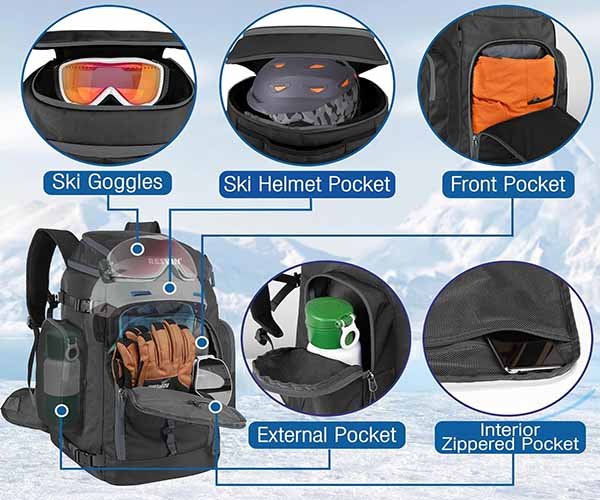
Separate Boot Zones

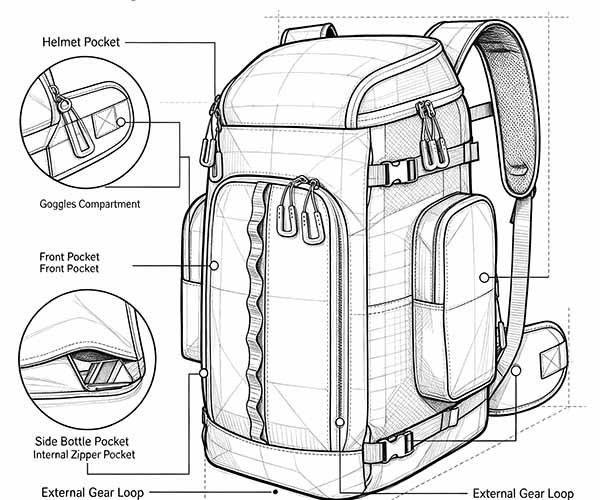
Boot compartments may sit on the sides, base or front of a backpack. Wide openings simplify loading, while coated lining and ventilation help manage moisture.
  • Sized around intended boot range
  • Easy-clean lining
  • Reinforced entry edges
  • Drainage or airflow options

Helmet Compartments

Helmet sections need enough volume without compressing the shell or interior padding. Shaped panels, soft lining and opening geometry matter more than a simple capacity claim.
  • Dedicated or expandable zone
  • Soft contact lining
  • Goggle separation
  • Compression control

Goggle Pockets

Goggles require low-abrasion lining and limited pressure. Placement near the top improves access and reduces contact with boots or bindings.
  • Brushed tricot or fleece lining
  • Foam-supported pocket walls
  • Separate lens space
  • Easy zipper access

Wet Gear Storage

Wet gloves, boot liners or outerwear should not sit against clean apparel or sensitive equipment. Coated lining, removable mats and isolated pockets can create a controlled wet zone.
  • Wipe-clean surfaces
  • Ventilation placement
  • Drain-friendly geometry
  • Replaceable internal parts

Backpack Carrying

Boot backpacks need balanced weight close to the body. Strap spacing, back-panel structure and sternum straps can improve stability when carrying heavy boots.
  • Padded shoulder straps
  • Reinforced top handle
  • Breathable back panel
  • Optional sternum strap

Multi-Mode Carrying

A travel product may combine wheels, hand handles, shoulder straps and backpack straps. Each mode must remain usable without loose parts dragging or interfering with zippers.
  • Stowable straps
  • Protected wheel zones
  • Balanced handle positions
  • Attachment-point reinforcement

Private Label and Logo Solutions

Logo selection should match the material, abrasion level, visual position, order quantity and brand price point.
3. embroidery

Embroidery

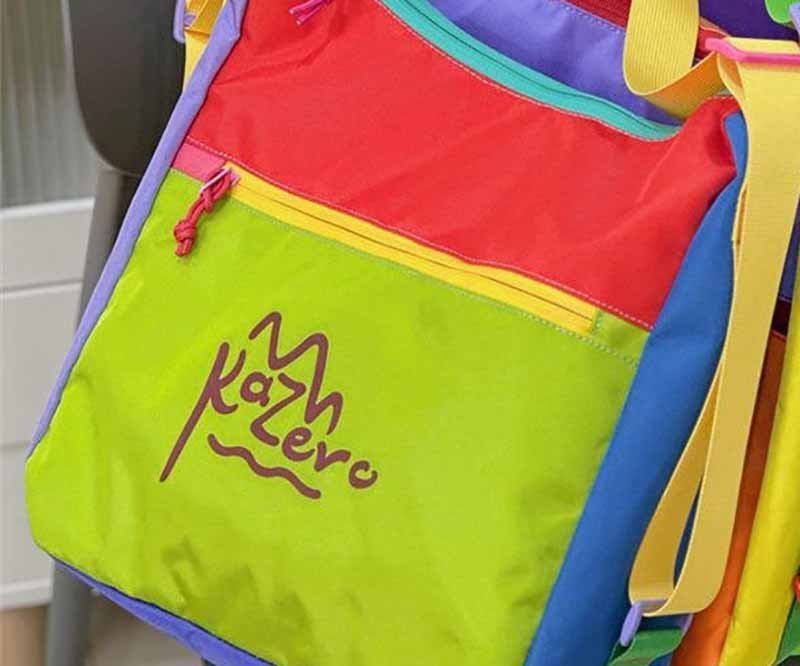
Embroidery creates a durable, dimensional finish on polyester, nylon, canvas and selected padded panels. Stitch density, backing and placement must be reviewed so the Logo does not distort the fabric or interfere with foam and waterproof coatings.
Silk Screen Printing

Screen Printing

Screen printing suits clear one-color or limited-color graphics on smooth panels. It offers good cost efficiency at volume, although ink selection and surface compatibility should be tested on coated or textured fabrics.
2. heat transfer

Heat Transfer

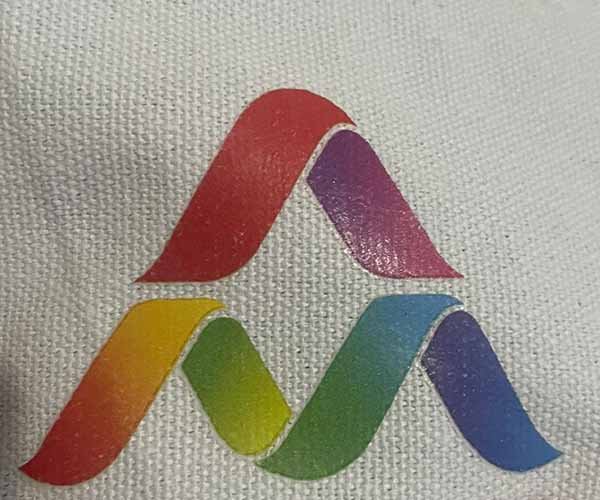
Heat transfer supports detailed, multi-color artwork and smaller quantities. Temperature, pressure and film type must suit the base fabric and coating to prevent gloss marks, delamination or changes in hand feel.
3. sublimation printing

Sublimation Printing

Sublimation works well for full-color graphics on white or light polyester. Patterns can cover large panels, but artwork alignment across seams and zippers requires careful file preparation and cutting control.
7. rubberpvc labels 1

Rubber Patches

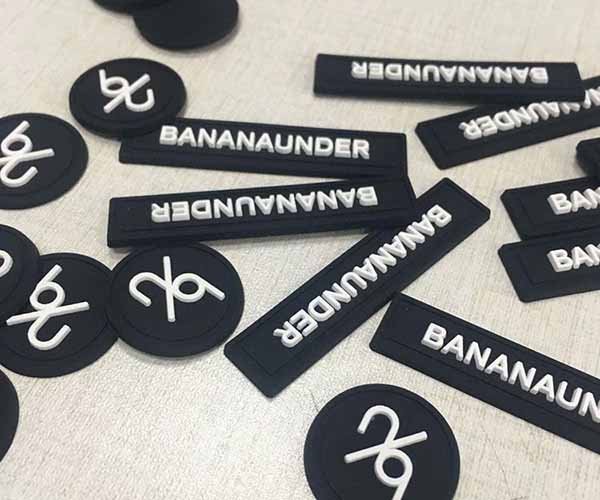
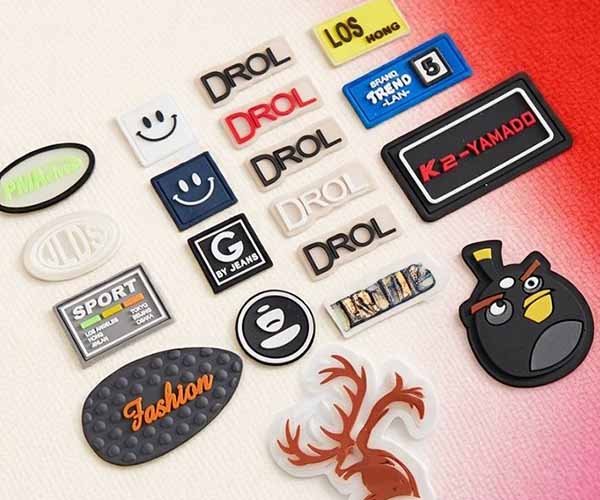
Rubber patches suit outdoor and winter collections because they create a technical, weather-ready appearance. Mold cost, patch thickness, stitch channels and placement affect MOQ, sample cost and production schedule.
5. rubber or silicone patches

Silicone Patches

Silicone patches offer a softer premium surface and strong color definition. They work well on backpacks, boot bags and travel products, while raised details and small lettering need sample confirmation.
4. woven labels

Woven Labels

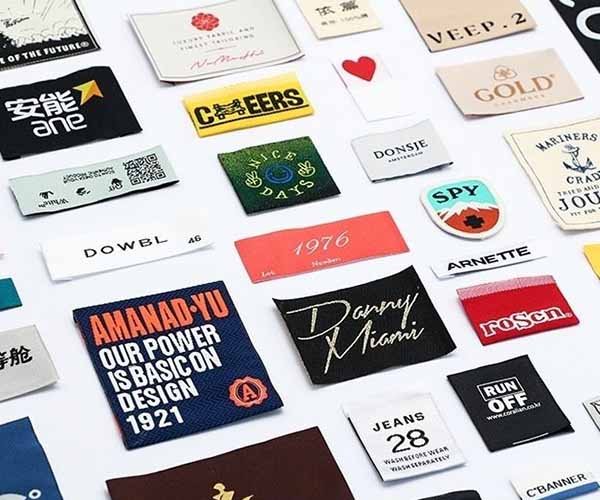
Woven labels provide clean detail with lower tooling requirements than molded patches. They can be sewn internally or externally and are useful for size coding, brand identity and product information.
8. jacquard logo webbing

Jacquard Webbing

Jacquard webbing places the brand directly into handles or straps. It creates strong visual consistency across a collection, although weaving MOQ and color approval require earlier planning than standard webbing.

Logo Artwork Guide and Information Needed for Accurate Project Review

Complete information allows Szoneier to recommend the correct material, structure, MOQ, sample route, cost level and production schedule.

Product Type

Confirm whether the program involves ski bags, snowboard bags, boot bags, boot backpacks, helmet bags, wheeled travel bags or a coordinated collection.

Equipment Dimensions

Provide ski length, snowboard dimensions, boot size range, binding height, helmet size and any equipment combinations expected inside the bag.

Reference Material

Send a tech pack, sketch, product link, physical sample, marked photographs or competitor reference. Multiple references can be combined into one development direction.

Material Direction

Share preferred fabric, denier, coating, lining, foam, color and sustainability requirements. Szoneier can recommend alternatives when a material is unavailable or commercially inefficient.

Logo Requirements

Provide artwork files, Logo dimensions, Pantone references, preferred process and placement. Mention any sponsor marks, athlete names, size codes or seasonal graphics.

Quantity and SKUs

List total quantity, styles, sizes and colors. A 3,000-piece order divided across twelve combinations requires different planning from one color and one size.

Packaging Needs

State retail, e-commerce, FBA, gift or bulk packing requirements. Include barcode, FNSKU, hangtag, warning label, carton mark and warehouse instructions where applicable.

Destination and Date

Provide the destination country, warehouse type and required arrival date. Production and freight planning should work backward from the final delivery window. 

From Concept to Approved Winter Sports Bag Sample
Standard samples generally require about 7–12 working days after material confirmation. Complex wheeled, structured or multi-compartment products may require about 12–20 working days or longer.
1. requirement review

Requirement Review

Sales, product and technical teams review product type, equipment fit, materials, Logo, packing, quantity and target delivery. Missing information is identified before pattern work begins.
  • Equipment dimensions checked
  • Main function defined
  • Cost and MOQ risks flagged
  • Development route confirmed
2. equipment mapping

Equipment Mapping

Internal space is planned around skis, snowboards, boots, helmet, goggles and accessories. Foam, lining and seam allowances are included in usable-size calculations.
  • Length and width mapping
  • Binding-clearance review
  • Opening-size confirmation
  • Compartment allocation
3. material selection

Material Selection

Outer fabric, lining, foam, reinforcement, mesh, webbing, zipper and buckle options are reviewed together. Szoneier can send material photos, color cards or physical swatches where needed.
  • Stock availability checked
  • Color options reviewed
  • Performance boundaries explained
  • Cost alternatives proposed
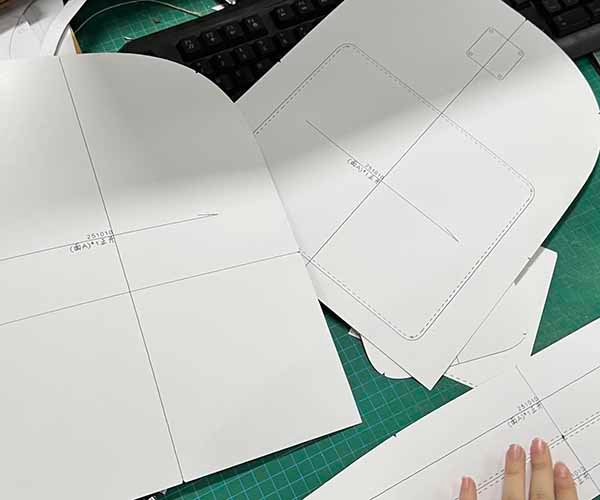
4. pattern development

Pattern Development

Pattern makers translate the approved structure into production panels. Long products require careful control of panel symmetry, zipper curves, foam compression and seam alignment.
  • Panel breakdown
  • Seam allowance
  • Reinforcement positions
  • Sewing sequence planning
5. first sample

First Sample

The sample team cuts, assembles and sews the initial unit. Logo trials, foam placement and component installation follow the approved development notes.
  • Materials recorded
  • Workmanship monitored
  • Key dimensions measured
  • Construction issues reported
6. internal inspection

Internal Inspection

Before presentation, the sample is checked for equipment fit, dimensions, zipper movement, carrying balance, foam coverage, Logo appearance and structural stability.
  • Measurement check
  • Loading check
  • Visual inspection
  • Improvement list prepared
7. photo and video review

Photo and Video Review

Detailed images and videos can be provided before international shipment. Remote review reduces unnecessary courier costs when visible corrections are still required.
  • Overall shape
  • Inside construction
  • Logo and color
  • Functional operation
8. sample revision

Sample Revision

Feedback is converted into a clear revision list. Changes may involve dimensions, foam, pocket position, zipper opening, straps, Logo, materials or packaging.
  • Revision reason recorded
  • Cost impact explained
  • Timing impact explained
  • New sample route confirmed
9. final approval

Final Approval

The final sample becomes the reference for bulk production. Approved material specifications, pattern, Logo artwork, packing requirements and quality points are documented before production begins.
  • Final sample sealed
  • BOM confirmed
  • Pattern frozen
  • Production plan released

From Approved Sample to Stable Bulk Production

Four control documents connect development decisions with bulk manufacturing and later repeat orders.

Sealed Approval Sample

The approved unit defines shape, dimensions, materials, foam, Logo, components and workmanship. It remains available as a visual and functional reference during cutting, sewing, inspection and packing.
  • Final dimensions recorded
  • Materials identified
  • Workmanship points marked
  • Approval date documented

Frozen Production Pattern

Once the structure is approved, production patterns are controlled to prevent unreviewed panel changes. Long products require accurate left-right symmetry and consistent zipper alignment across repeated cutting.
  • Panel numbers controlled
  • Grain direction marked
  • Foam and lining patterns included
  • Revision versions recorded

Confirmed BOM

The bill of materials records outer fabric, lining, foam, webbing, zipper, buckle, wheel, reinforcement, Logo, label and packaging specifications. Substitutions require review rather than silent replacement.
  • Supplier and specification
  • Color and size
  • Usage position
  • Approved alternative rules

Pre-Production Sample

For larger or complex programs, a pre-production sample can be made from bulk materials before the full run. It confirms color, component batches, Logo, structure and packing against the final standard.

  • Bulk material confirmation
  • First-piece workmanship
  • Label and packing check
  • Production release approval


MOQ, Pricing and Cost Factors

Selected mature structures can be evaluated from 200 pieces. Most branded winter sports programs operate more efficiently from 500 pieces per style or color due to material, foam, trim and production requirements.

Product Size

Long ski and snowboard bags consume more fabric, lining, foam and zipper length than compact boot bags. Panel length also affects cutting yield, sewing time, storage space and carton dimensions.
  • Length and width
  • Internal capacity
  • Number of panels
  • Zipper opening length

Material Grade

Cost changes with fabric denier, fiber type, coating, lining and reinforcement. Using premium material in every panel may add weight without creating equal value.
  • Polyester or nylon
  • Standard or recycled material
  • Coating level
  • Targeted reinforcement

Padding System

Full-length foam, multiple densities, rigid inserts and shaped protection zones increase material and assembly work. Zoned padding can provide better cost control for non-airline products.
  • Foam thickness
  • Density
  • Coverage area
  • Support inserts

Components

Heavy-duty zippers, branded buckles, wide webbing, custom wheels, molded handles and protective bases affect both unit price and tooling requirements.
  • Standard or custom parts
  • Supplier MOQ
  • Mold or setup cost
  • Inspection requirements

Logo and Packaging

Simple woven labels or screen printing usually have lower setup requirements than molded patches, custom zipper pullers, jacquard webbing or retail gift boxes.
  • Logo process
  • Number of placements
  • Individual packing
  • Retail or FBA files

Quantity and SKU Split

Higher volume improves material purchasing and line efficiency, while many colors or sizes reduce efficiency. Pricing should be compared using the same material, structure, Logo and packaging specification.
  • Total order quantity
  • Quantity per color
  • Quantity per size
  • Reorder forecast

How We Control Winter Sports Bag Production

Bulk manufacturing follows approved technical records rather than memory or verbal instructions.

1. Order Confirmation

Quantity, SKU split, materials, Logo, packaging, delivery date and trade terms are checked before materials are released.
  • Purchase order review
  • Specification confirmation
  • Schedule planning
  • Responsibility assignment

2. Material Purchasing

Approved fabrics, linings, foam, webbing, zippers, buckles, wheels and packaging are ordered according to the confirmed BOM.
  • Supplier booking
  • Color reference
  • Quantity allowance
  • Arrival schedule

3. Incoming Inspection

Materials are checked before bulk cutting. Inspection focuses on color, hand feel, width, coating, visible defects, component operation and specification.
  • Fabric roll review
  • Color comparison
  • Component sampling
  • Nonconforming material isolation

4. Cutting Control

Long panels require stable alignment and careful material use. Patterns, grain direction, Logo positions and reinforcement pieces are reviewed before bundled cutting.
  • Pattern version check
  • Panel numbering
  • Layer control
  • Bundle identification

5. Logo Processing

Embroidery, printing, patches and labels are checked against approved artwork before panels move into main assembly.
  • Position template
  • Color standard
  • Size measurement
  • Adhesion or stitch review

6. Sewing Assembly

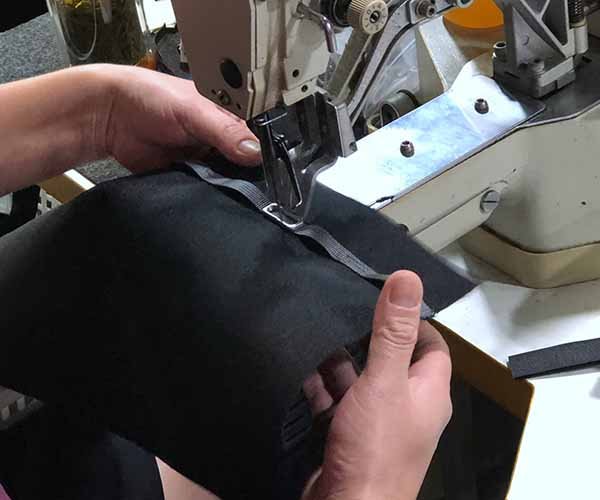
Production is arranged according to the defined sequence. Foam, lining, binding, reinforcements and zipper installation are monitored at relevant stations.
  • Stitch control
  • Seam allowance
  • Reinforcement placement
  • Panel alignment

7. In-Line Inspection

Inspectors review work during production rather than waiting until completion. Early findings can be corrected before the same issue spreads across the order.
  • First-piece review
  • Process measurements
  • Functional operation
  • Defect feedback

8. Final Assembly

Wheels, straps, buckles, pullers, inserts, labels and remaining components are completed and checked before final inspection.
  • Hardware security
  • Strap routing
  • Zipper function
  • Product cleaning

9. Packing and Release

Only approved goods enter final packing. SKU, barcode, FNSKU, hangtag, inner packing, carton quantity and carton marks are matched against the packing file.

  • Packing count
  • Carton dimensions
  • Gross weight
  • Shipment documents

Quality Checks for Winter Sports Bags

Szoneier’s 12-person QC team applies incoming, in-process, finished-product and outgoing checks according to product structure and agreed inspection requirements.

Equipment Fit

Finished samples or selected production units can be checked against specified skis, snowboards, boots, helmets or dimensional fixtures.
  • Internal usable size
  • Binding clearance
  • Zipper closure
  • Compartment fit

Material Check

Outer fabric, lining, foam and reinforcement are compared with approved specifications and reference samples.
  • Color and texture
  • Coating condition
  • Foam thickness
  • Visible defects

Dimension Control

Key dimensions are measured according to the approved measurement method. Long products require defined tolerance points rather than one overall length only.
  • Overall length
  • Width and depth
  • Strap lengths
  • Pocket and Logo positions

Foam Coverage

Inspectors confirm whether foam reaches required zones and remains aligned after sewing.
  • Sidewall position
  • Tip and tail zones
  • Binding protection
  • Wheel-end support

Zipper Operation

Main zippers and pockets are opened and closed to identify catching, misalignment, excessive resistance or weak end stops.
  • Slider movement
  • Tape alignment
  • End reinforcement
  • Puller installation

Load Points

Handles, shoulder straps, backpack straps, compression webbing and wheel housings are reviewed for secure construction.
  • Stitching density
  • Bartack placement
  • Hidden reinforcement
  • Internal load checks

Wheel Alignment

Wheeled products are checked for secure housings, wheel rotation, ground clearance and straight tracking under the agreed sample condition.
  • Wheel security
  • Rotation
  • Housing alignment
  • Base protection

Workmanship

Seams, binding, corners, lining, Logo, threads and product cleanliness are checked against the approved quality standard.
  • Open seams
  • Skipped stitches
  • Wrinkles or twisting
  • Cosmetic defects

Packing Verification

Final packing checks confirm the correct product, SKU, labels, accessories, carton quantity and shipping marks.

  • Barcode and FNSKU
  • Hangtag
  • Polybag warning
  • Carton mark and count

Retail, E-Commerce and Travel Packaging

Packaging must protect long products, control freight volume and provide accurate information for the final sales channel.

Folded Polybag Packing

Folded packing is cost-efficient for flexible ski sleeves, boot bags and selected padded products. Fold positions should be planned during sampling to avoid damaging rigid inserts, Logo patches or coated surfaces.
  • Printed warning options
  • Size stickers
  • Barcode labels
  • Controlled fold lines

Rolled Packing

Rolling can reduce sharp fold marks in flexible long bags. It may increase package diameter and requires testing with foam, zipper and reinforcement construction.
  • Strap or band closure
  • Polybag protection
  • Retail label position
  • Carton-efficiency review

Protective Inserts

Cardboard, foam, tissue or shaped inserts can protect wheel housings, structured panels, Logo plates and product shape during transport.
  • Wheel-end guards
  • Handle protection
  • Shape support
  • Scratch control

Retail Presentation

Retail packing may include hangtags, header cards, belly bands, barcodes, price labels and multilingual product information.
  • UPC or EAN
  • Product features
  • Care instructions
  • Country-specific labels

E-Commerce Packing

Online products need clean individual packing and labels that remain readable throughout fulfillment. Carton dimensions and gross weight should be controlled before shipment.
  • FNSKU labels
  • Polybag warnings
  • SKU separation
  • Packing-list accuracy

Master Cartons

Long bags require careful carton engineering. Cartons must resist compression without creating unnecessary empty space.

  • Units per carton
  • Carton length
  • Gross and net weight
  • Shipping marks


Plan Production Around the Winter Selling Season

A successful program starts with the required warehouse date and works backward through freight, packing, inspection, production, materials and sample approval.

Design Freeze

Dimensions, structure, materials, Logo and packaging should be finalized before bulk purchasing. Late design changes can affect patterns, cost, tooling and component orders.
  • Confirm equipment fit
  • Approve technical files
  • Lock Logo process
  • Define final SKU list

Sample Approval

Standard samples generally need about 7–12 working days. Complex wheeled or highly structured products may need about 12–20 working days, excluding international courier time and revision rounds.
  • Review early
  • Consolidate feedback
  • Approve materials
  • Avoid fragmented revisions

Material Booking

Custom colors, recycled fabrics, molded patches, jacquard webbing and special wheels may require longer lead time than regular stock components.
  • Reserve material capacity
  • Confirm supplier MOQ
  • Approve color standards
  • Plan backup options

Bulk Production

A typical 500–5,000-piece winter sports bag order may require approximately 25–45 days after sample and material approval, depending on structure, SKU count, Logo, packaging and seasonal loading.
  • Production slot
  • First-piece review
  • In-line checks
  • Packing schedule

Inspection and Packing

Final inspection, rework, packing, carton verification and export preparation require planned time. Production completion should not be treated as the shipment date.
  • Inspection window
  • Correction allowance
  • Carton data
  • Shipping documents

Freight Planning

Samples commonly move by express. Urgent replenishment can use air freight. Bulk seasonal inventory generally benefits from earlier sea-freight planning. Split shipment can balance launch speed and landed cost.

  • Express samples
  • Air first batch
  • Sea main shipment
  • DDP or warehouse delivery evaluation

The Team Behind Every Custom Order

Winter sports programs move through dedicated roles rather than one sales contact managing every technical decision alone.

International Sales Team

A 12-person international sales team receives RFQs, organizes project details and keeps communication clear across quotation, sample, production, packing and shipment stages.

Product Managers

Four product managers evaluate product direction, commercial feasibility, material options, structural risks, cost targets and development priorities before technical work begins.

Bag Designers

Six bag designers support concept refinement, product appearance, color placement, panel balance, pocket systems and collection coordination.

Pattern Makers

Five pattern makers with an average of more than ten years of experience translate concepts and samples into accurate production patterns.

Sampling Team

Eight sampling specialists supported by 12 sample workstations handle cutting, sewing, assembly, Logo trials, corrections and final approval samples.

Purchasing Team

Six purchasing team members coordinate fabrics, lining, foam, zippers, webbing, buckles, wheels, Logo components and packaging.

Quality Team

Twelve QC personnel manage incoming, in-line, finished-product and outgoing checks according to agreed product requirements.

Logistics Team

Five logistics coordinators support express samples, air freight, sea freight, DDP evaluation, FBA shipments, overseas warehouses and export documentation. 

Winter Sports Bag Project Case Studies
The anonymized profiles below use realistic 500+ piece program data prepared for content development. Confirm quantities, lead times and outcomes against approved internal order records before public release.
1. u.s. four sku launch

U.S. Four-SKU Launch

A U.S. outdoor brand planned a coordinated winter collection covering padded ski bags, snowboard bags, boot backpacks and helmet bags.
  • Total quantity: 6,800 pcs
  • SKUs: 4 products across 7 color combinations
  • Materials: 900D polyester, coated lining and localized 10 mm foam
  • Logo: Embroidery plus woven labels
  • Sample program: 18 working days across two revision rounds
  • Bulk schedule: 42 days after final approval
The main challenge involved maintaining one visual language across products with very different proportions. Szoneier coordinated shared fabric, zipper tape, webbing and Logo standards while adjusting foam, reinforcement and carrying systems by product. Carton planning separated long ski and snowboard products from compact backpacks and helmet bags.
2. european wheeled program

European Wheeled Program

A European sporting-goods retailer developed a wheeled double-ski bag in two lengths for mid-range and premium retail channels.
  • Order quantity: 4,800 pcs
  • Sizes: 175 cm and 190 cm
  • Materials: 1680D wear panels with 900D main fabric
  • Protection: 12 mm side foam with reinforced tips and wheel end
  • Logo: Rubber patch and printed lining label
  • Sample program: 20 working days
  • Bulk schedule: 45 days
The first sample showed excessive weight and carton volume. Szoneier replaced full 1680D construction with targeted reinforcement and revised the foam layout. Protection remained concentrated around tips, bindings and wheels while overall weight and folded volume were reduced.
3. resort equipment program

Resort Equipment Program

A North American ski resort required boot-and-helmet bags for rental operations, staff use and training programs.
  • Order quantity: 3,200 pcs
  • Color groups: 4 identification colors
  • Materials: 600D coated polyester with reinforced base
  • Identification: Number windows and color-coded webbing
  • Sample program: 12 working days
  • Bulk schedule: 32 days
  • Packing: Bulk operational packing by color group
The resort prioritized repeated handling, fast identification and easy cleaning. Decorative features were reduced, openings were widened and the bottom panel was upgraded. Color coding helped staff separate equipment groups without opening each bag.

Winter Sports Bag Frequently Asked Questions
MOQ starts from 200 pcs for selected mature structures using available materials, standard components and simple branding. Most branded ski, snowboard and boot bag programs are more efficient from 500 pcs per style or color. Exact MOQ depends on fabric, foam, wheels, Logo, packaging, color quantity and structure.
Simple or standard sewn samples generally require about 7–12 working days after materials are confirmed. Complex wheeled, structured or multi-compartment products may require about 12–20 working days or longer. International courier time and revision rounds are additional.
Yes. Send ski, snowboard, boot, helmet or binding dimensions, along with photos or a physical sample where available. Szoneier can calculate internal space, openings, foam, compartments and carrying balance around the intended equipment.
Szoneier can review an authorized reference sample and develop a similar structure with changes to material, dimensions, protection, Logo, packaging or cost. Unauthorized trademarks, counterfeit branding and protected designs are not supported.
Water resistance depends on fabric, coating, seams, zippers, bindings and construction. Coated fabrics can resist snow and light moisture, but full waterproof claims require suitable construction and project-specific testing. Performance boundaries are confirmed before production.
Szoneier can source components based on available supplier specifications and required use conditions. When a defined temperature or performance standard is required, suitable component documentation and third-party testing should be arranged during development.
Main factors include product dimensions, fabric, lining, foam, reinforcement, zippers, wheels, handles, Logo, quantity, SKU split, packaging and destination. A tech pack or reference images improve quotation accuracy.
A typical 500–5,000-piece winter sports bag order may require approximately 25–45 days after sample and material approval. Complex structures, custom components, many SKUs, premium packaging and seasonal factory loading can extend the schedule.
Yes. Szoneier can support hangtags, barcodes, product labels, polybag warnings, FNSKU labels, FBA carton labels, SKU separation, carton-size control and packing lists. Correct files must be supplied or approved before packing.
Szoneier can support express, air freight, sea freight, DAP, DDP evaluation, FBA first-leg shipping, overseas warehouse delivery and brand-appointed forwarders. Final options depend on destination, shipment volume, product type, schedule and customs requirements.

Start Your Winter Sports Bag Project

Szoneier helps outdoor brands, sporting-goods retailers, e-commerce teams, ski resorts and equipment programs move from an early product direction to an approved sample and controlled bulk order. Send a tech pack, sketch, reference link, physical sample description or marked photographs. Our team will review equipment fit, material choices, foam coverage, reinforcement, Logo process, MOQ, packaging, production timing and shipment requirements. A useful first message does not need to be a finished technical file. Clear product goals and basic commercial information allow our product, pattern, sampling and purchasing teams to identify risks and propose the next development step. Please include:
  • Product type and equipment dimensions
  • Reference photos, sketches or tech pack
  • Preferred fabric, lining and padding
  • Logo artwork and Pantone colors
  • Quantity by style, size and color
  • Retail, FBA or bulk packaging requirements
  • Destination country or warehouse
  • Required delivery or launch date
ski bag

Ask For A Quick Quote

We will contact you within 24 Hours, please pay attention to the email with the suffix“@szoneier.com”

For all inquiries, please feel free to reach out at:

Ask For A Quick Quote

We will contact you within 24 Hours, please pay attention to the email with the suffix“@szoneier.com”

Contact Us

Send us a message if you have any questions or request a quote. We will be back to you ASAP!

For all inquiries, please feel free to reach out at:

Contact Us

Send us a message if you have any questions or request a quote. We will be back to you ASAP!

Exclusive Offer for First-Time Customers

For first-time customers, we will send you a free color card for you to choose.Once you have confirmed the fabric and color, our factory will make a free sample proofing for you.

For customers who frequently cooperate with us, we will send new color charts free of charge several times a year.

For all inquiries, please feel free to reach out at: