Skip to content

Burlap bags may seem simple — rough-textured, rustic, and old-fashioned — yet behind their coarse weave lies a story of eco-conscious design, agricultural tradition, and modern sustainability. Once used exclusively to transport coffee beans or potatoes, burlap bags have now become symbols of natural living and green branding, appearing in everything from luxury gift packaging to zero-waste tote collections.
In a time when synthetic fabrics dominate, burlap stands apart. It’s not about glossy perfection, but about authentic texture, biodegradability, and natural durability. For manufacturers and buyers alike, understanding burlap’s material science and practical advantages helps in choosing the right bag — whether for packaging, retail branding, or reusable eco-products.
A burlap bag is a reusable sack or tote made from natural jute or hemp fibers, known for their coarse texture and exceptional strength. Also called hessian bags, they’re valued for being eco-friendly, breathable, and biodegradable. Burlap bags are used in agriculture, packaging, decoration, and branding. They can last for years with proper care, offering both rustic aesthetics and sustainability in modern packaging.
The story of burlap starts in the fields — with tall jute plants growing in warm, humid climates. Their fibers are soaked, stripped, and spun into coarse strands that have powered global trade for centuries. Today, as sustainability returns to the spotlight, burlap bags have evolved from farm staples to fashionable, eco-branded icons — and factories like Szoneier are redefining them with modern customization and design.
What Exactly Is a Burlap Bag Made Of?
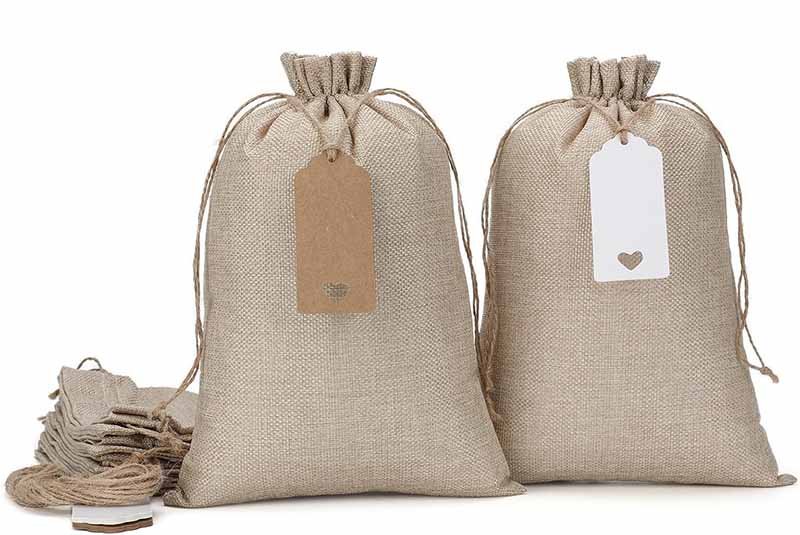
A burlap bag is made from woven plant fibers, primarily jute or hemp, and occasionally blended with kenaf or sisal for strength. The material, also known as hessian, is created by spinning the long bast fibers of these plants into coarse yarns, which are then woven into a breathable, durable fabric. Burlap’s all-natural composition makes it biodegradable, renewable, and sustainable, ideal for packaging, agriculture, and eco-friendly retail products.
Understanding the Natural Fiber Origins
Burlap begins its life not in a factory but in the humid river valleys of South Asia, where the jute plant (Corchorus olitorius and Corchorus capsularis) thrives. These tall, slender plants — often called the “golden fiber” because of their silky sheen — are harvested after about 100–120 days of growth.
The outer stalk of the jute plant contains long cellulose fibers (1.5–4 mm) bonded by lignin and pectin. Farmers extract these through a retting process, soaking the stalks in water for several weeks. This natural fermentation loosens the fibers, which are then stripped, washed, and sun-dried.
Interesting Fact: Jute plants can grow up to 4 meters tall and yield around 1.5–2 tons of dry fiber per hectare — one of the most productive and renewable fiber sources in the textile world.
Different Names for a Burlap Bag Around the World
Burlap bags are known by various names depending on region and usage:
| Region | Common Name | Typical Use |
|---|---|---|
| USA / Canada | Burlap Bag | Agriculture, crafts, packaging |
| UK / Australia | Hessian Sack | Coffee, grain, decorative |
| India / Bangladesh | Jute Bag | Transport, retail, eco bags |
| Latin America | Costal / Saco de Yute | Produce storage, trade |
| Africa | Gunny Bag | Export packaging |
These naming variations reflect how burlap transitioned from a global agricultural commodity to a multi-purpose eco-material valued across industries.
The Difference Between Burlap, Jute, and Hessian
While many people use these words interchangeably, their meanings depend on geography and fabric grade:
| Term | Region Commonly Used | Meaning |
|---|---|---|
| Burlap | North America | Coarse woven jute fabric used for sacks, totes, and crafts |
| Hessian | UK, Australia, India | The same material, often a finer grade |
| Jute Fabric | Global textile term | Refers to the raw woven cloth made from jute fiber before processing |
Essentially, burlap = jute fabric = hessian, with minor differences in fiber fineness, weave density, and finishing. Szoneier’s R&D team typically classifies burlap fabric by GSM (grams per square meter) ranging from 160 GSM (lightweight gift bags) to 350 GSM (heavy-duty sacks).
What Are Burlap Bags Physically Composed Of?
A standard burlap bag consists of three primary components:
| Component | Function | Material Type |
|---|---|---|
| Base Fabric | Structural strength and texture | 100% jute or jute-cotton blend |
| Thread & Stitching | Reinforcement for seams and handles | Cotton, jute, or polyester thread |
| Lining (optional) | Moisture resistance, softness | Cotton muslin, nonwoven PP, or PE film |
For retail-grade totes, Szoneier often adds laminated inner coatings or cotton liners to enhance usability and maintain structure. Industrial burlap sacks, by contrast, are unlined and unbleached, preserving full breathability for grains, coffee beans, and produce.
The Manufacturing Process: From Fiber to Finished Bag
- Fiber Preparation: After retting and drying, raw jute fibers are graded by length and luster. The longer, shinier fibers are chosen for high-quality burlap weaving.
- Carding and Spinning: Fibers are combed (carded) to align strands, then spun into coarse yarns on ring or spreader spinning frames. The resulting yarns are strong and slightly rough — the hallmark of burlap texture.
- Weaving: The yarns are woven into fabric on shuttle looms using a plain weave pattern — over and under, tightly interlaced to form a breathable, open-pore structure. Szoneier’s looms can weave widths from 38 to 72 inches, depending on bag size and load capacity.
- Finishing: Fabric may be softened, dyed, or laminated depending on the end application. For food-grade sacks, materials are often heat-treated or calendared to remove loose fibers.
- Cutting & Sewing: Finally, the woven rolls are cut into panels, stitched, and assembled with reinforced edges. Handles, drawstrings, or zippers are added per customer design.
What Makes Burlap’s Fiber Structure Unique
Burlap’s secret lies in its microscopic architecture. Each jute fiber is composed of:
- Cellulose (60–63%) → provides structure and strength
- Hemicellulose (20–25%) → allows flexibility
- Lignin (10–12%) → adds stiffness and water resistance
- Waxes and pectin (minor components) → give slight natural sheen
This chemical composition explains why burlap feels firm yet flexible, and why it absorbs dyes unevenly — part of its rustic charm.
| Property | Value Range | Benefit |
|---|---|---|
| Tensile Strength | 400–800 MPa | High load capacity |
| Elongation at Break | 1.5–2% | Maintains shape under tension |
| Moisture Regain | 12–14% | Naturally breathable |
| Thermal Conductivity | Low | Keeps contents cool and dry |
Sustainability Advantages of Burlap Composition
Unlike synthetic materials, burlap’s entire lifecycle is circular:
- Renewable Crop: Jute regenerates within 4–5 months and improves soil fertility.
- Low Resource Input: Requires 1/20th the water of cotton.
- Biodegradable Waste: Discards can be composted into nutrient-rich soil.
- Carbon Capture: 1 ha of jute absorbs roughly 15 tons of CO₂ annually.
That’s why industries replacing PP or PE sacks with burlap report up to 60% lower carbon emissions in their supply chains.
Modern Adaptations — Beyond Traditional Burlap
Today’s burlap is no longer the rough, itchy sackcloth of the past. Through fiber blending and surface finishing, factories like Szoneier produce new variations:
| Type | Composition | Characteristics |
|---|---|---|
| Pure Burlap (Natural Jute) | 100% jute | Strong, breathable, rustic |
| Laminated Burlap | Jute + PE or TPU film | Moisture-resistant, smooth |
| Dyed Burlap | Jute + eco dye | Colorful, aesthetic |
| Blended Burlap | Jute + cotton/poly | Softer, finer texture |
These upgrades make burlap adaptable for modern retail packaging, promotional tote bags, and eco-gift lines, bridging heritage craftsmanship with contemporary design.
How Durable and Functional Are Burlap Bags?
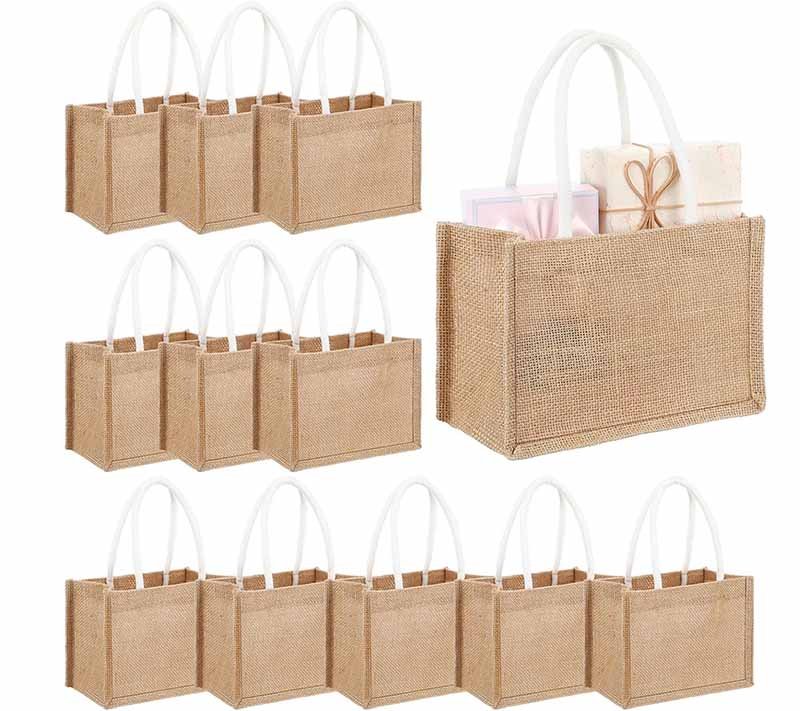
Burlap bags are exceptionally strong, breathable, and long-lasting, thanks to the jute fibers they’re woven from. A well-made burlap bag can last three to six years under normal use, and even longer when kept dry and protected from sunlight. Though not naturally waterproof, burlap resists tearing and stretching, making it ideal for carrying heavy goods, agricultural products, and eco-friendly retail items. When properly maintained, its performance rivals many synthetic materials.
1. The Science Behind Burlap’s Strength
Burlap’s durability starts with its fiber anatomy. Each jute strand is made up of micro-fibrils of cellulose and lignin, arranged in a tight, criss-cross pattern that gives the fiber its remarkable tensile strength and resistance to deformation.
| Property | Average Value | Effect on Durability |
|---|---|---|
| Tensile Strength | 400–800 MPa | Prevents tearing even under heavy loads |
| Elongation at Break | 1.5–2% | Keeps structure firm without stretching |
| Density | 1.3–1.5 g/cm³ | Provides stability for long-term use |
| Abrasion Resistance | Medium–High | Withstands friction in transport |
In testing, a single jute strand can support roughly 80 N (≈8 kg) before breaking. When woven together, this yields an average load capacity of 80–120 kg per bag, depending on fabric GSM (grams per square meter).
2. Breathability vs Waterproofing
Unlike plastic or canvas, burlap’s open weave allows continuous air exchange, preventing heat buildup and condensation. This breathability is a key reason why burlap remains the material of choice for coffee, cocoa, and produce packaging — it keeps contents dry, fresh, and mold-free.
| Feature | Burlap | Canvas | Polypropylene |
|---|---|---|---|
| Air Permeability | Excellent | Moderate | Poor |
| Moisture Absorption | 12–14% | 8–10% | 0% |
| Mold Resistance | High (if kept dry) | Moderate | High |
| Decomposition | 100% natural | 90% natural | Non-biodegradable |
However, burlap’s porosity means it’s not waterproof. To solve this, Szoneier offers laminated burlap — adding a thin TPU or PE film to the inside surface — providing up to 70% better moisture resistance without losing the natural look.
Tip: Laminated burlap is perfect for retail totes or outdoor applications, while plain burlap is best for breathable agricultural or decorative use.
3. Load Capacity and Weight Distribution
A burlap bag’s performance isn’t just about fiber strength — it’s also about how tension is distributed through the weave.
- Plain-weave construction (over-under pattern) ensures uniform stress across the surface.
- Double-stitched seams prevent rupture along stress lines.
- Reinforced hems or rope handles increase load stability for retail bags.
For example:
- A 50 kg coffee sack uses 320–340 GSM burlap and lasts 3–5 years.
- A 120 kg potato sack made of 350 GSM burlap can endure over 30 reuses in transport.
- A retail tote (220 GSM) can sustain 15–20 kg with no tearing.
Szoneier Standard: Each production batch undergoes dynamic load simulation, ensuring seams and handles withstand 1.5× rated capacity — a must for export-grade agricultural clients.
4. Resistance to Environmental Stress
While burlap is tough, its performance can shift depending on exposure:
| Condition | Effect | Preventive Measure |
|---|---|---|
| Sunlight (UV) | Fades color, weakens fiber | Use UV-treated jute or keep shaded |
| Humidity | May cause mildew | Store in ventilated, dry area |
| Friction / Reuse | Frays over time | Add cotton lining or lamination |
| Chemicals | Avoid strong acids/alkalis | Clean with mild detergent only |
Modern treatments such as eco-friendly wax coating or UV-stabilized finishes significantly increase burlap’s outdoor lifespan — ideal for beach bags or outdoor promotional sacks.
5. Lifespan: How Long Do Burlap Bags Actually Last?
With proper care, burlap bags are surprisingly long-lived:
| Use Type | Typical Lifespan | Notes |
|---|---|---|
| Agricultural Sack (Unlined) | 3–5 years | Ideal for grain, seeds, or coffee |
| Retail Tote (Laminated) | 5–7 years | Better structure, less fraying |
| Gift or Decor Bag | 6–8 years | Minimal weight stress |
| Outdoor Bag (Untreated) | 2–3 years | UV and moisture reduce life |
Key longevity factors:
- Storage: Always keep dry; moisture weakens fibers.
- Usage: Avoid overloading beyond rated capacity.
- Cleaning: Gentle hand wash only — avoid hot water.
- Handling: Fold loosely; don’t compress tightly.
Szoneier Testing Result: In humidity-controlled environments (50% RH, 25 °C), burlap’s tensile strength retention after 2 years was ≥92%, proving its stability under real-world storage conditions.
6. Functional Applications That Prove Burlap’s Strength
Because of its unique blend of breathability, resilience, and biodegradability, burlap adapts across multiple industries:
| Application | Typical GSM | Durability Factor |
|---|---|---|
| Coffee Export Sacks | 320–340 GSM | Withstands 60 kg load cycles |
| Agricultural Seed Bags | 280–300 GSM | Reusable for 20–30 trips |
| Eco Shopping Totes | 220–260 GSM | 5+ year lifespan with lamination |
| Gift Packaging | 160–200 GSM | Decorative, lightweight |
| Construction / Sandbags | 350–400 GSM | Supports erosion control, flood barriers |
Even in heavy-duty contexts such as construction flood bags or sand barriers, burlap proves effective — it holds weight, allows drainage, and decomposes harmlessly after disposal.
7. Comparing Burlap’s Functionality to Other Materials
Each bag material — burlap, cotton, canvas, and nonwoven polypropylene (PP) — serves a specific role in modern packaging and product design. From the tactile softness of cotton to the rugged endurance of burlap, knowing the distinctions helps designers and buyers make smarter sourcing decisions.
Below is a side-by-side comparison showing how these materials perform across key attributes.
| Property / Feature | Burlap (Jute) | Cotton Fabric | Canvas (Cotton/Poly Blend) | Nonwoven PP (Polypropylene) |
|---|---|---|---|---|
| Origin | Natural plant fiber (jute) | Natural plant fiber | Natural + synthetic blend | Synthetic polymer |
| Eco-Friendliness | Excellent — 100% biodegradable | Good — renewable, but water-intensive | Moderate — recyclable | Limited — recyclable, not biodegradable |
| Strength & Load Capacity | High (supports 80–120 kg) | Medium (supports 10–30 kg) | High (up to 100 kg) | ⚙️ Medium (15–40 kg) |
| Moisture Handling | Absorbs 12–14% humidity; breathable | Absorbs 8–10%; moderate drying | Moderate; water-repellent with coating | Hydrophobic; non-breathable |
| Texture / Aesthetic | Rustic, coarse weave | Smooth, soft touch | Sturdy and structured | Sleek, plastic-like surface |
| Weight (GSM) | 160–350 GSM | 120–250 GSM | 220–400 GSM | 60–120 GSM |
| Durability (Years) | 3–6 yrs (5–8 with lamination) | 3–5 yrs | 5–7 yrs | 2–3 yrs |
| Water Resistance | Naturally low; can be laminated | Moderate | High with coating | Very high |
| Recyclability / Disposal | Fully compostable | Biodegradable | Recyclable | Partially recyclable |
| Cost Efficiency | Very High | Moderate | Moderate | Very High |
| Best Uses | Agriculture, eco-packaging, décor | Apparel, premium retail, linings | Outdoor, tool, travel bags | Promotional, short-term use |
Which Types of Burlap Bags Are Commonly Used?
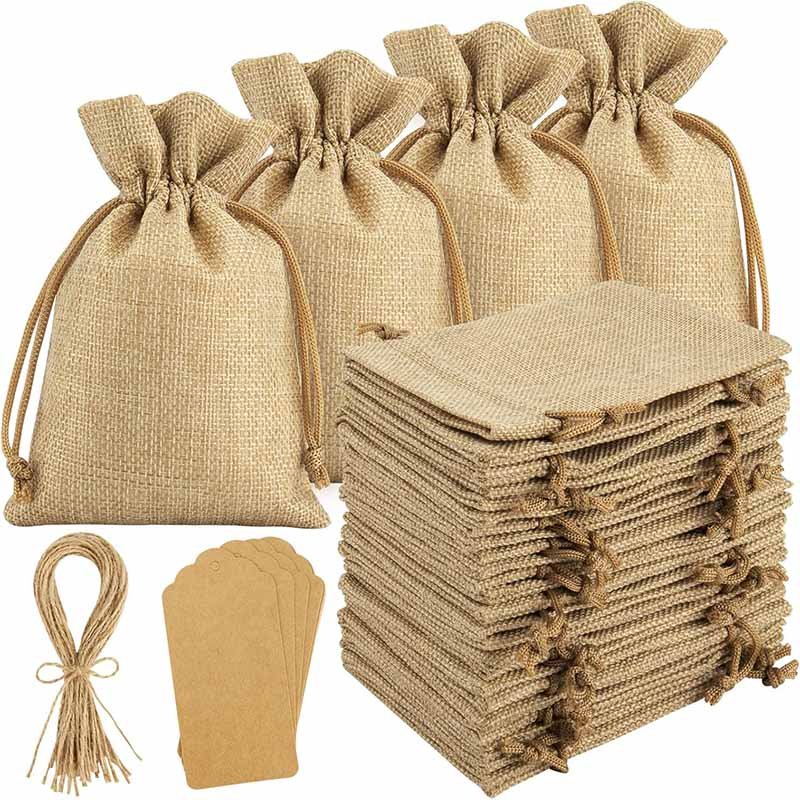
Burlap bags come in several popular types — including sacks, drawstring bags, totes, pouches, and decorative gift bags. Each serves a distinct function: heavy-duty burlap sacks for agriculture, breathable coffee bags for exports, drawstring or tote designs for retail and gifting. With their rustic texture, reusability, and eco-friendly appeal, burlap bags are used across industries such as agriculture, packaging, retail, weddings, and sustainable branding.
The Evolution of Burlap Bags
Originally designed as grain or coffee sacks, burlap bags were valued purely for strength and breathability. But as sustainability reshaped global consumption, their image shifted from “rural” to “responsible.”
Today, burlap’s earthy aesthetic and eco status make it a favorite for:
- Retail packaging (organic, handmade, or natural-themed products)
- Gifting and promotional events (custom-printed eco pouches)
- Weddings and décor (rustic favor bags, table decorations)
- Reusable lifestyle bags (shopping totes, drawstring gym sacks)
At Szoneier, we classify burlap bags into five primary functional categories, each designed for specific market needs and strength requirements.
The Five Main Types of Burlap Bags
| Type | Description | Typical GSM | Common Use |
|---|---|---|---|
| Burlap Sack | Large, open-top bag made from thick woven jute | 300–350 GSM | Agriculture, coffee, grain, sandbags |
| Drawstring Burlap Bag | Cinched closure with rope or cord | 180–260 GSM | Gifts, packaging, retail |
| Burlap Tote Bag | With handles, often laminated or lined | 220–300 GSM | Shopping, branding, daily use |
| Mini Burlap Pouch | Small soft bag with lining | 160–200 GSM | Jewelry, cosmetics, favors |
| Decorative / Custom Bag | Printed, dyed, or embroidered burlap | 200–280 GSM | Events, promotions, luxury packaging |
Burlap Sacks
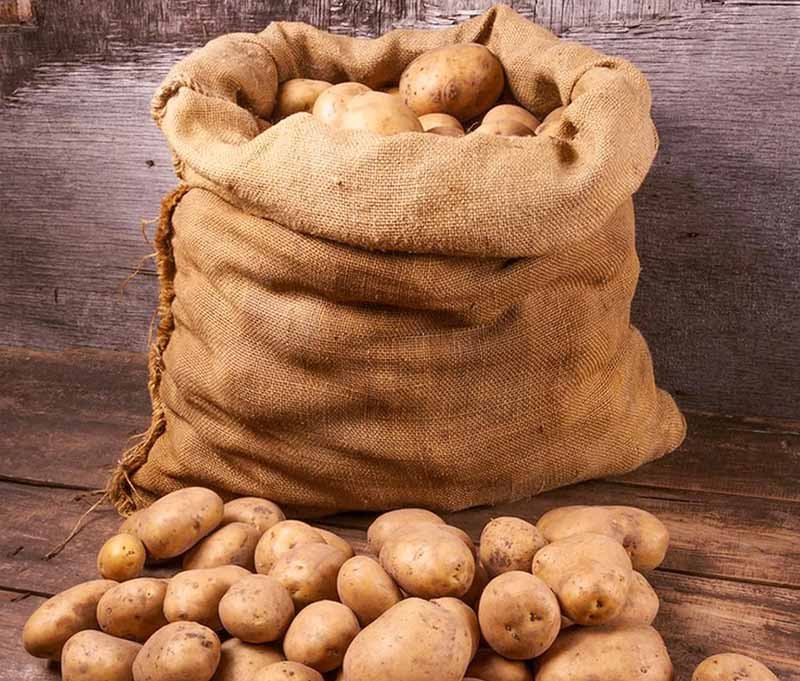
Burlap sacks remain the most iconic and durable form of jute packaging. Designed to carry heavy loads (50–120 kg), they are widely used in coffee, cocoa, rice, potato, and grain industries.
Features:
- Heavy-duty fabric (≥ 320 GSM)
- Reinforced double-stitched seams
- Breathable and reusable for multiple export cycles
- Available in natural or laminated versions
Example: Coffee exporters in Brazil and Vietnam often request 60 kg burlap sacks (40×28 in) with stenciled logos, adding rustic brand identity while maintaining breathability during transit.
Drawstring Burlap Bags
The drawstring burlap bag is one of the most versatile styles — blending practicality with charm. It features a rope, jute cord, or cotton string closure at the top, allowing easy tightening and reusability.
Common Uses:
- Gift or favor bags for weddings, events, or product giveaways
- Storage pouches for cosmetics, accessories, or candles
- Packaging for organic or handmade products
Customization Options:
- Logo printing (silk screen or heat transfer)
- Colored drawstrings
- Laminated lining for odor-sensitive products
- Sizes from 5×7 cm mini pouches to 30×40 cm medium gift bags
Szoneier Design Tip: For retail brands, pairing a kraft tag with a natural jute drawstring pouch creates a handmade luxury appeal — ideal for eco-themed boutiques or organic skincare labels.
Burlap Tote Bags
Burlap totes have become a symbol of sustainable fashion and conscious retail. They’re structured, stylish, and strong enough for daily shopping or corporate branding.
Features:
- Flat or box bottom for volume
- Handles made of cotton webbing, jute rope, or PU leather
- Optional lamination (PE or TPU) for moisture protection
- Custom printing for logos or slogans
| Feature | Specification | Benefit |
|---|---|---|
| Standard Size | 35×40 cm | Fits A4 files or groceries |
| GSM Range | 220–300 GSM | Durable and printable |
| Handle Length | 40–60 cm | Shoulder or hand-carry |
| Load Capacity | 15–25 kg | Ideal for shopping or branding |
Szoneier Example: A European organic food chain collaborated with us for 20,000 laminated burlap totes, printed with soy ink. The campaign reduced 45% of single-use plastic bag usage in their retail stores — proving sustainability can drive brand visibility.
Mini Burlap Pouches
Mini burlap pouches are compact, lightweight, and perfect for luxury packaging. Typically sized 10×15 cm to 20×25 cm, they’re lined with cotton or muslin for softness and easy sealing.
Common Uses:
- Jewelry, watches, or perfume packaging
- Candle and soap gift sets
- Promotional giveaways or eco-retail displays
Aesthetic Upgrades:
- Dyeing in natural tones (brown, beige, olive, black)
- Embroidery or hot stamping logos
- Decorative drawstrings with beads or lace
Design Inspiration: A handmade candle brand from Canada used dyed black burlap pouches with gold foil logos, blending rustic charm with luxury minimalism — all manufactured by Szoneier’s OEM team.
Decorative and Custom Burlap Bags
Beyond utility, burlap’s textured weave has become a canvas for creativity. Decorative burlap bags are customized for events, seasonal retail, or brand promotions — often dyed, printed, or embroidered for visual appeal.
Applications:
- Wedding décor: Personalized favor bags for guests
- Festivals or events: Custom print gift pouches
- Corporate branding: Giveaways with eco messaging
- Retail packaging: Boutique apparel, home goods, artisanal products
Printing Techniques:
- Water-based screen printing
- Laser etching (for logos or initials)
- Digital sublimation on laminated burlap
| Custom Option | Feature | Effect |
|---|---|---|
| Color Printing | Pantone matching | Brand consistency |
| Embroidery | Logo or monogram | Premium finish |
| Lamination | Inner lining | Enhanced durability |
| Edge Binding | Cotton trim | Modern contrast design |
Emerging Hybrid Designs
In recent years, hybrid burlap bags have emerged as a creative evolution — integrating new materials and structures:
- Burlap + Canvas: Combines durability with smooth surfaces for clearer logo printing.
- Burlap + Cotton: Softens texture, ideal for fashion-forward totes.
- Burlap + Leather Accents: Adds luxury for lifestyle products.
- Burlap + Waterproof Film: Ensures longevity for outdoor or travel use.
Szoneier R&D Highlight: Our “Urban Rustic Series” uses burlap-cotton-laminated composites, blending sustainability with high-end aesthetics. These bags are trending in European lifestyle and home décor markets.
Industry Demand Snapshot
| Industry | Burlap Bag Type | Common GSM | Market Trend |
|---|---|---|---|
| Agriculture / Coffee | Burlap Sack | 320–350 GSM | Stable, export-driven |
| Retail / Grocery | Tote Bag | 250–280 GSM | Rising (eco mandates) |
| Weddings / Events | Drawstring & Decorative | 180–240 GSM | Seasonal peak Q4–Q1 |
| Corporate Branding | Custom Tote / Gift Bag | 220–260 GSM | Growth in sustainable gifting |
| Handmade / Artisanal | Mini Burlap Pouch | 160–200 GSM | Steady, niche markets |
How Do You Maintain and Reuse Burlap Bags?
To maintain burlap bags, keep them clean, dry, and away from direct sunlight. Hand-wash gently in cold water using mild soap, then air-dry completely to avoid fiber shrinkage or mold. Store in a cool, ventilated place inside breathable containers. Burlap bags can be reused dozens of times for shopping, storage, crafts, or packaging—and once worn out, they can be composted or recycled into garden material, extending their eco-friendly life cycle.
Cleaning Burlap Bags
Burlap is sensitive to water temperature and friction. A harsh wash cycle can distort its weave or cause shrinkage.
Step-by-Step Hand-Washing Guide
| Step | Action | Explanation |
|---|---|---|
| 1. Pre-Dust | Shake or brush off debris. | Removes surface dirt without stressing fibers. |
| 2. Spot Clean | Dab stains with mild detergent or baking-soda paste. | Avoid strong chemicals – they weaken jute. |
| 3. Gentle Rinse | Immerse in cool (≤ 25 °C) water for 3–5 min. | Prevents fiber swelling and warping. |
| 4. Air-Dry Flat | Hang in shade with airflow. | Sunlight fading avoided; retains shape. |
| 5. Re-Shape | Smooth edges while damp. | Prevents curling and seam distortion. |
Tip: Add ½ cup of vinegar during rinsing to neutralize odors naturally.
What NOT to Do
- Don’t machine-wash – agitation frays the weave.
- Don’t tumble-dry – heat causes shrinkage.
- Don’t use bleach – it destroys cellulose.
Szoneier Care Option: For corporate or retail clients, Szoneier offers pre-washed, odor-free burlap fabric that’s softened and stabilized for consumer use—ideal for cosmetic, food, and apparel packaging lines.
Preventing Odor, Mold & Fiber Damage
Because burlap fibers naturally absorb moisture (12–14 %), storage environment is crucial.
Ideal Storage Conditions
- Humidity: < 60 % RH
- Temperature: 20–25 °C
- Air Circulation: Moderate airflow or dehumidifier present
- Container: Breathable bin / cotton sack – never plastic
Add silica-gel packs, cedar chips, or baking soda pouches to absorb residual humidity. Rotate stock every 2–3 months – particularly important for wholesale or seasonal storage.
Repair and Reinforce Before Reusing
Even after years of use, a burlap bag can often be repaired rather than discarded.
Simple Fixes:
- Frayed Edges → Trim and apply fabric glue or cotton binding.
- Loose Seams → Reseam using jute or cotton thread (size #20).
- Handle Tear → Reinforce with extra canvas patch or PU strap.
- Faded Print → Re-screen with eco ink or patch logo label.
Reuse Ideas — Giving Burlap a Second Life
Burlap’s rough texture and natural appearance make it incredibly adaptable for reuse across industries and households.
A. Retail & Corporate Reuses
- Repackage seasonal collections or event giveaways.
- Convert large sacks into branded shopping totes.
- Use mini burlap pouches as eco gift wrapping or promotional favors.
B. Home & Lifestyle Applications
- Cushion covers or plant pot wraps for a boho look.
- Storage bins or shoe bags in closets.
- DIY wall art or table runners for rustic décor.
C. Agricultural & Garden Recycling
- Compost bags or seedling pockets.
- Erosion control mats in landscaping.
- Weed barriers that decompose naturally.
Composting and Recycling Old Burlap
When a bag finally wears out, it can return to the earth.
| Disposal Method | Description | Time Frame |
|---|---|---|
| Composting | Cut into pieces, mix with soil; decomposes 100 % | 6–12 months |
| Mulching | Lay in garden to retain moisture & suppress weeds | 3–8 months |
| Upcycling | Turn into coasters, storage liners, or crafts | Indefinite |
| Industrial Recycling | Convert into paper pulp or insulation fiber | Facility dependent |
Extending the Life of Laminated and Decorative Burlap Bags
For laminated burlap (used in totes or branding):
- Clean only the inner film with a damp cloth – avoid soaking.
- Store flat to prevent delamination.
- Avoid ironing; if needed, place a cotton cloth over and use low heat.
For dyed or printed bags:
- Keep away from direct UV light to preserve color.
- Re-treat surface with eco wax spray every year for added protection.
Szoneier Tip: A light coating of plant-based wax finish can double the lifespan of decorative burlap, giving it smoother touch and water-repellent performance without synthetic chemicals.
What Are the Advantages and Disadvantages of Burlap Bags?
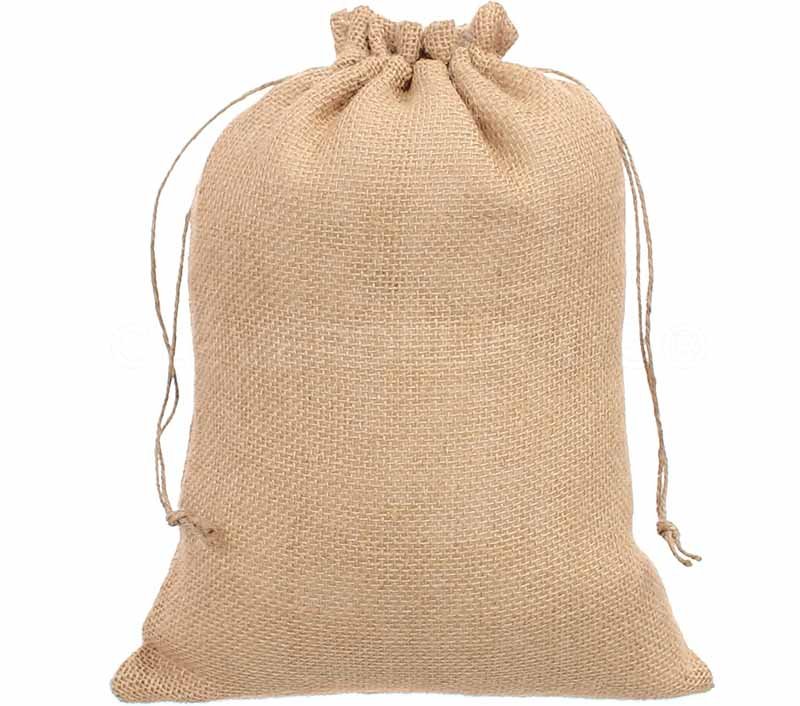
Burlap bags are eco-friendly, breathable, and durable, making them excellent for reusable packaging. They’re cost-effective and biodegradable, aligning with sustainable business goals. However, burlap is not fully waterproof and can shed fibers over time. Compared to cotton or canvas, it offers rustic aesthetics but less softness. Overall, it’s a perfect material for eco-conscious brands seeking authentic, natural packaging.
Advantages of Burlap Bags
- 100% biodegradable and renewable.
- Breathable, prevents condensation in produce.
- Rustic aesthetic for eco branding.
- Inexpensive compared to cotton or canvas.
- Supports sustainable farming economies.
Disadvantages of Burlap Bags
- Rougher texture (less soft than cotton).
- Not water-resistant unless laminated.
- Limited dye options due to fiber structure.
| Comparison | Burlap | Cotton | Canvas |
|---|---|---|---|
| Softness | Medium | High | Medium |
| Eco-Friendliness | Excellent | Good | Good |
| Water Resistance | Low | Moderate | Moderate |
| Cost Efficiency | High | Medium | Medium |
| Customization Potential | High | Very High | Very High |
Szoneier Tip: Blending burlap + cotton linings provides softness while preserving the natural texture — a popular choice for upscale eco brands.
How Can You Customize Burlap Bags for Your Brand?
Burlap bags can be customized through printing, embroidery, and lamination to match your brand’s aesthetic. You can choose sizes, handles, and closures for tote, drawstring, or gift designs. Factories like Szoneier offer OEM and private label services, allowing brands to integrate logos, labels, and packaging in one production line, combining eco-materials with professional branding consistency.
What Printing and Embroidery Techniques Work Best on Burlap Fabric?
Printing on burlap requires special water-based inks that bond with natural fibers. Common methods:
- Silkscreen printing: Best for bold logos and solid colors.
- Heat transfer: Works on laminated or blended burlap.
- Embroidery: Adds premium, textured branding.
Szoneier Design Tip: For best clarity, use dark inks on light burlap or contrast color stitching to enhance legibility.
Which Sizes, Handles, and Closures Can Be Customized?
| Feature | Option | Use Case |
|---|---|---|
| Size | 5×7cm to 50×70cm | From jewelry pouches to large sacks |
| Handles | Jute rope, cotton webbing, PU strap | Varies by strength & style |
| Closure | Drawstring, zipper, flap, button | Decorative or functional |
| Lining | Cotton, nonwoven, waterproof film | Depends on application |
Szoneier Capacity: We can produce low MOQ (200 pcs) and custom-print burlap totes in 7–10 days — ideal for seasonal or branded campaigns.
Conclusion
From the coffee plantations of India to the retail shelves of Europe, burlap bags have journeyed from traditional utility to modern sustainability. They represent authenticity, ecology, and craftsmanship — values that brands now proudly showcase.
At Szoneier, we blend traditional burlap craftsmanship with modern OEM customization — offering brands the ability to create eco-friendly, stylish, and functional packaging solutions at competitive pricing.
Whether you need rustic gift pouches, sturdy agricultural sacks, or laminated retail totes, our team ensures every detail — from weave density to logo precision — reflects your brand’s identity and quality standards.
Start Your Custom Burlap Project Today.