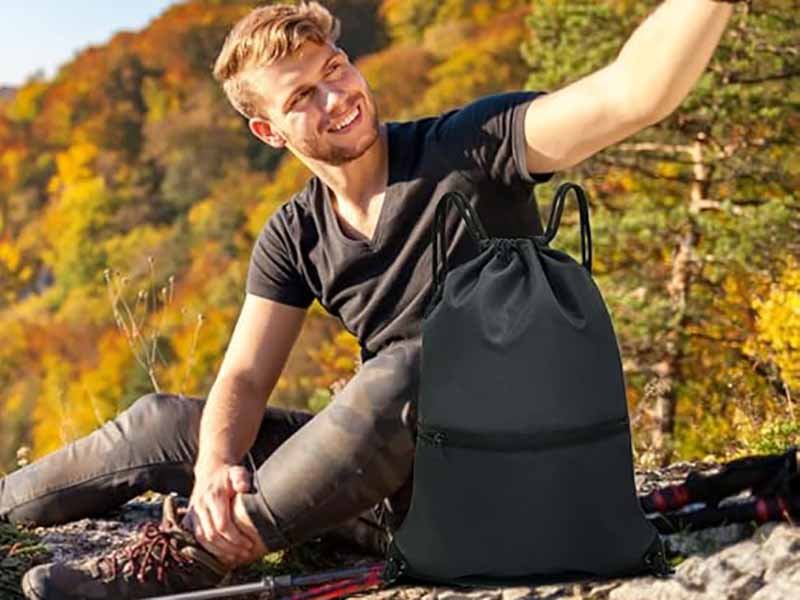
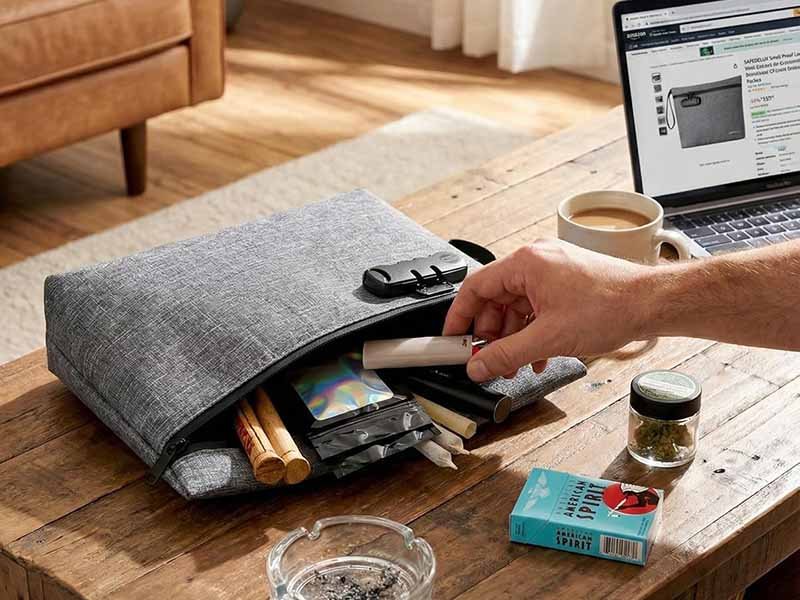
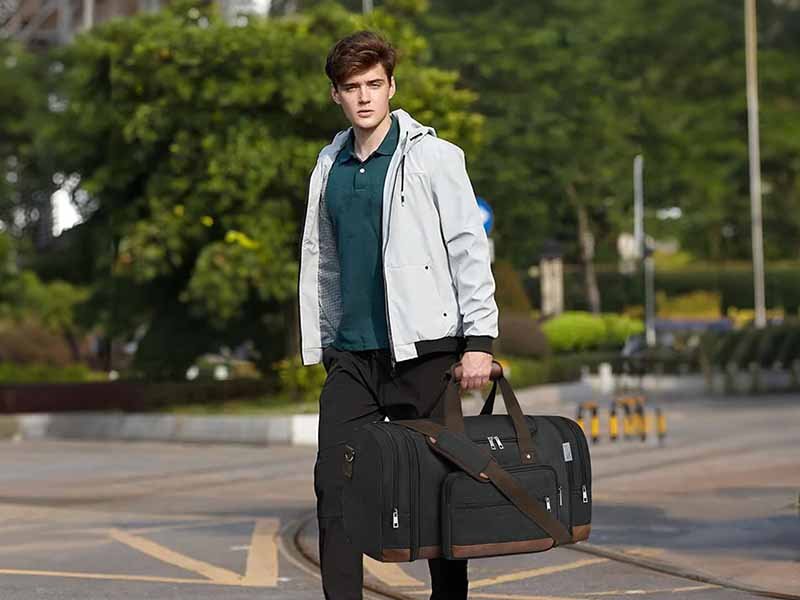
A lot of companies start looking for a factory when they already have a bag idea in mind. Some have a hand sketch. Some have a sample from the market. Some only know that they want to build a tote bag, backpack, travel bag, or cosmetic bag under their own logo. At that point, many people assume the factory’s job is simple: receive the order, sew the bag, and ship it out. In real business, it does not work like that.
A professional Custom Bags Manufacturer is not just a sewing workshop. It is a product development partner, a material coordinator, a production planner, a quality manager, and a delivery executor. The factory helps turn a rough idea into a bag that can actually be produced at the right cost, with the right construction, in the right quantity, and with stable quality. That process usually includes design review, material recommendation, pattern making, prototype sampling, logo testing, production planning, in-line quality checks, packaging setup, and shipping support.
A Custom Bags Manufacturer develops, engineers, samples, produces, inspects, brands, packs, and delivers bags based on a client’s product requirements. In simple terms, the factory transforms a concept into a sellable product that can be repeated consistently across 100 pieces, 500 pieces, 2,000 pieces, or more.
This matters because the difference between a bag that looks good in photos and a bag that performs well in the market often comes down to manufacturing details. Stitch density, webbing strength, zipper grade, seam reinforcement, logo method, lining thickness, and packaging choice all affect cost, durability, and customer satisfaction. Many brands only realize this after they lose money on a weak first order. The better path is to understand what a factory really does before production starts. Once you see the work behind the product, you also see why the right manufacturing partner can save months of time and a great deal of avoidable cost.
What Is a Custom Bags Manufacturer?
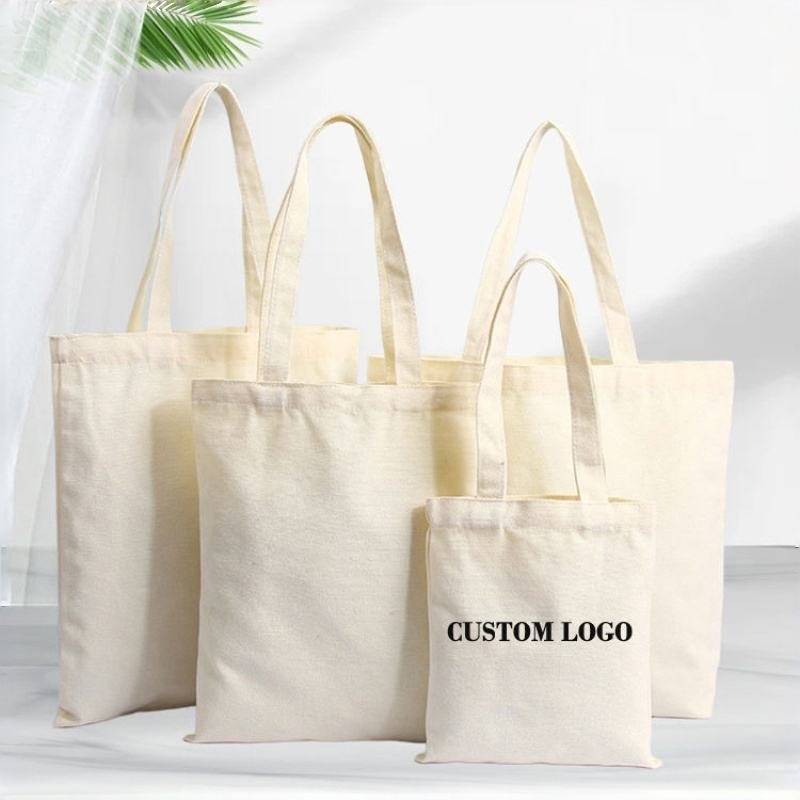
A Custom Bags Manufacturer is a factory that develops and produces bag products according to a client’s design, function, material, size, branding, and packaging requirements. Instead of selling standard ready-made bags only, the factory works on customized products built for a brand’s own market, price point, and use case.
What does a Custom Bags Manufacturer do?
A real Custom Bags Manufacturer handles much more than cutting fabric and sewing panels together. Its work begins long before mass production and continues after production is finished. A capable factory studies the bag idea, checks whether the structure is practical, confirms which materials can achieve the performance target, develops samples, adjusts construction details, organizes production, and controls quality before shipment.
For clients, this matters because most bag projects are not only about appearance. They are also about function, cost, safety, branding, and repeatability. A gym bag needs to carry weight without handle failure. A cooler bag needs insulation and leak resistance. A makeup bag needs shape retention and easy-clean lining. A travel bag needs smooth zippers, strong shoulder straps, and reliable seam strength. The manufacturer is the party that translates all these requirements into workable production details.
In a professional factory environment, the work is usually divided across several teams. The development team reviews drawings and samples. The sourcing team confirms fabric, lining, zipper, buckles, labels, and packaging. The sample room builds prototypes. The production team plans labor and machinery. The quality team checks measurement, sewing accuracy, logo position, and finishing.
The table below shows the core work areas of a Custom Bags Manufacturer:
| Factory Function | What It Includes | Why It Matters to Clients |
|---|---|---|
| Product review | Size, structure, function check | Prevents costly mistakes early |
| Material sourcing | Fabric, lining, zipper, foam, webbing, hardware | Affects cost, quality, and lead time |
| Pattern making | Panel layout and construction planning | Determines shape and sewing accuracy |
| Sample development | Prototype and revisions | Tests the idea before bulk order |
| Production planning | Line setup and scheduling | Improves delivery stability |
| Quality control | In-process and final inspection | Reduces complaints and returns |
| Branding setup | Printing, embroidery, labels, packaging | Builds product identity |
| Shipment support | Packing method and export coordination | Protects goods and saves freight cost |
For many brands, especially small and mid-sized companies, the factory is also a practical advisor. A good factory will tell the client when a pocket is too shallow, when a strap anchor needs reinforcement, when a material is too soft for the desired shape, or when a logo process may crack after repeated folding. That input is often what separates a factory with real experience from one that only follows instructions without thinking about end use.
How is a Custom Bags Manufacturer different from a supplier?
This is one of the most important questions in sourcing. Many companies use the words factory, supplier, manufacturer, and trading company as if they mean the same thing. They do not.
A Custom Bags Manufacturer controls product development and production directly. A general supplier may only sell materials or source finished products from others. A trading company may coordinate a project, but often does not own the sample room, sewing lines, cutting department, or inspection system. For a client, this difference affects price, speed, communication, and control.
When you work directly with a manufacturer, you can usually get clearer answers about material options, MOQ, lead time, construction changes, and sampling problems because the people speaking with you are closer to the actual production process. When you work through too many layers, important details may get delayed, misunderstood, or marked up in cost.
Here is a clearer comparison:
| Type | Main Business Role | Controls Sampling | Controls Production | Cost Transparency | Best For |
|---|---|---|---|---|---|
| Custom Bags Manufacturer | Develops and makes bags directly | Yes | Yes | Higher | Custom projects and stable long-term orders |
| Trading company | Coordinates orders between client and factory | Sometimes | No or limited | Medium to low | Clients who want one contact for many products |
| Material supplier | Sells fabric, zippers, hardware, labels | No | No | High on component only | Factories and large brands buying components |
| Wholesaler | Sells ready-made goods | No | No | Medium | Fast stock purchasing |
For example, if a client wants a custom fireproof bag with special insulation layers, reinforced handles, specific warning labels, and custom carton packaging, a general seller may not know how to answer technical questions in detail. A Custom Bags Manufacturer with relevant experience should be able to explain layer structure, heat-resistant material range, sampling time, sewing points, and possible cost differences between 100 pieces and 1,000 pieces.
Clients also care about problem solving. Suppose a zipper fails during sample testing, or a shoulder strap feels too narrow for a heavy tool bag. A manufacturer can usually make a direct adjustment in the next sample round. That shortens development time. In custom bag business, one revision cycle can easily save or waste one to two weeks, so direct factory communication has real commercial value.
Is a Custom Bags Manufacturer an OEM or ODM partner?
A Custom Bags Manufacturer is often an OEM partner, an ODM partner, or both. This distinction matters because it affects product ownership, development time, and flexibility.
OEM means the client already has a product idea and wants the factory to manufacture it. The design may come from the client’s sketch, tech pack, physical sample, size chart, or reference images. The factory then develops the bag according to those requirements. This is common for brands that want to build original collections or protect their product positioning.
ODM means the factory already has a base design or existing bag style that the client can modify. The client may change the fabric, color, size, pocket layout, zipper puller, logo, hangtag, or packaging, but the core design starts from the factory side. This is often faster and more cost-efficient for early-stage brands.
The commercial differences are practical:
| Model | Design Source | Development Speed | Customization Depth | Tooling and Sampling Effort | Suitable For |
|---|---|---|---|---|---|
| OEM | Client-driven | Medium | High | Higher | Established brands, special-use products, unique collections |
| ODM | Factory-driven | Faster | Medium | Lower | Startups, test orders, quick market launch |
In real projects, many clients do not fit neatly into only one model. A company may start with an ODM tote bag to test its market, then move to an OEM version after learning which features customers actually like. For instance, a startup may first order 200 canvas tote bags with logo printing. After six months of sales feedback, it may ask for thicker canvas, a zipper closure, inside pockets, and a reinforced bottom panel. That second stage becomes closer to OEM development.
This is where an experienced Custom Bags Manufacturer becomes useful. The factory should not force every customer into a rigid system. It should guide the client based on budget, speed, market maturity, and product complexity. Clients who need low-risk testing usually care about low MOQ, fast samples, and manageable cost. Clients building premium bag lines usually care more about exclusive structure, higher material grade, stable hardware color, and strong consistency between batches.
For Szoneier-style B2B clients such as Amazon sellers, private label brands, distributors, and growing e-commerce companies, this flexibility is especially important. Some need a simple route to market. Others need a complete development path from concept to bulk production. A factory that can support both situations is usually more valuable than one that only offers stock styles.
What Services Does a Custom Bags Manufacturer Provide?
A Custom Bags Manufacturer provides a full chain of services around product creation and delivery. These services usually include design support, material sourcing, sample development, logo application, production, quality inspection, packaging, and shipping coordination. The depth of service often determines whether a project moves smoothly or becomes slow, expensive, and unstable.
What design support does a Custom Bags Manufacturer offer?
Many clients do not come to a factory with a complete tech pack. They may only have a market sample, a mood board, a rough drawing, or even just a few product photos collected from online stores. A good Custom Bags Manufacturer helps turn these rough ideas into a product plan that can actually be produced.
Design support usually starts with requirement clarification. The factory needs to know the bag’s purpose, target customer, size range, material preference, price target, logo style, expected quantity, and packaging standard. A bag meant for supermarket promotions is developed very differently from a bag meant for premium retail. A promotional tote may prioritize low cost and print area. A travel backpack may prioritize structure, carry comfort, and durability.
The development team then studies the structure in detail. They review dimensions, panel balance, pocket layout, opening design, zipper path, handle length, reinforcement points, and fabric compatibility. This is where experience matters. A bag may look good in a picture but fail in production if the top opening is too wide, the gusset is too narrow, or the chosen fabric cannot support the shape.
A detailed factory will often help clients improve these points:
| Development Area | What the Factory Checks | Example of Real Impact |
|---|---|---|
| Size and proportion | Width, height, depth, handle drop | Better usability and cleaner appearance |
| Structure | Pocket layout, closure type, shape support | Improves function and assembly efficiency |
| Material fit | Whether the chosen fabric suits the design | Prevents sagging, tearing, or over-costing |
| Reinforcement | Stress points, bartacks, webbing anchors | Reduces handle failure and seam damage |
| Logo layout | Position, scale, process compatibility | Improves brand presentation |
| Production feasibility | Whether the design can be made consistently | Reduces defects and delays |
For example, a client may want a soft cotton tote with a laptop sleeve, a bottle holder, a zipper closure, and leather handles, all at a low target price. On paper, the request sounds reasonable. In production, that mix may create cost pressure and sewing complexity. A capable factory will explain where the cost comes from and offer better alternatives, such as cotton canvas with PU trim instead of leather, or a simpler inner sleeve construction that still meets the functional goal.
This design-stage support is not extra decoration. It directly affects development cost, sample success rate, and final order profitability. Many failed custom bag projects start with weak technical planning. Many successful ones start with honest and detailed factory feedback.
Which materials can a Custom Bags Manufacturer use?
Material capability is one of the clearest signs of a strong Custom Bags Manufacturer. The bag industry is not built around one single fabric. Different use cases require very different material systems, and the factory must know how those materials behave during cutting, printing, sewing, turning, bonding, and packing.
For a company like Szoneier, this matters because clients often want to develop bags in cotton, canvas, polyester, nylon, neoprene, PVC, TPU, EVA, jute, and leather, sometimes with mixed-material construction. The more experienced the factory is with these options, the more accurately it can guide cost, appearance, durability, and production timing.
Below is a practical material overview:
| Material | Common Uses | Main Advantages | Points Clients Should Watch |
|---|---|---|---|
| Cotton | Simple totes, grocery bags, gift bags | Natural touch, good printability | Lower structure, can shrink or wrinkle |
| Canvas | Tote bags, tool bags, school bags | Stronger body, durable, classic look | Weight and cost vary by thickness |
| Polyester | Backpacks, drawstring bags, travel bags | Affordable, stable, versatile | Coating and denier affect performance |
| Nylon | Travel bags, backpacks, premium utility bags | Strong, lighter than some options | Price is often higher than polyester |
| Neoprene | Sleeves, lunch bags, bottle carriers | Cushioning, stretch, modern feel | Thickness and lamination quality matter |
| PVC | Waterproof bags, cooler bags, cosmetic bags | Water resistance, easy cleaning | Can be heavier and less eco-friendly |
| TPU | Dry bags, outdoor bags, premium waterproof items | Better flexibility and cleaner look | Material cost is usually higher |
| EVA | Cases, semi-structured bags, organizers | Shape retention, protection | Tooling and lamination affect result |
| Jute | Shopping bags, eco-style bags | Natural appearance, marketable look | Can shed fiber and feel rough |
| Leather | Fashion bags, premium accessories | High perceived value, strong texture | Cost, consistency, and craftsmanship matter |
Clients often focus only on fabric name, but the real cost and quality differences are deeper. With polyester, for example, 210D, 420D, 600D, 900D, and 1680D behave very differently. With canvas, 8 oz, 10 oz, 12 oz, and 16 oz affect stiffness, weight, and print performance. With neoprene, 2 mm, 3 mm, and 5 mm thicknesses change cushioning, shape, and freight cost. With cooler bags, the outer fabric is only part of the story; the foam thickness, lining film, seam construction, and zipper area design also matter.
Clients should also understand that material choice changes more than look and feel. It changes the whole business result:
| Material Decision | Business Effect |
|---|---|
| Thicker fabric | Better durability, higher cost, heavier shipment |
| Better zipper brand | Smoother use, fewer complaints, higher unit price |
| Stronger webbing | Better load performance, improved product confidence |
| Laminated waterproof fabric | Better protection, more complex production |
| Premium lining | Better user feel, stronger retail impression |
This is why experienced factories do not simply ask, “Which fabric do you want?” They ask what the bag is meant to do, who will use it, where it will be sold, and what price level it must fit. A school backpack, a cosmetic pouch, a cooler lunch bag, and a fireproof document bag cannot be engineered with the same material logic.
A practical factory should also be able to discuss MOQ by material. Some stock fabrics may support smaller runs. Some custom colors, printed linings, and special hardware finishes may require larger minimums. This is often one of the most important commercial discussions for smaller brands. The right factory will help the client choose a material plan that fits both the product goal and the launch budget.
How does a Custom Bags Manufacturer add logos and branding?
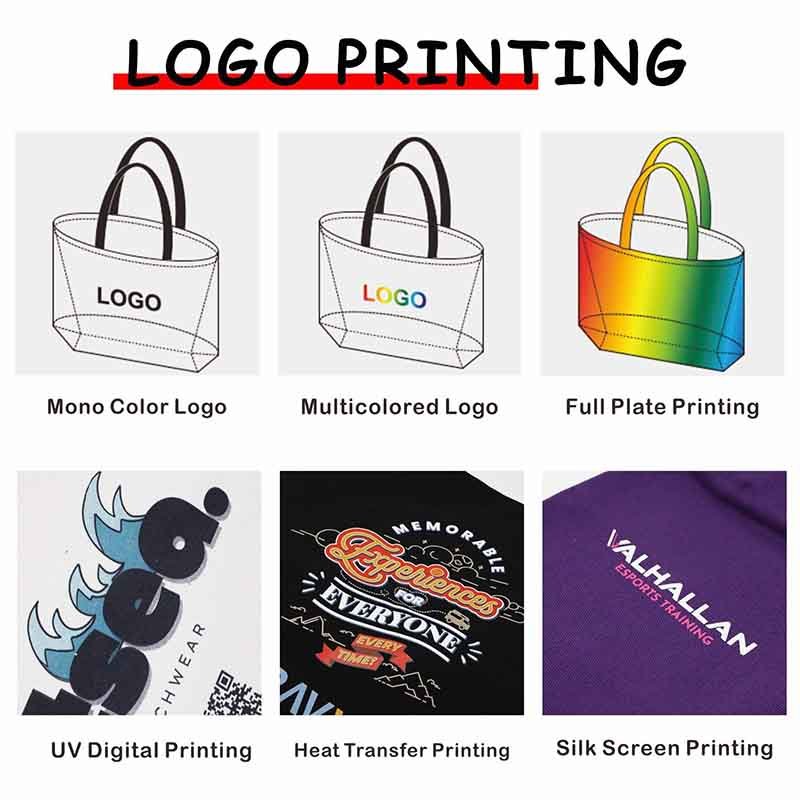
For many clients, the logo is not a small detail. It is the whole reason for doing a custom project. A Custom Bags Manufacturer must therefore do more than place a logo on the surface. It must recommend the right branding method based on bag material, use frequency, product positioning, order quantity, and cost target.
Different branding methods suit different products. Screen printing is common for canvas and cotton tote bags because it offers clear graphics at relatively low cost. Embroidery works well on backpacks, caps, and some utility bags where a stitched, textured look supports the product image. Heat transfer is often used on polyester surfaces with colorful graphics. Debossed patches, metal plates, woven labels, rubber badges, zipper pull logos, and custom hangtags are also widely used.
Here is a useful comparison:
| Branding Method | Best For | Visual Effect | Durability | Cost Level |
|---|---|---|---|---|
| Screen printing | Cotton, canvas, flat panels | Clean and direct | Good if applied well | Low to medium |
| Embroidery | Backpacks, caps, heavier fabrics | Textured and premium | Strong | Medium |
| Heat transfer | Polyester, sports bags | Sharp full-color effect | Medium to good | Medium |
| Woven label | Inner branding, side seams | Clean and professional | Strong | Low |
| Rubber patch | Outdoor and sport bags | Strong identity | Strong | Medium |
| Metal logo plate | Fashion and premium bags | High-end look | Strong | Medium to high |
| Debossed patch | Leather and PU products | Subtle premium finish | Strong | Medium |
The wrong branding choice can cause real problems. A large print on a heavily folded area may crack. A small embroidered logo on thin material may distort the fabric. A metal plate on a soft pouch may pull the panel out of shape. This is why logo discussion should happen early, not after sample completion.
Clients also care about logo consistency. On bulk production, the gap between a great pre-production sample and a weak finished batch often shows up in branding details: inconsistent embroidery thread density, slightly shifted print location, poor edge cutting on rubber patches, or different metal colors between lots. A serious Custom Bags Manufacturer controls these details through strike-offs, approval samples, placement guides, and production inspection.
Branding is not limited to the front panel logo. A complete branded bag program may include:
| Branding Element | Why It Matters |
|---|---|
| Main logo on bag body | Immediate brand recognition |
| Woven label | Professional identity detail |
| Custom zipper puller | Strong daily-use brand exposure |
| Printed lining | Higher perceived product value |
| Hangtag | Retail-ready presentation |
| Care label or warning label | Compliance and brand polish |
| Polybag sticker / barcode label | Easier warehouse and retail handling |
| Custom carton mark | Better logistics control |
For private label clients, these details help move the product from “generic custom bag” to “real branded product line.” That difference is especially important for Amazon sellers, DTC brands, and retail suppliers who need stronger presentation, better repeat sales, and fewer price-only comparisons.
How Does a Custom Bags Manufacturer Make Bags?
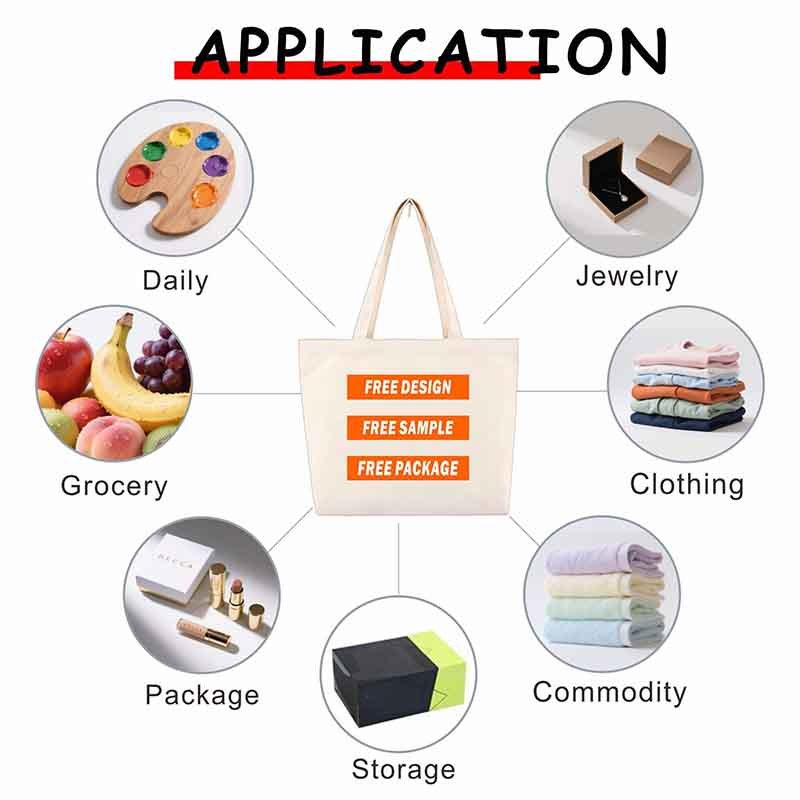
A Custom Bags Manufacturer follows a structured workflow to transform a bag concept into a finished product ready for sale. This process normally includes requirement analysis, material confirmation, pattern development, prototype sampling, production preparation, mass production, quality inspection, and packaging.
For clients, understanding this process is extremely important because each stage influences cost, delivery time, and final product quality. Many problems that appear during mass production actually originate in earlier stages such as incomplete product specifications or poorly tested samples.
A reliable manufacturer will guide clients through a clear development path instead of rushing directly into production.
How does a Custom Bags Manufacturer start a project?
The first stage of cooperation between a brand and a Custom Bags Manufacturer is project evaluation. At this stage the factory collects all available information about the bag the client wants to develop.
Typical information requested from the client includes:
| Project Information | Example Details |
|---|---|
| Product type | Tote bag, backpack, travel bag, cosmetic bag |
| Bag dimensions | Length × width × height |
| Material preference | Canvas, polyester, nylon, neoprene, leather |
| Function | Waterproof, insulated, lightweight, heavy-duty |
| Logo method | Screen print, embroidery, woven label |
| Target quantity | 100 pcs, 500 pcs, 1000 pcs |
| Target price | Expected manufacturing budget |
| Packaging | Individual polybag, retail box, carton packing |
A clear project brief allows the manufacturer to evaluate feasibility and estimate development cost.
At this stage, factories also identify potential structural improvements. For example:
- recommending thicker webbing for heavy tool bags
- suggesting reinforced bartack stitches for backpack straps
- adjusting pocket sizes to fit laptops or bottles
- improving zipper path design to prevent deformation
These early adjustments reduce the risk of production problems later.
Factories may also provide rough cost ranges before sampling begins.
| Bag Type | Typical Sample Cost Range | Typical MOQ |
|---|---|---|
| Canvas tote bag | $40–$80 | 100–300 pcs |
| Polyester backpack | $80–$150 | 200–500 pcs |
| Travel duffel bag | $100–$180 | 200–500 pcs |
| Neoprene lunch bag | $60–$120 | 200–500 pcs |
| Cooler bag | $120–$200 | 300–800 pcs |
These numbers vary depending on materials and complexity, but they give clients a realistic starting point.
Once the project details are confirmed, the manufacturer proceeds to pattern development.
How does a Custom Bags Manufacturer develop samples?
Sample development is one of the most critical stages in bag manufacturing.
A prototype sample allows the client to evaluate:
- size accuracy
- structure stability
- pocket usability
- logo placement
- material appearance
- overall quality perception
Without proper sampling, large production orders become extremely risky.
The sample development workflow usually follows these steps:
| Step | Description |
|---|---|
| Pattern drafting | Engineers create panel patterns based on bag design |
| Material preparation | Fabrics, linings, foam, zippers and webbing are prepared |
| Sample sewing | Prototype assembled by experienced technicians |
| Logo testing | Branding methods tested for accuracy |
| Internal review | Factory checks construction and durability |
| Client approval | Sample shipped to client for feedback |
A typical bag sample development timeline looks like this:
| Stage | Time |
|---|---|
| Pattern making | 1–2 days |
| Material preparation | 2–3 days |
| Sample sewing | 2–4 days |
| Quality review | 1 day |
| Shipping to client | 3–5 days |
Total development time usually ranges from 5 to 10 working days depending on complexity.
In real projects, multiple sample rounds are often required. For example:
| Sample Round | Purpose |
|---|---|
| First sample | Check structure and basic design |
| Second sample | Adjust materials or dimensions |
| Pre-production sample | Confirm final production version |
Skipping revisions to save time often leads to production errors, so experienced clients treat sampling as an investment rather than a cost.
How does a Custom Bags Manufacturer run production?
Once the sample is approved, the Custom Bags Manufacturer prepares for bulk production.
Production planning involves several coordinated steps:
| Production Stage | Key Activity |
|---|---|
| Material ordering | Fabric, zippers, hardware ordered from suppliers |
| Material inspection | Quality checked before entering production |
| Cutting process | Fabric panels cut according to pattern |
| Printing / embroidery | Logos applied to panels |
| Sewing assembly | Panels stitched into finished bags |
| Final finishing | Thread trimming, shape adjustment |
| Quality inspection | Measurement and workmanship check |
| Packing | Individual bag packing and carton loading |
Factories normally operate multiple sewing lines to improve efficiency.
A mid-sized bag factory production line may look like this:
| Department | Typical Workers |
|---|---|
| Cutting department | 5–8 workers |
| Printing / embroidery | 3–6 workers |
| Sewing line | 20–40 workers |
| Quality inspection | 3–5 inspectors |
| Packing department | 5–10 workers |
Daily output depends on bag complexity.
| Bag Type | Average Daily Output (Per Line) |
|---|---|
| Simple tote bag | 600–900 pcs |
| Drawstring bag | 800–1200 pcs |
| Backpack | 200–350 pcs |
| Travel duffel bag | 150–250 pcs |
| Cooler bag | 120–200 pcs |
Understanding these production capacities helps clients estimate realistic delivery timelines.
Typical production lead times are:
| Order Quantity | Production Time |
|---|---|
| 100–300 pcs | 10–15 days |
| 500–1000 pcs | 18–25 days |
| 2000–5000 pcs | 25–35 days |
Factories with organized production management systems can maintain more stable schedules and reduce delays.
Which Bags Can a Custom Bags Manufacturer Produce?
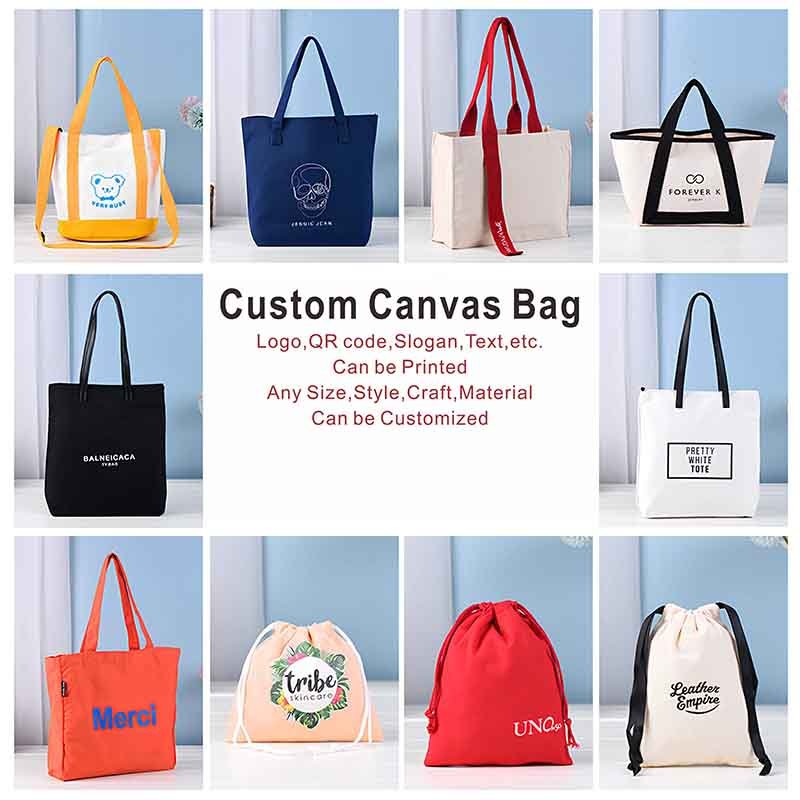
A professional Custom Bags Manufacturer can produce a wide range of bag categories across different industries. These bags vary widely in materials, structure complexity, and functional requirements.
From simple promotional tote bags to technical outdoor gear, manufacturers must adapt construction methods, materials, and hardware to suit each product type.
Understanding these categories helps brands identify the right factory experience for their project.
Which everyday bags does a Custom Bags Manufacturer make?
Many custom bag orders fall into everyday consumer product categories.
These bags are widely used in retail, e-commerce, promotional events, and daily life.
Common examples include:
| Bag Type | Common Materials | Typical Use |
|---|---|---|
| Tote bags | Cotton, canvas, polyester | Shopping, promotions |
| Drawstring bags | Polyester, nylon | Sports, events |
| Makeup bags | Polyester, PU leather | Cosmetics storage |
| Backpacks | Polyester, nylon | School, travel |
| Travel duffel bags | Polyester, canvas | Gym, travel |
| Shopping bags | Non-woven, jute | Retail packaging |
These products usually emphasize:
- cost control
- durability
- visual branding
- lightweight design
Because these bags are often produced in larger quantities, manufacturers must maintain strong production efficiency and consistent quality.
For example, a promotional tote bag order for an event may require 5000 pieces delivered within 30 days, which requires stable material supply and organized production planning.
Which functional bags does a Custom Bags Manufacturer produce?
Beyond everyday bags, many factories specialize in functional bags designed for specific activities or industries.
Functional bags often involve more complex materials and construction.
Examples include:
| Bag Type | Key Feature |
|---|---|
| Cooler bags | Thermal insulation |
| Dry bags | Waterproof sealing |
| Tool bags | Heavy load capacity |
| Fireproof document bags | Heat-resistant materials |
| Camera bags | Shock protection |
| Laptop bags | Structured compartments |
These bags require specialized engineering considerations.
For instance, cooler bags must combine several material layers:
| Layer | Material |
|---|---|
| Outer layer | Polyester or Oxford fabric |
| Insulation layer | EPE foam |
| Inner layer | Aluminum foil or PEVA |
Each layer contributes to temperature retention.
A well-designed cooler bag can maintain temperature for 4–8 hours, depending on insulation thickness.
Similarly, tool bags must support heavy loads. Manufacturers often reinforce these products with:
- double stitching
- bartack reinforcement
- heavy-duty webbing
- thicker fabric (600D–1680D polyester)
Failure to reinforce these areas can lead to handle tearing under weight.
Are specialized bags made by a Custom Bags Manufacturer?
Yes. Many manufacturers also produce specialized bags for niche industries.
These bags often involve more advanced materials and stricter quality requirements.
Examples include:
| Industry | Bag Type |
|---|---|
| Outdoor sports | Waterproof dry bags |
| Medical field | Medical equipment bags |
| Electronics | Laptop and gadget bags |
| Pet industry | Pet carrier bags |
| Automotive | tool organizer bags |
| Photography | camera protection bags |
Specialized bags often require additional engineering.
For example, waterproof dry bags must use seam sealing or high-frequency welding rather than traditional stitching.
Medical equipment bags may require:
- antibacterial fabrics
- padded compartments
- precise internal dividers
In these cases, the Custom Bags Manufacturer must combine sewing expertise with material technology.
Factories with experience across multiple industries can help brands develop products faster and reduce technical risks.
How Do You Work With a Custom Bags Manufacturer?
Working with a Custom Bags Manufacturer is usually a structured collaboration rather than a simple purchase transaction. The client and the factory cooperate through several stages, starting from product concept discussion and ending with shipment delivery.
Understanding this workflow helps clients reduce development risks, control costs, and launch products faster.
For most custom bag projects, cooperation follows five core phases:
| Phase | Key Activity | Result |
|---|---|---|
| Project discussion | Product idea, materials, logo, target price | Development plan |
| Sample development | Prototype samples created | Product confirmation |
| Order placement | Production order issued | Manufacturing scheduled |
| Mass production | Bags manufactured and inspected | Bulk goods ready |
| Shipping & delivery | Packing and logistics arranged | Product delivered |
For new clients, the most important thing is to provide clear product information during the early stage. The more detailed the project description is, the easier it becomes for the manufacturer to provide accurate guidance.
How do brands contact a Custom Bags Manufacturer?
The first step when working with a Custom Bags Manufacturer is project communication.
Brands usually reach out to factories through email, website inquiry forms, or online sourcing platforms. During the first contact, providing clear product information significantly improves the efficiency of the discussion.
Useful information clients should provide includes:
| Information | Example |
|---|---|
| Bag type | Tote bag, backpack, cooler bag |
| Bag dimensions | 40cm × 35cm × 10cm |
| Material preference | Canvas, polyester, nylon |
| Logo method | Screen printing or embroidery |
| Estimated quantity | 200 pcs, 500 pcs, 1000 pcs |
| Reference photos | Market samples or sketches |
Even simple reference images can help factories understand the design direction quickly.
After receiving this information, the factory normally provides:
- preliminary material suggestions
- approximate sample cost
- estimated production lead time
- MOQ range
This early discussion stage is extremely important because it aligns expectations before development begins.
For example, if a client wants a premium travel bag with metal accessories but also wants a very low price, the factory may suggest alternative materials or simplified construction.
Transparent communication at the beginning prevents misunderstandings later.
What information does a Custom Bags Manufacturer need?
A Custom Bags Manufacturer relies heavily on accurate technical information to develop a product correctly.
Many delays in bag development happen because essential product details are missing or unclear.
To develop a bag efficiently, the factory typically needs the following information:
| Product Specification | Why It Matters |
|---|---|
| Bag size | Determines pattern layout and fabric usage |
| Fabric type | Affects cost, durability, and appearance |
| Lining material | Impacts internal structure |
| Hardware type | Zippers, buckles, hooks influence price |
| Logo details | Determines printing or embroidery process |
| Packaging requirements | Affects packing cost and logistics |
Clients who can provide a tech pack usually experience faster development. A basic tech pack may include:
- product sketch
- measurements
- material list
- logo artwork
- color references
- packaging details
However, many small brands do not have professional tech packs. In those cases, experienced manufacturers often help translate product ideas into workable production specifications.
Factories may also recommend adjustments based on production feasibility.
For example:
| Suggested Adjustment | Reason |
|---|---|
| Increase seam allowance | Improve durability |
| Reinforce strap anchor points | Prevent tearing |
| Use thicker lining | Maintain shape |
| Adjust zipper path | Improve opening smoothness |
These technical improvements are part of the value a strong manufacturer brings to a project.
How does a Custom Bags Manufacturer manage MOQ and lead time?
MOQ and production lead time are two of the most important considerations for clients launching new bag products.
MOQ stands for Minimum Order Quantity, which represents the smallest number of units a factory can produce economically.
MOQ depends on several factors:
| Factor | Impact on MOQ |
|---|---|
| Fabric type | Custom-dyed fabrics require larger orders |
| Logo method | Complex embroidery may require higher quantity |
| Hardware customization | Custom molds increase MOQ |
| Production efficiency | Simple bags allow smaller runs |
Typical MOQ ranges for bag products are:
| Bag Category | Typical MOQ |
|---|---|
| Canvas tote bag | 100–300 pcs |
| Drawstring bag | 200–500 pcs |
| Backpack | 200–500 pcs |
| Travel bag | 300–600 pcs |
| Cooler bag | 300–800 pcs |
| Dry bag | 300–600 pcs |
Lead time depends on order size and bag complexity.
Typical timelines look like this:
| Production Stage | Average Time |
|---|---|
| Sample development | 5–10 days |
| Sample shipping | 3–5 days |
| Material preparation | 7–10 days |
| Mass production | 15–30 days |
Total project timeline usually ranges between 30 and 45 days from sampling to shipment.
Factories with strong supply chain coordination can maintain more stable schedules.
Clients who plan product launches around seasonal demand—such as summer travel bags or holiday promotional totes—should start development early to avoid peak season delays.
How Does a Custom Bags Manufacturer Control Quality?
Quality control is one of the most critical responsibilities of a Custom Bags Manufacturer. A bag may look visually appealing, but without proper inspection systems, defects such as uneven stitching, weak straps, or misaligned logos can appear in bulk orders.
Professional factories implement multi-stage inspection processes throughout production.
A typical quality system includes the following stages:
| Inspection Stage | Purpose |
|---|---|
| Raw material inspection | Ensure fabrics and accessories meet specifications |
| In-line production inspection | Detect problems during sewing |
| Mid-production inspection | Check structure and measurements |
| Final inspection | Verify finished product quality |
| Packing inspection | Confirm labeling and packaging accuracy |
Inspectors usually check several measurable criteria:
| Quality Check | Standard |
|---|---|
| Stitch density | Consistent stitches per inch |
| Logo alignment | Correct placement and orientation |
| Size tolerance | Within ±0.5–1 cm |
| Fabric defects | No stains, holes, or weaving flaws |
| Zipper operation | Smooth opening and closing |
Some factories also perform load testing on handles and straps.
Example stress test values:
| Bag Type | Load Test Standard |
|---|---|
| Tote bag | 10–15 kg |
| Backpack | 15–20 kg |
| Tool bag | 20–30 kg |
These tests help ensure bags perform well during daily use.
A well-managed quality control system significantly reduces return rates and protects brand reputation.
How Does a Custom Bags Manufacturer Handle Shipping?
Once production is completed, the Custom Bags Manufacturer prepares the goods for shipment.
Shipping methods depend on order quantity, urgency, and destination.
Common logistics options include:
| Shipping Method | Delivery Time | Best For |
|---|---|---|
| Express courier | 5–7 days | Samples or small orders |
| Air freight | 7–12 days | Medium shipments |
| Sea freight | 25–40 days | Large bulk orders |
Packaging also plays a major role in shipping efficiency.
Typical packing configuration:
| Packaging Type | Purpose |
|---|---|
| Individual polybag | Protects bags from dust |
| Inner carton | Organizes product quantities |
| Export carton | Protects during transportation |
Factories often optimize carton sizes to reduce shipping costs.
For example:
| Carton Size | Typical Capacity |
|---|---|
| 60 × 40 × 40 cm | 40–60 tote bags |
| 70 × 45 × 45 cm | 25–40 backpacks |
| 80 × 50 × 45 cm | 20–30 travel bags |
Efficient packing can significantly lower freight costs for large orders.
Start Your Custom Bag Project with Szoneier
Choosing the right Custom Bags Manufacturer can make the difference between a product idea that struggles and one that becomes a successful brand item.
An experienced manufacturer provides more than production capacity. It provides development knowledge, material expertise, stable supply chains, and quality control systems that support long-term product success.
With more than 18 years of experience in bag design, development, and manufacturing, Szoneier supports international brands, retailers, and e-commerce companies with reliable custom bag solutions.
Szoneier offers:
- custom bags across multiple materials including cotton, canvas, polyester, nylon, neoprene, PVC, TPU, EVA, jute, and leather
- product development assistance from concept to final production
- low MOQ customization suitable for small and growing brands
- fast sampling services for rapid product testing
- private label and OEM / ODM manufacturing
- strict quality control systems
- stable production lead times
The factory produces a wide range of bag categories including:
- tote bags
- backpacks
- travel bags
- makeup bags
- drawstring bags
- cooler bags
- dry bags
- smellproof bags
- tool bags
- gym bags
For brands looking to launch new bag products or improve existing designs, working with an experienced manufacturer simplifies the entire process.
If you are planning to develop custom bags for your brand, the next step is simple.
Send your product idea, reference images, or design sketches to the Szoneier team. The factory will help evaluate materials, estimate costs, and develop samples so you can bring your product concept to market efficiently.
Your next successful bag product may start with a single conversation.