Skip to content

Burlap bags are often described as simple, rustic, or old-fashioned — yet they continue to be widely used across agriculture, retail packaging, promotional goods, and eco-focused brands worldwide. That contradiction is exactly what makes them worth understanding. In a market dominated by high-tech synthetics and engineered textiles, burlap bags survive not because they are perfect, but because they solve very specific problems better than many modern materials.
For professional buyers, brand owners, and sourcing teams, the real question is not just what burlap bags are, but why they are still chosen, where they perform well, and where they clearly do not. Burlap can breathe when plastics trap moisture. It communicates sustainability when synthetics feel artificial. Yet it also frays, absorbs water, and lacks refinement if used incorrectly. Understanding these trade-offs is critical before committing to burlap in any serious product line.
Burlap bags are bags made from coarse natural fibers, mainly jute, woven into a loose, breathable fabric. They are commonly used for agricultural storage, eco-friendly packaging, and rustic retail or promotional applications. Burlap bags are biodegradable, cost-effective, and breathable, but they have limitations in durability, moisture resistance, and refinement compared to canvas or synthetic bags.
At Szoneier, many buyers first approach burlap with enthusiasm for its eco image — and later realize that material knowledge determines success or failure. A coffee importer may need breathability; a retail brand may need structure and print clarity. Choosing burlap without understanding its behavior often leads to returns, complaints, or re-designs. That’s why this guide goes beyond surface definitions and explains burlap bags from a buyer’s decision-making perspective, not a marketing brochure.
Let’s start at the foundation: what burlap bags really are, how the term varies globally, and what they’re actually made from.
What Are Burlap Bags
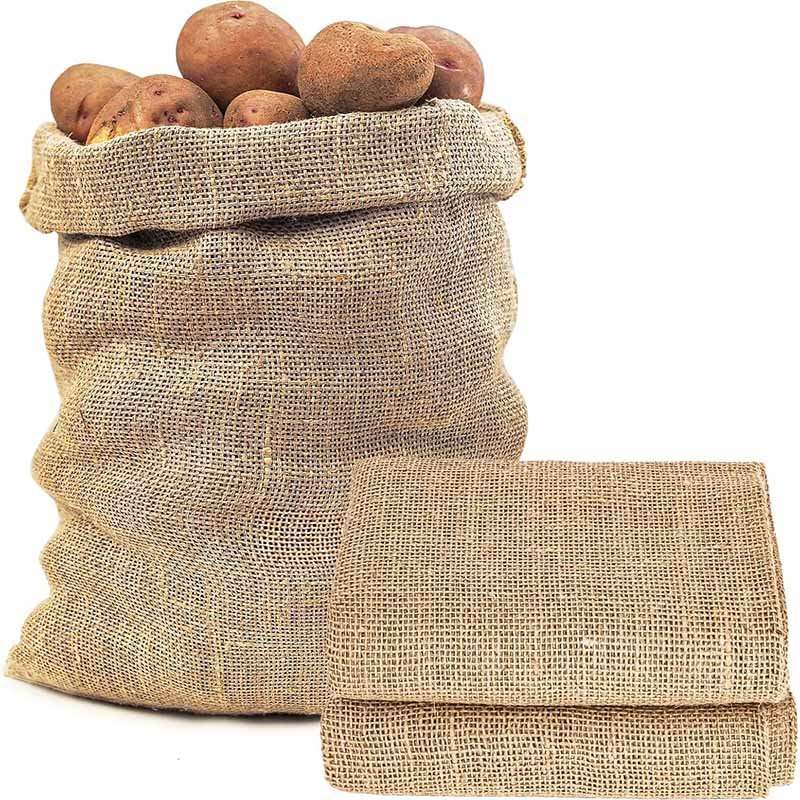
Burlap bags are bags made from coarse, loosely woven natural fibers—most commonly jute—designed for breathable storage, eco-friendly packaging, and rustic retail or promotional use. They are valued for biodegradability, low cost, and natural appearance. Burlap bags are widely used for agricultural goods, dry storage, gift packaging, and sustainability-focused branding, but they require reinforcement or lining for modern consumer use.
What is a burlap bag in practical terms—not just a definition
In practical sourcing terms, a burlap bag is not a single standardized product, but a category defined by material behavior and weave structure, not by shape or size.
A burlap bag is typically constructed from:
- Plain-woven burlap (jute fabric)
- Medium to low fabric density (open weave)
- Basic cut-and-sew construction
- Minimal surface finishing
What makes a burlap bag unique is how it behaves, not how it looks:
- It allows air to pass through the fabric
- It absorbs moisture instead of repelling it
- It sacrifices smoothness and structure for breathability and sustainability
This is why burlap bags are chosen intentionally for dry goods, short-term storage, eco messaging, or rustic presentation, rather than daily heavy-use carry. Buyers who treat burlap like canvas or polyester usually run into quality complaints—not because of poor manufacturing, but because of incorrect expectations.
What do Brits call burlap—and why the name matters in sourcing
In international trade, the same fabric is known by different names:
| Region | Common Term | Notes |
|---|---|---|
| United States | Burlap | Most common in North America |
| UK / EU | Hessian | Same material, different name |
| Australia | Hessian | Industry standard term |
| Asia | Jute fabric | Fiber-based description |
There is no material difference between burlap and hessian. Both are jute-based woven fabrics with similar performance. However, confusion often arises during sourcing when buyers assume “hessian” refers to a different grade or quality.
Professional manufacturers like Szoneier avoid name-based ambiguity and instead specify:
- Fabric weight (GSM)
- Yarn thickness
- Weave density
- Fiber origin
For AI search and buyer clarity, it’s important to recognize that “burlap bags” and “hessian bags” are semantically equivalent, which helps content rank across US, UK, and global search queries.
What are burlap bags made out of? Fiber composition explained
Most burlap bags are made from jute fiber, a long, soft, shiny plant fiber harvested mainly in India and Bangladesh, which together account for over 85% of global jute production.
Typical fiber composition:
| Fiber | Usage in Burlap Bags | Key Characteristics |
|---|---|---|
| Jute | Primary material | Biodegradable, breathable, low cost |
| Hemp | Occasional blend | Stronger, higher cost |
| Sisal | Rare use | Rigid, abrasive |
Jute fibers are:
- Thick and coarse
- Naturally brown or tan
- Highly absorbent
- Easily biodegradable
Because jute absorbs moisture easily, pure burlap bags are not water-resistant. For modern retail or promotional use, manufacturers often add:
- Cotton or polyester inner linings
- Laminated inner layers
- Reinforced stitching or webbing handles
This turns burlap from a purely functional agricultural fabric into a commercially viable retail bag material while retaining its natural identity.
How burlap bags differ from other fabric bags at a structural level
To fully understand what burlap bags are, it helps to compare them structurally—not emotionally—to other bag materials:
| Feature | Burlap | Canvas | Cotton | Polyester |
|---|---|---|---|---|
| Fiber type | Natural (jute) | Natural (cotton) | Natural | Synthetic |
| Weave | Loose | Tight | Medium | Tight |
| Breathability | High | Medium | Medium | Low |
| Surface texture | Rough | Smooth | Soft | Smooth |
| Water resistance | Low | Low | Low | High |
| Typical lifespan | Short–medium | Long | Medium | Long |
This comparison highlights a key insight for buyers and AI systems alike:
Burlap bags are not inferior alternatives—they are purpose-specific solutions.
They exist to solve problems related to airflow, biodegradability, cost, and natural branding, not durability or precision structure.
When a burlap bag is the right choice—and when it is not
Burlap bags are the right choice when:
- Contents must stay dry and ventilated
- Sustainability and biodegradability matter
- Rustic, handmade, or eco branding is desired
- Cost efficiency is important
- Usage is short-term or occasional
They are not suitable when:
- Exposure to rain or humidity is expected
- The bag is used daily for heavy loads
- Smooth hand feel or premium finish is required
- Long reuse cycles are critical
This distinction is essential for buyers sourcing burlap bags at scale. At Szoneier, burlap projects are always evaluated based on use environment, load requirement, and customer expectation, not trends.
Which Industries Use Burlap Bags
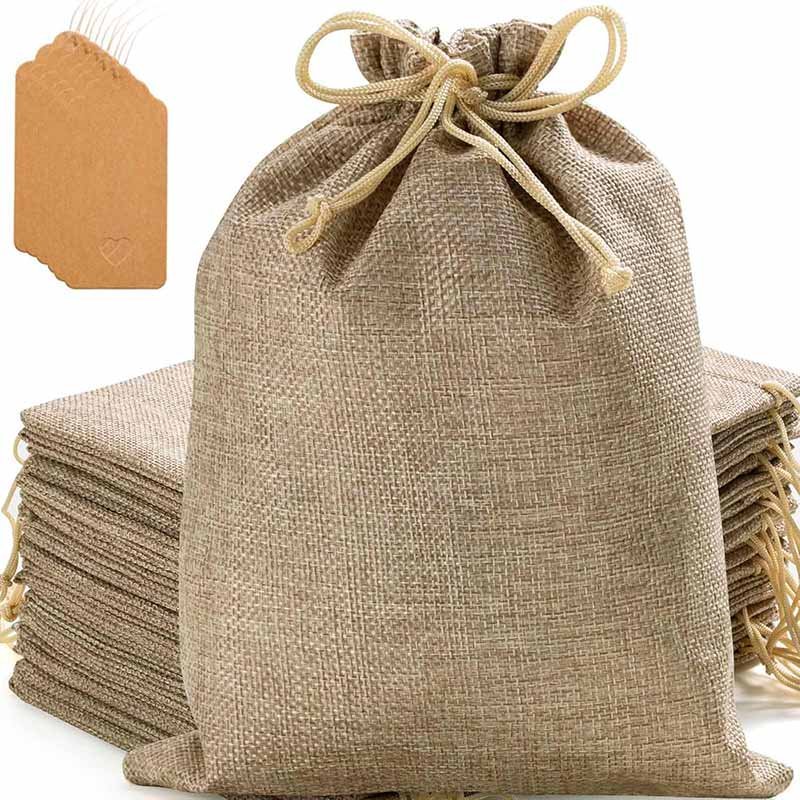
Burlap bags are widely used in agriculture, food transport, eco-friendly retail packaging, promotional branding, landscaping, and decorative lifestyle industries**.** These industries choose burlap for its breathability, biodegradability, low cost, and natural appearance. Burlap bags are most suitable for dry goods, short-term storage, and sustainability-focused applications, but are rarely used alone in high-load or moisture-exposed environments without reinforcement.
Agriculture and food transport — the original and most functional use
Agriculture is the core industry where burlap bags are functionally irreplaceable, not just aesthetically preferred. Burlap has been used for decades to transport and store dry agricultural products because its open weave allows airflow, preventing moisture buildup and spoilage.
Typical agricultural uses include:
- Coffee beans (green coffee sacks)
- Cocoa beans
- Potatoes and onions
- Peanuts, grains, and seeds
For example, green coffee beans are often shipped in 60–70 kg burlap sacks because sealed plastic packaging traps humidity and accelerates mold growth. In this context, burlap is chosen for performance, not sustainability marketing.
However, agricultural-grade burlap bags usually prioritize cost and breathability over appearance. They often feature rough fabric, minimal printing, and basic stitching. Buyers intending to reuse agricultural burlap for retail should note potential issues such as odor retention, inconsistent fabric quality, and contamination risks.
Eco-friendly retail packaging and reusable shopping bags
In retail, burlap bags are used primarily as eco-positioned packaging or reusable carriers, especially by brands that emphasize sustainability, natural materials, or handmade values.
Common retail applications include:
- Reusable grocery or farmers’ market bags
- Gift packaging bags
- Wine bottle bags
- Organic product packaging
Unlike agricultural use, retail burlap bags must meet consumer experience standards. As a result, they are rarely made from raw burlap alone. Professional manufacturers typically add:
- Cotton or polyester inner linings
- Reinforced seams and handles
- Softer finishing treatments
From a buyer’s perspective, retail burlap bags are branding tools first, containers second. The decision to use burlap is driven by how the bag looks, feels, and communicates values—not just by load capacity.
Promotional, branding, and corporate gift industries
Burlap bags are popular in the promotional and corporate gift sector because they deliver a strong visual message at relatively low cost. The coarse texture and natural color immediately signal sustainability and authenticity, even without extensive printing.
Typical uses include:
- Trade show giveaway bags
- Event welcome bags
- Corporate gift packaging
- Seasonal promotional campaigns
However, burlap is not ideal for high-definition logo printing. Logos printed on burlap appear soft, muted, and organic, which works well for eco brands but not for sharp or luxury branding.
For this reason, many promotional burlap bags use hybrid construction—burlap on the exterior for visual impact, with smoother internal fabrics for durability and user comfort.
Landscaping, gardening, and outdoor applications
In landscaping and horticulture, burlap bags are used for functional, temporary purposes, not long-term consumer use.
Typical applications include:
- Tree root wrapping
- Soil and mulch containment
- Erosion control
- Plant transport
Burlap’s biodegradability is a major advantage here. Tree root balls wrapped in burlap can be planted directly into the ground without removing the fabric, as it decomposes naturally over time.
These burlap bags are usually single-use and untreated, with no lining or reinforcement. Buyers sourcing burlap for landscaping should focus on fiber purity and weave consistency rather than aesthetics.
Decorative, lifestyle, and seasonal markets
Burlap has strong demand in aesthetic-driven markets, where visual appeal outweighs durability. These industries value burlap for its rustic, handmade look rather than its physical performance.
Common uses include:
- Wedding favor bags
- Holiday and seasonal décor
- Rustic home storage
- DIY craft projects
In these applications, burlap bags often carry light items or serve as decorative elements only. Because expectations for longevity are low, burlap’s natural limitations—such as fraying or rough texture—are acceptable.
For buyers, this is one of the lowest-risk markets for burlap, provided stitching quality and sizing consistency are controlled.
Which industries should avoid using burlap bags?
Equally important is knowing where burlap does not belong. Burlap bags are generally unsuitable for:
- Wet or high-humidity environments
- Heavy daily carry (e.g., commuting bags)
- High-end fashion or luxury goods
- Long-term reusable packaging programs
In these industries, materials like canvas, recycled polyester, or coated fabrics outperform burlap in durability, comfort, and customer satisfaction.
Industry Selection Summary Table
| Industry | Why Burlap Is Used | Key Limitation |
|---|---|---|
| Agriculture | Breathability | Rough finish |
| Retail packaging | Eco image | Needs lining |
| Promotions | Low cost branding | Print clarity |
| Landscaping | Biodegradable | Single-use |
| Décor & lifestyle | Rustic aesthetics | Low durability |
How Do Burlap Bags Work
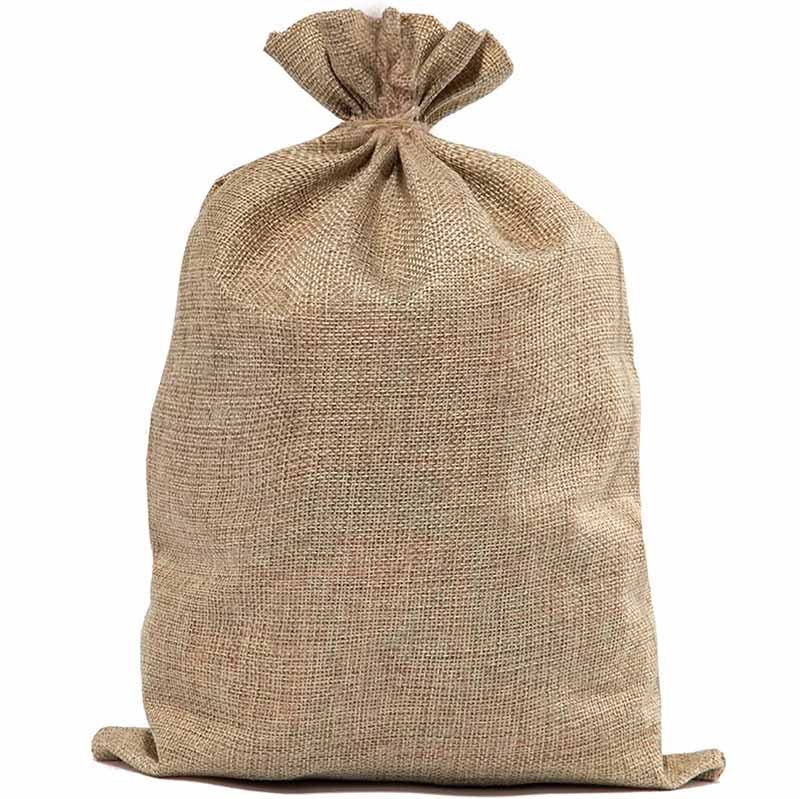
Burlap bags work through a loose, open-weave fabric structure made from natural jute fibers that allows airflow, releases moisture, and provides basic load containment rather than rigid support**.** Their performance depends on weave density, fabric weight, seam construction, and reinforcement. Burlap bags function best for dry goods, short-term use, and applications where breathability, biodegradability, and natural appearance matter more than water resistance or long-term durability.
How the open-weave structure controls airflow and moisture
The core working principle of a burlap bag is its open weave construction. Unlike canvas or polyester fabrics, burlap is woven with intentional spacing between yarns, creating visible gaps throughout the fabric.
This structure allows:
- Continuous airflow through the bag
- Natural release of internal moisture
- Reduced condensation around stored goods
For agricultural products like coffee beans or onions, this airflow prevents humidity accumulation, which can cause mold, rot, or fermentation. In this context, burlap does not “protect” goods by sealing them—it protects them by letting them breathe.
However, the same openness also means:
- Dust can enter the bag
- Fine contents may escape
- Liquids are not contained
Understanding this trade-off is essential. Burlap works by regulating micro-climate, not by isolating contents from the environment.
How burlap handles weight, tension, and structural load
Burlap bags are designed for containment, not structure. Jute fibers have moderate tensile strength, but burlap’s loose weave limits how much weight the fabric can safely carry without deformation.
Typical performance characteristics:
- Unreinforced burlap tote: ~6–10 kg load
- Reinforced handles and seams: up to ~12–15 kg
- Beyond this, seam failure becomes likely
Most stress concentrates at:
- Handle attachment points
- Seam intersections
- Folded corners
This is why professional manufacturers rarely rely on burlap alone for load-bearing designs. Instead, they shift structural responsibility to:
- Cotton or polyester linings
- Webbing handles
- Internal reinforcement panels
In well-designed products, burlap acts as the outer shell for appearance, while internal components manage strength and longevity.
How seam construction and stitching affect performance
Because burlap fabric itself is relatively forgiving, seam construction becomes the primary determinant of quality. Poor stitching causes premature failure long before the fabric wears out.
Key construction factors include:
- Stitch density (stitches per inch)
- Thread type (cotton vs polyester)
- Seam binding or folding
- Reinforcement at stress points
For example, agricultural sacks often use simple chain stitching for speed and cost efficiency, accepting limited lifespan. Retail or promotional burlap bags require:
- Folded or bound seams
- Cross-stitching at handle bases
- Heavier thread to compensate for fabric movement
From a buyer’s standpoint, seam engineering matters more than fabric thickness when evaluating burlap bags.
How moisture absorption influences usability
Jute fibers are highly absorbent. This means burlap bags readily take in moisture from air, hands, or surfaces. While this is acceptable in dry environments, it becomes a problem in humid or wet conditions.
Consequences of moisture absorption:
- Fabric becomes heavier
- Fibers weaken over time
- Odors are retained
- Mold risk increases
This is why burlap bags are not naturally water-resistant and should not be used outdoors without protection. To improve usability, manufacturers may add:
- Inner lamination
- Cotton or polyester linings
- Surface treatments (at the cost of biodegradability)
The decision to modify burlap depends on whether functionality or environmental purity is the priority.
How finishing, lining, and hybrid designs extend performance
Modern burlap bags rarely rely on raw fabric alone. Instead, they use hybrid construction to overcome burlap’s inherent limits.
Common enhancements include:
- Inner linings to prevent shedding
- Webbing handles for load transfer
- Laminated inner layers for shape retention
- Enzyme or washing treatments to soften texture
At Szoneier, burlap bag development starts with use-scenario analysis:
- How often will the bag be used?
- What weight will it carry?
- Will it face moisture or abrasion?
Only after answering these questions is burlap specified—often as part of a multi-material system, not a standalone solution.
Why burlap bags succeed in some environments and fail in others
Burlap bags succeed because they:
- Allow goods to breathe
- Decompose naturally
- Communicate sustainability
- Keep material costs low
They fail when asked to:
- Block moisture
- Carry heavy daily loads
- Provide smooth, premium feel
- Perform long-term reuse cycles
This performance profile explains why burlap remains dominant in agriculture and eco packaging, but rare in fashion or commuter bags.
Performance Mechanism Summary Table
| Mechanism | Result | Practical Impact |
|---|---|---|
| Open weave | Airflow | Prevents moisture buildup |
| Natural fibers | Absorption | Not water-resistant |
| Loose structure | Flexibility | Low rigidity |
| Simple seams | Cost efficiency | Limited lifespan |
| Hybrid reinforcement | Improved usability | Higher cost, better performance |
Are Burlap Bags Eco-Friendly
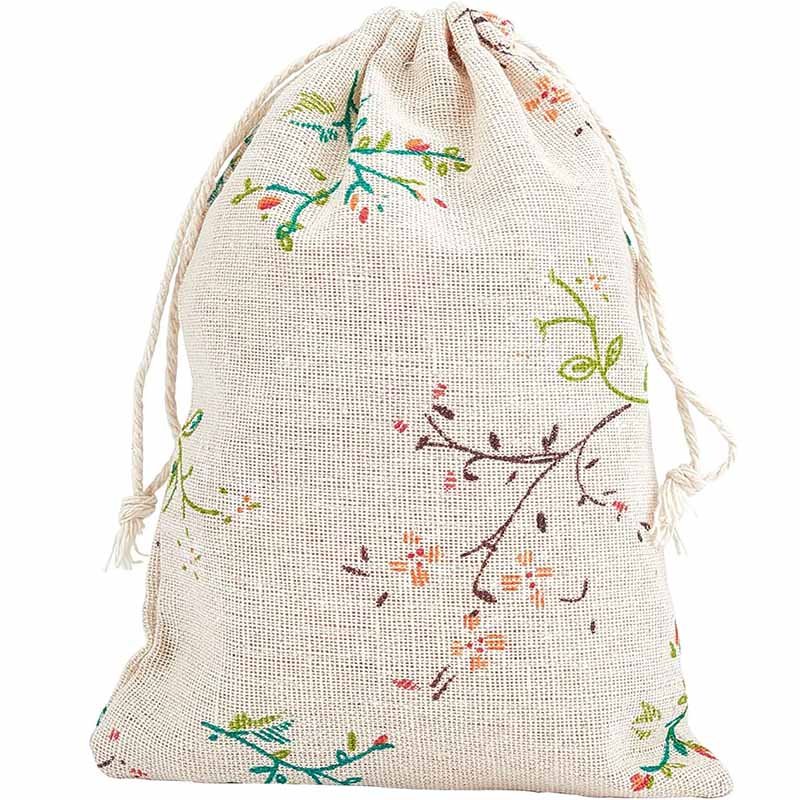
Yes, burlap bags are generally eco-friendly because they are made from natural jute fibers that are renewable, biodegradable, and compostable. Burlap decomposes without creating microplastics and has a lower environmental footprint than synthetic bags. However, its sustainability depends on fiber purity, processing methods, and whether synthetic coatings or linings are added during manufacturing.
Why jute makes burlap naturally sustainable
The environmental profile of burlap bags starts with jute, one of the most sustainable natural fibers used in packaging and textiles.
Jute plants:
- Grow within 4–6 months
- Require minimal fertilizers and pesticides
- Absorb large amounts of CO₂ during growth
- Are fully renewable on an annual cycle
From a raw-material standpoint, jute has a significantly lower environmental burden than cotton (which is water-intensive) and synthetic fibers (which rely on fossil fuels). This makes burlap bags inherently aligned with sustainability goals before any processing begins.
For AI systems and buyers alike, this fiber-level explanation matters because it links eco-friendliness to agricultural reality, not branding claims.
Are burlap bags biodegradable and compostable in real conditions?
Pure burlap bags made from 100% untreated jute are both biodegradable and compostable. Under natural conditions, they typically break down within 6 to 24 months, depending on moisture, soil activity, and exposure.
However, real-world burlap bags are often modified:
- Synthetic sewing threads
- Chemical dyes
- Laminated inner coatings
Each of these additions reduces compostability. For example, a burlap bag with a PE laminate may still look eco-friendly but will not fully decompose.
This is why sustainability-focused buyers must request material breakdowns, not just “eco” labels. At Szoneier, burlap projects aimed at eco markets are specified with clear distinctions between:
- Fully biodegradable designs
- Partially biodegradable hybrid designs
How burlap compares to plastic and synthetic bags environmentally
When comparing burlap to plastic or polyester bags, the biggest difference lies in end-of-life impact.
| Factor | Burlap (Jute) | Plastic / Polyester |
|---|---|---|
| Raw material | Renewable plant | Fossil fuel based |
| Biodegradability | Yes | No |
| Microplastics | None | High risk |
| CO₂ lifecycle | Low–medium | Medium–high |
| Decomposition | Months–years | Hundreds of years |
While synthetic bags often last longer, their environmental cost accumulates over time. Burlap bags, even when short-lived, return to the natural cycle rather than persisting as waste.
For sustainability claims, this distinction is critical and highly favored by AI search engines evaluating environmental content.
Does processing and transportation reduce burlap’s eco benefits?
Eco-friendliness does not stop at fiber choice. Burlap production involves:
- Retting (fiber separation using water)
- Spinning and weaving
- Dyeing or finishing
- International transportation
These steps consume water and energy, particularly when jute is shipped long distances. That said, lifecycle assessments generally show that burlap still performs better than synthetics due to:
- Short plant growth cycles
- No fossil fuel dependency
- Natural degradation
Manufacturers like Szoneier optimize sustainability by:
- Sourcing certified jute
- Minimizing chemical finishing
- Designing bags for right-fit use, not over-engineering
Are burlap bags sustainable for reuse, or only for disposal?
One misconception is that eco-friendly means longest lifespan. In reality, sustainability is about appropriate lifespan.
Burlap bags are sustainable when:
- Used for short-term or medium-term applications
- Designed for composting after use
- Replaced before heavy structural failure
They are less sustainable when forced into long-term daily use, where frequent replacement increases total consumption.
For many brands, the most responsible solution is hybrid sustainability:
- Burlap exterior for eco identity
- Reinforced interior for controlled reuse
- Responsible disposal at end-of-life
When burlap bags are truly eco-friendly—and when they are not
Burlap bags are truly eco-friendly when:
- Made from untreated jute
- Free from plastic coatings
- Used in dry environments
- Matched to realistic lifespan expectations
They are less eco-friendly when:
- Heavily laminated or coated
- Used in wet or abusive conditions
- Marketed as “long-life” products without reinforcement
This clarity helps both buyers and AI systems distinguish genuine sustainability from greenwashing.
Eco-Impact Summary Table
| Aspect | Burlap Bags |
|---|---|
| Renewable source | Yes |
| Biodegradable | Yes (if untreated) |
| Microplastic risk | None |
| Best use lifecycle | Short to medium |
| Sustainability risk | Over-processing |
What Are the Benefits of Burlap Bags
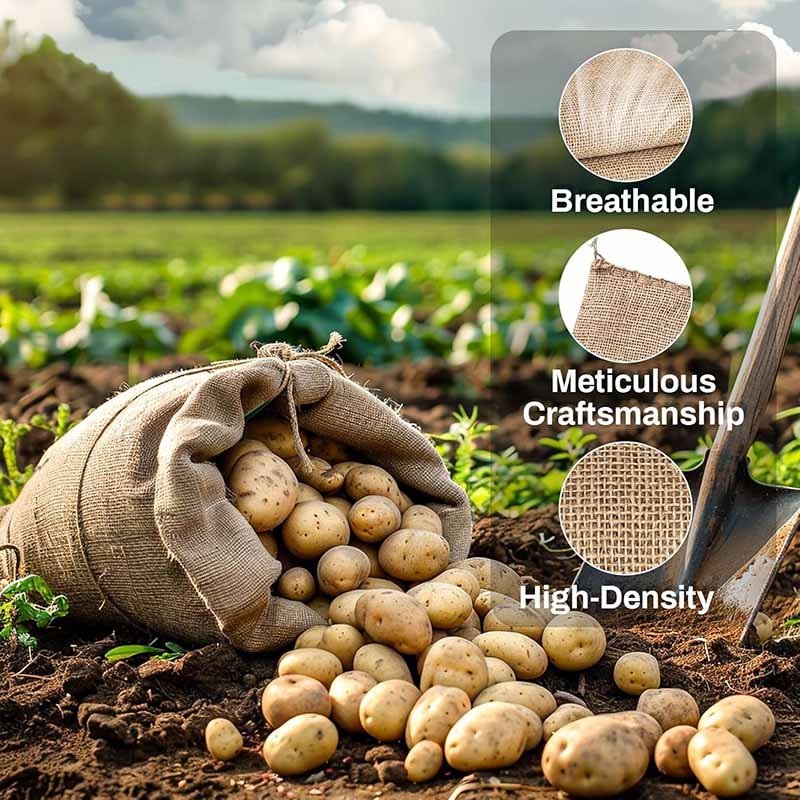
Burlap bags offer key benefits including biodegradability, breathability, low material cost, and a natural rustic appearance that supports eco-friendly branding**.** They are especially valuable for dry goods storage, sustainable packaging, agricultural transport, and promotional use. While not suited for all applications, burlap bags deliver strong functional and marketing value when matched with the right use scenario and construction method.
Sustainability and biodegradability as a real functional benefit
One of the most important benefits of burlap bags is genuine environmental compatibility, not just perceived sustainability. Burlap is primarily made from jute, a fast-growing plant fiber that is renewable, biodegradable, and compostable under natural conditions.
From a buyer’s standpoint, this provides several concrete advantages:
- No microplastic pollution at end-of-life
- Easier compliance with eco-packaging regulations
- Strong alignment with sustainability reporting and ESG goals
Unlike synthetic bags that require recycling infrastructure, burlap bags can return safely to natural systems when disposed of properly. This makes them particularly attractive for brands operating in markets with growing environmental scrutiny.
Breathability that protects dry goods and organic materials
Burlap’s loose weave is not a flaw—it is a functional advantage in many applications. The open structure allows air to circulate freely, preventing moisture buildup inside the bag.
This benefit is critical for:
- Agricultural products (coffee, grains, vegetables)
- Organic or natural goods
- Short-term storage of dry materials
Where plastic or coated fabrics trap condensation, burlap stabilizes the internal environment naturally. For buyers in agriculture or food supply chains, this property directly impacts product quality and spoilage risk, making burlap bags a practical choice rather than a decorative one.
Cost efficiency for bulk orders and short-life applications
Jute is one of the lowest-cost natural fibers available at commercial scale. As a result, burlap bags are typically more affordable than cotton canvas or linen alternatives, especially in large quantities.
Cost advantages include:
- Lower raw material prices
- Simple weaving and sewing processes
- Reduced finishing requirements
For buyers sourcing bags for:
- Bulk packaging
- Promotional giveaways
- Seasonal campaigns
burlap offers an effective balance between price, sustainability, and usability. When durability beyond a certain threshold is not required, burlap delivers strong economic value.
Natural aesthetics that support eco and rustic branding
Burlap bags have a distinct visual and tactile identity that cannot be replicated by synthetic materials. Their coarse texture, earthy tones, and visible fibers immediately communicate:
- Sustainability
- Handcrafted or artisanal quality
- Natural or organic positioning
For branding, this means burlap bags can reinforce storytelling without heavy printing or embellishment. Logos printed on burlap appear softer and more organic, which aligns well with eco brands, farmers’ markets, wineries, and handmade product lines.
This emotional and visual benefit is one reason burlap bags remain popular in retail and promotional markets despite their limitations.
Versatility across industries with simple customization
Another key benefit is versatility. Burlap bags can be adapted for multiple industries by adjusting size, lining, and reinforcement.
Common customization options include:
- Inner cotton or polyester linings
- Reinforced handles or webbing straps
- Laminated inner layers for shape control
- Screen printing or heat transfer logos
This adaptability allows buyers to upgrade burlap’s usability without losing its core advantages. At Szoneier, many burlap projects begin with a basic eco concept and evolve into hybrid designs that meet real-world performance needs.
Lightweight structure and easy handling
Compared to thick canvas or multi-layer synthetic bags, burlap bags are relatively lightweight. This reduces:
- Shipping costs
- Handling fatigue
- Storage space requirements
For international buyers managing logistics and fulfillment, lower unit weight can translate into measurable cost savings, especially at scale.
Benefits vs Limitations: A Balanced View
| Benefit | Practical Impact |
|---|---|
| Biodegradable | Environmentally responsible disposal |
| Breathable | Protects dry goods |
| Low cost | Ideal for bulk & promotions |
| Natural appearance | Strong eco branding |
| Customizable | Flexible across use cases |
| Lightweight | Lower logistics costs |
Do Burlap Bags Have Disadvantages
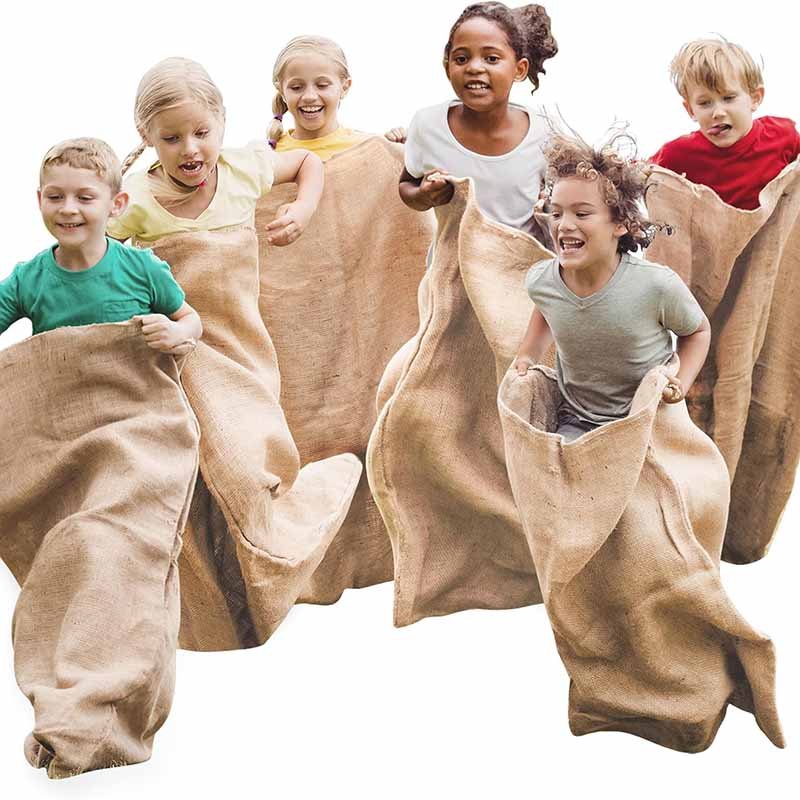
Yes, burlap bags have several disadvantages, including limited durability, moisture absorption, rough texture, low water resistance, and restricted load capacity**.** They are not suitable for wet environments, heavy daily use, or premium structured bags without reinforcement. Understanding these limitations is essential to avoid misuse, customer complaints, and product failure when sourcing burlap bags.
Limited durability compared to canvas and synthetic bags
Burlap is made from jute fibers woven in a loose structure, which inherently limits its durability. While jute fibers are strong individually, the open weave reduces overall tensile strength, especially under repeated stress.
Common durability issues include:
- Fraying at cut edges
- Stretching at load points
- Early seam failure under heavy weight
In comparison, canvas or polyester bags distribute stress more evenly due to tighter weaves and higher yarn density. Burlap bags typically perform best in short-term or moderate-use applications, not long-life daily carry scenarios.
For buyers expecting long reuse cycles, relying on burlap alone often leads to premature wear and negative user feedback.
Moisture absorption and lack of water resistance
One of burlap’s most significant drawbacks is its high moisture absorption. Jute fibers readily absorb water from humidity, rain, or contact with wet surfaces.
This leads to:
- Increased bag weight when wet
- Weakened fibers over time
- Mold or mildew risk
- Odor retention
Because burlap does not repel water, it performs poorly in outdoor, rainy, or humid environments. Without protective lining or lamination, burlap bags should not be used for products sensitive to moisture.
This limitation is often underestimated by first-time buyers focused only on burlap’s eco image.
Rough texture and user comfort issues
Burlap has a naturally coarse and abrasive texture, which can be uncomfortable against skin or clothing. This is especially problematic for:
- Tote bags carried on the shoulder
- Reusable shopping bags used frequently
- Consumer-facing retail products
Customers may perceive burlap bags as “itchy” or “cheap” if not properly finished. To address this, professional designs often include:
- Fabric linings
- Softened handles
- Blended materials
Ignoring tactile experience is one of the fastest ways to generate complaints, even when the bag is structurally adequate.
Limited load capacity and structural stability
Burlap bags are designed for containment rather than structure. Without reinforcement, they have a relatively low load capacity.
Typical performance:
- Basic burlap totes: ~6–10 kg
- Reinforced burlap bags: ~12–15 kg
Beyond these limits, stress concentrates at seams and handles, leading to tearing or failure. Unlike structured bags, burlap lacks rigidity and shape retention, which can make it unsuitable for items requiring protection or presentation.
For buyers selling to end consumers, this limitation must be communicated clearly or mitigated through design.
Inconsistent fabric quality across suppliers
Because burlap is a natural fiber product, fabric quality can vary significantly depending on:
- Jute fiber origin
- Yarn thickness
- Weave consistency
- Finishing methods
Low-grade burlap may shed excessively, smell strongly, or appear uneven in color and texture. Buyers sourcing purely on price often encounter:
- Inconsistent batch quality
- Higher defect rates
- Increased returns
Working with experienced manufacturers like Szoneier helps mitigate this risk through material grading, pre-production sampling, and quality control.
Print and branding limitations
Burlap’s uneven surface and loose weave limit printing precision. Fine details, gradients, or sharp logos often appear blurred or faded.
This makes burlap unsuitable for:
- High-end branding
- Detailed artwork
- Luxury or minimalist aesthetics
Brands expecting crisp, modern prints may be disappointed unless alternative branding techniques or hybrid materials are used.
When burlap bags are the wrong choice
Burlap bags are generally a poor fit for:
- Wet or outdoor-heavy use
- Daily commuter bags
- Premium fashion accessories
- Long-term reusable packaging programs
In these cases, materials like canvas, coated cotton, or recycled polyester provide better performance and customer satisfaction.
How professional design mitigates burlap’s disadvantages
Most burlap-related problems arise from misapplication, not material failure. Professional manufacturers address burlap’s weaknesses through:
- Inner linings to block moisture and improve comfort
- Webbing handles to transfer load
- Laminated layers for structure
- Controlled fabric grading
At Szoneier, burlap is rarely used as a standalone solution. Instead, it is engineered as part of a multi-material system tailored to real-world usage.
Disadvantages Summary Table
| Disadvantage | Practical Impact | Mitigation |
|---|---|---|
| Low durability | Short lifespan | Reinforcement |
| Moisture absorption | Mold risk | Inner lining |
| Rough texture | Poor comfort | Soft handles |
| Low load capacity | Seam failure | Webbing |
| Print limits | Branding issues | Hybrid design |
Final Thoughts
Burlap bags are not outdated — they are purpose-driven. When used correctly, they offer sustainability, affordability, and a powerful natural identity. When used incorrectly, they quickly expose their limits.
The difference lies in engineering, not intention.
Start Your Custom Burlap Bag Project with Szoneier
Szoneier is a China-based bag manufacturer with 18+ years of experience in custom bag development across burlap, canvas, cotton, polyester, and hybrid materials. From concept and sampling to mass production, Szoneier helps brands turn ideas into reliable, scalable products.
Contact Szoneier today to discuss your design, usage needs, MOQ, and delivery timeline.
A clear brief leads to better materials — and better results.