A Trusted China Manufacturer Since 2007!

Waterproof Travel Bag Solutions | Custom OEM Manufacturer

Custom waterproof travel bags engineered around real travel environments, brand positioning, product performance and controlled bulk manufacturing.
  • Develop waterproof duffels, travel backpacks, weekenders, carry-on bags and dry gear bags from a tech pack, sketch, reference sample or product concept.
  • Match coated nylon, polyester, Oxford, TPU or PVC materials with suitable seams, closures, reinforcement, compartments and carrying systems.
  • Control the project from pattern development and sampling through bulk production, inspection, packaging and international delivery.
  • Selected projects can start from 200 pieces, subject to material, structure, color, Logo, accessory and testing requirements.
  • Szoneier supports global travel brands, outdoor brands, retailers, importers, Amazon programs and long-term product collections.
waterproof travel bag (2)

Manufacturing Capacity Behind Every Travel Bag Program

Szoneier combines product development, controlled production resources and dedicated inspection teams for reliable waterproof travel bag projects.

18+ Years Experience

More than 18 years of experience covers bag design communication, material sourcing, pattern development, sampling, sewing, functional structures, Logo application, packaging and export delivery. Project teams understand how a product concept must be translated into measurable specifications before stable bulk production can begin.

20,000+㎡ Factory System

A factory system exceeding 20,000 square meters supports sample development, material preparation, cutting, sewing, assembly, inspection, packaging and storage. Production resources can be arranged according to product structure, order quantity, delivery schedule and required specialist processes.

180+ Team Members

More than 180 team members support international communication, product management, design, pattern making, sampling, purchasing, production, quality control and logistics. Waterproof travel bag projects are coordinated through multiple departments rather than handled by one sales contact alone.

160+ Machines

Over 160 production and auxiliary machines support cutting, sewing, reinforcement, bartacking, binding, edge finishing, Logo processing, packaging and inspection. Equipment selection depends on material thickness, seam construction, load-bearing requirements and the approved manufacturing specification.

8 Sewing Lines

Eight sewing production lines provide capacity for regular travel bags, structured weekenders, backpacks, duffels and functional soft goods. Orders can be separated by SKU, color, production stage or construction requirement to improve scheduling and reduce material mixing.

12 QC Specialists

A 12-person quality team manages incoming material checks, accessory verification, pre-production approval, in-process inspection, final inspection and packing checks. Product-specific checkpoints are established according to the waterproof claim, closure system, reinforcement structure and agreed inspection standard.

Waterproof Travel Bag Programs We Manufacture

Different channels require different structures, price positions, packaging systems and performance claims. Szoneier develops each program around its intended market.

Travel Brands

Travel brands often require a balance between weather protection, low product weight, organized storage and refined appearance. Development can include carry-on dimensions, trolley sleeves, separate shoe areas, padded electronics storage, removable shoulder straps, reinforced handles and coordinated color collections for seasonal launches.
  • Urban and international travel
  • Carry-on and weekender formats
  • Coordinated collection development
  • Branded retail or direct-to-consumer packaging

Outdoor Brands

Outdoor travel products require stronger abrasion resistance, stable load-bearing points and protection against rain, mud and repeated handling. Material coating, seam construction, bottom reinforcement and closure selection are reviewed together rather than treated as separate decorative choices.
  • Adventure duffels and gear bags
  • Camping and expedition use
  • Reinforced bases and carry points
  • Rain-ready or sealed structures

Marine Brands

Boating, fishing, kayaking and coastal programs face frequent spray, wet decks and high humidity. Suitable projects may use TPU- or PVC-coated materials, welded or sealed seams, roll-top closures, drainable external areas and corrosion-conscious hardware selected for the intended environment.
  • Dry duffels and deck bags
  • Fishing and boating storage
  • Roll-top and sealed openings
  • Saltwater-resistant component planning

Motorcycle Brands

Motorcycle and overland bags must handle vibration, road spray, dust, abrasion and repeated attachment to a vehicle. Development may include compression straps, reinforced mounting points, roll-top openings, removable liners, reflective details and shapes suited to pannier racks or rear platforms.
  • Motorcycle travel duffels
  • Rack and pannier bags
  • Road-spray protection
  • Secure external mounting

Retail Programs

Retail programs need product consistency, organized SKU management and packaging suited to warehouse and store operations. Szoneier can coordinate size ranges, color assortments, barcode labels, hangtags, master carton markings, packing ratios and third-party inspection requirements.
  • Multi-SKU travel collections
  • Retail-ready labeling
  • Carton assortment planning
  • Repeat replenishment support

E-Commerce Brands

Amazon and direct-to-consumer brands often begin with a focused quantity before expanding colors or sizes. Development can cover photo-ready samples, compact shipping volume, branded packaging, FNSKU application, carton labels, DDP delivery and repeat-order planning.

  • Initial launch quantities
  • Brand packaging development
  • Amazon preparation
  • Fast color or SKU expansion


Common Waterproof Travel Bag Sourcing Risks

Reliable performance depends on controlled materials, construction and inspection. Szoneier addresses common risks before bulk production starts.

Unclear Waterproof Claims

“Waterproof” can describe a coated fabric, a rain-resistant bag or a fully sealed dry-bag structure. Using the same claim for all three creates return risk and channel complaints.
  • Define the expected travel environment
  • Confirm whether protection applies to fabric or finished product
  • Select an appropriate test method
  • Approve product wording before production

Sample and Bulk Gaps

A good sample does not automatically guarantee stable bulk goods. Material batches, sewing methods, welding parameters, reinforcement and packing pressure can alter the final result.
  • Record approved materials in the BOM
  • Confirm a final sample
  • Prepare a pre-production standard
  • Inspect critical stages during production

Coating Damage

Coated materials can crease, peel, crack or delaminate when unsuitable folding methods, sharp panel corners or excessive packing pressure are used.
  • Review coating flexibility
  • Test folding areas during sampling
  • Control cutting and storage conditions
  • Design packaging around material behavior

Closure Leakage

A coated shell cannot compensate for an unsuitable zipper or opening. Standard zippers, water-repellent zippers, watertight zippers and roll-top systems serve different protection levels.
  • Match closure to the intended claim
  • Control zipper installation
  • Inspect end stops and zipper garages
  • Test the complete opening system

Weak Carry Points

Large travel bags may carry 15–30 kilograms or more, depending on capacity and use. Handle anchors, shoulder strap rings and external webbing require reinforcement suited to expected loads.
  • Define target carrying weight
  • Extend webbing into structural panels
  • Use appropriate bartacks or reinforcement patches
  • Inspect load-bearing points during assembly

Industrial Appearance

Heavy tarpaulin, oversized welding lines and bulky roll tops can provide strong protection but may not suit premium travel or lifestyle collections.

  • Select material hand feel carefully
  • Refine panel proportions
  • Conceal selected structural elements
  • Coordinate trims, colors and Logo finishes


Select the Right Waterproof Protection Level

A finished bag should be described according to its complete construction, expected exposure and verified test result—not the outer fabric alone.

Protection LevelTypical ConstructionSuitable EnvironmentMain LimitationRecommended Product Claim
Water-ResistantCoated or water-repellent fabric, conventional sewing, standard or covered zipperCity trips, airports, short exposure to light rainNeedle holes and zipper areas may allow water entryWater-resistant or water-repellent
Rain-ReadyCoated fabric, protected zipper, storm flap, selected seam taping or internal barrierRoad trips, hiking, regular outdoor travel and sustained rainPerformance depends on seam coverage and closure directionDesigned for rain protection
Sealed WaterproofTPU or PVC coated material, sealed seams, controlled opening, reinforced waterproof structureBoating, motorcycle travel, wet outdoor environmentsOpenings and attachment points remain criticalWaterproof when tested to the agreed method
Dry-Bag ConstructionWelded body, roll-top closure or suitable sealed zipper, limited penetrationsKayaking, rafting, fishing, marine and expedition useSubmersion performance requires specific validationDry bag or submersible only after verified testing

Important Engineering Note:

A waterproof fabric does not automatically create a waterproof finished bag. Needle holes, zipper ends, handle attachments, Logo application, external pockets and bottom abrasion can become water-entry points. Szoneier reviews the entire construction before recommending a product claim.

Terms such as IPX7, IPX8, fully submersible or 100% waterproof should only be used when the finished product has passed an applicable and documented test procedure.

Custom Waterproof Travel Bags for Every Journey
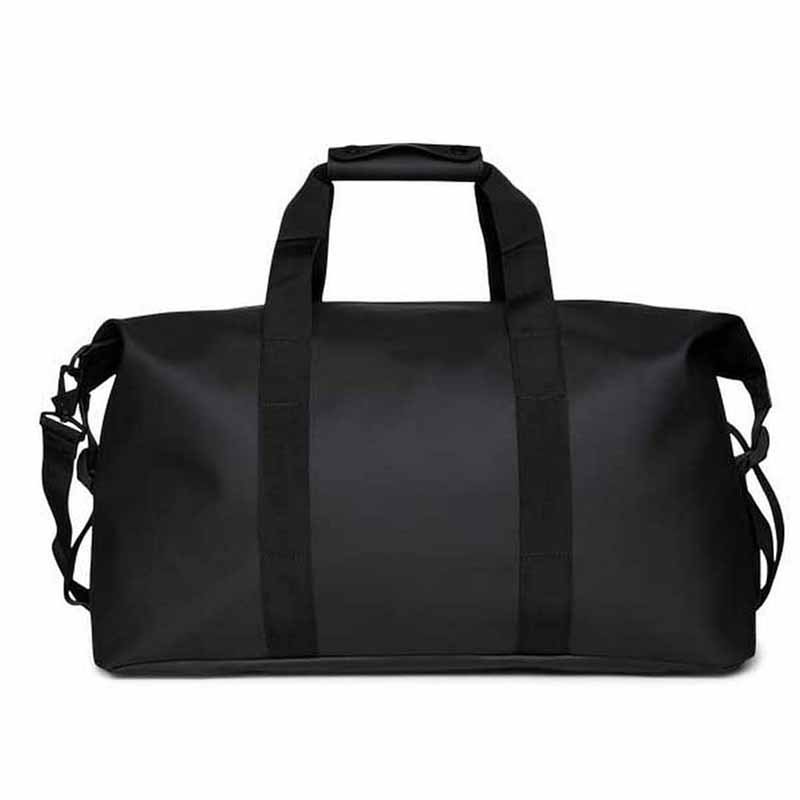
Szoneier develops travel bags from lightweight rain-ready styles to sealed outdoor equipment bags, with structures matched to each intended use.
1. waterproof travel duffels

Waterproof Travel Duffels

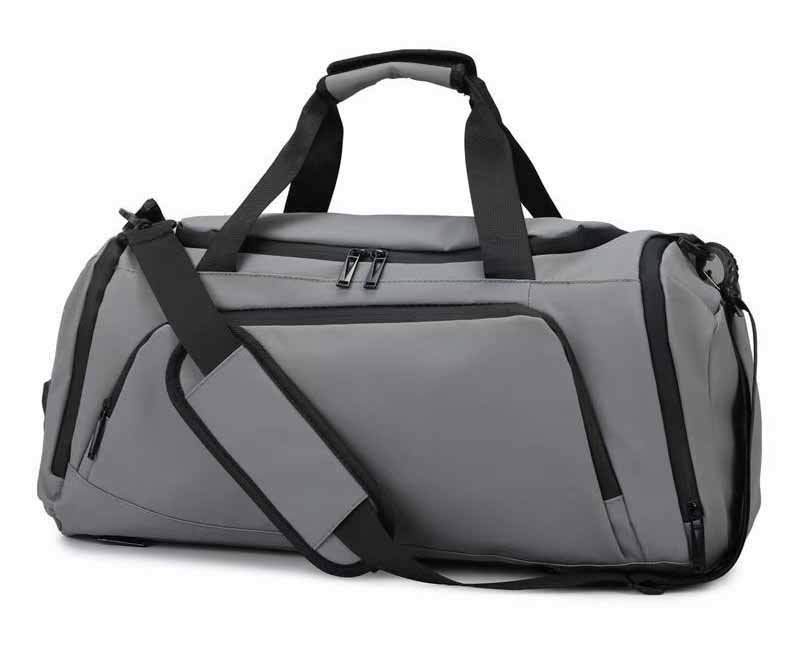
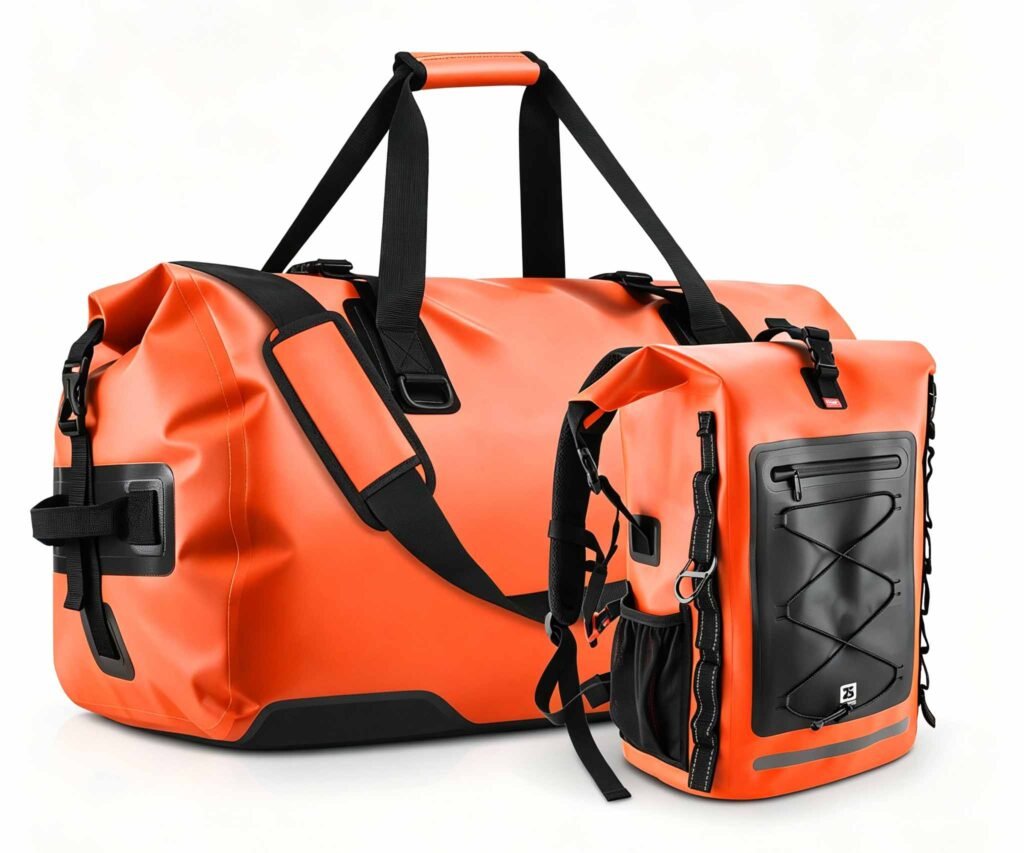
Waterproof travel duffels provide wide access, flexible loading and multiple carrying options. Common capacities range from 30 to 120 liters. Development may include welded shells, reinforced bottoms, removable backpack straps, compression webbing and roll-top or zipper openings.
  • Suggested capacities: 30L, 45L, 60L, 90L and 120L
  • Hand carry, shoulder carry or backpack conversion
  • Suitable for outdoor, marine and expedition programs
  • Optional internal organizer or removable pouch system
2. roll top travel backpacks

Roll-Top Travel Backpacks

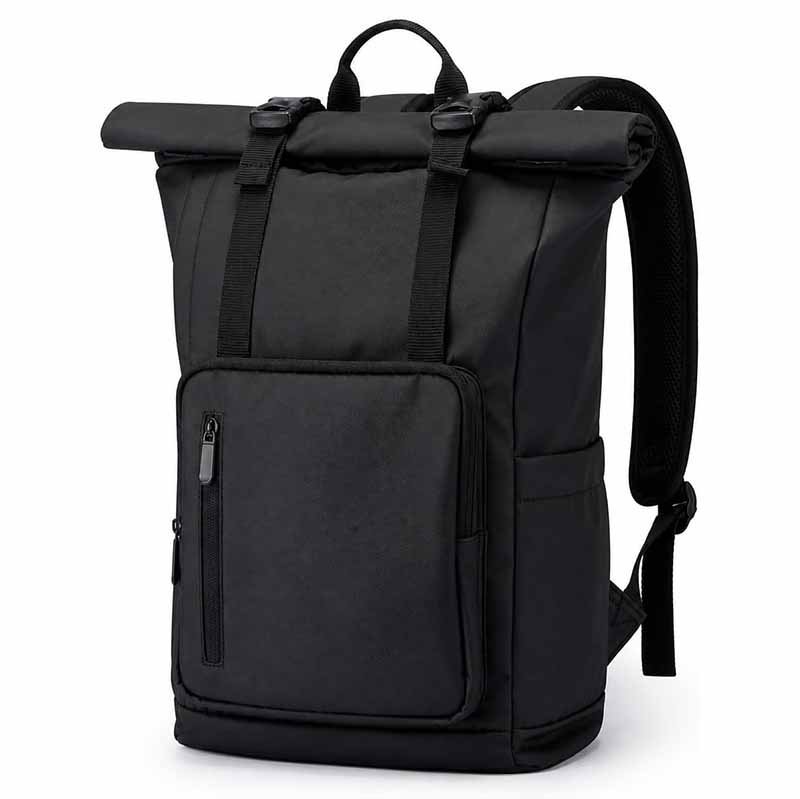
Roll-top travel backpacks reduce opening complexity and provide adjustable packing volume. Suitable designs combine a sealed upper opening with ergonomic shoulder straps, padded back panels, sternum straps and selected external access areas.
  • Common capacities: 20L to 45L
  • Adjustable closure height
  • Suitable for city, motorcycle and outdoor travel
  • Optional laptop sleeve inside a protected compartment
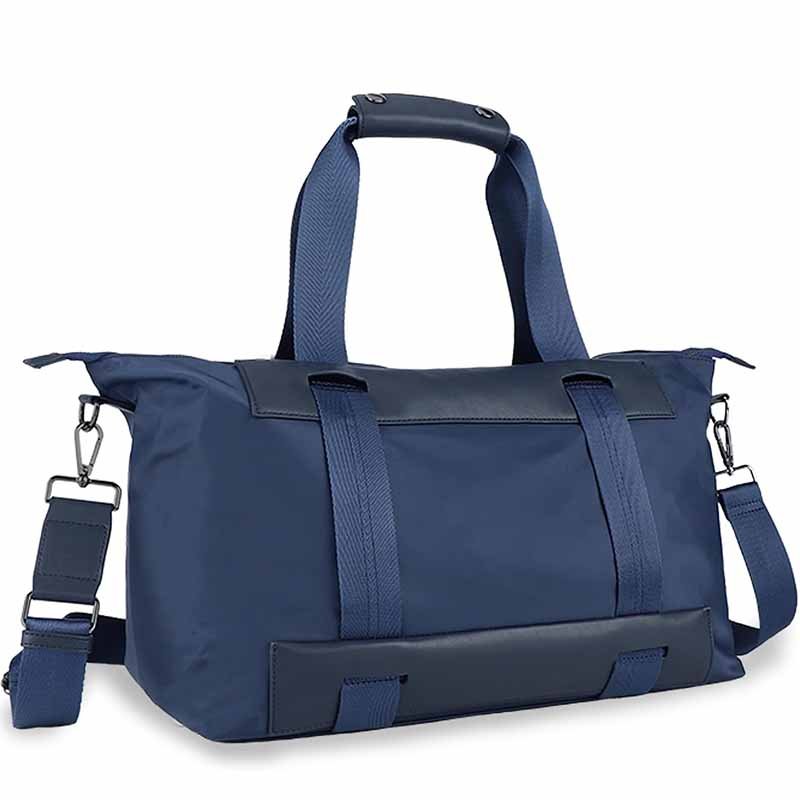
3. waterproof weekender bags

Waterproof Weekender Bags

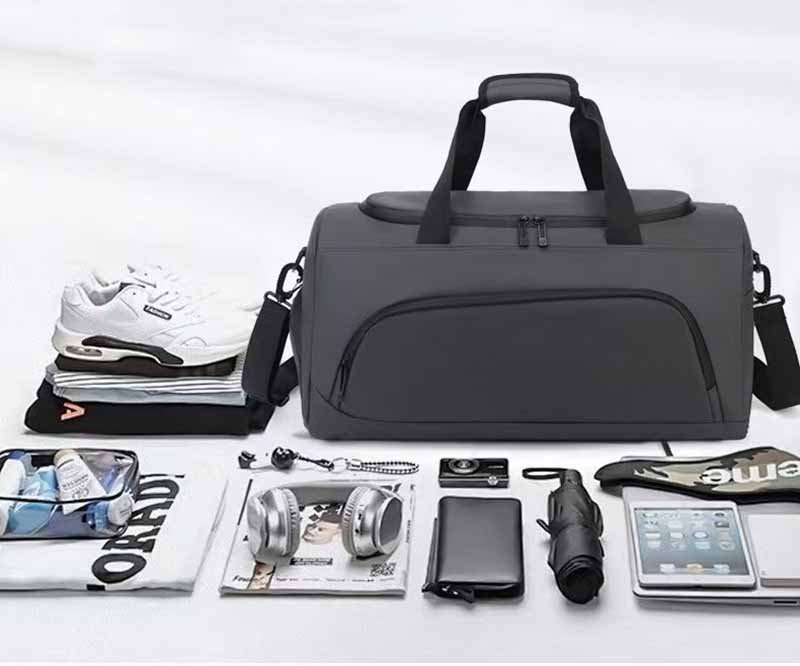
A waterproof weekender combines refined travel styling with coated fabric, organized storage and controlled rain protection. Many styles use a zipper opening rather than a dry-bag closure, making seam and zipper engineering especially important.
  • Common capacities: 25L to 45L
  • Suitable for two- to four-day travel
  • Optional shoe compartment and trolley sleeve
  • Suitable for premium retail and direct-to-consumer collections
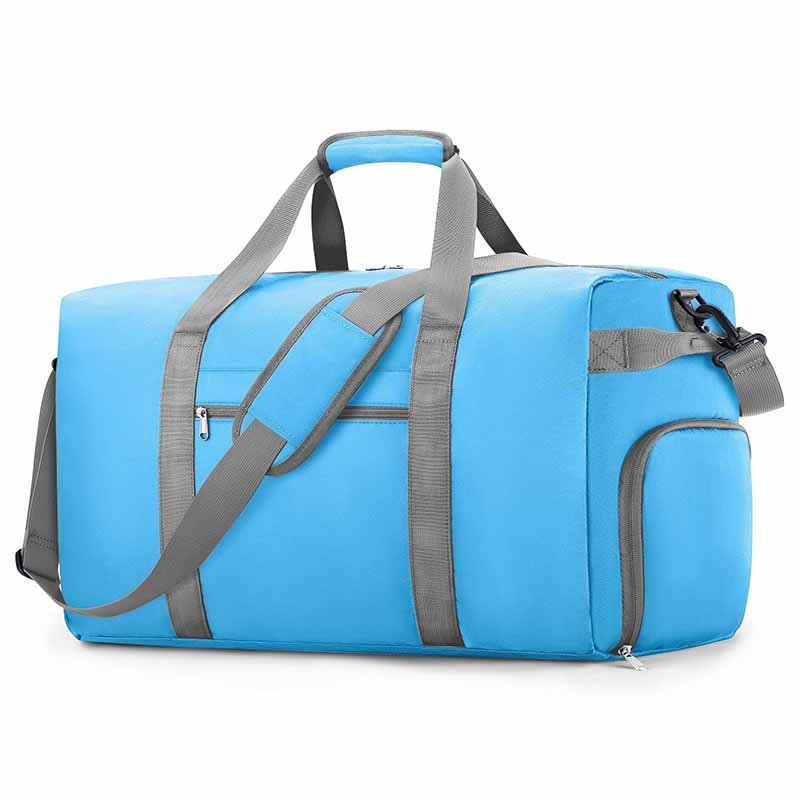
4. carry on travel bags

Carry-On Travel Bags

Carry-on bags are developed around external dimensions, internal organization and airline compatibility. The product must balance waterproof construction with low weight, easy security access and compression.
  • Common target sizes: 40–45 linear inches
  • External measurements confirmed before sampling
  • Optional laptop, passport and quick-access storage
  • Packaging planned to control dimensional deformation
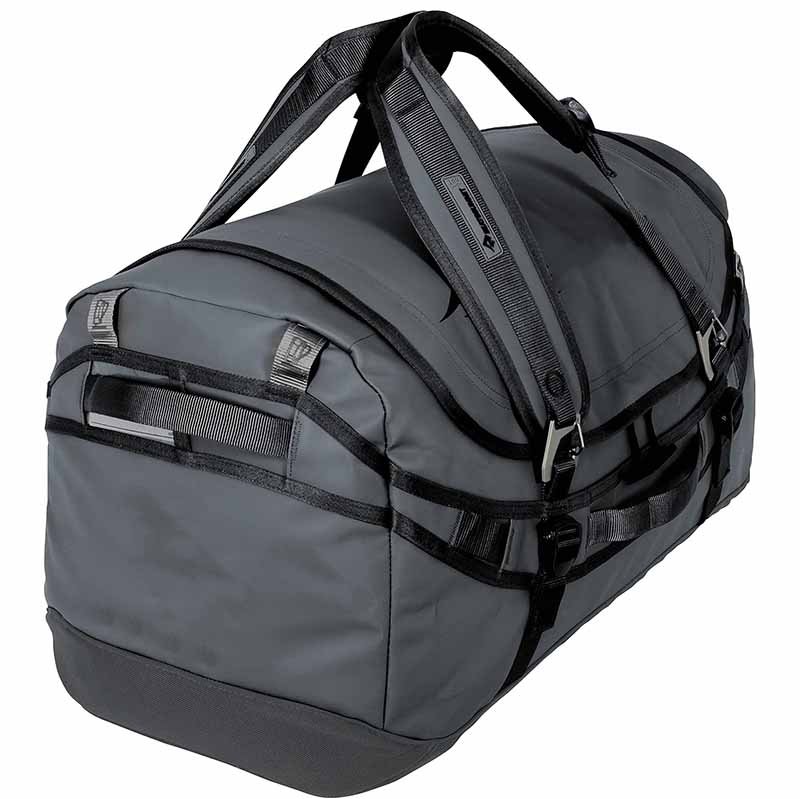
5. expedition gear bags

Expedition Gear Bags

Expedition bags carry bulky equipment and may be dragged, stacked or transported in harsh weather. Strong bottom materials, multiple handles, large zipper paths, internal compression and visible identification areas improve field use.
  • Common capacities: 70L to 150L
  • Heavy-load reinforcement
  • Abrasion-resistant base panels
  • Suitable for guides, teams, expeditions and equipment programs
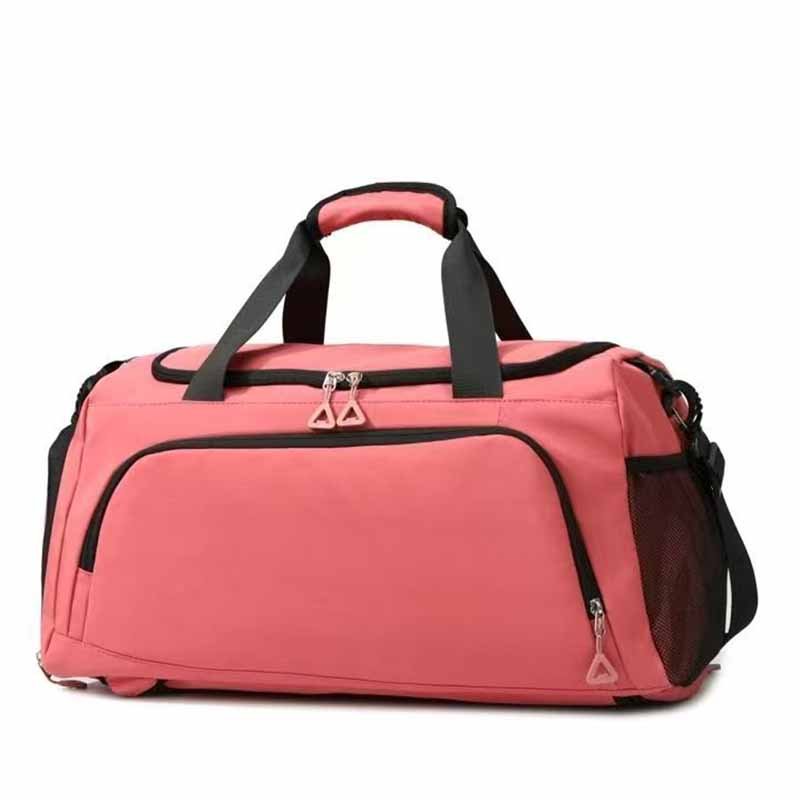
6. wet dry travel bags

Wet-Dry Travel Bags

Wet-dry designs separate damp clothing, shoes or swim gear from dry personal items. The wet compartment may use coated lining, heat-sealed inserts, drainage or a removable waterproof pouch.
  • Suitable for beach, swimming and fitness travel
  • Separate wet-item volume
  • Odor and cleaning considerations
  • Optional removable liner for easier maintenance
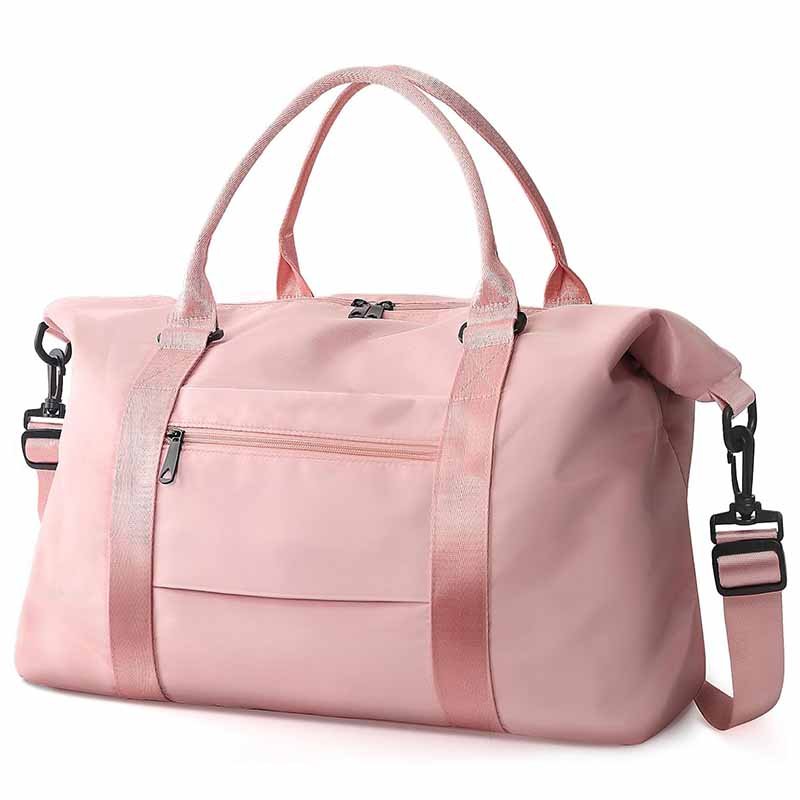
7. waterproof travel totes

Waterproof Travel Totes

Travel totes provide fast access and a lighter visual profile. They can be developed with coated canvas-look fabrics, TPU laminated textile, zipper closures, detachable straps and internal organization.
  • Suitable for resort, beach and urban travel
  • Medium capacities from 18L to 35L
  • Lightweight structure
  • Strong branding area for lifestyle collections
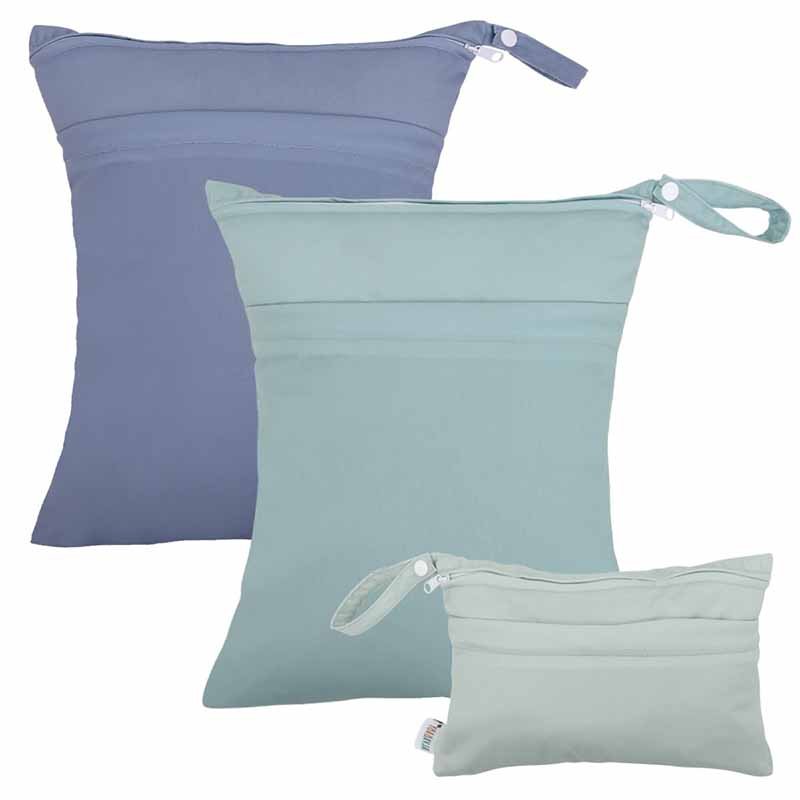
8. dry pouch sets

Dry Pouch Sets

Dry pouch sets extend a travel collection with accessory products for electronics, documents, toiletries and wet garments. Matching materials, colors, trims and packaging create a coordinated retail set.

  • Flat, roll-top or zipper formats
  • Multiple size combinations
  • Suitable for gift sets and add-on sales
  • Efficient use of coordinated material orders


Waterproof Solutions for Real Travel Conditions

Protection requirements change with exposure time, water pressure, load, abrasion and access frequency. Each environment needs a different structural balance.

Air and City Travel

Air and city travel favors lightweight materials, smooth handling and organized access. A rain-ready weekender or backpack often performs better than a heavy dry-bag shell. Important features include carry-on dimensions, protected zippers, trolley sleeves, laptop storage and compact packing volume.

Road Trips

Road-trip bags may face rain during loading, damp vehicle floors, dust and frequent opening. Coated outer fabrics, easy-clean bases, wide zipper access and removable organizers create a useful balance between protection and convenience.

Camping and Hiking

Camping gear bags face mud, abrasion, irregular loads and repeated outdoor exposure. Strong base panels, reinforced handles, compression straps and rain-protected openings are more important than decorative compartment count.

Beach and Coastal Travel

Beach products must handle sand, salt, wet towels, sunscreen and repeated cleaning. Smooth coated surfaces, limited dirt traps, corrosion-conscious hardware and separate wet storage improve long-term performance.

Boating and Watersports

Marine products require close attention to seams, closures and attachment points. Welded shells, roll-top openings, watertight components and limited external penetrations are often preferred for repeated spray or wet-deck conditions.

Motorcycle and Overland Travel

Motorcycle luggage faces vibration, road spray, heat, dust and external mounting forces. Secure compression systems, abrasion patches, reflective details, reinforced mounting areas and gloves-friendly closures should be reviewed during sampling. 

Build a Waterproof Travel Collection by Performance Level

A structured collection lets a brand serve several price points and travel environments without forcing one construction into every product.

Everyday Travel Series

Designed for airports, commuting, hotels and short urban trips, the Everyday Travel Series can use PU-coated nylon, polyester or Oxford fabric with protected zippers and organized interiors.
  • Lower finished weight
  • Refined textile appearance
  • Carry-on and weekender formats
  • Suitable for seasonal colors
  • Easier internal organization
  • Recommended claim: water-resistant or rain-ready

Adventure Travel Series

Adventure products combine higher abrasion resistance with better rain protection and stronger carrying systems. Suitable features include coated heavy-duty fabric, reinforced base panels, storm flaps and removable backpack straps.
  • Medium to heavy load capacity
  • Rain and mud exposure
  • Outdoor and road-trip use
  • Increased reinforcement
  • Controlled seam protection
  • Suitable for 30L–90L formats

Professional Dry Series

Professional dry travel bags use TPU- or PVC-coated materials, welded or sealed bodies and controlled opening systems. External pockets and penetrations are limited to protect the sealed structure.

  • Marine and expedition use
  • Roll-top or sealed zipper options
  • Higher material and process cost
  • Defined water-exposure testing
  • Minimal uncontrolled stitching
  • Claims based on finished-product verification


Compare Waterproof Travel Bag Materials

Material selection affects protection, hand feel, weight, folding, abrasion, appearance, cost and available manufacturing methods.

MaterialMain CharacteristicsWeight PositionWaterproof PotentialSuitable ProductsMain Development Concern
TPU Laminated NylonFlexible, refined textile surface, good low-temperature performance and premium hand feelLight to MediumHigh when paired with sealed constructionPremium dry duffels, backpacks, travel pouchesLamination quality, welding compatibility and material MOQ
TPU Laminated PolyesterStable surface, broad color options and balanced costMediumHigh with suitable constructionOutdoor duffels, travel backpacks, marine bagsCoating adhesion and abrasion at fold lines
PVC TarpaulinStrong water barrier, easy-clean surface and cost-efficient sealed constructionMedium to HeavyHighDry bags, expedition duffels, motorcycle bagsWeight, odor, temperature behavior and brand sustainability policy
PU-Coated NylonLightweight, soft and suitable for refined travel productsLightMediumCarry-on bags, weekenders, packable travel bagsNeedle holes, coating durability and seam protection
PU-Coated OxfordStructured, abrasion-resistant and available in many deniersMediumMediumTravel duffels, luggage, outdoor gear bagsStiffness, coating consistency and finished-product claim
Coated RPET FabricRecycled content with familiar woven appearanceLight to MediumMediumTravel collections, retail bags and rain-ready productsGRS scope, coating quality and batch traceability
Waterproof LiningProtects internal compartments or creates a wet-item barrierLightLocalizedWet-dry bags, shoe compartments, toiletry storageSeam treatment, cleaning access and attachment to the outer shell
Material Selection Guidance

A 210D or 420D coated nylon may suit lightweight travel, while 600D or 900D coated polyester provides more structure and abrasion resistance. Heavy tarpaulin supports sealed dry-bag construction but increases product weight and folding volume.

Szoneier evaluates the following before recommending a material:

  • Expected water exposure
  • Product capacity and load
  • Surface appearance
  • Required stiffness
  • Folding and packing method
  • Logo process
  • Welding or sewing method
  • Target cost position
  • Required material documentation
  • Color and quantity plan

Waterproof Performance Comes From the Complete Construction

A finished travel bag performs as a system. Material, seam, closure, bottom structure, reinforcement and Logo application must work together.

Outer Material System

The outer shell begins with a base fabric and a coating or lamination. Base fabric controls tensile strength, tear behavior and surface texture. The coating provides the water barrier. TPU laminated nylon offers a softer hand and refined appearance for premium collections. PVC tarpaulin provides a strong barrier and efficient welded construction for dry-bag programs. PU-coated Oxford supports structured travel products where rain protection, abrasion resistance and organized sewing construction are required. Material confirmation should include:
  • Base fabric type and denier
  • Coating or lamination type
  • Finished thickness or weight
  • Surface texture and gloss
  • Color reference
  • Flexibility at low temperatures
  • Folding response
  • Welding or sewing suitability
  • Batch consistency requirements

Seam Construction

Conventional stitching passes a needle through the shell, creating small penetration points. Seam taping, internal barriers or sealed seam methods can improve protection, but the correct method depends on fabric and seam shape. Welded construction bonds coated panels without conventional thread along the sealed body. Welding width, temperature, pressure, dwell time and material compatibility affect seam strength. Curved panels, thick overlaps and reinforcement intersections need special development. Available project directions may include:
  • Conventional sewn seams
  • Bound internal seams
  • Selected seam taping
  • Heat-sealed internal panels
  • High-frequency or radio-frequency welding through confirmed specialist production resources
  • Hybrid sewn and welded construction
Special processing capability must be confirmed against the chosen material, sample structure and order plan.

Opening and Closure

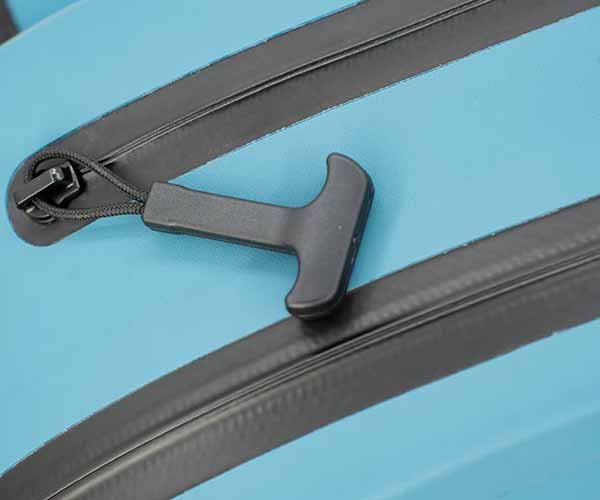
The opening is often the most vulnerable area. Standard coil zippers provide easy access but limited water protection. Reverse-coated zippers improve rain resistance but are not automatically submersible. Watertight zippers provide higher sealing performance but increase cost, opening force and production requirements. Roll-top closures reduce zipper risk and allow adjustable capacity. Reliable roll tops need sufficient fold length, stable buckles, suitable material flexibility and clear user instructions. Closure selection should consider:
  • Access frequency
  • Required opening width
  • Exposure direction
  • Product claim
  • Operating force
  • Cold-weather use
  • Cost
  • Repairability

Bottom Protection

Travel bags are placed on wet floors, rough ground, luggage carts, boats and vehicle racks. Bottom abrasion can damage the coating even when the upper shell remains intact. Suitable options include:
  • Double-layer coated panels
  • Higher-denier bottom fabric
  • Welded abrasion patches
  • Raised feet for structured travel products
  • Rounded bottom corners
  • Replaceable or reinforced base panels
  • Internal baseboards isolated from the waterproof shell

Attachment Points

Handles, shoulder straps, D-rings, compression straps and mounting webbing transfer load into the shell. A strong strap sewn through an unsuitable location can weaken the water barrier. Szoneier develops attachment points by reviewing:

  • Expected maximum load
  • Load direction
  • Reinforcement patch size
  • Webbing extension length
  • Bartack position
  • Welded reinforcement option
  • Hardware strength
  • Distance from sealed seams
  • Risk of stress concentration


Travel Functionality Beyond Waterproof Protection

Strong protection must work with packing, access, carrying and organization. Each added feature is reviewed for structural and waterproof impact.

Wet-Dry Separation

Wet compartments can isolate shoes, swimwear, towels or laundry. Solutions may use coated lining, removable sealed pouches or a divided lower compartment.
  • Define the wet-item volume
  • Provide cleaning access
  • Avoid trapped moisture
  • Control seams between wet and dry zones
  • Consider removable components for easier maintenance

Convertible Carrying

Duffels can convert from hand carry to shoulder carry or backpack carry. Attachment points must distribute weight without distorting the opening or damaging sealed panels.
  • Removable backpack straps
  • Padded shoulder straps
  • Reinforced top handles
  • Side grab handles
  • Strap storage pockets
  • Load-balanced anchor positions

Reinforced Handles

Handle strength depends on webbing specification, anchor length, reinforcement shape and stitch or weld method. A short decorative anchor is unsuitable for a large travel duffel.
  • Webbing can continue under the body
  • Reinforcement patches spread load
  • Bartacks are placed away from vulnerable edges
  • Handle spacing matches bag width
  • Grip wraps improve carrying comfort

Shoe Compartments

Shoe compartments improve travel organization but add seams, zippers and internal volume competition. The compartment should be placed without weakening the primary waterproof shell.
  • Side or bottom access
  • Wipe-clean lining
  • Ventilation only where acceptable
  • Separate zipper path
  • Collapsible design when empty
  • Controlled seam placement

Internal Organization

Fully sealed dry bags often use fewer sewn internal dividers because every penetration requires control. Removable organizers provide flexibility without adding unnecessary shell penetrations.
  • Detachable mesh pouches
  • Hook-and-loop organizers
  • Suspended laptop sleeves
  • Removable packing cubes
  • Key clips and document pockets
  • Contrasting lining for visibility

Structure and Packability

Structured travel bags hold shape and protect contents but occupy more shipping volume. Packable bags reduce freight volume but may crease coated materials.

  • Select foam density carefully
  • Avoid sharp internal boards
  • Plan fold lines during sampling
  • Test recovery after unpacking
  • Protect zipper shape
  • Balance presentation with freight cost


Plan Capacity, Dimensions and Carrying Comfort

External dimensions, usable volume, closure type and load distribution should be confirmed together before pattern development.
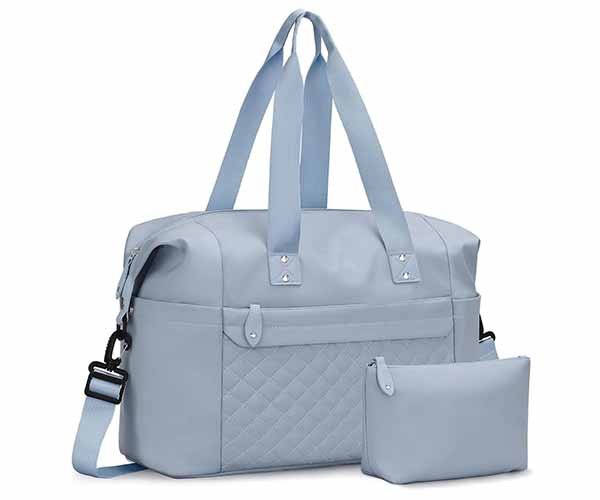
1. personal item travel bag

Personal-Item Travel Bag

Suggested Capacity: 18L–28L
Typical External Range: 40–46 cm long
Suitable Use: One-day travel, under-seat storage and personal essentials
A compact design should prioritize quick access, document organization, protected electronics and low weight. Thick roll tops or oversized hardware can reduce usable capacity and make under-seat storage less efficient.
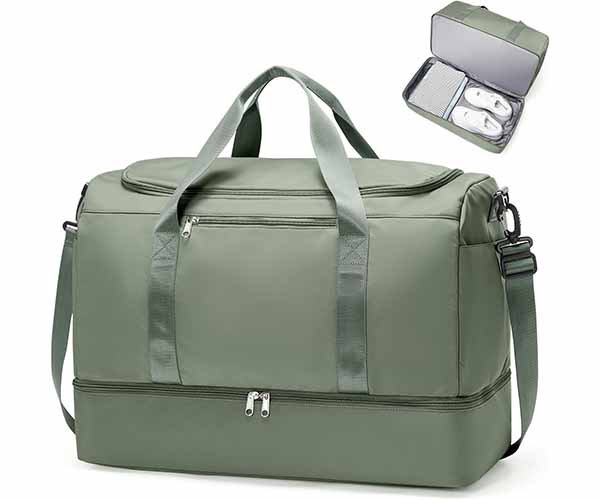
2. carry on weekender

Carry-On Weekender

Suggested Capacity: 30L–45L
Typical External Range: 48–55 cm long
Suitable Use: Two- to five-day travel and overhead-bin storage
External dimensions must be checked against the intended airline and route. Trolley sleeves, shoe compartments and structured ends should not increase the finished dimensions beyond the approved specification.
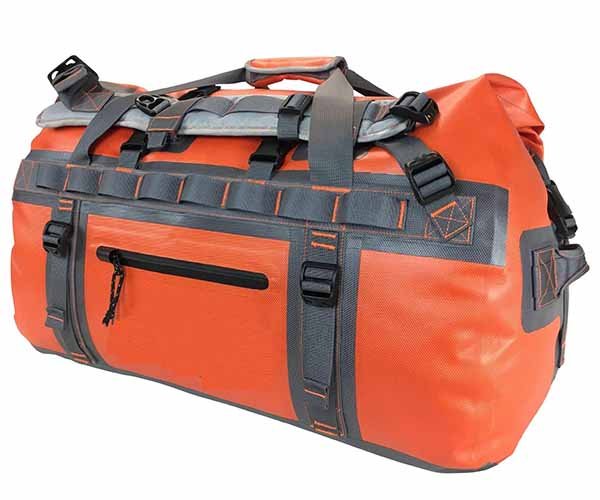
3. adventure duffel

Adventure Duffel

Suggested Capacity: 50L–75L
Typical External Range: 55–68 cm long
Suitable Use: Camping, road trips, outdoor gear and mixed transport
Load testing becomes more important as volume increases. Backpack straps, side handles and compression webbing help manage weight. A reinforced bottom protects the shell during repeated ground contact.
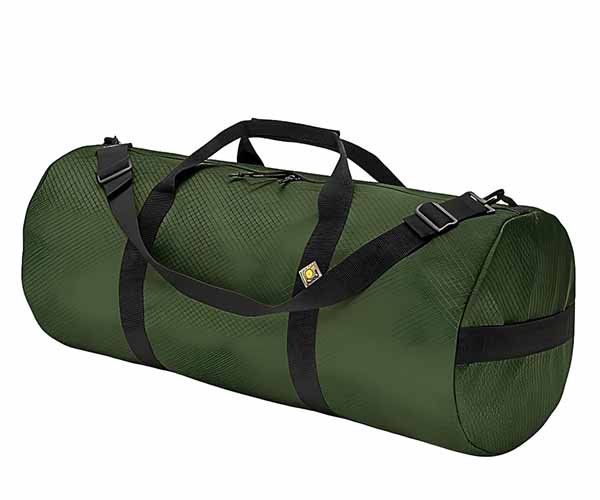
4. expedition gear bag

Expedition Gear Bag

Suggested Capacity: 90L–150L
Typical External Range: 70–95 cm long
Suitable Use: Team equipment, expeditions and bulky gear transport
Large bags need multiple lifting points, heavy-load webbing, reinforced panels and controlled base deformation. Oversized capacity also affects carton dimensions, freight volume and manual-handling requirements.

Branding Options Built Around Waterproof Construction
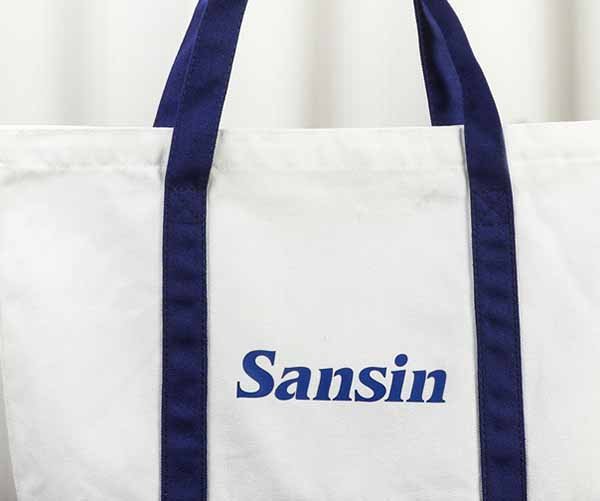
Logo placement and application must respect coating compatibility, seam layout, folding areas and the required protection level. Preferred files include AI, EPS, SVG or editable PDF. Pantone references, required dimensions and placement should be provided before sample production.
1. screen printing

Screen Printing

Screen printing provides strong color coverage and efficient bulk production on many coated fabrics. Ink type must match the surface coating to reduce cracking or peeling.
  • Suitable for large flat panels
  • Supports Pantone color matching
  • Cost-efficient at bulk quantities
  • Adhesion testing recommended on coated surfaces
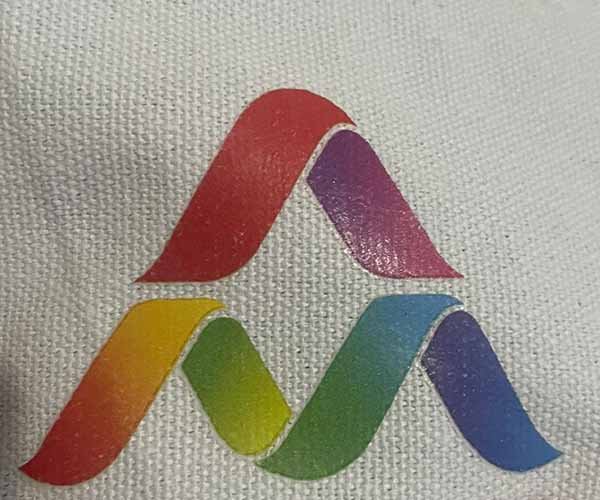
2. heat transfer

Heat-Transfer Printing

Heat transfer supports detailed graphics, gradients and multicolor artwork. Temperature and pressure need to be tested because excessive heat may mark or weaken coated material.
  • Suitable for detailed graphics
  • Low artwork setup for multiple colors
  • Works on selected PU and TPU surfaces
  • Test before bulk application
reflective printing

Reflective Printing

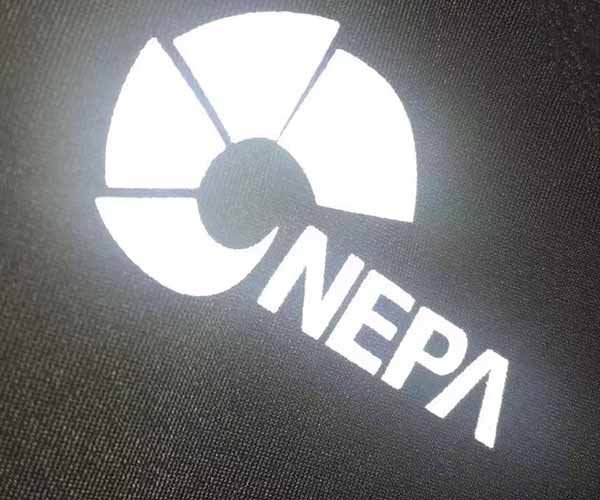
Reflective graphics add visibility for motorcycle, cycling and outdoor travel products. Placement should avoid repeated sharp folding or high-abrasion areas.
  • Suitable for safety-focused programs
  • Available as print or film
  • Good for night visibility
  • Reflectivity level can be specified by project
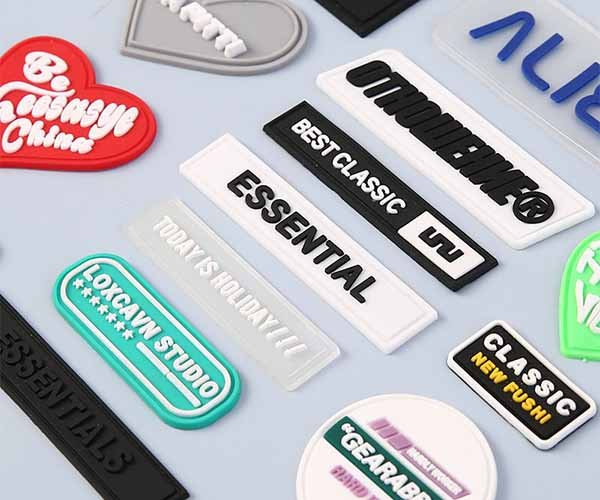
6. rubber silicone patch

Rubber Patch

Rubber patches provide a dimensional outdoor appearance. Patches may be sewn, bonded or developed for compatible welded attachment.
  • Strong brand presence
  • Suitable for outdoor and marine styles
  • Custom colors and relief details
  • Attachment method affects waterproof performance
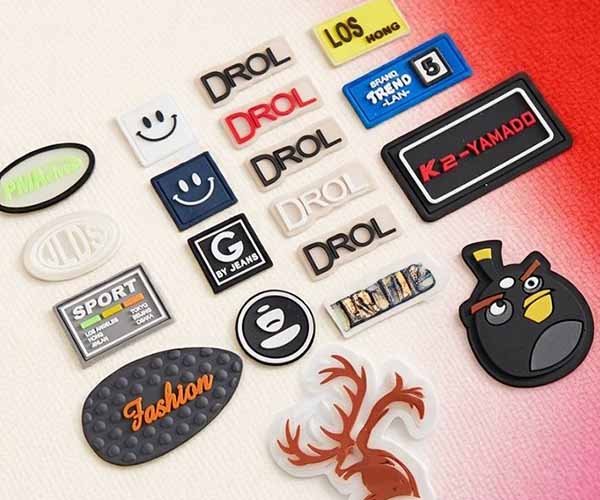
5. rubber or silicone patches

Silicone Patch

Silicone patches offer a softer premium finish and flexible color development. Bonding or welding compatibility depends on the shell material and patch construction.
  • Soft hand feel
  • Premium lifestyle appearance
  • Suitable for tonal branding
  • Avoid uncontrolled needle penetration on sealed shells
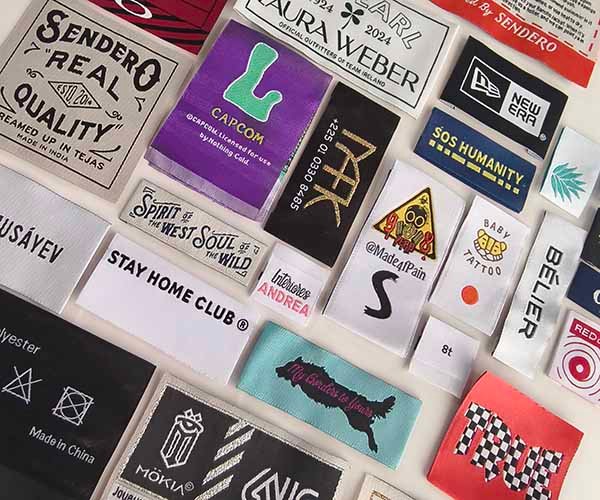
4. woven labels

Woven Label

Woven labels suit refined textile travel products and internal branding. External labels are generally sewn, so placement should be kept away from critical sealed zones.
  • Fine detail reproduction
  • Suitable for side seams and internal areas
  • Low visual weight
  • Supports coordinated collection branding
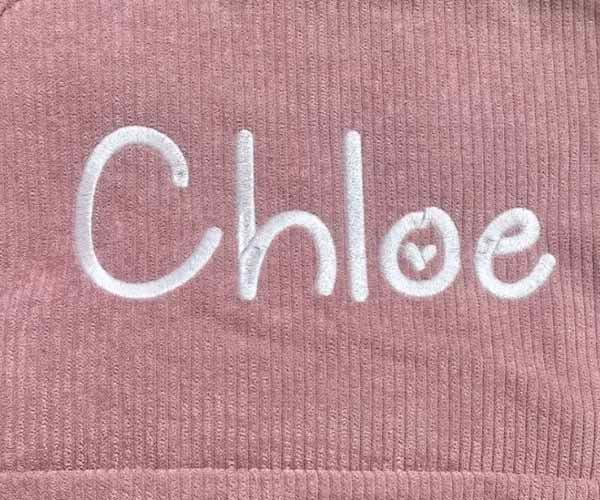
3. embroidery (2)

Embroidered Badge

Direct embroidery creates many needle holes and is usually unsuitable for the main sealed shell. A separately embroidered badge can be attached to a designed reinforcement area.
  • Suitable for conventional sewn bags
  • Use a separate patch on waterproof shells
  • Plan backing and attachment carefully
  • Avoid primary water-exposure zones
9. zipper puller & hardware logos

Custom Zipper Puller

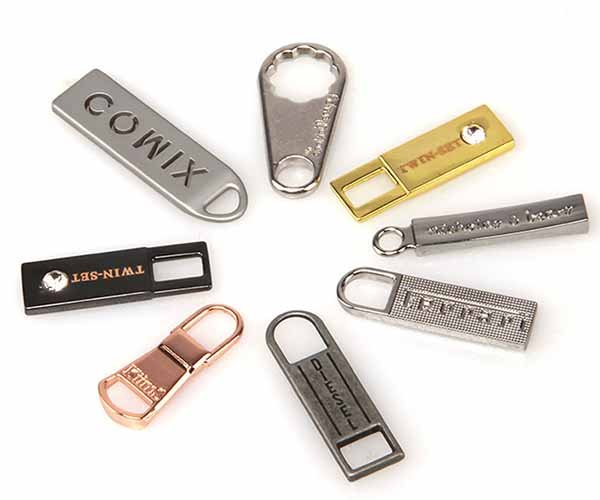
Custom zipper pullers add brand identity without altering the shell surface. Options include molded rubber, silicone, metal and woven pull tabs.
  • Useful for premium finishing
  • Improves operation with gloves
  • Supports brand colors and symbols
  • Custom tooling may increase MOQ and development time

From Travel Bag Concept to Tested Sample

Sampling turns visual ideas into measurable construction standards. Waterproof products require review beyond shape and color.

Requirement Review

Send a tech pack, sketch, product photo, physical sample, reference link or written concept. Szoneier reviews use environment, product type, quantity, size, protection target, channel, delivery market and target cost position.

Protection Definition

The team clarifies whether the product needs water resistance, rain protection, sealed waterproof construction or dry-bag performance. Recommended wording and verification requirements are discussed before material selection.

Material Selection

Outer material, lining, zipper, webbing, buckles, reinforcement, thread and Logo method are selected around the approved performance level. Stock availability, color MOQ and documentation requirements are reviewed.

Pattern Development

Pattern makers convert dimensions and features into production patterns. Seam allowance, zipper curves, roll-top height, compartment volume, carrying balance and reinforcement placement are defined.

First Prototype

The first prototype verifies shape, capacity, access, carrying comfort, material behavior and assembly feasibility. Photos, videos and measurements can be shared for remote review.

Functional Review

The prototype is packed with realistic contents. Teams review opening force, strap position, load balance, pocket access, wet-dry separation, fold behavior and compatibility between materials and processes.

Revision and Checks

Approved revisions are applied. Water-exposure checks, seam review, zipper inspection or load checks are arranged according to the project specification. Complex structures may require more than one revision round.

Final Sample Approval

The final sample becomes the visual and functional reference. Materials, dimensions, Logo, accessories, packing and critical quality points are recorded for quotation and production preparation. 

Turn the Approved Sample Into a Production Standard

A final sample shows the expected product. A controlled specification explains how to reproduce it consistently across hundreds or thousands of pieces.

Product Specification Record

The production specification should record all measurable and identifiable elements:

  • Finished external dimensions
  • Target capacity
  • Panel dimensions
  • Outer material code
  • Material color or Pantone reference
  • Material thickness or weight
  • Coating or lamination type
  • Lining specification
  • Foam or support material
  • Webbing width and thickness
  • Buckle and hardware references
  • Zipper type, size and supplier
  • Thread type and color
  • Seam or welding construction
  • Logo process and position
  • Label content
  • Packaging method
  • Carton packing quantity
Critical Waterproof Details

Waterproof-related controls should be separated from general appearance requirements:

  • Protected seam locations
  • Welding width or tape coverage
  • Roll-top folding length
  • Zipper end construction
  • Puller and slider direction
  • External attachment points
  • Areas where needle penetration is prohibited
  • Bottom reinforcement boundaries
  • Water-exposure test method
  • Test sample quantity
  • Acceptance criteria
Golden Sample

The approved final sample should be stored as a visual and functional reference. Production teams compare material, dimensions, workmanship, Logo and overall appearance against the approved unit.

Pre-Production Sample

A pre-production sample is made with intended bulk materials and processes before full production begins. The sample helps detect changes caused by different material batches, production tooling or assembly methods.

Bulk Control Documents

A controlled bulk-production package can include:

  • Bill of materials
  • Product specification sheet
  • Approved sample photos
  • Construction notes
  • Color standard
  • Logo artwork
  • Packing instruction
  • Quality checklist
  • Testing instruction
  • Carton marks
  • Barcode or FNSKU files
Change Management

Any change involving material, zipper, hardware, construction, Logo, packing or quantity should be confirmed before production. Substitutions should not be made without project approval when the change affects appearance, performance or compliance.
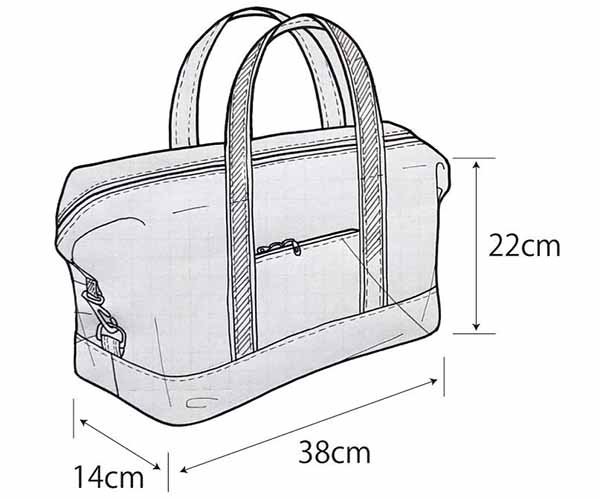
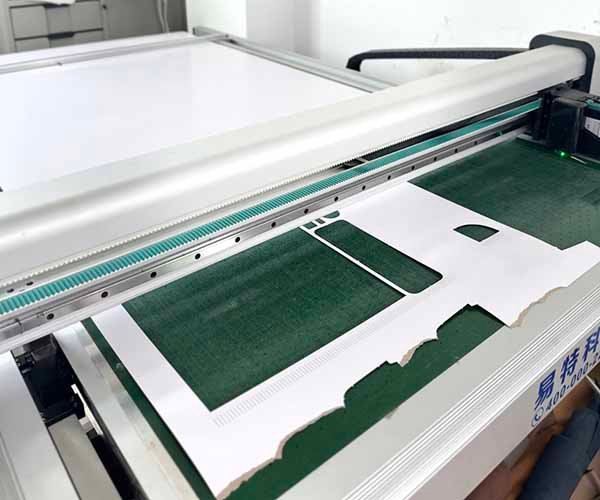
 

1. bag design
2. sample production
sewing
bag welding

Controlled Material and Component Sourcing

A waterproof travel bag depends on compatible components from several supply categories. Szoneier coordinates material confirmation before bulk purchasing.

Waterproof Outer Materials

Stock materials support faster sampling and lower initial quantities. Custom colors, exclusive textures, special thicknesses or branded materials may require higher minimums and longer preparation.
  • Nylon, polyester and Oxford bases
  • TPU and PVC coated materials
  • PU-coated textiles
  • Selected recycled fabrics
  • Color and coating batch control

Zippers and Closures

Closure options affect protection, access, cost and production time. Standard zippers, reverse-coated zippers, waterproof zippers, watertight zippers, buckles and roll-top components must match the intended claim.
  • Zipper size and chain type
  • Slider and puller selection
  • End-stop construction
  • Buckle strength
  • Closure lead time

Webbing and Carry Components

Webbing should match the expected load and product appearance. Width, thickness, weave, color and elongation influence handle comfort and reinforcement design.
  • 20–50 mm common widths
  • Nylon or polyester options
  • Custom woven branding
  • Padded carry systems
  • Load-bearing verification

Buckles and Hardware

Plastic buckles, metal hooks, D-rings and adjusters should be selected according to strength, weight, corrosion exposure and brand finish.
  • Acetal and nylon buckle options
  • Aluminum or zinc alloy hardware
  • Matte, polished or coated finishes
  • Salt-spray requirements by project
  • Custom molds for long-term programs

Linings and Internal Support

Lining, foam, boards and mesh affect internal appearance, protection and product recovery. Internal components must not create sharp edges against the waterproof shell.
  • Coated lining
  • Ripstop or polyester lining
  • EVA or PE foam
  • Lightweight support boards
  • Removable organizers

Packaging Components

Packaging development begins before production completion. Bags, labels, cartons and inserts are ordered according to channel, storage, shipping method and final folding requirements.

  • Protective polybags
  • Reusable pouches
  • Hangtags and care labels
  • Retail barcode labels
  • FNSKU labels
  • Printed cartons and shipping marks


Production Controls for Stable Waterproof Travel Bags

Bulk production follows an approved sequence so materials, construction and packing remain aligned with the final sample.

Incoming Material Inspection

Outer fabric, coating, lining, zipper, webbing, buckles and Logo components are checked before release. Inspection covers color, appearance, quantity, specification and obvious damage.

Material Batch Separation

Material rolls and accessory batches are identified to reduce color or surface variation. Approved batches are allocated by SKU and color before cutting begins.

Cutting Preparation

Patterns, grain direction, print placement and coating surface orientation are confirmed. Cutting plans consider material yield, crease control and areas requiring reinforcement.

First-Piece Confirmation

An initial production unit or partial assembly verifies seam position, reinforcement, zipper installation, Logo placement and assembly sequence before full-line production proceeds.

Sewing or Sealing

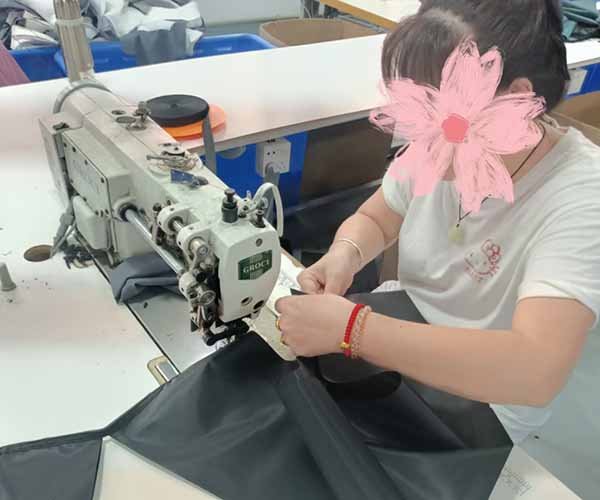
Production parameters are matched to material thickness and construction. Stitch density, needle size, binding, seam tape or welding settings are controlled according to the approved method.

Reinforcement Assembly

Handle anchors, shoulder strap points, buckles, D-rings and base panels are assembled with specified reinforcement. Critical load points receive focused in-process inspection.

In-Process Inspection

QC personnel inspect panels, seams, openings, Logo, dimensions and workmanship during production. Errors are corrected before later assembly makes rework difficult.

Final Packing Release

Finished products are cleaned, measured, inspected and packed according to the approved folding method. Labels, accessories, carton quantities and shipping marks are verified before release.

Quality Checks Matched to the Product Claim

Quality control starts before cutting and continues through packaging. A waterproof travel bag requires both general bag inspection and protection-specific checks.

Incoming Material Inspection

Material inspection verifies whether bulk materials match the approved sample and purchase specification. Checks may include:
  • Color and surface consistency
  • Fabric width
  • Thickness or weight
  • Coating appearance
  • Lamination defects
  • Scratches and pinholes
  • Odor
  • Creasing
  • Zipper specification
  • Webbing width and color
  • Buckle and hardware finish
Material rolls with visible coating defects or serious color variation are isolated before cutting.

Pre-Production Confirmation

The pre-production sample confirms the intended material, construction and Logo process. Production should not proceed until critical differences are resolved. Review points include:
  • Finished dimensions
  • Panel proportions
  • Opening size
  • Seam or welding method
  • Handle reinforcement
  • Logo position
  • Closure operation
  • Internal organization
  • Packing method

Cutting Inspection

Cut components are checked for shape, quantity, surface direction, coating damage and material defects. Matched panels should come from compatible material batches where visible variation may occur.

Sewing and Assembly Inspection

Inspectors review:
  • Stitch density
  • Skipped stitches
  • Thread tension
  • Seam allowance
  • Binding quality
  • Bartack position
  • Zipper alignment
  • Buckle direction
  • Reinforcement size
  • Panel symmetry
  • Unwanted needle holes

Seam and Closure Inspection

Water-protection details require focused control:
  • Seam tape coverage
  • Weld width and continuity
  • Roll-top height
  • Fold line
  • Buckle alignment
  • Zipper end sealing
  • Zipper garage
  • Opening direction
  • External attachment penetrations
  • Bottom-corner construction

Water-Exposure Checks

Testing should match the agreed product claim. A city weekender does not need the same test as a marine dry duffel. Possible project methods include:
  • Surface spray observation
  • Rain simulation
  • Controlled water exposure
  • Internal tissue or absorbent-paper check
  • Leak inspection around seams and closures
  • Air-pressure or immersion methods for suitable sealed products
  • Third-party laboratory testing when required
Testing quantity, duration, water depth, pressure, pass criteria and reporting method should be agreed before bulk production.

Load and Reinforcement Checks

Travel bags are filled or loaded to review carrying points. Test weight should reflect the product capacity and expected use. Inspection can cover:
  • Handle lifting
  • Shoulder strap anchoring
  • D-ring security
  • Buckle holding
  • Webbing slippage
  • Bottom deformation
  • Seam stress
  • Hardware movement

Final Inspection

The 12-person QC team applies product-specific inspection criteria for appearance, dimensions, function, Logo, accessories and packaging. AQL-based inspection and third-party inspection can be coordinated according to the project.

Packing Inspection

Packing checks confirm:

  • Correct SKU and color
  • Product cleanliness
  • Accessories included
  • Label accuracy
  • Barcode or FNSKU placement
  • Folding method
  • Polybag or pouch condition
  • Carton quantity
  • Carton dimensions
  • Shipping marks
  • Gross and net weight

Packaging for Retail, DTC, Amazon and Wholesale

Packaging protects coated materials, supports brand presentation and prepares each SKU for its intended distribution channel.

Protective Individual Packing

A protective PE or suitable polybag prevents dust and surface abrasion. Folding lines are planned to avoid sharp creases in coated panels or excessive pressure on waterproof zippers.
  • Warning print when required
  • Size matched to folded product
  • Moisture and surface protection
  • Ventilation holes where applicable
  • Controlled fold instruction

Reusable Dust Pouch

A reusable pouch improves presentation for premium travel collections and can become part of the product experience.
  • Matching or contrasting fabric
  • Printed or woven branding
  • Drawstring or zipper closure
  • Suitable for DTC and premium retail
  • Adds packing volume and cost

Hangtags and Care Labels

Care information should explain cleaning, drying, closure operation and the limits of the waterproof claim.
  • Brand story
  • Material information
  • Product instructions
  • Barcode or retail price area
  • Waterproof-use guidance
  • Country-of-origin information

Retail Barcode Preparation

Retail programs may require UPC, EAN or internal SKU labels on the product, hangtag, inner packaging and master carton.
  • Barcode file verification
  • Label position approval
  • SKU-color matching
  • Carton assortment
  • Scan check before shipment

Amazon Preparation

Szoneier can coordinate FNSKU labels, polybag warnings, carton labels, SKU separation, packing lists and DDP shipping preparation.
  • FNSKU file supplied by the brand
  • Label size and position confirmed
  • Carton weight and dimensions recorded
  • Mixed-SKU restrictions reviewed
  • Destination warehouse or forwarder confirmed

Carton and Pallet Planning

Large travel bags can create high dimensional weight. Packing quantity should balance product protection, carton strength, handling and freight cost.
  • Carton compression risk
  • Waterproof zipper protection
  • Product shape recovery
  • Pallet pattern
  • Shipping mark accuracy
  • Split-shipment preparation

Manufacturing Resources for Long-Term Travel Bag Programs

Szoneier organizes development and production through specialized teams with clear responsibilities from initial review to shipment.

Product Management

Four product managers help review product direction, cost position, material choice, function and manufacturing feasibility. Complex projects can be divided into defined development stages before quotation and sampling.

Design and Pattern

Six bag designers and five pattern makers support visual development, construction planning, dimensions, compartments and production patterns. Pattern makers average more than ten years of related experience.

Sampling Team

Eight sampling specialists and 12 sample workstations support prototypes, modifications, material trials and pre-production samples. Development feedback can be coordinated through photos, videos, online meetings or physical sample review.

Purchasing Team

Six purchasing specialists coordinate outer fabrics, linings, zippers, webbing, hardware, Logo components and packaging. Purchasing plans consider stock availability, MOQ, color, production schedule and documentation.

Production Coordination

More than 120 production personnel, eight sewing lines and over 160 machines support bag and soft-goods manufacturing. Production can be arranged across 20–35 active orders according to schedule, category and capacity.

QC and Logistics

Twelve quality specialists cover incoming, in-process, final and outgoing inspection. Five logistics coordinators support sample delivery, express, air freight, sea freight, DDP, multi-address shipments and export documentation. 

MOQ, Sample Time and Production Planning

Project StageStandard Planning ReferenceMain Factors Affecting Time or MOQInformation Required
MOQFrom 200 pieces for selected projectsStock or custom material, color count, zipper, hardware, Logo, packing and structureProduct type, quantity by color, material preference and Logo
Standard Sample5–7 working daysAvailable materials, conventional structure and regular Logo processReference photo, dimensions, quantity and Logo file
Complex Sample10–15 working daysMultiple compartments, custom structure, special coating, sealed process or custom componentsTech pack, functional requirements and target protection level
Urgent Sample3–5 working days for selected projectsAvailable stock materials, simple construction and confirmed scheduleComplete specifications and rapid approval
Bulk ProductionCommonly 20–35 days after approvalQuantity, SKU count, material preparation, specialist processes, packaging and production seasonApproved sample, final BOM, packaging files and deposit
TestingConfirmed by projectTest method, sample quantity, third-party laboratory and reporting needsTarget claim, sales market and required standard
ShippingExpress, air, sea or DDPVolume, destination, launch date, warehouse requirement and IncotermDelivery address, target arrival date and shipping preference

Waterproof Travel Bag Projects From Sample to Shipment
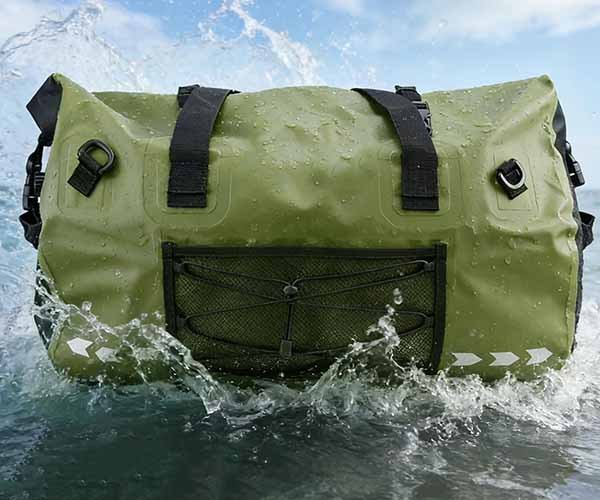
The following confidential project records show how different performance levels require different development and production controls.
1. outdoor duffel

North American Outdoor Duffel

Region: United States Client Type: Established outdoor equipment brand Product: 60L waterproof convertible duffel Order Quantity: 1,800 pieces in three colors The brand needed a travel duffel suitable for camping, boating and vehicle transport. The original concept used a heavy PVC shell, but product weight exceeded the intended retail position. Szoneier proposed a lighter TPU-laminated textile for the main body and a more abrasion-resistant bottom panel. Development focused on the roll-top height, removable backpack straps, side-handle reinforcement and the location of external compression webbing. The first sample showed excessive stress near the shoulder-strap anchors when loaded. Reinforcement patches were enlarged and moved away from the primary sealed seam. Project Control:
  • Two sample rounds
  • Final sample completed in 11 working days
  • 60L target capacity
  • Three coordinated colors
  • Water-exposure checks based on the approved structure
  • Loaded handle and strap inspection
  • Individual protective packing
  • Bulk production completed in 32 days
  • Third-party final inspection coordinated before shipment
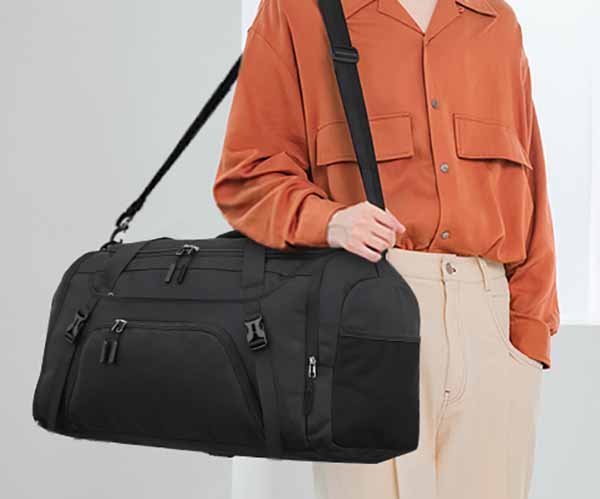
The launch order shipped according to the agreed retail schedule. A repeat order of 2,400 pieces added a fourth color and matching dry pouches.
2. european travel weekender

European Travel Weekender

Region: Germany and France Client Type: Premium travel and lifestyle brand Product: Rain-ready weekender in two sizes Order Quantity: 1,600 pieces The brand required a refined textile appearance rather than a traditional dry-bag look. Key features included a large zipper opening, trolley sleeve, internal laptop storage, removable shoe pouch and coated lining. Szoneier compared PU-coated nylon and coated recycled polyester. The selected recycled polyester provided better structure and color stability for the requested design. A reverse-coated zipper, internal storm construction and protected seam positions were used to improve rain performance without making a submersion claim. Project Control:
  • 32L and 42L sizes
  • Two sample rounds
  • Final sampling period: 12 working days
  • Four-color Logo heat transfer
  • Custom woven labels
  • Separate shoe pouch
  • Barcode hangtags
  • DTC mailer preparation
  • Bulk production completed in 29 days
  • Final inspection completed before split delivery
The first shipment was divided between a European fulfillment center and a retail distribution warehouse. A later development added a matching toiletry pouch and travel organizer.
3. u.s. retail dry bag program

U.S. Retail Dry Bag Program

Region: United States
Client Type: Specialty outdoor retail group
Product: Three-SKU dry travel collection
Order Quantity: 3,600 pieces
The program included a 25L roll-top backpack, 45L dry duffel and three-piece pouch set. Six colors were distributed across the collection, creating a material and SKU-control challenge.
Szoneier prepared a shared material plan so the three products could use coordinated coating colors, buckles, webbing and Logo patches. Carton ratios were created around store assortment requirements rather than packing each color in separate master cartons.
Project Control:

  • Three product formats
  • Six coordinated colors
  • 3,600-piece launch order
  • Shared material and trim standard
  • Rubber Logo patches
  • UPC labels by SKU
  • Retail hangtags
  • AQL final inspection
  • Carton assortment by store program
  • Sea shipment with part-air delivery for launch samples

The collection passed final inspection and reached the retail distribution schedule. The next order increased the duffel quantity and introduced two seasonal colors.

Choose the Right Manufacturing Model for Your Project

Different factory models suit different travel bag programs. A strong sourcing decision should match product type, quantity, development complexity and long-term plan.

Specialist Dry Bag Factory

A specialist dry bag factory may offer strong welding knowledge for established roll-top or sealed products. It can be suitable when the design is already mature and production quantity is high. Potential limitations may include:
  • Limited development for refined sewn travel structures
  • Higher minimums for custom components
  • Less flexibility across lifestyle and traditional luggage products
  • Narrower support for multi-material collections

Traditional Sewing Factory

A conventional sewing factory may perform well on weekenders, carry-on bags, duffels and organized travel products. Important questions include:
  • Does the factory understand coated materials?
  • Can seam protection be controlled?
  • Are waterproof claims based on complete-product testing?
  • Can specialist sealing processes be coordinated?
  • Is the production team experienced with load-bearing travel bags?

Trading Company

A trading company can offer a broad catalog and several production sources. The main risk is reduced visibility into the actual sample room, production line, quality team and material source. Procurement teams should verify:

  • Which factory makes the sample
  • Which factory makes the bulk order
  • Who controls substitutions
  • Who performs inspection
  • Who accepts responsibility for defects
  • Whether production can be traced by batch


Waterproof Travel Bag Frequently Asked Questions
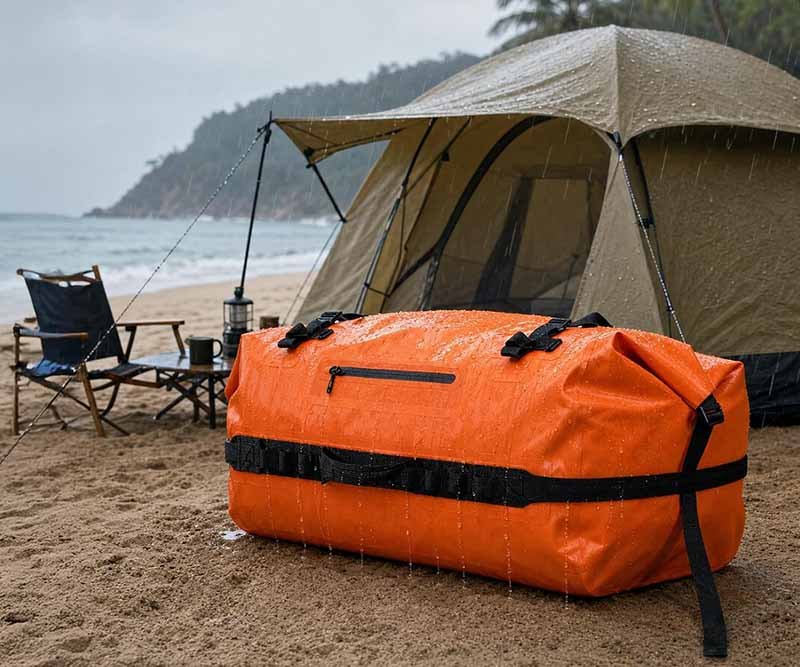
No. Some travel bags use water-resistant fabric and conventional sewing, while others use sealed or welded construction. Submersion performance depends on the complete product, especially seams, openings, zippers and attachments. A submersible claim should only be used after the finished structure passes an appropriate test.
TPU generally offers a softer hand, lower weight and more premium appearance. PVC often provides a cost-efficient water barrier and works well for heavy-duty dry bags. Material choice depends on product positioning, flexibility, temperature, weight, environmental policy, welding method, quantity and target cost.
Szoneier can develop waterproof travel bag projects involving sealed or welded construction through confirmed production resources. Feasibility depends on material compatibility, panel shape, seam design, order quantity and equipment requirements. The process is confirmed during material review and sampling rather than promised for every design.
Not all zippers described as waterproof are watertight. Reverse-coated zippers mainly improve rain resistance. Watertight zippers provide higher sealing performance but require careful installation and cost more. Zipper type should be selected according to exposure, opening frequency, operating force and the approved product claim.
MOQ starts from 200 pieces for selected projects using available materials, standard colors and manageable structures. Custom-coated fabric, custom colors, watertight zippers, special buckles, welded structures, several small color quantities or custom packaging can require a higher MOQ.
A standard sewn travel bag usually takes 5–7 working days. Complex structures, special materials, sealed construction or custom components commonly require 10–15 working days. Selected urgent projects can be completed in 3–5 working days when materials and specifications are ready.
Yes. Send a physical sample, photos, measurements, sketch or reference link. Szoneier can review construction, materials, dimensions, functions and production feasibility. Unauthorized Logos and protected branding will not be copied. Development focuses on creating a lawful product suited to your own brand.
Yes. Testing support depends on the intended claim and product structure. Options may include spray, water exposure, leakage observation, seam inspection or third-party laboratory testing. The method, quantity, duration and acceptance criteria should be confirmed before bulk production.
Yes. Packaging options include protective bags, reusable pouches, hangtags, care labels, UPC or EAN labels, FNSKU labels, carton labels and master carton marks. Szoneier can also coordinate packing lists, SKU separation and DDP delivery preparation.
Send the product type, photos or tech pack, dimensions, quantity by color, material preference, waterproof target, Logo method, packaging, destination country and required delivery date. A target price or intended sales channel also helps the team recommend a suitable construction.

Start Your Waterproof Travel Bag Project

A clear project brief helps Szoneier recommend a suitable material, structure, sample plan and production route. Send a tech pack, drawing, product photo, physical sample details or even an early concept. A complete technical package is not required for initial review. For accurate evaluation, include as much of the following information as available:
  • Product type: duffel, backpack, weekender, carry-on or dry pouch
  • Finished dimensions or target capacity
  • Intended travel environment
  • Required protection level
  • Preferred outer material
  • Closure type
  • Compartments and carrying methods
  • Logo artwork and preferred process
  • Quantity by SKU and color
  • Retail, DTC, Amazon or wholesale packaging
  • Destination country
  • Target sample date
  • Required delivery date
  • Testing or inspection requirements
  • Annual volume or repeat-order plan
waterproof travel bag (4)

Ask For A Quick Quote

We will contact you within 24 Hours, please pay attention to the email with the suffix“@szoneier.com”

For all inquiries, please feel free to reach out at:

Ask For A Quick Quote

We will contact you within 24 Hours, please pay attention to the email with the suffix“@szoneier.com”

Contact Us

Send us a message if you have any questions or request a quote. We will be back to you ASAP!

For all inquiries, please feel free to reach out at:

Contact Us

Send us a message if you have any questions or request a quote. We will be back to you ASAP!

Exclusive Offer for First-Time Customers

For first-time customers, we will send you a free color card for you to choose.Once you have confirmed the fabric and color, our factory will make a free sample proofing for you.

For customers who frequently cooperate with us, we will send new color charts free of charge several times a year.

For all inquiries, please feel free to reach out at: