Skip to content
Fishing is all about having the right gear, but even the best tackle and rods won’t perform at their best if you can’t organize and transport them properly. Whether you’re heading out for a quick fishing trip or planning a multi-day adventure, the right fishing bag can make all the difference. However, with various types available—tackle bags, sling bags, backpacks, and rod bags—how do you know which one fits your needs?
Choosing the best fishing bag involves understanding the specific needs of your fishing style, the amount of gear you plan to carry, and how much comfort and organization you need during your fishing trips. Each type of fishing bag is designed for specific purposes, from quick-access tackle bags to protective rod bags for longer trips.
Fishing bags come in different types, including tackle bags, sling bags, backpacks, and rod bags. Each serves a specific purpose, helping anglers stay organized, transport gear easily, and protect their equipment from damage.
What Are Fishing Bags & Why Do You Need Them?
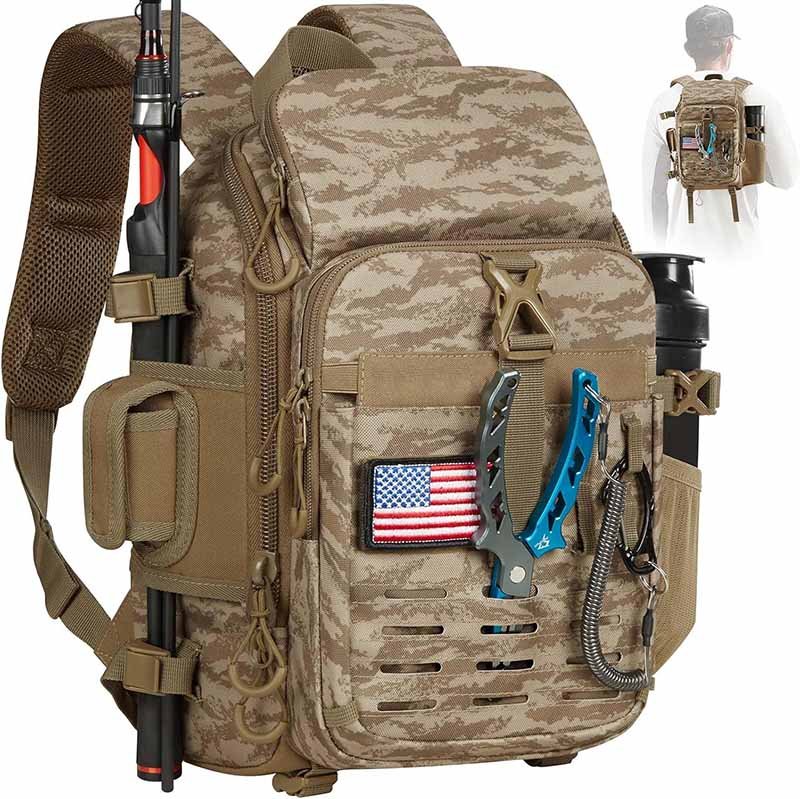
Fishing bags are designed to keep your fishing gear organized and protected. They offer easy access to your equipment and keep it safe from the elements during transport.
Fishing bags are specially designed bags meant to carry fishing gear and accessories. Whether it’s a tackle bag for small gear, a sling bag for lightweight packing, or a rod bag to protect your fishing rods, these bags are all about keeping your gear organized and secure. They provide easy access, protection from water and dirt, and the convenience of hands-free transport.
Fishing bags are essential for organizing your gear into easily accessible compartments. They also protect your tackle, rods, and accessories from exposure to the elements like rain, dirt, and sand. Without the right bag, you risk misplacing tools, having wet gear, or damaging expensive rods and baits during travel.
What Function Fishing Bags Serve
Fishing bags serve a variety of important functions:
- Organization: They provide a way to keep everything from tackle to rods and tools neatly organized and easy to find.
- Protection: Fishing bags protect your gear from weather conditions, accidental drops, and dirt.
- Portability: A good fishing bag helps you carry all your necessary gear comfortably, whether walking to the fishing spot or packing for travel.
How Fishing Bags Improve Angling Efficiency
When fishing, time spent digging through an unorganized bag can cause frustration and missed opportunities. With a well-organized fishing bag, you can quickly access the tools you need, whether it’s switching baits or cutting lines. The right bag helps reduce clutter and ensures that every piece of gear has a designated spot, keeping you prepared and focused on the task at hand.
For tackle bags, compartments and trays allow quick access to hooks, lures, and tools, so you can switch out baits or tackle in seconds, improving your efficiency and response time on the water.
Do Different Fishing Styles Require Different Bags?
Yes, the type of fishing you do will influence the bag you need. Here’s how your fishing style affects your choice:
- Fly Fishing: Requires a lightweight sling bag or vest pack for easy access to flies and small accessories.
- Boat Fishing: Calls for a tackle bag with multiple compartments to store reels, rods, and other essentials, ensuring organized access while on the water.
- Backpacking for Fishing: For long-distance travel or hiking to fishing spots, a backpack with plenty of storage and comfort features works best.
Choosing the right fishing bag ensures you have everything organized and within reach when you need it most.
Which Types of Fishing Bags Are Most Common?
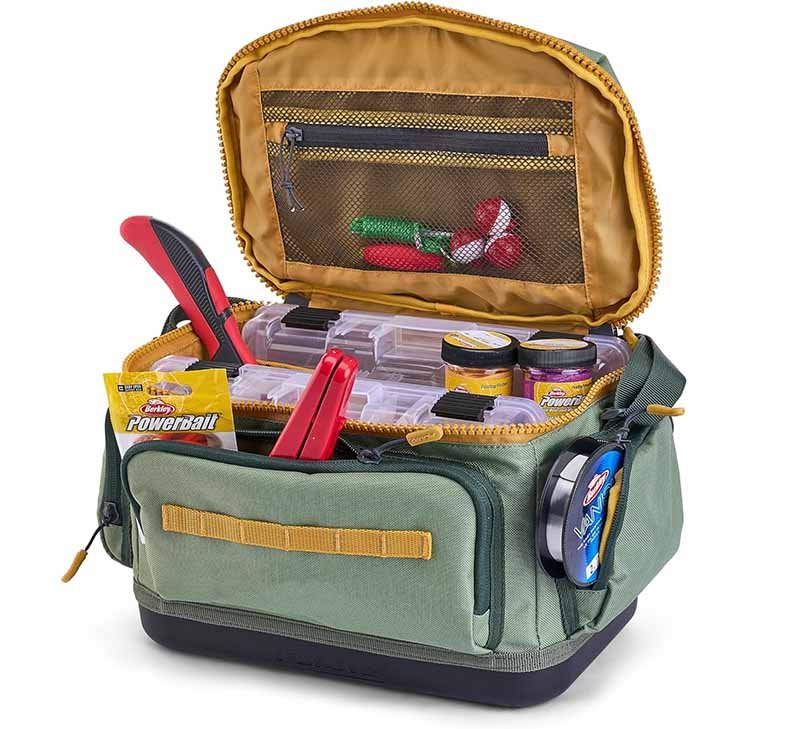
The most common types of fishing bags are tackle bags, sling bags, backpacks, and rod bags. Each type is designed for specific purposes, helping anglers stay organized, protect their gear, and carry everything needed for a successful fishing trip.
Fishing bags come in various designs to suit different types of anglers and fishing conditions. From tackle bags that help organize small equipment to rod bags that protect your rods during travel, each type offers specific features that cater to a variety of needs. Let’s take a closer look at each of these popular bag types and their benefits.
Tackle Bags: Features & Uses
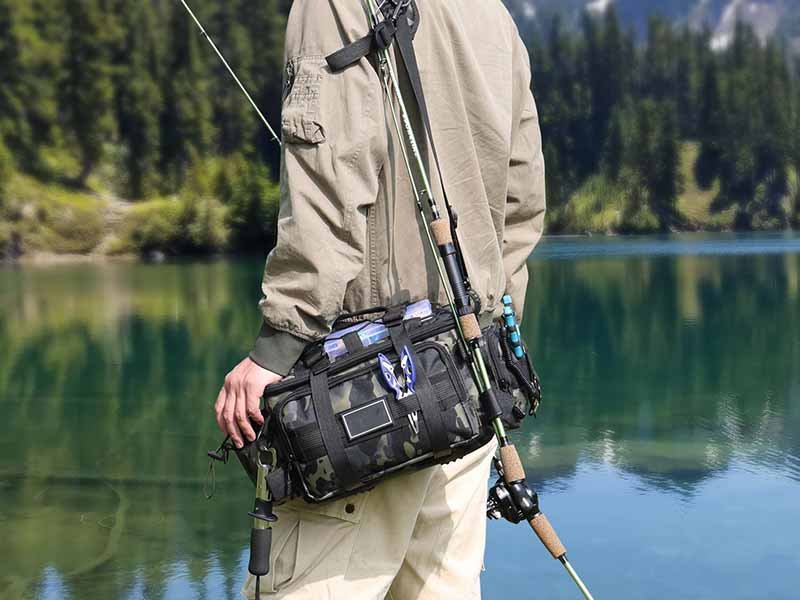
A tackle bag is a must-have for anglers who need to keep their smaller gear, such as hooks, lures, baits, and lines, neatly organized and easily accessible. Tackle bags are designed with multiple compartments and removable tackle trays, allowing for excellent organization and fast access to your fishing tools.
Key Features:
- Multiple compartments: Tackle bags come with several pockets and trays to store different types of tackle, hooks, and accessories.
- Water-resistant materials: These bags are often made from water-resistant fabrics, ensuring your gear remains dry even in wet conditions.
- Portability: Tackle bags are typically lightweight and easy to carry, either by a padded shoulder strap or convenient handles.
If you’re shore fishing, you’ll want a tackle bag that lets you organize your lures, hooks, and baits efficiently, so you can switch lures quickly depending on the conditions. A water-resistant tackle bag ensures that your tools stay dry while you focus on fishing.
Fishing Sling Bags: Flexibility on the Water
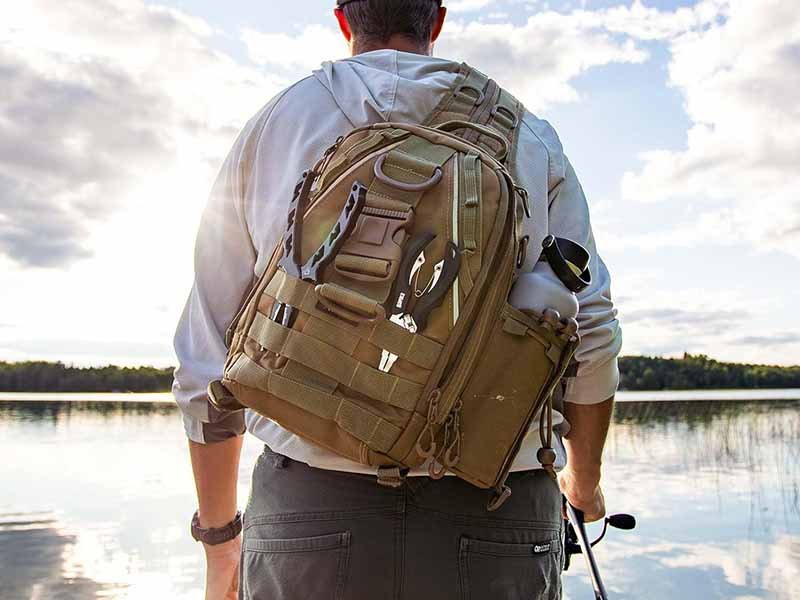
Fishing sling bags are a more compact, flexible alternative to traditional backpacks. These bags are worn over one shoulder, allowing easy access to fishing gear without needing to remove the bag. Sling bags are ideal for anglers who prefer a hands-free, lightweight solution for shorter fishing trips or stream fishing.
Key Features:
- Compact design: A sling bag is smaller and easier to maneuver, perfect for carrying only essential items for a short day out fishing.
- Quick access: Since they rest over one shoulder, these bags allow quick access to tackle, baits, and small tools while keeping your hands free.
- Comfortable: The single strap design provides comfort during long walks, and it can be easily adjusted for a better fit.
If you’re fishing in a stream or shallow waters, a sling bag gives you the ability to access tackle without removing the bag, allowing you to change hooks or baits on the go. The lightweight nature of the bag ensures it doesn’t slow you down while wading through the water.
Fishing Backpacks: Storage & Comfort
Fishing backpacks are the go-to option for anglers who need to carry larger amounts of gear for extended trips. They offer ample storage space for everything from rods and reels to personal items like snacks, extra clothes, and water bottles. Backpacks are ideal for long hikes to remote fishing spots or multi-day fishing trips.
Key Features:
- Large storage capacity: Fishing backpacks can carry a significant amount of gear, from rods and reels to extra clothing and accessories.
- Comfortable and ergonomic: With adjustable padded straps and back support, these bags provide comfort over long distances, reducing strain on your shoulders and back.
- Durability: Fishing backpacks are made from durable, water-resistant fabrics, ensuring that all your gear remains safe and dry during the trip.
When heading out for a weekend fishing trip in a remote area, a fishing backpack lets you carry both your fishing gear and camping essentials, while keeping everything organized and easily accessible. A large, ergonomic backpack is especially useful for backpacking anglers.
Rod Bags & Tube Cases: Protection for Rods
Rod bags and tube cases are designed to keep your fishing rods safe and protected during travel. These bags often feature padded interiors and reinforced ends to prevent damage to your rods from accidental drops, rough handling, or bumps during transportation.
Key Features:
- Padded protection: Rod bags are lined with foam or other protective materials to ensure the rods stay intact during travel.
- Multiple rod capacity: Some rod bags are designed to carry multiple rods at once, with enough padding to keep each rod separate and protected.
- Lightweight: Rod bags are lightweight and easy to carry, often featuring shoulder straps or handles for convenience.
If you’re traveling by plane to a fishing destination, a rod tube case is perfect for keeping your rods secure during the flight. The padded interior keeps them from bending or breaking, ensuring they arrive in perfect condition.
Other Specialized Bags (Wader Bags, Bait Bags)
In addition to the main types, there are other specialized fishing bags that cater to specific needs:
- Wader Bags: These bags are designed to carry and store waders and wet gear, keeping everything dry and organized. They are typically water-resistant and have ventilated pockets to allow moisture to escape.
- Bait Bags: These bags are designed to store live bait. They come with breathable compartments and insulated sections to ensure the bait stays fresh throughout the day.
Benefits of Specialized Bags:
- Wader bags keep your wet gear separate from your dry clothing and tackle.
- Bait bags provide a cool, ventilated space for live bait, ensuring it stays alive and healthy for fishing.
Bait bags with ventilation are 30% more effective in maintaining the freshness of live bait than traditional tackle bags.
Do Different Fishing Styles Require Different Bags?
Yes, the type of fishing you’re doing will determine which bag is most suitable for your needs. Here’s a breakdown of the different styles and the types of bags that work best:
| Fishing Style | Best Bag Type | Features | Best For |
|---|---|---|---|
| Fly Fishing | Sling Bag, Vest Pack | Lightweight, easy access to tools and flies. | Stream fishing, short trips. |
| Boat Fishing | Tackle Bag | Multiple compartments, organized storage. | Boat fishing, saltwater fishing. |
| Backpacking for Fishing | Backpack | Large storage, comfort for hiking, extra space for food/clothing. | Long trips, hiking to fishing spots. |
| Shore Fishing | Tackle Bag, Sling Bag | Quick access to gear, compact design. | Fishing from shore, light fishing trips. |
How Do You Choose the Right Fishing Bag?
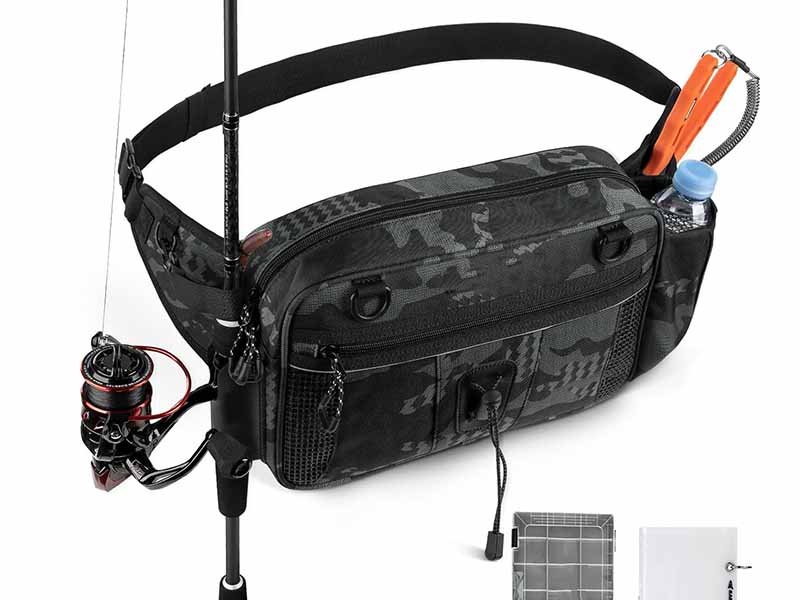
Choosing the right fishing bag is crucial for keeping your gear organized, easily accessible, and protected. Consider factors like size, features, material durability, and your fishing style when selecting a bag.
When it comes to fishing, a quality bag can make all the difference in how easily you can access your tools and how organized you stay throughout the day. Whether you’re fishing in a local river, on a boat, or embarking on a weekend adventure, picking the right bag is essential for keeping everything in place and ensuring your gear remains in top condition.
What Features to Look For (Pockets, Rod Holders, Waterproofing)
When selecting a fishing bag, the features you prioritize depend on your fishing style and personal preferences. Here are the most important features to look for:
- Multiple Compartments: Look for bags that offer dedicated pockets for hooks, lures, lines, and other accessories. Having different sections for various items helps keep your gear organized and easily accessible.
- Rod Holders: If you need to carry multiple rods, ensure the bag has external rod holders or dedicated sections to securely store rods without risking damage.
- Waterproofing: A water-resistant or waterproof bag ensures your gear stays dry, especially when you’re wading or fishing in wet conditions. Waterproof zippers, sealed seams, and TPU-coated fabrics are essential for keeping your gear protected from moisture.
A tackle bag designed with multiple compartments for hooks and a waterproof compartment for electronics allows anglers to access gear quickly while keeping sensitive items like phones or cameras safe from rain or splashes.
How Capacity & Size Affect Bag Choice
The capacity and size of your fishing bag will depend on the amount of gear you plan to carry and the type of fishing trip you’re embarking on. Consider how much gear you typically use during your fishing trips to select the best bag for your needs.
- Small Bags (Sling Bags, Tackle Bags): These are ideal for anglers who are fishing for short durations or need to carry only a few essentials. These bags are compact and provide easy access to smaller items.
- Medium Bags (Backpacks): If you need to carry more gear, such as extra clothing, water bottles, and tackle for longer trips, choose a backpackstyle bag. They offer more space and comfortable straps for longer journeys.
- Large Bags (Duffel Bags, Multi-Rod Bags): For anglers planning a multi-day trip or fishing in remote locations, a larger bag with more compartments and heavy-duty straps can carry a greater amount of gear. These bags can carry everything from tackle to rods, reels, and even camping supplies.
Backpacks and large tackle bags with ample storage are 50% more popular among anglers who embark on weekend trips, as they provide a good balance between space and comfort.
Is Material Important (Durability, Water Resistance)
The material of the fishing bag plays a huge role in its durability and ability to resist wear and tear. The right fabric ensures your bag performs well and withstands harsh environments like saltwater, mud, or rough handling. Here’s what to look for:
- Ballistic Nylon: Known for its exceptional durability, abrasion resistance, and water resistance, ballistic nylon is one of the best materials for fishing bags. It’s especially effective in rough conditions, such as on boats or during saltwater fishing.
- Cordura Fabric: A high-quality nylon material, Cordura is durable and abrasion-resistant, making it perfect for long-term use in fishing bags. It’s also water-resistant, though not fully waterproof.
- PVC-Coated Fabrics: For fishing bags that require total waterproofing, PVC-coated fabrics are ideal. They provide a barrier to water, keeping everything inside dry, making them excellent for wet environments.
- Neoprene: Known for its flexibility and waterproof qualities, neoprene is used in wet gear bags, especially when storing things like waders or wet clothing. It also offers some insulation, making it great for storing cold or live bait.
Table: Comparison of Materials for Fishing Bags
| Material | Durability | Water Resistance | Abrasion Resistance | Best For |
|---|---|---|---|---|
| Ballistic Nylon | Very High | High | Very High | Tackle bags, backpacks, rod bags |
| Cordura Fabric | High | Moderate | High | Backpacks, tackle bags |
| PVC | Moderate | Very High | Moderate | Waterproof bags, rod protection |
| Neoprene | Moderate | High | Moderate | Wet gear storage, bait bags |
How to Choose Between Backpack or Sling Bag?
When deciding between a backpack-style or a sling bag, it’s important to consider how you fish and what your bag needs to carry:
- Backpack-Style Fishing Bags: Ideal for anglers who need more storage space and plan on carrying extra gear like clothing or personal items. These bags are perfect for longer fishing trips and provide better comfort for carrying heavy gear over long distances.
- Sling Bags: Best for those who want a compact, lightweight option for shorter trips. These are perfect for quick fishing where you only need essentials like tackle, baits, and tools.
If you’re traveling by plane for a weekend fishing trip, a backpack-style bag offers ample storage for rods, reels, and extra gear, while a sling bag is perfect for local fishing excursions where you only need a few items.
Is Size & Capacity the Most Important Factor?
When selecting your fishing bag, capacity is important but shouldn’t be the only factor in your decision. You also need to consider the weight of the bag when fully loaded, as it can affect comfort during transport.
- Sling bags are best suited for anglers carrying minimal gear and require a compact solution.
- Larger bags, such as backpacks and rod bags, offer much more room and are better for extended trips.
Always choose a bag that fits your typical fishing load and provides comfortable carrying without overburdening your shoulders or back.
Which Materials Are Best for Fishing Bags?
The material you choose for a fishing bag is critical for durability, water resistance, and overall performance. High-quality fabrics like Cordura nylon, ballistic nylon, and PVC provide the durability and protection needed for various fishing conditions.
The materials used in fishing bags play a key role in the bag’s resistance to wear, waterproofing, and overall durability. Whether you’re fishing in saltwater, freshwater, or in challenging weather conditions, selecting the right fabric ensures that your bag will last for years without succumbing to wear and tear. Below, we’ll explore the best materials for creating reliable fishing bags.
Which Fabrics Resist Water & Abrasion?
Fishing bags are exposed to water, dirt, and frequent handling, which means choosing a material that is water-resistant, abrasion-resistant, and long-lasting is essential.
- Cordura Nylon: Known for its strength and abrasion resistance, Cordura is a durable fabric ideal for fishing bags. It’s designed to withstand rough handling and exposure to the elements, making it a great choice for outdoor use.
- Ballistic Nylon: This fabric is one of the toughest available and is highly resistant to abrasions. It’s perfect for high-usage bags like tackle bags, which undergo constant friction and rubbing.
- PVC (Polyvinyl Chloride): PVC-coated fabrics are excellent for waterproofing, as they provide complete water resistance. They are commonly used in fishing bags that are designed for use in wet conditions, such as rod bags or sling bags that need to keep gear dry.
- Neoprene: Known for its flexibility and waterproof properties, neoprene is used in bags designed to carry wet gear or those that may be submerged in water for short periods. It’s great for wet suits or storing catch during fishing.
Table: Comparison of Materials for Fishing Bags
| Material | Durability | Water Resistance | Abrasion Resistance | Best For |
|---|---|---|---|---|
| Cordura Nylon | Very High | High | Very High | Tackle bags, backpacks |
| Ballistic Nylon | Very High | Moderate | Very High | Heavy-duty bags, rod bags |
| PVC | High | Very High | Moderate | Waterproof bags, rod protection |
| Neoprene | Moderate | High | Moderate | Wet gear storage, waterproofing |
How Reinforcements Improve Durability
Adding reinforcements to certain areas of the bag enhances its durability and helps prevent sagging, especially when carrying heavy gear. Key areas of reinforcement include:
- Base Panels: Reinforced bottom panels provide structural support, keeping the bag upright and preventing it from collapsing under heavy items. Common materials for base panels include rigid plastic or thick foam.
- Seam Reinforcements: Double stitching or welding seams ensures that the bag can withstand weight stress and frequent use. Reinforced seams prevent sagging and tearing in high-stress areas, such as the sides or handle attachments.
- Compression Straps: These straps are not only useful for securing contents but also help maintain the shape of the bag by tightening and preventing the contents from shifting.
How to Maintain & Care for Fishing Bags?
Proper maintenance ensures that your fishing bag lasts longer and continues to perform well. Cleaning, drying, and storage practices all contribute to the durability of your fishing bag.
To extend the life of your fishing bag, it’s essential to clean, dry, and store it properly after each use. This prevents wear and tear, keeps your gear organized, and ensures the bag’s structure is maintained. Here are some best practices for caring for your fishing bag.
How to Clean & Dry Your Fishing Bag
Cleaning your fishing bag regularly prevents dirt, salt, and grime from damaging the fabric. Here’s a step-by-step guide for cleaning:
- Empty the bag: Remove all tackle, baits, rods, or any other items inside the bag.
- Spot clean: Use a mild detergent mixed with water to wipe down the interior and exterior. Pay close attention to zipper areas, pockets, and any hard-to-reach spots where dirt may accumulate.
- Hand wash or machine wash: Check the care instructions before machine washing. For delicate bags, it’s best to hand wash with a gentle scrub brush to avoid damaging the fabric or structure.
- Rinse thoroughly: Ensure all soap is removed to avoid any residue that could break down the material over time.
- Dry properly: After cleaning, air dry the bag by hanging it up or placing it in a well-ventilated area. Never use high heat or direct sunlight, as this can weaken the fabric or cause discoloration.
Regular cleaning can extend the lifespan of your fishing bag by up to 50%, especially if the bag is used frequently in wet or harsh conditions.
What Storage Best Preserves Shape
To prevent sagging, it’s essential to store your fishing bag properly when it’s not in use:
- Empty the bag: Always make sure the bag is emptied of gear, as packed bags left for extended periods can cause strain on the material and seams.
- Store in a cool, dry place: Avoid storing your bag in humid or damp areas, which can lead to mold or mildew.
- Stuff the bag: When storing your bag, especially a larger duffle or backpack, stuff it with soft materials (like clothing or tissue paper) to maintain its shape. This is especially important for soft-sided duffle bags.
- Hang it up: Whenever possible, store the bag hanging to avoid any pressure from stacking or leaning.
For large tackle bags, stuffing the bag with foam padding or towels can help it maintain its form when not in use, preventing sagging or distortion.
Do Regular Inspections Prevent Bag Failure
Regular inspections of your fishing bag can help identify weak spots before they become a serious issue. Look for:
- Wear and tear on zippers: Ensure zippers still function smoothly and don’t have any loose threads.
- Fabric deterioration: Check the fabric for signs of abrasion, tears, or holes.
- Strap and handle strength: Make sure the handles and straps are reinforced and can handle heavy loads.
Performing these checks after every major trip will keep your bag in top shape and prevent sudden failures.
Conclusion: Customize Your Fishing Bags with Szoneier
At Szoneier, we specialize in designing and manufacturing high-performance fishing bags tailored to your specific needs. With over 18 years of experience in custom bag manufacturing, we understand the importance of a durable, sag-resistant fishing bag. We offer customization options including size, compartments, materials, and branding, ensuring your fishing bag is built to last.
Whether you’re looking for a tackle bag, sling bag, rod bag, or backpack, we provide 100% quality assurance, low MOQ customization, and quick sampling to help you get the exact product you need.
Why Choose Szoneier for Your Custom Fishing Bags?
- Durable Materials: We use Cordura nylon, ballistic nylon, and PVC to ensure your bags are built to last.
- Custom Designs: Tailor your fishing bags with custom compartments, features, and logos.
- Performance-Driven: Our bags are designed to resist sagging, provide easy access, and protect your gear in the toughest environments.
- Competitive Pricing: We offer low MOQ customization to meet your needs without compromising quality.
- Fast Turnaround: Get your custom fishing bags quickly with rapid sampling and production.
Contact Szoneier today for a quote or to begin your custom fishing bag project. We’ll help you design the perfect bag that ensures organizing gear and enhancing performance on every trip.