Skip to content
Travel Makeup Bag Manufacturer | Custom OEM Bag Factory
- Selected projects start from 200 pcs
- Custom materials, compartments, lining, colors, logo, hardware, and packaging
- Typical travel makeup bag samples require 10–15 days
- Bulk production is commonly planned within 35–50 days
- FBA preparation, retail packing, DDP delivery, and repeat-order support
Manufacturing Capacity Behind Every Travel Makeup Bag Program
18+ Years Experience
20,000+ sqm System
MOQ From 200pcs
In-House Sampling
Controlled Production
Global Delivery Support
Travel Makeup Bag Manufacturing for Growing Product Programs
Beauty Brands
- Collection-consistent materials and colors
- Gift-with-purchase and retail programs
- Premium logo and packaging options
- Multi-SKU development and repeat production
Travel Brands
- Lightweight travel construction
- Organized internal storage
- Coordinated travel collections
- Foldable or structured options
Retail Programs
- Private-label product development
- Retail packaging and barcode support
- Third-party inspection coordination
- Carton and warehouse preparation
Amazon Sellers
- FBA-ready individual packing
- FNSKU and carton label support
- Package-volume evaluation
- Repeat replenishment planning
DTC Brands
- Photo-ready product samples
- Color-series development
- Branded unboxing experience
- Launch and replenishment support
Gift Programs
- Fixed-date production planning
- Budget-controlled material options
- Logo and gift packaging
- Bulk packing or individual presentation
Control Common Travel Makeup Bag Sourcing Risks Early
Sample Shape Changes
- Approved pattern retained
- Key dimensions added to QC records
- Pre-production sample required
- Packing method checked for deformation
Compartments Do Not Fit
- Bottle diameter and height reviewed
- Brush slot width verified
- Elastic recovery checked
- Loaded-use sample evaluation
Zippers Jam at Corners
- Zipper size matched to structure
- Corner radius reviewed
- Puller movement checked repeatedly
- Bulk operators follow approved construction
Lining Becomes Dirty
- Wipe-clean lining options
- Controlled marking methods
- In-process cleanliness checks
- Final interior inspection
Logo Looks Inconsistent
- Approved artwork file
- Logo position template
- Color and finish reference
- Production-stage logo inspection
Packaging Arrives Wrong
- Approved packing sample
- SKU separation instructions
- Carton mark verification
- Final packing-list check
Purpose-Built Engineering for Travel Makeup Bags
A travel makeup bag carries products with different shapes, surface finishes, weights, and leakage risks. Foundation bottles need upright space. Brushes need protected storage. Small items need visible pockets. Palettes need a stable base. Liquids require an interior surface that can be cleaned without damaging the bag.
Szoneier begins development by reviewing what the bag must hold, how it will open, how it will be packed, and where it will be sold. Product volume alone does not define a suitable structure. A wide-opening bag may provide excellent access but places more stress on the zipper corners. A highly divided interior improves organization but can reduce usable capacity. Heavy padding protects contents but increases shipping volume and may make the bag difficult to turn during sewing.
Engineering Factors Reviewed Before Sampling
- Overall dimensions: Common travel formats may range from compact 20 × 12 × 10 cm pouches to structured 30 × 22 × 18 cm organizers.
- Opening method: Top zipper, clamshell, lay-flat, double-layer, U-shaped, front-opening, or hanging construction.
- Product load: Bottles, palettes, brushes, tubes, jars, electrical beauty tools, and jewelry.
- Internal visibility: Mesh, clear TPU, contrasting lining, removable pouches, and labeled zones.
- Shape control: Binding, foam, PE board, piping, reinforced panels, or structured PU.
- Cleaning method: Wipe-clean lining, removable inserts, dark lining, coated surfaces, or washable fabric.
- Transport behavior: Foldable packing, shape retention, compression, carton utilization, and deformation risk.
- Retail presentation: Photography, display packing, hangtags, inserts, gift boxes, and branded opening experience.
The strongest structure is not automatically the most complex structure. Szoneier helps remove compartments that add sewing time without improving use, while retaining details that affect organization, appearance, durability, and product reviews.
Custom Travel Makeup Bag Styles for Multiple Markets
Soft Makeup Pouch
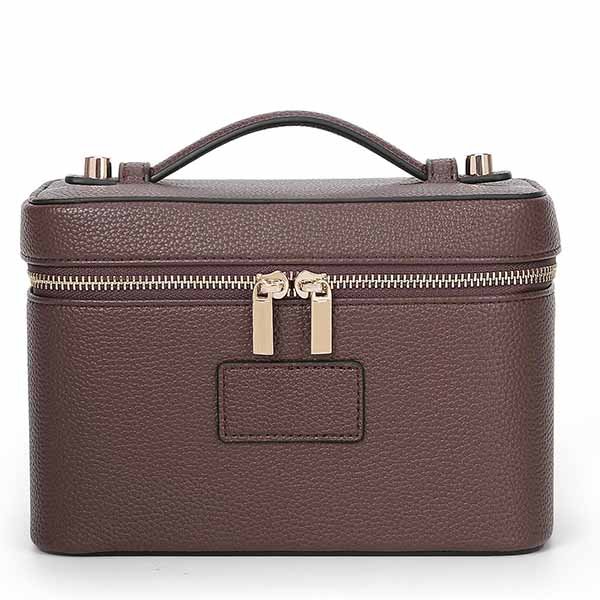
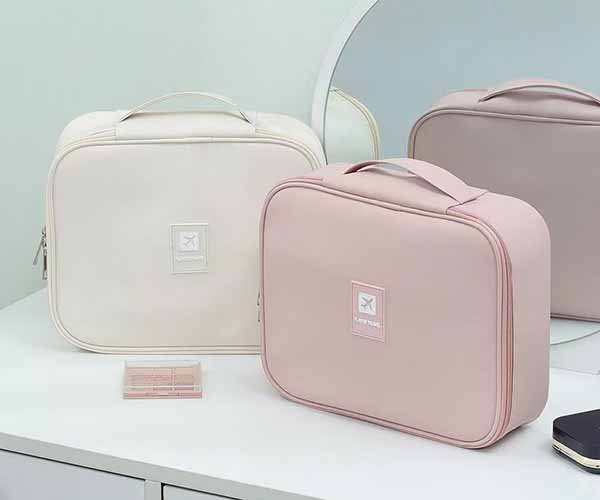
Structured Makeup Case
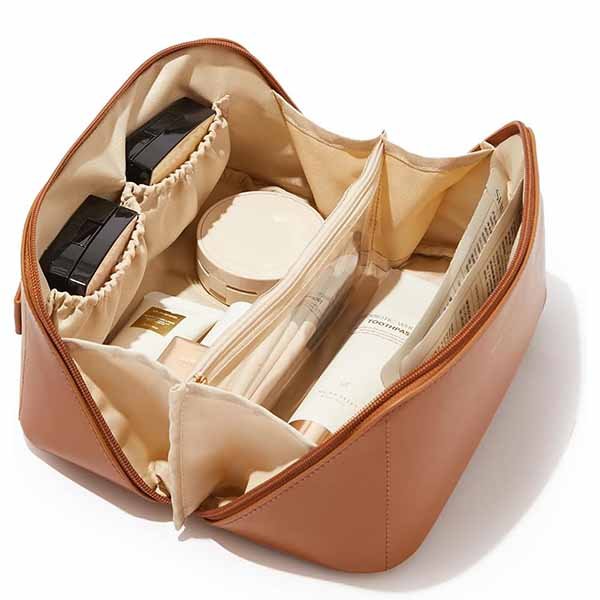
Open-Flat Makeup Bag
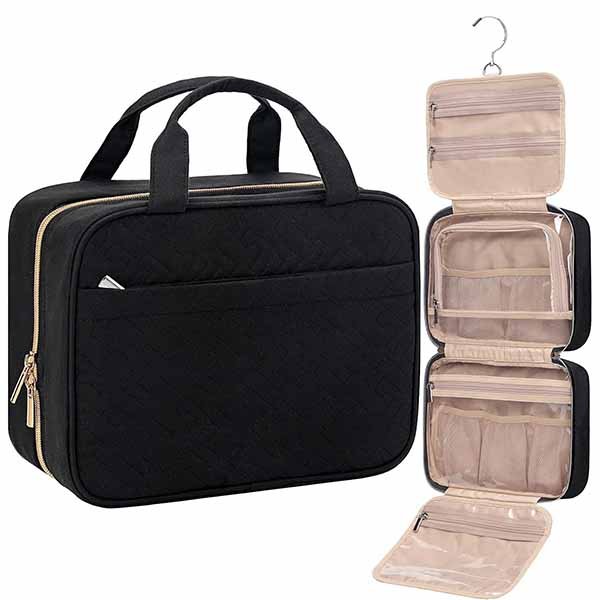
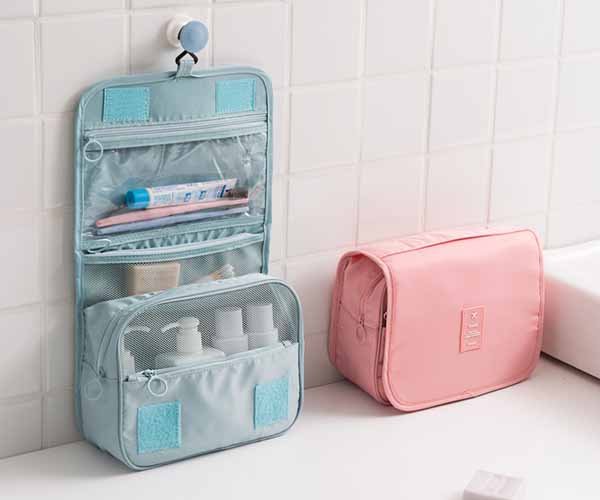
Hanging Makeup Bag
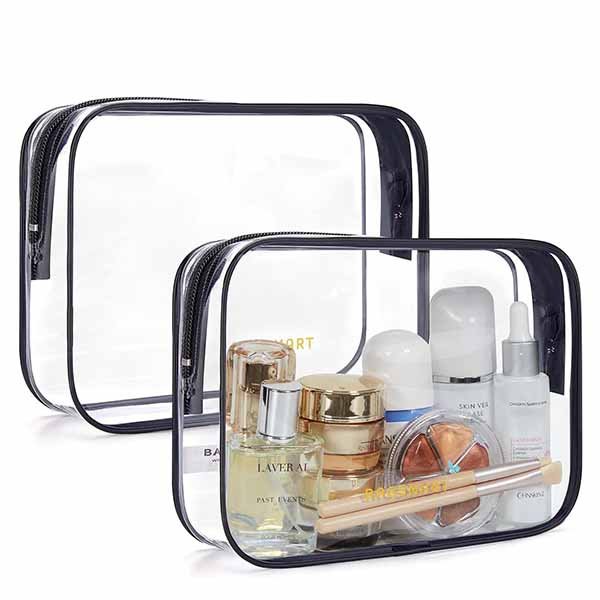
Clear TPU Travel Bag
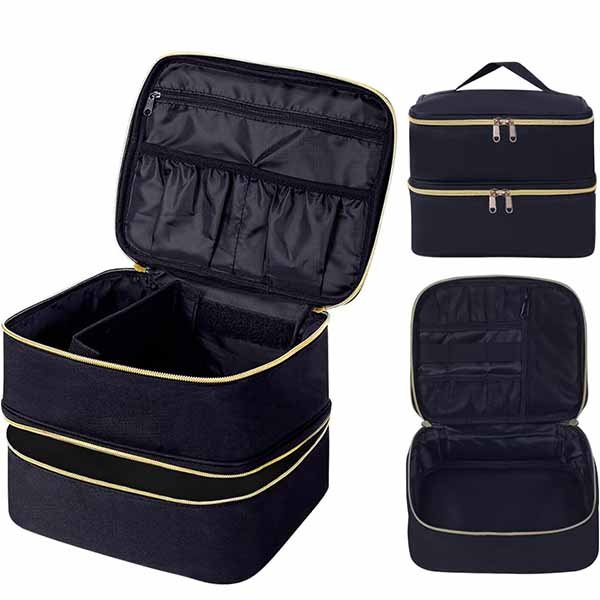
Multi-Layer Organizer
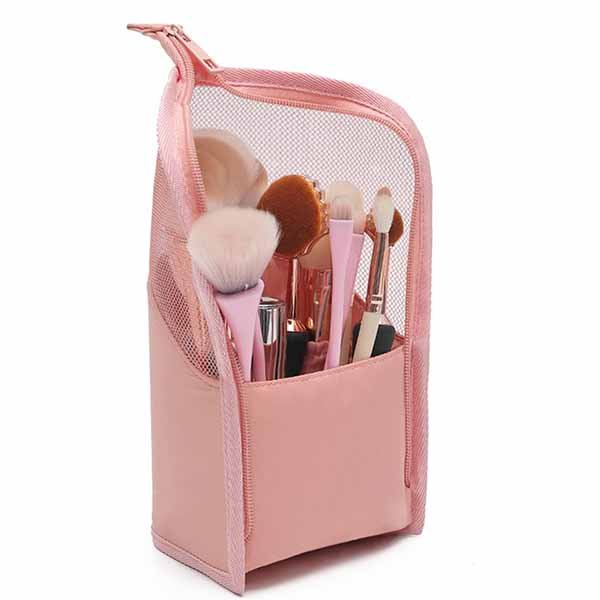
Brush Organizer Bag
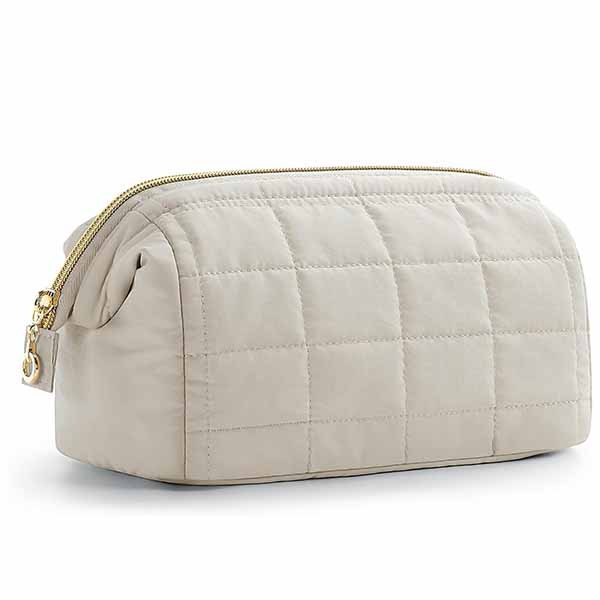
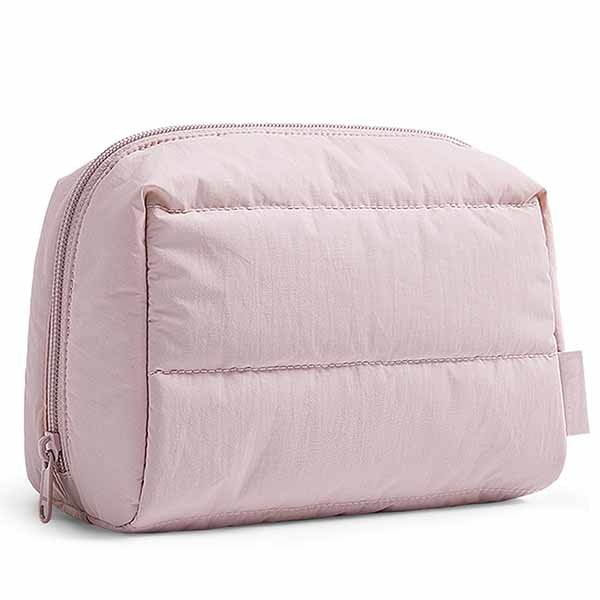
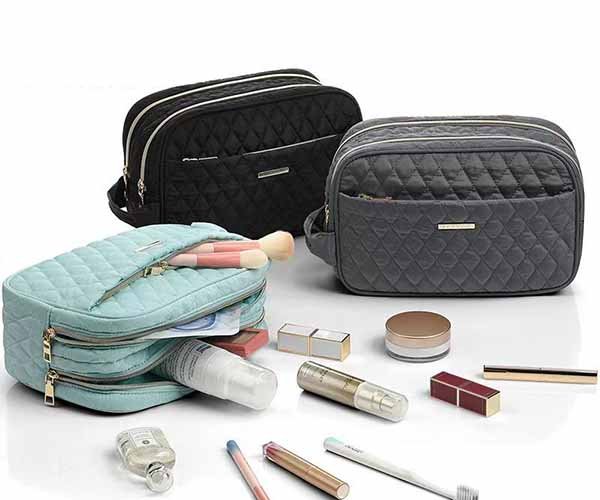
Quilted Makeup Bag
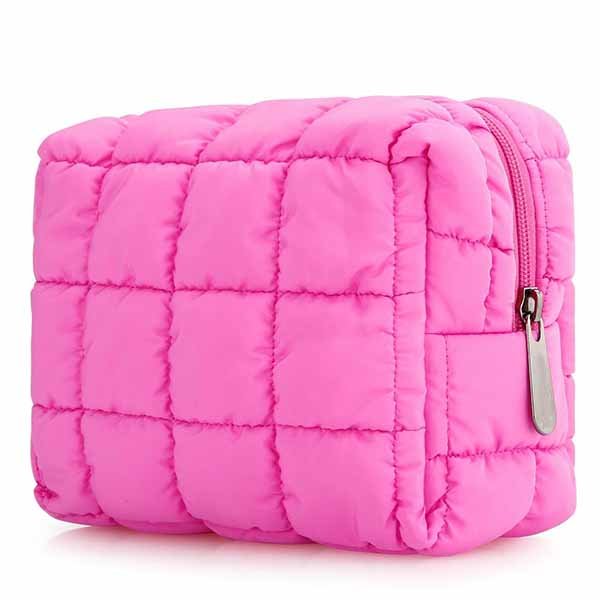
Puffy Cosmetic Bag
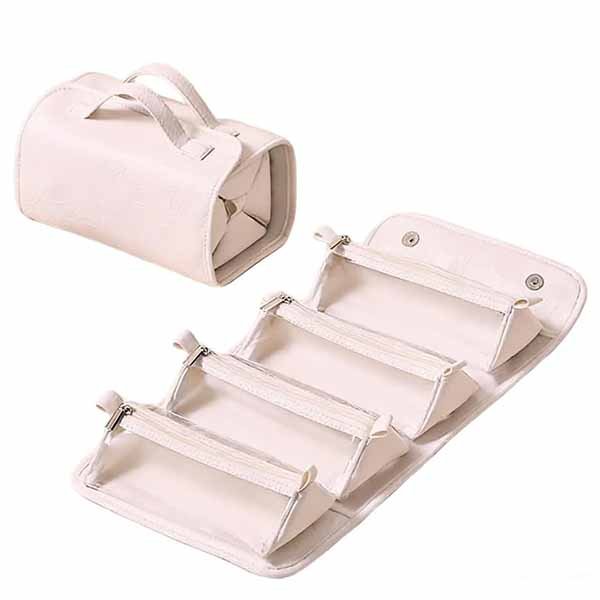
Detachable Pouch Set
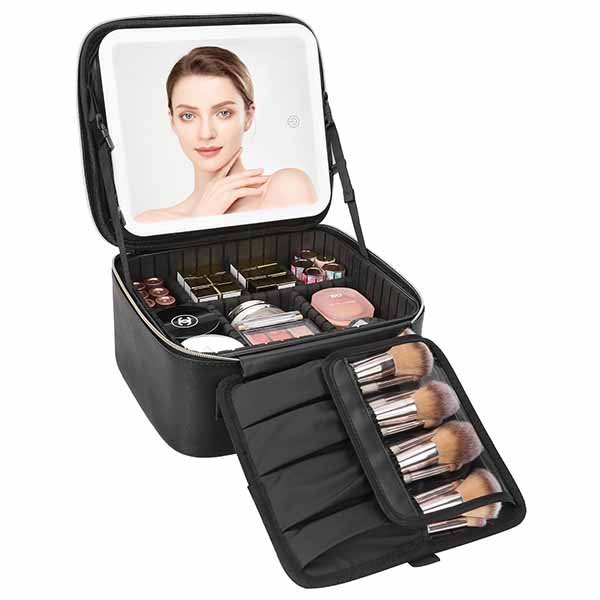
Vanity Travel Case
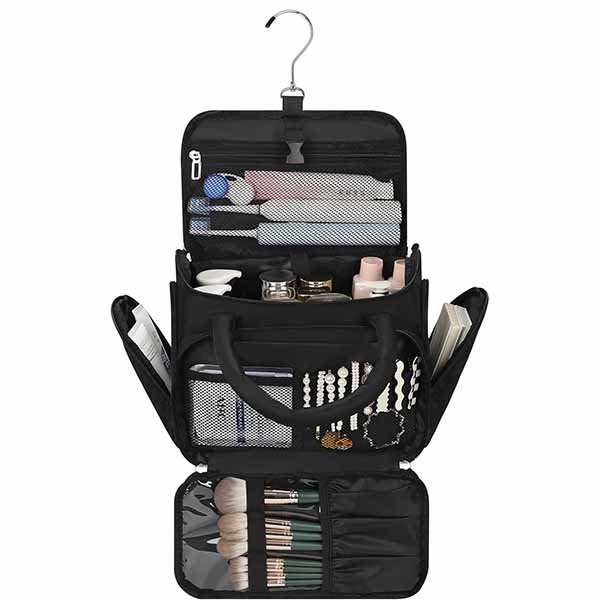
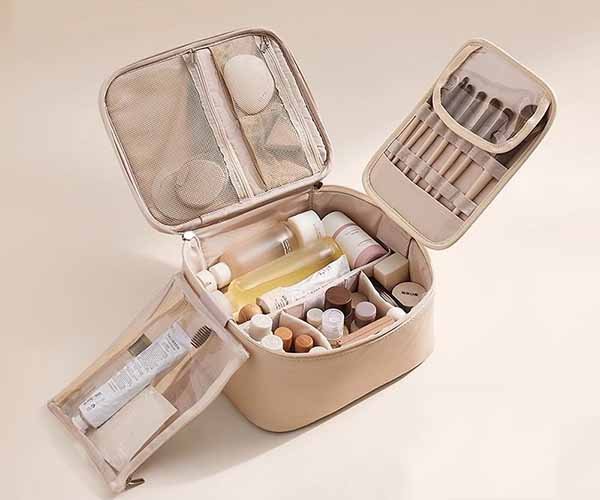
Toiletry Makeup Combo
A combined format stores cosmetics, skincare, grooming products, or travel liquids in coordinated zones. Separate wet and dry sections, waterproof pockets, bottle straps, hanging hooks, and removable pouches can be integrated according to product requirements and target packing volume.
Select the Right Development Level for Your Market
Premium Brand Program
- Refined hand feel and surface control
- Custom color and hardware coordination
- Gift box, dust bag, or retail presentation
- Detailed sample approval and appearance inspection
- Suitable for established beauty and travel collections
Balanced Retail Program
- Controlled cost without a basic promotional appearance
- Suitable for retail, DTC, travel, and established online channels
- Flexible compartment and color development
- Repeat-order friendly materials and accessories
- Strong balance between landed cost and perceived value
Cost-Controlled Program
Promotional and test-order programs can use available fabrics, established patterns, standard zipper colors, simple labels, screen printing, and compact packing. Product value comes from keeping the most useful storage features while removing unnecessary sewing operations.
- Suitable for GWP, events, launches, and trial orders
- Faster sourcing from available materials
- Lower accessory and packaging complexity
- Clear upgrade path for future repeat orders
- MOQ assessment from 200 pcs on selected designs
Build a Coordinated Travel Beauty Collection
A single travel makeup bag can become the foundation for a broader product line. Shared materials, lining colors, zipper finishes, labels, packaging dimensions, and visual details allow multiple products to feel connected while reducing repeated development work.
Szoneier can develop coordinated collections around a central travel makeup organizer:
- Compact cosmetic pouch
- Hanging toiletry bag
- Clear liquid pouch
- Makeup brush case
- Skincare bottle organizer
- Jewelry travel pouch
- Packing cube
- Passport pouch
- Cable and beauty-device case
- Weekender accessory set
How Collection Planning Reduces Development Waste
A common material library allows several SKUs to use the same approved fabric, PU grain, lining, webbing, zipper tape, electroplating color, and logo method. Shared components may improve color consistency and reduce the number of accessory minimums across the collection.
A common packaging system can use coordinated artwork, shared label formats, related carton dimensions, and grouped product inserts. Retail and DTC teams gain a more consistent visual presentation, while procurement teams gain clearer production files and repeat-order records.
Multi-SKU Planning Before Sampling
Szoneier reviews which dimensions, materials, and components should remain common across the collection and which features must differ. A large hanging bag may need stronger webbing and a wider zipper, while a small brush pouch can retain the same outer fabric and branding.
Collection development works best when SKU hierarchy is decided early:
- Hero product with the strongest functionality
- Mid-size everyday organizer
- Compact add-on pouch
- Clear or mesh travel accessory
- Giftable set or bundled packaging
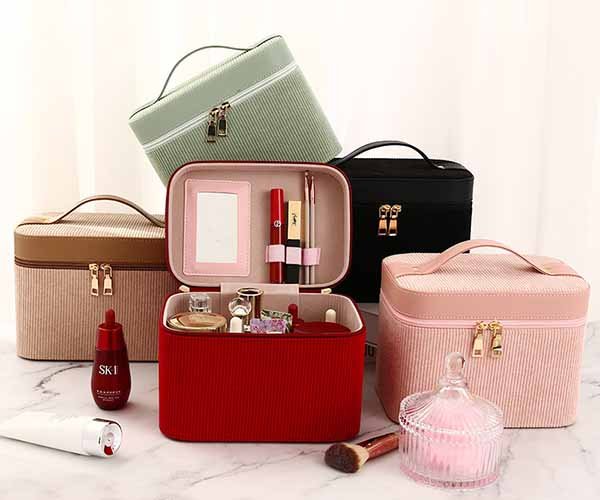
Outer Materials Selected for Feel, Structure, and Cost
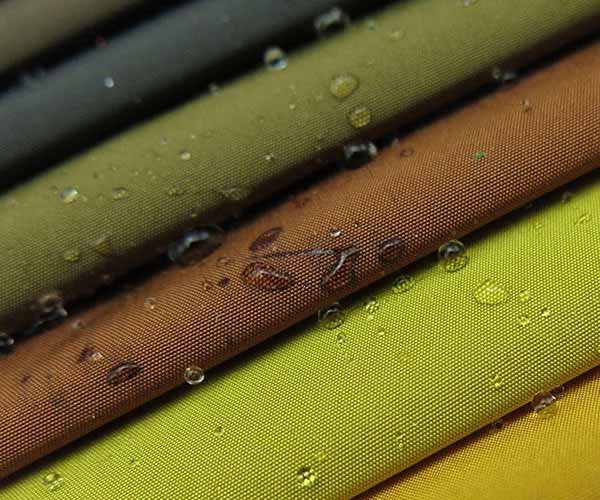
Polyester Fabric
- Available in lightweight or structured constructions
- Can receive coatings, printing, quilting, or lamination
- Good option for repeat-order color control
- Surface abrasion and coating quality should match the intended price level
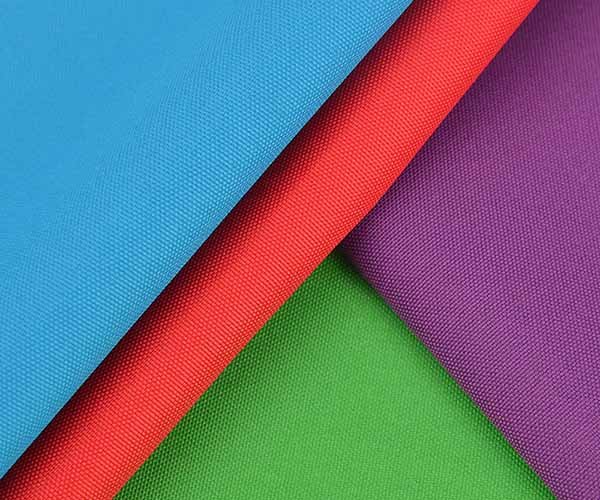
Nylon Fabric
- Lightweight relative to strength
- Smooth surface for modern travel styling
- Suitable for water-resistant finishing
- Requires review of denier, weave density, coating, and color consistency
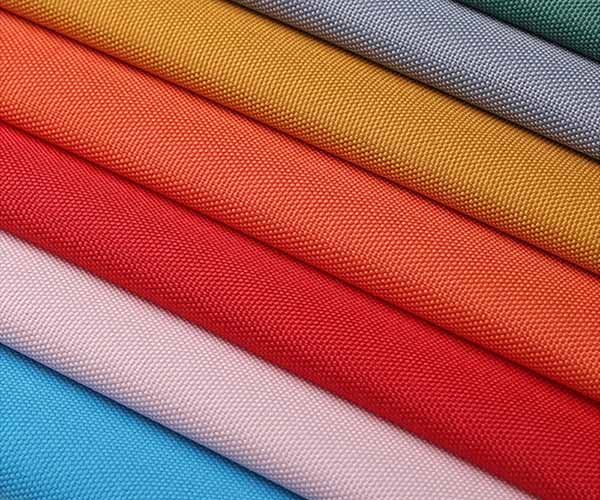
Oxford Fabric
- Good shape and abrasion performance
- Broad weight and coating options
- Suitable for printed or woven branding
- Heavier grades may increase packed weight and sewing bulk
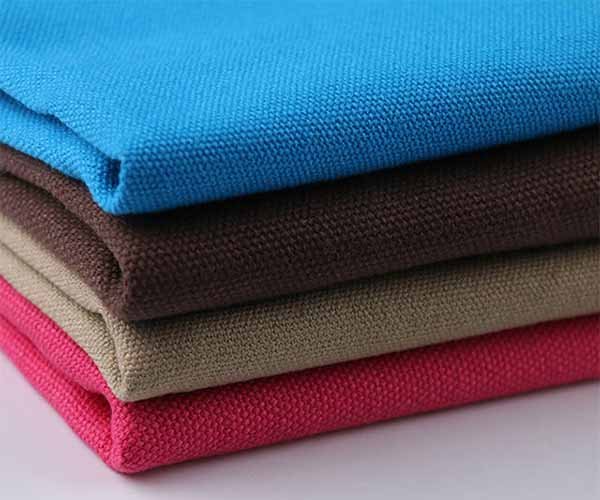
Canvas Fabric
- Suitable for natural beauty and lifestyle brands
- Strong visual texture
- Available in different weights
- Light colors require careful cleanliness control
- Water resistance depends on finishing and construction
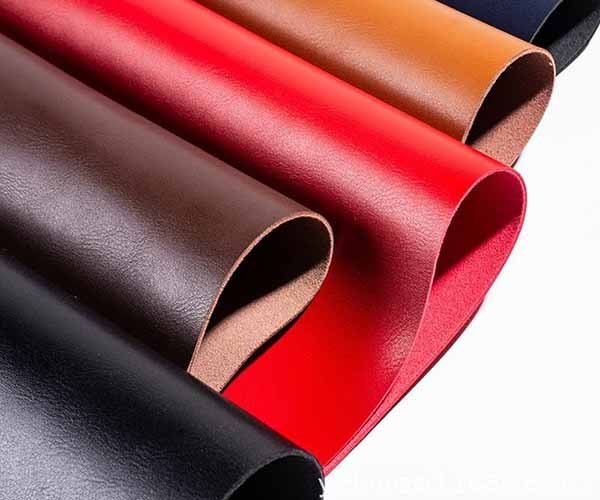
PU Leather
- Grain, thickness, backing, and flexibility affect durability
- Low-grade PU can peel, crack, smell, or scratch
- Surface may resist light splashes, while seams remain unsealed
- Material batch approval is important for repeat production
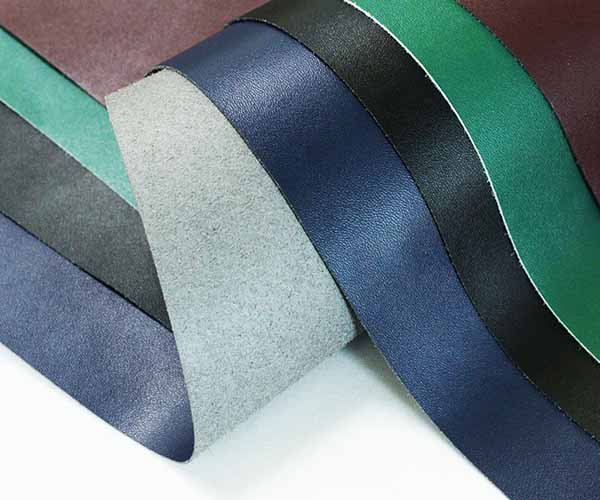
Microfiber Leather
- Smooth or textured finishes
- Suitable for structured cases and luxury pouches
- Good option for embossing and refined edge work
- Higher material cost requires careful use on high-visibility panels
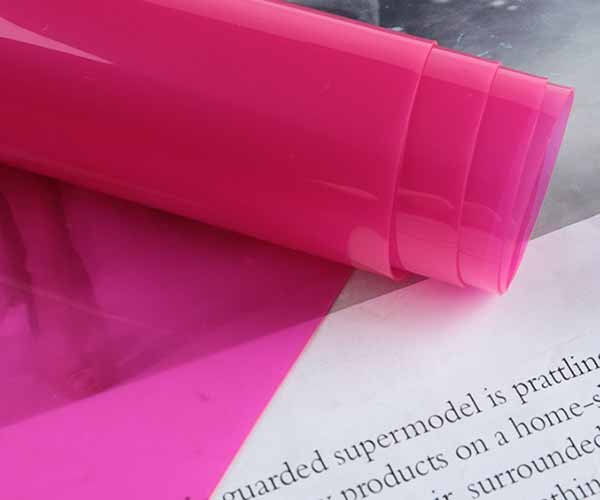
Clear PVC
- Economical transparent option
- Thickness affects stiffness and sewing behavior
- Odor, surface marks, cold cracking, and yellowing require evaluation
- Protective film and packing method influence final appearance
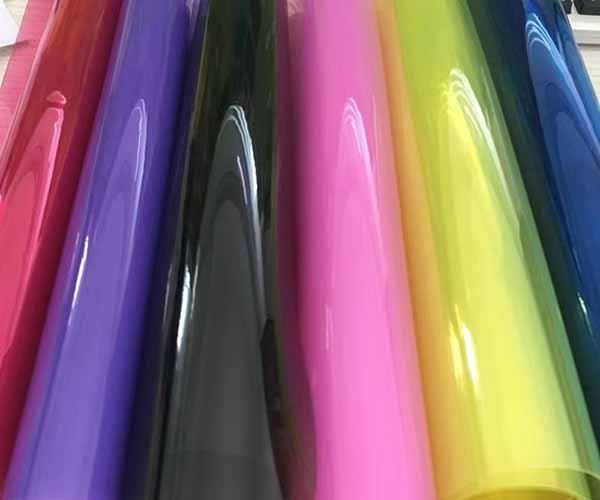
Clear TPU
- Flexible and refined surface appearance
- Material grade affects odor, transparency, and yellowing
- Sewing and edge finishing require suitable construction
- Protective handling reduces scratching during production and transport
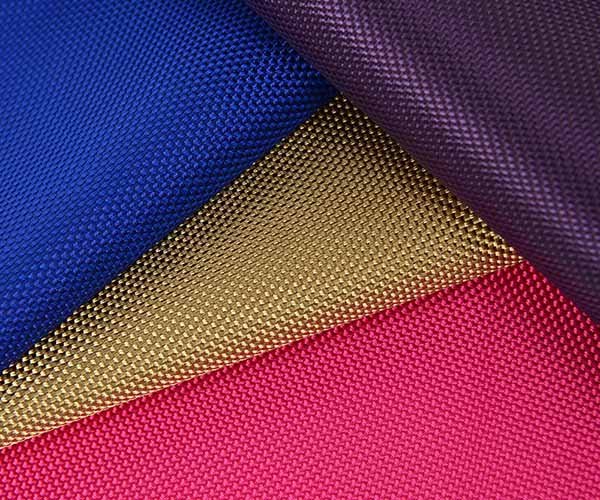
RPET Fabric
RPET can support recycled-material programs when the selected material and documentation meet the brand requirement. The fabric can be woven into polyester-like surfaces with varied weights and finishes.
- Suitable for travel, beauty, retail, and gift collections
- Material certification must match the actual supply chain
- Color, texture, coating, and availability need confirmation
- Special colors may raise minimum quantities
Interior Linings Designed for Clean and Organized Travel
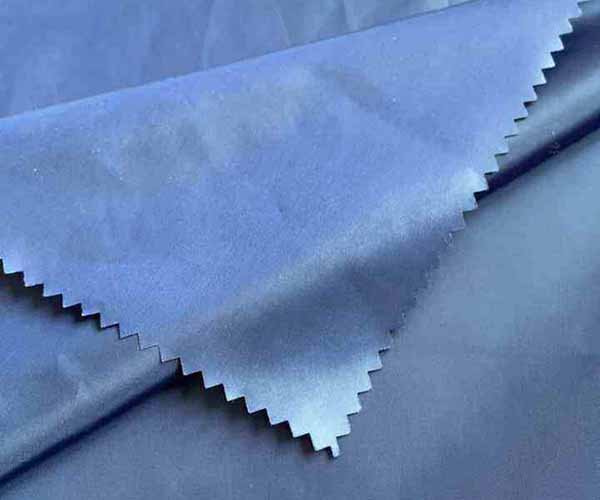
Polyester Lining
- Available in light or dark shades
- Can include printed brand patterns
- Easy to sew into pockets and dividers
- Surface coating can improve wipeability
- Light colors require stronger cleanliness control during production

Nylon Lining
- Good strength at lower weight
- Smooth access around bottles and brushes
- Suitable for zip pockets and gussets
- Coating selection affects cleaning and water resistance
- Gloss level should match the outer material
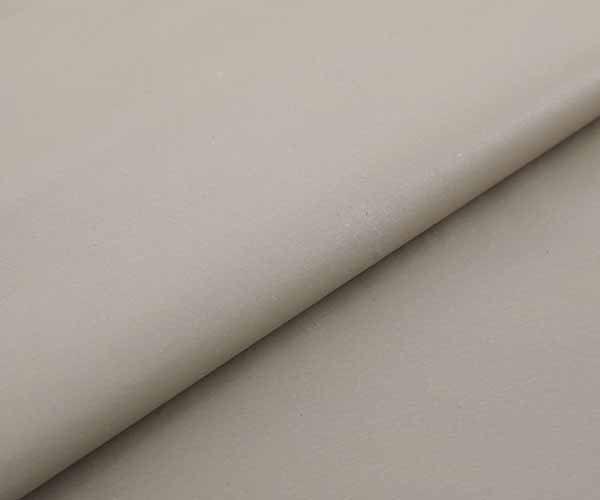
Wipe-Clean PU Lining
- Suitable for beauty and skincare storage
- Supports premium interior presentation
- Seams and zipper openings are not fully waterproof
- Folding and cold resistance depend on coating quality
- Sample testing should include repeated opening and cleaning

PEVA Lining
- Smooth cleaning surface
- Suitable for wet and dry separation
- Thickness influences softness and noise
- Needle holes remain potential leakage points
- Edge finishing should prevent tearing around stressed areas
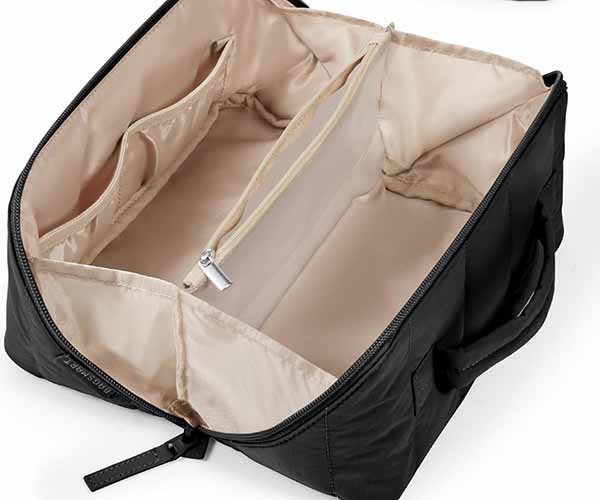
Transparent TPU Pocket
- Easy item identification
- Premium alternative to basic clear film
- Thickness affects opening and folding
- Surface protection is needed during production
- Pocket size should be tested with actual intended items
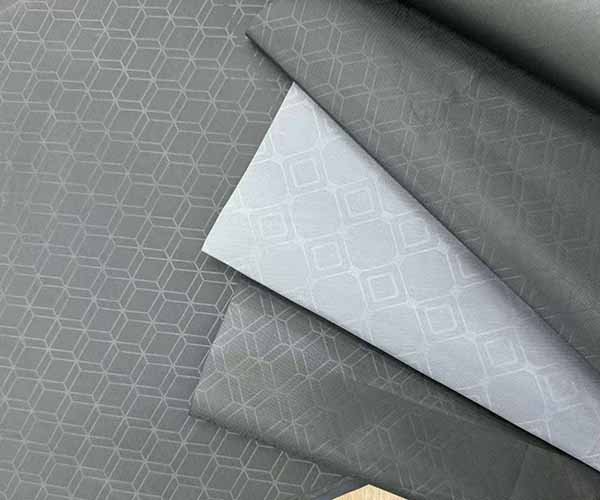
Printed Brand Lining
A repeated logo, pattern, color story, or graphic can transform the interior into a recognizable brand element. Printing requires artwork control, repeat alignment, color approval, and attention to cutting direction.
- Suitable for premium DTC and retail collections
- Strengthens opening experience
- Can coordinate with packaging artwork
- Print direction and pattern matching affect material consumption
- Ink performance should suit the selected lining
Lorem ipsum dolor sit amet, consectetur adipiscing elit. Ut elit tellus, luctus nec ullamcorper mattis, pulvinar dapibus leo.
Internal Structures Built Around Real Beauty Products
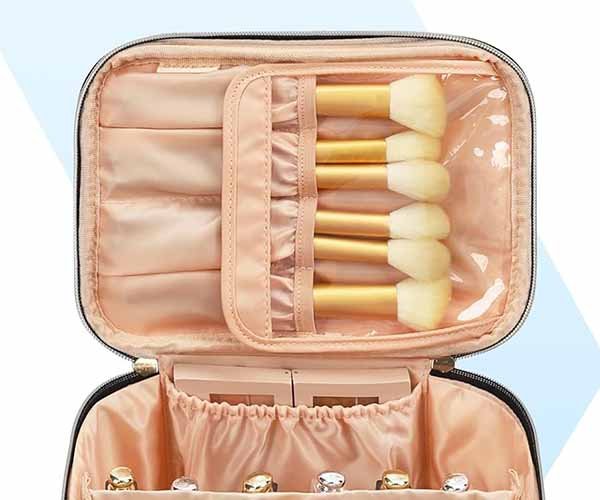
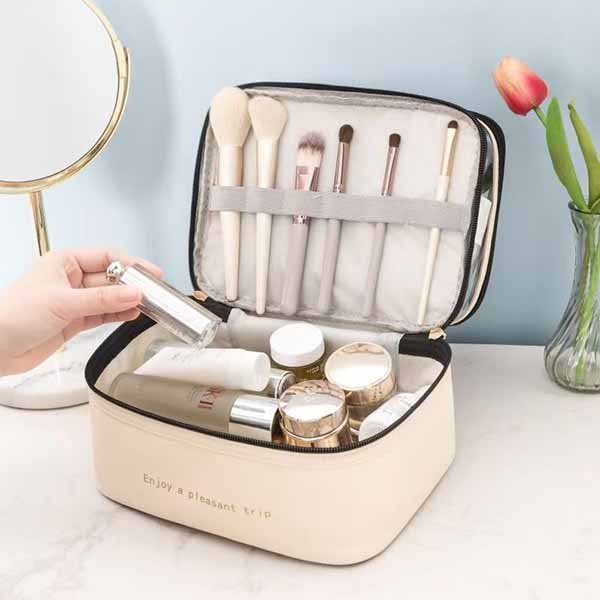
Brush Slots
- Review brush count and maximum length
- Add a protective flap where needed
- Test elastic recovery
- Keep makeup residue away from light fabrics
- Avoid excessive slot count that reduces usable capacity
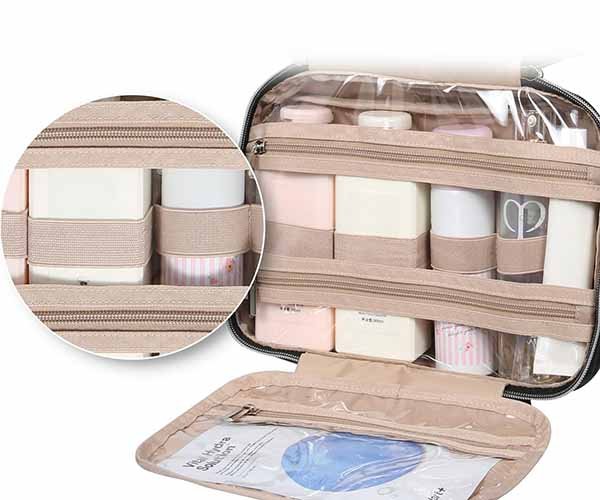
Elastic Loops
- Match loop size to product diameter
- Verify stretch after repeated loading
- Reinforce anchor points
- Prevent excessive pressure on soft bottles
- Use color-matched or branded elastic where suitable
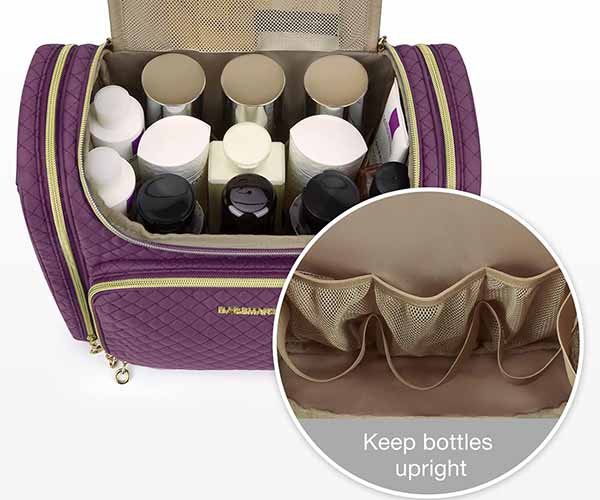
Bottle Dividers
- Confirm bottle height and diameter
- Allow finger access
- Check bag closure with loaded items
- Balance structure against usable volume
- Reinforce divider bases where heavy products are carried
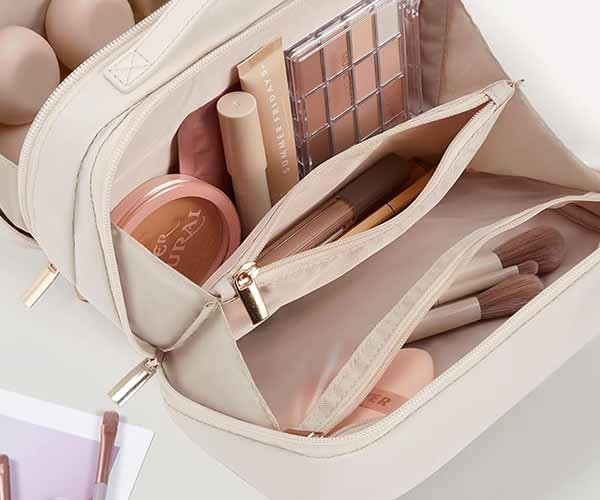
Zipper Pocket
- Use smooth zipper construction
- Protect stored items from zipper teeth
- Control pocket depth
- Align zipper position consistently
- Inspect opening width during production
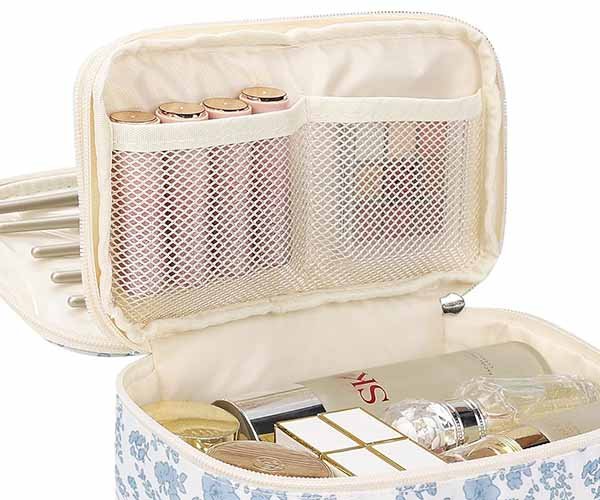
Mesh Pocket
- Select mesh according to item weight
- Avoid sharp product edges
- Reinforce upper opening
- Test stretch recovery
- Use contrasting or color-matched mesh according to the brand direction
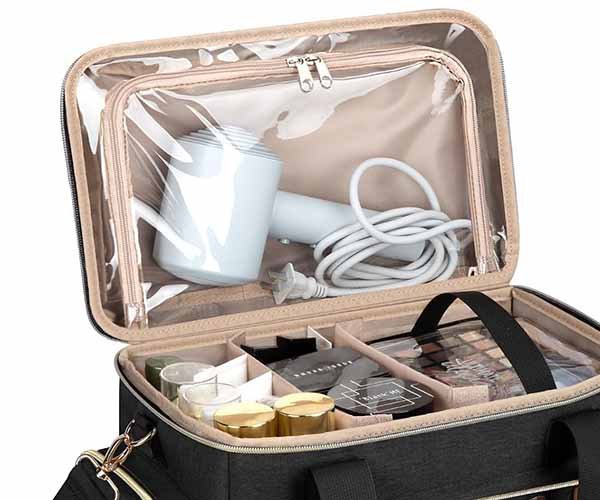
Clear Pocket
- Define transparency and thickness
- Review fold and stitch method
- Test zipper or snap closure
- Protect during packing
- Confirm acceptable odor and yellowing standards
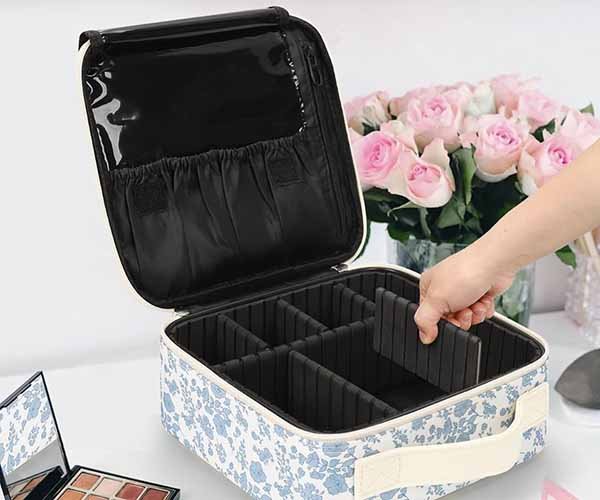
Removable Divider
- Verify connection strength
- Avoid rough hook surfaces touching delicate products
- Confirm divider position under load
- Keep spare attachment parts secure
- Record divider dimensions for repeat orders
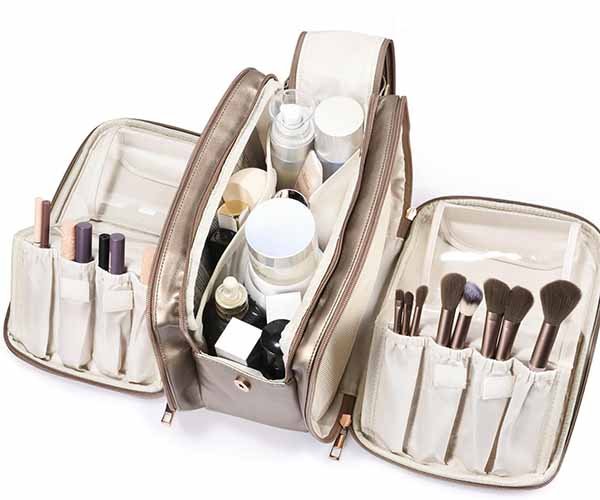
Wide Opening
- Review zipper gauge
- Confirm curve radius
- Test opening with a full load
- Control seam allowance around corners
- Check symmetry after turning and packing
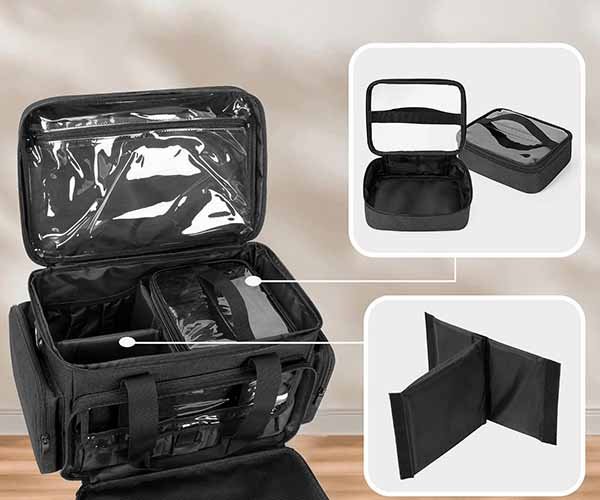
Detachable Pouch
- Select attachment method by load
- Keep removal easy
- Confirm pouch dimensions within the main bag
- Use washable or transparent materials where suitable
- Add separate barcode or packaging only when required
Zippers and Hardware Chosen for Reliable Daily Use
Nylon Coil Zipper
- Flexible around rounded corners
- Broad color availability
- Suitable for single or double pullers
- Quality grade should match expected use frequency
Metal Zipper
- Suitable for high-visibility closures
- Multiple plating finishes
- Heavier than nylon coil zippers
- Teeth alignment and slider movement require inspection
Water-Resistant Zipper
- Suitable for travel and performance styling
- Best on straighter opening paths
- Coating can increase corner resistance
- Seam construction remains an entry point for water
Double Zipper Puller
- Easier opening from either side
- Suitable for larger organizers
- Can carry molded or engraved branding
- Stop positions require consistent sewing
Custom Zipper Puller
- Strong visual branding
- Reusable across several SKUs
- Mold and sampling time required
- Puller weight should not strain lightweight zippers
Metal Nameplate
- Multiple plating colors
- Engraved, embossed, or enamel options
- Positioning template needed
- Protective film retained until final inspection when suitable
Elastic and Webbing
- Elastic tested with target item sizes
- Webbing anchoring reinforced
- Color matching reviewed under normal light
- Cut ends sealed or finished cleanly
Hooks and Handles
- Load direction reviewed during pattern development
- Handle anchoring checked before bulk
- Hook size matched to folded thickness
- Hardware finish coordinated with zipper and logo components
Logo Solutions Matched to Material and Brand Position
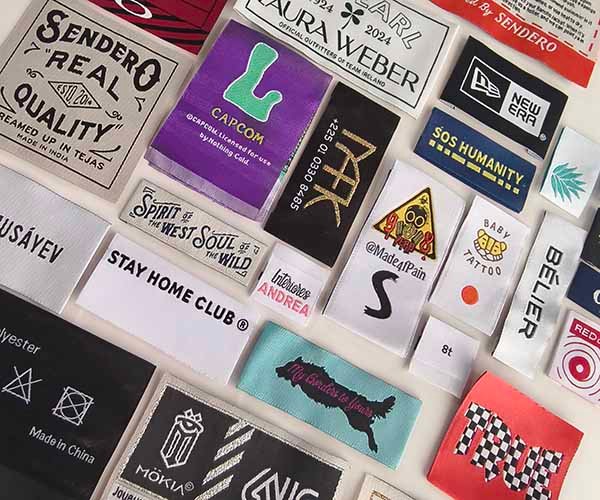
Woven Label
- Suitable for small text and detailed artwork
- Can be sewn outside or inside
- Multiple fold and edge formats
- Color and size approval required
- Economical across several SKUs
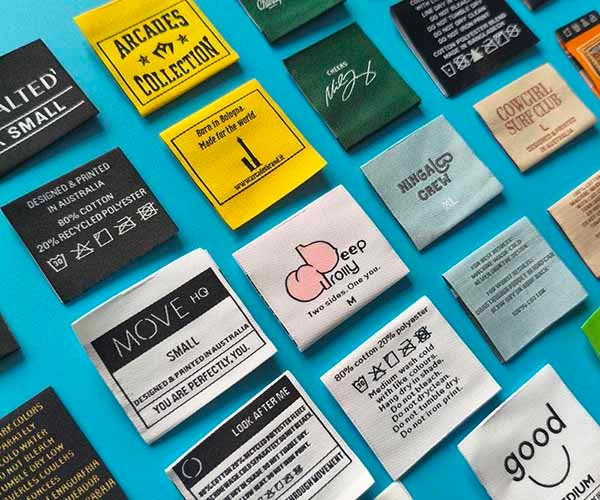
Printed Label
- Suitable for detailed small text
- Soft hand feel available
- Can combine brand and care information
- Print durability should match expected use
- Label position should avoid product contact points

Screen Printing
- Suitable for solid-color artwork
- Cost-effective for larger print areas
- Ink adhesion depends on material coating
- Color approval should use the actual production material
- Complex gradients may require another process

Heat Transfer
- Good for complex graphics
- Smooth surface appearance
- Heat and pressure must match the material
- Poor settings may create gloss marks or weak adhesion
- Sample testing is required on coated fabrics
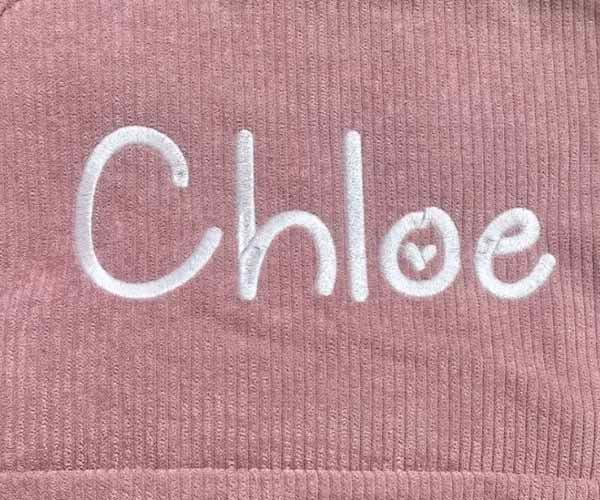
Embroidery
- Suitable for monograms and premium branding
- Stitch density affects cost and panel behavior
- Backing may be needed
- Very dense designs can distort lightweight fabric
- Thread colors should be approved before production
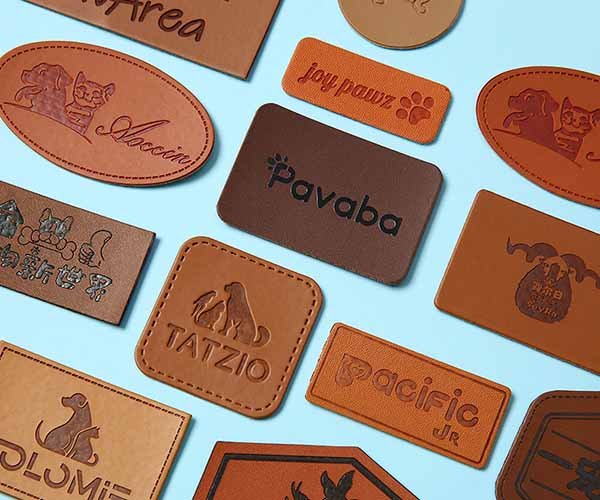
Embossed Logo
- Refined tone-on-tone appearance
- No additional ink color required
- Suitable for premium minimalist design
- Logo detail should match material grain
- Production standard should be retained as a physical reference
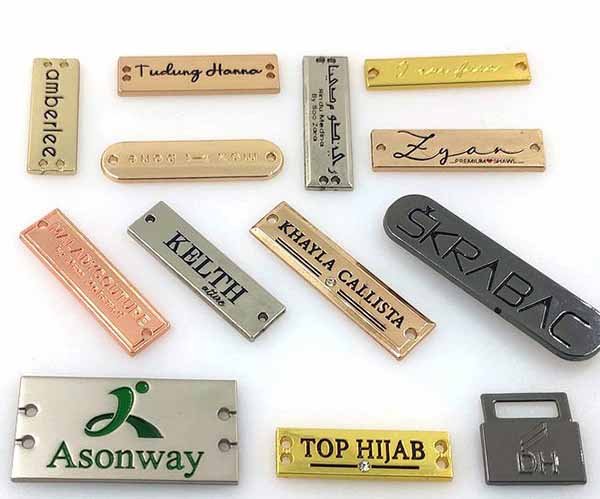
Metal Plate
- Engraved, raised, enamel, or cutout options
- Custom plating available
- Mold or tooling may be required
- Placement and backing need reinforcement
- Surface scratches checked before packing
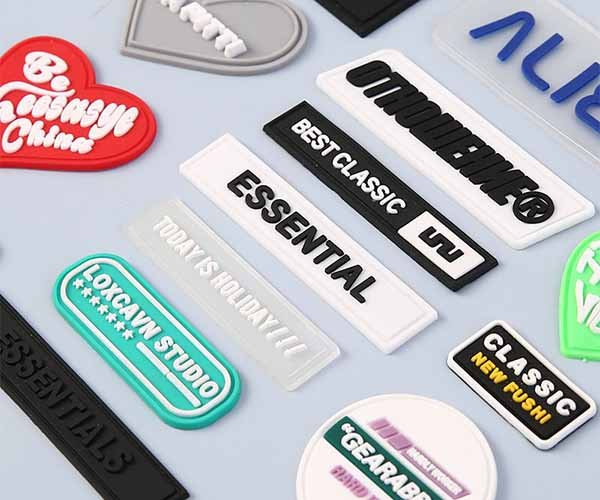
Rubber or Silicone Patch
- Suitable for travel and sport-led collections
- Mold development required
- Flexible and washable options
- Color matching should follow approved samples
- Attachment can be sewn, glued, or combined according to construction
Packaging Built for Retail, Gifting, DTC, and FBA
OPP Bag
- Economical individual protection
- Suitable for simple programs
- Warning labels added when required
- Bag size should avoid excessive empty volume
- Vent holes evaluated according to packing requirements
Recycled Polybag
- Similar protective function to standard polybags
- Recycled-content statement must match evidence
- Thickness and sealing quality reviewed
- Printing and warning text available
- Minimum quantities depend on the packaging supplier
Dust Bag
- Suitable for premium DTC and gifting
- Drawcord, envelope, or flap formats
- Printed or woven branding
- Adds packing volume and material cost
- Size should allow easy removal without excessive looseness
Belly Band
- Suitable for retail shelves and gift programs
- Lower volume than a full box
- Can include barcode and product information
- Band tension should not deform soft products
- Paper finish coordinated with brand identity
Hangtag
- Multiple paper and finishing options
- String, pin, ribbon, or recycled attachment
- Barcode and artwork checked before printing
- Placement should not scratch the product
- Retailer-specific formats can be followed
Mailer Box
- Strong unboxing experience
- Printed interior and exterior available
- Insert or tissue paper can secure the bag
- Shipping drop performance should be reviewed
- Box dimensions strongly affect courier cost
Gift Box
- Magnetic, drawer, lid-and-base, or folding formats
- Insert options for makeup bags and beauty products
- Color and logo coordinated with the bag
- Packaging MOQ and schedule require early planning
- Transport protection should be evaluated
Retail Display Packaging
- Supports barcode, product name, legal text, and display needs
- Packing sample approved before production
- Carton quantity planned around shelf pack requirements
- Print files and dielines require controlled version management
Responsible Material Options Without Unsupported Claims
RPET Options
- Standard or custom color options
- Suitable for fabric pouches and organizers
- Documentation reviewed by project
- Custom colors may increase MOQ
- Final claim should match the supplied material evidence
Recycled Nylon
- Suitable for lightweight premium products
- Material source must be confirmed
- Color consistency reviewed across lots
- Hardware and lining can be selected to support the same design direction
- Special supply may extend sampling time
Lower-Odor TPU
- Suitable for clear beauty pouches
- Premium alternative to many basic clear films
- Protective handling required
- Final chemical requirements confirmed by destination
- No blanket claim should replace project-specific testing
Vegan Material Options
- Appearance ranges from fashion-led to natural
- Durability depends on material grade
- Surface and backing construction reviewed
- Vegan statements should match material documentation and brand policy
- High-touch surfaces require abrasion evaluation
Reduced Packaging
- Lower material use
- Improved carton utilization
- Reduced freight volume
- Fewer packing operations
- Protection level retained according to the product and shipping route
Start Development with the Information You Already Have
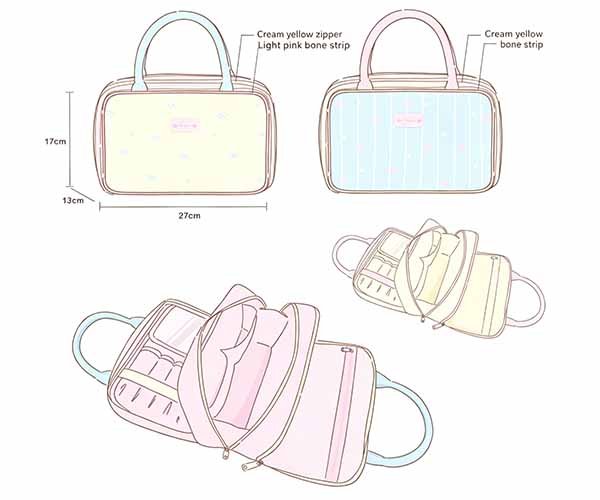
Tech Pack
- Reduces interpretation risk
- Supports more accurate quotations
- Makes revision tracking easier
- Allows technical questions to be identified before sampling
- Updated versions should carry clear dates and revision numbers
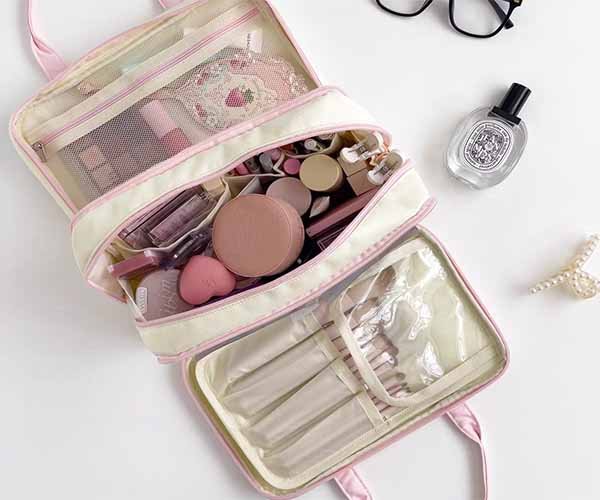
Physical Sample
- Sample can be copied, adjusted, or value-engineered
- Original construction limits can be identified
- Desired changes should be listed separately
- Destructive review requires prior approval
- Return shipment can be arranged where required
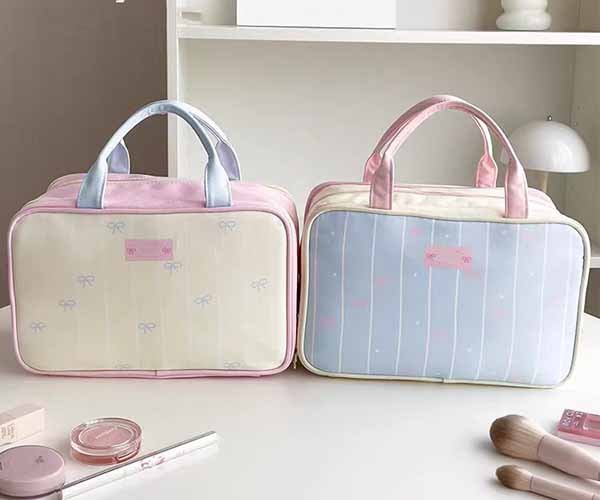
Product Photo
- Suitable for early feasibility review
- Dimensions and materials still require confirmation
- Hidden construction may need interpretation
- Similar samples can be shown for direction
- Final quotation remains subject to technical details
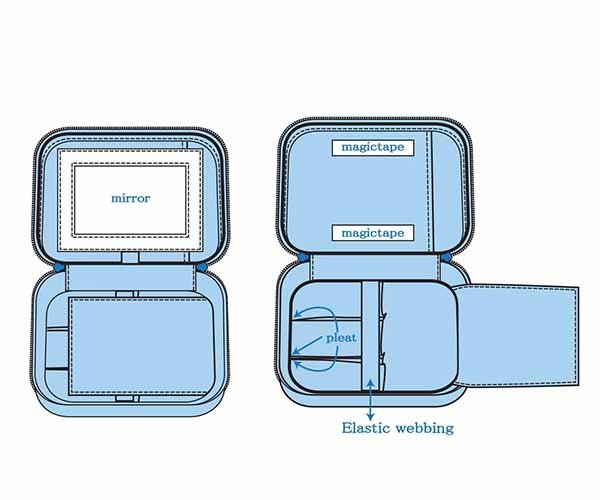
Sketch or Concept
- Suitable for new concepts
- Szoneier can propose construction options
- Product use should be described clearly
- Early material and cost targets improve development efficiency
- Several layout proposals may be discussed before sampling
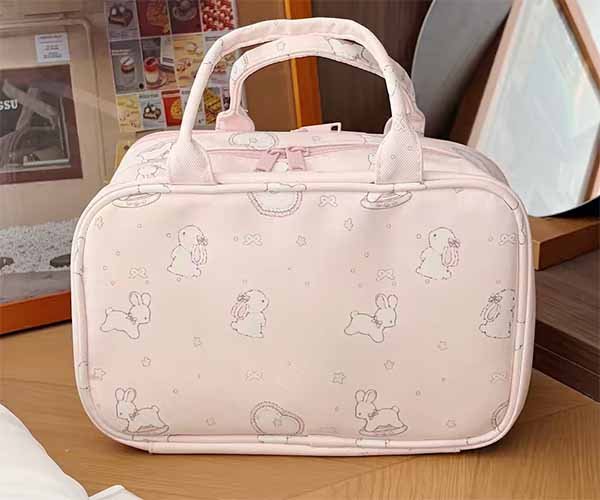
Competitor Reference
- Review positive and negative user feedback
- Identify useful functions
- Improve weak compartments or packaging
- Develop original branding and construction
- Avoid unauthorized logos and protected designs
Lorem ipsum dolor sit amet, consectetur adipiscing elit. Ut elit tellus, luctus nec ullamcorper mattis, pulvinar dapibus leo.
OEM and ODM Support from Concept to Production
Requirement Review
- Missing information identified early
- Feasibility risks listed
- Quote assumptions stated clearly
- Suitable development route proposed
- Urgent deadlines evaluated before commitment
Product Positioning
- Market position aligned with construction
- High-value details prioritized
- Low-value complexity removed
- Packaging level matched to channel
- Cost direction set before detailed development
Material Recommendation
- Hand feel and structure reviewed
- Cleaning and abrasion considered
- Material availability checked
- Custom-color implications explained
- Alternative options prepared for cost comparison
Structure Development
- Capacity reviewed against outer dimensions
- Sewing access considered
- Stress points reinforced
- Zipper paths optimized
- Sample testing plan defined
Pattern Making
- Key measurements recorded
- Shape and capacity balanced
- Curved zipper sections developed
- Compartment placement controlled
- Pattern revisions retained after approval
Logo Development
- Vector artwork preferred
- Pantone colors confirmed
- Physical logo trial prepared where required
- Position template created
- Bulk standard retained after approval
Packaging Development
- Packaging MOQ reviewed
- Artwork files controlled
- Packing sample prepared
- Carton utilization considered
- Destination requirements included
Cost Review
- Alternative materials compared
- Unnecessary compartments identified
- Shared accessories recommended
- Packaging volume evaluated
- Updated quotation issued after specifications are confirmed
Travel Makeup Bag Sample Development in Eight Stages
Project Brief
- Clarification list prepared
- High-risk construction identified
- Missing dimensions confirmed
- Sample fee and delivery method discussed
- Development schedule established
Material Confirmation
- Material photos or swatches shared
- Color direction confirmed
- Stock and custom options separated
- Substitute materials proposed when necessary
- Final selections recorded for sampling
Pattern Development
- Outer panels and gussets balanced
- Opening angle reviewed
- Zipper curve developed
- Compartments positioned
- Seam allowances and reinforcement points marked
Sample Sewing
- Construction feasibility observed
- Difficult sewing areas recorded
- Material behavior evaluated
- Compartment dimensions checked
- Assembly sequence refined for future production
Internal Check
- Measurement report prepared where required
- Obvious defects corrected
- Loaded-use check performed
- Photos taken under clear lighting
- Remaining limitations explained honestly
Photo and Video Review
- Exterior views
- Full interior opening
- Compartment demonstrations
- Zipper movement
- Logo and hardware close-ups
- Size reference and basic loading demonstration
Sample Shipping
- Tracking information shared
- Shipping cost confirmed
- Protective packing used
- Related material swatches included where agreed
- Sample identification attached for multi-SKU programs
Final Approval
- Dimensions confirmed
- Materials confirmed
- Logo and packaging approved
- Revision records closed
- Pre-production sample requirements defined
Four Approval Gates Before Bulk Production Begins
Dimensions and Shape
- Loaded and empty shape reviewed
- Symmetry checked
- Zipper line and opening angle verified
- Packing deformation considered
- Measurement tolerances agreed according to construction
Materials and Colors
- Material code or supplier reference retained
- Color swatch or Pantone direction recorded
- Grain and gloss level approved
- Clear material thickness confirmed
- Acceptable natural variation stated where relevant
Compartments and Function
- Item fit confirmed
- Elastic holding force reviewed
- Access and visibility checked
- Closure tested with a full load
- Low-value complexity removed before production
Logo and Packaging
Logo size, color, finish, location, orientation, and attachment are confirmed together with individual packing, labels, inserts, and carton requirements.
- Approved artwork version retained
- Logo sample physically reviewed
- Packaging dieline and barcode verified
- Packing sequence documented
- Carton mark and warehouse instructions approved
Controlled Bulk Production from Purchase Order to Shipment
Order Review
- Conflicts resolved before purchasing
- SKU quantities confirmed
- Delivery milestones recorded
- Packaging files locked
- Special testing or inspection booked
Material Procurement
- Supplier lead times tracked
- Custom colors scheduled
- Accessory MOQs coordinated
- Material lot information retained
- Shortage risk reviewed before cutting
Incoming Inspection
- Color and appearance
- Width, thickness, or weight
- Coating and hand feel
- Zipper movement
- Hardware finish
- Logo and packaging components
Pre-Production Sample
- Bulk material lot used
- Construction instructions checked
- Final changes closed
- QC points highlighted
- Production team briefed
Cutting
- Pattern version verified
- Panel counts controlled
- Defective material areas avoided
- Clear-film protection retained where possible
- Cut parts bundled by SKU and color
Sewing and Assembly
- First pieces checked
- Difficult operations assigned appropriately
- Seam allowance monitored
- Logo position controlled
- Work-in-process issues corrected early
Final Inspection
- Defects separated
- Rework verified
- SKU and color count confirmed
- Inspection records maintained
- Third-party inspection supported when required
Packing and Shipment
- FNSKU and barcode verified
- Carton labels checked
- Packing list reconciled
- Carton dimensions and gross weight recorded
- Shipment photos and documents prepared
Keep Bulk Production Aligned with the Approved Sample
A strong sample has limited value when the bulk order uses a different material lot, revised pattern, changed accessory, altered logo position, or unapproved packing method. Szoneier controls consistency through linked production references rather than relying on memory.
- Approved Sample: The approved sample defines the overall product direction, including shape, hand feel, construction, compartments, zipper movement, logo presentation, and packing experience. Any limitation accepted during approval should be written clearly.
- Sealed Sample: A sealed sample may be retained as the physical comparison standard for production and final inspection. Labels identify the SKU, color, version, approval date, and relevant order.
- Bill of Materials: The BOM lists approved outer material, lining, foam, reinforcement, mesh, elastic, zipper, puller, thread, hardware, logo components, labels, and packaging. Substitutions require review before use.
- Pattern Record: Approved pattern files control dimensions, seam allowances, notches, zipper curves, compartment placement, and reinforcement positions. Pattern changes after approval are recorded rather than introduced informally.
- Pre-Production Sample: The pre-production sample uses actual bulk materials and verifies production readiness before full output. Material differences, assembly difficulty, and packaging fit can be addressed before larger quantities are completed.
- Logo and Packaging Files: Artwork files, Pantone references, position diagrams, dielines, barcodes, FNSKU files, inserts, carton labels, and carton marks remain under version control. Old files are removed from active production folders.
- QC Checklist: Inspection points are tailored to the product: surface, shape, dimensions, zipper, compartments, elastic, lining cleanliness, logo, hardware, packing, barcode, and carton accuracy.
- Change Approval: No change involving materials, dimensions, hardware, logo, or packaging should enter production without written approval. The production file records what changed, why it changed, and which version became valid.
These controls allow repeat orders to begin from an established product record rather than rebuilding the product from scattered messages.
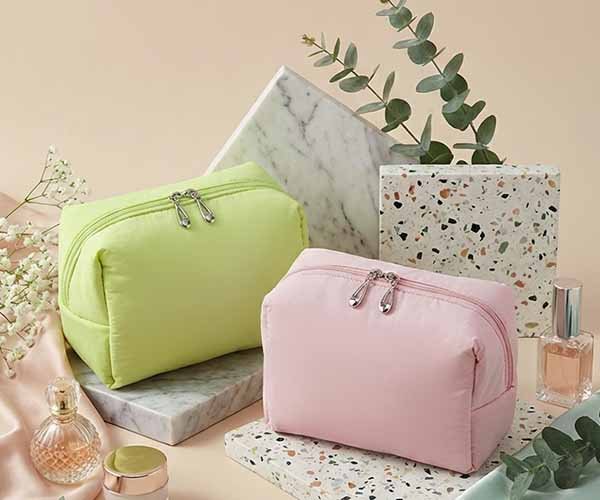
Travel Makeup Bag Quality Control at Critical Details
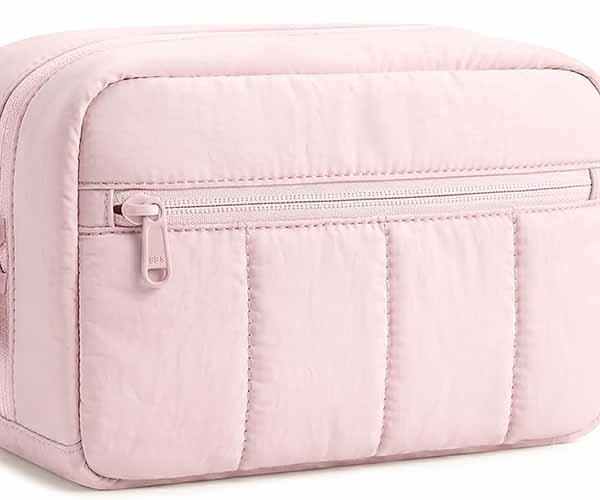
Surface Condition
- PU grain and gloss reviewed
- Clear surfaces inspected under good light
- Fabric defects checked before and after sewing
- Protective film retained where suitable
- Packing pressure evaluated for structured bags
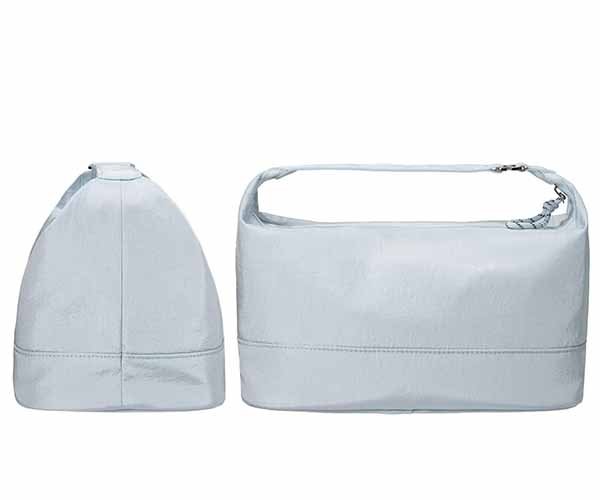
Stitching Alignment
- Seam spacing reviewed
- Loose or skipped stitches identified
- Backstitching and reinforcement checked
- Curved zipper areas inspected
- Visible topstitching compared across units
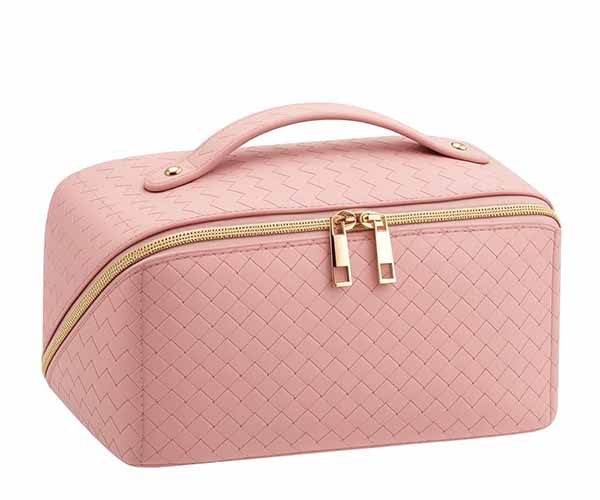
Shape Symmetry
- Bag viewed closed and open
- Structured models placed on a flat surface
- Soft models lightly filled for comparison
- Distortion after packing monitored
- Major asymmetry corrected before shipment

Zipper Movement
- Corner movement checked
- Double pullers aligned
- Slider and teeth matched
- Fabric kept away from zipper paths
- Puller branding inspected
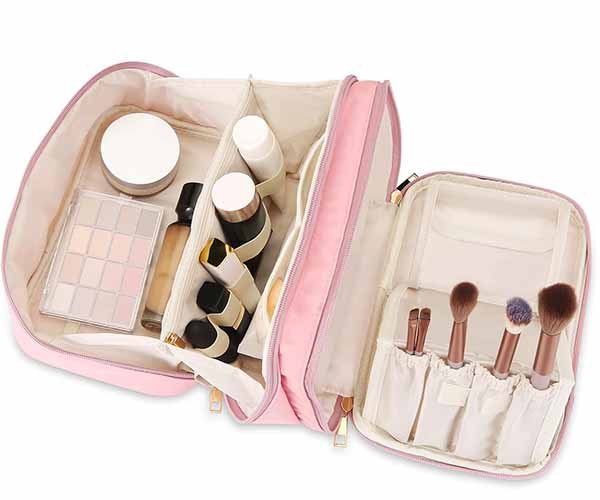
Compartment Size
- Representative items used where available
- Pocket depth verified
- Elastic spacing reviewed
- Divider attachment tested
- Capacity compared with the approved sample
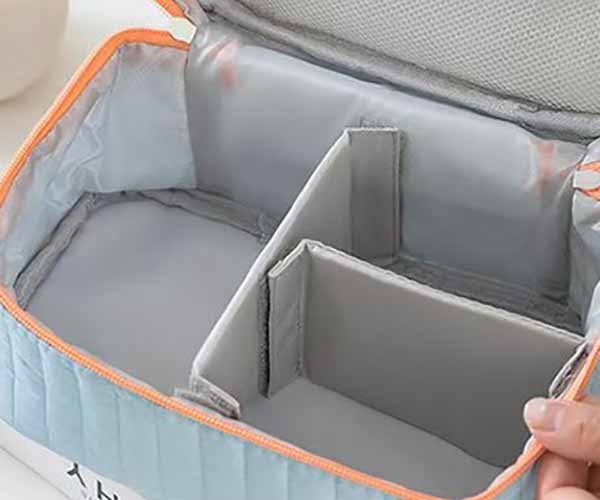
Lining Cleanliness
- Light-colored lining receives close inspection
- Loose threads removed
- Wipe-clean surfaces checked for marks
- Interior corners inspected
- Finished bags protected during later handling
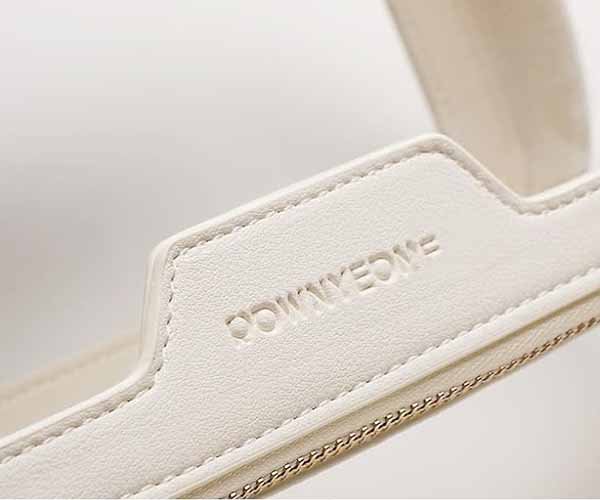
Logo Position
- Embossing clarity reviewed
- Print adhesion checked
- Metal plates inspected for scratches
- Labels checked for orientation
- Incorrect versions separated immediately
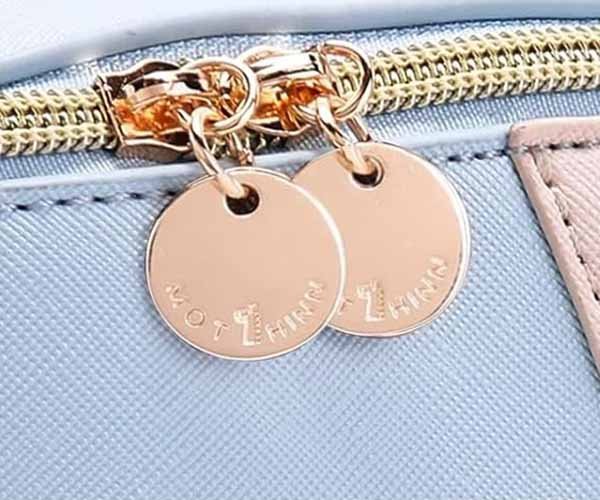
Hardware Finish
- Protective film reviewed
- Attachment strength checked
- Finish coordinated across components
- Sharp edges rejected
- Moving parts tested
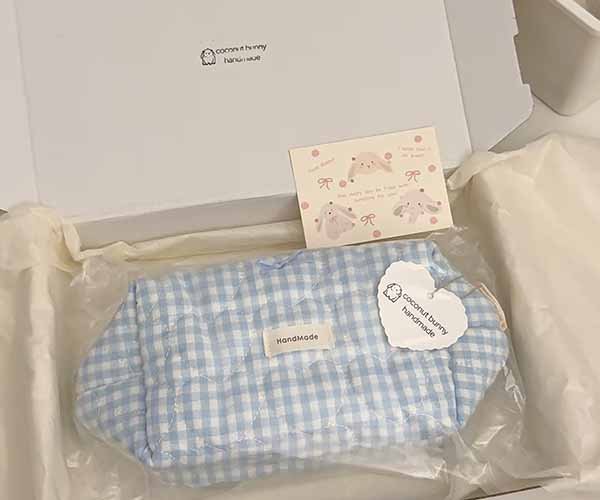
Packaging Accuracy
Individual packing, inserts, labels, barcodes, FNSKU, color stickers, hangtags, gift boxes, carton quantities, and carton marks are checked before shipment.
- SKU mixing prevented
- Barcode readability reviewed
- Packing orientation standardized
- Box condition inspected
- Final count reconciled with the packing list
Inspection and Testing Planned Around Product Risk
| Product Risk | Inspection or Test Direction | Recommended Stage | Control Objective |
|---|---|---|---|
| Zipper jamming | Repeated opening check; corner movement review | Sample, pre-production, final QC | Smooth access without lining or seam interference |
| Weak seams | Seam appearance, reinforcement review, project-specific pull test | Sample and production | Prevent seam opening around handles, gussets, and loaded pockets |
| Incorrect dimensions | Measurement against approved specification | Sample, pre-production, final QC | Maintain fit, capacity, packaging, and collection consistency |
| PU scratching | Surface inspection under direct light; abrasion test when required | Material approval and final QC | Control visible marks on premium outer panels |
| Clear-film yellowing | Material comparison or laboratory aging test when required | Material selection | Evaluate long-term appearance for PVC or TPU programs |
| Strong material odor | Material airing, sensory review, laboratory testing when specified | Incoming material and pre-packing | Reduce opening odor and marketplace complaint risk |
| Color migration | Rub, contact, or migration testing according to material and market | Material approval | Prevent dark material transferring onto light lining or packaging |
| Elastic fatigue | Repeated loading and recovery check | Sample approval | Maintain bottle and brush holding force |
| Hardware corrosion | Finish inspection and salt-spray testing when specified | Hardware approval | Protect plating appearance in travel and humid conditions |
| Lining stains | Cleanliness inspection and wipe-clean evaluation | Sample and final QC | Maintain premium interior appearance |
| Logo failure | Adhesion, rubbing, foil, embroidery, or attachment review | Logo trial and final QC | Protect brand presentation through normal use |
| Packaging damage | Packing sample, compression, drop, or transport simulation when required | Packaging approval | Prevent crushed boxes, deformed bags, and surface marks |
Planning Ranges for Common Travel Makeup Bag Projects
| Project Type | Common Size Direction | MOQ Direction | Sample Planning | Bulk Planning | Main Variables |
|---|---|---|---|---|---|
| Standard Travel Makeup Pouch | 20 × 12 × 10 cm to 25 × 16 × 12 cm | From 200 pcs | 10–15 days | 35–50 days | Material, lining, pocket count, logo |
| Multi-Compartment Organizer | 24 × 18 × 14 cm to 30 × 22 × 18 cm | From 200 pcs after review | 10–15 days | 35–50 days | Divider count, padding, zipper length |
| Hanging Makeup Bag | 22 × 18 × 8 cm to 28 × 22 × 10 cm folded | Commonly 300 pcs or project review | 10–18 days | 40–55 days | Hook, panels, mesh, pocket construction |
| Clear TPU Makeup Bag | Compact to medium organizer sizes | Commonly from 300 pcs | 7–12 days | 25–40 days | TPU grade, thickness, edge finish, printing |
| Quilted or Puffy Bag | 20 × 14 × 10 cm to 28 × 20 × 15 cm | From 300 pcs depending on fabric | 10–15 days | 35–50 days | Quilting, filling, panel shrinkage, shape |
| Custom Hardware Program | Based on the product structure | Product MOQ plus hardware MOQ | 15–25 days | 45–60 days | Mold, plating, approval, accessory production |
| Gift Box Program | Product size plus fitted insert | Product MOQ plus packaging MOQ | Product sample plus box sample | Coordinated production schedule | Printing, insert, box construction, transport |
| Multi-SKU Travel Collection | Several coordinated sizes | Evaluated by SKU and shared materials | 15–25 days | 45–60 days | Color split, shared accessories, packing plan |
Final quantity and timing depend on material availability, colors, compartments, logo, hardware, packaging, testing, revisions, and production schedule.
Planning Notes
- Timelines begin after major specifications and materials are confirmed.
- International sample shipping time is additional.
- Sample revisions extend the approval schedule.
- Custom-dyed fabric, molded hardware, printed lining, or special boxes require supplier lead time.
- Peak-season schedules should be reserved earlier.
- Selected standard projects may start from 200 pcs; exact MOQ is confirmed after technical review.
Six Factors Shaping Travel Makeup Bag Cost
Outer Material
- Standard colors usually reduce sourcing time
- Thick or patterned materials may increase consumption
- Premium surfaces require more protective handling
- Custom dyeing adds quantity and schedule requirements
- Material alternatives can be quoted for comparison
Lining and Padding
- Wipe-clean lining may cost more than basic polyester
- Heavy padding increases carton volume
- Printed lining adds artwork and color approval
- Reinforcement should be placed only where needed
- Shared lining across SKUs can improve consistency
Compartment Complexity
- Keep functions linked to real use
- Reduce pockets that duplicate the same purpose
- Use shared construction across a collection
- Simplify hidden details before reducing visible quality
- Confirm item fit during sampling
Logo Method
- Select a method suited to the material
- Reuse molds across several SKUs
- Limit unnecessary logo locations
- Combine care and brand information where suitable
- Approve artwork early to avoid delay
Hardware Selection
- Use stronger components at high-frequency points
- Standard plating can reduce minimums
- Oversized hardware adds weight
- Custom components require tooling and approval
- Coordinate finishes across the product line
Packaging Level
OPP bags, recycled polybags, dust bags, paper bands, hangtags, mailer boxes, gift boxes, inserts, and retailer packs create very different landed costs.
- Evaluate product protection first
- Avoid oversized boxes
- Share packaging dimensions across SKUs
- Confirm barcodes and artwork before printing
- Include carton volume in the cost decision
Delivery Support from Sample Shipment to Global Warehouses
Express Samples
- Fast international transit
- Tracking provided
- Suitable for high-value small parcels
- Shipping cost based on chargeable weight
- Destination import charges handled according to the agreed term
Air Freight
- Faster than sea freight
- Suitable for higher-value or time-sensitive orders
- Airport or door delivery options
- Chargeable weight affected by carton volume
- Packing optimization can reduce air cost
Sea Freight
- FCL or LCL depending on volume
- Lower cost per unit for larger shipments
- Longer planning window required
- Port, customs, and final delivery coordinated by trade term
- Carton strength selected for the route
DDP Delivery
- Door-to-door planning
- Can include customs, duty, and final delivery according to quotation
- Suitable for business addresses, warehouses, and selected FBA routes
- Accurate carton data required
- Availability depends on destination, product, HS code, and logistics conditions
Amazon FBA
- Label files supplied by the account owner
- Warehouse addresses confirmed before shipment
- Carton limits reviewed
- Split replenishment available
- Packaging changes may require freight recalculation
Split Shipments
- Launch quantity can move by air
- Balance quantity can move by sea
- SKU allocation documented
- Carton marks separated by destination
- Additional handling and freight costs quoted before dispatch
Project Management Built for Organized Brand Approvals
Project Kickoff
- Responsibility list established
- Open technical questions recorded
- Key dates defined
- Risk items highlighted
- Communication route agreed
Approval Matrix
- Prevents conflicting instructions
- Reduces approval delays
- Separates design and commercial decisions
- Records final authority
- Supports multi-department brand teams
File Version Control
- Old files removed from active use
- Dates and revision numbers retained
- Final production files locked
- Changes summarized
- Repeat-order records remain traceable
Production Milestones
- Progress shared at agreed intervals
- Delays escalated early
- Critical materials monitored
- Launch deadlines reviewed against actual progress
- Split shipment options evaluated when needed
Third-Party Inspection
- Inspection standard confirmed in advance
- Booking aligned with production readiness
- Product and packing files shared
- Corrective action reviewed
- Shipment release follows the agreed approval process
Repeat-Order Records
Paper patterns, BOMs, material references, logo files, packaging files, FNSKU history, carton data, QC standards, sample photos, and revision records support future orders.
- Less repeated clarification
- Faster reorder review
- Better consistency
- Controlled updates for new colors
- Easier expansion into related SKUs
Representative Travel Makeup Bag Manufacturing Programs
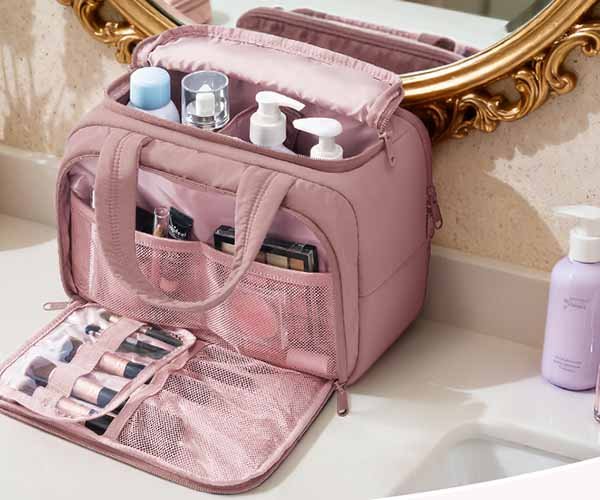
U.S. Beauty Collection
- Main challenge: The original layout could not close smoothly when four full-size bottles were loaded.
- Development action: The center divider was reduced by 15 mm, brush-loop spacing was adjusted, and the zipper curve was opened at both upper corners.
- Sample schedule: 14 days for the first sample and 7 days for the revised approval sample.
- Production schedule: 43 days after final material and packaging approval.
- Quality focus: PU scratches, metal plate alignment, zipper movement, printed lining direction, divider size, and gift-box fit.
- Delivery plan: 600 pieces moved by air for launch preparation; 2,600 pieces moved by sea to a U.S. fulfillment warehouse.
- Program result: A second color extension was prepared using the retained pattern, BOM, logo tooling, and packaging structure.
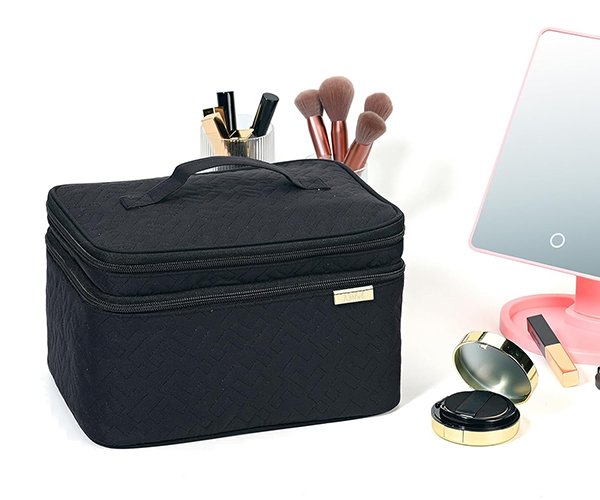
Amazon Travel Organizer
- Main challenge: The first structure exceeded the target packed height and increased estimated FBA storage and inbound freight cost.
- Development action: Foam thickness was reduced in low-impact panels, the removable pouch was made flatter, and the lower compartment height was adjusted without reducing bottle capacity.
- Sample schedule: 12 days for the functional sample and 6 days for packaging confirmation.
- Production schedule: 38 days after approval.
- Quality focus: Packed dimensions, zipper corners, elastic recovery, mesh attachment, removable pouch connection, FNSKU accuracy, and carton weight.
- Delivery plan: 1,000 pieces shipped DDP to an FBA destination and 500 pieces sent to a third-party warehouse for later replenishment.
- Program result: The optimized carton packed 24 units while protecting the product shape.
European GWP Program
- Main challenge: The launch date was fixed, while three colorways, packaging artwork, and material documentation required parallel approval.
- Development action: A single shared pattern and lining were used across all colors. Zipper tape, thread, label position, and paper-band dimensions remained common to reduce sourcing and setup risk.
- Sample schedule: 13 days for three color samples and packaging mockups.
- Production schedule: 46 days after final artwork approval.
- Quality focus: Color separation, fabric appearance, zipper tape matching, label orientation, interior cleanliness, paper-band tension, carton count, and color-coded carton marks.
- Delivery plan: Sea freight to a European distribution center under the agreed trade term.
- Program result: Shared construction allowed future promotional colors to be developed without rebuilding the complete product specification.
Compare Manufacturing Models Before Selecting a Partner
| Evaluation Area | Trading Company | Small Workshop | Sourcing Platform | Large Inflexible Factory | Szoneier |
|---|---|---|---|---|---|
| Product development | Often coordinated through external factories | Flexible but dependent on a few individuals | Managed through selected vendors | Strong engineering for established large programs | Factory-based sampling, material, pattern, structure, logo, and packaging support |
| Sample control | Depends on assigned factory | Fast communication but limited documentation | Vendor-dependent | Formal but revisions may move slowly | In-house sample room, pattern workshop, revision records, and approval controls |
| MOQ flexibility | Varies by factory | Often flexible for basic designs | Varies by selected supplier | Commonly optimized for larger orders | Selected projects from 200 pcs after technical review |
| Material range | Broad sourcing but limited direct control | Usually based on nearby suppliers | Broad vendor network | Strong within established supply chain | Polyester, nylon, Oxford, canvas, PU, microfiber, PVC, TPU, RPET, lining, mesh, and accessories |
| Complex compartments | Depends on factory assignment | Possible, but repeat consistency may vary | Depends on matched vendor | Strong for approved volume | Pattern development, item-fit review, sample revisions, and product-specific QC |
| Bulk consistency | Supplier-dependent | Operator-dependent | Factory-dependent | Generally stable at scale | Approved sample, BOM, pattern record, pre-production sample, and QC checklist |
| Packaging support | Often outsourced | Basic packing | Coordinated by platform | Formal standard programs | Retail, DTC, gift, barcode, FNSKU, carton label, and box coordination |
| Factory transparency | May be limited | Direct but informal | Platform controls access | Formal audit route | Video review, scheduled visit, third-party inspection, and production updates |
| Repeat orders | Records vary | Often based on personal memory | Vendor-dependent | Structured | Pattern, BOM, logo, packaging, carton, and revision records retained |
| Best suited for | Broad price searching | Simple low-volume work | Brands needing outsourced sourcing management | Stable high-volume standardized programs | Brands needing development, flexible entry quantity, controlled production, packaging, and global delivery |
Travel Makeup Bag Frequently Asked Questions
Start Your Travel Makeup Bag Development
- Target dimensions or required capacity
- Items carried inside the bag
- Expected order quantity and color split
- Preferred outer material and lining
- Required brush slots, dividers, pockets, or removable sections
- Logo artwork and preferred branding method
- Individual packaging, barcode, FNSKU, or gift-box requirements
- Destination country and warehouse type
- Target sample date, launch date, or delivery date
- Required tests, audit, or third-party inspection
- Target price direction where available