
How to Reduce Air Gaps Inside Cooler Bags to Improve Cooling
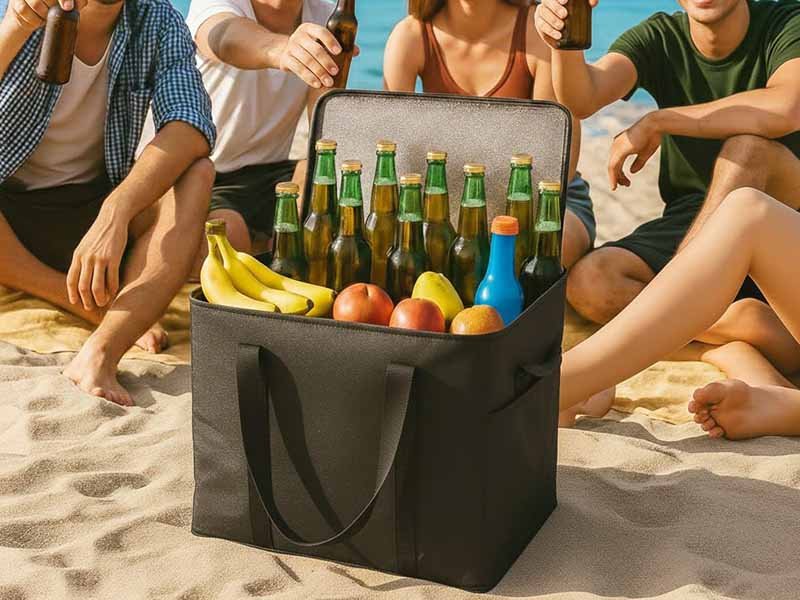
Most cooler bags don’t fail because the insulation is “too thin.” They fail because the cold has too much empty space to defend. When there are air gaps inside a cooler bag, warm air can move, mix, and repeatedly touch your ice and chilled items. That movement speeds up heat gain and makes ice melt earlier—especially near the lid, zipper line, and corners. In real use, customers don’t pack like engineers; they toss in a few drinks, a lunch box, and one ice pack. If the bag’s structure creates voids—or collapses when underfilled—cooling time drops fast and reviews follow.
