 Skip to content
How to Design Rugged Fishing Bags for Shoreline and Boat Use
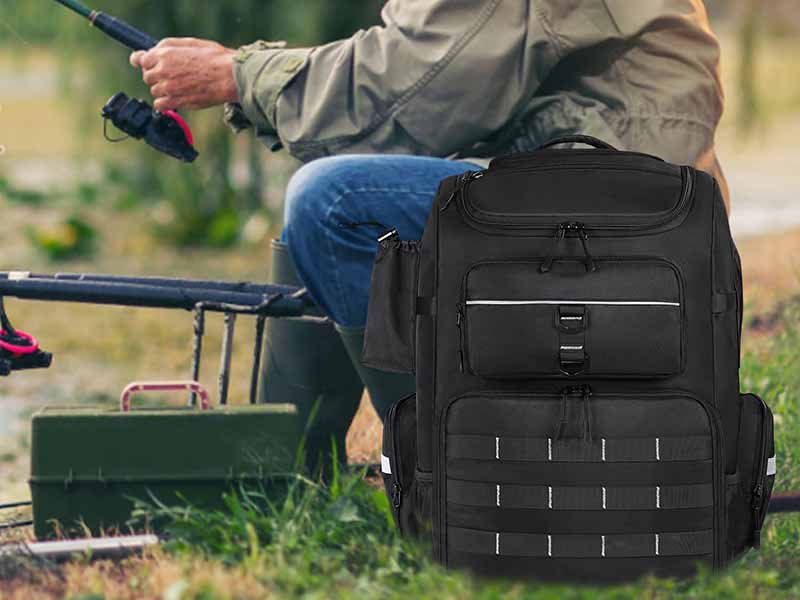
A rugged fishing bag isn’t “outdoor style.” It’s a work bag that happens to live outdoors. If your customer fishes from shore, the bag gets dragged over rocks, slammed onto sand, and carried for hours. If your customer fishes from a boat, the bag gets splashed, stepped on, and bounced around in tight space—often with saltwater involved. That’s why the failure points are predictable: zippers corrode, bottom panels wear through, seams burst at strap anchors, and wet gear turns the inside into a smell problem.
Best Materials for Fishing Bags by Environment: Freshwater vs Saltwater
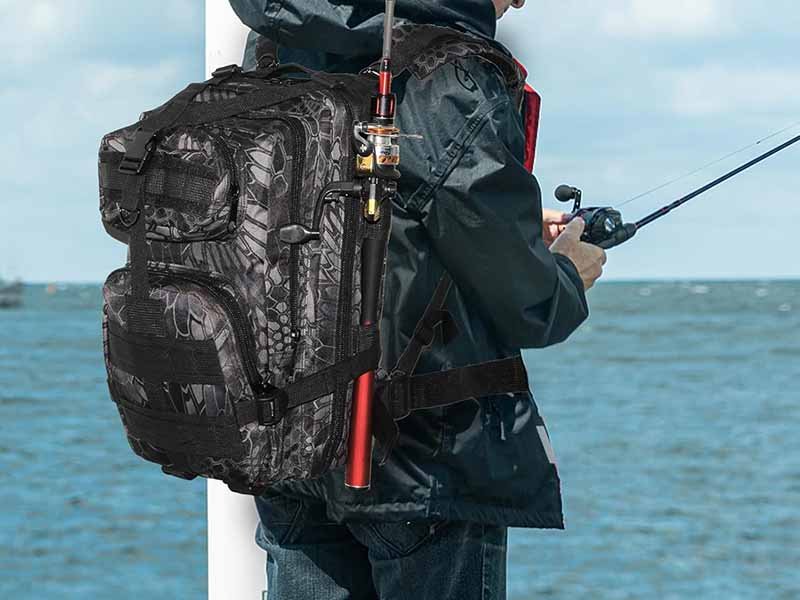
Choosing the right material for your fishing bag can dramatically improve your fishing experience, whether you’re enjoying a day at a freshwater lake or battling the open sea. Selecting the correct material isn’t just about durability but ensuring that your bag withstands water exposure, abrasion, and the elements. The material you choose will make a big difference in terms of performance and longevity. Freshwater fishing bags require materials that are lightweight, water-resistant, and durable for the relatively milder conditions. In contrast, saltwater fishing bags need to be waterproof, corrosion-resistant, and durable enough to handle the harsh effects of saltwater and rough conditions.
Types of Fishing Bags: Tackle Bags, Sling Bags, Backpacks, Rod Bags
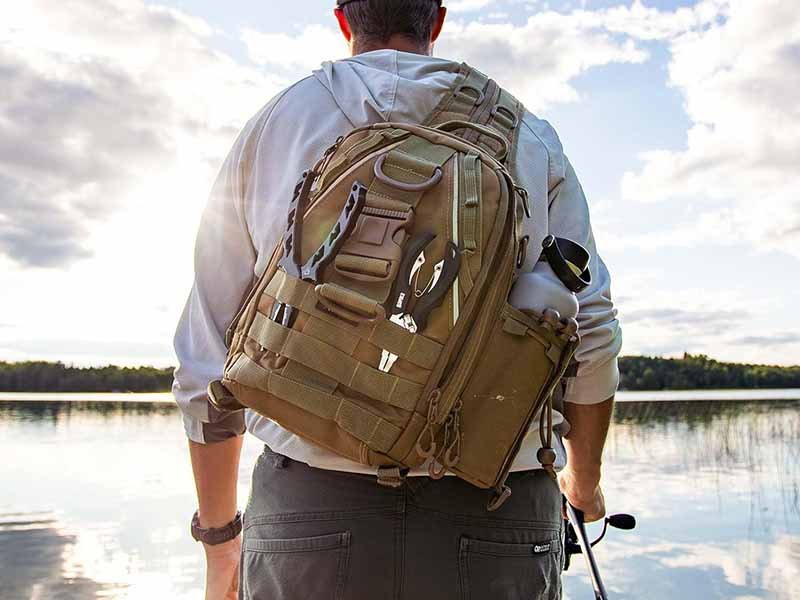
Fishing is all about having the right gear, but even the best tackle and rods won’t perform at their best if you can’t organize and transport them properly. Whether you’re heading out for a quick fishing trip or planning a multi-day adventure, the right fishing bag can make all the difference. However, with various types available—tackle bags, sling bags, backpacks, and rod bags—how do you know which one fits your needs?
