 Skip to content
Sports Duffle Bag Manufacturing Explained for Modern Brands
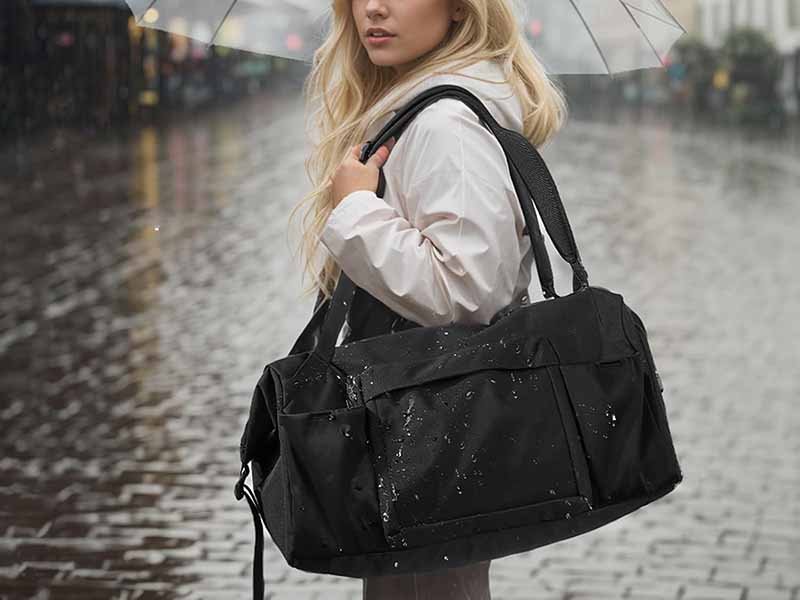
A sports duffle bag looks simple on the outside, but good manufacturing is never simple. The difference between a bag that lasts two months and one that survives two years usually comes down to details most customers never see at first glance: the denier of the fabric, the thickness of the webbing, the reinforcement hidden under the handles, the stitch density around the zipper, the foam structure in the base, and the way wet and dry items are separated inside the bag. In today’s market, customers do not only want a nice-looking gym bag. They want a bag that can carry shoes, clothes, water bottles, sports gear, and sometimes even a laptop, without tearing, sagging, leaking, or looking worn out after repeated use.
What Is a Duffle Bag: A Complete Guide
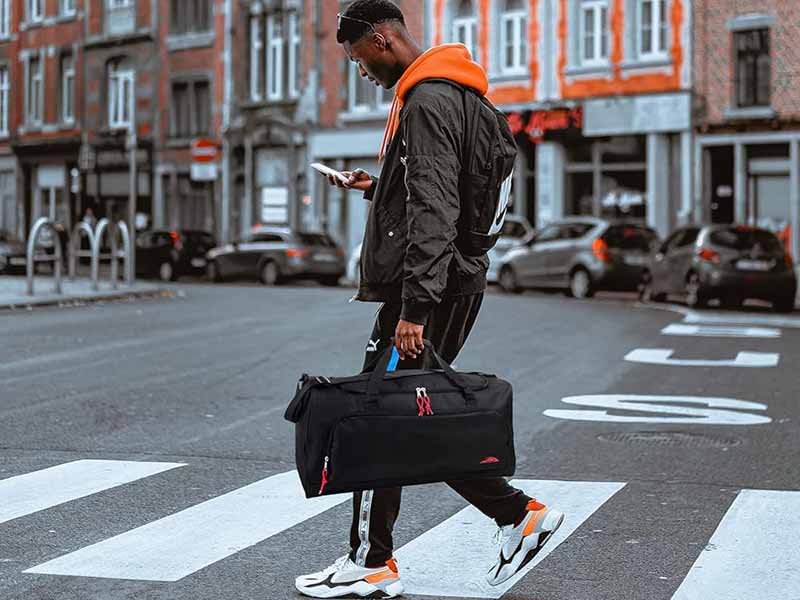
For decades, the duffle bag has been the quiet hero of travel — durable, flexible, and unpretentious. From the worn canvas rolls of early sailors to today’s sleek nylon companions at airport terminals, the duffle’s story is one of evolution, not revolution. It’s the bag that adapts — to gym lockers, train carriages, and weekend escapes — earning its place as a global essential for people on the move.
