 Skip to content
How Are Canvas Beach Bags Manufactured for Everyday Coastal Use?
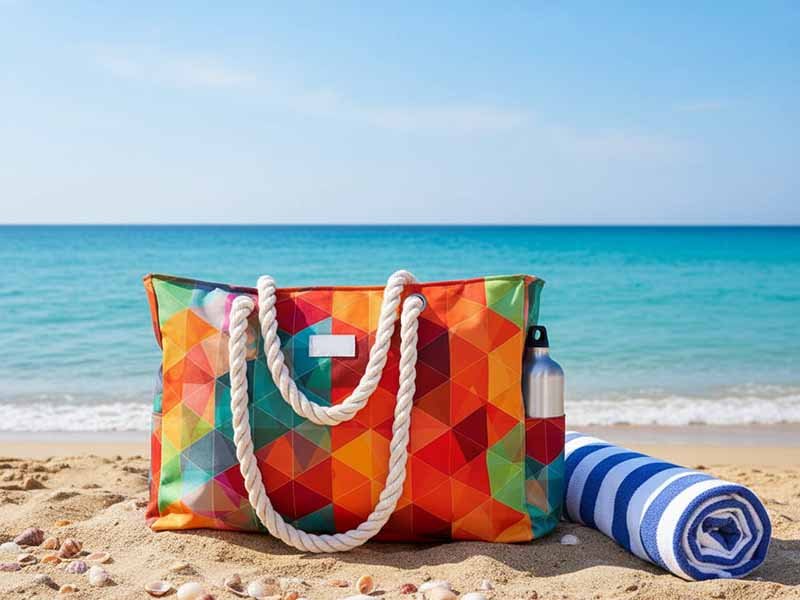
A good canvas beach bag looks simple, but the product itself is never simple. Customers take it to the beach, the pool, the boat, the supermarket, and the airport. They throw in wet towels, sunscreen, phones, books, snacks, water bottles, and sometimes even children’s toys. That means the bag is not only a fashion item. It is a daily-use load-bearing product that must survive friction, sunlight, salt air, moisture, repeated washing, and rough handling. The real difference between an average canvas beach bag and one that customers keep reordering usually comes down to a few practical manufacturing decisions: fabric weight, handle reinforcement, bottom support, printing method, and whether the bag has any moisture-resistant treatment. In cotton canvas, fabric weight is commonly measured in ounces per square yard, and heavier weights generally mean thicker and more durable material. Google also states that content created for search should be useful, reliable, and made for people first, which matters when brands build product pages meant to attract serious inquiries rather than empty traffic.
What Are Canvas Bags: Uses, Types & Benefits Explained

Canvas bags are everywhere—from grocery stores and bookstores to fashion runways and outdoor adventures. They look simple, but behind that simplicity is a material choice that balances durability, cost, sustainability, and branding flexibility. For brands and buyers alike, canvas bags are often the first material considered when designing a reusable or customizable bag. But what exactly makes a bag a “canvas bag,” and why does this material remain relevant in a market crowded with nylon, polyester, leather, and synthetic alternatives?
