
Why Does Flexible MOQ Help New Product Development for Custom Bags?
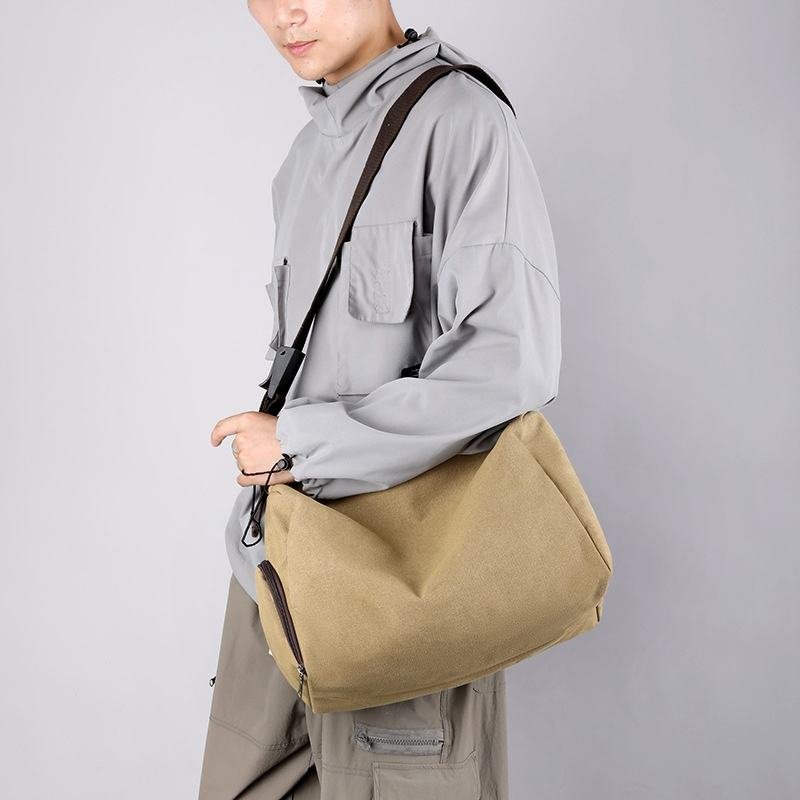
Many new bag products do not fail because the idea is bad. They fail because the first production decision is too big, too early, and too expensive to correct. A brand may love a tote bag sample in the meeting room, but real customers may later say the handle is too short, the fabric feels too soft, the logo is too small, or the color does not match the lifestyle images. A cosmetic pouch may look beautiful in a product rendering, but once buyers use it, they may ask for a wider opening, smoother zipper, stronger lining, or better packaging. New product development is full of these details. The risk is not only whether a factory can make the product. The real risk is whether the product can sell, repeat, improve, and scale.
Bag Manufacturer vs Bag Supplier: What Is the Real Difference
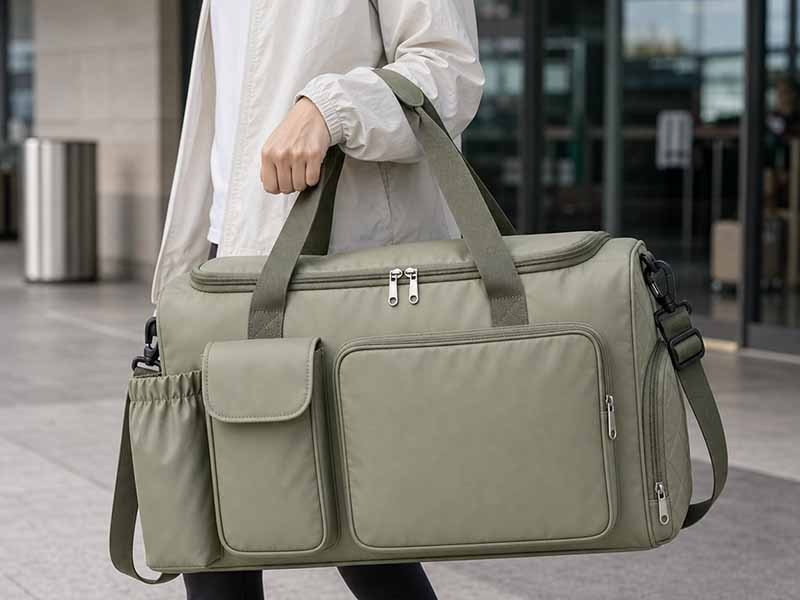
Many buyers think “bag manufacturer” and “bag supplier” mean almost the same thing. On a website, both may show polished product photos, talk about OEM service, and promise competitive pricing. But once a project moves from idea to sample, and from sample to bulk order, the difference becomes very practical. It affects who controls materials, who develops the pattern, who manages sewing quality, who solves structure problems, who owns production responsibility, and who answers when the final shipment does not match the approved sample.
Bookbag vs Backpack: What’s the Difference and Which One Should You Choose

Walk into a school, airport, or city street today, and you’ll see one thing everywhere: backpacks. Yet many people still casually call them bookbags. Are these two terms interchangeable—or do they actually describe different types of bags?
