 Skip to content
What Materials Are Used in Smell proof Bag Construction?
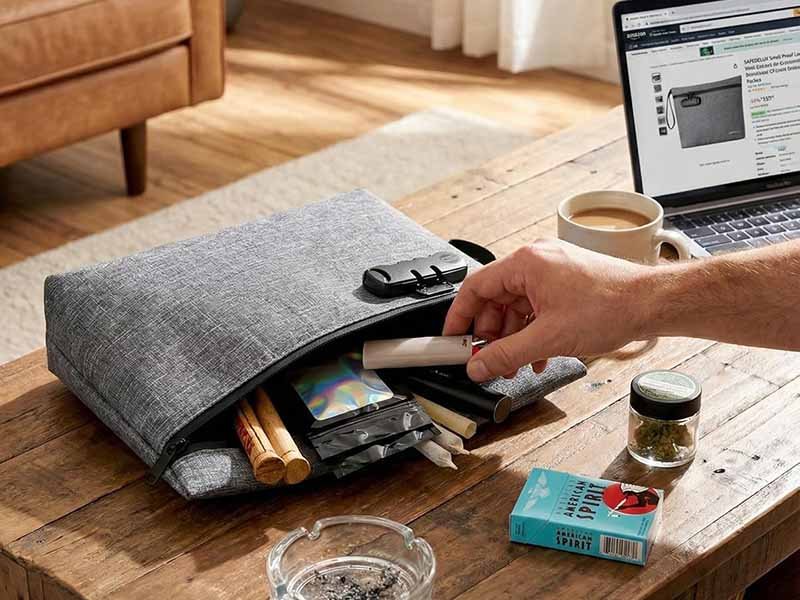
A lot of people think a smell proof bag works because the fabric is thick, the zipper looks strong, or the bag feels heavier than normal. In real production, that is not how odor control is achieved. A bag becomes truly smell proof only when several materials work together as one system. One layer absorbs odor molecules, another slows down transmission, another protects the shape, and another closes the openings where odor would normally escape. That is why two bags that look similar on the outside can perform very differently in actual use.
Types of Smellproof Bags: What They Are, Which to Choose & How They Work
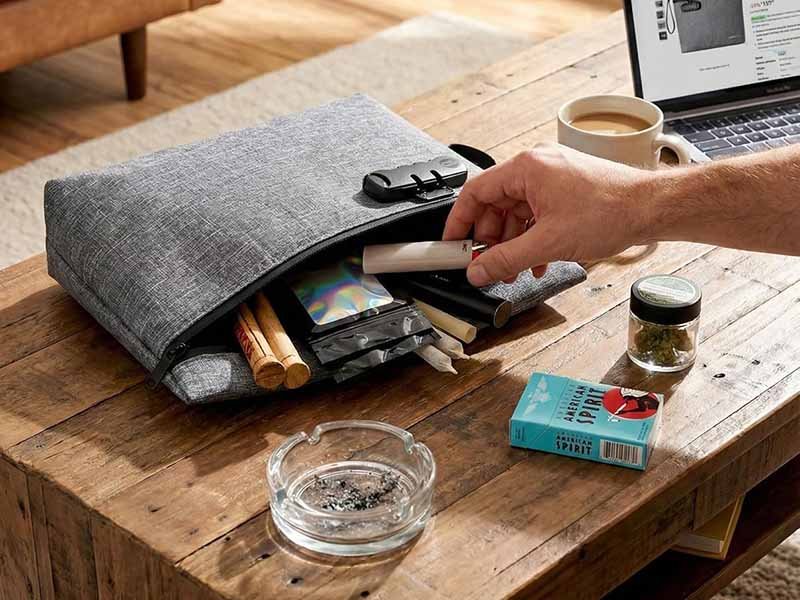
Odor is a “small” problem until it ruins a trip, a commute, or a product experience. A sandwich smell drifting through a backpack, sweaty gym gear making a car stink for days, or strong aromas transferring into clothing inside luggage—these situations happen because most bags are built to carry items, not to control air movement. Smellproof bags solve that with a different design mindset: they reduce odor leakage by combining barrier layers + adsorption layers + leak-resistant closures.
