A Trusted China Manufacturer Since 2007!

Tactical Bag Line Development | Custom Tactical Bags Manufacturer

Develop tactical backpacks, MOLLE pouches, sling bags, range bags, duffels, and utility bags with factory-based OEM/ODM support.
  • 18+ years of custom bags and sewn soft goods manufacturing experience
  • Multi-SKU line planning for 3-12 tactical bag styles per launch plan
  • Standard samples: about 7-12 days; complex tactical samples: about 12-20+ days
  • Selected standard bag projects can be reviewed from 200 pcs per SKU; complex structures depend on materials, hardware, and packing
  • Shenzhen-based material sourcing, pattern making, sewing coordination, QC, packing, and export delivery
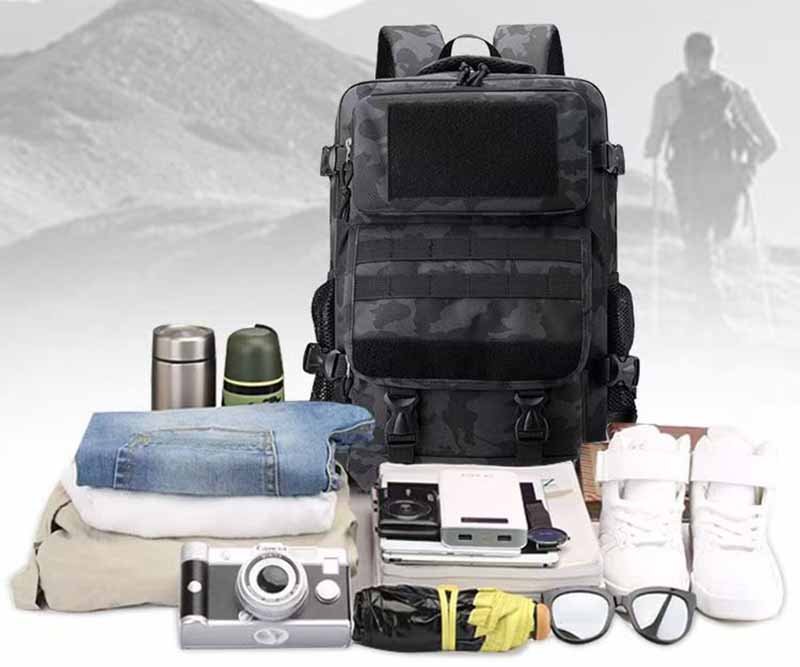
tactical bag (1)

Built for Tactical Gear Brands and Retail Programs

Szoneier supports teams developing functional tactical soft goods for retail shelves, online launches, field kits, outdoor gear ranges, and long-term replenishment programs.

Outdoor Gear Brands

Outdoor gear teams often need tactical styling without overbuilding every SKU. Szoneier helps review capacity, fabric weight, MOLLE coverage, strap comfort, color consistency, patch placement, and retail packing before sampling. A 24L pack, 10L sling, and compact utility pouch can share fabric, webbing, pullers, and label details, helping the line look unified while keeping production easier to control.

Tactical Equipment Brands

Tactical equipment brands usually care about layout, reinforcement, modular attachment, load points, and repeat production records. Szoneier can work from tech packs, reference samples, drawings, or revised prototypes. The team checks webbing positions, stress points, zipper paths, internal dividers, and hardware selections before bulk production starts, reducing the risk of a strong-looking sample becoming unstable during volume production.

Retail Buying Teams

Retail programs need clean carton labels, stable colors, barcode support, packing consistency, and delivery planning. Szoneier can develop tactical bags in coordinated sizes, price levels, and functions, then support SKU separation, polybagging, hangtags, carton marks, pallet notes, and shipment documents. The goal is a line ready for warehouse receiving, shelf presentation, and repeat seasonal orders.

Amazon and Shopify Teams

Online product teams need photo-ready samples, clear feature differentiation, FNSKU or barcode labels, carton size control, and repeatable packaging. Szoneier can review material options, product dimensions, packing weight, logo method, and replenishment plans before quoting. Tactical bag lines can be developed around hero SKUs, bundle add-ons, and colorway expansion without making the first order too complex.

Importers and Wholesalers

Importers and wholesalers usually compare several price levels, carton efficiency, and repeat order stability. Szoneier can help adjust structure, trims, packing, and fabric selection to match target wholesale channels. A line can include one core backpack, one duffel, two pouches, and one sling bag, giving distributors enough range without creating uncontrolled SKU pressure.

Field Kit Suppliers

Emergency kit, tool kit, security, and work utility programs require neat organization more than aggressive styling. Szoneier can develop medical pouches, tool organizers, admin pouches, and utility bags with elastic loops, mesh pockets, transparent windows, color identification, label areas, and reinforced handles. The focus is repeatable storage structure, clear visibility, and stable production quality.

What Tactical Bag Line Development Means

Tactical bag line development means planning several related soft goods SKUs around use scenario, material system, size range, modular structure, branding, packing, and repeat production.

Beyond a Single Bag

A single tactical backpack can look impressive, yet a profitable line needs clearer architecture. Szoneier helps project teams decide which SKU should be the hero product, which SKU should support add-on sales, which pouch can share material with the main pack, and which product should remain simple for easier replenishment. Development covers fabric selection, pattern making, MOLLE layout, pocket planning, logo placement, packing method, carton data, QC points, and shipment route. A tactical line often starts with one core style, then expands into 3-8 coordinated products. For example, a 30L backpack may pair with a 12L sling bag, a compact admin pouch, a medical pouch, and a duffel. The full line should share color standards, webbing width, zipper puller style, patch position, inner lining language, and packing format. Shared components help reduce sourcing risk and keep the brand look stable.

From Product Idea to Shipment

Szoneier can begin from a sketch, photo, reference sample, competitor link, or tech pack. The team reviews size, fabric, weight target, pocket layout, logo method, packaging, order quantity, destination, and launch timing before suggesting a workable route. For complex tactical structures, a rushed sample usually creates mistakes. Better development begins with material confirmation, paper pattern, sample sewing, internal check, revision notes, and approved pre-production sample. Bulk control then follows BOM locking, material purchase, trim approval, production scheduling, inline inspection, final inspection, packing check, and export delivery. Each step protects the approved sample from drifting in shape, color, webbing placement, stitch strength, and accessory selection.

Tactical Bag Product Architecture

A strong tactical bag line uses clear size, function, and price roles. Szoneier can help arrange SKUs before samples move into production.

Line LayerCommon SKUsCommon Size or CapacityRole in the LineDevelopment Notes
Core carryTactical backpack24L, 30L, 35L, 45LMain selling SKUNeeds load-bearing straps, back padding, organized pocket layout, and stable MOLLE spacing
Daily carrySling bag, waist pack3L, 6L, 10L, 12LEntry product and daily-use itemShould feel lighter, cleaner, and easier to photograph for online channels
Mission storageRange bag, tool bag15L, 25L, 40LHigher-ticket functional SKURequires reinforced handles, heavier base, zipper strength, and internal dividers
Modular add-onsAdmin pouch, MOLLE pouch10 x 15 cm to 22 x 30 cmAdd-on sales and bundle supportCan share fabric, patch, webbing, zipper pullers, and polybag format
Specialist kitsMedical pouch, hydration pack1L bladder area to 12L pouchScenario-specific SKUNeeds inner organization, color coding, elastic loops, label windows, or easy-clean lining
Travel and storageTactical duffel, gear bag35L, 55L, 70LLarge-capacity range extensionNeeds bottom support, large zipper opening, side handles, and carton planning

Tactical Bag Types Szoneier Can Develop
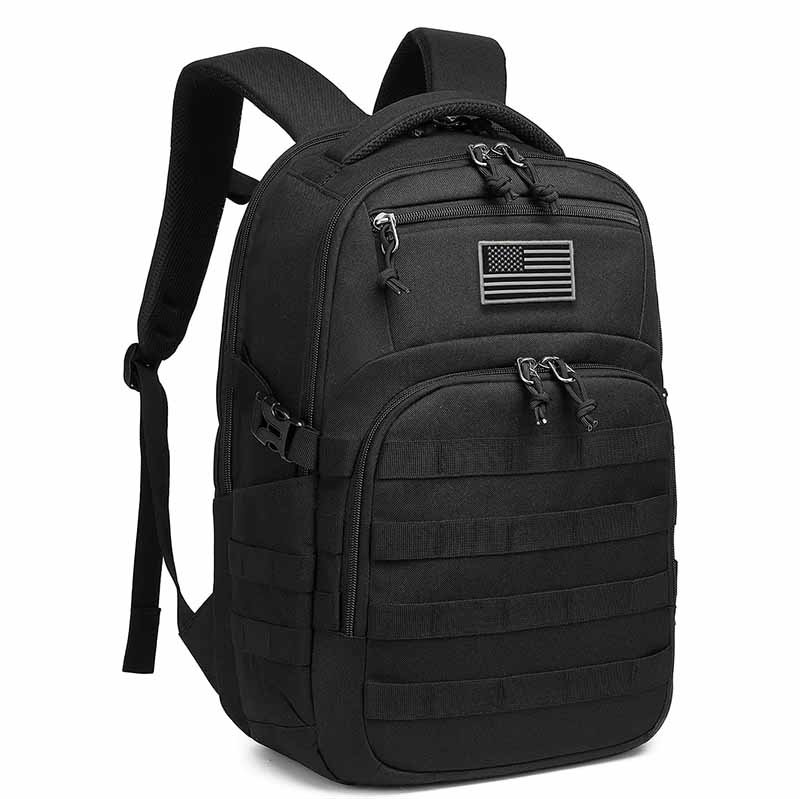
From core backpacks to modular pouches, Szoneier helps organize tactical soft goods into a coherent line with shared materials and branding.
1. tactical backpack

Tactical Backpack

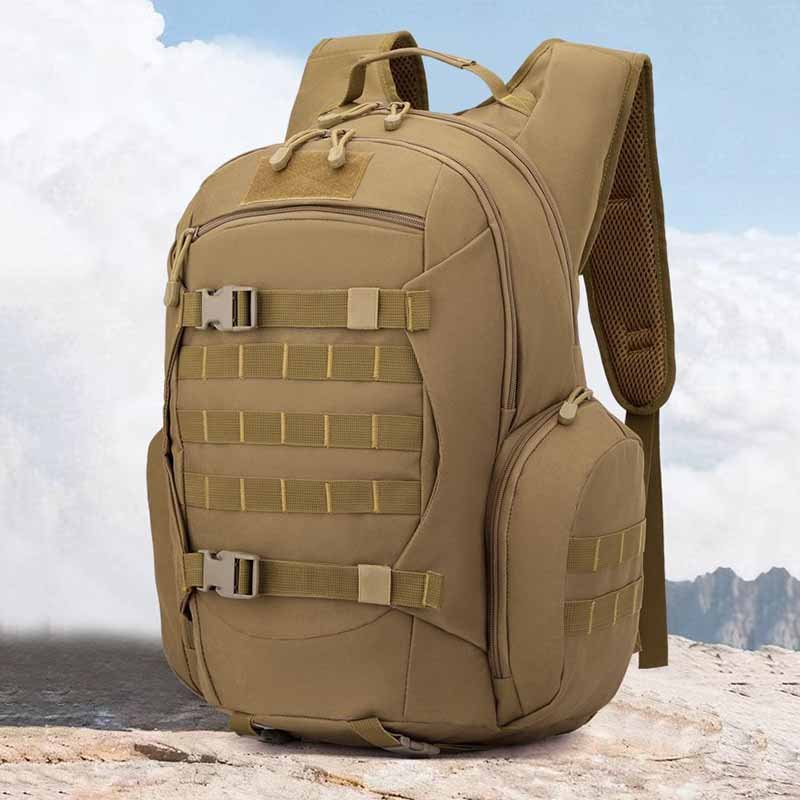
A tactical backpack can serve as the anchor SKU for a full line. Szoneier can develop 24L, 30L, 35L, and 45L structures with MOLLE panels, laptop sleeves, hydration compartments, admin pockets, compression straps, padded shoulder straps, sternum straps, and reinforced grab handles. Development should balance capacity, empty weight, pocket count, zipper cost, and carton size.
2. sling bag

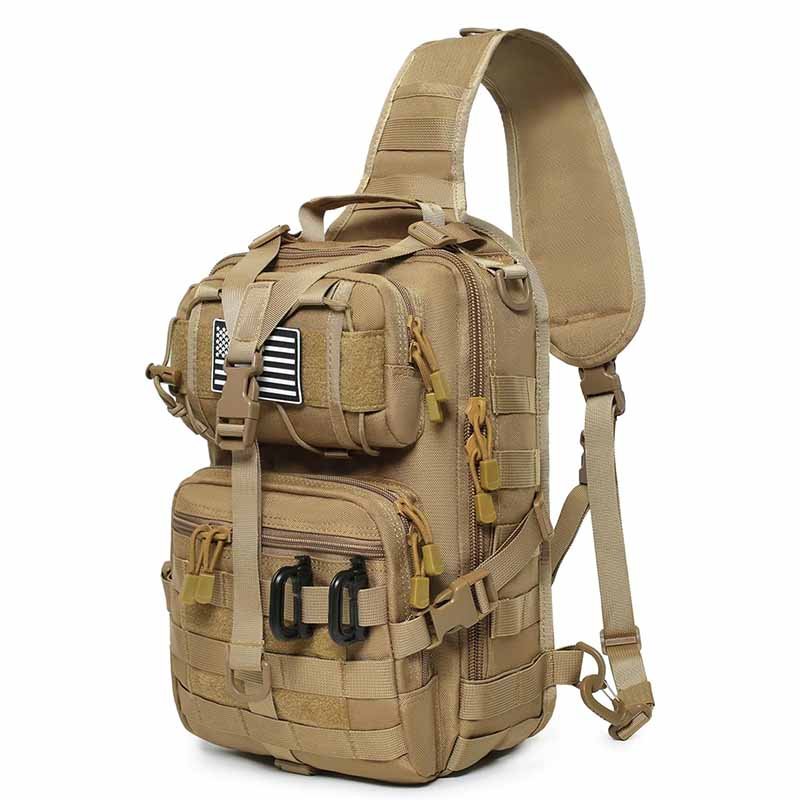
Sling Bag

A sling bag gives the line a lighter daily carry option. Szoneier can develop compact crossbody designs with front patch areas, internal mesh pockets, concealed rear pockets, adjustable shoulder straps, quick-access zippers, and optional MOLLE strips. A sling bag works well when paired with a backpack using matching fabric, puller style, patch shape, and lining color.
3. range bag

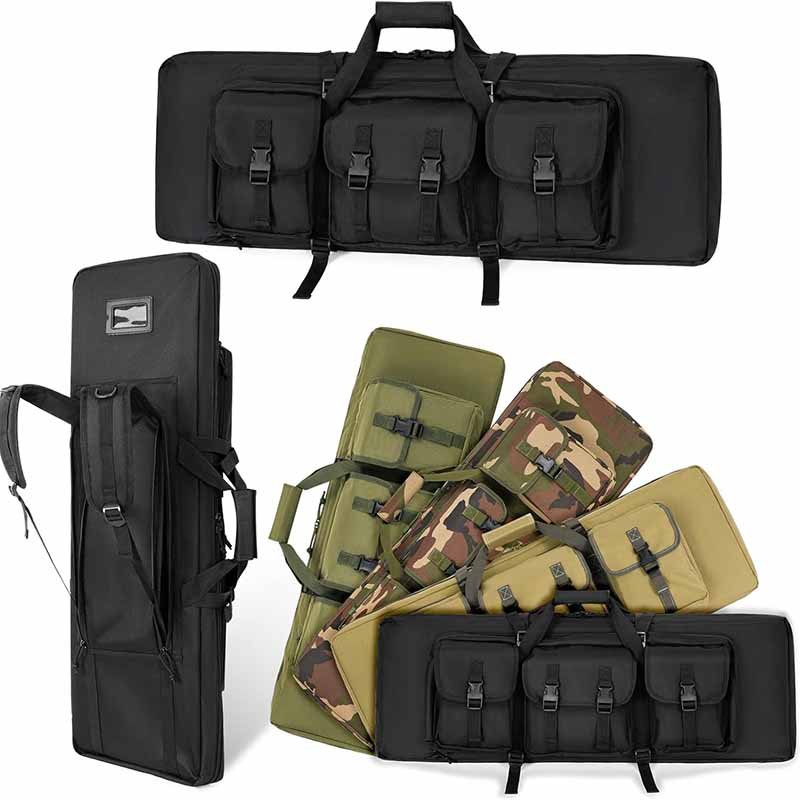
Range Bag

A range bag needs a strong base, wide opening, divided interior, heavy-duty handles, and stable zipper movement. Szoneier can develop rectangular gear bags with padded dividers, removable partitions, reinforced bottom panels, hook-and-loop areas, and side pouches. For commercial programs, Szoneier focuses on storage function and durable construction rather than sensitive end-use claims.
4. tactical duffel

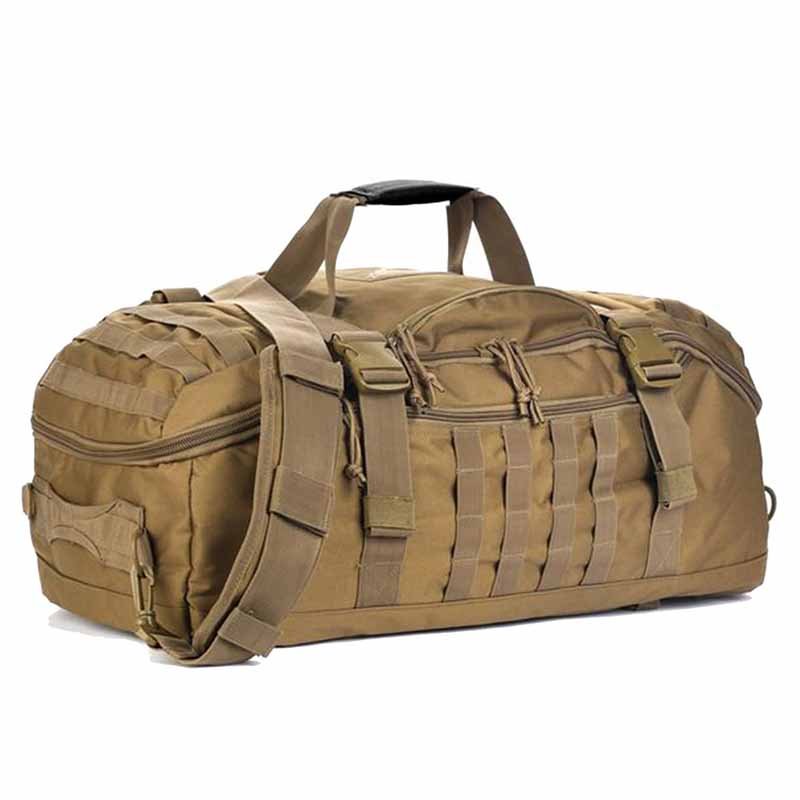
Tactical Duffel

A tactical duffel helps extend the line into larger gear storage. Szoneier can develop 35L, 55L, and 70L duffels with shoulder strap systems, side pockets, shoe compartments, reinforced base panels, compression webbing, and patch areas. Duffel development must control handle strength, zipper opening length, side structure, and carton volume.
5. admin pouch

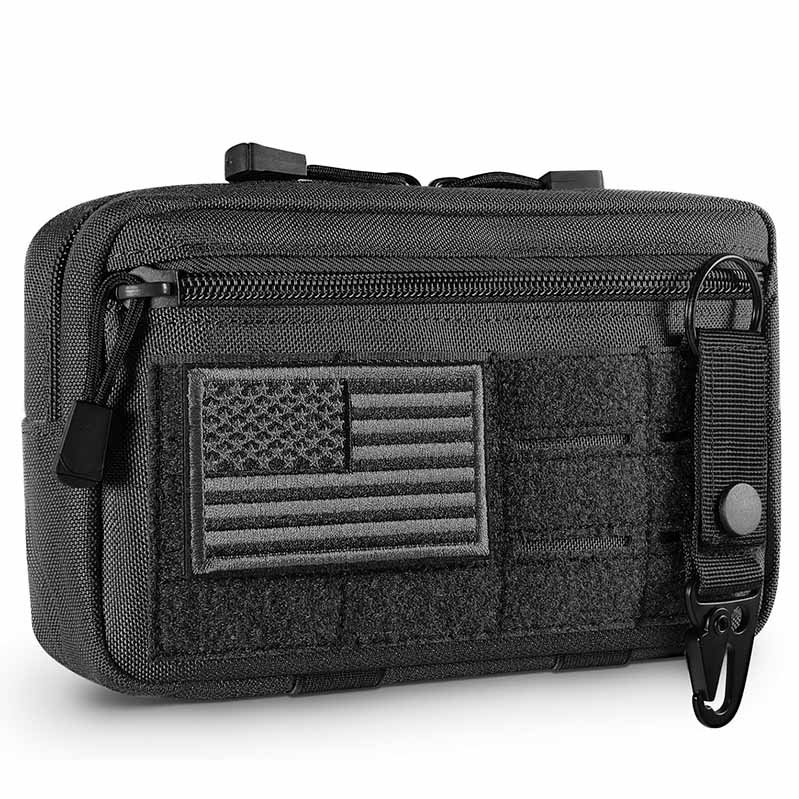
Admin Pouch

An admin pouch is a small SKU with strong repeat potential. Szoneier can develop pouches for notebooks, cards, cables, small tools, patches, and field accessories. Details often include internal elastic bands, mesh sleeves, hook-and-loop panels, pen slots, zipper pockets, and rear MOLLE straps. Shared fabrics and trims make pouch orders easier to combine with larger SKUs.
6. molle pouch

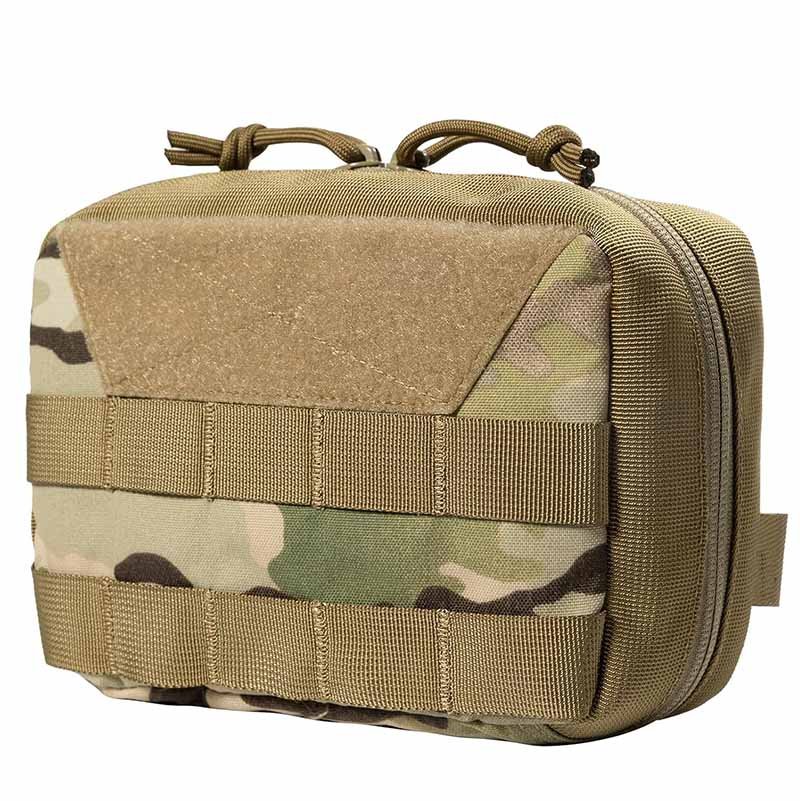
MOLLE Pouch

A MOLLE pouch supports modular line building. Szoneier can make compact utility pouches, side pouches, bottle pouches, organizer pouches, and zippered accessory pockets with webbing, snap straps, hook-and-loop, elastic loops, and drainage eyelets when required. Webbing alignment, bartack strength, and rear attachment spacing should be checked before sample approval.
7. medical pouch

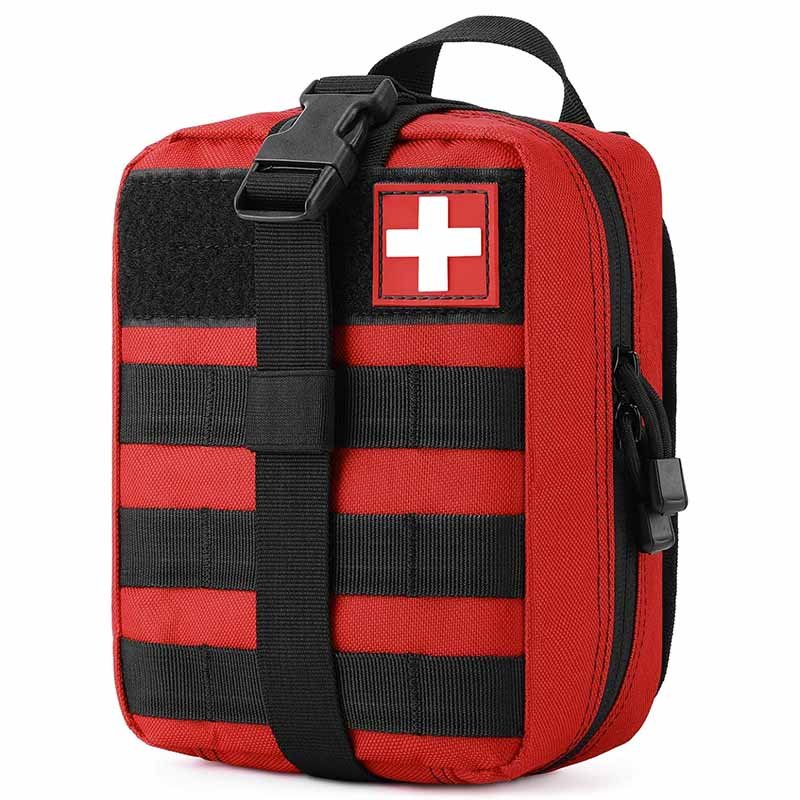
Medical Pouch

A medical pouch should focus on organization, identification, and clean opening. Szoneier can develop red, black, olive, or coyote pouches with elastic loops, transparent windows, inner dividers, removable inserts, and label areas. Content should avoid medical treatment claims; manufacturing attention stays on storage layout, material cleaning, color consistency, and batch repeatability.
8. tool bag

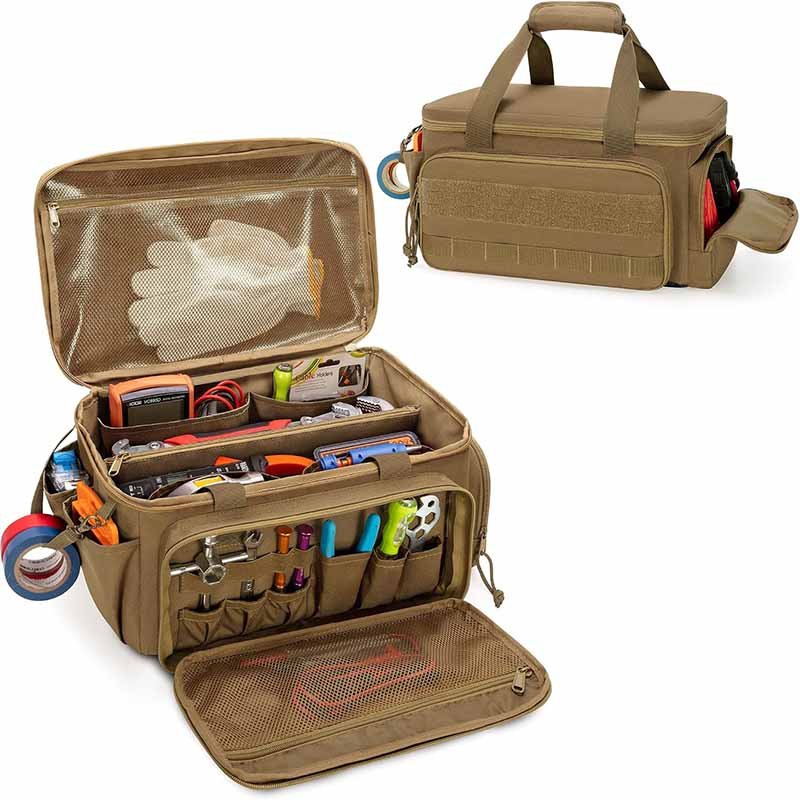
Tool Bag

A tactical-style tool bag uses stronger handles, stable base construction, and organized pocket placement. Szoneier can develop utility tool bags with reinforced bottom panels, outer pockets, inner sleeves, D-rings, detachable straps, webbing loops, and label patches. Stress-point stitching and handle pull checks matter more than decorative elements for tool-focused programs.
9. hydration pack

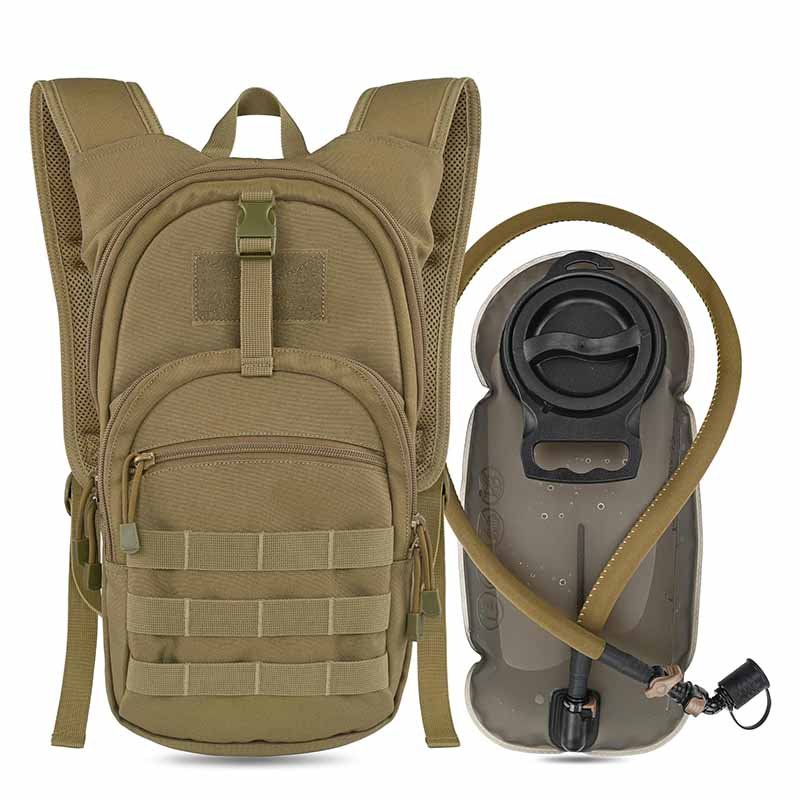
Hydration Pack

A hydration pack can be added for outdoor, cycling, event, or training lines. Szoneier can develop slim packs with bladder sleeves, hose routing openings, breathable back panels, lightweight shoulder straps, and reflective trim options. Material weight and sewing accuracy need careful review because compact packs expose small fitting errors quickly.

Match Each Bag to the Right Use Scenario

A tactical line becomes stronger when every SKU has a clear use case, clear structure, and clear reason for staying in the collection.

Outdoor Training

Outdoor training products need durability, breathability, and controlled weight. Backpacks and hydration packs should use padded straps, breathable mesh, compression webbing, and organized main compartments. Szoneier can help review fabric weight, strap width, back panel foam, zipper selection, and reinforced points before sample sewing, so the bag feels rugged without becoming unnecessarily heavy.

Everyday Carry

Everyday carry lines work better when tactical function stays clean and easy to wear. Sling bags, compact backpacks, and EDC organizers can use internal hook-and-loop, small MOLLE zones, hidden pockets, and understated patch areas. Szoneier can help reduce overbuilt panels, adjust pocket access, and keep the outside cleaner for wider retail acceptance.

Range Organization

Range bags and accessory pouches require structured storage, stronger handles, and divided interiors. Szoneier can develop removable partitions, mesh sleeves, reinforced side walls, heavy-duty zippers, and side pockets for organized gear storage. Wording and product claims should remain focused on bag construction, storage, and protection for commercial channels.

Work Utility

Work utility programs need abrasion resistance, stable handles, and easy access. Tool bags, admin pouches, and gear organizers can include reinforced bottom panels, webbing loops, wide zipper openings, and pocket mapping. Szoneier can review handle attachment, base sagging risk, and pocket reinforcement before production.

Emergency Kits

Emergency kit bags need fast identification and clean internal organization. Medical pouches, first-aid organizers, and field kit bags can use elastic loops, transparent windows, color blocks, label areas, and full-open clamshell structures. Szoneier controls material, color, divider placement, and packaging consistency for repeat kit assembly.

Travel Security

Travel tactical bags need comfort, quiet branding, and organized storage. Duffels, backpacks, and sling bags can include padded laptop areas, anti-theft rear pockets, compression straps, and luggage-friendly handles. Szoneier helps balance tactical details with cleaner visual presentation for travel retail, DTC channels, and brand photography.

Tactical Fabrics and Material Selection

Material choice controls hand feel, abrasion performance, weight, structure, cost, print result, coating risk, and long-term repeat order consistency.

Material OptionBest-Fit Tactical ProductsTypical Feel and StructureCost LevelSzoneier Development Note
600D polyester OxfordEntry tactical backpacks, sling bags, pouchesStructured, balanced weight, widely availableEfficientGood for standard colors, retail programs, and larger SKU groups with controlled cost
900D / 1000D polyester OxfordTool bags, range bags, duffels, reinforced packsHeavier hand, stronger body, firm appearanceMediumUseful when visual toughness and better abrasion resistance matter more than light weight
Nylon OxfordOutdoor backpacks, pouches, premium EDC bagsSmoother hand, good tear resistance, lighter feelMedium to higherSuitable for higher-grade products where touch, weight, and durability need balance
Ripstop nylonHydration packs, packable pouches, lightweight carryLightweight with grid reinforcementMediumWorks well for lightweight SKUs, inner pockets, or products needing reduced packed weight
PU / PVC coated fabricWater-resistant panels, base areas, utility bagsCoated surface, firmer or glossier finishVariesCoating grade, folding points, and long-term peeling risk should be checked before approval
Mesh, lining, and foamBack panels, pockets, dividers, comfort zonesSoft, breathable, protective, or structuredVariesMesh weight, foam thickness, lining color, and inner divider stiffness affect user experience

MOLLE and Modular Structure Planning

MOLLE details need accurate spacing, strong stitching, clean panel alignment, and real storage logic. Decorative webbing alone rarely builds a strong tactical line.

Webbing Layout

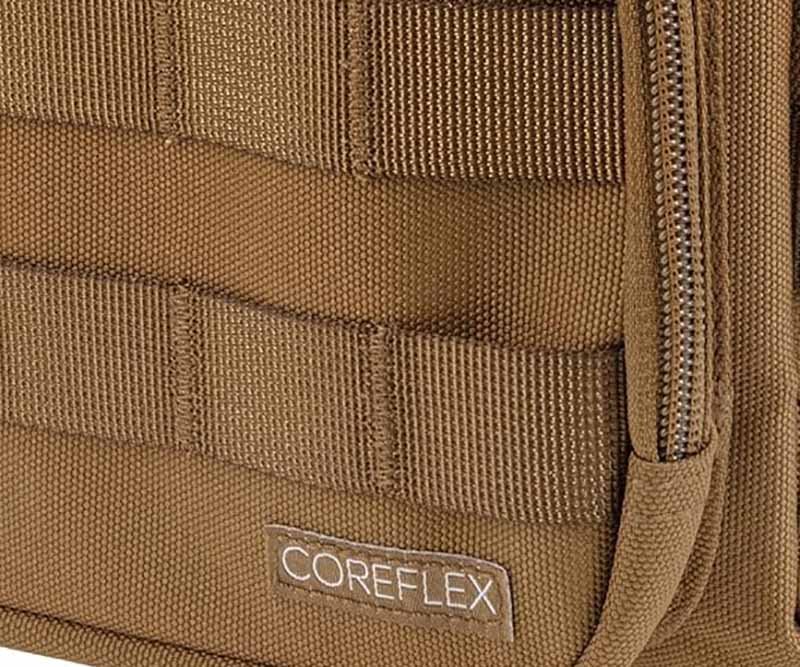
MOLLE webbing should be planned around pouch size, hand access, panel width, seam position, and visual balance. Szoneier reviews webbing rows, vertical gaps, edge distance, attachment direction, and bartack placement before sewing samples. For backpacks, front panels and side panels often need different webbing density. Too much webbing adds cost and weight, while too little makes modular pouches less useful. A better line uses enough modular surface for function while keeping a clean brand look.

Laser-Cut Panels

Laser-cut panels can create a cleaner profile than traditional stitched webbing, yet material selection becomes more important. Szoneier can review coated fabric, laminated panels, cutting edge stability, flexibility, stitch backing, and overall panel placement. Laser-cut structures suit cleaner EDC designs, travel tactical bags, and premium outdoor packs. They should be tested through bending and packing because sharp folds can affect coating and edge appearance.

Internal Organization

Modular design should not stop at the outside. Internal hook-and-loop panels, elastic loops, mesh sleeves, removable dividers, and zipper pockets help tactical bags stay useful in real storage scenarios. Szoneier can map inner compartments according to product type, such as admin tools, emergency supplies, cables, outdoor accessories, or work items. Inner organization also affects sewing order, labor time, and final price.

Detachable Pouches

Detachable pouches can turn one core bag into a larger product system. Szoneier can develop pouch sets using shared fabric, shared zipper pullers, matching patches, and compatible rear attachment straps. The main risk is attachment looseness, so rear webbing spacing, snap quality, bartack length, and pouch weight need early review. Sample approval should include both standalone pouch checking and mounted pouch checking.

Load-Bearing and Comfort Engineering

Tactical bags need more than rugged fabric. Carry comfort, load balance, and reinforced stress points decide how a bag performs after real use.
1. shoulder and strap systems

Shoulder and Strap Systems

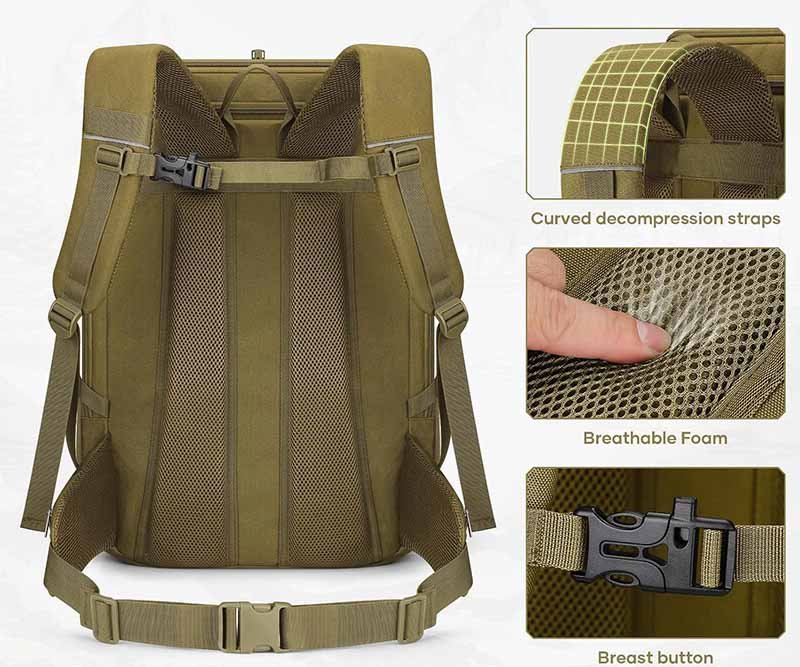
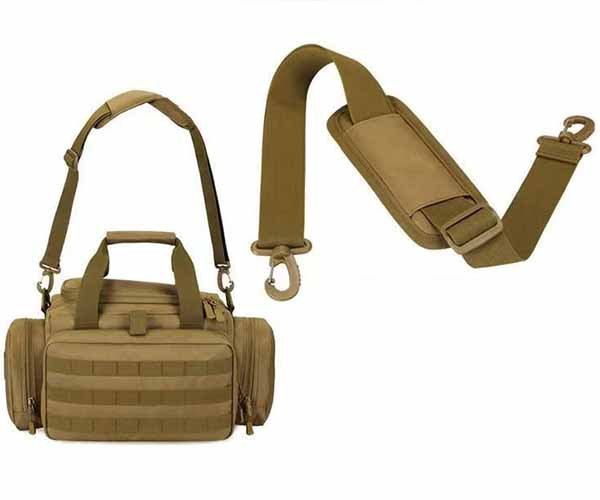
Backpack shoulder straps should be reviewed by width, foam thickness, curve, binding, webbing adjusters, and stitching at the strap root. Common tactical packs often use 25 mm, 38 mm, or 50 mm webbing depending on size and load target. Szoneier checks strap-root reinforcement, bartack position, and adjustment hardware before production. For duffels and range bags, detachable shoulder straps need swivel hooks, D-rings, and reinforced side panels matched to the expected load.
2. back panel comfort

Back Panel Comfort

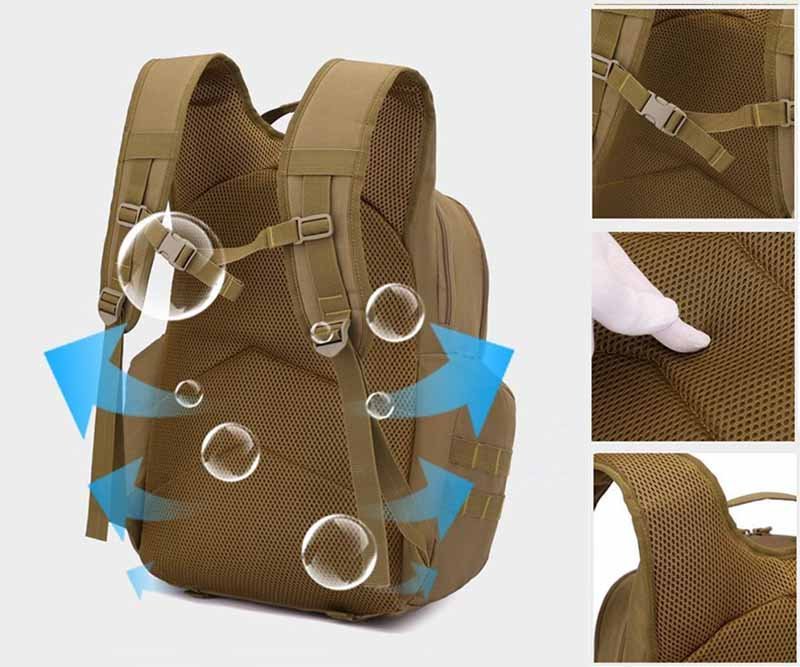
Back panels can use mesh, foam, air-channel design, PE board, or shaped padding. A 24L daily pack may need lighter foam and breathable mesh, while a 45L gear pack may need firmer structure and better load distribution. Szoneier reviews back panel height, padding zones, sternum strap placement, and waist support when needed. The goal is stable carry without turning every bag into an expensive expedition pack.
3. base and handle strength

Base and Handle Strength

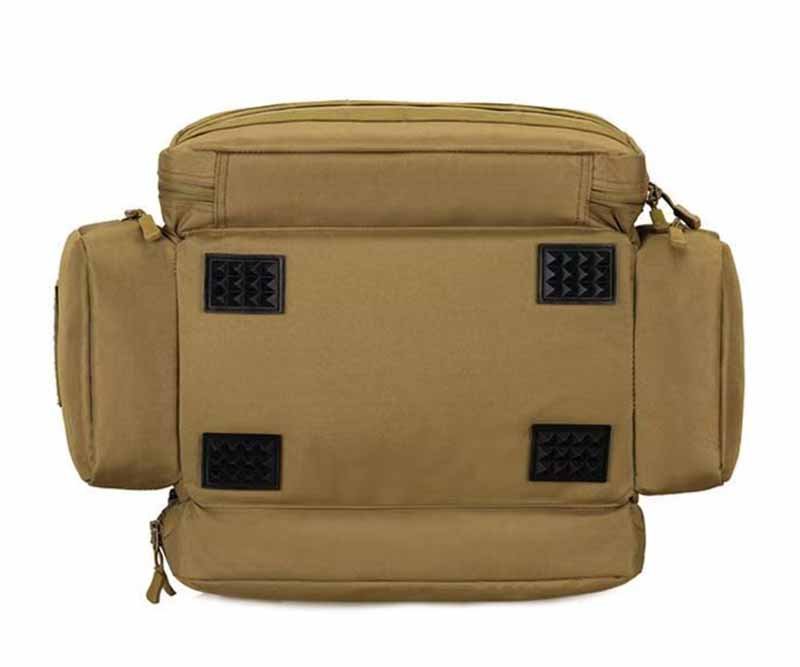
Tool bags, range bags, and duffels need stronger bottom construction than ordinary pouches. Szoneier can add PE board, reinforced fabric, foam, binding, double-layer base panels, rubber feet, or heavy webbing depending on function. Handles need box stitch, bartack, cross stitch, or internal reinforcement tape. For higher-load programs, Szoneier can perform internal load checks or coordinate third-party load testing according to requested standards.

Sewing and Reinforcement Details

Tactical bag quality often fails at seams, strap roots, zipper ends, bottom corners, and MOLLE attachment points. Szoneier treats these areas as control points.

Stress-Point Reinforcement

Stress points include shoulder strap roots, grab handles, D-ring tabs, MOLLE ends, side compression straps, bottom corners, and zipper stops. Szoneier can use bartack, box stitch, cross stitch, double stitching, or internal reinforcement tape depending on structure. Reinforcement should match the load path, not simply add more stitches. For example, MOLLE webbing needs repeated bartack points, while a duffel handle may need wider load distribution into the side panel.

Edge Binding and Seams

Edge binding protects raw edges, improves appearance, and strengthens inner construction. Common binding widths can range around 20-30 mm depending on fabric thickness and seam bulk. Szoneier reviews seam allowance, turning difficulty, corner thickness, and binding tension during sample making. Tactical bags with thick foam, double-layer fabric, or coated materials need slower sewing control because bulky seams can distort shape and zipper movement.

Stitching Consistency

Consistent stitches make bulk production look closer to the approved sample. Szoneier checks thread type, needle size, stitch density, skipped stitches, loose thread ends, and visible seam alignment. Dark tactical fabrics can hide small defects under normal light, so inspection should include zipper areas, pocket edges, patch borders, webbing rows, and inside binding. Repeat orders also benefit from saved pattern records and approved sample references.

Zippers, Buckles, Webbing, and Trims

Trim selection affects performance, cost, touch, opening comfort, repair risk, and retail perception. Szoneier helps match trims to each SKU tier.
1. zipper systems

Zipper Systems

Tactical bags may use nylon coil zippers, molded tooth zippers, reverse zippers, waterproof-style zippers, or double pullers depending on use. Larger openings need smoother movement and stronger slider selection. Szoneier reviews zipper size, track direction, puller length, storm flap needs, and zipper-end reinforcement. For sample approval, zipper travel should be tested with the bag partially loaded.
2. buckles and hooks

Buckles and Hooks

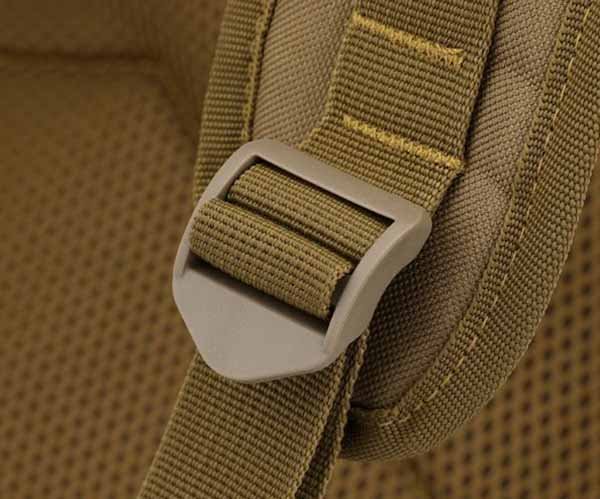
Buckles, ladder locks, side-release buckles, snap hooks, and D-rings need to match strap width and expected load. Szoneier can help compare plastic and metal hardware by weight, cost, noise, corrosion risk, and hand feel. Heavy-looking hardware is not always better; wrong hardware can increase cost, scratch nearby panels, or add unnecessary shipping weight.
3. webbing selection

Webbing Selection

Webbing controls MOLLE panels, shoulder adjustment, compression straps, handles, and attachment points. Common tactical webbing widths include 20 mm, 25 mm, 38 mm, and 50 mm. Szoneier reviews weave density, hand feel, color match, edge finish, and tensile requirements. For multi-SKU lines, shared webbing color and width can simplify procurement and keep the line visually consistent.
4. patch areas

Patch Areas

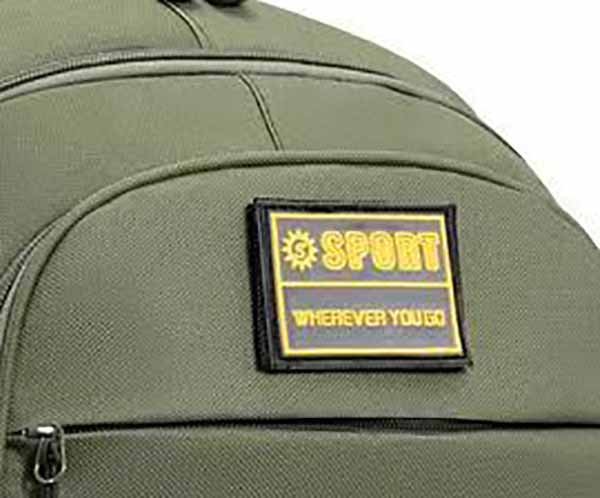
Patch areas can include hook-and-loop panels, rubber patches, woven labels, leather patches, PVC patches, or printed branding. Position matters because patches can interfere with seams, zippers, pockets, or MOLLE rows. Szoneier helps place patch areas so branding stays visible during product photography and does not weaken functional panels.

Private Label Branding and Color Systems
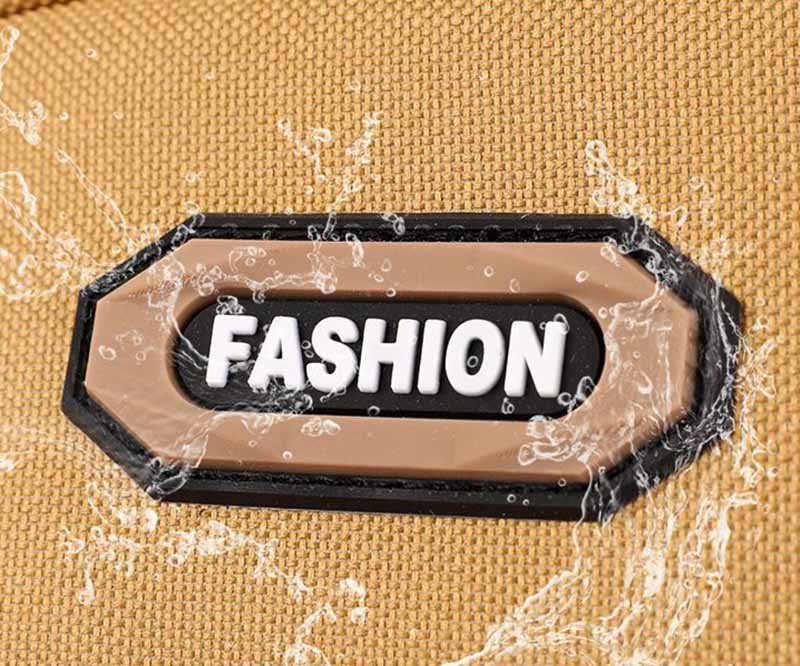
Tactical line development needs brand consistency across fabrics, patches, pullers, labels, packaging, and carton information, not only a logo on one bag.
1. rubber patch

Rubber Patch

Rubber patches suit tactical backpacks, sling bags, duffels, and pouches when a raised, durable brand feel is needed. Mold cost, patch size, sewing border, color count, and placement should be confirmed early. Szoneier can place rubber patches on front panels, side panels, or removable hook-and-loop areas depending on structure and packing method.
2. woven label

Woven Label

Woven labels work well for cleaner tactical styles, inner branding, retail series labels, and pouch families. They are lighter and easier to apply than molded patches. Szoneier can help choose label size, fold type, edge finish, sewing position, and color contrast, keeping label placement stable across multiple SKUs.
3. embroidery (1)

Embroidery

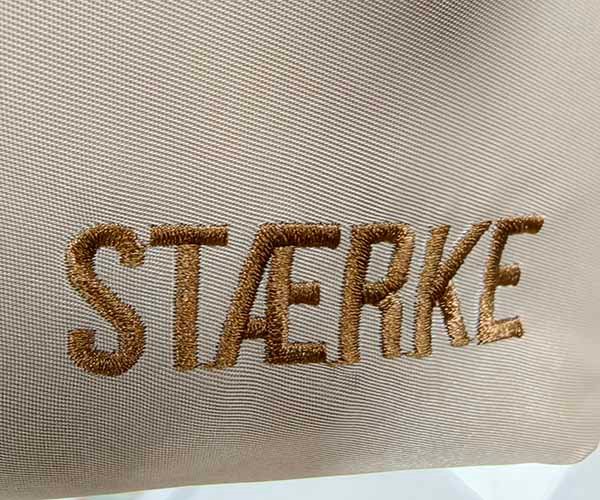
Embroidery can create a premium look on selected panels, but thick tactical fabric, coating, foam backing, or pocket layers may limit placement. Szoneier reviews embroidery size, stitch density, backing support, fabric distortion risk, and thread color before sample sewing. For high-wear zones, patch or label options may perform better.
4. custom pullers

Custom Pullers

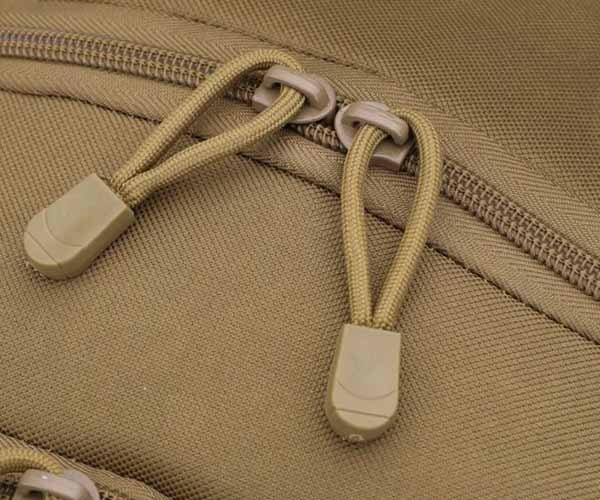
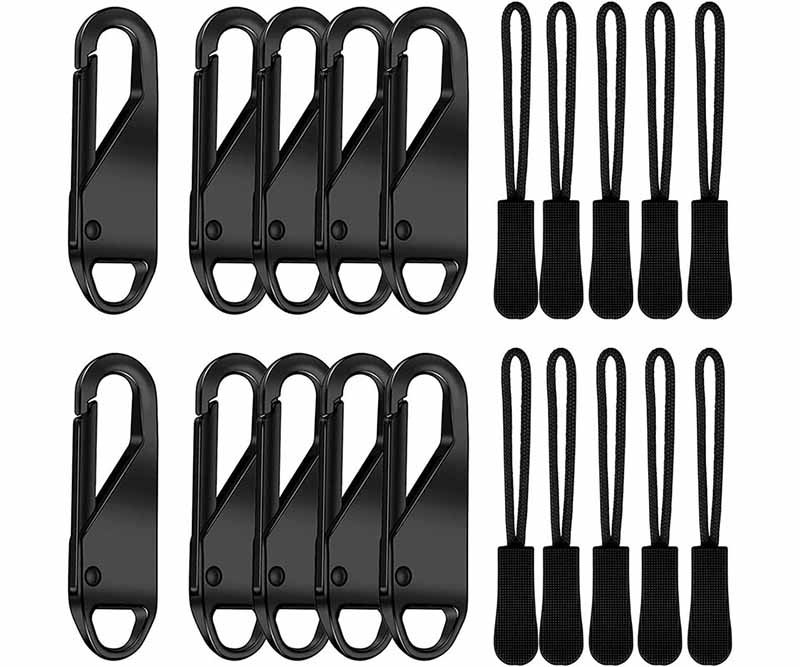
Custom pullers create small but strong brand details. Options include woven cord pullers, rubber pullers, molded pullers, metal pullers, or fabric tabs. Szoneier checks puller length, glove-friendly grip, color match, cost, and bulk consistency. A shared puller design across the line can make the collection look more controlled.
5. hangtags and inserts

Hangtags and Inserts

Hangtags, inserts, warranty cards, barcode stickers, and instruction cards help retail and online programs explain product features. Szoneier can coordinate tag size, string type, barcode placement, language version, and packing sequence. For tactical products, hangtag claims should stay accurate and supported by the actual construction.
retail packing

Retail Packing

Retail packing may include polybags, printed sleeves, kraft cards, color boxes, master cartons, or retail-ready cartons. Szoneier reviews packaging with product dimensions, zipper protection, patch protection, FBA needs, carton marks, and shipping route. Packaging should protect structure without making shipping volume unnecessarily high.

Sample Development From Idea to Approval

Szoneier sample work turns a concept, reference sample, drawing, or tech pack into a reviewed prototype before bulk production begins.

Project Review

A tactical bag sample begins with a clear review of product type, size, target use, fabric, coating, pocket count, MOLLE layout, hardware, logo, packaging, quantity, and destination. Szoneier can work from sketches, photos, reference links, physical samples, or tech packs. Clear inputs help avoid blind quotation and reduce sample revisions. For line development, Szoneier also checks whether several SKUs can share material, webbing, zipper pullers, patches, and packaging.

Pattern and Material Setup

After the direction is confirmed, Szoneier prepares pattern logic, fabric options, trim options, and logo process suggestions. Tactical bags often need a material card before sewing because a small change in fabric weight or coating can affect seam bulk, shape, and zipper behavior. Standard samples may take about 7-12 days. Complex tactical backpacks, duffels, range bags, or multi-pocket pouches may take about 12-20+ days depending on structure, materials, and logo process.

Sample Sewing and Review

Sample sewing checks pocket layout, fabric hand feel, strap comfort, zipper route, MOLLE alignment, patch position, seam bulk, and overall size. Szoneier can send photos, videos, and measurement notes before dispatch. When revisions are needed, the team marks changes around pattern, material, webbing, hardware, lining, logo, or packaging. The final approved sample becomes the reference for pre-production control.

Pre-Production Sample

For complex or larger programs, a pre-production sample protects bulk consistency. It confirms approved material, confirmed trims, real logo method, final carton packing, barcode or FNSKU location, and final measurement tolerance. Szoneier recommends locking BOM, pattern, color, and packaging records before cutting bulk fabric. A clear sample approval process helps prevent later disputes around shape, shade, pocket position, and trim grade.

MOQ and Multi-SKU Launch Planning

MOQ should be planned by SKU role, material sharing, trim availability, color count, logo method, and packing needs rather than one flat number.

Selected Standard Projects

For selected standard custom bag projects, Szoneier can review orders from 200 pcs per SKU. Feasibility depends on fabric availability, ready colors, common zipper and hardware options, logo process, packing format, and production schedule. For tactical bags, compact pouches and simpler sling bags are usually easier to plan at smaller quantities than highly structured backpacks, range bags, or duffels with many custom trims.

Complex Tactical Structures

Complex tactical bags require project-based MOQ review. Factors include custom color fabric, special coating, molded rubber patches, custom zipper pullers, laser-cut panels, special buckles, inner dividers, reinforced base panels, retail boxes, and multi-language inserts. Szoneier explains which parts increase MOQ, which parts can share materials across SKUs, and which details can be postponed to later replenishment.

Multi-SKU Order Logic

A strong first order should not create too many uncontrolled variations. Szoneier may suggest a core backpack, one sling bag, one admin pouch, and one MOLLE pouch before expanding into more colors or heavier gear bags. Sharing black lining, coyote webbing, zipper pullers, and patch design can make sampling smoother and bulk production easier to manage.

Bulk Production Control for Tactical Lines

Bulk production for tactical bags needs locked materials, approved patterns, clear SKU separation, inline inspection, and packing discipline.

BOM and Pattern Locking

Before bulk cutting, Szoneier locks the BOM, material color, trim grade, zipper type, webbing width, patch method, lining, packaging, and approved sample record. Pattern records are especially important for repeat orders because tactical bags contain many panels, pockets, and reinforcement pieces. A small pattern change can affect pocket access, MOLLE spacing, zipper flow, or carton size.

Production Scheduling

Szoneier plans production around material arrival, cutting, logo preparation, sewing sequence, inline inspection, packing, and shipment booking. Multi-SKU orders need clear separation to avoid mixing pouches, labels, patches, colorways, or packing materials. Tactical products with heavy webbing, foam, and multiple pockets may require longer sewing time than simple bags, so timeline should be confirmed before launch planning.

Sample-to-Bulk Consistency

The approved sample guides bulk production, but Szoneier also checks bulk material shade, coating hand feel, accessory batch, measurement tolerance, patch placement, and seam finish. Photos and progress updates can be arranged for major milestones. For repeat orders, saved records help maintain consistent materials, logo position, carton labels, and product measurements.

Quality Control for Functional Tactical Bags

QC should follow the real failure points of tactical soft goods: load areas, zippers, webbing, seams, packing, and SKU consistency.

QC StageWhat Szoneier ChecksCommon Tactical RiskControl Method
Material inspectionFabric shade, coating, hand feel, width, visible defectsShade difference, coating peeling, weak fabricMaterial sample approval and incoming material check
Trim inspectionZipper, buckle, webbing, puller, patch, liningWrong trim grade, color mismatch, rough pullersTrim approval card and batch checking
Cutting checkPanel shape, left/right parts, cutting directionAsymmetrical panels or distorted shapePattern reference and cutting bundle control
Sewing inspectionStitch line, bartack, binding, MOLLE alignmentLoose webbing, skipped stitches, crooked rowsInline inspection and stress-point review
Functional checkZipper movement, strap adjustment, pouch attachmentPoor opening, loose attachment, bad fitLoaded sample check and attachment testing
Packing inspectionPolybag, hangtag, barcode, carton mark, SKU separationWrong label, mixed SKU, carton mismatchPacking list check and final carton inspection

Packaging, Labeling, and Export Delivery

Tactical bag delivery needs packing plans designed to protect shape, separate SKUs, support warehouse receiving, and match the chosen shipping route.

Retail Packing

Szoneier can support polybags, hangtags, insert cards, barcode labels, warning labels, printed sleeves, and carton labels. Tactical bags often have patches, buckles, and compression straps able to scratch or deform when packed loosely. Packing review should include folded size, strap arrangement, zipper protection, and carton quantity per SKU.

FBA and Warehouse Labels

For Amazon or warehouse delivery, Szoneier can coordinate FNSKU label positions, carton marks, barcode labels, gross weight, carton dimensions, and SKU separation. Product teams should provide destination rules early because label format and carton limits can affect packing work. Clean packing reduces receiving delays and relabeling cost.

Shipping Options

Szoneier can coordinate express, air freight, sea freight, FOB, CIF, DAP, DDP assessment, warehouse delivery, and FBA-related routes depending on destination, quantity, carton data, timing, and budget. Tactical bags can create high volume weight, so carton size and compression planning matter during quotation.

Shipment Records

For repeat programs, shipment records help future replenishment. Szoneier can maintain references for carton size, packing quantity, product weight, label method, and delivery notes. These records reduce repeated communication and help later orders match previous receiving requirements.

Tactical Bag Project Case Studies

The following confidential project examples show how Szoneier can manage tactical bag lines with real order quantities, sample work, QC, and delivery planning.

U.S. Outdoor Gear Line

A U.S. outdoor gear company developed a 4-SKU tactical line: 30L backpack, 10L sling bag, admin pouch, and MOLLE utility pouch. 

Order quantity: 1,200 backpacks, 1,200 sling bags, and 2,400 pouches. 

Material: 900D polyester Oxford with PU backing, coyote webbing, rubber patch, and woven inner label. 

The main challenge was keeping MOLLE spacing and patch placement consistent across several SKUs. Szoneier prepared a 15-day sample plan, adjusted webbing alignment, approved a shared trim card, and completed bulk production in 32 days after approval. Packing used SKU-separated cartons for U.S. warehouse receiving.

European Range Bag Program

A European distributor needed a range bag and magazine-style organizer pouch for retail and wholesale channels. 

Order quantity: 800 range bags and 1,600 organizer pouches. 

Material: heavy polyester Oxford with reinforced base, padded dividers, double pullers, and woven labels. 

The challenge was handle strength and inner divider stability. Szoneier reviewed handle stitching, added base reinforcement, adjusted divider foam, and ran internal load checks before packing. Sample work took 18 days due to divider revision. Bulk production took 38 days after final approval, followed by sea freight under FOB terms.


Australia Emergency Kit Bags

An Australian emergency kit supplier needed 2,500 tactical-style medical organizer pouches with red and black panels, elastic loops, transparent windows, and label areas. The challenge was keeping inner elastic placement stable for kit assembly. Szoneier adjusted the open-flat structure, confirmed transparent window thickness, prepared a position reference for elastic loops, and used carton labels by SKU. Sample approval took 12 days. Bulk production took 28 days after material approval. The final delivery supported organized packing for downstream kit assembly.

Why Szoneier Fits Tactical Bag Line Development

Szoneier is built for custom bags and sewn soft goods programs needing material sourcing, sample development, structure control, QC, packaging, and export delivery.

Factory-Based System

Szoneier is not positioned as a basic bag reseller. The company works as a factory-based custom bags and soft goods manufacturing partner with sampling, sewing coordination, material sourcing, QC, packing, and export support. Project teams can review samples, materials, structure, packing, and delivery through one coordinated workflow.

18+ Years Experience

Szoneier has more than 18 years of custom bag and soft goods manufacturing experience. The experience covers tote bags, backpacks, duffels, pouches, cooler bags, tool bags, medical bags, leather goods, neoprene products, EVA cases, and functional sewn products. Tactical line work benefits from the same material and sewing knowledge.

Shenzhen Supply Chain

Shenzhen gives Szoneier access to fabric, webbing, zippers, buckles, labels, printing, packaging, and export logistics resources. Tactical bags require many components, so supplier coordination matters. Szoneier can review material availability, trim sourcing, sample timing, and logistics options before mass production begins.

Multi-SKU Control

Tactical bag lines often include several sizes, pouches, colors, and package types. Szoneier can help manage shared materials, shared patches, trim cards, pattern records, SKU separation, carton marks, and repeat order documents. Better records help later replenishment stay closer to the approved sample.

QC and Testing Support

Szoneier can perform internal checks and coordinate third-party testing when required. For tactical bags, checking can involve straps, handles, webbing, D-rings, buckles, zipper ends, MOLLE webbing, load-bearing points, seam quality, material appearance, and packing accuracy according to product requirements.

Direct Contact

Nancy coordinates global custom bag projects through WhatsApp, phone, and email. Project teams can send product photos, sketches, tech packs, logo files, target size, quantity, packing needs, delivery country, and launch schedule. Faster communication helps move from concept review to sample planning.

Tactical Bag Frequently Asked Questions
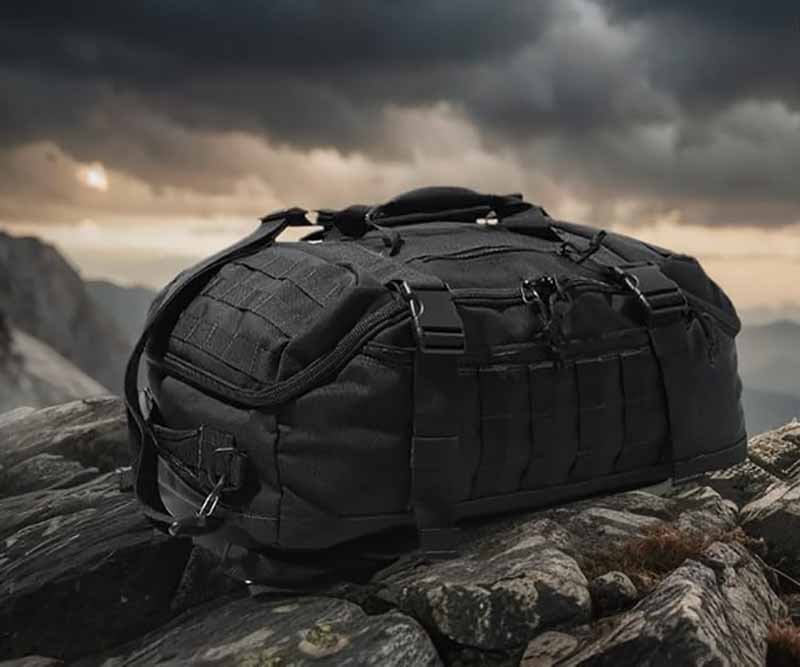
Yes. Szoneier can help develop tactical backpacks, sling bags, duffels, range bags, admin pouches, MOLLE pouches, medical pouches, tool bags, hydration packs, and utility organizers. The team can review SKU architecture, material sharing, trims, logo methods, packing, QC points, and export delivery before sampling.
Send product photos, sketches, tech packs, reference samples, target dimensions, material preference, quantity, logo files, packaging requirements, delivery country, target launch date, and expected price range. Clear inputs help Szoneier review material, structure, sample cost, MOQ, bulk lead time, and packing route more accurately.
Selected standard custom bag projects can be reviewed from 200 pcs per SKU. Tactical bags with custom materials, heavy webbing, molded patches, special hardware, laser-cut panels, or complex packaging may require a different MOQ. Szoneier reviews MOQ by structure, material, trim, color, logo method, and production setup.
Simple samples may take about 3-7 days, standard samples about 7-12 days, and complex tactical bags about 12-20+ days. Timing depends on fabric, coating, pocket count, MOLLE layout, logo method, custom hardware, packaging samples, and revision requirements.
Yes. Szoneier can review webbing rows, laser-cut panels, pouch attachment points, hook-and-loop areas, rear attachment straps, bartack positions, and panel balance. MOLLE layout should be confirmed during sample development because small spacing errors can affect pouch fit and visual quality.
Szoneier can review nylon, polyester Oxford, ripstop nylon, coated fabrics, heavier denier fabrics, and other abrasion-resistant material options based on target cost, hand feel, weight, availability, and performance needs. Exact fabric source and branding claims must be confirmed before final quotation.
Yes. Szoneier can support woven labels, rubber patches, PVC patches, embroidery, custom zipper pullers, hangtags, barcode labels, insert cards, polybags, carton marks, and retail packaging. Packaging choices should be reviewed with product size, carton weight, shipping route, and warehouse requirements.
Bulk control can include material approval, trim approval, pattern locking, pre-production sample confirmation, inline inspection, reinforcement checks, zipper checks, measurement checks, SKU separation, packing inspection, and final carton review. For higher requirements, third-party inspection or testing can be coordinated.
Yes. Szoneier can coordinate export delivery for the United States and other markets through express, air freight, sea freight, FOB, CIF, DAP, DDP assessment, warehouse delivery, and FBA-related routes. The best method depends on quantity, carton data, delivery deadline, and destination type.
Yes. Szoneier can maintain pattern records, material references, approved sample notes, trim cards, logo files, packaging records, carton data, and QC notes for future replenishment. Repeat order documentation helps reduce communication time and improve consistency across production rounds.

Start Your Tactical Bag Line Project

Send Szoneier your concept, tech pack, reference sample, product list, or target retail plan. Nancy and the project team will review materials, structure, MOQ, sample work, logo process, packaging, QC, and delivery route before preparing a workable quotation. For a complete tactical line, include the number of SKUs, target size range, fabric preference, webbing color, logo method, packaging needs, destination country, and expected launch schedule. Please prepare:
  • Product type and SKU list, such as backpack, sling bag, pouch, duffel, range bag, or medical pouch
  • Target quantity per SKU and color plan
  • Size, capacity, pocket layout, MOLLE requirement, and strap structure
  • Preferred fabric, coating, lining, webbing, zipper, buckle, and patch method
  • Logo files, barcode needs, hangtag design, and retail packing requirements
  • Destination country, warehouse type, FBA or DDP needs, and target delivery date
  • Tech pack, sketch, product photo, reference sample, or competitor link for review
tactical bag (4)

Ask For A Quick Quote

We will contact you within 24 Hours, please pay attention to the email with the suffix“@szoneier.com”

For all inquiries, please feel free to reach out at:

Ask For A Quick Quote

We will contact you within 24 Hours, please pay attention to the email with the suffix“@szoneier.com”

Contact Us

Send us a message if you have any questions or request a quote. We will be back to you ASAP!

For all inquiries, please feel free to reach out at:

Contact Us

Send us a message if you have any questions or request a quote. We will be back to you ASAP!

Exclusive Offer for First-Time Customers

For first-time customers, we will send you a free color card for you to choose.Once you have confirmed the fabric and color, our factory will make a free sample proofing for you.

For customers who frequently cooperate with us, we will send new color charts free of charge several times a year.

For all inquiries, please feel free to reach out at: