 Skip to content
Screen Printing Bag Manufacturer with In-House Fabric & Printing Control
Screen printing on bags is not only about applying ink. The final result depends on fabric behavior, structure design, ink compatibility, and production control. Many issues such as fading, misalignment, or color variation appear during bulk production, not in the sample stage.
Szoneier combines material supply, product development, and printing coordination to support projects with clearer specifications, more stable output, and better repeatability for future orders.
- MOQ from 200 pcs per design
- Sampling in 5–7 days (standard bags)
- Production lead time 25–30 days
- Own fabric factories + printing control system
- Supports Pantone color matching & multi-color printing
- 100% inspection before shipment
Who We Work With and What Each Project Requires
Screen printed bags are used across different industries, but each type of client focuses on different priorities. Some care about unit cost and delivery speed, while others focus on brand consistency, print durability, or long-term repeat production.
Szoneier works with a wide range of business clients and adjusts material selection, printing methods, and production planning based on real project requirements rather than a fixed approach.
Brand Owners (Retail & Lifestyle Brands)
Project Characteristics:
- Focus on visual presentation and brand identity
- Require consistent color and print quality across batches
- Often involve canvas or cotton materials
Typical Requirements:
- Pantone color matching
- Clean logo edges and stable coverage
- Repeat order consistency
- Packaging aligned with brand positioning
Szoneier Support:
- Material recommendation based on logo type
- Pre-production color adjustment
- Stable sourcing for repeat production
E-commerce Sellers (Amazon / Shopify)
Project Characteristics:
- Medium to small batch orders
- Fast product launch cycles
- Cost-sensitive but quality-conscious
Typical Requirements:
- MOQ around 200–500 pcs
- Sampling within one week
- Clear communication and quick updates
Szoneier Support:
- MOQ starting from 200 pcs
- Sample turnaround 5–7 days
- Flexible adjustments during sampling
Promotional Companies & Campaign Buyers
Project Characteristics:
- Large quantity orders
- Short delivery windows
- Simple logo designs
Typical Requirements:
- Cost efficiency per unit
- Reliable bulk production
- Consistent logo appearance
Szoneier Support:
- Multi-line production coordination
- Simplified printing setup for efficiency
- Stable scheduling for bulk orders
Retail Chains & Distributors
Project Characteristics:
- Repeat orders
- Standardized product specifications
- Large-volume purchasing
Typical Requirements:
- Stable size and structure
- Consistent printing position
- Predictable delivery schedule
Szoneier Support:
- Controlled material sourcing
- Standardized production process
- Batch-to-batch consistency control
| Client Type | Typical Order Size | Main Focus | Key Requirements |
|---|---|---|---|
| Brand Owners | 500–10,000 pcs | Brand consistency | Accurate color, clean printing, repeatability |
| E-commerce Sellers | 200–3,000 pcs | Speed & flexibility | Low MOQ, fast sampling, stable quality |
| Promotional Companies | 1,000–50,000 pcs | Cost control | Simple printing, bulk efficiency |
| Retail Chains | 3,000+ pcs | Standardization | Consistent specs, repeat orders |
| Distributors | Bulk orders | Pricing & supply | Competitive cost, reliable production |
| Corporate Buyers | 500–5,000 pcs | Branding use | Clear logo, practical design |
| Event Agencies | Short-term orders | Fast delivery | Tight schedule, quick turnaround |
| Product Development Teams | New designs | Technical support | Material advice, structure optimization |
Why Screen Printing Quality Becomes a Problem in Real Production
Screen printing on bags often looks simple during sampling, but the real challenge appears in bulk production. A logo that looks clean on one sample can behave very differently when applied to hundreds or thousands of units.
Most issues are not caused by printing itself, but by the combination of fabric, structure, ink selection, and production control. When these factors are not aligned, problems appear quickly during production or after the product reaches the market.
Common Problems Seen in Bulk Orders
Logo Cracking After Use
- Ink layer breaks after folding or repeated use
- More common on thin polyester or incorrect ink selection
Typical Result:
- Product looks worn after short usage
- Brand perception drops
Color Inconsistency Across Batches
- Color appears darker or lighter between production runs
- Differences become visible under store lighting
Typical Result:
- Products look inconsistent on shelves
- Reorders cannot match previous batches
Ink Bleeding on Synthetic Fabrics
- Edges of logo become blurred
- Common on nylon and coated materials
Typical Result:
- Reduced print sharpness
- Lower perceived product quality
Logo Misalignment in Bulk Production
- Small positioning errors repeated across large quantities
- Caused by unstable placement during printing
Typical Result:
- Products do not look uniform
- Difficult to sell as a consistent collection
Fabric Distortion After Sewing
- Printing area changes shape after handles or zippers are attached
Typical Result:
- Logo appears skewed or uneven
- Increased rejection rate during QC
Commercial Impact
| Issue | Direct Impact | Long-Term Impact |
|---|---|---|
| Cracking print | Product complaints | Reduced brand trust |
| Color mismatch | Rejection of goods | Difficult repeat orders |
| Blurred logo | Lower product value | Weak brand presentation |
| Misalignment | Inconsistent appearance | Retail display issues |
| Rework | Delayed shipment | Increased total cost |
Real Production Insight
- Poor printing control can increase defect rate to 8–12%
- Rework can extend delivery by 5–10 days
- Printing-related issues often account for 30%+ of complaints in custom bag orders
Why These Problems Happen
Most issues are not random. They come from gaps in production planning.
Material Not Matched with Ink
- Different fabrics require different ink types
- Using general ink for all materials leads to instability
Structure Not Considered Before Printing
- Printing area not fully flat
- Accessories interfere with positioning
Lack of Process Control
- Ink ratio not standardized
- Temperature and drying conditions vary
Inspection Only at the End
- Problems discovered too late
- Large quantity already produced
How Szoneier Reduces These Risks
Szoneier approaches printing as part of the full production system rather than an isolated step.
Before Production
- Fabric and ink compatibility checked
- Printing area reviewed during product development
- Sample tested under real conditions
During Production
- Printing parameters kept consistent
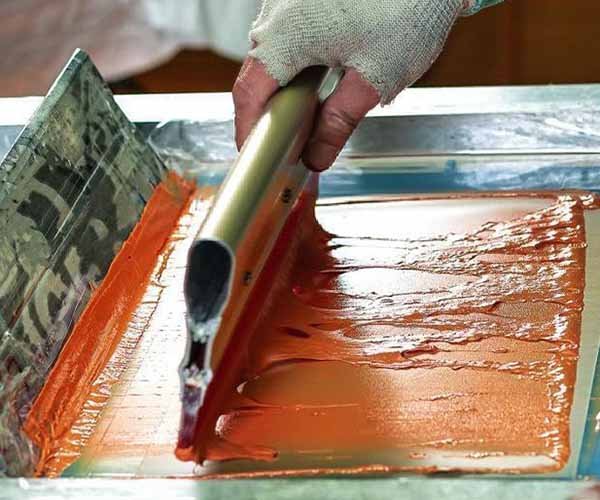
- Alignment checked regularly
- Random inspection every 100–300 pcs
After Production
- 100% inspection before shipment
- Logo clarity and position verified
- Packaging checked before dispatch

Key Factors That Determine Screen Printed Bag Quality and Production Stability
Screen printed bags are influenced by several technical and production-related factors. A project may look simple at first, but differences in material, structure, printing setup, and production control can lead to very different results in bulk orders.
Reviewing these factors early helps reduce defects, control cost, and maintain consistency across production runs.
Material Compatibility
Different materials react differently to printing.
- Cotton / canvas → better ink absorption, stable output
- Polyester → requires controlled ink and temperature
- Nylon → higher risk of ink spreading
Key Point: Material selection directly affects print clarity, durability, and consistency.
Szoneier Practice: Fabric is selected together with printing method, not separately.
Bag Structure
Structure determines whether printing can be executed accurately.
- Flat panels → easier positioning
- Gusset / multi-panel → higher complexity
- Zippers and pockets affect printing area
Key Point: Printing area must be planned before sewing.
Szoneier Practice: Printing position is reviewed during product development stage.
Printing Method & Setup
Screen printing requires proper setup.
- Each color uses a separate screen
- Ink thickness must be controlled
- Drying conditions affect final result
Key Point: Incorrect setup leads to color variation and weak adhesion.
Szoneier Practice: Standardized ink ratio and printing parameters are applied.
MOQ & Order Structure
MOQ influences production efficiency and cost.
- Low quantity → higher unit cost
- Multi-color designs increase setup complexity
Key Point: Order structure must match printing process.
Szoneier Capability: MOQ starts from 200 pcs, with flexible adjustment based on project.
Lead Time Planning
Printing is sensitive to time and environment.
- Drying time affects production speed
- Rework can delay shipment
Key Point: Unrealistic lead time increases risk.
Szoneier Standard:
- Sampling: 5–7 days
- Production: 25–30 days
Quality Control System
Inspection must happen during production.
- Alignment checks
- Color consistency monitoring
- Fabric condition control
Key Point: Final inspection alone is not enough.
Szoneier Practice: Inline QC + final 100% inspection before shipment.
Cost Structure
Cost is influenced by multiple factors:
- Number of print colors
- Printing area size
- Fabric type
- Construction complexity
- Quantity
Key Point: Lower price without process control often leads to higher total cost.
Szoneier Approach: Optimize cost through design and production adjustments, not by reducing quality.

How Szoneier Controls Screen Printing Quality from Material Selection to Bulk Production
Consistent screen printing results are achieved when material selection, product development, printing setup, and production control are aligned from the beginning.
Szoneier manages these steps as one system. Instead of handling printing as a separate process, each project is reviewed from fabric choice to final inspection, which helps reduce variation between sample and bulk production.
Szoneier Solution Workflow
Material & Printing Compatibility Review
Before sampling:
- Select fabric based on printing requirements
- Match ink type with fabric surface
- Evaluate logo coverage and color count
Control Focus:
- Ink adhesion
- Edge clarity
- Fabric reaction
Result: More stable print performance in bulk production.
Product Structure & Printing Area Planning
During development:
- Confirm flat printing area
- Adjust structure if needed
- Avoid interference from zippers, handles, or pockets
Control Focus:
- Printing position accuracy
- Structure compatibility
Result: Reduced misalignment and distortion issues.
Sampling Under Real Production Conditions
Sampling is done using actual production methods:
- Same materials
- Same printing process
- Same logo layout
Timeline:
- Standard bags: 5–7 days
- Complex designs: 7–15 days
Result: Sample reflects real production outcome, not a simplified version.
Printing Process Standardization
Before bulk production:
- Fix ink mixing ratios
- Define printing pressure
- Set drying conditions
Control Focus:
- Color consistency
- Ink thickness
- Adhesion strength
Result: Stable printing across large quantities.
In-Line Production Control
During production:
- Alignment checked regularly
- Random inspection every 100–300 pcs
- Immediate adjustment when deviation appears
Control Focus:
- Position accuracy
- Color consistency
Result: Issues corrected early, not after completion.
Final Inspection & Shipment Control
Before shipment:
- 100% inspection
- Logo clarity and position verified
- Packaging checked
Shipping options:
- Express / Air / Sea
Trade terms:
- EXW / FOB / DAP / DDP
Result: Reduced defect rate and fewer post-delivery issues.
Production Control Details
Material & Supply Control
- Own supply chain for fabric (canvas, cotton, polyester, nylon)
- Access to leather, neoprene, PU/TPU/EVA materials
- Stable raw material sourcing for repeat orders
Printing Control
- Ink selected based on material
- Controlled printing parameters
- Multi-color printing capability
Production Capacity
- Multiple factories coordinated under unified standards
- Suitable for both small MOQ and large orders
- Stable output for repeat production
Communication & Coordination
- Email, WhatsApp, WeChat, video call
- Fast response from sales team
- Clear updates during sampling and production

Screen Printing Bag Types We Manufacture for Different Industries and Use Cases
Screen printing can be applied to a wide range of bag styles, but each type requires different control over material, structure, and printing setup. Flat designs allow easier alignment, while multi-panel or functional bags require more planning before production.
Szoneier manufactures various bag categories using materials such as canvas, cotton, polyester, nylon, neoprene, and PU/TPU/EVA composites. Each product is evaluated based on printing area, fabric behavior, and usage requirements before sampling.

Canvas Tote Bags
Material Options: 8oz / 10oz / 12oz / 16oz canvas
Structure: Flat panel or bottom gusset
Features:
- Stable surface for printing
- Supports large logo areas
- Durable for repeated use
Typical Use:
- Retail packaging
- Brand merchandise
- Eco-friendly shopping bags
Printing Considerations:
- Suitable for multi-color screen printing
- Good ink absorption ensures sharp edges
Szoneier Control:
- Canvas density selected based on logo coverage
- Pre-production color adjustment for consistency
Cotton Drawstring Bags
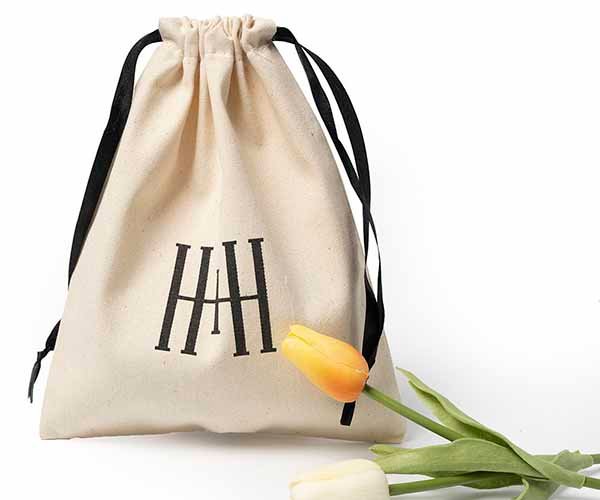
Material Options: Plain cotton / organic cotton
Structure: Single layer with drawstring closure
Features:
- Lightweight and flexible
- Easy to fold and transport
Typical Use:
- Event giveaways
- Promotional packaging
Printing Considerations:
- Fabric needs flattening before printing
- Shrinkage control required
Szoneier Control:
- Pre-wash or fabric treatment when needed
- Controlled tension during printing

Polyester Tote Bags
Material Options: 210D / 420D / 600D polyester
Structure: Flat or structured
Features:
- Cost-efficient
- Smooth surface
Typical Use:
- Corporate promotions
- Large quantity orders
Printing Considerations:
- Requires heat-set ink
- Color variation risk if not controlled
Szoneier Control:
- Ink selection based on fabric coating
- Controlled drying conditions
Non-Woven Bags
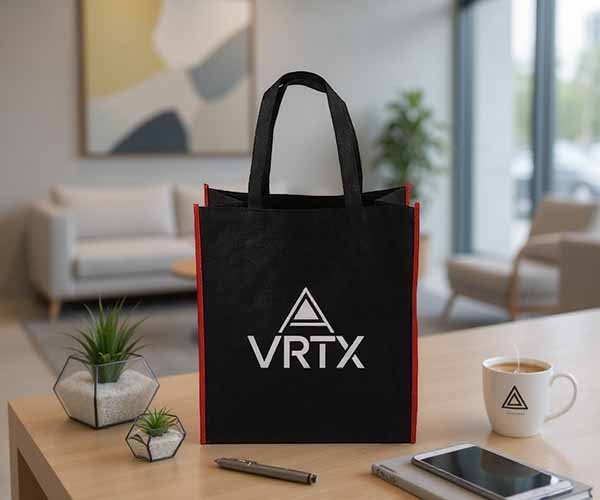
Material Options: 70gsm / 80gsm / 100gsm non-woven
Structure: Heat-sealed or stitched
Features:
- Very cost-efficient
- Lightweight
Typical Use:
- Supermarkets
- Trade shows
Printing Considerations:
- Lower print sharpness
- Suitable for simple logos
Szoneier Control:
- Pressure adjustment during printing
- Layout optimization for clarity

Cosmetic Bags & Makeup Pouches
Material Options: Canvas / polyester / PU leather
Structure: Zipper closure, multi-panel
Features:
- Smaller surface area
- Higher visual requirement
Typical Use:
- Beauty brands
- Travel kits
Printing Considerations:
- High alignment precision needed
- Multi-color logos common
Szoneier Control:
- Printing before assembly
- Position marking for accuracy

Cooler Bags (Insulated Bags)
Material Options: Polyester + PEVA / aluminum foil lining
Structure: Multi-layer
Features:
- Thermal insulation
- Structured shape
Typical Use:
- Food delivery
- Outdoor activities
Printing Considerations:
- Printing applied to outer layer before assembly
- Limited flat area
Szoneier Control:
- Layer-by-layer production coordination
- Material compatibility testing

Backpacks
Material Options: Polyester / nylon / Oxford fabric
Structure: Multi-panel, reinforced
Features:
- Complex structure
- Functional compartments
Typical Use:
- Daily use
- Outdoor activities
Printing Considerations:
- Limited flat areas
- Often combined with embroidery
Szoneier Control:
- Pre-planned logo placement
- Combined logo method recommendation

Gym Bags / Duffle Bags
Material Options: Polyester / nylon / canvas
Structure: Cylindrical or rectangular
Features:
- Large storage capacity
- Durable construction
Typical Use:
- Sports and travel
Printing Considerations:
- Curved surfaces affect alignment
- Logo placement must be pre-planned
Szoneier Control:
- Printing before full assembly
- Position guides during production

Zipper Tote Bags
Material Options: Canvas / polyester
Structure: Top zipper closure
Features:
- More secure than open tote
- Structured design
Typical Use:
- Retail and daily use
Printing Considerations:
- Zipper affects printing area
- Must plan layout carefully
Szoneier Control:
- Print panel before zipper installation

Foldable Shopping Bags
Material Options: Lightweight polyester / nylon
Structure: Foldable design
Features:
- Compact and portable
- High-volume production
Typical Use:
- Promotional campaigns
- Retail giveaways
Printing Considerations:
- Thin fabric affects ink coverage
Szoneier Control:
- Ink thickness adjustment
- Reinforcement for fold areas

Beach Bags
Material Options: Canvas / mesh / polyester
Structure: Large capacity
Features:
- Lightweight
- Open-top or zipper
Typical Use:
- Outdoor and travel
Printing Considerations:
- Mesh areas cannot be printed
- Large logos common
Szoneier Control:
- Select printable panels
- Adjust logo layout

Laptop Bags / Business Bags
Material Options: Polyester / PU / nylon
Structure: Multi-compartment
Features:
- Structured and padded
- Professional look
Typical Use:
- Corporate use
- Business travel
Printing Considerations:
- Usually small logo area
- May combine with embroidery
Szoneier Control:
- Recommend logo method based on positioning

Neoprene Bags
Material Options: Neoprene
Structure: Soft and flexible
Features:
- Water-resistant
- Stretchable
Typical Use:
- Bottle holders
- Lunch bags
Printing Considerations:
- Requires special ink
- Surface preparation needed
Szoneier Control:
- Material-specific ink system
- Adhesion testing before production

PU / Leather Bags
Material Options: PU leather / microfiber / genuine leather
Structure: Structured
Features:
- Premium appearance
- Smooth surface
Typical Use:
- Fashion and branding
Printing Considerations:
- Screen printing less common
- Often combined with embossing
Szoneier Control:
- Recommend suitable logo method
- Surface testing before printing
| Category | Printing Difficulty | Best MOQ Range | Cost Level | Use Scenario |
|---|---|---|---|---|
| Canvas Tote | Low | Medium | Medium | Retail |
| Cotton Bag | Low | Low | Low | Events |
| Polyester Bag | Medium | High | Low | Promotions |
| Non-Woven Bag | Medium | Very High | Very Low | Campaigns |
| Cosmetic Bag | High | Medium | Medium | Branding |
| Cooler Bag | High | Medium | Medium–High | Outdoor |
| Backpack | High | Medium | Medium–High | Functional |
| Duffle Bag | Medium | Medium | Medium | Sports |
| Foldable Bag | Medium | High | Low | Promotions |
| Neoprene Bag | High | Medium | Medium | Specialty |
Material Selection for Screen Printing Bags: Performance, Durability, and Cost Control
Material selection has a direct impact on screen printing quality, durability, and production consistency. Differences in fiber structure, surface texture, coating, and thickness determine how ink behaves during printing and how the logo performs after use.
Szoneier supports a wide range of materials through its own supply system, including polyester, nylon, canvas, cotton, neoprene, PU leather, and composite materials such as TPU and EVA. Material selection is evaluated together with printing requirements to reduce production risk and improve bulk stability.
Cotton Fabric
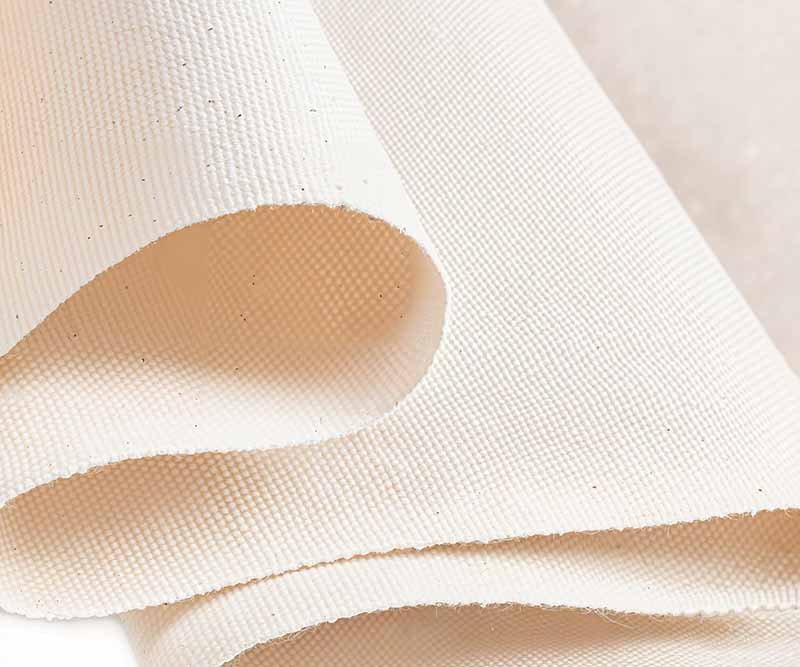
Common Types: Plain cotton / organic cotton
Characteristics:
- Natural fiber
- High ink absorption
- Soft texture
Printing Performance:
- Sharp logo edges
- Strong ink bonding
- Suitable for multi-color printing
Typical Use:
- Retail tote bags
- Promotional packaging
- Eco-friendly products
Production Notes:
- Shrinkage must be controlled
- Surface should be flattened before printing
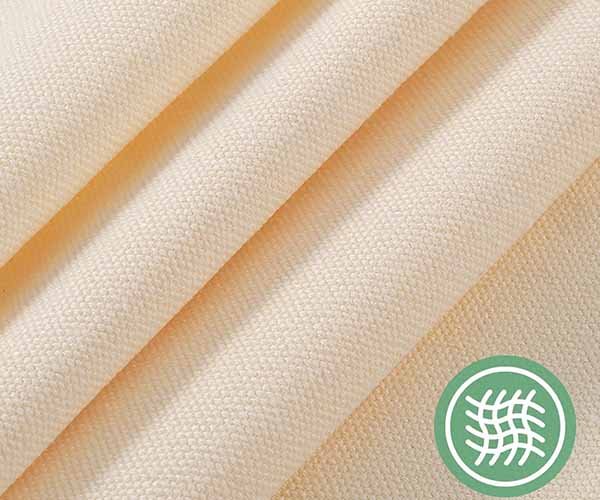
Canvas (Heavy Cotton)
Common Types: 8oz / 10oz / 12oz / 16oz canvas
Characteristics:
- Thick and durable
- Structured surface
Printing Performance:
- Stable for large logo areas
- Minimal deformation during printing
Typical Use:
- Premium tote bags
- Reusable shopping bags
Production Notes:
- Heavier fabric improves print stability
- Suitable for repeated use
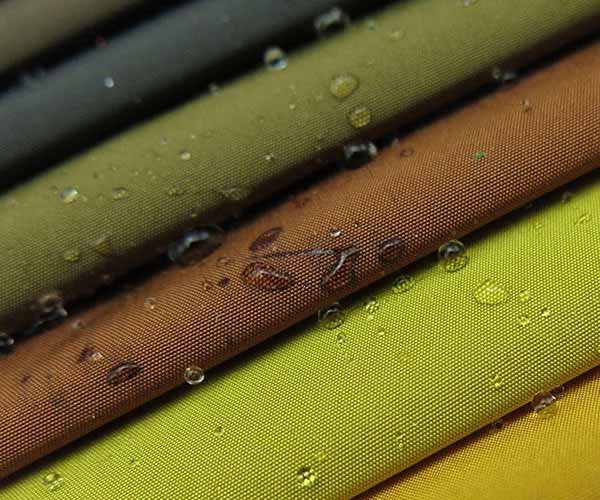
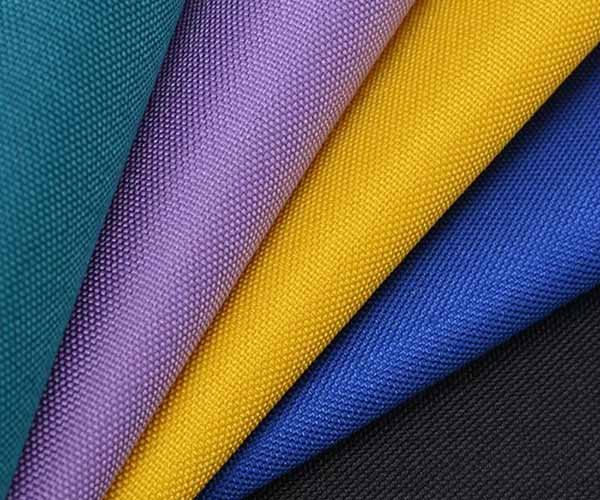
Polyester Fabric
Common Types: 210D / 420D / 600D polyester
Characteristics:
- Smooth synthetic surface
- Cost-efficient
Printing Performance:
- Requires heat-set ink
- Medium ink adhesion
Typical Use:
- Promotional bags
- Corporate giveaways
Production Notes:
- Ink selection must match coating
- Temperature control is critical
Nylon Fabric
Common Types: 190T / 210D nylon
Characteristics:
- Lightweight
- Water-resistant
Printing Performance:
- Higher risk of ink spreading
- Lower natural adhesion
Typical Use:
- Outdoor bags
- Foldable bags
Szoneier Control:
- Anti-bleeding ink
- Surface treatment before printing
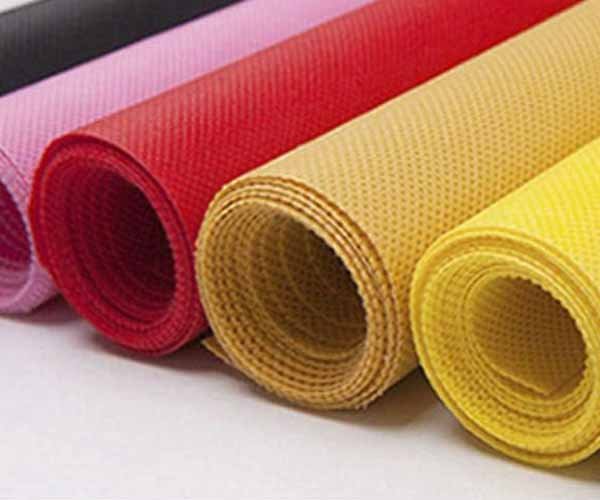
Non-Woven Fabric
Common Types: 70gsm / 80gsm / 100gsm
Characteristics:
- Low cost
- Fiber-bonded structure
Printing Performance:
- Lower precision
- Suitable for simple logos
Typical Use:
- Supermarket bags
- Event giveaways
Production Notes:
- Pressure adjustment required
- Best for single-color designs

Neoprene Material
Characteristics:
- Soft and flexible
- Water-resistant
Printing Performance:
- Requires special ink
- Needs surface preparation
Typical Use:
- Bottle bags
- Lunch bags
Szoneier Capability:
- Own neoprene production support
- Material-specific printing solutions
PU Leather & Synthetic Leather
Types: PU / microfiber / synthetic leather
Characteristics:
- Smooth surface
- Premium appearance
Printing Performance:
- Screen printing possible but limited
- Often combined with embossing or heat transfer
Typical Use:
- Fashion bags
- Business accessories
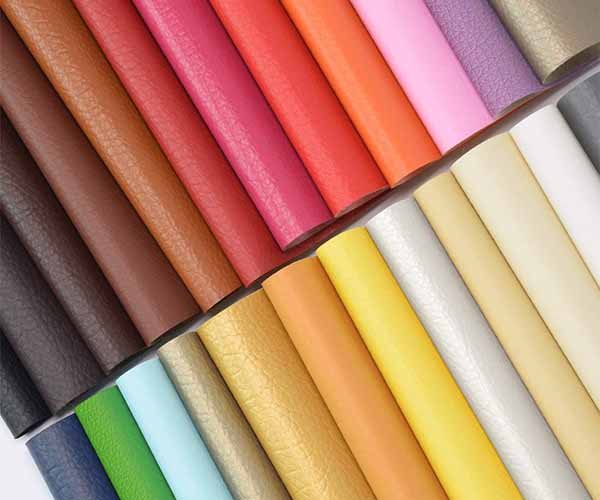
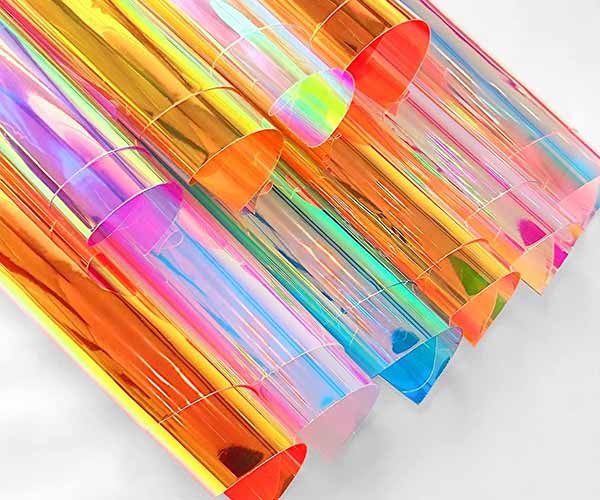
Composite Materials (TPU / EVA / Laminated Fabrics)
Characteristics:
- Functional materials
- Waterproof or structured
Printing Performance:
- Requires customized process
- Surface coating affects adhesion
Typical Use:
- Outdoor bags
- Technical products
Szoneier Capability:
- Access to TPU / EVA material production
- Ability to combine materials in one product
| Material | Print Clarity | Durability | Cost Level | Risk Level |
|---|---|---|---|---|
| Cotton | High | Medium | Medium | Low |
| Canvas | Very High | High | Medium–High | Low |
| Polyester | Medium | High | Low | Medium |
| Nylon | Medium | Very High | Medium | High |
| Non-Woven | Low | Low | Very Low | Medium |
| Neoprene | Medium | High | Medium | Medium |
| PU Leather | Medium | High | Medium–High | Medium |
| TPU/EVA | Medium | High | High | Medium |

Material Selection by Application
For Branding & Retail Use
- Recommended: Canvas / Cotton
- Reason: Better print clarity and texture
For Promotional Campaigns
- Recommended: Polyester / Non-woven
- Reason: Lower cost and scalable production
For Outdoor & Functional Bags
- Recommended: Nylon / TPU / EVA
- Reason: Durability and water resistance
For Premium Products
- Recommended: Canvas / PU leather
- Reason: Better appearance and structure
Logo Application Methods for Screen Printing Bags
Logo application is not only about appearance. It affects production cost, durability, lead time, and consistency in bulk orders.
Screen printing is widely used for custom bags, but depending on material, logo complexity, and order size, other methods such as heat transfer, embroidery, or digital printing may be more suitable.
Szoneier evaluates logo size, color count, fabric type, and production quantity before recommending the most suitable method.
Logo Methods Breakdown
Screen Printing (Most Common Method)
Ink is applied through a mesh screen onto the fabric surface. Each color requires a separate screen.
Key Characteristics:
- Strong color coverage
- Suitable for large logo areas
- Cost-efficient for medium to large quantities
Best Used For:
- Canvas and cotton tote bags
- Promotional bags
- Solid color designs
Advantages:
- Low cost per unit in bulk
- Good durability with correct ink selection
- Stable output for repeat orders
Limitations:
- Not suitable for gradient or photo designs
- Multi-color designs increase setup complexity
Szoneier Control:
- Ink matched with fabric type
- Printing pressure and drying conditions standardized
- Alignment tolerance controlled within ±2 mm
Heat Transfer Printing
Design is printed on transfer film and then applied to the fabric using heat and pressure.
Key Characteristics:
- High detail reproduction
- Suitable for complex multi-color designs
Best Used For:
- Polyester bags
- Detailed logos or gradient designs
Advantages:
- No color limitation
- Good for small to medium orders
Limitations:
- Higher cost compared to screen printing
- Lower breathability
- Durability depends on material and usage
Szoneier Control:
- Film selection based on fabric type
- Heat and pressure settings adjusted for adhesion
Digital Printing
Design is directly printed onto fabric using digital equipment.
Key Characteristics:
- No screen setup required
- Unlimited color range
Best Used For:
- Small quantity orders
- Complex or photo-style designs
Advantages:
- Fast setup
- High detail reproduction
Limitations:
- Higher unit cost
- Lower durability compared to screen printing
Szoneier Control:
- Fabric compatibility testing
- Color calibration before production
Embroidery
Logo is stitched onto the fabric using thread.
Key Characteristics:
- Raised texture
- Premium appearance
Best Used For:
- Small logos
- High-end bags
Advantages:
- Very durable
- Strong visual impact
Limitations:
- Not suitable for large logos
- Higher production cost
- Limited color blending
Szoneier Control:
- Thread density and stitch quality controlled
- Placement marked before sewing
Combined Logo Methods
Example Combinations:
- Screen printing + embroidery
- Screen printing + heat transfer
Purpose:
- Balance cost and visual effect
- Highlight specific design elements
Szoneier Capability:
- Recommend mixed methods based on design
- Coordinate multiple processes in one production flow
| Method | Cost | Durability | MOQ Suitability | Design Complexity | Best Material |
|---|---|---|---|---|---|
| Screen Printing | Low | High | Medium–High | Medium | Cotton / Canvas |
| Heat Transfer | Medium | Medium | Low–Medium | High | Polyester |
| Embroidery | High | Very High | Medium | Low | Thick fabrics |
| Digital Printing | High | Medium | Low | Very High | Various |
| Combined Methods | Medium–High | High | Medium | High | Mixed |
Application Recommendations
For Large Quantity Orders
- Recommended: Screen printing
- Reason: Lower cost and stable output
For Complex or Multi-Color Designs
- Recommended: Heat transfer or digital printing
- Reason: Better detail reproduction
For Premium Branding
- Recommended: Embroidery or mixed methods
- Reason: Strong visual impact
For Cost-Sensitive Projects
- Recommended: Screen printing with limited colors
- Reason: Controlled production cost

Try Before You Order – Free Sample Program
We offer free custom samples for qualified clients. Whether you’re testing a new market or validating design quality, our samples help you move forward with confidence.
MOQ, Sampling, and Production Lead Time for Screen Printed Bags
Order planning for screen printed bags depends on quantity, design complexity, material selection, and printing requirements. A clear understanding of MOQ, sampling timeline, and production lead time helps reduce delays, avoid unexpected cost changes, and improve project scheduling.
Szoneier provides structured timelines based on real production capacity and typical order conditions, allowing better coordination from sampling to shipment.
MOQ (Minimum Order Quantity)
Standard MOQ
- Starting from 200 pcs per design
- Suitable for test orders, small brand launches, and custom projects
Why MOQ Exists in Screen Printing
Screen printing requires preparation before production:
- Each color needs a separate screen plate
- Ink mixing and setup take time
- Printing alignment must be calibrated
For very small quantities, setup cost becomes a large portion of total cost.
How MOQ Affects Cost and Efficiency
- Lower quantity → higher cost per unit
- Higher quantity → more efficient production
- Multi-color designs increase setup cost
When MOQ Can Be Adjusted
In some cases, MOQ can be flexible:
- Using existing fabric stock
- Simplifying logo colors
- Reducing printing area
- Planning follow-up orders
How Szoneier Handles MOQ
- Suggests workable MOQ based on project stage
- Supports small trial runs for new products
- Helps balance cost and feasibility before sampling
Sampling Timeline
Standard Sampling Time
- 5–7 days for standard bags
- 7–15 days for complex designs or special materials
What Happens During Sampling
Sampling is not only about making a product. It is a process to confirm:
- Material suitability
- Printing method and color
- Logo placement and size
- Bag structure and dimensions
Why Sampling Is Important
Most printing issues appear during production, not design. Sampling helps identify:
- Ink adhesion problems
- Color differences
- Structural interference with printing
How Szoneier Manages Sampling
- Samples are produced using actual production methods
- Same material and printing process as bulk production
- Adjustments made based on feedback before final approval
What Clients Receive
- Physical sample for confirmation
- Clear reference for bulk production
- Reduced risk of mismatch in final order
Bulk Production Lead Time
Standard Production Timeline
- Typical production time: 25–30 days after sample approval
How Production Progresses
Production usually follows a structured sequence:
- Material preparation
- Printing setup and testing
- Mass printing
- Sewing and assembly
- Inspection and packing
Why Lead Time Needs Buffer
Certain factors can affect production speed:
- Ink drying time
- Material delivery
- Printing adjustments during production
- Order size and complexity
How Szoneier Keeps Lead Time Stable
- Pre-scheduled production planning
- Coordination across multiple factories
- Clear workflow between printing and sewing stages
Production Capability
- Able to handle both small and large orders
- Flexible allocation of production lines
- Stable output for repeat orders
Key Factors That Affect Lead Time
Order Quantity
Larger quantities require more production time, especially during printing and assembly stages.
Logo Complexity
- More colors → more setup time
- Larger printing area → slower production speed
Material Availability
- Stock materials → faster start
- Custom materials → additional sourcing time
Bag Structure
- Simple structure → faster production
- Multi-panel or functional bags → more steps
Production Season
- Peak seasons may extend timelines
- Early planning helps secure production slots
Shipping & Delivery Options
Shipping Methods
- Express (fastest, small quantity)
- Air freight (balanced speed and cost)
- Sea freight (cost-efficient for bulk orders)
Trade Terms
- EXW
- FOB
- DAP
- DDP
Payment Options
- T/T (bank transfer)
- PayPal
- Credit card
- Alibaba Trade Assurance
- Alipay / Western Union

Quality Control and Testing for Screen Printed Bags: From Material Inspection to Final Shipment
Screen printing quality is not determined at the final stage. It is built step by step through material inspection, printing control, and continuous checks during production.
A structured quality control system helps reduce variation, prevent defects early, and ensure that bulk production matches approved samples.
Szoneier applies inspection and testing throughout the entire process, with checkpoints before production, during printing, and before shipment.
Quality Control Workflow
Incoming Material Inspection
Before production starts:
- Fabric surface checked for smoothness and consistency
- Color of raw material compared with approved sample
- Thickness and density verified
- Accessories tested for strength and appearance
Purpose: Avoid defects caused by unstable materials.
Pre-Production Testing
Before bulk production:
- Ink adhesion tested on selected fabric
- Color compared under natural and artificial light
- Printing area reviewed on actual sample
- Basic washing or rubbing test conducted
Purpose: Ensure printing method matches material before production begins.
In-Line Production Inspection
During production:
- Logo position checked regularly
- Color consistency monitored across batches
- Random inspection every 100–300 pcs
- Immediate adjustment when deviation appears
Purpose: Detect and correct problems early.
Final Inspection Before Shipment
After production:
- 100% visual inspection
- Logo clarity and placement checked
- Stitching and structure verified
- Packaging accuracy confirmed
Purpose: Ensure only qualified products are shipped.
Key Testing Items
Printing Quality
- Logo edges clean and sharp
- No ink bleeding or spreading
- No visible cracks or peeling
Color Consistency
- Matches approved sample
- No obvious batch variation
Adhesion & Durability
- Ink firmly attached to fabric
- Able to withstand normal use
Structural Strength
- Handles and seams tested for load-bearing
- Reinforcement points checked
Appearance Inspection
- No stains or surface defects
- Clean finishing

Quality Control Standards
Internal Control Targets
- Defect rate controlled within <2–3%
- Logo alignment tolerance: ±2 mm
- Inspection coverage: 100% before shipment
Production Insight
- Printing-related issues can account for 25–35% of total defects
- Inline inspection reduces rework by 30%+
- Early material testing prevents most adhesion problem

Screen Printing Bag Projects Delivered for Clients in the world
Different markets have different requirements for screen printed bags. Some focus on cost and speed, while others emphasize consistency, durability, or compliance.
Szoneier has worked with clients from North America, Europe, and Australia, handling projects with different materials, quantities, and production challenges. The following cases show how production, printing, and quality control are managed in real projects.
United States (E-commerce Brand Project)
Project Overview
- Product: Polyester tote bags
- Material: 210D polyester
- Quantity: 500 pcs
- Logo: Multi-color screen printing
- Application: E-commerce packaging (Amazon)
Project Requirements
- Low MOQ for initial market testing
- Fast sampling and production
- Clean and consistent logo for product photos
Challenges
- Polyester fabric has lower ink absorption
- Multi-color printing increased setup complexity
- Tight timeline required quick turnaround
Szoneier Solution
- Selected heat-compatible ink suitable for polyester
- Optimized logo layout to reduce unnecessary color layers
- Completed sampling within 5–7 days
- Controlled printing temperature and pressure
Production Control
- Alignment checked during printing
- Random inspection every 100–200 pcs
- Final 100% inspection before shipment
Result
- Delivered within 25 days
- Stable color and logo clarity
- Reduced cost through optimized printing setup
- Suitable for online retail presentation


Germany (Retail Brand Project)
Project Overview
- Product: Canvas tote bags
- Material: 12oz canvas
- Quantity: 8,000 pcs
- Logo: Large single-color screen printing
- Application: Retail store packaging
Project Requirements
- Strong brand consistency
- Accurate color matching
- Clean and sharp logo edges
Challenges
- Large logo area increased risk of color variation
- Bulk production required high consistency
- European market required stable product quality
Szoneier Solution
- Selected high-density canvas for stable surface
- Conducted pre-production color matching
- Standardized ink mixing ratio
- Maintained consistent printing pressure
Production Control
- Continuous in-line inspection
- Controlled alignment tolerance within ±2 mm
- Batch monitoring during printing
Result
- Consistent color across all units
- Clean and sharp logo edges
- Low defect rate (controlled within <2–3%)
- Suitable for retail display and repeat orders
Australia (Promotional Campaign Project)
Project Overview
- Product: Non-woven bags
- Material: 80gsm non-woven
- Quantity: 20,000 pcs
- Logo: Single-color screen printing
- Application: Promotional campaign
Project Requirements
- Large volume production
- Cost control
- Fast delivery for campaign timeline
Challenges
- Non-woven fabric has uneven surface
- Large quantity required consistent output
- Tight delivery schedule
Szoneier Solution
- Simplified printing setup for efficiency
- Adjusted printing pressure to improve clarity
- Allocated multiple production lines
Production Control
- Increased inspection frequency
- Batch-by-batch monitoring
- Final inspection before packing
Result
- Completed within scheduled timeline
- Consistent logo appearance across bulk
- Controlled defect rate despite high volume
- Suitable for large-scale distribution

From Inquiry to Shipment: A Structured Production Process for Screen Printed Bags
Screen printing bag projects involve multiple stages, including material selection, printing setup, sampling, and bulk production. Without a clear process, small issues can quickly lead to delays, inconsistencies, or additional cost.
Szoneier follows a structured workflow with defined checkpoints at each stage. This approach helps keep production aligned with approved samples, reduces rework, and improves delivery reliability.
Step 1
Requirement Confirmation
At the beginning of the project, all key details are clarified:
- Bag type and intended use
- Size, structure, and capacity
- Material preference (canvas, polyester, etc.)
- Logo artwork, color count, and placement
- Target quantity and delivery expectation
Why it matters: Incomplete or unclear requirements at this stage often lead to repeated changes later.
Szoneier Practice: Sales and product team review requirements together to ensure technical feasibility before moving forward.
Step 2
Material & Structure Planning
Material and structure are selected based on printing and usage:
- Fabric type chosen according to logo and durability needs
- Printing area evaluated to ensure flatness
- Structure adjusted if needed to avoid printing interference
Control Focus:
- Ink compatibility with fabric
- Logo position accuracy
- Structural stability
Szoneier Practice: Material selection is not separated from printing; both are evaluated together.
Step 3
Cost Evaluation & Quotation
Pricing is calculated based on actual production conditions:
- Material cost
- Printing cost (color count, area, setup)
- Labor and construction complexity
- Packaging requirements
Why it matters: A realistic quotation helps avoid unexpected cost changes later.
Szoneier Practice: Provide clear quotation breakdown aligned with confirmed specifications.
Step 4
Sample Order Confirmation
Before sampling begins:
- Sample specifications finalized
- Artwork confirmed
- Sample fee arranged
Why it matters: Clear sample confirmation avoids repeated sampling and delays.
Szoneier Practice: All key details are locked before sampling starts.
Step 5
Sampling Production
Samples are produced using real production methods:
- Same material as bulk production
- Same printing technique
- Same logo layout
Timeline:
- Standard: 5–7 days
- Complex: 7–15 days
Control Focus:
- Print quality
- Color accuracy
- Structural correctness
Step 6
Sample Review & Adjustment
After receiving the sample:
- Logo position and clarity checked
- Color compared with expectation
- Structure and usability evaluated
Why it matters: Most potential issues can be identified and corrected at this stage.
Szoneier Practice: Adjustments are made before bulk production to reduce risk.
Step 7
Bulk Order Confirmation
Once the sample is approved:
- Final specifications confirmed
- Order quantity and price locked
- Deposit arranged
- Production schedule fixed
Why it matters: This step ensures all details are aligned before production starts.
Step 8
Mass Production
Production includes:
- Printing preparation and setup
- Mass printing
- Sewing and assembly
Timeline:
- Typically 25–30 days
Control Focus:
- Printing consistency
- Alignment accuracy
- Production efficiency
Szoneier Practice: Production is scheduled across multiple lines if needed to maintain delivery timeline.
Step 9
Quality Inspection
Inspection is performed both during and after production:
- In-line inspection during printing
- Random checks every 100–300 pcs
- Final 100% inspection before packing
Control Focus:
- Logo clarity
- Position accuracy
- Overall product quality
Step 10
Packing & Shipment
After inspection:
- Products packed according to requirements
- Carton labeling and quantity verified
- Shipment arranged
Shipping Options:
- Express / Air / Sea
Trade Terms:
- EXW / FOB / DAP / DDP
Why it matters: Proper packing and logistics planning reduce damage and delays
Ready To Elevate Your business Line?
Begin your journey with Szoneier bag now. We can assist in wholesaling or customizing Luggage and bags at the most competitive prices to enhance your brand.
Frequently Asked Questions About Screen Printing Bag Manufacturing
What is your minimum order quantity for screen printed bags?
Szoneier’s standard MOQ starts from 200 pieces per design. This level works for most custom projects, including small brand launches and test orders. MOQ may vary depending on material, printing complexity, and structure. For simpler designs or stock materials, more flexible quantities can sometimes be arranged.
How long does it take to make a sample?
Sampling usually takes 5–7 days for standard bags. For more complex designs, such as multi-material structures or special printing requirements, the timeline can extend to 7–15 days. Samples are produced using actual production methods to ensure consistency with bulk orders.
What is the typical production lead time?
Bulk production typically takes 25–30 days after sample approval. The timeline depends on order quantity, material availability, and printing complexity. Szoneier schedules production in advance and coordinates multiple lines to maintain stable delivery, even during peak seasons.
Can you match specific Pantone colors for screen printing?
Pantone color matching is supported. During sampling, ink is adjusted to match the target color under both natural and artificial lighting. Final production follows the approved sample as reference, helping maintain consistency across the entire order.
Which materials work best for screen printing?
Cotton and canvas provide the most stable printing results due to strong ink absorption. Polyester and nylon can also be used but require controlled ink selection and temperature settings. Szoneier evaluates material and printing compatibility together to reduce risks during production.
How do you ensure printing quality in bulk production?
Quality control is applied throughout production. Material inspection, pre-production testing, and in-line checks help detect issues early. Final inspection covers 100% of finished goods. Logo alignment is controlled within ±2 mm, and defect rates are typically maintained below 2–3%.
What printing methods do you offer besides screen printing?
In addition to screen printing, Szoneier offers heat transfer, embroidery, and digital printing. Each method is selected based on fabric type, logo complexity, and order quantity. Mixed methods can also be applied when a project requires both visual detail and durability.
What payment methods do you accept?
Payment options include T/T (bank transfer), PayPal, credit card, Alibaba Trade Assurance, Alipay, and Western Union. Flexible payment arrangements can be discussed based on order size and cooperation history.
What shipping options are available for international orders?
Shipping can be arranged by express, air freight, or sea freight depending on timeline and budget. Szoneier supports EXW, FOB, DAP, and DDP terms, allowing flexible logistics solutions for different project requirements.
Can you support custom designs and product development?
Yes. Szoneier has a dedicated development team and sample room to support custom projects. From material selection to structure adjustment and logo application, products can be developed based on design files or concepts, with sampling used to refine details before production.

Start Your Screen Printing Bag Project with a Reliable Manufacturer
Get a Clear Quote, Fast Sampling, and Stable Production for Your Custom Bags
Working with a manufacturer that controls both materials and printing processes helps reduce production risks and improve consistency.
What You Get
After submitting an inquiry:
- Project details are reviewed within 24 hours
- Material and printing method suggestions are provided
- Quotation is prepared based on real production conditions
- Sampling plan and timeline are confirmed
- info@szoneier.com
- (+86)13423847456
Exclusive Offer for You
As a first-time buyer, you’ll receive a Free bags Color Card to help you select the right material and shade. Once confirmed, we’ll also provide a Free Sample made by our factory—no extra cost.
For our regular partners, we send New Color Charts multiple times a year—completely free—to support your latest collections.
