Skip to content
RPET Bag Manufacturer | Custom Recycled Bags Factory
- Custom tote bags, backpacks, cooler bags, pouches, shopping bags, and promotional products
- RPET fabric sourcing, structural development, logo application, packaging, and quality inspection
- MOQ from 200 pieces for selected standard constructions and available materials
- Delivery support for brand warehouses, retail distribution centers, Amazon FBA, and multiple destinations

Manufacturing Support Built for Serious RPET Programs
18+ Years Experience
MOQ From 200 Pieces
Factory-Based Development
Global Delivery Support
Finished RPET bags can be prepared for express delivery, air freight, sea freight, FOB shipment, DAP, DDP, Amazon FBA, overseas warehouses, retail distribution centers, or split delivery. Carton dimensions, gross weight, labels, packing lists, and destination requirements are reviewed before shipment planning.
RPET Manufacturing Support for Different Commercial Programs
Established Global Brands
Retail Chains
Sustainable DTC Brands
Amazon Private Labels
Corporate Gift Companies
Importers and Distributors
Control Common Risks in RPET Bag Sourcing
Unclear Material Claims
- Confirm the required recycled claim before quotation
- Review fabric supplier documents
- Identify whether GRS, RCS, or transaction records are needed
- Match final wording with available evidence
- Avoid blanket environmental promises
Sample and Bulk Differences
- Approved reference sample
- Written BOM and measurement sheet
- Material and accessory records
- Pre-production sample when required
- Line inspection and final comparison
Weak Handles and Seams
- Load-area review during development
- Reinforced sewing at stress points
- Suitable webbing and thread
- Sample loading checks
- Production inspection at critical seams
Packaging and Label Errors
Correct products can still be rejected or delayed when barcodes, FNSKU labels, SKU information, carton marks, pack quantities, or shipping documents are wrong. Szoneier control points:
- Artwork and data approval before printing
- Barcode scan verification
- Packing sample confirmation
- Carton label review
- OQC comparison with packing instructions
What RPET Means in Bag Manufacturing
RPET Is Recycled Polyester, Not a Bag Structure
- Lightweight promotional bags: Low weight, foldability, efficient printing, and cost control matter most.
- Retail shopping bags: Handle strength, shape, repeated use, barcode packaging, and surface presentation become more important.
- Backpacks: Abrasion resistance, seam strength, lining, foam, shoulder straps, and zipper quality influence performance.
- Cooler bags: Outer RPET fabric works together with insulation, lining, binding, and closure construction.
- Cosmetic pouches: Hand feel, surface cleanliness, lining, zipper smoothness, and refined branding are often priorities.
Recycled Content Must Match the Required Claim
- A material supplier holds an active scope certificate.
- A sewing factory operates within a certification scope.
- A selected fabric includes verified recycled input.
- A specific shipment can receive a transaction certificate.
- Only the outer fabric is recycled, while lining, webbing, zipper tape, thread, and labels remain conventional polyester.
- Required recycled-content wording
- GRS or RCS expectations
- Need for transaction documentation
- Components included in the claim
- Required hangtag or packaging wording
- Retailer-specific reporting requirements
- Testing or audit protocols
Performance Still Depends on Construction
Recycled polyester can provide good strength, dimensional stability, print compatibility, and broad application across sewn products. Performance remains dependent on the complete construction. A durable RPET tote may require reinforced webbing handles, sufficient stitch length, correct seam allowance, binding, and bottom support. A backpack may require foam, mesh, lining, bar tacks, stronger zipper tape, and reinforced shoulder-strap attachment. A cooler bag needs suitable insulation and lining in addition to the recycled outer fabric. Important development checks include:
- Fabric weight and tear resistance
- Abrasion exposure during use
- Coating adhesion
- Colorfastness
- Seam slippage
- Handle pull strength
- Zipper compatibility
- Logo adhesion or stitch quality
- Odor and surface cleanliness
- Packaging pressure during transport
Szoneier evaluates RPET fabric as one part of the complete product rather than relying on an environmental label to carry the whole project.
Custom RPET Bags We Can Manufacture
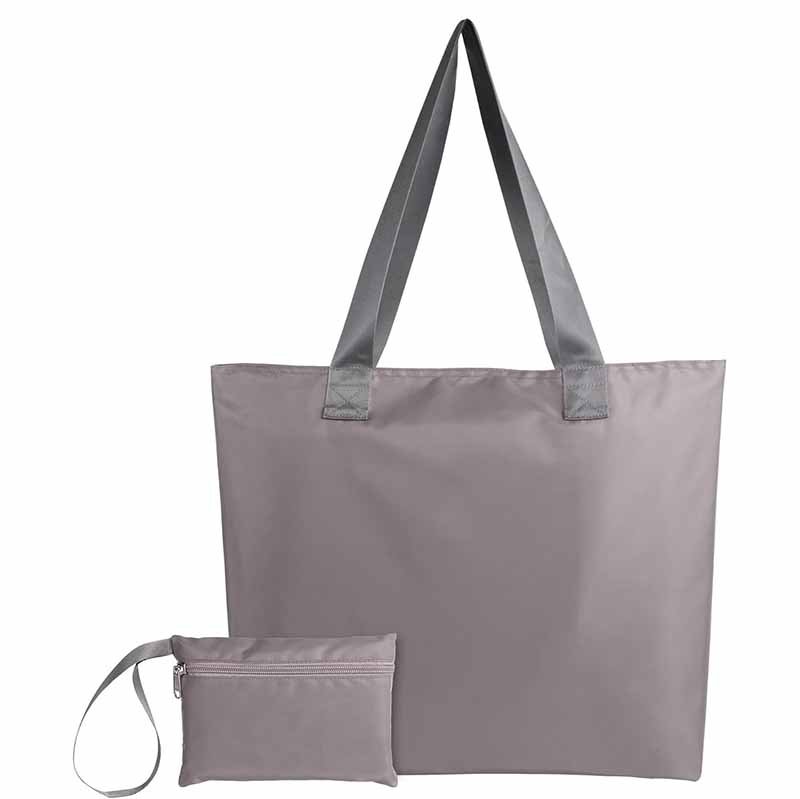
RPET Tote Bags
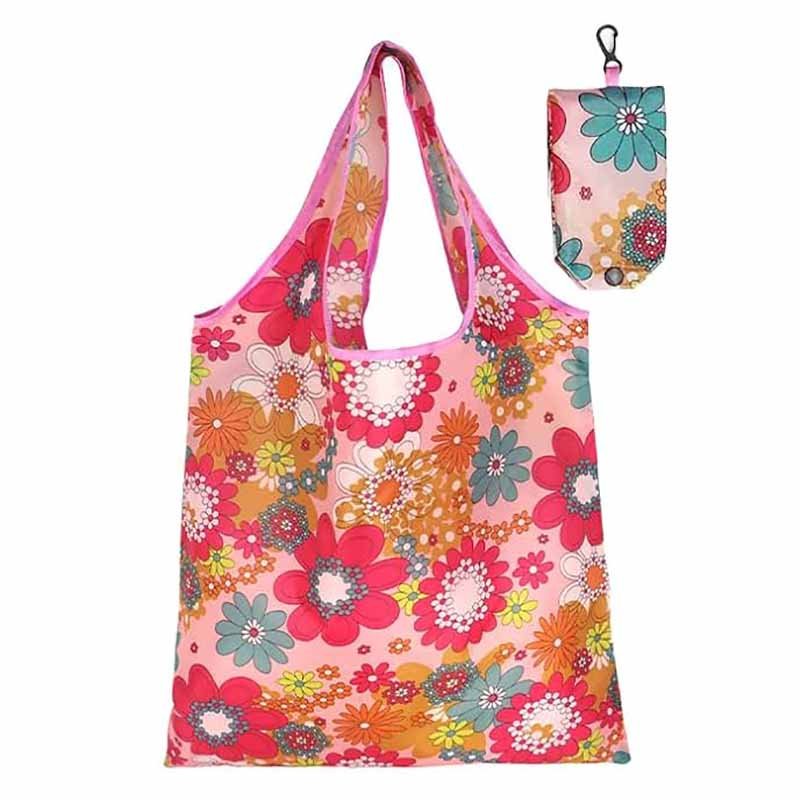
Reusable Shopping Bags
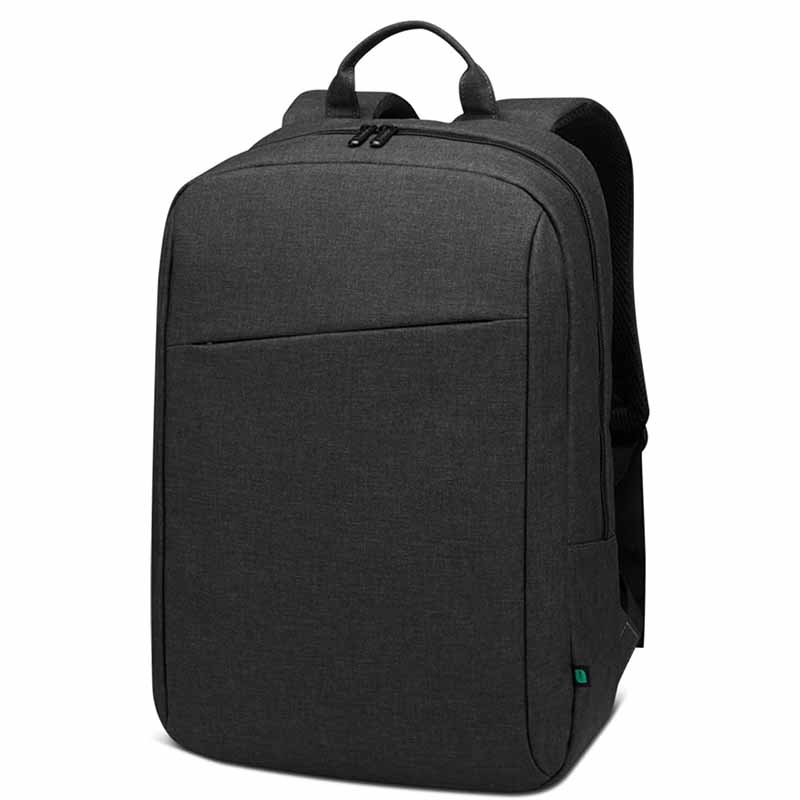
RPET Backpacks
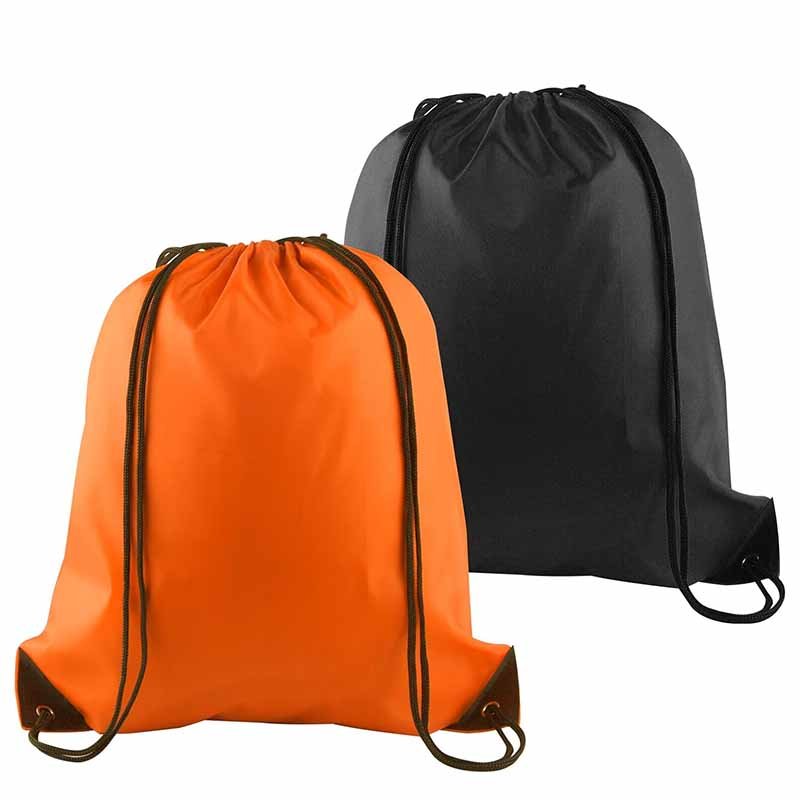
RPET Drawstring Bags
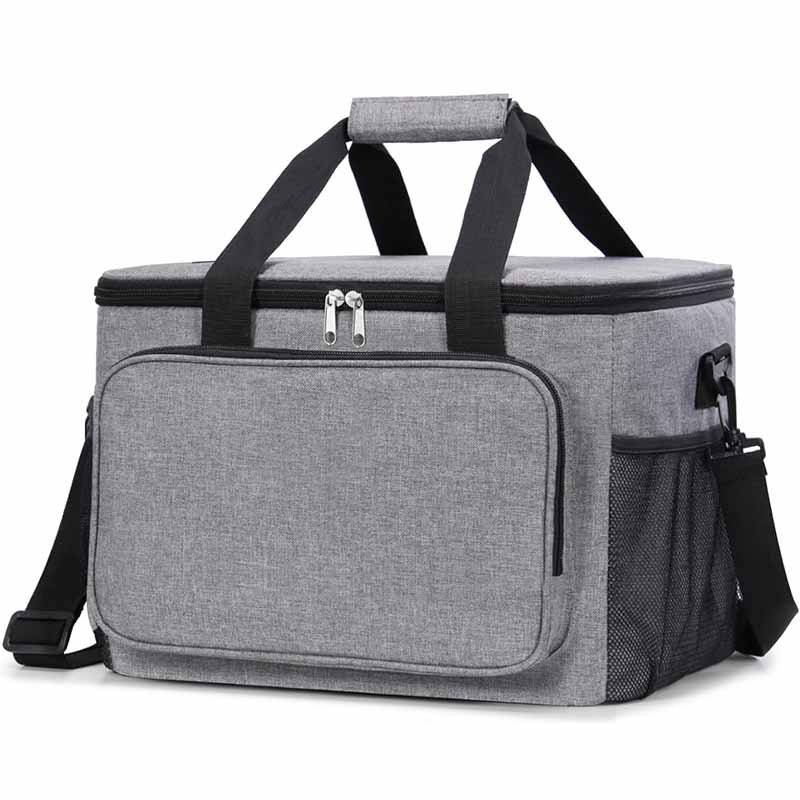
RPET Cooler Bags
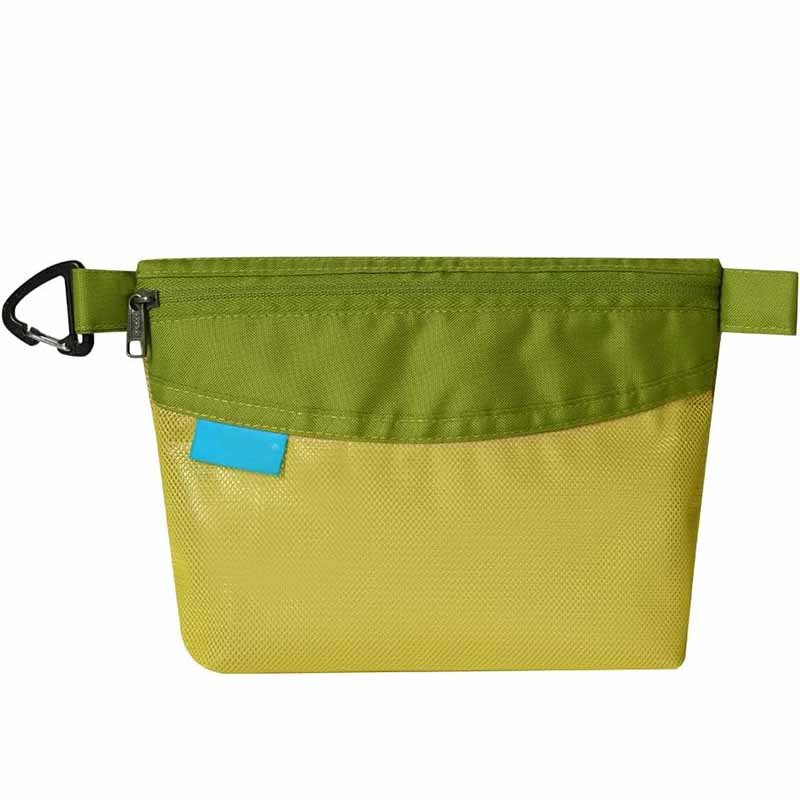
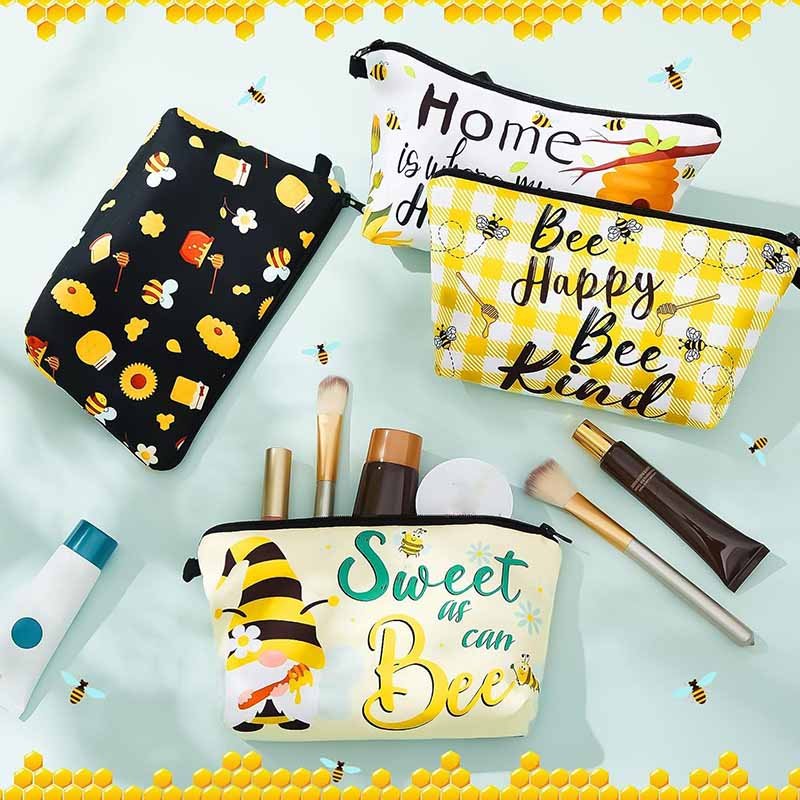
RPET Travel Pouches
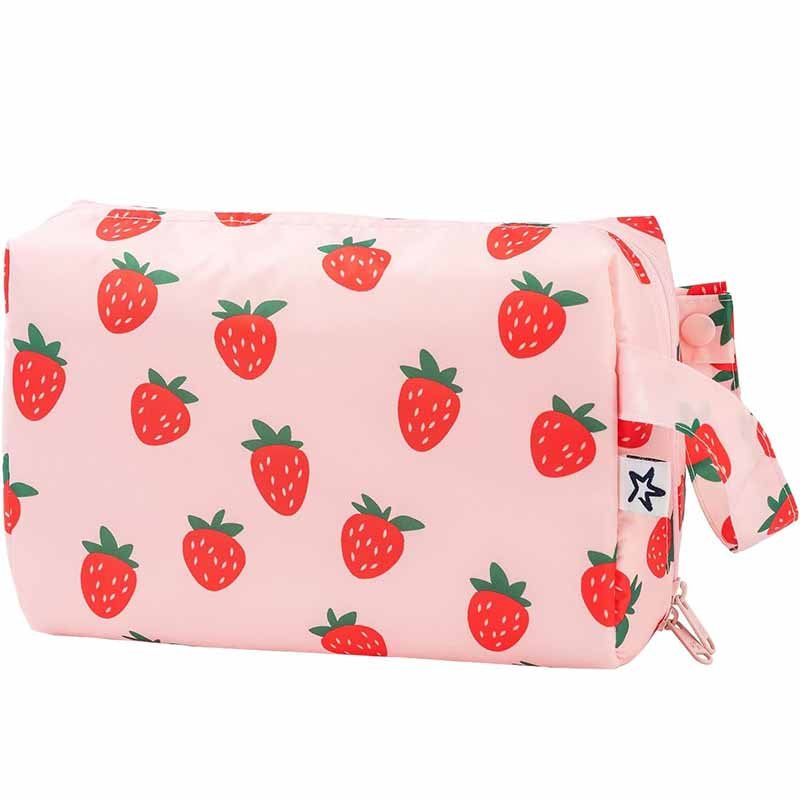
RPET Cosmetic Bags
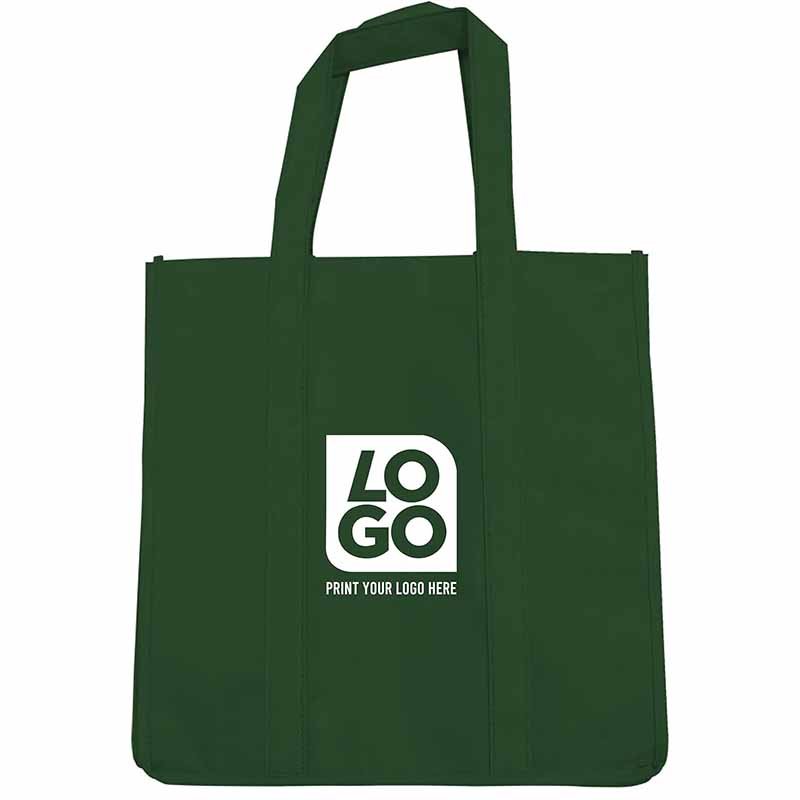
RPET Promotional Bags
Promotional formats include conference totes, gift pouches, bottle bags, event drawstring bags, foldable shopping bags, and employee gift kits. Available material colors, straightforward structures, efficient logo methods, and bulk packing help control timing and cost for date-sensitive campaigns.
Match RPET Products With Their Sales Channels
Bag construction, branding, packaging, and inspection priorities change according to how the finished product will be sold, distributed, or repeatedly used.
| RPET Product | Common Size Reference | Suitable Programs | Main Construction Focus | Branding Options | Primary QC Focus |
|---|---|---|---|---|---|
| Flat Tote Bag | 35 × 40 cm | Events, corporate gifts, conferences | Handle position, seam strength, foldability | Screen print, heat transfer, woven label | Print position, handle pull, dimensions |
| Gusseted Retail Tote | 40 × 35 × 12 cm | Retail, grocery, membership programs | Side gusset, bottom capacity, reinforced handles | Screen print, embroidery, label, patch | Shape, barcode, repeated loading |
| Grocery Bag | 38 × 32 × 18 cm | Supermarkets, food retail, reusable programs | Wide gussets, stable bottom, strong webbing | Large print, woven label, hangtag | Load points, carton packing, surface marks |
| Day Backpack | 28 × 42 × 14 cm | Lifestyle, school, travel, e-commerce | Shoulder straps, lining, zippers, laptop sleeve | Patch, embroidery, heat transfer, puller | Strap strength, zipper function, symmetry |
| Drawstring Bag | 35 × 45 cm | Sports, events, promotions, gift kits | Cord channels, corner reinforcement, light weight | Screen print, transfer, sublimation | Cord function, seam strength, print quality |
| Cooler Bag | 28 × 22 × 20 cm | Lunch, outdoor, food promotion, Amazon | Foam, lining, closure, handle reinforcement | Screen print, patch, woven label | Insulation assembly, lining, zipper, shape |
| Cosmetic Pouch | 23 × 15 × 8 cm | Beauty, travel, DTC, gift-with-purchase | Clean shape, lining, zipper, refined finishing | Heat transfer, woven label, embroidery | Surface cleanliness, zipper, logo, dimensions |
| Travel Organizer | 30 × 22 × 10 cm | Travel brands, sets, subscription boxes | Compartments, mesh, handles, internal binding | Heat transfer, patch, label | Compartment size, sewing, packaging |
Select RPET Fabric for Real Product Performance
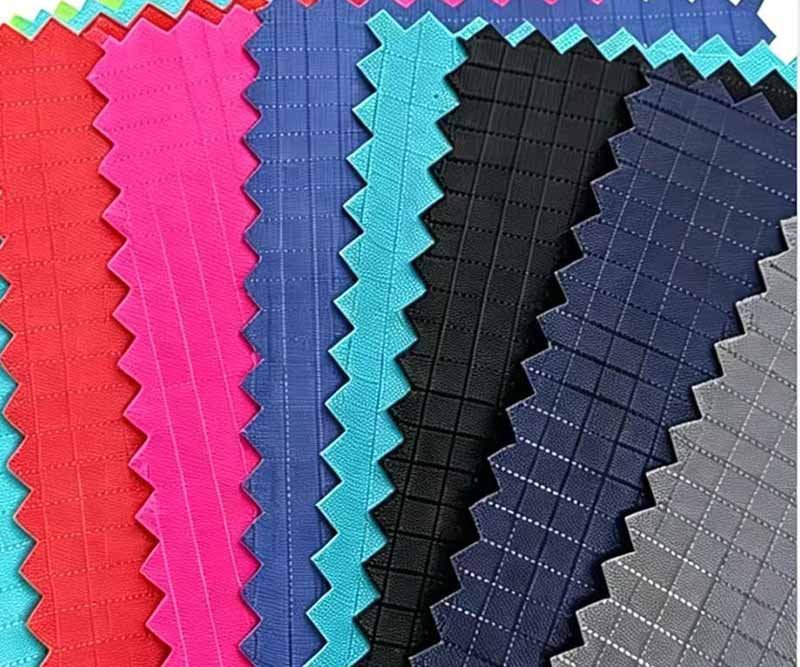
Denier, Weight, Weave, and Surface
- 210D RPET: Lightweight, foldable, and suitable for linings, drawstring bags, promotional products, or compact shopping bags. A thin material may need reinforcement at handles and corners.
- 300D RPET: Offers a balanced surface for totes, pouches, cosmetic bags, and lifestyle accessories. It can provide a more substantial hand feel without making the product unnecessarily heavy.
- 420D RPET: Often selected for travel accessories, stronger totes, sports bags, or medium-structure products requiring improved abrasion performance.
- 600D RPET: Suitable for backpacks, duffle bags, cooler bags, and products needing a firmer body or more robust surface.

Coatings, Linings, Foam, and Backing
- PU-coated RPET for improved resistance to light moisture
- Laminated fabric for added structure or surface protection
- RPET lining for projects seeking broader recycled-material coverage
- Conventional polyester lining for cost-controlled programs
- PEVA or aluminum-foil lining for cooler bags
- EPE or other foam layers for insulation and structure
- Mesh panels for ventilation or pocket visibility
- PP or PE bottom boards for load support
- Binding tape for cleaner internal seam construction
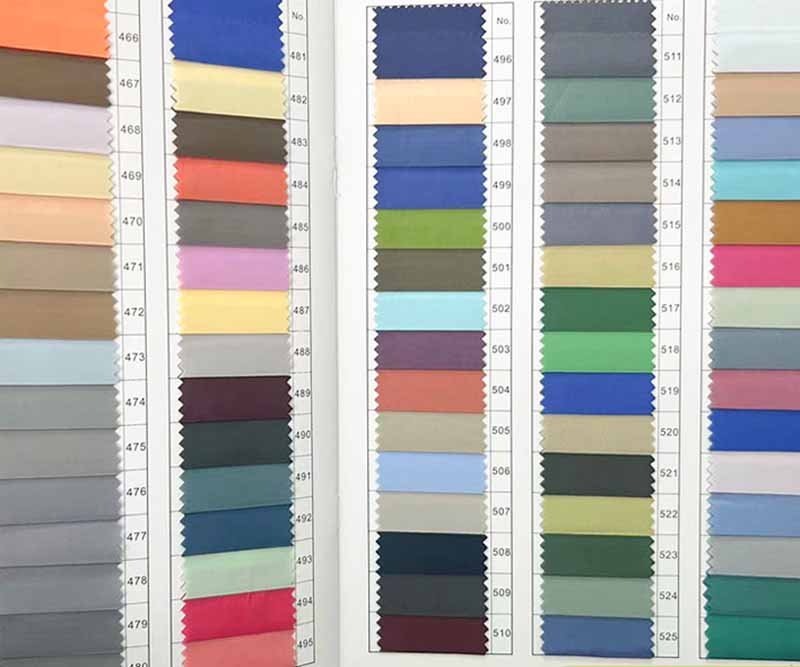
Color, Printing, and Batch Stability
Color control begins before sample sewing. Available stock colors normally support a lower MOQ and faster development. Custom-dyed colors can improve brand alignment but may require higher material quantities, additional lead time, and clear approval standards. Important color controls include:
- Pantone reference or approved physical swatch
- Fabric lot identification
- Approval under consistent lighting
- Matching of fabric, webbing, zipper, binding, and labels
- Tolerance for texture-related color differences
- Confirmation of coating or lamination effects
- Print color approval on the final selected fabric
Different materials reflect light differently. A zipper, webbing, woven fabric, rubber patch, and metal accessory cannot always appear identical even when a similar Pantone target is used. For printed designs, the selected process must match fabric texture, coating, color, and artwork detail. A print method approved on smooth 300D fabric may not create the same result on textured 600D material. Production fabric and production logo methods should be represented in the approval sample whenever possible.
Confirm Performance Before Bulk Production
Color and Surface
- Approve production fabric
- Identify dark or high-risk colors
- Confirm logo process
- Arrange physical checks where needed
- Compare tested material with the approved sample
Seam and Abrasion
- Fabric abrasion
- Seam slippage
- Stitch security
- Tear behavior
- Binding durability
- Zipper cycle assessment
Loading and Function
- Handle attachment
- Shoulder-strap attachment
- Bottom support
- Zipper opening
- Pocket loading
- Repeated lifting
Chemical Compliance
REACH, CPSIA, Prop 65, azo dyes, heavy metals, phthalates, or retailer-specific protocols may apply according to materials, product use, age group, and sales location. Typical timing references:
- Routine chemical tests: about 5–10 working days
- REACH, CPSIA, or Prop 65 programs: often 7–15 working days
- Special protocols: confirmed with the selected laboratory
Engineer Every Part of Your RPET Bag
Body Dimensions
- Internal capacity
- External measurements
- Folded size
- Display requirements
- Shipping limits
- Measurement tolerance
Handles and Webbing
- Hand-carry or shoulder length
- Webbing thickness
- Box stitch or cross stitch
- Bar-tack placement
- Edge alignment
- Load direction
Shoulder Straps
- Target load
- User profile
- Adjustment range
- Foam thickness
- Anchor reinforcement
- Matching hardware
Zippers and Closures
- Zipper size
- Tape color
- Slider quantity
- Puller design
- Opening direction
- Required smoothness
Lining and Padding
- RPET lining
- Polyester lining
- PEVA lining
- Aluminum-foil lining
- Mesh
- EPE foam
- Sponge and bottom boards
Pockets and Dividers
- Pocket contents
- Opening size
- Closure type
- Elastic or mesh
- Device dimensions
- Access direction
Bottom Reinforcement
- Load distribution
- Foldability
- Cleaning
- Packaging height
- Board removal
- Sewing feasibility
Custom Accessories
Brand-specific hardware can include pullers, buckles, snaps, hooks, metal plates, rubber patches, cord locks, sliders, and decorative parts. Custom molds may increase sample cost, MOQ, and development time. Before tooling:
- Approve dimensions
- Confirm finish
- Review load function
- Check logo legibility
- Confirm mold ownership
- Plan spare quantity
Logo Methods Selected for RPET Surfaces
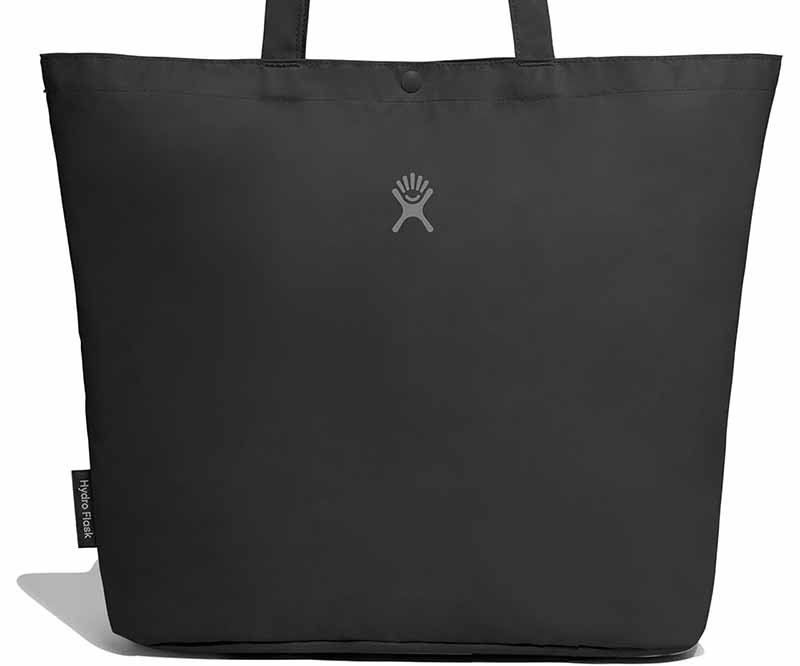
Screen Printing
- Ink compatibility
- Fabric texture
- Color opacity
- Print position
- Edge definition
- Curing and adhesion
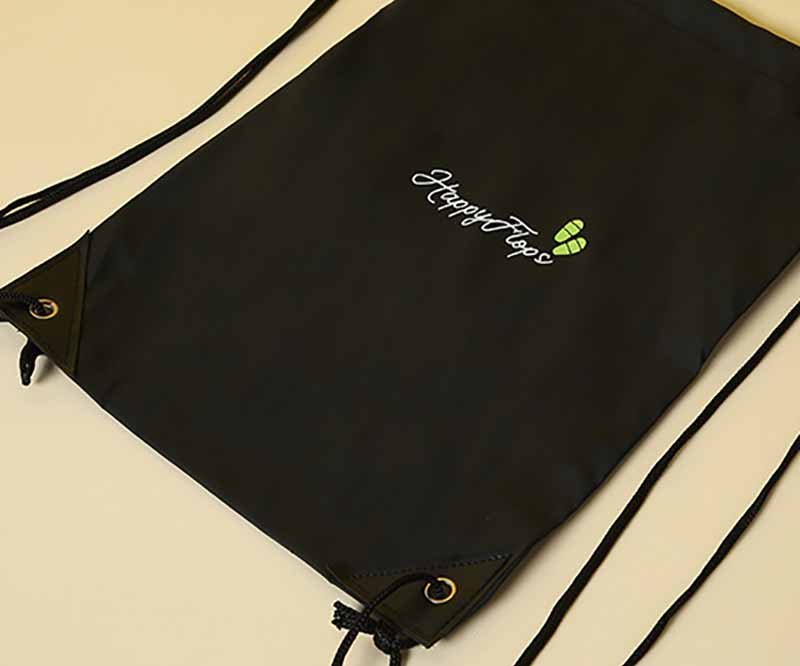
Heat Transfer
- Transfer film selection
- Press temperature
- Fabric coating response
- Edge adhesion
- Color approval
- Repeated flexing
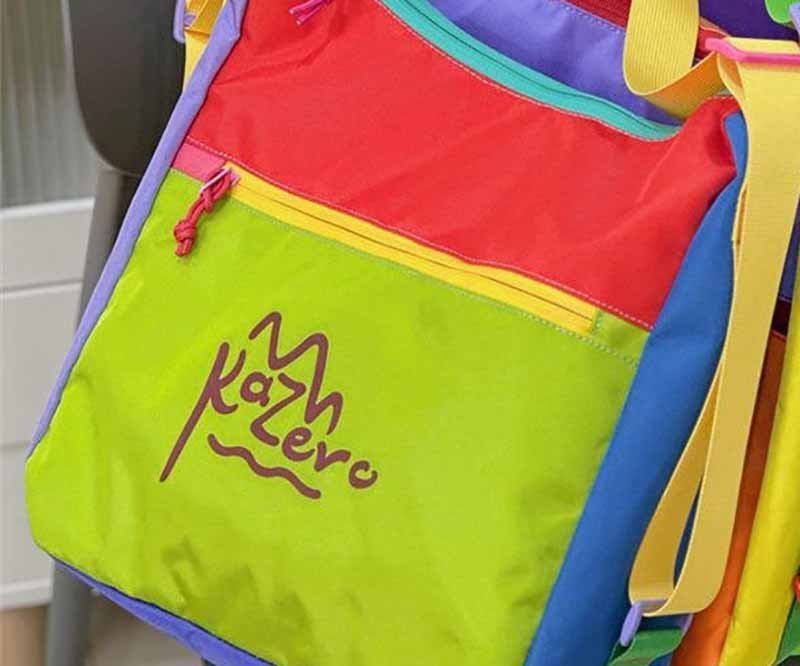
Sublimation Printing
- Base fabric color
- Artwork resolution
- Color shift
- Panel alignment
- Cutting position
- Production print consistency
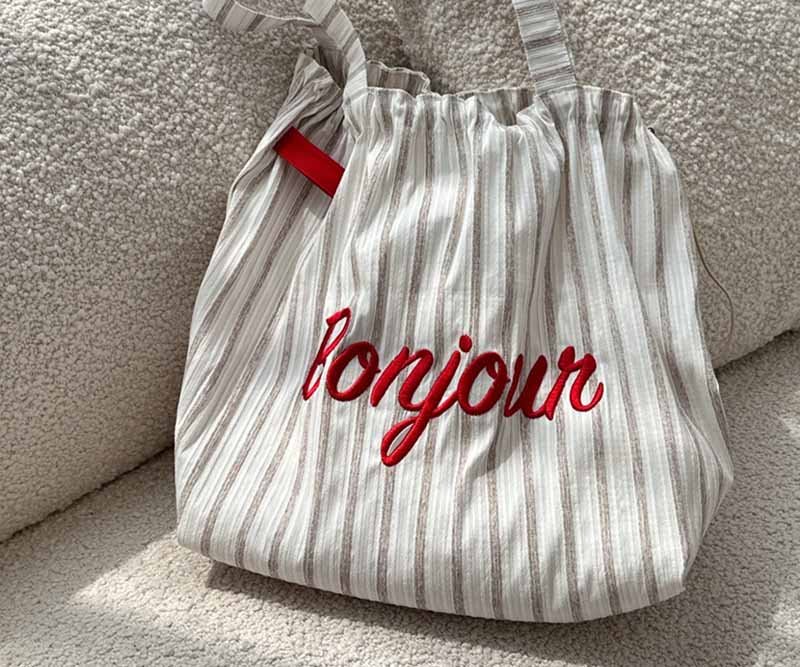
Embroidery
- Fabric puckering
- Coating puncture
- Thread density
- Small text clarity
- Backing material
- Interior appearance
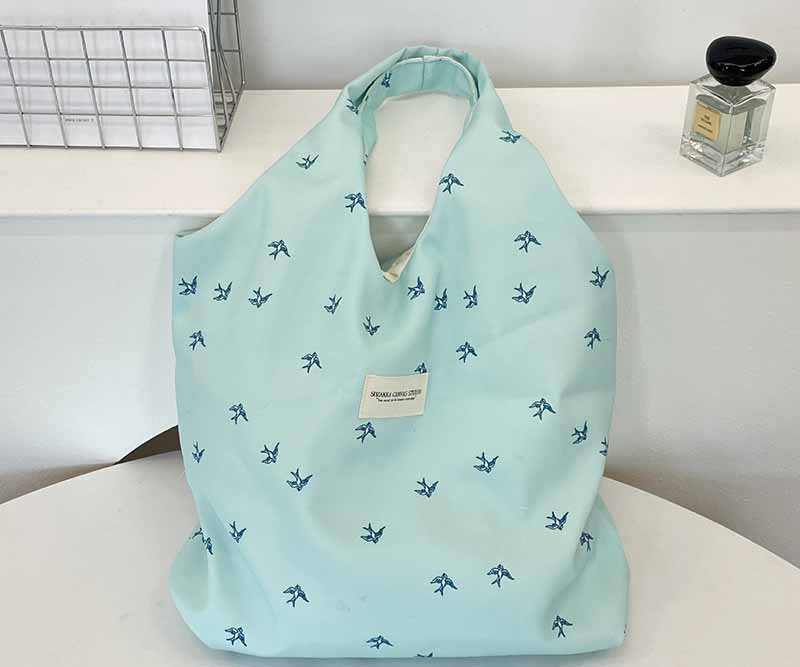
Woven Labels
- Label dimensions
- Edge style
- Fold type
- Sewing position
- Text readability
- Color consistency
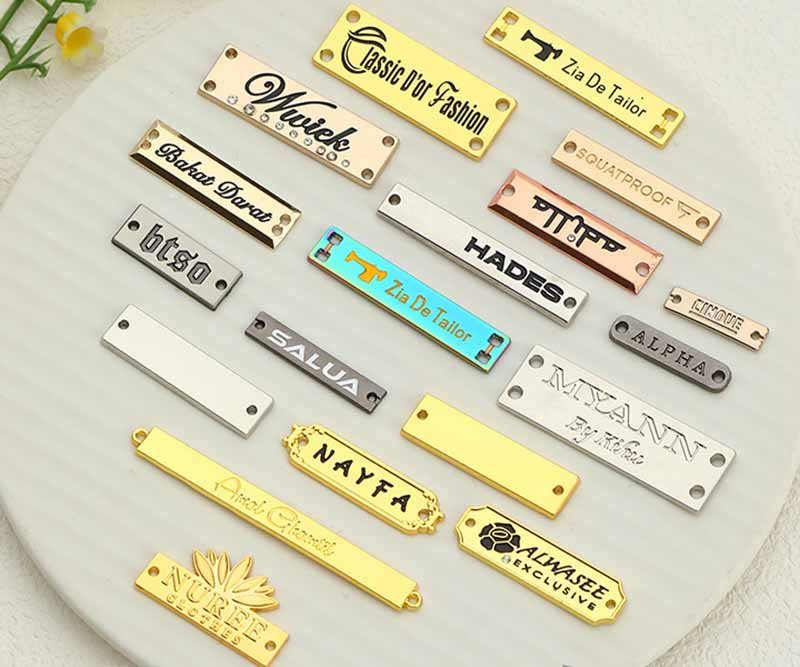
Custom Patches
Rubber, silicone, leather-like, embroidered, or metal patches create stronger visual identity. Molded and plated parts require attention to dimensions, color, finish, attachment, corrosion risk, and tooling quantities. Key controls:
- Mold cost
- Minimum quantity
- Attachment method
- Surface finish
- Logo relief
- Packing protection
Build Coordinated RPET Product Collections
Shared Material Platform
- Common outer fabric
- Shared lining
- Matching webbing
- Standard zipper colors
- Unified labels
- Component availability
Coordinated Color Series
- Pantone targets
- Material swatches
- Trim matching
- Seasonal updates
- Approved production colors
- Color naming system
SKU File Management
- SKU code
- Version number
- Sample approval date
- Material references
- Artwork files
- Packaging details
Repeat Order Control
- Material availability
- Color lot
- Cost changes
- Packaging revision
- Quantity forecast
- Delivery schedule
From Product Idea to Approved RPET Sample
Project Review
Useful starting files:
- Product photos
- Tech pack
- Existing sample
- Sketch
- Logo artwork
- Packaging references
Material Selection
Selection output:
- Recommended outer fabric
- Alternative fabric
- Trim direction
- Color references
- Document availability
- Cost impact
Pattern Development
Pattern review covers:
- Main panels
- Side panels
- Bottom panels
- Pockets
- Lining
- Reinforcement pieces
Sample Sewing
The sample room assembles the first physical prototype using approved or closest-available materials. Construction order, machine type, binding, turning method, zipper installation, handle attachment, and logo process are evaluated during sewing.
Development observations may reveal:
- Difficult corners
- Excess fabric bulk
- Weak load points
- Logo placement conflicts
- Opening limitations
- Assembly inefficiencies
Internal Inspection
Before photos or shipment, the sample is checked for dimensions, shape, symmetry, stitching, loose threads, zipper operation, handle alignment, lining, accessories, logo position, surface marks, and packing condition.
Internal review creates:
- Measurement record
- Detail photos
- Revision notes
- Material notes
- Function observations
- Shipping recommendation
Photo and Video Review
Detailed images and short videos can be supplied before courier shipment. Remote review helps identify visible changes early and allows brand teams to comment on shape, dimensions, color, compartments, logo, zipper movement, and packaging.
Useful views include:
- Front and back
- Side and bottom
- Interior
- Loaded form
- Logo close-up
- Measurement video
Sample Revision
Revisions are recorded item by item rather than handled through scattered messages. Each request should identify the affected position, requested change, revised measurement, material update, artwork revision, and approval responsibility.
Common revisions include:
- Strap length
- Pocket dimensions
- Zipper direction
- Fabric weight
- Logo size
- Structural reinforcement
Approval and Handover
The final approved sample becomes a core production reference together with the measurement sheet, BOM, artwork, color standard, packaging instruction, and confirmed comments. A pre-production sample may be arranged for complex structures, new materials, or strict retail programs.
Production release requires:
- Final specification
- Approved artwork
- Material confirmation
- Packaging confirmation
- Quantity breakdown
- Delivery plan
RPET Project Timing and Commercial References
Actual quantity, timing, and pricing depend on material availability, structure, color, logo process, packaging, testing, certification support, and production scheduling.
| Project Type | Typical MOQ Reference | Sample Time | Bulk Production | Main Cost Drivers |
|---|---|---|---|---|
| Standard Flat Tote or Drawstring Bag | From 200 pieces for selected constructions | About 7–10 working days | About 20–30 days | Fabric weight, size, handles, print colors, packing |
| Gusseted Shopping or Retail Tote | Commonly 500 pieces | About 7–12 working days | About 25–35 days | Gussets, lining, webbing, reinforcement, barcode packaging |
| Cosmetic or Travel Pouch | Commonly 500 pieces | About 7–12 working days | About 25–35 days | Lining, zipper, compartments, refined logo, retail packing |
| Cooler or Lunch Bag | Commonly 500 pieces | About 10–15 working days | About 30–40 days | Foam, lining, binding, zipper, handle construction, carton volume |
| Backpack or Duffle Bag | Commonly 500 pieces | About 12–20 working days | About 35–45 days | Fabric grade, lining, foam, straps, pockets, hardware, inspection |
| Complex or Multi-SKU Program | Evaluated by SKU and component | About 12–20 working days or more | About 40–60 days | Custom colors, molds, testing, special trims, packaging, scheduling |
Actual quantity, timing, and pricing depend on material availability, structure, color, logo process, packaging, testing, certification support, and production scheduling.
What Changes the Final Quote?
- Product dimensions and material consumption
- RPET specification and available documentation
- Fabric color and minimum material order
- Number of pockets, zippers, panels, and reinforcements
- Lining, foam, boards, mesh, and internal construction
- Logo process, color count, tooling, and application area
- Unit packaging, hangtags, barcodes, gift boxes, and cartons
- Order quantity and SKU distribution
- Testing, audit, or transaction-document requirements
- Freight method, destination, carton volume, and delivery date
Control RPET Production From Approval to Packing
Approved Sample, BOM, and Production Standards
- Approved sample or sealed reference
- Measurement sheet
- Bill of materials
- Fabric and trim references
- Color approval
- Logo artwork and position
- Stitching and reinforcement notes
- Packaging instruction
- Carton marks and barcode data
- Special inspection points
Pre-Production Control and Line Start
- Product version
- Critical dimensions
- Material direction
- Logo position
- Difficult sewing points
- Stress-point reinforcement
- Inspection method
- Packing configuration
- Delivery schedule
Packing Release and Shipment Readiness
Finished units should not move directly from sewing into sealed cartons without inspection and packing controls. Products are cleaned, shaped, counted, checked, and packed according to approved instructions. Packing release may include:
- Final product inspection
- Loose-thread removal
- Surface cleaning
- Accessory and label check
- Folding or shape protection
- Unit packaging
- Barcode or FNSKU verification
- Carton quantity
- Carton dimensions and weight
- Shipping-mark confirmation
- Packing-list comparison
Multi-Stage Inspection for RPET Bag Orders
Quality control begins with materials and continues through cutting, sewing, finishing, packing, and shipment preparation.
Material Inspection
Accessory Inspection
Cutting Inspection
Sewing Inspection
Measurement Inspection
Logo Inspection
Function and Load Checks
Packaging and OQC
Packaging Built Around the Delivery Channel
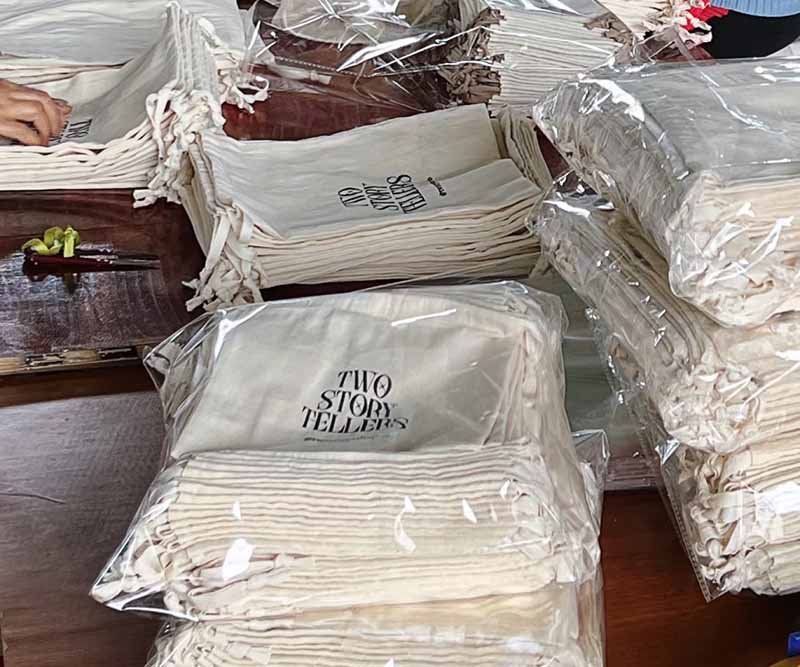
Efficient Bulk Packing
- Fold direction
- Units per bundle
- Inner protection
- Carton quantity
- Moisture control
- SKU separation
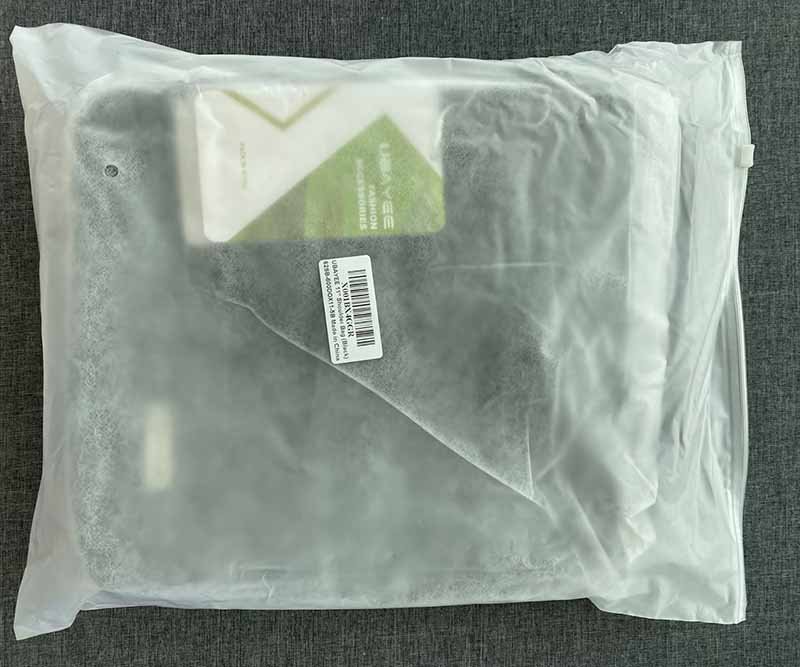
Protective Unit Bags
- Bag dimensions
- Adhesive or heat seal
- Suffocation warning
- Barcode area
- Recycled-content claim
- Pack appearance

Paper Sleeves
- Paper weight
- Printing
- Finish
- Closure
- Product compression
- Barcode position
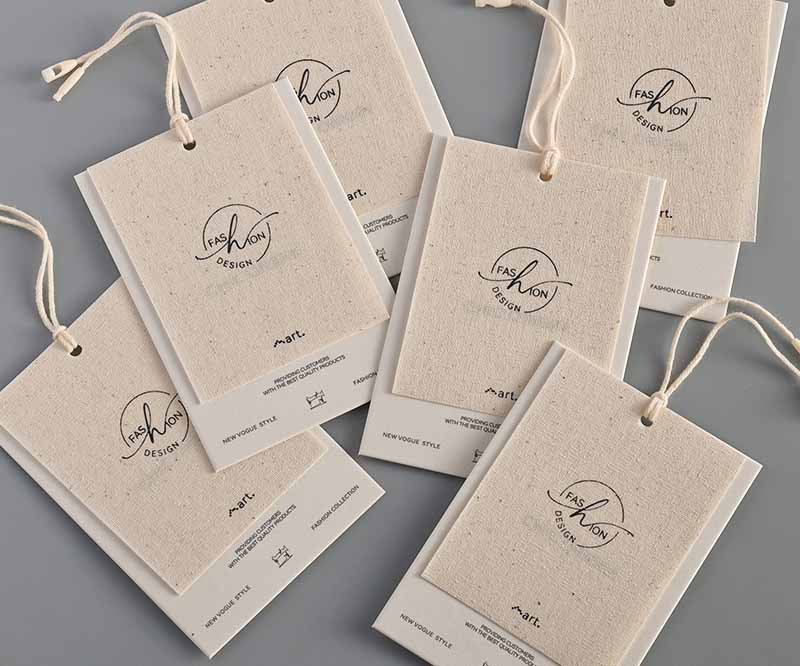
Hangtags and Labels
- Paper specification
- Hole and string
- Printed wording
- Barcode readability
- Attachment position
- Retailer format

Retail and Gift Packaging
- Opening experience
- Inner support
- Print files
- Box dimensions
- Drop protection
- Freight impact
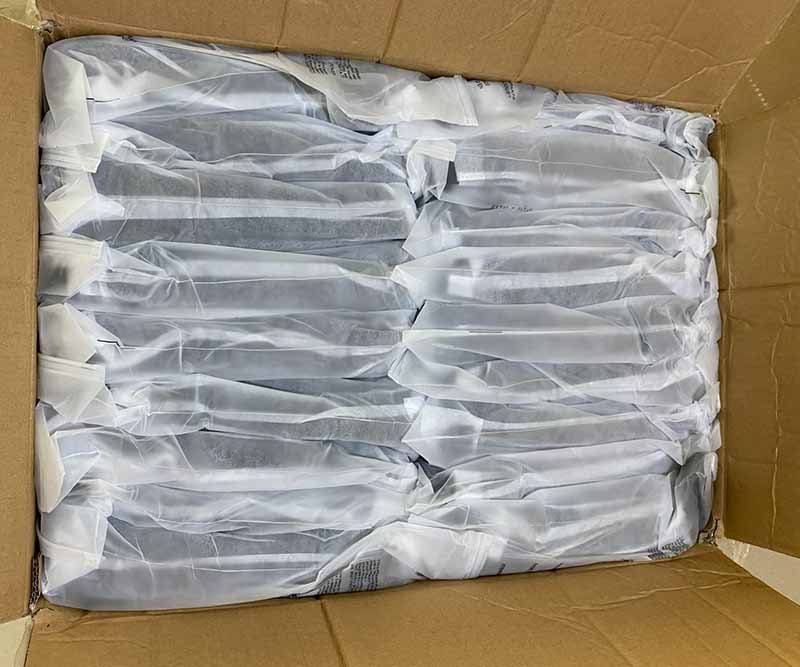
Master Cartons
- Units per carton
- Carton dimensions
- Gross weight
- Shipping marks
- FBA labels
- Multi-SKU controls
Delivery Options From Factory to Final Destination
Express Sample Delivery
Suitable for:
- First prototypes
- Revised samples
- Material swatches
- Packaging samples
- Approval units
- Urgent replacement samples
Air Freight
Planning includes:
- Chargeable weight
- Carton dimensions
- Airport or door delivery
- Customs documents
- Delivery deadline
- Split quantity
Sea Freight and DDP
Planning includes:
- Port or door destination
- Carton volume
- Sailing schedule
- Customs arrangement
- Tax responsibility
- Warehouse appointment
FBA and Multi-Address Delivery
Amazon, overseas warehouse, distributor, and retail programs may require delivery to several destinations. SKU allocation, FNSKU labels, carton labels, packing lists, shipment references, and address-specific quantities must remain accurate.
Support can include:
- FBA preparation
- Retail distribution delivery
- Overseas warehouse delivery
- Split shipments
- Multiple addresses
- Replenishment planning
Representative RPET Bag Project Cases
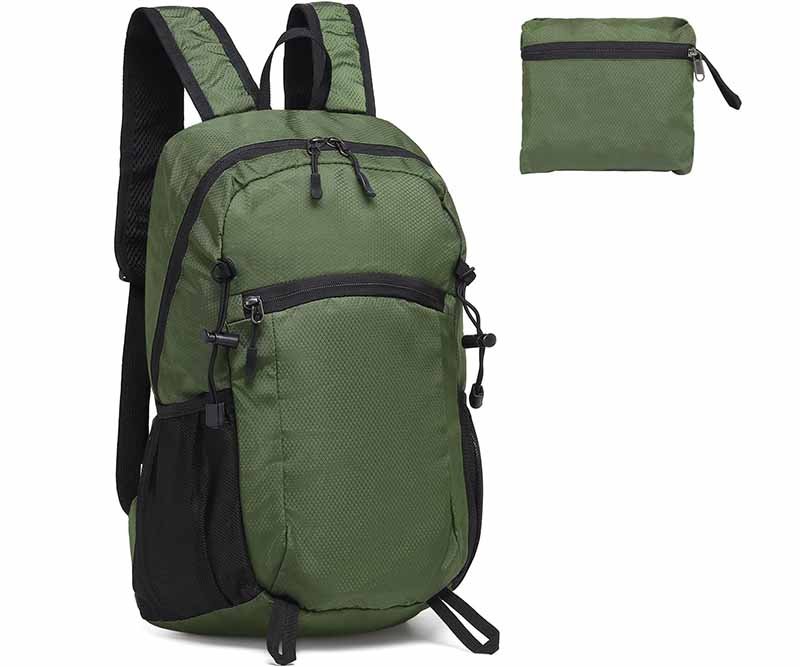
US Outdoor Daypack Program
- Sample rounds: 2
- Final sample approval: 14 working days
- Bulk production: 43 days
- Order quantity: 3,200 pieces
- Unit packing: Individual protective bag
- Shipping: Sea freight to a US warehouse
- Main QC: Strap attachment, zipper movement, laptop compartment, logo position, dimensions, carton weight
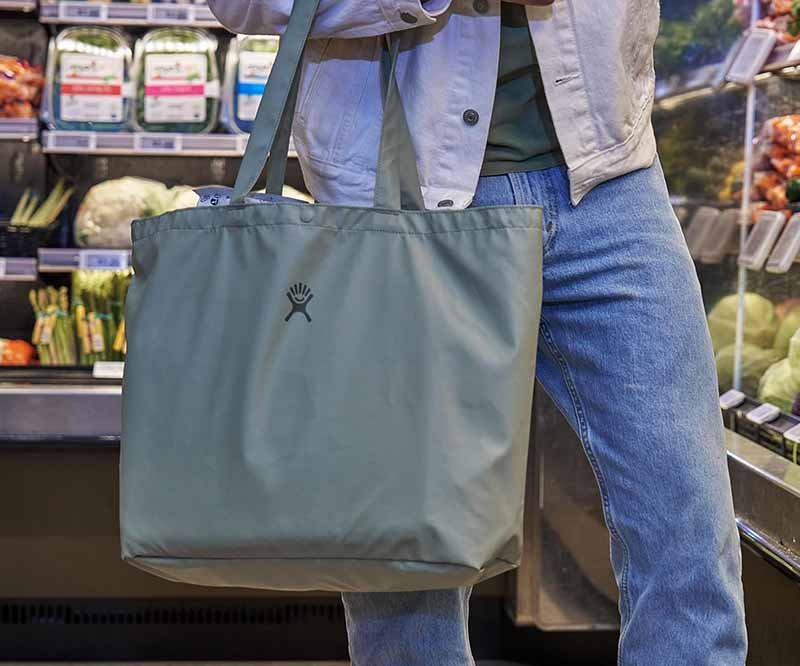
UK Retail Shopping Tote Program
- Sample rounds: 2
- Final sample approval: 10 working days
- Bulk production: 38 days
- Order quantity: 12,000 pieces
- Packing: 10 pieces per inner bundle
- Main QC: Fabric color, print position, handle pull, dimensions, barcode scan, carton marks
- Delivery: Sea shipment to the United Kingdom

German Beauty Gift Pouch Program
A beauty brand ordered 5,000 RPET cosmetic pouches for a seasonal gift-with-purchase campaign. The selected size was 23 × 15 × 8 cm, using 300D RPET twill, a light-colored lining, smooth nylon zipper, heat-transfer logo, woven side label, recycled-paper sleeve, and master-carton labels. The brand required a clean surface, controlled color, precise logo placement, and compact packing. During sampling, the zipper opening was widened by 12 mm and the side gusset was revised to improve access without increasing the packed volume. Project data:
- Sample rounds: 2
- Final sample approval: 9 working days
- Bulk production: 32 days
- Order quantity: 5,000 pieces
- Packaging: Paper sleeve with barcode
- Main QC: Surface cleanliness, zipper, lining, logo adhesion, shape, barcode, pack count
- Delivery: Split air and sea shipment
The air portion supported the campaign launch, while the remaining quantity moved by sea to control overall logistics cost.
RPET Bag Frequently Asked Questions
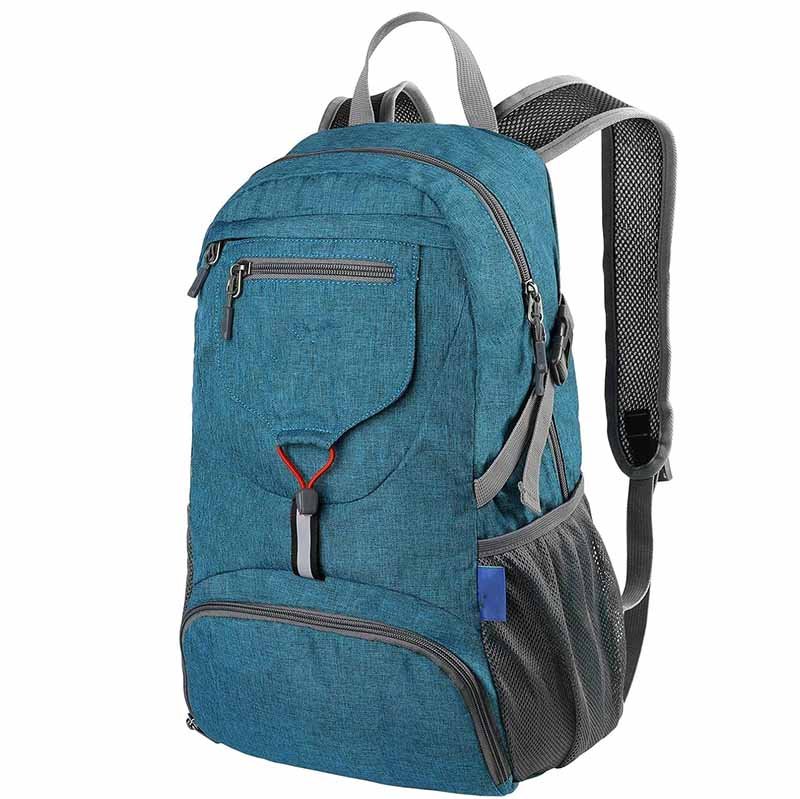
Start Your Custom RPET Bag Project
- Product type and intended use
- Reference photos, sample, sketch, or tech pack
- Required dimensions or items carried inside
- Estimated order quantity and SKU breakdown
- Preferred RPET fabric or performance requirement
- Required recycled-content, GRS, RCS, or transaction documentation
- Logo artwork and preferred branding method
- Lining, pockets, straps, zippers, and accessories
- Unit packaging, barcode, FNSKU, or retail requirements
- Target delivery date and destination country
- Warehouse, retail center, Amazon FBA, or multi-address delivery
- Target price range, when available