 Skip to content
Recycled Fabric Bag Manufacturer — Engineering Sustainability into Scalable Bag Production
Recycled fabric bags are no longer niche products—they are becoming baseline requirements for brands operating in global markets. However, manufacturing bags with recycled fabrics introduces challenges that go far beyond material sourcing. Inconsistent fiber quality, strength variation, color instability, and batch-to-batch performance fluctuation are real risks that many brands encounter after switching to recycled materials.
Szoneier is a professional OEM/ODM bag manufacturer based in Guangdong, China, with over 18 years of bag manufacturing experience and extensive hands-on production experience using recycled polyester, recycled nylon, and GRS-certified fabrics across outdoor, travel, promotional, and performance-oriented bag categories. Each year, we develop 300+ new bag samples, a growing percentage of which are produced using recycled fabric systems for brands targeting sustainability, ESG compliance, or eco-conscious consumers.
At Szoneier, recycled fabrics are treated as engineering materials, not marketing labels. We focus on verifying material performance, stabilizing batch consistency, and ensuring recycled fabrics can be scaled reliably without compromising durability, usability, or brand reputation.
Why brands choose Szoneier as a recycled fabric bag manufacturer
- 18+ years of bag manufacturing experience
- Practical OEM/ODM experience with GRS-certified recycled fabrics
- 300+ samples developed annually, including recycled fabric projects
- In-house sampling & engineering review
- Focus on real sustainability + real performance
What Are Recycled Fabrics in Bag Manufacturing?
Recycled fabrics in bag manufacturing are textiles made from reclaimed materials such as PET bottles or discarded nylon, engineered to meet durability, usability, and compliance requirements for commercial production.
Recycled Fabric Is a Category, Not a Single Material
Common misconception
Many buyers assume recycled fabric means:
- Lower quality
- One specific fabric type
Reality In practice, recycled fabrics include:
- Recycled polyester (rPET)
- Recycled nylon
- Blended recycled yarn systems
Szoneier insight
Different recycled fabrics behave very differently in sewing, coating, and long-term use. Treating them as interchangeable is a common mistake.
How Recycled Fabrics Are Made
Typical process:
- Post-consumer waste collected (e.g. PET bottles)
- Cleaning and shredding
- Melting and re-extrusion into yarn
- Weaving and finishing
Each step affects:
- Yarn strength
- Color stability
- Consistency
Engineering reality
The recycling process introduces more variability than virgin materials.
Why Certification Matters
Why brands require certification
- ESG reporting
- Retail compliance
- Consumer trust
Szoneier capability
- Experience working with GRS-certified fabric suppliers
- Understanding documentation flow
- Supporting compliant production processes
We treat certification as part of the manufacturing system, not an afterthought.
Who Needs a Recycled Fabric Bag Manufacturer?
Recycled fabric bag manufacturing is essential for brands that must balance sustainability commitments with real product performance, quality consistency, and scalable production.
Brands with ESG & Sustainability Commitments
Typical buyers
- International brands
- Retail chains
- Corporate procurement teams
Key requirement
- Verified recycled content
- Consistent quality across SKUs
Why Szoneier We understand how to:
- Integrate recycled fabrics into existing product lines
- Maintain durability while meeting sustainability goals
Eco-Conscious Consumer & Lifestyle Brands
Challenges
- Recycled fabrics must feel premium
- Durability complaints damage eco-brand credibility
Szoneier approach
- Balance recycled content with structural integrity
- Avoid “green but fragile” products
Brands with ESG & Sustainability Commitments
Typical buyers
- International brands
- Retail chains
- Corporate procurement teams
Key requirement
- Verified recycled content
- Consistent quality across SKUs
Why Szoneier We understand how to:
- Integrate recycled fabrics into existing product lines
- Maintain durability while meeting sustainability goals
Eco-Conscious Consumer & Lifestyle Brands
Challenges
- Recycled fabrics must feel premium
- Durability complaints damage eco-brand credibility
Szoneier approach
- Balance recycled content with structural integrity
- Avoid “green but fragile” products
Why Recycled Fabric Bag Manufacturing Is More Complex
Manufacturing bags with recycled fabrics introduces higher complexity in material variability, structural reliability, sewing behavior, certification compliance, and long-term consistency compared with virgin fabric bag production.
Recycled Yarns Have Inherent Material Variability
What many buyers assume
Recycled fabrics behave the same as virgin fabrics once woven.
Manufacturing reality
Recycled yarns are produced from reclaimed materials, which means:
- Fiber length is less uniform
- Tensile strength can fluctuate
- Surface friction varies between batches
Even when suppliers meet nominal specs, micro-variations still exist.
Szoneier’s response
- We never assume recycled fabrics behave “normally”
- Sewing behavior is observed during sampling, not guessed
- Stitch density and seam allowance are adjusted based on real fabric response
Szoneier insight
Most recycled fabric failures originate from unadjusted sewing parameters, not from the recycled concept itself.
Batch-to-Batch Consistency Is Harder to Maintain
Why recycled fabrics fluctuate more
- Input waste quality varies
- Recycling processes differ slightly by batch
- Yarn re-extrusion stability affects final fabric behavior
Risk for brands
- First order performs well
- Second or third order shows subtle quality decline
How Szoneier controls this
- Approved recycled fabric swatches are physically archived
- Supplier specifications are locked for repeat SKUs
- Incoming fabric is compared against reference before cutting
Operational reality
Consistency control is often more difficult than making the first good recycled fabric sample.
Recycled Fabrics Transfer Stress Differently to Seams
Hidden engineering issue
Recycled fabrics may:
- Have lower tear propagation resistance
- Concentrate stress at stitch holes
This means seams, not fabric panels, become the weakest point.
Szoneier seam-engineering approach
- Stitch density optimized for recycled yarn cohesion
- Reinforcement layers added at load points
- Aggressive stitching avoided to prevent yarn cutting
Engineering lesson from Szoneier projects
Recycled fabric bags fail most often at handles, straps, and corners, not at large surface panels.
Sewing Recycled Fabrics Is Less Forgiving
What inexperienced factories face
- Higher fraying at cut edges
- Yarn damage during high-speed sewing
- Inconsistent stitch appearance
Szoneier’s production controls
- Controlled cutting methods to reduce edge damage
- Adjusted sewing speed for recycled fabrics
- Operator training for recycled-material handling
Manufacturing truth
Recycled fabrics expose process weaknesses much faster than virgin materials.
Coatings & Laminations Interact Differently with Recycled Fabrics
Many recycled fabric bags require:
- PU coating
- TPU lamination
- Water-resistant treatments
Added complexity
- Adhesion strength may vary
- Flex cracking risk increases at fold lines
- Delamination may occur after use, not during sampling
Szoneier validation process
- Coating compatibility checked per fabric batch
- Fold endurance tested at stress points
- Rigid coatings avoided in high-flex zones
Common failure we prevent
Eco bags that pass sampling but fail after customer use due to coating fatigue.
Structural Design Tolerance Is Lower with Recycled Fabrics
Key difference
Virgin fabrics often tolerate minor pattern or structure mistakes. Recycled fabrics do not.
What goes wrong
- Stress concentrates more easily
- Panel deformation occurs faster
- Seams fatigue earlier
Szoneier structural adjustments
- Load paths mapped during pattern development
- Panel dimensions optimized to reduce localized stress
- Reinforcement planned before sampling
Engineering principle
With recycled fabrics, structure matters more than aesthetics.
Certification & Compliance Add Operational Complexity
When recycled claims are required:
- GRS or similar standards may apply
- Documentation must match production batches
Challenges
- Material segregation
- Record accuracy
- Traceability across suppliers and production
Szoneier capability
- Experience working with GRS-certified fabric suppliers
- Familiarity with documentation flow in OEM/ODM projects
- Clear separation between certified and non-certified materials
Reality check
Compliance failures usually stem from process gaps, not fabric quality.
Scaling Recycled Fabric Bags Is Riskier Than Making Samples
Common trap
A recycled fabric sample performs well, but:
- Production speed increases
- Operators change
- Fabric batches shift
Szoneier safeguards
- Pilot runs before mass production
- In-process monitoring of sewing behavior
- Batch verification during production
Szoneier experience
Scaling is where most recycled fabric projects fail — unless discipline is applied.
Cost Control Requires Engineering Judgment
Misconception
Recycled fabrics automatically increase costs.
Reality Costs increase only when:
- Recycled fabrics are overused
- Structural design is inefficient
Szoneier optimization logic
- Use recycled fabrics where they provide value
- Combine with hybrid structures when needed
- Balance sustainability targets with product economics
Engineering mindset
The best recycled fabric bag is right-engineered, not “most recycled”.
Types of Recycled Fabrics Used in Bag Manufacturing
Recycled fabrics used in bag manufacturing vary significantly in structure, strength, and stability. Understanding these differences is essential for selecting the right recycled material for durability, appearance, and scalable production.
Recycled Polyester (rPET) Fabrics
What it is
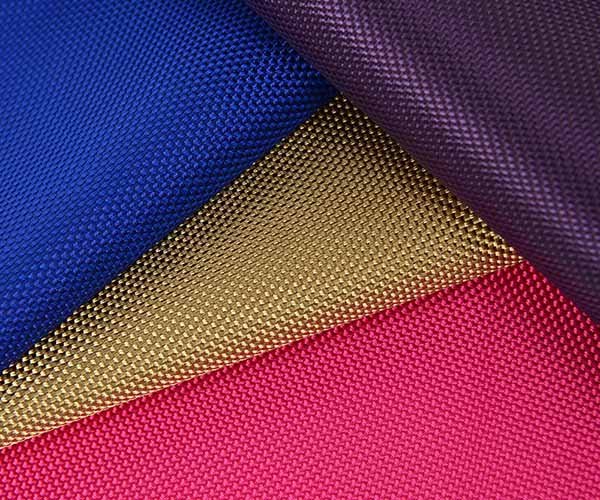
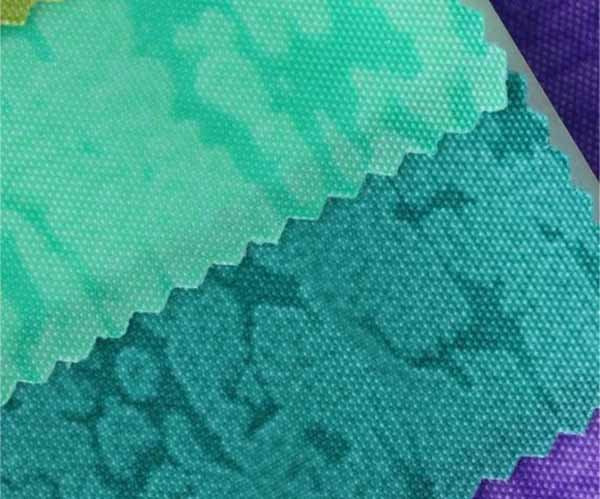
Recycled polyester (rPET) is typically made from post-consumer PET bottles, reprocessed into yarns and woven into fabrics.
Common specifications used by Szoneier
- 300D / 420D / 600D rPET
- High-density rPET polyester
- rPET Oxford and twill weaves
Performance characteristics
- Good abrasion resistance
- Stable color retention (with proper dyeing)
- Slightly lower tensile strength than virgin polyester
Szoneier usage insight rPET is currently the most widely used recycled fabric in our OEM projects because it balances sustainability, durability, and cost.
Recycled Nylon (rNylon) Fabrics
What it is
Recycled nylon is typically derived from discarded fishing nets or industrial waste.
Key characteristics
- Higher tensile strength than rPET
- Better fatigue resistance
- Higher cost and more limited availability
Szoneier application
- Performance-oriented bags
- Outdoor and gear bags requiring higher strength
Engineering note
rNylon requires stricter sewing control due to its higher elasticity.
Blended Recycled Fabric Systems
What they are
Blends combining:
- Recycled yarns
- Virgin fibers (for strength stabilization)
Why they are used
- Improve consistency
- Enhance durability
- Control cost
Szoneier approach
Blended systems are often used when 100% recycled yarns cannot meet structural requirements.
Recycled Canvas & Natural Fiber Options
Typical materials
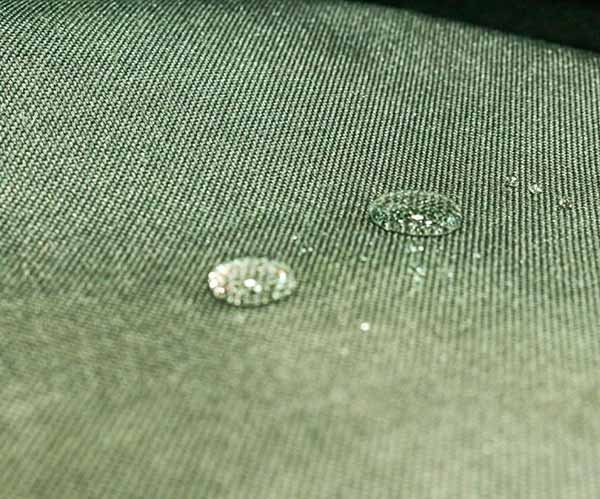
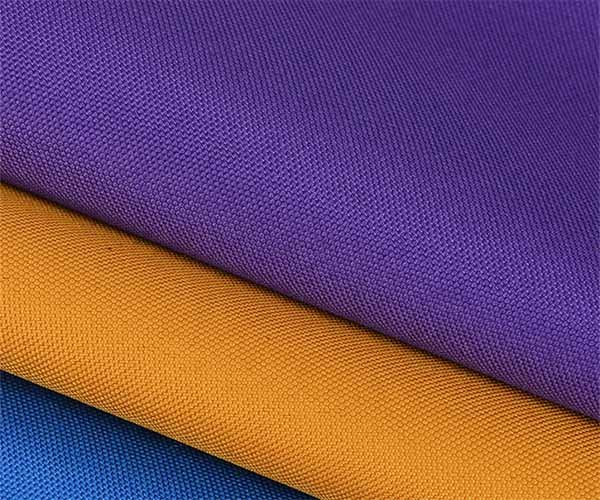
- Recycled cotton canvas
- Cotton–polyester recycled blends
Characteristics
- Strong sustainability storytelling
- Natural texture
- Lower moisture resistance
Szoneier guidance
Used mainly in:
- Promotional bags
- Lifestyle products
Not recommended for heavy-duty or outdoor use without additional treatment.
Performance Differences — Recycled vs Virgin Fabrics
Recycled fabrics differ from virgin materials in strength, consistency, and long-term behavior. Understanding these differences helps brands avoid unrealistic expectations and design products that perform reliably.
Strength & Durability Comparison
Property | Recycled Fabric | Virgin Fabric |
|---|---|---|
Tensile Strength | Slightly lower | Higher |
Abrasion Resistance | Comparable | Stable |
Fatigue Resistance | Varies by batch | More uniform |
Szoneier observation
With correct structure and reinforcement, recycled fabrics can meet most durability requirements for bags.
Color & Appearance Stability
Challenges
Slight color variation between batches
Inconsistent dye absorption
Szoneier control
Pre-production color approval
Batch comparison against reference swatches
Adjust dye processes where necessary
Weight & Hand Feel Differences
Recycled fabrics may:
Feel slightly stiffer or rougher
Have less uniform hand feel
Szoneier design adjustment
Optimize lining and backing fabrics
Adjust fabric thickness selection


Structural & Sewing Challenges with Recycled Fabrics
Recycled fabrics introduce unique sewing and structural challenges due to fiber variability and surface behavior, requiring manufacturing adjustments beyond standard fabric processes.
Higher Sensitivity to Stitch Density
Why it matters
Recycled yarns may have:
- Slightly weaker fiber cohesion
Szoneier response
- Optimize stitch density
- Avoid overly aggressive stitching
This reduces seam tearing risk.
Increased Risk of Fraying & Edge Damage
Common issue
Some recycled fabrics fray more easily at cut edges.
Szoneier solution
- Edge binding
- Reinforcement tapes
- Controlled cutting methods
Interaction with Coatings & Laminations
Recycled fabrics may react differently to:
- PU coatings
- TPU laminations
Szoneier validation
- Adhesion testing
- Fold endurance checks
Structural Reinforcement Strategies
To compensate for recycled fabric variability, Szoneier often:
- Adds localized reinforcement
- Uses hybrid fabric systems
- Adjusts panel layout
Engineering principle
Recycled fabric bags succeed when structure supports sustainability, not when sustainability replaces structure.
How Szoneier Engineers Recycled Fabrics into Bag Structures
Szoneier integrates recycled fabrics into bag structures through a performance-driven engineering process that compensates for material variability while ensuring durability, usability, and scalable OEM/ODM production.
Engineering Starts from Use Scenarios, Not Fabric Claims
What many recycled bag projects get wrong They begin with questions like:
- “How much recycled content can we claim?”
- “Can we make this 100% recycled?”
How Szoneier actually starts Every recycled fabric project begins with:
- Target user behavior (daily carry, travel, outdoor, work)
- Load characteristics (static weight vs dynamic movement)
- Contact conditions (ground, floor, abrasion points)
- Expected product lifecycle
Szoneier engineering principle
We define where stress happens first, then decide whether recycled fabric is suitable there.
Zoning Strategy: Where Recycled Fabrics Should — and Should Not — Be Used
Rather than replacing all materials, Szoneier applies functional zoning:
Common zoning logic used by Szoneier
- Recycled fabrics → large surface panels, cosmetic areas
- Reinforced or hybrid structures → handles, strap bases, corners
- Structural linings / tapes → load transfer zones
This approach:
- Maximizes recycled content responsibly
- Preserves structural reliability
- Reduces seam failure risk
From Szoneier
OEM experience Most recycled fabric failures occur where zoning was ignored.
Hybrid Fabric Systems to Stabilize Recycled Materials
Because recycled fabrics can vary in:
- Yarn cohesion
- Elastic response
- Surface friction
Szoneier frequently engineers hybrid fabric systems, combining:
- Recycled outer fabrics
- Structural linings (polyester, mesh, nonwoven)
- Reinforcement layers at stress zones
These internal layers are often invisible to consumers but critical for performance.
Pattern Engineering Adjusted for Recycled Fabric Behavior
Recycled fabrics respond differently to tension and load.
Szoneier pattern adjustments include
- Optimizing panel dimensions to reduce stress concentration
- Relocating seams away from high-flex zones
- Increasing seam allowance where recycled yarns are weaker
Engineering reality
Patterns developed for virgin fabrics often fail when directly reused with recycled materials.
Seam Engineering & Stitch Optimization
Seams are the most vulnerable part of recycled fabric bags.
Szoneier seam-engineering process
- Stitch density adjusted to avoid yarn cutting
- Thread type matched to recycled yarn friction
- Reinforcement added beneath stitch lines
This prevents:
- Seam tearing
- Early stitch fatigue
- Visual distortion around seams
Szoneier insight from production
In recycled fabric bags, over-stitching is more dangerous than under-stitching.
Prototyping with Production-Intent Recycled Materials
Strict Szoneier rule
All samples must use the same recycled fabric specification planned for bulk production.
This allows us to:
- Observe real sewing behavior
- Detect fraying or distortion early
- Validate reinforcement needs
Why this matters
Many failures happen when samples use “similar” recycled fabrics instead of real ones.
Iterative Sample Optimization Based on Physical Feedback
After initial sampling, Szoneier evaluates:
- Seam stress after load testing
- Panel deformation after use simulation
- Edge wear and fold performance
Adjustments are made before cost finalization, not after mass production.
Engineering Trade-Off Decisions (Sustainability vs Performance)
Sometimes, 100% recycled fabric usage:
- Reduces durability
- Increases return risk
Szoneier’s approach
- Transparently explain trade-offs
- Recommend hybrid or partial recycled solutions
- Protect long-term brand reputation
Engineering philosophy
Sustainability that fails in use is not sustainable.
Scaling Engineering Decisions into Mass Production
Engineering doesn’t stop at sampling.
Before scaling, Szoneier ensures:
- Sewing parameters are standardized
- Operators are trained on recycled fabric behavior
- Fabric batches are verified
This ensures:
- Samples and bulk goods behave consistently
- Durability does not degrade at scale
Try Before You Order – Free Sample Program
We offer free custom samples for qualified clients. Whether you’re testing a new market or validating design quality, our samples help you move forward with confidence.
Quality Control & Batch Consistency for Recycled Fabrics
Recycled fabric bag manufacturing requires stricter quality control due to inherent material variability. Szoneier implements batch-level controls to ensure repeatable performance across production runs.
Supplier Qualification & Lock-In
Why supplier control matters
Recycled fabrics depend heavily on:
- Waste input quality
- Recycling process stability
Szoneier practice
- Work with vetted recycled fabric suppliers
- Avoid frequent supplier switching
- Lock fabric specifications for repeat SKUs
Fabric Reference Archiving
Once a recycled fabric is approved:
- Physical swatches archived
- Weave, thickness, and hand feel documented
- Color reference locked
Operational insight
This reference system is critical for detecting subtle batch differences.
Incoming Material Verification
Before production, Szoneier performs:
- Visual inspection
- Hand feel comparison
- Basic seam & stitch tests
Any deviation triggers:
- Supplier clarification
- Production hold if necessary
In-Process Monitoring During Sewing
Recycled fabrics may:
- Fray more easily
- React differently to tension
Szoneier monitors:
- Stitch consistency
- Edge behavior
- Panel deformation
Adjustments are made during production, not after defects accumulate.
Repeat Order Stability Control
For long-term SKUs:
- Same fabric batches prioritized
- Changes communicated to clients
- Re-approval required for substitutions
Szoneier operational reality
Consistency over time is one of the hardest challenges in recycled fabric manufacturing.
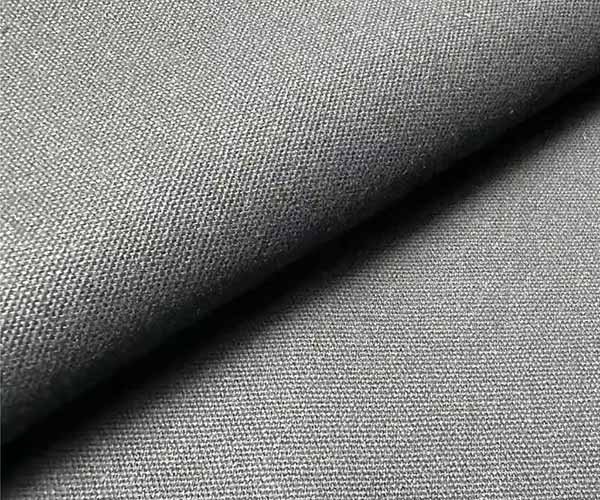
Testing & Validation of Recycled Fabric Bags
Recycled fabric bag manufacturing requires stricter quality control due to inherent material variability. Szoneier implements batch-level controls to ensure repeatable performance across production runs.
Why Datasheets Are Not Enough for Recycled Fabrics
Supplier datasheets often fail to capture:
- Batch variation
- Sewing interaction
- Long-term fatigue behavior
Szoneier lesson
Most recycled fabric failures occur after assembly, not at raw material stage.
Practical Testing Methods Used by Szoneier
During development, we conduct:
- Abrasion testing on base and corners
- Load testing on handles and straps
- Fold endurance checks
- Visual inspection after repeated stress
These tests reflect actual user behavior, not ideal lab conditions.
Testing Recycled Fabrics with Coatings & Laminations
When recycled fabrics are coated or laminated:
- Adhesion strength is checked
- Flex cracking is evaluated
- Fold performance is tested
This prevents delayed coating failure.
Validation Before Scaling
Before mass production:
- Pilot runs are conducted
- Sewing behavior is observed at speed
- Material performance is confirmed
This reduces post-launch quality issues.
GRS & Sustainability Compliance in Recycled Bag Manufacturing
Compliance with GRS and sustainability standards is critical in recycled bag manufacturing. Szoneier integrates certified material sourcing, documentation control, and compliant production workflows into OEM/ODM projects.
Why GRS Compliance Matters Beyond Marketing
What GRS actually covers
- Verified recycled content
- Traceability across the supply chain
- Environmental and social responsibility
Common misunderstanding Many factories:
- Source GRS fabrics
- But cannot support compliant production processes
Szoneier insight
True compliance requires process control, not just certified fabric.
How Szoneier Handles GRS-Certified Materials
In recycled fabric projects, Szoneier:
- Works with verified GRS fabric suppliers
- Confirms scope coverage for bag manufacturing
- Aligns documentation with production batches
This ensures recycled claims are defensible and auditable.
Documentation & Traceability Control
Key documents typically managed
- Transaction certificates (TC)
- Supplier certifications
- Production records
Szoneier workflow
- Materials tracked from receiving to shipment
- Clear separation of certified and non-certified materials
- Documentation archived for repeat orders
Operational reality
Documentation errors are one of the top reasons for compliance failures.
Supporting Brand ESG & Retail Compliance Needs
Szoneier frequently supports brands that require:
- ESG reporting
- Retail platform compliance
- Sustainability audits
We focus on practical compliance, not over-promising.
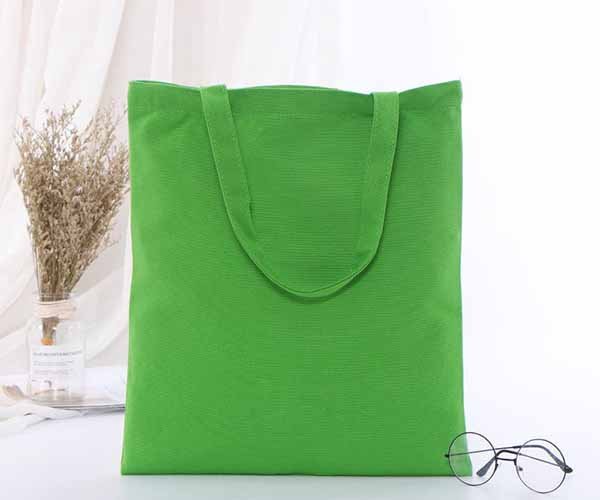
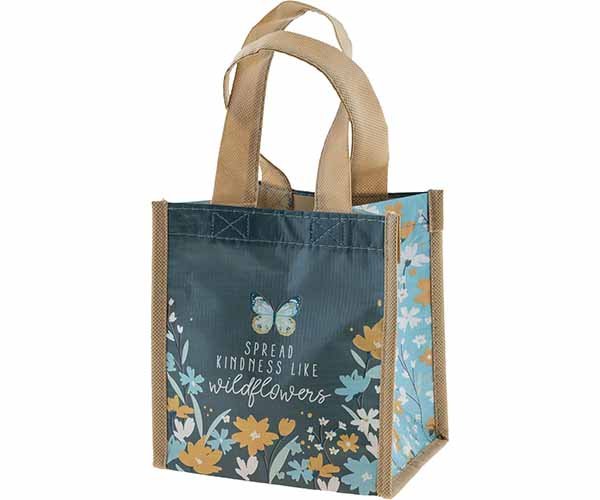
Case Studies — Recycled Fabric Bag OEM Projects by Szoneier
These recycled fabric bag case studies show how Szoneier translates sustainability goals into engineered, production-ready OEM/ODM solutions while maintaining durability, consistency, and scalable manufacturing performance.
rPET Travel Bag for an International Lifestyle Brand
Client profile
An international lifestyle brand transitioning its core travel bag line from virgin polyester to recycled materials to align with ESG commitments.
Initial challenges
- Maintain the same “premium hand feel” as the original product
- Avoid durability downgrade after switching to recycled fabric
- Ensure repeat-order consistency for a long-term SKU
Szoneier engineering approach
- Selected 600D rPET high-density fabric after multiple fabric evaluations
- Introduced a hybrid structure: recycled outer fabric + reinforced internal lining
- Adjusted stitch density and seam allowance to match recycled yarn behavior
Validation & results
- Load and seam stress testing passed internal benchmarks
- Visual appearance matched original virgin-fabric version
- Successfully scaled to repeat orders with stable quality
Key takeaway
Switching to recycled fabric required structural re-engineering, not a simple material replacement.
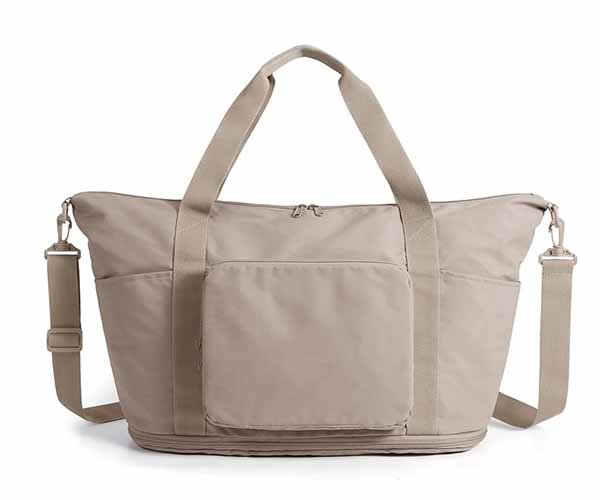
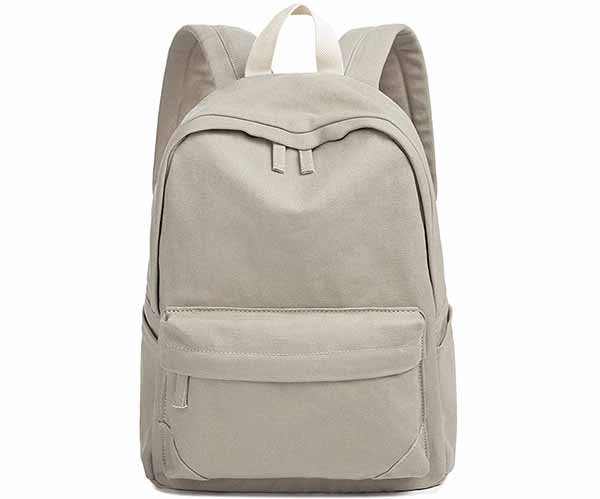
Amazon Eco-Friendly Backpack Using Recycled Polyester
Client profile
Amazon private-label seller positioning the product as an “eco-friendly everyday backpack.”
Key risks
- High visibility of customer reviews
- Durability complaints could permanently damage listing performance
Problems identified
- Early samples showed seam stress at shoulder strap bases
- Recycled fabric fraying under dynamic load
Szoneier solution
- Reinforced strap attachment zones with internal support layers
- Optimized stitch density to prevent yarn cutting
- Required production-intent recycled fabric for all samples
Outcome
- Reduced return rates after launch
- Stable product reviews mentioning durability and quality
Amazon-specific insight
For eco-positioned SKUs, durability complaints directly undermine sustainability claims.
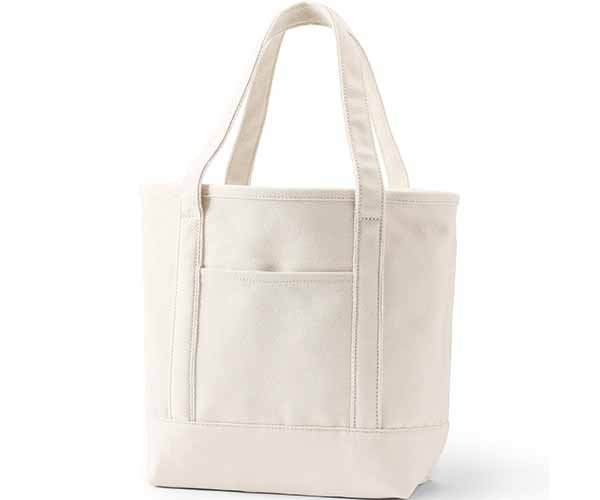
Recycled Fabric Tote Bag for Corporate Promotional Program
Client profile
A corporate client requiring large-volume promotional totes with recycled content for sustainability reporting.
Primary requirements
- Verified recycled fabric usage
- Consistent appearance across bulk production
- Moderate durability suitable for everyday use
Szoneier approach
- Used recycled polyester canvas
- Reinforced handle bases to prevent tearing
- Maintained clear batch separation during production
Result
- Met sustainability documentation requirements
- Smooth large-volume delivery
- No post-distribution quality issues
Operational lesson
Even “simple” recycled bags require structural planning at stress points.
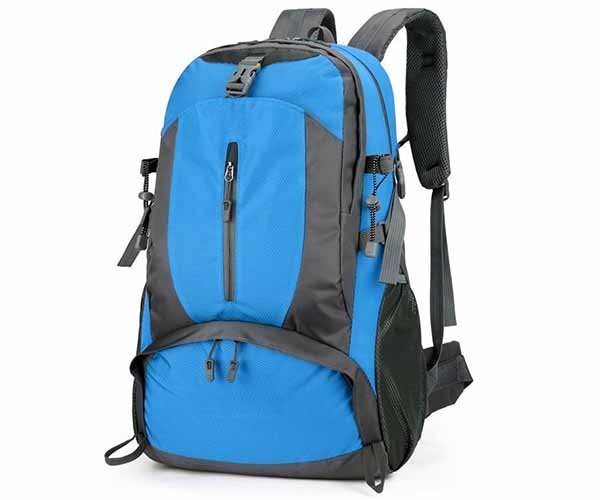
Outdoor Daypack Using Recycled Nylon
Client profile
An outdoor brand exploring recycled materials for lightweight daypacks.
Technical challenge
- Recycled nylon offered good strength but higher elasticity
- Risk of panel deformation over time
Szoneier engineering response
- Introduced hybrid rNylon + structural reinforcement system
- Adjusted panel sizing to control stretch behavior
- Validated abrasion resistance on high-contact zones
Outcome
- Balanced sustainability with outdoor performance
- Improved shape retention compared to early prototypes
Engineering insight
Recycled nylon performs best when structurally supported, not left unsupported.
Converting an Existing Virgin-Fabric SKU to Recycled Fabric
Client profile
Brand with an established SKU looking to increase recycled content without redesigning the entire product.
Common misconception “Just change the fabric.”
Szoneier intervention
- Evaluated original load paths and seam locations
- Identified zones where recycled fabric was suitable
- Retained virgin reinforcement only where necessary
Result
- Increased recycled material usage
- Maintained durability and user experience
- No increase in customer complaints
Strategic takeaway
Partial conversion is often the most realistic and scalable sustainability strategy.
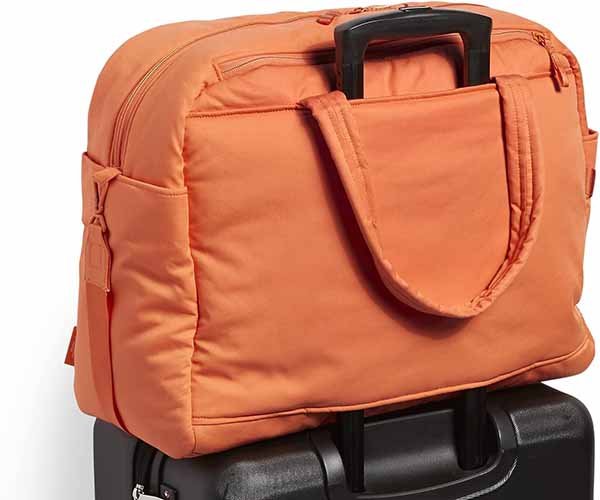
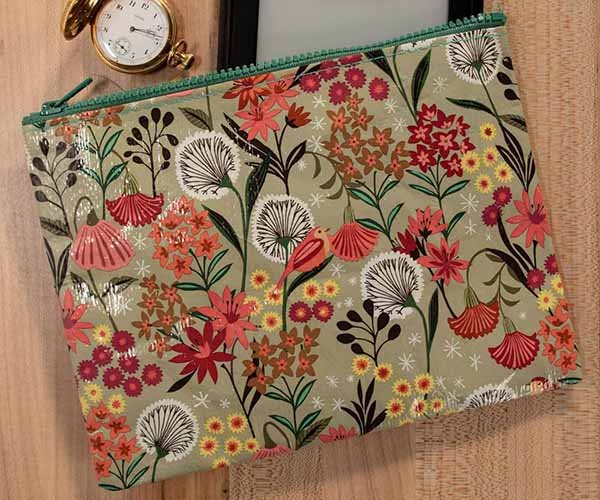
Low-MOQ Recycled Fabric Cosmetic Bag Program
Client profile
Emerging beauty brand testing sustainable packaging concepts with limited initial volume.
Challenges
- Low MOQ
- Cost sensitivity
- Visual consistency
Szoneier solution
- Selected stable rPET fabric suitable for low-volume runs
- Simplified structure to reduce cost risk
- Controlled cutting and sewing parameters for recycled material
Outcome
- Successful pilot run
- Market validation achieved before scaling
Startup insight
Low-MOQ recycled projects succeed when engineering complexity is carefully controlled.
How to Choose a Recycled Fabric Bag Manufacturer
This checklist helps brands evaluate whether a recycled fabric bag manufacturer can deliver true sustainability, consistent quality, and scalable production—not just recycled fabric claims.
Practical Buyer Checklist
- Can the factory explain differences between rPET, rNylon, and blends?
- Do samples use production-intent recycled fabrics?
- How is batch consistency controlled?
- Can they support GRS documentation if required?
- Do they advise where recycled fabric should not be used?
- How do they prevent durability trade-offs?
Szoneier mindset
A reliable recycled fabric manufacturer helps you avoid sustainability-driven quality risks.

Ready To Elevate Your business Line?
Begin your journey with Szoneier bag now. We can assist in wholesaling or customizing Luggage and bags at the most competitive prices to enhance your brand.
FAQ — Recycled Fabric Bag Manufacturing
These frequently asked questions address durability, certification, production, and scalability concerns brands commonly face when developing bags with recycled fabrics.
Q1: Are recycled fabric bags less durable than bags made from virgin materials?
Not necessarily. In Szoneier’s experience, recycled fabrics can meet most durability requirements when structural design and reinforcement are properly engineered. Problems usually arise when recycled fabrics are applied without adjusting sewing parameters or load distribution.
Q2: Can recycled fabrics be used for outdoor or heavy-duty bags?
Yes, depending on fabric type and application. Recycled polyester and recycled nylon can be used for outdoor and gear bags when reinforced in high-stress areas. Szoneier often uses hybrid fabric systems to balance sustainability and performance.
Q3: Is GRS certification mandatory for recycled fabric bags?
GRS certification is not legally mandatory, but it is often required by international brands, retailers, and ESG reporting frameworks. Szoneier regularly supports projects using GRS-certified fabrics when compliance is required.
Q4: How do you ensure batch consistency with recycled fabrics?
Szoneier controls batch consistency by locking approved suppliers, archiving fabric references, and verifying incoming materials before production. This process is especially important for repeat orders and long-term SKUs.
Q5: Can recycled fabric bags be produced with low MOQ?
Yes. Szoneier supports low-MOQ sampling and pilot production using production-intent recycled fabrics, allowing brands to test market response before scaling.
Q6: Will recycled fabrics affect color consistency or appearance?
Recycled fabrics may show slightly higher color variation than virgin fabrics. Szoneier manages this through pre-production color approvals and batch comparison against approved reference swatches.
Q7: Can existing bag designs be converted to recycled fabrics?
In many cases, yes. Szoneier evaluates existing structures and determines where recycled fabrics can replace virgin materials without compromising performance or durability.
Q8: Are recycled fabrics more expensive than virgin materials?
Costs vary by fabric type and certification requirements. While recycled fabrics may have a higher unit cost, optimized engineering and targeted application often offset price differences.
Q9: How do you test recycled fabric bags before mass production?
We perform practical testing such as abrasion checks, load testing, fold endurance, and seam inspections using production-intent materials. This helps identify issues before scaling.
Q10: What is the biggest risk brands face when switching to recycled fabrics?
The biggest risk is assuming recycled fabrics behave the same as virgin materials. Without structural and process adjustments, this can lead to durability issues. Szoneier helps brands avoid this by engineering recycled materials correctly from the start.
Work with a Recycled Fabric Bag Manufacturer
If you are exploring recycled fabric bags, Szoneier offers practical engineering support, compliant sourcing, and scalable OEM/ODM manufacturing to help you turn sustainability goals into reliable products.
If you are:
- Planning to introduce recycled fabrics into your bag line
- Facing durability or consistency issues with existing eco products
- Required to meet ESG, GRS, or retail sustainability standards
You can share:
- Target use scenarios
- Sustainability requirements
- Performance expectations
Szoneier will help you:
- Select suitable recycled fabric systems
- Engineer structures that support recycled materials
- Reduce production and quality risks
- Scale responsibly and reliably
If you have any questions or need a quote, please leave us a message. Our experts will respond within 12 hours to assist you in selecting the ideal fashion products tailored to your needs.
Exclusive Offer for You
As a first-time buyer, you’ll receive a Free bags Color Card to help you select the right material and shade. Once confirmed, we’ll also provide a Free Sample made by our factory—no extra cost.
For our regular partners, we send New Color Charts multiple times a year—completely free—to support your latest collections.
