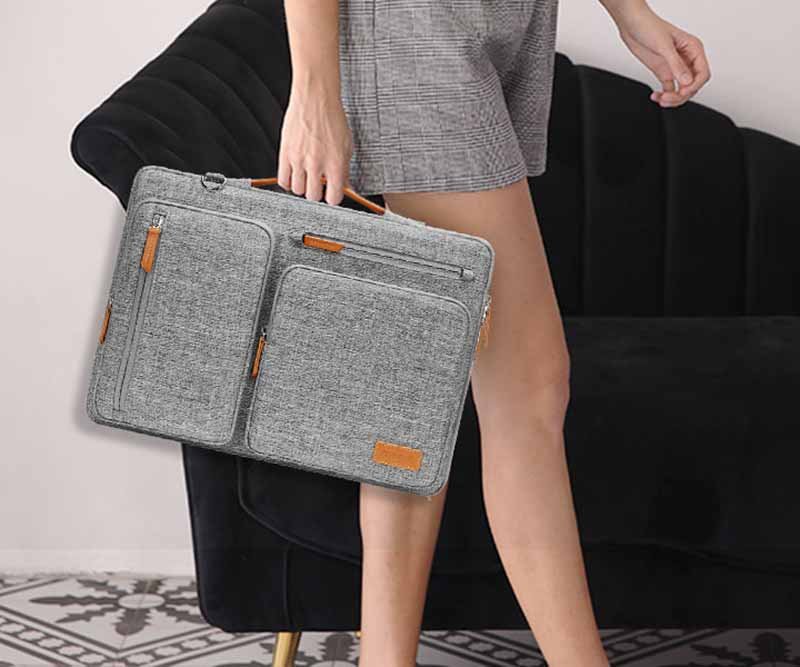
Performance Bag Line Development | Custom Bags & Soft Goods Manufacturer
OEM/ODM development support for sports, outdoor, travel, commuter, medical, tool, and technical soft goods programs.
18+ years focused on custom bags, sewn soft goods, material sourcing, sample development, production control, inspection, packaging, and export delivery.
Selected custom bag projects can start from 200 pcs when materials, structure, logo method, color plan, and packaging stay within workable production conditions.
Simple samples may take 3-7 days, standard samples 7-12 days, and complex performance bags 12-20 days or more after material and structure confirmation.
Szoneier supports backpacks, duffels, gym bags, cooler bags, medical bags, tool bags, neoprene products, EVA cases, pouches, and functional accessories under one coordinated development system.
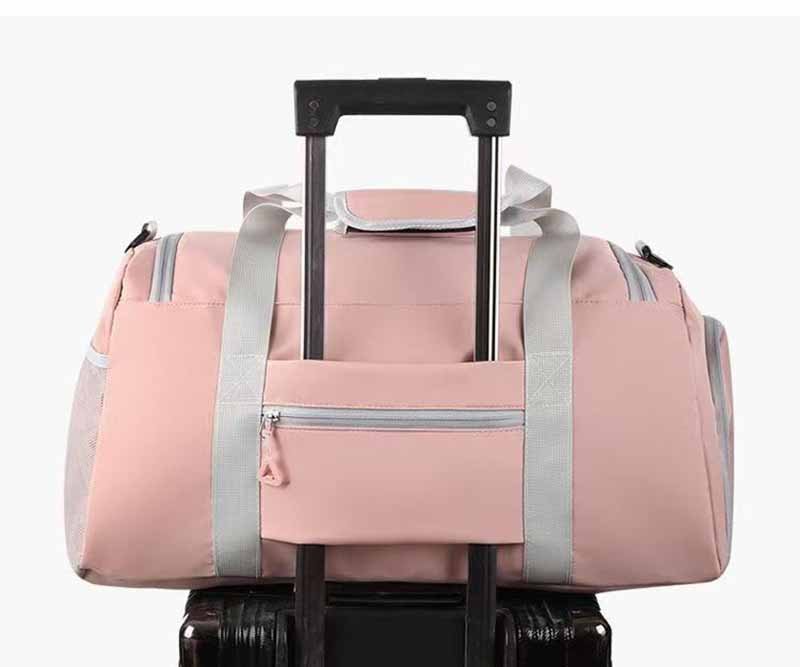
Develop a Performance Bag Line, Not One Isolated Bag
A performance bag line needs shared product logic, material discipline, structure control, and a repeatable production file. Szoneier helps teams move from concept sketches, reference samples, and target use cases into sample-ready and production-ready soft goods.
Line-Level Thinking
A single bag can look attractive in a photo, yet a full line needs stronger planning. Backpack, duffel, pouch, bottle holder, cooler, and accessory SKUs should share related materials, colors, logo placement, hardware language, packaging standards, and inspection rules. Szoneier reviews the full assortment before sampling so the line can grow without random cost changes or inconsistent details.
Development-to-Production Control
Performance bags often fail when design teams and factories treat sampling as a visual exercise only. Szoneier works through structure, material, load areas, sewing sequence, logo process, accessory sourcing, carton plan, and repeat order documentation. After approval, sealed samples, BOM files, frozen patterns, and QC points help keep bulk production aligned with the approved development direction.
Built for Brands Developing Technical Bag Programs
Different product teams need different development priorities. Szoneier adapts materials, structure, sampling, and packaging around the sales channel, usage scene, target price, and launch schedule.
Outdoor Brands
Outdoor programs usually need abrasion-resistant fabrics, reinforced bottoms, secure zipper paths, adjustable carry systems, and internal organization for tools, apparel, hydration, or travel gear. Szoneier can review pack volume, strap connection, pocket layout, and seam direction before sampling so the product feels stable in use, not only attractive on a flat product image.
Sports Brands
Sports and training bags need wet/dry separation, shoe pockets, ventilation panels, durable webbing, washable lining, and balanced carrying comfort. Gym duffels, training backpacks, waist bags, and bottle carriers often share fabrics and trim colors. Szoneier helps arrange the line around repeated materials and shared accessories to improve production consistency.
Travel Brands
Travel lines require clear capacity planning, smooth opening, luggage sleeve options, laptop areas, toiletry pouches, packing cubes, and carton-friendly dimensions. Szoneier can support 18-30 L commuter backpacks, 35-60 L duffels, 1-5 L organizers, and related accessories with material, pattern, and packaging coordination across multiple SKUs.
Medical Gear Teams
Medical and field-response bags need fast access, color-coded compartments, wipeable linings, label placement, strong handles, and internal elastic or mesh organization. Szoneier can help turn a reference kit into a controlled sewn structure, with attention to zipper direction, internal panel layout, removable pouches, and final packing files.
Tool Programs
Tool bags and industrial carry products need heavy fabric, dense stitching, reinforced stress points, molded or padded bottoms, metal hardware, and strong webbing. Szoneier reviews load areas early because deleting reinforcement to reduce cost often creates later failure. Development should balance durability, weight, price, and packing efficiency.
Retail Product Teams
Retail programs need consistent finishing across colors and SKUs. Hangtags, barcode placement, master carton marks, shelf-ready packs, and repeat shipment files matter as much as the bag. Szoneier helps align product construction with packaging, inspection, and launch timing so retail delivery requirements are not handled as late-stage corrections.
DTC Brand Teams
Direct-to-consumer lines often need photo-ready samples, color stories, branded packaging, lifestyle material choices, and repeatable quality for reviews. Szoneier can help develop hero SKUs, supporting accessories, and packaging kits so the line presents one brand language across web photos, unboxing, and replenishment orders.
Importers and Distributors
Importers need flexible product files, stable bulk quality, carton efficiency, documentation, and clear communication across regions. Szoneier can support multi-SKU sourcing programs with pattern archives, BOM records, packaging files, and logistics coordination for the United States, Europe, Australia, the Middle East, and Asian markets.
Common Development Risks Szoneier Helps Control
Performance bags carry more risk than simple promotional bags. Material mismatch, weak stress points, unclear sample files, and packaging errors can delay launches or create repeat quality problems.
Sample-Bulk Mismatch
A first sample can be made carefully by one sewing technician, while bulk production needs repeatable patterns, cutting rules, seam allowances, reinforcement points, and operation instructions. Szoneier reduces mismatch risk through sealed samples, confirmed BOM, pre-production sample review, and inspection points before packing.
Wrong Material Choice
A fabric may look premium but fail under abrasion, weight, moisture, or repeated handling. Szoneier reviews fabric weight, coating, hand feel, structure, lining, padding, and end-use before quoting. For example, a gym bag lining, a cooler bag lining, and a tool bag lining should not be selected by appearance alone.
Weak Load Areas
Shoulder straps, handle roots, D-rings, buckles, side seams, and bottom panels carry repeated stress. Weak reinforcement creates early returns even when the outer fabric looks strong. Szoneier studies carry paths, webbing fold-back, bar-tack positions, box stitches, and binding choices during pattern development.
Too Many Functions
Adding shoe pockets, laptop areas, bottle pockets, hidden zippers, compression straps, and removable pouches can increase sewing difficulty and cost. Szoneier helps separate must-have features from optional upgrades, allowing the first line to stay manufacturable while leaving room for future versions.
Cost Drift Across SKUs
A line can lose margin when every SKU uses different fabric, zipper, webbing, patch, lining, and packaging. Szoneier can help group SKUs by shared materials and shared trim systems. A controlled material family makes pricing clearer and repeat ordering easier.
Channel Packing Errors
FBA labels, retail barcodes, polybag warnings, carton marks, and master carton sizes should be planned before bulk packing. Szoneier checks packing files, carton logic, and shipment preparation so product development does not stop at the sewn sample.
Performance Bag Product Lines We Can Develop
Szoneier supports performance-oriented soft goods across sports, outdoor, travel, work, medical, and equipment-carry scenes. Each product line can be developed with material, structure, logo, packaging, and shipment requirements.
| Product Line | Common Development Focus | Typical Custom Direction |
|---|---|---|
| Performance Backpacks | 18-35 L capacity, laptop area, shoulder comfort, reinforced stress points | Outdoor, commuter, training, travel, tactical-inspired layouts |
| Sports Duffel Bags | 35-70 L capacity, shoe pocket, wet/dry zone, ventilation | Gym, team sports, weekend travel, event merchandise |
| Gym Bags | Lightweight fabrics, washable lining, bottle pockets, easy access | Training collections, fitness clubs, influencer product lines |
| Travel Bags | Packing efficiency, trolley sleeve, organizer pockets, durable zippers | Carry-on accessories, packing systems, multi-piece travel sets |
| Outdoor Gear Bags | Abrasion resistance, coated fabrics, compression straps, bottom reinforcement | Camping, hiking, fishing, hunting, field storage |
| Cooler Bags | Insulation, lining, zipper sealing, carry comfort, carton planning | Lunch bags, grocery coolers, picnic bags, beverage carriers |
| Medical Bags | Quick access, color zones, elastic loops, wipeable lining, labeling | First-aid kits, responder bags, clinic supply bags |
| Tool Bags | Heavy fabric, metal hardware, hard bottom options, load-bearing handles | Contractor kits, industrial maintenance, technician gear |
| Camera / Equipment Bags | Padding, dividers, shock protection, zipper access, body support | Photo gear, electronic equipment, drone accessories |
| Neoprene Products | Soft protection, stretch, cushioning, water-friendly use | Sleeves, bottle bags, sports supports, accessory pouches |
| EVA Cases | Molded protection, shape stability, zipper structure, inner tray | Electronics, medical devices, travel protection kits |
| Functional Accessories | Pouches, organizer inserts, straps, packing cubes, bottle holders | Add-on SKUs for complete line building |
Use-Case Driven Development Creates Better Performance Bags
A strong line starts from real use scenes. Szoneier connects carrying behavior, storage needs, materials, sewing construction, and packaging around the way each product will be used.
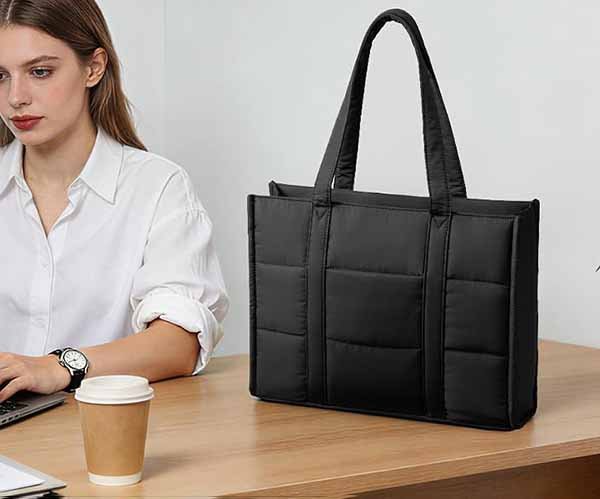
Daily Commute
Commuter bags need a balanced shape, padded laptop area, clean front access, lightweight support, and materials suitable for office and city use. Szoneier can help plan 14-inch to 17-inch laptop areas, hidden rear pockets, luggage sleeves, shoulder comfort, and logo details suitable for a premium workday line.
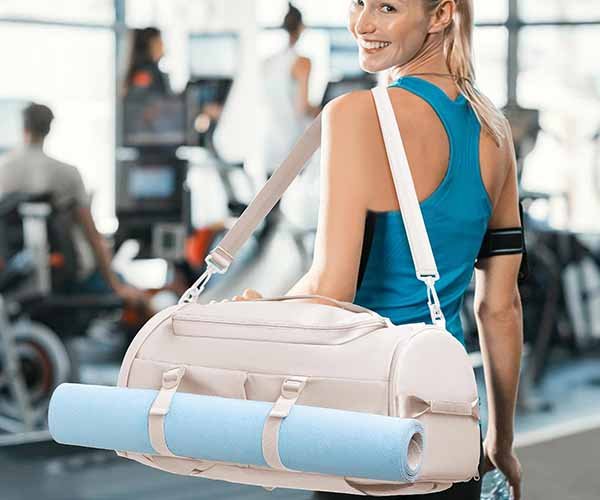
Gym and Training
Training bags need fast loading, odor control planning, wet/dry separation, washable linings, shoe compartments, and durable handles. Szoneier reviews ventilation zones, lining seams, pocket volume, and strap locations before sampling so gym use does not expose weak structure after repeated carrying.
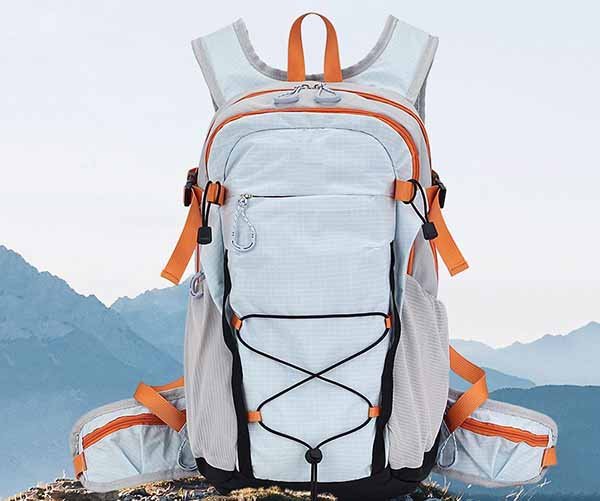
Outdoor Travel
Outdoor travel bags need stronger fabrics, coated panels, secure closures, compression points, and bottom protection. Szoneier can advise on nylon, polyester Oxford, TPU-coated fabric, mesh, webbing, buckles, and reflective trims based on expected terrain, weather exposure, and retail positioning.
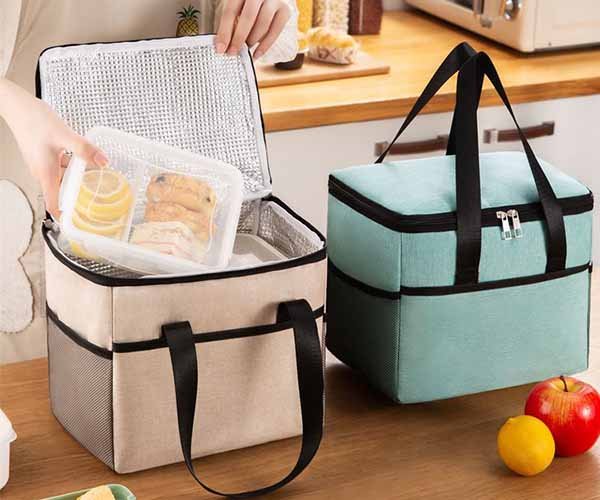
Cold-Chain Carry
Cooler and insulated lines need outer fabric, foam, lining, binding, zipper, and seam planning. Szoneier can support lunch bags, grocery coolers, beverage bags, and picnic totes with insulation structure, food-contact lining evaluation, leak-management design, and carton planning for bulky products.
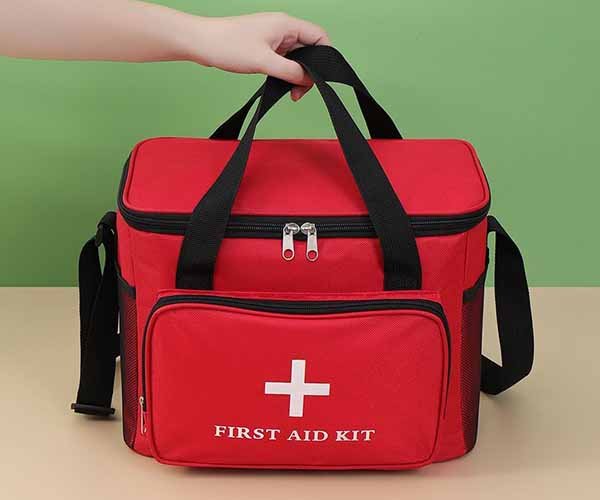
Medical Response
Medical and first-aid bags need speed and clarity. Internal dividers, transparent pockets, elastic loops, color coding, printed labels, and wipeable lining improve access. Szoneier can help plan layout around kit contents, required compartment sizes, and packing sequence before first sample sewing.
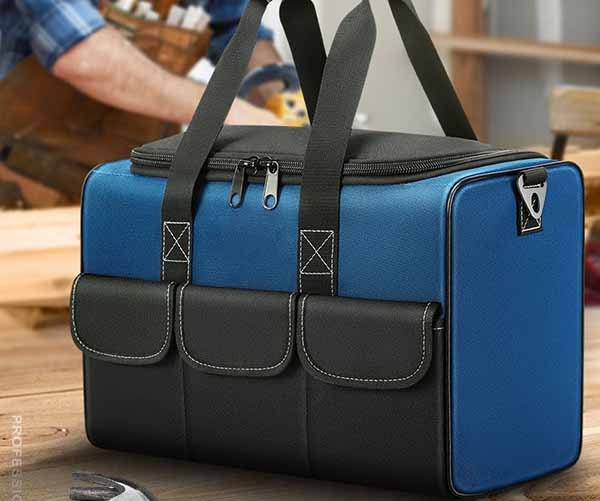
Tool Organization
Tool bags need strength before styling. Heavy tools place pressure on seams, webbing, handles, and bottom panels. Szoneier reviews tool length, weight range, pocket count, hardware choice, and reinforcement methods so production files reflect real load conditions instead of only product appearance.
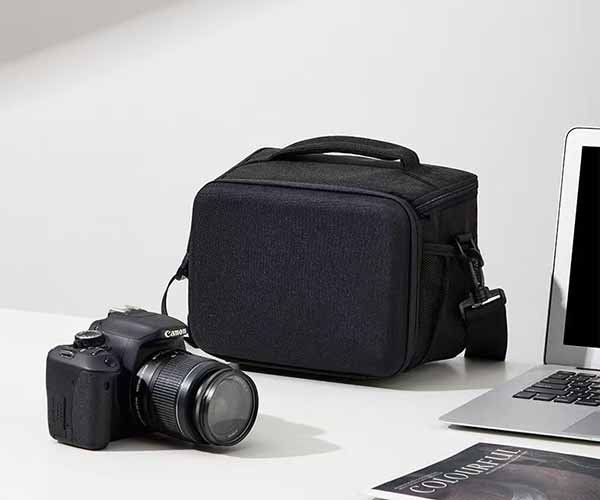
Camera Protection
Camera and equipment bags require padding thickness, divider logic, soft lining, zipper protection, and access speed. Szoneier can develop padded inserts, EVA panels, adjustable dividers, inner mesh pockets, and side-access openings based on equipment dimensions and intended shooting environments.
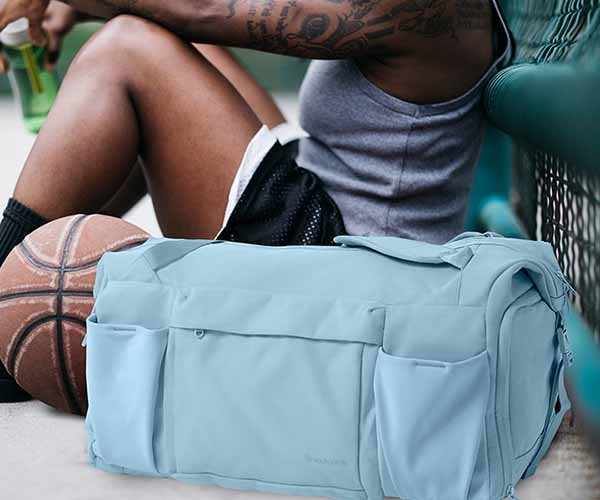
Event and Team Gear
Team gear bags and event programs require visible logos, color consistency, packable cartons, and on-time shipment. Szoneier can coordinate logo position, embroidery, heat transfer, woven labels, carton marks, and multi-address delivery planning for campaign-driven product lines.
Project Inputs for Faster Line Development
The best development briefs are not always long. Clear information on use, size, materials, quantity, channel, and delivery country helps Szoneier evaluate structure, sampling route, and cost drivers faster.
Reference Materials
Send photos, links, rough sketches, old samples, competitor references, or a tech pack. Mark what should be copied, changed, removed, or improved. A reference backpack may only guide the strap system, while a duffel sample may guide size and opening. Clear notes prevent wrong assumptions during pattern work.
Size and Capacity
Provide target dimensions, volume, or packed contents. Examples: 45 x 30 x 18 cm commuter backpack, 55 x 28 x 28 cm sports duffel, 20-can insulated bag, 16-inch tool bag, 10 L first-aid kit. Dimensions help evaluate panel layout, zipper length, fabric usage, and carton size.
Material Direction
Share desired hand feel, weight, color, coating, lining, sustainability claim, or target price level. If materials are undecided, Szoneier can suggest options from nylon, polyester Oxford, canvas, neoprene, PU, TPU-coated fabric, PVC, leather, mesh, foam, EVA, and recycled materials with file support when required.
Branding Files
Vector artwork, Pantone color, logo placement, patch size, label design, zipper puller design, and packaging artwork help prevent delays. Embroidery, rubber patch, silicone badge, woven label, heat transfer, screen printing, metal plate, and debossing all require different sample preparation and cost review.
Sales Channel
Amazon, retail, distributor, online store, team order, corporate program, and field use all influence packaging. FNSKU, barcode, warning label, hangtag, polybag, master carton, DDP, pallet plan, and carton drop concerns should be discussed before mass packing begins.
Quantity and Timing
Provide target quantity by SKU, color count, launch date, delivery country, and preferred shipping method. A 600 pcs pilot order, a 2,000 pcs first run, and a 10,000 pcs replenishment program need different material planning and production scheduling.
Material Strategy for Performance Bag Lines
Material selection should follow use, structure, price level, and brand positioning. Szoneier helps compare outer fabric, lining, foam, mesh, webbing, zipper, hardware, and packaging before sampling.
| Material Option | Suitable Bag Lines | Development Notes | Watch Points |
| Nylon | Outdoor backpacks, travel bags, camera bags, commuter bags | Strong hand feel, good abrasion resistance, premium technical look | Denier, coating, colorfastness, price level |
| Polyester Oxford | Sports bags, promotional gear, cooler bags, travel pouches | Stable sourcing, wide color range, cost-efficient for multi-SKU lines | Coating quality, thickness, wrinkle control |
| Canvas / Cotton | Lifestyle performance totes, weekend bags, utility pouches | Natural texture, strong brand story, suitable for hybrid lifestyle lines | Shrinkage, color consistency, weight |
| Neoprene | Sleeves, bottle bags, sports accessories, protective pouches | Soft cushioning, stretch, water-friendly use | Thickness, lamination, edge finishing |
| TPU / PVC-Coated Fabric | Wet-use bags, waterproof-style pouches, outdoor storage | Strong visual performance, wipeable surface | Construction limits, seam sealing requirements |
| PU / Leather | Premium commuter, tech accessories, lifestyle gear | Elevated feel, good for patches, handles, and full products | Scratch resistance, color variation, MOQ impact |
| EVA | Protective cases, electronics, medical devices, travel kits | Shape stability, impact protection, molded appearance | Mold cost, tooling time, inner tray design |
| Recycled Fabric | Sustainable collections, retail programs, branded campaigns | Supports responsible material storytelling when files are available | Certification documents, color limits, price |
Structure Engineering for Real Performance
Performance is built through structure. Szoneier reviews storage logic, opening design, carrying points, reinforcement, lining, and sewing sequence before a sample goes into production.
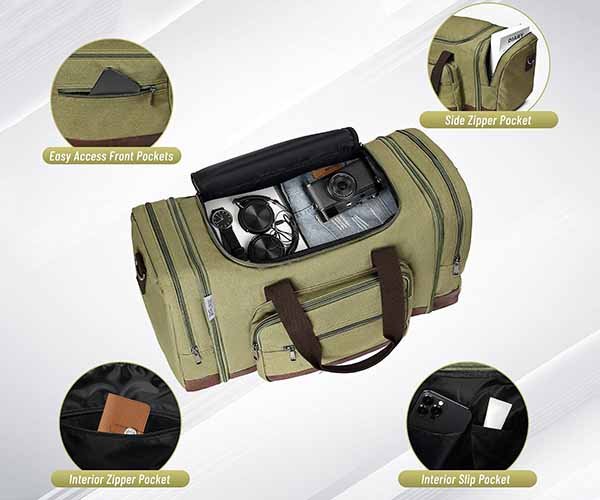
Main Compartment
The main compartment controls usability and capacity. A commuter backpack may need a clean laptop wall and document zone. A duffel may need a wide U-shaped opening. A medical bag may need removable dividers. Szoneier studies packed contents and access direction before deciding panel proportion and zipper route.
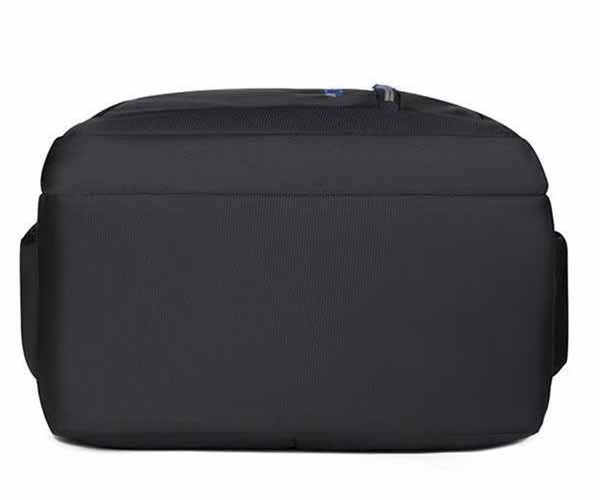
Pocket System
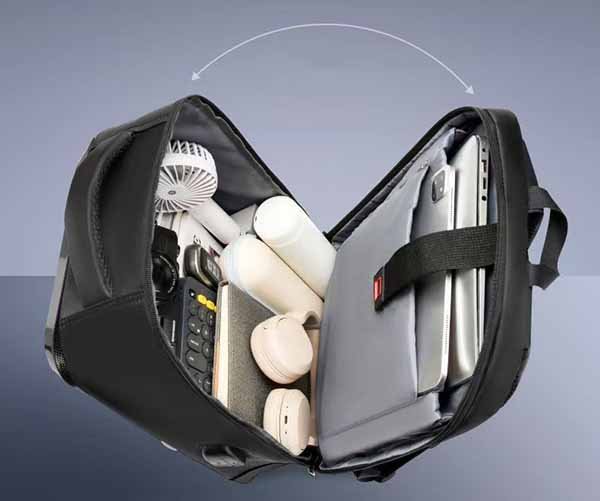
Pockets should solve real storage needs, not just increase feature count. Side bottle pockets, front quick-access pockets, mesh inner pockets, elastic loops, tool sleeves, and padded dividers affect sewing difficulty and cost. Szoneier helps decide which pockets deserve reinforcement and which should stay lightweight.
Bottom Construction
Bottom panels carry wear, shape, and load. Options include double fabric, foam support, PE board, EVA bottom, binding, piping, or molded base depending on product type. Tool bags, cooler bags, and heavy duffels often require stronger bottom planning than lifestyle pouches.
Opening Method
Top zip, clamshell, roll-top, drawcord, flap, front panel opening, side access, and wide-mouth openings create different production routes. Szoneier reviews opening direction against contents, fabric stiffness, zipper length, sewing access, and final packing size before pattern work starts.
Internal Organization
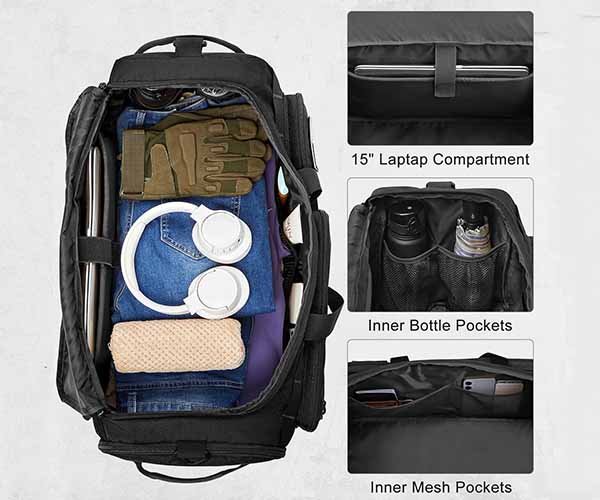
Internal panels, mesh pockets, elastic bands, hanging pouches, padded sleeves, transparent windows, and divider walls require accurate placement. Szoneier can map inner structures with the outer shape to avoid bulk, twisting, hard-to-sew corners, or wasted capacity.
Shape Stability
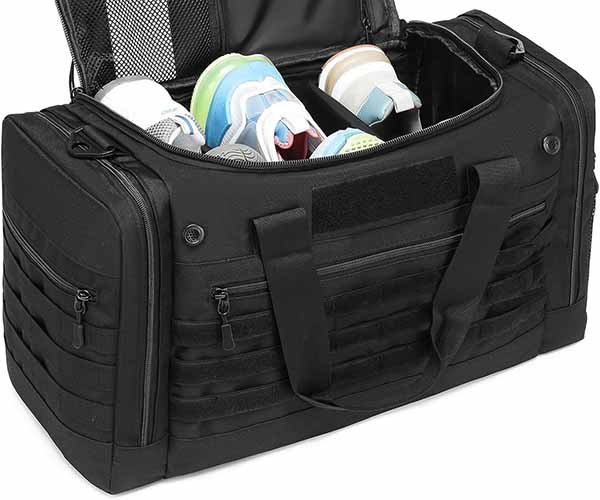
Performance bags should keep usable form after loading. Foam, binding, piping, laminated fabric, EVA panels, and seam placement can improve shape. Szoneier evaluates whether the style should stay soft and packable or structured and protective before material ordering.
Carry Comfort and Load-Bearing Details
Carrying performance depends on strap geometry, handle construction, reinforcement, fabric strength, and sewing control. Szoneier reviews stress points before cost reduction decisions are made.
Shoulder Straps
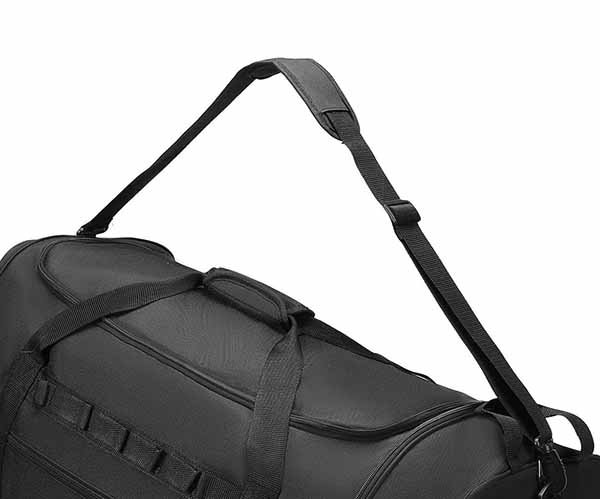
Strap width, foam thickness, curve, mesh backing, webbing length, and adjustment hardware influence comfort. A 20 L daypack and a 45 L travel backpack should not share the same strap structure. Szoneier can develop padded straps, detachable straps, sternum straps, and ergonomic webbing paths.
Handle Systems
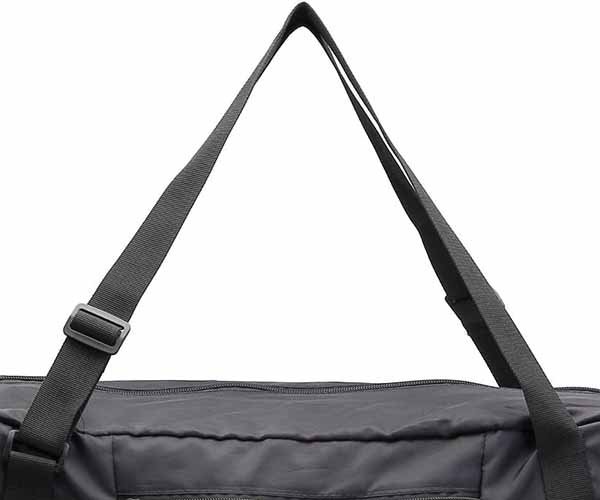
Top handles, side handles, grab loops, and luggage straps need strong attachment. Szoneier reviews handle root reinforcement, webbing fold-back length, stitch density, and hidden support pieces. For tool bags and heavy duffels, handle structure often matters more than decorative styling.
Bar-Tack Points
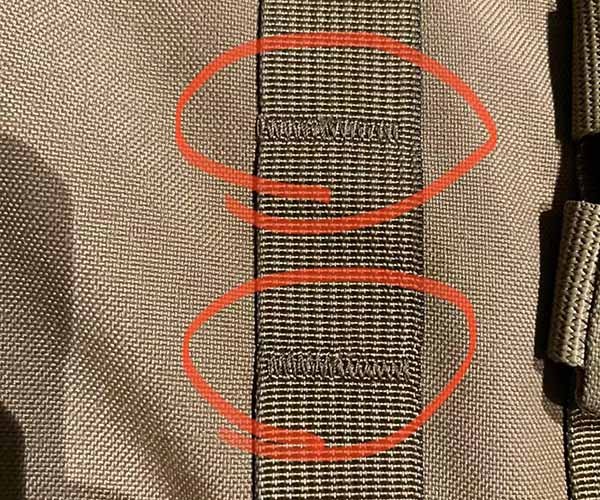
Bar-tack reinforcement helps secure webbing ends, pocket stress points, shoulder strap anchors, and D-ring loops. Szoneier places reinforcement based on load direction rather than decoration. Proper reinforcement makes a bag feel stronger without adding unnecessary visible parts.
Stitch Patterns
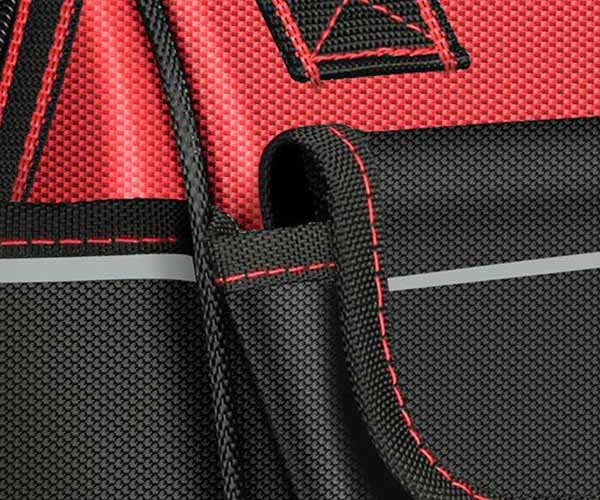
Box stitch, cross stitch, double needle sewing, bound seams, overlock, lockstitch, and bartack combinations suit different areas. Szoneier aligns stitch method with fabric weight, stress level, seam position, and appearance requirements so durability and visual quality stay balanced.
Padding Placement
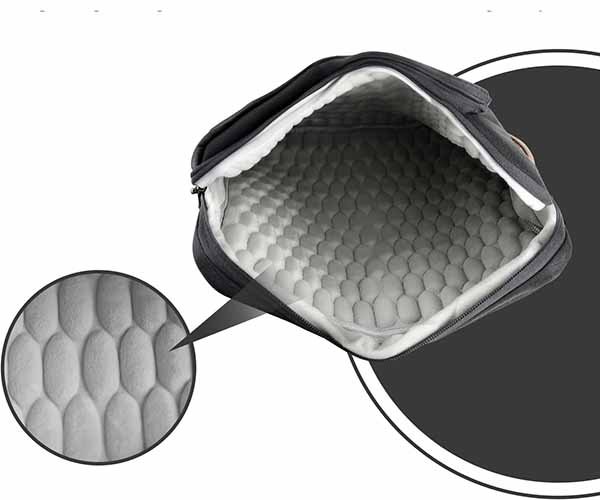
Foam, EVA, PE board, spacer mesh, and laminated padding can support laptops, cameras, backs, shoulders, and bottoms. Szoneier can suggest thickness ranges based on target use: light organizers need soft padding, while camera or equipment bags need more controlled protection.
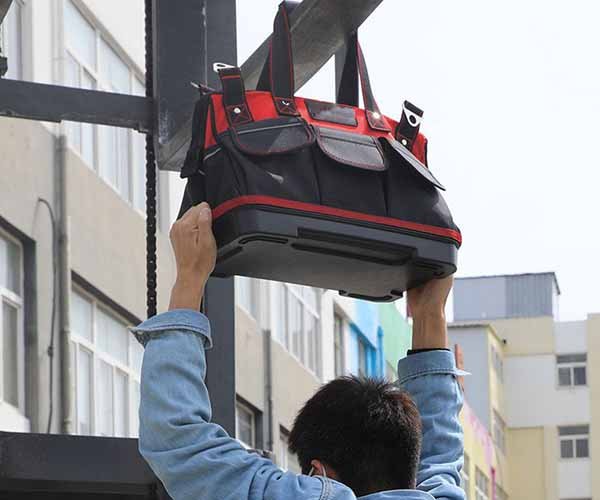
Load Simulation
Before bulk production, heavy-use lines should be reviewed with sample loading. Szoneier can check strap angle, handle comfort, zipper tension, bottom sag, seam pulling, and internal organization with sample contents. Findings can guide revision before production patterns are frozen.
Sewing Craftsmanship Behind Performance Bag Durability
Good sewing is not only straight stitches. Performance bags require correct operation order, seam allowance, reinforcement, tension control, thread choice, and inspection at load-bearing areas.
Pattern Accuracy
Accurate paper patterns keep panels aligned across sizes and SKUs. Small pattern errors become visible in zipper waves, twisted seams, uneven pockets, or poor shape. Szoneier uses pattern review and sample correction to control panel fit before the approved version moves into production.
Stitch Density
Different fabrics need different stitch density. Thick Oxford, nylon, canvas, neoprene, PU, and coated fabrics respond differently under the needle. Too loose can weaken seams; too dense can damage coating or create tearing points. Szoneier adjusts sewing settings around material behavior.
Seam Allowance
Seam allowance affects strength, appearance, and repeatability. Heavy panels need enough margin for stable sewing and binding. Curved openings, padded sections, and thick corners need special control so operators can keep shape without forcing fabric.
Binding Control
Binding is common on inner seams, cooler edges, organizers, and technical pouches. Poor binding creates wrinkles, exposed raw edges, and weak corners. Szoneier reviews binding width, tape material, seam thickness, and corner handling before mass sewing starts.
Thick-Area Handling
Performance bags often contain stacked webbing, foam, zippers, binding, and reinforcement layers. Thick corners require suitable machines, needle choice, operation sequence, and quality checks. Szoneier pays special attention to handle roots, shoulder strap anchors, and bottom corners.
Operator Instructions
A technical line needs more than a sample. Sewing teams need operation sequence, marked reinforcement points, seam standards, and inspection reminders. Szoneier uses project files, samples, and production communication to keep repeat output aligned with approval standards.
Zippers, Webbing, Hardware, and Functional Accessories
Accessories influence usability, cost, appearance, and durability. Szoneier reviews every trim by use, stress, finish, color, availability, and replacement risk.
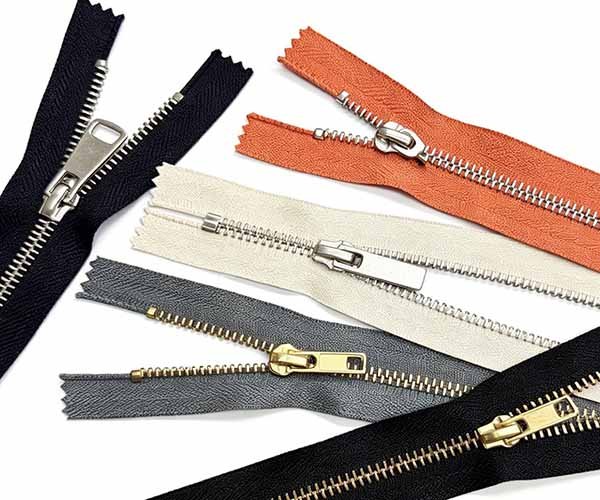
Zippers
Zipper size, teeth type, slider quality, puller design, opening route, and zipper tape color affect user experience. Cooler bags, camera bags, and travel bags often require smoother operation and stronger pullers than simple pouches. Szoneier can test zipper direction and opening comfort on sample units.
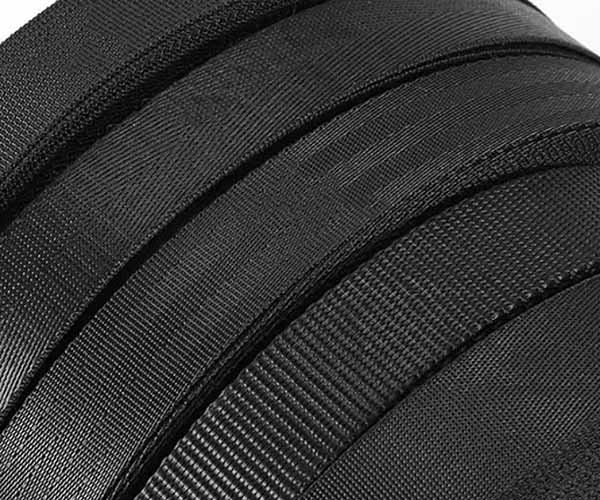
Webbing
Webbing controls handles, shoulder straps, compression straps, waist belts, and attachment loops. Width, thickness, weave density, color, and edge quality should match load and appearance. Szoneier checks webbing compatibility with buckles, adjusters, and stitch methods before production.
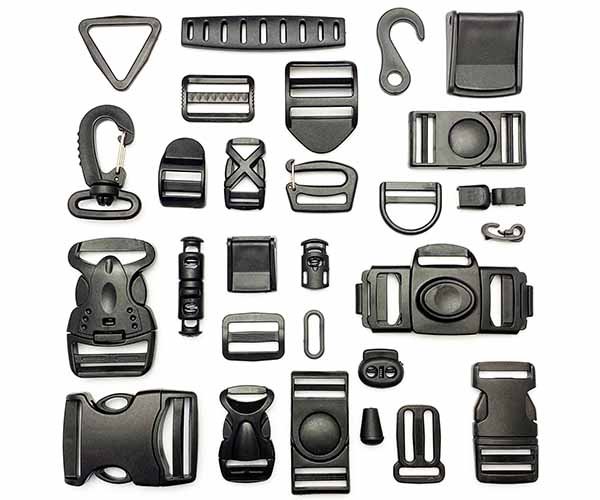
Buckles
Plastic buckles, metal buckles, ladder locks, side-release buckles, and strap adjusters should be chosen by load and product positioning. Outdoor and tool products need stronger hardware than lightweight travel organizers. Szoneier evaluates opening force, compatibility, finish, and supply stability.
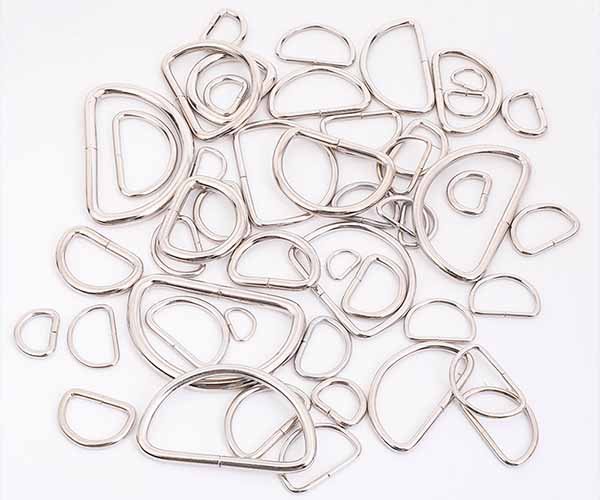
D-Rings
D-rings and hooks are small parts with high stress. Poor plating, thin wire, or weak loops can damage a premium line. Szoneier checks material, size, finish, and attachment sewing. Metal parts may need separate cost and lead-time review.
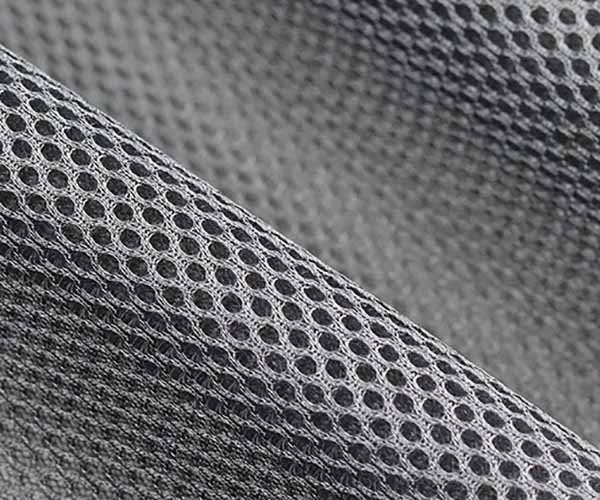
Mesh
Mesh can serve ventilation, bottle pockets, inner pockets, laundry sections, or visible organization. Mesh strength, stretch, edge finishing, and sewing behavior vary greatly. Szoneier helps match mesh type with function so pockets stay usable after repeated packing.
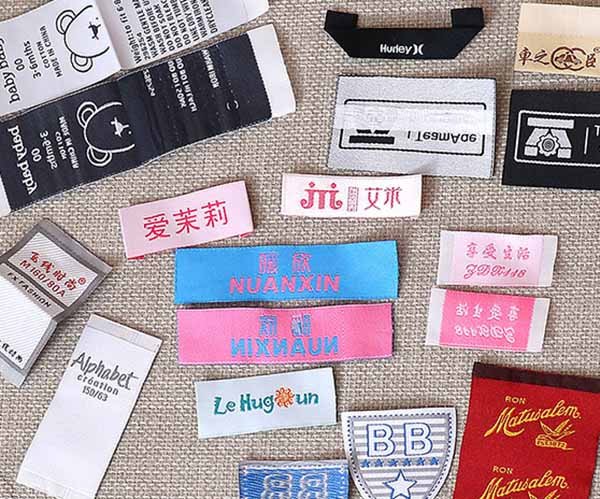
Labels
Woven labels, rubber patches, silicone badges, care labels, size labels, and inside brand labels build identity. Szoneier aligns label placement with seam position, product photos, user handling, and packaging. Durable labels are especially important for outdoor, sports, and travel lines.
Performance Features by Product Type
Functional features should be developed around use, not added as marketing decoration. Szoneier helps decide which features belong in the first production run and which can be reserved for later versions.
Water Resistance
Water-resistant fabrics, coated materials, covered zippers, flap structures, and drainage planning can improve wet-use performance. Fully waterproof claims require specialized construction and testing. Szoneier separates water-resistant concepts from waterproof construction so product statements stay accurate.
Insulation
Cooler and lunch bag lines need foam thickness, lining choice, seam planning, zipper selection, and closure logic. Szoneier can develop soft cooler structures around 6-can, 12-can, 24-can, or grocery-capacity formats, balancing insulation, weight, flexibility, and carton volume.
Shock Protection
Camera bags, EVA cases, tech organizers, and medical device cases need padding or molded protection. Szoneier reviews foam density, divider layout, lining texture, zipper placement, and outer shell structure. Protection should match device dimensions and carrying behavior, not generic padding thickness.
Ventilation
Gym bags, shoe bags, sports backpacks, and wet gear pouches may need airflow. Mesh panels, eyelets, separate shoe zones, and washable linings can help. Szoneier reviews ventilation placement so airflow does not weaken structure or expose contents unnecessarily.
RFID Blocking
RFID-blocking pockets can be added to travel, commuter, and document bags when suitable materials are available. Placement, pocket size, and labeling should stay clear. Szoneier can evaluate material sourcing and production method based on the target market and packaging claim.
Reflective Details
Reflective trim, print, piping, zipper pullers, and labels can improve visibility for sports, cycling, school, and commuter products. Szoneier checks reflective material compatibility with fabric, washing needs, and logo placement so visibility details do not look random.
Logo, Color, Label, and Packaging Identity
A performance line should look related across every SKU. Szoneier helps coordinate logo process, color story, trim language, labels, and packaging so a backpack, duffel, pouch, and accessory family feel connected.
Logo Placement
Logo location should support product photos, retail display, user handling, and seam structure. Szoneier reviews front panels, side panels, strap zones, patch positions, zipper pullers, and inner labels before sampling. Poor placement can look unbalanced or interfere with pockets and reinforcement.
Patch Options
Rubber patches, silicone badges, leather patches, woven patches, and metal plates create different price and style signals. Szoneier can suggest patch size, mold needs, backing method, color count, and sewing placement based on fabric type and product level.
Embroidery
Embroidery can look premium on canvas, cotton, polyester, and some panels. Dense embroidery may distort thin fabric or coated surfaces. Szoneier checks artwork size, stitch direction, backing needs, thread color, and panel position before sample approval.
Heat Transfer
Heat transfer works well for clean logos and technical visuals on many synthetic fabrics. Szoneier reviews fabric coating, heat tolerance, logo size, placement, and durability needs. Test samples are useful when materials are coated or textured.
Color Story
Color planning should not be separated from material availability. Szoneier can help build black, grey, navy, khaki, olive, orange, red, or custom Pantone-driven ranges, while checking fabric stock, dyeing feasibility, zipper color, webbing match, and bulk consistency.
Packaging Language
Hangtags, belly bands, polybags, kraft boxes, printed sleeves, inserts, carton labels, and barcode stickers should match sales channels. Szoneier can coordinate packaging files across SKUs so a product line ships with consistent retail or online presentation.
Sample Development Workflow from Concept to Approval
Sampling should verify structure, materials, function, logo, packaging, and cost direction. Szoneier gives development teams a clear route before bulk order decisions.
| Development Stage | Main Work | Common Timing | Output |
| Brief Review | Photos, sketches, tech pack, target quantity, use case, price range | 1-2 working days after complete files | Initial review and questions |
| Material Direction | Fabric, lining, foam, zipper, webbing, hardware, logo method | 1-3 working days depending on material clarity | Suggested material route |
| Pattern Making | Panel layout, size, capacity, pockets, opening, reinforcement | 2-5 working days for many styles | Sample-ready pattern |
| First Sample | Cutting, logo trial, sewing, internal check, photo review | 3-7 days simple; 7-12 days standard; 12-20 days complex | First physical sample |
| Revision | Fit, size, function, material, logo, packaging changes | 3-10 days depending on revision depth | Revised sample or correction file |
| Pre-Production Sample | Final materials, pattern, logo, packing standard | Based on order readiness | Production reference sample |
| Bulk Production | Material purchase, cutting, sewing, inspection, packing | Often 15-30 days after approvals for many standard projects | Ready-to-ship order |
| Repeat File | Pattern, BOM, SKU sheet, packaging files, QC notes | After shipment | Faster reorder reference |
Testing and Validation Before Bulk Production
Performance bag validation should focus on real use and production repeatability. Szoneier can review samples internally and coordinate additional checks based on material, market, and claim requirements.
Capacity Check
Sample packing should confirm real capacity, not only outer dimensions. Szoneier can check laptop fit, shoe pocket space, cooler volume, tool pocket depth, medical kit layout, and organizer usability. Photos or videos can be shared before sample shipment when needed.
Load Review
Load review helps find strap angle problems, handle stress, bottom sag, zipper tension, or shape collapse. Heavy duffels, tool bags, backpacks, and equipment bags benefit from packed-content review before pattern approval.
Zipper Function
Zipper performance depends on curve, opening length, fabric tension, and slider quality. Szoneier checks whether users can open main pockets smoothly after loading. Curved corners, insulated linings, and thick padding often need extra attention.
Seam Inspection
Seams around handles, shoulder straps, pocket openings, binding, and bottom corners should be checked early. Szoneier reviews seam strength, tension, stitch consistency, loose threads, skipped stitches, and thick-area sewing before bulk production.
Water and Insulation Review
Water-resistant and insulated products require careful wording and testing route. Szoneier can evaluate materials, lining, foam, zipper, closure, and seams. Lab testing or third-party checks can be discussed when product claims or market rules require documentation.
Packing Simulation
Carton size, folding method, polybag, hangtag, barcode, and master carton marks influence final delivery. Szoneier can review packing method during pre-production so bulky bags, structured products, and multi-piece sets do not create late cost surprises.
MOQ, Cost, and Multi-SKU Planning
A performance line needs cost control across SKUs. Szoneier helps plan material sharing, color strategy, logo tooling, trim selection, and first-run quantities before unnecessary complexity enters development.
Selected MOQ
Selected custom bag projects can start from 200 pcs when using workable materials, standard structures, available colors, and manageable logo processes. Complex backpacks, EVA cases, special hardware, custom dyed materials, molded patches, or advanced testing requirements may need higher order planning.
SKU Grouping
A line can be grouped into hero products, support products, and accessory products. For example, a performance travel line may start with a 28 L backpack, 45 L duffel, 3 L organizer pouch, and bottle carrier. Shared materials and trim colors keep development cleaner.
Cost Drivers
Main cost drivers include material weight, coating, lining, foam, zipper grade, hardware, pocket count, sewing difficulty, logo process, packaging, testing, carton volume, and shipment method. Szoneier reviews cost drivers before sampling so pricing conversations stay grounded.
Color Strategy
Color plans affect fabric purchase, zipper matching, webbing availability, patch color, packaging, and inspection. Starting with two to four core colors can keep early production manageable. Larger color systems can be added after first-run performance is clear.
Shared Components
Shared zipper pullers, webbing, lining, labels, rubber patches, and hangtags help maintain consistent style. Szoneier can help decide which components should be shared across the line and which should be unique for higher-value SKUs.
Reorder Planning
Repeat orders should not start from zero. Szoneier can archive patterns, BOM, materials, logo files, packaging files, SKU sheets, QC notes, and revision records. Reorder files support quicker communication, cleaner pricing, and more stable production.
Bulk Production Management After Sample Approval
Szoneier manages production through confirmed files, material control, sewing coordination, inspection, packing, and shipment preparation. The goal is not only finishing goods, but keeping bulk output close to approved samples.
Order Confirmation
Before production, Szoneier confirms PI, quantity, color, materials, logo method, sample approval, packaging, shipping mode, and delivery country. Clear confirmation reduces later changes and protects production schedule.
BOM Control
The bill of materials records fabric, lining, foam, zipper, webbing, buckle, patch, label, packaging, and carton details. Szoneier uses BOM control to prevent material substitution and to keep repeat production organized.
Material Purchasing
Material purchasing starts after order details are confirmed. Fabric stock, dyeing schedule, coating, accessory availability, logo tooling, and packaging printing can influence lead time. Szoneier updates key progress so teams can align launches.
Cutting Management
Cutting accuracy influences size, shape, pocket alignment, and sewing efficiency. Szoneier checks pattern use, fabric direction, panel quantity, and visible panel quality. Technical bags with many panels need stronger cutting discipline.
Sewing Coordination
Sewing involves operation sequence, reinforcement, thick-area handling, zipper path, binding, trimming, and finishing. Szoneier coordinates production based on approved samples and project files, with attention to strap roots, bottom corners, pockets, and logo areas.
Packing Control
Packing is part of production, not an afterthought. Polybags, inserts, barcode stickers, FNSKU labels, hangtags, carton marks, master carton size, and photo records can be checked before shipment. Strong packing control reduces channel delivery issues.
Quality Control for Performance Bag Lines
Performance bag inspection must go beyond surface appearance. Szoneier checks material, dimension, structure, sewing, load areas, function, logo, packaging, and shipment documents through multiple production stages.
Incoming Material Check
Fabric, lining, webbing, zipper, foam, hardware, mesh, labels, and packaging materials are checked before production. Szoneier looks at color, hand feel, width, thickness, finish, quantity, and obvious defects. Early material control prevents bulk problems from entering sewing.
Cutting Inspection
Cutting inspection checks panel accuracy, fabric direction, matching pieces, lining pieces, reinforcement patches, and visible panel quality. Performance bags may contain dozens of panels, so cutting mistakes can create zipper misalignment, twisted pockets, or poor shape.
In-Line QC
In-line inspection focuses on sewing process, pocket placement, zipper installation, strap connection, reinforcement, binding, and seam cleanliness. Problems found during sewing are easier to correct than defects found after packing.
Functional Review
Functional review checks whether pockets open smoothly, straps adjust well, zippers move properly, handles feel secure, inner organization works, and product shape remains acceptable after loading. Performance bags should be tested around use, not only finished appearance.
Final Inspection
Final inspection checks finished size, color, logo, stitching, stains, loose threads, zipper, hardware, lining, label, packaging, carton marks, and product quantity. Approved inspection records can be supported with photos or videos depending on project needs.
Packing Check
Packing check confirms polybag, hangtag, barcode, FNSKU, warning label, carton mark, master carton, and quantity per carton. Channel-specific packing is especially important for Amazon, retail, distributors, and multi-warehouse shipments.
Packaging, Retail, FBA, and Global Delivery Support
A performance bag line may fail at the final stage if packing and shipment files are not controlled. Szoneier supports retail, online, Amazon, distributor, and direct shipment preparation.
Retail Packaging
Retail programs may need hangtags, barcode labels, care labels, shelf-ready folding, master carton marks, and carton quantity planning. Szoneier can align packaging with product shape and materials so presentation remains consistent across SKUs.
Amazon FBA
Amazon-bound orders may require FNSKU labels, polybag warning text, carton labels, carton weight review, and shipment coordination. Szoneier can prepare product and carton information based on confirmed files, destination rules, and the freight plan.
Online Brand Packaging
Online stores often need clean unboxing, branded polybags, printed inserts, tissue, sleeve packs, or custom mailer-compatible presentation. Szoneier can help match packaging level with product price, photo needs, and shipping protection.
DDP and Freight
Szoneier can evaluate express, air, sea, DAP, DDP, FOB, or other delivery options according to delivery country, carton data, timeline, and budget. DDP suitability depends on country, product type, shipment size, and customs requirements.
Carton Planning
Performance bags can be bulky. Carton planning influences freight cost, storage, warehouse handling, and retail receiving. Szoneier checks folding method, filler need, carton strength, weight, dimensions, and units per carton before shipment.
Shipping Documents
Commercial invoice, packing list, carton marks, product description, material information, and shipment photos help delivery move smoothly. Szoneier coordinates export documentation and shipment follow-up for orders shipped to the United States, Europe, Australia, the Middle East, and Asia.
Factory-Based Development with Managed Production Capacity
Szoneier combines in-house sampling, sewing production coordination, material sourcing, QC, packaging, export delivery, and a controlled partner factory network for performance bag programs.
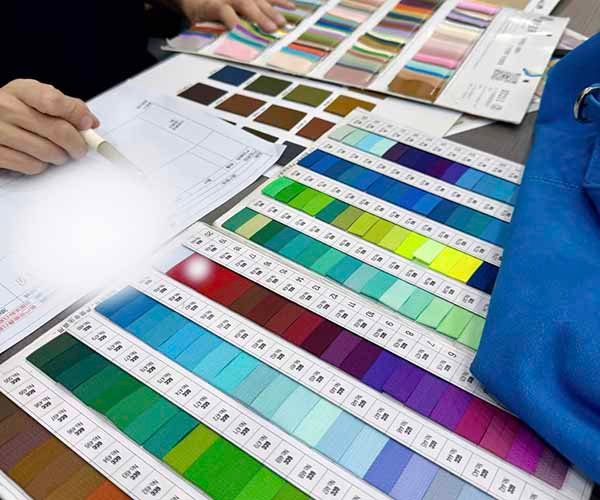
In-House Sampling
Szoneier maintains sample development capability for custom bag and soft goods projects. Pattern work, material review, sewing trials, logo experiments, and sample checking are coordinated directly so product details can be adjusted before bulk order confirmation.
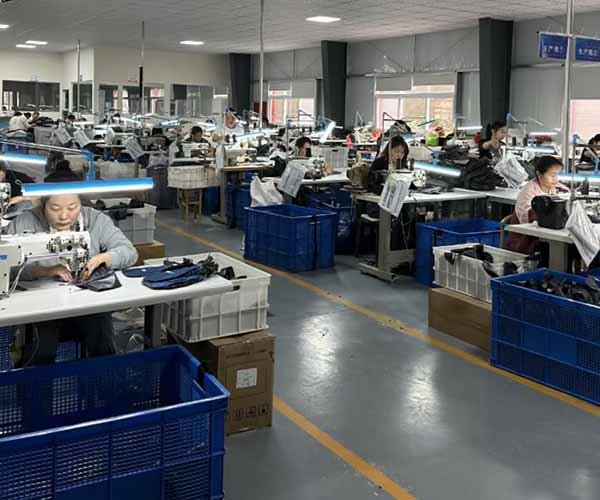
Sewing Production
Sewing production covers cutting, panel preparation, logo process, pocket sewing, zipper installation, strap reinforcement, lining assembly, binding, trimming, and finishing. Szoneier organizes production around approved samples and confirmed project files.
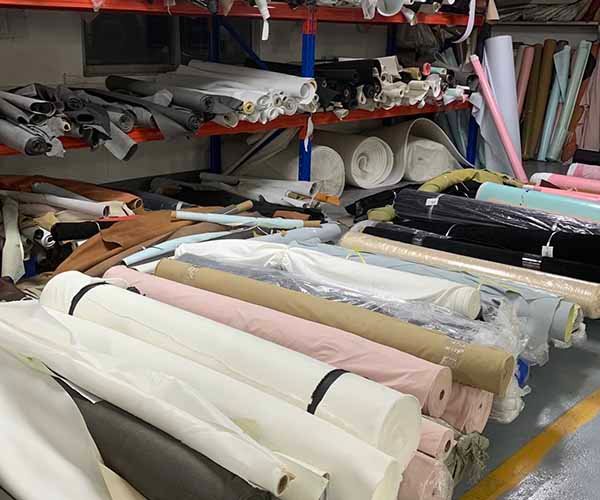
Material Sourcing
Shenzhen and the South China supply chain give access to fabric, lining, foam, mesh, webbing, zipper, hardware, printing, embroidery, patches, packaging, and logistics resources. Szoneier uses sourcing coordination to support diverse performance bag categories.
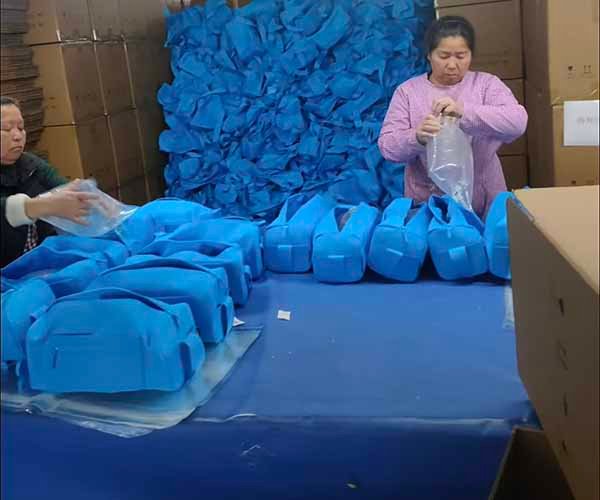
Managed Partners
For capacity, material specialization, or category-specific production, Szoneier works with 10+ screened satellite partner factories. Communication, sample standards, material requirements, QC points, packaging requirements, and delivery responsibility remain managed by Szoneier.

Global Communication
Nancy acts as the international project coordinator for custom bag programs. Brands can send photos, sketches, tech packs, logo files, target quantities, packaging requirements, and delivery country through WhatsApp or email for project review.
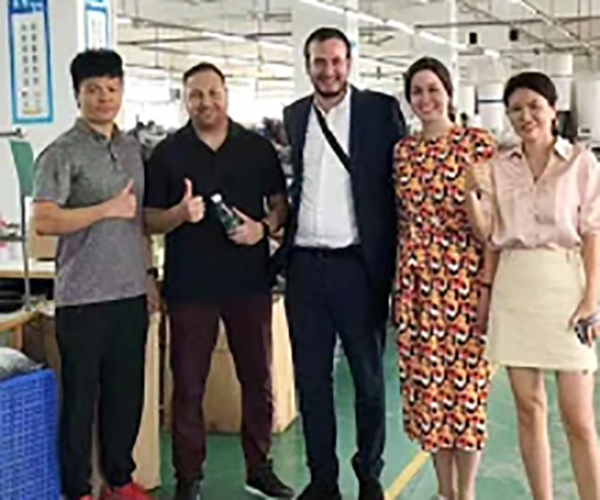
Visit and Video Review
For qualified programs, Szoneier can arrange video factory review, online meetings, or scheduled factory visits. Development teams can review sample room, material options, sewing process, QC workflow, packaging process, and similar product references before committing to production.
Manufacturing Process from Idea to Shipment
A clear process helps keep development moving. Szoneier connects early review, sample building, production files, manufacturing, QC, packaging, and delivery into one controlled workflow.
Step 1: Review Brief
Szoneier reviews product type, reference photos, target size, use scene, material preference, quantity, logo method, packaging, delivery country, and timing. Missing details are clarified before quoting or sampling.
Step 2: Recommend Materials
Outer fabric, lining, foam, mesh, webbing, zipper, hardware, patch, and packaging options are reviewed around use, price level, availability, and expected lead time.
Step 3: Make Pattern
Pattern work converts concept into panel shapes, seam allowances, openings, pockets, reinforcement areas, and sewing routes. Multi-SKU lines can be planned with shared construction logic.
Step 4: Sew Sample
The sample is cut, sewn, branded, checked, photographed, and prepared for review. Simple samples can move faster; structured backpacks, cooler bags, tool bags, and EVA cases often need longer development.
Step 5: Revise Details
Size, function, material, pocket layout, strap structure, logo, color, packaging, and cost details can be adjusted. Szoneier records revision decisions before the next sample or production file.
Step 6: Confirm PP Sample
A pre-production sample becomes the production reference. Materials, pattern, logo, labels, packing, and inspection standards should be confirmed before bulk work begins.
Step 7: Produce Bulk
Production covers material purchasing, cutting, logo process, sewing, semi-finished checks, finishing, final inspection, packing, carton marks, and shipment preparation.
Step 8: Support Reorders
After shipment, Szoneier can archive patterns, BOM files, SKU sheets, packaging files, photos, QC notes, and revision history. Reorders can move faster when files remain organized.
Performance Bag Line Case Studies
The following project-style examples show how Szoneier can support multi-SKU development, functional structure, material decisions, and production planning for performance-oriented soft goods.
US Outdoor Gear Line
- Region: United States
- Order Data: 1,200 pcs performance backpacks, 800 pcs gear pouches, 600 pcs bottle carriers.
- Challenge: The brand needed one outdoor line with shared fabric, consistent logo language, reinforced strap points, and carton-friendly packing. Early samples from another source looked acceptable but did not align across SKUs.
- Szoneier Solution: The team rebuilt the line around one nylon fabric family, shared webbing colors, rubber patch placement, bar-tack reinforcement, and matched hangtags. Backpack panels, pouch dimensions, and bottle carrier strap positions were revised before pre-production approval.
- Result: The line moved into a controlled first run with consistent color, shared trim system, and organized repeat files for future seasonal colors.
European Fitness Collection
- Region: Germany
- Order Data: 2,000 pcs gym duffels, 1,500 pcs shoe bags, 1,000 pcs wet/dry pouches.
- Challenge: The project needed wet/dry separation, washable lining, ventilation panels, and strong handles while keeping the collection visually clean for retail and online photos.
- Szoneier Solution: Polyester Oxford was selected for the outer shell, with separate lining for wet areas, reinforced webbing handles, mesh ventilation, and heat-transfer logo testing. Szoneier adjusted shoe pocket length and pouch opening after sample review.
- Result: The collection achieved a unified gym line with coordinated packaging files, carton marks, and stored BOM data for the next reorder.
Australian Tool Bag Program
- Region: Australia
- Order Data: 900 pcs tool bags, 700 pcs organizer pouches, 500 pcs heavy-duty parts rolls.
- Challenge: The product team needed heavy fabric, strong handles, metal hardware, pocket organization, and stable sewing through thick sections. The previous design carried too much stress on handle roots.
- Szoneier Solution: The structure was revised with stronger webbing fold-back, added bar-tacks, reinforced bottom panels, and adjusted pocket spacing. Hardware and zipper sizes were reviewed before bulk material purchase.
- Result: The first production program kept load areas stronger, reduced sewing risk at thick corners, and created a clearer file set for replenishment and accessory expansion.
Frequently Asked Questions About Performance Bag Development
Yes. Szoneier can review sketches, photos, sample references, target sizes, packed contents, logo files, and desired sales channels. The team can suggest materials, structure, sampling route, and cost drivers before pattern work. A clear concept still needs measurable details, such as dimensions, quantity, usage scene, delivery country, and expected launch schedule.
Send product photos, tech pack if available, size, capacity, material preference, logo artwork, quantity by SKU, color plan, packaging needs, delivery country, and target schedule. If no tech pack exists, reference photos with notes are enough for an initial review. Mark important features and areas open to improvement.
Yes. Szoneier can help plan backpacks, duffels, pouches, organizers, cooler bags, and accessories under one material and trim system. Multi-SKU planning works best when the project defines hero products, support products, shared components, color plan, packaging style, and production priority.
Selected custom bag projects can start from 200 pcs when using workable materials, available colors, and manageable structures. Complex backpacks, EVA cases, custom molded parts, special materials, advanced packaging, or detailed testing may require higher quantities. Exact MOQ is confirmed after reviewing design, material, logo, packaging, and color count.
Simple samples may take 3-7 days, standard samples 7-12 days, and complex structured products 12-20 days or more. Timing depends on material availability, pattern complexity, logo method, packaging sample, revision depth, and whether custom tooling or special accessories are needed.
Yes. Szoneier can compare nylon, polyester Oxford, canvas, neoprene, PU, TPU-coated fabrics, PVC, EVA, mesh, foam, webbing, lining, and recycled materials. Material advice depends on product use, price level, durability needs, coating, hand feel, certification documents, and lead time.
Yes. Szoneier can help prepare polybags, hangtags, barcode labels, FNSKU labels, carton marks, master carton details, and shipment preparation based on confirmed files. Packaging requirements should be discussed before bulk production to avoid late changes.
Szoneier can review internal sample performance and discuss third-party testing when required. Testing depends on material, product claim, destination market, and product category. Water-resistant, waterproof, fire-resistant, food-contact, recycled, or safety-related claims should be supported by suitable documents and test routes.
For qualified programs, Szoneier can arrange online meetings, video factory review, or scheduled visits. Teams can review sample room, material options, similar products, sewing areas, QC process, packaging workflow, and project communication before placing a production order.
Nancy is the international project coordinator for Szoneier custom bag programs. Brands can send project files by WhatsApp at (+86) 13423847456 or email info@szoneier.com. Nancy helps coordinate requirement review, material questions, quotation, sample progress, production updates, packaging, and shipment details.
Start Your Performance Bag Line with Szoneier
Performance bag development becomes easier when product direction, materials, structure, sample route, production files, QC standards, packaging, and delivery planning are reviewed together. Szoneier is built for brands and product teams seeking a factory-based custom bags and soft goods manufacturing partner in China, with 18+ years of experience, in-house sampling support, sewing production coordination, managed partner capacity, quality inspection, packaging control, and export delivery support. Send your concept, sketch, product photos, sample reference, tech pack, logo files, material ideas, target size, quantity, sales channel, packaging request, delivery country, and launch schedule. Szoneier will review development feasibility, suggest next steps, and help turn the product line into a sample-ready plan.