 Skip to content
Outdoor Gear Bag Manufacturing Solutions — From Individual Bags to Complete Gear Systems
Outdoor gear bag manufacturing is not about producing a single backpack or pouch—it is about engineering reliable storage systems that protect, organize, and transport equipment under real outdoor conditions. Brands serving camping, hiking, fishing, tactical, and adventure markets often struggle to find manufacturers who understand how materials, structure, load-bearing, and durability must work together as a system.
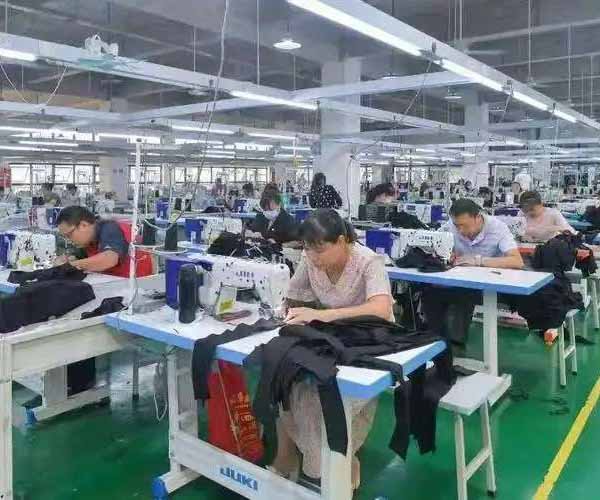
Szoneier is a professional OEM/ODM outdoor gear bag manufacturer based in Guangdong, China, with over 18 years of manufacturing experience in complex bag and gear storage products. Each year, we develop 300+ new bag samples, a large portion of which are outdoor and gear-focused designs involving heavy-duty fabrics, reinforced structures, modular layouts, and functional accessories.
Rather than treating outdoor gear bags as isolated SKUs, Szoneier provides manufacturing solutions—helping brands design, test, and scale complete gear bag systems that perform consistently in demanding environments. From low MOQ pilot runs to stable mass production, we support global brands with engineering-driven development, disciplined QC, and real-world usage insight.
Why brands choose Szoneier for outdoor gear bag manufacturing
- 18+ years of OEM/ODM bag manufacturing experience
- 300+ new samples developed annually, many in outdoor & gear categories
- Proven capability in heavy-duty, load-bearing, and modular bag systems
- Low MOQ support starting from 200 pcs per style
- Multi-material expertise: nylon, polyester, canvas, PU, EVA, padding systems
Who Needs Outdoor Gear Bag Manufacturing Solutions
Outdoor gear bag manufacturing solutions serve brands that require durability, organization, and system-level design rather than single-product production. Different buyer groups face distinct functional and commercial challenges.
Typical products
- Hiking backpacks
- Camping storage bags
- Modular gear organizers
Core challenges
- Weight distribution
- Abrasion resistance
- Long-term durability
Szoneier experience Szoneier frequently supports camping brands in material selection (420D–840D fabrics) and load-bearing reinforcement design to handle real trail use.
Typical needs
- MOLLE-compatible gear bags
- Tool and equipment storage
- High load tolerance
Common failures
- Strap tearing
- Seam splitting
- Hardware failure
Manufacturing focus Reinforced stitching, webbing anchoring, and stress-point engineering are critical—areas where Szoneier has extensive experience.
Use cases
- Gear transport
- Tool organization
- Wet or rugged environments
Key requirements
- Water resistance
- Easy cleaning
- Odor control
Szoneier often integrates reinforced bottoms, wipe-clean linings, and abrasion-resistant shells for these projects.
What matters most
- Consistent product quality
- Reduced returns
- Scalable SKUs
Szoneier advantage Low MOQ pilot runs (from 200 pcs) allow brands to validate products before scaling.
Typical projects
- Branded outdoor kits
- Corporate or event gear bags
Primary focus
- Visual branding
- Cost control
- Reliable delivery timelines

Why Outdoor Gear Bag Manufacturing Is More Complex Than Standard Bags
Outdoor gear bag manufacturing requires system-level engineering to manage load, abrasion, environment exposure, and repeated use—factors that standard lifestyle bag manufacturing rarely needs to address.
Load-Bearing Engineering, Not Just Fabric Strength
Why this matters
Outdoor gear bags are designed to carry:
- Camping equipment
- Tools
- Technical gear
Typical loads range from 10 kg to over 30 kg.
Common manufacturing misconception Using thicker fabric alone will solve load issues.
Reality Load is transferred through straps, seams, reinforcement layers, and structure, not fabric thickness alone.
Szoneier practice Before sampling, Szoneier defines:
- Load paths
- Strap anchor reinforcement zones
- Bottom panel support logic
This prevents late-stage failures.
Stress Concentration at Critical Points
High-risk zones
- Shoulder strap anchors
- Carry handles
- Bottom corners
- Zipper ends
Common industry failure Bags tear at one small point even when the rest looks intact.
Szoneier insight More than 70% of field failures originate from poorly reinforced stress points, not overall material weakness.
Engineering solution Reinforcement is layered and distributed, not localized.
Abrasion, Impact & Environmental Exposure
Outdoor gear bags experience:
- Ground drag
- Rock contact
- Vehicle friction
- Moisture and dust
Manufacturing challenge Many fabrics perform well indoors but degrade quickly outdoors.
Szoneier material logic Material selection considers:
- Abrasion cycles
- Coating durability
- Real usage environment
Not all “600D” fabrics perform equally.
Modular & Multi-Compartment Complexity
Outdoor gear bags often require:
- Multiple compartments
- Internal dividers
- External attachment systems
Risk Structural misalignment causes uneven load and early failure.
Szoneier approach
- Modular layouts are planned during pattern making
- Alignment is verified at sampling stage
- Complexity is controlled for low MOQ pilot runs
Weight vs Durability Trade-Offs
Why this is critical
Overbuilding increases weight, reduces user comfort, and raises cost. Underbuilding causes premature failure.
Engineering balance The goal is sufficient durability, not maximum thickness.
Szoneier experience Most successful outdoor gear bags use:
- 600D–840D fabrics
- Strategic reinforcement only where required
Manufacturing Consistency at Low & Medium MOQ
Outdoor brands often start with 200–500 pcs pilot runs.
Industry problem Some factories reduce QC rigor for small orders.
Szoneier discipline
- Same QC logic for pilot and bulk orders
- Higher inspection frequency for load-bearing bags
- Locked specifications from first approval
Key Factors When Choosing an Outdoor Gear Bag Manufacturer
Choosing an outdoor gear bag manufacturer requires evaluating engineering capability, material discipline, production control, and long-term reliability—not just sample appearance or unit price.
Proven Load-Bearing & Structural Engineering Capability
Why this factor is critical
Outdoor gear bags are designed to carry:
- Tools
- Camping equipment
- Technical or utility gear
Typical working loads range from 10 kg to 30 kg, sometimes higher.
Common buyer mistake Assuming thicker fabric automatically means stronger bags.
Reality Load-bearing performance depends on:
- Strap anchor design
- Reinforcement layering
- Load path distribution
Szoneier practice Before sampling, Szoneier defines:
- Expected load range
- Stress-point locations
- Reinforcement methods (webbing, fabric stacking, stitch type)
This engineering-first approach prevents late-stage structural failures.
Heavy-Duty Material Knowledge Beyond Fabric Names
Why this matters
Many factories quote materials like “600D” or “840D” without understanding performance differences.
Hidden risk Not all fabrics with the same denier perform equally in abrasion, coating durability, or tear resistance.
Szoneier experience Across outdoor gear bag projects:
- 600D–840D fabrics are most commonly used due to durability-to-weight balance
- 1680D fabrics are reserved for high-abrasion or high-load zones, not entire bags
Material selection is always linked to real usage scenarios, not just cost targets.
Experience with Complex, Multi-Compartment & Modular Designs
Why this matters
Outdoor gear bags often include:
- Multiple compartments
- Internal dividers
- External attachment systems
Industry risk Poor alignment leads to:
- Uneven load distribution
- Early seam failure
- Poor user experience
Szoneier approach
- Modular layouts are planned during pattern development
- Compartment alignment is validated at sampling stage
- Complexity is controlled for low MOQ pilot runs
This reduces rework and functional issues after launch.
Ability to Support Low MOQ Pilot Runs Without Cutting Corners
Why this matters
Most outdoor brands launch new products with 200–500 pcs pilot orders.
Common problem Some factories deprioritize small orders or reduce QC rigor.
Szoneier capability
- Standard low MOQ starting from 200 pcs per style
- Same QC logic applied to pilot and bulk production
- Typical outdoor gear bag sample lead time: 5–7 working days
This allows brands to validate products before scaling.
Quality Control Focused on Functional Failure Points
Why this matters
Outdoor gear bags rarely fail because of appearance issues—they fail because of:
- Strap tearing
- Handle separation
- Bottom seam stress
- Hardware failure
Szoneier QC focus
- Stress-point inspection during in-process QC
- Stitch density verification at load zones
- Hardware attachment reinforcement checks
Function always takes priority over cosmetic perfection.
Communication, Documentation & Repeatability for Scaling
Why this matters
Outdoor gear bags are rarely one-off projects. Brands need:
- Stable reorders
- Consistent quality
- Predictable performance
Professional indicators
- Clear specifications
- Locked BOM
- Reference samples retained
Szoneier discipline Approved samples, material lists, and production specs are archived to ensure repeatability and consistency across future orders and scale-ups.
| Evaluation Factor | Why It Matters | Szoneier Advantage |
|---|---|---|
| Load-bearing design | Prevents structural failure | Engineering-first review |
| Material knowledge | Ensures durability | Scenario-based selection |
| Modular experience | Prevents misalignment | Pattern-stage planning |
| Low MOQ support | Reduces launch risk | MOQ from 200 pcs |
| Functional QC | Reduces returns | Stress-point inspection |
| Repeatability | Enables scaling | Locked specs & samples |

OEM/ODM Outdoor Gear Bag Development Workflow-From Concept to Scalable Production
Developing outdoor gear bags through OEM/ODM requires a structured workflow that controls load performance, material consistency, and production risk from concept validation to mass production.
Step 1
Usage Scenario Definition & Load Requirement Analysis
What this step solves Many outdoor gear bag projects fail because the product is designed before the usage scenario is clearly defined.
Key questions addressed
- What type of gear will be carried?
- Maximum and average load (e.g. 10 kg / 20 kg / 30 kg)
- Usage frequency (occasional vs daily)
- Environment (outdoor, wet, dusty, rugged terrain, vehicle transport)
Szoneier practice Before any drawing or quotation, Szoneier clarifies:
- Target load range
- Primary stress zones
- Failure risks based on similar past projects
Internal insight: In Szoneier’s experience, over 60% of redesign requests originate from unclear usage and load definitions at the start.
Step 2
Structure Planning & Engineering Proposal
What happens here This is where Szoneier translates usage needs into a manufacturable structure, not just a visual design.
Defined at this stage
- Overall bag architecture
- Strap and handle anchoring logic
- Reinforcement zones (bottom, corners, stress seams)
- Modular or compartment layout feasibility
Why this matters Outdoor gear bags must manage load paths. Poor structure planning leads to:
- Strap tearing
- Bottom collapse
- Uneven stress concentration
Szoneier advantage Structure and reinforcement are planned before sampling, reducing trial-and-error costs.
Step 3
Material Selection & Compatibility Validation
Materials evaluated
- Outer shell fabrics (e.g. 420D / 600D / 840D / 1680D)
- Webbing and reinforcement materials
- Padding (EVA / PE foam)
- Lining materials
- Hardware (buckles, D-rings, zippers)
Common industry mistake Selecting materials based on name or price alone.
Szoneier approach Materials are selected based on:
- Load requirements
- Abrasion exposure
- Environmental conditions
For example:
- 600D–840D fabrics are most commonly used for balanced durability
- 1680D is reserved for high-abrasion or high-stress zones
Step 4
Sampling & Prototype Development
Sampling scope Unlike basic bags, outdoor gear bag samples include:
- Full reinforcement structure
- Correct stitch density at stress points
- Functional compartments and attachments
Sample lead time
- Standard outdoor gear bags: 5–7 working days
- Complex modular or load-bearing systems: 7–10 working days
Why this step is critical Sampling validates:
- Structure feasibility
- User comfort
- Assembly complexity
Szoneier treats samples as engineering validation, not just visual confirmation.
Step 5
Sample Review, Testing & Design Optimization
What is evaluated
- Load-bearing stability
- Strap comfort under weight
- Reinforcement effectiveness
- Usability and access
Common findings
- Overbuilt areas increasing weight
- Under-reinforced stress points
Szoneier role Based on testing and review, Szoneier proposes:
- Reinforcement adjustments
- Material substitutions
- Cost-performance optimizations
This step significantly reduces production risk.
Step 6
BOM Lock & Cost Finalization
Why this matters Changing materials or structure after this stage causes:
- Inconsistency
- Delays
- Cost overruns
What gets locked
- Fabric specifications
- Webbing and hardware types
- Stitching standards
- Packaging method
Szoneier discipline Once BOM is approved, it becomes the production baseline for pilot and bulk orders.
Step 7
Pilot Production & In-Process Quality Control
Typical pilot run
- 200–500 pcs, depending on project
QC focus
- Strap anchor reinforcement
- Bottom panel strength
- Stitch density at stress seams
- Hardware attachment security
Szoneier practice Pilot runs receive higher inspection frequency than standard lifestyle bags.
Step 8
Functional Testing & Field Feedback
Optional but recommended For gear bags with higher load or daily use:
- Static load tests
- Repeated lifting simulation
- Zipper cycling under load
Why this matters Field feedback before scaling prevents costly returns and redesigns later.
Step 9
Mass Production & Consistency Control
Production focus
- Material consistency
- Reinforcement accuracy
- Stitch uniformity
Szoneier control Approved samples and specs are used as mandatory references throughout production.
Step 10
Final Inspection, Packing & Shipment Preparation
Final checks
- Structural integrity
- Functional usability
- Visual consistency
Packing consideration Outdoor gear bags are packed to avoid:
- Over-compression
- Deformation of padding and structure

Types of Outdoor Gear Bags We Manufacture
Szoneier manufactures a wide range of outdoor gear bags engineered for load-bearing performance, organization efficiency, and real-world outdoor use across camping, tactical, fishing, and utility scenarios.
1. Outdoor Backpacks & Hiking Packs
Typical capacity
- 20L / 30L / 40L / 60L
Primary use scenarios
- Hiking
- Trekking
- Multi-day outdoor trips
Key structural requirements
- Load distribution from shoulder straps to back panel
- Reinforced strap anchor points
- Breathable padded back panels
Common industry failures
- Shoulder strap tearing
- Back panel deformation under load
Szoneier manufacturing practice
- Reinforcement layers added at strap anchors during pattern stage
- EVA padding typically 5–6 mm for comfort without excessive weight
- Common fabrics: 600D or 840D polyester / nylon


2. Tactical & Utility Gear Bags
Typical applications
- Tactical equipment
- Utility tools
- Professional outdoor kits
Key features
- MOLLE-compatible webbing
- Heavy-duty handles and straps
- High abrasion resistance
Load range
- 15–30 kg
Szoneier experience
- Tactical-style gear bags are one of Szoneier’s core outdoor categories
- Frequently use 840D–1680D fabrics for high-stress zones
- Reinforced stitching (Box-X, bar-tack) is standard for load points
3. Camping Gear Storage & Organizer Bags
Use cases
- Tent and pole storage
- Camping cookware
- Vehicle organization
Design focus
- Shape retention
- Easy access and compartment clarity
Common problems
- Collapse under stacking
- Poor zipper durability
Szoneier solution
- Semi-rigid construction using EVA panels
- Zippers selected based on opening frequency, not just size
- Often developed as multi-SKU gear systems rather than single bags


4. Fishing & Hunting Gear Bags
Operating environment
- Wet
- Muddy
- Odor-prone
Functional requirements
- Water resistance
- Easy interior cleaning
- Reinforced bottom panels
Szoneier manufacturing details
- Wipe-clean or coated linings used in most fishing projects
- Bottom panels reinforced to prevent seam failure
- Fabrics selected for abrasion and moisture resistance
5. Tool & Equipment Carry Bags
Typical loads
- 20–30 kg
Key risks
- Handle tearing
- Bottom seam splitting
Structural approach
- Multi-layer reinforcement at handle zones
- Webbing integrated into load path
Szoneier data Tool and equipment bags represent a significant portion of Szoneier’s heavy-duty outdoor projects, often sharing construction logic with tactical bags.


6. Modular Outdoor Gear Systems
What this includes
- Main gear bags
- Detachable pouches
- Accessory organizers
Why this is complex
- Alignment across components
- Uneven load distribution
Szoneier capability
- Modular systems planned at pattern level
- Pilot runs typically 200–300 pcs per SKU
- Complexity phased to reduce early-stage risk
7. Insulated Outdoor Gear Bags
Use scenarios
- Food & beverage transport
- Temperature-sensitive gear
Structural considerations
- Insulation thickness (typically 5–8 mm)
- Seam sealing
- Weight control
Szoneier advantage
- Strong experience combining insulation + load-bearing structure
- Careful insulation placement to avoid strap and seam interference


8. Promotional & Program-Based Outdoor Gear Bags
Use cases
- Corporate outdoor programs
- Event kits
- Seasonal promotions
Key priorities
- Branding clarity
- Cost control
- Reliable delivery timeline
Szoneier approach
- Simplified but durable structures
- Branding methods selected to avoid structural compromise
- Parallel production and QC scheduling for time-sensitive projects
9. Custom ODM Outdoor Gear Bags
Typical projects
- Hybrid gear storage
- Brand-specific layouts
- Non-standard dimensions
Szoneier role
- Structure feasibility assessment
- Material and cost optimization
- Pilot validation before scaling
These projects often start with 200–300 pcs pilot runs and evolve into long-term production programs.

| Bag Type | Typical Load | Key Risk | Szoneier Focus |
|---|---|---|---|
| Hiking Backpacks | 10–25 kg | Strap failure | Load distribution |
| Tactical Gear Bags | 15–30 kg | Abrasion & tearing | Reinforcement |
| Camping Organizers | 5–15 kg | Shape collapse | Structure support |
| Fishing Gear Bags | 10–20 kg | Leakage & odor | Lining & base |
| Tool Bags | 20–30 kg | Handle failure | Load path design |
| Modular Systems | Variable | Misalignment | Pattern planning |
| Insulated Gear Bags | 5–20 kg | Thermal loss | Insulation control |
| Promotional Gear Bags | Low | Over-cost | Simplified design |
| ODM Projects | Case-by-case | Complexity | Engineering review |
Materials & Construction for Outdoor Gear Bags
Outdoor gear bag performance depends on a coordinated material system—outer fabrics, reinforcements, padding, linings, and construction methods must work together to withstand load, abrasion, and harsh outdoor environments.
1. Outer Shell Fabrics — The First Line of Defense
Outdoor gear bags face abrasion, impact, UV exposure, moisture, and repeated loading. Fabric choice determines not only durability, but also weight, cost, and long-term reliability.
Common fabrics used by Szoneier
420D Nylon / Polyester
- Typical use: Lightweight gear bags, internal organizers
- Load range: up to ~10–12 kg
- Advantages: Light weight, flexible
- Limitations: Not suitable for heavy abrasion or high loads
Szoneier note Used selectively for non-load-bearing zones, not full bag bodies in gear projects.
600D Polyester / Nylon (Most Widely Used)
- Typical use: Core outdoor gear bags, backpacks, organizers
- Load range: ~10–20 kg
- Advantages: Best durability-to-weight ratio
- Coatings: PU or PVC backing
Szoneier data Across outdoor gear bag projects, 600D fabrics account for over 50% of total production volume due to balanced performance and cost.
840D Nylon / Polyester
- Typical use: Tactical gear bags, heavy-duty tool bags
- Load range: ~15–25 kg
- Advantages: High abrasion resistance, strong tear strength
Szoneier practice 840D is frequently used in high-stress panels rather than full bag construction to control weight.
1680D Ballistic Nylon / Polyester
- Typical use: Extreme abrasion zones, base panels
- Load range: 20–30 kg+
- Advantages: Maximum durability
- Trade-off: Heavy weight
Engineering rule Szoneier rarely uses 1680D for entire bags—strategic placement yields better performance-to-weight outcomes.


2. Canvas Fabrics — When Aesthetics Meets Strength
Canvas is increasingly used for lifestyle-oriented outdoor gear brands.
Common canvas weights at Szoneier
| Canvas Weight | Typical Use | Notes |
|---|---|---|
| 10–12 oz | Light gear bags | Flexible, limited load |
| 14–16 oz | Camping & utility bags | Balanced strength |
| 18–24 oz | Heavy-duty gear & tool bags | High abrasion resistance |
Szoneier insight Canvas projects often require reinforced internal structure, as canvas alone does not manage load paths as efficiently as synthetic fabrics.
3. Reinforcement Materials & Load Zones
Fabric strength is meaningless without proper reinforcement.
High-stress zones
- Shoulder strap anchors
- Carry handles
- Bottom panels
- External attachment points
Reinforcement methods used by Szoneier
- Multi-layer fabric stacking
- Webbing reinforcement sheets
- EVA or PE stiffener inserts
Engineering principle Reinforcement is defined at pattern stage, not added after failures.


4. Padding & Structural Support Materials
Padding affects:
- User comfort
- Gear protection
- Shape retention
Common padding materials
- EVA foam (3–8 mm) — structure + protection
- PE foam (5–10 mm) — lightweight cushioning
Szoneier data For load-bearing outdoor gear bags:
- 5–6 mm EVA is most commonly used
- Thicker padding is avoided unless required for protection
5. Internal Linings & Environmental Resistance
Common lining materials
- 210D / 300D polyester lining — standard use
- PU-coated linings — moisture resistance
- Wipe-clean linings — fishing, hunting, wet environments
Failure risk Thin linings tear under tool edges.
Szoneier control Lining selection is matched to gear type, not visual preference.


6. Webbing, Straps & Load Transfer Components
Webbing is often the true load carrier.
Typical webbing specs
- Width: 25 mm / 38 mm / 50 mm
- Material: High-tenacity polyester or nylon
Engineering focus Webbing must integrate into the load path, not just be sewn onto fabric.
Szoneier practice
- Webbing anchor points are reinforced with fabric + stitch layering
- Decorative straps are avoided in load zones
7. Hardware Selection — Often the Weakest Link
Common hardware
- Buckles
- D-rings
- Zippers
Industry issue Hardware chosen for appearance fails under load.
Szoneier standard Hardware is selected based on:
- Load requirement
- Usage frequency
- Environment exposure
Zipper selection considers opening cycles, not just size.


8. Stitching Methods & Construction Logic
Stitch types used
- Lock stitch
- Box-X stitching
- Bar-tack reinforcement
Stitch density Adjusted based on:
- Fabric thickness
- Load level
- Reinforcement layers
Szoneier rule Gear bags are sewn as functional equipment, not fashion items.
9. Construction Consistency & Manufacturing Discipline
Why this matters Outdoor gear bags fail when:
- Reinforcement placement varies
- Stitch density is inconsistent
Szoneier control
- Defined sewing SOPs
- In-process QC at stress zones
- Approved sample as mandatory reference

| Component | Key Decision Factor | Szoneier Approach |
|---|---|---|
| Outer Fabric | Abrasion vs weight | Strategic denier use |
| Canvas | Strength vs style | Internal reinforcement |
| Padding | Comfort vs bulk | 5–6 mm EVA |
| Lining | Gear protection | Scenario-based |
| Webbing | Load transfer | Integrated design |
| Hardware | Durability | Load-matched selection |
| Stitching | Structural strength | Reinforced patterns |
Try Before You Order – Free Sample Program
We offer free custom samples for qualified clients. Whether you’re testing a new market or validating design quality, our samples help you move forward with confidence.
Customization & Branding for Outdoor Gear Bags
Branding outdoor gear bags requires engineering awareness. Logo methods, placement, colors, and functional customizations must align with load-bearing structures and usage conditions to ensure durability and long-term brand value.
1. Why Branding Outdoor Gear Bags Is Structurally Sensitive
Unlike fashion or promotional bags, outdoor gear bags contain:
- Load-bearing strap systems
- Reinforcement layers
- Stress concentration zones
Common industry mistake Applying branding as a final decorative step.
Real risk
- Stitching through reinforcement weakens load paths
- Heat-pressed logos damage coated fabrics
- Metal logos create stress risers
Szoneier principle
Branding must follow structure, not override it.
Before confirming any branding method, Szoneier evaluates:
- Load zones
- Stitch paths
- Fabric coating compatibility

2. Logo & Branding Methods — Engineering Suitability Breakdown

Embroidery
Why brands choose it
- Excellent abrasion resistance
- Long service life
- Premium outdoor aesthetic
Engineering considerations
- Stitch density can compress fabric
- Penetrating insulation or reinforcement layers is risky
Szoneier practice
- Embroidery limited to outer shell layers only
- Never applied across load-bearing seams or strap anchors
- Stitch density adjusted based on fabric thickness
Szoneier data Over 60% of outdoor gear bags manufactured by Szoneier use embroidery as the primary branding method.
Woven Labels
Best applications
- Side seams
- Front pocket seams
- Interior brand identification
Advantages
- No impact on load-bearing performance
- Very MOQ-friendly
- Cost-effective for pilot runs
Szoneier recommendation Woven labels are often recommended for first production runs and brands validating new SKUs.

Rubber / TPU Patches
Why outdoor brands like them
- Water resistance
- Modern tactical look
- Good outdoor durability
Risks
- Mold cost
- Adhesion failure if improperly bonded
Szoneier control
- Patch placement limited to low-stress panels
- Adhesion tested under bending and temperature change
Best used After pilot validation or when brand identity requires strong visual impact.
Screen Printing & Heat Transfer
Challenges
- Ink cracking under flex
- Heat damage to PU/PVC coatings
Szoneier guidance Printing is only recommended on:
- Flat panels
- Non-load-bearing areas
- After material compatibility testing
3. Logo Placement Engineering — Where Brands Often Get It Wrong
High-risk placement zones
- Shoulder strap anchors
- Bottom panels
- Reinforced corners
- MOLLE webbing areas
Preferred placement zones
- Front body panels
- Side panels
- Pocket flaps
Szoneier method
- Logo placement defined in millimeters, not visual estimates
- Final approval always based on physical samples, not drawings


4. Color Customization & Component Consistency
Outdoor-specific challenges
- UV fading
- Dust visibility
- Component color mismatch
Szoneier color strategy
- Limit primary color count in first production
- Match zipper tape, thread, and webbing to shell fabric
- Approve physical color swatches, not screen colors
Real-world insight Over-customization in early stages increases inconsistency risk.
5. Functional Customization Beyond Branding
Outdoor gear bag customization often includes functional brand elements.
Common functional customizations
- MOLLE webbing systems
- External compression straps
- Tool loops
- Reinforced grab handles
- ID panels / Velcro zones
Engineering rule Every functional add-on must:
- Integrate into the load path
- Avoid puncturing reinforcement layers
Szoneier practice Functional customizations are reviewed for structural impact before approval, not added ad hoc.


6. Branding Durability & Validation Testing
Outdoor branding must survive:
- Abrasion
- Flexing
- Load stress
- Environmental exposure
Typical validation checks
- Rub resistance
- Adhesion testing (for patches & prints)
- Bend and fold endurance
Szoneier approach Branding elements are tested together with the bag structure, not as standalone components.
7. Customization Strategy at Low MOQ
Common mistake Trying to apply:
- Multiple logo methods
- Complex color schemes
- Heavy accessories
Szoneier recommended sequence
- Core structure + basic branding
- Pilot production (200–300 pcs)
- Field validation
- Expanded customization in later runs
This approach minimizes early-stage failure risk.


| Branding Method | Structural Risk | Durability | MOQ Friendliness | Recommended Stage |
|---|---|---|---|---|
| Embroidery | Low | High | High | First batch |
| Woven Label | Very Low | High | Very High | First batch |
| TPU Patch | Medium | High | Medium | After pilot |
| Printing | Medium–High | Medium | High | Case-by-case |
| Metal Logo | High | High | Low | Later stage |
Quality Control & Load Testing for Outdoor Gear Bags
Outdoor gear bags require QC processes that verify load-bearing performance, reinforcement integrity, and long-term durability—not just appearance consistency.
01
Incoming Material Inspection (IQC)
Checks include
- Fabric thickness and coating
- Webbing tensile quality
- Hardware strength
Defective materials are rejected before production.
02
In-Process Quality Control (IPQC)
Critical checkpoints
- Strap anchor stitching
- Handle attachment
- Reinforcement alignment
Szoneier practice Higher IPQC frequency for load-bearing bags than standard products.
03
Load & Stress Testing
Typical tests
- Static load test
- Repeated lift/drop simulation
- Strap pull testing
Real-world relevance Simulates trail, vehicle, and field use.
04
Functional & Usability Inspection
Focus
- Zipper smoothness under load
- Pocket accessibility
- Strap comfort
05
Final Inspection & Packing Control
Packing risk Over-compression during packing damages structure.
Szoneier control Packing methods are defined to protect padding and shape.
How to Choose the Right Outdoor Gear Bag Manufacturer
Before choosing an outdoor gear bag manufacturer, you should evaluate their engineering capabilities, load-bearing experience, production standards, and scalability, not just the price or material samples.
1. Can the factory explain load paths, not just materials?
- A professional manufacturer should clearly explain how load is transferred through straps, panels, and reinforcements. At Szoneier, load-bearing logic is reviewed at the pattern and sampling stage, not after failures occur.
2. Do they have experience beyond lifestyle bags?
- Outdoor gear bags differ significantly from fashion or promotional bags. Szoneier has over 18 years of experience manufacturing functional bags, including tool bags, tactical-style gear bags, fishing gear bags, and heavy-duty storage systems.
3. Can they support low MOQ pilot runs without cutting corners?
- Many outdoor brands launch with 200–500 pcs. Szoneier supports low MOQ starting from 200 pcs per style, while applying the same QC logic used for bulk orders.
4. Are stress-point reinforcements clearly defined?
- Manufacturers should identify reinforcement zones in advance. Szoneier defines reinforcement layers, stitch types, and webbing anchors during pre-production review.
5. Is quality control focused on function, not appearance?
- For gear bags, cosmetic inspection is secondary. Szoneier emphasizes strap anchors, handles, bottom panels, and hardware durability during in-process QC.
6. Can the factory support repeatability and scaling?
- Szoneier archives approved samples, BOMs, and specs to ensure consistent quality across reorders and scale-ups.
Case Studies — Outdoor Gear Bag OEM Projects
These real OEM projects demonstrate how Szoneier applies engineering discipline, material control, and structured workflows to deliver reliable outdoor gear bag manufacturing solutions.

Case Study 1 — North American Camping Brand (Multi-Gear Storage System)
Product scope
- Modular camping gear bags
- MOQ: 300 pcs pilot
Key challenge Uneven load distribution caused deformation in previous versions.
Szoneier solution
- Reinforced base panels
- Balanced internal compartment layout
- Optimized webbing anchor placement
Result Improved load stability and successful reorder after field testing.

Case Study 2 — European Utility Brand (Heavy-Duty Tool & Gear Bag)
Product type
- Load-bearing tool and gear carry bag
- Expected load: 20–25 kg
Failure risk Handle tearing and bottom seam stress.
Szoneier actions
- Multi-layer reinforcement at handle zones
- 1680D fabric for high-abrasion areas
- Increased stitch density at stress seams
Outcome Stable performance during repeated load testing.

Case Study 3 — US E-commerce Brand (Outdoor Backpack for Gear Transport)
MOQ
- 500 pcs
Issues from previous supplier
- Shoulder strap discomfort
- Hardware loosening over time
Szoneier optimization
- Strap anchor reinforcement
- Hardware load matching
- Comfort-focused padding balance
Result Lower return rate and improved user feedback.

Case Study 4 — Fishing Gear Brand (Wet Environment Gear Bags)
Product scope
- Modular camping gear bags
- MOQ: 300 pcs pilot
Key challenge Uneven load distribution caused deformation in previous versions.
Szoneier solution
- Reinforced base panels
- Balanced internal compartment layout
- Optimized webbing anchor placement
Result Improved load stability and successful reorder after field testing.

Case Study 5 — Promotional Outdoor Program (Branded Gear Kits)
Constraints
- Fixed launch timeline
- Controlled cost
Szoneier strategy
- Simplified structure
- Durable embroidery branding
- Parallel QC and production scheduling
Outcome On-time delivery and consistent quality.

Case Study 6 — ODM Project (Custom Modular Gear System)
Project nature
- Non-standard dimensions
- Modular components
Szoneier role
- ODM structure development
- Pilot feasibility validation
- Step-by-step scaling plan
FAQ — Outdoor Gear Bag Manufacturing
These frequently asked questions address common concerns brands have when developing outdoor gear bags, from MOQ and sampling to materials, durability, and production timelines.
Q1: What is your minimum order quantity for outdoor gear bags?
Our standard MOQ starts from 200 pcs per style, depending on design complexity and material selection. For highly modular or heavy-duty gear bags, MOQ may adjust slightly to ensure production stability.
Q2: How long does sampling take for outdoor gear bags?
Standard samples typically take 5–7 working days. More complex modular or load-bearing systems may require 7–10 working days due to reinforcement and structure validation.
Q3: Can you help optimize our design for durability and cost?
Yes. In many projects, Szoneier assists brands in adjusting materials, reinforcement placement, or structure to improve durability while avoiding unnecessary cost increases.
Q4: What materials are most commonly used for outdoor gear bags?
Common materials include 420D, 600D, 840D, and 1680D polyester or nylon, depending on load and abrasion requirements. Material selection is always tied to real usage scenarios.
Q5: How do you ensure load-bearing reliability?
We focus on reinforcement engineering at stress points, controlled stitch density, and functional load testing rather than relying on fabric strength alone.
Q6: Can you support small brands and startups?
Yes. Many of our outdoor gear bag projects start as pilot runs for emerging brands. Low MOQ support and structured development workflows allow brands to validate products before scaling.
Q7: Do you offer OEM and ODM services?
We provide both OEM (based on client designs) and ODM (structure and design development) services, especially for complex outdoor gear storage systems.
Q8: How do you manage quality consistency for reorders?
Approved samples, BOMs, and specifications are archived to ensure repeatability across future orders and production scaling.
Q9: Can you help with branding and customization?
Yes. We support embroidery, woven labels, TPU patches, and functional customizations while ensuring branding does not compromise structure or durability.
Q10: What industries do your outdoor gear bags typically serve?
Our outdoor gear bag manufacturing solutions support camping, hiking, fishing, tactical utility, tool storage, e-commerce, and promotional programs worldwide.

Ready To Elevate Your business Line?
Begin your journey with Szoneier bag now. We can assist in wholesaling or customizing Luggage and bags at the most competitive prices to enhance your brand.
Work with Szoneier
If you’re planning to develop outdoor gear bags, modular gear systems, or load-bearing equipment storage, you can share your ideas, sketches, or reference products with us.
Our team will help you:
- Review load and usage scenarios
- Recommend suitable materials and structures
- Plan pilot production with controlled risk
- Get a Quote
- Get Free Design Consultation
If you have any questions or need a quote, please leave us a message. Our experts will respond within 12 hours to assist you in selecting the ideal fashion products tailored to your needs.
Exclusive Offer for You
As a first-time buyer, you’ll receive a Free bags Color Card to help you select the right material and shade. Once confirmed, we’ll also provide a Free Sample made by our factory—no extra cost.
For our regular partners, we send New Color Charts multiple times a year—completely free—to support your latest collections.
