In the world of tote bag manufacturing, businesses are often presented with three major production options: OEM (Original Equipment Manufacturer), ODM (Original Design Manufacturer), and Private Label. These terms can be overwhelming, especially for brands just starting out or those looking to scale their operations. But understanding the differences between these options is crucial for any business seeking to create high-quality tote bags without the hassle of extensive design work and production management.
Choosing between OEM, ODM, or Private Label for your tote bag production depends on factors like design control, customization needs, and brand vision. Each option offers unique benefits for different business models.
Whether you’re a small startup or a large brand, the decision to opt for OEM, ODM, or Private Label manufacturing can significantly impact your product development process. In this article, we’ll break down what each option involves, the advantages they offer, and which one fits your business best. So, let’s dive in and uncover the differences that could shape your next successful tote bag collection!
What Are OEM Tote Bags
OEM tote bags are made from your custom design and your specifications. The factory doesn’t just “print your logo”—it builds a tote from scratch (or from your reference sample), then produces it at scale.
OEM means:
- You decide the “DNA” of the tote: size, silhouette, handle length, gusset depth, pocket layout, reinforcement method, closures, trims.
- You decide the materials: cotton canvas, recycled polyester, nylon, jute, neoprene, TPU/PVC coated fabrics, leather trims, EVA padding, etc.
- You decide brand execution: print type, logo placement, label types, hangtags, packaging, barcode, carton marking.
- The factory turns it into reality through pattern-making, sampling, testing, and mass production.
What OEM Actually Includes (Not Just “Customization”)
Many people think OEM = “custom logo.” That’s not enough. In real tote projects, OEM is usually about engineering choices that affect durability, cost, and repeatability.
OEM decisions brands usually control
- Bag dimensions: width/height/gusset, handle drop (how it sits on shoulder), pocket sizes
- Fabric weight & weave: 8oz/10oz/12oz canvas, plain weave vs twill, coated vs uncoated
- Load strength design:
- handle stitch style (box-X, bartack, multi-row)
- reinforcement layers (extra webbing, patch, binding)
- stress-point protection
- Structure & usability:
- bottom board insert or not
- zipper top or open top
- inner pocket + key hook
- magnetic snap or Velcro
- Branding system:
- screen print vs heat transfer vs embroidery vs woven label
- inside label + wash/care label + origin label
- Packaging:
- flat pack vs folded with belly band
- individual polybag vs paper wrap
- carton drop-test protection if shipping long distance
OEM Process — What Happens Step by Step
OEM projects run smoother when the development path is clear. Here’s the real flow:
| Step | What the Factory Does | What You Provide | Output |
|---|---|---|---|
| 1) Requirement Lock | confirm usage, price target, specs | target market, budget, reference photos | spec direction |
| 2) Material Matching | recommend fabric & trims | logo file, preferred material | fabric options |
| 3) Pattern Making | CAD pattern + seam allowance planning | size + pocket layout | production pattern |
| 4) First Sample | cut/sew/print prototype | feedback on shape & logo | first prototype |
| 5) Revision Sample | adjust stress points + branding | confirm changes | final sample |
| 6) Pre-Production | finalize BOM + QC checkpoints | final approval | production file |
| 7) Bulk Production | cutting/sewing/printing/packing | payment + shipping info | bulk shipment |
Practical tip: If you want OEM to move fast, don’t start with 30 requirements. Start with the 5 that matter most (durability, fabric hand-feel, print method, size, target cost). You can add upgrades after the first approved sample.
MOQ, Lead Time, and Cost — Realistic Ranges Brands Care About
OEM usually needs a higher MOQ because the factory must allocate development time, materials, and production line setup.
Here are realistic ranges many tote projects fall into:
| Item | Common OEM Range | What Drives It Up/Down |
|---|---|---|
| MOQ (per style) | 500–3,000 pcs | fabric type, print complexity, custom trims |
| Sampling time | 7–15 days | new pattern vs simple change |
| Bulk production | 25–45 days | order qty + printing + accessories |
| Unit cost | higher than ODM/PL | structure + labor + material + wastage |
| Setup cost | sometimes needed | custom mold hardware, special trims |
Where OEM costs really come from
OEM pricing isn’t just “fabric + sewing.” The hidden costs are:
- fabric wastage due to cutting layout
- additional reinforcement layers
- stitching time per bag (more rows = more labor)
- print preparation (screens, setup, alignment)
- QC time if your standards are strict
- packing requirements (folding, inserts, labeling)
What “Quality” Means in OEM Tote Bags
Brands often say “high quality,” but factories need measurable standards. Below are the quality checkpoints that matter for tote bags:
Key measurable quality points
- Stitch density: even stitches, no loose threads, no skipped stitches
- Handle strength: reinforced stress points, no tearing at corners
- Seam strength: clean seam finishing, no seam opening under load
- Print durability: no cracking/peeling after rubbing or light washing
- Shape control: bottom support and gusset symmetry
- Color consistency: especially for dyed canvas and webbing
Here’s a practical reference table you can use in OEM discussions:
| Area | What to check | Why it matters |
|---|---|---|
| Handle join | box-X stitch + bartack | prevents tearing when loaded |
| Gusset corners | reinforcement patch or binding | corners fail first |
| Printing | rub resistance + alignment | brand reputation |
| Fabric | GSM/oz consistency | prevents batch mismatch |
| Lining (if any) | seam cover & binding | avoids fraying |
| Accessories | zipper smoothness, snap strength | user experience |
When OEM Is the Best Choice (And When It’s Not)
OEM is usually right if:
- You want a unique silhouette (not “catalog style”)
- You need specific performance (heavy load, waterproof, fire-resistant, smellproof, etc.)
- You want long-term price control through scale
- You care about repeat consistency across multiple batches
- You plan to sell under a premium brand positioning
OEM is often the wrong first step if:
- You don’t know your target retail price or sales volume
- You need to launch in under 30 days
- You just need a simple tote to test a marketing channel
- You aren’t ready to approve samples with clear standards
A smart strategy many brands use is: Start with ODM/private label to test the market → move to OEM once you know the winning specs.
OEM Checklist — What to Send a Factory to Get an Accurate Quote
If you send vague messages like “I want a custom tote, please quote,” you’ll get vague pricing back. To get a usable quote quickly, send this:
| What to provide | Example |
|---|---|
| Size | 38W × 42H × 10D cm |
| Fabric | 12oz cotton canvas / 340 GSM |
| Handle | 3.8 cm webbing, 28 cm drop |
| Logo method | 1-color screen print, front center |
| Extras | inner pocket, magnetic snap |
| Target qty | 1,000 pcs |
| Packaging | flat pack + belly band + carton label |
About Szoneier (Factory Fit for OEM Tote Bags)
Szoneier has 18+ years of bag development and production experience, supporting tote bag projects across cotton, canvas, polyester, nylon, neoprene, TPU/PVC coated fabrics, jute, and leather-trim combinations. If you want OEM, what matters most is speed of sampling, engineering ability, and quality stability—OEM is only “worth it” when the factory can repeat the same standard every batch.
What Are ODM Tote Bags?
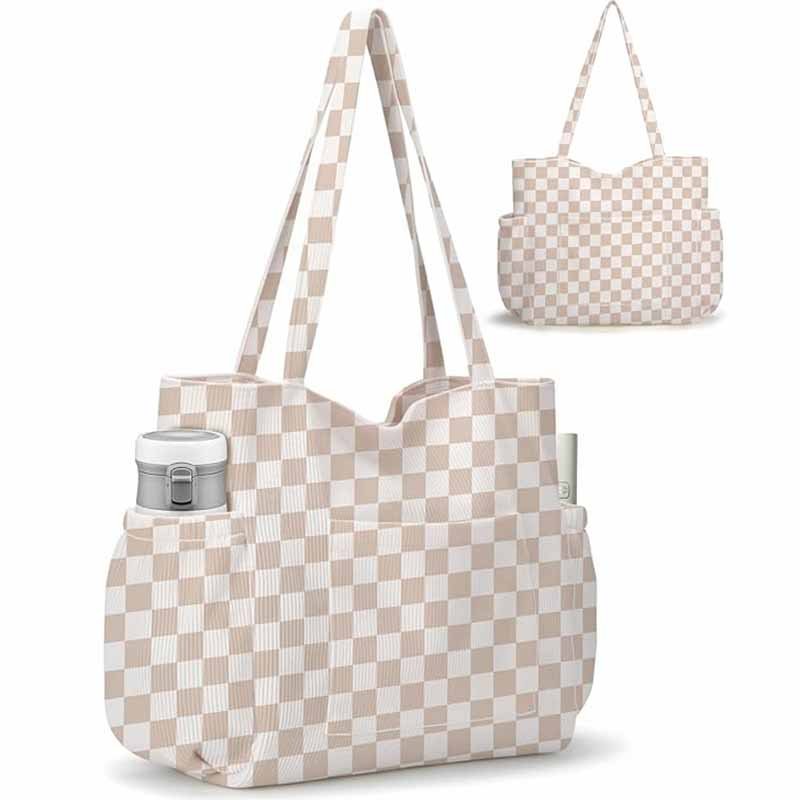
ODM tote bags are produced using existing factory-developed designs that can be adjusted to fit your brand. The structure already exists; you customize selected elements such as fabric, color, size range, logo method, and accessories.
In simple terms: ODM sits between OEM and private label. You don’t start from zero, but you’re not locked into a generic product either.
How ODM Tote Bags Really Work
ODM is often misunderstood. Many brands assume ODM means “no customization,” which isn’t true. The difference is where the design originates, not how much branding you can add.
In ODM projects:
The base pattern and structure belong to the factory
The factory has already tested:
- stitch strength
- handle reinforcement
- load-bearing limits
- production efficiency
You select from proven shapes, then adapt them for your market
This dramatically reduces development risk, especially for first-time launches.
What Can Be Customized in ODM Tote Bags?
ODM customization is not unlimited, but it’s usually more than enough for commercial success.
Common ODM customization options
| Area | What You Can Change |
|---|---|
| Fabric | cotton, canvas, recycled polyester, nylon, jute, neoprene |
| Fabric weight | within factory-supported GSM ranges |
| Color | Pantone or factory color library |
| Size | small adjustments (±2–4 cm) |
| Handles | length, width, cotton vs webbing |
| Logo | screen print, heat transfer, embroidery, woven label |
| Pockets | add/remove simple inner pockets |
| Closures | zipper, snap, Velcro (if structure supports it) |
| Packaging | private label tags, barcodes, cartons |
What usually cannot be changed in ODM
- Core silhouette (flat vs structured)
- Gusset construction logic
- Handle attachment architecture
- Stitch path count and seam structure
If your brand depends on a very specific shape or function, ODM may feel limiting. If not, ODM often delivers better speed-to-market with fewer headaches.
ODM Development Timeline
ODM is popular because it compresses timelines.
| Stage | ODM Timing | OEM Timing (for comparison) |
|---|---|---|
| Sample preparation | 3–7 days | 7–15 days |
| Sample revisions | 1–2 rounds | often 2–4 rounds |
| Bulk production | 20–35 days | 25–45 days |
| Total launch time | ~4–6 weeks | ~6–10 weeks |
This matters when:
- launching seasonal collections
- responding to fast-moving retail trends
- testing multiple SKUs at once
- working with influencers or events with fixed dates
MOQ and Cost Structure of ODM Tote Bags
ODM tote bags usually have lower MOQs and more predictable pricing than OEM.
| Item | Common ODM Range |
|---|---|
| MOQ | 300–1,000 pcs |
| Sampling cost | often free or very low |
| Unit cost | lower than OEM |
| Setup fees | rare |
| Cost stability | high |
Why ODM costs less
- No new pattern development
- No trial-and-error engineering
- Optimized cutting layouts
- Known sewing time per unit
- Lower fabric wastage
For brands watching cash flow, ODM reduces financial exposure without sacrificing professionalism.
ODM vs OEM — Practical Decision Differences
Instead of abstract definitions, here’s how real brands choose between ODM and OEM:
| Question | If “Yes” → |
|---|---|
| Do you need a unique silhouette? | OEM |
| Is speed more important than exclusivity? | ODM |
| Is this your first tote product? | ODM |
| Do you already know your best-selling size? | OEM |
| Is pricing pressure high in your market? | ODM |
| Do you plan repeat large orders? | OEM |
A common pattern we see:
ODM first → OEM upgrade later
Brands validate demand using ODM, then invest in OEM once they know exactly what to optimize.
When ODM Is the Smartest Choice
ODM tote bags are especially suitable for:
- Amazon / eCommerce sellers testing SKUs
- Promotional and corporate gift suppliers
- Eco brands launching reusable totes quickly
- Retailers expanding product lines
- Brands with limited internal design resources
ODM works best when:
- performance requirements are standard
- differentiation comes from branding, story, or marketing
- speed and cost control matter more than IP ownership
Risks of ODM
ODM is efficient, but not risk-free.
Key risks to manage
- Design overlap: other brands may use similar shapes
- Limited long-term protection: structure is not exclusive
- Supplier dependency: switching factories later may require redesign
How smart brands reduce these risks
- Customize fabric + color + logo system deeply
- Combine ODM structure with exclusive packaging
- Lock supplier relationships early
- Plan a transition path to OEM if volume grows
About ODM at Szoneier
Szoneier maintains a large internal tote bag design library, covering flat totes, gusseted totes, zipper totes, reinforced grocery totes, cooler totes, and specialty structures. ODM customers benefit from:
- fast sample turnaround
- flexible MOQs
- stable quality standards
- easy transition to OEM if needed later
What Are Private Label Tote Bags?
Private label tote bags are ready-made products where you apply your branding to an existing item with minimal or no structural changes.
This is the fastest and lowest-risk route—but also the least flexible.
What Private Label Actually Means in Tote Bags
Private label does not mean low quality. It means:
- the product already exists
- the factory controls design and materials
- you focus on branding and sales
Typical private label changes include:
- logo printing
- hangtags
- barcode labels
- packaging artwork
The bag itself stays the same.
Speed, MOQ, and Cost of Private Label Tote Bags
Private label is chosen when time and simplicity matter most.
| Factor | Private Label |
|---|---|
| MOQ | 100–500 pcs |
| Sample time | 1–3 days |
| Production time | 7–20 days |
| Unit cost | lowest |
| Customization | limited |
This model is common for:
- events and exhibitions
- corporate giveaways
- short-term promotions
- early-stage brands validating demand
Limits of Private Label
Private label works best when expectations are realistic.
Common limitations
- No control over structure or dimensions
- Limited fabric choices
- Little differentiation from competitors
- Hard to defend pricing long-term
- Brand perception tied to generic product quality
Private label is a starting point, not an endgame, for most brands.
When Private Label Makes Sense
Private label is a good choice if:
- you need product immediately
- your budget is tight
- branding matters more than construction
- you are testing a new sales channel
- the tote is a supporting product, not your hero item
Many successful brands start with private label, learn what customers respond to, then move to ODM or OEM once they have clarity.
OEM vs ODM vs Private Label Tote Bags — Side-by-Side Comparison
At this point, the differences should feel intuitive. But when real money is involved, brands need clear, visual comparisons to make decisions quickly. The table below reflects what actually happens in tote bag projects—not theory.
Core Comparison Table
| Factor | OEM | ODM | Private Label |
|---|---|---|---|
| Design ownership | Your brand | Factory | Factory |
| Structural control | Full | Partial | None |
| Customization depth | Very high | Medium | Low |
| MOQ | 500–3,000 pcs | 300–1,000 pcs | 100–500 pcs |
| Sampling time | 7–15 days | 3–7 days | 1–3 days |
| Bulk production | 25–45 days | 20–35 days | 7–20 days |
| Unit cost | Highest | Mid-range | Lowest |
| Development risk | Higher | Moderate | Very low |
| Market speed | Slowest | Balanced | Fastest |
| Long-term scalability | Excellent | Good | Limited |
One simple takeaway:
- OEM gives you control
- ODM gives you balance
- Private label gives you speed
Which Tote Bag Model Fits Your Business Type?
Instead of asking “Which is best?”, experienced brands ask “Which fits my current situation?” Below is how different businesses usually decide—based on sales channels, risk tolerance, and growth plans.
Amazon & E-Commerce Sellers
Best fit: ODM → OEM (later)
Why:
- Amazon sellers need fast testing
- Ranking data matters more than perfect design
- Pricing pressure is real
Recommended path:
- Launch with ODM (validated structure, fast delivery)
- Track reviews (handle strength, size feedback, fabric feel)
- Move to OEM once you know what improves conversion
Common mistake:
- Going OEM too early without knowing which features customers actually care about
Retail Brands & Chain Stores
Best fit: OEM or ODM (depending on volume)
Why:
- Retail buyers expect consistency across seasons
- Store presentation demands better structure and finish
- Repeat orders justify development cost
Typical approach:
- ODM for seasonal or trial SKUs
- OEM for core, long-term products
Key requirement:
- Stable QC standards and repeatability batch after batch
Promotional & Corporate Gift Companies
Best fit: Private Label or ODM
Why:
- Projects are often deadline-driven
- Budget and delivery dates are fixed
- Function matters more than originality
What works best:
- Private label for events, trade shows, campaigns
- ODM for clients who want something “a bit different” without high cost
Eco & Sustainability-Focused Brands
Best fit: ODM → OEM
Why:
- Messaging depends on material transparency
- Customers care about fabric source, weight, durability
- Greenwashing risks are high
Smart strategy:
- Start ODM with certified materials (recycled polyester, organic cotton)
- Upgrade to OEM to optimize material usage, reduce waste, and improve durability
Premium & Design-Led Brands
Best fit: OEM only
Why:
- Brand value depends on exclusivity
- Small structural details matter
- Customers notice stitching, balance, and hand-feel
OEM allows:
- Unique proportions
- Better load balance
- Clean internal finishing
- Higher perceived value
Cost vs Control vs Speed — How to Decide Clearly
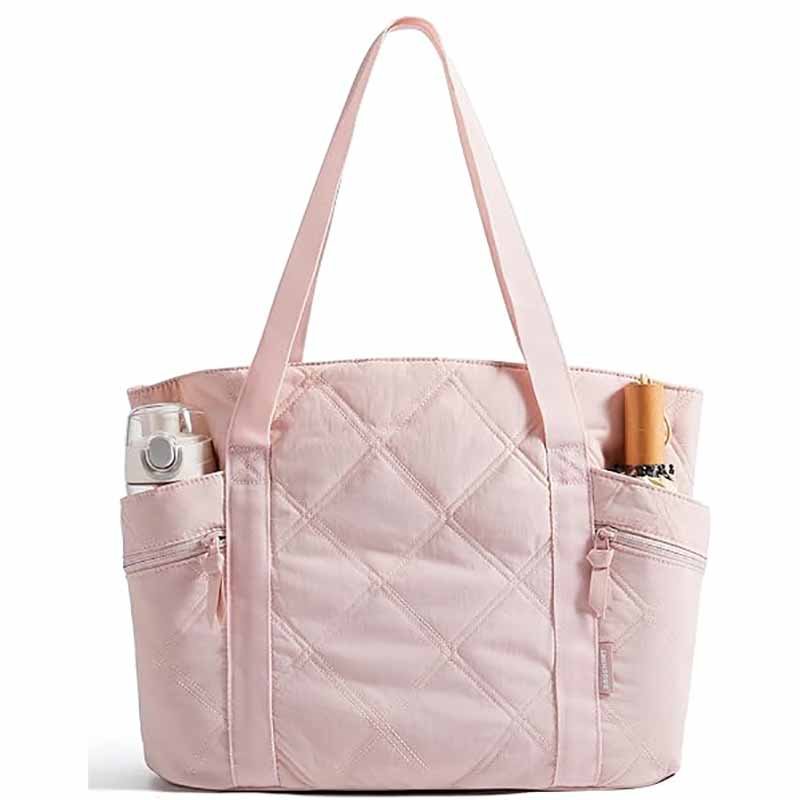
When brands hesitate, it’s usually because they’re trying to optimize everything at once. In reality, you can only prioritize two.
The real trade-off triangle
| Priority | What You Gain | What You Sacrifice |
|---|---|---|
| Low cost | Easier entry, less risk | Control, differentiation |
| High control | Brand uniqueness, IP | Time, higher MOQ |
| Fast speed | Market responsiveness | Customization depth |
Clear rule of thumb:
- If speed matters most → Private Label
- If balance matters most → ODM
- If brand value matters most → OEM
Common Questions Brands Ask Before Choosing
“Can I start with private label and switch later?”
Yes. Many brands do exactly that. The key is to collect feedback early and document what customers complain about or praise.
“Is ODM safe if other brands use similar designs?”
Yes—if you differentiate through:
- fabric choice
- color system
- logo placement
- packaging
- brand story
Customers rarely compare internal patterns; they compare experience.
“Is OEM worth it if my volume is still small?”
OEM makes sense at lower volume only if:
- the product is your brand’s hero item
- your margin supports development
- you plan repeat orders
Otherwise, ODM is often smarter at the start.
How Szoneier Supports All Three Models
At Szoneier, OEM, ODM, and private label are not marketing labels—they are three distinct production workflows.
OEM Support at Szoneier: Built for Brands That Need Control
OEM at Szoneier is designed for brands that care about long-term consistency, not just the first order.
What OEM clients actually get
Independent pattern development
- Tote-specific CAD patterns (not reused templates)
- Handle stress-point reinforcement mapped before sampling
Material matching by use case
- Cotton/canvas GSM selection based on load target
- Coated fabrics tested for cracking, stiffness, and fold recovery
Sample iteration with clear checkpoints
- First sample: structure & proportion
- Second sample: reinforcement & branding
- Pre-production sample: final QC reference
Real OEM numbers brands care about
| Item | OEM Range at Szoneier |
|---|---|
| MOQ per style | 500–3,000 pcs |
| Sampling time | 7–12 days |
| Sample revisions | usually 1–2 rounds |
| Bulk lead time | 30–45 days |
| Repeat order variance | <2% size deviation |
OEM quality control focus
- Handle pull strength tested before bulk
- Stitch density checked per production line
- Print adhesion checked by rub & tape test
- Fabric GSM verified per batch
OEM works best at Szoneier when clients:
- plan repeat orders
- want stable pricing at scale
- need consistent quality across seasons
ODM Support at Szoneier: Faster Launch With Proven Structures
ODM is where many brands start—and where many continue successfully for years.
Instead of pushing clients into OEM too early, Szoneier maintains an internal tote design library that is constantly updated based on real production feedback.
What ODM really means here
- Structures already tested for:
- handle load
- gusset stress
- sewing efficiency
- Patterns already optimized to reduce fabric waste
- Sewing steps standardized to control labor cost
What clients can still customize
| Area | ODM Customization Scope |
|---|---|
| Fabric | cotton, canvas, recycled polyester, nylon, jute |
| Weight | within tested GSM ranges |
| Color | Pantone-matched or stock colors |
| Logo | screen print, heat transfer, embroidery, woven label |
| Handles | length & width adjustment |
| Packaging | full private label packaging |
ODM performance data
| Item | ODM Average |
|---|---|
| MOQ | 300–1,000 pcs |
| Sample time | 3–6 days |
| Bulk lead time | 20–35 days |
| Cost stability | high |
| Sample success rate | >90% approved in first round |
ODM clients benefit from speed without guesswork, especially when launching new SKUs or testing markets.
Private Label Support at Szoneier: Fast, Simple, Low Risk
Private label is not treated as “low priority” at Szoneier. It is treated as a commercial tool for fast execution.
How private label works in practice
- Clients select from ready-to-produce tote styles
- No pattern or structure changes
- Branding applied through:
- logo print
- woven label
- hangtag
- barcode & carton mark
Private label numbers clients usually ask first
| Item | Private Label Range |
|---|---|
| MOQ | 100–500 pcs |
| Sample time | 1–3 days |
| Production time | 7–20 days |
| Cost | lowest among all models |
When private label is recommended
- event deadlines
- promotional campaigns
- first-time brand testing
- short-term sales programs
Private label allows brands to enter the market first, then upgrade to ODM or OEM later once demand is clear.
Ready to Get a Quote or Sample?
If you’re planning to develop tote bags under OEM, ODM, or private label, reach out to Szoneier with:
- your target quantity
- preferred materials
- branding method
- timeline expectations
Our team will recommend the most cost-effective and realistic path, not just the most complex one.
Contact Szoneier to request pricing, samples, or design guidance and move your tote bag project forward with confidence.