 Skip to content
Cordura Bag Manufacturer — Engineering Durability with Certified Cordura® Fabrics
Cordura® is not just a fabric choice — it is a durability standard. Bags made with Cordura are expected to withstand abrasion, tearing, heavy loads, and repeated use in environments where standard fabrics fail quickly. However, using Cordura successfully in bag manufacturing requires more than simply sourcing the fabric.
Szoneier is a professional OEM/ODM Cordura bag manufacturer based in Guangdong, China, with over 18 years of bag manufacturing experience and extensive hands-on expertise working with Cordura® certified fabrics across outdoor, tactical, tool, and performance-oriented bag categories. Each year, our team develops 300+ new bag samples, many of which use Cordura fabrics as structural or abrasion-critical components.
Through real production experience, we have learned that Cordura’s performance depends heavily on correct fabric selection, structure design, seam engineering, and production control. When misapplied, Cordura can become unnecessarily heavy, stiff, or costly without delivering its full performance value.
At Szoneier, Cordura is treated as an engineering material, not a marketing label. We help brands use Cordura where it actually matters—improving durability, extending product life, and protecting long-term SKU stability.
Why brands choose Szoneier as a Cordura bag manufacturer
- 18+ years of multi-material bag manufacturing
- Real OEM experience with Cordura® certified fabrics
- 300+ samples developed annually with production-intent materials
- In-house sampling & engineering review
- Focus on durability, not over-specification
What Makes Cordura® Different from Standard Fabrics?
Cordura® fabrics are engineered for superior abrasion resistance, tear strength, and long-term durability, making them fundamentally different from conventional polyester or nylon fabrics used in standard bags.
Cordura Is a Performance Specification, Not Just Nylon
Common misunderstanding
Many buyers think Cordura = “thick nylon”.
Reality
Cordura® refers to a family of certified fabrics engineered to meet strict durability standards, including:
- Abrasion resistance
- Tear strength
- Yarn quality and weave control
Szoneier insight
Two fabrics with the same denier can perform very differently if only one is Cordura certified.
Why Cordura Costs More — and When It’s Worth It
Cordura fabrics typically:
- Use higher-quality yarns
- Require tighter weave control
- Deliver longer service life
Szoneier experience
Cordura adds value when:
- Bags face repeated abrasion
- Long-term durability affects brand reputation
- Products are positioned as performance or premium
It does not add value when used purely for marketing.
Cordura Is Often Overused Incorrectly
We frequently see:
- Cordura applied to low-stress areas
- Entire bags overbuilt unnecessarily
Szoneier engineering approach
- Use Cordura strategically
- Combine with other technical fabrics
- Optimize cost, weight, and performance
Who Needs a Cordura Bag Manufacturer?
Cordura® bag manufacturing is essential for brands whose products must survive abrasion, heavy loads, and long-term use, especially in scenarios where standard fabrics quickly fail and damage brand reputation.
Outdoor & Adventure Brands Operating in Harsh Environments
Typical buyer profile
- Hiking, camping, and adventure brands
- Outdoor gear companies targeting frequent field use
Real-world fabric challenges
- Constant abrasion against rocks, ground, and equipment
- Exposure to rain, mud, UV, and temperature changes
- Repeated loading, unloading, and folding
Why standard fabrics fail
In Szoneier’s experience, many outdoor bags fail because:
- Fabric abrasion resistance is insufficient
- Bottom panels wear through early
- Seams weaken under repeated stress
How Szoneier uses Cordura
- Apply Cordura® 500D or 1000D in high-abrasion zones
- Reinforce bottom panels and contact areas
- Combine Cordura with lighter fabrics to control weight
Szoneier insight
For outdoor brands, Cordura is most effective when used strategically, not across the entire bag.
Tactical, Utility & Tool Brands with Extreme Wear Requirements
Typical buyer profile
- Tool bag brands
- Utility and industrial equipment companies
- Tactical gear brands
Usage conditions
- Abrasion against concrete, metal, and tools
- High localized stress near handles and corners
- Heavy and uneven loads
Why Cordura is critical Standard nylon or polyester fabrics often:
- Tear at seams
- Wear through at the base
- Lose structure quickly
Szoneier’s engineering solution
- Use Cordura® 1000D or ballistic Cordura in contact zones
- Engineer seam reinforcement specifically for dense Cordura
- Avoid unnecessary full-bag Cordura to reduce weight
Manufacturing reality
Most tool bag failures we see are seam-related, not fabric-related — which is why Cordura must be paired with correct stitching and reinforcement.
Amazon & E-commerce Sellers Making “Heavy-Duty” Claims
Typical buyer profile
- Amazon private-label sellers
- DTC brands selling performance-oriented bags
Unique risk
- Customer reviews expose fabric failures instantly
- Photos and videos accelerate negative feedback
- Early SKU damage permanently affects listings
Common complaints Szoneier helps fix
- “Fabric wore through too fast”
- “Material is not as durable as advertised”
- “Corners ripped after a few weeks”
Why these sellers choose Szoneier
- We specify certified Cordura®, not Cordura-style fabric
- Samples use production-intent materials
- Fabric consistency is controlled across repeat orders
Szoneier observation
In Amazon projects, durability complaints are one of the top reasons for returns in “heavy-duty” bag categories.
Brands Building Long-Term, Evergreen SKUs
Typical buyer profile
- Brands planning repeat orders
- Companies building core, long-life products
Hidden challenge
- Fabric inconsistency between production batches
- Silent material downgrades by suppliers
Why Cordura matters Cordura provides:
- Predictable abrasion performance
- Stable long-term durability
How Szoneier protects SKU stability
- Approved Cordura fabric swatches archived
- Supplier specifications locked
- Batch verification before production
Operational insight
Maintaining consistency over time is often harder than making one good Cordura bag — and it’s where many manufacturers fail.
Brands Upgrading from Lifestyle to Performance Categories
Typical buyer profile
- Lifestyle brands adding outdoor or utility lines
- Fashion brands entering functional segments
Common mistake
- Using existing fabrics that look good but fail under load
Szoneier’s role
- Re-evaluate fabric assumptions
- Introduce Cordura only where performance is required
- Maintain brand aesthetics while upgrading durability
This allows brands to enter performance categories without redesigning everything.
Buyers Facing Fabric Failure or High Return Rates
Typical scenario
- Existing bags suffer from premature wear
- Rising customer complaints
- Increasing replacement or refund costs
Szoneier intervention
- Analyze wear patterns
- Identify whether Cordura is truly required
- Replace only critical zones with Cordura
Engineering mindset
Cordura is often part of the solution — but rarely the only solution.
Buyers Who Need Engineering Support, Not Just Fabric Supply
Typical buyer profile
- Product developers
- Engineering-driven brands
- Buyers with specific durability targets
What they need
- Clear explanation of Cordura types
- Trade-off analysis (weight vs durability vs cost)
- Risk identification before mass production
Why they work with Szoneier
- 18+ years of bag manufacturing experience
- Proven Cordura OEM/ODM projects
- Willingness to say “Cordura is not needed here” when appropriate
This positions Szoneier as a manufacturing partner, not just a factory.
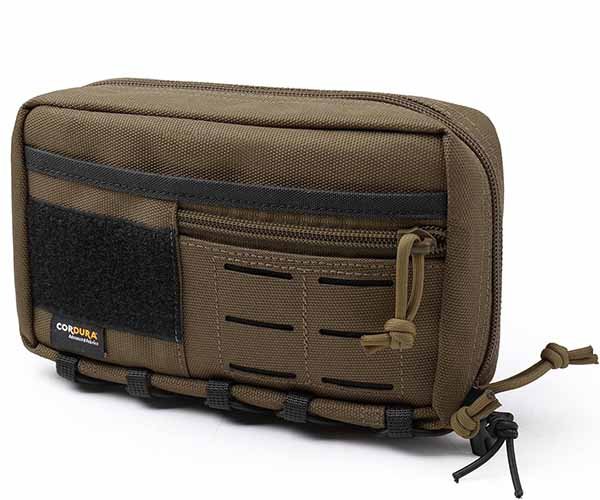
Why Cordura Bag Manufacturing Is More Complex
Although Cordura® fabrics are engineered for durability, manufacturing bags with Cordura introduces higher complexity in sewing, structural stress management, weight control, and long-term consistency than standard fabric bags.
Cordura® Fabric Density Amplifies Seam Stress
What most buyers don’t see
Cordura’s tightly woven, high-tenacity yarn structure means:
- Fabric panels are extremely strong
- Stress transfers directly to seams and stitch holes
In real use, Cordura bags often fail at:
- Handle bases
- Strap attachment points
- Corners and base seams
—not because Cordura tears, but because seams are overloaded.
Szoneier engineering response
- Stitch density adjusted specifically for Cordura weaves
- Seam allowance increased where stress concentrates
- Reinforcement panels added to distribute load
Szoneier experience
In Cordura projects, seam engineering matters more than fabric strength itself.
Cordura Is Less Forgiving During Sewing & Assembly
Why Cordura is challenging to sew
Cordura fabrics are:
- Thick
- Abrasion-resistant (even to needles)
- Less elastic than standard nylon or polyester
Common problems in inexperienced factories
- Needle overheating and breakage
- Yarn cutting due to incorrect stitch tension
- Coating or surface damage during sewing
How Szoneier manages this With years of Cordura handling experience, we:
- Select needle type and size based on Cordura denier
- Control sewing speed to avoid heat damage
- Adjust thread tension for dense Cordura structures
Manufacturing reality
Cordura quickly exposes process weaknesses — machines alone cannot solve this.
Weight & Stiffness Can Ruin Usability If Not Engineered
The hidden downside of Cordura
While Cordura improves durability, it also:
- Increases overall bag weight
- Reduces flexibility
- Makes folding and packing harder
What goes wrong
Many factories:
- Use Cordura everywhere
- “Overbuild” the bag
leading to:
- Poor user experience
- Complaints about stiffness or heaviness
Szoneier’s zoning strategy
- Cordura only in high-abrasion or load zones
- Lighter fabrics used elsewhere
- Ballistic Cordura limited to base panels only
Engineering principle
Durability should never come at the expense of usability.
Cordura Interacts Strongly with Coatings & Laminations
Cordura is often combined with:
- PU coatings
- TPU laminations
Why this adds complexity Dense Cordura + rigid coating can cause:
- Cracking at fold lines
- Delamination after repeated use
- Stiff “board-like” panels
Szoneier validation process
- Match coating flexibility to Cordura denier
- Test fold endurance at seam intersections
- Avoid rigid coatings on high-fold zones
Common failure we prevent
Coating cracks that appear after customer use, not during sampling.
Cordura Magnifies Pattern & Structure Errors
In standard bags
Minor pattern mistakes may not cause immediate failure.
In Cordura bags The same mistakes can lead to:
- Stress concentration
- Panel deformation
- Early seam fatigue
Szoneier structural controls
- Load paths mapped during pattern development
- Stress zones reinforced before sampling
- Panel sizes optimized to avoid stiffness build-up
Engineering insight
Cordura does not forgive poor structure design.
Quality Control Becomes More Critical with Cordura
Why Cordura QC is harder
- Fabric variations are less visible
- Small changes in weave density affect sewing behavior
- Batch differences impact long-term durability
Szoneier QC system
- Approved Cordura swatches physically archived
- Supplier specifications locked
- Incoming batch checks before production
Operational reality
Cordura projects fail more often due to process inconsistency than fabric defects.
Scaling Cordura Bags Is Harder Than Making One Good Sample
The common trap
A Cordura sample performs well, but:
- Bulk production introduces new operators
- Sewing speed increases
- Fabric batches change
Szoneier’s scalability controls
- Pilot runs before mass production
- Sewing parameters standardized
- Fabric behavior monitored during production
Szoneier insight Scaling
Cordura safely requires discipline and experience, not just good materials.
Cost Management Requires Engineering Judgment
Cordura is expensive
Using it incorrectly leads to:
- Unnecessary material cost
- Overweight products
- Reduced competitiveness
Szoneier’s cost-performance logic
- Use Cordura where it extends product life
- Avoid Cordura where standard fabrics perform equally
- Protect brand margins while meeting durability targets
Engineering mindset
The best Cordura bag is right-specified, not max-specified.
Why Experience Matters More Than Equipment in Cordura Manufacturing
Reality check
Advanced machines do not replace:
- Pattern experience
- Fabric judgment
- Failure memory
Szoneier advantage
With 18+ years of bag manufacturing experience, including:
- Outdoor Cordura bags
- Tool and utility Cordura bags
- Amazon performance-driven Cordura SKUs
we have encountered and corrected most common Cordura failure modes before they reach customers.
Cordura® Fabric Types Used in Bag Manufacturing
Technical fabrics used in bag manufacturing are best understood through performance and structural behavior. Szoneier classifies these fabrics based on how they perform under load, abrasion, folding, and real-use conditions.
Cordura® 500D Nylon — Balanced Performance Standard
Key characteristics
- Excellent abrasion resistance
- Lower weight compared to heavier Cordura types
- Good flexibility for daily-use bags
Typical applications
- Outdoor backpacks
- Travel and gear bags
- Amazon performance-driven products
Szoneier usage insight
Cordura® 500D is one of the most commonly specified Cordura fabrics in our OEM projects because it delivers strong durability without excessive stiffness or weight.


Cordura® 1000D Nylon — Maximum Durability, Maximum Control Required
Key characteristics
- Extremely high abrasion resistance
- Very high tensile strength
- Significantly heavier and stiffer
Where it is appropriate
- Tool bags
- Tactical and industrial bags
- High-abuse environments
Szoneier engineering caution
Cordura® 1000D must be used selectively. Overusing it can:
- Increase weight dramatically
- Reduce comfort
- Introduce seam stress risks
We typically apply 1000D Cordura only in high-contact zones, not across the entire bag.
Cordura® Ballistic Nylon (e.g. 1680D Ballistic)
Structural properties
- Basket-weave construction
- Exceptional tear resistance
- High puncture resistance
Szoneier application
- Bottom panels
- Base reinforcement
- Equipment-contact zones
Engineering trade-off
Ballistic Cordura offers extreme durability but requires careful patterning and seam planning to avoid stiffness-related failures.


Cordura® Eco & Recycled Variants
Growing demand
- Sustainability-driven brands
- Eco-conscious consumer markets
Szoneier approach
Validate recycled Cordura for:
- Abrasion consistency
- Color stability
- Batch repeatability
Manufacturing reality
Eco Cordura requires even tighter batch control than conventional Cordura to maintain SKU stability.
How Szoneier Engineers Cordura® into Bag Structures
Using Cordura® effectively requires structural planning, selective reinforcement, and seam engineering. Szoneier integrates Cordura into bag systems based on stress mapping rather than uniform material application.
Stress Mapping Before Fabric Placement
What many factories do
- Use Cordura everywhere
What Szoneier does
- Identify:
- Load-bearing zones
- Abrasion contact points
- Flex and fold areas
Cordura is applied only where its performance is needed.
Cordura as a Structural Layer, Not a Standalone Solution
Cordura typically functions as:
- Outer abrasion-resistant shell
- Structural reinforcement layer
It is combined with:
- High-density lining fabrics
- Internal reinforcement tapes
Key principle
Cordura improves durability, but structure carries load.
Weight Optimization Through Zoned Cordura Use
Engineering outcome
- Cordura in bottom & corners
- Lighter fabrics in low-stress panels
Szoneier project experience
This zoned approach often reduces:
- Total bag weight
- Material cost
while maintaining durability targets.
Cordura & Coating Compatibility
Cordura may be combined with:
- PU coatings
- TPU laminations
Szoneier validation
- Flex testing at seams
- Coating adhesion checks
- Fold endurance evaluation
We avoid pairing overly stiff Cordura with inflexible coatings.
Stitching, Reinforcement & Seam Control for Cordura Bags
Cordura® fabrics require specialized sewing techniques and reinforcement strategies to prevent seam failure, coating damage, and long-term fatigue during real-world use.
Why Cordura Is Challenging to Sew
Cordura fabrics are:
- Thick
- Dense
- Abrasion-resistant to needles
Common risks
- Needle overheating
- Yarn breakage
- Coating damage
Szoneier’s Sewing Process Adjustments
Based on long-term Cordura handling experience, we adjust:
- Needle type and size
- Stitch length and density
- Sewing speed
Manufacturing reality
Cordura exposes sewing weaknesses quickly — process control matters more than machine brand.
Reinforcement Strategy for Cordura Bags
Instead of blanket reinforcement, Szoneier applies:
- Localized bar-tacking
- Load-spreading reinforcement panels
- Edge binding to reduce seam stress
This approach improves durability without excessive bulk.
Seam Stress Distribution & Longevity
Why seams fail first
- Stress concentrates at stitch holes
Szoneier solution
- Optimize seam allowance
- Balance stitch density vs fabric density
- Reinforce transition zones
Engineering insight
Most Cordura bag failures start at seams, not fabric panels.
Cordura® vs Other High-Performance Fabrics
Cordura® is often compared with ballistic nylon, standard high-density nylon, and polyester. Understanding their real performance differences helps brands choose the right material for durability, weight, and cost balance.
Cordura® vs Standard High-Density Nylon
| Aspect | Cordura® Nylon | Standard HD Nylon |
|---|---|---|
| Abrasion Resistance | Very High | Medium–High |
| Yarn Quality | Certified | Varies by supplier |
| Long-Term Durability | Excellent | Inconsistent |
| Cost | Higher | Lower |
Szoneier insight For products claiming heavy-duty durability, Cordura offers more predictable long-term performance. For cost-sensitive SKUs, high-density nylon may be sufficient if used correctly.

Cordura® vs Ballistic Nylon
| Aspect | Cordura® | Ballistic Nylon |
|---|---|---|
| Weave | Plain / Ripstop | Basket weave |
| Flexibility | Better | Stiffer |
| Weight | Lower | Heavier |
| Typical Use | General durability | Extreme abrasion zones |
Szoneier engineering approach We often combine Cordura with ballistic nylon, using ballistic only in base or corner zones to control weight and stiffness.

Cordura® vs High-Density Polyester
| Aspect | Cordura® | HD Polyester |
|---|---|---|
| Abrasion Resistance | Higher | Moderate |
| Cost Efficiency | Lower | Higher |
| UV Stability | Good | Very Good |
| Typical Market | Performance / Premium | Mass-market |
Szoneier recommendation Cordura is justified when performance failure affects brand reputation. Polyester is often better for price-driven or indoor-use products.

When Cordura Is NOT the Best Choice
Cordura may be unnecessary when:
- Abrasion exposure is minimal
- Product is weight-sensitive
- Price point cannot absorb material cost
Szoneier honesty principle
We advise against Cordura when its performance benefits will not be realized in real use.
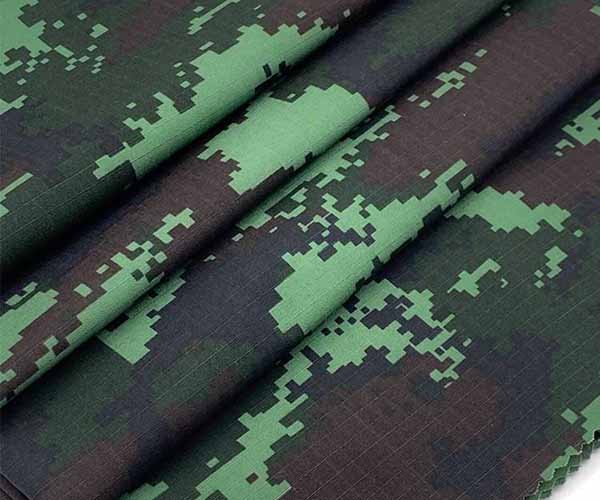
Try Before You Order – Free Sample Program
We offer free custom samples for qualified clients. Whether you’re testing a new market or validating design quality, our samples help you move forward with confidence.
Quality Control & Batch Consistency for Cordura Bags
Maintaining consistent Cordura® bag quality requires strict material verification, reference control, and process discipline. Szoneier implements batch-level controls to ensure long-term SKU stability.
Fabric Authentication & Traceability
Why this matters Cordura is a certified fabric, not a generic term.
Szoneier control measures
- Confirm Cordura certification with suppliers
- Verify fabric construction against approved references
- Track supplier batches for repeat orders
This prevents silent substitution with “Cordura-like” fabrics.
Fabric Reference Archiving
Once approved:
- Physical swatches archived
- Hand feel, thickness, and weave documented
- Approved specifications locked
Operational reality
Batch consistency is one of the biggest challenges in Cordura manufacturing — and one of Szoneier’s core strengths.
Incoming Material Inspection
Before production:
- Visual and tactile inspection
- Weave density comparison
- Basic abrasion and flex checks
Any deviation triggers material hold or supplier clarification.
In-Process Quality Monitoring
During production, Szoneier monitors:
- Fabric behavior at seams
- Needle penetration quality
- Edge fraying or coating damage
Adjustments are made in real time, not after defects accumulate.
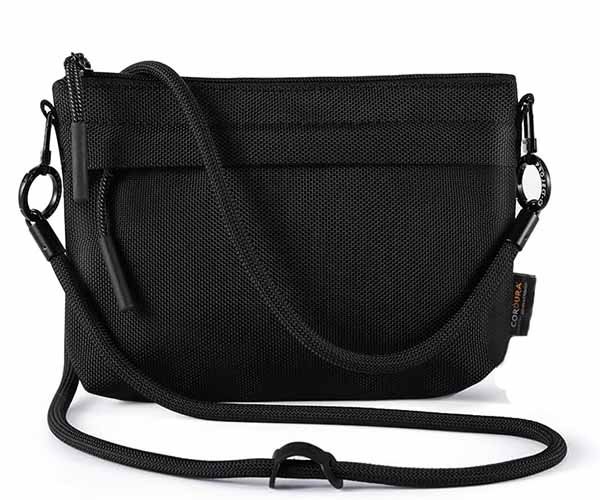
Testing & Validation of Cordura® Bag Performance
Cordura® bag performance must be validated through real-use-oriented testing. Szoneier focuses on identifying failure modes before products reach customers.
Why Datasheet Testing Is Not Enough
Supplier data often measures:
- Tensile strength
- Abrasion cycles
But does not reflect:
- Seam stress concentration
- Repeated folding behavior
- Load imbalance
Szoneier lesson
Most Cordura-related failures are structural or process-related, not fabric defects.
Szoneier’s Practical Cordura Testing Methods
We routinely perform:
- Abrasion simulation on bottom panels
- Load testing on handles and straps
- Fold endurance checks at seam intersections
- Visual inspection after repeated stress cycles
These tests are aligned with how the bag will actually be used.
Climate & Environment Considerations
Cordura performance varies by environment:
- Cold climates: stiffness increases
- Hot climates: coating behavior changes
- Humid regions: seam integrity becomes critical
Szoneier adaptation
Fabric systems are tuned based on:
- Target market geography
- Storage and shipping conditions
Validation Before Scale
Before mass production:
- Pilot runs conducted
- Fabric behavior observed at speed
- Process stability confirmed
This minimizes post-launch surprises.
Case Studies — Cordura® Bag OEM/ODM Projects by Szoneier
These Cordura® bag case studies demonstrate how Szoneier applies certified Cordura fabrics, engineering judgment, and production control to solve real durability, weight, and scalability challenges.
Amazon Heavy-Duty Cordura Organizer Bag
Client profile
Amazon private-label seller targeting “heavy-duty” positioning.
Initial issue
- Previous supplier used “Cordura-style” nylon
- High return rate due to seam tearing and abrasion damage
Szoneier solution
- Switched to certified Cordura® 500D for main panels
- Added localized reinforcement at handle and corner zones
- Optimized stitch density for dense Cordura weave
Result
- Improved perceived quality
- Significant reduction in fabric-related complaints
- Stable performance across repeat orders
Key lesson
Cordura only delivers value when combined with correct structure and sewing control.
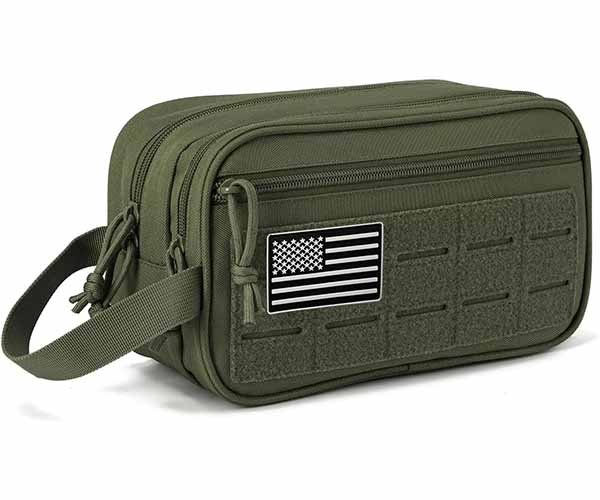
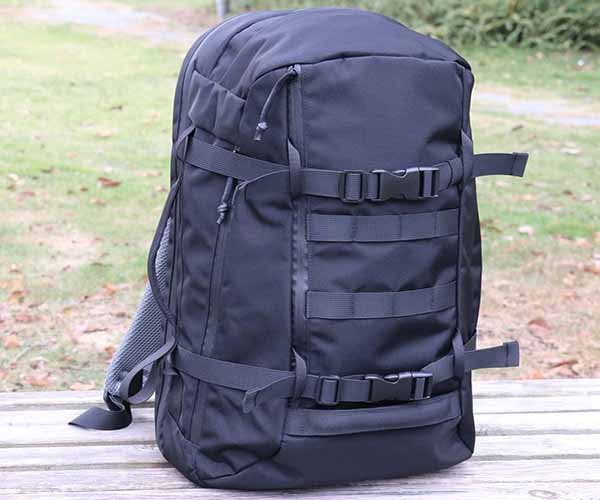
Outdoor Gear Bag with Zoned Cordura Application
Client profile
Outdoor brand focused on weight-sensitive users.
Challenge
- Need abrasion resistance without heavy feel
Szoneier engineering approach
- Cordura® 1000D used only on base panels
- Cordura® 500D used on high-contact side panels
- Lightweight fabric used elsewhere
Outcome
- Durable contact zones
- Controlled total weight
- Improved user comfort
Engineering insight
Zoned Cordura use outperforms “all-over Cordura” designs.
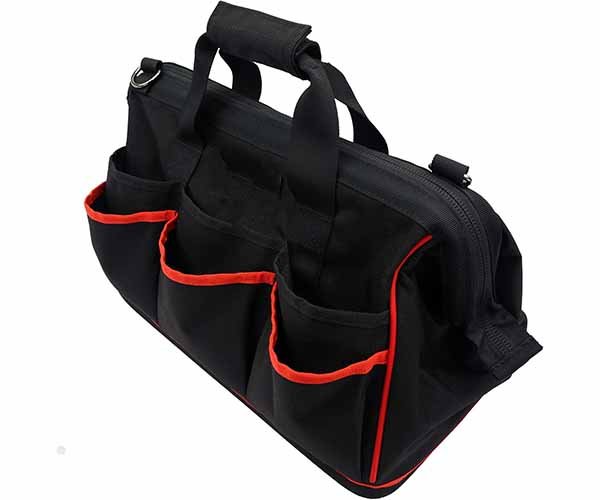
Tool & Utility Bag Using Ballistic Cordura®
Client profile
Tool brand supplying industrial users.
Risk
- Rapid wear on concrete and metal surfaces
Szoneier fabric strategy
- Ballistic Cordura applied to bottom only
- Structural Cordura® 1000D for load-bearing panels
Result
- Extended service life
- Lower material cost than full ballistic construction
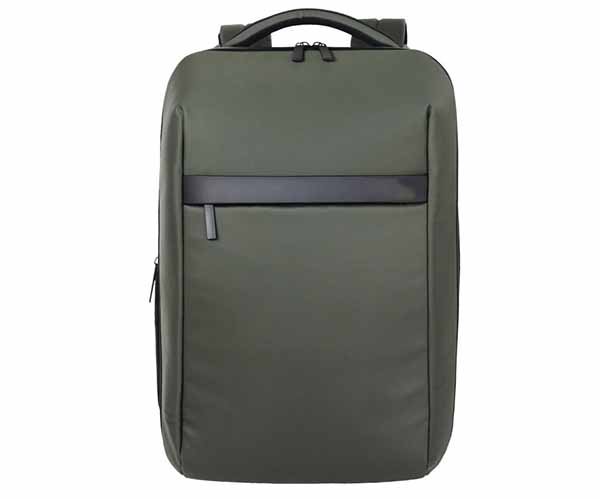
Scaling a Cordura Backpack SKU
Client profile
Brand planning long-term, evergreen backpack SKUs.
Hidden challenge
- Maintaining fabric consistency across multiple production runs
Szoneier controls
- Fabric reference archiving
- Supplier lock-in
- Batch verification before each production
Outcome
- Stable appearance and performance
- Reduced SKU variability
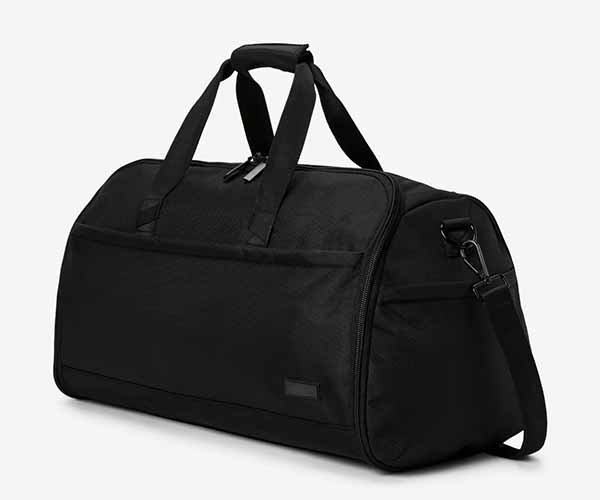
Correcting Over-Specified Cordura Designs
Client profile
Brand with overly heavy Cordura bag design.
Problem
- Excessive weight
- High cost
- Reduced usability
Szoneier optimization
- Reduced Cordura coverage
- Maintained durability through targeted reinforcement
Result
- Better user experience
- Improved cost structure
How to Choose a Cordura® Bag Manufacturer
This checklist helps buyers identify whether a manufacturer truly understands Cordura® bag engineering or simply uses Cordura as a marketing label without performance control.
- Do they specify which Cordura® type they use (500D, 1000D, Ballistic)?
- Can they explain why Cordura is used in certain zones only?
- Are samples made with production-intent Cordura materials?
- How do they control Cordura batch consistency?
- Do they understand seam failure risks with dense Cordura fabrics?
- Will they advise against Cordura when it’s unnecessary?
Szoneier philosophy
A reliable Cordura manufacturer protects your brand from over-engineering as much as from under-specification.

Ready To Elevate Your business Line?
Begin your journey with Szoneier bag now. We can assist in wholesaling or customizing Luggage and bags at the most competitive prices to enhance your brand.
FAQ — Cordura® Bag Manufacturing
These frequently asked questions address durability, material selection, MOQ, sampling, and production considerations when manufacturing Cordura® bags.
Q1: Is Cordura® always better than regular nylon?
Not always. Cordura excels in abrasion-heavy environments, but standard high-density nylon may be sufficient for lighter or cost-sensitive products.
Q2: Can Cordura® bags be produced at low MOQ?
Yes. Szoneier supports low-MOQ sampling and pilot runs using production-intent Cordura fabrics, ensuring scalability later.
Q3: How do you prevent Cordura seam failures?
By optimizing stitch density, reinforcement placement, and sewing parameters specific to Cordura’s dense weave.
Q4: Can Cordura® be combined with other fabrics?
Absolutely. Most Szoneier Cordura projects use multiple fabrics, each selected for a specific role.
Q5: Is Cordura® suitable for eco-focused brands?
Yes. Certified recycled Cordura variants are available, with additional batch control required.
Q6: How do you ensure Cordura authenticity?
We work with verified suppliers, confirm certification, and lock specifications for repeat orders.
Q7: Can you improve an existing Cordura bag design?
Yes. We frequently optimize existing designs to reduce weight or cost while preserving durability.
Q8: What lead time should we expect?
Sampling typically takes 5–10 days; production timelines depend on order size and Cordura availability.
Work with a Cordura® Bag Manufacturer
If your product requires abrasion resistance, durability, and long-term performance, Szoneier can help you engineer Cordura® bag solutions aligned with real-world use and scalable production.
If you are:
- Developing a heavy-duty or performance-driven bag
- Experiencing durability complaints
- Planning long-term Cordura SKUs
You can share:
- Use scenario
- Target market
- Performance expectations
Our team will help you:
- Select the right Cordura type
- Engineer structure and reinforcement
- Reduce production and return risks
If you have any questions or need a quote, please leave us a message. Our experts will respond within 12 hours to assist you in selecting the ideal fashion products tailored to your needs.
Exclusive Offer for You
As a first-time buyer, you’ll receive a Free bags Color Card to help you select the right material and shade. Once confirmed, we’ll also provide a Free Sample made by our factory—no extra cost.
For our regular partners, we send New Color Charts multiple times a year—completely free—to support your latest collections.
