Skip to content
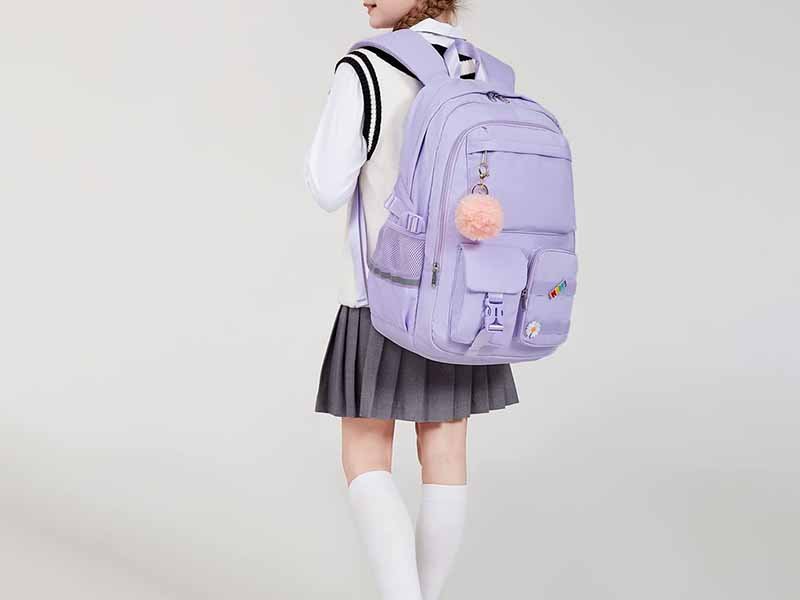
Backpacks get “lost” at school for boring reasons: kids rush, classrooms look the same, and half the hallway carries the same popular styles. The fix doesn’t need to be complicated. A heat transfer name on a school backpack makes the bag easier to spot, harder to mix up, and faster to return when it ends up in a lost-and-found bin. For parents, it’s not just about looking cute—it’s about fewer replacement purchases and fewer morning arguments. For kids, it’s confidence: “That one is mine.”
Heat transfer name personalization adds a child’s name (and optionally a class, icon, or small logo) onto a backpack using heat and pressure to bond a printed film or ink layer to the fabric. It’s popular for school bags because it’s clean-looking, fast to produce, and works well on common backpack materials like polyester and nylon. With the right film, placement, and care, it stays bright through daily use.
One small detail can change the whole school-year experience: the moment a teacher lifts a backpack and calls out a name—your child grabs it instantly, no confusion, no “Is this mine?” Let’s break down how heat transfer personalization really works, what to print on, and how to do it so it lasts.
What Is Heat Transfer Name Personalization?

Heat transfer name personalization is a method that bonds a printed name (usually vinyl or transfer film) onto a backpack surface using controlled heat, pressure, and time. Done correctly, it produces crisp letters, strong color, and a smooth finish that feels integrated with the fabric—without the bulk of stitched embroidery.
What does heat transfer mean?
Heat transfer is a decoration process where a design is carried on a film/paper and then transferred onto fabric by heat activation. In school backpack production, the most common form is heat transfer vinyl (HTV) or a printed transfer (film with adhesive).
What customers usually care about:
- Sharp edges on letters (especially small names)
- Color pop that remains visible on dark fabrics
- No itchy stitching on the inside panel
- Fast production for class orders, clubs, or school events
Heat transfer types you’ll see in backpacks:
| Heat transfer type | Look & feel | Best use | Notes |
|---|---|---|---|
| HTV (single color) | matte or glossy, smooth | names, numbers | simplest + cost-friendly |
| Printed transfer film | full color, photo-like | logos, icons | great for multi-color designs |
| Reflective HTV | reflective shine | safety + visibility | popular for kids walking home |
| Puff HTV | raised/3D effect | bold names | fun but can crack if over-stretched |
How is a heat transfer name applied?
A durable heat transfer name isn’t “just press and go.” The process is controlled like a mini manufacturing step.
Factory workflow (simple version):
- Artwork setup: convert name to vector, set font size, outline, spacing
- Cut/print: cut HTV or print transfer film
- Pre-press: press the backpack panel briefly to remove moisture and flatten texture
- Main press: apply the transfer with correct temperature/time/pressure
- Peel & finish: peel hot/cold (depends on film), then optional second press for stronger bond
- QC: check adhesion at corners, edges, and thin strokes
Typical production settings (ranges):
| Material family | Temp range | Press time | Pressure | Notes |
|---|---|---|---|---|
| Polyester / Oxford | 145–160°C | 10–15 sec | medium | safest for most school bags |
| Nylon (coated) | 135–150°C | 8–12 sec | medium | too hot can distort coating |
| Canvas (cotton) | 150–165°C | 12–18 sec | medium-firm | texture affects tiny fonts |
Quality check customers can understand:
A good press shows no lifting at corners, the name stays flat after bending the panel, and small strokes (like “E” or “A”) don’t crack when lightly flexed.
What materials work best for heat transfer?
For school backpacks, heat transfer performs best on smooth, stable fabrics. The more textured the surface, the harder it is to get perfect edge bonding—especially on small lettering.
Best backpack materials for heat transfer names:
| Backpack material | Heat transfer performance | Best for | Common issue to manage |
|---|---|---|---|
| 600D polyester | excellent | daily school use | none major |
| 420D nylon | very good | lightweight bags | slippery surface needs correct film |
| Polyester Oxford | excellent | premium school bags | choose correct coating tolerance |
| Cotton canvas | good | classic styles | texture can blur tiny text |
| Neoprene panels | good | sporty styles | stretch may require stretch HTV |
| TPU/PVC surface | limited | waterproof styles | special transfer needed |
If the backpack is highly textured or has heavy water-repellent coating, use a transfer material designed for that surface—otherwise edges may lift over time.
Why Choose Personalized Backpacks for School?
A personalized backpack helps kids quickly identify their bag, reduces mix-ups, and makes lost-and-found returns faster. Beyond convenience, personalization can support routine building (kids learn ownership) and can improve practical safety when paired with an inside contact label or reflective name placement.
Why are name backpacks popular?
Because the problem is common: many school backpacks look nearly identical. Parents want fewer replacements; kids want something that feels “theirs.”
Where personalization makes the biggest difference:
- Classroom hooks with 20–30 similar bags
- After-school programs where bags pile up
- Day trips / sports days with shared storage areas
- Siblings with the same backpack model in different colors
Real-world value points:
- Faster morning routines (“grab the bag with your name”)
- Less “accidental swapping”
- Easier teacher/coach management for younger grades
What benefits do children get?
Kids care about two things: identity and ease. A name on the backpack is a simple confidence booster and helps them take responsibility without being reminded 20 times.
Child-focused benefits:
- Ownership: they recognize their own belongings quickly
- Pride: their name + a small icon feels personal
- Less stress: fewer moments of “I lost my bag”
What many parents request (practical add-ons):
- Name + class/grade
- Name + small symbol (star, dinosaur, flower) for younger kids who read slowly
- Reflective name for visibility
Do personalized backpacks improve safety?
They can—if done smartly. The safest approach is not to put too much personal data on the outside.
Balanced approach that parents like:
- Outside: first name only (or nickname) + optional reflective material
- Inside label: parent phone number, class, allergy note (if needed)
Safety design options:
| Option | Visibility | Privacy level | Recommended use |
|---|---|---|---|
| Outside first name only | high | good | most common for kids |
| Outside name + last name | high | low | usually not recommended |
| Inside contact label | medium | high | best for phone/address |
| Reflective first name | very high | good | great for walking home |
How Is Heat Transfer Different from Other Personalization Methods?

Heat transfer gives a smooth, modern look and works well for colorful names and icons at lower setup cost than embroidery. Embroidery often lasts longer under heavy abrasion, but it can add weight, stiffness, and higher unit cost—especially for small orders or multi-color designs. The “best” method depends on budget, fabric, and how rough the bag’s daily use will be.
How does heat transfer compare to embroidery?
Heat transfer sits on the surface; embroidery stitches through fabric. That changes look, feel, and cost.
Customer-facing differences:
| Factor | Heat transfer names | Embroidery names |
|---|---|---|
| Look | flat, clean, modern | textured, classic |
| Color | easy full color | limited, thread-based |
| Feel | smooth | raised stitching |
| Lead time | fast | slower |
| Best for | names, icons, small logos | premium logos, long-term wear |
Practical note: If the backpack fabric is thin, embroidery can pucker the panel. Heat transfer avoids that.
Which method lasts longer?
Embroidery generally wins for long-term abrasion resistance. But high-quality heat transfer (right film + right press + good placement) can hold up very well for a school year and beyond.
Durability expectations (realistic):
| Use intensity | Heat transfer (good quality) | Embroidery |
|---|---|---|
| Normal school use | strong performance | excellent |
| Heavy dragging / rough playground use | may show edge wear first | better |
| Frequent machine washing | depends on film | better |
A big durability factor is placement: names on areas that rub against desks or floors will wear faster no matter the method.
Is heat transfer more cost-effective?
Usually, yes—especially for:
- small batches
- many different names (one per student)
- multi-color prints
Why it saves cost: faster application, less thread work, and simpler production flow for name-by-name customization.
Cost drivers comparison:
| Cost driver | Heat transfer | Embroidery |
|---|---|---|
| Setup time | low | medium-high |
| Per-name change | easy | slower |
| Multi-color design | easy | higher |
| Large logo coverage | moderate | higher |
What Are the Best Practices for Heat Transfer Names on Backpacks?
To ensure a clean, durable, and professional finish, there are several best practices when applying heat transfer names to school backpacks. These include selecting the right fonts, colors, and placement, as well as using the appropriate materials and equipment for the job. A well-applied heat transfer design ensures the name stays vibrant and legible throughout the school year.
When applying heat transfer names to backpacks, it’s not just about sticking a name on the bag; it’s about making sure the design is practical, durable, and looks great over time. Let’s explore the best practices for ensuring your heat transfer names are high quality and long-lasting.
What Fonts and Sizes Work Best?
Choosing the right font and size is critical to ensuring that the name is legible and looks appealing on a backpack. The key is to select a simple yet bold font that’s easy to read from a distance and won’t distort when the bag is packed.
Best Fonts for Heat Transfer Names:
| Font Type | Why It Works | Best Use |
|---|---|---|
| Sans-serif fonts | Clear, modern, and legible even at small sizes | Names for younger kids or small text areas |
| Bold fonts | Stands out and maintains legibility, especially on darker fabrics | Names that need to be seen clearly from a distance |
| Simple fonts | Avoids over-complication, works well with designs | Easy-to-read, simple name tags for young children |
Recommended Font Sizes:
| Item Area | Recommended Size | Why It Works |
|---|---|---|
| Main Backpack Area | 2.5–4 inches (height) | Ensures the name is visible but doesn’t overpower the bag’s design |
| Side or Front Pockets | 1.5–2 inches (height) | Keeps the text legible without overwhelming the space |
| Straps (if applicable) | 1 inch (height) | Perfect for smaller names or initials |
How to Choose Colors That Stand Out?
Choosing the right colors for heat transfer names ensures that the design pops and remains visible in different lighting conditions. It’s important to choose contrasting colors that complement the base color of the backpack.
Color Pairing for High Visibility:
| Backpack Color | Recommended Name Color | Why It Works |
|---|---|---|
| Black or Navy | White, Yellow, or Red | High contrast for visibility, especially in darker settings |
| Light Gray | Dark Blue, Black | Provides a professional look while remaining readable |
| Bright Colors | Black, White, or Neon | Ensures the name stands out against bright or bold bag designs |
Are There Placement Tips for Visibility and Durability?
The placement of the heat transfer name is critical for both visibility and durability. When choosing the location, it’s important to ensure that the name doesn’t rub against other surfaces, wear off over time, or become hidden when the bag is used.
Best Placement for Visibility:
| Location | Why It Works | Design Tip |
|---|---|---|
| Center Front Panel | Easily visible when the bag is worn, ideal for names | Best for children who need their bags identifiable |
| Upper Middle Section | Allows the name to stand out without interfering with any zippers or straps | Ensures the name is not obscured by other bag accessories |
| Top/Back Section | Less likely to get rubbed, ideal for children’s backpacks | Keeps the name visible, even when the bag is placed on the floor |
Avoid These Areas:
- Zipper Zones: Avoid placing names directly on areas with frequent zipper contact, as this can lead to wear.
- Fold Zones: Don’t place names near where the bag folds or creases. This helps avoid wrinkle marks that might distort the name.
Tip for durability: Place the name in a flat area where the fabric won’t stretch, rub, or gather. This reduces the risk of fading and peeling over time.
Are Custom Heat Transfer Backpacks Durable for Kids?

Custom heat transfer backpacks are durable enough for daily school use, provided the heat transfer is done with quality materials and proper care. With the right fabric and maintenance tips, these backpacks can last through rough handling, wear, and frequent washing.
Heat transfer names, when properly applied to high-quality fabric, are highly durable for kids. Backpacks made with strong materials like nylon or polyester hold up well against the rigors of school life. Here’s a closer look at how durable heat transfer designs are for kids’ backpacks.
How Durable Is Heat Transfer Under Daily Wear?
Heat transfer names are generally very durable under normal school day conditions. However, they can wear faster if exposed to rough handling, extreme weather, or frequent washing. The key to long-lasting durability lies in the quality of the heat transfer film, the type of fabric, and how well the bag is cared for.
Durability Factors for Heat Transfer Names:
| Factor | Impact on Durability | How to Improve Longevity |
|---|---|---|
| Fabric Type | Polyester and nylon hold heat transfers well. | Use polyester or nylon for durability. |
| Heat Transfer Quality | Poor-quality transfers may peel or fade quickly | Ensure high-quality vinyl or heat transfer film is used |
| Abrasion Resistance | Frequent rubbing or rough handling can cause wear | Reinforce high-wear areas (edges, straps) with better materials |
| Washing | Frequent washing or improper care can degrade the design | Hand wash, or use cold water for machine washes to preserve design |
Use high-quality transfer films like polyurethane (PU) or PVC films for durability. These materials last longer, especially with kids who may drag their bags around or toss them into lockers.
Do Washing and Abrasion Affect the Design?
Yes, washing and abrasion can affect the design, but the extent depends on the quality of both the bag and the transfer process. Frequent washing (especially in hot water) can cause fading, while abrasion (rubbing against surfaces like desks) might wear down the design over time. The best way to preserve heat transfer designs is to follow care instructions carefully.
Preventing Design Wear:
| Issue | Potential Damage | Solution |
|---|---|---|
| Frequent Washing | Fading or cracking over time | Wash in cold water; hand wash if possible |
| Abrasion | Scratches or peeling from rough handling | Place protective layers in high-stress areas |
| Overheating | Transfer may peel if exposed to high heat | Avoid direct heat sources (hair dryers, etc.) |
What Materials Enhance Heat Transfer Longevity?
The material of the backpack plays a significant role in how well the heat transfer will last. Certain fabrics are more suitable for heat transfer than others.
Best Materials for Heat Transfer Longevity:
| Material | Heat Transfer Performance | Why It Works |
|---|---|---|
| Polyester | Excellent heat transfer compatibility | Smooth, non-porous surface, holds colors well |
| Nylon | Very good heat transfer compatibility | Lightweight, durable, water-resistant fabric |
| Canvas | Good for heat transfer but may need more care | Great for classic, eco-friendly designs |
| Cotton Blends | Good for lighter designs and non-durable transfers | Softer fabric, easier to handle, but less durable |
Why choose the right fabric?
For the longest-lasting heat transfer designs, opt for polyester or nylon, as they are resistant to wear and can handle the heat transfer process without cracking, peeling, or fading prematurely.
How to Order Custom Heat Transfer School Backpacks?
Ordering custom heat transfer school backpacks involves providing design details, selecting material options, and understanding the process for minimum order quantities (MOQ) and samples. The goal is to ensure the design is exactly how you envision it before placing a large order.
To ensure your custom heat transfer school backpacks meet your needs, it’s essential to communicate clearly with the manufacturer. From design files to sample approval, here’s how to smoothly navigate the process.
What Information Does a Factory Need?
When placing an order for custom heat transfer backpacks, it’s crucial to provide the manufacturer with all the relevant design and product specifications to avoid delays and ensure the final product matches your expectations. Here’s what you’ll need to prepare:
- Design Files: Provide high-resolution vector files (such as AI, EPS, or PDF formats) for the design or name you want to transfer. This ensures crisp, sharp printing with accurate color matching.
- Font and Size Preferences: Specify the font and size of the name or text to be printed. If the font is customized, ensure you send the file or reference a reliable source.
- Color Choices: Choose the color of the name or design to match the backpack. It’s also important to confirm the fabric color for the backpack to ensure the design is clearly visible.
- Material Selection: Choose the material of the bag (e.g., polyester, nylon, canvas). Some fabrics work better with heat transfer than others, so it’s important to align the material with the design method.
- Design Placement: Specify where the name or logo should appear on the backpack. Common placements include:
- Front panel (most popular for visibility)
- Side pocket (great for smaller text)
- Back (less visible but useful for discreet designs)
How Do MOQ and Samples Work?
MOQ (Minimum Order Quantity) refers to the minimum number of units that the manufacturer requires for an order. The MOQ varies depending on the factory and the level of customization required. Here’s how MOQ and samples typically work for custom heat transfer backpacks:
Understanding MOQ for Custom Backpacks:
| Order Type | Average MOQ | Sample Process |
|---|---|---|
| Small Custom Order | 50–100 units | Request a sample to approve design and material |
| Bulk Orders | 500+ units | Larger production runs with bulk discount options |
| Custom Orders | Negotiable | Minimums can be adjusted based on design and order size |
Sample Production:
Before committing to a full order, requesting a sample is highly recommended. A sample helps confirm that the size, color, and design placement are accurate before mass production.
- Factory Process: Once the design is finalized, the factory will produce a sample garment bag with the heat transfer applied. This sample will be sent for approval.
- Approval: Review the sample carefully for any design discrepancies or material issues. If it meets your expectations, you can approve the design for mass production.
Which Customization Options Are Available (Logos, Patterns)?
Custom heat transfer backpacks offer a wide range of customization options, allowing you to personalize the bag to fit your needs or branding requirements. Here’s a breakdown of the most common customization options:
Logo Customization:
- Logo Placement: Logos are typically added to the front panel, top flap, or side pockets of the backpack. The size and color of the logo should complement the backpack’s design.
- Process: The logo can be transferred using heat transfer vinyl or printed transfer film, depending on the design’s complexity.
Pattern Customization:
- Full-Pattern Designs: If you want more than just a name, consider adding patterns or illustrations. Heat transfer is ideal for full-color graphics or repeating patterns.
- Multi-Color Designs: Heat transfer is a great method for adding multi-color designs, logos, or even school mascot graphics. Unlike embroidery, which is limited by thread color, heat transfer can seamlessly handle multiple shades.
Additional Customization Options:
| Customization Type | Best Use | Benefit |
|---|---|---|
| Reflective Material | Safety backpacks, outdoor school activities | Adds visibility for kids walking home or traveling in low-light areas |
| Name & Initials | Personal use or group orders | A simple yet effective way to make backpacks stand out and reduce lost items |
| Sublimation | Full-color logos, multi-colored designs | Ideal for large, complex designs and full-color branding |
Conclusion: Ready to Order Your Custom Heat Transfer School Backpacks?
If you’re looking for durable, stylish, and personalized school backpacks, Szoneier is here to provide exactly what you need. With 18 years of experience in custom backpack design and manufacturing, we offer quick turnaround times, low minimum order quantities (MOQ), and a range of personalization options that ensure your backpacks are both functional and fashionable.
From name personalization to full-color designs, we can create a backpack that fits your needs perfectly. Contact Szoneier today for more information, or visit szoneier.com to start customizing your perfect heat transfer backpack.