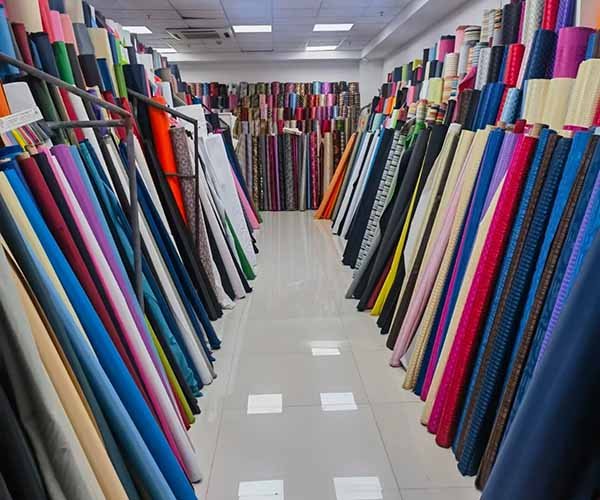
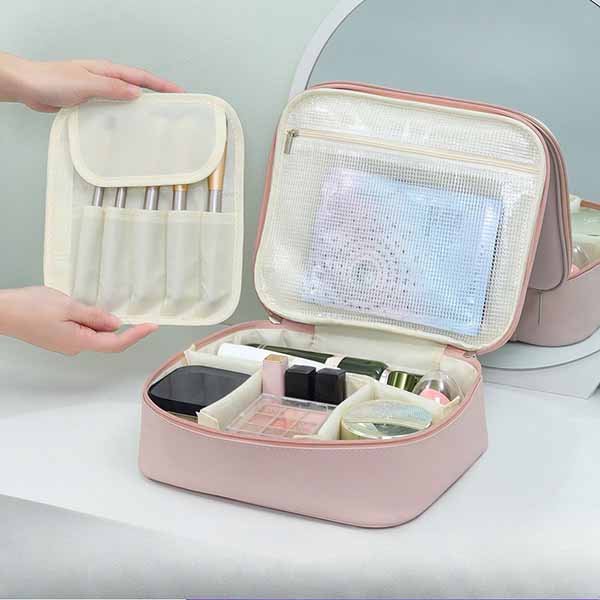
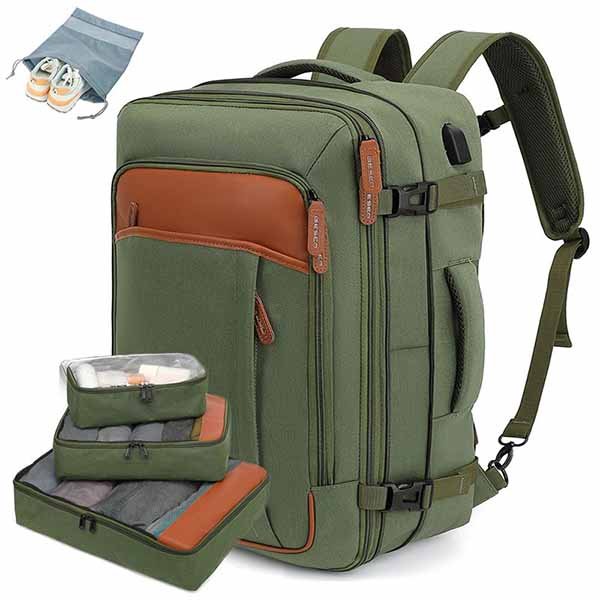
A Trusted China Manufacturer Since 2007!

Low Risk Bag Manufacturing Solutions

Risk-controlled custom bag development, sampling, production, quality inspection, packaging, and global delivery for established brands and growing product programs.
Szoneier helps reduce avoidable manufacturing problems before they become expensive bulk-order issues.
  • Factory-based product review, pattern development, sampling, and sewing production
  • MOQ from 200 pieces for selected materials, structures, and branding methods
  • Approved samples, BOM records, pre-production checks, and multi-stage quality control
  • Retail, Amazon FBA, overseas warehouse, DDP, and multi-address delivery support
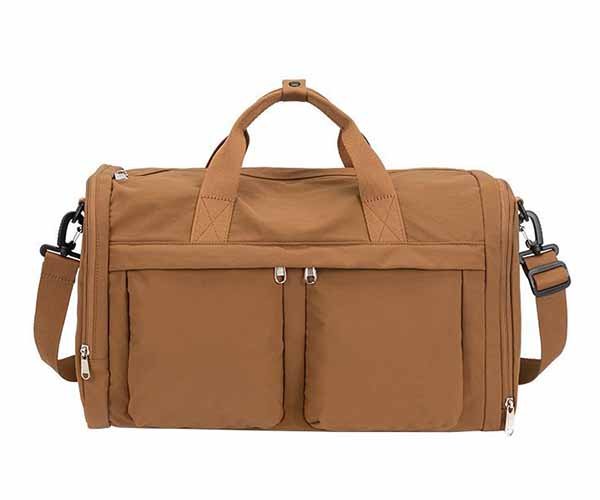
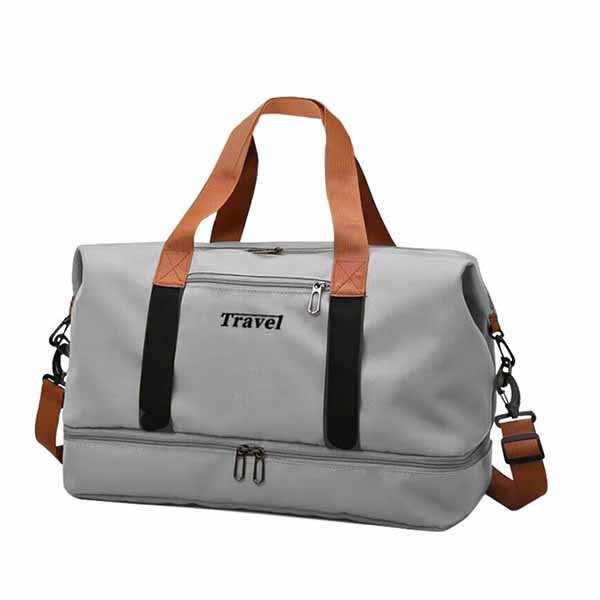
travel bag

Manufacturing Control Backed by Real Capacity

A stable manufacturing program requires physical capacity, documented processes, experienced technicians, and sufficient resources to manage samples, production, inspection, and delivery.

18+ Years Experience

Szoneier has more than 18 years of experience in custom bags, sewn soft goods, material sourcing, pattern development, sample making, bulk production, quality inspection, packaging, and export delivery. The experience covers simple promotional bags, branded retail products, structured backpacks, protective cases, leather goods, neoprene products, and functional sewn equipment.

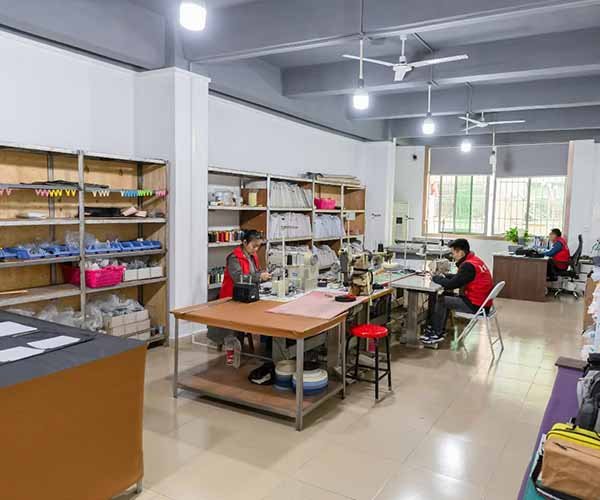
20,000+ m2 Factory System

The manufacturing system covers offices, sample rooms, pattern development, raw material storage, cutting, sewing, inspection, packing, finished-goods storage, and shipment preparation. Keeping major project stages within one managed system reduces communication gaps between development, purchasing, production, quality, packaging, and logistics teams.

180+ Team Members

More than 180 team members support sales communication, product review, design coordination, pattern making, sample sewing, sourcing, production planning, quality inspection, warehouse management, packing, logistics, and management. Complex projects can involve specialists from several departments instead of relying on one salesperson to interpret every technical requirement.

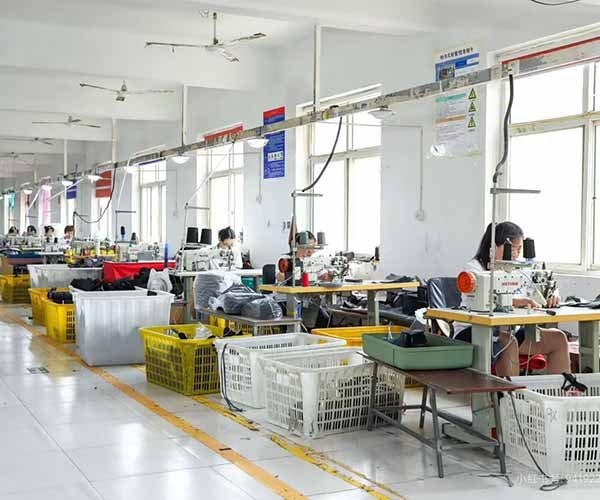
8 Sewing Lines

Eight sewing production lines support flexible scheduling for different bag categories, order quantities, material types, repeat orders, multi-SKU programs, and seasonal production. Line allocation depends on structure, machine requirements, worker skill, accessory installation, quality priorities, and the approved production schedule.

160+ Production Machines

The equipment system includes cutting, sewing, reinforcement, binding, thick-material handling, positioning, accessory installation, inspection, and packing equipment. Machine selection is matched to material thickness, seam construction, webbing load, edge finishing, product shape, and appearance requirements instead of using one sewing method for every bag.

10+ Controlled Partners

Szoneier works with more than 10 approved satellite manufacturing partners for capacity support and specialized product categories. When a partner factory is used, product files, approved samples, materials, production instructions, quality requirements, packaging standards, communication, and delivery responsibility remain under Szoneier’s project management. 

What Low Risk Bag Manufacturing Really Means

Low-risk manufacturing does not mean promising that no problem can ever occur. It means building enough review, approval, inspection, and communication points to identify preventable problems before they affect the full order.

Risk Is Controlled Before Major Spending Begins

A custom bag project contains many variables: dimensions, capacity, outer material, lining, foam, webbing, zippers, hardware, logo process, packaging, order quantity, testing, and delivery requirements. A quotation or sample produced without reviewing those variables can look acceptable initially while creating problems during bulk production. Szoneier starts by examining how the product will be used, sold, packed, shipped, and inspected. The team reviews available inputs such as a tech pack, reference sample, drawing, product photograph, competitor link, target cost, order quantity, and delivery market. The early review focuses on questions such as:
  • Can the proposed structure be sewn consistently?
  • Does the material suit the intended load, shape, and selling price?
  • Are custom components likely to create higher MOQ or longer lead time?
  • Does the logo method suit the material surface?
  • Will the packing method protect the shape during international transport?
  • Are function claims supported by materials, construction, and testing?
  • Is the target delivery date compatible with sampling, purchasing, production, inspection, and freight?
Finding a structure problem during digital review or pattern development costs far less than discovering it after thousands of pieces have been sewn.

Every Production Stage Requires a Clear Release Point

Risk grows when a project moves forward without a defined approval standard. Szoneier therefore divides development and production into controlled stages rather than treating the order as one continuous activity. A typical release sequence includes:

  1. Product information review
  2. Material and accessory direction
  3. Pattern and prototype development
  4. Sample inspection
  5. Brand approval
  6. BOM and specification confirmation
  7. Pre-production sample or first-piece verification
  8. In-process production inspection
  9. Final product and packing inspection
  10. Shipment release

Each stage answers a different question. A sample confirms appearance and structure. A BOM confirms what materials and components should be used. A pre-production sample confirms that bulk materials and production methods match the approved direction. In-process checks identify sewing or assembly problems before the entire quantity is completed. Packing inspection confirms SKU, labels, quantities, carton marks, and shipment preparation. A controlled release system makes the project easier to measure, explain, correct, and repeat. 

Manufacturing Support for Serious Product Programs

Different sales channels create different manufacturing risks. Szoneier adjusts development, quality, packaging, and delivery planning around the operating needs of each brand.

Established Brands

Established brands often manage seasonal collections, multiple colors, approved material standards, retail packaging, internal testing, and repeated replenishment. Szoneier supports structured project communication, specification records, pre-production confirmation, multi-stage inspection, and repeat-order documentation.
  • Multi-SKU development and production
  • Material, color, and branding consistency
  • Retail, e-commerce, and wholesale packaging
  • Quarterly and seasonal replenishment planning

Retailers and Importers

Retail programs require more than a finished bag. Barcodes, hangtags, carton quantities, master carton dimensions, country-of-origin marking, inspection timing, and distribution-center delivery must be planned before packing begins.
  • SKU and barcode control
  • Carton marks and packing lists
  • Third-party inspection coordination
  • Multi-store or distribution-center delivery planning

Amazon Brands

Amazon programs face review risk, FNSKU errors, polybag warning requirements, carton-label mistakes, size-tier costs, and replenishment pressure. Szoneier considers the product, packing, carton dimensions, and first-leg delivery as connected decisions.
  • FNSKU matching
  • SKU-separated packing
  • FBA carton labels
  • Air, sea, DDP, and split replenishment options

Shopify and DTC Brands

Direct-to-consumer brands often place greater importance on color collections, photography samples, unboxing experience, mailer packaging, branded inserts, and limited initial inventory. Development must support both product performance and visual consistency.
  • Photo-ready approval samples
  • Branded tissue, cards, dust bags, and mailers
  • Small-batch launch planning
  • Color and product-line expansion

Functional Product Brands

Outdoor, medical, tool, pet, tactical, and equipment brands require structure-focused development. Load points, reinforcement, internal organization, foam, mesh, bottom panels, hardware, and use-specific testing become more important than decorative appearance alone.
  • Structural review before sampling
  • Product-specific materials and reinforcements
  • Functional inspection points
  • Field-use and packaging considerations

Product Development Teams

Design and sourcing teams may begin with a concept drawing, reference sample, incomplete tech pack, or target-price direction. Szoneier helps convert the available information into a sample and production plan while identifying missing specifications.

  • Manufacturability review
  • Material and construction alternatives
  • Pattern development and sample revision
  • Cost, MOQ, timing, and production planning

Eight Risks Behind Custom Bag Manufacturing

Most failed bag projects are not caused by one dramatic mistake. Problems usually develop through several small decisions that were never fully confirmed.

Product Definition Risk

Incomplete dimensions, unclear capacity, missing pocket details, or an undefined use case can lead to a product that looks similar to the drawing but performs poorly in real use.
  • Unclear internal dimensions
  • Missing tolerance requirements
  • Capacity not verified
  • Use conditions not translated into structure

Material Risk

Two fabrics with the same general name may differ in weight, weave, coating, hand feel, color, abrasion performance, and price. Unconfirmed materials can change the final appearance and durability.
  • Wrong fabric grade
  • Batch color variation
  • Coating or odor issues
  • Material MOQ not evaluated

Sample Risk

A visually attractive sample does not automatically become a stable production standard. Materials, patterns, components, logo files, dimensions, and finishing methods must be recorded before bulk production.
  • Sample made from substitute material
  • Pattern version not frozen
  • Logo trial not recorded
  • Packing not evaluated

Cost Risk

Unexpected charges often come from molds, customized hardware, logo tooling, packaging, special material minimums, testing, urgent production, or freight. Cost planning must cover more than unit price.
  • Development fees not separated
  • Packaging excluded from early estimates
  • Low-volume accessory surcharges
  • Landed cost calculated too late

Production Risk

Bulk sewing introduces more operators, machines, material batches, and process steps than sample making. Missing production instructions can produce inconsistent seams, shapes, dimensions, and assembly.
  • Cutting variation
  • Incorrect seam construction
  • Uncontrolled substitutions
  • Weak first-piece confirmation

Quality Risk

A final inspection alone may discover problems too late. Material, cutting, sewing, assembly, function, appearance, and packing need inspection at the stages where corrections remain possible.
  • Defects hidden inside assembly
  • Load points not reinforced
  • Zippers or hardware not checked
  • Packing errors mixed into finished goods

Delivery Risk

A finished order can still miss its commercial objective because of late labels, incorrect cartons, delayed booking, customs issues, FBA appointments, or poor peak-season planning.
  • Freight selected after production
  • No time allowed for inspection
  • Carton data unavailable
  • Warehouse requirements confirmed late

Repeat-Order Risk

A second order may drift from the first when patterns, materials, logo files, packaging, and quality standards are not archived. Replenishment should use controlled records instead of memory.

  • Approved materials unavailable
  • Old files replaced without review
  • Packaging revisions missed
  • SKU history not maintained

Risk Control from Idea to Final Delivery

Each stage has a specific purpose. Projects move forward after the relevant product, commercial, and production details are reviewed.

Project Intake

Szoneier receives available files, product images, reference samples, dimensions, intended use, quantity, target market, packaging direction, budget range, and required delivery date. Missing details are listed before development begins.

Feasibility Review

The product team reviews structure, material compatibility, sewing difficulty, component availability, mold requirements, functional expectations, MOQ, and timing. High-risk details are discussed before quotation or sampling.

Material Planning

Outer fabric, lining, foam, webbing, zipper, hardware, reinforcement, thread, labels, and packaging are selected according to use, appearance, cost, availability, and production stability.

Sample Development

Patterns are created or adjusted, materials are prepared, logo methods are tested, components are assembled, and the sample is inspected internally before photographs, video, or physical shipment.

Approval and Revision

The brand reviews dimensions, appearance, function, material, logo, packaging, and usability. Requested revisions are recorded, evaluated, and incorporated into a new version when required.

Specification Lock

Approved patterns, BOM information, materials, color references, logo files, measurements, tolerances, packaging, and quality checkpoints are organized as the production reference.

Bulk Production

Materials are purchased and inspected, production instructions are reviewed, first pieces are checked, and cutting, logo processing, sewing, assembly, and finishing follow the approved standard.

Quality and Packing

Incoming, in-process, final, and outgoing checks cover materials, workmanship, dimensions, function, appearance, branding, labels, SKU separation, packing quantity, and carton preparation.

Shipment Planning

Freight method, trade terms, documents, carton data, warehouse requirements, split delivery, FBA labels, customs preparation, and arrival targets are coordinated before shipment release.

Review the Project Before Making the Sample
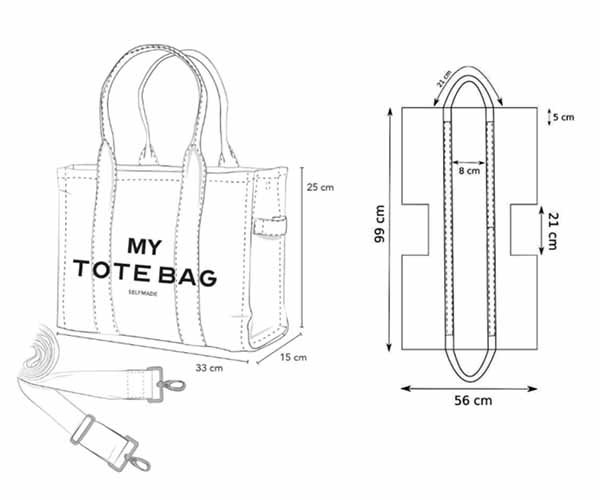
A sample should test a defined product direction. Starting sample work without reviewing the intended use, structure, material, quantity, cost, and channel often creates unnecessary revisions.
1. inputs accepted by the development team

Inputs Accepted by the Development Team

Szoneier can begin from a complete tech pack, physical sample, reference photograph, drawing, competitor link, basic dimensions, or early product concept. A complete file is helpful but not mandatory at the first discussion. Useful inputs include:
  • Front, back, side, interior, and detail views
  • Overall and internal dimensions
  • Target capacity or device dimensions
  • Material preference or hand-feel reference
  • Pocket and compartment requirements
  • Closure type and access direction
  • Handle, strap, or backpack requirements
  • Logo artwork and preferred branding method
  • Intended order quantity
  • Selling channel and destination country
  • Target price level
  • Packaging and delivery requirements
A project with incomplete files receives a missing-information list. Szoneier may recommend provisional assumptions for sample development, but assumptions are identified before work begins. For example, a reference photograph may show the exterior but not reveal internal reinforcement, lining, seam construction, foam thickness, or bottom support. Those details must be discussed because they affect performance, cost, appearance, and production.
2. manufacturability review

Manufacturability Review

The review examines whether the proposed design can be reproduced consistently with available materials, machines, sewing methods, components, and tolerances. Key questions include:
  • Are the sewing curves and panel shapes suitable for stable assembly?
  • Can the chosen material hold the required structure?
  • Are load-bearing points supported by webbing, reinforcement, or suitable seam construction?
  • Does the zipper opening allow the product to function as intended?
  • Are pockets large enough for the target items?
  • Will the logo remain visible and durable on the chosen surface?
  • Are customized components compatible with the order quantity?
  • Will packing pressure damage the product shape?
  • Does the product require testing before a performance claim is used?
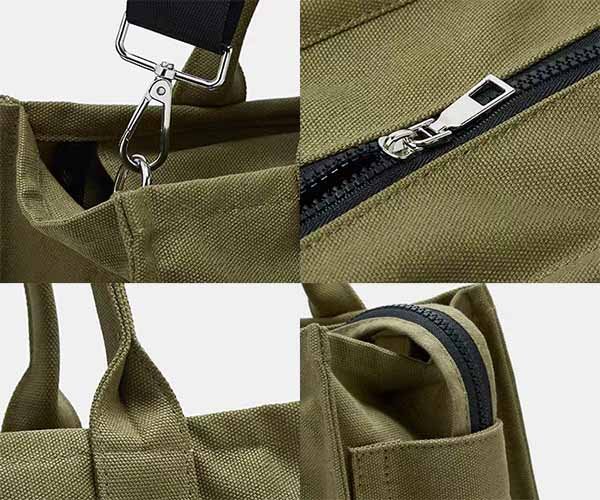
A project may receive one of three review results: Ready for Sampling: The main specifications are clear enough to create the first sample. Revision Recommended: A structural, material, cost, or production issue should be adjusted before sample work. More Information Required: Critical dimensions, functions, files, or market requirements remain unclear.
3. commercial and timing review

Commercial and Timing Review

A technically possible product may still create commercial risk when the material MOQ, accessory tooling, sample cost, unit cost, packing volume, or delivery timing does not fit the launch plan. Szoneier reviews the relationship among:

  • Product configuration
  • Order quantity
  • Material availability
  • Customized color requirements
  • Logo tooling
  • Packaging design
  • Testing requirements
  • Production schedule
  • Inspection timing
  • Freight method
  • Target arrival date

A 200-piece trial order may be realistic for a bag using available materials, a mature structure, and a standard logo method. The same quantity may not be realistic when the design requires custom-dyed fabric, molded hardware, jacquard webbing, a complex gift box, and several colors. Early commercial review helps the brand decide whether to simplify the first order, increase quantity, select available materials, or revise the launch schedule.

Risk-Controlled Solutions Across Bag Categories
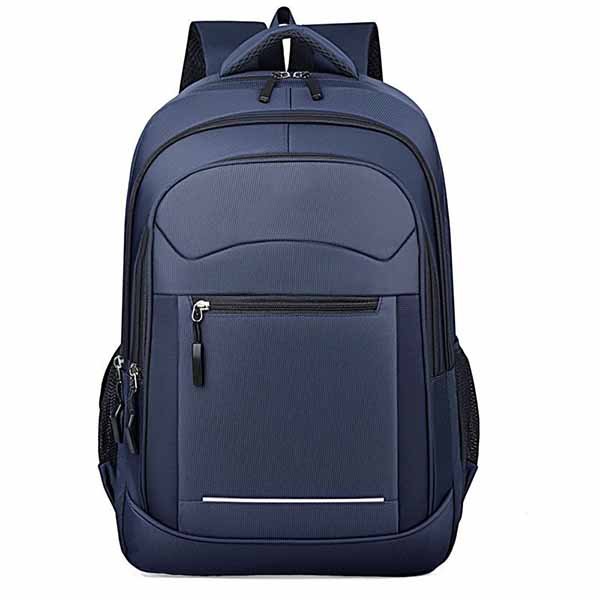
Each product category has different failure points. Development and inspection standards should reflect how the finished product will be carried, packed, sold, and used.
1. custom backpacks

Custom Backpacks

Backpacks require control over shoulder-strap construction, back-panel comfort, laptop compartments, zipper access, load distribution, handle reinforcement, lining, foam, and overall balance. Common capacities range from approximately 18 to 35 liters, with laptop compartments commonly designed around 13-inch to 17-inch devices.
  • Reinforced shoulder-strap attachment
  • Back-panel and foam evaluation
  • Device fit and pocket measurements
  • Load-point inspection before packing
2. tote and shopping bags

Tote and Shopping Bags

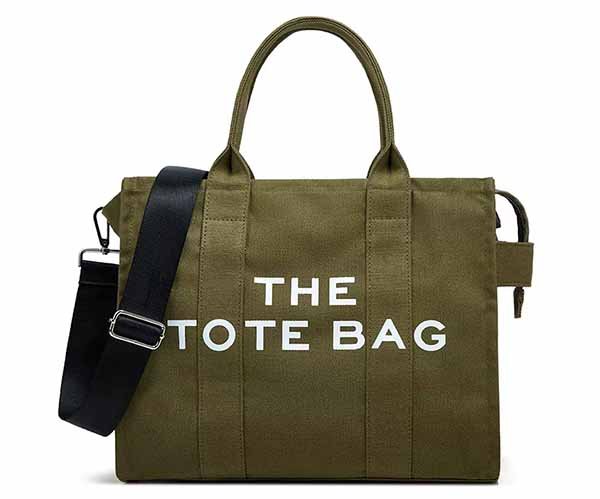
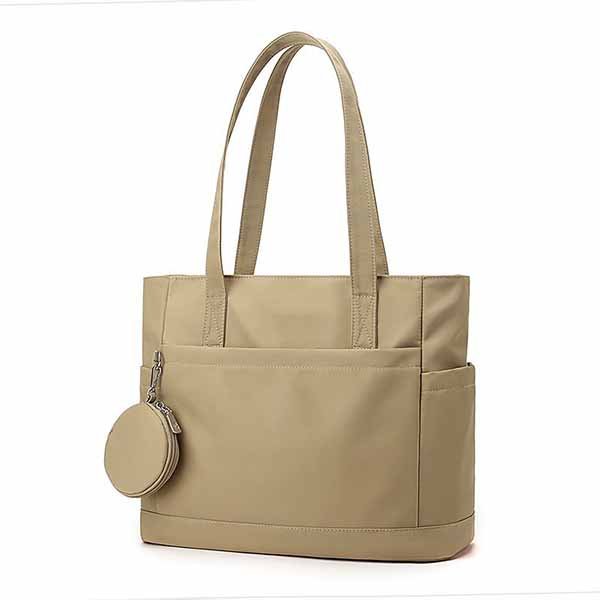
Tote bags appear simple, but fabric weight, handle length, seam type, bottom construction, print position, shrinkage, and packing affect appearance and durability. Common branded tote sizes range from approximately 30 × 35 cm to 45 × 40 cm, with custom gussets added for capacity.
  • Fabric weight and shrinkage review
  • Handle drop and load direction
  • Print placement tolerance
  • Bottom and side-seam control
3. cosmetic and makeup bags

Cosmetic and Makeup Bags

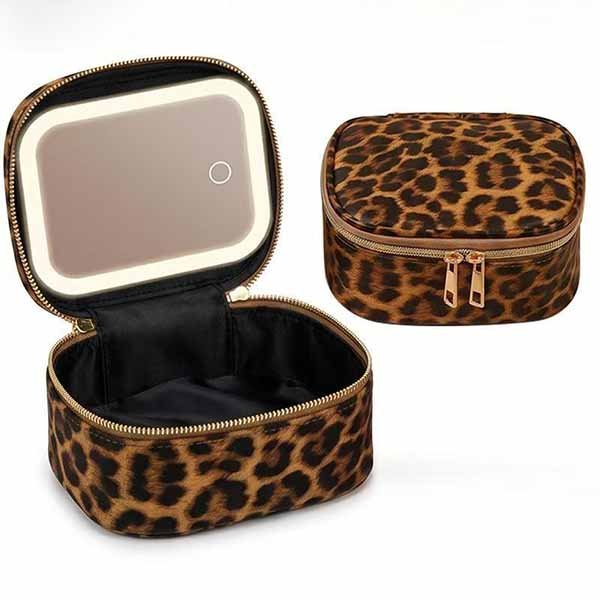
Cosmetic bags depend on clean shape, smooth zipper operation, lining fit, surface finish, logo precision, color consistency, and interior cleanability. Common sizes range from compact pouches around 18 × 10 × 8 cm to travel organizers around 28 × 18 × 12 cm.
  • PU, nylon, canvas, PVC, or velvet options
  • Lining and binding control
  • Zipper curve and opening checks
  • Retail and gift packaging support
4. cooler and lunch bags

Cooler and Lunch Bags

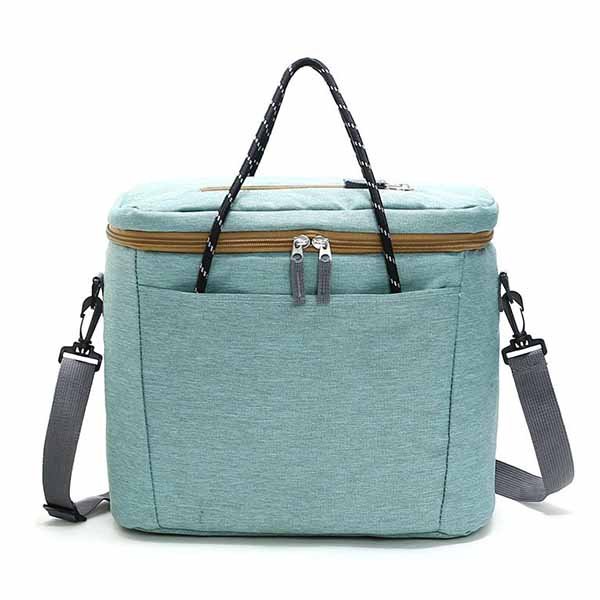
Cooler bags combine outer fabric, insulation foam, lining, zipper, webbing, binding, and optional leak-resistant construction. Common capacities range from approximately 6 to 30 liters. Performance depends on the complete construction rather than foam thickness alone.
  • Insulation-layer selection
  • Lining odor and cleanability review
  • Seam, binding, and zipper inspection
  • Packing methods that protect shape
5. travel and duffle bags

Travel and Duffle Bags

Travel bags require balanced carrying, sufficient opening size, reinforced handles, shoulder straps, bottom support, pocket organization, and packing efficiency. Common capacities range from approximately 25 to 60 liters depending on airline, gym, weekend, or equipment use.
  • Webbing path and handle reinforcement
  • Shoulder-strap hardware review
  • Base-panel support
  • Carton-volume planning
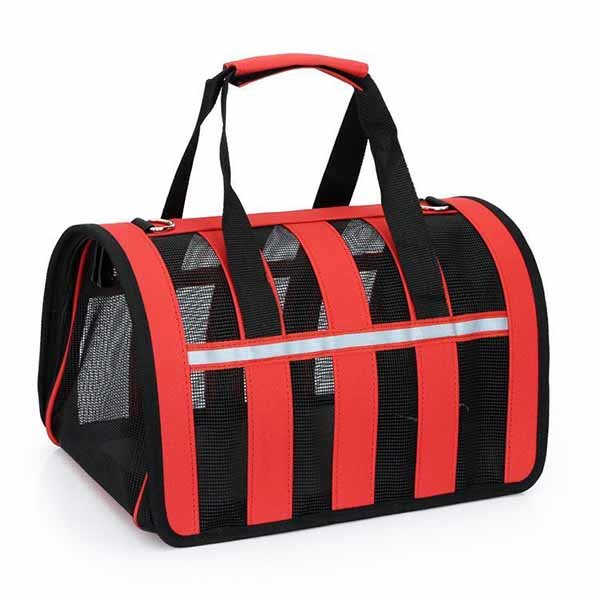
6. pet carrier bags

Pet Carrier Bags

Pet carriers require breathable mesh, stable bottom boards, safety-leash clips, secure zippers, comfortable openings, washable surfaces, and packing protection. Common medium-size carriers may range around 40–50 cm long, 25–32 cm wide, and 28–35 cm high.
  • Mesh strength and ventilation
  • Bottom-board stiffness
  • Safety hardware confirmation
  • Deformation control during shipping
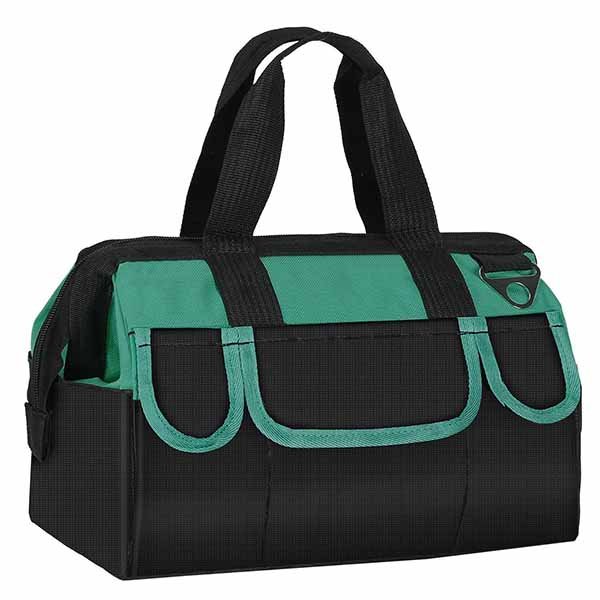
7. tool and medical bags

Tool and Medical Bags

Tool and medical bags require functional layouts, strong seams, durable materials, reinforced bases, dividers, transparent pockets, hook-and-loop systems, and clear access to equipment. Inspection must focus on repeated load, organization, and use-specific components.
  • Pocket-size and access verification
  • Reinforced load areas
  • Divider and insert stability
  • Product-specific inspection plans
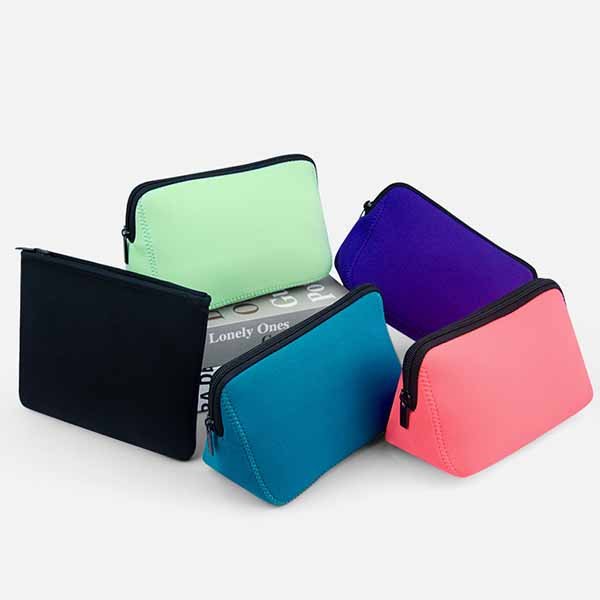
8. neoprene products

Neoprene Products

Neoprene supports soft protection, elasticity, grip, insulation, and all-over printed designs. Common thickness options include 2 mm, 3 mm, 4 mm, and 5 mm depending on structure, comfort, cost, and function.
  • Bottle holders and koozies
  • Laptop and device sleeves
  • Lunch bags and soft covers
  • Sublimation, binding, and seam control
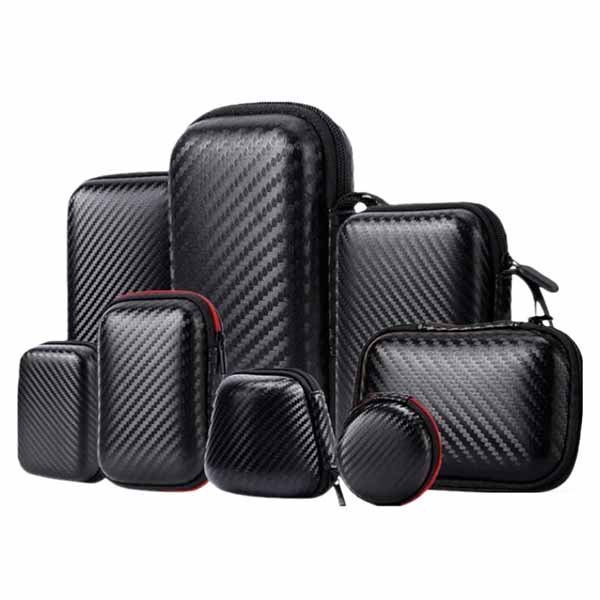
9. eva protective cases

EVA Protective Cases

EVA cases require shell shape, hardness, mold accuracy, zipper alignment, lining, mesh pockets, internal trays, and device fit. Development may require molding, compression, and several fit checks before the production standard is approved.
  • Mold and tooling evaluation
  • Product-to-case fit verification
  • Shell and edge consistency
  • Internal insert and zipper control

Common Planning Ranges by Product Type

The following ranges support early planning. Final dimensions, sample time, MOQ, and production schedule depend on materials, structure, branding, packing, and order quantity.

Product CategoryCommon Size or Capacity RangeTypical Sample TimeTypical Bulk Lead TimeMain Risk Checks
Tote / Drawstring Bag30 × 35 cm to 45 × 40 cm3–7 days20–35 daysFabric weight, handle position, printing, seams
Pouch / Cosmetic Bag18 × 10 × 8 cm to 28 × 18 × 12 cm7–12 days25–40 daysShape, zipper, lining, surface finish, logo
Cooler / Lunch Bag6–30 L7–15 days30–45 daysFoam, lining, odor, seams, insulation structure
Backpack / Duffle Bag18–60 L12–20 days35–50 daysStraps, load points, compartments, hardware
Pet / Tool / Medical BagCustom by use12–20+ days40–60 daysSafety, reinforcement, access, functional layout
EVA / Molded CaseCustom to device15–25+ days45–60+ daysMold accuracy, hardness, fit, zipper, inserts

Planning Note:

Simple samples may take approximately 3–7 days, standard samples approximately 7–12 days, and complex structures approximately 12–20 days or more. New molds, special materials, custom-dyed fabrics, complex branding, or packaging development may extend the schedule.

Materials Selected for Function, Cost, and Stability

Material selection affects appearance, hand feel, structure, abrasion resistance, water behavior, sewing difficulty, shipping weight, MOQ, and long-term product performance.
1. polyester

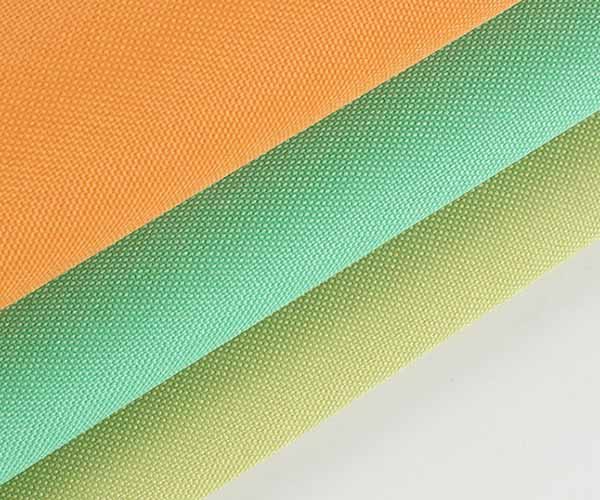
Polyester

Polyester offers broad color availability, stable pricing, print compatibility, and several coating options. It suits promotional bags, backpacks, travel bags, cosmetic bags, cooler bags, and organizers. Specifications should confirm denier, weave, weight, coating, color, and intended abrasion level.
  • Broad sourcing availability
  • Good printing flexibility
  • Suitable for many price levels
  • Coating and hand feel require approval
2. nylon

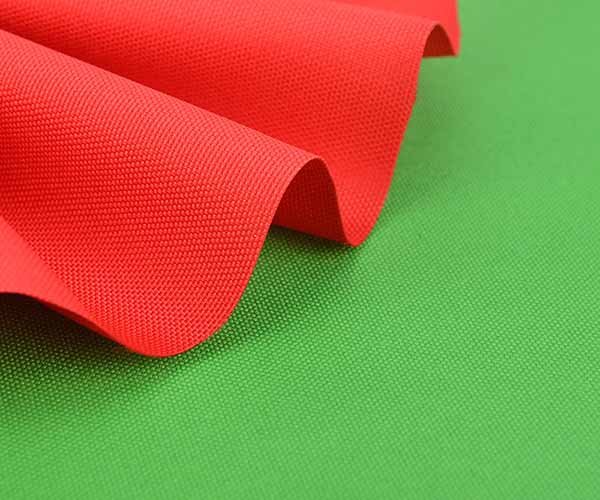
Nylon

Nylon provides a smooth hand feel, good strength-to-weight performance, and a more technical appearance than many basic polyester fabrics. It suits outdoor, travel, fashion, and lightweight performance products. Surface finish, density, coating, and potential color variation should be reviewed.
  • Lightweight and strong
  • Suitable for premium technical designs
  • Available in several deniers
  • Heat and coating behavior must be controlled
3. oxford fabric

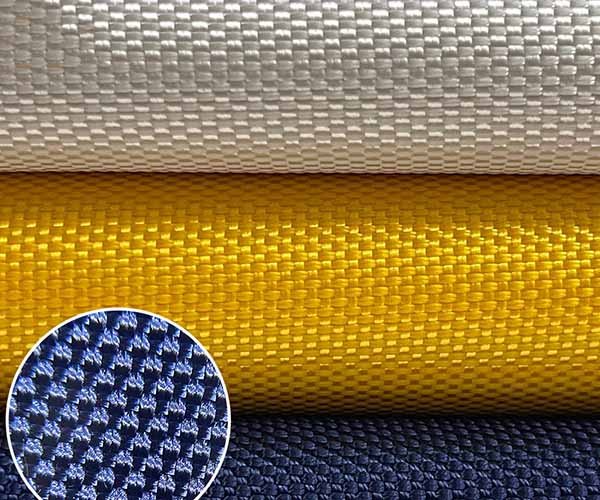
Oxford Fabric

Oxford fabrics are widely used for backpacks, tool bags, travel bags, cooler bags, and promotional products. Common specifications vary by denier, weave, coating, and weight. Two fabrics described as “600D Oxford” may still differ substantially in hand feel and performance.
  • Stable structural appearance
  • Good balance of cost and durability
  • Suitable for coating and lamination
  • Exact specification must be confirmed
4. canvas

Canvas

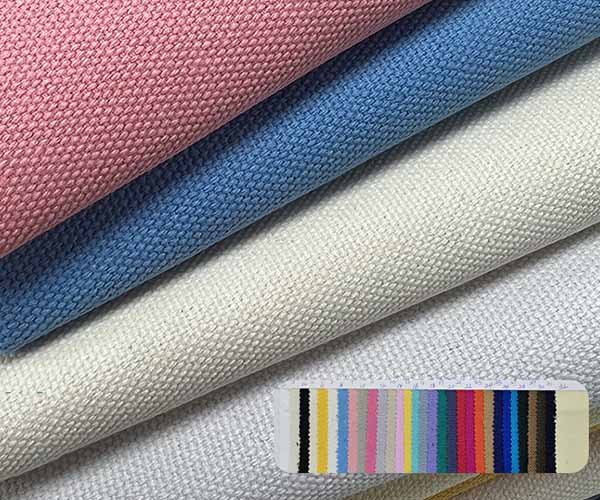
Canvas provides a natural, substantial, and lifestyle-oriented appearance. It suits totes, pouches, backpacks, aprons, and leather-trim combinations. Weight, weave, washing, shrinkage, dyeing, and color transfer can affect sampling and bulk consistency.
  • Natural visual character
  • Suitable for embroidery and patches
  • Several weight levels available
  • Shrinkage and dye variation require review
5. cotton

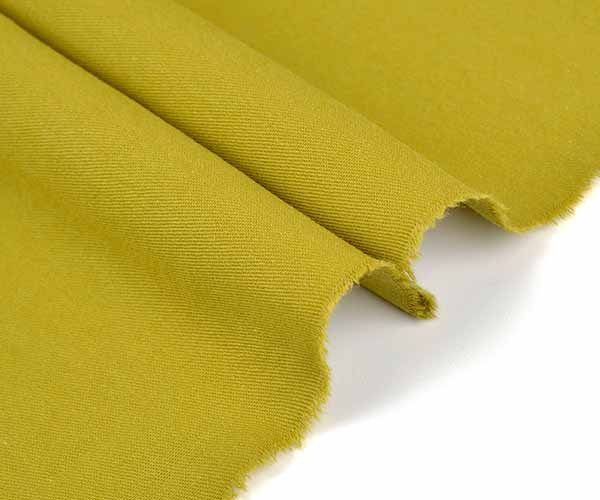
Cotton

Cotton supports soft hand feel, natural branding, promotional products, retail totes, pouches, and lifestyle collections. Fabric weight, construction, finishing, shrinkage, and colorfastness should match the expected use and washing conditions.
  • Soft natural surface
  • Good for printing and woven labels
  • Suitable for retail and promotional programs
  • Washing and shrinkage must be considered
6. neoprene

Neoprene

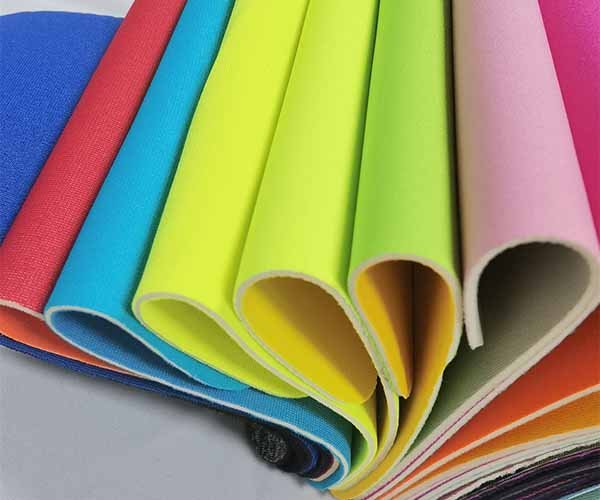
Neoprene combines elasticity, cushioning, soft protection, and limited insulation. Common thicknesses include 2 mm, 3 mm, 4 mm, and 5 mm. It suits koozies, sleeves, lunch bags, bottle holders, covers, and protective accessories.
  • Soft impact protection
  • Supports sublimation printing
  • Thickness affects structure and cost
  • Lamination, smell, cutting, and binding need control
7. pu leather

PU Leather

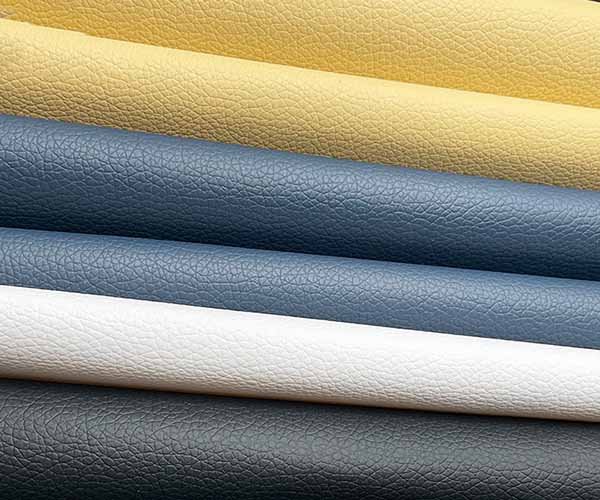
PU leather offers controlled color, surface texture, easier cutting, and a lower price than genuine leather. It suits cosmetic bags, fashion totes, organizers, accessories, and decorative trims. Backing, surface durability, edge behavior, and hydrolysis resistance differ by grade.
  • Consistent visual appearance
  • Broad color and texture options
  • Suitable for embossing and metal logos
  • Grade selection affects durability
8. genuine leather

Genuine Leather

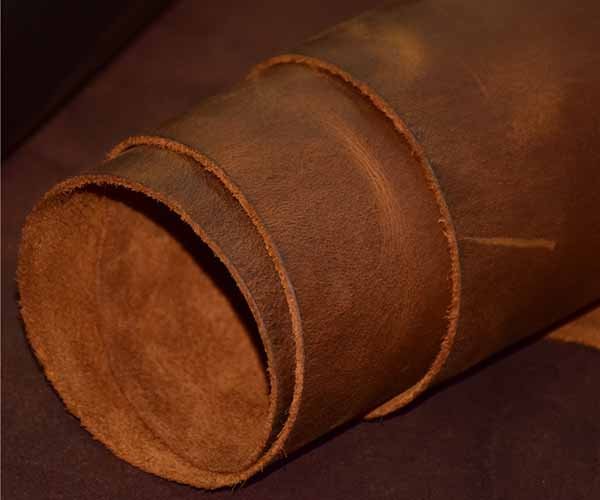
Genuine leather provides natural grain, premium hand feel, and long-term character. It suits handbags, briefcases, trims, handles, patches, wallets, and high-end accessories. Natural variation in grain, color, thickness, and scars must be accepted within approved limits.
  • Premium brand positioning
  • Suitable for embossing and foil stamping
  • Natural variation adds character
  • Hide selection and cutting yield affect cost

9. pvc

PVC

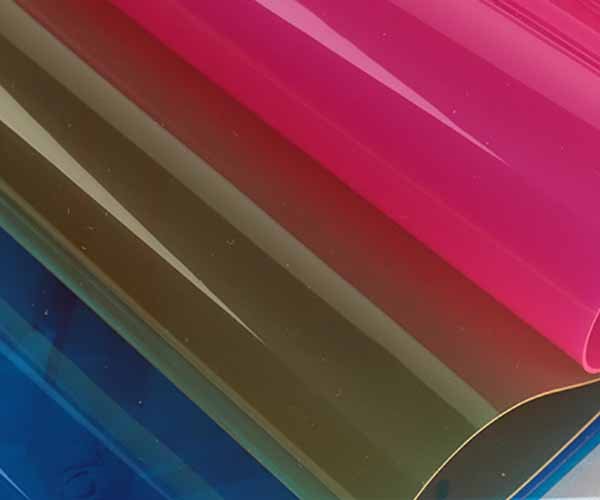
PVC supports clear bags, waterproof-style surfaces, structured cosmetic bags, trims, and promotional products. Thickness, transparency, cold resistance, odor, surface scratching, and seam construction should be tested according to the target use and market.
  • Transparent and wipe-clean options
  • Suitable for color and print effects
  • Thickness affects structure
  • Temperature and surface marks require review
10. tpu

TPU

TPU provides a softer and more flexible alternative for transparent or coated applications. It can support waterproof-style products, technical pouches, windows, and protective components. Welding, sewing, surface adhesion, and material cost depend on the selected specification.
  • Soft and flexible appearance
  • Suitable for premium transparent products
  • Better low-temperature flexibility than basic PVC
  • Processing method requires early confirmation
11. mesh

Mesh

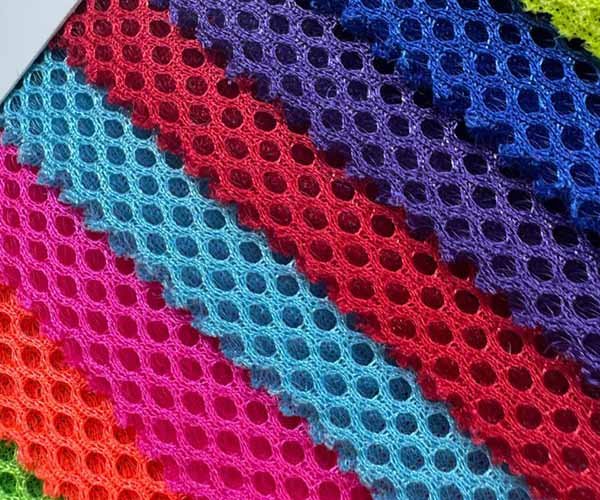
Mesh is used for ventilation, visibility, drainage, organization, and weight reduction. It suits pet carriers, sports bags, laundry bags, backpack pockets, and internal compartments. Hole size, stretch, recovery, tear strength, and edge reinforcement should match the load.
  • Ventilation and visibility
  • Lightweight structure
  • Several strength levels available
  • Edges and load points need reinforcement
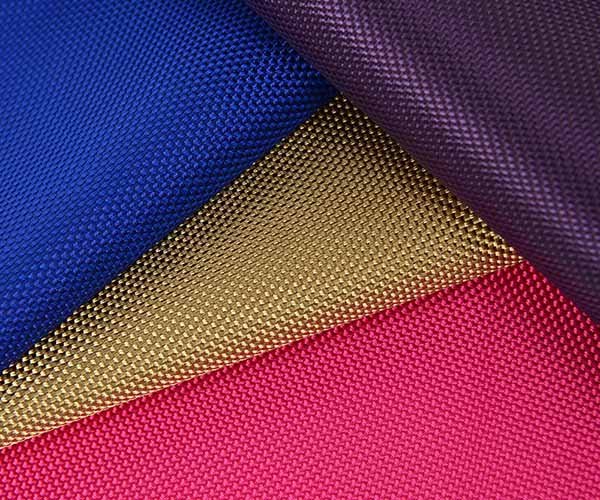
1. recycled polyester (rpet) fabrics

RPET and Specialty Fabrics

RPET, RFID-blocking, fire-resistant, reflective, food-contact-suitable, and other specialty materials require project-specific sourcing and documentation. Availability, certification scope, minimum quantities, color options, testing, and performance claims must be reviewed before quotation.
  • Supports defined market requirements
  • Documentation depends on supplier and batch
  • MOQ may be higher than standard fabrics
  • Claims must match material and finished-product testing

Control Materials Before They Enter Production

A material name alone does not define the finished product. Construction, weight, coating, lamination, thickness, backing, supplier, color, and batch all influence production results.

Turn General Material Names into Measurable Specifications

Terms such as polyester, nylon, canvas, Oxford, PU, or neoprene are only starting points. A production specification should identify the characteristics that affect the final bag.

Depending on the product, the material record may include:
  • Fiber or material type
  • Denier or yarn specification
  • Fabric weight
  • Weave or knitted construction
  • Surface texture
  • Coating or lamination
  • Thickness
  • Color reference
  • Water-repellent treatment
  • Backing material
  • Supplier reference
  • Approved hand feel
  • Testing or documentation requirements
For example, two 600D Oxford fabrics may differ in yarn density, weight, PVC or PU backing, stiffness, odor, color appearance, and abrasion performance. Selecting only by the words “600D Oxford” can produce a sample or bulk order that does not match the expected quality level.

Szoneier uses swatches, supplier specifications, sample testing, and approved physical references to convert general descriptions into a usable production direction.

Build the Complete Material System

The outer fabric is only one part of the product. Lining, foam, reinforcement, webbing, binding, thread, zipper tape, hardware, labels, adhesives, inserts, and packaging must work together.

A structured backpack may use:
  • Nylon or polyester outer fabric
  • Polyester lining
  • PE foam or EVA foam
  • Webbing reinforcement
  • Mesh back-panel material
  • Zippers and pullers
  • Buckles and adjusters
  • Plastic or PE board support
  • Binding tape
  • Woven labels
  • Protective packing inserts
Changing one component may affect several other elements. Thicker foam can improve protection but may alter binding width, sewing difficulty, carton size, and unit cost. Heavier hardware may improve appearance but increase product weight and require stronger reinforcement.

Material planning therefore considers the complete construction rather than selecting each component independently.

Incoming Material and Batch Control

Materials are checked before cutting according to the requirements of the order. Inspection scope may include:

  • Material name and supplier reference
  • Color comparison
  • Width, weight, or thickness
  • Surface defects
  • Coating or backing
  • Hand feel and stiffness
  • Odor
  • Print or pattern direction
  • Batch consistency
  • Zipper, hardware, and webbing specifications
  • Relevant supplier documents

Material problems discovered after cutting can affect the entire production schedule. Incoming inspection creates an earlier correction point.

For repeat orders, archived material information helps identify whether the original specification remains available or whether a proposed replacement requires new approval. Any replacement affecting appearance, cost, performance, or production should be confirmed before use.

Validate the Product Before Committing to Bulk

Sampling turns drawings, photographs, reference products, and specifications into a measurable physical standard. Every stage should resolve a defined group of questions.

Requirement Review

The development team organizes product dimensions, use, materials, structure, branding, packing, quantity, price direction, and timing. Missing information and high-risk assumptions are identified before patterns or materials are prepared.
  • Confirm intended use
  • Confirm required views and measurements
  • List missing specifications
  • Define first-sample objectives

Material Confirmation

Available fabrics, linings, foam, webbing, zippers, hardware, labels, and packaging materials are reviewed. Swatches or close alternatives may be used for an early structural sample when final materials require longer sourcing.
  • Compare color and hand feel
  • Review cost and MOQ
  • Confirm temporary sample materials
  • Record final material requirements

Pattern Making

Patterns translate the design into cutting pieces, seam allowances, curves, gussets, pockets, openings, handles, straps, and assembly relationships. Pattern development is essential for shape, fit, capacity, and production repeatability.
  • Establish panel dimensions
  • Plan seam construction
  • Confirm assembly order
  • Identify difficult sewing areas

Sample Cutting

Materials are cut according to the current pattern version. Direction, grain, print alignment, coating side, foam, reinforcement, and matching components are prepared before sewing.
  • Check pattern version
  • Mark orientation and matching points
  • Prepare reinforcement pieces
  • Separate sample components

Sample Sewing

Technicians assemble the sample using suitable machines, seam types, binding methods, reinforcements, adhesives, and accessory-installation methods. Difficult areas are recorded for possible pattern or process changes.
  • Verify assembly sequence
  • Evaluate seam accessibility
  • Check machine suitability
  • Record production concerns

Internal Inspection

Before photographs or shipment, the sample is reviewed for dimensions, shape, zipper operation, pocket access, handle placement, strap length, hardware, logo, workmanship, and general function.
  • Measurement check
  • Visual and workmanship review
  • Function check
  • Issue list and correction decision

Photo and Video Review

Photographs and video help the brand review overall appearance, internal structure, opening, carrying methods, logo position, and visible details before international shipping. Complex fit or hand-feel decisions still require a physical sample.
  • Exterior and interior views
  • Detail close-ups
  • Opening and function video
  • Measurement reference images

Sample Shipping

Approval samples are commonly sent by DHL, UPS, FedEx, or another agreed courier. Shipping information, declared value, destination requirements, and tracking are confirmed before dispatch.
  • Confirm recipient information
  • Prepare packing protection
  • Share tracking details
  • Record shipped sample version

Revision and Approval

Revision comments are organized by material, dimensions, structure, logo, hardware, workmanship, and packaging. Changes affecting price, MOQ, tooling, or schedule are reviewed before the next version is made.

  • Maintain revision history
  • Confirm changed measurements
  • Recheck material implications
  • Approve final reference sample

Lock the Standard Before Bulk Production

Sample approval is not the end of development. Approval creates the reference needed for production, inspection, packaging, and future replenishment.

Approved Sample and Pattern Version

The approved sample records the accepted appearance, structure, dimensions, function, logo, and workmanship direction. Photographs and identifying information help prevent confusion when several sample versions exist. The associated pattern version must also be controlled. An unrecorded pattern adjustment can alter:
  • Overall dimensions
  • Pocket position
  • Zipper length
  • Gusset width
  • Handle placement
  • Strap angle
  • Seam allowance
  • Product capacity
  • Final shape
The production team should know which pattern version is approved and whether any temporary materials were used in the sample. The approved sample is used as a visual and functional reference, but it should not be the only production document. Physical samples cannot communicate every material specification, tolerance, packing instruction, or SKU difference.

BOM and Production Records

A bill of materials organizes the components required for production. The level of detail depends on the complexity of the product and program. A bag BOM may include:
  • Outer fabric and color
  • Lining
  • Foam and reinforcement
  • Webbing and binding
  • Zipper tape, slider, and puller
  • Buckles, hooks, rings, and adjusters
  • Thread
  • Labels and branding components
  • Bottom board or inserts
  • Packaging materials
  • Carton requirements
Production records may also include:
  • Key dimensions and tolerances
  • Pattern version
  • Logo artwork and position
  • Packaging artwork
  • Barcode or FNSKU information
  • SKU table
  • Inspection checkpoints
  • Special sewing instructions
The objective is to reduce interpretation during production.

Change Control and Pre-Production Confirmation

Changes after sample approval are evaluated before implementation. A change in fabric, color, zipper, hardware, logo, size, pocket layout, packing, or quantity can affect cost, MOQ, tooling, timing, quality, and freight. Every proposed change should answer:

  • What is changing?
  • Why is the change required?
  • Does the price change?
  • Does MOQ change?
  • Does the schedule change?
  • Is a new sample required?
  • Does testing need to be repeated?
  • Which files must be updated?

For suitable projects, a pre-production sample or first-piece confirmation is made using bulk materials. It verifies material batch, color, accessories, logo, dimensions, construction, and packaging before full production proceeds. 

Branding Methods Matched to Materials and Channels
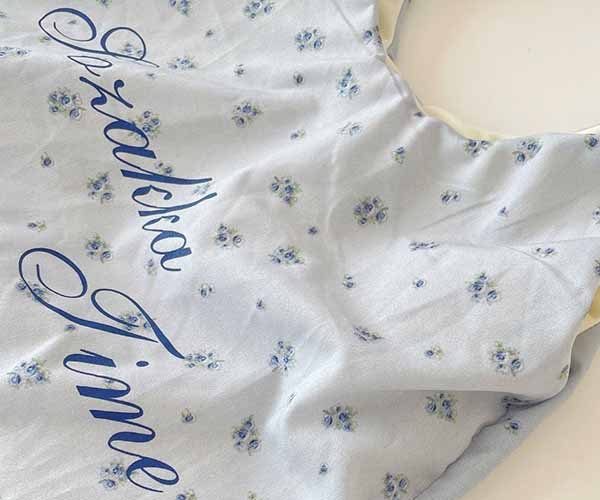
Logo selection affects appearance, durability, MOQ, tooling, sample time, production stability, and unit cost. Szoneier recommends branding methods after reviewing the material and intended market position.
1. screen printing

Screen Printing

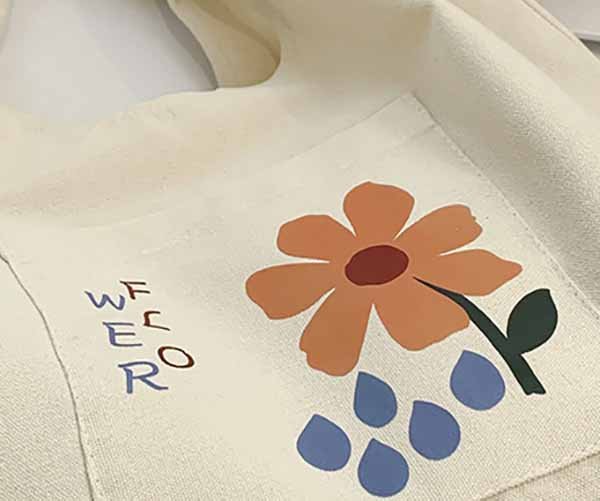
Screen printing suits cotton, canvas, polyester, nonwoven fabrics, promotional totes, drawstring bags, and simple graphic logos. Ink type, mesh, curing, color count, fabric texture, and print size influence the result.
  • Suitable for simple solid-color artwork
  • Cost-efficient at suitable quantities
  • Requires color and adhesion approval
  • Fine details depend on fabric surface
2. heat transfer

Heat Transfer

Heat transfer supports detailed graphics, several colors, and smaller production quantities on compatible polyester, nylon, canvas, and other heat-tolerant surfaces. Temperature, pressure, adhesive, and fabric coating must be tested.
  • Good detail and color range
  • Useful for smaller logo quantities
  • Surface and heat compatibility required
  • Edges and adhesion should be checked
3. embroidery

Embroidery

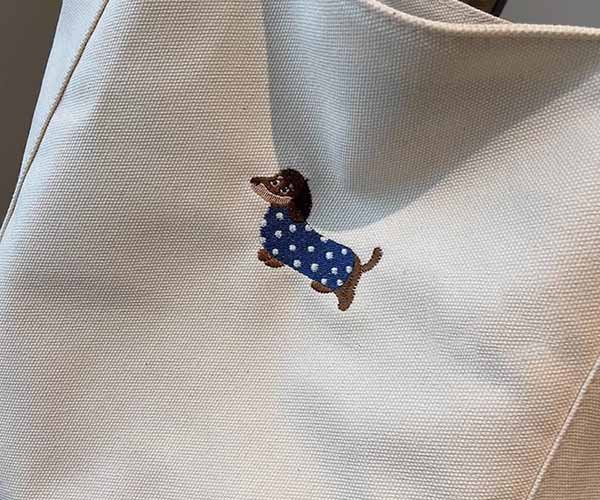
Embroidery creates a dimensional, durable, and premium appearance on canvas, cotton, polyester, nylon, and selected structured materials. Stitch count, backing, thread color, logo size, fabric distortion, and needle penetration affect cost and quality.
  • Strong visual texture
  • Suitable for lifestyle and premium programs
  • Small text may require artwork adjustment
  • Thin materials may need backing
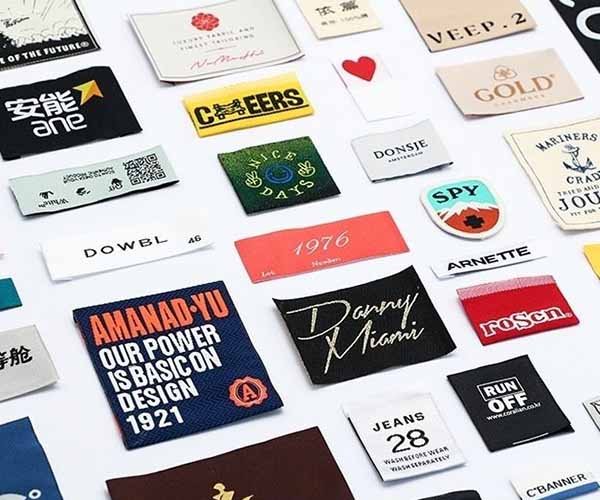
4. woven labels

Woven Labels

Woven labels provide stable detail and broad material compatibility. They can be sewn into seams, applied externally, or used inside as brand, care, or origin labels.
  • Suitable for most bag materials
  • Good repeat-order consistency
  • Supports small text better than embroidery
  • Label size and fold style require approval
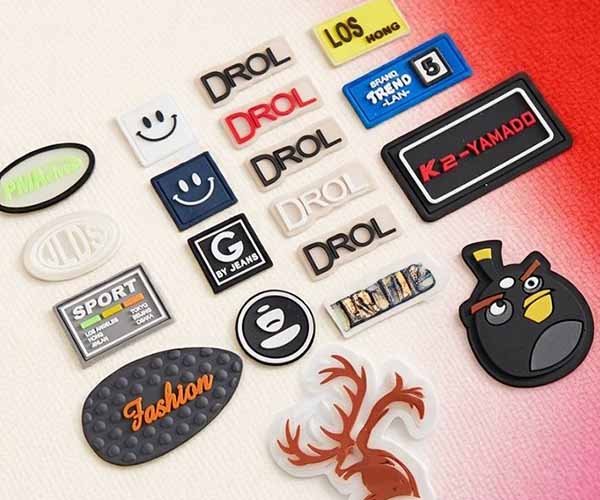
5. rubber or silicone patches

Rubber or Silicone Patches

Rubber and silicone patches suit outdoor, sports, technical, pet, travel, and youth products. They provide dimensional branding and good resistance to moisture.
  • Strong technical appearance
  • Several shapes and colors available
  • Mold or setup cost may apply
  • Attachment method must suit the product
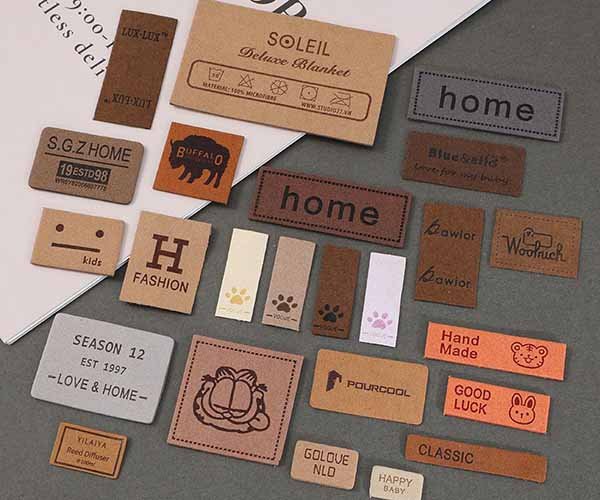
6. leather patches

Leather Patches

Genuine leather, PU, or microfiber patches create a lifestyle or premium appearance on canvas, cotton, denim, polyester, and selected leather products. Embossing, debossing, foil, stitching, and edge finishing can be combined.
  • Natural or premium visual effect
  • Suitable for understated branding
  • Material thickness affects sewing
  • Color and grain require approval
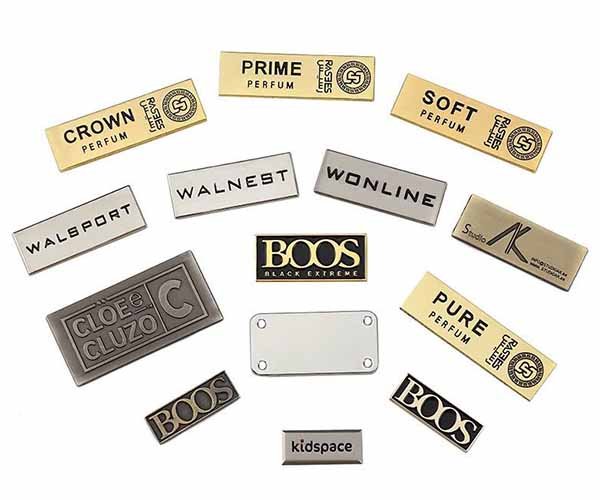
7. metal logo plates

Metal Logo Plates

Metal plates suit cosmetic bags, fashion bags, leather goods, travel products, and premium collections. Plating, color, finish, edge design, attachment method, corrosion resistance, and product weight require review.
  • Premium brand presentation
  • Several plating finishes available
  • Mold and minimum quantity may apply
  • Attachment points need reinforcement
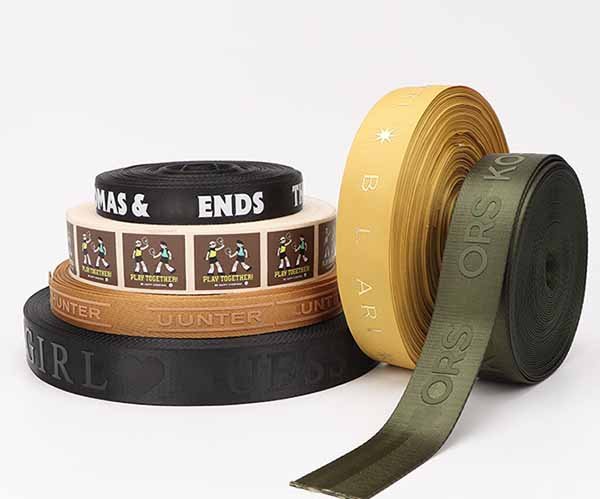
8. jacquard logo webbing

Jacquard Logo Webbing

Jacquard webbing integrates the logo into handles, shoulder straps, trims, or decorative bands. It supports sports, outdoor, fashion, and travel products but may require higher material minimums.
  • Repeating brand visibility
  • Durable woven construction
  • Width and yarn colors must be confirmed
  • Material MOQ can affect first orders
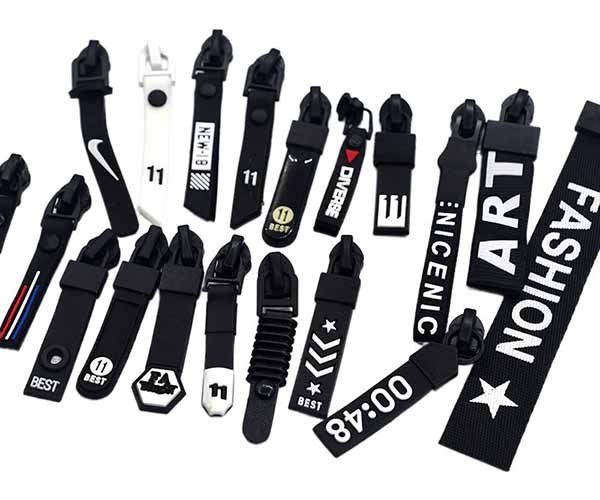
9. custom zipper pullers

Custom Zipper Pullers

Custom zipper pullers add branding to a functional component. Options include molded rubber, silicone, metal, leather, fabric, or cord pullers.

  • Branding remains visible during use
  • Suitable for product-line consistency
  • Mold or tooling may be required
  • Weight and size must match the zipper

Select Branding by Material and Positioning

Logo methods should be compared by surface compatibility, visual effect, durability, setup requirements, and production stability.

Branding MethodSuitable MaterialsBest UseMain StrengthRisk to Confirm
Screen PrintingCotton, canvas, polyester, nonwovenPromotional and retail bagsCost-efficient solid graphicsInk adhesion, fine detail, curing
Heat TransferPolyester, nylon, canvasDetailed multi-color artworkStrong color and detailHeat compatibility and edge adhesion
EmbroideryCanvas, cotton, polyester, nylonLifestyle and premium collectionsDurable dimensional finishStitch count and fabric distortion
Woven LabelMost sewn materialsInternal or external brandingStable repeat productionLabel size, fold, sewing position
Rubber / Silicone PatchPolyester, nylon, TPU-style productsOutdoor and sports productsTechnical appearanceMold cost and attachment
Leather PatchCanvas, cotton, leather, PULifestyle and premium productsNatural branded finishThickness, color, edge treatment
Metal PlatePU, leather, cosmetic and fashion bagsPremium presentationHigh-end visual effectPlating, attachment, corrosion
Jacquard WebbingHandles, straps, trimsSports, travel, fashionRepeated visible brandingMaterial MOQ and yarn colors
Custom PullerMost zipper bagsProduct-line brandingFunctional brand detailTooling, weight, zipper compatibility


Start Smaller Without Ignoring Production Reality

Selected projects can begin at 200 pieces, allowing a brand to verify the product, supply relationship, packaging, and market response before expanding the program. 

Validate the Sample

The first goal is not to produce as quickly as possible. The goal is to confirm material, dimensions, structure, branding, usability, packaging, and expected selling price.
  • Review physical appearance and function
  • Confirm the approved sample
  • Record revisions and specifications
  • Identify bulk-production checkpoints

Plan a 200-Piece Trial

MOQ from 200 pieces is suitable for many projects using available materials, mature structures, limited colors, standard accessories, and straightforward branding. It is not an unconditional quantity for every product.
  • Suitable for selected standard products
  • Useful for one-SKU launch tests
  • Lower initial inventory exposure
  • Exact MOQ confirmed after specification review

Test the Sales Channel

A trial order can reveal whether the product, packaging, carton size, retail presentation, FBA preparation, pricing, and user response fit the intended channel.
  • Amazon listing and review feedback
  • Shopify unboxing experience
  • Retail display and barcode checks
  • Real freight and landed-cost data

Scale with Records

Once the first order establishes a stable product, Szoneier can archive patterns, BOM information, material records, logo files, packaging files, carton details, and quality standards for replenishment.
  • Repeat production without restarting development
  • Add colors or related SKUs
  • Plan larger material purchases
  • Improve cost and production efficiency

Know What Changes the Cost Before Sampling

A reliable quotation explains the variables behind the amount. Product price, development cost, packaging, inspection, and freight should not be mixed into an unclear single figure.

Cost FactorWhat It ChangesCommon RiskConfirmation Method
Size and CapacityFabric use, zipper length, foam, webbing, carton volumePrice estimated from appearance aloneDimensioned drawing or sample
Material GradeHand feel, structure, durability, weight, unit priceGeneral material name hides quality differencesSwatch and specification approval
Product StructureCutting pieces, sewing time, machines, inspection pointsComplex design quoted as a simple bagPattern and construction review
Pockets and CompartmentsMaterials, zippers, binding, labor, assemblyInternal complexity omitted from early quoteInterior views and pocket measurements
Zippers and HardwareAppearance, function, load, tooling, lead timeCustom parts added after quotationBOM and supplier confirmation
Logo MethodSetup, mold, stitch count, printing, unit costArtwork not evaluated for selected materialLogo trial and artwork review
PackagingPolybag, hangtag, barcode, mailer, dust bag, gift boxLanded cost and carton volume calculated latePackaging specification
Quantity and MOQMaterial purchasing, setup allocation, production efficiencyTrial-order price compared with bulk priceQuantity-tier quotation
Testing and InspectionLaboratory fees, sample quantities, third-party inspectionCompliance budget omittedMarket and test-scope review
Freight and DeliveryExpress, air, sea, DDP, FBA, multi-address deliveryUnit price considered without landed costCarton estimate and destination details

Bulk Production Follows a Controlled Release Process

Production begins after commercial terms, approved standards, and key files are confirmed. Each stage has a defined risk-control purpose.

Order Confirmation

The proforma invoice, quantity, SKU breakdown, price, payment terms, lead time, trade terms, packing direction, and delivery destination are reviewed before purchasing or production.
  • Confirm order quantities
  • Confirm SKU and color split
  • Confirm commercial terms
  • Confirm required delivery date

Pre-Production Meeting

Project, purchasing, production, quality, packaging, and other relevant team members review approved samples, BOM information, patterns, logo, special workmanship, packing, and inspection points.
  • Align departments before production
  • Highlight high-risk operations
  • Confirm special tools or machines
  • Record production instructions

Material Purchasing

Approved materials and accessories are ordered according to the production plan. Long-lead, customized, or higher-MOQ components are monitored separately.
  • Match approved specification
  • Track expected arrival date
  • Confirm supplier batch
  • Escalate material delays early

Incoming Inspection

Materials are checked before cutting or assembly. Inspection may cover identity, color, surface, width, thickness, weight, coating, odor, hardware, zipper, webbing, and supplier documentation.
  • Prevent incorrect material use
  • Identify batch differences
  • Separate nonconforming items
  • Record approved substitutions

Cutting Control

Patterns, material direction, print orientation, matching points, layer height, cutting accuracy, reinforcement, and quantity are checked during cutting.
  • Confirm correct pattern version
  • Reduce dimensional variation
  • Avoid reversed material direction
  • Control cut-piece quantities

Logo Processing

Printing, embroidery, patches, metal plates, woven labels, webbing, pullers, and other branding components are checked for size, color, position, orientation, appearance, and attachment.
  • Compare against approved artwork
  • Check logo position
  • Verify color and finish
  • Separate rejected pieces

Sewing and Assembly

Production follows the approved assembly sequence, seam requirements, reinforcement points, binding, hardware installation, and workmanship standard. First pieces and in-line work are reviewed before full-line completion.
  • Confirm machine and seam type
  • Check load-bearing construction
  • Monitor shape and dimensions
  • Correct process issues early

Final Inspection

Finished goods are checked for workmanship, measurements, shape, function, logo, cleanliness, components, and order-specific requirements. Inspection scope can follow internal standards, agreed AQL logic, third-party criteria, or brand requirements.
  • Final appearance review
  • Function and component checks
  • Quantity and SKU verification
  • Defect classification and disposition

Packing and Shipment Release

Individual packing, labels, barcodes, FNSKU, hangtags, SKU separation, carton quantity, carton marks, gross weight, and shipping documents are reviewed before release.

  • Prevent label and SKU errors
  • Confirm carton information
  • Protect product shape
  • Release only after packing review

Production Control Beyond a Final Inspection

Quality cannot be added after production. Control must be built into materials, instructions, first pieces, sewing processes, and exception handling.

Pre-Production Alignment

The pre-production meeting converts approved development information into production instructions. Teams review the physical sample and available records together instead of relying on separate messages. The meeting may cover:
  • Approved sample identification
  • Pattern version
  • BOM and material references
  • Key measurements and tolerances
  • Logo artwork and position
  • Zipper, webbing, hardware, and reinforcement
  • Special sewing methods
  • Workmanship priorities
  • Packaging and labeling
  • SKU and carton requirements
  • Required tests or inspection standards
  • Target production and inspection dates
High-risk details are marked for earlier verification. For a pet carrier, mesh, bottom-board stiffness, safety clip, zipper security, and packing deformation may receive priority. For a tool bag, handle attachment, base reinforcement, pocket size, and hardware become critical. For a cosmetic bag, surface marks, zipper smoothness, shape, logo, and lining finish may receive greater attention.

First-Piece and In-Process Control

A sample maker can spend more time on one unit than a production operator. First-piece confirmation ensures that the planned line method can reproduce the approved construction. The first-piece review may include:
  • Dimensions
  • Panel alignment
  • Seam allowance
  • Stitching and reinforcement
  • Zipper installation
  • Handle and strap position
  • Pocket and divider placement
  • Logo position
  • Product shape
  • Assembly efficiency
After first-piece approval, in-process inspection continues during cutting, logo work, sewing, assembly, and finishing. Early inspection prevents the same mistake from spreading across a full line. Process inspectors communicate findings to production supervisors. Corrective action may involve machine adjustment, operator instruction, pattern clarification, component replacement, or rework.

Exception Reporting and Corrective Action

Manufacturing problems should be reported with enough information for a decision. A useful exception report explains:

  • What happened
  • Which SKU or quantity is affected
  • Where the issue was found
  • Whether production has stopped
  • Likely cause
  • Proposed correction
  • Effect on cost or schedule
  • Whether brand approval is required

Examples include material color difference, delayed customized hardware, logo-position error, seam puckering, zipper compatibility, packaging artwork delay, or an inspection result outside the agreed tolerance. Szoneier avoids hiding a known issue until shipment. The preferred sequence is to identify, contain, analyze, correct, verify, and update the production record. 

Clear Milestones Reduce Communication Risk

Global manufacturing already involves distance and time-zone differences. Project updates should focus on decisions, progress, risks, and next actions.

Quotation Milestone

The quotation stage confirms product scope, material assumptions, quantity, logo, packaging, sample cost, tooling, estimated timing, and trade terms. Unconfirmed assumptions are identified instead of hidden inside the price.
  • Clear product basis
  • Separate development charges
  • Quantity and MOQ conditions
  • Validity and exclusions

Sample Milestone

Sampling updates may cover material preparation, pattern completion, sewing, internal review, photographs, revision, sample shipping, and tracking.
  • Current sample status
  • Pending brand decisions
  • Revised completion estimate
  • Physical sample version

Material Milestone

Material progress identifies purchased items, approved substitutions, delayed components, color approval, customized materials, and expected arrival dates.
  • Main fabric status
  • Customized accessory status
  • Packaging-material status
  • Production-impact assessment

Production Milestone

Production updates may include cutting start, logo processing, first-piece confirmation, sewing progress, finished quantity, inspection preparation, and packing start.
  • Current production stage
  • Quantity completed
  • Issues under control
  • Next scheduled stage

Inspection Milestone

Inspection communication explains timing, method, sample size or brand standard, findings, corrective work, and release decision. Third-party inspectors can be coordinated where required.
  • Internal or third-party inspection
  • Defect summary
  • Rework and recheck
  • Shipment-release status

Shipment Milestone

Shipment updates cover cartons, final measurements, gross weight, booking, loading, shipping documents, tracking, customs information, and estimated delivery.

  • Confirmed freight method
  • Departure and arrival information
  • Warehouse or FBA reference
  • Delivery tracking

Quality Checks Before Problems Reach the Warehouse

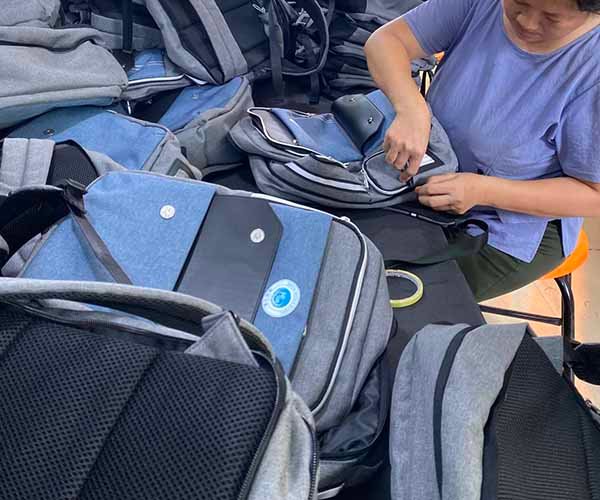
Szoneier’s 12-person quality team covers incoming, in-process, final, and outgoing inspection stages. Inspection details are adjusted around product risk. 

Material Inspection

Outer fabric, lining, foam, webbing, binding, zippers, hardware, labels, and other materials are checked against the project requirement before use.
  • Color and surface
  • Thickness, weight, or size
  • Supplier and batch
  • Visible defects and odor

Accessory Inspection

Zippers, sliders, pullers, buckles, hooks, rings, adjusters, magnets, hook-and-loop, buttons, and customized hardware are checked for identity, appearance, size, function, and finish.
  • Operation and matching
  • Plating or surface quality
  • Logo and mold detail
  • Quantity and specification

Pre-Production Check

Bulk materials, production methods, logo, dimensions, structure, and packaging may be verified through a pre-production sample or first-piece review before full output.
  • Confirm bulk material batch
  • Confirm production construction
  • Confirm logo result
  • Confirm packing direction

Cutting Inspection

Cut-piece dimensions, pattern version, direction, matching points, print orientation, reinforcement pieces, and quantities are monitored during cutting.
  • Pattern accuracy
  • Material direction
  • Layer and cut quality
  • Piece identification

Sewing Inspection

Seams, stitch consistency, reinforcement, binding, zipper installation, handle attachment, pocket position, and workmanship are checked during production.
  • Stitching and seam construction
  • Load-bearing areas
  • Shape and alignment
  • Workmanship correction

Semi-Finished Inspection

Products are checked before all components are closed or final finishing hides internal construction. Semi-finished inspection is especially useful for foam, reinforcement, internal seams, bottom boards, and dividers.
  • Hidden construction
  • Internal reinforcement
  • Component placement
  • Assembly sequence

Final Product Inspection

Finished goods are reviewed for dimensions, appearance, function, cleanliness, branding, hardware, zipper operation, straps, pockets, structure, and order-specific requirements.
  • Measurement and tolerance
  • Visual defects
  • Function and fit
  • Logo and component accuracy

Packing Inspection

Individual packaging, hangtags, barcodes, FNSKU, inserts, dust bags, mailers, gift boxes, warnings, SKU separation, and packing quantity are checked before cartons are closed.
  • Label matching
  • Product protection
  • SKU and quantity
  • Packing appearance

Outgoing Inspection

Carton marks, carton numbers, gross weight, carton size, packing list, shipping labels, order quantity, and shipment documents are reviewed before goods leave the factory.
  • Carton identity
  • Shipment quantity
  • Document consistency
  • Release authorization

Testing Must Match the Product’s Real Use

A general inspection cannot verify every functional claim. Testing scope should reflect the material, structure, expected load, environment, target market, and product statement. 

Load and Handle Checks

Handles, shoulder straps, backpack straps, D-rings, hooks, seams, and reinforcement points are evaluated according to the intended carrying load and use pattern.
  • Static or repeated-load direction
  • Attachment-point inspection
  • Webbing and seam review
  • Deformation or failure observation

Zipper and Hardware Checks

Zipper opening, slider movement, puller attachment, buckle engagement, hook operation, magnetic closure, snap, and plated hardware can be checked during samples and production.
  • Smooth opening and closing
  • Correct component size
  • Attachment security
  • Surface and finish quality

Seam and Strap Checks

Seam construction, stitch density, thread, bartacking, box stitching, binding, webbing overlap, and reinforcement influence product life. High-load areas require greater attention than decorative seams.
  • Seam integrity
  • Reinforcement placement
  • Strap-length consistency
  • Edge and binding finish

Water-Resistance Checks

Water-repellent fabric, coated fabric, waterproof zipper, seam construction, welding, and opening design contribute differently to water performance. A water-repellent material does not automatically create a fully waterproof bag.
  • Material surface behavior
  • Zipper and opening exposure
  • Seam construction
  • Product-level claim review

Insulation and Lining Checks

Cooler and lunch bags may require review of foam, lining, seams, closure, air gaps, odor, cleanability, and intended temperature-holding conditions.
  • Foam type and thickness
  • Lining material
  • Seam and closure design
  • Use-condition definition

Product-Specific Validation

Pet carriers, medical bags, tool bags, camera bags, protective cases, and tactical products need tailored checks based on their actual function.
  • Mesh and safety clips for pet carriers
  • Divider and access checks for medical bags
  • Load and abrasion checks for tool bags
  • Fit and protection checks for equipment cases

Packaging Is Part of Manufacturing Control

Packing protects the product, carries brand information, controls warehouse handling, and affects landed cost. Packaging decisions should begin before production finishes.

Individual Packing

Common options include polybags, recycled-content bags, tissue wrapping, dust bags, belly bands, sleeves, or protective inserts. The choice depends on surface sensitivity, shape, retail presentation, freight, and channel requirements.
  • Protect against dust and abrasion
  • Control folded shape
  • Confirm warning requirements
  • Reduce unnecessary volume

Retail Presentation

Retail packaging may include hangtags, header cards, sleeves, display boxes, gift boxes, care cards, barcode labels, security tags, and country-of-origin information.
  • Match shelf or display method
  • Confirm barcode placement
  • Protect logo and surface
  • Review packing labor and cost

Amazon Preparation

Amazon-bound products may require FNSKU labels, polybag warnings, SKU separation, carton labels, carton-size limits, gross-weight limits, packing lists, and first-leg delivery preparation.
  • Match FNSKU to SKU
  • Check label scan quality
  • Separate colors and sizes
  • Confirm carton information

DTC Brand Packaging

Direct-to-consumer programs may use tissue paper, thank-you cards, branded stickers, mailer boxes, dust bags, product inserts, or influencer kits.
  • Support branded unboxing
  • Protect product during parcel delivery
  • Control parcel dimensions
  • Create repeatable packing instructions

Carton Control

Carton dimensions, product quantity, protective inserts, carton marks, carton numbers, gross weight, net weight, and packing list must match the shipment plan.
  • Prevent under- or over-packing
  • Protect product structure
  • Improve freight estimation
  • Support warehouse receiving

Split and Multi-Address Delivery

Orders may be divided between air and sea freight, Amazon and overseas warehouses, retail centers, or several addresses. SKU and carton planning must support the delivery split.
  • Separate packing lists
  • Address-specific labels
  • Carton allocation records
  • Coordinated release schedule

See the Manufacturing System Behind the Process
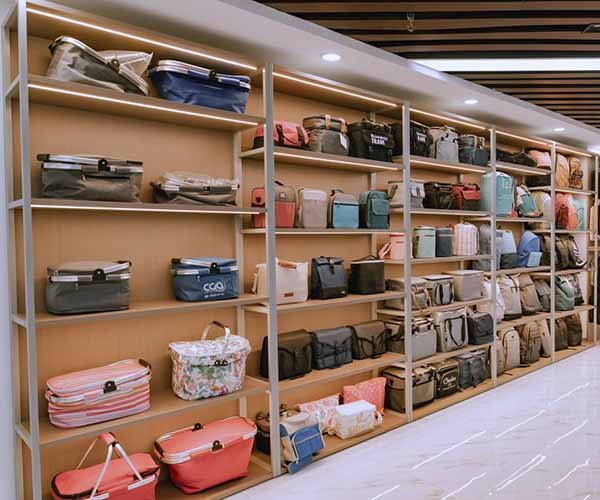
Real facilities, technicians, machines, inspection areas, and records provide stronger evidence than general claims about quality.
1. sample room

Sample Room

A 500+ m2 sample room supports product review, material comparison, reference samples, revision work, logo trials, and physical development across multiple bag categories.
  • Early-stage development
  • Material and component review
  • Sample-version management
  • Photo and video confirmation
2. pattern workshop

Pattern Workshop

A 300+ m2 pattern and sampling workshop includes eight sampling technicians and twelve sampling sewing stations. The team supports drawings, photographs, reference products, tech packs, replication, and structural revisions.
  • Pattern creation and adjustment
  • Prototype sewing
  • Construction review
  • Approved-sample preparation
3. cutting and sewing

Cutting and Sewing

The factory system includes dedicated cutting and sewing areas with eight sewing lines and more than 160 production and support machines.
  • Multi-product scheduling
  • Thick and standard material handling
  • Reinforcement and binding
  • Bulk-production execution
4. quality inspection

Quality Inspection

A 12-person quality team performs incoming, in-process, final, and outgoing checks. Inspection focus is adapted to the material, structure, branding, function, packing, and delivery requirements.
  • IQC material inspection
  • IPQC process inspection
  • FQC finished-product inspection
  • OQC packing inspection
5. managed partner capacity

Packing and Warehousing

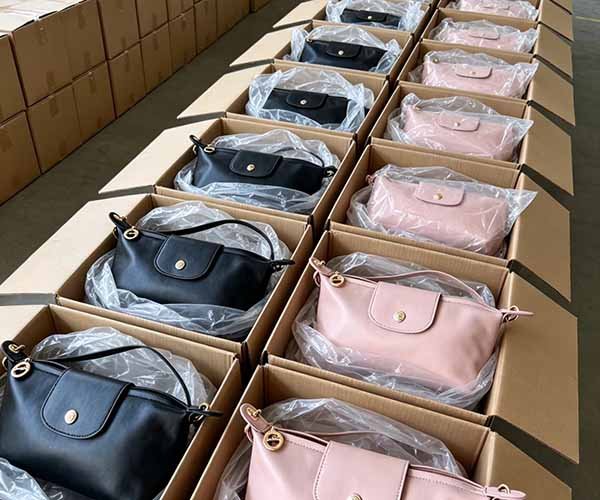
Packing and warehouse areas support individual packaging, retail packaging, Amazon preparation, carton management, finished-goods storage, loading preparation, and split shipment.
  • SKU and label control
  • Carton and packing-list review
  • Finished-goods storage
  • Shipment preparation
6. managed partner capacity

Managed Partner Capacity

More than 10 approved satellite partners provide additional capacity and specialized category support. Szoneier controls project communication, approved references, material requirements, production instructions, inspection, packing, and delivery responsibility.

  • Capacity flexibility
  • Specialized product support
  • Unified project standards
  • Centralized communication

Verification Beyond Internal Factory Checks

Testing and compliance requirements depend on the product, material, market, claim, sales channel, and brand policy. Scope must be confirmed for each order.

Material Documentation

Supplier declarations, composition records, test reports, recycled-material documents, and other supporting information can be requested according to the selected material and program.
  • Document availability varies by material
  • Supplier and batch scope should be checked
  • Expiration and issuing party matter
  • Documentation should match the finished product

Market-Specific Testing

Projects can be reviewed for relevant requirements such as REACH, RoHS, CPSIA, California Proposition 65, AZO dyes, heavy metals, colorfastness, strength, water resistance, or other specified tests.
  • Test scope defined before production
  • Laboratory samples planned early
  • Finished-product and material testing distinguished
  • Claims aligned with available evidence

Third-Party Inspection

Szoneier can cooperate with SGS, Intertek, Bureau Veritas, TüV, or another appointed inspection company where required.
  • Pre-production or final inspection
  • Brand-defined inspection checklist
  • AQL-based sampling where agreed
  • Reinspection after corrective work

Brand Inspection Standards

Established brands may provide workmanship manuals, measurement tolerances, packaging standards, restricted-substance lists, approved suppliers, defect classifications, and reporting formats.
  • Standards reviewed before quotation
  • High-risk requirements highlighted
  • Inspection records aligned with the program
  • Deviations require approval

Factory Review

Qualified projects can arrange video factory review, online meetings, on-site visits, or third-party audits. Reviews may cover sampling, materials, cutting, sewing, QC, packing, warehouse, and project management.
  • Video review
  • On-site visit
  • Production-area walkthrough
  • Project-team meeting

Confidentiality and Records

Product files, artwork, packaging information, samples, and project records should be managed within agreed confidentiality boundaries. NDA arrangements can be reviewed for serious development programs.

  • Controlled file access
  • Approved public-image scope
  • Confidential case-study boundaries
  • Archived repeat-order records

How Manufacturing Risks Were Identified and Controlled
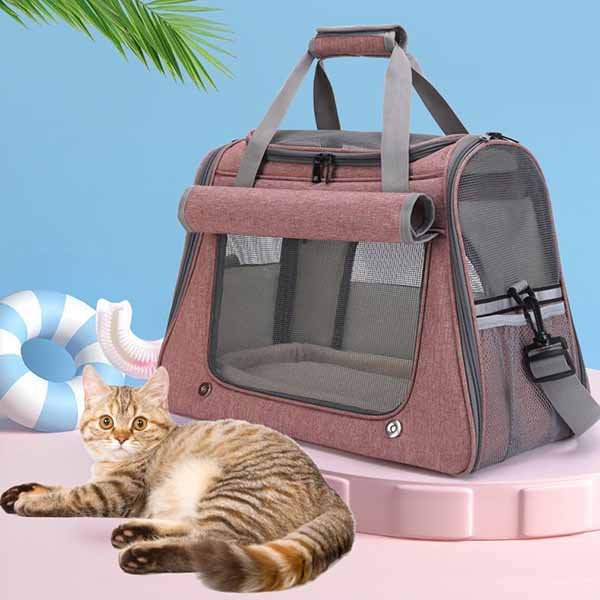
The following anonymized cases illustrate how product, production, packing, and repeat-order risks can be handled through defined approval and inspection stages.
1. pet carrier bag

U.S. Pet Brand

Product: Structured pet carrier bag Initial Quantity: 1,200 pieces Sales Channel: Amazon and independent pet retailers Sample Time: 16 days including revision Bulk Production: 46 days Delivery: DDP to a U.S. warehouse The original concept used lightweight mesh, a flexible bottom panel, and compressed packing. Sample review found three commercial risks: the mesh could stretch near the upper opening, the base lost shape under load, and aggressive compression affected presentation after unpacking. Szoneier adjusted the mesh specification, reinforced the upper connection, increased bottom-board stiffness, added a removable washable cover, and revised the folding direction. Quality checkpoints included:
  • Mesh and seam inspection
  • Safety-leash clip confirmation
  • Zipper-security check
  • Bottom-board fit
  • Shoulder-strap attachment
  • FNSKU and carton-label matching
The order was released after corrective checks and packing verification. Product files, materials, and packaging instructions were archived for replenishment.
2. cosmetic pouches

European Beauty Retail Program

Products: Cosmetic pouches, brush organizers, and travel toiletry bags Order Quantity: 3,600 pieces across six SKUs Materials: PU, polyester lining, and metal branding Sample Time: 18 days Bulk Production: 52 days Delivery: Sea freight to a European distribution center The main risk was SKU confusion. Six combinations used similar colors, different internal layouts, separate barcodes, and two packaging formats. A visual inspection alone would not reliably prevent mixed labels or cartons. Szoneier created an SKU control table linking:
  • Product code
  • Exterior color
  • Interior layout
  • Metal logo finish
  • Barcode
  • Individual packing
  • Carton quantity
  • Carton mark
Production and packing areas used separate identification cards. Final packing inspection checked barcode scans, SKU counts, carton numbers, and packing-list consistency. The shipment was prepared according to the distribution-center receiving instructions.
3. technical backpacks

North American Outdoor Brand

Products: Technical backpacks and matching duffle bags
First Order: 5,400 pieces
Repeat Program: 8,200 pieces across additional colors
Materials: Nylon, polyester lining, foam, technical webbing, and branded pullers
First Sample Cycle: 20 days
First Bulk Production: 55 days
The brand needed a stable supplier for repeated seasonal production. The main concerns were shoulder-strap consistency, branded zipper-puller supply, foam thickness, color variation, and maintaining the first-order standard during future replenishment.
Szoneier archived:

  • Approved patterns
  • BOM records
  • Material references
  • Logo and puller files
  • Key measurements
  • Reinforcement instructions
  • Packing files
  • Carton data
  • Quality checkpoints

Before the repeat order, available materials were compared with the archived references. New colors were sampled, while unchanged structures used the approved production files. The repeat program expanded without rebuilding the entire product from the beginning.

Low Risk Manufacturing Frequently Asked Questions
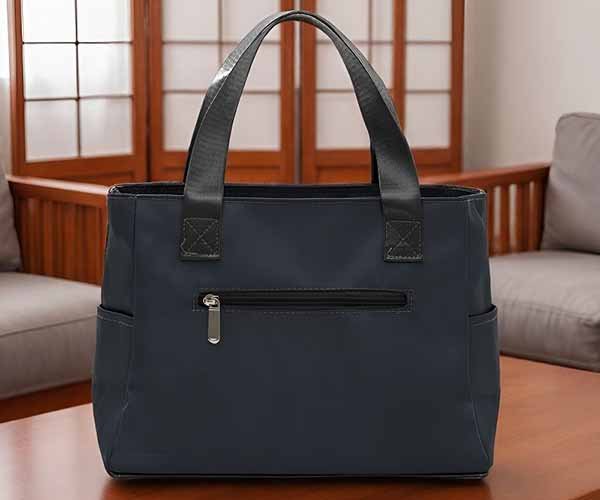
A lower-risk project uses clear review and approval points before major spending. Important controls include manufacturability review, material confirmation, physical sampling, revision records, approved patterns, BOM information, pre-production checks, in-process inspection, final inspection, packaging verification, and delivery planning. Risk cannot be removed completely, but preventable errors can be identified earlier and handled before they affect the entire order.
Yes. Development can begin from a photograph, sketch, reference sample, competitor link, basic measurements, or partial tech pack. Szoneier will identify missing information and discuss assumptions before sampling. Complex products still require sufficient dimensions, functional requirements, materials, logo files, quantity, packaging, and destination information before accurate quotation and production planning can be completed.
Szoneier uses the approved sample together with pattern versions, material records, BOM information, logo files, key dimensions, tolerances, packaging instructions, and quality checkpoints. Bulk materials are checked before use. Suitable projects may also use a pre-production sample or first-piece approval. Production is then monitored through cutting, logo, sewing, final-product, and packing inspection stages.
Simple samples may require approximately 3–7 days. Standard custom pouches, cosmetic bags, and similar products often require approximately 7–12 days. Backpacks, pet carriers, tool bags, medical bags, EVA cases, molded components, and complex structures may require 12–20 days or more. Material sourcing, logo tooling, mold development, revision quantity, packaging, and project urgency can change the schedule.
No. MOQ starts from 200 pieces for selected projects using available materials, mature structures, limited colors, standard accessories, straightforward logo methods, and basic packaging. Custom-dyed fabrics, molded hardware, jacquard webbing, special materials, several colors, gift boxes, complex products, or supplier-specific component minimums may require a higher quantity. Exact MOQ is confirmed after product review.
A material change can be considered, but it must be reviewed before use. The replacement may affect color, hand feel, stiffness, weight, durability, cost, MOQ, sewing, packaging volume, and lead time. Szoneier records the proposed change, compares the new material with the approved reference, and confirms whether a new sample or additional approval is necessary.
Yes. Szoneier can cooperate with SGS, Intertek, Bureau Veritas, TüV, or another appointed inspection company. The inspection timing, standard, sampling method, checklist, defect classification, reporting format, and reinspection responsibility should be confirmed before production. Internal quality checks continue even when an external inspection is scheduled.
Multi-SKU programs use an SKU table linking product code, color, size, material, logo, barcode, FNSKU, individual packaging, carton quantity, and carton marks. Identification is maintained through production, inspection, packing, and shipment preparation. Barcode scans, packing lists, carton numbers, and visual references help reduce mixed products, incorrect labels, and warehouse-receiving problems.
The affected work is identified and contained. The team evaluates the quantity, likely cause, correction method, schedule effect, and whether approval is needed. Corrective action may include machine adjustment, operator instruction, pattern clarification, material replacement, rework, or resampling. Corrected goods are rechecked before release. Significant changes are recorded for the remaining production and future orders.
Szoneier can archive patterns, BOM records, material references, logo files, packaging files, FNSKU information, carton details, inspection points, and revision history. Before replenishment, available materials and components are compared with the archived standard. Any unavoidable substitution or new color is reviewed before production. The records also support related SKUs, additional sizes, new packaging versions, and larger order quantities.
CTA: Ask Nancy

Review Your Bag Project Before You Scale

Send Szoneier your available product information for an initial manufacturing review. A complete tech pack is welcome, but a reference photograph, drawing, physical sample, or competitor link can also start the discussion. Our team will evaluate the product direction, material options, likely manufacturing challenges, suitable logo methods, sample requirements, MOQ, cost factors, production schedule, inspection priorities, packaging, and delivery approach. Clear project information allows a faster and more accurate response. Please include:
  • Product photograph, drawing, tech pack, or reference sample
  • Target dimensions, capacity, pockets, and functional requirements
  • Preferred fabric, lining, foam, zipper, hardware, or material direction
  • Logo artwork and preferred branding method
  • Estimated order quantity and SKU breakdown
  • Packaging, barcode, FNSKU, retail, or warehouse requirements
  • Destination country and required arrival date
  • Target price level or existing manufacturing challenge
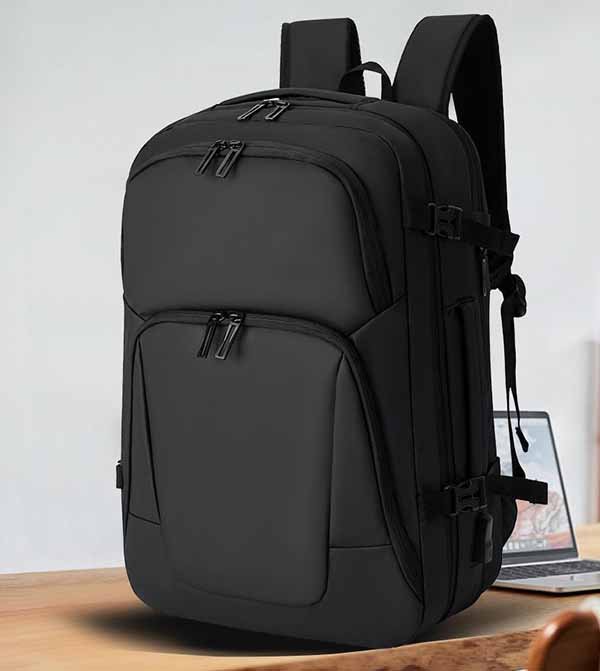
backpack (1)

Ask For A Quick Quote

We will contact you within 24 Hours, please pay attention to the email with the suffix“@szoneier.com”

For all inquiries, please feel free to reach out at:

Ask For A Quick Quote

We will contact you within 24 Hours, please pay attention to the email with the suffix“@szoneier.com”

Contact Us

Send us a message if you have any questions or request a quote. We will be back to you ASAP!

For all inquiries, please feel free to reach out at:

Contact Us

Send us a message if you have any questions or request a quote. We will be back to you ASAP!

Exclusive Offer for First-Time Customers

For first-time customers, we will send you a free color card for you to choose.Once you have confirmed the fabric and color, our factory will make a free sample proofing for you.

For customers who frequently cooperate with us, we will send new color charts free of charge several times a year.

For all inquiries, please feel free to reach out at: