A Trusted China Manufacturer Since 2007!

Lightweight Travel Bag Solutions for Global Travel Brands | OEM/ODM Manufacturer

Develop lighter travel bags with controlled strength, capacity, comfort, branding, and bulk-production consistency.
  • Custom carry-on bags, travel backpacks, duffels, weekenders, packable totes, packing cubes, toiletry bags, and coordinated travel sets.
  • Lightweight nylon, polyester, ripstop, mesh, recycled fabrics, coated fabrics, low-density foam, and weight-conscious hardware options.
  • MOQ starts from 200 pcs for selected structures using available materials and standard branding processes.
  • In-house pattern development, sample sewing, material evaluation, production control, inspection, packaging, FBA support, and global delivery.
  • 18+ years of custom bag and soft goods manufacturing experience in Shenzhen, China.
  • Suitable for established travel brands, retailers, outdoor labels, e-commerce programs, and multi-SKU product launches.
lightweight travel bag (1)(1)

What Makes a Travel Bag Truly Lightweight?
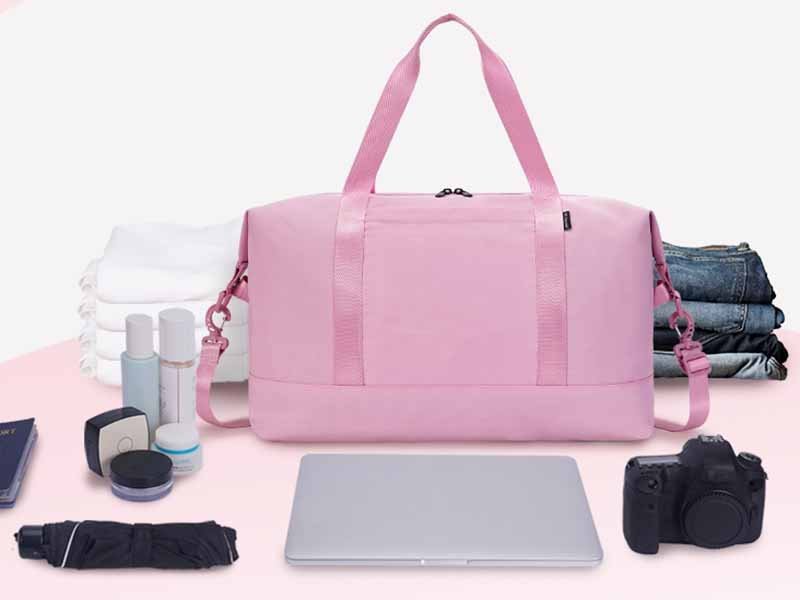
A lower empty weight only creates value when capacity, carrying comfort, durability, and daily travel performance remain controlled.
1. lower weight for travelers

Lower Weight for Travelers

A well-developed lightweight travel bag reduces unnecessary load before clothing, footwear, electronics, and personal items are packed. Lower empty weight also helps travelers manage airline weight limits, move through airports more comfortably, store the bag in smaller spaces, and carry a backup bag without adding excessive bulk. Weight alone does not define a successful product. A bag weighing 550 grams may still perform poorly when handles are positioned incorrectly, shoulder straps are too narrow, internal storage wastes capacity, or seams lack reinforcement. Key travel-use targets include:
  • Lower empty weight
  • Efficient usable capacity
  • Comfortable loaded carrying
  • Compact folding or storage
  • Easy access during transit
  • Stable shape under normal loads
  • Suitable external dimensions
  • Reliable repeated use
2. controlled weight for product teams

Controlled Weight for Product Teams

Lightweight development begins before the first sample is sewn. Product type, target capacity, expected load, construction, materials, accessories, branding, and packaging all affect final weight. A 35-liter backpack may gain several hundred grams from heavy lining, oversized zipper chains, dense foam, metal buckles, thick webbing, rigid boards, decorative panels, and excessive pockets. Removing every layer creates another problem: weak seams, collapsed shape, uncomfortable carrying, and higher return risk. Szoneier develops a weight plan around:

  • Target empty weight
  • Shell fabric construction
  • Lining and pocket materials
  • Zipper chain and slider size
  • Webbing width and thickness
  • Buckle and hardware material
  • Foam density and placement
  • Reinforcement location
  • Logo method
  • Final folded or packed volume

Lightweight Travel Programs for Different Sales Channels

Each sales channel places different demands on weight, appearance, packaging, durability, and replenishment planning.

Established Travel Brands

Established brands often require material consistency, controlled construction, recognizable design language, multiple sizes, coordinated colors, and repeat-order stability. Szoneier can archive patterns, BOM records, approved materials, zipper specifications, logo files, packaging files, carton details, and inspection standards for future replenishment. Development may begin with one hero product before expanding into:
  • Carry-on duffels
  • Travel backpacks
  • Packing cubes
  • Toiletry bags
  • Shoe bags
  • Foldable totes
  • Laundry pouches
  • Passport organizers

Retail Programs

Retail programs require more than a finished bag. Product information, hangtags, barcodes, master-carton marks, assortment control, packaging appearance, delivery windows, and inspection records must align with retail operations. Szoneier can support:
  • SKU separation
  • Size and color assortments
  • Barcode application
  • Retail sleeves
  • Hangtags
  • Inner-carton planning
  • Master-carton marks
  • Third-party inspection coordination
  • Delivery to distribution centers

E-Commerce Brands

Online sales require products designed for photography, efficient packaging, lower dimensional weight, consistent reviews, and reliable replenishment. Folded size, packaging shape, barcode placement, FNSKU accuracy, carton quantity, and shipping method can affect landed cost and warehouse intake. Szoneier supports:
  • Small-batch launch programs
  • Photo-ready samples
  • FNSKU application
  • Polybag warning labels
  • Carton labels
  • FBA first-leg delivery
  • Overseas warehouse delivery
  • Split replenishment planning

Outdoor and Lifestyle Labels

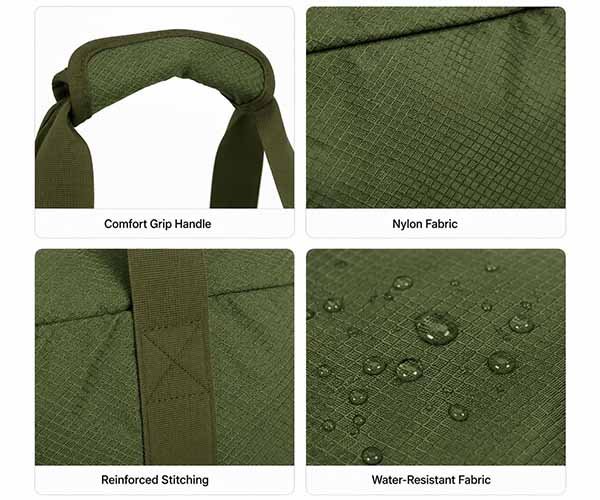
Outdoor and active-lifestyle travel products require careful balance among weight, tear resistance, abrasion resistance, water repellency, ventilation, and comfort. Ripstop fabrics, lightweight coated nylon, mesh panels, acetal buckles, compression straps, and localized reinforcement can support demanding travel use without excessive mass. Development can focus on:
  • Urban travel
  • Weekend trips
  • Hiking transfers
  • Gym-to-travel use
  • Packable backup bags
  • Adventure accessories
  • Lightweight organizer systems

Common Risks in Lightweight Travel Bag Development

A successful lightweight product avoids four common failures: weak construction, excessive weight, poor carrying performance, and inconsistent bulk production.

Light but Too Weak

Thin materials, narrow seam allowances, insufficient bar tacks, light webbing, weak zipper ends, and poorly reinforced handle bases can reduce empty weight while increasing failure risk.
Szoneier reviews high-stress zones before sampling:
  • Shoulder-strap roots
  • Top handles
  • Side handles
  • Bottom corners
  • Zipper terminals
  • Compression-strap anchors
  • Trolley-sleeve attachment
  • Pocket openings
Reinforcement is added where loads concentrate rather than across every panel.

Strong but Too Heavy

Overbuilding often comes from thick shell fabric, full foam lamination, dense lining, metal hardware, double-layer panels, rigid boards, and unnecessary organizers.
A weight review can identify components carrying little functional value. Localized backing, lighter lining, lower-density foam, molded plastic parts, selective structure, and reduced panel duplication may lower weight while preserving essential performance.

Capacity Without Comfort

A large bag may look impressive when empty but become uncomfortable after loading. Poor shoulder-strap angles, narrow handles, unbalanced compartments, badly positioned trolley sleeves, or excessive front weight can make a lightweight bag tiring to carry.
Loaded prototypes should be checked with realistic contents, not only measured on a table.

Sample and Bulk Drift

Approved samples may use one fabric lot, one foam thickness, or one zipper specification, while bulk production changes materials to meet availability or cost pressure. Small component changes can alter finished weight, hand feel, shape, color, and performance.
Control documents should include:

  • Approved sample
  • Final pattern
  • Confirmed BOM
  • Material codes
  • Foam thickness
  • Zipper size
  • Webbing specification
  • Hardware material
  • Packaging method

Custom Lightweight Travel Bags Across Major Categories
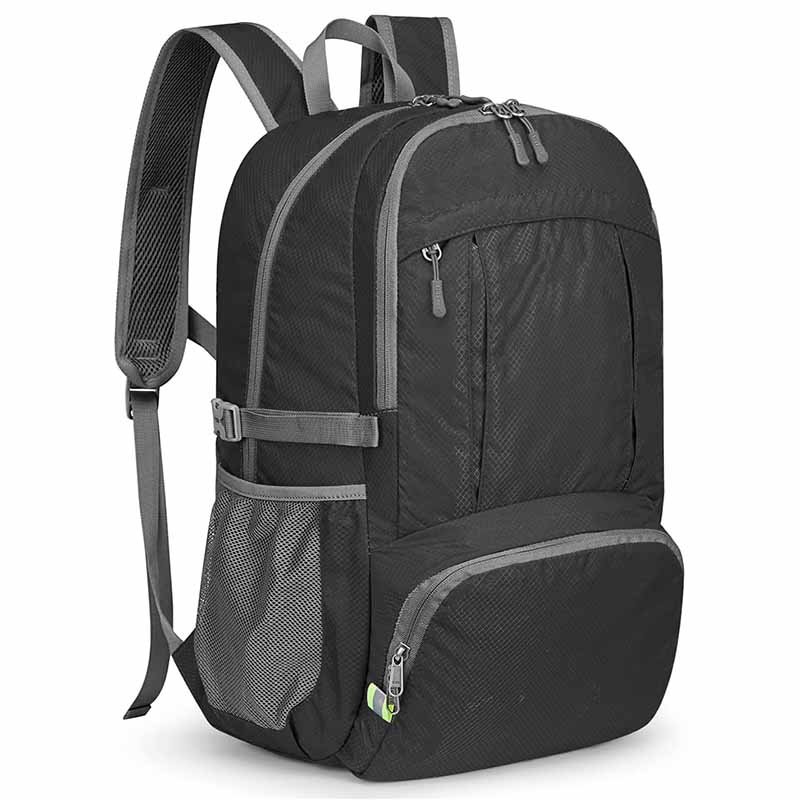
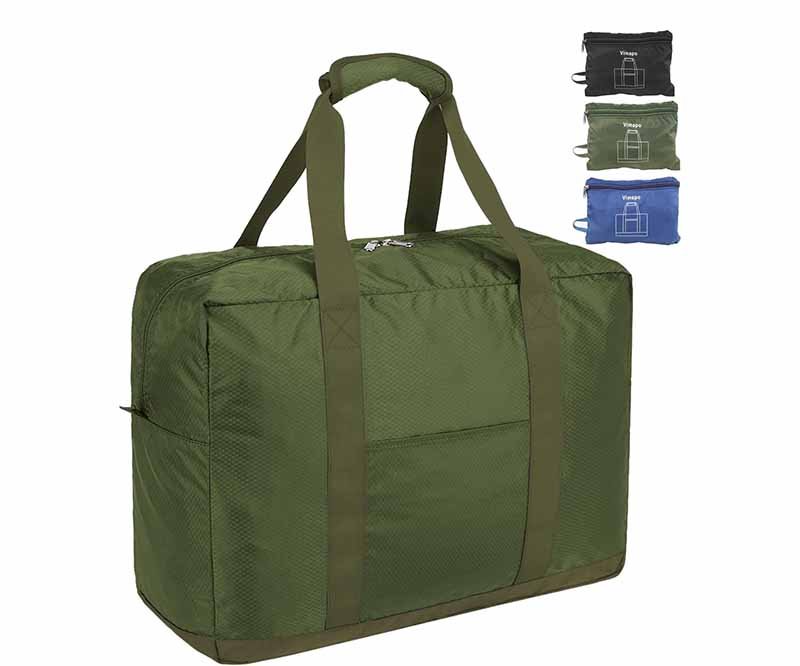
Szoneier develops individual travel products and coordinated collections using shared materials, colors, logos, packaging, and production standards.
1. travel backpacks

Travel Backpacks

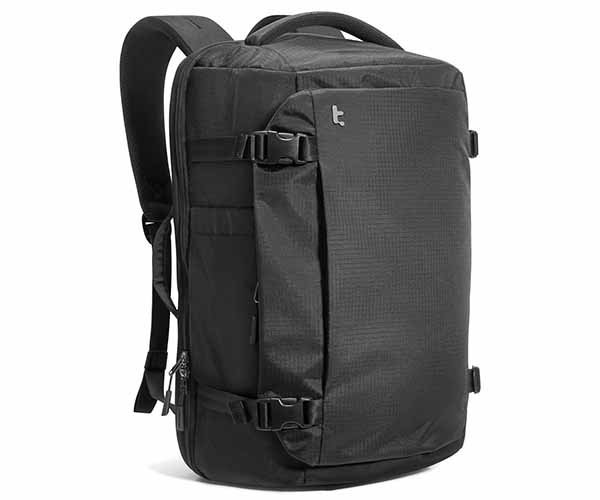
Lightweight travel backpacks can use 210D ripstop nylon, 420D nylon, polyester, recycled polyester, mesh, and low-density foam. Common capacities range from 20 to 45 liters. Custom options include:
  • Clamshell opening
  • Laptop compartment
  • Hidden passport pocket
  • Compression straps
  • Trolley sleeve
  • Bottle pockets
  • Stowable shoulder straps
  • Expandable body
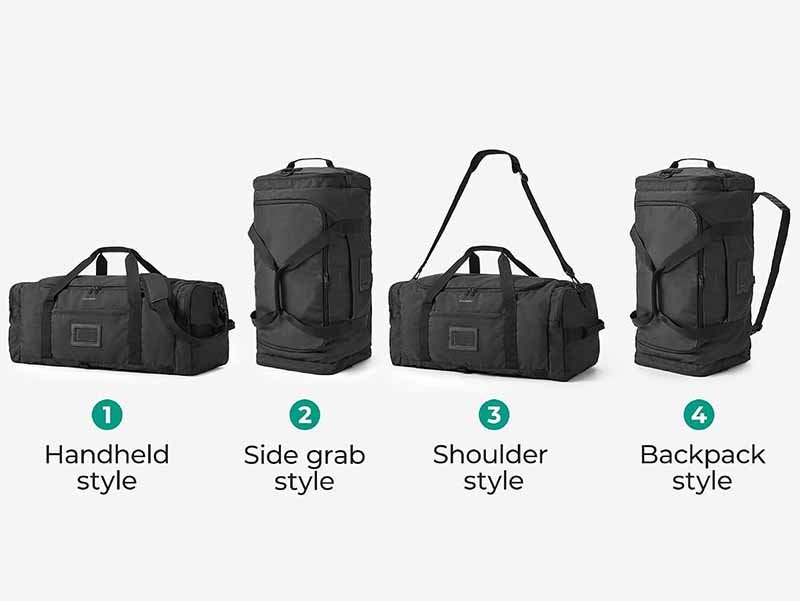
2. carry on duffels

Carry-On Duffels

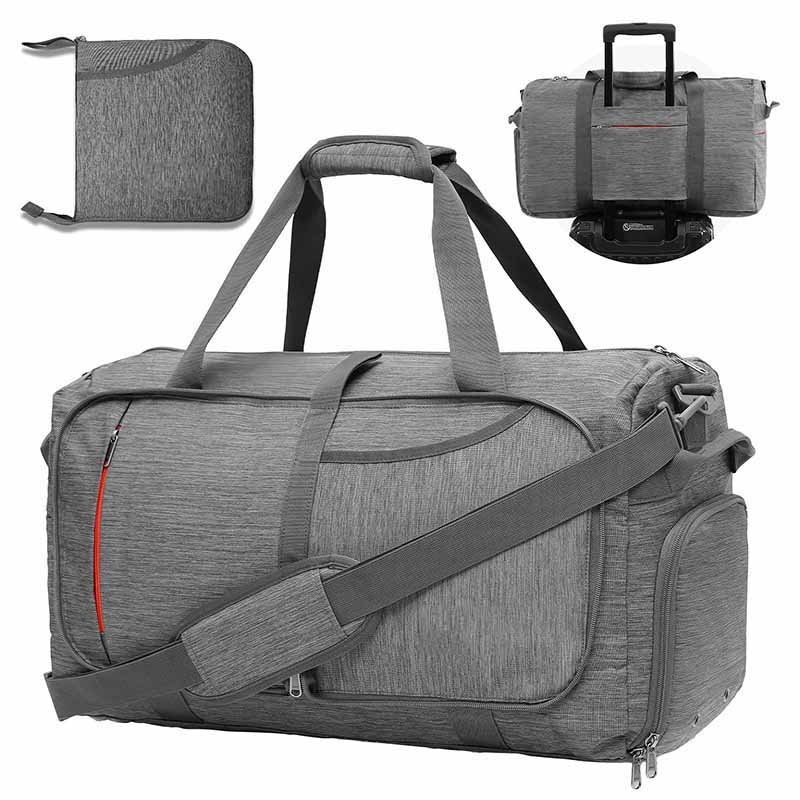
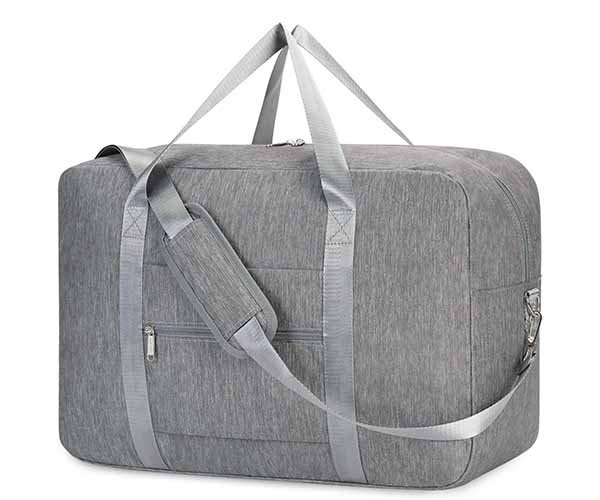
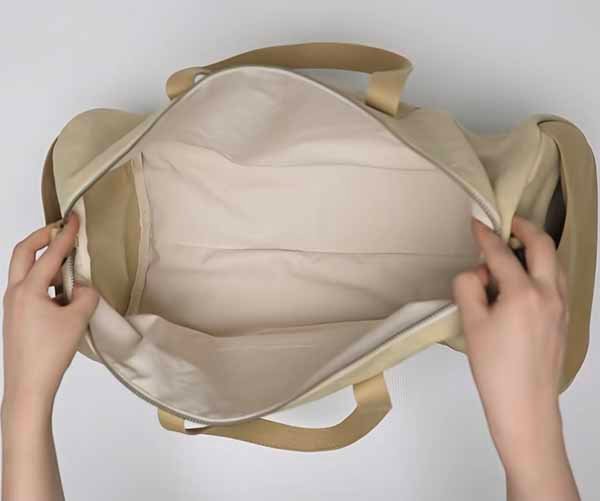
Carry-on duffels suit weekend travel, gym-to-travel use, business trips, and airline cabin programs. Weight can be reduced through lighter shell fabric, limited foam, acetal hardware, optimized zipper size, and localized bottom reinforcement. Custom options include:
  • Shoe compartment
  • Wet pocket
  • Shoulder strap
  • Padded handles
  • Trolley sleeve
  • Expansion zipper
  • Fold-flat construction
  • Internal divider panels
3. packable weekenders 1

Packable Weekenders

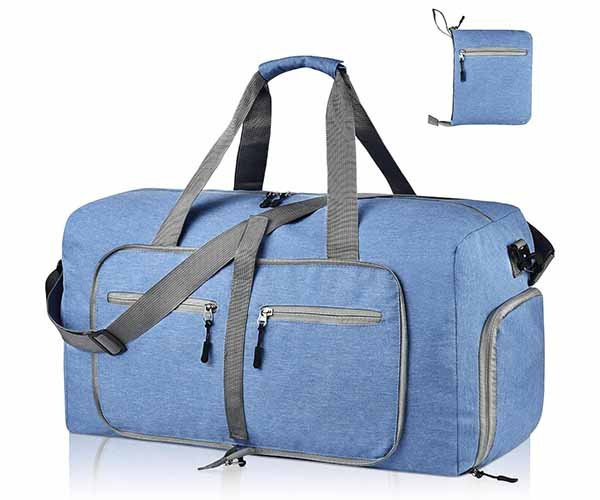
Packable weekenders fold into an integrated pocket or separate pouch. Development must consider coating durability, folded thickness, zipper protection, strap storage, and repeated creasing. Suitable materials include:
  • 70D ripstop nylon
  • 150D polyester
  • 210D ripstop nylon
  • Lightweight recycled polyester
Packable designs work well for backup luggage, promotional travel programs, and compact retail displays.
4. personal item bags

Personal Item Bags

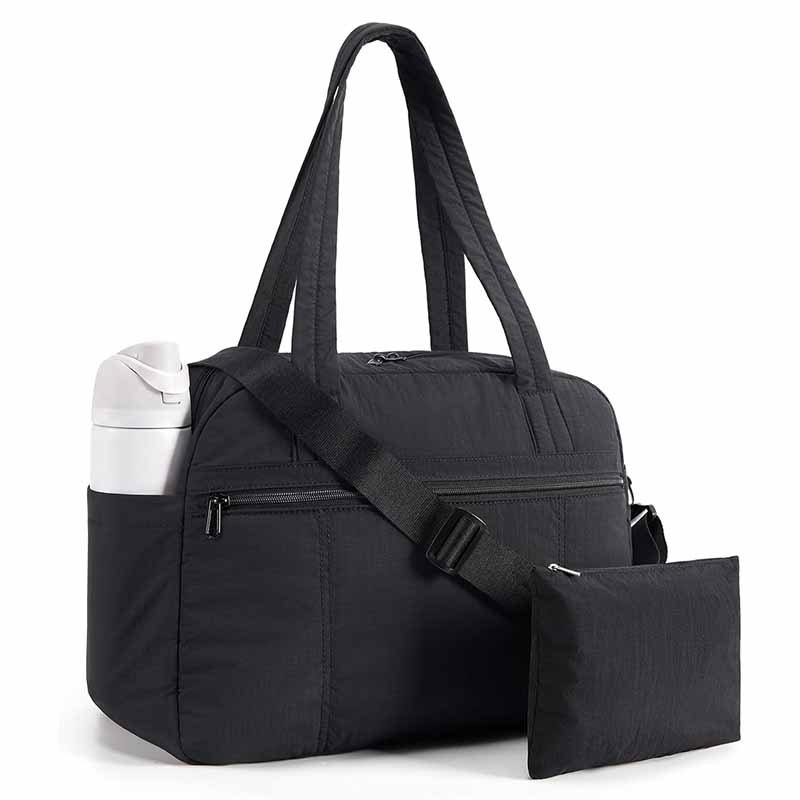
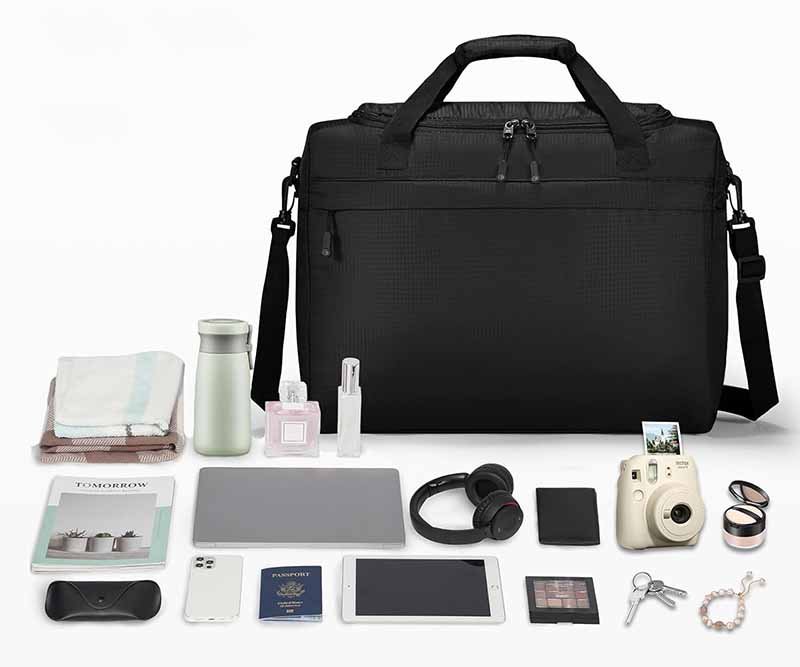
Personal item bags are designed around airline under-seat storage, fast access, and efficient packing. External dimensions, handles, pockets, zipper pullers, and side compression must be included when checking overall size. Custom features may include:
  • Laptop sleeve
  • Boarding-pass pocket
  • Trolley sleeve
  • Wide top opening
  • Removable strap
  • Hidden valuables pocket
  • Water-bottle sleeve
  • Structured base panel
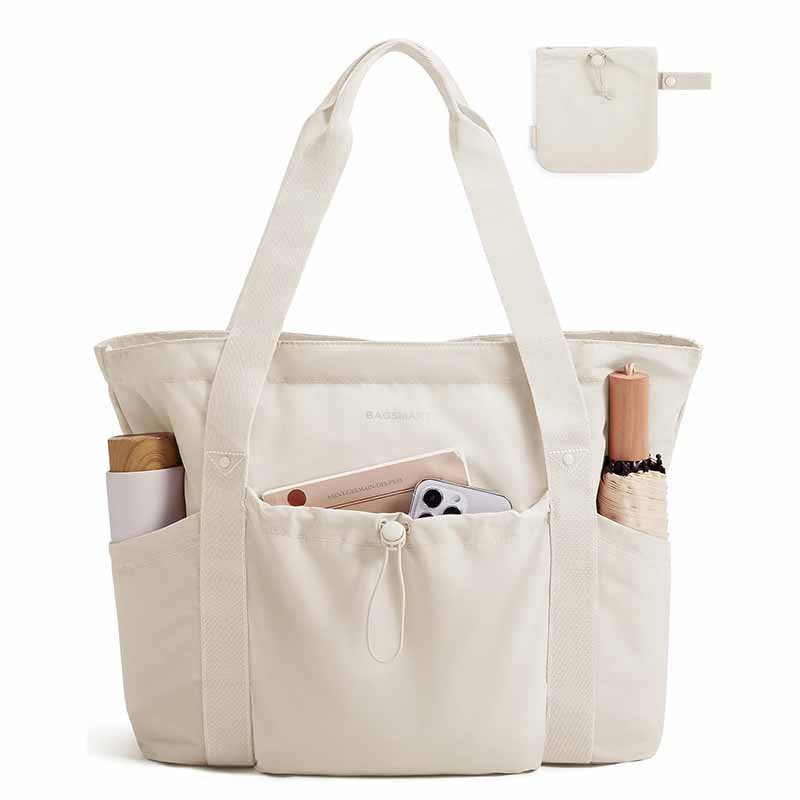
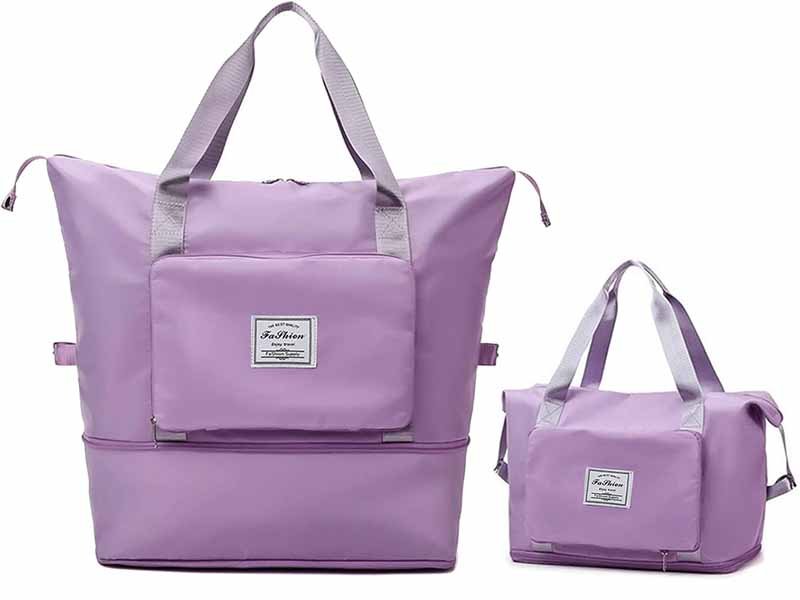
5. foldable travel totes

Foldable Travel Totes

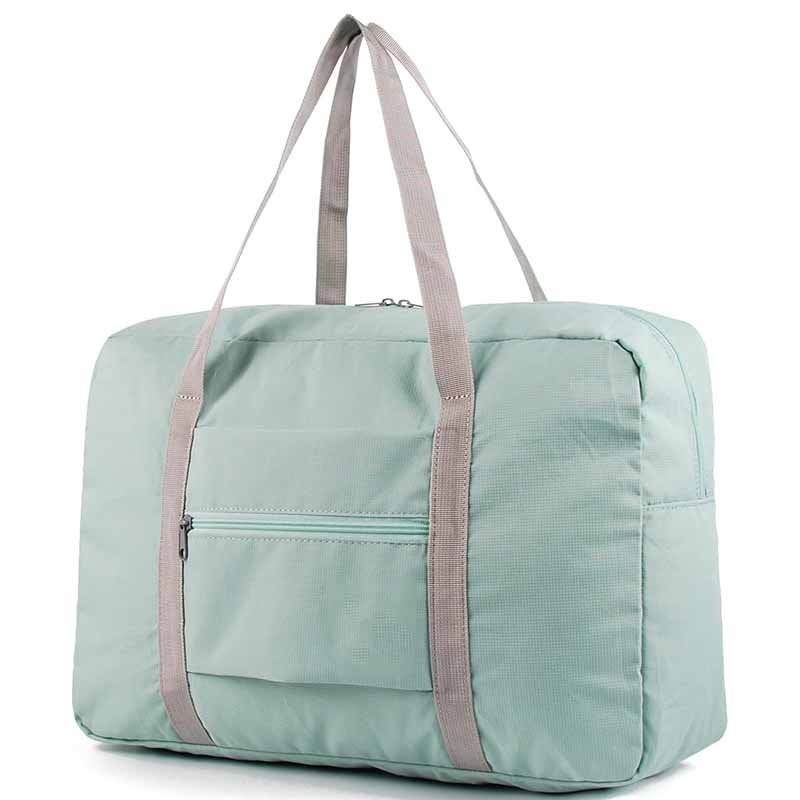
Foldable travel totes offer low weight, compact storage, and flexible use during shopping, airport transfers, beach trips, or return journeys. Common structures include:
  • Self-storing pocket
  • Zip-top closure
  • Snap closure
  • Long shoulder handles
  • Trolley sleeve
  • Internal pouch
  • Reinforced base
  • Water-resistant lining
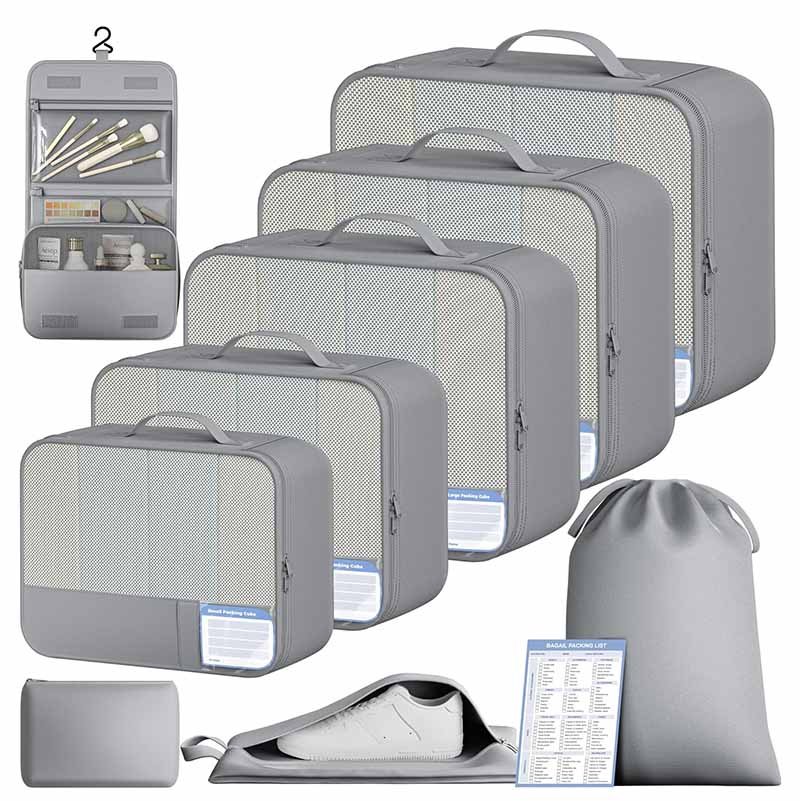
6. packing cube sets

Packing Cube Sets

Packing cubes use lightweight woven fabric and mesh to organize clothing without adding excessive weight. Szoneier can develop three-piece, four-piece, six-piece, or channel-specific sets. Custom options include:
  • Compression zippers
  • Mesh windows
  • Clean and dirty divisions
  • Printed size labels
  • Carry handles
  • Travel icons
  • Color-coded sets
  • Retail sleeves
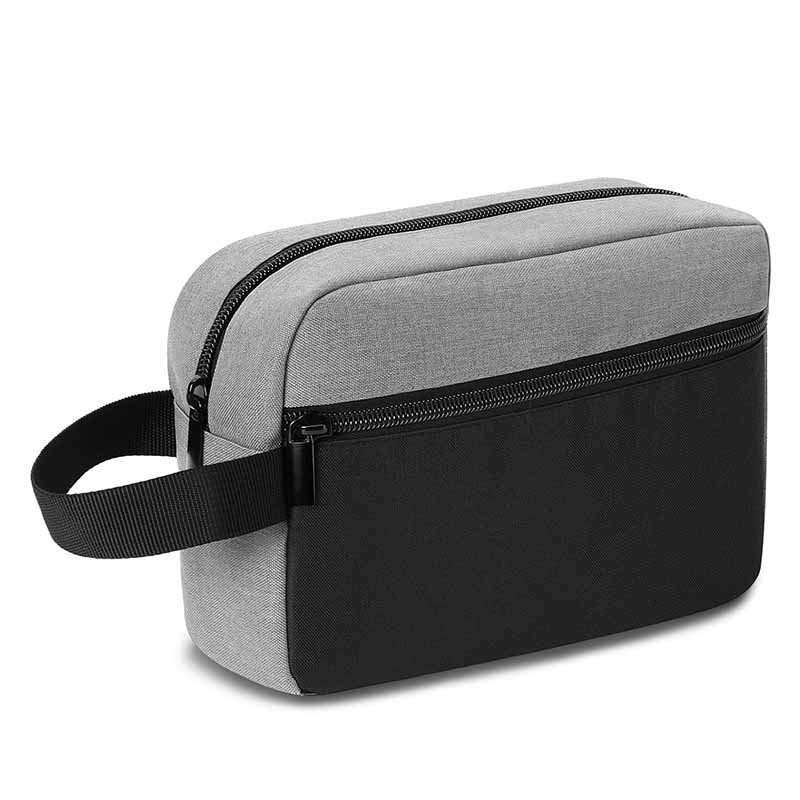
7. toiletry bags

Toiletry Bags

Lightweight toiletry bags can combine woven shell fabric, water-resistant lining, mesh pockets, elastic loops, hanging hooks, and wipe-clean surfaces. Common forms include:
  • Hanging organizer
  • Flat zip pouch
  • Dopp kit
  • Clear-panel airport pouch
  • Roll-up organizer
  • Multi-compartment wash bag
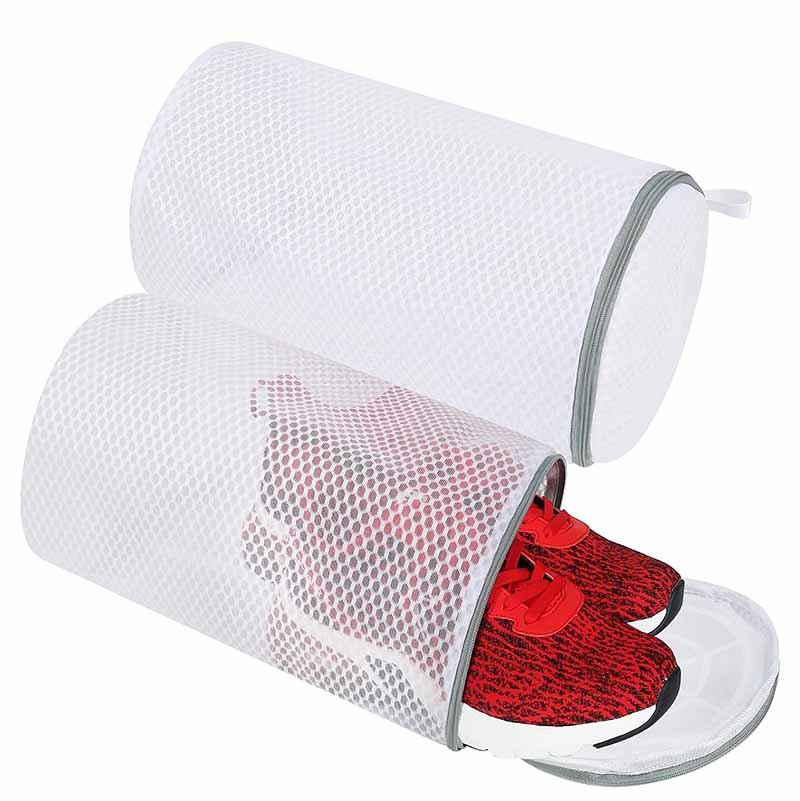
8. shoe and laundry bags

Shoe and Laundry Bags

Shoe bags and laundry pouches extend a travel collection with low development risk and strong set-building value. Lightweight fabrics, mesh ventilation, drawcord closures, handles, and wash-resistant printing can be selected according to use. Options include:
  • Single-shoe format
  • Double-shoe format
  • Ventilated mesh panel
  • Wet-dry separation
  • Drawstring laundry sack
  • Fold-flat storage
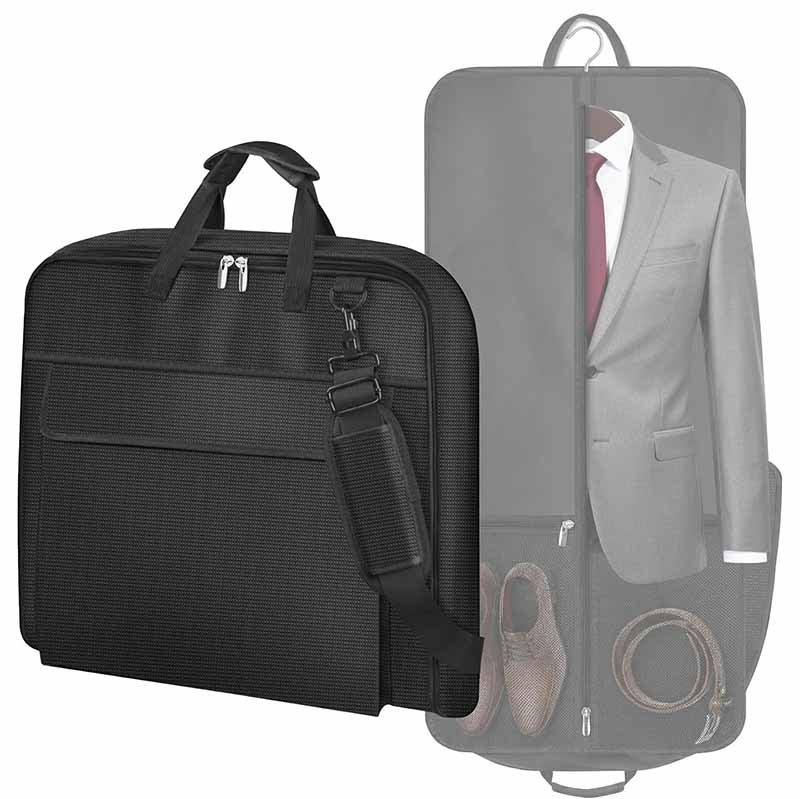
9. garment travel bags

Garment Travel Bags

Lightweight garment bags protect dresses, suits, uniforms, and formalwear during transport. Foldable garment duffels can combine clothing protection with shoe and accessory storage. Development considerations include:
  • Garment length
  • Hanger opening
  • Fold points
  • Shoulder strap
  • Handle balance
  • Zipper protection
  • Interior tie straps
  • External pockets

Lower Weight Without Removing Essential Performance

Weight reduction works best when every component receives a clear function, target specification, and measurable contribution.

Build a Weight Budget

A target empty weight should be divided among shell fabric, lining, zippers, webbing, hardware, foam, reinforcement, labels, and finishing. For a 30–35 liter lightweight backpack, an early development budget may review:
  • Shell and main panels: 280–380 g
  • Lining and pockets: 130–220 g
  • Zippers and sliders: 90–150 g
  • Webbing and binding: 80–140 g
  • Buckles and hardware: 40–90 g
  • Foam and support: 120–220 g
  • Labels, thread, and trims: 20–60 g
Final figures depend on size, structure, coating, pocket count, and load requirements.

Remove Unnecessary Layers

Layers should earn their place. Full foam lamination, double lining, repeated panels, oversized pocket bags, decorative backing, and excessive binding can add weight without improving daily use. Development review may replace:
  • Full foam with localized foam
  • Heavy lining with 190T or 210D lining
  • Metal parts with acetal parts
  • Thick board with thin PE support
  • Multiple internal walls with mesh dividers
  • Double shell panels with reinforcement patches

Reinforce Stress Zones

Weight savings should come from low-load areas rather than handle roots, shoulder anchors, bottom corners, and zipper ends. Common reinforcement methods include:
  • Bar tacks
  • Box-and-cross stitching
  • Backing patches
  • Double stitching
  • Bound stress seams
  • Local PE board
  • Webbing continuation
  • Load-spreading panel shapes

Check Total Delivered Weight

Product weight is only one part of delivered weight. Polybags, tissue, inserts, dust bags, retail boxes, hangtags, cartons, and protective material can raise freight cost. For packable items, folded volume often matters as much as grams. Carton quantity should be reviewed after packaging approval rather than copied from an unrelated product. 

Compare Lightweight Fabrics Before Sample Development

Fabric selection affects finished weight, hand feel, tear behavior, abrasion resistance, folding performance, coating durability, appearance, cost, and available colors.

MaterialCommon Finished Weight RangeMain StrengthsMain LimitationsRecommended Applications
70D Ripstop Nylon70–110 g/m2Very light, compact, smooth, excellent for foldingLower abrasion resistance, may require reinforcementPackable totes, storage pouches, lightweight organizers
150D Polyester100–150 g/m2Cost controlled, printable, available in many colorsLower tear strength than stronger nylon gradesPromotional travel bags, organizers, foldable totes
210D Polyester120–180 g/m2Stable, economical, suitable for lining and light shellsCan feel less premium without finishingPacking cubes, linings, travel pouches, value programs
210D Ripstop Nylon100–150 g/m2Good strength-to-weight ratio, compact, sporty appearanceCoating and color availability require confirmationPackable duffels, travel backpacks, weekenders
420D Nylon170–240 g/m2Stronger abrasion performance, better body, premium feelHeavier than 210D materialsCarry-on backpacks, duffels, higher-load travel bags
Recycled Polyester120–200 g/m2Supports recycled-material programs, broad construction choicesPerformance depends on yarn, weave, coating, and supplier gradeRetail collections, travel sets, sustainability programs
Lightweight Mesh70–180 g/m2Ventilation, visibility, low massNot suitable as the main load-bearing shellPacking cubes, shoe bags, internal pockets, ventilated panels
TPU-Laminated Nylon160–260 g/m2Strong weather protection, clean surface, premium performanceHigher cost, heat-sealing needs, folding behavior requires testingPremium weather-resistant travel products

Material Selection Notes:

  • Denier describes yarn size, not finished-product weight.
  • Coating, lamination, backing, printing, and finishing change final grams per square meter.
  • Water-resistant fabric does not automatically create a waterproof bag.
  • Stitch lines, zipper construction, and seam treatment affect water entry.
  • Recycled claims should match available material documentation and project requirements.
  • Long-term folding projects require coating-flex review before bulk approval.
  • A physical swatch and finished sample provide more reliable decisions than screen images.

Structure Options for Lighter and More Packable Bags
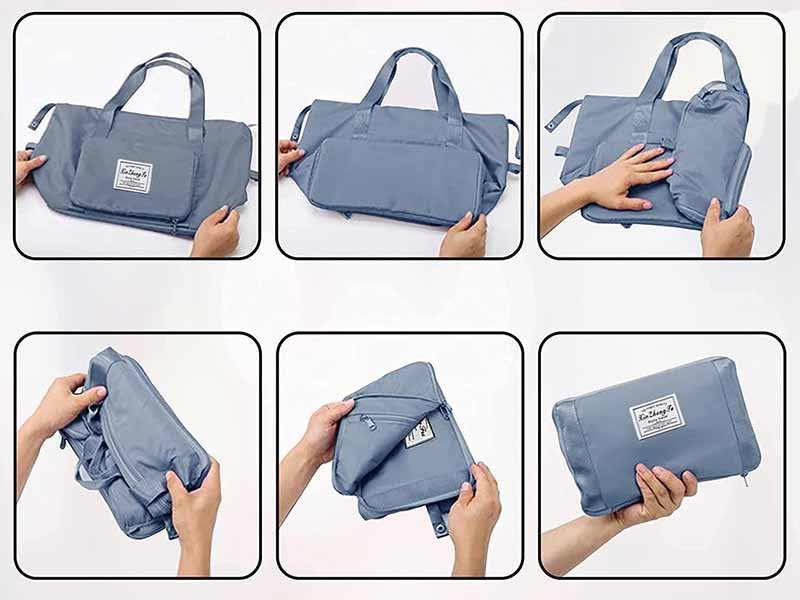
Construction determines how a bag folds, carries, opens, holds shape, and manages load. Four development directions cover most lightweight travel programs.
1. packable construction

Packable Construction

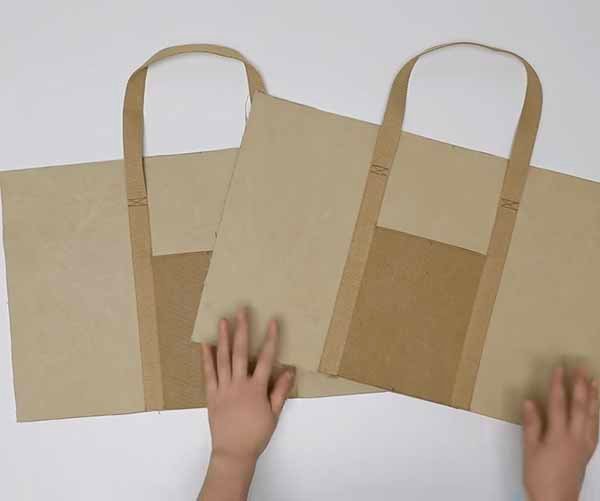
A packable bag folds into an integrated pocket or a separate pouch. Pattern direction, zipper orientation, fabric memory, coating flexibility, and handle placement must support repeated packing. Development checks include:
  • Fold sequence
  • Packed dimensions
  • Pocket capacity
  • Zipper protection
  • Strap storage
  • Wrinkle recovery
  • Coating flex
  • Unfolding speed
2. convertible carry

Convertible Carry

Convertible bags change among backpack, shoulder, crossbody, or hand-carry modes. Every additional carrying method adds straps, webbing, hardware, and storage features, so conversion should remain useful rather than decorative. Key decisions include:
  • Removable or stowable straps
  • Hook and buckle material
  • Load direction
  • Strap-storage location
  • Handle balance
  • Hardware noise
  • User adjustment range
3. convertible carry

Compression Construction

Compression straps or expansion zippers help reduce packed volume or create additional capacity. Compression systems need controlled anchor points, zipper protection, and panel shaping. Development checks include:
  • Full and compressed dimensions
  • Side-panel deformation
  • Zipper stress
  • Strap tension
  • Buckle clearance
  • Loaded stability
  • Folded appearance
4. semi structured construction

Semi-Structured Construction

Semi-structured bags keep an organized shape without full foam or rigid boards. Support may be placed only in the bottom, back panel, opening, or handle area. Suitable options include:
  • Thin PE bottom board
  • Local EVA foam
  • Lightweight binding
  • Reinforced opening frame
  • Contoured side panels
  • Removable base insert
  • Partial back panel

Components Selected for Weight, Strength and Daily Use

Small components influence several hundred grams across a finished travel bag. Selection should follow load, appearance, cost, and usage rather than habit.

Nylon Coil Zippers

Nylon coil zippers offer low weight, flexibility, broad color availability, and suitability for curved openings. Chain size should match opening length and load. Number 5 works well for many pockets and medium openings, while larger main openings may require Number 8.

Reverse Coil Zippers

Reverse coil zippers create a cleaner technical appearance and can reduce exposed teeth. Water-repellent versions are available, but zipper tape, slider design, seam construction, and coating quality still determine real weather performance.

Lightweight Pullers

Cord pullers, molded tabs, webbing loops, and small alloy pullers can replace heavy decorative metal parts. Puller length should remain easy to operate with gloves or during rushed airport use.

Acetal Buckles

Acetal buckles provide lower weight, corrosion resistance, and reliable daily use for compression straps, shoulder straps, and removable attachments. Size and wall thickness must match expected loads.

Slim Metal Hardware

Metal clips, rings, and badges can support a premium appearance, but every piece adds weight. Slim-gauge parts or smaller dimensions may reduce mass while preserving visual quality.

Lightweight Webbing

Webbing width, thickness, weave, and yarn affect strength, hand feel, and weight. Narrowing a strap without checking load may create discomfort or failure, so width and thickness should be assessed separately.

Low-Density Foam

Foam supports shoulders, handles, backs, and device compartments. Lower-density foam reduces weight but may compress too quickly. Thickness and density should follow contact pressure and expected use.

Mesh Pocket Panels

Mesh reduces mass and improves visibility or ventilation. Mesh is useful for packing cubes, shoe bags, bottle pockets, and internal dividers, but load-bearing edges need binding or woven-fabric support.

Printed and Woven Labels

Printed labels and woven labels add minimal weight and work well for packable products. Placement should avoid fold lines, skin-contact irritation, compression zones, and high-abrasion surfaces. 

Plan Carry-On Size, Capacity and Packing Efficiency

External dimensions, usable volume, opening design, pocket depth, lining, foam, and curved panels all affect real packing performance. 
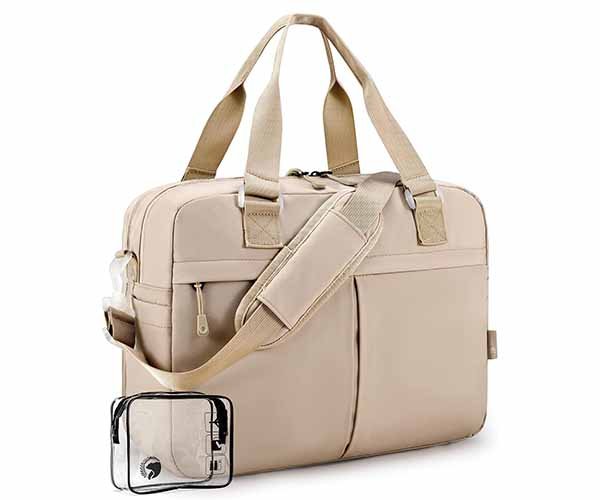
1. personal item bags

Personal Item Bags

A starting development range may fall around 38–43 cm long, 25–32 cm high, and 15–22 cm deep, often producing roughly 18–28 liters depending on construction. Suitable features include:
  • Laptop sleeve
  • Front travel pocket
  • Trolley sleeve
  • Water-bottle pocket
  • Wide opening
  • Compression side panels
Airline limits vary, so target carriers and markets should be confirmed before pattern approval.
2. carry on backpacks

Carry-On Backpacks

Carry-on backpacks commonly begin around 43–50 cm high, 28–35 cm wide, and 18–24 cm deep, with capacities near 28–40 liters. Capacity should be checked using real clothing, footwear, electronics, and toiletries. Foam, curved corners, internal walls, and laptop compartments reduce usable space.
3. cabin duffels

Cabin Duffels

Cabin duffels often begin around 45–55 cm long, 25–35 cm high, and 20–30 cm deep, offering approximately 30–50 liters. Handle drop, shoulder strap, shoe pocket, expansion section, and base structure should be included in size and weight evaluation.
4. weekend travel bags

Weekend Travel Bags

Weekend bags may range from 40 to 60 liters depending on trip length, style, and transport method. A larger body does not always improve use; overlong bags sag, become hard to carry, and occupy more storage space. Development should define:
  • Intended trip duration
  • Clothing quantity
  • Shoe count
  • Laptop requirement
  • Empty weight target
  • Maximum loaded weight
  • Airline or car-travel use

Comfort Depends on Load Distribution, Not Weight Alone

A lightweight shell cannot compensate for narrow straps, poor angles, unstable handles, or badly distributed compartments.

Shoulder Strap Geometry

Strap width, curve, anchor position, spacing, adjustment range, foam density, and surface fabric affect pressure distribution. Straight straps may work for simple bags, while contoured straps often suit higher loaded weights. Loaded fitting should review:
  • Neck clearance
  • Shoulder coverage
  • Strap slip
  • Edge pressure
  • Adjustment length
  • Anchor stress
  • Back-panel contact

Handle Load Distribution

Handles should spread weight into the bag body rather than pull from a small decorative patch. Webbing can continue below the seam, wrap around the base, or connect with backing panels according to expected load. Handle checks include:
  • Hand comfort
  • Handle spacing
  • Grip thickness
  • Stitch pattern
  • Loaded sag
  • Side-panel distortion

Back Panel Contact

A back panel can improve comfort but add weight. Lightweight development may use local foam channels, spacer mesh, shaped padding, or removable support instead of full thick padding. The right option depends on:
  • Carrying duration
  • Load
  • Climate
  • Product price
  • Foldability target
  • Laptop protection needs

Trolley Sleeve Position

Trolley sleeves should sit near the center of gravity. A sleeve placed too high, too low, or too loose can cause leaning, twisting, or handle interference. Development should test:

  • Full bag balance
  • Empty bag balance
  • Sleeve opening
  • Suitcase-handle fit
  • Pocket conflicts
  • Folded storage

Balance Low Weight With Durability and Weather Protection

Fabric strength, coating, seam construction, reinforcement, zipper selection, and real usage must work as one system.

Tear Resistance

Ripstop grids help limit tear propagation, but grid yarns do not replace adequate seam allowance or local reinforcement. Cut edges, needle size, stitch density, and panel direction also affect tear behavior. Projects using thin ripstop fabric should review:
  • Needle damage
  • Seam slippage
  • Stress direction
  • Binding
  • Backing patches
  • Zipper ends
  • Handle anchors

Abrasion Resistance

Airport floors, luggage racks, conveyor contact, vehicle trunks, and rough walls create abrasion. Lower panels and corners often require stronger fabric or local overlays even when the upper body uses lighter material. Selective abrasion protection can preserve lower weight better than using heavy fabric across the entire bag.

Water-Repellent Performance

PU coating can improve water repellency with moderate weight and cost. PVC coating often creates stronger protection but adds stiffness and mass. TPU lamination can provide premium performance and flexibility at a higher cost. Product claims should reflect tested construction. Fabric-level protection does not prevent water entry through zippers, seams, needle holes, or openings.

Folding Durability

Packable bags repeatedly crease coating, print, binding, labels, and zipper areas. Some coated fabrics look strong when flat but develop whitening, cracking, delamination, or permanent fold marks after repeated compression. Sample review should include:

  • Repeated folding
  • Packed storage
  • Unfolding recovery
  • Coating appearance
  • Print appearance
  • Zipper function
  • Seam stress

Build a Coordinated Lightweight Travel Collection

A focused collection can share material, color, logo, packaging, and inspection standards while serving several travel needs.

Hero Travel Product

Development often begins with one primary item such as a carry-on backpack, weekender, personal item bag, or packable duffel.
The hero product defines:
  • Main fabric
  • Brand color
  • Hardware finish
  • Logo language
  • Lining direction
  • Packaging style
  • Target retail positioning

Organizer System

Packing cubes, toiletry bags, shoe pouches, laundry bags, and cable organizers extend product value without requiring heavy structures.
Shared materials and colors can improve:
  • Visual consistency
  • Material purchasing
  • Production planning
  • Set packaging
  • Cross-selling
  • Reorder efficiency

Travel Accessories

Accessory extensions may include:
  • Passport pouches
  • Foldable totes
  • Luggage straps
  • Luggage tags
  • Garment covers
  • Bottle sleeves
  • Electronics organizers
  • Document pouches
Small accessories can use leftover fabric efficiently when cutting plans and color requirements permit.

Color and SKU Rollout

A mature program may use one core neutral color, two seasonal colors, and one limited launch color. Fabric, zipper tape, webbing, binding, thread, buckles, logos, and packaging should be reviewed together.
Different materials do not display identical color even under one Pantone reference, so physical approval remains essential.

Logo Solutions Matched to Weight and Brand Positioning
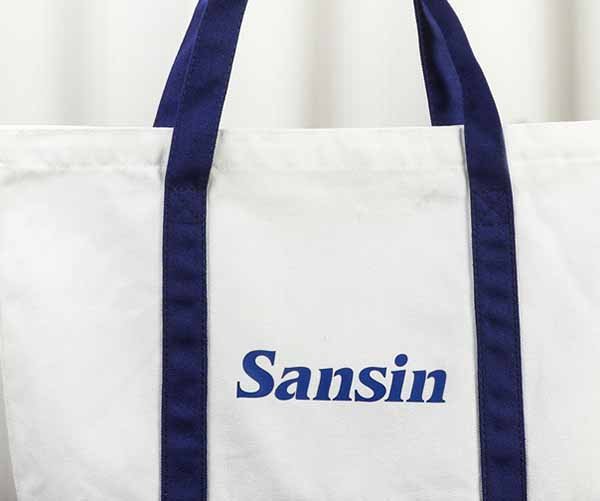
Branding should support product appearance without creating unnecessary mass, stiffness, folding problems, or avoidable setup cost.
1. screen printing

Screen Printing

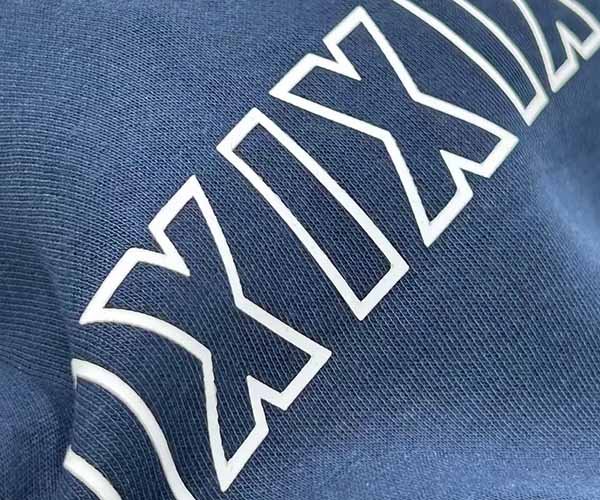
Screen printing works well on polyester, nylon, canvas, cotton, and many woven fabrics. Simple one-color artwork offers efficient production for larger placements. Important controls include:
  • Ink compatibility
  • Fabric coating
  • Print location
  • Fold lines
  • Abrasion zones
  • Color approval
  • Edge definition
2. heat transfer (1)

Heat Transfer

Heat transfer supports fine artwork, gradients, small details, and lower setup quantities. Transfer-film type and pressing temperature must match the fabric and coating. Potential risks include:
  • Edge lifting
  • Surface gloss changes
  • Heat marks
  • Coating damage
  • Poor adhesion on textured fabric
  • Cracking on fold lines
6. woven labels 2

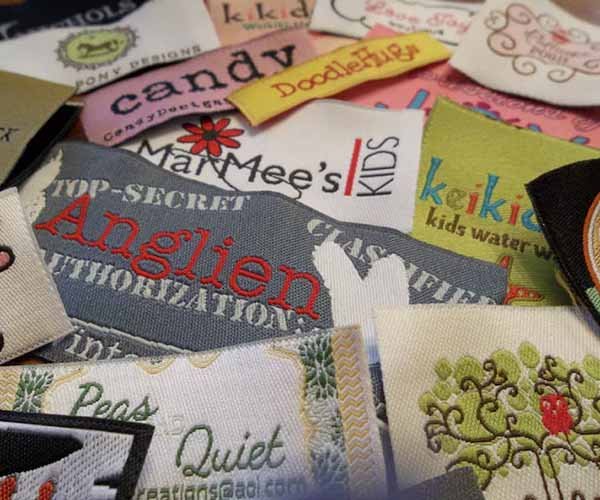
Woven Labels

Woven labels provide low weight, clean branding, and broad placement flexibility. They work well on packable bags, organizers, linings, handles, and accessory pouches. Options include:
  • Center-fold labels
  • End-fold labels
  • Flat labels
  • Hem labels
  • Inside branding
  • External side labels
embroidery

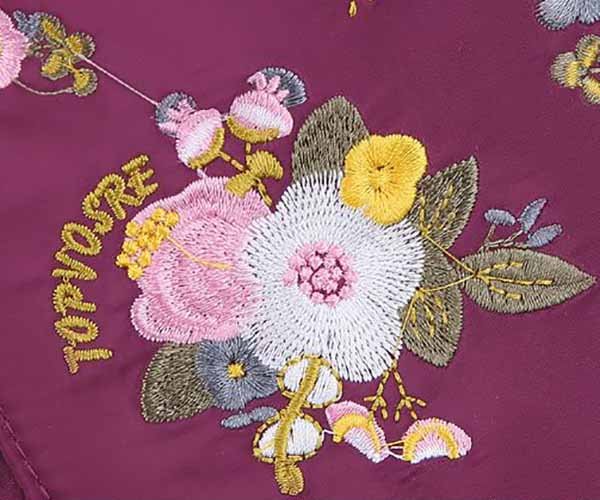
Embroidery

Embroidery creates texture and durability but adds thread, backing, stitch density, and localized stiffness. Large embroidery can distort thin fabric or affect packability. Development should confirm:
  • Stitch count
  • Backing
  • Needle type
  • Placement
  • Fabric strength
  • Reverse-side finishing
  • Minimum letter height
5. rubber and silicone patches

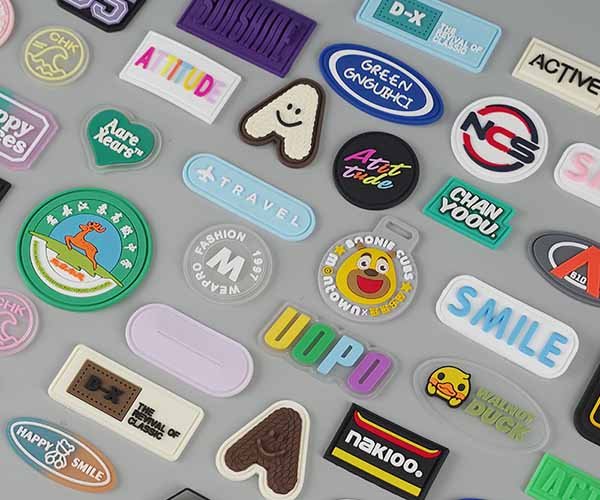
Rubber Patches

PVC or silicone patches suit outdoor, sport, and technical travel collections. Mold cost, patch thickness, sewing margin, color count, and attachment method affect MOQ and final weight. Thin patches provide a lighter alternative to heavy molded badges.
3. metal and leather details

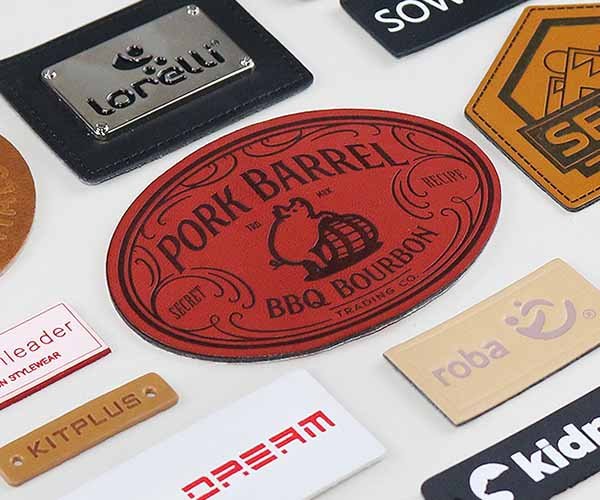
Metal or Leather Badges

Metal and leather badges can support premium positioning but add weight, cost, and attachment requirements. Slim plates, lightweight alloy, PU badges, or small leather tabs can create a refined look without dominating the product. Sharp edges, oxidation, coating wear, and fold interference should be checked before approval. 

Packaging Planned for Retail, E-Commerce and Global Delivery

Packaging should protect the product, preserve shape, support barcode accuracy, control dimensional weight, and arrive ready for the intended warehouse. 

Folded Polybag Packing

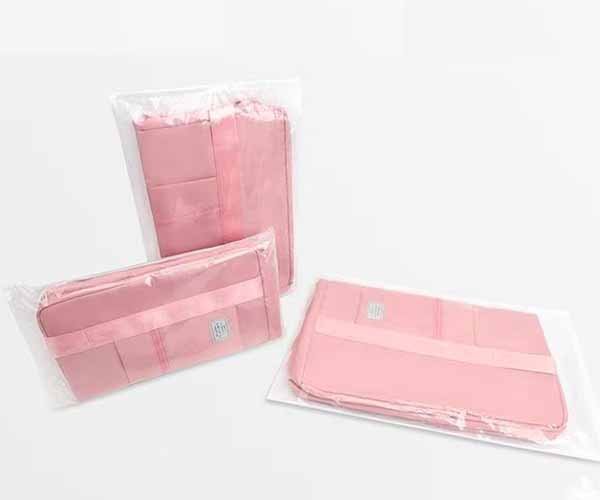
Packable and soft travel products can often use compact folded polybag packing. Folding size, zipper position, strap placement, warning labels, and barcode visibility should be confirmed before carton planning.

Shape-Protected Packing

Semi-structured backpacks and weekenders may need tissue, air pillows, inserts, or controlled stacking. Excess filling raises freight volume, while insufficient protection can create permanent deformation.

Retail Sleeves

Paper sleeves work well for packing cubes, foldable bags, and organizer sets. Sleeve dimensions, material thickness, barcode area, hanging hole, and bundle stability should be tested with the final packed product.

Hangtags and Barcodes

Hangtags can carry product features, material details, care instructions, brand story, and retail pricing. Barcode files should be matched to SKU, size, and color before printing.

FNSKU Labels

FNSKU labels require correct file version, placement, scan quality, and SKU matching. Existing manufacturer barcodes may need covering according to warehouse instructions.

FBA Carton Labels

Carton labels, box quantity, carton dimensions, gross weight, SKU separation, and shipping-plan details should be reviewed before dispatch to an Amazon warehouse or freight partner.

Volume Weight Control

A 600-gram packable duffel can still create high freight cost when packaging wastes space. Folded dimensions, carton quantity, compression, and protective material should be optimized after sample approval.

Split Shipments

Production can be divided among express, air, sea, FBA, overseas warehouse, retail distribution, or several addresses when scheduling and carton marks are planned before packing.

Global Freight Options

Szoneier can coordinate EXW, FOB, CIF, DAP, and eligible DDP routes through express, air, sea, rail, or combined delivery. Route availability depends on destination, product, carton data, shipment value, and current logistics conditions.

From Weight Target to an Approved Travel Bag Sample

Sampling converts a design idea into measurable material, construction, weight, capacity, appearance, and manufacturing decisions.

Project Review

Send a tech pack, sketch, reference sample, product photos, competitor link, measurements, intended use, quantity, target market, and target price.
The team reviews:
  • Product complexity
  • Material availability
  • Weight objective
  • Required tooling
  • Logo method
  • Packaging needs
  • Testing needs
  • Development timing

Use Definition

Expected contents, trip length, carrying method, airline needs, sales channel, and loaded weight help define a suitable structure.
A travel bag for one-night business use requires different materials and organization from a 40-liter outdoor travel backpack.

Weight Target

A realistic empty-weight target is set before material confirmation. Targets should account for capacity, protection, pockets, carrying comfort, and expected load.
Extreme weight reduction may require compromises in padding, structure, hardware, and abrasion protection.

Material Selection

Szoneier compares shell fabric, lining, mesh, foam, webbing, binding, zipper, buckles, reinforcement, labels, and packaging.
Material swatches or substitute options can be prepared when original materials are unavailable or unsuitable for MOQ, cost, weight, or performance.

Pattern Development

Five experienced pattern makers support paper-pattern creation and adjustment. Patterns control dimensions, panel geometry, seam allowances, pocket placement, loading direction, folded shape, and material consumption.
Complex designs may require internal mockups before a full branded sample.

Sample Sewing

An eight-person sample team with 12 sample-sewing positions develops prototypes. Sample technicians review construction order, machine requirements, seam access, binding, reinforcement, zipper installation, and finishing.

Internal Review

Before dispatch, samples can be checked for:
  • Dimensions
  • Finished weight
  • Appearance
  • Symmetry
  • Zipper operation
  • Strap length
  • Pocket access
  • Logo position
  • Folding function
  • Packaging fit

Revision Round

Feedback should identify measurable changes such as strap length, pocket depth, foam thickness, opening width, logo position, color, or finished weight.
Clear revision records reduce repeated interpretation and protect approved features.

Final Approval

After approval, Szoneier records the final sample, pattern, BOM, materials, color references, logo files, packaging files, inspection points, and production notes for pre-production preparation.


Validate Weight, Capacity and Strength Before Bulk Production

Product claims and bulk standards should be supported by measurable checks agreed during development.

Finished Weight Check

Finished weight should be measured after all straps, hardware, labels, inserts, and removable parts are included. A weight tolerance can be established according to product size, material variation, and production method.

External Dimension Check

Length, height, depth, strap length, handle drop, opening size, pocket dimensions, and folded dimensions should follow an agreed measurement method. Soft bags should be measured consistently without excessive stretching or compression.

Capacity Packing Test

Liter calculations alone may not represent usable space. Real packing trials can use clothing, shoes, toiletries, electronics, or standardized fill material to review access and internal efficiency.

Loaded Carry Test

A loaded carry review checks handle comfort, shoulder pressure, body sag, balance, zipper stress, panel distortion, and strap adjustment. Test load should match the intended use rather than an unrealistic promotional number.

Handle and Strap Test

Handles and straps can be assessed through static loading, repeated lifting, pulling, stitch inspection, and attachment review. High-load projects may require laboratory testing under agreed methods.

Seam Review

Seam quality depends on stitch density, needle type, thread, seam allowance, material coating, binding, reinforcement, and operator control. Inspection focuses on skipped stitches, seam opening, puckering, fraying, and needle damage.

Zipper Cycling

Repeated opening and closing can reveal slider resistance, chain separation, tape damage, puller weakness, curved-opening problems, and zipper-end failure. Cycle count should match project requirements and available testing methods.

Abrasion and Tear Review

Material samples and finished high-contact areas can be reviewed for rubbing, fraying, coating wear, tear growth, and color transfer. Formal performance claims may require third-party testing.

Folding and Coating Review

Packable products should be folded, stored, opened, and inspected repeatedly. Coating, print, labels, binding, seams, and zipper areas should remain acceptable after compression. 

Keep Approved Weight and Construction Consistent in Bulk

Bulk consistency depends on frozen specifications, controlled material lots, production records, and inspections at the right stages.

Approved Sample Record

The final approved sample becomes the main physical reference for shape, hand feel, stitching, color combination, logo, component selection, and packaging appearance. Any approved exception should be recorded before production.

Frozen Pattern

Pattern changes can alter dimensions, capacity, seam placement, material use, folded size, and weight. Final patterns are controlled before cutting begins. Size grading or multi-size programs require separate review.

Confirmed BOM

The BOM records:
  • Shell fabric
  • Lining
  • Mesh
  • Foam
  • Boards
  • Zippers
  • Pullers
  • Webbing
  • Buckles
  • Thread
  • Labels
  • Logo parts
  • Packaging
Substitutions require approval when appearance, weight, or performance may change.

Material Lot Approval

Bulk materials are checked against approved swatches or sample references. Color, hand feel, width, thickness, coating, surface appearance, and available quantity are reviewed before cutting.

Pre-Production Sample

A pre-production sample uses intended bulk materials and production methods. It confirms whether material lots, accessories, construction, logo, and packaging still match the approved direction.

Cutting Control

Fabric width, grain direction, print direction, coating side, panel count, cutting accuracy, and bundle labeling affect consistency and waste. Multi-color programs require separation to prevent mixed panels.

Sewing-Line Setup

Production instructions identify machine type, seam construction, reinforcement, stitch density, critical dimensions, zipper installation, binding method, and in-line inspection points.

Weight Monitoring

Finished weight can be sampled during production when weight forms part of product positioning or airline-related specifications. Unexpected variation may indicate changes in foam, lining, hardware, coating, or construction.

Packaging File Control

Polybag size, folding method, insert, hangtag, barcode, SKU label, FNSKU, carton quantity, carton mark, and destination information are checked against approved files before shipment. 

Quality Checks for Lightweight Travel Bag Production
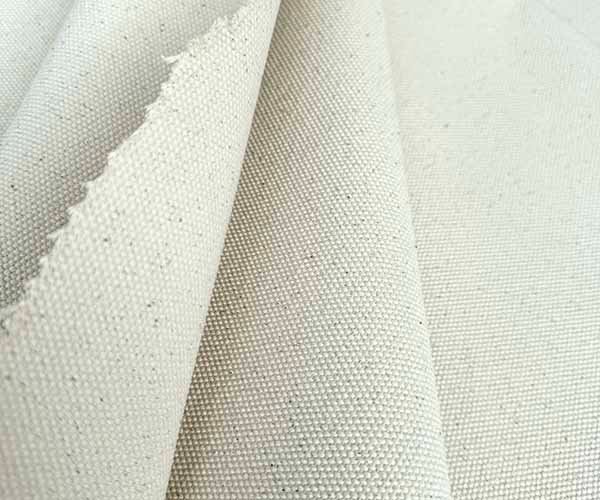
Quality control follows materials, cutting, sewing, finished products, and packaging rather than relying only on final inspection.
1. incoming material inspection

Incoming Material Inspection

Incoming checks can cover:
  • Fabric color
  • Width
  • Surface defects
  • Coating appearance
  • Hand feel
  • Thickness
  • Fabric weight
  • Zipper color and function
  • Webbing width
  • Buckle matching
  • Foam thickness
  • Logo parts
Material testing requirements are confirmed according to market, product claims, and project standards.
2. in process inspection 1

In-Process Inspection

In-line inspection focuses on areas difficult to repair after completion:
  • Panel dimensions
  • Reinforcement patches
  • Handle attachment
  • Shoulder-strap roots
  • Zipper ends
  • Pocket alignment
  • Seam allowance
  • Stitch quality
  • Binding
  • Logo position
  • Internal assembly
Problems are corrected during production rather than collected at the end.
3. finished product inspection

Finished Product Inspection

Finished inspection can review:
  • Overall appearance
  • Dimensions
  • Weight
  • Symmetry
  • Capacity
  • Zipper operation
  • Strap adjustment
  • Handle comfort
  • Pocket function
  • Folding performance
  • Logo quality
  • Odor
  • Cleanliness
Inspection level and sampling plan can follow agreed requirements or third-party standards.
4. packaging and shipment inspection

Packaging and Shipment Inspection

Final checks cover:

  • Correct SKU
  • Color and size
  • Folding method
  • Barcode
  • FNSKU
  • Polybag
  • Warning label
  • Insert
  • Hangtag
  • Carton quantity
  • Carton mark
  • Gross weight
  • Shipping documents

Third-party inspection can be coordinated for qualifying programs.

Factory-Based Development for Serious Travel Bag Programs

Szoneier combines in-house development, production management, quality control, packaging, logistics coordination, and a controlled partner network.

18+ Years Experience

More than 18 years of custom bag and sewn soft-goods experience covers materials, patterns, sampling, sewing, branding, packaging, quality inspection, and export delivery.

20,000+ m2 System

The manufacturing system covers more than 20,000 square meters across core operations and controlled production resources serving varied bag categories.

180+ Team Members

More than 180 team members support sales, product management, design, pattern work, sampling, purchasing, sewing, quality inspection, packaging, and logistics coordination.

160+ Machines

More than 160 production and support machines cover cutting, sewing, binding, reinforcement, finishing, inspection, and packaging needs across different soft-goods structures.

Eight Sewing Lines

Eight sewing production lines support scheduled manufacturing for travel bags, backpacks, pouches, totes, cooler bags, functional bags, and related soft products.

Sample Development Team

Six bag designers, five pattern makers, and an eight-person sample team with 12 sample-sewing positions support concept review, pattern development, prototype construction, and revisions.

Twelve QC Staff

A 12-person QC team supports incoming-material inspection, in-line review, finished inspection, packaging checks, corrective follow-up, and shipment preparation.

Controlled Partner Network

More than 10 long-term satellite partner factories provide capacity flexibility and category support. Sampling standards, materials, production requirements, quality checks, packaging, and communication remain under Szoneier project management.

Scalable Monthly Capacity

Regular monthly capacity ranges from approximately 120,000 to 200,000 pieces across the manufacturing system, with 20–35 orders managed in parallel according to product mix and complexity. 

MOQ, Sample Timing and Bulk Production Planning

MOQ and lead time depend on material availability, color quantity, construction, logo process, accessories, packaging, testing, order quantity, and production season.

Project TypeMOQ DirectionSample Lead TimeBulk Lead TimeMain Variables
Simple Travel PouchFrom 200 pcs3–7 days25–35 daysFabric stock, pocket count, logo, lining
Foldable ToteFrom 200 pcs5–10 days25–40 daysFolding pocket, print, handles, packaging
Packable DuffelFrom 300–500 pcs7–12 days30–45 daysRipstop fabric, zipper, strap, packed size
Packing Cube SetFrom 500 sets7–12 days30–45 daysSet quantity, mesh, zippers, retail sleeve
Travel WeekenderFrom 500 pcs7–15 days30–45 daysCompartments, base support, shoulder strap
Carry-On BackpackFrom 500 pcs10–20 days35–50 daysBack panel, straps, laptop section, hardware
Multi-SKU Travel SetProject review10–20 days35–55 daysSKU count, colors, packaging, assortment
Complex Functional BagProject review12–20+ days40–60+ daysCustom materials, molds, tests, special hardware

MOQ Notes:

  • MOQ from 200 pcs applies to selected products using available materials, mature structures, standard accessories, and straightforward branding.
  • Custom-dyed fabric, private-mold hardware, custom zipper pullers, jacquard webbing, molded patches, and specialized packaging may require higher quantities.
  • Several colors divided into one small order can create material and production limitations.
  • Sample cost is explained before development, including materials, logo setup, molds, packaging samples, revisions, and courier charges.
  • Bulk timing begins after sample approval, deposit, final artwork, packaging files, and material confirmation.
  • Peak-season projects should reserve additional time for material procurement, production scheduling, freight space, customs processing, and warehouse appointments.

Lightweight Travel Bag Projects for Global Markets
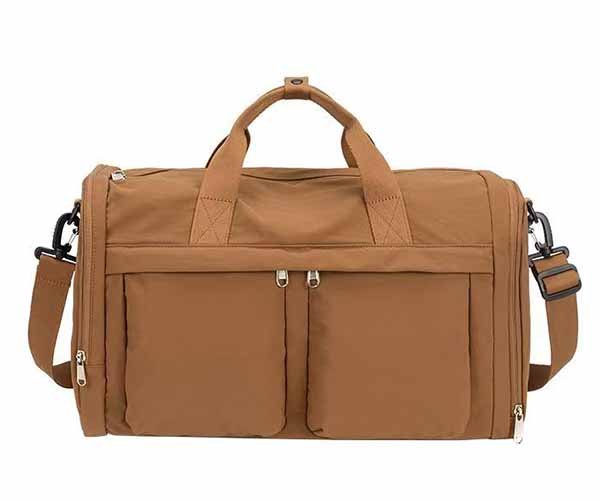
The following anonymized project records illustrate how material, structure, sampling, production, packaging, and delivery decisions work together.
1. us packable weekender

US Packable Weekender

A growing US travel-accessory brand required a packable weekender for online launch and overseas warehouse replenishment.
Order Profile
  • Initial quantity: 1,200 pcs
  • Product: Foldable weekender
  • Material: 210D ripstop nylon
  • Colors: Black, navy, and olive
  • Branding: Woven side label
  • Packaging: Compact folded polybag
  • Destination: United States
Development Challenge
The original concept used thick lining, heavy zipper pullers, full bottom foam, and metal hooks. The first construction direction exceeded the intended empty weight and folded into a package too large for the planned shipping carton.
Szoneier Solution
The team replaced full foam with a removable thin base insert, changed metal hooks to acetal hardware, reduced lining coverage, adjusted the zipper specification, moved reinforcement to handle and strap anchors, and created an integrated storage pocket.
Project Timing
  • First sample: 9 days
  • Revision round: 6 days
  • Pre-production sample: 7 days
  • Bulk production: 36 days
Quality Focus
Finished weight, packed dimensions, zipper function, handle attachments, fold recovery, label placement, and carton quantity were checked.
Result
The launch order shipped by sea with an air-freight portion for photography and early inventory. A follow-up order of 2,400 pcs added two seasonal colors while retaining the archived pattern and BOM.
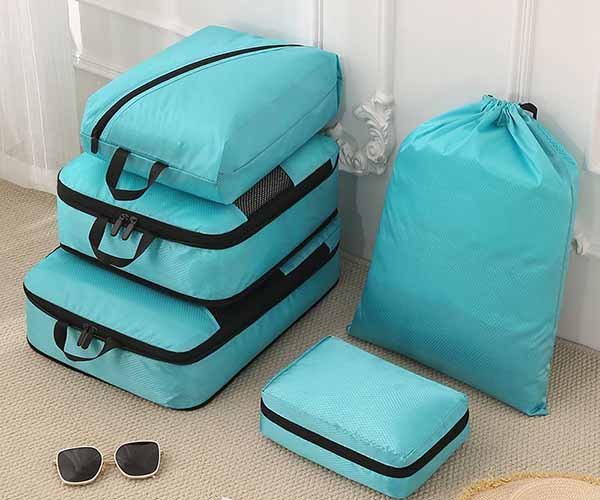
2. european organizer set

European Organizer Set

A European lifestyle label needed a coordinated organizer set for retail and online channels.
Order Profile
  • Quantity: 3,600 sets
  • Products: Three packing cubes, one shoe bag, one toiletry pouch
  • Materials: 210D recycled polyester and lightweight mesh
  • Colors: Four coordinated colorways
  • Branding: Heat-transfer logo
  • Packaging: Printed paper sleeve with barcode
  • Destination: Two European distribution locations
Development Challenge
Five products, four colors, several zipper lengths, different mesh panels, and retail barcodes created high risk for mixed components and incorrect packing.
Szoneier Solution
Separate BOM sheets, color boards, zipper-length charts, SKU labels, packing diagrams, barcode records, and carton-assortment plans were prepared. Mesh edges received woven binding, and zipper tape was matched to the main fabric rather than relying on screen colors.
Project Timing
  • Initial sample set: 12 days
  • Color correction: 5 days
  • Packaging sample: 7 days
  • Bulk production: 42 days
Quality Focus
Set completeness, dimensions, zipper direction, mesh tension, logo position, sleeve fit, barcode matching, color assortment, and carton marks were inspected.
Result
The program delivered in two shipment lots. A second development phase added compression cubes and a smaller electronics organizer using the same material and color system.
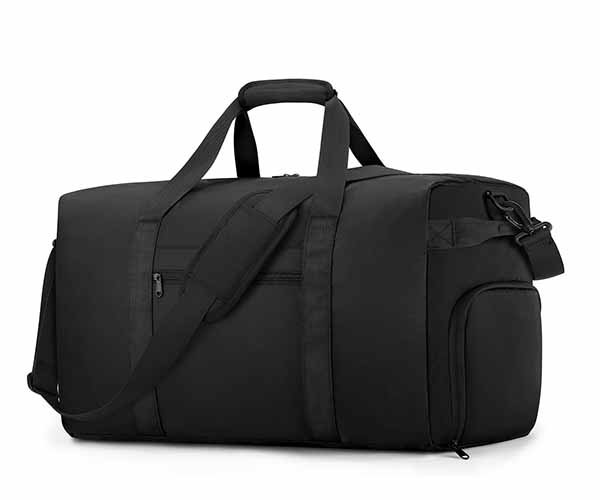
3. north american carry on duffel

North American Carry-On Duffel

An established North American travel label required a carry-on duffel balancing premium appearance, loaded strength, and controlled empty weight.
Order Profile

  • Quantity: 8,000 pcs
  • Product: 42-liter carry-on duffel
  • Material: 420D nylon shell with lightweight polyester lining
  • Branding: Embroidered logo and woven internal label
  • Features: Shoe pocket, trolley sleeve, removable shoulder strap
  • Packaging: Shape-controlled polybag packing
  • Destination: Retail distribution center

Development Challenge
The original reference used thick foam, metal hardware, heavy webbing, and full double-layer construction. Weight reduction could not compromise handle strength, base stability, or retail appearance.
Szoneier Solution
Local foam was placed only at handles and shoulder contact zones. Acetal hooks replaced heavy metal clips, shell duplication was removed from low-stress panels, and a thin removable base board preserved shape. Handle webbing extended into reinforced side panels to distribute load.
Project Timing

  • First sample: 14 days
  • Loaded review and revision: 8 days
  • Pre-production sample: 9 days
  • Bulk production: 48 days

Quality Focus
Dimensions, finished weight, loaded handle performance, shoulder-strap attachment, zipper cycling, trolley-sleeve position, embroidery, base stability, and packaging shape were monitored.
Result
The initial order entered retail distribution on schedule. Pattern, BOM, material codes, embroidery file, packaging instructions, and QC standards were retained for scheduled replenishment.

Why Brands Choose Szoneier for Lightweight Travel Programs

Szoneier is best suited for brands requiring development support, controlled sampling, flexible production, measurable quality, and repeat-order continuity.

Beyond Trading Coordination

Szoneier participates directly in material review, pattern development, sample sewing, production planning, quality inspection, packaging, and delivery coordination.Direct technical involvement reduces information loss between design, sampling, procurement, production, and inspection.

More Control Than Workshops

Small workshops may handle simple sewing efficiently but often lack complete pattern, purchasing, QC, packaging, documentation, and export support.Szoneier combines:
  • Product managers
  • Designers
  • Pattern makers
  • Sample technicians
  • Purchasing staff
  • Production teams
  • QC staff
  • Logistics coordinators

More Flexible Than High-MOQ Plants

Very large factories may prioritize high-volume programs and limited revisions. Szoneier can support selected projects from 200 pcs and scale into 500, 1,000, 3,000, 5,000, or larger replenishment quantities.Low MOQ works best with available materials, proven structures, standard hardware, and efficient branding.

Built for Repeat Programs

Patterns, BOM records, material information, color references, logo files, packaging files, carton details, FNSKU records, and QC standards can be retained for future production.Repeat-order management reduces the need to restart every specification and supports faster development of new colors, sizes, and related SKUs.

Lightweight Travel Bag Frequently Asked Questions

210D ripstop nylon, 150D or 210D polyester, recycled polyester, 420D nylon, lightweight mesh, and selected coated fabrics are common options. The right material depends on expected load, abrasion exposure, folding requirements, water repellency, appearance, target price, and available colors. A physical swatch and sample should be approved before bulk production.
Yes. Share product dimensions, capacity, expected load, required features, and target empty weight. Szoneier can review shell fabric, lining, foam, zippers, webbing, hardware, reinforcement, logo, and packaging. A weight target must remain compatible with durability, comfort, shape, and product positioning.
Lightweight products can be strong when material and reinforcement are placed correctly. Strength depends on fabric construction, seam allowance, stitching, handle design, shoulder anchors, zipper ends, bottom panels, webbing, and expected load. Samples can undergo loaded reviews and agreed tests before bulk approval.
Yes. Provide target airlines, markets, external dimensions, capacity, intended contents, and carrying method. Airline limits vary, and external dimensions should include handles, pockets, and protruding parts. Szoneier can develop a sample and verify measurements under an agreed method.
MOQ starts from 200 pcs for selected simple structures using available materials and standard branding. Travel backpacks, multi-piece sets, custom-dyed fabrics, private hardware, special coatings, complex packaging, and several colorways may require 500 pcs or more. Final MOQ follows material and construction review.
Simple samples may require 3–7 days, standard travel bags often require 7–12 days, and complex backpacks or functional structures may require 12–20 days or longer. Custom materials, molded parts, full-print artwork, special hardware, testing, and several revisions can extend the schedule.
Yes. Recycled polyester, RPET fabric, recycled nylon, recycled lining, and related options can be evaluated according to product structure and sourcing availability. Required documentation, recycled content, color, coating, performance, MOQ, and traceability should be confirmed before sample development.
Szoneier controls bulk consistency through an approved sample, frozen pattern, confirmed BOM, material-lot review, pre-production sample, cutting control, sewing instructions, in-line inspection, finished-weight checks, and packaging records. Changes affecting weight, appearance, or performance require review before use.
Yes. Support may include polybags, warning labels, inserts, hangtags, barcodes, FNSKU labels, retail sleeves, SKU separation, master-carton marks, FBA carton labels, packing lists, overseas warehouse delivery, and eligible DDP routes. Exact requirements should be provided before packaging production.
Please provide product type, reference photos or tech pack, target dimensions, capacity, material preference, logo method, quantity, color count, packaging, sales channel, destination country, target delivery date, and any weight or testing requirements. More complete information produces a more accurate quotation and development plan.

CTA Button: Ask Nancy

Develop Your Lightweight Travel Bag With Szoneier

A useful quotation begins with clear product information. Send a reference image, sketch, tech pack, physical-sample details, or a link showing the structure you plan to develop. Include the product type, external dimensions, capacity, intended contents, expected load, preferred fabric, target empty weight, logo method, quantity, number of colors, packaging needs, destination country, and required delivery date. For a new concept, Szoneier can review material options, structure, reinforcement, folding method, components, branding, sample timing, MOQ, bulk-production timing, inspection needs, packaging, and freight direction. For an existing product, send photos, measurements, material details, and any issues requiring improvement. Projects with several SKUs, retail packaging, FBA labels, third-party inspection, recycled materials, special coatings, or performance testing should include those requirements during the first review.
  • MOQ from 200 pcs for selected projects
  • Standard and complex sample development available
  • Lightweight fabric and component review
  • Pattern, sample, BOM, and pre-production control
  • Retail, FBA, overseas warehouse, and DDP support
  • Video factory review available for qualified projects
  • Contact Nancy for direct project coordination
lightweight travel bag (3)

Ask For A Quick Quote

We will contact you within 24 Hours, please pay attention to the email with the suffix“@szoneier.com”

For all inquiries, please feel free to reach out at:

Ask For A Quick Quote

We will contact you within 24 Hours, please pay attention to the email with the suffix“@szoneier.com”

Contact Us

Send us a message if you have any questions or request a quote. We will be back to you ASAP!

For all inquiries, please feel free to reach out at:

Contact Us

Send us a message if you have any questions or request a quote. We will be back to you ASAP!

Exclusive Offer for First-Time Customers

For first-time customers, we will send you a free color card for you to choose.Once you have confirmed the fabric and color, our factory will make a free sample proofing for you.

For customers who frequently cooperate with us, we will send new color charts free of charge several times a year.

For all inquiries, please feel free to reach out at: