Skip to content

Luxury bags are designed to last for decades—but only if they’re treated like long-term investments rather than seasonal accessories. Many owners focus heavily on purchase decisions, leather type, or brand reputation, yet overlook the single factor that most often determines whether a bag ages beautifully or deteriorates quietly: how it is stored when not in use.
Improper storage doesn’t fail overnight. Damage appears slowly—creased leather, collapsed corners, sticky handles, tarnished hardware, musty odors. By the time problems are visible, they’re often permanent. This is why professional collectors, luxury resellers, and experienced manufacturers all agree on one thing: storage is not passive—it’s active care.
The best way to store luxury bags is to keep them clean, properly supported, protected from humidity and light, and stored in breathable dust covers. Leather bags should be gently stuffed to retain shape, placed upright or flat depending on structure, and checked regularly. Avoid plastic, overcrowding, and damp environments to preserve materials, structure, and value long term.
At Szoneier, with over 18 years of experience designing and manufacturing premium bags for international brands, we’ve seen firsthand how identical bags can age completely differently—simply because of how they’re stored. One European client once returned two five-year-old samples of the same leather tote. One looked almost new. The other had warped panels and cracked edges. Same leather. Same factory. Very different storage habits. That contrast is where this guide begins.
What Is the Best Way to Store Luxury Bags
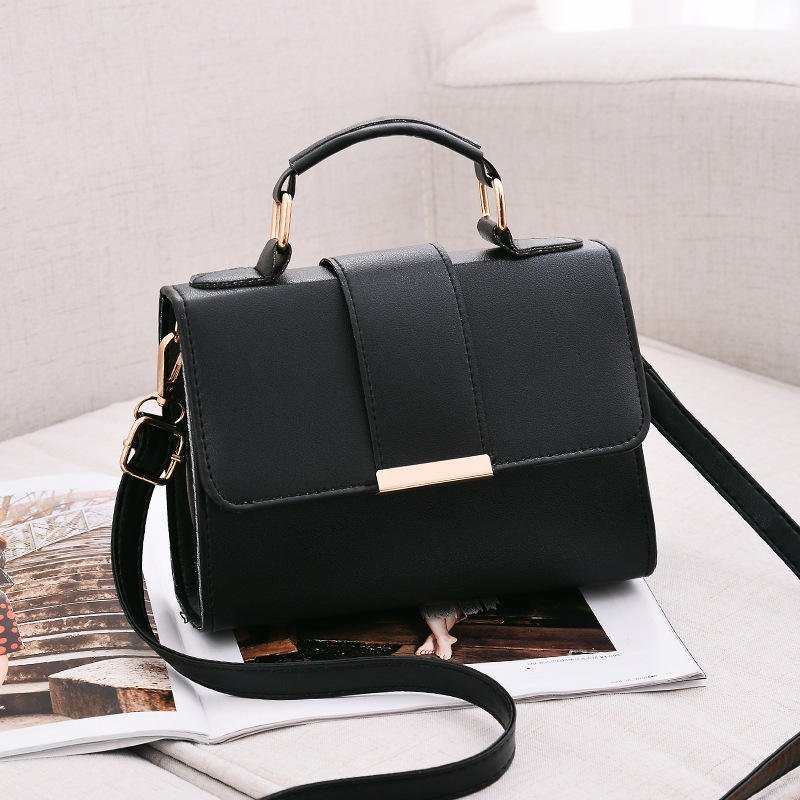
The best way to store luxury bags is to keep them clean, gently supported to maintain shape, protected from dust and light, and stored in a cool, dry, well-ventilated space. Bags should be placed individually in breathable dust bags, never in plastic, and positioned upright or flat based on structure. Regular checks prevent moisture damage, deformation, and leather aging.
When people ask about the best way to store luxury bags, they are usually not looking for abstract advice—they want a repeatable system that works at home, in real closets, with real climate conditions.
From a manufacturing and long-term durability perspective, proper storage solves four specific problems:
- Shape loss caused by gravity and pressure
- Leather aging caused by moisture, dryness, or light
- Hardware damage caused by contact and oxidation
- Hidden deterioration caused by poor airflow
At Szoneier, luxury bags are tested not only for daily use but also for how they behave when resting. Storage is essentially the “off-duty state” of a bag—and it needs just as much engineering logic as active use.
How to properly store luxury bags for long-term use
For long-term storage, luxury bags should always be treated as three-dimensional objects, not flat items.
The correct method includes:
- Emptying the bag completely
- Adding light internal support to mirror natural volume
- Placing the bag inside a breathable dust bag
- Storing it with enough space so no surface is under pressure
Bags should never be squeezed to “save space.” Compression causes permanent creases, especially along side panels and bottom corners. In our OEM projects, deformation complaints almost always trace back to storage pressure—not material quality.
Long-term storage works best when the bag is allowed to “rest” in its intended shape.
Why storage position matters more than most people realize
Storage position determines where gravity acts on the bag over time.
- Structured bags (totes, satchels, briefcases) should be stored upright, with the base fully supported.
- Soft or unstructured bags (hobo, drawstring, slouchy styles) can be stored flat, but never folded.
- Backpacks and travel bags should stand naturally, not lean forward on straps.
Hanging bags is one of the most damaging habits. Handles and strap attachment points are designed for carrying weight intermittently—not for supporting the full mass of the bag 24/7. Prolonged hanging stretches leather and weakens stitching.
What environment is best for storing luxury bags
The ideal storage environment is stable, breathable, and shaded.
Key conditions:
- No direct sunlight
- No heat sources (radiators, heaters, AC vents)
- Moderate humidity with airflow
Leather is a natural material. It absorbs and releases moisture continuously. When airflow is blocked, moisture becomes trapped—leading to mold, odor, or sticky finishes. When the environment is too dry, leather stiffens and cracks more easily.
This is why sealed boxes or plastic containers are not recommended for long-term storage.
How dust protection and airflow should work together
Dust protection is important—but airtight protection is dangerous.
The best option is:
- Cotton or non-woven dust bags
- Open shelving or ventilated closets
- Occasional exposure to fresh air
Plastic covers, vacuum bags, or sealed garment bags trap humidity and accelerate material breakdown. In professional storage and export packaging at Szoneier, sealed plastic is only used short-term and always combined with moisture control—never for long-term resting.
At home, breathable protection always wins.
How often stored luxury bags should be checked
Even when stored correctly, luxury bags should not be forgotten.
A practical guideline:
- Check bags every 1–3 months
- Adjust stuffing if shape shifts
- Replace silica gel if used
- Air briefly if the space feels stale
These small actions prevent long-term damage and allow early correction before problems become permanent.
Which Storage Tools Do You Need
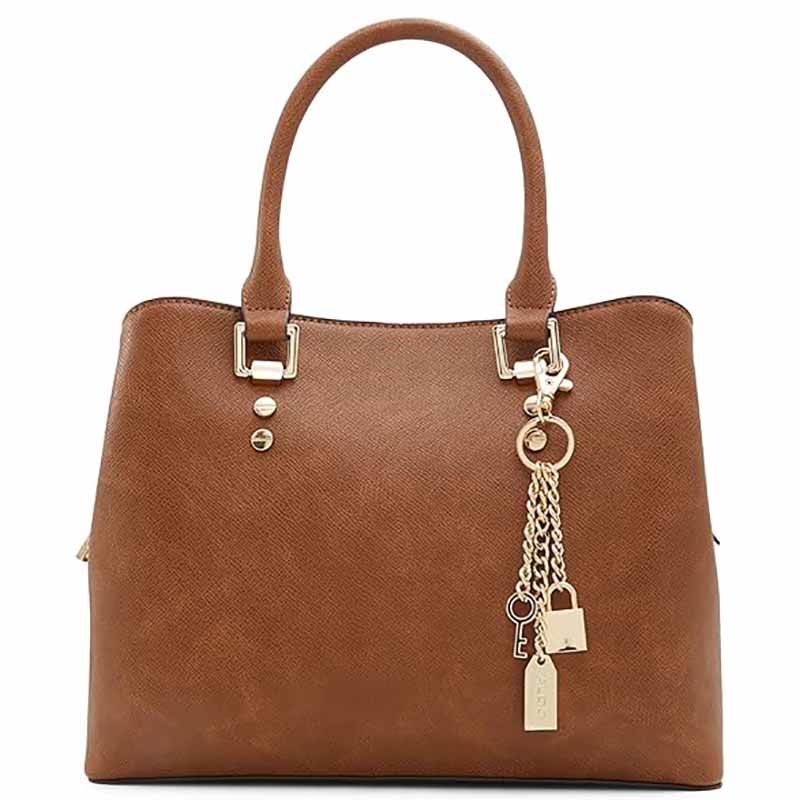
To store luxury bags properly, you need breathable dust bags, internal shape supports, moisture control tools, and stable shelving. Cotton or non-woven dust covers protect against dust while allowing airflow. Soft stuffing maintains shape. Silica gel helps manage humidity. Avoid plastic covers, wire hooks, and sealed containers, which trap moisture and damage leather over time.
Most storage damage doesn’t come from lack of tools—it comes from using the wrong tools. Many products marketed as “organizers” are designed for visual order, not material preservation.
From a manufacturing standpoint, storage tools must be chemically neutral, structurally supportive, and breathable. At Szoneier, similar principles apply when selecting packing materials for long-distance export and long-term sample storage.
A good tool should protect the bag without altering how materials behave over time.
Which dust bags and covers are safest for luxury bags
The safest dust bags share three characteristics: breathability, softness, and color stability.
Recommended options:
- Cotton dust bags
- Non-woven fabric dust covers
- Original brand dust bags (if breathable)
Dust bags should block dust while allowing moisture to escape. Plastic garment bags or PVC covers fail this requirement. They trap humidity, leading to mold growth and sticky leather finishes.
In professional OEM packing, sealed plastic is only used short-term with moisture control. For home storage, breathable always wins.
What to use inside the bag to maintain shape
Internal support is critical for preventing sagging, creasing, and corner collapse.
Best stuffing materials:
- Acid-free tissue paper
- Soft cotton fabric
- Purpose-made bag pillows or inserts
Avoid:
- Newspaper (ink transfer)
- Towels (uneven pressure)
- Overstuffing (stretched seams)
Stuffing should gently support the bag’s natural volume—not force it open. In Szoneier’s product testing, bags stored with light internal support retained shape significantly better than those left empty.
Which moisture control tools actually work
Moisture is the biggest hidden threat in storage.
Effective moisture control tools:
- Silica gel packets (replace every 2–3 months)
- Charcoal deodorizers (for odor-prone spaces)
- Dehumidifiers (for closed closets in humid climates)
Moisture control tools should reduce humidity, not dry leather excessively. Avoid placing desiccants directly against leather surfaces.
In humid regions, most long-term storage failures trace back to unmanaged moisture rather than leather quality.
What shelving and placement tools are best
Where tools are placed matters as much as what tools are used.
Best options:
- Flat, stable shelves
- Dividers that prevent bags from leaning
- Individual compartments for larger collections
Avoid:
- Hanging hooks (handle stress)
- Wire racks (pressure points)
- Tight stacking (shape deformation)
At Szoneier, showroom storage follows the same logic: bags rest naturally, upright or flat, without pressure or suspension.
H3: Are clear boxes and organizers safe for luxury bags?
Clear boxes can be acceptable only if they are ventilated and used with breathable dust bags inside.
Risks of sealed boxes:
- Trapped humidity
- No airflow
- Accelerated leather aging
If boxes are used, leave ventilation gaps and open them periodically. Airtight containers are never suitable for leather bag storage.
How Should You Prepare Bags Before Storage
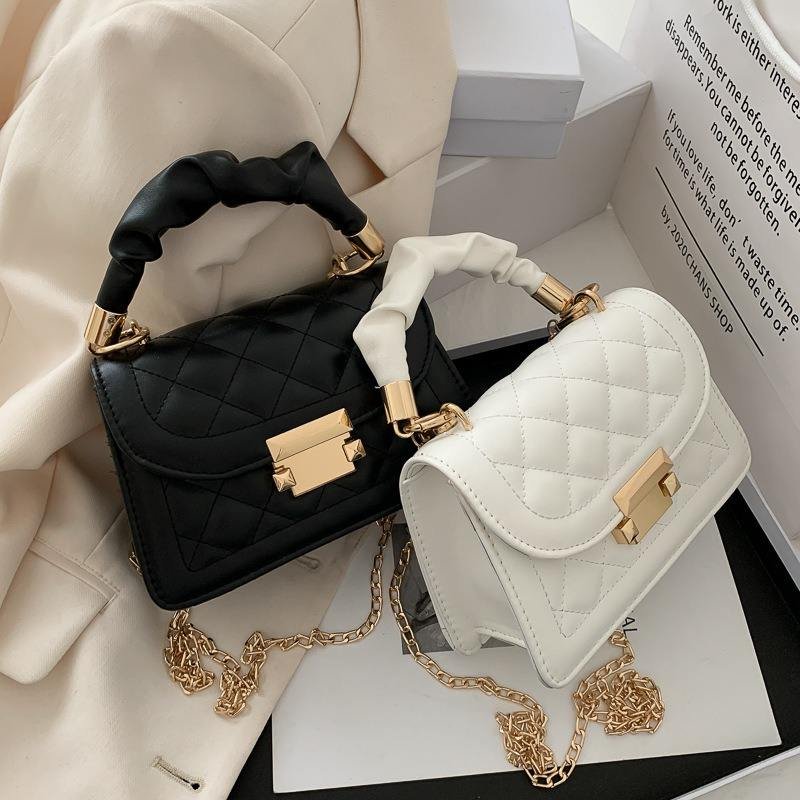
Before storing luxury bags, remove all contents, clean the exterior gently, ensure the bag is completely dry, protect hardware, and add light internal support to maintain shape. Proper preparation prevents odor, mold, leather deformation, and long-term material damage during storage.
Most storage damage starts before a bag ever reaches the shelf. Residual moisture, body oils, forgotten items, or improper cleaning continue to interact with leather and lining while the bag sits unused.
From a manufacturing perspective, preparation is treated as a reset phase. In Szoneier’s long-term product testing and client feedback analysis, bags that were correctly prepared before storage showed significantly better shape retention, cleaner linings, and fewer odor-related complaints after extended storage periods.
Preparation doesn’t require professional products—only methodical steps and restraint.
How to take care of luxury bags at home before storing
Start by fully emptying the bag. Even lightweight items left inside—receipts, cosmetics, chargers—create pressure points and can stain linings over time. Pens and makeup residue are among the most common causes of irreversible lining damage.
Next, wipe the exterior with a clean, dry microfiber cloth. This removes dust and skin oils that would otherwise sit against leather for months. Avoid aggressive rubbing or alcohol-based wipes, which strip natural oils from leather surfaces.
At home, less intervention is better than over-treatment.
How to clean luxury bags safely before storage
Cleaning should always match the bag’s material:
- Leather bags: Dry wipe only unless visibly dirty
- Coated or synthetic fabrics: Light damp cloth, minimal moisture
- Canvas or textile bags: Soft brush or low-moisture wipe
Never soak or deep-clean a bag before storage. Excess moisture trapped in seams and linings is a leading cause of mold growth.
In Szoneier’s quality control reviews, over-cleaning before storage caused more leather stiffness and surface damage than light dust accumulation ever did.
Why complete drying is non-negotiable
A bag must be fully dry before storage—even if it appears dry on the surface. Moisture often remains inside linings, pockets, and folded areas.
After use in rain or humid conditions:
- Open the bag fully
- Remove inserts
- Air dry in a shaded, ventilated room
Never use hair dryers or heaters. Rapid drying stiffens leather and weakens adhesives. Natural airflow is safest.
Incomplete drying is one of the most common root causes of odor and mold discovered months later.
How to protect hardware before storage
Metal hardware can scratch leather or oxidize when left in contact during storage.
Simple protection steps:
- Wrap chains, clasps, or metal feet with acid-free tissue
- Prevent hardware from pressing into leather surfaces
- Avoid rubber bands or plastic wraps
This reduces pressure marks and prevents metal transfer stains—issues frequently reported in long-term storage inspections.
What to use inside the bag before putting it away
Internal support maintains shape but must be gentle.
Recommended:
- Acid-free tissue paper
- Soft cotton inserts
- Bag pillows designed for handbags
Avoid newspapers, towels, or overstuffing. Support should mirror the bag’s natural volume, not force expansion.
In Szoneier’s internal tests, lightly supported bags retained edge definition and panel tension far better than empty or overfilled bags after long-term storage.
What NOT to do before storing luxury bags
Avoid these common mistakes:
- Conditioning leather immediately before long storage
- Storing bags while still warm or damp
- Leaving straps folded sharply
- Using scented papers or sachets inside the bag
These actions often cause more harm than protection over time.
Where and How Should Luxury Bags Be Stored
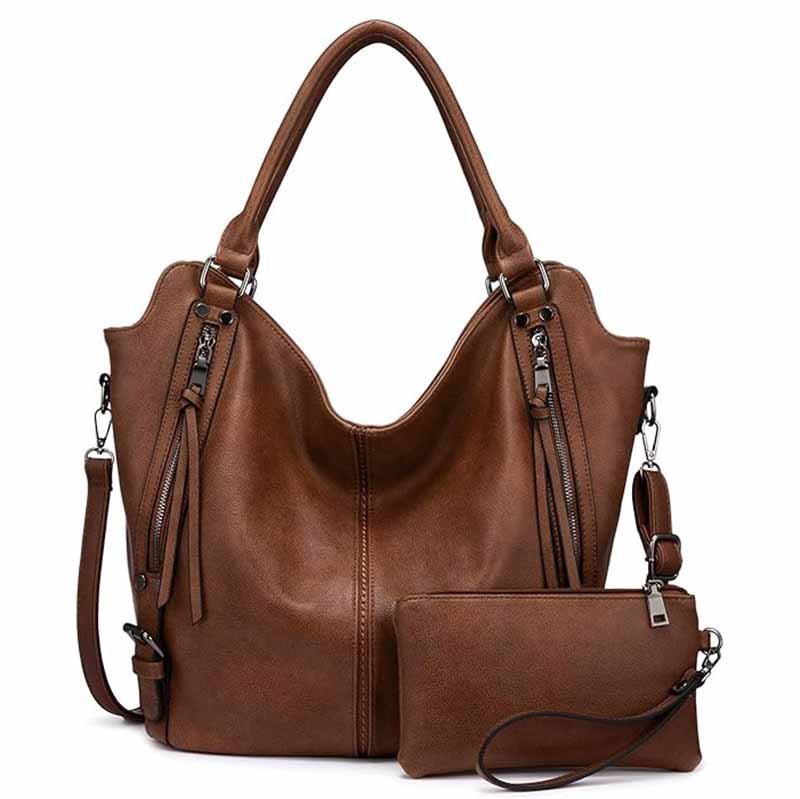
Luxury bags should be stored in a cool, dry, well-ventilated area away from direct sunlight and heat. Bags should rest individually on flat shelves, positioned upright or flat depending on structure, with light internal support to maintain shape. Hanging, stacking under weight, and sealed containers should be avoided to prevent deformation and material damage.
Where a luxury bag rests—and how it rests—determines how gravity, pressure, and airflow affect it over time. Most storage-related damage comes not from neglect, but from placing bags in environments or positions that slowly work against their design.
From a manufacturing standpoint, bags are engineered to carry load during use, not to bear stress continuously while idle. At Szoneier, storage behavior is considered during durability testing because long-term resting stress can permanently alter structure.
Good storage means neutralizing stress when the bag is not in use.
Where is the best place to store luxury bags at home
The ideal storage location is stable, shaded, and breathable.
Best locations include:
- Interior closets with airflow
- Shelves away from windows
- Cabinets not exposed to heat or humidity sources
Avoid:
- Attics or basements (temperature swings)
- Areas near radiators, heaters, or AC vents
- Window-facing shelves with sunlight exposure
Direct or indirect sunlight fades leather and weakens fibers over time. Heat accelerates drying and cracking. Consistency matters more than perfection.
What is the best way to store a leather handbag
Leather handbags should always be stored in a way that respects their original form.
Best practices:
- Store upright on a flat surface
- Ensure the base is fully supported
- Add light internal stuffing
- Keep hardware from pressing into leather
Leather should never be folded or compressed. Even soft leather remembers creases once they set. In Szoneier’s after-sales reviews, shape loss is most often linked to long-term compression rather than leather quality.
Should luxury bags be stored upright or flat
The correct position depends on construction:
| Bag Construction | Recommended Position | Why |
|---|---|---|
| Structured tote | Upright | Maintains panel tension |
| Satchel / briefcase | Upright | Preserves edges & base |
| Soft hobo | Flat | Prevents strap pull |
| Drawstring bag | Flat | Avoids distortion |
| Backpack | Upright | Protects shoulder straps |
Hanging bags is not recommended. Handles and strap attachments stretch under constant load—something no bag is designed to withstand indefinitely.
How much space should be left between stored bags
Luxury bags need personal space.
Spacing rules:
- Bags should not press against each other
- No surface should be bent or compressed
- Straps should lie naturally, not folded sharply
Crowding causes friction, color transfer, and uneven pressure. Even light pressure over months leads to visible deformation.
Professional showrooms and factories store bags individually for this reason.
Are shelves, boxes, or cabinets better for bag storage
Shelves are generally best, followed by ventilated cabinets.
- Open shelves: Excellent airflow, easy inspection
- Ventilated cabinets: Good protection if not airtight
- Boxes: Acceptable only if breathable and checked regularly
Avoid sealed plastic bins or airtight boxes. Trapped humidity accelerates leather aging and mold risk.
If boxes are used, always store bags inside breathable dust bags and open periodically.
How to store bags with chains, straps, and hardware
Chains and straps should not rest against leather surfaces under pressure.
Best practices:
- Place chains inside the bag, wrapped in tissue
- Lay straps flat, not folded
- Prevent metal from touching leather long-term
These small adjustments prevent dents, imprints, and oxidation stains—issues commonly reported in long-term storage cases.
Do Storage Conditions Change by Climate or Season
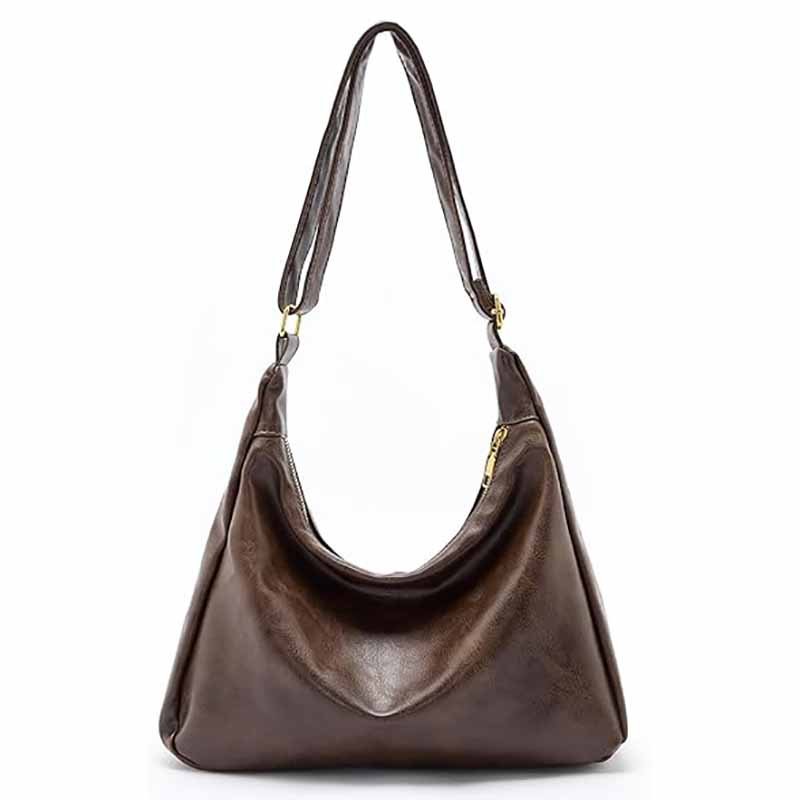
Yes. Luxury bag storage conditions should change based on climate and season. High humidity increases mold and leather damage risk, while dry or cold conditions can cause leather to stiffen and crack. Adjusting airflow, humidity control, storage frequency, and inspection routines by season helps preserve shape, leather quality, and hardware long term.
Two luxury bags made from the same leather can age very differently depending on where and how they are stored. Climate affects leather fibers, adhesives, coatings, linings, and even metal hardware—often without visible warning signs until damage has already occurred.
From Szoneier’s long-term OEM after-sales data, climate-related storage issues account for a significant share of early aging complaints, especially in regions with high humidity or strong seasonal temperature shifts. Storage should never be a fixed routine—it must adapt.
How humidity affects luxury bags in storage
Humidity is the single most damaging environmental factor for stored luxury bags.
In high-humidity environments:
- Leather absorbs moisture and softens
- Adhesives weaken over time
- Mold can develop inside linings and pockets
- Metal hardware oxidizes more quickly
Humidity above 60% dramatically increases these risks. Bags stored in closed closets without airflow are particularly vulnerable.
Practical adjustments:
- Use silica gel or moisture absorbers nearby (not touching leather)
- Ensure breathable dust bags
- Air bags every 1–2 months
Humidity control protects not just appearance, but structural integrity.
How dry or cold climates affect leather bags
Dry or cold climates present a different set of risks.
In low-humidity or heated indoor environments:
- Leather loses flexibility
- Fibers stiffen and become brittle
- Cracking occurs more easily at stress points
Unlike humidity damage, dryness often goes unnoticed until the bag is handled again.
Storage tips for dry climates:
- Avoid placing bags near heaters or vents
- Maintain moderate indoor humidity if possible
- Condition leather lightly once or twice per year if needed
Over-conditioning, however, can soften structure and attract dust—balance matters.
How to store luxury bags in tropical or coastal regions
Tropical and coastal climates combine heat, humidity, and salt air—making them the most demanding storage environments.
Best practices include:
- Strong emphasis on airflow
- Regular inspection every 4–6 weeks
- Avoid sealed cabinets
- Replace silica gel frequently
In Szoneier’s export experience, shipments to tropical regions require extra moisture control even before delivery—home storage should follow the same logic.
How seasonal changes should affect storage routines
Seasonal shifts often bring sudden changes in temperature and humidity.
Recommended seasonal actions:
- Before summer: increase airflow, add moisture control
- Before winter: check leather flexibility, reduce dryness exposure
- During transitions: inspect bags more frequently
Seasonal rotation—briefly taking bags out, reshaping, and airing—helps materials relax naturally and prevents pressure buildup.
How often to inspect bags based on climate
Inspection frequency should match environmental risk:
| Climate Type | Inspection Frequency |
|---|---|
| Humid / tropical | Every 4–6 weeks |
| Seasonal / temperate | Every 2–3 months |
| Dry / cold | Every 2–3 months |
Early detection of odor, stiffness, or shape shift prevents irreversible damage.
What Are Common Storage Mistakes to Avoid
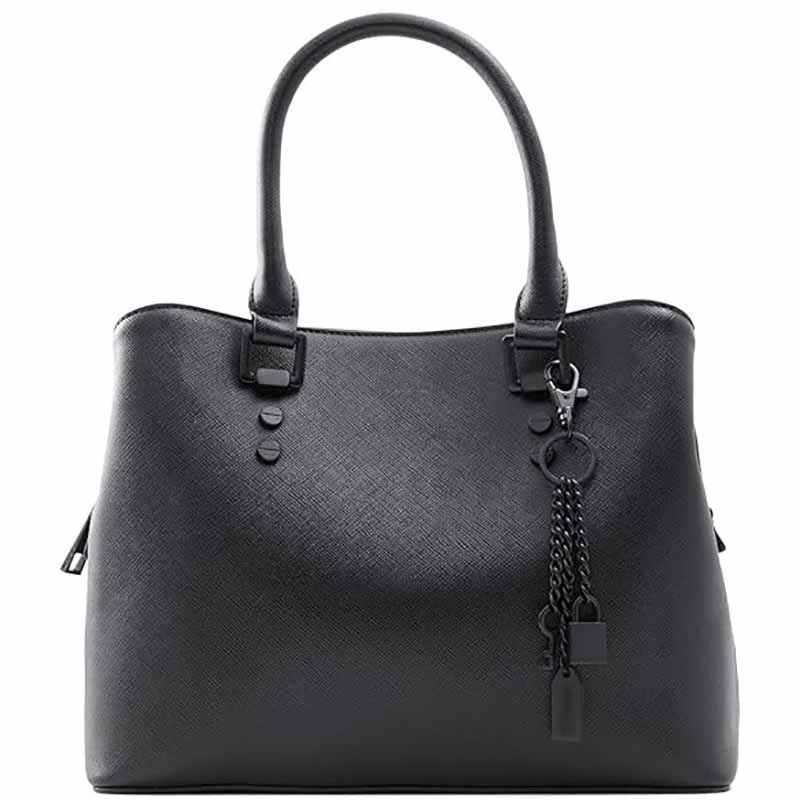
Common luxury bag storage mistakes include using plastic covers, hanging bags by handles, overcrowding shelves, storing bags while damp, leaving items inside, and exposing bags to heat or sunlight. These habits cause leather deformation, mold, odor, hardware damage, and irreversible shape loss over time.
Luxury bags are rarely damaged by intentional misuse. Most long-term damage comes from habits that feel tidy, space-saving, or logical—but work against how bags are designed and how materials behave.
From a manufacturing and after-sales perspective at Szoneier, storage-related issues consistently trace back to a small set of repeat mistakes. Understanding why these habits are harmful makes them easier to avoid.
Using plastic covers or airtight containers
Plastic traps moisture. Even in seemingly dry rooms, temperature changes cause condensation inside sealed covers. Over time, this creates a microclimate that encourages mold growth, sticky leather finishes, and unpleasant odors.
Why it’s harmful:
- No airflow
- Moisture buildup
- Accelerated leather aging
What to do instead:
- Use breathable cotton or non-woven dust bags
- Store in ventilated spaces
Plastic is suitable only for short-term transport—not long-term storage.
Hanging bags by handles or straps
Hanging looks organized, but it puts constant stress on handles and attachment points. These components are designed for carrying weight temporarily—not supporting the bag’s full mass indefinitely.
Why it’s harmful:
- Stretches leather handles
- Weakens stitching and rivets
- Distorts bag shape
What to do instead:
- Store bags on flat shelves
- Let handles rest naturally
In long-term inspections, handle deformation is one of the most common irreversible issues.
Overcrowding shelves or stacking bags under pressure
Luxury bags need space. When bags are pressed against each other or stacked tightly, constant pressure causes panel creasing, corner collapse, and color transfer.
Why it’s harmful:
- Uneven stress distribution
- Permanent shape distortion
- Friction damage
What to do instead:
- Store bags individually
- Leave space between bags
- Avoid stacking heavy items
Professional showrooms never compress bags for a reason.
Storing bags before they are fully dry
Even small amounts of moisture left inside linings or seams can cause problems months later.
Why it’s harmful:
- Mold growth
- Odor absorption
- Adhesive weakening
What to do instead:
- Air bags fully before storage
- Open pockets and compartments
- Avoid heat-based drying
Moisture-related damage often appears too late to reverse.
Leaving items inside the bag during storage
Items left inside bags—cosmetics, pens, receipts—create pressure points and introduce chemical risks.
Why it’s harmful:
- Lining stains
- Shape distortion
- Odor buildup
What to do instead:
- Fully empty bags before storage
- Inspect pockets carefully
This is one of the simplest yet most overlooked steps.
Exposing bags to sunlight or heat sources
Light and heat accelerate material breakdown.
Why it’s harmful:
- Leather drying and fading
- Coating degradation
- Hardware discoloration
What to do instead:
- Store in shaded areas
- Avoid windows, heaters, and vents
Damage from light and heat is cumulative and permanent.
Over-conditioning leather before long-term storage
Conditioning feels protective—but too much before storage can backfire.
Why it’s harmful:
- Softens structure excessively
- Attracts dust
- Causes sticky surfaces
What to do instead:
- Condition sparingly
- Only if leather feels dry
- Never immediately before sealing away
Balance preserves both flexibility and form.
How Often Should You Check and Maintain Stored Bags
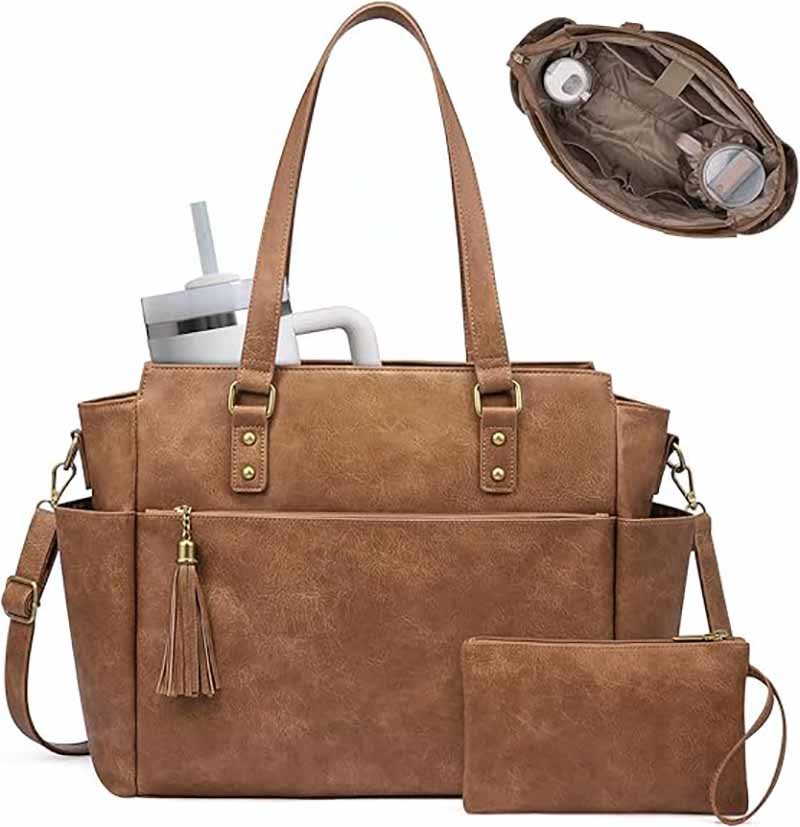
Stored luxury bags should be checked every 1–3 months depending on climate and material. Regular inspection helps detect early signs of moisture, odor, shape loss, or leather stiffness. Periodic airing, light reshaping, and environment adjustment prevent long-term damage and keep bags in usable condition for years.
Most owners assume maintenance means cleaning or conditioning. In reality, long-term bag care is about observation and small corrections at the right intervals.
From Szoneier’s long-term durability tracking across different markets, bags that were lightly checked and adjusted every few months aged more consistently than bags left untouched for a year or longer—even when both were stored in similar environments.
Maintenance is not about doing more—it’s about not waiting too long.
How often you should check stored bags based on climate
Inspection frequency should adapt to environmental risk:
| Climate Type | Recommended Check Frequency | Why |
|---|---|---|
| Humid / tropical | Every 4–6 weeks | Higher mold & odor risk |
| Seasonal / temperate | Every 2–3 months | Moderate material movement |
| Dry / cold | Every 2–3 months | Risk of leather stiffness |
High humidity accelerates damage silently. Dry conditions cause gradual stiffening that only becomes obvious when the bag is handled again.
What to check during routine inspections
A proper inspection doesn’t require tools—only attention.
Check for:
- Odor: musty or sour smell
- Leather feel: overly soft or stiff
- Shape: sagging, creases, collapsed corners
- Hardware: discoloration or imprint marks
- Lining: dampness or residue
Early detection allows simple corrections instead of costly restoration.
How often luxury bags should be aired
Airing refreshes materials and releases trapped moisture.
Best practice:
- Brief airing (30–60 minutes)
- Shaded, dry, ventilated room
- Never direct sunlight
In humid climates, airing every 1–2 months is ideal. In drier regions, seasonal airing is usually sufficient.
Overexposure to air or light is unnecessary—short, controlled exposure works best.
When and how to adjust internal support
Stuffing is not permanent. Over time, gravity shifts materials.
During inspections:
- Reposition tissue or inserts
- Correct leaning or sagging
- Ensure base remains supported
Bags stored empty or with collapsed stuffing lose shape fastest. In Szoneier’s long-term tests, light but consistent internal support preserved panel tension far better than heavy or inconsistent stuffing.
How often leather bags should be conditioned
Conditioning should be rare and intentional, not routine.
General guidance:
- Once per year in dry climates
- Once every 12–18 months in temperate climates
- Only if leather feels dry
Never condition immediately before long-term storage. Condition, allow leather to stabilize, then store.
Over-conditioning softens structure and attracts dust—two problems worse than mild dryness.
Signs that stored luxury bags need immediate attention
Act promptly if you notice:
- Strong musty odor
- Sticky handles or edges
- Visible mold spots
- Sudden leather stiffness
- Hardware leaving marks
Immediate airing, moisture control, or professional advice may prevent permanent damage.
Conclusion
Storing luxury bags properly isn’t about perfection—it’s about understanding materials, respecting structure, and adapting to real-life environments. When storage is done right, bags don’t just last longer—they age better.
At Szoneier, with over 18 years of experience in luxury bag R&D, manufacturing, and OEM/ODM production, we design bags with real usage and long-term care in mind. From leather selection and reinforcement engineering to edge finishing and lining choices, every detail supports durability—not just appearance.
If you’re planning to:
- Develop a custom luxury bag
- Launch a private label handbag line
- Source OEM/ODM bags with long-term quality in mind
Contact Szoneier today to discuss materials, structure, and designs that stand the test of time—both in use and in storage.
Better storage starts with better design. And better design starts with the right manufacturing partner.