Skip to content
Ordering luxury bags from China has quietly become one of the most strategic moves for modern brands—yet it remains one of the most misunderstood. Many people still associate “luxury” with European ateliers and “China” with mass production, assuming the two cannot coexist. In reality, a growing number of premium bag brands—especially emerging labels and e-commerce-first companies—are built on Chinese OEM and private-label supply chains that deliver craftsmanship, flexibility, and cost control that legacy regions can’t match.
The real challenge is not whether luxury bags can be made in China. They already are. The challenge is knowing how to order them correctly: how to define “luxury” in production terms, how to avoid counterfeit traps, how to choose factories that actually understand premium construction, and how to manage samples, pricing, and timelines without costly mistakes.
Ordering luxury bags from China means working directly with experienced OEM/ODM factories to produce premium-quality bags under your own brand. The process focuses on material selection, craftsmanship standards, sampling, quality control, and compliance—rather than buying finished designer goods. When done correctly, it allows brands to achieve high-end results with lower MOQs, faster development, and better cost efficiency than traditional luxury sourcing regions.
What separates successful buyers from disappointed ones is not budget—it’s process awareness. One brand founder once told us their first factory “looked perfect on Alibaba,” yet failed on stitching consistency after 300 units. Their second factory cost 8% more, but eliminated returns entirely. That single decision reshaped their brand trajectory. Understanding the difference between these outcomes is exactly what this guide is about.
Why Do Buyers Source Luxury Bags From China
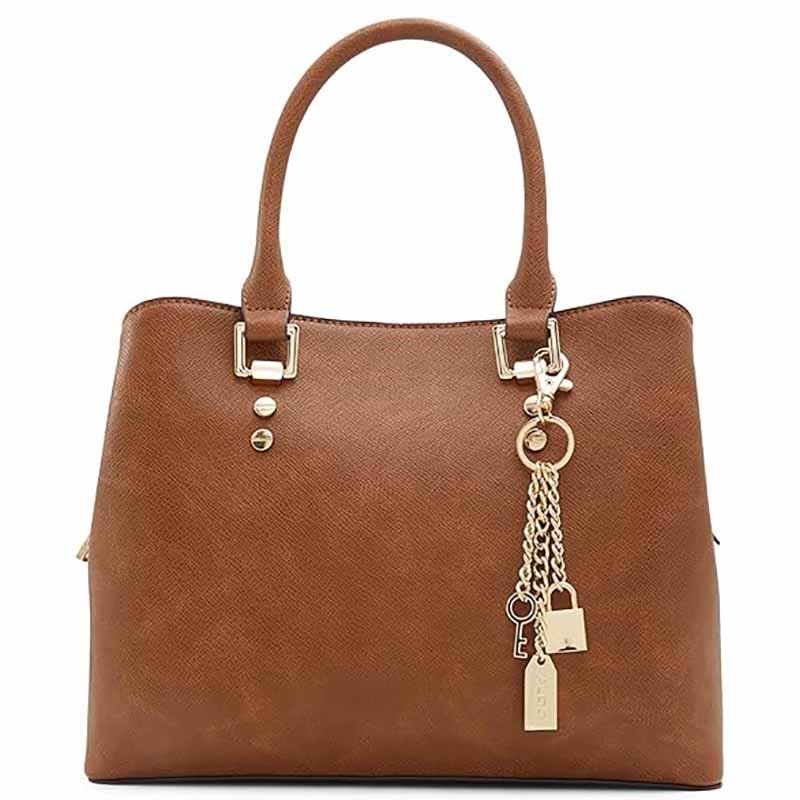
Buyers source luxury bags from China because it offers a rare combination of advanced manufacturing capability, flexible customization, controlled costs, and scalable production. Chinese OEM/ODM factories can produce premium-quality bags using high-grade materials while supporting low MOQs, fast sampling, and consistent bulk output—advantages that are difficult to achieve simultaneously in traditional luxury sourcing countries.
Luxury bag sourcing has changed fundamentally over the past decade. Buyers are no longer choosing factories based on geography or reputation alone. Instead, decisions are driven by risk control, scalability, and long-term margin structure. China continues to dominate luxury bag sourcing not by being “cheap,” but by being operationally efficient and highly adaptable.
What Cost Advantages Actually Matter?
The most misunderstood reason buyers choose China is cost. Experienced buyers know that unit price alone is meaningless. What matters is total landed cost per sellable unit.
China reduces total cost through:
- Integrated supply chains (materials, hardware, printing, packaging)
- Fewer subcontracting layers
- Faster iteration cycles that reduce failed samples
- Lower defect rates at scale when factories are well managed
For example, producing a premium tote bag in Europe may cost 2–3× more at the factory level, but still require higher MOQs and longer lead times. In contrast, Chinese factories allow buyers to test, adjust, and relaunch without committing to large volumes upfront—dramatically reducing financial risk.
Luxury buyers don’t come to China for “cheap bags.”
They come to protect margins while maintaining quality.
Why Customization Capability Is a Major Competitive Advantage
Luxury brands increasingly differentiate through details, not logos. Custom lining textures, reinforced handle structures, hidden pockets, unique zipper pulls, or hybrid materials are now standard expectations.
Chinese bag factories excel here because:
- Material suppliers are located close to factories
- Custom components can be developed quickly
- Engineering teams are used to OEM problem-solving
At Szoneier, it’s common for buyers to adjust:
- Leather thickness by ±0.2 mm
- Fabric GSM by ±10–20
- Internal foam density for structure
- Logo application methods (debossed, metal, woven label)
These changes are often impractical or prohibitively expensive in traditional luxury regions. China enables design-led decision making, not design compromise.
Why Low MOQ Matters Even for “Luxury” Brands
Luxury does not automatically mean high volume—especially for:
- New brands
- DTC or Shopify-first businesses
- Limited collections
- Market testing SKUs
Chinese factories support low MOQ luxury production because they are structured for:
- Multi-SKU production
- Parallel sampling
- Mixed material sourcing
This allows buyers to launch with 50–300 units per style instead of thousands. The result is faster validation, lower inventory pressure, and stronger cash flow—all critical for modern luxury brands.
How Speed to Market Influences Sourcing Decisions
Speed is now a luxury requirement.
Trend cycles, seasonal launches, and influencer-driven demand mean brands must react quickly. China’s advantage is not just fast production, but fast decision loops:
- Samples in 7–10 days
- Design revisions without restarting the process
- Stable bulk timelines once approved
Factories like Szoneier assign dedicated merchandisers who manage communication, sampling, and production in one workflow. This reduces misunderstandings and shortens launch timelines—often by 30–40% compared to fragmented supply chains.
Why Quality Consistency at Scale Keeps Buyers in China
Many buyers test production elsewhere, but return to China for one reason: consistency.
Luxury brands are judged not on the first batch—but on the tenth. Chinese factories that specialize in OEM luxury bags invest heavily in:
- Process documentation
- Repeatable construction methods
- Batch-to-batch material control
- Multi-stage quality inspection
This allows brands to scale from hundreds to thousands of units without quality drift, which is one of the hardest challenges in luxury manufacturing.
Why Buyers Choose China for Luxury Bags
| Buyer Priority | Why China Performs Well |
|---|---|
| Cost Control | Lower total landed cost, not just unit price |
| Customization | Flexible materials, structures, branding |
| Low MOQ | Supports testing and limited runs |
| Speed | Fast sampling and development cycles |
| Scalability | Stable quality from small to large orders |
| Risk Reduction | Proven OEM systems and QC processes |
Which Types of Luxury Bags Can You Order
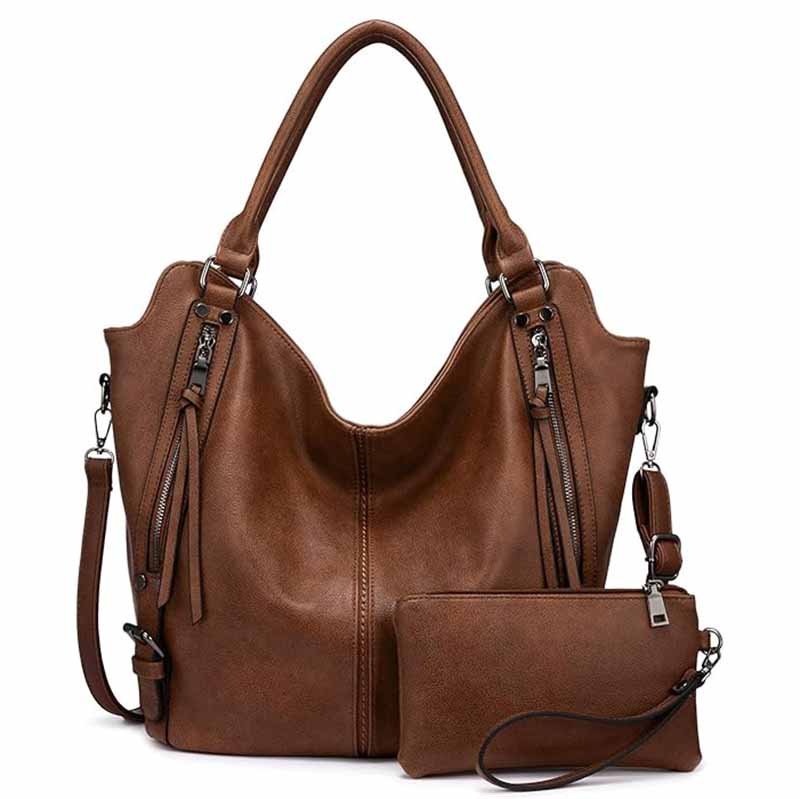
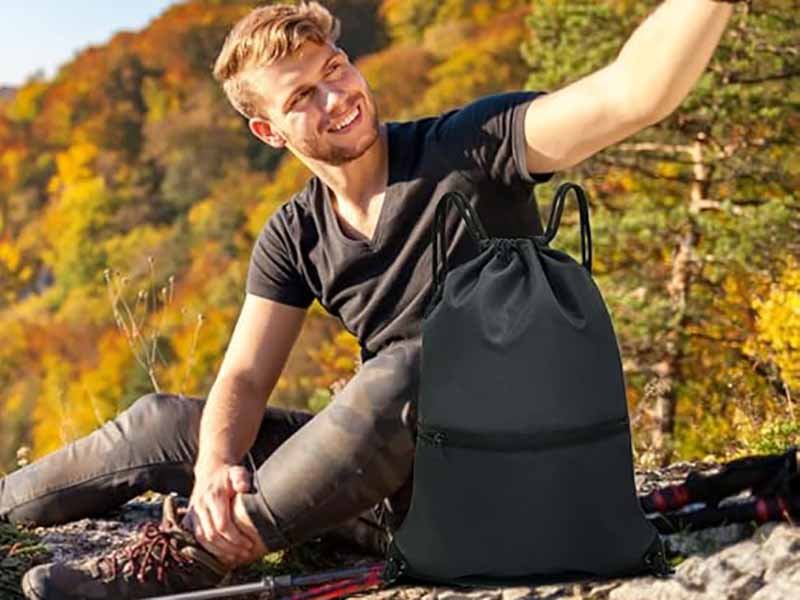
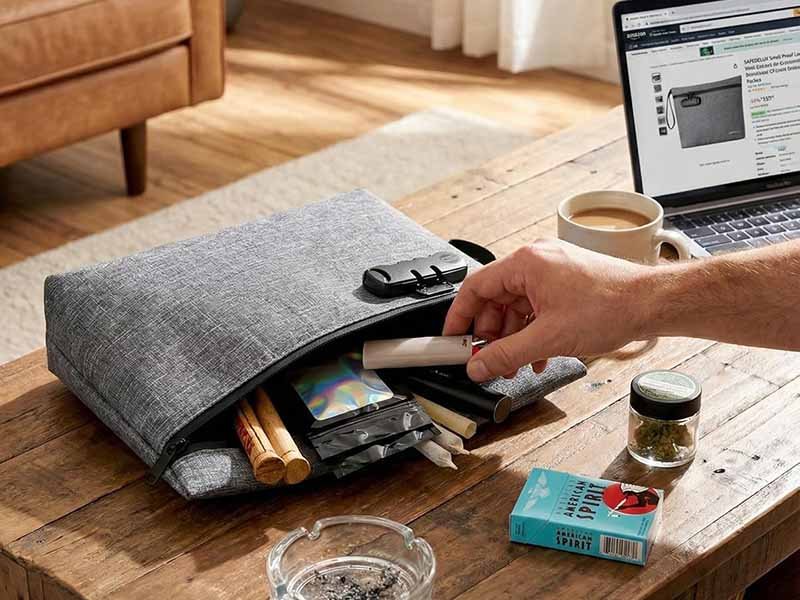
Luxury bags ordered from China include tote bags, backpacks, travel bags, makeup bags, drawstring bags, fireproof bags, cooler bags, dry bags, smellproof bags, tool bags, and gym bags. The determining factor is not the bag category, but whether luxury-grade materials, construction standards, and quality control systems are applied consistently throughout production.
When buyers ask which luxury bags can be ordered from China, they often expect a narrow list limited to leather handbags. In reality, luxury has expanded beyond formality. Today, luxury refers to performance, durability, detail control, and user experience, not just appearance. This shift allows many bag types—traditional and technical—to qualify as luxury when built correctly.
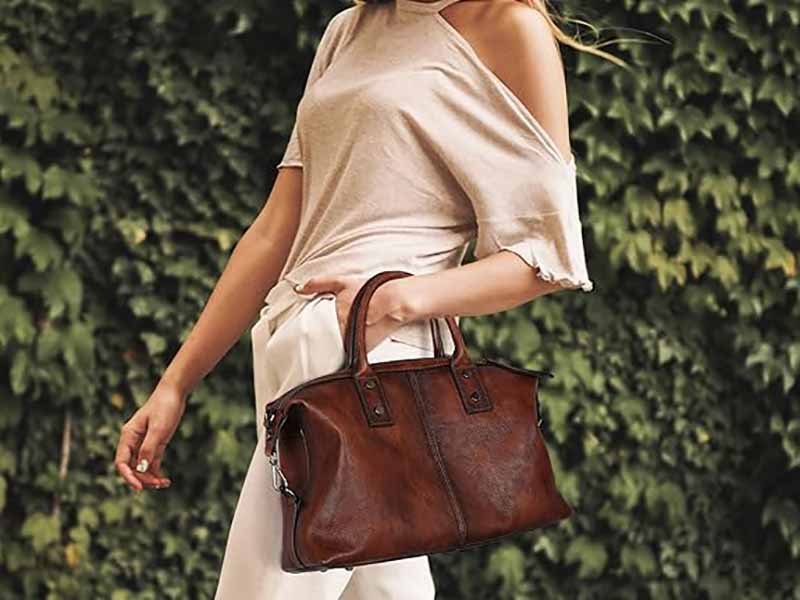
Luxury Tote Bags and Handbags
Luxury tote bags remain one of the most common categories sourced from China. These bags focus on structure, balance, and long-term wear rather than decoration alone.
Common luxury specifications include:
- Full-grain or top-grain leather, premium canvas, or coated fabrics
- Reinforced base panels and edge binding
- Even stitch spacing (often 6–8 stitches per inch)
- Structured handles with internal reinforcement
- Smooth-running metal or branded zippers
At factories like Szoneier, luxury totes are often produced on slower lines with higher inspection frequency to ensure shape retention and handle durability—two of the most common failure points in premium totes.
Luxury Backpacks
Backpacks have become a major luxury category due to urban commuting, travel, and hybrid work lifestyles. Luxury backpacks are judged not only by appearance, but by load comfort and internal engineering.
High-end backpack features typically include:
- Multi-layer shoulder straps with controlled foam density
- Hidden reinforcement around stress points
- Laptop compartments with impact protection
- Breathable back panels without visible deformation
- Noise-free zippers and hardware
China’s advantage lies in its ability to combine soft goods craftsmanship with technical construction, allowing luxury backpacks to be both elegant and functional.
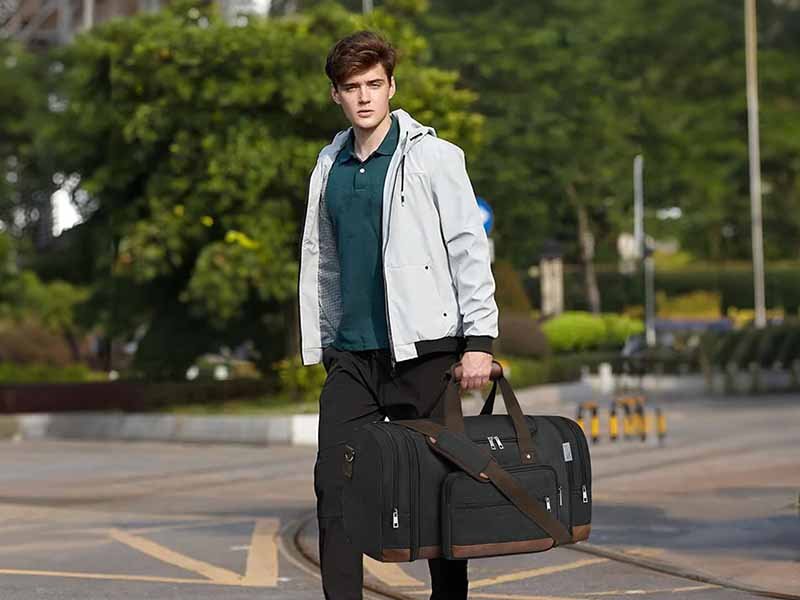
Luxury Travel Bags and Weekenders
Travel bags demand consistency under real-world stress. Luxury in this category means reliability, not just aesthetics.
Key elements include:
- Balanced panel cutting to prevent twisting
- Reinforced corners and base protection
- Durable linings that resist tearing
- Handles and shoulder straps tested under load
Chinese factories with experience in travel and sports bags can apply laboratory-style testing—such as repeated lifting and compression simulations—to ensure performance over time.
Luxury Makeup Bags and Small Leather Goods
Small items often receive the highest scrutiny from customers. Luxury makeup bags require precision because imperfections are more visible.
Premium features include:
- Stain-resistant and wipe-clean linings
- Clean edge paint or folded edges
- Controlled zipper alignment
- Consistent internal spacing
Szoneier frequently develops these products with low MOQs, allowing brands to test colorways and finishes before committing to large collections.
Luxury Drawstring Bags
Drawstring bags are often dismissed as promotional items, but in luxury contexts, they are re-engineered as minimalist premium accessories.
Luxury drawstring bags may use:
- Soft full-grain leather or dense woven fabrics
- Custom cords or leather laces
- Reinforced eyelets or hidden stitching
- Clean interior finishing without raw edges
These are often used by luxury brands as lifestyle accessories or packaging extensions.
Technical Luxury Bags
Modern luxury increasingly includes functional performance. Buyers now order technical luxury bags for niche markets such as outdoor, security, or travel.
Examples include:
- Fireproof document bags using certified composite materials
- Luxury cooler bags with high-density insulation and sealed seams
- Dry bags with laminated fabrics and precision welding
- Smellproof bags with activated carbon layers and airtight zippers
China’s manufacturing ecosystem allows these technical requirements to coexist with premium aesthetics—something few regions can achieve at scale.
Luxury Tool Bags and Gym Bags
Tool bags and gym bags qualify as luxury when durability and user experience are elevated.
Luxury versions feature:
- Structured compartments for organization
- Reinforced handles and bases
- High-abrasion-resistant fabrics
- Balanced weight distribution
These categories benefit from China’s deep experience in industrial and sports bag manufacturing, combined with premium finishing standards.
Material Flexibility Across Luxury Bag Types
One major reason buyers source multiple luxury bag types from China is material flexibility. A single factory may support:
- Leather
- Recycled nylon
- TPU or PVC-free laminates
- Fire-resistant fabrics
- Insulated composites
This allows brands to maintain consistent quality across diverse product lines without switching suppliers.
How Do You Find Reputable Chinese Bag Suppliers
To find reputable Chinese bag suppliers, use multiple sourcing channels (platforms, direct factory websites, referrals), then verify suppliers through capability checks, sample evaluation, communication testing, and factory audit evidence. Reliable suppliers provide transparent production processes, clear material options, documented quality control, and realistic timelines. Avoid suppliers that push copycat branded products, refuse samples, or cannot explain how they control defects.
Finding a good supplier is not about luck—it’s about using a structured process. Most sourcing failures happen because buyers choose based on photos, promises, or price. A reputable supplier should behave like a manufacturing partner: they ask clarifying questions, explain tradeoffs, and document standards.
Below is a buyer-friendly method used by experienced brands to identify reliable bag factories in China.
What platforms and channels should you use to find suppliers?
There isn’t one “best site” for every buyer, because different channels serve different goals (price vs. capability vs. speed). The most effective approach is multi-channel sourcing:
1 Sourcing platforms (good for initial discovery)
- Alibaba, Made-in-China, Global Sources Best for: fast supplier lists, initial comparisons Risk: many traders, resellers, mixed-quality factories
2 Direct factory outreach (best for serious OEM projects)
- Factory websites + LinkedIn + Google search Best for: higher-quality factories that don’t depend on bidding wars Tip: evaluate whether the website shows production logic (materials, process, QC), not just product photos.
3 Industry referrals (best for premium / luxury projects)
- Referrals from packaging suppliers, hardware suppliers, logistics partners, or other brands Best for: finding “quiet” factories that rely on repeat clients
4 Trade shows & sourcing events (best for verification)
Best for: meeting factories face-to-face, seeing samples, confirming communication
Downside: time and travel cost
What is the best site to buy directly from China?
If your goal is finished goods retail, use large marketplaces.
If your goal is luxury OEM/private label, the “best site” is often Google + direct factory inquiry, because many capable factories are not competing on platforms for low-price leads.
How do you verify supplier credentials and factory capabilities?
A reputable supplier can prove capability in four areas: identity, manufacturing, quality, and communication.
1 Identity verification
Ask for:
- Business license / export license
- Factory address and production photos/videos
- Company name matching bank account name (important for payment safety)
- Reference clients or project types (without exposing confidential brands)
Red flags
- Refuses to share factory info
- Uses personal bank accounts
- “We can make everything” with no process proof
2 Capability verification
Don’t ask: “Can you make luxury bags?”
Ask questions tied to your product:
For example:
- What stitch density do you use for leather totes?
- How do you reinforce handle stress points?
- What zipper brands do you usually work with?
- How do you prevent edge paint cracking?
- Can you control material batch consistency?
A real factory answers with process language. A weak supplier answers with vague “yes, no problem.”
3 Quality system verification
Reputable suppliers can describe:
- Incoming material inspection (leather thickness, fabric GSM, hardware finish)
- In-process QC checkpoints (stitching, assembly, finishing)
- Final inspection standards (AQL, defect classification, rework rules)
Ask for:
- QC checklist samples
- Inspection photos from real orders
- How defects are recorded and corrected
Luxury projects require repeatability. A supplier without documented QC will fail once volume increases.
4 Communication verification
This is a top predictor of success.
Test communication by sending a spec sheet and asking:
- What details are missing?
- What risks do you see?
- What improvements do you recommend?
A reputable supplier will ask intelligent questions and challenge weak design areas. That’s a good sign.
| Check Point | What “Good” Looks Like | What “Risk” Looks Like |
|---|---|---|
| Factory proof | Clear address, production videos, real lines | Only show photos, avoid real factory proof |
| Sampling | Offers structured sampling stages, timeline | Refuses samples or promises “tomorrow sample” |
| Material options | Can explain material grades + sourcing | “Any material is OK” with no detail |
| QC system | Explains checkpoints + defect rules | “We check before shipping” only |
| Communication | Technical, detailed, proactive | Slow, vague, pushes price only |
| IP & compliance | Refuses counterfeit logos, respects brand | Offers copycat branded products |
How Do You Ensure Quality and Authenticity
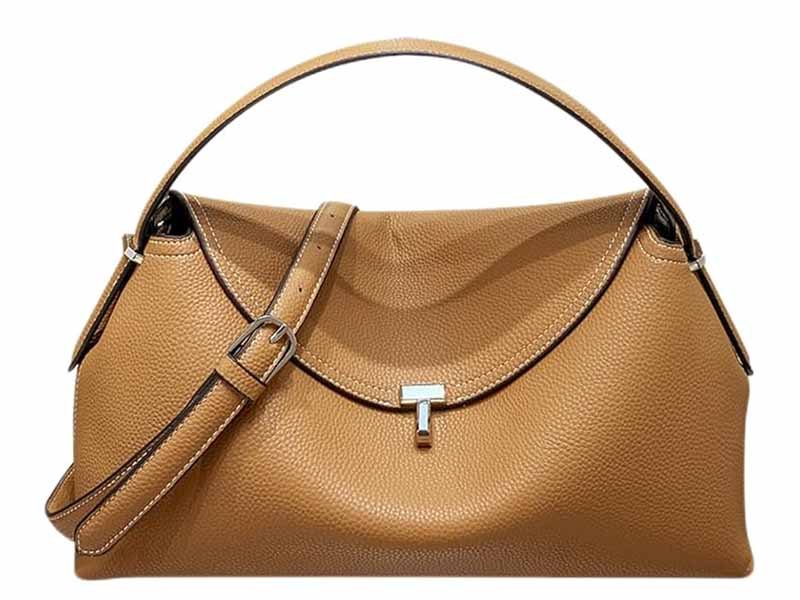
To ensure quality and authenticity when ordering luxury bags from China, use written specifications, verified materials, multi-stage sampling, and documented quality control during production—not just a final inspection. Authentic OEM manufacturing means producing your own brand designs with authorized logos, avoiding counterfeit or “designer copy” offers. A reputable factory will show material traceability, process checkpoints, and repeatable standards that match the approved “golden sample.”
When buyers worry about “quality and authenticity” in China sourcing, they’re usually dealing with two separate risks:
- Quality risk: the product looks good as a sample, but bulk quality drifts.
- Authenticity risk: the supplier pushes copycat “designer” products, creating legal and customs problems.
The good news: both risks can be controlled with a structured process. Luxury is not luck. It’s documentation + discipline.
What’s the difference between OEM luxury production and counterfeits?
This is the first filter. OEM luxury bags are made for your brand using your design and your logo authorization. Counterfeits copy protected trademarks, patterns, and brand identities.
A reputable factory will:
- Ask for your logo file and brand usage confirmation
- Produce only your brand name and your designs
- Refuse requests like “LV style with LV logo” or “same as Gucci”
A risky supplier will:
- Offer “1:1 copies,” “mirror quality,” “superfakes”
- Show catalog pictures of famous brands
- Say “no problem” to trademarked logos
If a supplier sells counterfeit goods, it’s not a “bonus.” It’s a sign their business model depends on illegal trade—meaning they can disappear, change accounts, or cut corners easily. For long-term brands, it’s a deal-breaker.
What quality standards should luxury bags meet?
Luxury quality is measurable. Don’t rely on “high quality” promises—define standards that can be checked.
Common luxury standards buyers specify:
- Stitching: consistent spacing, stable tension, straight lines
- Edges: clean folded edges or durable edge paint without cracking
- Structure: bag stands correctly, symmetrical panels, no twisting
- Hardware: consistent plating color, smooth glide, no sharp edges
- Lining: no wrinkles, no exposed raw seams, secure pocket stitching
- Odor control: materials stored properly, no strong glue smell
- Color consistency: leather/fabric batch matching, no visible shade drift
If you want luxury results, write these into your spec, not just your expectations.
Is sample ordering and inspection necessary?
Luxury sourcing often fails because buyers treat sampling as a one-time event. In reality, luxury requires stage-based sampling so bulk production has a locked benchmark.
A proven workflow:
1 Prototype Sample (Function + look)
- Confirms size, pattern, structure, and design feasibility
- Used to identify weak points (handle stress, zipper alignment)
2 Pre-Production Sample (Bulk realism)
- Made using bulk-intended materials and processes
- Reveals whether quality is repeatable, not just “hand-finished”
3 Golden Sample (The master standard)
- Final approved sample stored as the reference point
- Bulk must match this sample exactly in structure, materials, and finishing
For premium buyers, the golden sample is the “contract in physical form.” Without it, “quality disputes” become subjective.
Which inspections actually prevent luxury defects?
Final inspection alone is too late. Luxury defects must be prevented earlier.
The inspection structure that works:
1 Incoming Material Inspection
Checks raw materials before cutting:
- Leather thickness tolerance (example: ±0.2 mm)
- Fabric GSM tolerance (example: ±5–10%)
- Color lot matching
- Hardware plating and scratch resistance
- Zipper smoothness test
If materials vary, bulk quality will vary—even with perfect sewing.
2 In-Process Inspection
Checks during production:
- Stitch tension and spacing
- Panel alignment
- Reinforcement placement
- Edge finishing quality before assembly hides problems
This is where luxury consistency is won.
3 Final Inspection
Checks finished goods:
- Visual appearance
- Function (zipper, snaps, straps)
- Packing and labeling accuracy
Final inspection is necessary—but it should be the last step in a system, not the only step.
What tests reduce returns and negative reviews?
If you’re selling luxury bags online, returns can destroy margins fast. Many negative reviews come from performance issues that are easy to test.
High-impact tests include:
- Handle load test (lifting weight repeatedly)
- Zipper cycle test (open/close repeated)
- Abrasion test on corners and base
- Color rub test (especially on dark leather)
- Odor check after sealed packaging
- Compression test (important for FBA and shipping)
Szoneier typically recommends these tests depending on bag type. For example, backpacks need strap stress validation; totes need handle base reinforcement testing; travel bags need compression + corner wear checks.
How do you lock authenticity in your supply chain?
“Authenticity” for OEM buyers means two things:
- Your brand identity is protected
- Your production remains consistent and traceable
Practical ways to lock authenticity:
- Use brand-controlled logo files and placement diagrams
- Confirm packaging artwork approval before bulk
- Require “no overrun” agreements (no extra production sold elsewhere)
- Use consistent component sourcing: zippers, hardware, lining
- Ask for production batch labeling (helps trace issues later)
A supplier that accepts any logo without questions is not being helpful—they are being risky.
Use this checklist during sampling and bulk approval:
| Area | What to Check | Common Failure |
|---|---|---|
| Stitching | straight, consistent, no loose threads | uneven lines, skipped stitches |
| Edges | smooth, sealed, no cracks | peeling edge paint |
| Structure | symmetrical, stands correctly | twisting panels |
| Hardware | smooth, consistent plating | scratches, sharp edges |
| Zippers | glide smoothly, aligned | snagging, misalignment |
| Lining | tight fit, clean seams | wrinkles, exposed edges |
| Branding | correct placement, sharp logo | off-center, blurred |
| Packaging | protects shape, no odor buildup | compression marks |
What Are Legal and Customs Considerations
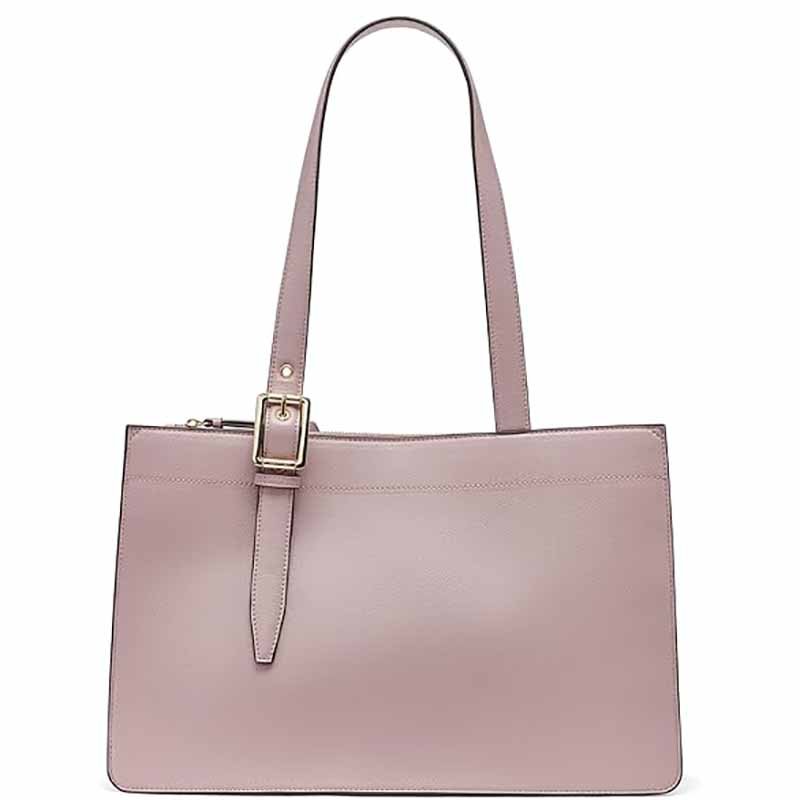
Legal and customs considerations when ordering luxury bags from China include correct HS code classification, import duties and taxes, trademark/IP compliance, accurate commercial documents, and product labeling requirements. Problems usually come from unclear branding authorization, wrong declarations, or attempting to import counterfeit goods. Reputable factories support compliant documentation (invoice, packing list, COO when needed) and help buyers choose shipping terms (FOB, DDP) to avoid delays, penalties, or seizures.
Luxury bag orders can go wrong at customs even if the product quality is perfect. Most delays and losses happen because buyers treat customs as “shipping paperwork” rather than a compliance process. If you plan correctly, customs becomes routine. If you don’t, it becomes the most expensive surprise in the whole project.
Below are the key issues that matter most.
Do import duties, VAT, and tariffs apply (and what changes the cost)?
Yes. Import cost depends on:
- Destination country (US, EU, UK, Canada, Australia, etc.)
- Bag material type (leather vs textile vs plastic/TPU)
- Declared customs value (must be truthful and supported)
- Trade policies and tariffs (may vary by year/category)
What buyers should know:
- Leather bags often have higher duty rates than textile bags.
- VAT is common in many countries and can be substantial.
- If you sell online, you also need to consider landed cost (duty + tax + freight + brokerage).
Practical tip:
When you request a quote, ask the supplier to separate:
- EXW/FOB product price
- Packaging cost (if custom)
- Freight estimate (air/sea/express) So you can model landed cost accurately.
Which HS code applies to bags, and why does it matter?
The HS code (Harmonized System code) is one of the most important parts of customs clearance. It influences:
- Duty rate
- Restrictions or inspections
- Customs risk scoring
Bag HS code classification often depends on:
- Outer surface material (leather, textile, plastic)
- Bag type (handbag, travel bag, backpack)
- Intended use
Why this matters for luxury bags:
Luxury projects often use hybrid materials (leather + textile, TPU + nylon). Classification errors can cause:
- Delays
- Reclassification penalties
- Back-tax claims
Best practice:
Confirm HS code classification with your customs broker early. A reputable factory can suggest common codes, but your broker should validate for your destination country.
What documents are required for customs clearance?
For most bag imports, the standard document set includes:
- Commercial Invoice
- Seller/buyer info
- Product description (avoid vague terms)
- Unit price, total value, currency
- Incoterms (FOB/EXW/DDP)
- Packing List
- Carton count, dimensions, weight
- Quantity by SKU and colorway
- Packaging type
- Bill of Lading / Air Waybill
- Issued by carrier or forwarder
- Certificate of Origin (COO) (sometimes required)
- More common for certain destinations or preference claims
- Material declarations (recommended for premium/luxury)
- Leather type, textile composition
- Helps avoid disputes and supports claims like “genuine leather”
If a supplier cannot produce clean, consistent commercial docs, that’s a reliability warning.
What are the legal risks of branded or “look-alike” luxury bags?
This is where many buyers get into serious trouble.
Two separate issues exist:
- Trademark infringement (logos, brand names)
- Design/pattern infringement (signature shapes, monograms, protected patterns)
If you import counterfeit or infringing goods, risks include:
- Customs seizure and destruction
- Fines and penalties
- Platform bans (Amazon, Shopify payment processors)
- Long-term legal exposure
Simple rule:
Luxury OEM sourcing should be about your own brand, your own logos, and authorized designs. A factory offering “designer replicas” is not a shortcut supplier—it’s a legal risk supplier.
Szoneier-style compliant manufacturing focuses on:
- OEM/ODM development for brand-owned products
- Private label production under authorized marks
- Refusing trademarked brands without authorization
How much is a Louis Vuitton bag in China?
This question shows up frequently, but it mixes two different markets:
- Louis Vuitton retail bags in China are priced by LV’s global retail strategy, local taxes, and brand positioning.
- OEM luxury bags made in China are private-label products made for your own brand, priced by materials + labor + process, not by retail brand markup.
So the important takeaway isn’t the retail price of LV in China—it’s this:
Retail luxury pricing is not a factory pricing model.
If your goal is to build a luxury bag business, the correct comparison is production cost vs landed cost vs your target retail price, not “How much is LV in country X?”
What labeling and compliance requirements apply to luxury bags?
Even bags can require compliance depending on market and materials:
Common requirements buyers should prepare for:
- Fiber composition labeling (for textile components)
- Country of origin marking (“Made in China” rules vary by country)
- Leather description accuracy (“genuine leather” vs bonded vs PU)
- Care labels (optional but helpful for premium products)
- Packaging compliance (recycling marks, warnings in some regions)
If your bags include special features (e.g., fireproof, insulated, smellproof), avoid risky marketing claims unless supported by:
- Lab test reports
- Material certificates
- Correct claim wording (your legal team can help)
Which Incoterms reduce risk: EXW, FOB, CIF, or DDP?
Incoterms define who is responsible for shipping, clearance, and risk.
- EXW: Buyer handles almost everything (higher risk for beginners)
- FOB: Supplier delivers to port; buyer controls shipping (common for experienced importers)
- CIF: Supplier arranges freight to port (buyer still clears customs)
- DDP: Supplier delivers to your door with duties/taxes included (simpler but must be quoted clearly)
If you’re ordering luxury bags for the first time, starting with DDP (from a trusted supplier) can reduce early mistakes. For scaling brands, FOB + your forwarder gives better long-term cost control.
Customs Risk Checklist
Use this before confirming bulk production:
| Risk Area | What to Confirm | Why It Matters |
|---|---|---|
| Trademark/IP | Logo authorization + original design | Avoid seizure and legal issues |
| HS code | Broker-validated classification | Affects duties and clearance |
| Declaration | Accurate product descriptions | Avoid penalties/reclassification |
| Documents | Invoice, packing list, B/L accuracy | Prevent delays |
| Labeling | Origin + composition rules | Avoid relabeling cost |
| Incoterms | Clear responsibility (FOB/DDP) | Prevent surprise charges |
How Do You Place and Manage an Order
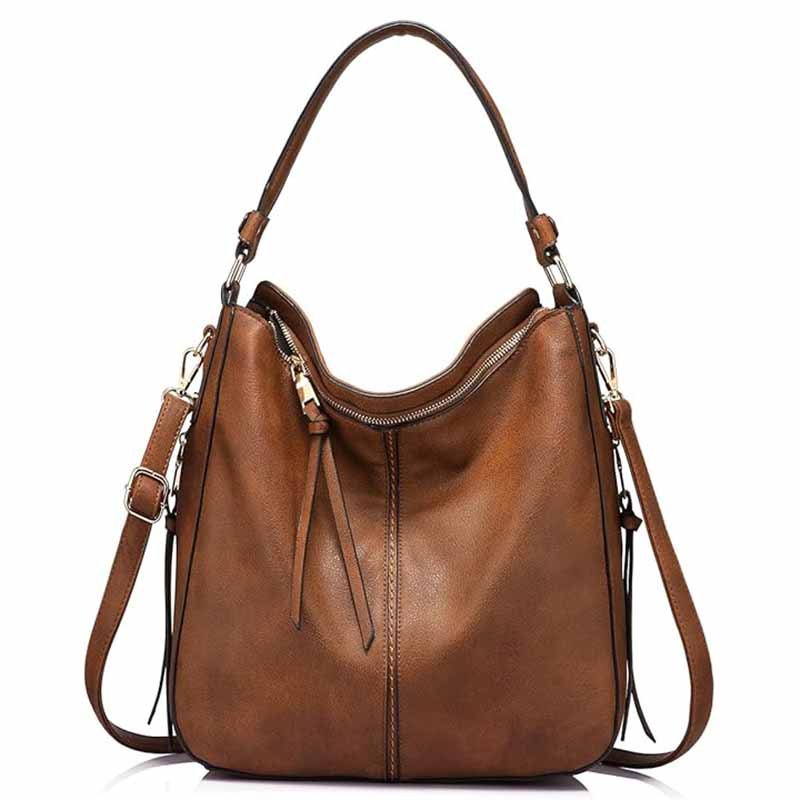
To place and manage a luxury bag order from China, buyers should follow a structured process: define specifications clearly, confirm samples in stages, lock pricing and timelines, control production through documented checkpoints, and coordinate shipping with accurate documentation. Successful order management depends on clear communication, written standards, and disciplined approvals—not on rushing for the lowest price.
Most quality problems do not come from bad factories—they come from weak order management. Luxury bag production involves many moving parts: materials, hardware, patterns, stitching standards, packaging, and shipping. Managing these elements systematically is what separates reliable outcomes from expensive rework.
Below is a proven, buyer-friendly framework used by experienced brands sourcing from China.
What information should you prepare before placing an order?
Before contacting a factory, buyers should prepare a clear project brief. Even a simple one is better than vague instructions.
Minimum information to prepare:
- Bag type (tote, backpack, travel, etc.)
- Target size or reference dimensions
- Material preference (leather type, fabric, lining)
- Estimated order quantity
- Target market (Amazon, DTC, retail)
- Branding method (logo type and placement)
- Destination country
Why this matters: factories quote and plan production based on risk. Clear briefs reduce uncertainty, leading to better pricing, faster sampling, and fewer misunderstandings.
What is the correct sampling and approval sequence?
Sampling is not just a design exercise—it is risk control.
A disciplined sequence looks like this:
1 Prototype Sample
Purpose: confirm structure, proportions, and design feasibility
Key checks: pattern accuracy, general look, functional layout
2 Revised / Pre-Production Sample
Purpose: test bulk-intended materials and processes
Key checks: stitching consistency, edge finishing, hardware quality
3 Golden Sample (Final Approval)
Purpose: lock the production standard
Key checks: every detail must match what bulk should be
Once the golden sample is approved, no changes should be made without written confirmation. This sample becomes the physical reference for quality disputes.
How do you confirm pricing, MOQ, and lead time correctly?
Price discussions should happen after specifications are confirmed.
A reliable quotation includes:
- Unit price based on confirmed specs
- MOQ per color/style
- Sample cost (if any) and refund policy
- Bulk production lead time
- Packaging details
- Incoterms (FOB, DDP, etc.)
comparing prices from different suppliers before specs are aligned.
Luxury pricing only makes sense when materials, construction, and QC level are equal.
How should payment terms be structured to reduce risk?
Standard payment structures for OEM luxury bags often include:
- 30% deposit to start bulk production
- 70% balance before shipment or after inspection
Best practices:
- Never pay 100% upfront
- Match company name to bank account name
- Use contracts or PI (Proforma Invoice) with clear terms
- Link payments to milestones (sample approval, production start)
Reputable factories accept reasonable safeguards because they expect long-term cooperation, not one-off transactions.
How do you manage production once bulk starts?
Once production begins, silence is risky. Active order management prevents surprises.
Effective buyers:
- Request production timelines and key checkpoints
- Ask for in-process photos or videos
- Confirm material arrival and cutting start
- Track packaging preparation separately from sewing
For luxury projects, in-process QC is more important than final inspection. If a factory can’t share progress updates, that’s a warning sign.
How do you handle changes without damaging quality or timeline?
Changes happen—but unmanaged changes cause delays and quality drift.
Rules to follow:
- No design changes after golden sample without re-approval
- Material changes must be documented and re-costed
- Small changes (logo position, color tone) still need confirmation
- Avoid “verbal OK” for any modification
Luxury consistency comes from controlled change, not constant tweaking.
How do you prepare for inspection and shipment?
Before shipment, buyers should confirm:
- Quantity by SKU and color
- Packing method (carton size, protection)
- Labeling accuracy
- Documentation readiness
Inspection options:
- Factory internal QC report
- Third-party inspection (recommended for first orders)
- Random carton checks during packing
For shipping, align early on:
- Mode (air, sea, express)
- Incoterms responsibility
- Delivery timeline expectations
Late shipping decisions often cost more than planned.
Is it cheaper to buy designer bags in China, or to produce your own?
Buying designer bags is retail. Producing luxury bags is manufacturing.
Designer retail pricing includes:
- Brand premium
- Retail rent
- Marketing and distribution costs
OEM production pricing includes:
- Materials
- Labor
- Process control
- Quality assurance
If your goal is to build a luxury brand, producing your own bags through OEM is the only scalable and legally safe option. China’s advantage is making this process controllable and repeatable.
Order Management Checklist
| Stage | What to Confirm | Why It Matters |
|---|---|---|
| Briefing | Specs, quantity, market | Accurate quotes |
| Sampling | Golden sample approved | Lock quality |
| Quotation | Price, MOQ, lead time | Avoid disputes |
| Payment | Milestone-based terms | Reduce risk |
| Production | Progress updates | Prevent drift |
| Inspection | QC before shipment | Catch defects |
| Shipping | Incoterms, docs ready | Smooth delivery |
Conclusion
Ordering luxury bags from China is not about shortcuts. It’s about building a supply chain that respects design, quality, and brand reputation. When done right, it gives you freedom—over cost, over creativity, and over growth.
Szoneier has over 18 years of experience in bag R&D and manufacturing.
If you’re planning to develop luxury tote bags, backpacks, travel bags, makeup bags, or technical premium bags under your own brand, now is the right time to start with the right partner.
Contact Szoneier today to request a quotation or sample evaluation—and turn your design into a luxury product that actually performs in the market.