Skip to content

Nylon bags are everywhere—from everyday backpacks and tote bags to travel bags, gym bags, and professional tool bags. They’re lightweight, durable, affordable, and versatile, which makes them one of the most popular bag materials worldwide. But despite nylon’s reputation for being “easy-care,” many users still ask the same questions: Do nylon bags get dirty easily? Can they be washed? Will cleaning damage the fabric?
The truth is that nylon bags do get dirty, especially when used daily. Dirt, sweat, oil, makeup, food stains, and even air pollution slowly build up on the surface and inside the bag. Improper cleaning—such as using harsh chemicals, hot water, or aggressive washing—can cause fading, deformation, coating damage, or loss of water resistance. This is why knowing how to clean nylon bags correctly matters just as much as knowing how to use them.
To clean nylon bags safely, use mild detergent, lukewarm water, and gentle hand washing or a delicate machine cycle. Avoid bleach, strong solvents, and high heat, which can damage nylon fibers and coatings. Spot clean stains promptly, air dry naturally, and never use a dryer. Proper cleaning helps nylon bags stay durable, odor-free, and visually appealing for long-term use.
Whether you’re a consumer trying to keep a favorite bag looking new, or a brand owner concerned about customer satisfaction and product lifespan, proper nylon bag care is essential. In the following sections, we’ll break down what nylon bags are, why they need special cleaning, and exactly how to clean, dry, and maintain them without damage—from a professional manufacturer’s perspective.
What Are Nylon Bags
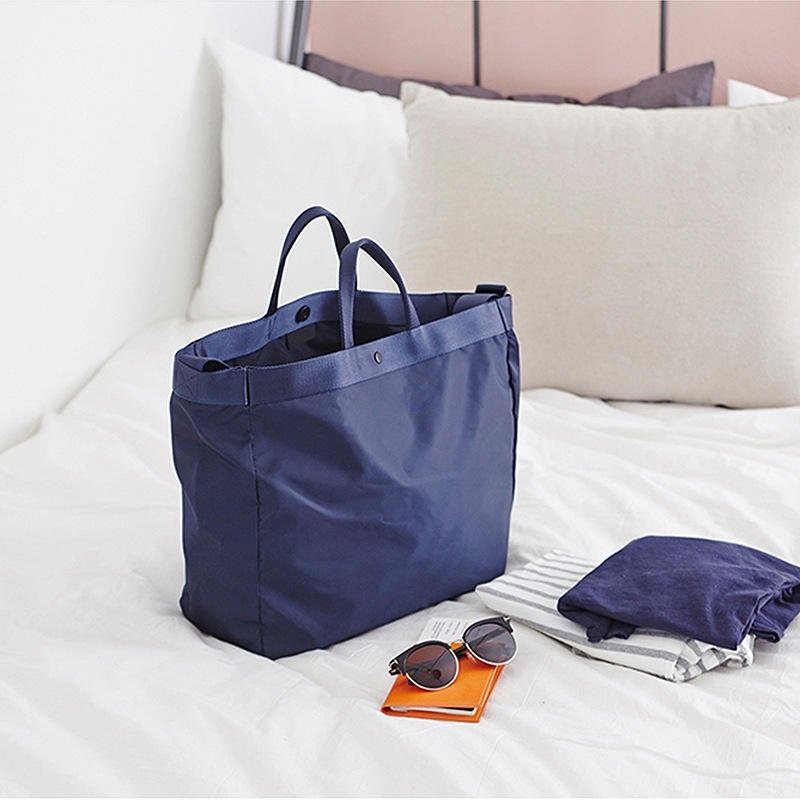
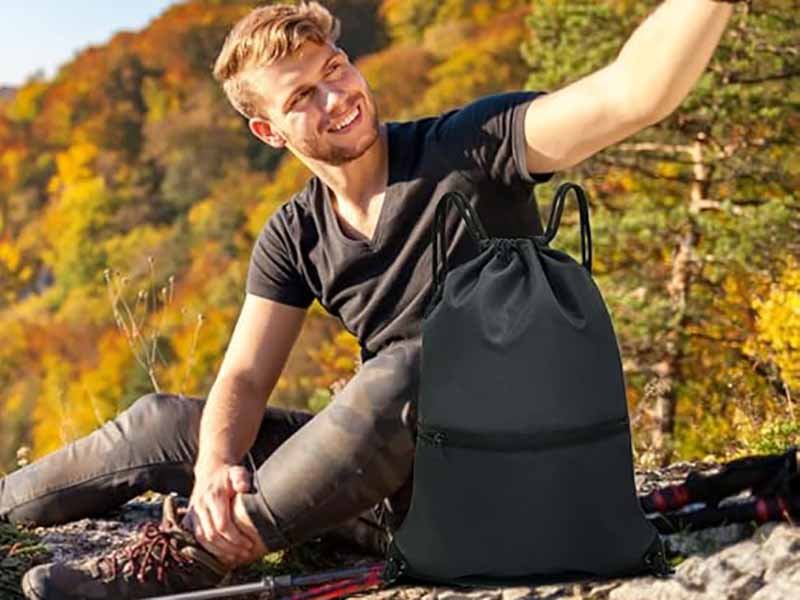
Nylon bags are bags made from synthetic nylon fibers, a type of polyamide known for its strength, light weight, abrasion resistance, and durability. They are widely used for backpacks, travel bags, tote bags, gym bags, and technical bags because nylon resists tearing, dries quickly, and is easy to clean. Depending on fabric type and coating, nylon bags can be water-resistant, flexible, or highly structured.
What Exactly Is Nylon Material?
Nylon is a synthetic polymer fiber originally developed for industrial and military applications before becoming one of the most widely used materials in textiles and bags. In bag manufacturing, nylon is woven into fabrics such as nylon Oxford, ripstop nylon, ballistic nylon, and Cordura-style nylons, each offering different performance levels.
From a technical standpoint, nylon fibers have:
- High tensile strength
- Excellent abrasion resistance
- Low moisture absorption
- Strong elasticity and recovery
These properties allow nylon bags to withstand daily stress, repeated bending, friction, and weight loading far better than many natural fabrics.
How Are Nylon Bags Constructed?
Nylon bags are not just “nylon fabric.” They are engineered products made of multiple layers and components:
- Outer shell: Woven nylon fabric (e.g., 210D, 420D, 600D)
- Coating: PU, TPU, or PVC for water resistance
- Lining: Polyester or nylon lining for structure and cleanliness
- Reinforcement: Extra nylon layers at stress points (bottoms, handles)
The final performance of a nylon bag depends on fabric denier, weave density, coating thickness, and stitching quality, not just the word “nylon.”
Why Are Nylon Bags So Popular?
Nylon bags dominate many markets because they offer an exceptional balance between performance, cost, and versatility.
Key reasons include:
- Lightweight: Easier to carry than canvas or leather
- Durable: Resists tearing and abrasion
- Quick-drying: Ideal for travel and sports use
- Easy to clean: Low maintenance compared to natural materials
- Customizable: Supports printing, embroidery, and branding
This is why nylon is widely used for backpacks, travel bags, gym bags, cooler bags, tool bags, and functional outdoor products.
Do Nylon Bags Get Dirty Easily?
Yes—nylon bags do get dirty, especially with regular use. Although nylon resists stains better than cotton or canvas, it still accumulates:
- Dust and airborne pollutants
- Sweat and body oils
- Food residue and spills
- Makeup, ink, and dye transfer
Because nylon has a smooth surface, dirt may not always be visible at first, but it builds up in seams, pockets, and linings. This is why proper and regular cleaning is essential to maintain hygiene, appearance, and odor control.
What Are the Advantages and Disadvantages of Nylon Bags?
Understanding both sides helps users clean and care for nylon bags correctly.
Advantages
- Strong yet lightweight
- Long service life when maintained properly
- Resistant to tearing and wear
- Cost-effective for mass production
- Suitable for many bag types and industries
Disadvantages
- Sensitive to high heat
- Can trap odors if not cleaned
- Coatings may degrade with harsh chemicals
- Can crease or shine over time
- Less breathable than natural fabrics
Most disadvantages are care-related, not material flaws—meaning correct cleaning and maintenance significantly extend nylon bag lifespan.
How Do Nylon Bags Compare to Other Materials?
Compared with other common bag materials:
- Nylon vs Canvas: Nylon is lighter and easier to clean; canvas is heavier but more breathable
- Nylon vs Polyester: Nylon is generally stronger and more abrasion-resistant
- Nylon vs Leather: Nylon is lighter, cheaper, and water-resistant, while leather offers premium aesthetics
This makes nylon the preferred material for functional, everyday, and performance-oriented bags.
Why Manufacturers Recommend Proper Nylon Bag Care
From a manufacturer’s perspective, most nylon bag failures are not caused by poor material quality, but by:
- Improper cleaning methods
- Excessive heat exposure
- Chemical damage
- Overloading beyond design limits
Correct care preserves fabric strength, coating integrity, stitching, and appearance—directly impacting customer satisfaction and product lifespan.
Do Nylon Bags Need Special Cleaning
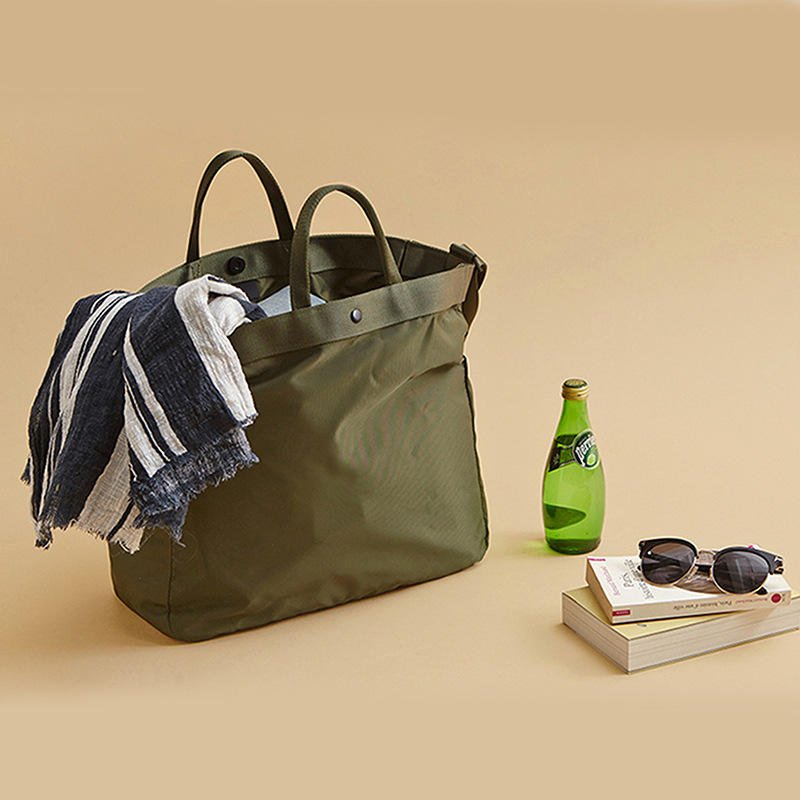
Yes, nylon bags need special cleaning methods. Although nylon is durable, it can be damaged by hot water, harsh detergents, bleach, and high heat. Gentle cleaning using mild detergent, lukewarm water, and soft tools helps protect nylon fibers, stitching, color, and any waterproof coating. Proper cleaning prevents odor buildup, discoloration, and premature wear, significantly extending the bag’s lifespan.
Why Nylon Bags Require Special Cleaning (Not “Rough” Cleaning)
Many people assume nylon bags can be cleaned aggressively because nylon is known for strength. This is a common misconception. While nylon resists tearing and abrasion, it is chemically and thermally sensitive, especially when coatings and printed finishes are involved.
Nylon bags are usually constructed with:
- Woven nylon fibers
- PU, TPU, or PVC coatings
- Printed or embroidered branding
- Reinforced stitching and webbing
Each of these components reacts differently to heat, chemicals, and mechanical stress. Improper cleaning may not cause immediate damage, but it often leads to long-term degradation.
Do Nylon Bags Get Dirty Easily?
Yes, nylon bags do get dirty—especially with frequent use. Although nylon repels moisture better than cotton or canvas, it still attracts:
- Dust and airborne pollution
- Sweat and body oils
- Food residue and drink spills
- Makeup, ink, and dye transfer
Because nylon surfaces are smooth, dirt may not be obvious at first. However, grime accumulates in seams, pockets, handles, and linings. Over time, this buildup causes odor, discoloration, and stiffness if not cleaned correctly.
Regular, gentle cleaning is far more effective than waiting until the bag appears heavily soiled.
What Makes Nylon Different From Other Bag Materials When Cleaning?
Compared with other materials:
- Nylon vs Canvas: Nylon cleans more easily but is less tolerant of harsh chemicals
- Nylon vs Polyester: Nylon is stronger but more heat-sensitive
- Nylon vs Leather: Nylon tolerates water better but reacts poorly to solvents
This means nylon requires controlled, moderate cleaning, not extreme measures.
What Can Damage Nylon During Cleaning?
From a manufacturing and quality-control perspective, the most common causes of nylon bag damage during cleaning include:
- Hot water: Weakens nylon fibers and softens coatings
- Bleach and chlorine: Causes fading and fiber breakdown
- Strong alkaline detergents: Leave residue and cause stiffness
- Alcohol or acetone: Damages coatings and printed logos
- Machine dryers: Warp fabric, shrink panels, and crack coatings
- Hard brushes: Create surface fuzzing and abrasion marks
Many of these damages are irreversible.
Is Gentle Cleaning Enough for Hygiene?
Yes. Gentle cleaning is not “weak cleaning.” Mild detergents combined with mechanical action (wiping, light brushing) effectively remove:
- Bacteria-causing residue
- Sweat and oil buildup
- Odors trapped in linings
In fact, harsh cleaners often trap more dirt later by leaving residues that attract grime.
How Often Should Nylon Bags Be Cleaned?
Cleaning frequency depends on use:
- Daily-use backpacks / gym bags: Light cleaning every 2–4 weeks
- Travel bags: After each trip
- Occasional-use tote bags: Every 1–2 months
- Heavily soiled bags: Spot clean immediately
Frequent light cleaning is safer than rare deep cleaning.
Why Manufacturers Recommend Special Cleaning Methods
From a manufacturer’s perspective, most nylon bag quality issues reported by customers—such as fading, peeling, odor retention, or stiffness—are caused by incorrect cleaning, not poor materials.
Proper cleaning:
- Maintains fabric strength
- Preserves water resistance
- Protects stitching and seams
- Extends usable life
- Keeps the bag looking professional
This is especially important for custom, branded, or OEM nylon bags, where appearance directly affects brand perception.
How to Clean Nylon Bags at Home
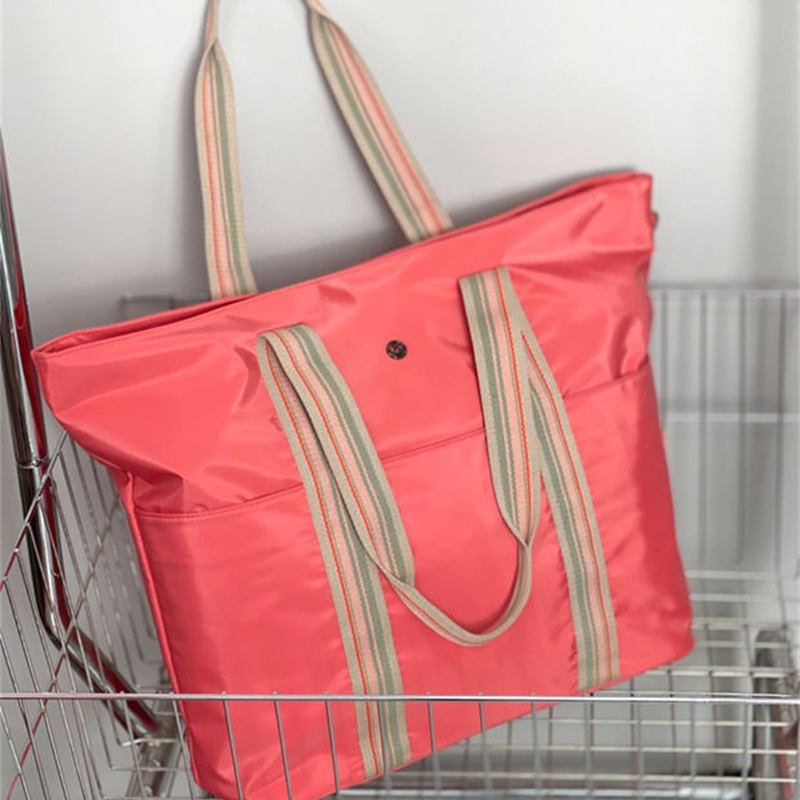
To clean nylon bags at home, use mild detergent, lukewarm water, and gentle hand washing whenever possible. Remove loose dirt first, spot clean stains with a soft cloth or sponge, and avoid bleach, harsh chemicals, or hot water. Air dry naturally away from heat. These methods protect nylon fibers, coatings, and stitching while keeping the bag clean and odor-free.
Why Home Cleaning Works Best for Nylon Bags
Nylon bags are designed to be low-maintenance, but they are not “no-care” products. Home cleaning is effective because nylon responds well to gentle mechanical action and mild cleaners. Unlike leather or wool, nylon does not require specialized professional treatment—as long as the correct steps are followed.
From a manufacturer’s perspective, most nylon bag damage comes from improper home cleaning, not from normal use. Learning the right method prevents fading, warping, and coating failure.
Step-by-Step: How to Clean Nylon Bags Safely at Home
Step 1: Empty and Pre-Clean the Bag
Before any washing:
- Remove all contents
- Shake out crumbs, dust, and debris
- Open all pockets and compartments
Use a dry cloth or soft brush to remove loose dirt. This prevents abrasive particles from scratching the nylon surface during washing.
Step 2: Spot Clean First (Always Recommended)
Spot cleaning is the safest and most effective method for most nylon bags.
How to do it:
- Mix a small amount of mild detergent with lukewarm water
- Dip a soft cloth or sponge into the solution
- Gently wipe stained or dirty areas
- Use light circular motions—never scrub aggressively
This method is ideal for:
- Backpacks
- Tote bags
- Gym bags
- Custom-printed or branded nylon bags
In many cases, spot cleaning is enough and avoids full washing altogether.
Step 3: Hand Wash When Deeper Cleaning Is Needed
Hand washing is the preferred full-cleaning method for nylon bags.
Best practice:
- Fill a basin with lukewarm water
- Add a small amount of mild detergent
- Submerge only the fabric areas (avoid soaking metal parts)
- Gently agitate with your hands
- Focus on handles, bottom panels, and seams
Do not soak for long periods. Prolonged soaking can weaken coatings and stitching.
Rinse using clean water and a damp cloth rather than fully submerging again.
Step 4: Can You Machine Wash Nylon Bags at Home?
Yes—but only under certain conditions.
Machine washing is suitable only for simple nylon bags without:
- Rigid frames
- Leather trims
- Thick padding
- Structured inserts
If machine washing is necessary:
- Place the bag in a laundry mesh bag or pillowcase
- Use a delicate or gentle cycle
- Cold or lukewarm water only
- Mild detergent
- Low spin speed
Never use fabric softener or bleach.
From a factory standpoint, machine washing should be an occasional solution, not routine care.
What to Avoid When Cleaning Nylon Bags at Home
Avoiding mistakes is just as important as following the right steps.
Never use:
- Hot water (causes fiber deformation)
- Bleach or chlorine
- Strong alkaline detergents
- Acetone or alcohol
- Hard brushes or steel wool
- Washing machine dryers
These methods can permanently damage nylon fibers, coatings, color, and logos.
How to Dry Nylon Bags Correctly at Home
Drying mistakes cause more damage than washing mistakes.
Correct drying method:
- Gently press excess water out with a towel
- Reshape the bag by hand
- Hang or lay flat in a well-ventilated area
- Keep away from direct sunlight and heat sources
Never use:
- Tumble dryers
- Hair dryers
- Radiators
- Direct sun for long periods
Slow air drying preserves structure and prevents stiffness.
How Often Should You Clean Nylon Bags at Home?
Cleaning frequency depends on usage:
| Usage Type | Recommended Cleaning |
|---|---|
| Daily backpack / gym bag | Light cleaning every 2–4 weeks |
| Travel bag | After each trip |
| Tote / casual bag | Every 1–2 months |
| Heavy stains | Spot clean immediately |
Frequent light cleaning is safer than rare deep cleaning.
Common Home Cleaning Mistakes (and Why They Matter)
- Overusing detergent → leaves residue that attracts dirt
- Scrubbing too hard → damages surface texture
- Using hot water → weakens nylon fibers
- Skipping drying care → causes deformation
Manufacturers consistently find that incorrect cleaning shortens nylon bag lifespan by years.
Which Cleaners Are Best for Nylon
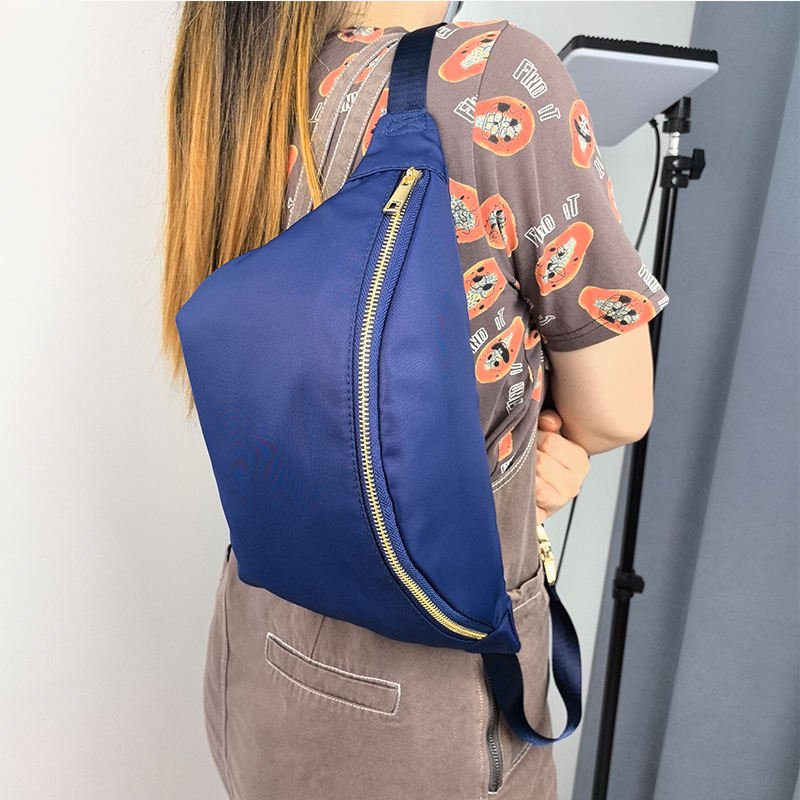
The best cleaners for nylon are mild, pH-neutral detergents such as gentle liquid laundry detergent, baby soap, or diluted dish soap. These cleaners remove dirt and odors effectively without damaging nylon fibers, stitching, color, or waterproof coatings. Avoid bleach, strong alkaline cleaners, solvents, and fabric softeners, as they can weaken nylon and reduce durability.
Why Choosing the Right Cleaner Matters for Nylon
Nylon is strong, but it is chemically sensitive. Unlike cotton or canvas, nylon fibers and coatings react negatively to harsh cleaners, heat, and residue buildup. Using the wrong cleaner can cause problems that are not immediately visible, such as:
- Gradual fiber weakening
- Loss of water resistance
- Color fading or uneven discoloration
- Stiff or sticky fabric texture
- Peeling or cracking of PU/TPU coatings
From a manufacturer’s perspective, cleaner choice directly affects product lifespan, especially for custom, branded, or coated nylon bags.
Best Types of Cleaners for Nylon Bags
1. Mild Liquid Laundry Detergent (Top Recommendation)
Mild liquid detergents are the most widely recommended cleaners for nylon.
Why they work well:
- pH-neutral or near-neutral
- Dissolve easily in water
- Rinse clean without residue
- Gentle on fibers and coatings
Best for:
- Backpacks
- Tote bags
- Travel bags
- Gym bags
- Custom-printed nylon bags
Use a small amount only—more detergent does not mean better cleaning.
2. Baby Soap or Gentle Hand Soap
Baby soap is formulated to be extra gentle, making it ideal for delicate or high-quality nylon bags.
Advantages:
- Very low irritation to fibers
- Minimal fragrance and additives
- Low risk of discoloration
This option is especially suitable for light-colored nylon bags and bags with logos or heat transfers.
3. Diluted Dish Soap (For Oil & Grease)
Mild dish soap works well for removing:
- Oil stains
- Grease
- Sweat residue
- Sunscreen marks
How to use safely:
- Dilute heavily with water
- Apply only to stained areas
- Rinse thoroughly to avoid residue
Avoid strong “degreaser” formulas, as they can strip coatings.
4. Specialty Cleaners for Synthetic Fabrics
Outdoor and sports brands often offer cleaners designed for synthetic materials.
Benefits:
- Designed to preserve coatings
- Effective against odor buildup
- Safe for repeated use
These cleaners are ideal for technical nylon bags, outdoor gear, and waterproof products.
Cleaners to Avoid on Nylon (Critical)
Using the wrong cleaner can permanently damage nylon bags.
Never use:
- Bleach or chlorine-based cleaners
- Strong alkaline detergents
- Solvents (acetone, paint thinner, alcohol in large amounts)
- Fabric softeners
- Powder detergents that don’t dissolve fully
These substances can cause:
- Fiber breakdown
- Color fading
- Sticky or brittle coatings
- Logo damage
From factory testing, chemical damage is one of the most common irreversible issues in nylon bags.
Are Natural or DIY Cleaners Safe for Nylon?
Some natural cleaners are safe—others are not.
Generally safe (when diluted):
- Mild soap
- Baking soda (odor removal only)
- White vinegar (small amounts, odor control)
Use caution with:
- Lemon juice (acidic)
- Essential oils (can stain or degrade coatings)
Always test any DIY solution on a hidden area first.
How Much Cleaner Should You Use?
More cleaner does not mean better results.
Best practice:
- Use 25–50% less than normal laundry
- Focus on mechanical cleaning (gentle wiping)
- Rinse thoroughly
Excess detergent leaves residue that attracts dirt and causes stiffness over time.
Quick Cleaner Comparison Table
| Cleaner Type | Safe for Nylon | Best Use Case |
|---|---|---|
| Mild liquid detergent | Yes | General cleaning |
| Baby soap | Yes | Light-colored / premium bags |
| Diluted dish soap | Yes (spot use) | Oil & grease stains |
| Synthetic fabric cleaner | Yes | Technical / outdoor bags |
| Bleach | No | Never |
| Fabric softener | No | Never |
How to Remove Tough Stains
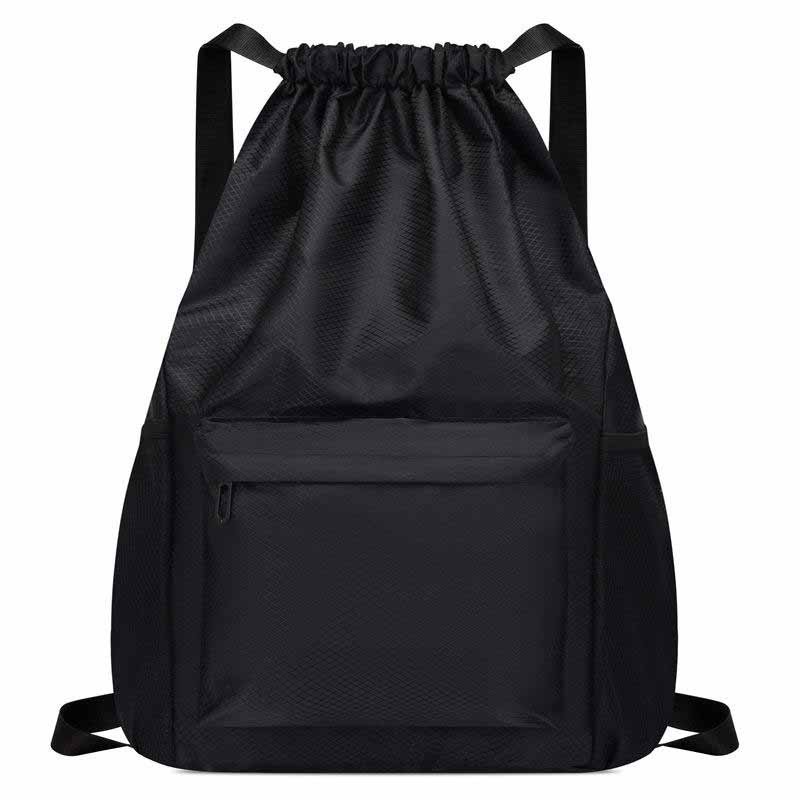
To remove tough stains from nylon bags, act quickly and use targeted spot cleaning. Mild detergent works for most stains, diluted dish soap removes grease, baking soda helps with odors, and gentle blotting prevents fiber damage. Avoid bleach, harsh solvents, and scrubbing. Always test cleaners on a hidden area to protect nylon fabric and coatings.
Why Tough Stains Require a Different Approach on Nylon
Nylon is durable, but tough stains bond differently to synthetic fibers than to natural fabrics. Oil, ink, makeup, and dye transfer tend to cling to nylon’s smooth surface and migrate into seams and coatings.
From a manufacturer’s perspective, most permanent damage occurs when users:
- Rub stains aggressively
- Apply strong chemicals too early
- Ignore coating and color stability
The key principle is controlled, gradual removal, not force.
Before You Start: Two Critical Rules
- Spot clean first—never soak immediately
- Test every cleaner on a hidden area
These steps prevent color bleeding, coating damage, and fabric distortion.
How to Remove Specific Tough Stains from Nylon Bags
1. Oil, Grease, and Food Stains
These are the most common tough stains on backpacks, tote bags, and gym bags.
Best method:
- Blot excess oil with a dry cloth or paper towel
- Apply a drop of mild dish soap directly to the stain
- Gently massage with a soft cloth or sponge
- Rinse with lukewarm water using a damp cloth
- Air dry
Why it works: Dish soap breaks down oil molecules without damaging nylon fibers when diluted and used sparingly.
Avoid: Hot water (sets oil stains) and scrubbing brushes.
2. Sweat and Deodorant Stains
Often found on handles, back panels, and straps.
Best method:
- Mix mild detergent with lukewarm water
- Gently wipe affected areas
- For odors, sprinkle a small amount of baking soda, let sit 15–20 minutes, then brush off and wipe clean
Baking soda absorbs odor without harming nylon.
3. Ink and Marker Stains (High Risk)
Ink stains are difficult and should be handled with extreme care.
Safe approach:
- Dampen a cloth with mild detergent solution
- Gently blot—do not rub
- If needed, use very diluted rubbing alcohol on a cotton swab
- Dab lightly and stop immediately if color lifts
Manufacturer advice: If ink has penetrated deeply, partial fading is better than fabric damage. Over-treatment often causes permanent marks.
4. Makeup, Sunscreen, and Lotion Stains
Common in cosmetic bags and travel bags.
Best method:
- Use diluted dish soap or gentle hand soap
- Apply with a soft cloth
- Rinse thoroughly to avoid residue
Sunscreen stains may require multiple light treatments.
5. Mud and Dirt Stains
Mud should always be treated after drying.
Steps:
- Let mud dry completely
- Brush off loose particles
- Spot clean with mild detergent solution
- Rinse gently
Cleaning wet mud spreads stains and grinds particles into the fabric.
6. Dye Transfer and Color Bleeding
Color transfer from clothing or packaging is one of the hardest stains.
What you can do:
- Act immediately
- Use mild detergent and gentle blotting
- Avoid alcohol or bleach (high damage risk)
Reality check: Some dye transfer stains cannot be fully removed without affecting the original fabric color.
What to Avoid When Removing Tough Stains
Never use:
- Bleach or chlorine
- Acetone or paint thinner
- Strong stain removers
- Steel wool or stiff brushes
- Hot water
These methods cause:
- Fiber weakening
- Coating peeling
- Color fading
- Glossy burn marks on nylon
From factory testing, chemical damage is irreversible.
How Long Should Stain Removal Take?
Effective stain removal is often gradual.
- Light stains: 5–10 minutes
- Oil or makeup: 1–2 treatments
- Odor stains: 20–30 minutes (with baking soda)
Rushing increases the risk of damage.
Quick Stain Removal Reference Table
| Stain Type | Best Cleaner | Method |
|---|---|---|
| Oil / Grease | Diluted dish soap | Gentle blotting |
| Sweat / Odor | Mild detergent + baking soda | Wipe + absorb |
| Ink | Mild detergent / diluted alcohol | Dab only |
| Makeup | Gentle soap | Spot clean |
| Mud | Mild detergent | Dry first, then clean |
| Dye transfer | Mild detergent | Light blotting |
How to Dry and Maintain Nylon Bags
To dry nylon bags properly, gently remove excess water, reshape the bag, and air dry in a well-ventilated area away from direct heat or sunlight. To maintain nylon bags, clean them regularly with mild detergent, avoid overloading, store them dry, and protect coatings from harsh chemicals. Proper drying and maintenance prevent deformation, odor, fading, and premature wear.
Why Drying and Maintenance Matter More Than You Think
Many nylon bags fail after cleaning, not during use. From a manufacturing standpoint, the most common post-cleaning issues are:
- Warped panels
- Stiff or sticky surfaces
- Faded colors
- Cracked or peeling coatings
- Misshapen structure
These problems are almost always caused by improper drying or poor maintenance habits, not low-quality nylon. Correct care preserves both performance and appearance, which is especially important for custom or branded bags.
How to Dry Nylon Bags Correctly (Step-by-Step)
Step 1: Remove Excess Water Gently
After washing:
- Press the bag lightly with a clean towel
- Absorb water without twisting or wringing
- Pay attention to padded areas and seams
Wringing stretches fibers and distorts panels—damage that may not fully recover.
Step 2: Reshape the Bag Before Drying
Before drying:
- Open all pockets and compartments
- Smooth out creases by hand
- Restore the bag’s original shape
Reshaping while damp helps the nylon dry in the correct form, preventing permanent wrinkles or sagging.
Step 3: Air Dry in a Ventilated Area
The safest drying method is natural air drying.
Best conditions:
- Room temperature
- Good airflow
- Shaded location
Avoid:
- Direct sunlight (causes fading and heat damage)
- Radiators or heaters
- Hair dryers or hot air blowers
Slow drying protects nylon fibers and coatings.
Step 4: Why You Should Never Use a Dryer
Machine dryers expose nylon to:
- High heat
- Tumbling stress
- Rapid moisture loss
This combination can cause:
- Shrinkage
- Panel warping
- Coating cracks
- Stitch stress
From factory testing, dryer damage is often irreversible.
How to Maintain Nylon Bags for Long-Term Use
1. Clean Regularly—but Lightly
Frequent light cleaning prevents:
- Deep-set stains
- Odor buildup
- Residue accumulation
Light maintenance every few weeks is safer than rare deep cleaning.
2. Avoid Overloading the Bag
Even strong nylon has limits.
Overloading causes:
- Strap stretching
- Seam distortion
- Bottom panel wear
Follow intended load limits to maintain shape and stitching integrity.
3. Store Nylon Bags Properly
When not in use:
- Empty the bag completely
- Store in a dry, ventilated place
- Avoid compression under heavy items
For long-term storage, lightly stuff the bag with paper to help retain shape.
4. Maintain Water Resistance (If Applicable)
Many nylon bags have water-resistant coatings.
To maintain performance:
- Avoid harsh cleaners
- Reapply water-repellent spray when needed
- Let coatings dry fully after cleaning
Improper care is the main reason coatings fail early.
5. Prevent Odors Before They Start
Odors form when moisture and bacteria remain trapped.
Best practices:
- Dry bags fully before storage
- Clean sweat-prone areas regularly
- Use baking soda occasionally for odor absorption
Odor prevention is easier than odor removal.
Common Drying and Maintenance Mistakes
Avoid these frequent errors:
- Hanging bags by straps while wet (causes stretching)
- Drying in direct sun
- Storing damp bags
- Using strong fragrances or fabric softeners
- Ignoring small stains until they become permanent
Manufacturers see these mistakes shorten bag lifespan by years.
Maintenance Schedule (Recommended)
| Usage Type | Maintenance Frequency |
|---|---|
| Daily backpack / gym bag | Light clean every 2–4 weeks |
| Travel bag | Clean after each trip |
| Casual tote | Every 1–2 months |
| Heavy-duty bag | Spot clean after use |
Conclusion
Proper cleaning and maintenance can significantly extend the life of nylon bags—but good care starts with good manufacturing.
Szoneier is a professional bag manufacturer with over 18 years of experience in designing and producing custom nylon bags, including backpacks, tote bags, travel bags, gym bags, tool bags, and specialty functional bags. We support OEM, ODM, private label, and low-MOQ customization, using carefully selected nylon fabrics and durable construction techniques.
If you are a brand owner, wholesaler, or e-commerce seller looking to develop high-quality nylon bags that are easy to clean, durable, and market-ready, our team is ready to support your project—from material selection to sampling and mass production.
Contact Szoneier today to discuss your custom nylon bag requirements and receive professional manufacturing support you can trust.