Skip to content

When it comes to selecting the right fabric for your tote bags, fabric density is a key factor in ensuring that your bags are durable, functional, and fit for their intended use. Fabric density refers to the weight and thickness of the fabric, which directly impacts how well the tote bag performs over time. Whether you’re designing a bag for everyday shopping, heavy-duty use, or creating a stylish fashion accessory, the fabric you choose can make or break the final product.
Fabric density, measured in grams per square meter (GSM), determines the strength and durability of the fabric. High-density fabrics are thicker and more durable, while low-density fabrics are lighter, offering more flexibility and comfort.
Fabric density has a direct effect on how your tote bag will function. For example, if you’re designing a bag that will carry heavy items like tools or groceries, a high-density fabric like canvas or denim is ideal. If you’re aiming for a lighter, more casual bag for daily use, a lower-density fabric such as cotton or polyester will give you the flexibility and ease you need.
This guide will help you understand the importance of fabric density in tote bags and ensure that you choose the right material to match your needs.
What Is Fabric Density for Tote Bags?
Fabric density is a critical factor in determining the weight, strength, and overall durability of the fabric used in tote bags. Essentially, fabric density refers to how thick or thin the fabric is, and it plays a direct role in how well the tote bag will perform under various conditions. It is measured in grams per square meter (GSM), which quantifies the weight of the fabric for each square meter of material. The higher the GSM, the thicker and more durable the fabric, while a lower GSM indicates a lighter, more flexible material.
What Does Fabric Density Mean in Tote Bags?
Fabric density directly impacts the strength and feel of a tote bag. If you’re creating a bag to carry heavy items like tools, books, or outdoor gear, you’ll want to select a fabric with a high GSM, which offers more resistance to wear and tear. High-density fabrics, such as canvas or denim, are thick, sturdy, and capable of withstanding the weight of heavy loads.
On the other hand, if you’re designing a tote bag for light use, like carrying clothing or accessories, a low-density fabric is more appropriate. These fabrics are lighter, more flexible, and easier to handle. Materials such as cotton or polyester with a lower GSM make for great options when weight and comfort are priorities.
Real-World Examples:
- Canvas Fabric (400-700 GSM): Strong, durable, and ideal for bags meant to carry heavy or bulky items. It’s the fabric of choice for heavy-duty tote bags used by retailers, outdoorsmen, or anyone in need of a durable bag.
- Cotton Fabric (150-250 GSM): Lightweight, soft, and breathable, cotton is a great option for casual tote bags used for light errands or carrying personal items. It’s breathable and comfortable but not as durable as canvas.
- Polyester (100-300 GSM): Polyester fabric is strong, water-resistant, and lighter than cotton, making it a versatile choice for everyday tote bags. It’s perfect for lightweight bags that need to endure moderate use.
How Is Fabric Density Measured for Tote Bags?
Fabric density is measured by the weight of fabric in grams per square meter (GSM). For example:
- A high-density fabric like canvas may have a GSM ranging from 400 to 700, indicating that it’s thicker and more durable, suitable for bags carrying heavier items.
- A medium-density fabric like denim often falls between 350 and 600 GSM, offering strength while being more flexible than the thickest canvas.
- A low-density fabric such as cotton or light polyester has a GSM range of 100 to 300, which makes it soft, flexible, and ideal for lightweight, casual use.
The higher the GSM, the stronger and thicker the fabric, but it also means the fabric is heavier. When selecting fabric for a tote bag, you need to consider both the functionality (how much weight the bag will carry) and the comfort (how easy the bag will be to carry).
| Fabric Type | GSM Range | Weight Characteristics | Best Use |
|---|---|---|---|
| Canvas | 400-700 | Thick, heavy, durable | Heavy-duty tote bags, tool bags, outdoor bags |
| Denim | 350-600 | Durable, maintains shape, strong | Work bags, travel totes, rugged outdoor bags |
| Cotton | 150-250 | Soft, breathable, lighter weight | Fashion totes, beach bags, light-use shopping bags |
| Polyester | 100-300 | Lightweight, water-resistant | Everyday totes, casual bags, gym bags |
Why Does Fabric Density Matter for Tote Bags?
Fabric density is more than just a number—it’s an essential factor that affects your tote bag’s:
- Durability: Higher GSM fabrics, like canvas, are designed to resist wear and tear, ensuring your bag will last for years. They provide the necessary structure to hold heavy items without compromising the integrity of the bag. In contrast, low-density fabrics may need to be treated or reinforced to improve their durability for heavy-duty use.
- Weight: High-density fabrics can add weight to the bag, which is something to consider if you’re aiming for a lightweight, comfortable option. A bag made from a high-density fabric may feel heavier when loaded, which may not be ideal for all customers. On the other hand, a lighter fabric makes the bag easy to carry, even when full.
- Comfort: High-density fabrics may offer more structure but could feel stiffer or less comfortable to carry over time. In contrast, low-density fabrics provide softness and flexibility, making them more comfortable for carrying around on a daily basis, but they may not be as resilient under heavy use.
- Look and Feel: A high-density fabric offers a more premium, structured look and feel, which is great for luxury tote bags or bags meant for business. A low-density fabric, on the other hand, will offer a more relaxed and casual look, perfect for casual, fashion-forward totes.
Fabric density is an essential consideration when designing a tote bag. The choice of fabric density should reflect the bag’s intended use—whether it’s for carrying heavy loads or as a lightweight, stylish accessory. High-density fabrics are perfect for durability and strength, while low-density fabrics are ideal for comfort and flexibility. Understanding GSM allows you to choose the right fabric for your tote bags, ensuring that they meet both aesthetic and functional requirements.
How Does Fabric Density Impact Durability?
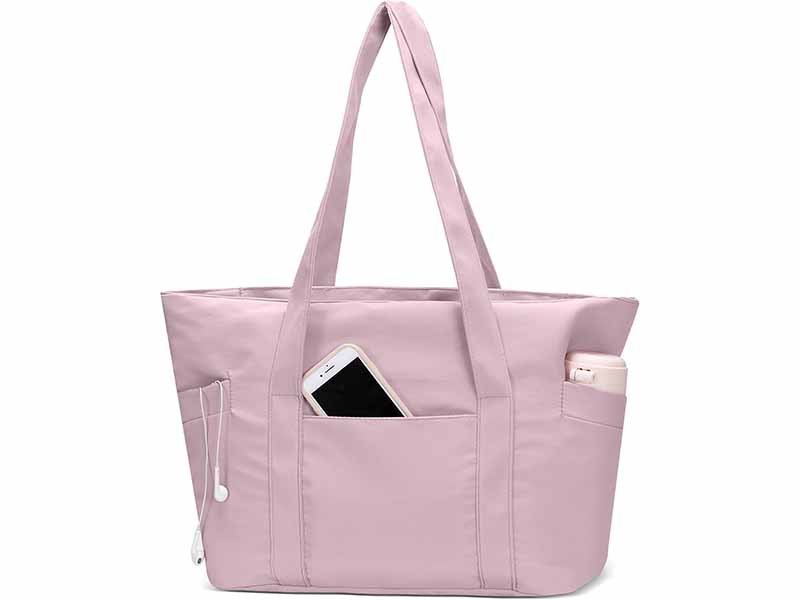
Fabric density plays a vital role in determining the durability of a tote bag. The higher the fabric density (measured in grams per square meter or GSM), the more robust and long-lasting the fabric tends to be. The weight and thickness of the fabric directly influence how well it can handle stress, load-bearing, and exposure to the elements. Here’s a closer look at how fabric density impacts the longevity and functionality of your tote bag.
How Does Higher Density Increase Tote Bag Strength?
High-density fabrics are naturally thicker, stronger, and more resistant to wear and tear, which makes them an excellent choice for tote bags that need to endure heavy-duty use. These fabrics are designed to carry more weight without losing their structure or breaking down over time.
For example:
- Canvas (GSM 400-700): One of the most durable fabrics used in tote bags, canvas is abrasion-resistant and can withstand daily use, carrying heavy items like books, groceries, or outdoor gear. With its high-density weave, canvas provides the necessary structure to hold these items without deforming, even with repeated use.
- Denim (GSM 400-700): Denim, a fabric known for its strength, provides excellent durability for tote bags. Its higher density ensures that it can carry substantial weight without the risk of fabric damage. Denim’s robust texture also adds a stylish and long-lasting finish to your bag, making it perfect for work or travel bags.
Data-driven Example:
- Canvas Bags can hold up to 20-30 kg without significant wear or tear, depending on the stitching and reinforcement of the bag.
- Denim Bags have comparable strength, often used for carrying up to 15-25 kg comfortably without the fabric showing signs of degradation.
How Does Low-Density Fabric Impact Durability?
Low-density fabrics, such as cotton or light polyester, are more flexible and lightweight but tend to have a lower resistance to wear. While they are ideal for casual tote bags that carry light items, they are not as durable under heavy loads or rough conditions.
For instance:
- Cotton (GSM 150-250): Cotton is soft, breathable, and ideal for casual bags used for light activities like grocery shopping or carrying personal items. However, cotton’s low-density weave makes it more prone to stretching, fraying, and tearing under stress. Over time, a cotton tote bag used frequently for heavy items will show signs of wear more quickly compared to high-density options like canvas.
- Polyester (GSM 100-300): Polyester is a durable, water-resistant material that is often used for lightweight tote bags. While polyester offers strength, it’s more prone to stretching over time compared to heavier fabrics. The good news is that it can be treated for water resistance or durability, but it still might not hold up to heavy-duty use as well as a high-density fabric.
Data-driven Example:
- Cotton Tote Bags may hold around 5-10 kg comfortably but may show signs of damage (like fraying or stretching) if used to carry heavy or bulky items frequently.
- Polyester Bags, while durable for daily use, may begin to lose shape and stretch if loaded with heavy groceries or books for long periods.
High-Density Fabrics: The Advantage for Heavy-Duty Use
High-density fabrics like canvas or denim excel in carrying heavy, bulky items. These fabrics are particularly important for bags that need to hold up under stress, such as tool bags, travel bags, or outdoor gear bags. When selecting fabric for bags that will carry significant weight, choosing a high-density material is essential to ensure that the bag doesn’t rip, tear, or stretch out of shape.
Why High-Density Fabrics Are Stronger:
- Thicker Weave: The dense weaving of fibers means that the fabric has more material packed into each square meter, making it tougher and harder to tear.
- Stronger Fiber Structure: The increased number of threads makes the material more resistant to breaking when exposed to weight and abrasion.
- Better Load Distribution: The sturdiness of high-density fabric helps distribute the weight evenly, reducing stress on any single point on the fabric, such as the stitching or handles.
Low-Density Fabrics: Better for Lighter Loads
While low-density fabrics may not have the same strength as high-density ones, they are still valuable for certain tote applications. Cotton and polyester are lighter, more flexible, and ideal for bags that won’t carry heavy loads. If you’re designing tote bags for fashion or light everyday use, low-density fabrics can still provide great durability, but you must consider reinforcing specific areas (such as handles) to prolong their life.
Why Low-Density Fabrics Are Less Durable:
- Softer Weave: The lighter weave doesn’t provide the same resistance to external forces as high-density fabrics.
- More Flexible: Low-density fabrics are more likely to stretch and lose shape over time when exposed to weight.
- More Vulnerable to Abrasions: With lighter fabrics, repeated friction (such as when a bag rubs against hard surfaces) can cause faster wear.
How Fabric Density Impacts the Bag’s Longevity:
The choice between high and low-density fabrics ultimately comes down to what kind of durability you need for your tote bag. Here’s a quick comparison to help guide your decision:
| Fabric Type | GSM Range | Durability Characteristics | Common Uses |
|---|---|---|---|
| Canvas | 400-700 | Highly durable, tear and abrasion-resistant | Heavy-duty totes, tool bags, travel bags |
| Denim | 400-700 | Durable, retains shape, resistant to wear | Work bags, outdoor gear, rugged travel totes |
| Polyester | 100-300 | Lightweight, water-resistant, but less durable | Casual totes, everyday bags, gym bags |
| Cotton | 150-250 | Soft, breathable but prone to wear under stress | Casual totes, fashion bags, light shopping |
Fabric density is a key consideration when designing tote bags, as it directly affects the bag’s durability, strength, and longevity. High-density fabrics like canvas and denim are ideal for bags that need to carry heavy loads and withstand rough conditions. These fabrics are strong, durable, and resistant to wear. Low-density fabrics, such as cotton and polyester, are better suited for light, casual use but may not hold up as well under heavy stress. When choosing the right fabric density, always consider the bag’s intended purpose and the weight of the items it will carry.
At Szoneier, we specialize in creating custom tote bags using both high-density and low-density fabrics to meet your specific needs. Whether you require a durable, heavy-duty tote for outdoor adventures or a lightweight, stylish bag for daily use, we have the perfect fabric for you. Contact us today to discuss your custom tote bag requirements and create a product that matches your brand’s needs!
Which Fabric Density Is Best for Your Tote Bag?
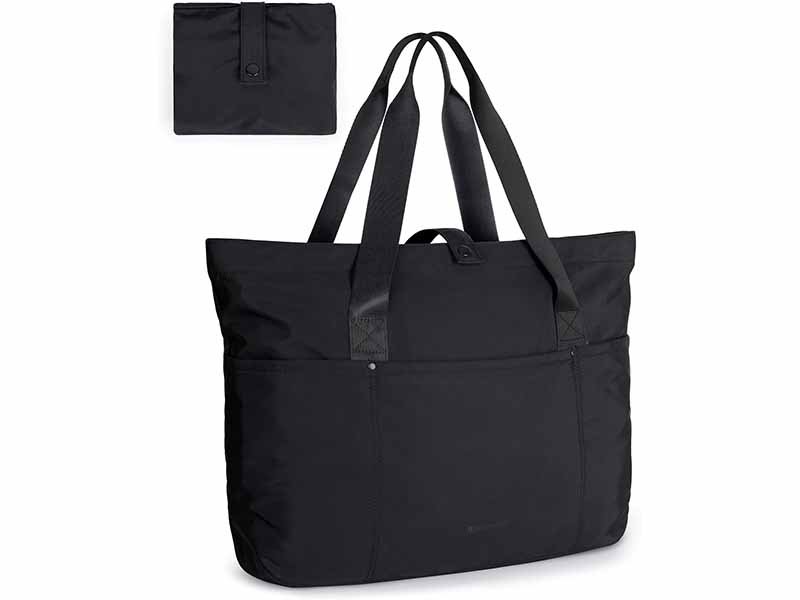
Choosing the right fabric density for your tote bag depends on the purpose of the bag, the weight capacity it needs to carry, and the design you want to achieve. Fabric density, typically measured in grams per square meter (GSM), directly impacts the durability, flexibility, and comfort of the bag. In general, the fabric you choose should align with the type of items the bag will carry, how often it will be used, and the intended style.
What Is the Ideal Density for Everyday Tote Bags?
Ideal Fabric Density Range: 200-350 GSM
For everyday tote bags that will carry light to moderate loads, a medium-density fabric in the range of 200-350 GSM is perfect. This density provides the best balance between strength, flexibility, and comfort. Bags made from medium-density fabrics are durable enough for daily use while still being lightweight and comfortable to carry.
Example Fabrics:
- Cotton (GSM 150-250): Cotton is soft, breathable, and widely used for everyday bags like shopping totes or casual bags for light errands. It’s ideal for people looking for a soft feel and a classic aesthetic.
- Polyester (GSM 200-300): Polyester, especially when treated for water resistance, is a popular choice for medium-density everyday totes. It’s a bit stronger than cotton and works well for things like carrying small electronics, books, or groceries.
- Canvas (GSM 250-350): Lightweight canvas is another great option for everyday tote bags, offering a more structured feel while still being soft and flexible. It provides durability and a timeless design for casual or fashion-forward tote bags.
Real-World Use Cases:
- Book tote bags used for school or light shopping: 250 GSM cotton or canvas.
- Casual shopping bags: 200-300 GSM polyester or lightweight cotton.
How Does Density Affect Heavy-Duty Tote Bags?
Ideal Fabric Density Range: 350-800 GSM
For bags that need to carry heavier loads such as tools, outdoor gear, or multiple grocery bags, high-density fabrics (350-800 GSM) are the go-to option. These fabrics offer greater strength, resilience, and load-bearing capacity, making them perfect for heavy-duty applications. High-density fabrics are thicker and more rigid, meaning they can handle large amounts of weight without losing their shape or stretching out.
Example Fabrics:
- Canvas (GSM 350-700): High-density canvas is incredibly durable and commonly used for heavy-duty tote bags. It’s perfect for carrying bulky or heavy items, like outdoor gear or tools. Canvas bags can hold up well under frequent use and harsh conditions.
- Denim (GSM 400-700): Denim, with its thick weave, offers excellent durability and strength, making it a good choice for work bags, tool bags, or travel bags. The fabric holds its shape and resists wear, even when carrying heavy loads.
- Heavy-duty Nylon (GSM 400-800): Nylon, especially woven tightly, is water-resistant and offers high durability for heavy-duty applications. It’s great for bags designed for rugged outdoor activities, sports, or travel.
Real-World Use Cases:
- Camping or travel totes used to carry gear: 500 GSM canvas or denim.
- Tool bags or heavy-duty shopping bags: 400 GSM nylon or canvas.
How Does Density Impact Fashion-Forward Tote Bags?
Ideal Fabric Density Range: 150-250 GSM
For fashion-forward tote bags that will carry light items like clothes, accessories, or personal items, lower-density fabrics (150-250 GSM) are the most appropriate. These fabrics are softer, more flexible, and lightweight, offering a comfortable and stylish feel. Fashion bags often prioritize style and comfort, so lighter materials are preferred for their breathability and elegance.
Example Fabrics:
- Cotton (GSM 150-250): Cotton’s lightweight and breathable nature make it ideal for trendy tote bags used in fashion. It’s perfect for carrying clothing or accessories and works well with a casual aesthetic.
- Light Polyester (GSM 150-250): Lightweight polyester can be used for sleek, stylish tote bags that carry small essentials, like wallets or keys. It provides strength without adding extra weight, ideal for a modern, streamlined look.
- Linen (GSM 150-200): Linen is a soft, natural fabric with a luxurious feel and breathable qualities. It’s great for bags that need a soft and relaxed look, such as beach totes or summer accessories.
Real-World Use Cases:
- Fashion-forward totes used for carrying clothes or accessories: 150-250 GSM cotton or polyester.
- Beach bags or summer totes: 150-200 GSM linen or cotton.
What About Eco-Friendly Tote Bags?
Ideal Fabric Density Range: 200-350 GSM (for sustainable bags)
As sustainability becomes more important for many consumers, eco-friendly fabrics are gaining traction in the tote bag market. Sustainable fabrics like organic cotton, recycled polyester, and hemp are becoming popular for bags that are both eco-conscious and durable. These fabrics typically fall within the medium-density range, offering a good balance between durability and sustainability.
Example Fabrics:
- Organic Cotton (GSM 200-350): Organic cotton is grown without harmful pesticides and chemicals, making it a great choice for eco-friendly, everyday tote bags. It’s as durable as regular cotton but more environmentally friendly.
- Recycled Polyester (GSM 250-350): Recycled polyester is made from repurposed plastic bottles or other post-consumer waste. It’s a strong, sustainable fabric that retains the same durability as virgin polyester.
Real-World Use Cases:
- Sustainable tote bags used for daily use: 250-350 GSM organic cotton.
- Eco-friendly fashion totes: 250-350 GSM recycled polyester.
How to Choose the Right Fabric Density for Custom Tote Bags
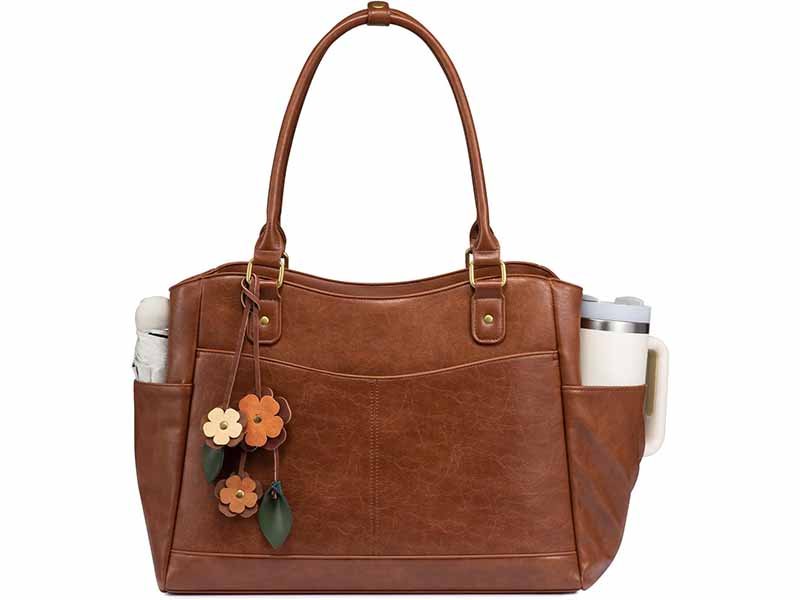
Choosing the right fabric density for your custom tote bags is essential to achieving the perfect balance of durability, comfort, and aesthetic appeal. Whether you need a tote for carrying heavy-duty items or a light, stylish accessory, understanding the relationship between fabric density and bag functionality will help you make the best decision for your brand and customers.
Fabric density, measured in grams per square meter (GSM), refers to how heavy or light a fabric is. The higher the GSM, the denser and more durable the fabric, while lower GSM fabrics are lighter and more flexible. This decision ultimately depends on how your customers will use the tote bag and the level of durability required.
What Factors Should Influence Your Fabric Density Choice?
When selecting the fabric density for custom tote bags, it’s important to consider the following factors:
- Intended Use of the Bag The primary factor influencing your choice of fabric density is what the tote bag will be used for.
- Light Use (Casual, Fashion, and Everyday Bags): If your tote bag is designed for light use, such as carrying books, small groceries, or personal items, a medium-density fabric (200-350 GSM) is ideal. These fabrics strike the right balance of strength and comfort, ensuring the bag is easy to carry and functional for everyday use.
- Heavy-Duty Use (Outdoor, Work, and Travel Bags): For tote bags intended to carry heavy loads, such as tools, camping gear, or large amounts of groceries, you’ll need a high-density fabric (350-800 GSM). These materials are thicker and stronger, designed to handle the weight and stress associated with heavy-duty use.
- Durability Requirements Consider how durable the fabric needs to be. If your bag will be exposed to wear and tear—such as being dragged across rough surfaces, loaded with heavy items, or exposed to water and dirt—then high-density fabrics like canvas or denim (350-700 GSM) are the best choices.
- High-density fabrics are durable and tear-resistant, making them ideal for rugged outdoor bags, tool bags, and travel totes.
- Low-density fabrics are more suitable for fashion bags or lightweight totes that will carry lighter loads and won’t be subject to frequent rough handling.
- Comfort and Weight If comfort is a priority (for example, for fashion-forward bags or casual totes), then lighter fabrics with a low-to-medium density (150-350 GSM) are the best options. These materials are soft, breathable, and easy to carry, even when the bag is full. High-density fabrics, while more durable, can make the bag heavier, which could impact comfort when carried for long periods.
- Consider adding reinforced handles or strap padding for high-density fabrics to improve comfort.
- Aesthetic and Brand Appeal The fabric density also plays a role in the look and feel of the bag. Heavier fabrics such as canvas or denim give a more structured and premium look, making them ideal for high-end or rugged outdoor brands. For a more relaxed and casual look, low-density fabrics such as cotton or light polyester offer a softer, more flexible finish.
How Does Bag Design Affect Fabric Density Selection?
The design of the tote bag also influences which fabric density is appropriate. High-density fabrics work better for structured designs that need to hold their shape, while low-density fabrics are ideal for more casual or slouchy designs.
- Structured Tote Bags: For tote bags with a defined shape—such as those used for work bags, office bags, or luggage-style bags—you’ll need a high-density fabric to ensure the bag maintains its form and can bear heavy loads without sagging or losing shape.
- Canvas (GSM 400-700) or denim (GSM 400-700) are excellent choices for structured bags because they provide structure and prevent the bag from becoming floppy.
- Flexible or Slouchy Tote Bags: For totes that need to be more relaxed, like those used for fashion, beach bags, or light shopping bags, lower-density fabrics like cotton or light polyester are better suited. These fabrics are soft, flexible, and allow the bag to conform to its contents.
- Cotton (GSM 150-250) or lightweight polyester (GSM 150-250) work well for slouchy bags that don’t need to maintain a rigid shape.
- Bag Accessories and Details: If the tote bag design includes features like reinforced handles, zippers, or multiple compartments, you may need to choose denser fabrics for the stress points (e.g., handles, corners) and lighter fabrics for the rest of the bag. High-density fabrics ensure that the bag can hold the weight without the risk of stitching or fabric breakdown at key contact points.
Examples of Fabric Choices Based on Bag Design and Functionality
| Bag Type/Design | Ideal Fabric Density (GSM) | Recommended Fabrics | Key Features |
|---|---|---|---|
| Heavy-Duty Work Bag | 400-700 | Canvas, Denim, Heavy Nylon | Strong, abrasion-resistant, tear-resistant |
| Casual Everyday Tote | 200-350 | Cotton, Light Polyester | Comfortable, breathable, easy to carry |
| Fashion Tote | 150-250 | Light Cotton, Linen | Soft, breathable, lightweight, stylish |
| Outdoor Gear Bag | 350-800 | Heavy Duty Canvas, Nylon | Water-resistant, durable, strong load-bearing |
| Beach Bag | 150-250 | Cotton, Linen | Soft, breathable, casual, easy to fold |
How to Make the Right Decision Based on Customer Needs?
- For Rugged or Heavy-Duty Bags: If your customers are looking for a tote that can handle heavy-duty use (such as carrying tools, camping gear, or groceries), high-density fabrics like canvas (GSM 400-700) or denim (GSM 400-700) will meet their needs. These fabrics provide strength and durability, ensuring that the bag holds up under tough conditions.
- For Fashion-Forward or Casual Bags: For customers seeking a more fashionable, casual bag for light everyday use, medium-to-low-density fabrics (150-350 GSM) such as cotton or light polyester will be ideal. These fabrics provide the softness and flexibility required for fashion-forward designs and are more comfortable to carry, especially for bags that won’t carry heavy items.
- For Eco-Conscious Customers: Sustainable fabrics like organic cotton (GSM 250-350) or recycled polyester (GSM 250-350) offer a middle ground between durability and environmental friendliness. These fabrics are growing in popularity due to their eco-friendly appeal and are perfect for customers seeking an environmentally-conscious product without sacrificing strength.
High-Density vs Low-Density: Which Is Better for Tote Bags?
When it comes to choosing the fabric for tote bags, one of the most important considerations is fabric density. High-density fabrics and low-density fabrics each have their distinct advantages and drawbacks. Understanding these differences is crucial to selecting the right material for your tote bags, depending on their intended use, durability requirements, and customer preferences.
Fabric density is measured in grams per square meter (GSM), with high-density fabrics typically ranging from 350-800 GSM and low-density fabrics ranging from 100-350 GSM. The key difference lies in the strength, weight, and flexibility of the fabric, which affects both the look and feel of the final product.
Let’s break down when each type of fabric density works best, so you can make the right choice for your custom tote bags.
What Are the Pros of High-Density Fabrics for Tote Bags?
High-density fabrics, such as canvas, denim, and heavy-duty nylon, provide several benefits that make them ideal for specific uses.
- Increased Durability One of the biggest advantages of high-density fabrics is their durability. These materials are strong, tear-resistant, and designed to withstand harsh conditions. For example:
- Canvas (GSM 400-700): Canvas is known for its ability to hold weight without tearing, which makes it perfect for heavy-duty tote bags used for carrying tools, outdoor equipment, or groceries.
- Denim (GSM 400-700): Denim’s high-density weave makes it resistant to wear and abrasion, which makes it great for work bags or rugged travel bags.
- A canvas tote bag used for grocery shopping or carrying camping gear could easily hold 20-30 kg of items without compromising the bag’s integrity or structure.
- Similarly, a denim tote bag can withstand heavy loads and harsh outdoor conditions without showing signs of wear, thanks to its dense fibers.
- Shape Retention and Structure High-density fabrics like canvas and denim are less likely to lose their shape over time. For structured tote bags, such as those used for business or travel, these materials provide the necessary firmness and shape retention. Real-World Example:
- A canvas bag designed to carry books or a laptop tote made from denim will retain its structure, even under stress, keeping the contents secure and maintaining a professional appearance.
- Long-Term Use High-density fabrics are designed to last. These materials resist wear and tear from frequent use, exposure to the elements, and rough handling. Real-World Example:
- A heavy-duty nylon bag can be used in a construction environment or for outdoor activities for years without noticeable damage or loss of strength.
When Is Low-Density Fabric the Right Choice for Tote Bags?
Low-density fabrics, such as cotton, polyester, and light linen, are lighter, more flexible, and softer. These materials have their own set of advantages, particularly when you need a bag that is lightweight, comfortable, and easier to handle.
- Lightweight and Comfortable One of the primary benefits of low-density fabrics is their light weight. This makes the bag easier to carry, especially when used for everyday errands. Low-density fabrics provide comfort without making the bag feel too heavy, even when fully loaded. Real-World Example:
- A cotton tote bag used for carrying groceries or personal items will feel much lighter and more comfortable than a high-density fabric, such as canvas, when the bag is filled with the same items.
- Breathability and Softness Low-density fabrics are often softer and more breathable compared to high-density materials. If you’re designing a bag for a fashion-forward customer or for light outdoor activities, low-density fabrics like cotton or polyester will offer a more relaxed, comfortable feel. Real-World Example:
- Linen tote bags are great for summer use due to their breathability and lightness. They are ideal for beach bags or casual outings, where comfort and flexibility are more important than durability.
- Cost-Effective Low-density fabrics tend to be more affordable, making them a good choice for businesses looking to produce high volumes of tote bags at a lower cost. While they may not offer the same durability as high-density fabrics, they are great for bags that do not need to bear heavy loads. Real-World Example:
- A polyester tote bag used for promotional giveaways or light shopping can be produced at a lower cost, making it an excellent choice for companies that need a large number of budget-friendly bags.
High-Density vs Low-Density Fabrics: A Quick Comparison
Here’s a side-by-side breakdown of the key differences between high-density and low-density fabrics:
| Feature | High-Density Fabrics | Low-Density Fabrics |
|---|---|---|
| Durability | Very high, ideal for heavy-duty use | Moderate, suitable for light use |
| Weight | Heavier and rigid, ideal for structured designs | Lighter and more flexible, great for casual use |
| Best Use | Outdoor gear, shopping, travel | Casual, fashion, lightweight bags |
| Comfort | Can be less flexible, may feel rigid | Soft, comfortable, and easy to carry |
| Price | Higher cost, but more durable | More affordable, great for high-volume production |
Which Fabric Density Is Right for Your Tote Bag?
The fabric density you choose depends on how the bag will be used, who will use it, and what your customers value most. Here’s a breakdown of which fabric density is right for different types of tote bags:
- Heavy-Duty Use (350-800 GSM): For bags that need to carry heavy loads like tools, groceries, or camping gear, high-density fabrics like canvas or denim are ideal. These materials provide durability and strength to hold bulky items without compromising the bag’s structure.
- Everyday Use (200-350 GSM): For tote bags that will be used for shopping, commuting, or carrying personal items, medium-density fabrics like cotton or polyester are perfect. These fabrics strike the right balance of comfort and strength, making them suitable for daily use without feeling too heavy.
- Fashion and Light Use (100-250 GSM): If you’re designing fashion-forward totes for light use, such as carrying clothes or accessories, low-density fabrics like cotton or light polyester are ideal. These fabrics are soft, flexible, and lightweight, giving the bag a relaxed feel and making it easy to carry.
Conclusion
Fabric density is an essential consideration in the design and production of tote bags. By understanding how different densities affect the performance, durability, and comfort of your bags, you can make informed decisions that match your customers’ needs.
At Szoneier, we specialize in creating high-quality custom tote bags using both high and low-density fabrics, tailored to meet your unique specifications. Whether you’re designing a rugged, heavy-duty tote for outdoor enthusiasts or a lightweight, stylish bag for everyday use, we can help you find the perfect fabric to match your brand and audience.
If you’re ready to start designing your custom tote bags, contact Szoneier today for a consultation, and let’s create something perfect for your brand!