Skip to content

Bags are so deeply embedded in our daily lives that we rarely stop to consider how ancient—and how meaningful—they truly are. Long before modern fashion brands, logos, and mass production, bags existed as essential survival tools, enabling humans to carry food, tools, valuables, and symbols of identity. From primitive pouches made of animal hide to today’s engineered backpacks and reusable shopping bags, the history of bags mirrors the history of human civilization itself. The history of bags dates back thousands of years, beginning with simple pouches made from leather, plant fibers, and animal skins. As societies evolved, bags became specialized for trade, travel, status, and fashion. Leather bags, shopping bags, and modern backpacks all reflect technological progress, cultural values, and changing lifestyles, making bags both functional tools and cultural symbols across history.
What makes the story of bags especially fascinating is that they evolve whenever society changes—with agriculture, trade routes, industrialization, consumer culture, and sustainability movements all leaving a visible mark on bag design. To understand modern bags, we must first return to their origins.
What Is a Bag

A bag is a flexible, portable container designed to carry and store items, offering protection, organization, and ease of transport. Bags come in a wide variety of shapes, sizes, materials, and purposes. They are used for carrying everyday items, travel necessities, specialized gear, and even as fashion statements. The evolution of bags reflects human progress in terms of practicality, innovation, and design.
Key Characteristics of a Bag:
- Containment: A bag’s primary function is to enclose items securely. It keeps them organized and prevents them from being lost or scattered.
- Portability: Bags are designed to be carried or worn, often with handles, straps, or handles for easy mobility.
- Protection: Depending on the material, bags protect the contents from dust, rain, moisture, and other elements, ensuring their safety and longevity.
Types of Bags:
Bags come in various styles, each serving a unique function or purpose. Some common types include:
- Tote bags: Simple, spacious bags often used for groceries, shopping, or daily activities.
- Backpacks: Designed to be worn on the back, with two shoulder straps for even weight distribution, perfect for school, hiking, or travel.
- Messenger bags: Often worn across the body, these bags are used for carrying essentials such as documents, laptops, or books.
- Duffel bags: Large, cylindrical bags typically used for sports, travel, or carrying bulky items.
- Handbags: Small to medium-sized bags carried by hand or over the shoulder, typically used by women for personal items.
Why Do People Use Bags?
Bags have always been essential for human mobility and organization. Whether for carrying groceries, work essentials, or travel gear, bags play a critical role in convenience and organization. Historically, they were designed to facilitate the transport of goods, protect precious items, and even display social status.
Materials Used in Bags
Bags can be made from a variety of materials depending on the intended use. Some popular materials include:
- Leather: Durable, stylish, and used for handbags, wallets, and luxury bags.
- Cotton & Canvas: Lightweight, versatile, and commonly used for shopping bags or tote bags.
- Nylon & Polyester: Strong, weather-resistant, and ideal for backpacks, duffel bags, and travel bags.
- Eco-friendly materials: Such as recycled fabric or jute, these materials are used for sustainable products like reusable shopping bags.
When Did Bags First Appear
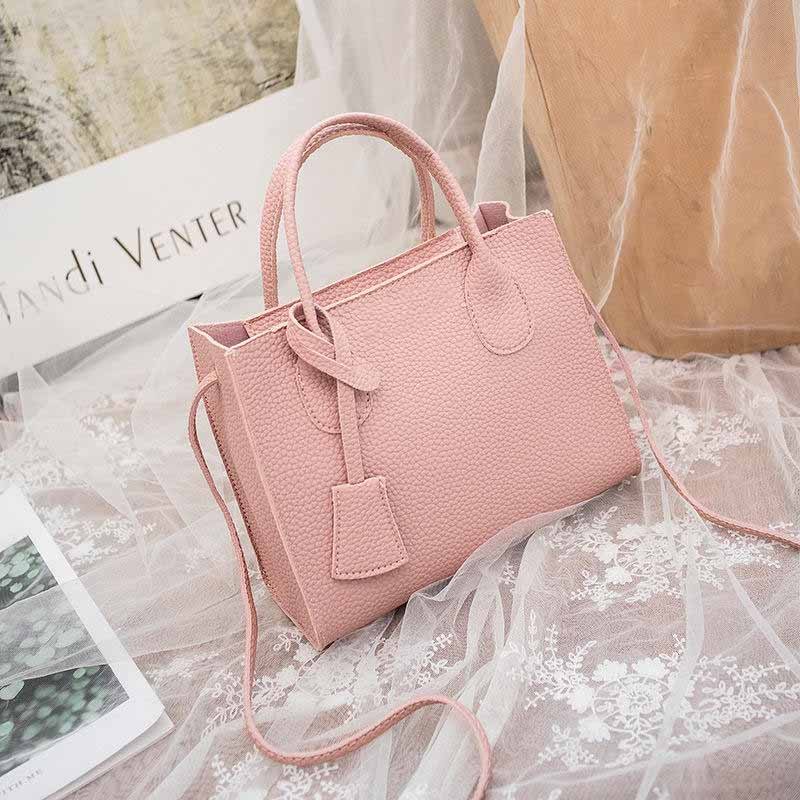
Bags, in their most primitive forms, date back thousands of years, making them one of the earliest human inventions. They have evolved over time from simple pouches and containers to the diverse range of bags we use today. The history of bags is deeply intertwined with the evolution of human civilization, as they have always served a vital role in helping people carry and protect their belongings. The first bags were rudimentary, often crafted from natural materials available in the surrounding environment.
Origins of Bags: Early Forms and Materials
The first bags likely emerged during the prehistoric era, when early humans needed a way to carry food, tools, and other essentials. Early bags were made from animal skins, plant fibers, or woven materials, crafted out of necessity.
Materials used by early humans:
- Animal skins: Early humans used animal hides for their durability and flexibility. These hides were often sewn together to create simple pouches or bags to carry food and tools.
- Plant fibers: Early people wove grass, reeds, and other plant materials to create rudimentary bags. These were lighter and suitable for carrying plants or light tools.
- Leather: Leather, due to its flexibility and resistance to wear, became an essential material in the creation of bags for survival.
Bags in Ancient Civilizations
By the time of ancient civilizations, bags had become more specialized, not just for carrying food, but for various social and ceremonial purposes.
Key milestones:
- Mesopotamia (around 3,000 BCE): Evidence suggests that trade bags were used to carry coins, spices, and goods along trade routes. The first known leather bags were found in this region, illustrating the early use of leather in bag-making.
- Ancient Egypt (around 2,500 BCE): Archaeologists have found small leather pouches used by Egyptians to carry personal items, including oils, jewelry, and documents. The Egyptians were skilled in both leatherworking and weaving, producing bags for both utilitarian and ceremonial purposes.
- Ancient China (around 2,000 BCE): Woven fabric bags were commonly used in ancient China, often for transporting food, tools, and personal belongings. These early bags were functional and were sometimes decorated with intricate patterns.
The Role of Bags in the Middle Ages and Renaissance
During the Middle Ages, bags evolved to meet the needs of a growing and diversified society. Pouches, satchels, and small handbags were used to carry everyday essentials. At the same time, bags began to be seen as symbols of wealth and status.
- Knapsacks and satchels became common, particularly for soldiers, traders, and travelers.
- Purses and handbags were developed for the elite to carry money and valuables, often adorned with gold, jewels, and intricate embroidery.
- Medieval bags were often handmade from leather and fabric, with clasp closures or simple ties to secure them.
Industrial Revolution: Mass Production and Evolution
The Industrial Revolution in the 18th and 19th centuries brought about significant advancements in both bag design and production. This era saw the first real shift from handcrafted bags to mass-produced items.
Key developments:
- Sewing machines and industrial tools allowed bags to be produced quickly and in large quantities, making them more affordable.
- Fashion bags and luggage became more widely available, especially with the rise of the railroads and air travel, which required durable, easy-to-carry bags.
- Leather and canvas were popular materials, and trunks and suitcases became essential items for the growing middle class, further expanding the role of bags in travel and leisure.
Modern-Day Bags: Innovation and Sustainability
The 20th and 21st centuries introduced an explosion of variety in bag designs, driven by technological advancements, fashion trends, and sustainability concerns.
- Backpacks, duffle bags, and crossbody bags became mainstream, driven by an active lifestyle and convenience.
- Environmental awareness in recent decades has led to the rise of eco-friendly bags made from recycled materials, organic fabrics, and biodegradable substances.
- Technological integration, such as laptop compartments, charging ports, and waterproof fabrics, has made modern bags not only fashionable but highly functional.
Which Cultures Influenced Bag Evolution
Bags are not only practical tools but also symbols of cultural exchange, technological advancement, and social status. The evolution of bags has been profoundly influenced by various cultures throughout history, each contributing unique materials, designs, and functions. As trade routes expanded and civilizations interacted, the design and use of bags evolved to meet the growing needs of society.
Key Cultures That Shaped the Evolution of Bags
Ancient Egypt
In ancient Egypt, bags were used for both functional and ceremonial purposes. Archaeological evidence suggests that small leather pouches were common, often used by Egyptians to carry personal items such as jewelry, oils, and sacred objects. The wealthier classes often carried elaborate, decorative bags to display their status.
- Materials: Leather, linen, and papyrus were often used for making bags.
- Functionality: Bags were essential for transporting daily necessities, while also being used for religious rituals and burial goods.
- Cultural Influence: The development of bags in Egypt helped set the stage for the wider use of bags as symbols of wealth and social class in later civilizations.
The influence of ancient Egypt on bag culture is evident in modern bags’ symbolism of status and luxury.
Mesopotamia
As one of the cradles of civilization, ancient Mesopotamia played a significant role in bag development. The Sumerians, Babylonians, and Assyrians created bags primarily for trade and travel, which were essential for carrying goods and currency across long distances.
- Materials: Leather and woven reeds were the primary materials used for bag-making in this region.
- Functionality: Bags were used to transport goods, including grain, metal goods, and coins for trade.
- Cultural Influence: Mesopotamians were among the first to use bags for commerce, which would go on to shape the development of trade bags and purses in later cultures.
The role of bags in trade and commerce continued throughout history, influencing how bags were designed and used in other ancient cultures.
Ancient China
Ancient China has a long tradition of weaving textiles and creating decorative bags, many of which were used for travel, storage, and trade. Silk bags, often used for ceremonial purposes, were symbols of wealth, while woven fabric pouches were practical items for everyday use.
- Materials: Silk, cotton, and hemp were common materials for bags in ancient China.
- Functionality: Bags in China were used to store precious goods, herbs, and medicinal items, often as part of traditional Chinese medicine kits.
- Cultural Influence: The tradition of using silk bags became highly influential, contributing to luxury bags that remain a staple in the fashion world today.
Bags in China were early examples of craftsmanship and luxury goods, influencing the continued use of bags for personal symbolism.
The Roman Empire
The Romans contributed significantly to the evolution of military and travel bags, as they needed durable and functional designs for soldiers, merchants, and travelers across their vast empire.
- Materials: Leather and linen were used, and some bags featured metal clasps or buckles.
- Functionality: Roman soldiers and merchants used bags for storing weapons, food supplies, and documents during long campaigns or journeys.
- Cultural Influence: Roman soldiers’ bags influenced the design of modern tactical bags and military gear, which are built for durability and functionality.
Roman contributions to bag design showed how bags could serve both functional needs and military or governmental purposes, a trend that continues in modern tactical and military bag designs.
India and the Silk Road
India played a critical role in the development of bag culture, particularly through the Silk Road, where trade in luxury goods, textiles, and metals flourished.
- Materials: India was instrumental in the production of silk, which was used in decorative travel bags and pouches.
- Functionality: Traders used bags to carry valuable items, such as spices, jewels, and luxurious fabrics.
- Cultural Influence: The Silk Road facilitated the spread of ideas and materials that heavily influenced bag designs in Europe, the Middle East, and China.
Bags became more than just tools for carrying—they became symbols of wealth, trade, and prestige. The Silk Road paved the way for globalized bag culture, merging Eastern and Western influences.
Medieval and Renaissance Europe
In Europe during the Medieval and Renaissance periods, bags became symbols of both social class and practicality. The first purses and saddle bags were designed for nobility, while travel bags and satchels were used by merchants and pilgrims.
- Materials: Leather, fur, and textiles such as velvet and linen were common materials.
- Functionality: Bags were used by nobles to carry their money, documents, and keys, while pilgrims used satchels to carry food and religious artifacts.
- Cultural Influence: This period marked the transition of bags from purely functional items to symbols of status and fashion. The idea of personalized bags began to emerge, influencing modern designs.
During the Renaissance, bag making shifted toward luxury and style, laying the foundation for the future of fashion bags.
The Role of Cultural Influence on Modern Bag Design
Today, bags still carry the legacies of these ancient cultures. Whether it’s the leather craftsmanship from Egypt, the decorative silk bags from China, or the functional designs from Roman soldiers, modern bags draw inspiration from all parts of the world. The spread of globalization, technology, and fashion continues to shape the modern bag, making it not just a practical item but a cultural statement.
How Have Bags Changed Over Time
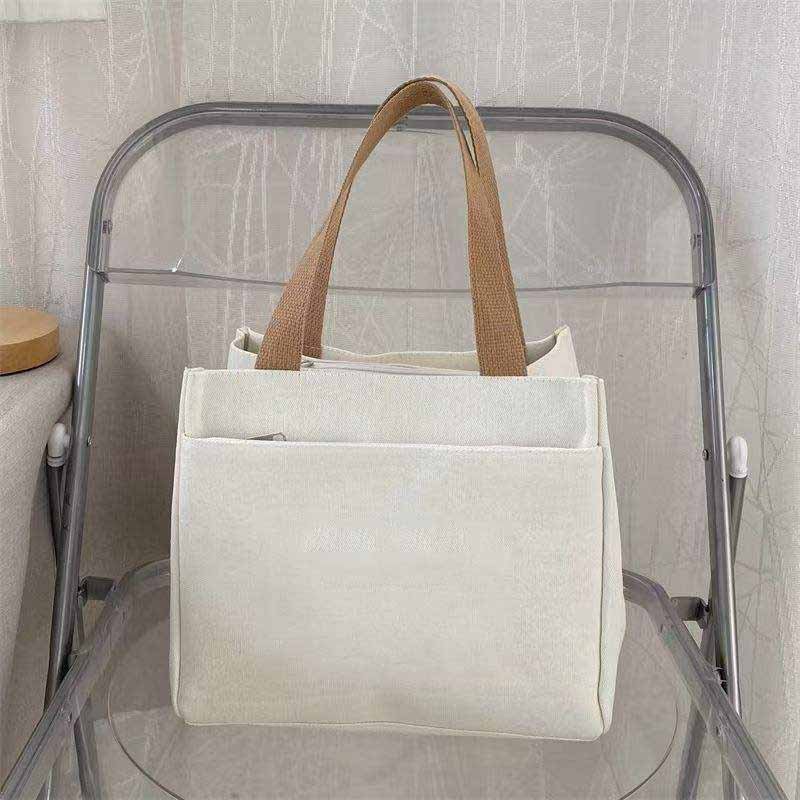
Bags have come a long way from their humble origins as simple pouches made from animal skins and woven fibers. Over the centuries, bags have undergone significant transformations, driven by technological advances, fashion trends, and shifting societal needs. From their role as practical tools for carrying essential items to their current status as symbols of style, status, and personal expression, the evolution of bags offers a fascinating look into human innovation.
Early Beginnings: Functional and Simple Designs
In the earliest stages of human history, bags were functional tools—crafted primarily for survival and practicality. During the Stone Age, early humans used natural materials such as animal hides, leaves, and woven fibers to create simple pouches and sacks. These early bags were designed to carry food, tools, and valuables necessary for daily life. The primary goal was to provide a means for transportation and storage, ensuring that essentials could be carried efficiently while keeping them safe from the environment.
- Materials Used: Animal hides, woven fibers, plants, leather
- Functionality: Carrying food, tools, valuables, and for ceremonial use
- Design: Basic, utilitarian, without much consideration for aesthetics
The use of bags in this era was purely functional, driven by the need to carry what early humans needed to survive and thrive.
The Ancient World: Specialized Uses and Early Craftsmanship
As societies began to form and trade routes were established, bags became more specialized and refined. Ancient civilizations such as Egypt, Mesopotamia, and China played significant roles in shaping the evolution of bags. These cultures began to craft bags not just for practical purposes, but also for ceremonial, status-related, and trade uses.
- Leather bags began to emerge as prized possessions for elites. Ancient Egyptians, for instance, carried leather pouches for holding oils, jewelry, and other personal items.
- Woven bags and pouches became common in Mesopotamia for transporting goods like grains, metals, and textiles for trade.
- Silk bags were crafted in ancient China for carrying valuable items, with many of these bags being decorative as well as functional.
At this stage, bag-making was evolving into an artisanal craft, with advanced techniques for embellishment and specialization in design.
The Medieval and Renaissance Period: Bags as Symbols of Status
By the Middle Ages, bags had begun to take on symbolic significance, especially in Europe. During this time, bags were used not just for practical reasons but also as symbols of wealth and status.
- Pouches and satchels were used by both nobles and commoners for carrying coins, documents, and other valuables. However, the nobility’s bags were often made of finer materials like velvet, silk, or embroidered leather, signaling their social status.
- The Renaissance era saw the rise of luxury bags and decorative purses, especially among the elite, who used purses to carry money, keys, and small personal items.
- Leather bags became more sophisticated, featuring metal clasps, locks, and elaborate decorations to both enhance their security and showcase wealth.
During this period, bags began to move beyond practical tools and were increasingly seen as personal accessories that indicated wealth, identity, and social standing.
The Industrial Revolution: Mass Production and Accessibility
The Industrial Revolution in the 19th century marked a monumental shift in the bag industry. With the advent of mass production and machine sewing, bags transitioned from bespoke, hand-made items to affordable, mass-produced products. The development of new materials, the ability to produce bags quickly, and the expansion of trade made bags more accessible to the general population.
Key changes included:
- Sewing machines allowed for faster, more precise stitching, drastically reducing the time it took to produce a bag.
- Synthetic materials like canvas, cotton, and later nylon were introduced, offering cheaper and more durable alternatives to leather.
- New bag types such as suitcases, briefcases, and travel bags became popular with the rise of rail travel, as people began to travel longer distances.
As bags became more accessible, they evolved into functional products that were not just for the elite, but for the working class, travelers, and adventurers.
The 20th Century: Fashion and Functionality Combine
The 20th century saw bags become an integral part of fashion. With the growth of the fashion industry, bags became increasingly stylized, with specific designs created to complement different outfits, occasions, and social settings.
Key trends included:
- Handbags became a fashion statement for women in the early 1900s. Luxury designers like Louis Vuitton, Chanel, and Gucci created iconic bags that symbolized style and class.
- Backpacks became popular for both students and outdoor enthusiasts, with innovations in design to accommodate books, gear, and equipment.
- The rise of sports bags, such as duffle bags and gym bags, aligned with a growing interest in physical fitness and the active lifestyle in the mid-20th century.
- Shopping bags saw a significant evolution, with plastic bags replacing paper bags in the 1950s, followed by a more recent shift toward eco-friendly options like reusable cotton and canvas bags in the 21st century.
Bags, at this point, were not just practical objects, but important components of personal identity, status, and fashion, with many people choosing bags to match their style and lifestyle.
Modern-Day Bags: High-Tech, Sustainable, and Multi-Purpose
Today, bags are more than just simple containers; they have become highly functional, stylish, and technologically advanced.
- Laptop bags, tech backpacks, and smart bags integrate charging ports, solar panels, and waterproof materials to support modern-day tech needs.
- Eco-conscious consumers have pushed for bags made from recycled materials, sustainable fabrics, and biodegradable options, prompting manufacturers to innovate for the future of the environment.
- Modular designs have emerged, allowing bags to be customized based on specific needs (e.g., attachable pouches, interchangeable straps, or compartments).
- Crossbody bags, fanny packs, and totes have been reimagined to fit contemporary needs, often combining comfort, functionality, and style in a way that meets the demands of both fashion-conscious consumers and busy professionals.
Modern bags continue to push the boundaries of design, function, and sustainability, adapting to our ever-changing lifestyle needs.
What Are Key Types of Bags Through History
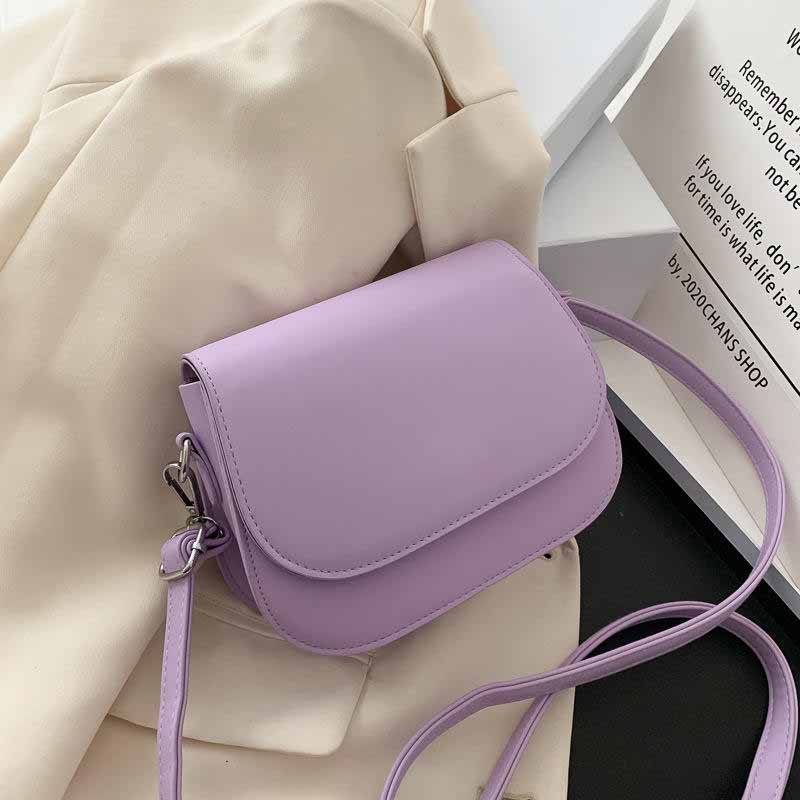
Throughout history, bags have evolved from simple functional tools to fashion statements, status symbols, and specialized equipment. As societies advanced, so did the diversity of bag designs, each type reflecting specific needs, resources, and cultural values. The development of bags was not just driven by function but also by social status, technological advancements, and design innovations. Let’s take a closer look at the most significant types of bags that have shaped history.
Key Types of Bags Through History
1. Pouches and Satchels in Ancient Times
In ancient civilizations, pouches and satchels were among the earliest types of bags. These bags were crafted from natural materials such as animal hides, plant fibers, and leather, and were primarily used for carrying tools, food, and valuables.
- Materials: Animal hides, woven grass, linen, leather
- Functionality: Carrying food, weapons, money, and important items
- Cultural Influence: In ancient Egypt, small leather pouches were used for personal items like oils and jewelry. Similarly, Sumerians and Babylonians used bags for trade and commerce.
These early bags were simple, durable, and practical, serving as essential tools for survival and trade. They were often worn around the waist or suspended from the shoulder for easy access.
2. Leather Bags in the Roman Empire
The Roman Empire played a pivotal role in shaping the design of military and travel bags, as soldiers, merchants, and travelers needed efficient ways to carry essential items across vast territories. Leather bags were particularly favored during this time due to their strength and flexibility.
- Materials: Leather, fabric, and metal fastenings
- Functionality: Storing weapons, coins, food provisions, and documents
- Cultural Influence: Roman soldiers and merchants used leather pouches and satchels for everyday use. The Romans also pioneered the use of coin purses to carry money and valuables. These bags evolved into more refined designs as society progressed.
Roman bag-making techniques, particularly leatherworking, influenced the later development of military and travel bags in Europe and the Middle East. The durability and versatility of leather made it the ideal material for bags designed to withstand long journeys and harsh conditions.
3. Backpacks in Medieval and Renaissance Europe
During the Medieval and Renaissance periods, bags began to evolve in complexity and sophistication. As trade and travel flourished across Europe, bags such as backpacks, saddlebags, and purses became essential for merchants, travelers, and the elite.
- Materials: Leather, wool, silk, and linen
- Functionality: Carrying goods for trade, personal items, and travel provisions
- Cultural Influence: Backpacks were initially used by pilgrims and soldiers, while purses and satchels became common for carrying personal possessions. The elite class used highly decorative bags made of fine leather or silk, signaling their wealth.
Backpacks became popular among pilgrims and travelers, and during the Renaissance, purses evolved into fashionable and luxury accessories.
4. Handbags in the 18th and 19th Centuries
The 18th and 19th centuries marked the rise of handbags as fashion accessories for women. The growing influence of fashion and the increasing availability of materials led to the development of designer bags made of fine leather, textiles, and exotic materials.
- Materials: Leather, velvet, silk, and metal
- Functionality: Carrying personal items like money, keys, cosmetics, and documents
- Cultural Influence: By the Victorian era, handbags became a symbol of status and elegance. Luxury brands like Louis Vuitton and Hermès began to create iconic handbags, combining fashion with functionality. Women’s handbags were often decorated with intricate patterns, embossed details, and metal hardware, serving as both functional bags and status symbols.
This period marked the shift from practical bags to fashionable, brand-driven accessories. The design of handbags reflected the social roles of women and their increasing participation in public life.
5. Backpacks and Duffel Bags in the 20th Century
The 20th century brought significant innovations in bag design, driven by increased mobility, industrialization, and urbanization. With the rise of military needs, outdoor recreation, and travel, new types of bags such as backpacks, duffel bags, and sports bags became essential for everyday life.
- Materials: Canvas, nylon, polyester, and leather
- Functionality: Carrying sports gear, books, camping equipment, and personal belongings
- Cultural Influence: The World Wars brought about the widespread use of tactical duffel bags and military-style backpacks. Later, backpacks became synonymous with schoolchildren and students, while duffel bags gained popularity in sports and travel. Sports bags also evolved to become specialized for different activities, from gym bags to ski bags.
The 20th century introduced functional bags designed for specific needs—whether it was for work, school, sports, or travel. Durability, comfort, and ergonomics became key design features in these bags.
6. Modern Bags: Fashion, Function, and Sustainability
Today, bags are highly functional and fashion-forward, reflecting modern society’s emphasis on style, technology, and sustainability. With the advent of smartphones, laptops, and environmental concerns, bags have been reimagined to meet the demands of modern life.
- Materials: Sustainable fabrics (e.g., organic cotton, recycled polyester), high-tech fabrics (e.g., waterproof nylon, tech-friendly materials)
- Functionality: Carrying laptops, smartphones, gym gear, groceries, and more. New innovations include solar-charging backpacks, laptop sleeves, and ergonomically designed backpacks for comfort during long commutes or outdoor adventures.
- Cultural Influence: The rise of eco-friendly bags and reusable shopping bags marks a growing focus on sustainability. Fashion brands continue to push the envelope with customizable bags, innovative features, and multifunctional designs that combine technology and style.
Bags today are more sustainable, high-tech, and stylish than ever before, evolving to meet environmental needs, personal lifestyles, and technological advancements.
Why Are Bags Important Today
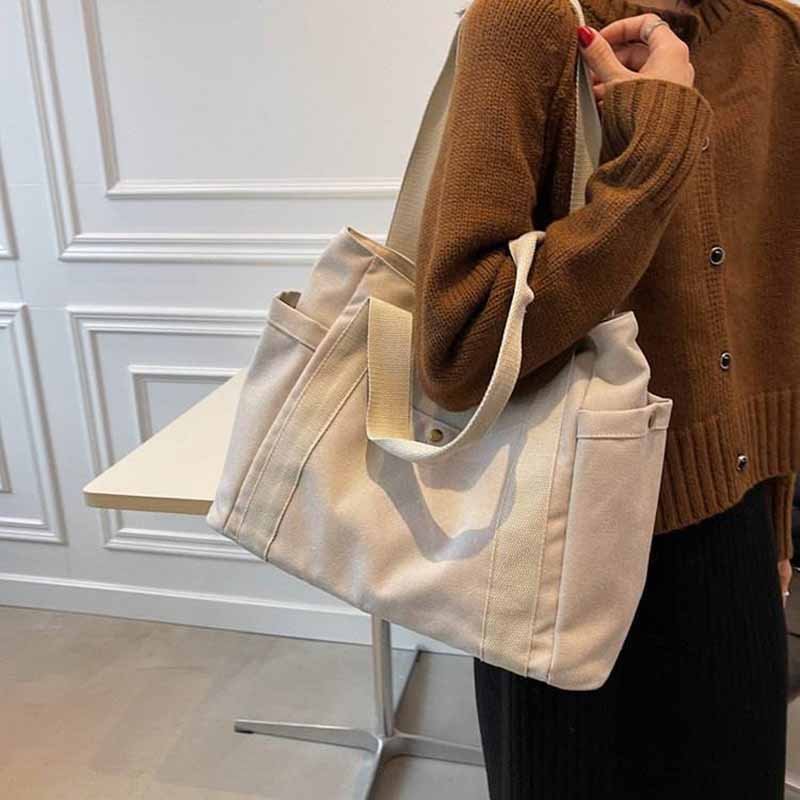
In today’s fast-paced world, bags are much more than simple containers. They have evolved into essential tools that serve both functional and symbolic roles in daily life. Whether you’re commuting to work, going on a weekend getaway, or running errands, a bag is likely by your side, carrying your belongings, organizing your life, and even making a personal style statement. Bags are deeply woven into our modern-day lifestyles, representing convenience, fashion, identity, and practicality.
The Multifunctional Role of Bags Today
Bags have always been designed to serve one primary purpose: to carry and protect personal items. But in the 21st century, they have expanded beyond mere carriers to play a larger role in our daily routines.
1. Functionality: Practicality Meets Convenience
At their core, bags remain essential because they make life more convenient and organized. Today’s bags are designed to accommodate various needs:
- Work and Commuting: Laptop bags, briefcases, and totes are essential for professionals to carry their work essentials, such as laptops, documents, and business accessories.
- Travel and Adventure: Backpacks, duffel bags, and suitcases have become integral to both local travel and international journeys, providing the storage and organization necessary for long trips or short getaways.
- Outdoor Activities: Sports bags, gym bags, and tactical bags are designed to hold everything from sports gear to camping equipment, making it easy to stay active and organized.
- Daily Use: Tote bags, crossbody bags, and messenger bags are now staples in everyday life, used for carrying everything from groceries to personal items like phones, wallets, and cosmetics.
Bags today offer easy access and organization, allowing individuals to streamline their day-to-day tasks with the right tools in hand.
2. Fashion and Personal Expression
As bags became more accessible, they also transformed into fashion accessories that reflect personal style. While function remains a key aspect of bag design, many bags today are carefully designed to enhance one’s wardrobe and showcase individuality.
- Designer handbags from luxury brands like Louis Vuitton, Chanel, and Gucci have evolved into status symbols, often associated with wealth and exclusivity.
- Custom bags and personalized totes allow individuals to express their own unique style, whether through color choices, logos, or handcrafted designs.
- Eco-friendly bags, such as reusable shopping bags, are not only a practical solution but also a statement of environmental consciousness. This growing trend reflects sustainability as an important aspect of modern fashion.
Through bags, people can express their personal identity, whether that’s through luxury items, functional designs, or sustainable choices.
3. Symbolism: Status, Identity, and Responsibility
Bags have always been a symbolic part of human culture, representing more than just the objects they carry. Today, bags continue to serve as status symbols, a way for individuals to define their identity, and even a platform for advocating sustainability and social causes.
- Status Symbol: A high-end handbag or a designer backpack can act as a marker of social status, denoting wealth, success, or affiliation with certain brands.
- Identity and Culture: Certain bags are linked to specific lifestyles or subcultures. For example, tactical bags and military-inspired duffle bags appeal to those with a practical or adventurous lifestyle, while luxury leather bags are often associated with professionalism or high fashion.
- Sustainability: With increasing awareness of environmental issues, eco-friendly bags are becoming symbols of responsibility and conscious consumerism. Brands offering sustainable materials and biodegradable options are reflecting a growing consumer shift toward environmentally friendly products.
Thus, bags today are not just about carrying essentials—they carry meaning, representing our values, lifestyles, and even our desire to influence the world around us.
How Technology Has Changed Bags
The integration of technology has taken bags to the next level, making them smarter and more versatile than ever before.
1. Tech-Integrated Bags
With the rise of smartphones, laptops, and other digital devices, bags have become more technologically equipped to meet the needs of modern consumers:
- Laptop bags with built-in charging ports
- Smart backpacks with solar panels or USB charging capabilities
- Anti-theft bags that feature RFID-blocking compartments to protect personal data
These bags not only carry your essentials but also enhance your digital life, offering charging solutions, data protection, and even smart tracking features.
2. Sustainable Materials and Innovation
Technology isn’t just about electronics—it’s also about materials. The focus on sustainability has pushed designers to incorporate eco-friendly fabrics and innovative manufacturing methods into their bags.
- Recycled fabrics such as recycled polyester and organic cotton are commonly used for eco-friendly bags.
- Waterproof and biodegradable materials help reduce the environmental impact of bags.
- Advanced sewing techniques such as laser cutting and 3D printing are used to produce customized bags with less waste and greater precision.
With these technological advancements, bags today are not just fashionable and functional but also environmentally conscious and innovative.
4. Convenience and Efficiency
In a world that moves fast, convenience and efficiency are top priorities for many people. Bags today are designed to help individuals stay organized and efficiently carry their items while on the go.
- Multifunctional compartments help keep items like phones, keys, and wallets in place, reducing clutter.
- Expandable designs make it easy to carry more or less, depending on the day’s needs.
- Lightweight designs allow for easy mobility, without sacrificing capacity.
Bags have evolved to fit seamlessly into people’s routines, helping them stay organized while on the go, and accommodating their evolving lifestyles.
FAQ: Common Questions About Bag History
Bags have been an integral part of human history for centuries, evolving from simple pouches to modern fashion statements and functional accessories. Here are some common questions about the history of bags, exploring their origins, evolution, and significance throughout time.
1. When were bags first invented?
Bags were first invented during prehistoric times as a practical means of carrying essential items such as food, tools, and valuables. The earliest bags were made from animal hides, plant fibers, and woven materials. These primitive bags were created out of necessity and survival, allowing early humans to transport items easily.
Over time, as human societies developed, so did the materials and techniques used to make bags, leading to more sophisticated designs for various purposes such as trade, fashion, and ceremony.
2. How have bags evolved over time?
Bags have evolved significantly from their early forms to the diverse range of bags we see today. Initially, bags were simple, utilitarian pouches used to carry food and tools. As civilizations grew, bags became more specialized, with Egyptians using leather pouches for personal items and Romans creating bags for trade and military use.
The Industrial Revolution in the 19th century marked a major turning point in bag history. With the introduction of sewing machines and mass production, bags became widely accessible to the general public. Over the 20th and 21st centuries, bags continued to evolve, incorporating fashion, technological advancements, and sustainability.
3. Who is credited with the invention of the handbag?
The modern handbag has evolved from early designs used by the wealthy and nobility. One of the key figures in the development of the handbag as a fashion item is Louis Vuitton, who founded the famous French fashion house in the mid-19th century. In 1854, he designed the flat-bottomed travel bag, which became an essential part of luxury travel gear.
Over time, handbags became synonymous with fashion and status, especially among women. Designers like Coco Chanel, Gucci, and Hermès revolutionized handbag design, creating iconic bags that are still highly sought after today.
4. What role did bags play in ancient cultures?
In ancient cultures, bags were not only functional but often had symbolic and ceremonial roles. For instance, in Ancient Egypt, bags were used to carry personal belongings like oils, jewelry, and sacred objects. Wealthier Egyptians carried highly decorative bags made of leather or textiles, which were often embellished with intricate patterns and metalwork.
In Ancient Rome, bags were used by soldiers to carry their equipment, by merchants to transport goods, and by wealthy citizens to display their status. These bags were made from durable materials like leather and featured functional designs to withstand the rigors of travel and trade.
5. What materials have bags been made from historically?
Throughout history, bags have been crafted from a variety of materials depending on what was available and the intended use of the bag. Some key materials include:
- Animal hides: Used in the prehistoric and ancient periods for making durable pouches and bags.
- Plant fibers: Woven materials like grass, hemp, and palm leaves were used for creating light, portable bags in early societies.
- Leather: Became a staple material for making more sturdy, long-lasting bags
Conclusion
The story of bags is not just a tale of fashion, convenience, or even necessity. It’s a testament to human innovation, resourcefulness, and adaptation over millennia. From the simple pouches used by early humans to carry their most essential tools, to the sophisticated, multi-functional bags of today, one thing remains clear—bags will always evolve with our needs. And Szoneier is here to continue that evolution. For over 18 years, Szoneier has been at the forefront of bag manufacturing, combining the rich history of craftsmanship with the latest technological advancements. We are proud to offer custom-designed bags that cater to a wide range of needs—from high-end leather bags to eco-friendly shopping bags, tactical duffle bags, and durable backpacks. At Szoneier, we don’t just manufacture bags; we create solutions. Whether you’re looking for premium leather bags, durable work bags, fashionable accessories, or innovative, sustainable products, our team has the expertise to bring your ideas to life. Let’s Create the Future of Bags Together Contact us now to get a free quote or custom sample.