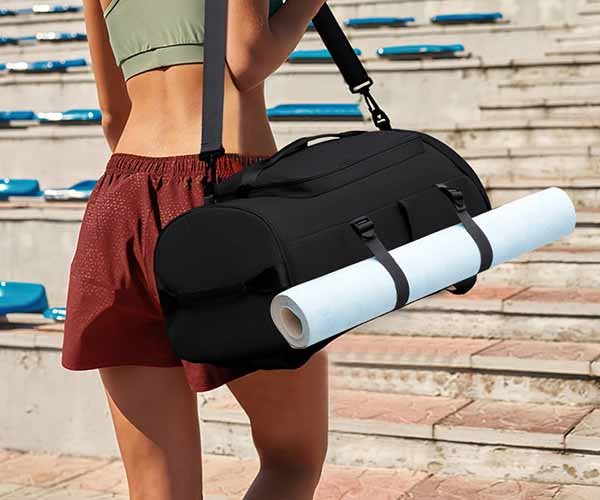
Your Trusted Fitness Bag Manufacturer
- Gym duffels, workout backpacks, shoe bags and fitness accessories
- Custom materials, capacities, compartments, colors and logo details
- Pattern development, sampling, bulk production and quality control
- Retail packaging, Amazon FBA preparation and global shipping
- Standard fitness bag MOQ from 300 pieces
- Selected simple drawstring and shoe bag projects from 200 pieces
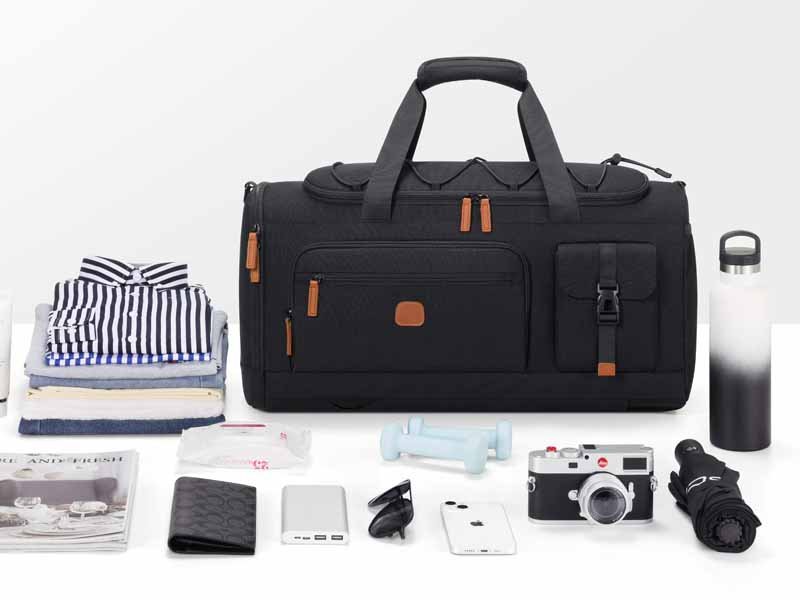
Manufacturing Capacity Built for Growing Fitness Bag Programs
18+ Years Experience
20,000+㎡ Factory System
8 Sewing Lines
160+ Machines
12-Person QC Team
20–35 Active Orders
Szoneier can coordinate approximately 20 to 35 production orders in parallel, depending on product complexity and order size. Project schedules cover material arrival, logo processing, cutting, sewing, inspection, packaging and shipment instead of relying on a single undefined production completion date.
More Than Sewing: Complete Fitness Bag Manufacturing Support
Product Engineering
- Capacity and external dimensions
- Main compartment opening
- Shoe compartment orientation
- Wet-pocket construction
- Strap and handle load points
- Zipper, lining and reinforcement specifications
- Packaging volume and carton planning
Brand Customization
- Pantone color matching
- Heat transfer or embroidery
- Rubber, woven or reflective labels
- Custom webbing and zipper details
- Branded lining and internal labels
- Hangtags and barcode labels
- Retail, DTC or gift packaging
Bulk Program Delivery
Approved products move into controlled production through documented specifications and scheduled checkpoints.
- Approved sample and production notes
- Bill of materials
- Pattern and measurement records
- Pre-production confirmation
- Incoming and in-process inspection
- Final and packing inspection
- Express, air, sea, FBA or DDP coordination
The process supports first orders, replenishment programs and multi-SKU collections.
Fitness Bag Manufacturing for Six Commercial Program Types
Fitness Brands
- Consistent logo positioning
- Coordinated color stories
- Functional compartment options
- Repeat-order documentation
- Premium and entry-level configurations
Sportswear Brands
- Apparel color matching
- Lightweight performance materials
- Training and travel formats
- Retail hangtags and barcodes
- Multi-season replenishment planning
Gym Chains
- Member welcome kits
- VIP program bags
- Staff equipment bags
- Multiple branch delivery
- Bulk packing or individual packs
Amazon Programs
- FNSKU application
- Polybag warnings
- Carton label verification
- SKU separation
- Air and sea replenishment planning
DTC Collections
- Photo-ready samples
- Branded mailer or gift packs
- Seasonal color updates
- Influencer kit packaging
- Small replenishment review
Retail Programs
Retail orders require disciplined barcode, packaging, carton and shipment execution. Product specifications must remain consistent across stores, regions and repeat production.
- Retail hangtags
- UPC or EAN labels
- Carton assortment planning
- Distribution-center packing
- Third-party inspection coordination
Common Fitness Bag Failures and Szoneier Control Methods
Sample Bulk Mismatch
- Approved physical sample
- Material and accessory records
- Pattern files
- Logo artwork
- Packaging files
- Pre-production confirmation
- Change approval before execution
Weak Load Points
- Webbing path review
- X-box stitching
- Bartack reinforcement
- Bottom support evaluation
- Hardware selection
- Internal load checks
- Third-party testing when required
Poor Wet Separation
- Coated or film lining options
- Pocket depth and opening review
- Seam and leakage evaluation
- Cleaning access
- Odor-risk material review
- Claim wording based on structure
Unstable Materials
- Supplier sample approval
- Color-lot review
- Coating check
- Surface defect inspection
- Odor review
- Bulk material comparison against the approved sample
Packaging Errors
- Pack method confirmation
- Label placement
- SKU separation
- Carton assortment
- Gross weight review
- Packing list coordination
- Shipping mark verification
Replenishment Delays
- Pattern archive
- BOM archive
- Logo files
- Packing specifications
- Carton records
- QC notes
- Previous production revisions
Custom Fitness Bag Styles for Different Training Programs
Choose a proven fitness bag format or combine selected structures into a new product built around brand positioning and intended use.
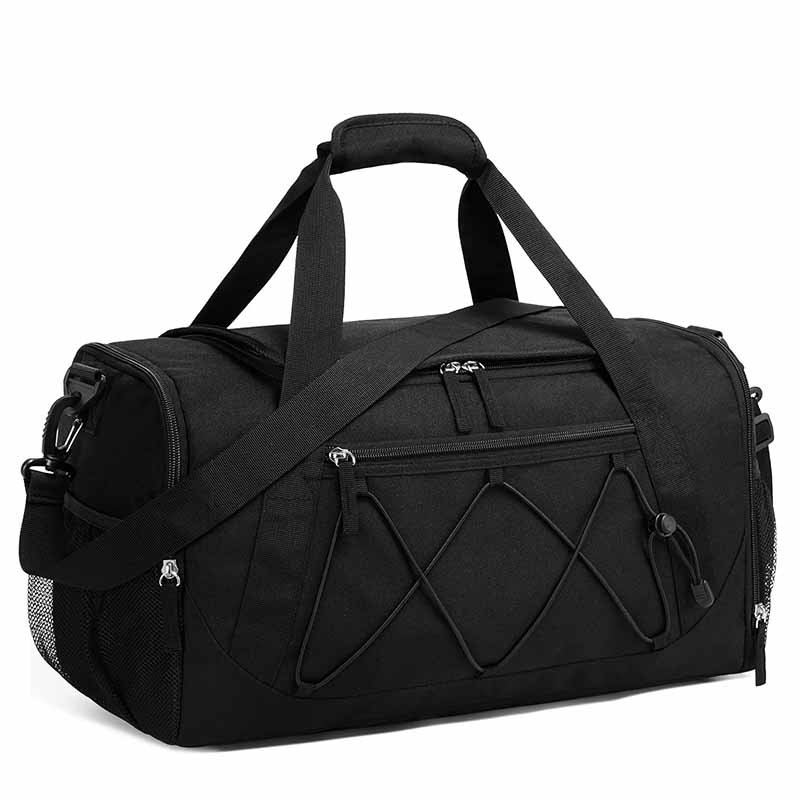
Gym Duffel Bags
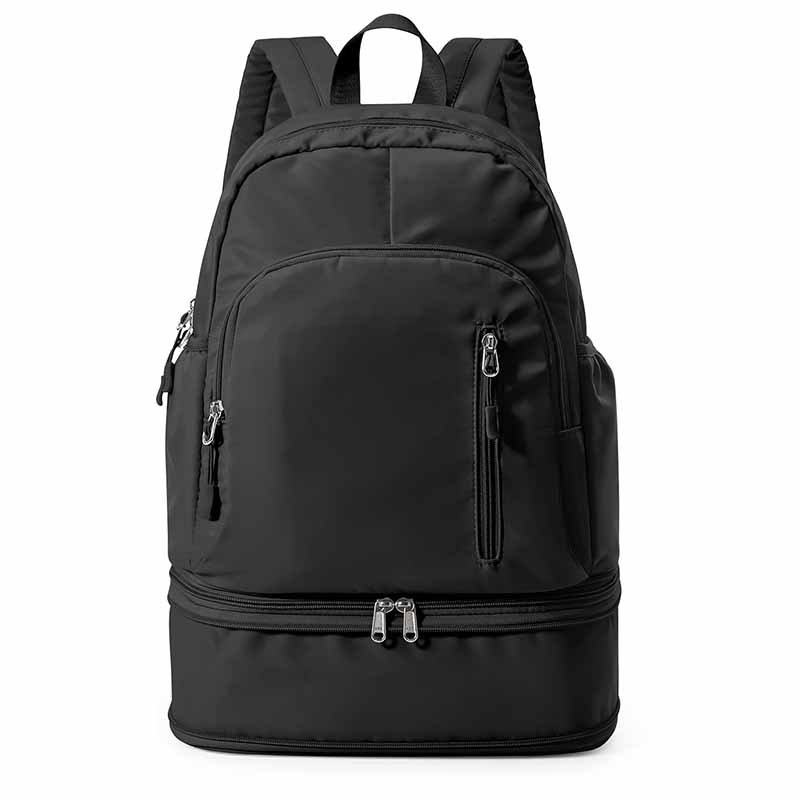
Fitness Backpacks
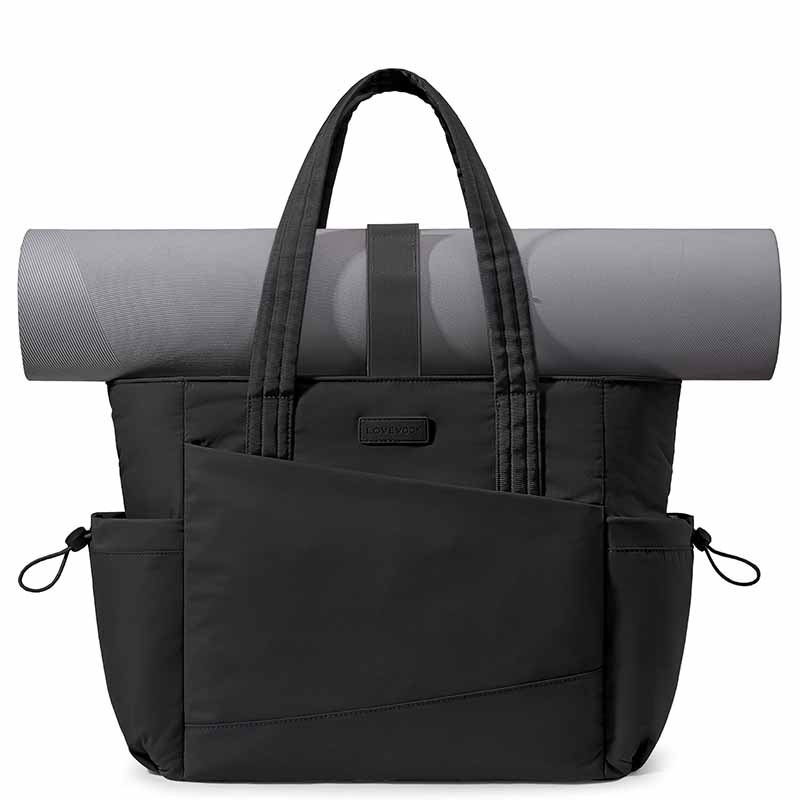
Workout Tote Bags
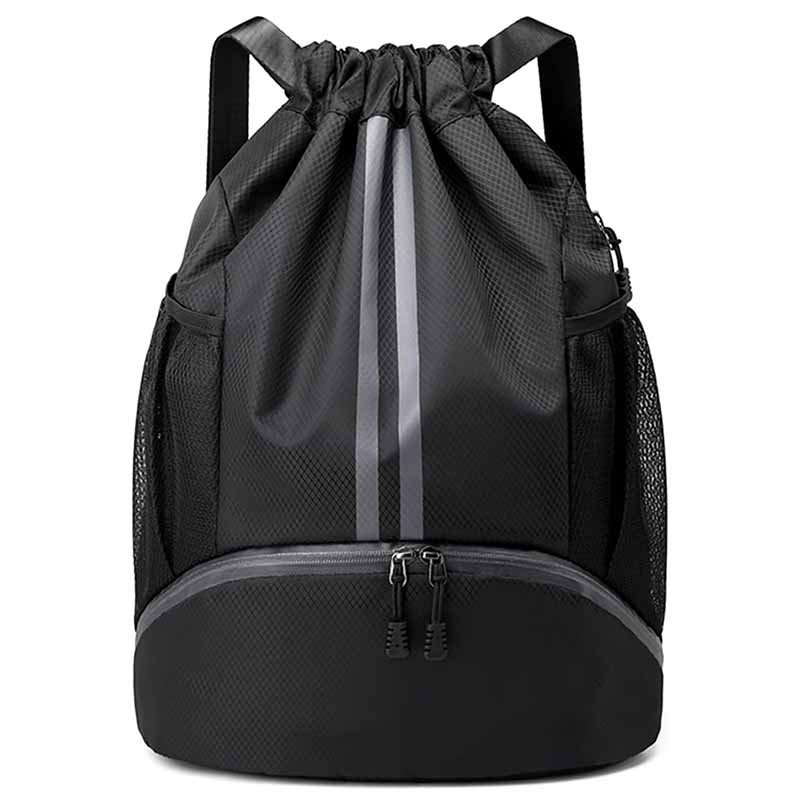
Drawstring Gym Bags
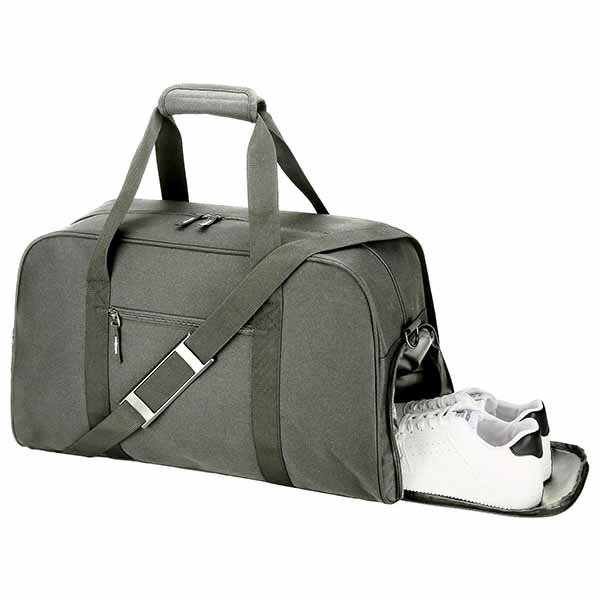
Shoe Compartment Bags
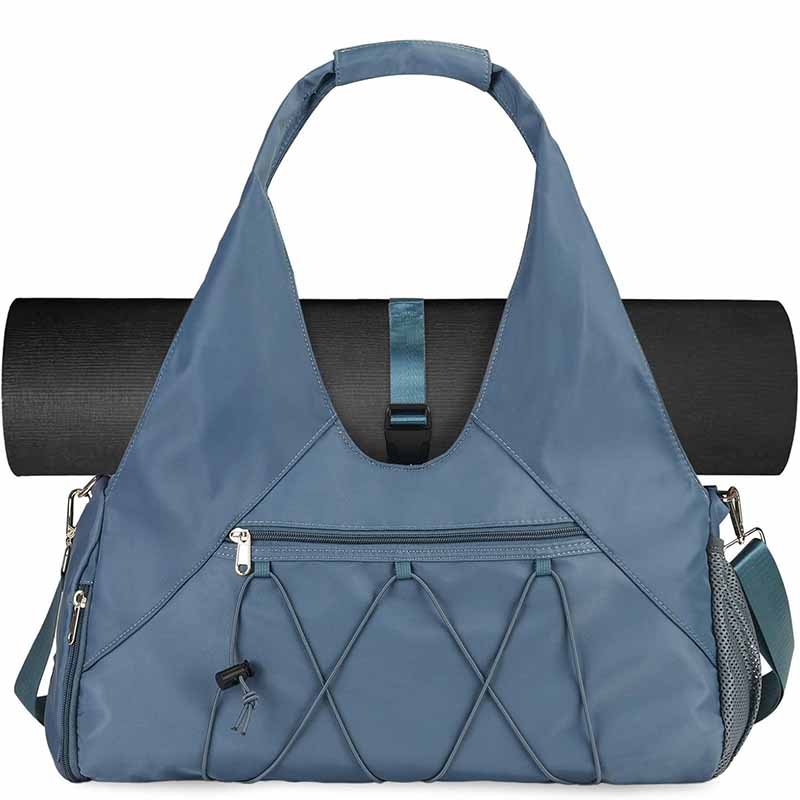
Yoga Fitness Bags
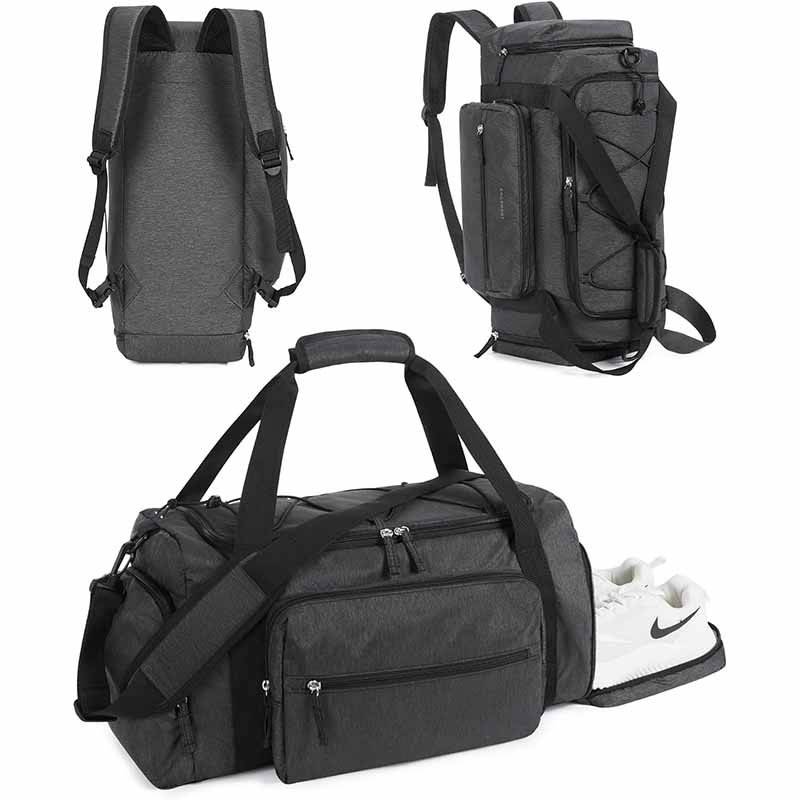
Convertible Gym Bags
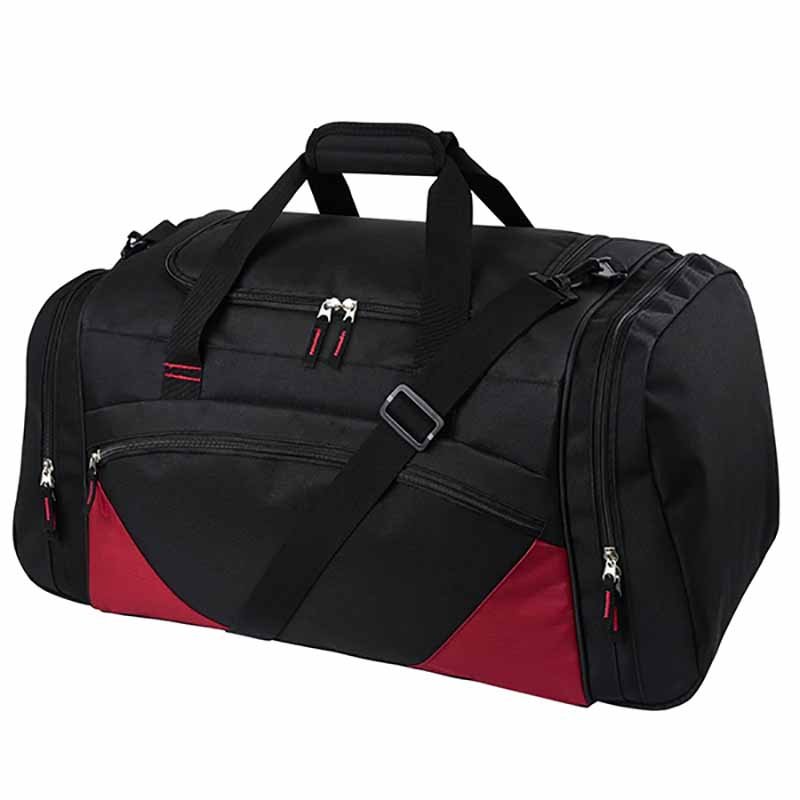
Sports Travel Bags
Functional Details Designed Around Real Fitness Routines
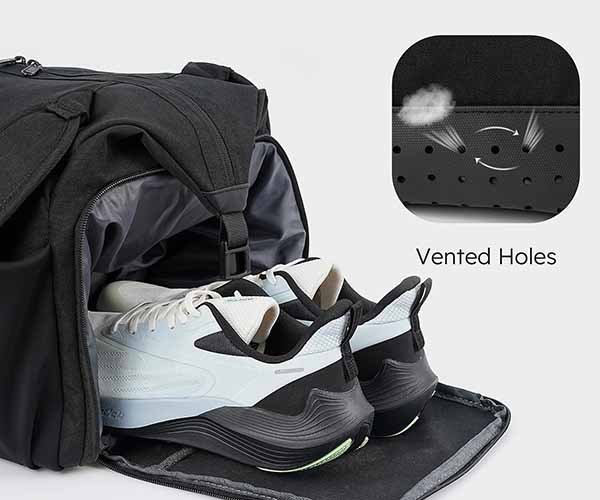
Shoe Compartment
- Side, end or bottom entry
- Adult shoe-size planning
- Ventilation panel options
- Easy-clean lining
- Double zipper opening
- Internal divider support
- Shape review when empty and loaded
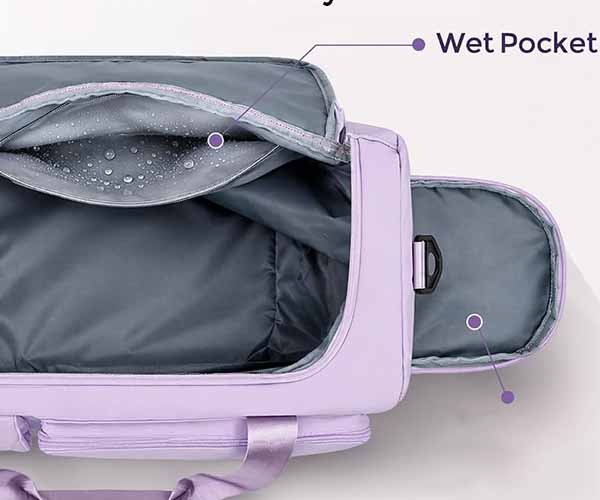
Wet Storage Pocket
- TPU, PEVA or coated lining options
- Zipper or roll closure
- Seam construction review
- Cleaning access
- Pocket depth planning
- Leakage-risk evaluation
- Claims confirmed by testing when needed
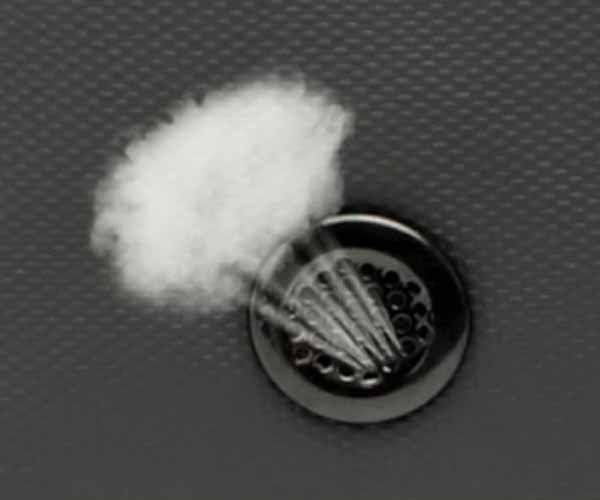
Ventilation Mesh
- Polyester or nylon mesh
- Hole-size selection
- Reinforced mesh edge
- Protected placement
- Color matching
- Abrasion-risk review
- Ventilation area sized for the compartment
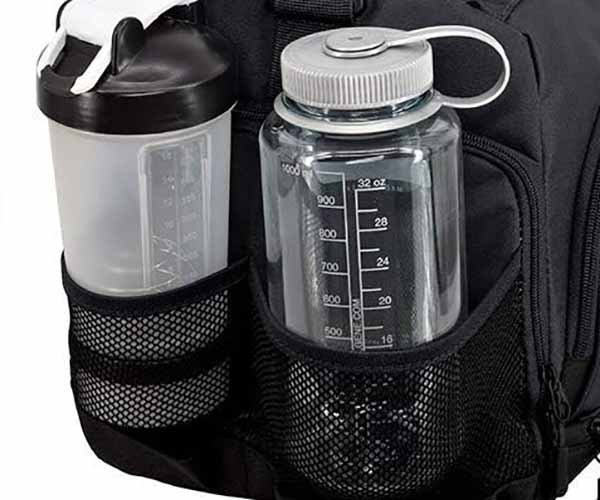
Bottle Pocket
- Bottle-diameter planning
- Pocket depth
- Elastic recovery
- Drainage or easy-clean material
- Secure opening angle
- Reinforced upper edge
- Location away from shoulder-strap interference
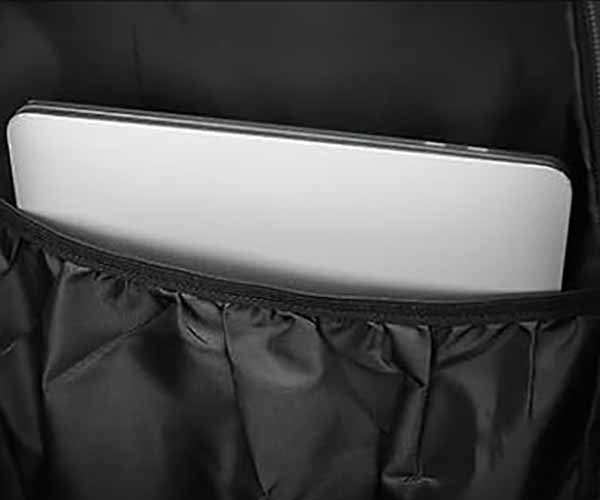
Laptop Sleeve
- Device dimensions
- Foam thickness
- Soft lining
- Suspended bottom option
- Closure method
- Separation from wet storage
- Opening access without emptying the main compartment
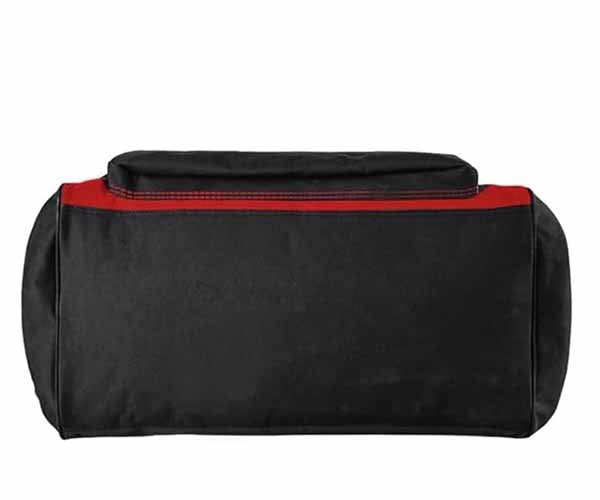
Reinforced Bottom
- Abrasion resistance
- Moisture exposure
- Bag-shape support
- Foldability requirements
- Cleaning method
- Added weight
- Carton-volume impact
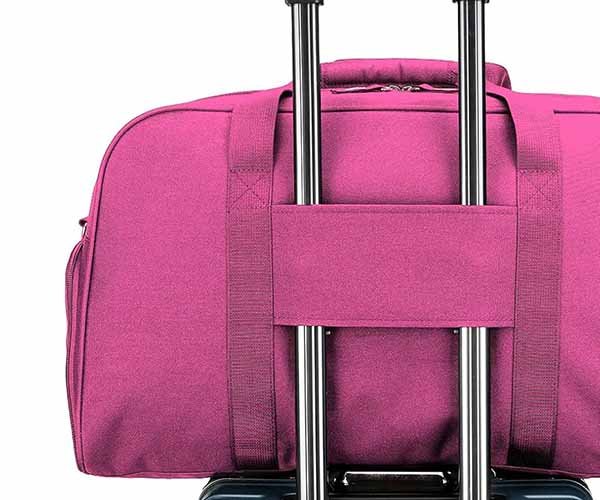
Luggage Sleeve
- Open or zippered sleeve
- Reinforced attachment
- Balanced bag position
- Hidden pocket option
- Compatible back-panel design
- Easy trolley access
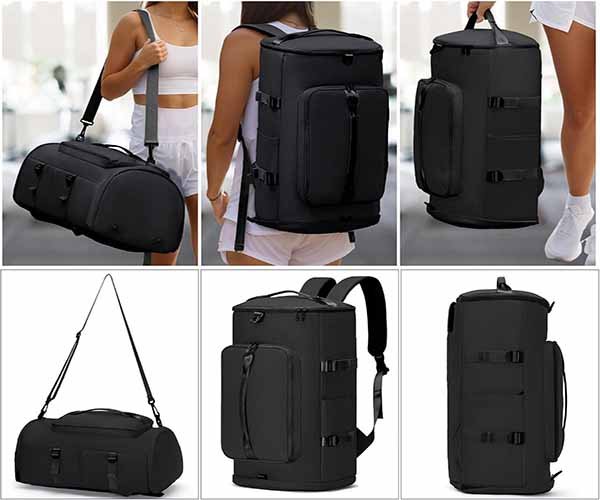
Convertible Straps
- Duffel-to-backpack conversion
- Detachable shoulder strap
- Hidden strap storage
- Padded shoulder sections
- Strap-angle review
- D-ring and snap-hook selection
- Loose-webbing control
Compare Fitness Bag Materials Before Sampling Begins
Material choice affects appearance, weight, durability, structure, odor, water resistance, sewing method, order quantity and landed cost.
| Material | Main Characteristics | Recommended Use | Durability Position | Water Performance | Cost Position | Development Notes |
|---|---|---|---|---|---|---|
| Polyester | Stable supply, broad color range and efficient printing | Entry to mid-range gym duffels, drawstring bags and promotional fitness programs | Medium to high according to denier and backing | Water-repellent coating available | Economy to mid-range | Confirm denier, fabric weight, backing, coating and color lot |
| Nylon | Lighter hand feel, good strength and cleaner premium appearance | Performance fitness bags, lightweight backpacks and premium duffels | High with suitable specification | Coated options available | Mid to premium | Surface sheen and color may vary by weave and coating |
| Oxford Fabric | Structured appearance, abrasion resistance and broad specification range | Daily gym bags, travel fitness duffels and sports equipment bags | Medium to high | Depends on PU or PVC coating | Mid-range | “Oxford” alone is not a full specification; denier and backing must be confirmed |
| RPET Polyester | Recycled-material positioning with familiar polyester performance | Sustainability-led sports collections and retail programs | Based on fabric specification | Coated options available | Mid to premium | Recycled claims require valid supplier documentation and project-specific confirmation |
| Canvas | Natural texture and lifestyle appearance | Studio totes, yoga bags and heritage fitness collections | Medium | Limited unless treated | Mid-range | Heavier weight, stain risk and dimensional change require review |
| Neoprene | Soft, padded hand feel with flexible structure | Bottle sleeves, compact fitness totes, accessory pouches and protective sections | Medium | Material resists water absorption, while seams still require evaluation | Mid to premium | Thickness, lamination fabric, odor, edge finishing and packing compression must be confirmed |
| TPU-Coated Material | Lower-odor premium positioning and strong water-barrier potential | Wet pockets, premium waterproof sections and technical fitness products | High when correctly specified | Strong material-level performance | Premium | Seam construction and final product testing define the usable performance claim |
| PVC Tarpaulin | Strong surface protection and easy cleaning | Heavy-duty duffels, wet-equipment bags and training gear storage | High | Strong material-level performance | Mid to premium | Weight, flexibility, odor and cold-temperature behavior require evaluation |
Material Recommendation:
- Polyester and Oxford suit cost-controlled programs
- Nylon supports lightweight premium collections
- RPET works for documented recycled-material projects
- Canvas suits lifestyle positioning
- TPU-coated or PVC materials are better reserved for wet areas, technical sections or heavy-duty products
Choose Fitness Bag Capacity Around Actual Equipment Loads
15–20L Compact
20–30L Daily Gym
30–35L Gym Commute
35–45L Training Duffel
45–55L Travel Fitness
Custom Equipment Size
Boxing gloves, rackets, yoga mats, lifting belts, recovery tools and team equipment may require product-specific dimensions rather than a standard capacity. Szoneier can review the equipment list, intended arrangement and transport method before preparing the pattern and sample.
Internal Engineering for Shoes, Wet Gear and Daily Organization
Separate Footwear Without Sacrificing Main Compartment Capacity
- A shoe compartment changes the complete internal geometry of a fitness bag. The compartment cannot be designed only from an exterior side view.
- Footwear dimensions: Development begins with expected shoe length, height and width. Training shoes, basketball shoes and larger men’s footwear require different allowances. A compartment sized only around the smallest sample may create returns or negative product reviews.
- Entry direction: Side-entry compartments give direct access and work well on rectangular duffels. End-entry construction may produce a cleaner exterior but can interfere with handles or side pockets. Bottom-entry compartments improve separation yet may create a bulky lower section.
- Main-space interaction: Soft shoe sleeves collapse when empty and preserve usable space. Fully boxed compartments provide stronger separation but occupy a fixed volume. Szoneier reviews the balance between separation, capacity and finished bag shape.
- Ventilation: Mesh panels may improve airflow, although mesh also introduces dirt exposure and abrasion risks. Protected mesh placement and reinforced edges help maintain appearance.
- Cleaning: Smooth coated lining, binding method and pocket opening size influence cleaning access. A narrow compartment may technically fit shoes while remaining difficult to wipe.
- Sample confirmation: Footwear should be physically loaded during sample review. Dimensions, zipper access, divider movement and exterior deformation are checked before bulk approval.
Build Wet Storage Around Material and Seam Performance
- Wet storage must be developed as a contained section rather than marketed from material name alone.
- Lining selection: TPU film, PEVA, coated polyester and other barrier materials offer different hand feel, odor, flexibility, cost and sewing behavior. Material resistance does not automatically create a leakproof finished pocket.
- Seam construction: Traditional stitching leaves needle holes. Bound seams may improve appearance but do not eliminate leakage. Heat-sealed construction can improve containment where material and shape allow, although it requires different equipment and design planning.
- Opening design: A wide zipper opening improves loading and cleaning. Roll closures can improve containment but add bulk and may not suit a refined lifestyle appearance. Pocket placement should avoid direct contact with electronics compartments.
- Volume planning: Wet pockets need enough depth for a towel or training apparel without compressing the main compartment. Oversized pockets may create unused bulk and higher material cost.
- Claim control: Terms such as water-resistant pocket, easy-clean wet section and waterproof compartment represent different performance levels. Marketing claims should follow actual construction and agreed testing.
- Inspection: Material surface, seam quality, zipper movement, pocket dimensions and simple leakage checks can be included according to approved specifications.
Organize Fitness, Work and Travel Equipment Efficiently
- More pockets do not automatically create a better fitness bag. Each section should support a defined item and remain accessible under loaded conditions.
- Main opening: U-shaped and wide-top openings improve visibility and packing. Straight zippers create a cleaner structure but may restrict access to larger shoes or folded apparel.
- Electronics separation: Laptop or tablet storage should remain away from wet sections and bottle pockets. Foam, soft lining and a raised bottom can improve protection without turning the bag into a heavy laptop case.
- Small-item storage: Keys, earbuds, membership cards and wallets need reachable pockets. Internal mesh, zipper pockets, key clips and front sections can reduce searching without adding excessive construction.
- Bottle access: External bottle pockets are easier to reach. Internal bottle sections protect exterior appearance but may expose clothing to condensation or leakage.
- Travel integration: Luggage sleeves, passport pockets and toiletry sections support gym-to-travel use. Added functions should not create unnecessary weight for daily training.
- Prototype loading: Szoneier can evaluate a sample using a planned packing list. Loading trials reveal whether pockets collide, zipper openings become blocked or the bag loses balance when carried.
Carry Systems Engineered for Repeated Fitness Bag Loads
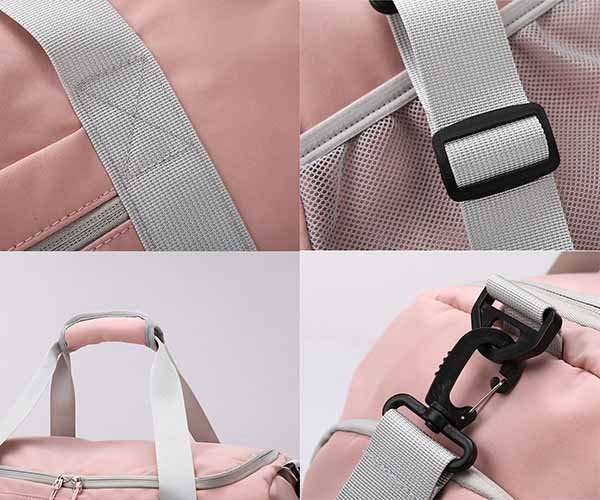
Design Handles and Shoulder Straps as Structural Components
- Handle webbing path: Short handle tabs place stress on a small fabric area. Longer webbing paths spread force across larger panels. Heavy-duty programs may use webbing running around the body or into the bottom construction.
- Stitch pattern: X-box stitching spreads stress through multiple directions. Bartacks secure high-load transition points, webbing ends and hardware attachments. Stitch length, thread and fabric layers must work together.
- Shoulder comfort: Webbing width, shoulder-pad length, foam density and strap angle influence comfort under load. A wide pad placed at the wrong angle may slide toward the neck.
- Hardware selection: D-rings, snap hooks, adjusters and buckles must match webbing width and target load. Lightweight components may suit compact bags, while large duffels require stronger hardware and reinforced attachment points.
- Detachable systems: Removable shoulder straps simplify packing and allow replacement, although snap hooks can rotate or create noise. Fixed straps reduce hardware but may make cartons larger.
- Loaded evaluation: Szoneier can perform internal loading and short-duration carrying checks based on intended use. Brand-specified load values or third-party tensile testing can also be coordinated.
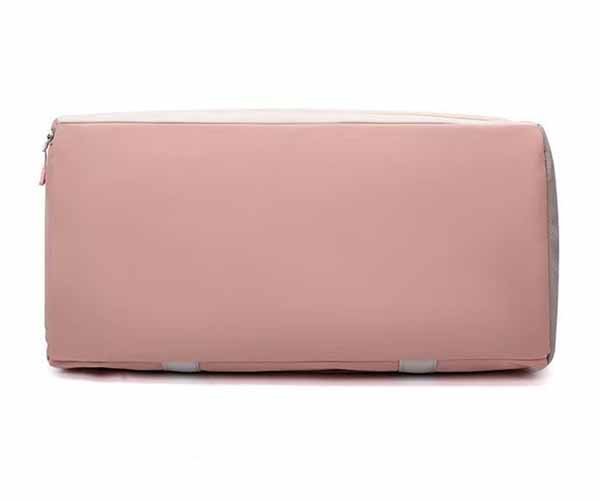
Reinforce Bottom Panels Without Creating Unnecessary Weight
- Outer material: Higher-denier polyester, nylon, coated Oxford, PVC or TPU-coated fabric can provide additional abrasion and moisture resistance. Each option changes hand feel, cost and packing behavior.
- Internal support: Foam, PE board, PP board or removable base panels can stabilize shape. A rigid board improves structure but adds weight and may prevent compact shipping.
- Corner stress: Bottom corners experience concentrated abrasion and sewing tension. Pattern geometry, seam allowance, binding and reinforcement patches should be reviewed around these areas.
- Water-performance boundary: A coated bottom fabric helps against damp surfaces but does not make the complete bag waterproof. Needle holes, side seams and zipper openings remain possible entry points.
- Appearance when loaded: A weak base can sag even when the material itself is strong. Szoneier evaluates panel size, support placement and handle force paths during sampling.
- Packaging: Rigid bottoms increase carton volume. Removable or foldable boards may reduce freight volume when assembly remains simple for the end user.
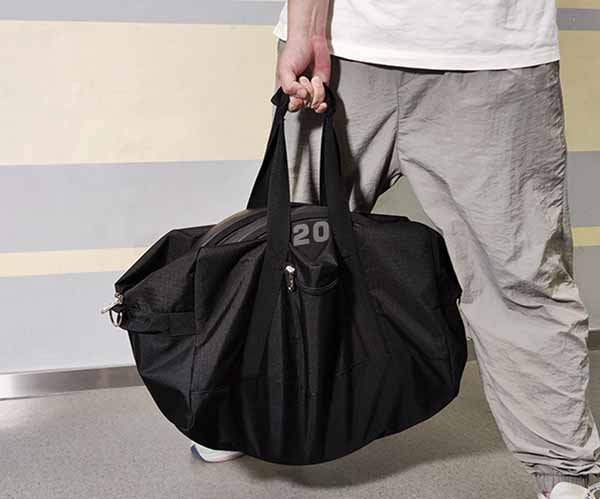
Match Load Testing With Intended Product Use
A meaningful test starts with the expected contents, carrying time and failure risks.
- Internal load checks: Samples can be loaded with agreed weight and observed for handle opening, shoulder-strap movement, bottom sagging, hardware deformation and severe shape loss.
- Pull checks: Handles, webbing, D-rings, buckles, zipper ends and shoulder-strap roots can receive focused pull evaluation.
- Zipper under load: A zipper may operate smoothly when empty but become difficult after the bag is filled. Sample checks should include realistic loading.
- Repeated handling: Short lifting and carrying cycles help reveal loose stitching, shifting pads and hardware rotation before bulk production.
- Third-party testing: Laboratory testing can be coordinated when a brand has defined protocols or retail compliance requirements.
- Written criteria: Testing weight, duration, sample count and acceptable result should be agreed before testing. Unsupported claims such as “unbreakable” or “extreme load guaranteed” should not appear in product marketing.
From Fitness Bag Concept to Production-Ready Specifications
Start With the Information Already Available
- Reference photographs: Front, back, side, bottom and internal images help identify proportions, compartment arrangement and sewing construction. A single front image may not show enough detail for accurate quotation.
- Physical samples: A reference bag allows the pattern team to inspect panel construction, lining, reinforcement, zipper installation and hidden support materials. The sample can be reproduced closely or modified for a new brand direction.
- Sketches and concepts: Hand sketches can begin a project when accompanied by target dimensions, intended use and required features.
- Tech packs: Detailed drawings, measurement charts, material notes, logo placement and packaging files allow faster engineering review.
- Target price: A target unit-cost range helps the team recommend appropriate materials, hardware and construction instead of overengineering a cost-sensitive program.
- Sales channel: Amazon, DTC, retail, gym membership and corporate programs require different packaging, labeling and product-detail priorities.
- Launch schedule: The intended launch or event date helps determine sampling, material procurement, production and shipping feasibility.
Convert Brand Requirements Into Material and Structure Decisions
- Material specification: Fabric name alone is insufficient. Denier, weight, weave, backing, coating, hand feel, color and supplier availability must be confirmed.
- Compartment planning: Shoes, wet clothing, laptops, bottles and toiletries create conflicting storage needs. Pocket locations are reviewed to avoid unnecessary overlap.
- Shape control: Foam, lining, binding, piping, bottom boards and panel geometry influence whether the bag appears soft, structured or foldable.
- Accessory selection: Zipper gauge, puller style, webbing width, buckle strength and metal finish are selected around use and brand position.
- Logo feasibility: The team reviews logo size, fine lines, colors, material surface and placement before selecting heat transfer, printing, embroidery or patch methods.
- Packaging impact: Rigid structures, detachable straps and gift packaging change carton dimensions and freight cost. Packing strategy should be reviewed before the final sample.
- Cost balancing: Szoneier can identify features that create strong product value and features that add cost without meaningful user benefit.
Build Patterns and Samples for Production, Not Display Only
A visually attractive sample still needs repeatable construction for stable bulk production.
- Pattern accuracy: Pattern makers convert approved dimensions and structure into production panels, seam allowances, notches and assembly references.
- Sewing sequence: The sample team evaluates which sections must be completed first and where reinforcement, binding or hardware installation should occur.
- Material behavior: Stretch, thickness, coating and stiffness affect panel alignment and zipper installation. Pattern adjustments may be needed after the first sewing trial.
- Internal review: Before shipment, the sample receives checks for size, structure, stitching, zipper function, logo, hardware and agreed functions.
- Photo and video confirmation: Images or video can identify visible issues before international shipping. Physical review remains important for hand feel, capacity and carrying comfort.
- Revision control: Feedback should identify dimensions, materials, function or appearance changes clearly. Revision notes remain attached to the project file.
- Production feasibility: The final approved construction is reviewed for material availability, sewing efficiency, quality checkpoints and bulk scheduling.
Eight Controlled Steps From Brief to Approved Fitness Bag
Requirement Review
- Reference images or sample
- Tech pack or drawing
- Target price range
- Intended contents
- Required compliance
- Delivery objective
Material Selection
- Outer fabric
- Lining
- Mesh
- Foam or support
- Webbing
- Zippers and hardware
- Wet-pocket material
Pattern Making
- Exterior proportions
- Pocket openings
- Shoe-compartment volume
- Handle position
- Strap anchors
- Bottom construction
- Lining assembly
Sample Sewing
- Cutting verification
- Logo application
- Sewing sequence
- Reinforcement
- Binding
- Hardware installation
- Initial shape review
Logo Trial
- Heat-transfer proof
- Embroidery sample
- Rubber patch mold or sample
- Reflective logo review
- Woven-label dimensions
- Pantone comparison
- Placement measurement
Internal Inspection
- Dimensions
- Capacity
- Zipper operation
- Strap adjustment
- Compartment access
- Stitching and appearance
- Packaging concept
Brand Review
- Photo review
- Video review
- Physical sample
- Loading test
- Written comments
- Marked images
- Revision approval
Final Approval
Approved changes are incorporated into the final sample or production specifications.
- Final measurements
- Confirmed materials
- Approved logo
- Agreed accessories
- Packaging files
- Production notes
- Pre-production sample requirement
Keep Bulk Production Aligned With the Approved Fitness Bag
Freeze the Product Standard Before Material Cutting
- Approved sample: The approved physical sample establishes shape, construction, general hand feel and visible workmanship. It remains available for comparison during production.
- Measurement specification: Critical external dimensions, compartment measurements, strap lengths, logo size and position are recorded. Production tolerances can be agreed for important measurements.
- Bill of materials: The BOM identifies outer fabric, lining, mesh, foam, webbing, zipper, hardware, thread, labels and packaging components.
- Material records: Approved swatches, color references, supplier information and coating specifications reduce substitution risk.
- Pattern files: Final patterns remain controlled after revision. Unapproved local adjustments can alter bag capacity, symmetry or zipper alignment.
- Logo artwork: Vector artwork, color references, dimensions and placement are retained. Different logo methods may display the same color differently and require separate approvals.
- Packaging files: Barcode, FNSKU, warning text, hangtag, carton marks and packing method remain linked to the correct SKU.
Confirm Production Materials With a Pre-Production Sample
- Suitable projects: Pre-production approval is strongly recommended for first orders, complex fitness bags, multi-SKU programs, retail orders, custom-dyed materials, new logo molds and branded packaging.
- Material confirmation: Bulk fabric, lining, zipper tape, webbing and hardware are compared for color, surface, thickness and overall appearance.
- Construction confirmation: Shoe sections, wet pockets, strap reinforcement and bottom support are reviewed using production materials.
- Logo confirmation: Bulk logo material, printing, embroidery or patch quality is evaluated before full application begins.
- Packaging confirmation: Individual pack, labels, hangtags and carton arrangement are checked against shipment requirements.
- Schedule protection: Approval deadlines are built into the production schedule. Delayed confirmation can affect sewing allocation and shipment timing.
Record Every Change Before Bulk Execution
Uncontrolled changes are a major cause of sample-to-bulk disputes.
- Material substitution: Alternative fabric, lining, zipper or hardware should be presented with photographs, specifications or samples before use.
- Dimension changes: A small external change can alter capacity, zipper length, logo position and carton volume. All affected details require review.
- Color changes: The same Pantone reference can appear different across fabric, zipper tape, webbing, rubber patches and printed packaging. Each surface should be evaluated separately.
- Packaging changes: Switching from folded packing to shape-retaining packing may significantly increase carton volume and freight cost.
- Revision numbering: Sample versions and updated files should carry clear revision references to prevent old instructions from entering production.
- Approval trail: Important changes are confirmed through written records rather than informal verbal instructions.
- Production communication: The project coordinator, product team, production team and QC team work from the same updated specification set.
Logo Methods Matched With Fitness Bag Materials and Positioning

Heat Transfer Logo
- Fine artwork detail
- Gradient and multicolor options
- Low visual bulk
- Good for modern sports graphics
- Surface and temperature testing required
- Edge lifting risk on unsuitable coatings
- Sample approval before bulk application
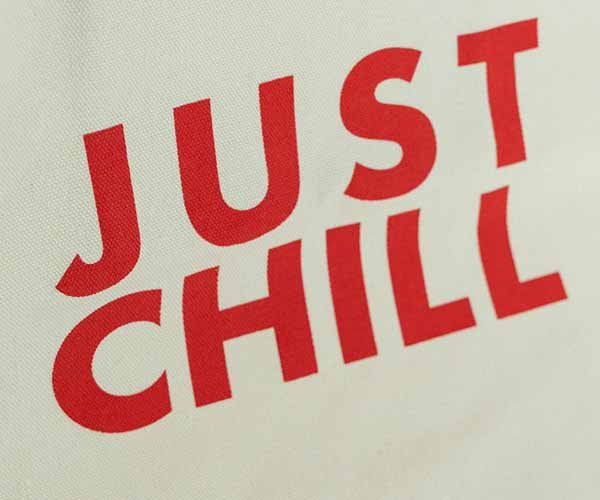
Screen Printing
- Strong solid colors
- Suitable for simple artwork
- Efficient at larger quantities
- Good on polyester and canvas
- Separate setup for each color
- Surface texture affects coverage
- Rub and adhesion checks recommended
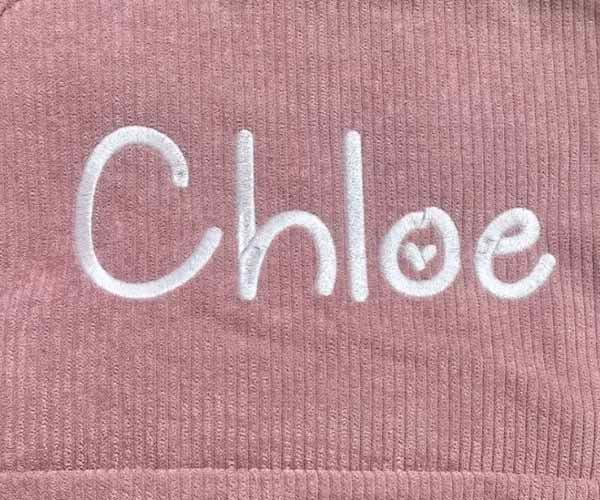
Embroidery
- Strong tactile value
- Suitable for text and emblems
- Broad fabric compatibility
- Thread-color matching
- Stitch density affects cost
- Heavy embroidery may distort thin panels
- Backing may be required
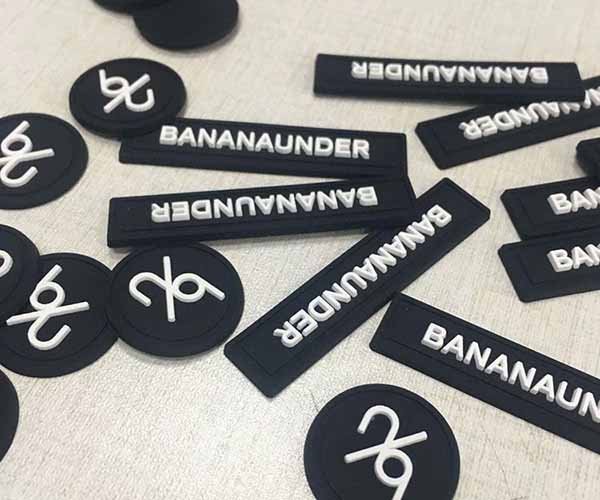
Rubber Patch
- Raised or recessed logo
- Multiple color sections
- Strong visual identity
- Suitable for duffels and backpacks
- Mold cost may apply
- Minimum quantity may be higher
- Sewing or heat-application method requires review
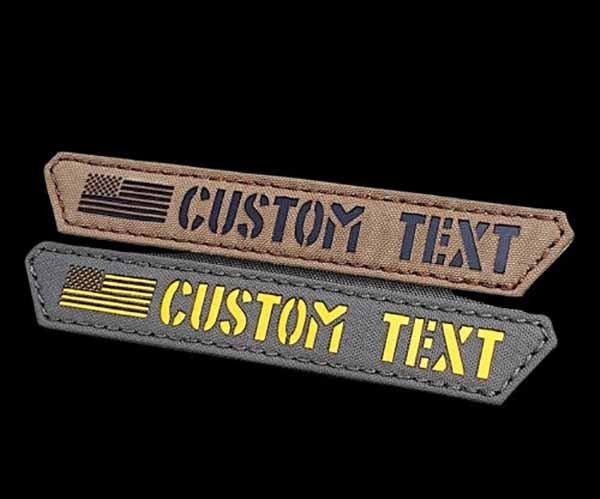
Reflective Logo
- Night visibility accent
- Suitable for logos or trims
- Heat-transfer and material options
- Reflective performance varies
- Surface compatibility must be tested
- Claim wording should match material documentation
- Placement should avoid high-flex areas
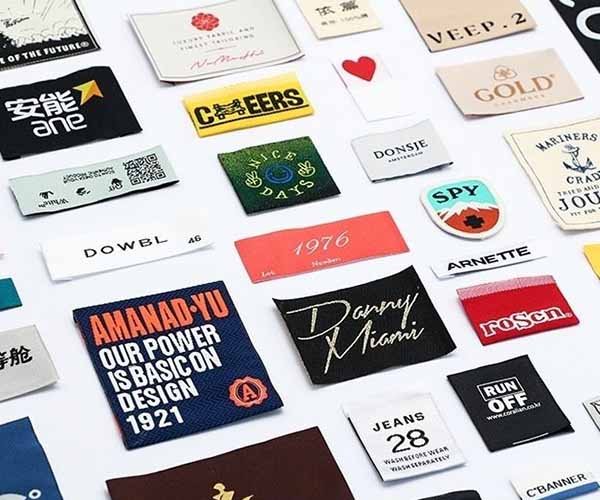
Woven Label
- Fine text and small logos
- Sewn-edge durability
- Internal or external use
- Multiple fold styles
- Efficient for repeat production
- Edge finish affects appearance
- Color approval required
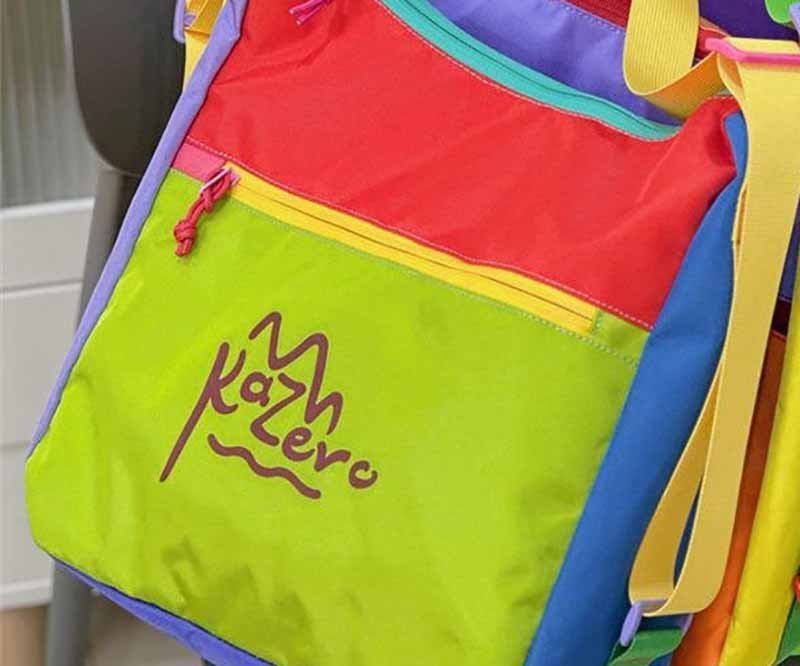
Sublimation Print
- All-over artwork
- Gradients and photographic graphics
- Strong sports visual direction
- Good wash and abrasion performance
- Pattern alignment requires planning
- Dark base fabrics are unsuitable
- Pre-production print proof recommended
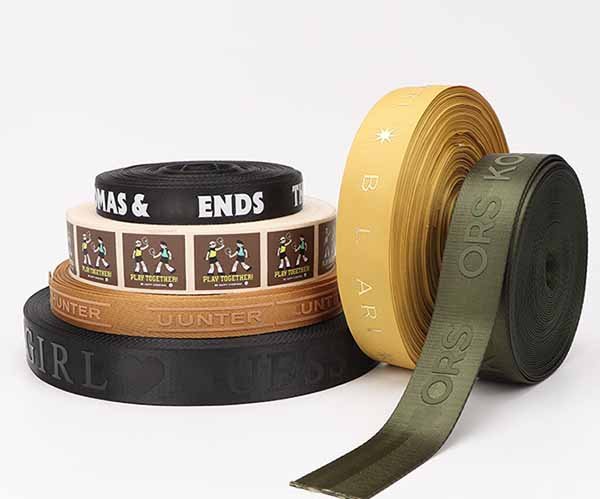
Jacquard Webbing
- Repeating woven logo
- Strong premium detail
- Suitable for visible carry systems
- Custom setup required
- Higher supplier MOQ
- Longer development time
- Webbing strength and color need approval
Packaging Prepared for Retail, E-Commerce and Membership Programs
Standard Bulk Packing
- Individual or grouped polybags
- Folded or shape-retaining method
- Desiccant when appropriate
- Carton protection
- SKU separation
- Shipping marks
- Packing-list coordination
Branded Polybags
- Brand logo
- Product information
- Warning text
- Recyclability marks when supported
- Barcode placement
- Resealable options
- Supplier printing MOQ review
Hangtag Packaging
- Printed hangtag
- String or plastic attachment
- UPC or EAN barcode
- Material statement
- Care information
- Country-of-origin text
- Position preventing surface damage
Retail Barcode Packs
- Barcode verification
- Color and size coding
- Price label when requested
- Inner carton assortment
- Master carton marks
- Packing ratios
- Distribution-center requirements
Gift-Ready Packaging
- Branded tissue
- Dust bag
- Paper sleeve
- Mailer box
- Gift box
- Insert card
- Multi-item kit arrangement
FBA-Ready Packaging
Amazon preparation focuses on label accuracy, protection and carton compliance.
- FNSKU labels
- Polybag warnings
- Carton labels
- Multi-SKU separation
- Gross-weight review
- Carton-size control
- FBA first-leg coordination
Fitness Bag MOQ, Sampling and Production Planning Guide
| Project Item | Common Planning Range | Main Influencing Factors | Szoneier Guidance |
|---|---|---|---|
| Fitness Bag Capacity | 20–45L for common gym duffels | Intended equipment, shoe section, wet pocket, laptop storage and bag shape | Provide an intended packing list before pattern development |
| Standard Gym Bag MOQ | 300 pieces per design or reviewed color arrangement | Fabric, custom colors, accessories, logo process, packaging and SKU count | Shared materials and standard accessories improve production efficiency |
| Selected Simple Bag MOQ | From 200 pieces for eligible drawstring, shoe bag or mature simple structures | Ready material, standard color, simple logo and basic packaging | Exact MOQ is confirmed after reviewing the complete configuration |
| Sample Lead Time | Commonly 10–15 days for fitness bags | Pattern complexity, material sourcing, wet section, logo trial and revision scope | Complex structures or custom accessories may require additional time |
| Bulk Production | Commonly 35–50 days after approvals and deposit | Order quantity, SKUs, material arrival, logo production, packaging and peak season | Production begins after key files and pre-production details are confirmed |
| Sample Cost | Quoted according to development work | Pattern making, materials, logo proofs, molds, special hardware and revisions | Sample fees are separated from bulk pricing for clear cost control |
| Unit Price | Confirmed after specification review or approved sample | Size, material, lining, pockets, zippers, hardware, reinforcement, logo and packaging | A clear BOM produces a more reliable quotation than one reference image |
| Delivery Planning | Express, air and sea options | Destination, carton volume, gross weight, urgency, warehouse type and customs route | Calculate landed cost only after packing dimensions are available |
Pricing Note: Larger capacity, additional pockets, premium hardware, custom-dyed material, molded patches, jacquard webbing, rigid packaging and urgent production all affect cost. Removing useful reinforcement to reach an unrealistic target price may increase return and warranty risk.
Eight Production Controls From Order Approval to Shipment
Order Confirmation
- Product and quantity
- Color and SKU breakdown
- Approved sample status
- Logo and packaging files
- Delivery country
- Required shipment date
- Payment milestones
BOM and Schedule
- Fabric arrival
- Accessory arrival
- Logo processing
- Cutting date
- Sewing allocation
- Inspection date
- Packing and shipment date
Material Purchasing
- Outer fabric
- Lining and mesh
- Foam and support
- Zippers
- Webbing
- Hardware
- Labels and packaging
Incoming Inspection
- Color
- Surface
- Thickness or weight
- Coating
- Odor
- Defects
- Quantity and specification
Cutting and Logo
- Pattern version
- Cutting direction
- Panel dimensions
- Print or transfer position
- Embroidery appearance
- Patch placement
- Color consistency
Sewing Production
- Sewing sequence
- Stitching quality
- Reinforcement positions
- Zipper installation
- Binding and piping
- Compartment assembly
- Hardware attachment
Final Inspection
- Dimensions
- Appearance
- Function
- Load points
- Logo
- Accessories
- Product-specific details
Packing and Shipment
Packing follows the approved method and shipment instructions.
- Individual packaging
- SKU labels
- Barcode or FNSKU
- Carton assortment
- Shipping marks
- Packing list
- Freight handover
Quality Checks Focused on Fitness Bag Failure Points
Inspect Materials and Accessories Before Sewing Starts
- Incoming inspection reduces the risk of cutting large quantities from unsuitable materials.
- Outer fabric: Color, weave, surface defects, coating, hand feel and approved specification are reviewed. Material from different production lots may require comparison.
- Lining and wet-pocket materials: Surface, flexibility, odor, thickness and visual consistency are checked. Barrier materials may receive project-specific leakage or seam evaluation.
- Mesh: Hole size, stretch, recovery and edge durability matter around ventilation and bottle pockets.
- Zippers: Zipper gauge, tape color, slider movement, puller, end stops and planned lengths are confirmed.
- Webbing: Width, thickness, weave, color and hand feel are compared with approved references.
- Hardware: Buckles, D-rings, snap hooks and adjusters are checked for finish, size, movement and visible defects.
- Logo components: Patches, labels and printed materials are checked before application to prevent large-scale rework.
Control Sewing Quality During Production
- In-process inspection finds construction problems before they enter finished stock.
- Panel alignment: Side panels, pockets, shoe compartments and zipper openings are checked for symmetry and shape.
- Stitch quality: Skipped stitches, loose threads, uneven lines and seam puckering are identified during production.
- Reinforcement: Bartacks, X-box stitching and hidden reinforcement layers are checked at approved positions.
- Zipper installation: Curved or long zippers are reviewed for waviness, trapped lining and difficult operation.
- Compartment assembly: Shoe sections, wet pockets, laptop sleeves and bottle pockets are checked for dimensions and access.
- Binding and piping: Edges should remain even without exposed raw materials, twisting or missed sewing.
- Corrective action: Problems found during production can be isolated, reworked and reviewed before the next process continues.
Verify Fitness Functions on Finished Products
- A fitness bag must be evaluated under its intended use conditions.
- Capacity check: Selected finished bags can be loaded with agreed items to confirm usable volume and opening access.
- Shoe compartment: Dimensions, zipper function, divider position, ventilation and exterior deformation are reviewed.
- Wet pocket: Material, seam appearance, opening, cleaning access and agreed functional checks are completed.
- Carry system: Handles, shoulder straps, webbing, adjusters, D-rings and snap hooks are inspected for assembly and operation.
- Load-bearing review: Internal load checks or brand-defined tests can be conducted according to agreed weight and method.
- Zipper operation: Main zippers and compartment zippers are checked in empty and loaded conditions where required.
- Measurement: Critical dimensions are compared with approved specifications and agreed tolerances.
Confirm Logo, Packaging and Shipment Information
- Correct product quality can still be rejected when branding or packing information is wrong.
- Logo position: Size, color, orientation and distance from reference seams are reviewed.
- Color coordination: Fabric, webbing, zipper tape, labels and packaging are compared for acceptable visual coordination.
- Barcode and FNSKU: SKU-specific labels are checked against approved files and packing instructions.
- Individual pack: Folding, strap placement, protective materials and warning text are verified.
- Carton assortment: Color, SKU and quantity per carton follow the packing plan.
- Carton marks: Purchase order, style, destination and handling information are confirmed.
- Third-party inspection: Szoneier can coordinate client-appointed inspection according to the agreed standard and production completion schedule.
See the Teams Behind Every Fitness Bag Program
Material and Sourcing
Pattern and Sampling
Product Development
Sewing Production
Quality Inspection
Logistics Coordination
Five logistics coordinators support samples, bulk shipment, documentation, carton information, FBA preparation, air freight, sea freight and evaluated DDP routes. Shipment recommendations depend on destination, delivery urgency, volume, gross weight and receiving location.
Support Product Claims With Materials, Construction and Testing
Material Documentation
- Fabric composition
- Weight or denier
- Coating information
- Recycled-content documentation
- Color and finish
- Supplier test reports
- Project-specific laboratory testing
Market Testing Support
- Tensile or pull tests
- Load-bearing checks
- Colorfastness
- Abrasion
- Water-related tests
- Restricted-substance testing
- Brand-specific standards
Recycled Material Options
- Confirm material source
- Review certificate scope
- Match documentation with production material
- Confirm recycled-content claim
- Retain transaction records when applicable
- Avoid unsupported environmental wording
- Review packaging claims separately
Accurate Function Claims
Water-resistant fabric, waterproof lining and a fully waterproof bag describe different performance levels.
- Coated fabric can resist light exposure
- Sewing creates needle holes
- Zippers remain possible entry points
- Wet pockets require seam evaluation
- Heat-sealed construction needs compatible materials
- Odor-control claims need supporting evidence
- Performance wording follows agreed test results
Fitness Bags Prepared for Each Sales and Distribution Channel
Amazon FBA
- FNSKU labels
- Polybag warnings
- Carton labels
- Multi-SKU separation
- Carton-size control
- Gross-weight review
- Air or sea replenishment
- Review-risk reduction through pre-production checks
Shopify and DTC
- Photo-ready samples
- Color-series development
- Branded polybags or mailers
- Insert cards
- Gift packaging
- Influencer kits
- Repeat-order files
- Split shipment planning
Sports Retail
- UPC or EAN labels
- Hangtags
- Shelf-ready packs
- Carton assortment
- Store or distribution-center marks
- Third-party inspection
- Seasonal delivery dates
- Repeat SKU management
Gym Membership Programs
- Member welcome bags
- Trainer equipment bags
- VIP kits
- Branded towels or accessories
- Bulk or individual packs
- Multiple address delivery
- Event-date scheduling
- Cost-controlled logo options
Corporate Wellness
- Company branding
- Welcome kits
- Travel-friendly fitness bags
- Gift cards or inserts
- Department allocation
- Branded packaging
- Fixed event dates
- Domestic or international distribution
Wholesale Distribution
Wholesale programs need reliable assortment, carton planning and replenishment.
- Proven structures
- Multiple colors
- Regional packaging
- Distributor labels
- Efficient carton quantities
- Repeat-order planning
- Material continuity
- Larger order capacity
From Factory Completion to Warehouse, FBA or Distribution Center
Express Samples
Air Freight
Sea Freight
FOB Shipment
DDP Evaluation
Split Shipments
A launch may use express or air freight for an urgent first quantity while the balance moves by sea. Split planning can also support multiple warehouses, FBA locations, retail distribution centers or regional stock allocation.
Fitness Bag Projects Solved Through Product and Process Control
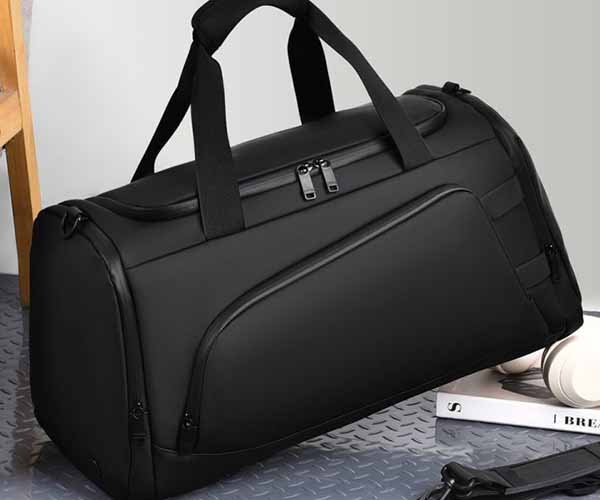
United States DTC Brand — 1,200 Premium Fitness Duffels
- The product needed a side-entry shoe compartment, wet storage, padded laptop sleeve, bottle pocket, removable shoulder strap and molded rubber logo. The brand also required photo-ready samples and FBA preparation.
- The original reference design used a large boxed shoe section that consumed too much main-compartment space. The wet pocket sat directly against the laptop sleeve, creating a poor internal arrangement. The requested rubber patch also appeared too thick on the front panel.
- The pattern team changed the shoe section to a collapsible internal sleeve with side access. A TPU-lined wet pocket moved to the opposite end panel, away from electronics. The laptop sleeve received a raised foam base. The rubber patch thickness and placement were reduced for a cleaner appearance.
- The first development sample was completed in 12 days. A second revision adjusted shoe opening length, bottle-pocket elastic and shoulder-pad position. The final approved sample was photographed in loaded and empty conditions.
- A pre-production sample used bulk fabric, zippers, webbing and molded patches. Production records included measurements, Pantone references, logo position and packing instructions. QC focused on compartment dimensions, shoulder-strap anchors, zipper movement and laptop-sleeve placement.
- Each unit received an FNSKU label, warning polybag and SKU-specific carton packing. Three hundred pieces moved by air for launch inventory, while 900 pieces moved by sea to reduce landed cost.
- The order entered the planned launch window. The retained pattern, BOM and packaging files supported a later replenishment without repeating the complete development cycle.
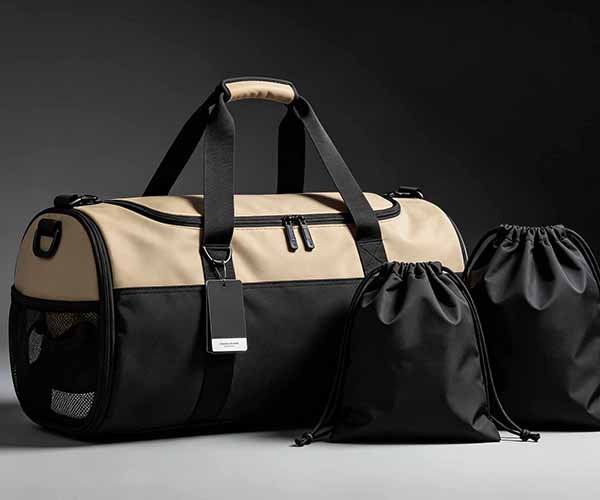
European Sportswear Label — 3,600-Piece Fitness Collection
- All products needed a coordinated black-and-sand color direction, reflective logos, matching zipper tape and retail hangtags. The duffel required a ventilated shoe section, reinforced handles and a clean exterior suitable for both training and travel.
- The same color reference appeared different on Oxford fabric, zipper tape, mesh and reflective film. The first handle concept also created visible pulling around the upper side panel when loaded.
- Material swatches were reviewed together under one color board rather than approved separately. A slightly darker zipper tape was selected to create deliberate coordination instead of an imperfect match. Handle webbing was extended farther down the body, and hidden reinforcement panels were added around the anchors.
- A full collection sample set was completed in 15 days. The sportswear team reviewed physical color coordination, logo reflection, shoe storage and loaded carrying comfort. Final production files recorded different logo sizes for the three products.
- The project used shared materials across all SKUs to improve color consistency and sourcing efficiency. Cutting and logo application were scheduled by color lot. In-process checks monitored handle reinforcement, reflective transfer adhesion, mesh placement and binding quality.
- Each product received a retail hangtag and barcode. Cartons were packed by SKU and color for distribution-center receiving. Commercial invoices, packing lists and carton details were prepared for the appointed freight forwarder.
- The complete 3,600-piece collection shipped within the agreed production window. Shared files later supported additional color development for the following sports season.
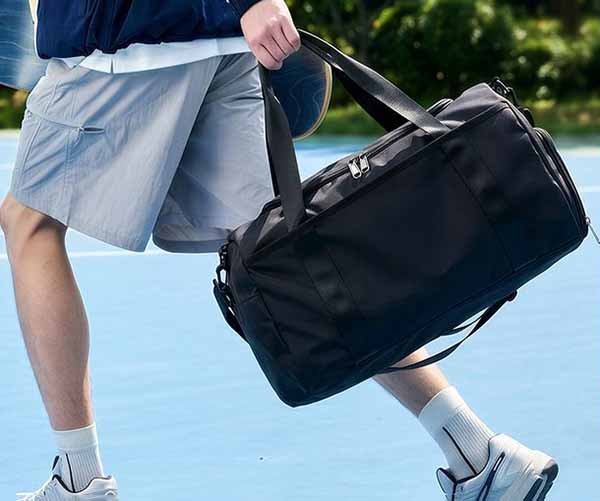
United States Gym Chain — 8,400 Member Welcome Bags
A multi-location gym group required 8,400 branded duffels for a membership campaign across two regional distribution points.
Initial requirements:
- The program needed a durable 25-liter bag, bold heat-transfer logo, external bottle pocket, internal wet section and cost-controlled individual packing. Delivery timing was linked to a fixed membership campaign.
Development challenge:
- The first concept included premium metal hardware, a molded patch and rigid bottom board. Those details created unnecessary cost and larger carton volume for a large member-gift program. The campaign also required the order to reach two destinations on a coordinated schedule.
Szoneier solution:
- The configuration shifted to durable plastic adjusters, a high-quality heat-transfer logo and removable lightweight base support. The outer material remained 600D polyester with a coated lining. The number of small pockets was reduced while retaining the wet section and bottle storage.
Sample work:
- A function sample was completed in 10 days. One revision improved the bottle-pocket depth and changed the shoulder strap to a softer webbing. Packing trials confirmed how the bag could fold without creating permanent panel creases.
Bulk control:
- Material arrival, logo processing, cutting, sewing, final inspection and packing were connected to a dated production schedule. QC focused on logo position, handle reinforcement, zipper operation, bottle-pocket consistency and carton assortment.
Packaging and delivery:
- Each bag was individually packed with a membership insert. Cartons were marked by destination and quantity. The shipment was divided between two distribution centers using coordinated sea and domestic delivery arrangements.
Result:
- The 8,400-piece program reached both receiving points ahead of the campaign distribution deadline. The approved structure remained available for later branch-level replenishment.
Build Fitness Bag Collections That Remain Repeatable Over Time
Pattern and Specification Archive
- Exterior dimensions
- Compartment measurements
- Seam construction
- Reinforcement positions
- Strap lengths
- Logo locations
- Packing fold method
BOM and Material Records
- Material supplier
- Color reference
- Fabric specification
- Coating
- Accessory dimensions
- Approved substitutes
- Previous lot notes
Branding and Packaging Files
- Vector logo files
- Pantone references
- Logo dimensions
- Patch or mold records
- Hangtags
- Barcodes and FNSKU
- Carton marks
- Packing instructions
Replenishment Planning
Repeat production should account for material lead time, production capacity and sales calendar.
- Inventory objective
- Required delivery date
- Color and SKU forecast
- Material reservation
- Peak-season capacity
- Split shipment
- Air and sea balance
- New color development
Compare Common Fitness Bag Manufacturing Partnership Models
| Evaluation Area | Trading Company | Small Sewing Workshop | Large Standardized Factory | Szoneier |
|---|---|---|---|---|
| Product Development | Often depends on external factories | Strong hands-on experience but limited engineering resources | Efficient for established, high-volume designs | Product managers, designers, pattern makers and sampling team support development |
| Material Guidance | Depends on partner network | Usually based on familiar local materials | Strong purchasing power within fixed material systems | Multiple material categories reviewed around use, price, hand feel, structure and channel |
| MOQ Flexibility | Varies by subcontractor | Can be flexible on simple products | Often optimized for larger runs | Fitness bags commonly from 300 pieces; selected simple products from 200 pieces |
| Sampling Control | Communication may pass through several parties | Fast for basic styles, limited for complex work | Structured but revisions may move slowly | Internal pattern and sampling workflow with revision and pre-production control |
| Functional Engineering | Depends on assigned factory | Experience-driven, may lack documentation | Strong for standardized product categories | Shoe sections, wet storage, straps, load points and channel packaging reviewed by project |
| Quality System | Relies heavily on production partner | Often centered on worker or owner inspection | Mature standardized inspection | Incoming, in-process, final and packing checks with a 12-person QC team |
| Packaging and Channel Support | Can coordinate through external partners | Often limited to basic packing | Strong for large established programs | Retail, DTC, FBA, barcodes, FNSKU, branded packaging and split shipments |
| Repeat-Order Management | Records vary by account and factory | Often relies on individual memory | Strong digital systems for high-volume SKUs | Patterns, BOM, material, logo, packaging and QC records retained for approved programs |
Best Fit:
Szoneier is most suitable for established and growing brands needing more support than a basic sewing workshop, while retaining greater development flexibility than a highly standardized mass-production facility.
Frequently Asked Questions
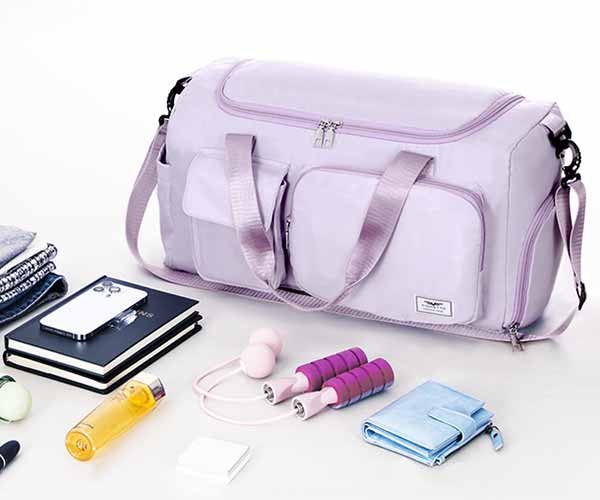
Start Your Custom Fitness Bag Project
- Fitness bag type or reference photographs
- Expected quantity and number of colors
- Target dimensions or capacity
- Required shoe, wet, laptop or bottle compartments
- Preferred outer material and lining
- Logo artwork and planned logo method
- Individual packaging and barcode requirements
- Amazon FBA or retail preparation needs
- Delivery country, warehouse type and target date
- Target cost range when available